Rational prescription writing
By
M. H. Farjoo , M.D. , Ph.D. , Bioanimator
Shahid Beheshti University of Medical Sciences
Rational prescription writing
 Introduction
 P-drugs
 Steps in Prescription writing
 Information & instructions for the Patient
 Common Abbreviations
 Common Measures and Clark's rule
 A deadly Weapon
 Do Not Use List
 Electronic Prescribing
Introduction
 Pharmacotherapy teaching is NOT the transfer of
knowledge about drugs, but the skill to treat patients.
 The students should be taught how to prescribe, not
what.
 Irrational prescribing is a “disease” which is difficult
to treat
 Prescribing is not a knee-jerk reflex, a recipe from a
'cook-book', or a response to commercial pressure.
Introduction
 A survey in Iran in 1393 showed 20% of all the
medical errors were pharmaceutical as below:
 39% prescription errors by physicians
 38% administration errors by nurses
 12% pharmacists and prescription fillers errors
 11% hospital staff errors while transferring physician order
to the nursing files
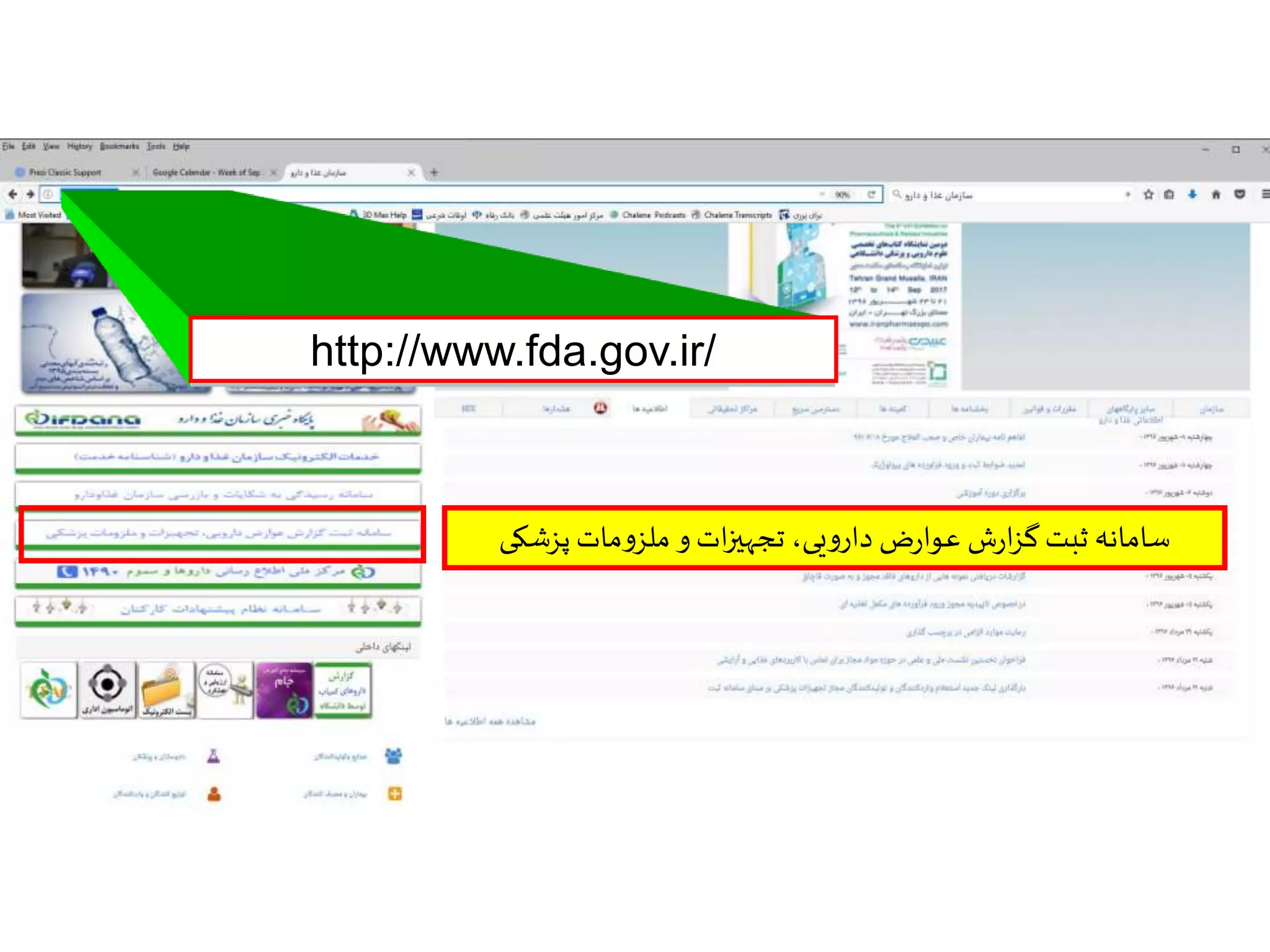
http://www.fda.gov.ir/
‫پزشکی‬ ‫مات‬‫و‬‫ملز‬ ‫و‬ ‫ات‬‫ز‬‫تجهی‬ ،‫یی‬‫و‬‫دار‬ ‫ض‬‫ر‬‫عوا‬ ‫ش‬‫ر‬‫ا‬‫ز‬‫گ‬‫ثبت‬ ‫سامانه‬
Introduction
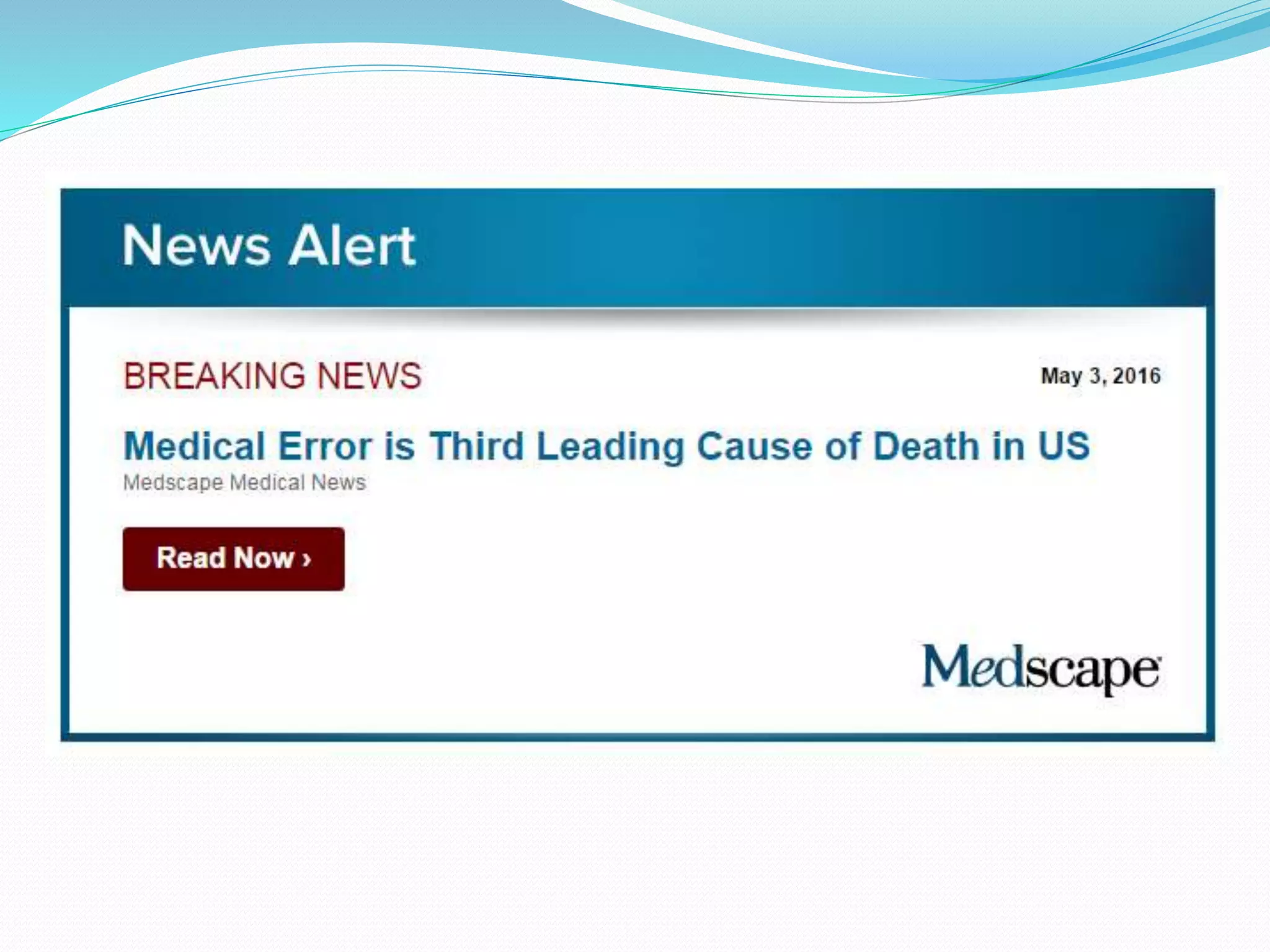
 1.3 million people are injured and 7000 deaths occur each
year in the U.S from medication-related errors.
 Drug-related morbidity and mortality cost $177 billion in
the U.S.
 If there are 800,000 physicians in the United States, each
physician accounts for more than $220,000!
 What is a Medication Error? A medication error is any
preventable event…
 It is not important what is the rest of the definition!
 The important point is: it is preventable!
• www.ismp.org
(institute for safe medication practice)
• www.nccmerp.org
(National Coordinating council for medication Error
Reporting and prevention)
• www.who-umc.org
• www.fda.gov/medwatch
• http://www.fda.gov.ir/
• Journal of risk & safety in medicine
• Text book of medication Errors Edited by Michael R
Cohen.
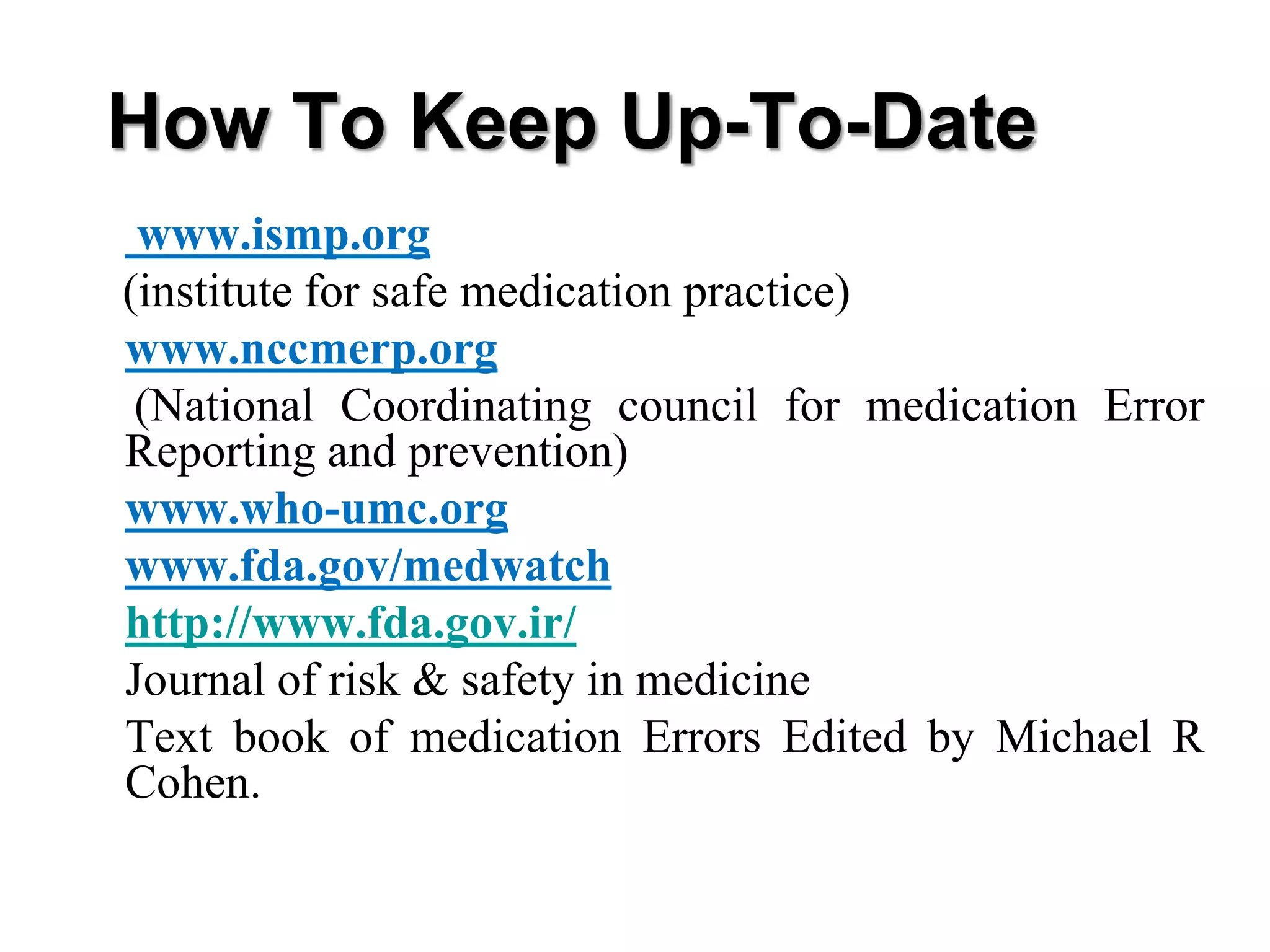
How To Keep Up-To-Date
www.ismp.org
www.nccmerp.org
www.who-umc.org
www.fda.gov/medwatch
http://www.medscape.com/
Martindale 2017
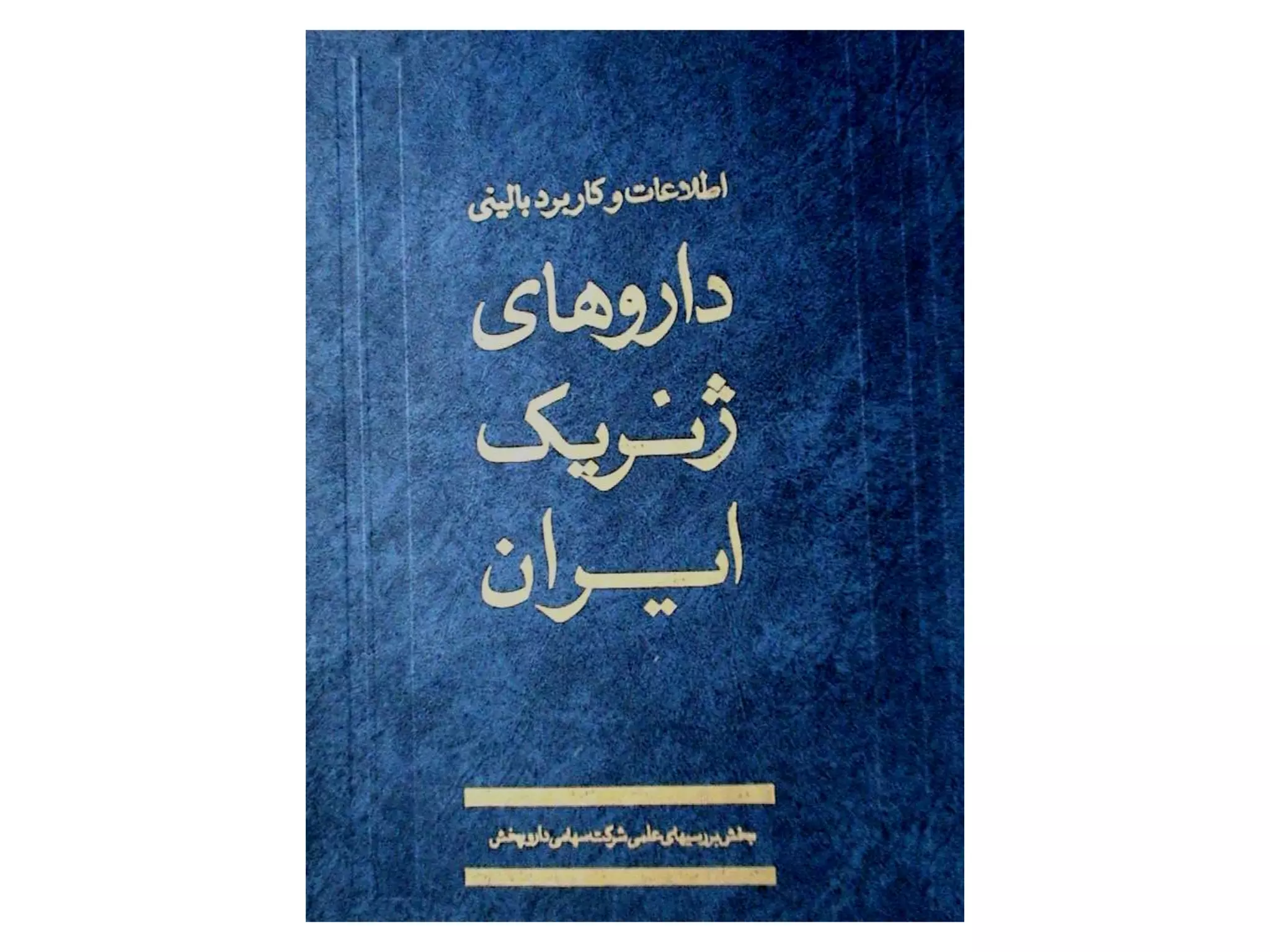
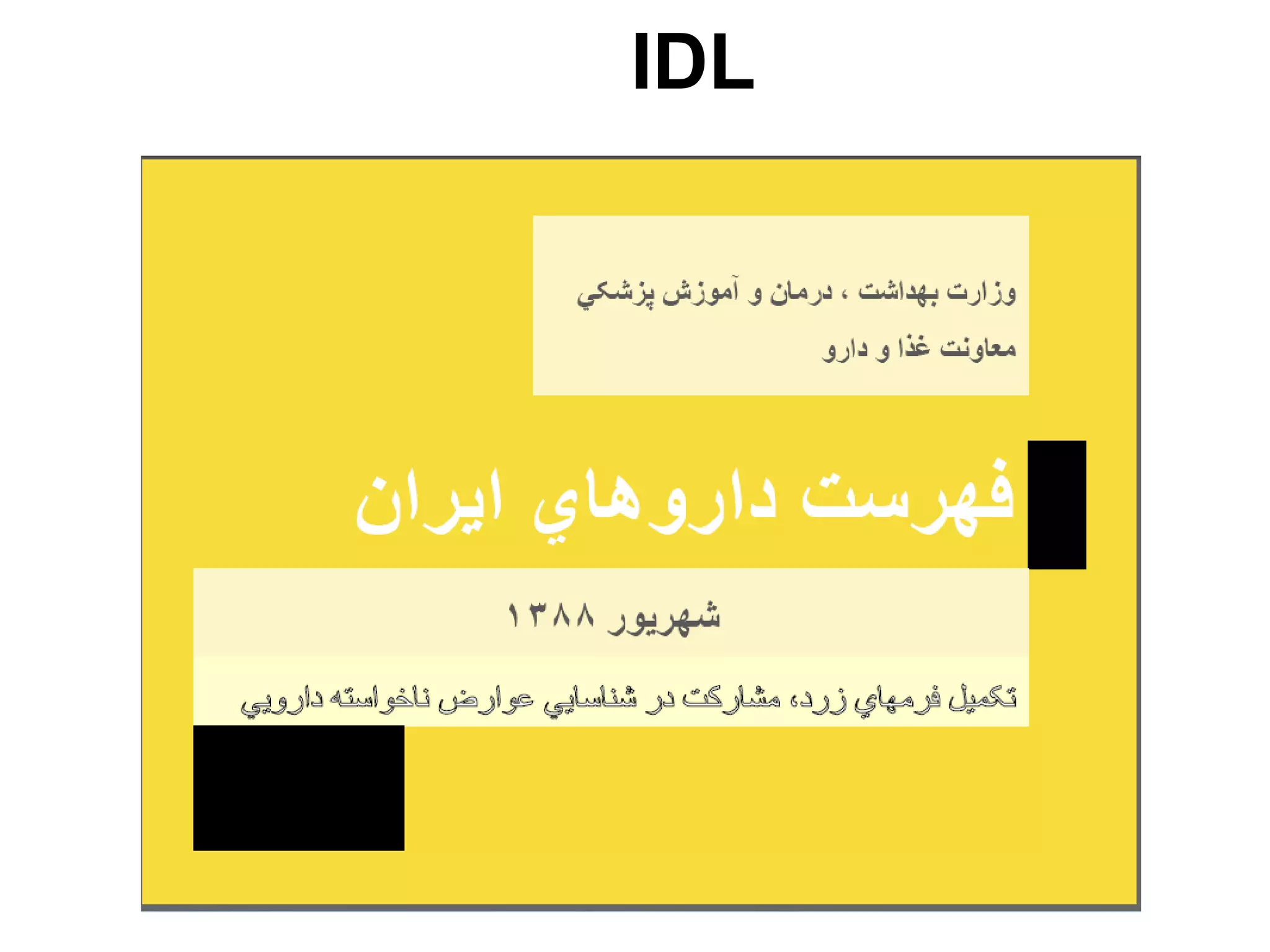
IDL
P-drugs
 A physician should develop a standard treatment for
common disorders, resulting in a set of first-choice drugs,
called p(ersonal)-drugs.
 Efficacy is the first criterion for selection.
 Look for groups of drugs rather than individual drugs.
 The patient should be able to administer the drug alone.
 Drugs for elderly and children should be in convenient
dosage forms.
 Consider cost of treatment.
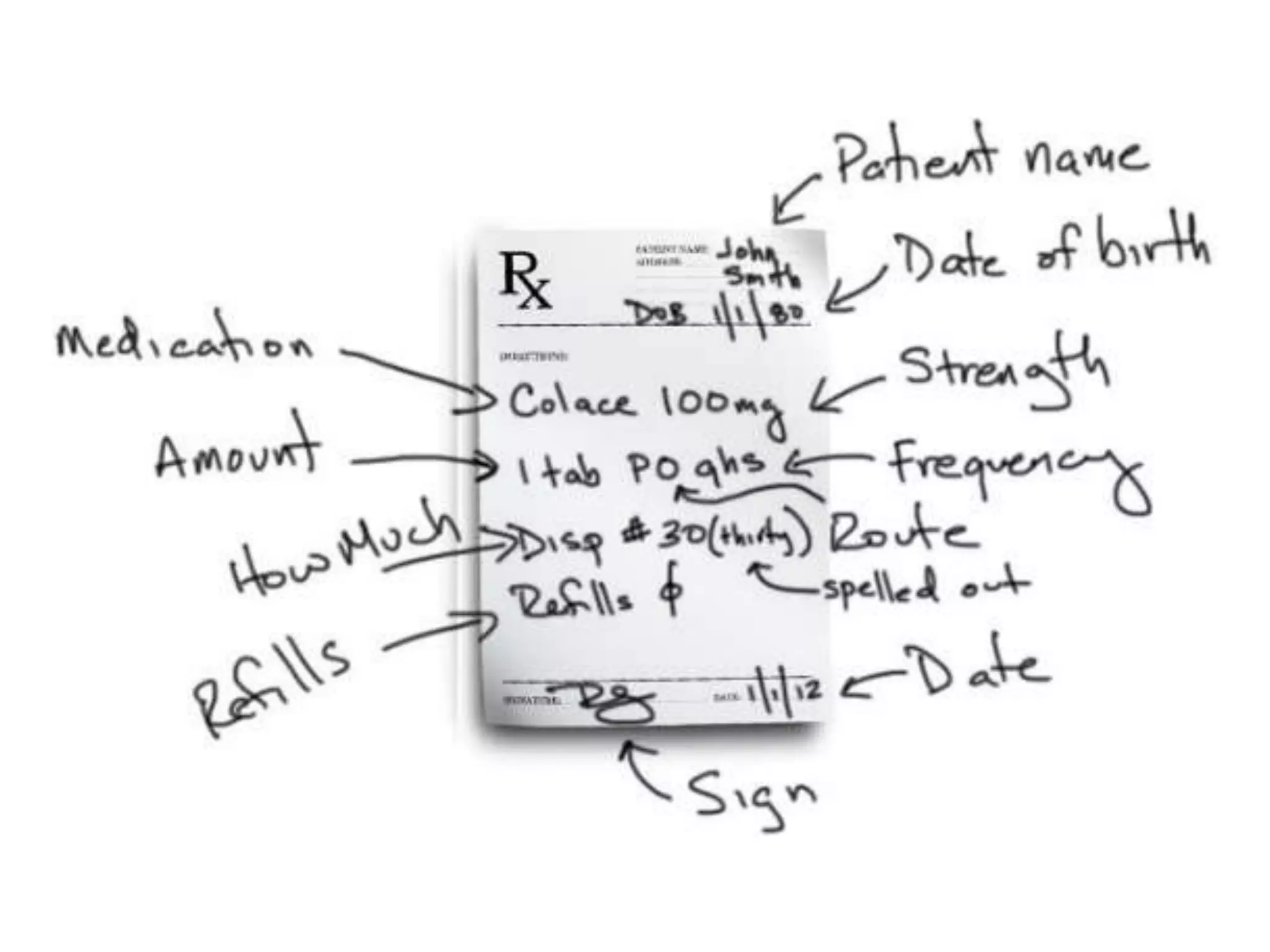
Steps in Prescription writing
1. Make a specific diagnosis.
2. Consider the pathophysiologic implications of the
diagnosis.
3. Select a specific therapeutic objective.
4. Select a drug of choice.
5. Determine the appropriate dosing regimen: Strength,
Amount, Route, Frequency, Refills
6. Devise a plan for monitoring the drug’s action and
determine an end point for therapy.
7. Plan a program of patient education.
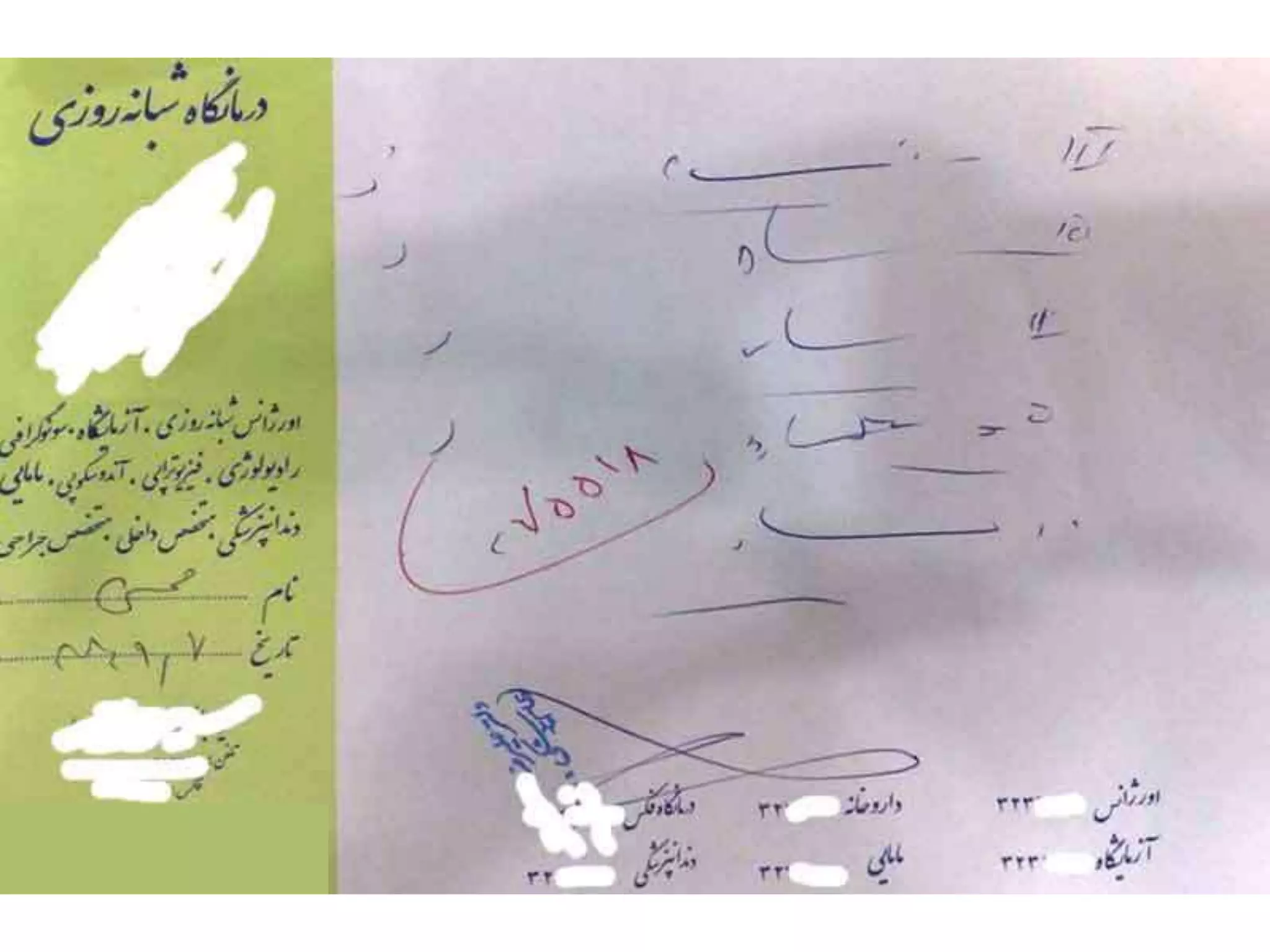
Hi there!
Pleas! Write
legible
God damn it!
Write legible!
Information & instructions for the Patient
 Effects of the drug
 Why the drug is needed
 Which symptoms will disappear, and which will not
 When the effect is expected to start
 What will happen if the drug is taken incorrectly or not at
all
 Side effects
 Which side effects may occur
 How to recognize them
 How long they will continue
 How serious they are
 What action to take
Information & instructions for the Patient
 Instructions
 How the drug should be taken
 When it should be taken
 How long the treatment should continue
 How the drug should be stored
 What to do with left-over drugs
 Warnings
 When the drug should not be taken
 What is the maximum dose
 Why the full treatment course should be taken
Information & instructions for the Patient
 Future consultations
 When to come back (or not)
 In what circumstances to come earlier
 What information the doctor will need at the next
appointment
 Everything clear?
 Ask the patient whether everything is understood
 Ask the patient to repeat the most important information
 Ask whether the patient has any more questions
Information & instructions for the Patient
 Monitor (and stop?) the treatment
 Passive monitoring:
you explain to the patient what to do if the
treatment is ineffective, inconvenient or if many
side effects occur.
 Active monitoring
you make an appointment to determine yourself
whether the treatment has been effective.
Common Abbreviations
 PO (by mouth)
 PR (per rectum)
 IM (intramuscular)
 IV (intravenous)
 ID (intradermal)
 IN (intranasal)
 TP (topical)
 SL (sublingual)
 BUCC (buccal)
 IP (intraperitoneal)
Common Abbreviations
 Daily (no abbreviation)
 Every other day (no abbreviation)
 BID/b.i.d. (Twice a Day)
 TID/t.id. (Three Times a Day)
 QID/q.i.d. (Four Times a Day)
 QHS (Every Bedtime)
 Q4h (Every 4 hours)
 Q4-6h (Every 4 to 6 hours)
 QWK (Every Week)
Common Measures
 1 Teaspoonful = 5 mL
 1 Tablespoonful = 15 mL
 20 Drops = 1 mL
 2.2 Pounds (lb) = 1 Kilogram (kg)
Clark's rule
 Clark's rule is used to calculate the proper dosage of
medicine for children aged 2–17.
 Take the child's weight in Kg, and divide by 68 Kg
(actually 68.04 Kg).
 Then multiply the result by the adult dose.
 The answer is the equivalent child dosage.
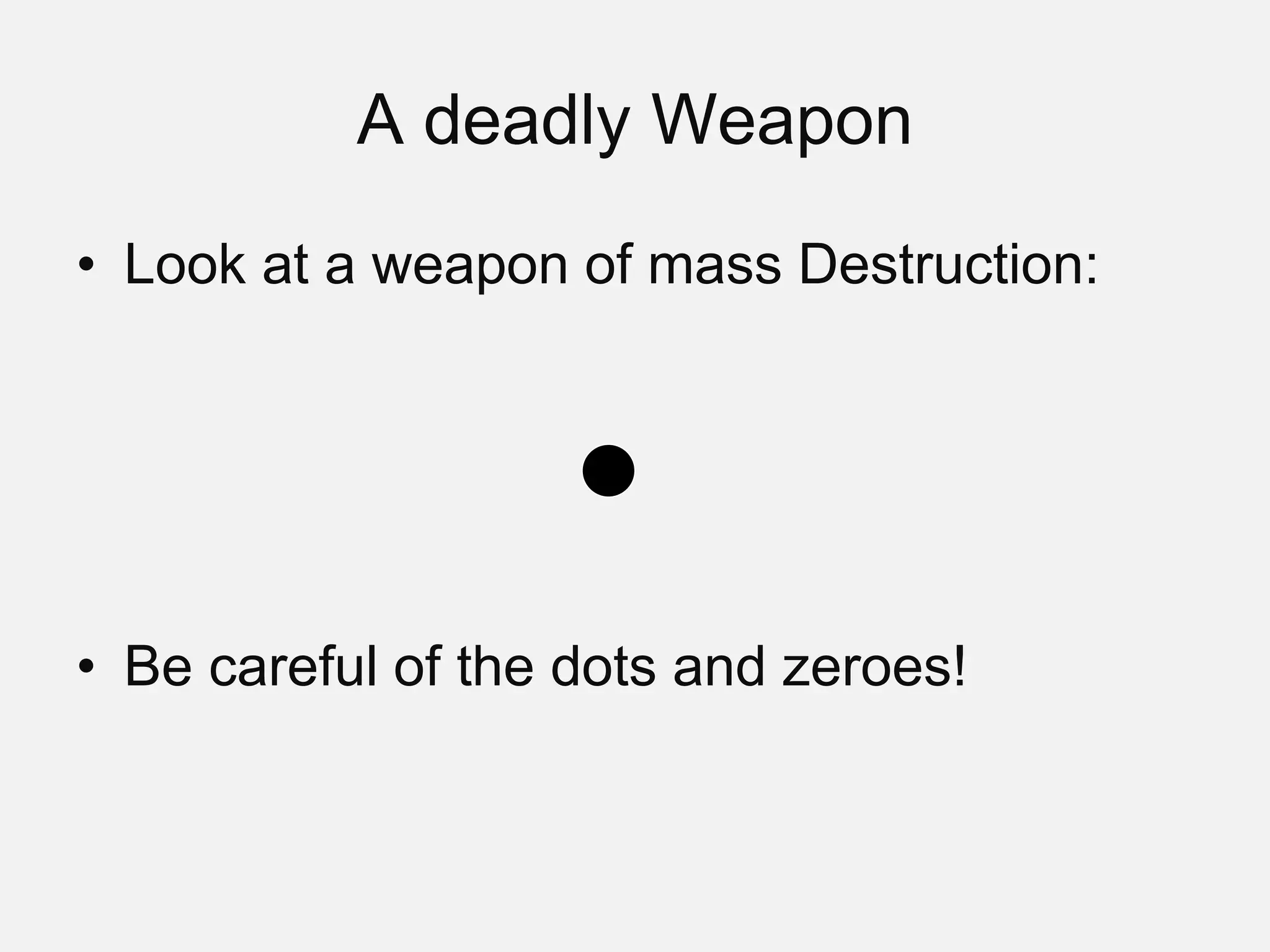
A deadly Weapon
• Look at a weapon of mass Destruction:
• Be careful of the dots and zeroes!
“Do Not Use” List
 U or u (unit) – use “unit”
 IU (International unit) – use “International Unit”
 Q.D./QD/q.d./qd – use “daily”
 Q.O.D./QOD/q.o.d./qod – use “every other day”
 Trailing zeros (#.0 mg) – use # mg
 Lack of leading zero (.#) – use 0.# mg
 MS – use “morphine sulfate” or “magnesium sulfate”
 MS04 and MgSO4 – use “morphine sulfate” or
“magnesium sulfate”
“Do Not Use” List
 “ASA” (aspirin), “5-ASA” (5-aminosalicylic acid),
“6MP” (6-mercaptopurine), etc, should not be used
 Drug names should be written out.
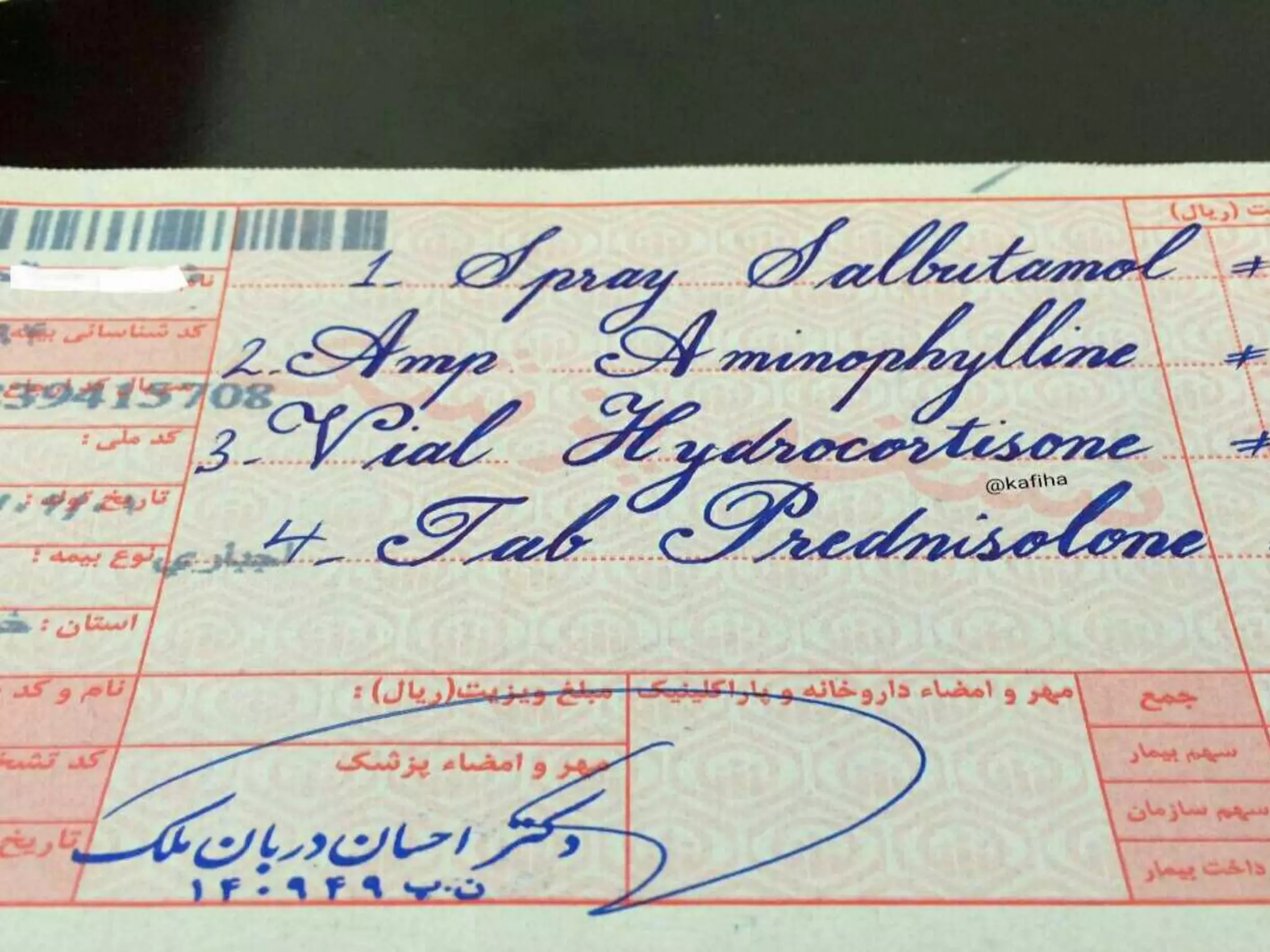
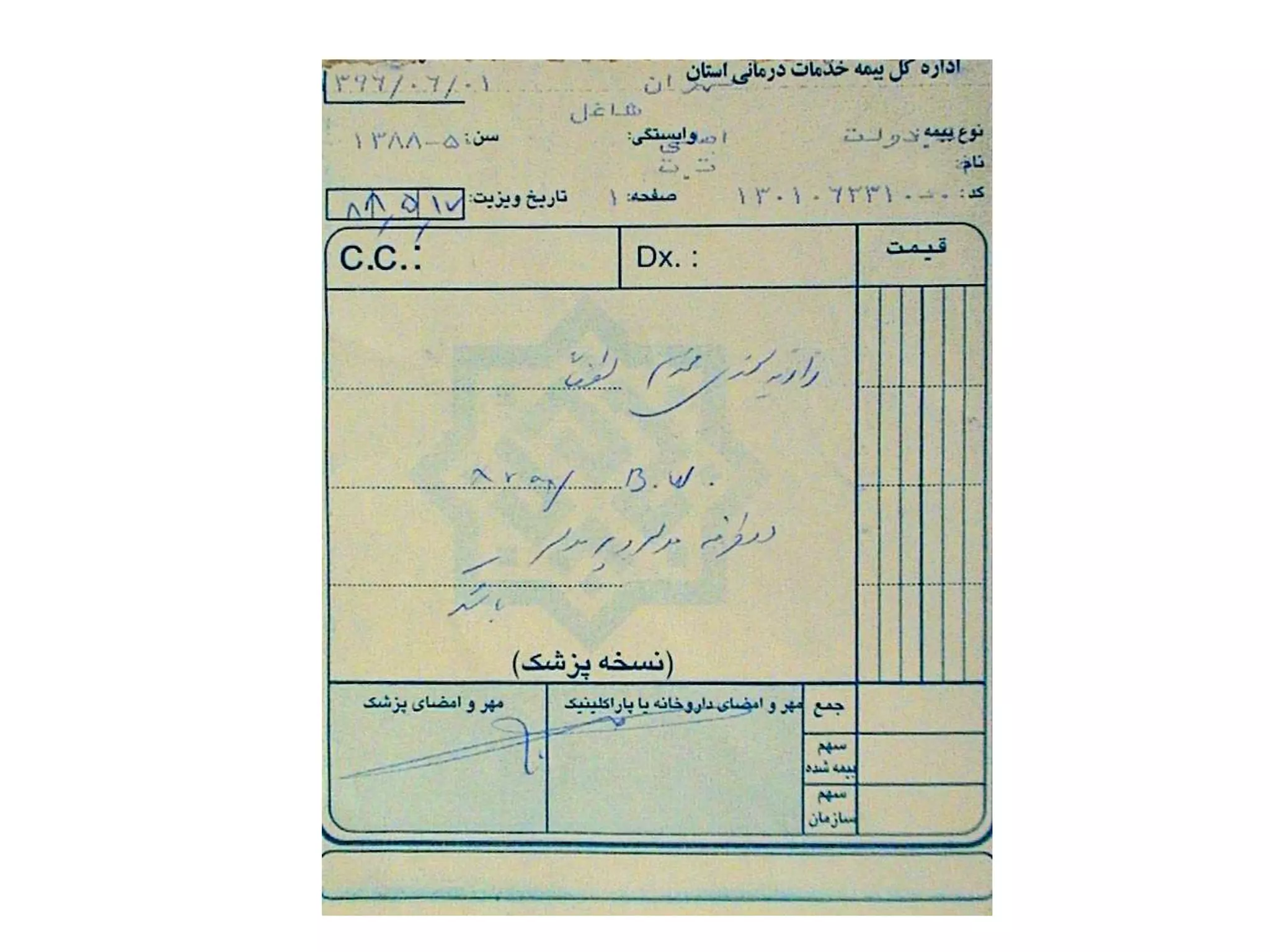
 Unclear handwriting can be lethal.
 Acetazolamide / acetohexamide, or methotrexate /
metolazone are easily mistaken.
 In this situation, write the indication for the drug in the
body eg: “acetazolamide, for glaucoma.”
 Do not use vague instructions eg: “Take as directed or
as needed” as the sole direction.
“Do Not Use” List
 The most 3 important points in abbreviations
are:
1. Do Not Use Abbreviations!!
2. Do Not Use Abbreviations!!
3. Do Not Use Abbreviations!!
Electronic Prescribing
 Electronic or e-prescribing is the transmission of
prescription from the prescriber's computer to a
pharmacy computer.
 The software may suggest alternative drugs that are
either more effective or less costly.
 Prescribers should move to a direct computerized,
order entry system
Beneath the rule of men entirely great,
the pen is mightier than the sword...
Edward Bulwer-Lytton, 1839
..and can be just as deadly!!
J. Sabino, 2012
Thank you
Any question?
1387
‫تجویز‬ ‫اصول‬
‫دارو‬ ‫منطقی‬
‫معاونت‬ ‫انتشارات‬ ‫از‬
‫دارو‬ ‫و‬ ‫غذا‬
‫و‬ ‫بهداشت‬ ‫وزارت‬
‫درمان‬
2012
Katzung
Basic & Clinical
Pharmacology
12th Edition
Chapter 65
Rational
Prescribing &
Prescription
Writing
‫دستورالعم‬ ‫و‬ ‫قوانین‬ ،‫بیمه‬ ‫با‬ ‫آشنائی‬‫لها‬
‫انواع‬‫بیمه‬:،‫خصوصی‬،‫دولتی‬،‫پایه‬،‫مکمل‬،‫بازرگانی‬‫درمانی‬...
‫تعاریف‬:‫بیمه‬،‫گر‬‫بیمه‬،‫شده‬‫حق‬،‫بیمه‬‫فرانشیز‬...
‫بیمه‬‫های‬‫سالمت‬:‫پایه‬(Basic)،‫مازاد‬(Alternative)،‫مکمل‬(Supplementary)
‫انواع‬‫بیمه‬‫در‬‫کشور‬:
.1‫تامین‬‫اجتماعی‬:،‫اجباری‬،‫اختیاری‬،‫مشاغل‬‫مستمری‬،‫بگیر‬،‫ازکارافتاده‬‫ب‬‫یکاری‬
.2‫خدمات‬‫درمانی‬:‫کارکنان‬،‫دولت‬،‫روستائیان‬‫خویش‬،‫فرما‬‫سایر‬،‫اقشار‬‫بس‬‫تری‬
.3‫نیروهای‬‫مسلح‬:،‫شاغلین‬،‫وابستگان‬‫بازنشستگان‬
.4‫کمیته‬‫امداد‬:،‫شهری‬‫روستائی‬
.5‫بانک‬‫ها‬،‫شهرداری‬...
‫نحوه‬‫ارائه‬‫خدمات‬:،‫مستقیم‬،‫کارت‬‫دفترچه‬
‫قوانین‬:،‫قرارداد‬،‫ضوابط‬،‫تعهدات‬،‫بازرسی‬،‫تعرفه‬،‫فرانشیز‬‫شکایت‬....
‫دانشجو‬ ‫خانوادگی‬ ‫نام‬ ‫و‬‫نام‬:‫مربوطه‬‫استاد‬:
‫دانشجوئی‬ ‫ه‬‫ر‬‫شما‬:‫ودی‬‫ر‬‫و‬:
Rational prescribing & prescription writing

Rational prescribing & prescription writing

  • 2.
    Rational prescription writing By M.H. Farjoo , M.D. , Ph.D. , Bioanimator Shahid Beheshti University of Medical Sciences
  • 3.
    Rational prescription writing Introduction  P-drugs  Steps in Prescription writing  Information & instructions for the Patient  Common Abbreviations  Common Measures and Clark's rule  A deadly Weapon  Do Not Use List  Electronic Prescribing
  • 4.
    Introduction  Pharmacotherapy teachingis NOT the transfer of knowledge about drugs, but the skill to treat patients.  The students should be taught how to prescribe, not what.  Irrational prescribing is a “disease” which is difficult to treat  Prescribing is not a knee-jerk reflex, a recipe from a 'cook-book', or a response to commercial pressure.
  • 7.
    Introduction  A surveyin Iran in 1393 showed 20% of all the medical errors were pharmaceutical as below:  39% prescription errors by physicians  38% administration errors by nurses  12% pharmacists and prescription fillers errors  11% hospital staff errors while transferring physician order to the nursing files
  • 9.
    http://www.fda.gov.ir/ ‫پزشکی‬ ‫مات‬‫و‬‫ملز‬ ‫و‬‫ات‬‫ز‬‫تجهی‬ ،‫یی‬‫و‬‫دار‬ ‫ض‬‫ر‬‫عوا‬ ‫ش‬‫ر‬‫ا‬‫ز‬‫گ‬‫ثبت‬ ‫سامانه‬
  • 10.
    Introduction  1.3 millionpeople are injured and 7000 deaths occur each year in the U.S from medication-related errors.  Drug-related morbidity and mortality cost $177 billion in the U.S.  If there are 800,000 physicians in the United States, each physician accounts for more than $220,000!  What is a Medication Error? A medication error is any preventable event…  It is not important what is the rest of the definition!  The important point is: it is preventable!
  • 13.
    • www.ismp.org (institute forsafe medication practice) • www.nccmerp.org (National Coordinating council for medication Error Reporting and prevention) • www.who-umc.org • www.fda.gov/medwatch • http://www.fda.gov.ir/ • Journal of risk & safety in medicine • Text book of medication Errors Edited by Michael R Cohen. How To Keep Up-To-Date
  • 14.
  • 15.
  • 16.
  • 17.
  • 18.
  • 20.
  • 23.
  • 26.
    P-drugs  A physicianshould develop a standard treatment for common disorders, resulting in a set of first-choice drugs, called p(ersonal)-drugs.  Efficacy is the first criterion for selection.  Look for groups of drugs rather than individual drugs.  The patient should be able to administer the drug alone.  Drugs for elderly and children should be in convenient dosage forms.  Consider cost of treatment.
  • 27.
    Steps in Prescriptionwriting 1. Make a specific diagnosis. 2. Consider the pathophysiologic implications of the diagnosis. 3. Select a specific therapeutic objective. 4. Select a drug of choice. 5. Determine the appropriate dosing regimen: Strength, Amount, Route, Frequency, Refills 6. Devise a plan for monitoring the drug’s action and determine an end point for therapy. 7. Plan a program of patient education.
  • 28.
    Hi there! Pleas! Write legible Goddamn it! Write legible!
  • 33.
    Information & instructionsfor the Patient  Effects of the drug  Why the drug is needed  Which symptoms will disappear, and which will not  When the effect is expected to start  What will happen if the drug is taken incorrectly or not at all  Side effects  Which side effects may occur  How to recognize them  How long they will continue  How serious they are  What action to take
  • 34.
    Information & instructionsfor the Patient  Instructions  How the drug should be taken  When it should be taken  How long the treatment should continue  How the drug should be stored  What to do with left-over drugs  Warnings  When the drug should not be taken  What is the maximum dose  Why the full treatment course should be taken
  • 35.
    Information & instructionsfor the Patient  Future consultations  When to come back (or not)  In what circumstances to come earlier  What information the doctor will need at the next appointment  Everything clear?  Ask the patient whether everything is understood  Ask the patient to repeat the most important information  Ask whether the patient has any more questions
  • 36.
    Information & instructionsfor the Patient  Monitor (and stop?) the treatment  Passive monitoring: you explain to the patient what to do if the treatment is ineffective, inconvenient or if many side effects occur.  Active monitoring you make an appointment to determine yourself whether the treatment has been effective.
  • 37.
    Common Abbreviations  PO(by mouth)  PR (per rectum)  IM (intramuscular)  IV (intravenous)  ID (intradermal)  IN (intranasal)  TP (topical)  SL (sublingual)  BUCC (buccal)  IP (intraperitoneal)
  • 38.
    Common Abbreviations  Daily(no abbreviation)  Every other day (no abbreviation)  BID/b.i.d. (Twice a Day)  TID/t.id. (Three Times a Day)  QID/q.i.d. (Four Times a Day)  QHS (Every Bedtime)  Q4h (Every 4 hours)  Q4-6h (Every 4 to 6 hours)  QWK (Every Week)
  • 39.
    Common Measures  1Teaspoonful = 5 mL  1 Tablespoonful = 15 mL  20 Drops = 1 mL  2.2 Pounds (lb) = 1 Kilogram (kg)
  • 40.
    Clark's rule  Clark'srule is used to calculate the proper dosage of medicine for children aged 2–17.  Take the child's weight in Kg, and divide by 68 Kg (actually 68.04 Kg).  Then multiply the result by the adult dose.  The answer is the equivalent child dosage.
  • 41.
    A deadly Weapon •Look at a weapon of mass Destruction: • Be careful of the dots and zeroes!
  • 42.
    “Do Not Use”List  U or u (unit) – use “unit”  IU (International unit) – use “International Unit”  Q.D./QD/q.d./qd – use “daily”  Q.O.D./QOD/q.o.d./qod – use “every other day”  Trailing zeros (#.0 mg) – use # mg  Lack of leading zero (.#) – use 0.# mg  MS – use “morphine sulfate” or “magnesium sulfate”  MS04 and MgSO4 – use “morphine sulfate” or “magnesium sulfate”
  • 43.
    “Do Not Use”List  “ASA” (aspirin), “5-ASA” (5-aminosalicylic acid), “6MP” (6-mercaptopurine), etc, should not be used  Drug names should be written out.  Unclear handwriting can be lethal.  Acetazolamide / acetohexamide, or methotrexate / metolazone are easily mistaken.  In this situation, write the indication for the drug in the body eg: “acetazolamide, for glaucoma.”  Do not use vague instructions eg: “Take as directed or as needed” as the sole direction.
  • 45.
    “Do Not Use”List  The most 3 important points in abbreviations are: 1. Do Not Use Abbreviations!! 2. Do Not Use Abbreviations!! 3. Do Not Use Abbreviations!!
  • 46.
    Electronic Prescribing  Electronicor e-prescribing is the transmission of prescription from the prescriber's computer to a pharmacy computer.  The software may suggest alternative drugs that are either more effective or less costly.  Prescribers should move to a direct computerized, order entry system
  • 47.
    Beneath the ruleof men entirely great, the pen is mightier than the sword... Edward Bulwer-Lytton, 1839 ..and can be just as deadly!! J. Sabino, 2012
  • 49.
  • 50.
    1387 ‫تجویز‬ ‫اصول‬ ‫دارو‬ ‫منطقی‬ ‫معاونت‬‫انتشارات‬ ‫از‬ ‫دارو‬ ‫و‬ ‫غذا‬ ‫و‬ ‫بهداشت‬ ‫وزارت‬ ‫درمان‬
  • 51.
    2012 Katzung Basic & Clinical Pharmacology 12thEdition Chapter 65 Rational Prescribing & Prescription Writing
  • 53.
    ‫دستورالعم‬ ‫و‬ ‫قوانین‬،‫بیمه‬ ‫با‬ ‫آشنائی‬‫لها‬ ‫انواع‬‫بیمه‬:،‫خصوصی‬،‫دولتی‬،‫پایه‬،‫مکمل‬،‫بازرگانی‬‫درمانی‬... ‫تعاریف‬:‫بیمه‬،‫گر‬‫بیمه‬،‫شده‬‫حق‬،‫بیمه‬‫فرانشیز‬... ‫بیمه‬‫های‬‫سالمت‬:‫پایه‬(Basic)،‫مازاد‬(Alternative)،‫مکمل‬(Supplementary) ‫انواع‬‫بیمه‬‫در‬‫کشور‬: .1‫تامین‬‫اجتماعی‬:،‫اجباری‬،‫اختیاری‬،‫مشاغل‬‫مستمری‬،‫بگیر‬،‫ازکارافتاده‬‫ب‬‫یکاری‬ .2‫خدمات‬‫درمانی‬:‫کارکنان‬،‫دولت‬،‫روستائیان‬‫خویش‬،‫فرما‬‫سایر‬،‫اقشار‬‫بس‬‫تری‬ .3‫نیروهای‬‫مسلح‬:،‫شاغلین‬،‫وابستگان‬‫بازنشستگان‬ .4‫کمیته‬‫امداد‬:،‫شهری‬‫روستائی‬ .5‫بانک‬‫ها‬،‫شهرداری‬... ‫نحوه‬‫ارائه‬‫خدمات‬:،‫مستقیم‬،‫کارت‬‫دفترچه‬ ‫قوانین‬:،‫قرارداد‬،‫ضوابط‬،‫تعهدات‬،‫بازرسی‬،‫تعرفه‬،‫فرانشیز‬‫شکایت‬....
  • 57.
    ‫دانشجو‬ ‫خانوادگی‬ ‫نام‬‫و‬‫نام‬:‫مربوطه‬‫استاد‬: ‫دانشجوئی‬ ‫ه‬‫ر‬‫شما‬:‫ودی‬‫ر‬‫و‬: