


RAPID MICROBIOLOGICAL
METHODS
&
THE PAT INITIATIVE
JA
JALIS MUKTADIR
Introduction
 The methods used in most microbiological test
laboratories originated in the laboratories of Koch,
Lister, and Pasteur.
 Limited improvements in methods used for
microbiological testing.
 Implementation of improved methods for the isolation,
early detection, characterization, and enumeration of
microorganisms and their products.
 This translates to better methods, automated methods,
and methods that require less time or expense.
Industries are slow to implement new
methods
 Regulators would not recognize these methods as
superior to traditional ones.
 Companies would not be allowed to change test limits
based upon the test method.
Traditional Methods
Vs
RMMs
Traditional Methods
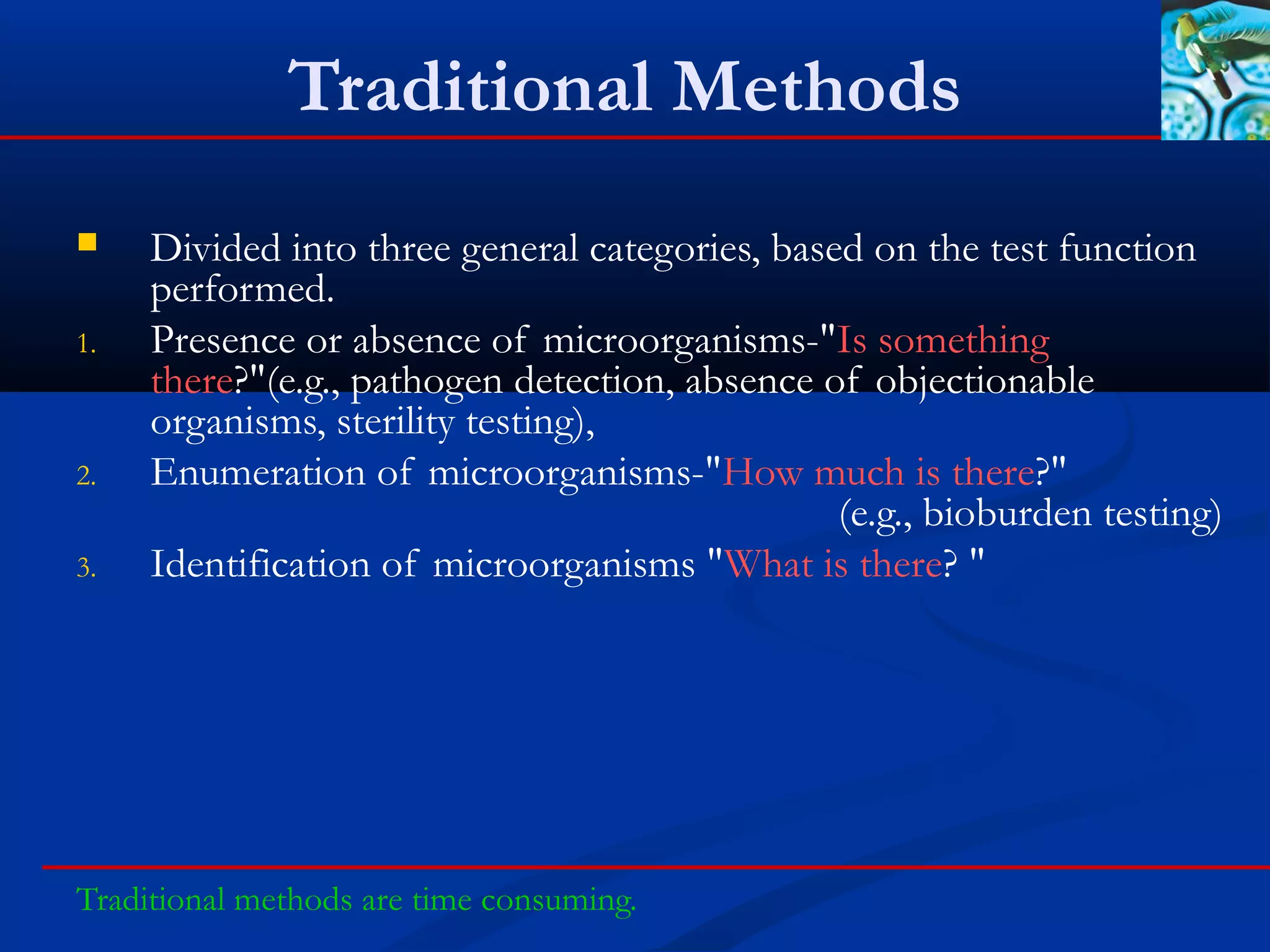
 Divided into three general categories, based on the test function
performed.
1. Presence or absence of microorganisms-"Is something
there?"(e.g., pathogen detection, absence of objectionable
organisms, sterility testing),
2. Enumeration of microorganisms-"How much is there?"
(e.g., bioburden testing)
3. Identification of microorganisms "What is there? "
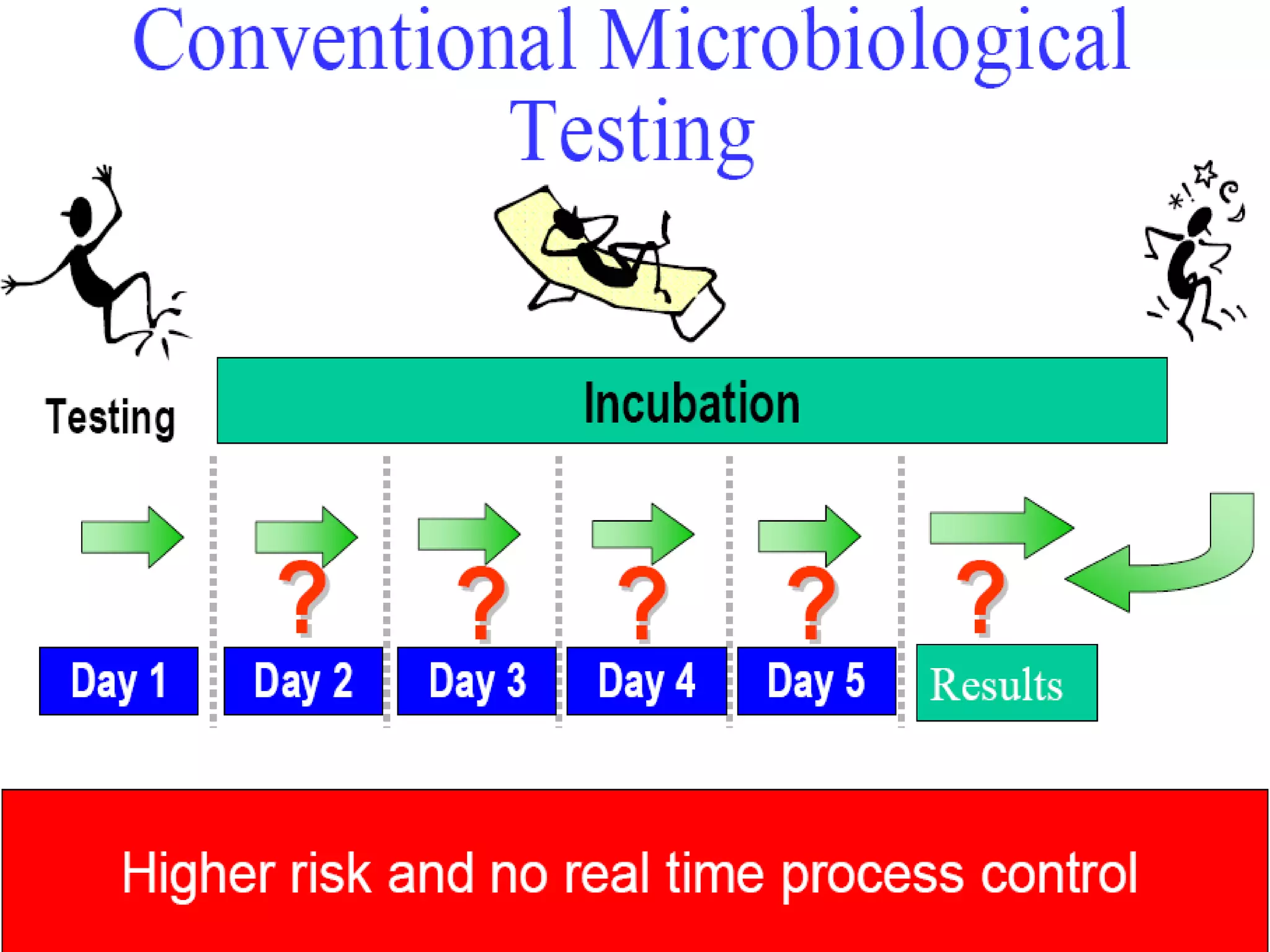
Traditional methods are time consuming.
Regulatory Framework
 Parenteral Drug Association (PDA)
-Provides guidance for evaluating, implementing, &
validating rapid microbiological methods.
 USP Proposed Chapter <1223> on Alternative
Microbiological Methods Validation
-various validation criteria that may be used for RMMs.
Regulatory Framework…
 GMPs for the 21st Century
 program initiated by FDA
 objectives:
 Encouraging early adoption of new technologies;
 Encouraging implementation of risk-based approaches in
critical areas;
 FDA's 2004 Guidance on Aseptic Processing
 Guidance document on aseptic processing of pharmaceutical
products
Regulatory Framework…
 Process Analytical Technologies
 A Framework for Innovative Pharmaceutical
Development, Manufacture, and Quality Assurance
“Systems for analysis and control of manufacturing processes based
on timely measurements, during processing of critical quality
parameters and performance attributes of raw and in-process
materials and processes to assure acceptable end product quality
at the completion of the processes”
 Chapter on RMM Proposed by EP
 chapter 5.1.6. "Alternative Methods for Control of
Microbiological Quality"
RMMs
Rapid Microbiological
Methods
RMMs
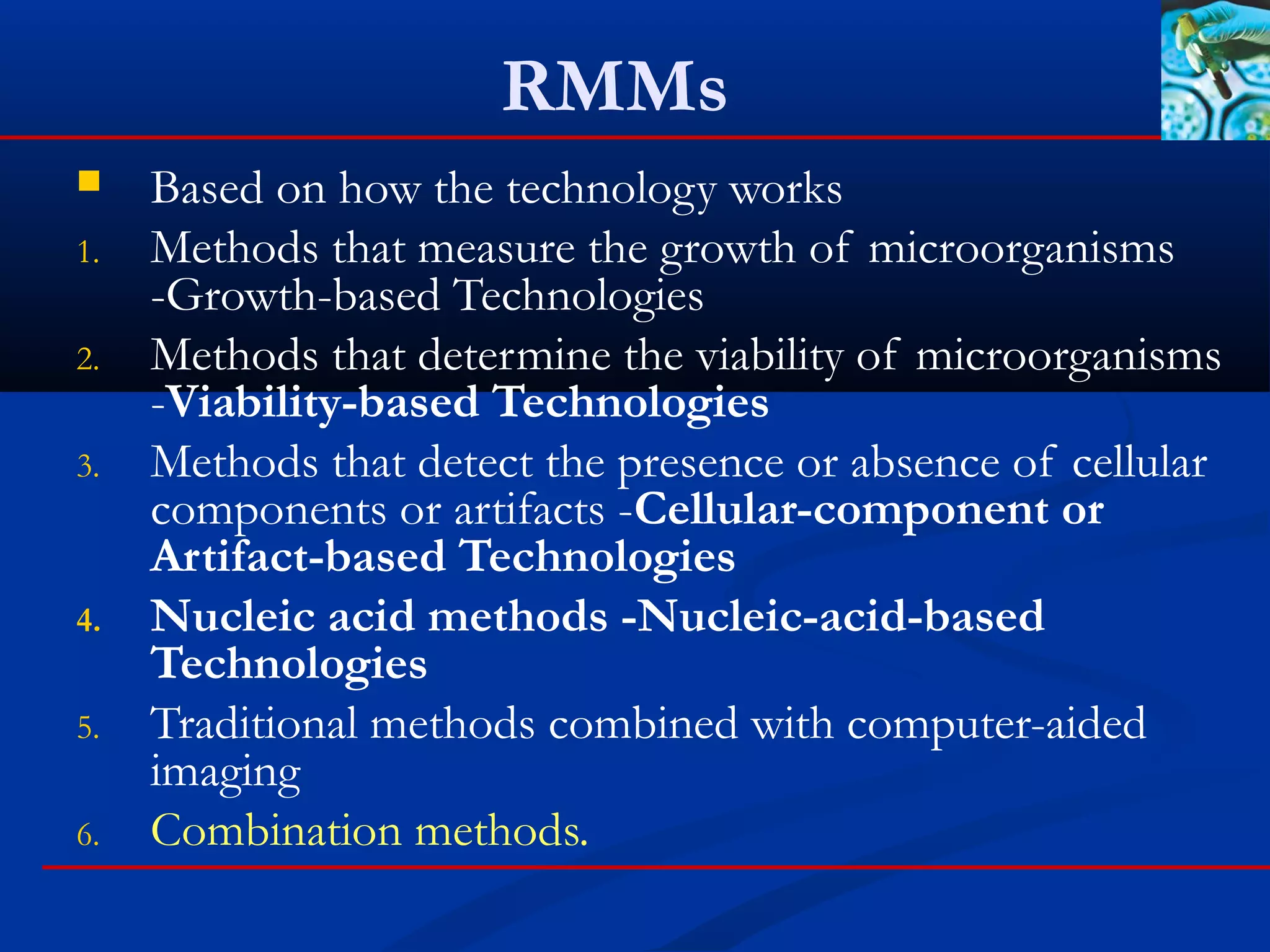
 Based on how the technology works
1. Methods that measure the growth of microorganisms
-Growth-based Technologies
2. Methods that determine the viability of microorganisms
-Viability-based Technologies
3. Methods that detect the presence or absence of cellular
components or artifacts -Cellular-component or Artifact-
based Technologies
4. Nucleic acid methods -Nucleic-acid-based Technologies
5. Traditional methods combined with computer-aided imaging
6. Combination methods.
Growth-based Technologies
 Based on the measurement of biochemical or physiological
parameters that reflect the growth of the microorganisms
 Examples:
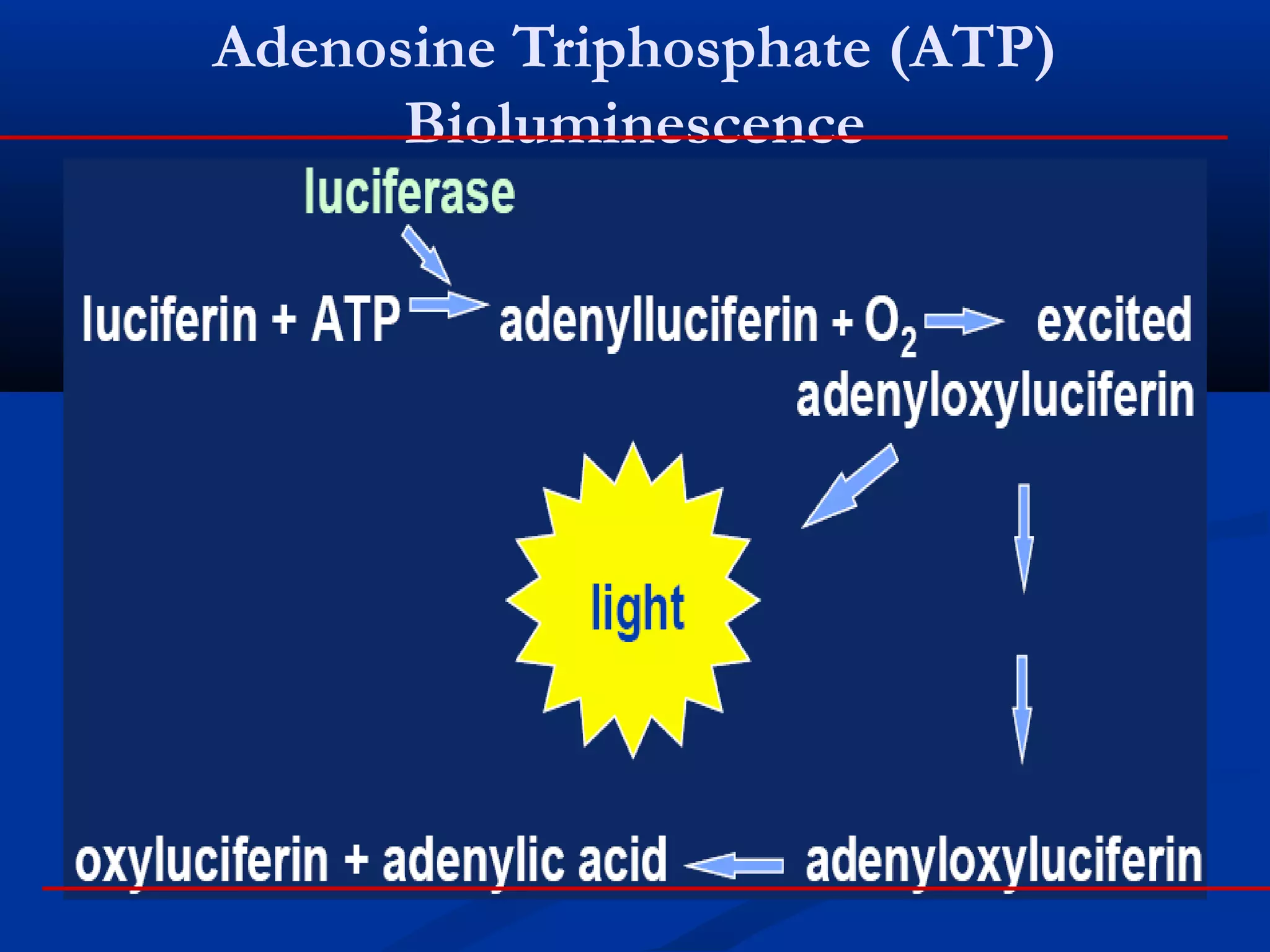
 Adenosine triphosphate (ATP) bioluminescence
 Adenylate kinase
 Aeasurement of change in head space pressure
 Colorimetric detection of carbon dioxide production
 Impedance (Electrochemical) Methods
 Conductivity
Adenosine Triphosphate (ATP)
Bioluminescence
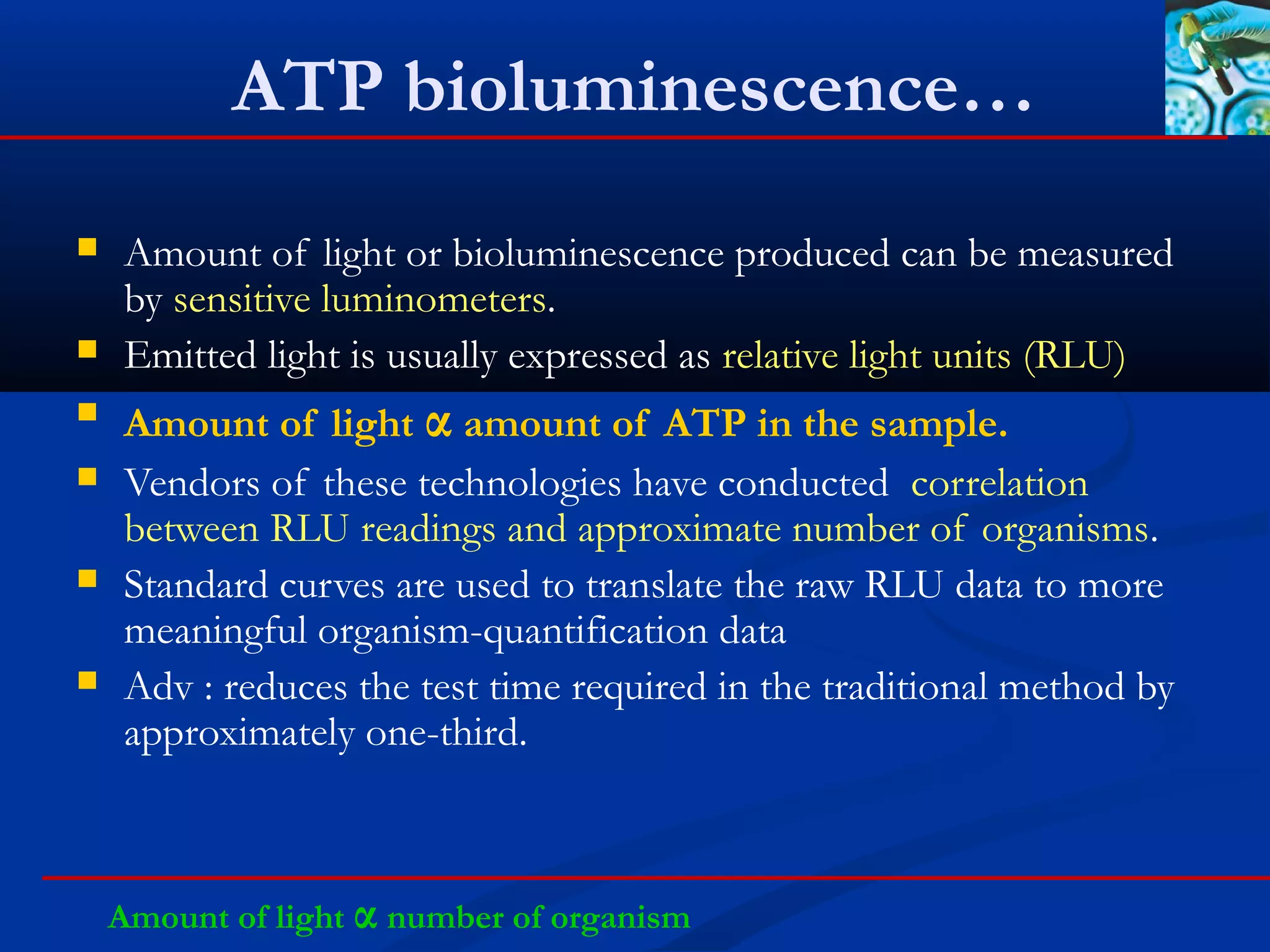
ATP bioluminescence…
 Amount of light or bioluminescence produced can be measured
by sensitive luminometers.
 Emitted light is usually expressed as relative light units (RLU)
 Amount of light α amount of ATP in the sample.
 Vendors of these technologies have conducted correlation
between RLU readings and approximate number of organisms.
 Standard curves are used to translate the raw RLU data to more
meaningful organism-quantification data
 Adv : reduces the test time required in the traditional method by
approximately one-third.
Amount of light α number of organism
Adenylate kinase
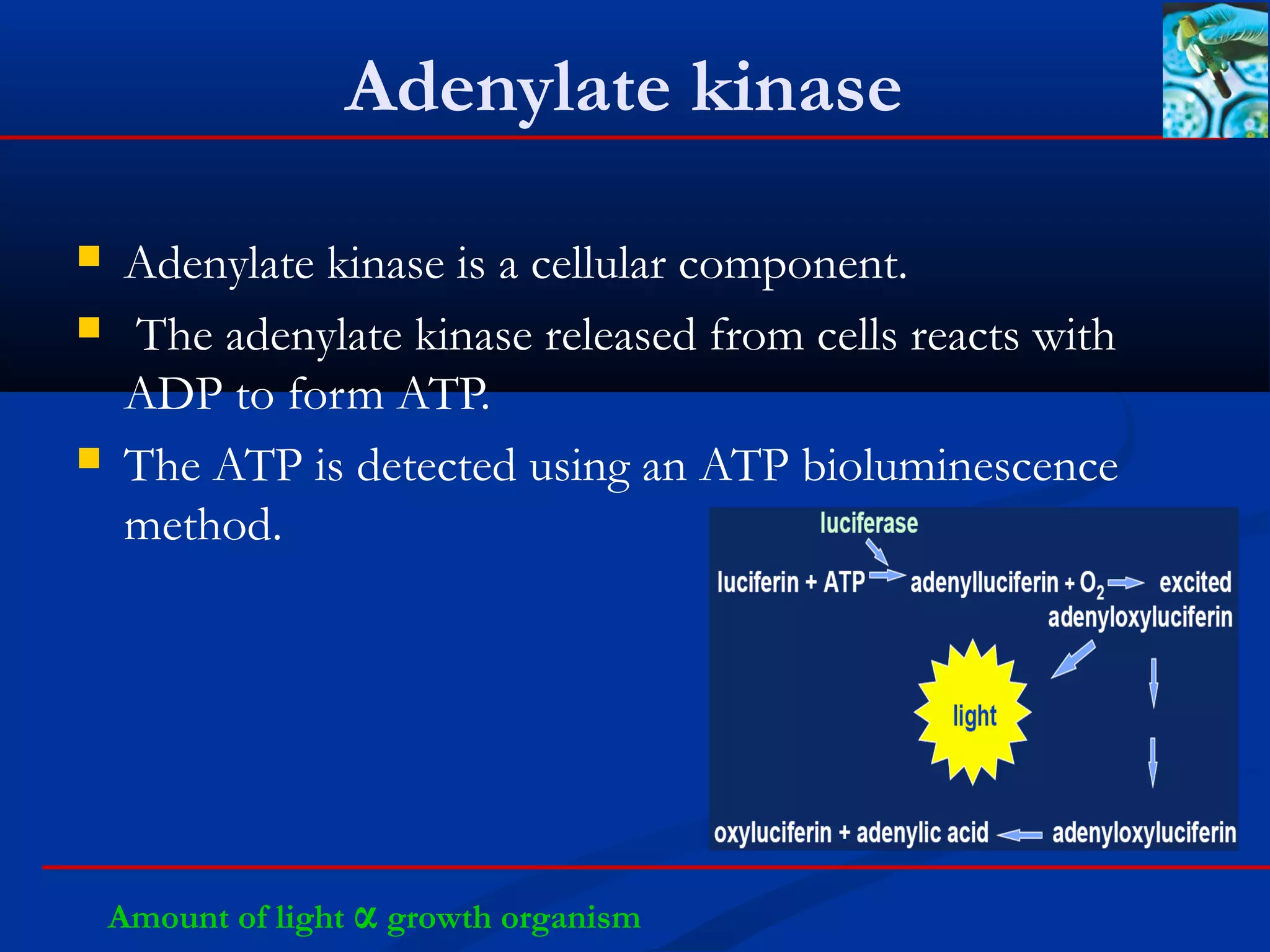
 Adenylate kinase is a cellular component.
 The adenylate kinase released from cells reacts with
ADP to form ATP.
 The ATP is detected using an ATP bioluminescence
method.
Amount of light α growth organism
Measurement of change in head space
pressure
 Microbial growth causes
significant production or
consumption of gas.
 Electronic transducers
measure positive or negative
pressure changes in the head
space of each culture bottle.
Microbial group Gaseous products
Clostridia
Clostridium tyrobutyricum
CO2
, H2
Lactobacilli
Lactobacillus brevis
Lactobacillus casei
CO2
Streptococci
Streptococcus thermophilus
CO2
Coliforms CO2
, H2
Yeasts CO2
Lactococci
Lactococcus lactis ssp. lactis
biovar. diacetylactis
 
CO2
Bacillus species
Bacillus subtilis
CO2
, H2
Leuconostocs
Leuconostoc mesenteroides
Leuconostoc dextranicum CO2
Propionibacteria
Propionibacterium shermani
CO2
Change in head pressure α Growth organism
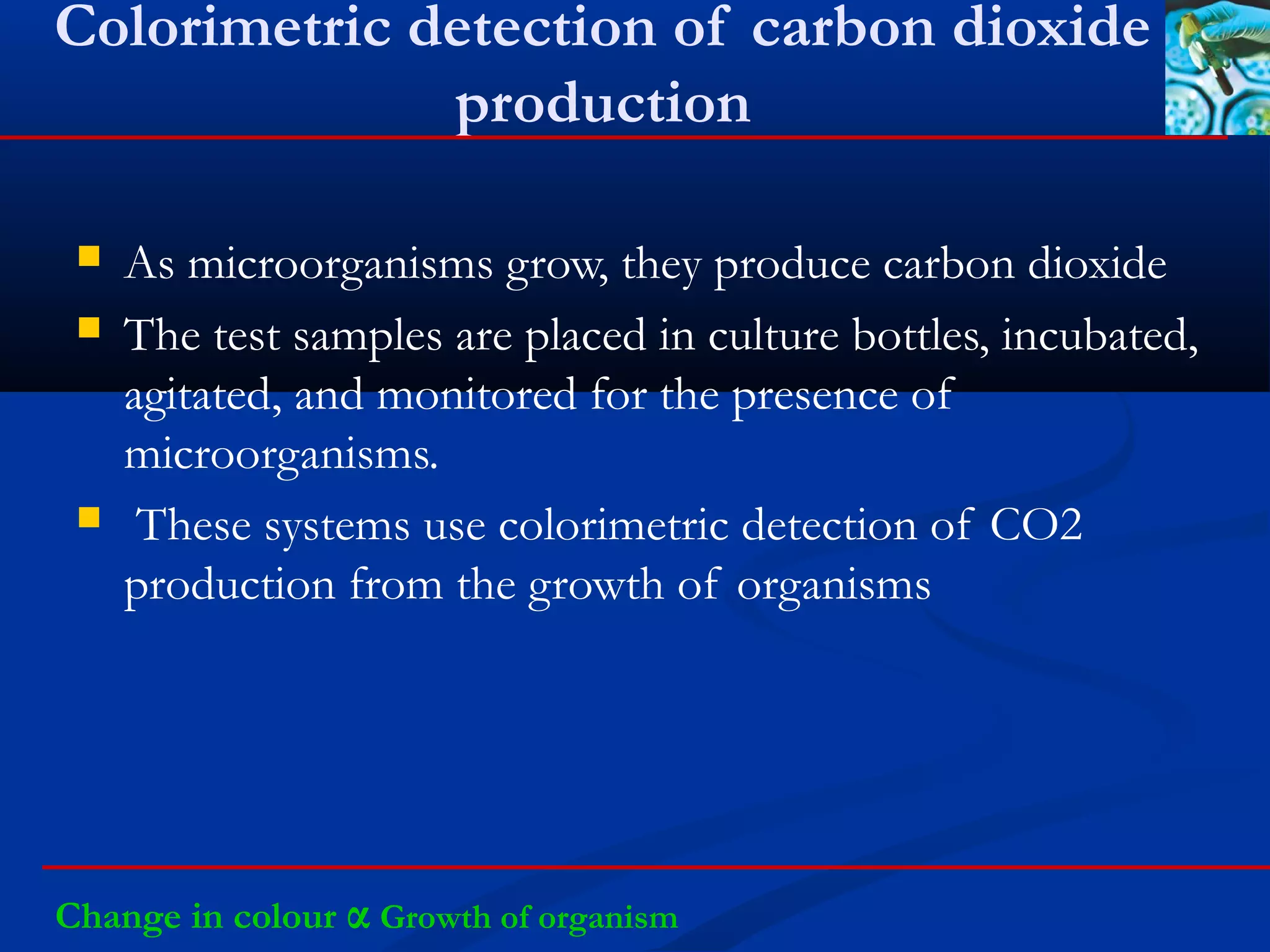
Colorimetric detection of carbon dioxide
production
 As microorganisms grow, they produce carbon dioxide
 The test samples are placed in culture bottles, incubated,
agitated, and monitored for the presence of
microorganisms.
 These systems use colorimetric detection of CO2
production from the growth of organisms
Change in colour α Growth of organism
Impedance (Electrochemical)
Methods
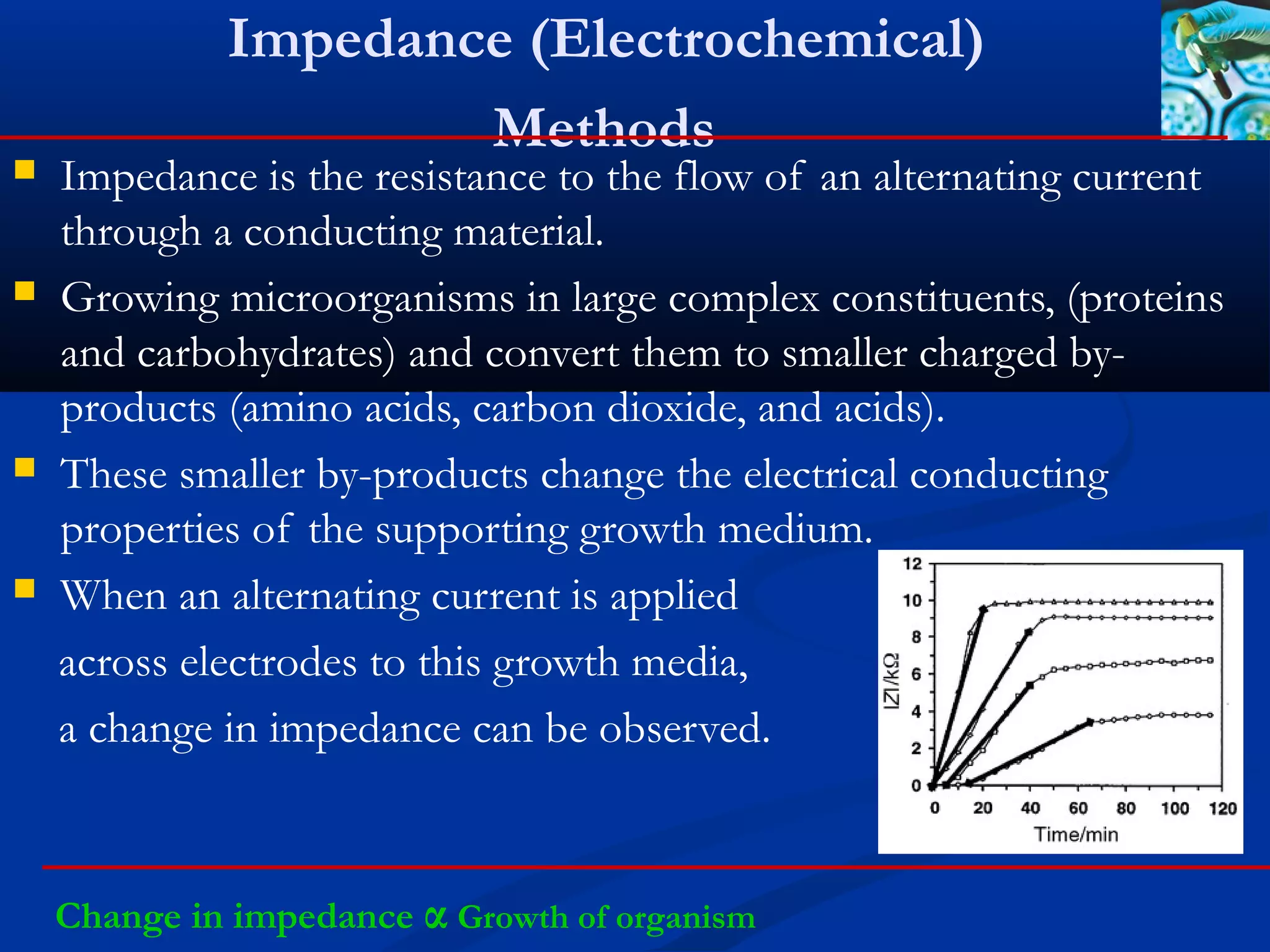
 Impedance is the resistance to the flow of an alternating current
through a conducting material.
 Growing microorganisms in large complex constituents, (proteins
and carbohydrates) and convert them to smaller charged by-
products (amino acids, carbon dioxide, and acids).
 These smaller by-products change the electrical conducting
properties of the supporting growth medium.
 When an alternating current is applied
across electrodes to this growth media,
a change in impedance can be observed.
Change in impedance α Growth of organism
conductivity
 This is similar to impedance methods, with measurement
taken in conductance.
Change in conductivity α Growth of organism
RMMs
 Based on how the technology works
1. Methods that measure the growth of microorganisms -Growth-
based Technologies
2. Methods that determine the viability of microorganisms
-Viability-based Technologies
3. Methods that detect the presence or absence of cellular
components or artifacts -Cellular-component or Artifact-
based Technologies
4. Nucleic acid methods -Nucleic-acid-based Technologies
5. Traditional methods combined with computer-aided imaging
6. Combination methods.
Viability-based Technologies
 Varying methods are used to determine if the cell is
viable, and if viable cells are detected, they can be
enumerated.
 Examples:
 DEFT (Direct Epifluoresecent Filter Technique)
 Flow Cytometry (Fluorescence)
 Solid-Phase Cytometry
 Microcalorimetry
Direct Epifluorescent Filter Technique
(DEFT)
 Capturing bacterial cells on the surface of
polycarbonate membrane filters.
 Staining using a fluorescent viability indicator
(Acridine orange, 4',6-diamidino-2-phenyl indole ).
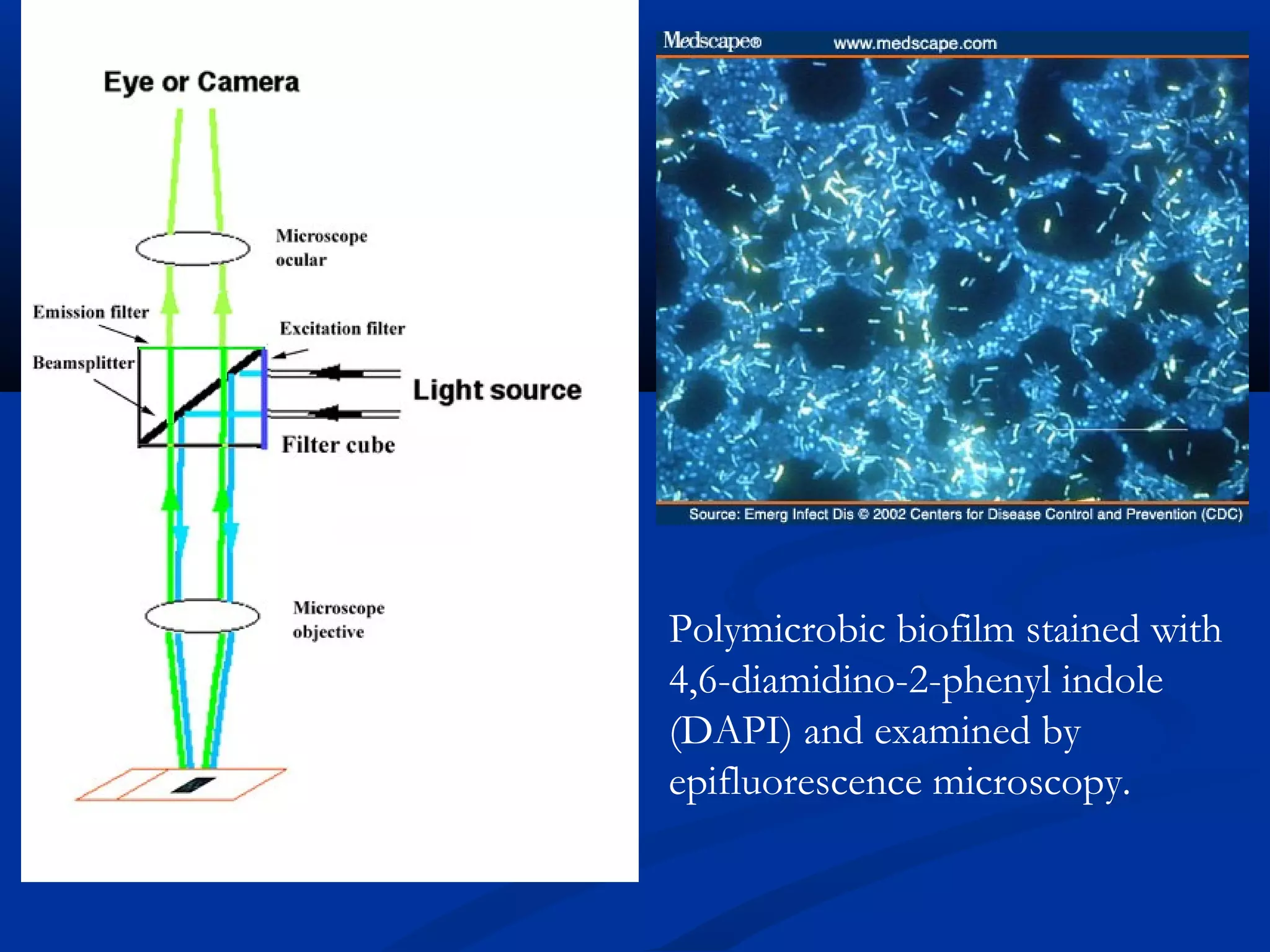
 Visualization using epifluorescence microscopy.
 DEFT detects fluorescing microorganisms.
Fluorescence α viability of organism
Polymicrobic biofilm stained with
4,6-diamidino-2-phenyl indole
(DAPI) and examined by
epifluorescence microscopy.
FC & SPC
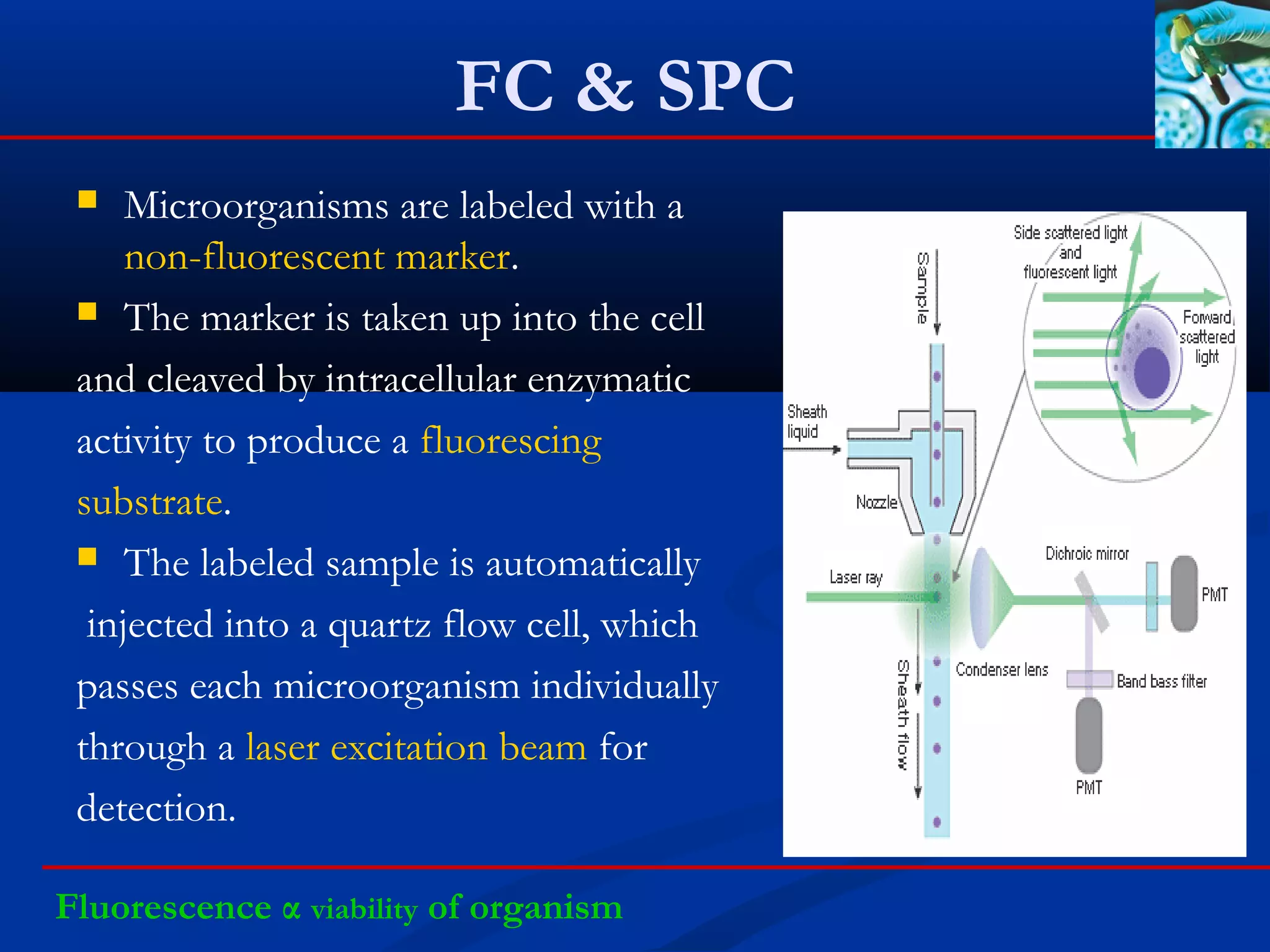
 Microorganisms are labeled with a
non-fluorescent marker.
 The marker is taken up into the cell
and cleaved by intracellular enzymatic
activity to produce a fluorescing
substrate.
 The labeled sample is automatically
injected into a quartz flow cell, which
passes each microorganism individually
through a laser excitation beam for
detection.
Fluorescence α viability of organism
Microcalorimetry
 Micro = small
 Calorimetry = the science of heat.
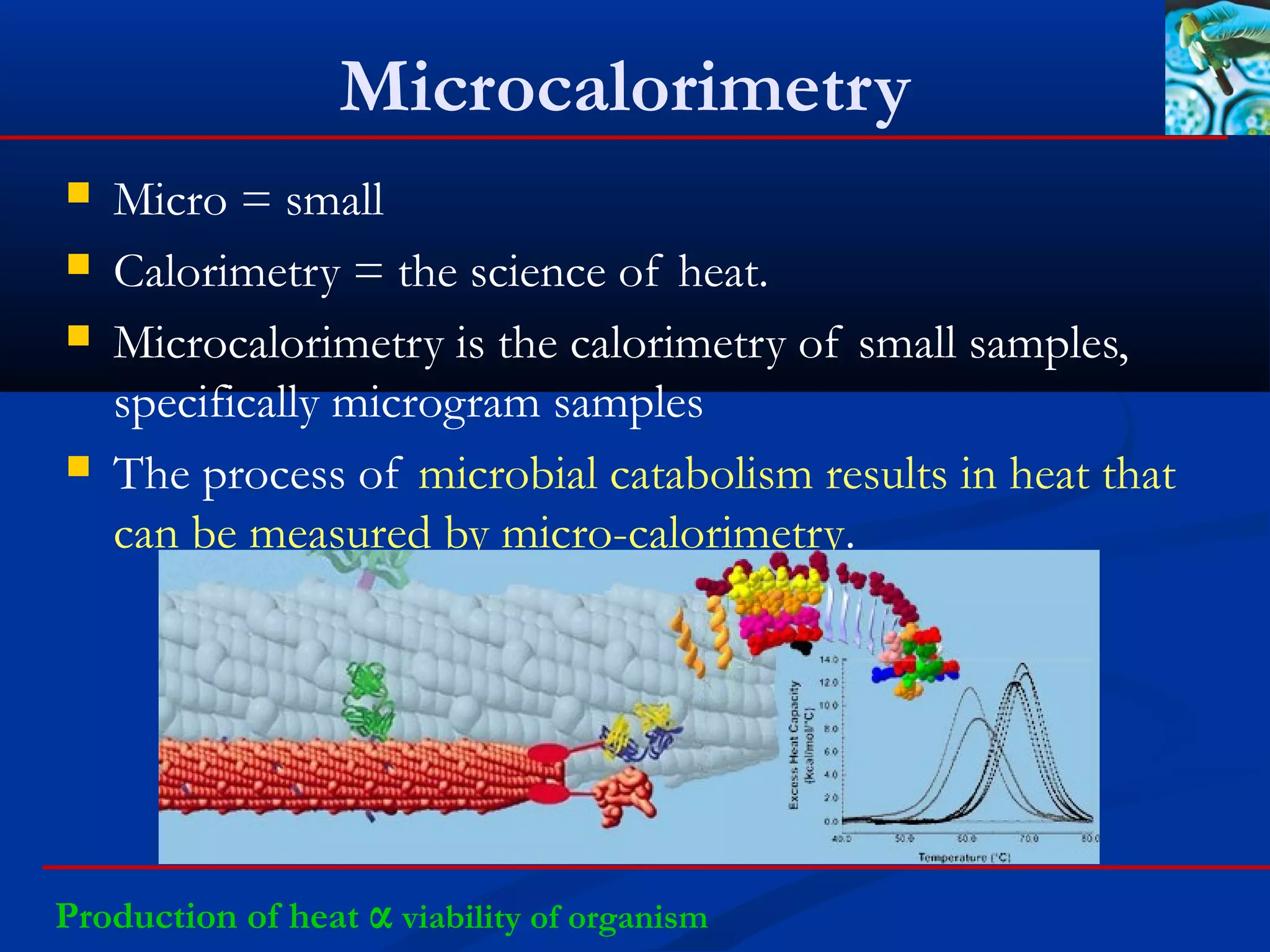
 Microcalorimetry is the calorimetry of small samples,
specifically microgram samples
 The process of microbial catabolism results in heat that
can be measured by micro-calorimetry.
Production of heat α viability of organism
RMMs
 Based on how the technology works
1. Methods that measure the growth of microorganisms
-Growth-based Technologies
2. Methods that determine the viability of microorganisms
-Viability-based Technologies
3. Methods that detect the presence or absence of
cellular components or artifacts -Cellular-
component or Artifact-based Technologies
4. Nucleic acid methods -Nucleic-acid-based
Technologies
5. Traditional methods combined with computer-aided
imaging
6. Combination methods.
Cellular-component based
Technologies
 These technologies look for a specific cellular component or artifact
within the cell for detection or identification
 Examples:
 Fatty Acid Profiles (Fatty Acid Methyl Esters [FAMEs])
 Mass spectrometry
 Fourier Transform Infrared Spectroscopy (FTIR)
 Raman spectroscopy
 Enzyme linked immunosorbent assay (ELISA)
 Bacterial endotoxin-limulus amebocyte lysate testing (LAL).
 Endospore detection
 Gram stains
Fatty Acid Profiles (Fatty Acid
Methyl Esters [FAMEs])
 Fatty acids are present in
microorganisms
 Isolates are grown on
standard media and selected
for testing.
 The testing procedure
includes saponification of
fatty acids, methylation, and
extraction, to produce fatty
acid methyl esters (FAMEs).
 The FAMEs are measured
using gas chromatography
Fatty acids → fatty acid methyl esters (FAMEs) → gas chromatography
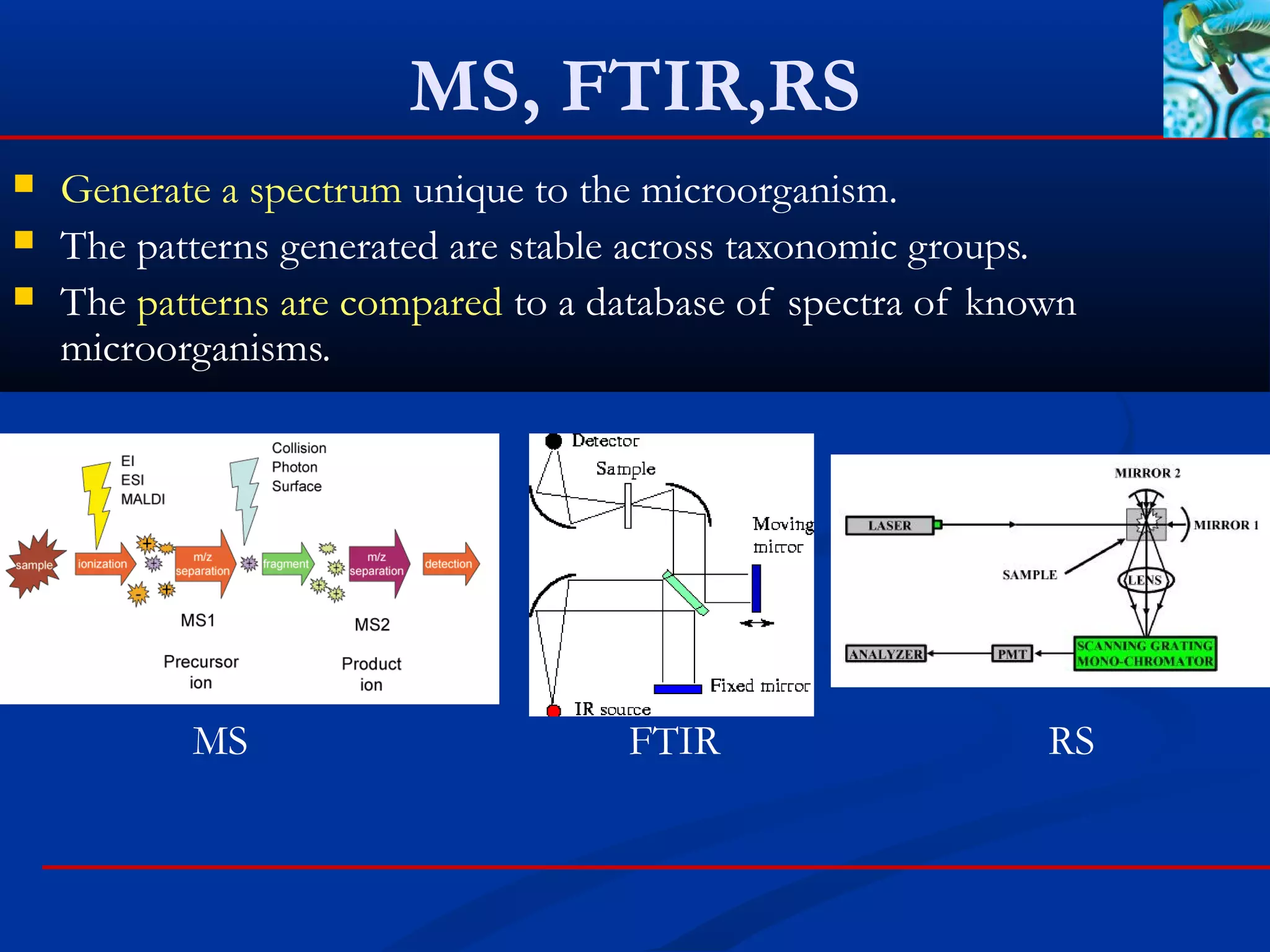
MS, FTIR,RS
 Generate a spectrum unique to the microorganism.
 The patterns generated are stable across taxonomic groups.
 The patterns are compared to a database of spectra of known
microorganisms.
MS FTIR RS
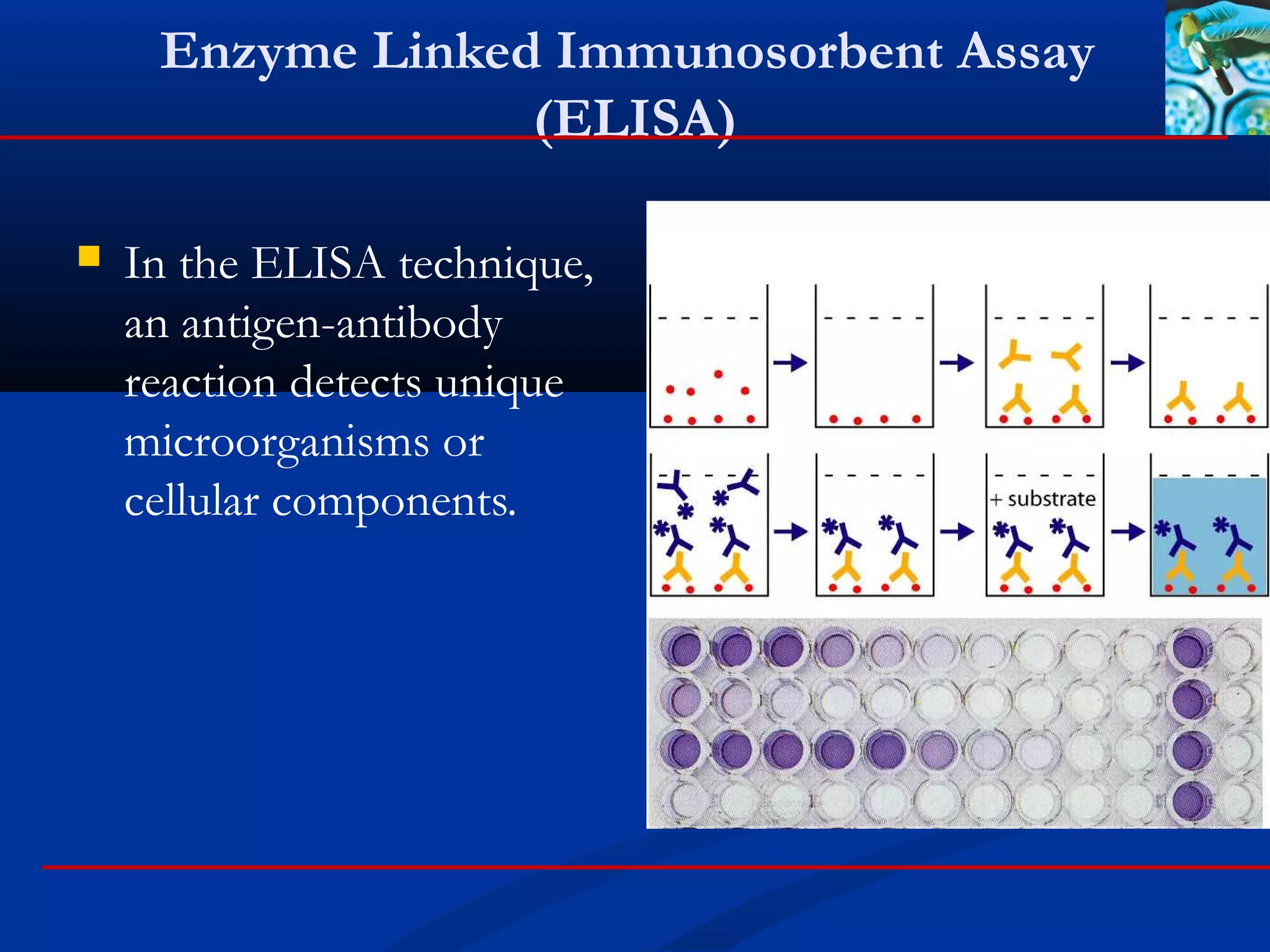
Enzyme Linked Immunosorbent Assay
(ELISA)
 In the ELISA technique,
an antigen-antibody
reaction detects unique
microorganisms or
cellular components.
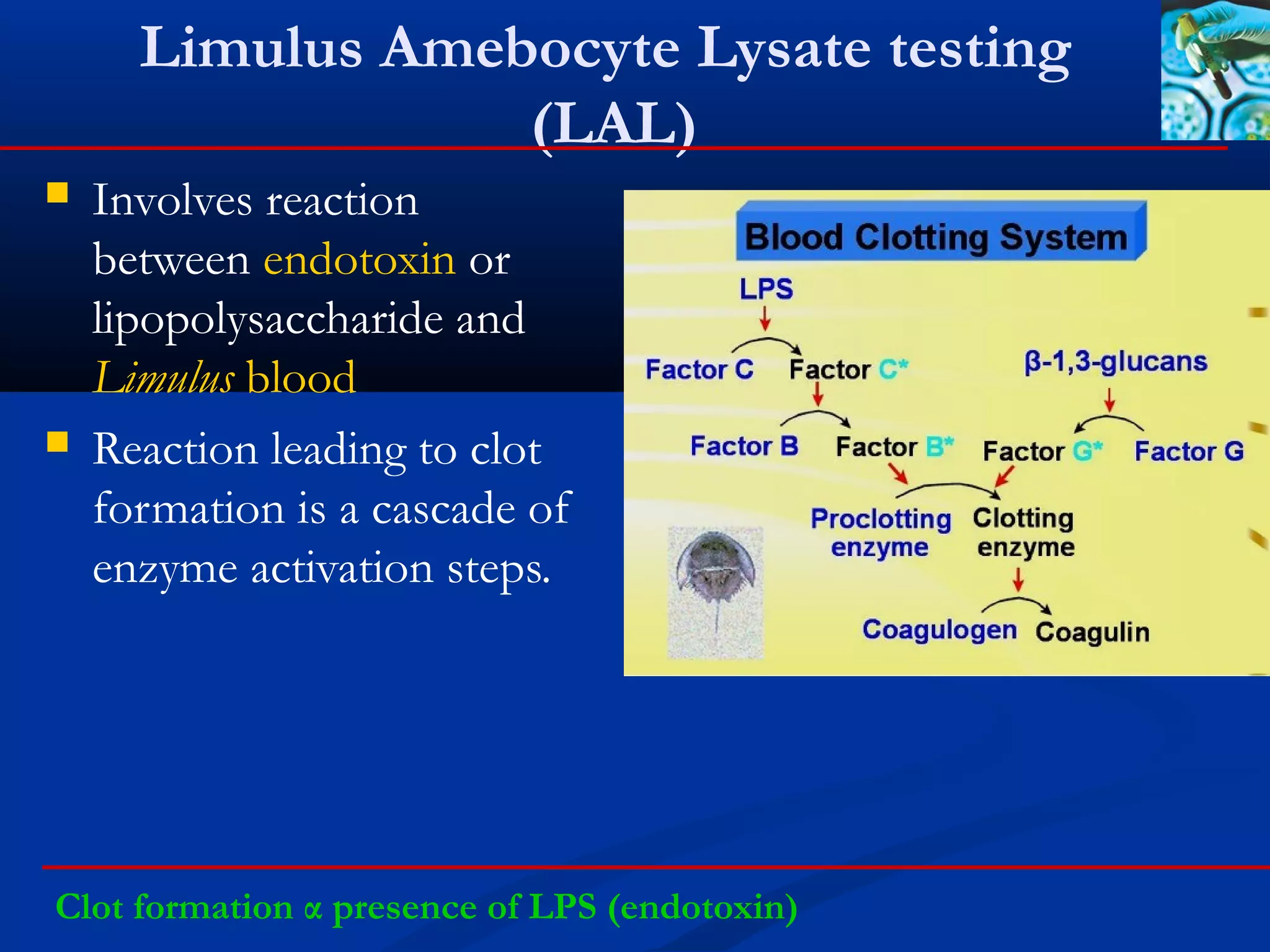
Limulus Amebocyte Lysate testing
(LAL)
 Involves reaction
between endotoxin or
lipopolysaccharide and
Limulus blood
 Reaction leading to clot
formation is a cascade of
enzyme activation steps.
Clot formation α presence of LPS (endotoxin)
Endospore detection
 A major component of the spore case is calcium
dipicolinate (Ca[dpa]).
 Dipicolinate anions (dpa2- ) are present only in bacterial
endospores.
 Terbium (Tb3+ ) is able to complex with dpa2- , forming a
photoluminescence complex [Tb(dpa)]+
 The sample is exposed to an ultraviolet (UV) source (250-
300 nm) and excited
dpa2- + Tb3+ →[Tb(dpa)]+ →ultraviolet source
RMMs
 Based on how the technology works
1. Methods that measure the growth of microorganisms
-Growth-based Technologies
2. Methods that determine the viability of microorganisms
-Viability-based Technologies
3. Methods that detect the presence or absence of cellular
components or artifacts -Cellular-component or
Artifact-based Technologies
4. Nucleic acid methods -Nucleic-acid-based
Technologies
5. Traditional methods combined with computer-aided
imaging
6. Combination methods.
Nucleic-acid-based Technologies
 Use nucleic acid methods as the basis for operation.
 Examples:
 Polymerase chain reaction (PCR)
 Ribotyping/molecular typing
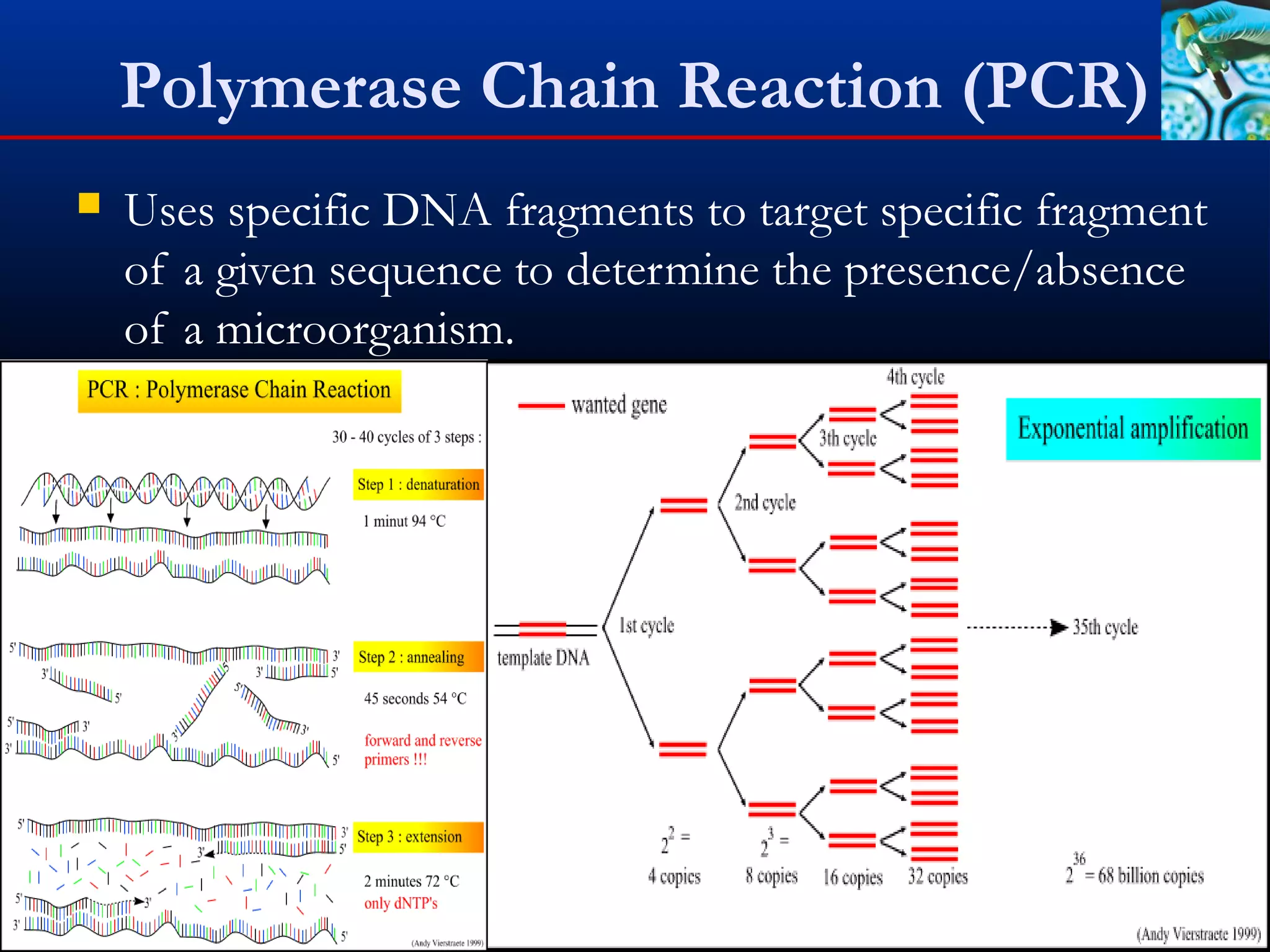
Polymerase Chain Reaction (PCR)
 Uses specific DNA fragments to target specific fragment
of a given sequence to determine the presence/absence
of a microorganism.
Ribotyping - Molecular Typing
 Used for organism identification using restriction
fragments of nucleic acids.
 The fragments are hybridized to a ribosomal RNA
probe.
 A chemiluminescent substrate is applied.
 A camera is used to convert the luminescing RFLPs to
digital information.
 A pattern is generated and compared to a database of
known patterns for identification.
RMMs
 Based on how the technology works
1. Methods that measure the growth of microorganisms -Growth-
based Technologies
2. Methods that determine the viability of microorganisms
-Viability-based Technologies
3. Methods that detect the presence or absence of cellular
components or artifacts -Cellular-component or Artifact-based
Technologies
4. Nucleic acid methods -Nucleic-acid-based Technologies
5. Traditional methods combined with computer-aided
imaging
6. Combination methods.
Traditional methods combined with
computer-aided imaging
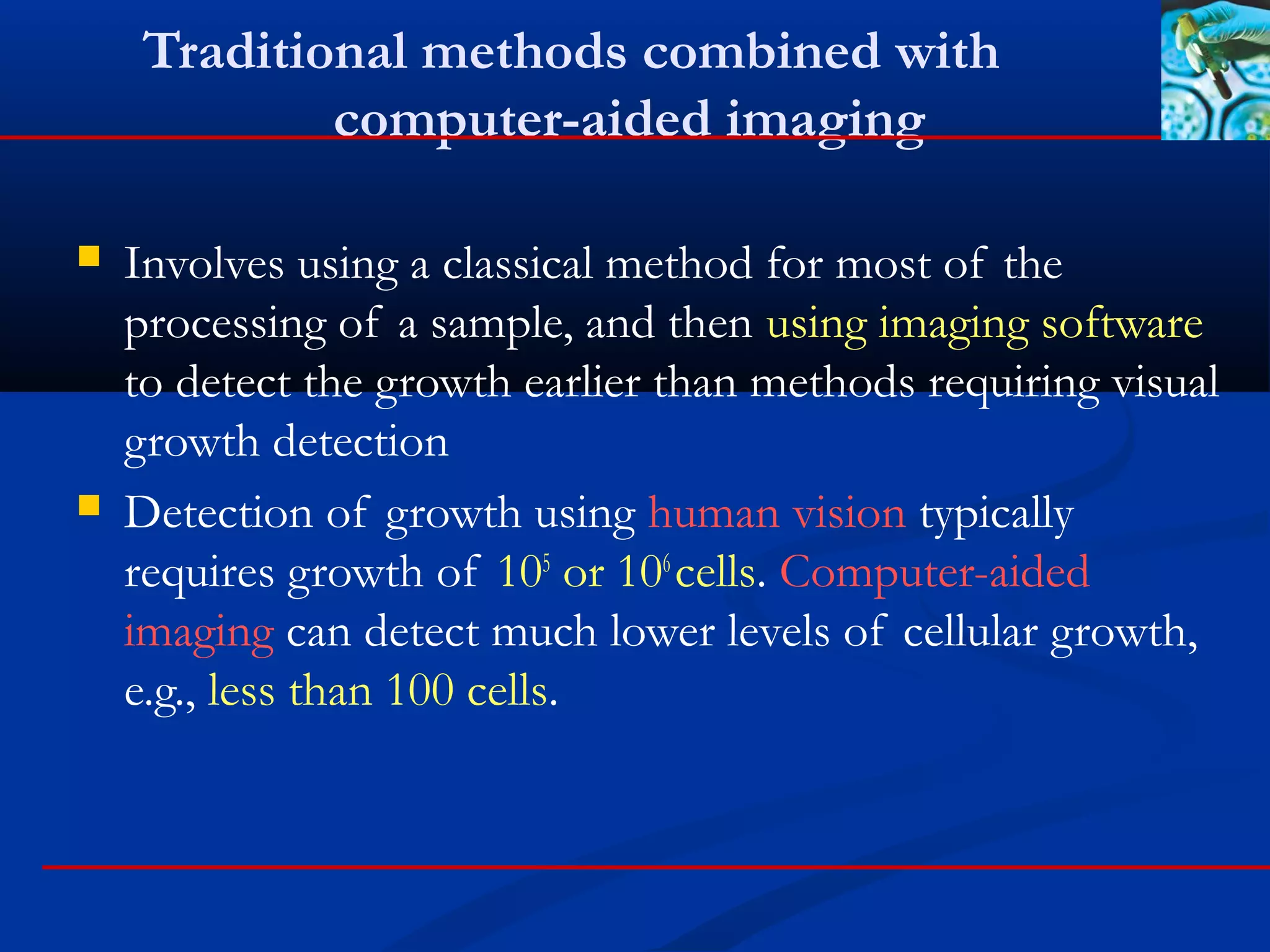
 Involves using a classical method for most of the
processing of a sample, and then using imaging software
to detect the growth earlier than methods requiring visual
growth detection
 Detection of growth using human vision typically
requires growth of 105
or 106
cells. Computer-aided
imaging can detect much lower levels of cellular growth,
e.g., less than 100 cells.
Computer – Aided imaging
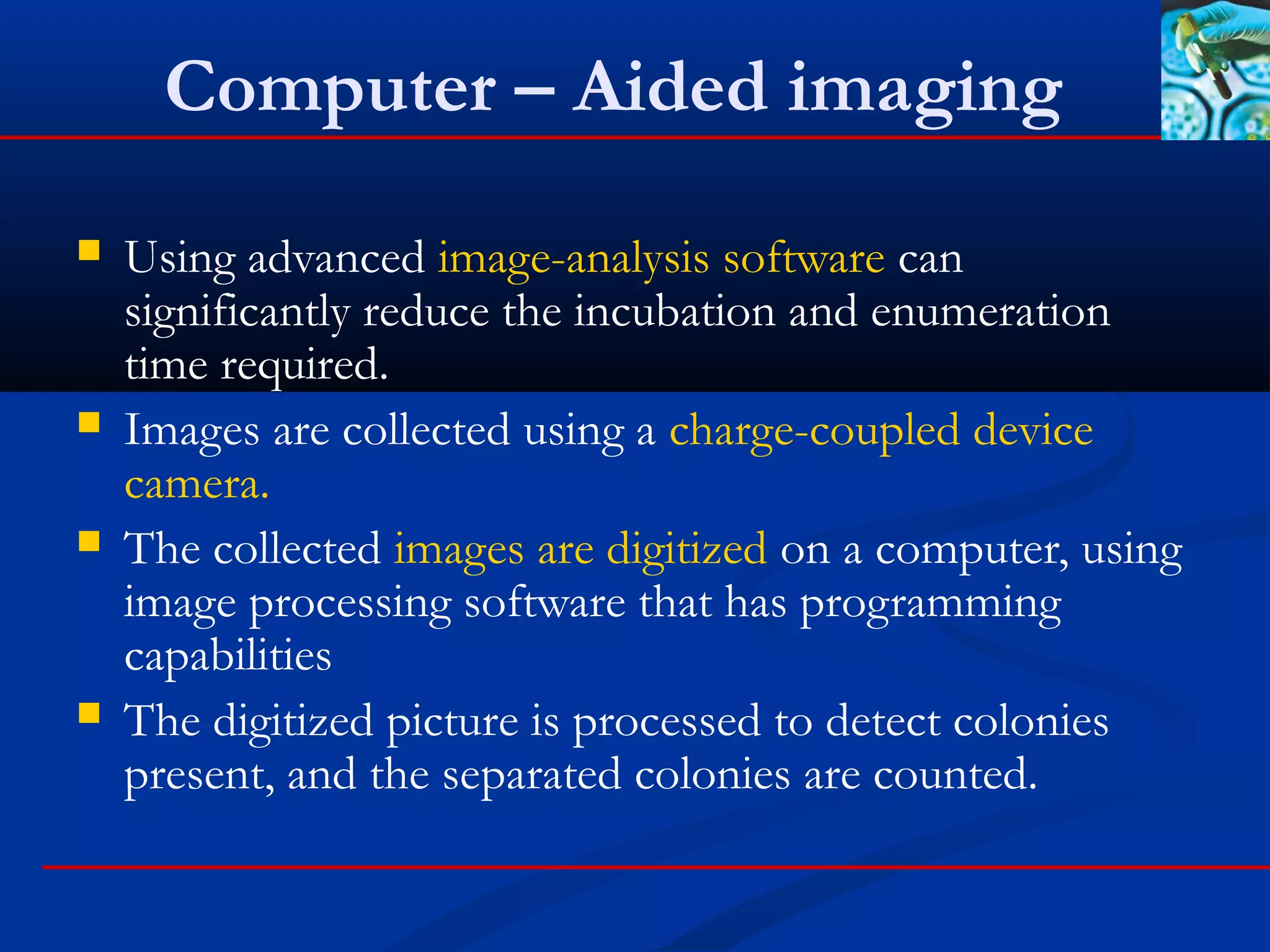
 Using advanced image-analysis software can
significantly reduce the incubation and enumeration
time required.
 Images are collected using a charge-coupled device
camera.
 The collected images are digitized on a computer, using
image processing software that has programming
capabilities
 The digitized picture is processed to detect colonies
present, and the separated colonies are counted.
RMMs
 Based on how the technology works
1. Methods that measure the growth of microorganisms
-Growth-based Technologies
2. Methods that determine the viability of microorganisms
-Viability-based Technologies
3. Methods that detect the presence or absence of cellular
components or artifacts -Cellular-component or
Artifact-based Technologies
4. Nucleic acid methods -Nucleic-acid-based
Technologies
5. Traditional methods combined with computer-aided
imaging
6. Combination methods.
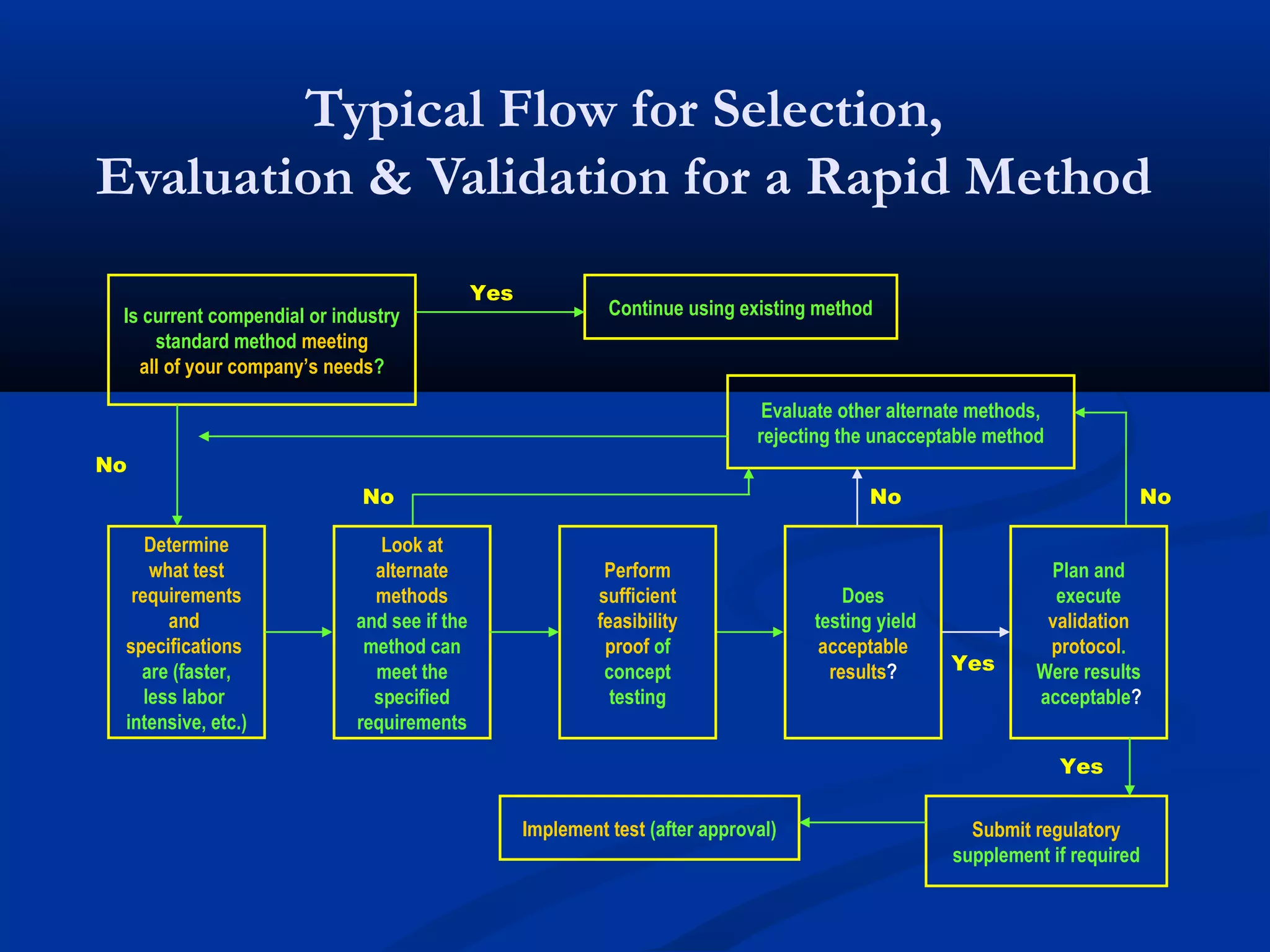
Typical Flow for Selection,
Evaluation & Validation for a Rapid Method
Is current compendial or industry
standard method meeting
all of your company’s needs?
Determine
what test
requirements
and
specifications
are (faster,
less labor
intensive, etc.)
Look at
alternate
methods
and see if the
method can
meet the
specified
requirements
Perform
sufficient
feasibility
proof of
concept
testing
Does
testing yield
acceptable
results?
Plan and
execute
validation
protocol.
Were results
acceptable?
Submit regulatory
supplement if required
Implement test (after approval)
Evaluate other alternate methods,
rejecting the unacceptable method
Continue using existing method
No
No
NoNo
Yes
Yes
Yes
Conclusion
RMM has following Advantages
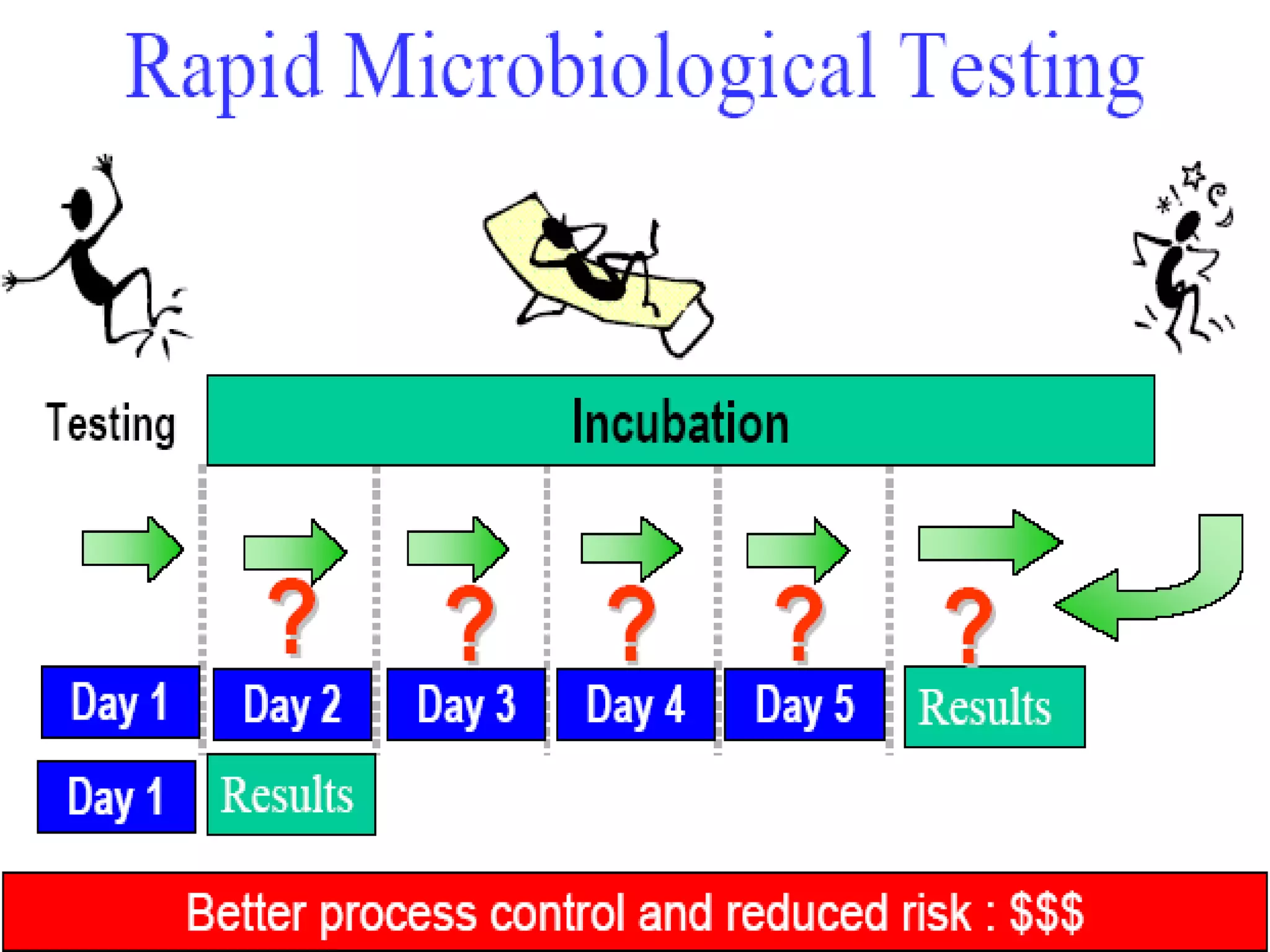
 Speed - Reduced product release cycle time
 Sensitivity
 Specificity
 Capacity -Higher throughput
 Simplicity
 Safety
 Cost -Reduced cost and labor
 Reproducibility
 Reduced Risk
Rapid microbiological methods

Rapid microbiological methods

  • 1.
    RAPID MICROBIOLOGICAL METHODS & THE PATINITIATIVE JA JALIS MUKTADIR
  • 2.
    Introduction  The methodsused in most microbiological test laboratories originated in the laboratories of Koch, Lister, and Pasteur.  Limited improvements in methods used for microbiological testing.  Implementation of improved methods for the isolation, early detection, characterization, and enumeration of microorganisms and their products.  This translates to better methods, automated methods, and methods that require less time or expense.
  • 3.
    Industries are slowto implement new methods  Regulators would not recognize these methods as superior to traditional ones.  Companies would not be allowed to change test limits based upon the test method.
  • 4.
  • 5.
    Traditional Methods  Dividedinto three general categories, based on the test function performed. 1. Presence or absence of microorganisms-"Is something there?"(e.g., pathogen detection, absence of objectionable organisms, sterility testing), 2. Enumeration of microorganisms-"How much is there?" (e.g., bioburden testing) 3. Identification of microorganisms "What is there? " Traditional methods are time consuming.
  • 8.
    Regulatory Framework  ParenteralDrug Association (PDA) -Provides guidance for evaluating, implementing, & validating rapid microbiological methods.  USP Proposed Chapter <1223> on Alternative Microbiological Methods Validation -various validation criteria that may be used for RMMs.
  • 9.
    Regulatory Framework…  GMPsfor the 21st Century  program initiated by FDA  objectives:  Encouraging early adoption of new technologies;  Encouraging implementation of risk-based approaches in critical areas;  FDA's 2004 Guidance on Aseptic Processing  Guidance document on aseptic processing of pharmaceutical products
  • 10.
    Regulatory Framework…  ProcessAnalytical Technologies  A Framework for Innovative Pharmaceutical Development, Manufacture, and Quality Assurance “Systems for analysis and control of manufacturing processes based on timely measurements, during processing of critical quality parameters and performance attributes of raw and in-process materials and processes to assure acceptable end product quality at the completion of the processes”  Chapter on RMM Proposed by EP  chapter 5.1.6. "Alternative Methods for Control of Microbiological Quality"
  • 11.
  • 12.
    RMMs  Based onhow the technology works 1. Methods that measure the growth of microorganisms -Growth-based Technologies 2. Methods that determine the viability of microorganisms -Viability-based Technologies 3. Methods that detect the presence or absence of cellular components or artifacts -Cellular-component or Artifact- based Technologies 4. Nucleic acid methods -Nucleic-acid-based Technologies 5. Traditional methods combined with computer-aided imaging 6. Combination methods.
  • 13.
    Growth-based Technologies  Basedon the measurement of biochemical or physiological parameters that reflect the growth of the microorganisms  Examples:  Adenosine triphosphate (ATP) bioluminescence  Adenylate kinase  Aeasurement of change in head space pressure  Colorimetric detection of carbon dioxide production  Impedance (Electrochemical) Methods  Conductivity
  • 14.
  • 15.
    ATP bioluminescence…  Amountof light or bioluminescence produced can be measured by sensitive luminometers.  Emitted light is usually expressed as relative light units (RLU)  Amount of light α amount of ATP in the sample.  Vendors of these technologies have conducted correlation between RLU readings and approximate number of organisms.  Standard curves are used to translate the raw RLU data to more meaningful organism-quantification data  Adv : reduces the test time required in the traditional method by approximately one-third. Amount of light α number of organism
  • 16.
    Adenylate kinase  Adenylatekinase is a cellular component.  The adenylate kinase released from cells reacts with ADP to form ATP.  The ATP is detected using an ATP bioluminescence method. Amount of light α growth organism
  • 17.
    Measurement of changein head space pressure  Microbial growth causes significant production or consumption of gas.  Electronic transducers measure positive or negative pressure changes in the head space of each culture bottle. Microbial group Gaseous products Clostridia Clostridium tyrobutyricum CO2 , H2 Lactobacilli Lactobacillus brevis Lactobacillus casei CO2 Streptococci Streptococcus thermophilus CO2 Coliforms CO2 , H2 Yeasts CO2 Lactococci Lactococcus lactis ssp. lactis biovar. diacetylactis   CO2 Bacillus species Bacillus subtilis CO2 , H2 Leuconostocs Leuconostoc mesenteroides Leuconostoc dextranicum CO2 Propionibacteria Propionibacterium shermani CO2 Change in head pressure α Growth organism
  • 18.
    Colorimetric detection ofcarbon dioxide production  As microorganisms grow, they produce carbon dioxide  The test samples are placed in culture bottles, incubated, agitated, and monitored for the presence of microorganisms.  These systems use colorimetric detection of CO2 production from the growth of organisms Change in colour α Growth of organism
  • 19.
    Impedance (Electrochemical) Methods  Impedanceis the resistance to the flow of an alternating current through a conducting material.  Growing microorganisms in large complex constituents, (proteins and carbohydrates) and convert them to smaller charged by- products (amino acids, carbon dioxide, and acids).  These smaller by-products change the electrical conducting properties of the supporting growth medium.  When an alternating current is applied across electrodes to this growth media, a change in impedance can be observed. Change in impedance α Growth of organism
  • 20.
    conductivity  This issimilar to impedance methods, with measurement taken in conductance. Change in conductivity α Growth of organism
  • 21.
    RMMs  Based onhow the technology works 1. Methods that measure the growth of microorganisms -Growth- based Technologies 2. Methods that determine the viability of microorganisms -Viability-based Technologies 3. Methods that detect the presence or absence of cellular components or artifacts -Cellular-component or Artifact- based Technologies 4. Nucleic acid methods -Nucleic-acid-based Technologies 5. Traditional methods combined with computer-aided imaging 6. Combination methods.
  • 22.
    Viability-based Technologies  Varyingmethods are used to determine if the cell is viable, and if viable cells are detected, they can be enumerated.  Examples:  DEFT (Direct Epifluoresecent Filter Technique)  Flow Cytometry (Fluorescence)  Solid-Phase Cytometry  Microcalorimetry
  • 23.
    Direct Epifluorescent FilterTechnique (DEFT)  Capturing bacterial cells on the surface of polycarbonate membrane filters.  Staining using a fluorescent viability indicator (Acridine orange, 4',6-diamidino-2-phenyl indole ).  Visualization using epifluorescence microscopy.  DEFT detects fluorescing microorganisms. Fluorescence α viability of organism
  • 24.
    Polymicrobic biofilm stainedwith 4,6-diamidino-2-phenyl indole (DAPI) and examined by epifluorescence microscopy.
  • 25.
    FC & SPC Microorganisms are labeled with a non-fluorescent marker.  The marker is taken up into the cell and cleaved by intracellular enzymatic activity to produce a fluorescing substrate.  The labeled sample is automatically injected into a quartz flow cell, which passes each microorganism individually through a laser excitation beam for detection. Fluorescence α viability of organism
  • 26.
    Microcalorimetry  Micro =small  Calorimetry = the science of heat.  Microcalorimetry is the calorimetry of small samples, specifically microgram samples  The process of microbial catabolism results in heat that can be measured by micro-calorimetry. Production of heat α viability of organism
  • 27.
    RMMs  Based onhow the technology works 1. Methods that measure the growth of microorganisms -Growth-based Technologies 2. Methods that determine the viability of microorganisms -Viability-based Technologies 3. Methods that detect the presence or absence of cellular components or artifacts -Cellular- component or Artifact-based Technologies 4. Nucleic acid methods -Nucleic-acid-based Technologies 5. Traditional methods combined with computer-aided imaging 6. Combination methods.
  • 28.
    Cellular-component based Technologies  Thesetechnologies look for a specific cellular component or artifact within the cell for detection or identification  Examples:  Fatty Acid Profiles (Fatty Acid Methyl Esters [FAMEs])  Mass spectrometry  Fourier Transform Infrared Spectroscopy (FTIR)  Raman spectroscopy  Enzyme linked immunosorbent assay (ELISA)  Bacterial endotoxin-limulus amebocyte lysate testing (LAL).  Endospore detection  Gram stains
  • 29.
    Fatty Acid Profiles(Fatty Acid Methyl Esters [FAMEs])  Fatty acids are present in microorganisms  Isolates are grown on standard media and selected for testing.  The testing procedure includes saponification of fatty acids, methylation, and extraction, to produce fatty acid methyl esters (FAMEs).  The FAMEs are measured using gas chromatography Fatty acids → fatty acid methyl esters (FAMEs) → gas chromatography
  • 30.
    MS, FTIR,RS  Generatea spectrum unique to the microorganism.  The patterns generated are stable across taxonomic groups.  The patterns are compared to a database of spectra of known microorganisms. MS FTIR RS
  • 31.
    Enzyme Linked ImmunosorbentAssay (ELISA)  In the ELISA technique, an antigen-antibody reaction detects unique microorganisms or cellular components.
  • 32.
    Limulus Amebocyte Lysatetesting (LAL)  Involves reaction between endotoxin or lipopolysaccharide and Limulus blood  Reaction leading to clot formation is a cascade of enzyme activation steps. Clot formation α presence of LPS (endotoxin)
  • 33.
    Endospore detection  Amajor component of the spore case is calcium dipicolinate (Ca[dpa]).  Dipicolinate anions (dpa2- ) are present only in bacterial endospores.  Terbium (Tb3+ ) is able to complex with dpa2- , forming a photoluminescence complex [Tb(dpa)]+  The sample is exposed to an ultraviolet (UV) source (250- 300 nm) and excited dpa2- + Tb3+ →[Tb(dpa)]+ →ultraviolet source
  • 34.
    RMMs  Based onhow the technology works 1. Methods that measure the growth of microorganisms -Growth-based Technologies 2. Methods that determine the viability of microorganisms -Viability-based Technologies 3. Methods that detect the presence or absence of cellular components or artifacts -Cellular-component or Artifact-based Technologies 4. Nucleic acid methods -Nucleic-acid-based Technologies 5. Traditional methods combined with computer-aided imaging 6. Combination methods.
  • 35.
    Nucleic-acid-based Technologies  Usenucleic acid methods as the basis for operation.  Examples:  Polymerase chain reaction (PCR)  Ribotyping/molecular typing
  • 36.
    Polymerase Chain Reaction(PCR)  Uses specific DNA fragments to target specific fragment of a given sequence to determine the presence/absence of a microorganism.
  • 37.
    Ribotyping - MolecularTyping  Used for organism identification using restriction fragments of nucleic acids.  The fragments are hybridized to a ribosomal RNA probe.  A chemiluminescent substrate is applied.  A camera is used to convert the luminescing RFLPs to digital information.  A pattern is generated and compared to a database of known patterns for identification.
  • 38.
    RMMs  Based onhow the technology works 1. Methods that measure the growth of microorganisms -Growth- based Technologies 2. Methods that determine the viability of microorganisms -Viability-based Technologies 3. Methods that detect the presence or absence of cellular components or artifacts -Cellular-component or Artifact-based Technologies 4. Nucleic acid methods -Nucleic-acid-based Technologies 5. Traditional methods combined with computer-aided imaging 6. Combination methods.
  • 39.
    Traditional methods combinedwith computer-aided imaging  Involves using a classical method for most of the processing of a sample, and then using imaging software to detect the growth earlier than methods requiring visual growth detection  Detection of growth using human vision typically requires growth of 105 or 106 cells. Computer-aided imaging can detect much lower levels of cellular growth, e.g., less than 100 cells.
  • 40.
    Computer – Aidedimaging  Using advanced image-analysis software can significantly reduce the incubation and enumeration time required.  Images are collected using a charge-coupled device camera.  The collected images are digitized on a computer, using image processing software that has programming capabilities  The digitized picture is processed to detect colonies present, and the separated colonies are counted.
  • 41.
    RMMs  Based onhow the technology works 1. Methods that measure the growth of microorganisms -Growth-based Technologies 2. Methods that determine the viability of microorganisms -Viability-based Technologies 3. Methods that detect the presence or absence of cellular components or artifacts -Cellular-component or Artifact-based Technologies 4. Nucleic acid methods -Nucleic-acid-based Technologies 5. Traditional methods combined with computer-aided imaging 6. Combination methods.
  • 42.
    Typical Flow forSelection, Evaluation & Validation for a Rapid Method Is current compendial or industry standard method meeting all of your company’s needs? Determine what test requirements and specifications are (faster, less labor intensive, etc.) Look at alternate methods and see if the method can meet the specified requirements Perform sufficient feasibility proof of concept testing Does testing yield acceptable results? Plan and execute validation protocol. Were results acceptable? Submit regulatory supplement if required Implement test (after approval) Evaluate other alternate methods, rejecting the unacceptable method Continue using existing method No No NoNo Yes Yes Yes
  • 43.
    Conclusion RMM has followingAdvantages  Speed - Reduced product release cycle time  Sensitivity  Specificity  Capacity -Higher throughput  Simplicity  Safety  Cost -Reduced cost and labor  Reproducibility  Reduced Risk

Editor's Notes

  • #43 If for example, the other product testing required always takes a minimum of 40 days, there may not be the same economic benefit to go to a rapid method, just because you could do it faster. Also, not all “rapid” methods are created equally. If a colilert will do what you want, you don’t necessarily need a hunderds of thousands of dollars piece of rapid micro equipment.