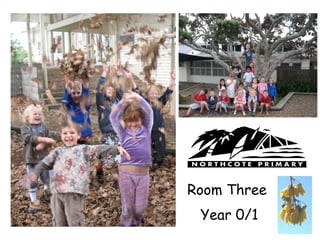
Room Three Year 0/1
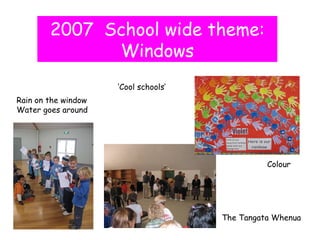
2007  School wide theme: Windows Rain on the window Water goes around Colour ‘ Cool schools’ The Tangata Whenua
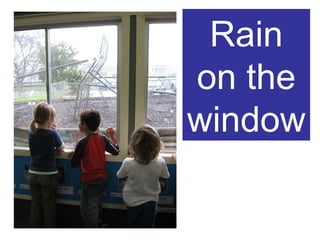
Rain on the window
Tuning In What do you know ? What questions do you have ? How could you find information out?
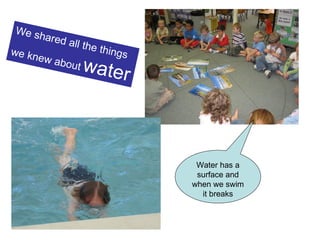
We shared all the things we knew about   water Water has a surface and when we swim it breaks
Where does the water go that goes down a drain? (Mitchell) How does the tap stop the water from coming out?   Why do we have a dam? Where does the water from our taps come from? (Marie) How does dirty water get clean? (Jeremiah) Where does the water from puddles go?
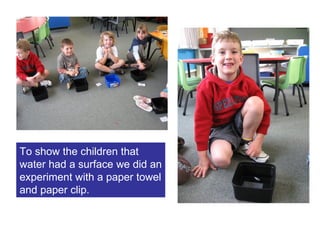
To show the children that water had a surface we did an experiment with a paper towel and paper clip.
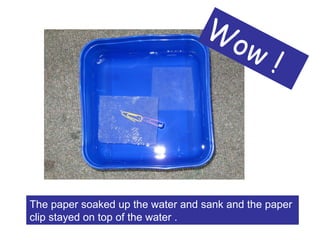
The paper soaked up the water and sank and the paper clip stayed on top of the water . Wow !
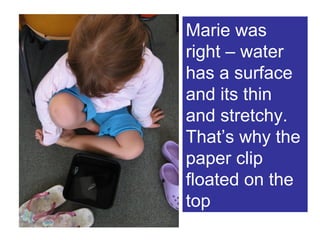
Marie was right – water has a surface and its thin and stretchy. That’s why the paper clip floated on the top
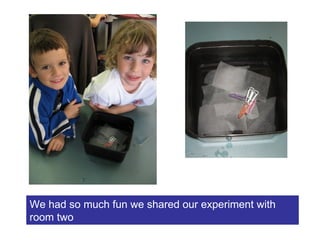
We had so much fun we shared our experiment with room two
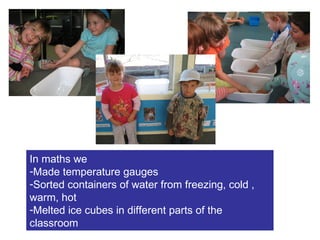
In maths we Made temperature gauges Sorted containers of water from freezing, cold , warm, hot Melted ice cubes in different parts of the classroom
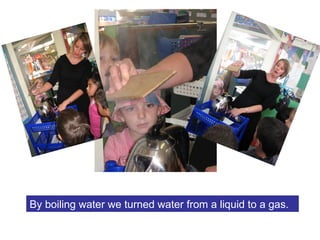
By boiling water we turned water from a liquid to a gas.
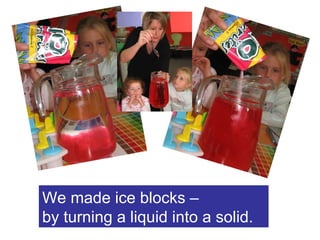
We made ice blocks –  by turning a liquid into a solid.
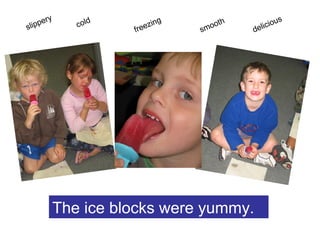
The ice blocks were yummy. slippery cold delicious smooth freezing
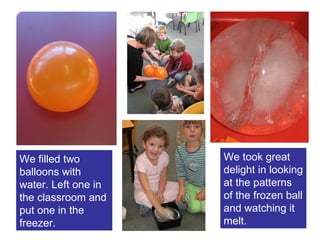
We filled two balloons with water. Left one in the classroom and put one in the freezer. We took great delight in looking at the patterns of the frozen ball and watching it melt.
 
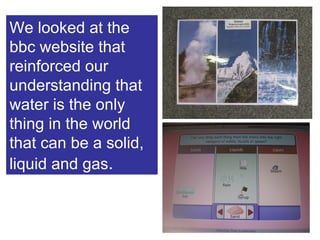
We looked at the bbc website that reinforced our understanding that water is the only thing in the world that can be a solid, liquid and gas .
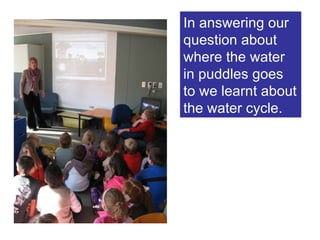
In answering our question about where the water in puddles goes to we learnt about the water cycle.
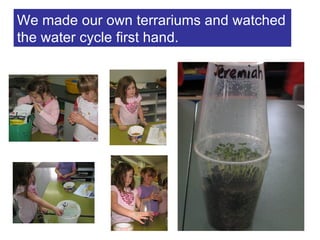
We made our own terrariums and watched the water cycle first hand.
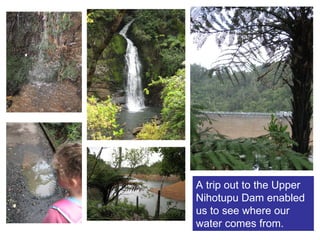
A trip out to the Upper Nihotupu Dam enabled us to see where our water comes from.
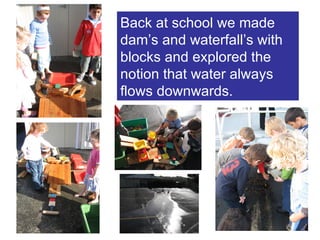
Back at school we made dam’s and waterfall’s with blocks and explored the notion that water always flows downwards.
Finding out What would you like to learn more about ? Do you have any new questions?
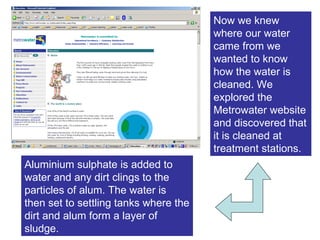
Now we knew where our water came from we wanted to know how the water is cleaned. We explored the Metrowater website and discovered that it is cleaned at treatment stations. Aluminium sulphate is added to water and any dirt clings to the particles of alum. The water is then set to settling tanks where the dirt and alum form a layer of sludge.
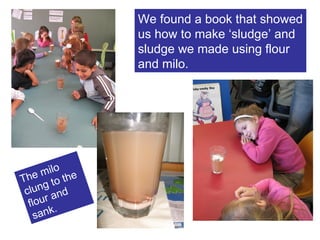
We found a book that showed us how to make ‘sludge’ and sludge we made using flour and milo. The milo clung to the flour and sank.
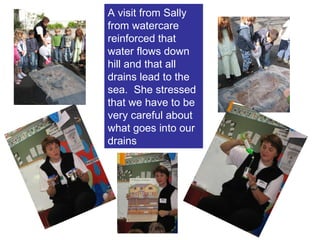
A visit from Sally from watercare reinforced that water flows down hill and that all drains lead to the sea.  She stressed that we have to be very careful about what goes into our drains
Sorting out What have you learnt ? How will you record this information ?
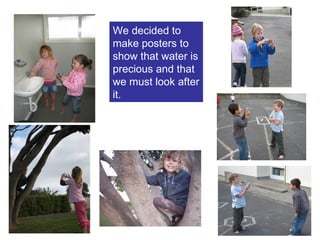
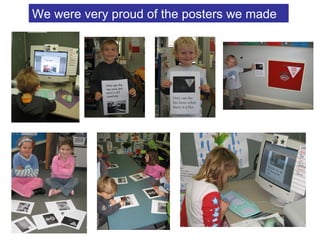
We decided to make posters to show that water is precious and that we must look after it.
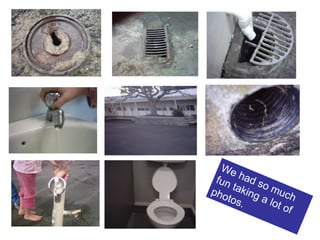
We had so much fun taking a lot of photos.
We were very proud of the posters we made
Going Further What would you like to learn more about? Why ?
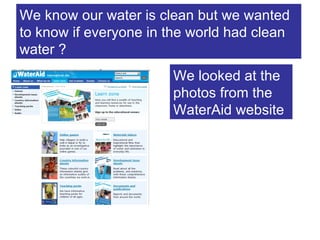
We know our water is clean but we wanted to know if everyone in the world had clean water ? We looked at the photos from the WaterAid website
Action What have you learnt that you can use in your everyday life ? How can you apply this knowledge in every day life
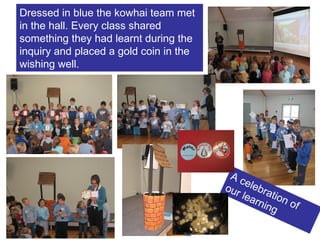
Dressed in blue the kowhai team met in the hall. Every class shared something they had learnt during the inquiry and placed a gold coin in the wishing well. A celebration of our learning
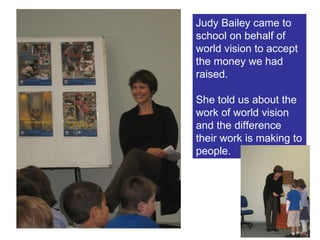
Judy Bailey came to school on behalf of world vision to accept the money we had raised. She told us about the work of world vision and the difference their work is making to people.
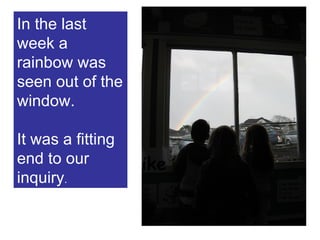
In the last week a rainbow was seen out of the window.  It was a fitting end to our inquiry .

Rain On The Window

  • 1.
  • 2.
    2007 Schoolwide theme: Windows Rain on the window Water goes around Colour ‘ Cool schools’ The Tangata Whenua
  • 3.
  • 4.
    Tuning In Whatdo you know ? What questions do you have ? How could you find information out?
  • 5.
    We shared allthe things we knew about water Water has a surface and when we swim it breaks
  • 6.
    Where does thewater go that goes down a drain? (Mitchell) How does the tap stop the water from coming out? Why do we have a dam? Where does the water from our taps come from? (Marie) How does dirty water get clean? (Jeremiah) Where does the water from puddles go?
  • 7.
    To show thechildren that water had a surface we did an experiment with a paper towel and paper clip.
  • 8.
    The paper soakedup the water and sank and the paper clip stayed on top of the water . Wow !
  • 9.
    Marie was right– water has a surface and its thin and stretchy. That’s why the paper clip floated on the top
  • 10.
    We had somuch fun we shared our experiment with room two
  • 11.
    In maths weMade temperature gauges Sorted containers of water from freezing, cold , warm, hot Melted ice cubes in different parts of the classroom
  • 12.
    By boiling waterwe turned water from a liquid to a gas.
  • 13.
    We made iceblocks – by turning a liquid into a solid.
  • 14.
    The ice blockswere yummy. slippery cold delicious smooth freezing
  • 15.
    We filled twoballoons with water. Left one in the classroom and put one in the freezer. We took great delight in looking at the patterns of the frozen ball and watching it melt.
  • 16.
  • 17.
    We looked atthe bbc website that reinforced our understanding that water is the only thing in the world that can be a solid, liquid and gas .
  • 18.
    In answering ourquestion about where the water in puddles goes to we learnt about the water cycle.
  • 19.
    We made ourown terrariums and watched the water cycle first hand.
  • 20.
    A trip outto the Upper Nihotupu Dam enabled us to see where our water comes from.
  • 21.
    Back at schoolwe made dam’s and waterfall’s with blocks and explored the notion that water always flows downwards.
  • 22.
    Finding out Whatwould you like to learn more about ? Do you have any new questions?
  • 23.
    Now we knewwhere our water came from we wanted to know how the water is cleaned. We explored the Metrowater website and discovered that it is cleaned at treatment stations. Aluminium sulphate is added to water and any dirt clings to the particles of alum. The water is then set to settling tanks where the dirt and alum form a layer of sludge.
  • 24.
    We found abook that showed us how to make ‘sludge’ and sludge we made using flour and milo. The milo clung to the flour and sank.
  • 25.
    A visit fromSally from watercare reinforced that water flows down hill and that all drains lead to the sea. She stressed that we have to be very careful about what goes into our drains
  • 26.
    Sorting out Whathave you learnt ? How will you record this information ?
  • 27.
    We decided tomake posters to show that water is precious and that we must look after it.
  • 28.
    We had somuch fun taking a lot of photos.
  • 29.
    We were veryproud of the posters we made
  • 30.
    Going Further Whatwould you like to learn more about? Why ?
  • 31.
    We know ourwater is clean but we wanted to know if everyone in the world had clean water ? We looked at the photos from the WaterAid website
  • 32.
    Action What haveyou learnt that you can use in your everyday life ? How can you apply this knowledge in every day life
  • 33.
    Dressed in bluethe kowhai team met in the hall. Every class shared something they had learnt during the inquiry and placed a gold coin in the wishing well. A celebration of our learning
  • 34.
    Judy Bailey cameto school on behalf of world vision to accept the money we had raised. She told us about the work of world vision and the difference their work is making to people.
  • 35.
    In the lastweek a rainbow was seen out of the window. It was a fitting end to our inquiry .

Editor's Notes

  • #2 Introduction- Helen – Background I joined Northcote primary in 2005 term 2 , never sent an email before, 2006 began the ICT contract , 2007 took on the role of sharing leadership role for ICT in the school. During this session I want to share with you in particular 2 unit of work and show how we have embedded ICT practices into it. - through the use of a digital diary and secondly through the use of a blog. Fiona