



Energy: Past-Present-Future
Approach for Mid-Rise Buildings
Presented by: Ricky Chu & Keven Hempel
Westcon Presentation – 1.21.15
EstablishedEnergy Retrofit Firmin
NorthernCalifornia
Rayco Energy
• Delivering Projects since
2008 to Niche Markets
• Multi-Family & Non-Profit
• Financial-driven projects
Projects
• $50K-$2Million in Size
• HOA’s, Apartments
• Commercial Buildings
Key Metrics Achieved
• Pay with Savings Model
• Non-Profit Energy Financing
• MCE, PGE, SCE, SDGE
Experienced Team
• Same ownership since 2008
• Optimal market factors for
energy retrofitting
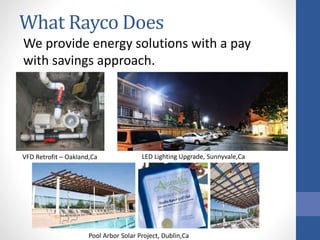
What Rayco Does
We provide energy solutions with a pay
with savings approach.
VFD Retrofit – Oakland,Ca LED Lighting Upgrade, Sunnyvale,Ca
Pool Arbor Solar Project, Dublin,Ca
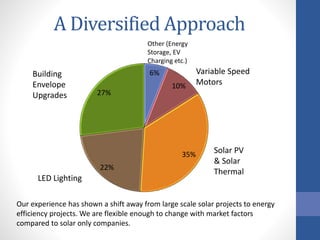
A Diversified Approach
6%
10%
35%
22%
27%
Variable Speed
Motors
Other (Energy
Storage, EV
Charging etc.)
LED Lighting
Solar PV
& Solar
Thermal
Building
Envelope
Upgrades
Our experience has shown a shift away from large scale solar projects to energy
efficiency projects. We are flexible enough to change with market factors
compared to solar only companies.
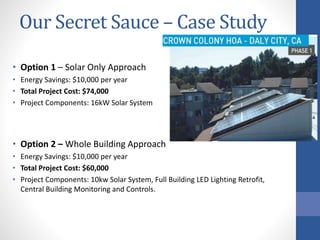
Our Secret Sauce – Case Study
• Option 1 – Solar Only Approach
• Energy Savings: $10,000 per year
• Total Project Cost: $74,000
• Project Components: 16kW Solar System
• Option 2 – Whole Building Approach
• Energy Savings: $10,000 per year
• Total Project Cost: $60,000
• Project Components: 10kw Solar System, Full Building LED Lighting Retrofit,
Central Building Monitoring and Controls.
PAST
Past Approach
• Going Green is “Too Expensive”
• No Budget for It.
• Single Trade Focus
• Limited Rebates by California and DOE
• Little to No Regulation on Energy
Standards
PRESENT
Filling the Void Today
Combining Simple Energy Efficiency
Measures with Solar Power
Leasing Alternatives
Local & State Rebate
Energy Engineering (Peak Demand)
Balancing Modernization with Going Green
Partnering with CM’s, Architects, Engineers,
Consultants
How are wedifferent from Solar City?
Solar City:
• No HOA’s or Non-Profits
• No Energy Efficiency Focus
• Aggressive Sales Rep Based
• All About the Lease
• Most Solar Companies
ESCO Approach:
• Make the building more efficient before doing any solar
• Develop a project plan that integrates rebates and lifecycle
maintenance costs
• Partner with CM’s, Architects and PM’s to develop win win projects
• SHOW CLIENT THE MONEY (Finance driven projects)
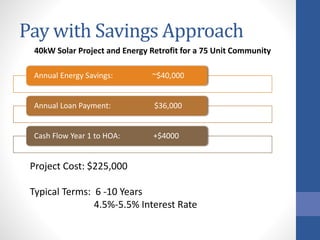
Pay with Savings Approach
Annual Energy Savings: ~$40,000
Annual Loan Payment: $36,000
Cash Flow Year 1 to HOA: +$4000
40kW Solar Project and Energy Retrofit for a 75 Unit Community
Project Cost: $225,000
Typical Terms: 6 -10 Years
4.5%-5.5% Interest Rate
REBATES
• Rebates and Tax Credits are industry specific
• Multi-Family
• Commercial
• Residential
• Rebates are geographic specific
• SF/SAN MATEO/EAST BAY Energy Watch
• Marin Clean Energy
• Silicon Valley Power
• Rebates need detailed Energy Modeling
• HERS/BUILD I T GREEN/RESNET/ MORE!
• Test in Test Out
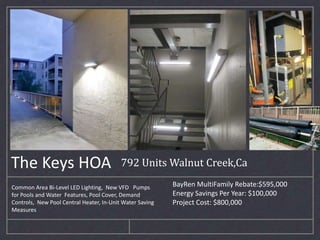
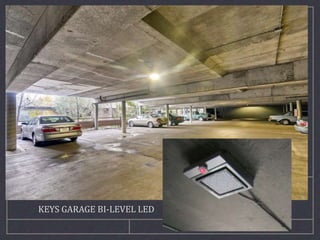
The Keys HOA 792 Units Walnut Creek,Ca
Common Area Bi-Level LED Lighting, New VFD Pumps
for Pools and Water Features, Pool Cover, Demand
Controls, New Pool Central Heater, In-Unit Water Saving
Measures
BayRen MultiFamily Rebate:$595,000
Energy Savings Per Year: $100,000
Project Cost: $800,000
KEYS GARAGE BI-LEVEL LED
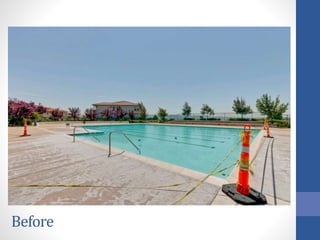
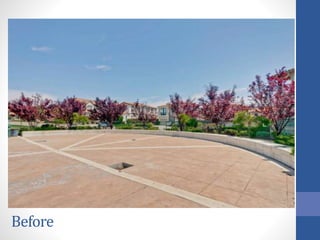
Modernizing Facilities
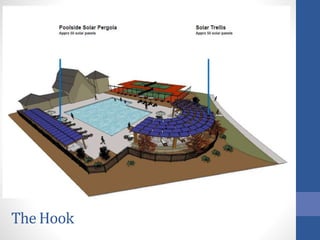
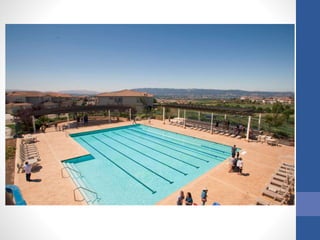
Dublin Ranch Golf Community – Dublin,Ca 1400+ SFH
• Size: 400 units – Single Family Community
• Electrical Costs Current: $24,000+ (Pool Meter)
• Electrical Savings: $20,000 per year
• Challenges: Pool deck too hot in summer, electrical costs
increased 6% because of peak demand pricing, pro-active
board
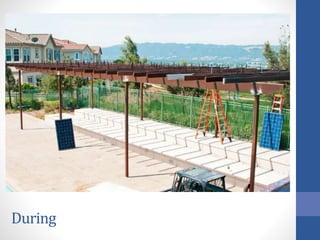
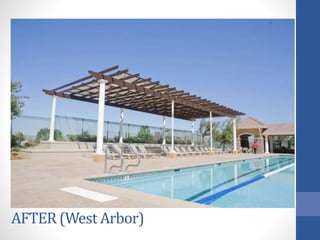
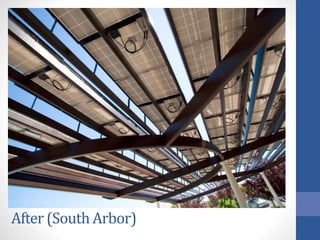
• Solutions: Custom designed steel trellis system with
integrated solar pv, LED bollards.
• Result: Allowed for huge increase in the amount of residents
using the pool.
Before
Before
The Hook
During
AFTER (West Arbor)
After (South Arbor)
FUTURE
Future Focus
• “Greening of the Construction Industry” – everything is going
green. The best companies will be the ones who figure out
how to sell green products to their existing customers.
• Positive Cash Flow Projects or “Pay with Savings” Projects will
be the preferred method of delivery for energy efficiency
projects.
• EROEI = Energy Returned on Energy Invested
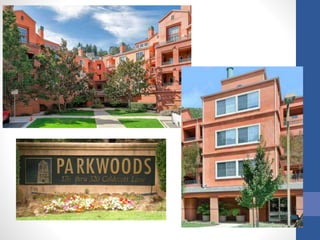
PARKWOODS HOA
• OAKLAND,CA – 300+ UNITS
• 3 FOCUSES
• MODERNIZE AND UPGRADE BUILDINGS TO TODAYS STANDARDS
• IMPROVE SAFETY FOR COMMUNITY
• REDUCE MAINTENANCE AND LIFECYCLE COSTS
• PROJECT CONCEPT
• PHASE APPROACH
• FIRE SPRINKLER UPGRADE (COMPLETED)
• INTEGRATE SOLAR STANCHIONS WITH NEW ROOF (2015)
• COMPLETE BI-LEVEL LED LIGHTING RETROFIT FOR SAFETY (2015)
• LEED CERTIFICATION FOR BUILDING VALUE (2016) & WATER SAVING
MEASURES (2016)
• PAY WITH SAVINGS APPROACH
The Big Players Understand
Clay Nesler, VP of global energy and sustainability, Johnson Controls:
“In our 2013 global survey of 3,000 facility and energy management
executives, we found that 73 percent of organizations had made
internal or public goals to reduce energy consumption. We also found
that organizations that made public goals implemented 50 percent
more efficiency measures last year and were 2.7 times more likely to
increase investments next year than organizations without goals.”

Energy Technologies for Mid-Rise Buildings - Past, Present and Future

  • 1.
    Energy: Past-Present-Future Approach forMid-Rise Buildings Presented by: Ricky Chu & Keven Hempel Westcon Presentation – 1.21.15
  • 2.
    EstablishedEnergy Retrofit Firmin NorthernCalifornia RaycoEnergy • Delivering Projects since 2008 to Niche Markets • Multi-Family & Non-Profit • Financial-driven projects Projects • $50K-$2Million in Size • HOA’s, Apartments • Commercial Buildings Key Metrics Achieved • Pay with Savings Model • Non-Profit Energy Financing • MCE, PGE, SCE, SDGE Experienced Team • Same ownership since 2008 • Optimal market factors for energy retrofitting
  • 3.
    What Rayco Does Weprovide energy solutions with a pay with savings approach. VFD Retrofit – Oakland,Ca LED Lighting Upgrade, Sunnyvale,Ca Pool Arbor Solar Project, Dublin,Ca
  • 4.
    A Diversified Approach 6% 10% 35% 22% 27% VariableSpeed Motors Other (Energy Storage, EV Charging etc.) LED Lighting Solar PV & Solar Thermal Building Envelope Upgrades Our experience has shown a shift away from large scale solar projects to energy efficiency projects. We are flexible enough to change with market factors compared to solar only companies.
  • 5.
    Our Secret Sauce– Case Study • Option 1 – Solar Only Approach • Energy Savings: $10,000 per year • Total Project Cost: $74,000 • Project Components: 16kW Solar System • Option 2 – Whole Building Approach • Energy Savings: $10,000 per year • Total Project Cost: $60,000 • Project Components: 10kw Solar System, Full Building LED Lighting Retrofit, Central Building Monitoring and Controls.
  • 6.
  • 7.
    Past Approach • GoingGreen is “Too Expensive” • No Budget for It. • Single Trade Focus • Limited Rebates by California and DOE • Little to No Regulation on Energy Standards
  • 9.
  • 10.
    Filling the VoidToday Combining Simple Energy Efficiency Measures with Solar Power Leasing Alternatives Local & State Rebate Energy Engineering (Peak Demand) Balancing Modernization with Going Green Partnering with CM’s, Architects, Engineers, Consultants
  • 11.
    How are wedifferentfrom Solar City? Solar City: • No HOA’s or Non-Profits • No Energy Efficiency Focus • Aggressive Sales Rep Based • All About the Lease • Most Solar Companies ESCO Approach: • Make the building more efficient before doing any solar • Develop a project plan that integrates rebates and lifecycle maintenance costs • Partner with CM’s, Architects and PM’s to develop win win projects • SHOW CLIENT THE MONEY (Finance driven projects)
  • 12.
    Pay with SavingsApproach Annual Energy Savings: ~$40,000 Annual Loan Payment: $36,000 Cash Flow Year 1 to HOA: +$4000 40kW Solar Project and Energy Retrofit for a 75 Unit Community Project Cost: $225,000 Typical Terms: 6 -10 Years 4.5%-5.5% Interest Rate
  • 13.
    REBATES • Rebates andTax Credits are industry specific • Multi-Family • Commercial • Residential • Rebates are geographic specific • SF/SAN MATEO/EAST BAY Energy Watch • Marin Clean Energy • Silicon Valley Power • Rebates need detailed Energy Modeling • HERS/BUILD I T GREEN/RESNET/ MORE! • Test in Test Out
  • 14.
    The Keys HOA792 Units Walnut Creek,Ca Common Area Bi-Level LED Lighting, New VFD Pumps for Pools and Water Features, Pool Cover, Demand Controls, New Pool Central Heater, In-Unit Water Saving Measures BayRen MultiFamily Rebate:$595,000 Energy Savings Per Year: $100,000 Project Cost: $800,000
  • 15.
  • 16.
    Modernizing Facilities Dublin RanchGolf Community – Dublin,Ca 1400+ SFH • Size: 400 units – Single Family Community • Electrical Costs Current: $24,000+ (Pool Meter) • Electrical Savings: $20,000 per year • Challenges: Pool deck too hot in summer, electrical costs increased 6% because of peak demand pricing, pro-active board • Solutions: Custom designed steel trellis system with integrated solar pv, LED bollards. • Result: Allowed for huge increase in the amount of residents using the pool.
  • 17.
  • 18.
  • 19.
  • 20.
  • 21.
  • 22.
  • 25.
  • 26.
    Future Focus • “Greeningof the Construction Industry” – everything is going green. The best companies will be the ones who figure out how to sell green products to their existing customers. • Positive Cash Flow Projects or “Pay with Savings” Projects will be the preferred method of delivery for energy efficiency projects. • EROEI = Energy Returned on Energy Invested
  • 27.
    PARKWOODS HOA • OAKLAND,CA– 300+ UNITS • 3 FOCUSES • MODERNIZE AND UPGRADE BUILDINGS TO TODAYS STANDARDS • IMPROVE SAFETY FOR COMMUNITY • REDUCE MAINTENANCE AND LIFECYCLE COSTS • PROJECT CONCEPT • PHASE APPROACH • FIRE SPRINKLER UPGRADE (COMPLETED) • INTEGRATE SOLAR STANCHIONS WITH NEW ROOF (2015) • COMPLETE BI-LEVEL LED LIGHTING RETROFIT FOR SAFETY (2015) • LEED CERTIFICATION FOR BUILDING VALUE (2016) & WATER SAVING MEASURES (2016) • PAY WITH SAVINGS APPROACH
  • 29.
    The Big PlayersUnderstand Clay Nesler, VP of global energy and sustainability, Johnson Controls: “In our 2013 global survey of 3,000 facility and energy management executives, we found that 73 percent of organizations had made internal or public goals to reduce energy consumption. We also found that organizations that made public goals implemented 50 percent more efficiency measures last year and were 2.7 times more likely to increase investments next year than organizations without goals.”