Public RelationsPublic Relations
What is PR?What is PR?
the practice of managing thethe practice of managing the
communication between ancommunication between an
organization and its publicsorganization and its publics
That, of course, is the PRThat, of course, is the PR
biz definitionbiz definition
History of PRHistory of PR
 Ancient Greeks had a word for it:Ancient Greeks had a word for it:
 Sematikos: to signify or to meanSematikos: to signify or to mean
 It’s how to get people to believe things and doIt’s how to get people to believe things and do
thingsthings
 A pretty good definition of public relationsA pretty good definition of public relations
 This approach has been used for thousands ofThis approach has been used for thousands of
yearsyears
Ramses at KadeshRamses at Kadesh
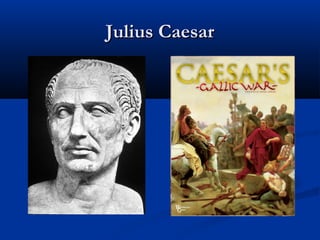
Julius CaesarJulius Caesar
John McCainJohn McCain
CaligulaCaligula
ClaudiusClaudius
St. Augustine – 394 CESt. Augustine – 394 CE
PropagandaPropaganda
 An invention of the Catholic ChurchAn invention of the Catholic Church
 1717thth
Century committee calledCentury committee called Congregatio deCongregatio de
Propaganda FidePropaganda Fide
 The Congregation for Propagating the FaithThe Congregation for Propagating the Faith
Thomas Paine andThomas Paine and
The American CrisisThe American Crisis
Benjamin FranklinBenjamin Franklin
Franklin in FranceFranklin in France
Negative effects of PRNegative effects of PR
1720 – the South Seas Bubble1720 – the South Seas Bubble
1720 – the Mississippi Company1720 – the Mississippi Company
P.T. BarnumP.T. Barnum
JumboJumbo
Tom ThumbTom Thumb
William SewardWilliam Seward
Ivy LeeIvy Lee
John D. RockefellerJohn D. Rockefeller
Andrew CarnegieAndrew Carnegie
Lee’s PR PrinciplesLee’s PR Principles
 1. Tell the truth1. Tell the truth
 2. Provide accurate facts2. Provide accurate facts
 3. The public relations director must have access3. The public relations director must have access
to top management and must be able toto top management and must be able to
influence decisionsinfluence decisions
Lee’s definition of PRLee’s definition of PR
Public relations means thePublic relations means the
actual relationship of theactual relationship of the
company to the people and thatcompany to the people and that
relationship involves more thanrelationship involves more than
talk. The company must act bytalk. The company must act by
performing good deeds.performing good deeds.
Edward BernaysEdward Bernays
Bernays’Bernays’
“Crystallizing Public Opinion”“Crystallizing Public Opinion”
 To interpret the client to theTo interpret the client to the
public, which means promoting thepublic, which means promoting the
clientclient
 To interpret the public to theTo interpret the public to the
client, which means operating theclient, which means operating the
company in such a way as to gaincompany in such a way as to gain
the approval of the publicthe approval of the public
Other Bernays conceptsOther Bernays concepts
 1. Public relations is a public service1. Public relations is a public service
 2. Public relations should promote new ideas2. Public relations should promote new ideas
and progressand progress
 3. Public relations should build a public3. Public relations should build a public
conscienceconscience
How PR is different from advertisingHow PR is different from advertising
 Advertising is the nonpersonalAdvertising is the nonpersonal
communication of information usually paidcommunication of information usually paid
for and usually persuasive in nature aboutfor and usually persuasive in nature about
products, services or ideas by identifiedproducts, services or ideas by identified
sponsors through the various media.sponsors through the various media.
 PR is also the nonpersonal communicationPR is also the nonpersonal communication
of informationof information
nonpersonal communication ofnonpersonal communication of
informationinformation
 PR is also the nonpersonal communicationPR is also the nonpersonal communication
of informationof information
 That information is slanted in favor of the client,That information is slanted in favor of the client,
just like advertisingjust like advertising
 However, unlike advertising the informationHowever, unlike advertising the information
doesn’t necessarily have to be substantiateddoesn’t necessarily have to be substantiated
……usually paid for…usually paid for…
 Advertising must pay for its placement in theAdvertising must pay for its placement in the
mediamedia
 PR does its bestPR does its best notnot to pay for placementto pay for placement
 Writes “news” articles and feature stories called newsWrites “news” articles and feature stories called news
releases promoting the client and tries to get themreleases promoting the client and tries to get them
publishedpublished
 Puts on staged publicity events in hopes the mediaPuts on staged publicity events in hopes the media
will cover themwill cover them
……about products, services or ideas…about products, services or ideas…
 PR can bePR can be about products, services or ideasabout products, services or ideas
 Can also be about companies or peopleCan also be about companies or people
 EntertainersEntertainers
 PoliticiansPoliticians
 Wanna be’sWanna be’s
Suleman and GosselinSuleman and Gosselin
……identified sponsors…identified sponsors…
 Advertising has to identify the sponsorAdvertising has to identify the sponsor
 PR tries to avoid identifying who’s paying forPR tries to avoid identifying who’s paying for
the outputthe output
 Leave it outLeave it out
 Disguise itDisguise it
Crisis ManagementCrisis Management
Exxon ValdezExxon Valdez
Public relation
Public relation
Public relation
Public relation
Public relation

Public relation

  • 1.
  • 2.
    What is PR?Whatis PR? the practice of managing thethe practice of managing the communication between ancommunication between an organization and its publicsorganization and its publics That, of course, is the PRThat, of course, is the PR biz definitionbiz definition
  • 3.
    History of PRHistoryof PR  Ancient Greeks had a word for it:Ancient Greeks had a word for it:  Sematikos: to signify or to meanSematikos: to signify or to mean  It’s how to get people to believe things and doIt’s how to get people to believe things and do thingsthings  A pretty good definition of public relationsA pretty good definition of public relations  This approach has been used for thousands ofThis approach has been used for thousands of yearsyears
  • 4.
  • 5.
  • 6.
  • 8.
  • 9.
  • 10.
    St. Augustine –394 CESt. Augustine – 394 CE
  • 11.
    PropagandaPropaganda  An inventionof the Catholic ChurchAn invention of the Catholic Church  1717thth Century committee calledCentury committee called Congregatio deCongregatio de Propaganda FidePropaganda Fide  The Congregation for Propagating the FaithThe Congregation for Propagating the Faith
  • 12.
    Thomas Paine andThomasPaine and The American CrisisThe American Crisis
  • 13.
  • 14.
  • 15.
    Negative effects ofPRNegative effects of PR 1720 – the South Seas Bubble1720 – the South Seas Bubble 1720 – the Mississippi Company1720 – the Mississippi Company
  • 16.
  • 17.
  • 18.
  • 19.
  • 20.
  • 21.
  • 22.
  • 23.
    Lee’s PR PrinciplesLee’sPR Principles  1. Tell the truth1. Tell the truth  2. Provide accurate facts2. Provide accurate facts  3. The public relations director must have access3. The public relations director must have access to top management and must be able toto top management and must be able to influence decisionsinfluence decisions
  • 24.
    Lee’s definition ofPRLee’s definition of PR Public relations means thePublic relations means the actual relationship of theactual relationship of the company to the people and thatcompany to the people and that relationship involves more thanrelationship involves more than talk. The company must act bytalk. The company must act by performing good deeds.performing good deeds.
  • 25.
  • 26.
    Bernays’Bernays’ “Crystallizing Public Opinion”“CrystallizingPublic Opinion”  To interpret the client to theTo interpret the client to the public, which means promoting thepublic, which means promoting the clientclient  To interpret the public to theTo interpret the public to the client, which means operating theclient, which means operating the company in such a way as to gaincompany in such a way as to gain the approval of the publicthe approval of the public
  • 27.
    Other Bernays conceptsOtherBernays concepts  1. Public relations is a public service1. Public relations is a public service  2. Public relations should promote new ideas2. Public relations should promote new ideas and progressand progress  3. Public relations should build a public3. Public relations should build a public conscienceconscience
  • 28.
    How PR isdifferent from advertisingHow PR is different from advertising  Advertising is the nonpersonalAdvertising is the nonpersonal communication of information usually paidcommunication of information usually paid for and usually persuasive in nature aboutfor and usually persuasive in nature about products, services or ideas by identifiedproducts, services or ideas by identified sponsors through the various media.sponsors through the various media.  PR is also the nonpersonal communicationPR is also the nonpersonal communication of informationof information
  • 29.
    nonpersonal communication ofnonpersonalcommunication of informationinformation  PR is also the nonpersonal communicationPR is also the nonpersonal communication of informationof information  That information is slanted in favor of the client,That information is slanted in favor of the client, just like advertisingjust like advertising  However, unlike advertising the informationHowever, unlike advertising the information doesn’t necessarily have to be substantiateddoesn’t necessarily have to be substantiated
  • 30.
    ……usually paid for…usuallypaid for…  Advertising must pay for its placement in theAdvertising must pay for its placement in the mediamedia  PR does its bestPR does its best notnot to pay for placementto pay for placement  Writes “news” articles and feature stories called newsWrites “news” articles and feature stories called news releases promoting the client and tries to get themreleases promoting the client and tries to get them publishedpublished  Puts on staged publicity events in hopes the mediaPuts on staged publicity events in hopes the media will cover themwill cover them
  • 31.
    ……about products, servicesor ideas…about products, services or ideas…  PR can bePR can be about products, services or ideasabout products, services or ideas  Can also be about companies or peopleCan also be about companies or people  EntertainersEntertainers  PoliticiansPoliticians  Wanna be’sWanna be’s
  • 32.
  • 34.
    ……identified sponsors…identified sponsors… Advertising has to identify the sponsorAdvertising has to identify the sponsor  PR tries to avoid identifying who’s paying forPR tries to avoid identifying who’s paying for the outputthe output  Leave it outLeave it out  Disguise itDisguise it
  • 35.
  • 36.