Marriage Counselor
     By Nick Centofanti
History of Marriage
         Counseling

•   Marriage Counseling originated in Germany in the 1920’s as
    part of the eugenics movement.

•   Later introduced in the USA during 1950’s by activists such
    as Margaret Sanger (created first birth control clinic, now
    known as Planned Parenthood)
What is a Marriage
       Counselor?
•Marriage and family counselors treat individuals within the
 context of their relationships. By dissecting the family
 structure, a marriage counselor or family therapist can
 evaluate where the difficulties lie and establish a plan for
 resolution.

•Many Marriage Counselors also serve as Family Counselors
What kind of situations
 do they work with?
•Adolescent behavioral problems
•Bereavement
•Depression
•Domestic violence
•Infertility
•Infidelity
•Marital difficulties
•Substance abuse
Schooling/Licensing

•Marriage counselors typically need a masters degree in
 counseling.
•A bachelor degree with supporting counseling courses is
 acceptable in some states.
• Most programs also require students to complete supervised
 clinical experience.
•Many marriage counseling students complete internships
 while attending school to gain practical experience.
Licensing

•All states require marriage counselors to be licensed.
•Licensing requirements vary by state and employer.
•Marriage counselors must also complete continuing education
 courses every year to maintain their license, and many do so
 by participating in graduate studies, conferences, and
 workshops.
Active Listening

•Active Listening requires the listeners to understand, interpret, and evaluate what
 they heard. It improves personal relationship through reducing conflicts,
 strengthening cooperation, as well as fostering understanding.

•When interacting, people often are not listening attentively to one another. They
 may be distracted, thinking about other things, or thinking about what they are
 going to say next, (the latter case is particularly true in conflict situations or
 disagreements).

•Active listening is a structured way of listening and responding to others. It focuses
 attention on the speaker. Suspending one’s own frame of reference and suspending
 judgment are important in order to fully attend to the speaker.
Emotionally Focused
        Therapy
•Emotionally focused therapy proposes that emotions
 themselves have an innately adaptive potential that, if
 activated, can help clients change problematic emotional
 states or unwanted self-experiences.

•It helps people to manage their emotions in experiences
 outside of therapy.
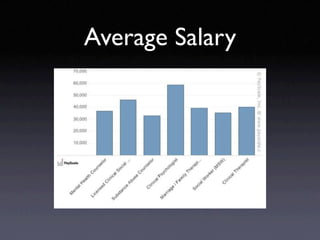
Average Salary
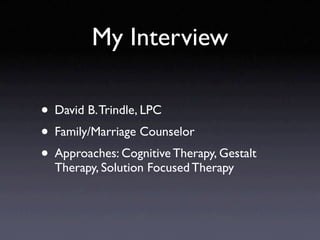
My Interview

• David B. Trindle, LPC
• Family/Marriage Counselor
• Approaches: Cognitive Therapy, Gestalt
  Therapy, Solution Focused Therapy

Psychology Project

  • 1.
    Marriage Counselor By Nick Centofanti
  • 2.
    History of Marriage Counseling • Marriage Counseling originated in Germany in the 1920’s as part of the eugenics movement. • Later introduced in the USA during 1950’s by activists such as Margaret Sanger (created first birth control clinic, now known as Planned Parenthood)
  • 3.
    What is aMarriage Counselor? •Marriage and family counselors treat individuals within the context of their relationships. By dissecting the family structure, a marriage counselor or family therapist can evaluate where the difficulties lie and establish a plan for resolution. •Many Marriage Counselors also serve as Family Counselors
  • 4.
    What kind ofsituations do they work with? •Adolescent behavioral problems •Bereavement •Depression •Domestic violence •Infertility •Infidelity •Marital difficulties •Substance abuse
  • 5.
    Schooling/Licensing •Marriage counselors typicallyneed a masters degree in counseling. •A bachelor degree with supporting counseling courses is acceptable in some states. • Most programs also require students to complete supervised clinical experience. •Many marriage counseling students complete internships while attending school to gain practical experience.
  • 6.
    Licensing •All states requiremarriage counselors to be licensed. •Licensing requirements vary by state and employer. •Marriage counselors must also complete continuing education courses every year to maintain their license, and many do so by participating in graduate studies, conferences, and workshops.
  • 7.
    Active Listening •Active Listeningrequires the listeners to understand, interpret, and evaluate what they heard. It improves personal relationship through reducing conflicts, strengthening cooperation, as well as fostering understanding. •When interacting, people often are not listening attentively to one another. They may be distracted, thinking about other things, or thinking about what they are going to say next, (the latter case is particularly true in conflict situations or disagreements). •Active listening is a structured way of listening and responding to others. It focuses attention on the speaker. Suspending one’s own frame of reference and suspending judgment are important in order to fully attend to the speaker.
  • 8.
    Emotionally Focused Therapy •Emotionally focused therapy proposes that emotions themselves have an innately adaptive potential that, if activated, can help clients change problematic emotional states or unwanted self-experiences. •It helps people to manage their emotions in experiences outside of therapy.
  • 9.
  • 10.
    My Interview • DavidB. Trindle, LPC • Family/Marriage Counselor • Approaches: Cognitive Therapy, Gestalt Therapy, Solution Focused Therapy