Dr. Kanhu Charan Patro
M.D,D.N.B[RT],P.D.C.R,C.E.P.C,FSIOP,FAROI
[EX – TATA MEMORIAL HOSPITAL]
Chief Consultant- Radiation Oncology
MAHATMA GANDHI CANCER HOSPITAL
VISAKHAPATNAM
Email-drkcpatro@gmail.com ,M-09160470564
RADIOTHRPEUTIC MANAGEMENT OF PROSTATE CANCER
3
4
10/20/12 01:12 PM
? ?
6
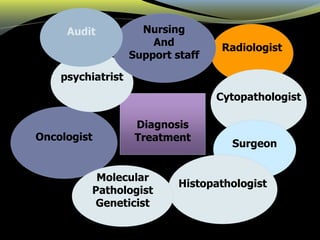
Oncologist
Diagnosis
Treatment
Radiologist
Cytopathologist
Surgeon
Histopathologist
Molecular
Pathologist
Geneticist
psychiatrist
Nursing
And
Support staff
Audit
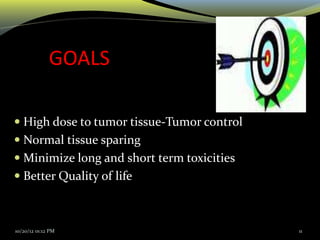
GOALS
 High dose to tumor tissue-Tumor control
 Normal tissue sparing
 Minimize long and short term toxicities
 Better Quality of life
10/20/12 01:12 PM 11
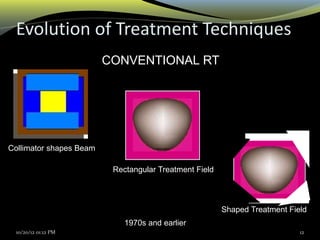
Evolution of Treatment Techniques
CONVENTIONAL RT
Collimator shapes Beam
Rectangular Treatment Field
Shaped Treatment Field
1970s and earlier
10/20/12 01:12 PM 12
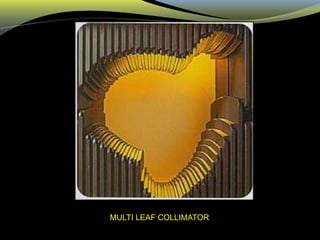
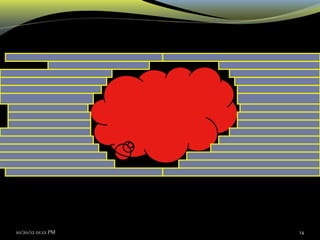
MULTI LEAF COLLIMATOR
10/20/12 01:12 PM 14
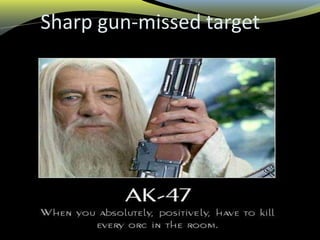
Sharp gun-missed target
15
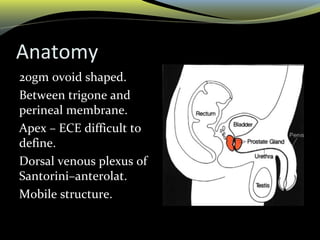
Anatomy
20gm ovoid shaped.
Between trigone and
perineal membrane.
Apex – ECE difficult to
define.
Dorsal venous plexus of
Santorini–anterolat.
Mobile structure.
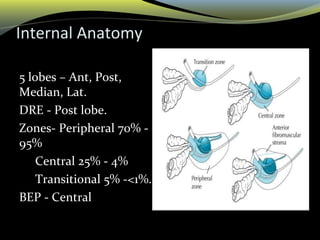
Internal Anatomy
5 lobes – Ant, Post,
Median, Lat.
DRE - Post lobe.
Zones- Peripheral 70% -
95%
Central 25% - 4%
Transitional 5% -<1%.
BEP - Central
Natural History
Peripheral zone – Multifocal 77%.
Thus multiple biopsies.
Seminal vesicles/periprostatic tissue.
Apex least resistant area.
Later bladder neck, rectum.
Clinically organ confined – 8-53% has
microscopic ext beyond prostate.
Osterling et al – 53% localised, 35% ECE,
9% seminal vesicles. RP series.
Histopathology
• Adenocarcinoma- 95%, multifocal
,heterogeneous,papillary/cribriform/comedo/acinar
pattern.
• Periurethral duct ca.
• Transitional cell ca.
• Neuroendocrine tumor.
• Mucinous/sarcomatoid ca/endometroid.
• Sarcoma /lymphoma.
Screening in Ca prostate
DRE/PSA/TRUS.
DRE – Crude (only 25-50% of pt with
Abnormal DRE) but essential since 20%*
has N PSA.
American cancer society guidelines.
DRE/PSA / yr from 50yr who atleast as
life expectancy of 10 yrs or at 45 yr if high
risk.
INTRODUCTION
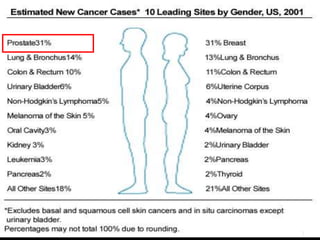
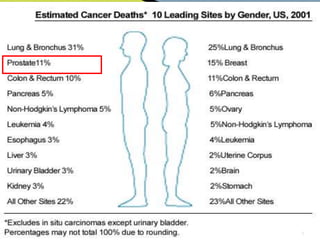
• Prostate cancer represents 4.9% of all cancer
incidences , and its average incidence all over
the world is about 3.4 /100000 population.
• It ranks 9th among all cancers all over the
world.
• The median age of patients with prostate
cancer is 72 years .
DIAGNOSIS
1.DRE
2.PSA
3.BIOPSY
DIAGNOSIS
• Pathology :
• Location : Majority (75%) in peripheral zone ,
• 15% in the central zone
• 10-15 % in the periurethral zone.
DIAGNOSIS
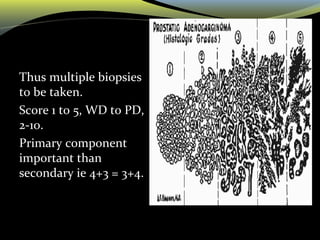
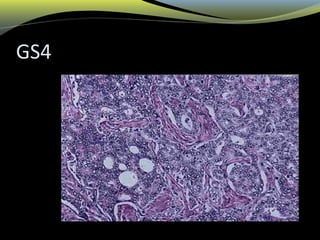
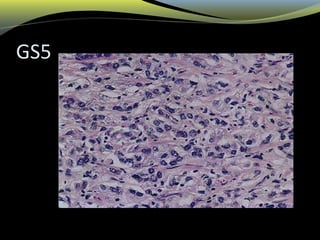
1. Grade : the most commonly adopted system is
the Gleason score (based on the fact that
prostate cancer is a multifocal disease with
heterogeneous glandular pattern )
2. 2-4 represent well differentiated cancers ,
3. 5-7 moderately differentiated ,
4. 8-10 poorly differentiated ( Gleason , 1992).
Diagnosis
• Radiology :
- TRUS : Is the earliest modality , and helps for
doing biopsy from suspicious lesions , for
screening purposes and target volume
determination for prostate brachytherapy .
Improvement in resolution power improved its
sensitivity a lot ( like the use of contrast
ultrasonography ( Sedelaar 1999) , and Gleason
et al (2003). .
DIAGNOSIS
• Bone scan is indicated if there is a high risk
factors (PSA > 10ng/ml ; Gleason score > 8 ),
or if the patient is symptomatic ( Scherr et al
2003).
• Pelvic CT scan and MRI are essential for local
staging and localization of prostate lesions and
targeting for conformal external beam
radiation therapy or brachytherapy ( Berthelet
et al 2003).
DIAGNOSIS
• MRI had a great addition to CT scan for initial
staging , and target localization for radiation
therapy ( Mah et al 2002).
VARIOUS PS PARAMETER
• PSA density –
• Sr PSA / volume of prostate by TRUS.
More in Ca.
• PSA Velocity -
• Rate of rise of PSA.
• >0.75 ng/ml/yr Significant.
• Free PSA
Lower in Ca thus complexed / free PSA Ratio
more in Ca
Thus multiple biopsies
to be taken.
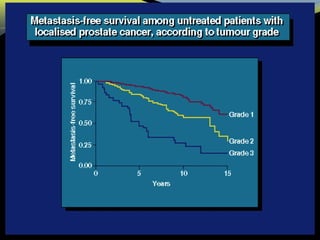
Score 1 to 5, WD to PD,
2-10.
Primary component
important than
secondary ie 4+3 = 3+4.
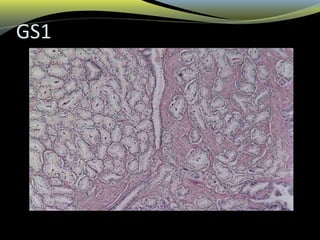
GS1
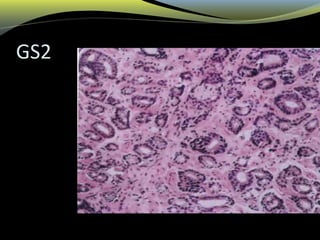
GS2
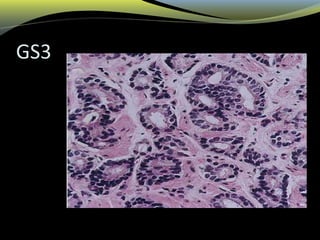
GS3
GS4
GS5
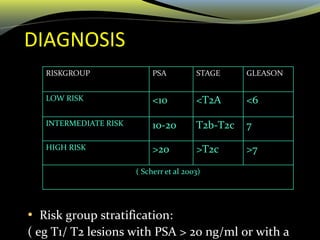
DIAGNOSIS
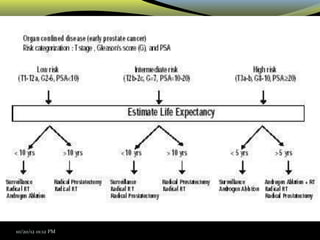
• Risk group stratification:
( eg T1/ T2 lesions with PSA > 20 ng/ml or with a
RISKGROUP PSA STAGE GLEASON
LOW RISK <10 <T2A <6
INTERMEDIATE RISK 10-20 T2b-T2c 7
HIGH RISK >20 >T2c >7
( Scherr et al 2003)
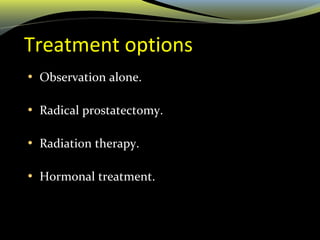
Treatment options
• Observation alone.
• Radical prostatectomy.
• Radiation therapy.
• Hormonal treatment.
OBSERVATION ALONE
• Rationale:
- Most cases will not die of their disease.
- A life expectancy.
- Patients are not left for just observation ; but a
close monitoring of disease progression is
done.
- Patient preference should be considered.
OBSERVATION –FOR WHOM
1. T1-T2 , and
2.Age 70 years or more ,
3. Gleason score <6, and ,
4.PSA < 10 ng/ml , and
5. PSA doubling time > 10years
Choo et al (2001)
OBSERVATION ALONE
• Follow up regimen :
- Scherr et al (2003) recommended to have a
6 monthly assessment of :
• PSA
• DRE
-Repeat prostate biopsy after the 1st year ( to
detect transformation to higher grades.
OBSERVATION ALONE
Signs of disease progression on observation
modality:
- Rise in PSA level.
- Clinical symptoms of disease progression.
-Increase in size as felt by DRE.
-Biologic transformation to higher grades.
OBSERVATION ALONE
• Survival figures :
• Aldolfssen et al (2000)
• 11, 500 cases of early prostate cancer treated with
watchful waiting between 1965 – 1993
• Found that only 5 % of these patients died ,
• This happened during the years 11-20 of follow up.
RADIACAL PROSTATECTOMY
• Indications:
• Organ confined prostate cancer ie T1 or T2 ,
pelvic lymph node dissection is indicated for any
one of these features :
-Either : PSA >20 ng/ml. + Gleason score 5-6.
Or- PSA 15 –20ng/ml + Gleason score >7.
(Bishoff et al 1995).
RADICAL PROSTATECTOMY PROS & CONS
• RP had the same overall and disease free survival
figures as the other local control modalities ( 3D-
CRT , IMRT , and brachytherapy ) however the
sequelae are more with surgery
• Higher incidence of
• urinary incontinence ,
• impotence
RADIATION
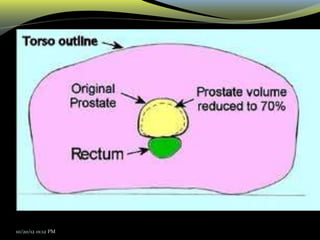
• Main problem: dose limitation usually radiation
dose does not exceed 70GY in CEBRT ( dose
limiting structures ;
• Rectum and urinary bladder) and for early T1 / T2
lesions , the results of CEBRT are much inferior
than 3D-CRT as shown by
Catton et al (2002) .
ROLE OF PORT-surv. benefit
• Patients with high PSA ,
• positive surgical margins ,
• Seminal v .inv
Do LV etal (2002).
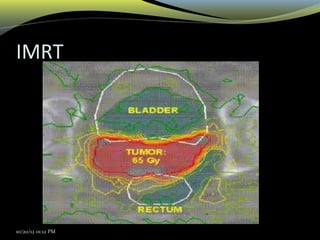
(IMRT):
• A major advantage of IMRT in comparison to
three-dimensional conformal radiotherapy is the
higher capability in providing dose distributions
that conform very tightly to the target even for
very complex shapes so sparing a lot of adjacent
normal tissues
( Francescon et al 2003)
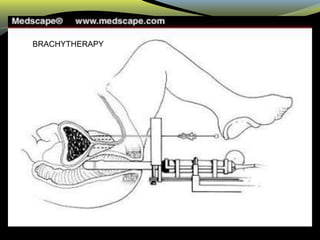
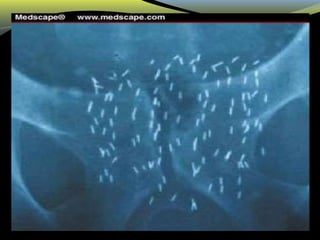
BRACHYTHERAPY
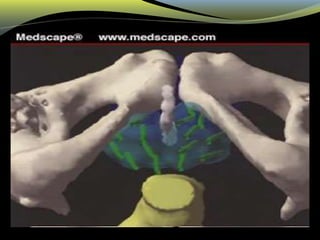
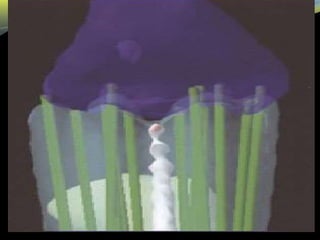
A) 3D reconstruction of the implant with dose distribution, (B) 3D reconstruction,
lateral view with dose distribution, and (C) 3D reconstruction, AP view with dose
distribution.
•
.
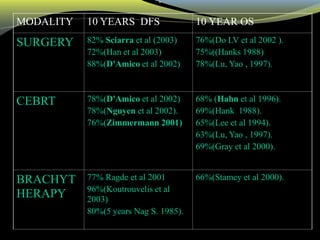
MODALITY 10 YEARS DFS 10 YEAR OS
SURGERY 82% Sciarra et al (2003)
72%(Han et al 2003)
88%(D'Amico et al 2002)
76%(Do LV et al 2002 ).
75%((Hanks 1988)
78%(Lu, Yao , 1997).
CEBRT 78%(D'Amico et al 2002)
78%(Nguyen et al 2002).
76%(Zimmermann 2001)
68% (Hahn et al 1996).
69%(Hank 1988).
65%(Lee et al 1994).
63%(Lu, Yao , 1997).
69%(Gray et al 2000).
BRACHYT
HERAPY
77% Ragde et al 2001
96%(Koutrouvelis et al
2003)
80%(5 years Nag S. 1985).
66%(Stamey et al 2000).
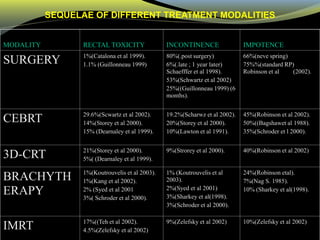
SEQUELAE OF DIFFERENT TREATMENT MODALITIES
MODALITY RECTAL TOXICITY INCONTINENCE IMPOTENCE
SURGERY 1%(Catalona et al 1999).
1.1% (Guillonneau 1999)
80%(.post surgery)
6%(.late ; 1 year later)
Schaefffer et al 1998).
53%(Schwartz et al 2002)
25%((Guillonneau 1999) (6
months).
66%(neve spring)
75%%(standard RP)
Robinson et al (2002).
CEBRT 29.6%(Scwartz et al 2002).
14%(Storey et al 2000).
15% (Dearnaley et al 1999).
19.2%(Scharwz et al 2002).
20%(Storey et al 2000).
10%(Lawton et al 1991).
45%(Robinson et al 2002).
50%((Bagshawet al 1988).
35%(Schroder et l 2000).
3D-CRT 21%(Storey et al 2000).
5%( (Dearnaley et al 1999).
9%(Strorey et al 2000). 40%(Robinson et al 2002)
BRACHYTH
ERAPY
1%(Koutrouvelis et al 2003).
1%(Kang et al 2002).
2% (Syed et al 2001
3%( Schroder et al 2000).
1% (Koutrouvelis et al
2003).
2%(Syed et al 2001)
3%(Sharkey et al(1998).
3%(Schroder et al 2000).
24%(Robinson etal).
7%(Nag S. 1985).
10% (Sharkey et al(1998).
IMRT 17%((Teh et al 2002).
4.5%(Zelefsky et al 2002)
9%(Zelefsky et al 2002) 10%(Zelefsky et al 2002)
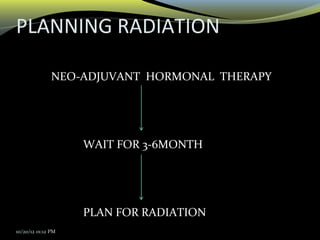
NEOADJUVANT HORMONAL
TREATMENT
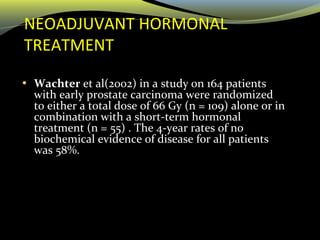
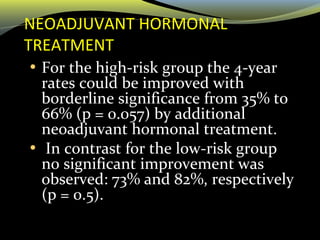
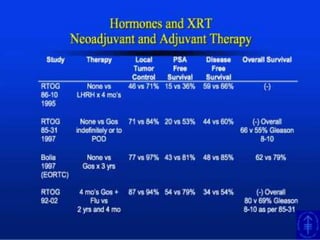
• Wachter et al(2002) in a study on 164 patients
with early prostate carcinoma were randomized
to either a total dose of 66 Gy (n = 109) alone or in
combination with a short-term hormonal
treatment (n = 55) . The 4-year rates of no
biochemical evidence of disease for all patients
was 58%.
NEOADJUVANT HORMONAL
TREATMENT
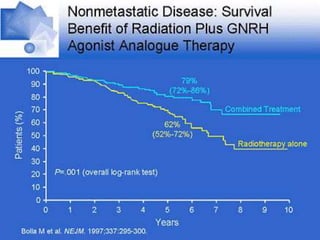
• For the high-risk group the 4-year
rates could be improved with
borderline significance from 35% to
66% (p = 0.057) by additional
neoadjuvant hormonal treatment.
• In contrast for the low-risk group
no significant improvement was
observed: 73% and 82%, respectively
(p = 0.5).
CONCLUSION
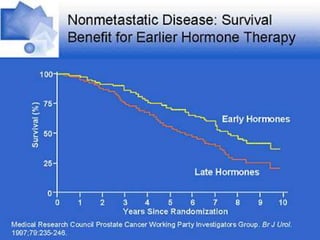
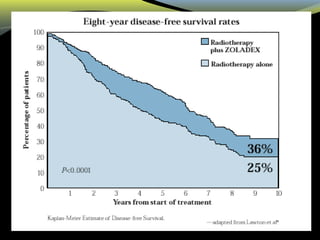
• while if these patients are at a high
risk category , it is better to give
them a neoadjuvant hormonal
treatment for 2-3 months before
the local treatment ( surgery or
radiation) as this will improve their
disease free survival.
10/20/12 01:12 PM
10/20/12 01:12 PM
10/20/12 01:12 PM
10/20/12 01:12 PM
PLANNING RADIATION
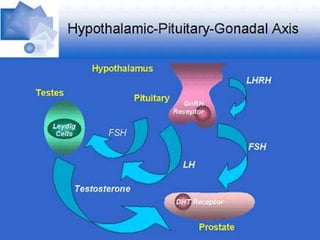
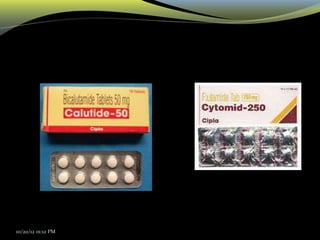
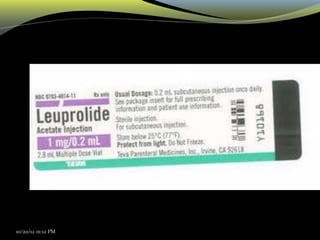
NEO-ADJUVANT HORMONAL THERAPY
WAIT FOR 3-6MONTH
PLAN FOR RADIATION
10/20/12 01:12 PM
10/20/12 01:12 PM
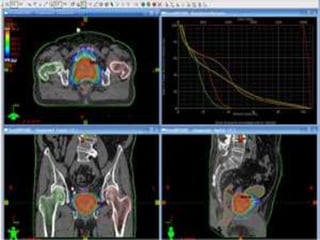
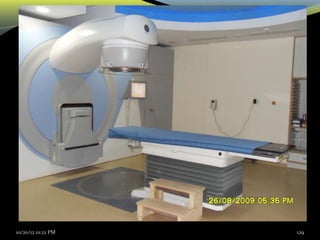
IMRT
10/20/12 01:12 PM
10/20/12 01:12 PM
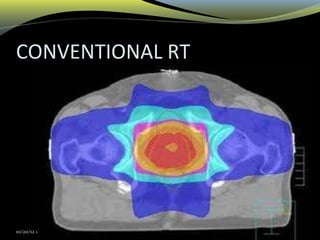
CONVENTIONAL RT
10/20/12 01:12 PM
10/20/12 01:12 PM
10/20/12 01:12 PM
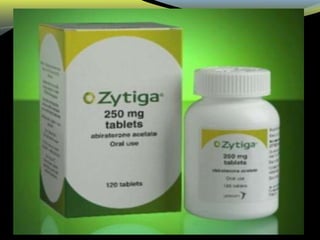
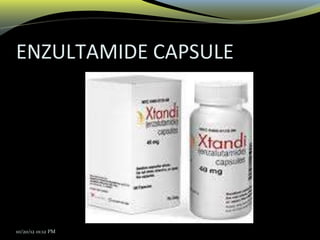
ENZULTAMIDE CAPSULE
10/20/12 01:12 PM
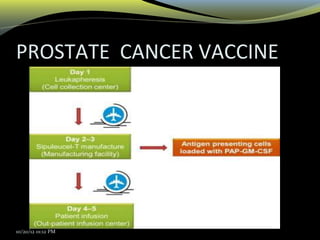
PROSTATE CANCER VACCINE
10/20/12 01:12 PM
FAMOUS PERSONALITIES WITH
CANCER
10/20/12 01:12 PM
10/20/12 01:12 PM
10/20/12 01:12 PM
10/20/12 01:12 PM
METASTASIS
-please do not watch crying
82
10/20/12 01:12 PM 83
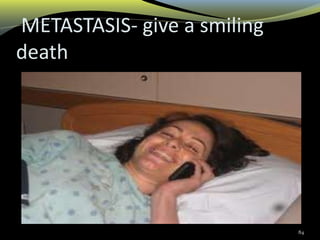
METASTASIS- give a smiling
death
84
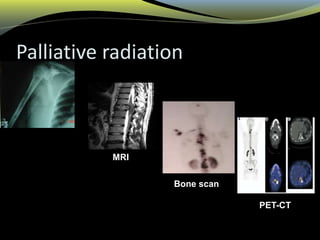
Palliative radiation
Skeletal X-Ray
Bone scan
MRI
PET-CT
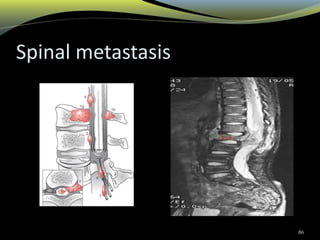
Spinal metastasis
86
87
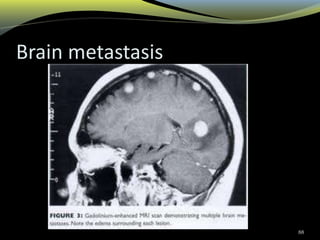
Brain metastasis
88
89
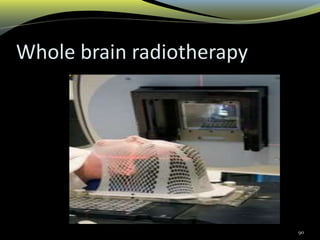
Whole brain radiotherapy
90
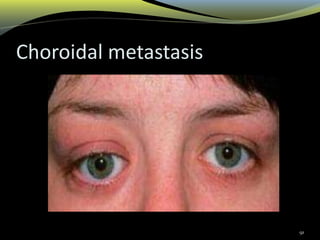
Choroidal metastasis
91
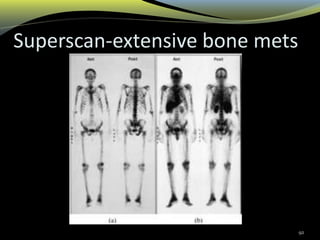
Superscan-extensive bone mets
92
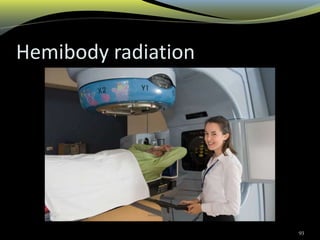
Hemibody radiation
93
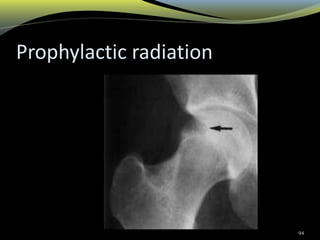
Prophylactic radiation
94
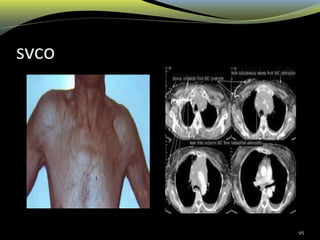
svco
95
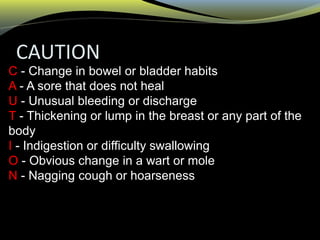
CAUTION
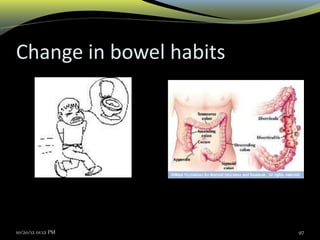
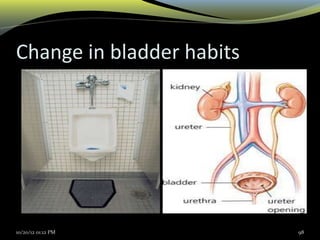
C - Change in bowel or bladder habits
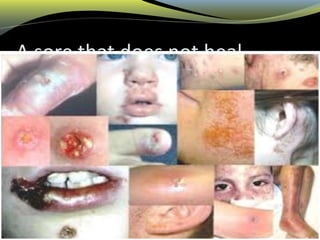
A - A sore that does not heal
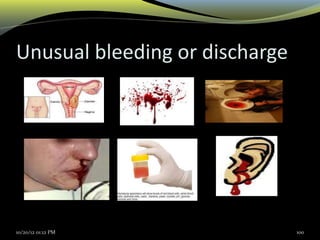
U - Unusual bleeding or discharge
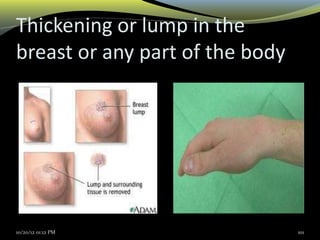
T - Thickening or lump in the breast or any part of the
body
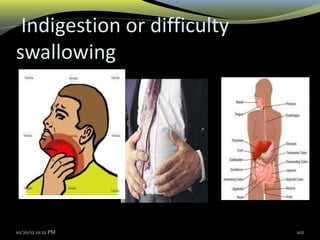
I - Indigestion or difficulty swallowing
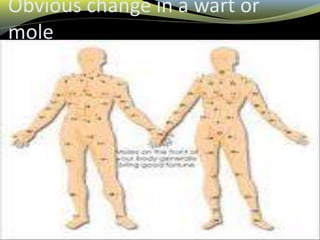
O - Obvious change in a wart or mole
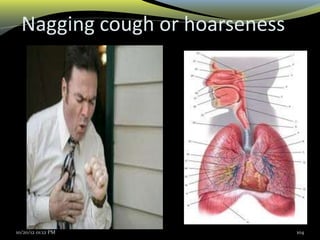
N - Nagging cough or hoarseness
Change in bowel habits
10/20/12 01:12 PM 97
Change in bladder habits
10/20/12 01:12 PM 98
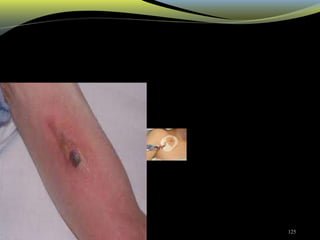
A sore that does not heal
10/20/12 01:12 PM 99
Unusual bleeding or discharge
10/20/12 01:12 PM 100
Thickening or lump in the
breast or any part of the body
10/20/12 01:12 PM 101
Indigestion or difficulty
swallowing
10/20/12 01:12 PM 102
Obvious change in a wart or
mole
10/20/12 01:12 PM 103
Nagging cough or hoarseness
10/20/12 01:12 PM 104
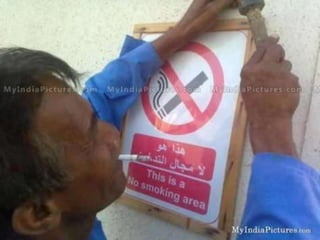
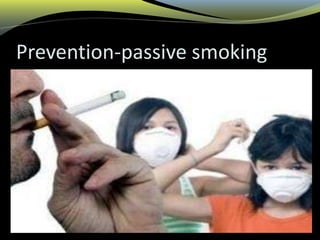
Prevention-passive smoking
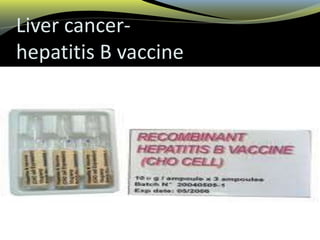
Liver cancer-
hepatitis B vaccine
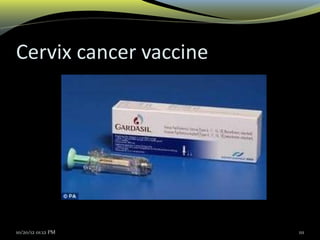
Cervix cancer vaccine
10/20/12 01:12 PM 111
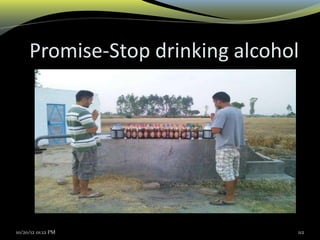
Promise-Stop drinking alcohol
10/20/12 01:12 PM 112
RELAX
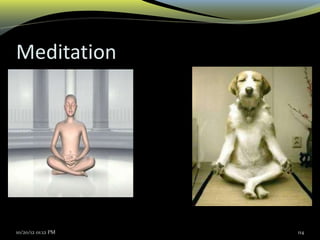
Meditation
10/20/12 01:12 PM 114
115
Dietary protective factors
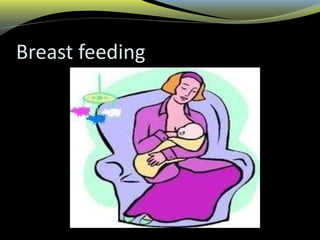
Breast feeding
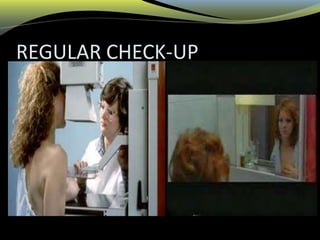
REGULAR CHECK-UP
10/20/12 01:12 PM 118
120
Physical activity
122
123
124
3/5/2021 12:13:36 AM 125
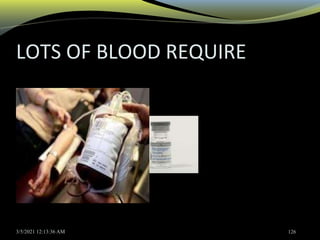
LOTS OF BLOOD REQUIRE
3/5/2021 12:13:36 AM 126
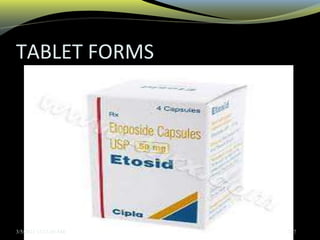
TABLET FORMS
3/5/2021 12:13:36 AM 127
All specialities under one roof
3/5/2021 12:13:36 AM 128
10/20/12 01:12 PM 129
10/20/12 01:12 PM 130
Just “Doing It” is not good enough !
You must know “what” to do and “where” to do it !
10/20/12 01:12 PM 131
10/20/12 01:12 PM 132
10/20/12 01:12 PM 133
10/20/12 01:12 PM 134
Whenever not
possible,
make friends
135
10/20/12 01:12 PM
136
10/20/12 01:12 PM
137
?
138

PROSTATE CANCER IN NUTSHELL