 PRIONS:
Presented by : ABDUL REHMAN
Presented to : DR. AQSA
Department: MMG
 Prions (Definition):
• The term Prion means proteinaceous infectious
particles. Prions are the infectious agents responsible
for several neurodegenerative diseases in mammals,
like, Creutzfeldt Jacob disease.
• This happens due to the abnormal folding of the
proteins in the brain.
• It refers to the hypothesis that the infectious agents
causing the diseases contain only proteins. It
explained why the infectious agents are resistant to
ultraviolet radiations.
• They can break down the nucleic acids, but are
receptive to substances that denature proteins.
 Structure and Replication:
• Abnormal shape
• No nucleic acid
• Proteinaceous infections particle
• Normal and Aberrant Forms
• Molecular Models
• Cell Biology
• Key structural elements
 Types of Prions:
1. Creutzfeldt Jacob Disease
2. Variant (CJD)
3. Variably protease sensitive prionopathy
(VPSPr)
4. Gerstmann-Straussler-Scheinker disease
(GSS)
5. Kuru
6. Fatal insomnia (FI)
 Prions diseases
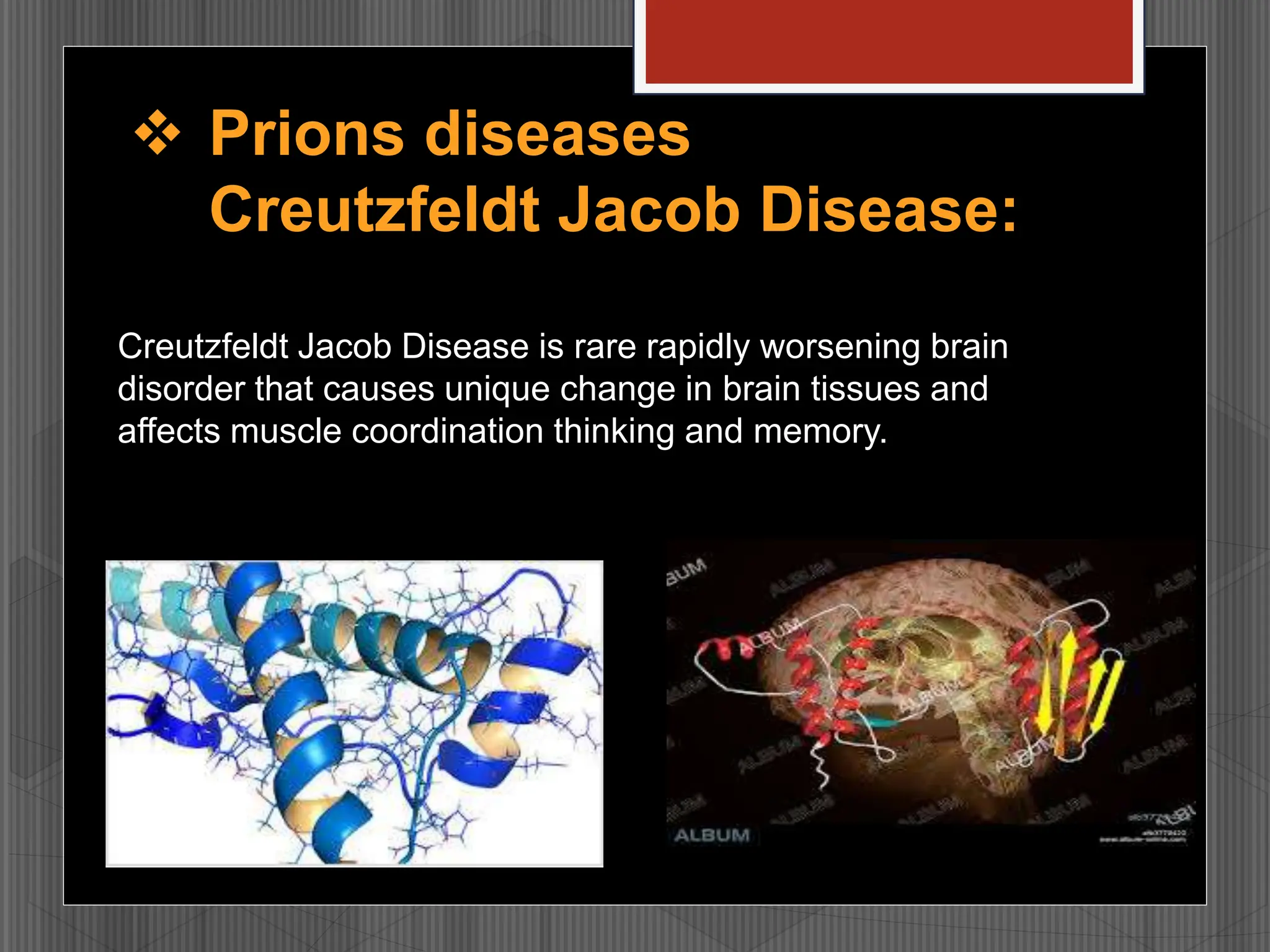
Creutzfeldt Jacob Disease:
Creutzfeldt Jacob Disease is rare rapidly worsening brain
disorder that causes unique change in brain tissues and
affects muscle coordination thinking and memory.
 History and discovery:
• The disease was first described in the 1920s by the
German neurologists Hans Gerhard Creutzfeldt
and Alfons Maria Jacob.
• CJD is similar to other neurodegenerative diseases
such as Kuru, a human disorder, and scrapie, which
occurs in sheep and goats.
• All three diseases are types of
transmissible spongiform encephalopathies, so called
because of the characteristic spongelike pattern of
neuronal destruction that leaves brain tissue filled with
holes.
 Symptoms:
• Severe Mental Deterioration and dementia
• Involuntary muscle jerks or muscle movements
• Lack of coordination
• Problems with walking and balance
• Confusion
• Unusual Sensation
• Changes in vision
• Depression, Mood swings and anxiety
• Insomnia or changes in sleeping patterns
 Transmission:
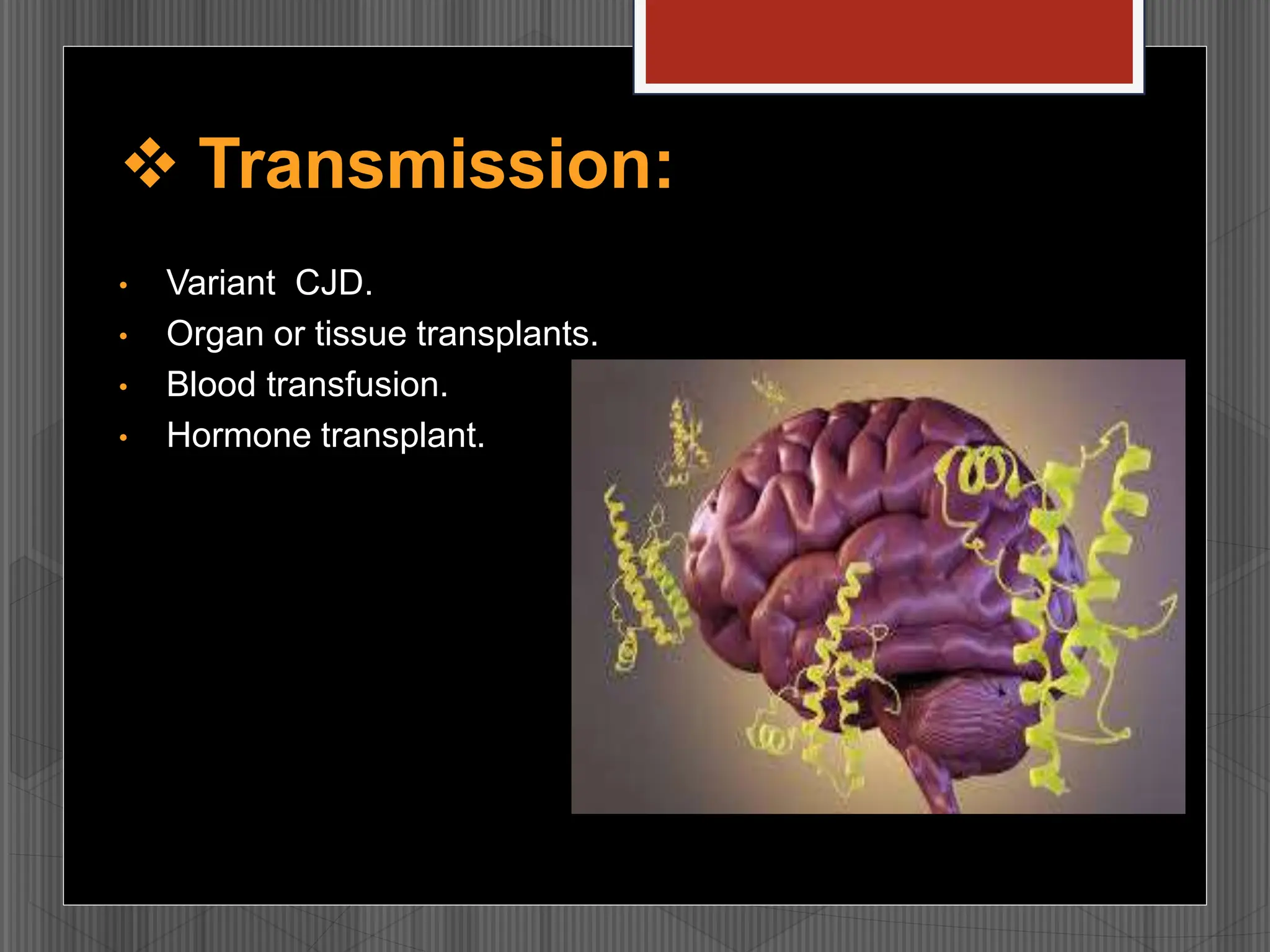
• Variant CJD.
• Organ or tissue transplants.
• Blood transfusion.
• Hormone transplant.
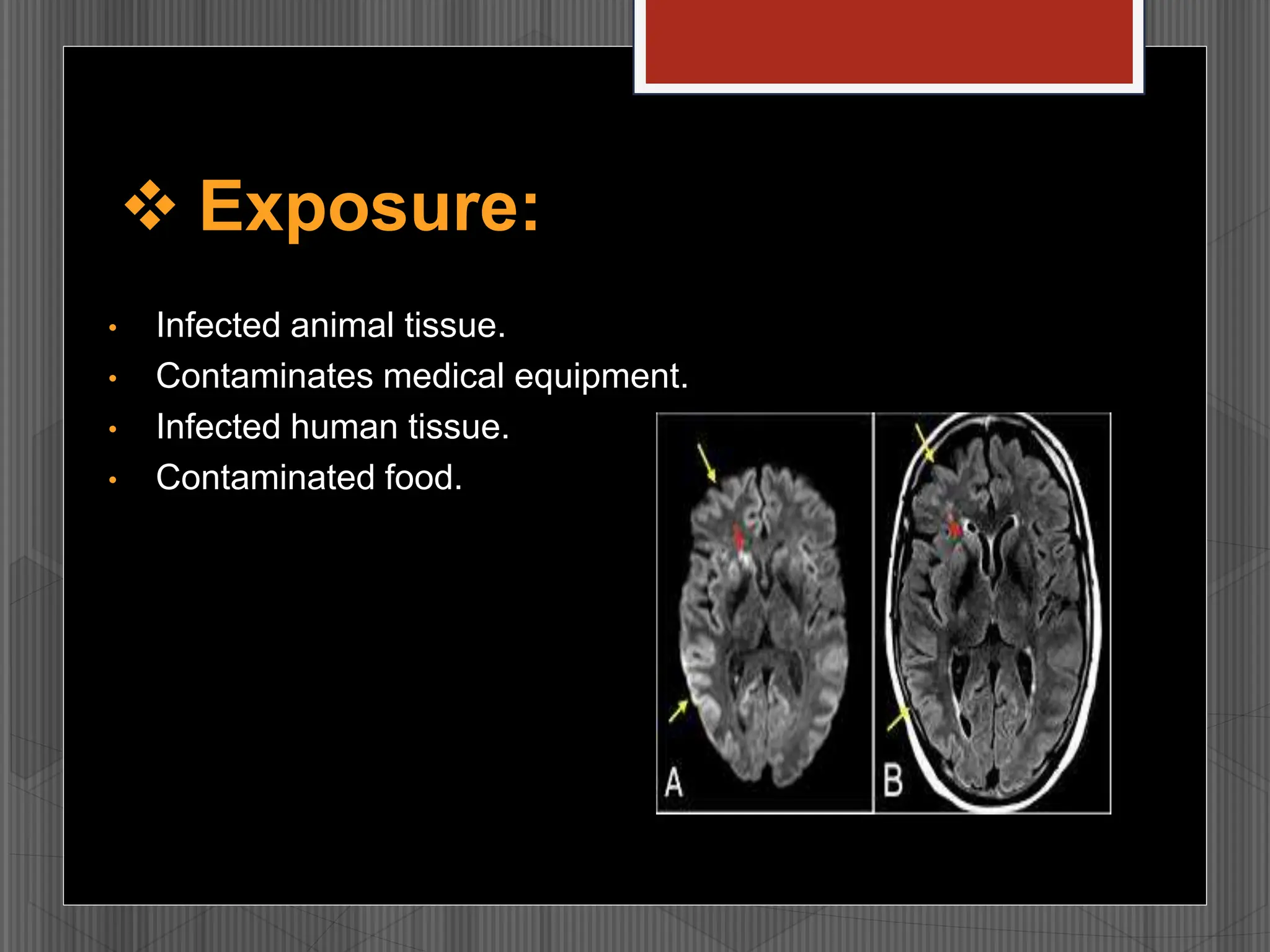
 Exposure:
• Infected animal tissue.
• Contaminates medical equipment.
• Infected human tissue.
• Contaminated food.
 Treatment and Diagnosis:
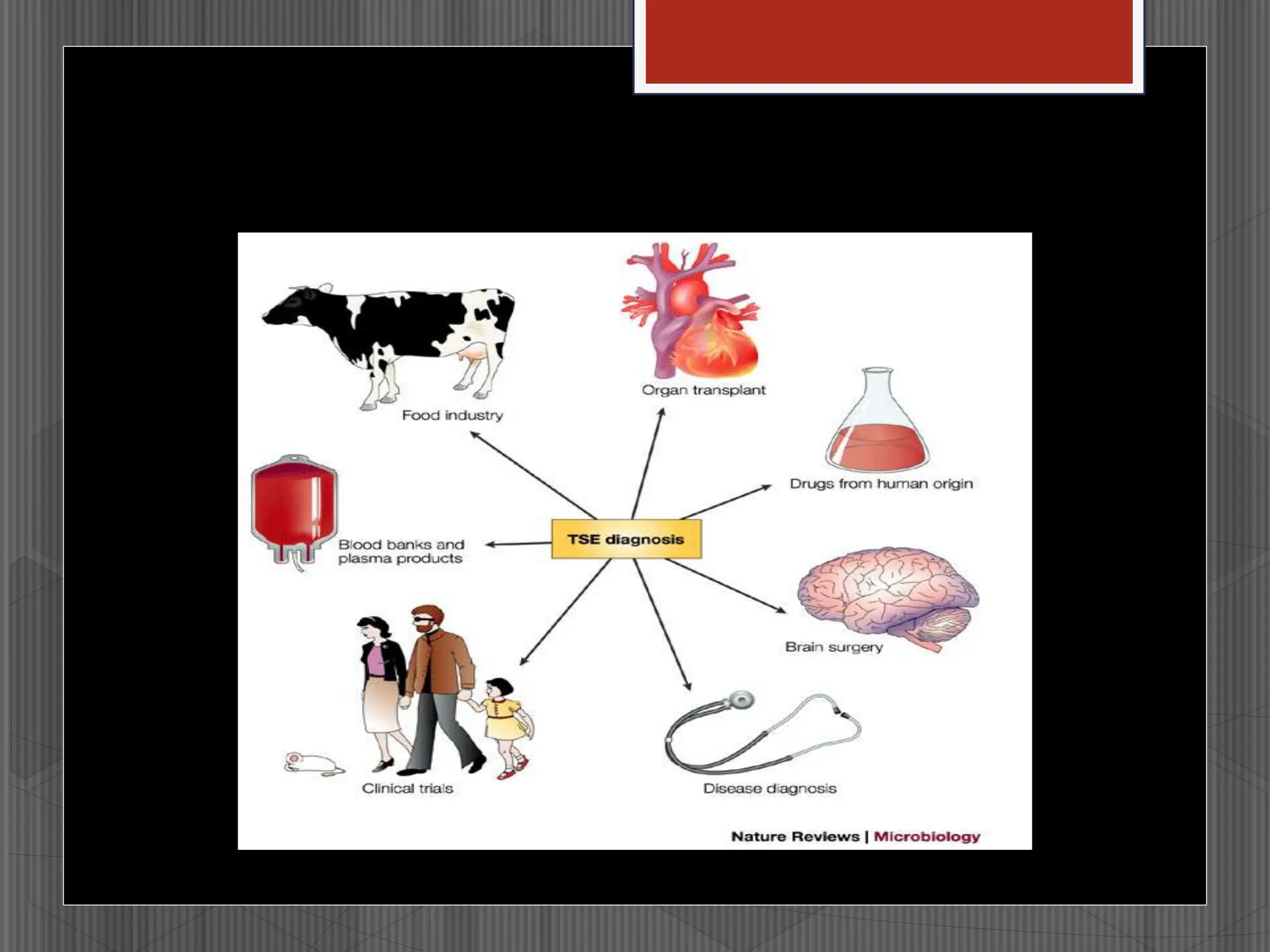
• There are few tests a doctor can use to help diagnose CJD:
• Electroencephalography(EEG)
• Physical Examination
• Brain biopsy or autopsy
• Cerebrospinal fluid based tests
• Magnetic resonance imaging (MRI)
• Symptoms relief
• Nursing care
• Pain management
• Supportive care
• Research and clinical trials
 Preventions:
• Sterilization of medical equipment
• Screening of blood donors
• Safe handling of human tissue
• Proper disposal of infected material
• Avoiding consumption of contaminated animal
products
• Implanting universal precautions
• Education and awareness
• Regulatory measures
 Future directions(Prions):
• Development of effective treatment
• Understanding transmission
• Developing sensitive test for diagnosis
• Synthetic prions for research
• International collaboration
Thank you
Prions
Presented by HAFSA RANI
Introduction to Prions
• Prions are misfolded proteins that can induce othe
normal proteins to misfold similarly.
• Unlike bacteria, viruses, and fungi, prions lack
nucleic acids (DNA or RNA).
• Prions were first identified by Stanley B. Prusiner in
the 1980s.
Structure of Prions
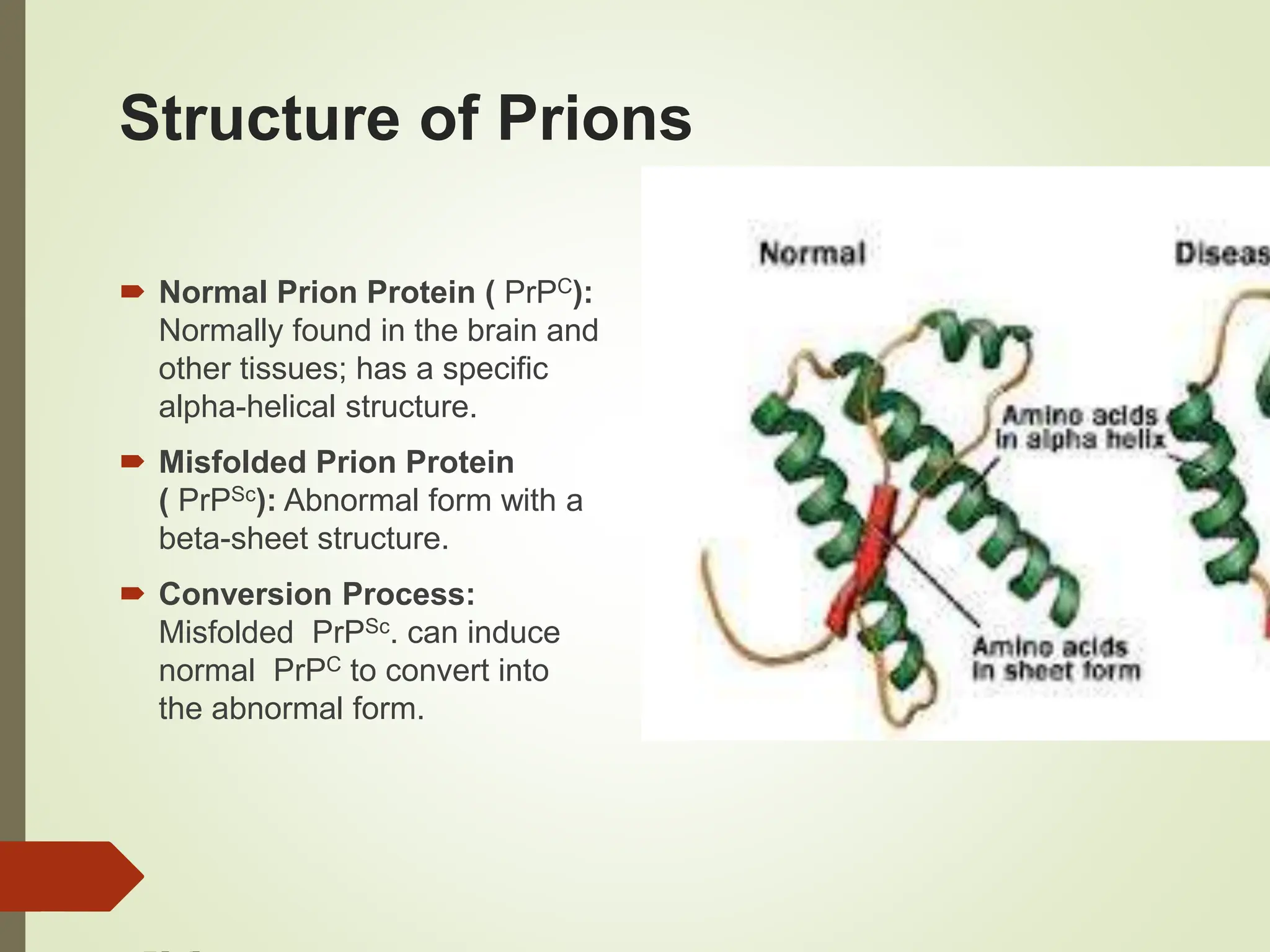
 Normal Prion Protein ( PrPC):
Normally found in the brain and
other tissues; has a specific
alpha-helical structure.
 Misfolded Prion Protein
( PrPSc): Abnormal form with a
beta-sheet structure.
 Conversion Process:
Misfolded PrPSc. can induce
normal PrPC to convert into
the abnormal form.
Mechanism of Prion Propagation
• Chain Reaction:
PrP^Sc interacts with PrP^C,
converting it into more PrP^Sc.
• Aggregation:
Misfolded proteins accumulate in
the brain, forming plaques.
• Neurodegeneration:
Plaque buildup disrupts neuronal
function, leading to brain damage.
Diseases Caused by Prions
Human Diseases Animal Disea
 Creutzfeldt-Jakob Disease
(CJD)
 Variant CJD (vCJD)
 Gerstmann-Sträussler-
Scheinker Syndrome (GSS)
 Fatal Familial Insomnia (FFI)
 Kuru
 Bovine Spongif
Encephalopathy
 Scrapie in shee
 Chronic Wastin
in deer and elk
Transmission and Risk Facto
• Spontaneous Occurrence: Sporadic cases withou
cause.
• Genetic Mutations: Inherited prion diseases due to
mutations in the PRNP gene.
• Contaminated Material: Transmission through
consumption or exposure to infected tissues (e.g.,
contaminated surgical instruments, infected meat pr
Bovine Spongiform
Encephalopathy
(BSE)
 Common Name: Mad Cow
Disease.
 First Identified: In the UK,
mid-1980s.
 Affected Species: Primarily
cattle, but can affect humans
and other animals.
 Symptoms in Cattle:
Changes in behaviour,
coordination problems,
difficulty walking, weight loss.
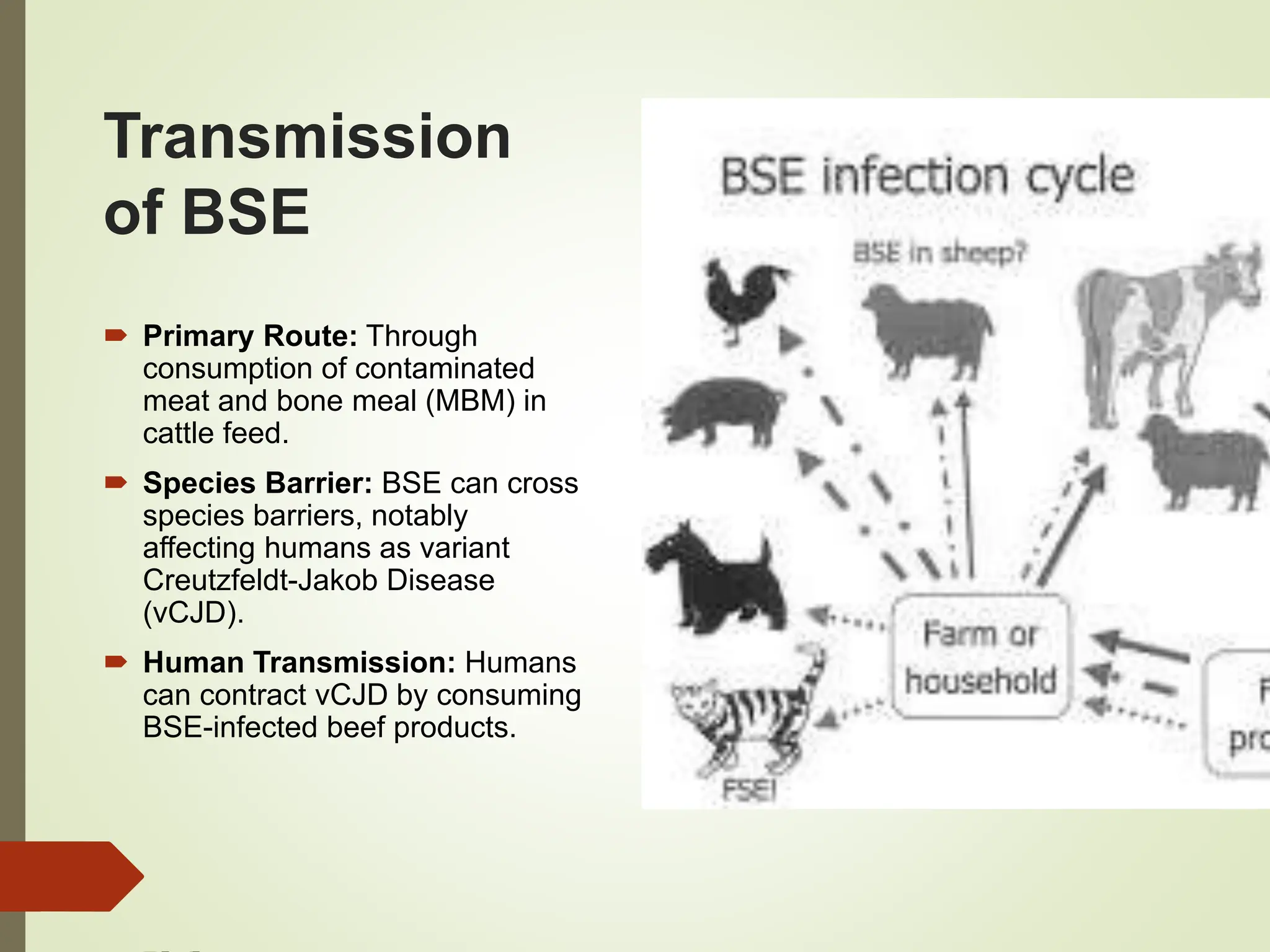
Transmission
of BSE
 Primary Route: Through
consumption of contaminated
meat and bone meal (MBM) in
cattle feed.
 Species Barrier: BSE can cross
species barriers, notably
affecting humans as variant
Creutzfeldt-Jakob Disease
(vCJD).
 Human Transmission: Humans
can contract vCJD by consuming
BSE-infected beef products.
Symptoms
• Memory loss
• Behavioural changes
• Coordination problems
• Dementia.
Treatment
• Currently, no cure exists for prion
diseases.
• Ongoing studies to understand prion
biology and develop potential
treatments.
Diagnosis and Prevention
Diagnosis in Cattle:
Post-mortem examination of brain tissue.
Clinical Evaluation: Neurological exams and patient history.
MRI and EEG: Brain imaging and electrical activity analysis.
Biopsy: Post-mortem examination of brain tissue for definitive diag
Prevention Measures:
• Ban on MBM in cattle feed.
• Surveillance and testing programs.
• Public awareness campaigns.
Impact of BSE Outbreak
Economic Impact:
Severe economic losses in the cattle industry.
Public Health:
Numerous cases of vCJD, causing public health crises.
Regulatory Changes:
Stricter regulations on cattle feed and beef production.
The Future of Prion Resear
Understanding Mechanisms: Further research
into the molecular mechanisms of prion
propagation.
Therapeutic Approaches: Developing drugs
that can inhibit prion misfolding or promote their
clearance.
Diagnostic Advances: Creating better
diagnostic tools for early detection of prion
diseases.
TH
YO
Prions
Submitted by: Kiran
Submitted to: Dr. Aqsa
Roll No. 1055
Department: MMG
Semester: 4th
Prions
A prion is a type of protein that can trigger normal
proteins in the
brain to fold abnormally. Prion diseases can affect bo
humans and
animals and are sometimes spread to humans by infe
meat
products
The structure of PrPC is well studied, based on analyse
of
recombinant PrP, which is thought to mimic the structu
of native
PrPC. The mature protein contains an N-terminal,
unfolded domain
and a C-terminal, globular domain that consists of thre
α-helices
and only a small, two-stranded β-sheet.
•
Structure of Prions
• This process –which can be underway for years before s
appear –likely causes the most common form of prion dis
people, sporadic Creutzfeldt-Jakob disease (CJD). Other f
human prion diseases include variant CJD, fatal familial i
Gerstmann-Straussler-Scheinker Syndrome and Kuru.
Replication
single PrPSc molecule binds to a single PrPC molecule and
its conversion into PrPSc. The two PrPSc molecules then c
and can go on to convert more PrPC
Types of Prions
Prions disease
• Prion diseases occur when normal prion protein, found o
surface of many cells, becomes abnormal and clump in the
causing brain damage. This abnormal accumulation of pro
the brain can cause memory impairment, personality chan
difficulties with movement.
What is the mechanism of kuru?
• Kuru is a form of transmissible spongiform encephalopa
caused by the transmission of abnormally folded proteins
which leads to symptoms such as tremors and loss of coor
from neurodegeneration. A Fore child with advanced kuru
The three discernible
phases in kuruinclude
• Ambulatory phase: Presents with features of cerebellar a
• Sedentary phase: It starts when the patient is unable to stand
without support and ends when unable to sit without suppo
• Terminal stage: The patient is bedridden and may develop
dysphagia and incontinence.
How is kurutransmitted?
• Kuru is caused by the accumulation of infectious, misfol
proteins called prions in the nervous system. The disease i
spread through cannibalism of infected tissue (i.e. When a
individual eats the human tissue of an infected individual)
Symptoms of kuruinclude
• Arm and leg pain.
• Coordination problems that become severe.
• Difficulty walking.
• Headache.
• Swallowing difficulty.
• Tremors and muscle jerks.
How is kuru diagnosed?
• Diagnosis of kuru is primarily based on patient history an
presentation. Neurological exams can reveal ataxia, muscl
well as difficulty walking.
What is the treatment for kuru?
• There were no treatments that could control or cure kuru, o
than discouraging the practice of cannibalism. Currently, the
no cures or treatments for any of the other TSE diseases.
Development of kurudisease
• It is also known as the “laughing sickness” due to the pat
bursts of laughter which are a symptom of the disease. It i
widely accepted that kuru was transmitted among member
the Fore tribe of Papua New Guinea via funerary cannibal
When was the last recorded case of
• The end of cannibalism has put an end to kuru disease. T
case recorded was in 2005. [12] However, it remains the f
described transmissible spongiform encephalopathy unrav
mystery of other prion diseases.
How is kuru transmitted?
• Brain tissue from individuals with kuru was highly infec
the disease was transmitted either through eating or by con
open sores or wounds. Kuruis the Fore word for shiver.
What is the death rate of kuru?
• The comparison of number of deaths from kuru in the pe
1961–1963 and 1957–1959 showed a total 23% reduction,
among the children, a 57% drop, while the kuru mortality
decreased from 7.64 to 5.58 deaths per thousand.
University of Okara
Assignment
Virology
Topic
Prions
Roll number
1048
Submitted by
Hira Atif
Submitted to
Dr. Aqsa
In
tr
o
d
u
ct
io
n
Prions are infectious proteins that cause fatal
neurodegenerative diseases in humans and animals. Their
unique ability to self-propagate and induce misfolding of
normal proteins leads to the formation of toxic aggregates.
Prions consist of an of a
cellular protein called PrP. The misfolded
PrP, known as PrPSc, is rich in
and resistant to protease
digestion. This conformational change is
central to the pathogenicity of prions.
Prion Structure
Transmission Routes
Prions can be transmitted through various
routes, including , ,and
.Moreover, they can be
transmitted within and between species,
leading to a wide range of prion diseases.
The pathogenesis of prion diseases
involves the conversion of normal PrP into
the .This triggers a
cascade of events, including
, ,and
ultimately, .
Pathogenesis
Prion diseases manifest with a wide
spectrum of clinical features, including
, ,and
.The rapid progression and fatal
outcome characterize these devastating
neurodegenerative disorders.
Cl
in
ic
al
M
a
ni
fe
st
at
io
ns
Poiron Disease
Prion diseases are a group of rare, fatal brain disorders
that affect humans and animals. Some of the prion
diseases include:
1. Creutzfeldt-Jakob disease (CJD)
2. Variant Creutzfeldt-Jakob disease (vCJD)
3. Fatal Familial Insomnia (FFI)
4. Gerstmann-Sträussler-Scheinker syndrome (GSS)
FFI (Causes and
Inheritance)
Fatal Familial Insomnia (FFI) is a rare genetic
prion disease that affects the brain, leading to
gradual degeneration of the thalamus, a
region crucial for sleep and wakefulness
regulation. Here's a brief overview of FFI
Causes and inheritance:
- FFI is caused by a mutation in the PRNP
gene, which codes for the prion protein.
- It is inherited in an autosomal dominant
pattern, meaning a single copy of the mutated
gene is enough to cause the disease.
Symptoms
- Gradual onset of insomnia (inability to sleep) and
subsequent daytime sleepiness
- Autonomic dysfunction (e.g., excessive sweating, high
blood pressure)
- Ataxia (coordination and balance problems)
- Dysarthria (speech difficulties)
- Weight loss
- Eventual complete insomnia, leading to rapid
deterioration and death
Diagnosis and
Treatment
- Diagnosis is based on genetic testing, medical
history, and symptom evaluation.
- There is no cure or effective treatment for FFI;
management focuses on alleviating symptoms
and supporting patients and their families.
•management focuses on alleviating symptoms and
supporting patients and their families.
•FFI is a devastating disease that progresses rapidly,
typically leading to death within 12-18 months after
symptom onset.
• Research continues to uncover the complexities of
prion diseases, aiming to develop effective treatments
and prevention strategies.
Diagnosisand Detection
Diagnosing prion diseases can be
challenging due to the lack of specific
biomarkers and the insidious onset of
symptoms. Current diagnostic
approaches include neuroimaging,
cerebrospinal fluid analysis, and post-
mortem examination.
Developing effective therapeutics for prion diseases remains a formidable
,
.These strategies aim to
challenge. Experimental approaches include
,and
mitigate the pathogenic effects of prions.
In conclusion, prion diseases represent a
unique class of neurodegenerative
disorders driven by the and
of proteins.
Understanding the and
disease mechanisms is crucial for the
development of effective diagnostic and
therapeutic interventions.
Conclusion

prions,types, disease, prevention and treatment

  • 1.
     PRIONS: Presented by: ABDUL REHMAN Presented to : DR. AQSA Department: MMG
  • 2.
     Prions (Definition): •The term Prion means proteinaceous infectious particles. Prions are the infectious agents responsible for several neurodegenerative diseases in mammals, like, Creutzfeldt Jacob disease. • This happens due to the abnormal folding of the proteins in the brain. • It refers to the hypothesis that the infectious agents causing the diseases contain only proteins. It explained why the infectious agents are resistant to ultraviolet radiations. • They can break down the nucleic acids, but are receptive to substances that denature proteins.
  • 3.
     Structure andReplication: • Abnormal shape • No nucleic acid • Proteinaceous infections particle • Normal and Aberrant Forms • Molecular Models • Cell Biology • Key structural elements
  • 4.
     Types ofPrions: 1. Creutzfeldt Jacob Disease 2. Variant (CJD) 3. Variably protease sensitive prionopathy (VPSPr) 4. Gerstmann-Straussler-Scheinker disease (GSS) 5. Kuru 6. Fatal insomnia (FI)
  • 5.
     Prions diseases CreutzfeldtJacob Disease: Creutzfeldt Jacob Disease is rare rapidly worsening brain disorder that causes unique change in brain tissues and affects muscle coordination thinking and memory.
  • 6.
     History anddiscovery: • The disease was first described in the 1920s by the German neurologists Hans Gerhard Creutzfeldt and Alfons Maria Jacob. • CJD is similar to other neurodegenerative diseases such as Kuru, a human disorder, and scrapie, which occurs in sheep and goats. • All three diseases are types of transmissible spongiform encephalopathies, so called because of the characteristic spongelike pattern of neuronal destruction that leaves brain tissue filled with holes.
  • 8.
     Symptoms: • SevereMental Deterioration and dementia • Involuntary muscle jerks or muscle movements • Lack of coordination • Problems with walking and balance • Confusion • Unusual Sensation • Changes in vision • Depression, Mood swings and anxiety • Insomnia or changes in sleeping patterns
  • 9.
     Transmission: • VariantCJD. • Organ or tissue transplants. • Blood transfusion. • Hormone transplant.
  • 10.
     Exposure: • Infectedanimal tissue. • Contaminates medical equipment. • Infected human tissue. • Contaminated food.
  • 11.
     Treatment andDiagnosis: • There are few tests a doctor can use to help diagnose CJD: • Electroencephalography(EEG) • Physical Examination • Brain biopsy or autopsy • Cerebrospinal fluid based tests • Magnetic resonance imaging (MRI) • Symptoms relief • Nursing care • Pain management • Supportive care • Research and clinical trials
  • 12.
     Preventions: • Sterilizationof medical equipment • Screening of blood donors • Safe handling of human tissue • Proper disposal of infected material • Avoiding consumption of contaminated animal products • Implanting universal precautions • Education and awareness • Regulatory measures
  • 13.
     Future directions(Prions): •Development of effective treatment • Understanding transmission • Developing sensitive test for diagnosis • Synthetic prions for research • International collaboration
  • 14.
  • 15.
  • 16.
    Introduction to Prions •Prions are misfolded proteins that can induce othe normal proteins to misfold similarly. • Unlike bacteria, viruses, and fungi, prions lack nucleic acids (DNA or RNA). • Prions were first identified by Stanley B. Prusiner in the 1980s.
  • 17.
    Structure of Prions Normal Prion Protein ( PrPC): Normally found in the brain and other tissues; has a specific alpha-helical structure.  Misfolded Prion Protein ( PrPSc): Abnormal form with a beta-sheet structure.  Conversion Process: Misfolded PrPSc. can induce normal PrPC to convert into the abnormal form.
  • 18.
    Mechanism of PrionPropagation • Chain Reaction: PrP^Sc interacts with PrP^C, converting it into more PrP^Sc. • Aggregation: Misfolded proteins accumulate in the brain, forming plaques. • Neurodegeneration: Plaque buildup disrupts neuronal function, leading to brain damage.
  • 19.
    Diseases Caused byPrions Human Diseases Animal Disea  Creutzfeldt-Jakob Disease (CJD)  Variant CJD (vCJD)  Gerstmann-Sträussler- Scheinker Syndrome (GSS)  Fatal Familial Insomnia (FFI)  Kuru  Bovine Spongif Encephalopathy  Scrapie in shee  Chronic Wastin in deer and elk
  • 20.
    Transmission and RiskFacto • Spontaneous Occurrence: Sporadic cases withou cause. • Genetic Mutations: Inherited prion diseases due to mutations in the PRNP gene. • Contaminated Material: Transmission through consumption or exposure to infected tissues (e.g., contaminated surgical instruments, infected meat pr
  • 21.
    Bovine Spongiform Encephalopathy (BSE)  CommonName: Mad Cow Disease.  First Identified: In the UK, mid-1980s.  Affected Species: Primarily cattle, but can affect humans and other animals.  Symptoms in Cattle: Changes in behaviour, coordination problems, difficulty walking, weight loss.
  • 22.
    Transmission of BSE  PrimaryRoute: Through consumption of contaminated meat and bone meal (MBM) in cattle feed.  Species Barrier: BSE can cross species barriers, notably affecting humans as variant Creutzfeldt-Jakob Disease (vCJD).  Human Transmission: Humans can contract vCJD by consuming BSE-infected beef products.
  • 23.
    Symptoms • Memory loss •Behavioural changes • Coordination problems • Dementia. Treatment • Currently, no cure exists for prion diseases. • Ongoing studies to understand prion biology and develop potential treatments.
  • 24.
    Diagnosis and Prevention Diagnosisin Cattle: Post-mortem examination of brain tissue. Clinical Evaluation: Neurological exams and patient history. MRI and EEG: Brain imaging and electrical activity analysis. Biopsy: Post-mortem examination of brain tissue for definitive diag Prevention Measures: • Ban on MBM in cattle feed. • Surveillance and testing programs. • Public awareness campaigns.
  • 25.
    Impact of BSEOutbreak Economic Impact: Severe economic losses in the cattle industry. Public Health: Numerous cases of vCJD, causing public health crises. Regulatory Changes: Stricter regulations on cattle feed and beef production.
  • 26.
    The Future ofPrion Resear Understanding Mechanisms: Further research into the molecular mechanisms of prion propagation. Therapeutic Approaches: Developing drugs that can inhibit prion misfolding or promote their clearance. Diagnostic Advances: Creating better diagnostic tools for early detection of prion diseases.
  • 27.
  • 28.
    Prions Submitted by: Kiran Submittedto: Dr. Aqsa Roll No. 1055 Department: MMG Semester: 4th
  • 29.
    Prions A prion isa type of protein that can trigger normal proteins in the brain to fold abnormally. Prion diseases can affect bo humans and animals and are sometimes spread to humans by infe meat products
  • 31.
    The structure ofPrPC is well studied, based on analyse of recombinant PrP, which is thought to mimic the structu of native PrPC. The mature protein contains an N-terminal, unfolded domain and a C-terminal, globular domain that consists of thre α-helices and only a small, two-stranded β-sheet. • Structure of Prions
  • 32.
    • This process–which can be underway for years before s appear –likely causes the most common form of prion dis people, sporadic Creutzfeldt-Jakob disease (CJD). Other f human prion diseases include variant CJD, fatal familial i Gerstmann-Straussler-Scheinker Syndrome and Kuru. Replication single PrPSc molecule binds to a single PrPC molecule and its conversion into PrPSc. The two PrPSc molecules then c and can go on to convert more PrPC Types of Prions
  • 33.
    Prions disease • Priondiseases occur when normal prion protein, found o surface of many cells, becomes abnormal and clump in the causing brain damage. This abnormal accumulation of pro the brain can cause memory impairment, personality chan difficulties with movement.
  • 34.
    What is themechanism of kuru? • Kuru is a form of transmissible spongiform encephalopa caused by the transmission of abnormally folded proteins which leads to symptoms such as tremors and loss of coor from neurodegeneration. A Fore child with advanced kuru
  • 35.
    The three discernible phasesin kuruinclude • Ambulatory phase: Presents with features of cerebellar a • Sedentary phase: It starts when the patient is unable to stand without support and ends when unable to sit without suppo • Terminal stage: The patient is bedridden and may develop dysphagia and incontinence.
  • 36.
    How is kurutransmitted? •Kuru is caused by the accumulation of infectious, misfol proteins called prions in the nervous system. The disease i spread through cannibalism of infected tissue (i.e. When a individual eats the human tissue of an infected individual)
  • 37.
    Symptoms of kuruinclude •Arm and leg pain. • Coordination problems that become severe. • Difficulty walking. • Headache. • Swallowing difficulty. • Tremors and muscle jerks.
  • 38.
    How is kurudiagnosed? • Diagnosis of kuru is primarily based on patient history an presentation. Neurological exams can reveal ataxia, muscl well as difficulty walking.
  • 39.
    What is thetreatment for kuru? • There were no treatments that could control or cure kuru, o than discouraging the practice of cannibalism. Currently, the no cures or treatments for any of the other TSE diseases.
  • 40.
    Development of kurudisease •It is also known as the “laughing sickness” due to the pat bursts of laughter which are a symptom of the disease. It i widely accepted that kuru was transmitted among member the Fore tribe of Papua New Guinea via funerary cannibal
  • 41.
    When was thelast recorded case of • The end of cannibalism has put an end to kuru disease. T case recorded was in 2005. [12] However, it remains the f described transmissible spongiform encephalopathy unrav mystery of other prion diseases.
  • 42.
    How is kurutransmitted? • Brain tissue from individuals with kuru was highly infec the disease was transmitted either through eating or by con open sores or wounds. Kuruis the Fore word for shiver.
  • 43.
    What is thedeath rate of kuru? • The comparison of number of deaths from kuru in the pe 1961–1963 and 1957–1959 showed a total 23% reduction, among the children, a 57% drop, while the kuru mortality decreased from 7.64 to 5.58 deaths per thousand.
  • 44.
    University of Okara Assignment Virology Topic Prions Rollnumber 1048 Submitted by Hira Atif Submitted to Dr. Aqsa
  • 45.
    In tr o d u ct io n Prions are infectiousproteins that cause fatal neurodegenerative diseases in humans and animals. Their unique ability to self-propagate and induce misfolding of normal proteins leads to the formation of toxic aggregates.
  • 46.
    Prions consist ofan of a cellular protein called PrP. The misfolded PrP, known as PrPSc, is rich in and resistant to protease digestion. This conformational change is central to the pathogenicity of prions. Prion Structure
  • 47.
    Transmission Routes Prions canbe transmitted through various routes, including , ,and .Moreover, they can be transmitted within and between species, leading to a wide range of prion diseases.
  • 48.
    The pathogenesis ofprion diseases involves the conversion of normal PrP into the .This triggers a cascade of events, including , ,and ultimately, . Pathogenesis
  • 49.
    Prion diseases manifestwith a wide spectrum of clinical features, including , ,and .The rapid progression and fatal outcome characterize these devastating neurodegenerative disorders. Cl in ic al M a ni fe st at io ns
  • 50.
    Poiron Disease Prion diseasesare a group of rare, fatal brain disorders that affect humans and animals. Some of the prion diseases include: 1. Creutzfeldt-Jakob disease (CJD) 2. Variant Creutzfeldt-Jakob disease (vCJD) 3. Fatal Familial Insomnia (FFI) 4. Gerstmann-Sträussler-Scheinker syndrome (GSS)
  • 51.
    FFI (Causes and Inheritance) FatalFamilial Insomnia (FFI) is a rare genetic prion disease that affects the brain, leading to gradual degeneration of the thalamus, a region crucial for sleep and wakefulness regulation. Here's a brief overview of FFI Causes and inheritance: - FFI is caused by a mutation in the PRNP gene, which codes for the prion protein. - It is inherited in an autosomal dominant pattern, meaning a single copy of the mutated gene is enough to cause the disease.
  • 52.
    Symptoms - Gradual onsetof insomnia (inability to sleep) and subsequent daytime sleepiness - Autonomic dysfunction (e.g., excessive sweating, high blood pressure) - Ataxia (coordination and balance problems) - Dysarthria (speech difficulties) - Weight loss - Eventual complete insomnia, leading to rapid deterioration and death
  • 53.
    Diagnosis and Treatment - Diagnosisis based on genetic testing, medical history, and symptom evaluation. - There is no cure or effective treatment for FFI; management focuses on alleviating symptoms and supporting patients and their families.
  • 54.
    •management focuses onalleviating symptoms and supporting patients and their families. •FFI is a devastating disease that progresses rapidly, typically leading to death within 12-18 months after symptom onset. • Research continues to uncover the complexities of prion diseases, aiming to develop effective treatments and prevention strategies.
  • 55.
    Diagnosisand Detection Diagnosing priondiseases can be challenging due to the lack of specific biomarkers and the insidious onset of symptoms. Current diagnostic approaches include neuroimaging, cerebrospinal fluid analysis, and post- mortem examination.
  • 56.
    Developing effective therapeuticsfor prion diseases remains a formidable , .These strategies aim to challenge. Experimental approaches include ,and mitigate the pathogenic effects of prions.
  • 57.
    In conclusion, priondiseases represent a unique class of neurodegenerative disorders driven by the and of proteins. Understanding the and disease mechanisms is crucial for the development of effective diagnostic and therapeutic interventions. Conclusion

Editor's Notes

  • #17 Stem Cells
  • #50 These prion diseases share similar characteristics, including: - Gradual brain degeneration - Fatal outcome - Rare occurrence - Prion protein misfolding as the underlying cause Each disease has unique features, and research continues to uncover the complexities of prion diseases.
  • #51 Creutzfeldt-Jakob disease (CJD): A rare, degenerative brain disorder that causes memory loss, personality changes, and coordination problems. It's usually sporadic, but can be inherited or acquired through contaminated tissue transplants or medical instruments.
  • #52 Variant Creutzfeldt-Jakob disease (vCJD)*: A rare prion disease caused by consuming beef from cattle infected with Bovine Spongiform Encephalopathy (BSE or Mad Cow Disease). It affects younger people and has a longer incubation period than CJD.
  • #53  Gerstmann-Sträussler-Scheinker syndrome (GSS): A rare inherited prion disease that causes progressive brain degeneration, leading to ataxia, dysarthria, and eventually death.