Dr.RLC.Sasidhar
 Sterility is a condition of freedom from living organisms.
There is no degree of sterility. An item is either sterile or
non-sterile. It can never be relatively sterile.
 Sterilization can be defined as any process that effectively
kills or eliminates transmissible agents (such as fungi,
bacteria, viruses etc) from a surface, equipment, foods,
medications, or biological culture medium.
 Recently the presence of harmful or pathogenic
microorganisms even in non sterile preparations has received
attention of regulatory authorities and as a result limit tests
for microbes or microbial limit tests have been introduced in
some non sterile preparations in few pharmacopoeias.
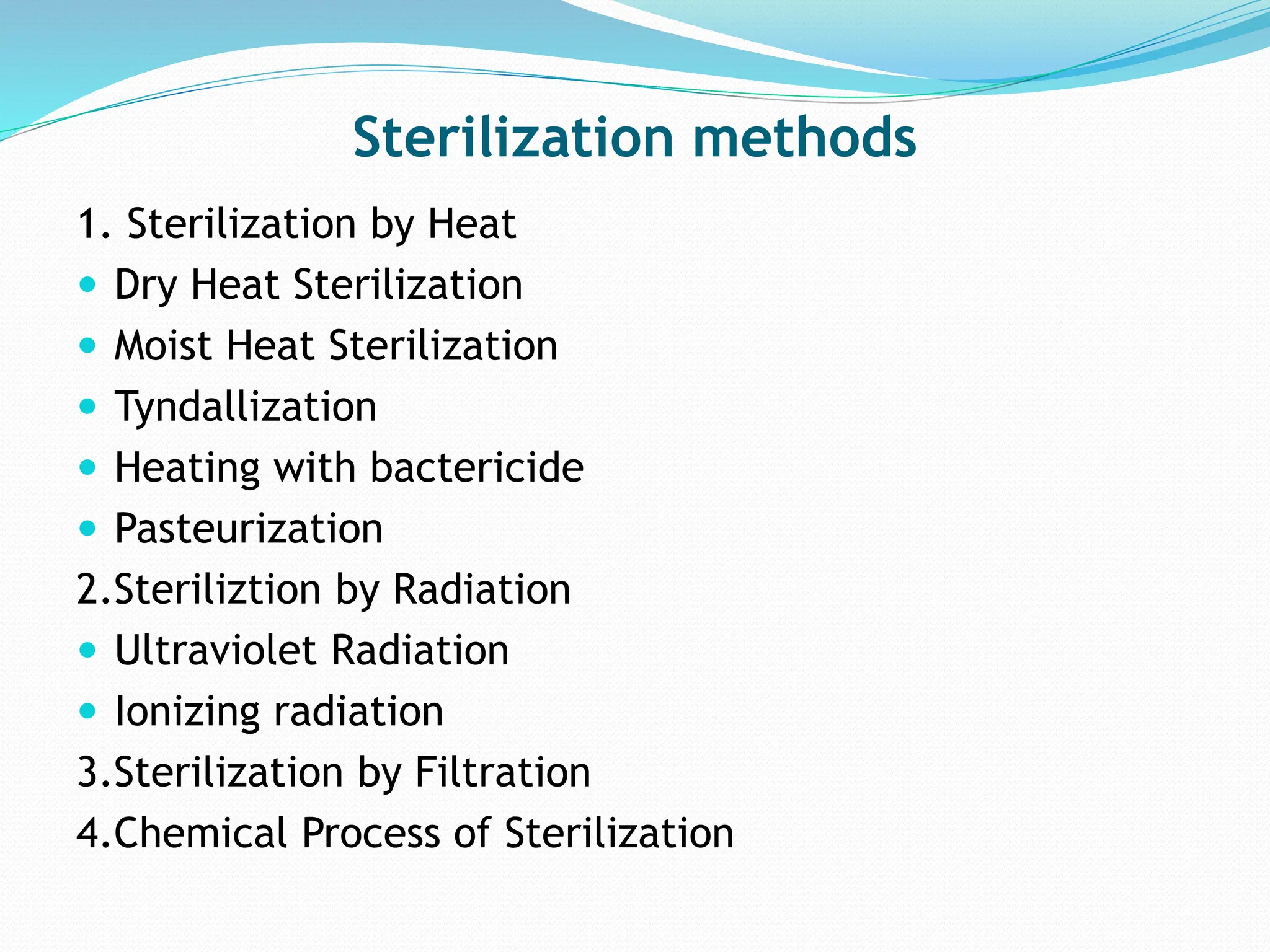
Sterilization methods
1. Sterilization by Heat
 Dry Heat Sterilization
 Moist Heat Sterilization
 Tyndallization
 Heating with bactericide
 Pasteurization
2.Steriliztion by Radiation
 Ultraviolet Radiation
 Ionizing radiation
3.Sterilization by Filtration
4.Chemical Process of Sterilization
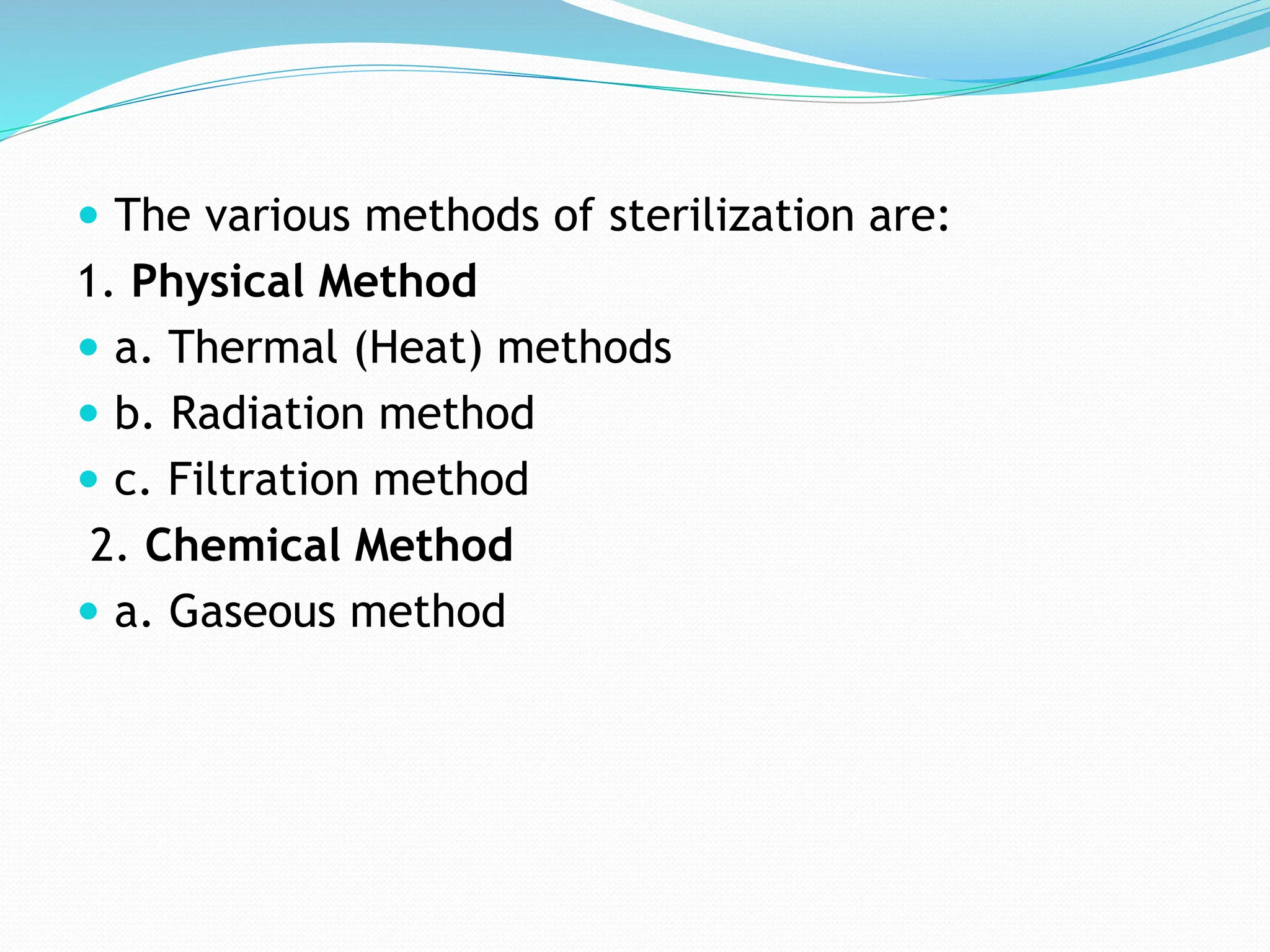
 The various methods of sterilization are:
1. Physical Method
 a. Thermal (Heat) methods
 b. Radiation method
 c. Filtration method
2. Chemical Method
 a. Gaseous method
Dry Heat Sterilization
HEAT STERILIZATION:
 Heat sterilization is the most widely used and reliable
method of sterilization, involving destruction of
enzymes and other essential cell constituents.
 This method of sterilization can be applied only to the
thermo stable products, but it can be used for moisture-
sensitive materials.
i) Dry Heat (160-180˚C) Sterilization for thermo stable
products
ii) Moist heat (121-134˚C) sterilization is used for
moisture- resistant materials.
 The benefit of dry heat includes good penetrability
and non-corrosive nature which makes it applicable
for sterilizing glass wares and metal surgical
instruments. It is also used for sterilizing non-
aqueous thermo stable liquids and thermo stable
powders.
 Destruction of microorganisms by dry heat is an
oxidation process.
 The microorganisms are more resistant to dry heat
as compared to moist heat and therefore this
process requires higher temperatures and longer
exposures.
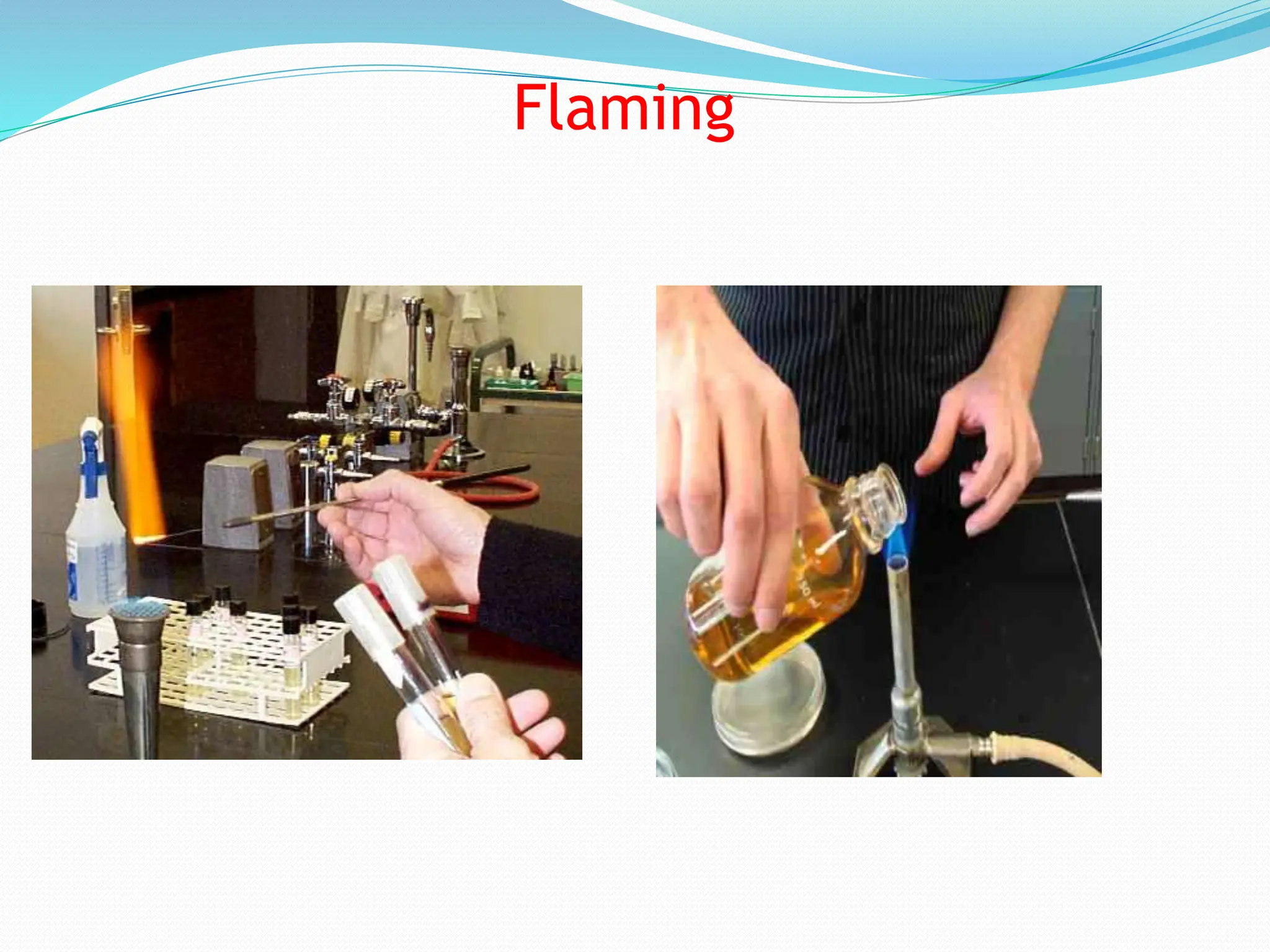
1. Flaming
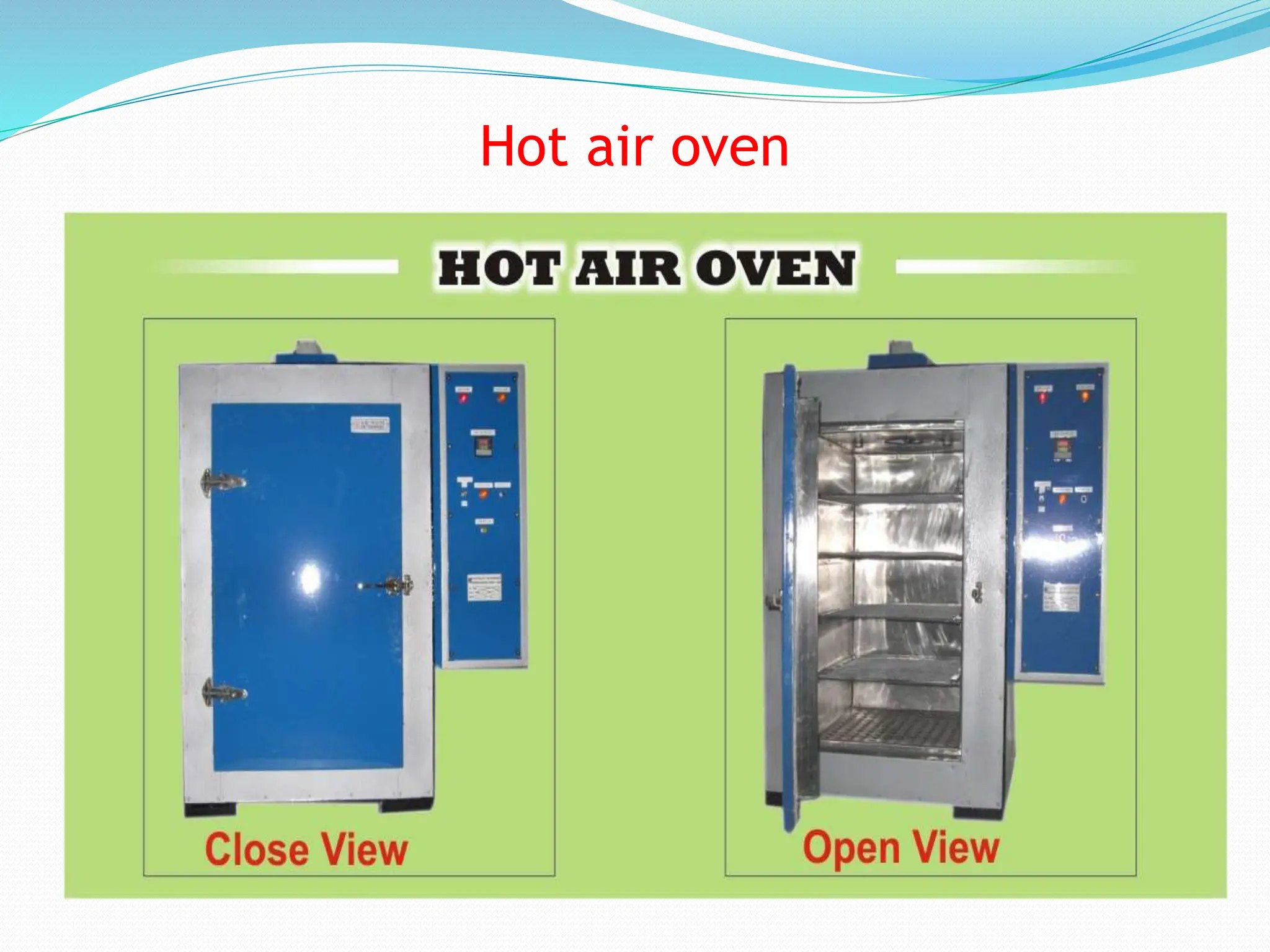
2. Hot air oven
Flaming
Hot air oven
 Substances that are not heat labile and can tolerate
temperatures of 1400 C to 2600C may be render sterile
by means of dry heat in hot air oven.
Normally spores as well as the vegetative forms of all
microorganisms are killed in 2 hours at 1800 C and in 45
minutes at 2600 C.
 The modern hot air ovens consist of double walled
chamber or aluminium or stainless steel separated from
outer case by thick insulation made of fibre glass.
 Heating is effected by heating elements and
thermostats automatically control temperature.
 Hot air ovens may sterilize only dry articles, solutions
containing water and alcohol or other volatile
substances may boil at this temp. And not suitable for
sterilization by this method.
Moist Heat Sterilization
 Moist heat sterilization involves the use of steam in the
range of 121-134˚C. Steam under pressure is used to
generate high temperature needed for sterilization.
Saturated steam acts as an effective sterilizing agent.
 An important advantage of moist heat is that it is
quicker in heating up the exposed articles and in
penetrating porous materials such as cotton wool,
stoppers, bundles of surgical linen, etc.
Autoclave
 Autoclaves use pressurized steam to destroy
microorganisms, and are the most dependable
systems available for the decontamination of
laboratory waste and the sterilization of laboratory
glassware, media, and reagents.
 Steam under pressure is used as a means of
obtaining high temperatures to destroy
microorganisms.
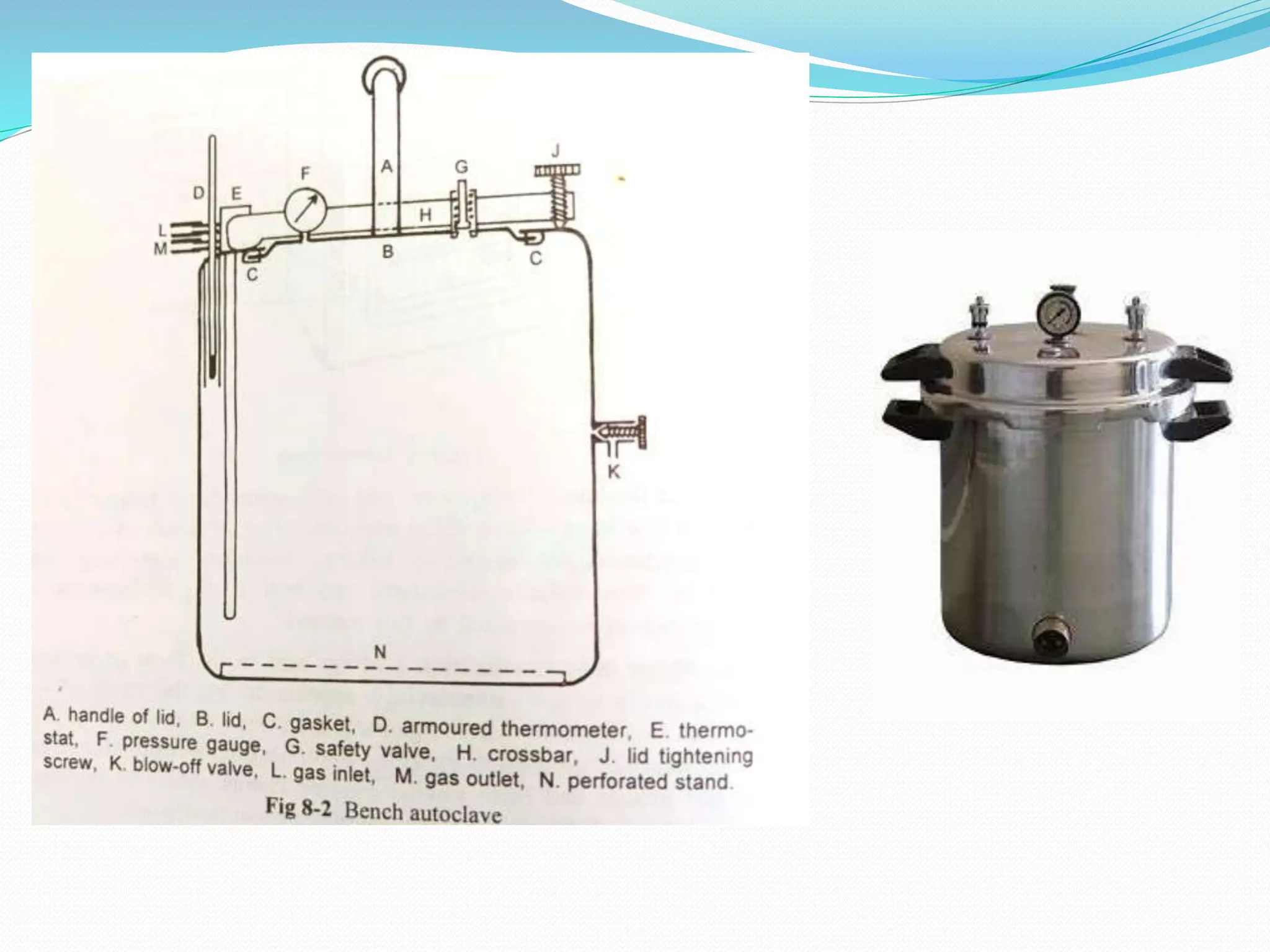
 A portable or bench autoclave consists of an upright
aluminium or stainless steel cylindrical vessel of
about 15 litres capacity.
 Pressure within the autoclave is indicated by a
pressure guage.
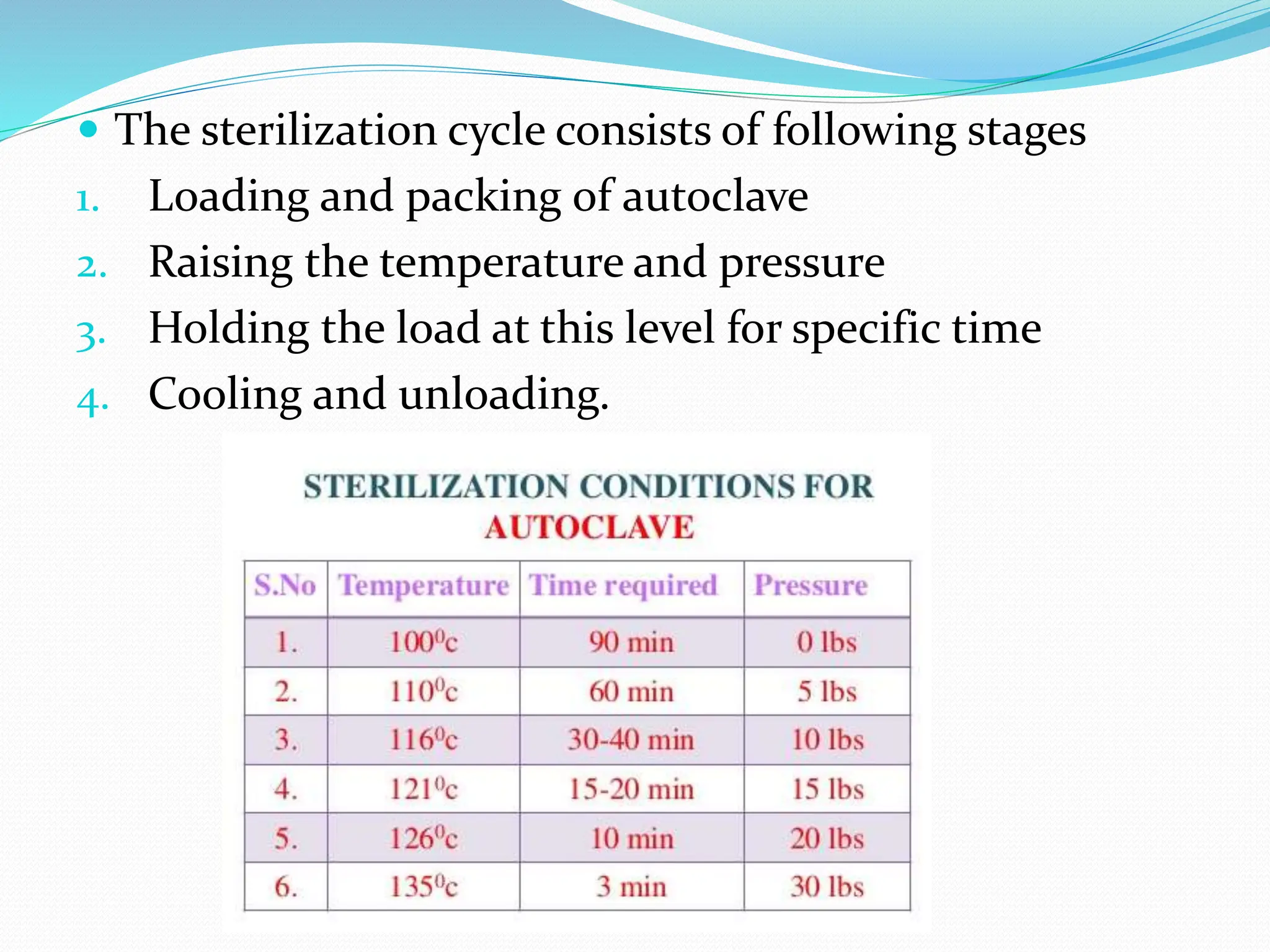
 The sterilization cycle consists of following stages
1. Loading and packing of autoclave
2. Raising the temperature and pressure
3. Holding the load at this level for specific time
4. Cooling and unloading.
 The materials to be sterilised are placed in autoclave
and door is shut properly.
 In next stage steam is admitted in autoclave which
causes downward displacement of air present in it.
 The temperature is allowed to raise till it corresponds
to that of saturated steam at pressure indicated by
pressure guage.
 Then the material is hold for required time.
 The total time required for completing the sterilization
cycle is much more than the holding time.
 When sterilization time is over, steam supply is cut-off
and autoclave is allowed to cooled
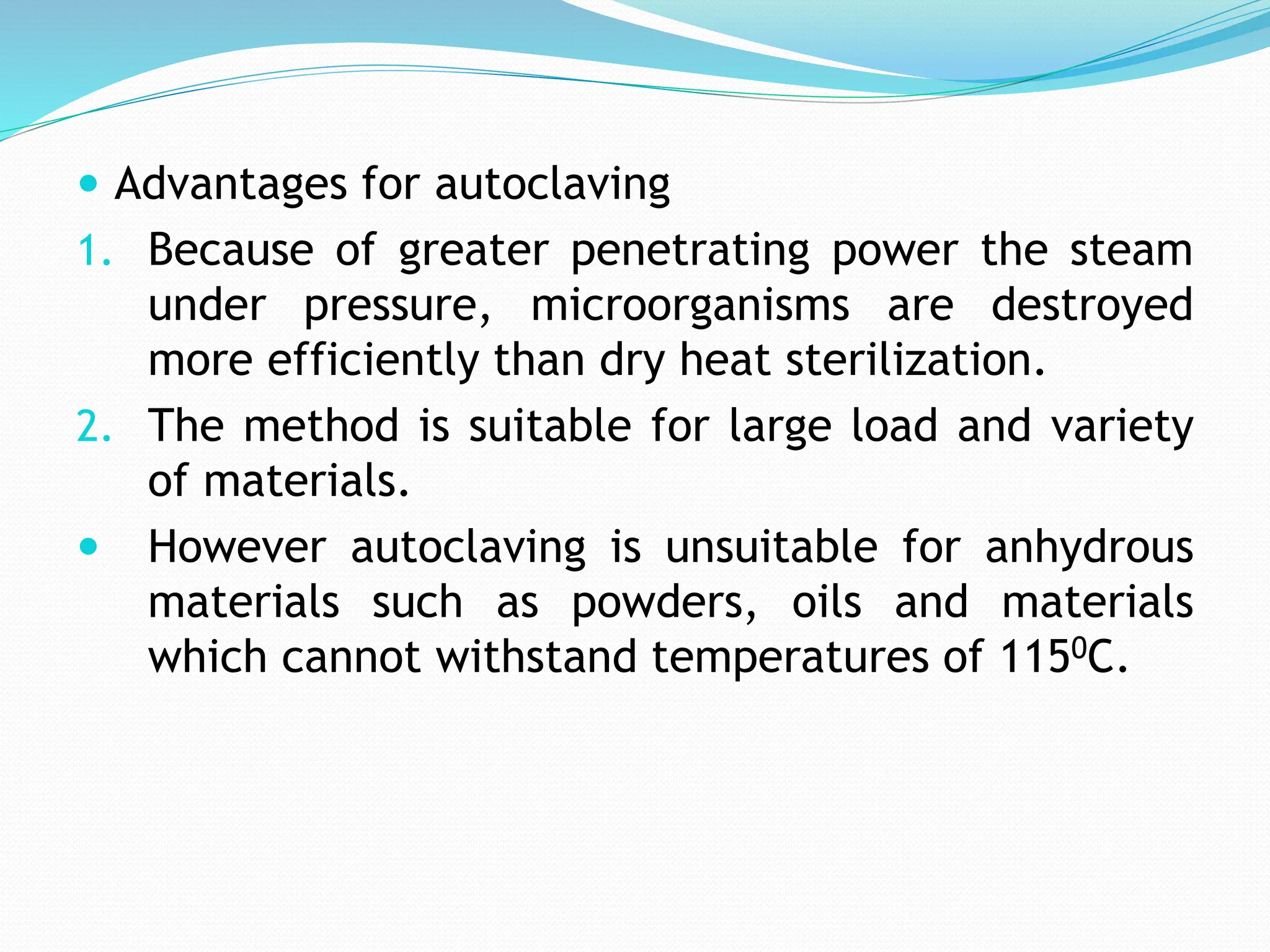
 Advantages for autoclaving
1. Because of greater penetrating power the steam
under pressure, microorganisms are destroyed
more efficiently than dry heat sterilization.
2. The method is suitable for large load and variety
of materials.
 However autoclaving is unsuitable for anhydrous
materials such as powders, oils and materials
which cannot withstand temperatures of 1150C.
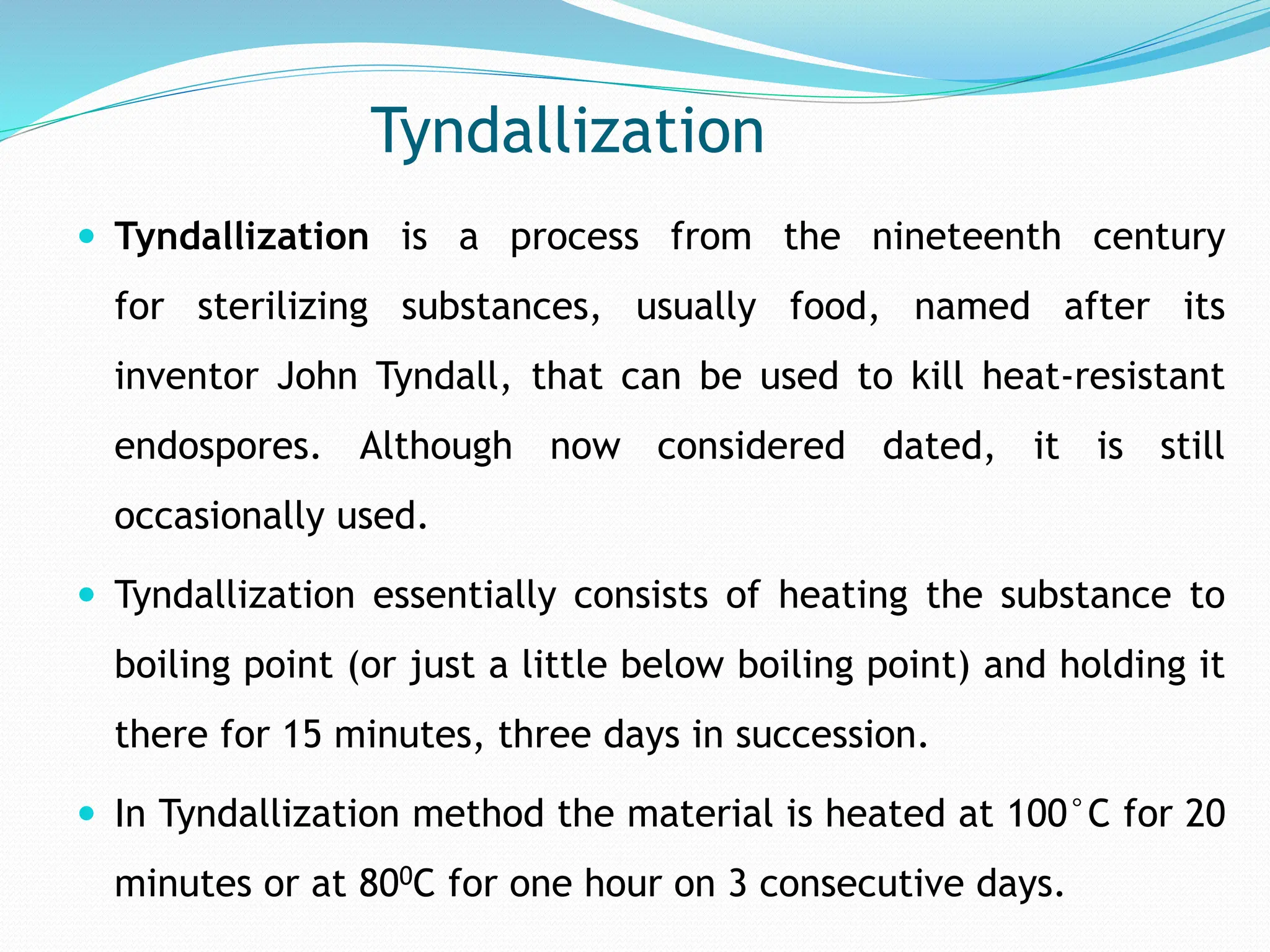
Tyndallization
 Tyndallization is a process from the nineteenth century
for sterilizing substances, usually food, named after its
inventor John Tyndall, that can be used to kill heat-resistant
endospores. Although now considered dated, it is still
occasionally used.
 Tyndallization essentially consists of heating the substance to
boiling point (or just a little below boiling point) and holding it
there for 15 minutes, three days in succession.
 In Tyndallization method the material is heated at 100°C for 20
minutes or at 800C for one hour on 3 consecutive days.
 After each heating, the resting period will allow
spores that have survived to germinate into
bacterial cells; these cells will be killed by the
next day's heating.
 During the resting periods the substance being
sterilized is kept in a moist environment at a
warm room temperature, conducive to
germination of the spores.
Pasteurization
 Pasteurization involves heating liquids at high temperatures for
short amounts of time.
 Pasteurization kills harmful microbes in milk without affecting the
taste or nutritional value.
 The process is intended to destroy or deactivate microorganisms
and enzymes that contribute to food spoilage or risk of disease,
including vegetative bacteria, but most bacterial spores survive the
process.
 This method is introduced by pasteur is not actually a sterilization
method because it reduces the viable count by 97 -99%.
 In holding method milk is heated in tanks at 630C
for 10 minutes and rapidly cooled.
 In high Temperature Short Time(HTST) or flash
method the milk is rapidly heated to 720C in heat
exchanger and held for 15 seconds and rapidly
cooled in second exchanger.
2.Sterilization by Radiation
 Radiation is commonly classified as Electromagnetic and
particulate.
 Electromagnetic radiation comprises of photons of energy
including ultraviolet, gamma and cosmic radiation.
 Beta particles or electrons are a type of particulate
radiation.
 Radiation sterilization is also known as cold sterilization
as it is non thermal method.
 Destruction of microorganisms results from interference
in metabolism of cell.
Ultraviolet Radiation
 UV radiation in the region of 2537oA has shown to poses
the greatest activity in destroying microorganisms. UV
light is absorbed by the nucleic acids of the cell where it
does the greatest damage.
 UV light, with its much lower energy, and poor
penetrability finds uses in the sterilization of air, for
surface sterilization of aseptic work areas in
pharmaceutical industry.
 It is also used for irradiation of incoming/or internal air of
the sterile filling areas for antibiotics, and in hospitals to
prevent cross contamination.
Ionizing Radiations
 These are produced from charged particles and
indirectly from gamma rays and can penetrate matter
to significantly greater degree than UV rays.
 Ionizing radiations destroy microorganisms by stopping
reproduction as a result of lethal mutations.
 Some important type of ionizing radiations are X-rays,
gamma rays, cathode rays, beta rays.
 High speed electrons are generated by Van de Graaf
accelerator. They have been used for sterilization of
catgut sutures, plastic administration sets, vitamins and
antibiotics in dry state. However this method of
sterilization is expensive and are not present in
manufacturing process.
 Ionizing radiations are satisfactory method of
sterilization mainly in case of injection products of
a number of antibiotics like benzyl pencillin,
streptomycin, vitamins like ascorbic acid etc.
 Irradiations have also been applied for sterilization
of vaccines.
Sterilization by Filtration
 This is also a non thermal method of sterilization widely
used for heat liable solutions to be sterilized.
 A distinct advantage of this method is it actually
removes microorganisms.
 This method is a useful process of sterilization for large
volume and small volume solutions.
 This method is official method of sterilization in I.P and
B.P.
 Commonly used filters include porcelain filters,
diatomaceous earth filters, asbestos pad filters,
sintered glass filters, membrane filters and ultra filters.
 The process of sterilization of solutions by filtration
consists of the following main stages.
1. Filtration of solution through a previously sterilized
bacteria proof filter.
2. Aseptic transfer of filtrate to sterile containers which
are then sealed aseptically.
3. Testing the sample for sterility.
 Filter efficiencies are effected by their pore size, wall
thickness, positive or negative pressure, filtration arte
and nature of liquid to be filtered.
 Test for sterility must always performed for injections
sterilized by filtration.
 When a pharmaceutical product sterilized by
filtration, sterile technique must be followed
throughout process.
Chemical Process of Sterilization/ Gaseous
Sterilization
 Gaseous sterilization is defined as destruction of all
living microorganisms with a chemical gas.
 The concept of gaseous sterilization is of ancient
origin. Certain spices herbs smokes have been used
since ancient times for preventing of spread of
disease.
 This is method is important when solid materials
may not be sterilized by either dry or moist heat.
All gases are toxic above certain concentration and
care must be taken.
 Commonly used gaseous sterilizing agents are
1. Ethylene Oxide:
 It is simplest cyclic ether and highly reactive and
inflammable and may be explosive when mixed with air in
concentration greater than 3%.
 However its admixture with inert gases such as CO2 or
fluorinated hydrocarbons makes it non flammable and safe
to handle.
 Ethylene oxide can successfully sterilize medical and
biological preparations , dry foods, catgut, plastic
equipment parts, hospital beddings, antibiotics, bottle
closures, heavy equipment etc.
 The antimicrobial activity of ethylene oxide is attributed to
its alkylating power of sulphydryl, carboxy and hydroxy
groups of proteins and other important cell constituents of
microorganisms.
 Sterilizing efficiency of ethylene oxide is affected by its
concentration, temperature of load and time of exposure.
2. Ozone:
 It is a pleasant smelling but irritating and toxic gas. Its
effectiveness as bactericide is attributed to its high
reactivity with organic substances like fats, amino acids,
proteins and enzymes.
 Ozone is mainly used for disinfection of water and
preservation of foods during storage.
3. Formaldehyde;
 Formaldehyde has been used for fumigation of rooms and
hospital blankets since long time. It is a bactericidal
agent with poor penetrating power.
 It kills all bacteria including spores, and also effective
virucide in gaseous as well as solution form.
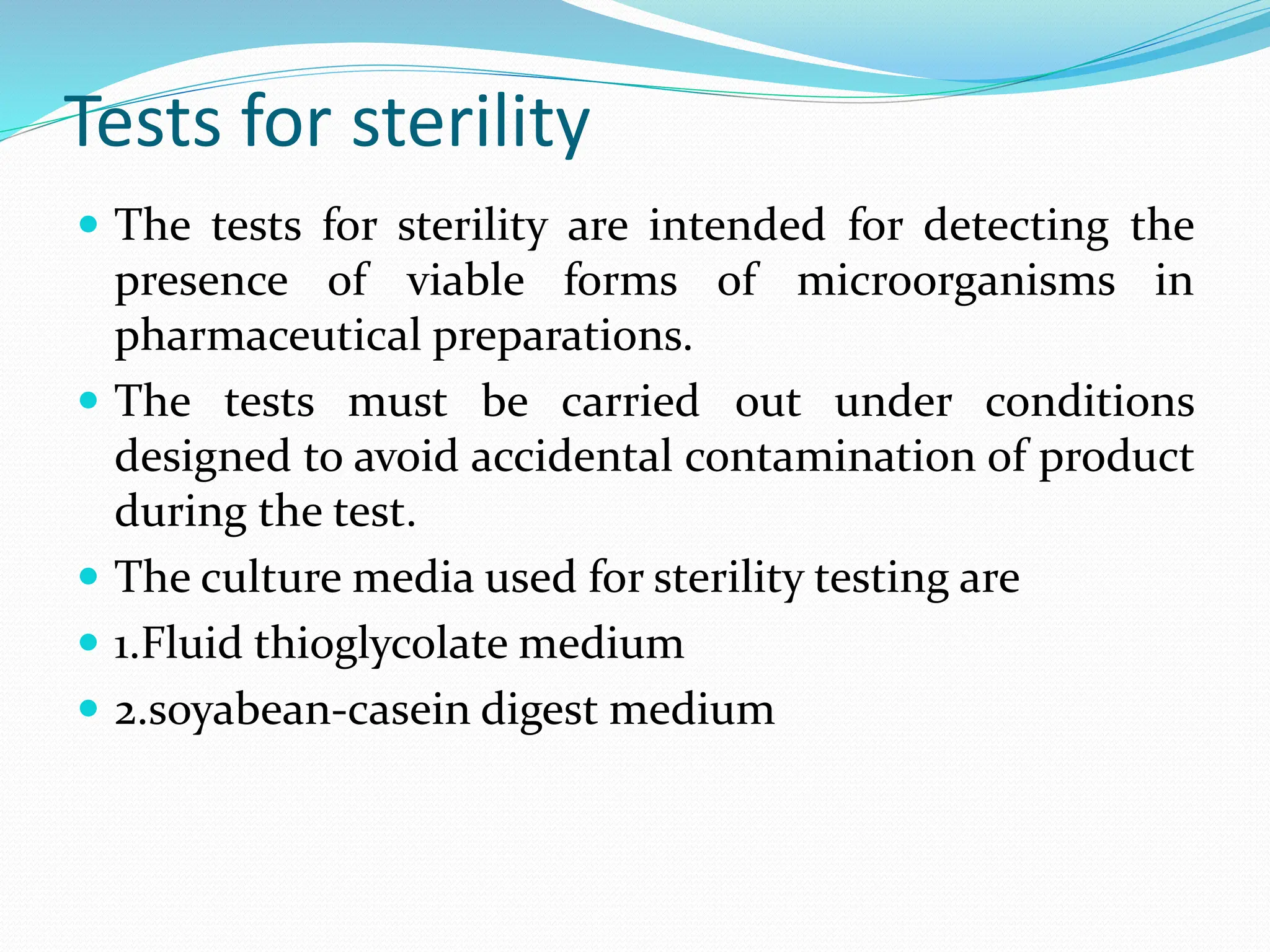
Tests for sterility
 The tests for sterility are intended for detecting the
presence of viable forms of microorganisms in
pharmaceutical preparations.
 The tests must be carried out under conditions
designed to avoid accidental contamination of product
during the test.
 The culture media used for sterility testing are
 1.Fluid thioglycolate medium
 2.soyabean-casein digest medium
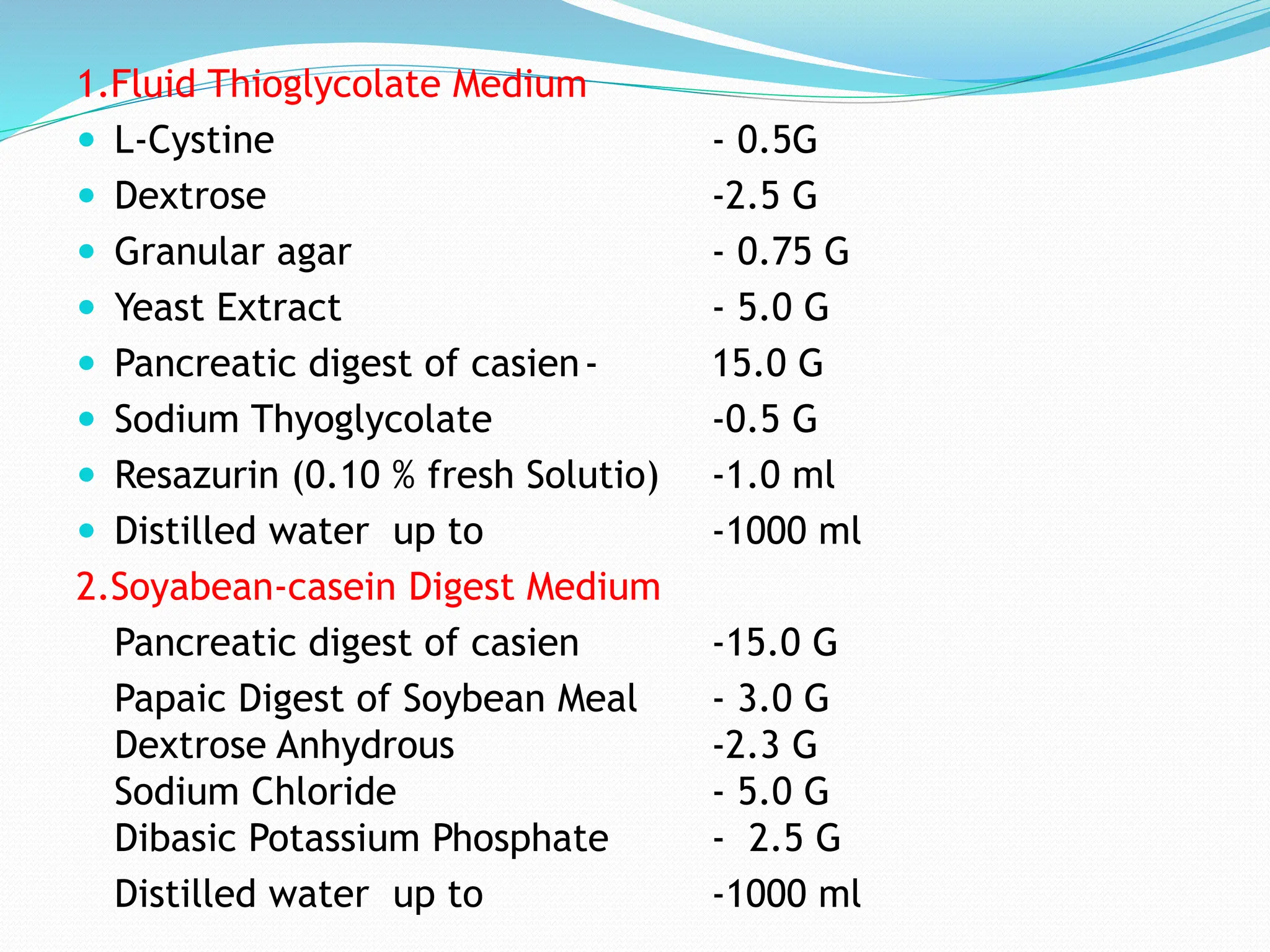
1.Fluid Thioglycolate Medium
 L-Cystine - 0.5G
 Dextrose -2.5 G
 Granular agar - 0.75 G
 Yeast Extract - 5.0 G
 Pancreatic digest of casien- 15.0 G
 Sodium Thyoglycolate -0.5 G
 Resazurin (0.10 % fresh Solutio) -1.0 ml
 Distilled water up to -1000 ml
2.Soyabean-casein Digest Medium
Pancreatic digest of casien -15.0 G
Papaic Digest of Soybean Meal - 3.0 G
Dextrose Anhydrous -2.3 G
Sodium Chloride - 5.0 G
Dibasic Potassium Phosphate - 2.5 G
Distilled water up to -1000 ml
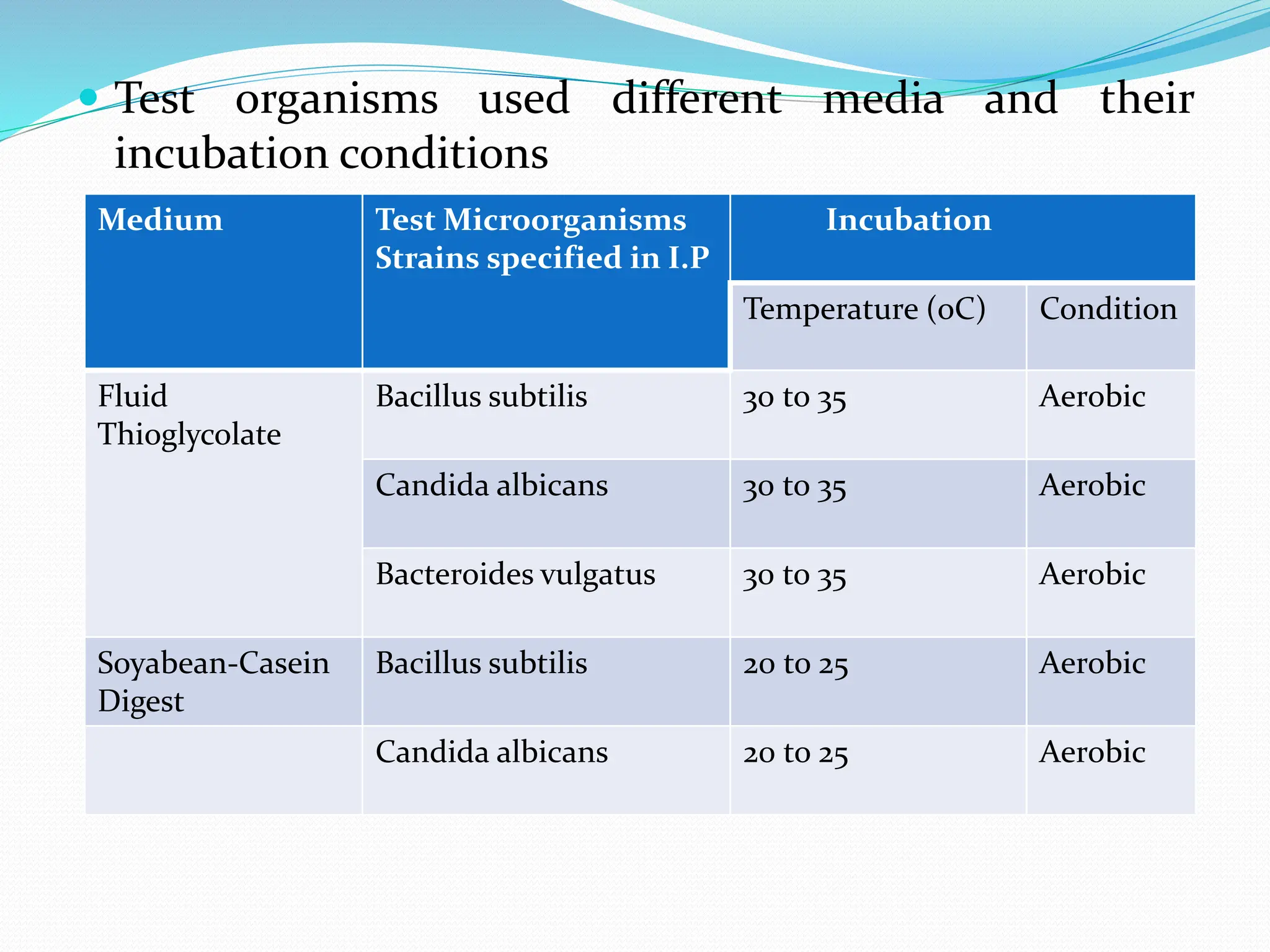
 Test organisms used different media and their
incubation conditions
Medium Test Microorganisms
Strains specified in I.P
Incubation
Temperature (oC) Condition
Fluid
Thioglycolate
Bacillus subtilis 30 to 35 Aerobic
Candida albicans 30 to 35 Aerobic
Bacteroides vulgatus 30 to 35 Aerobic
Soyabean-Casein
Digest
Bacillus subtilis 20 to 25 Aerobic
Candida albicans 20 to 25 Aerobic
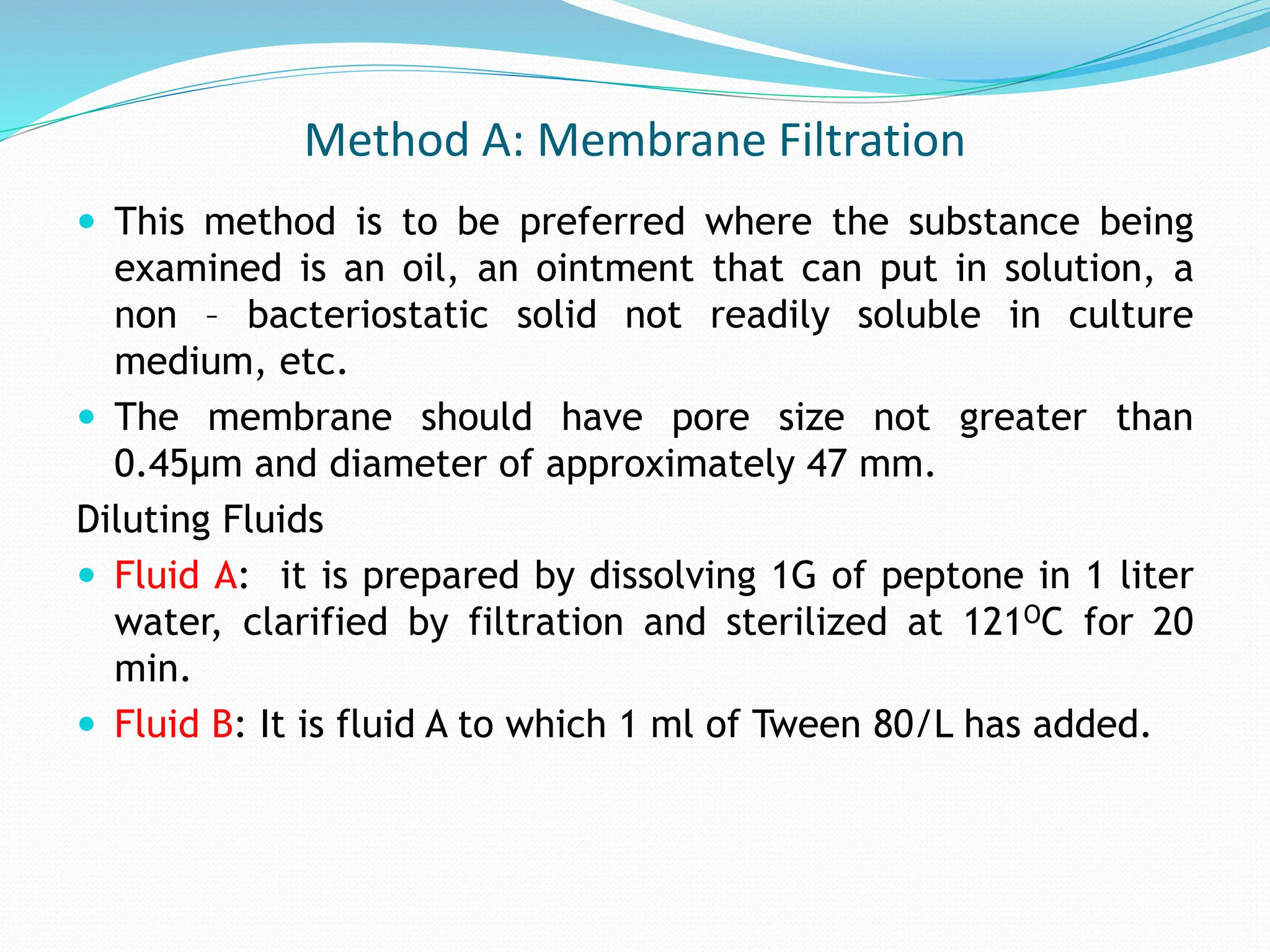
Method A: Membrane Filtration
 This method is to be preferred where the substance being
examined is an oil, an ointment that can put in solution, a
non – bacteriostatic solid not readily soluble in culture
medium, etc.
 The membrane should have pore size not greater than
0.45μm and diameter of approximately 47 mm.
Diluting Fluids
 Fluid A: it is prepared by dissolving 1G of peptone in 1 liter
water, clarified by filtration and sterilized at 121OC for 20
min.
 Fluid B: It is fluid A to which 1 ml of Tween 80/L has added.
 Method of test
 1. For aqueous solutions: For each medium to be used
the prescribed quantity is transferred aseptically in to
two membrane filter funnels and liquid is drawn rapidly
through the filter with aid of vacuum.
 The membrane is removed aseptically, cut into two and
immersed in 100 ml of soyabean-casein medium / fluid
thyoglycolate medium and incubated at 20 to 25OC for
seven days.
2. For sterile devices: Aseptically pass a sufficient
volume of fluid B through the 20 devices to recover not
less than 100 ml from each device. The collected fluid
is filtered and proceed with the test.
Method B: Direct Inoculation
 For aqueous solutions and suspensions; The liquid from the
test containers is removed and the specified volume
transferred aseptically to vessel of culture medium and
mixed.
 The inoculated medium is incubated for 14 days at 30 to
35OC(fluid thioglycolate medium) and 25 to 30OC (soybean-
casein digest medium)
 For ointments: prepare by diluting ten-fold in a sterile
diluent such as fluid B and incubated.
 For solids: transfer the require quantity of the material to
medium and incubated.
 At the end and during the incubation period if no
growth is observed, the preparation is deemed to have
passed the test.
 If growth is observed, the containers showing the
growth are reserved and re test is performed.
 If growth is observed again, the organisms are isolated
and identified.

principles of sterilization, concepts, various types of sterilization methods

  • 1.
  • 2.
     Sterility isa condition of freedom from living organisms. There is no degree of sterility. An item is either sterile or non-sterile. It can never be relatively sterile.  Sterilization can be defined as any process that effectively kills or eliminates transmissible agents (such as fungi, bacteria, viruses etc) from a surface, equipment, foods, medications, or biological culture medium.  Recently the presence of harmful or pathogenic microorganisms even in non sterile preparations has received attention of regulatory authorities and as a result limit tests for microbes or microbial limit tests have been introduced in some non sterile preparations in few pharmacopoeias.
  • 3.
    Sterilization methods 1. Sterilizationby Heat  Dry Heat Sterilization  Moist Heat Sterilization  Tyndallization  Heating with bactericide  Pasteurization 2.Steriliztion by Radiation  Ultraviolet Radiation  Ionizing radiation 3.Sterilization by Filtration 4.Chemical Process of Sterilization
  • 4.
     The variousmethods of sterilization are: 1. Physical Method  a. Thermal (Heat) methods  b. Radiation method  c. Filtration method 2. Chemical Method  a. Gaseous method
  • 5.
    Dry Heat Sterilization HEATSTERILIZATION:  Heat sterilization is the most widely used and reliable method of sterilization, involving destruction of enzymes and other essential cell constituents.  This method of sterilization can be applied only to the thermo stable products, but it can be used for moisture- sensitive materials. i) Dry Heat (160-180˚C) Sterilization for thermo stable products ii) Moist heat (121-134˚C) sterilization is used for moisture- resistant materials.
  • 6.
     The benefitof dry heat includes good penetrability and non-corrosive nature which makes it applicable for sterilizing glass wares and metal surgical instruments. It is also used for sterilizing non- aqueous thermo stable liquids and thermo stable powders.  Destruction of microorganisms by dry heat is an oxidation process.  The microorganisms are more resistant to dry heat as compared to moist heat and therefore this process requires higher temperatures and longer exposures. 1. Flaming 2. Hot air oven
  • 7.
  • 8.
  • 9.
     Substances thatare not heat labile and can tolerate temperatures of 1400 C to 2600C may be render sterile by means of dry heat in hot air oven. Normally spores as well as the vegetative forms of all microorganisms are killed in 2 hours at 1800 C and in 45 minutes at 2600 C.  The modern hot air ovens consist of double walled chamber or aluminium or stainless steel separated from outer case by thick insulation made of fibre glass.  Heating is effected by heating elements and thermostats automatically control temperature.  Hot air ovens may sterilize only dry articles, solutions containing water and alcohol or other volatile substances may boil at this temp. And not suitable for sterilization by this method.
  • 10.
    Moist Heat Sterilization Moist heat sterilization involves the use of steam in the range of 121-134˚C. Steam under pressure is used to generate high temperature needed for sterilization. Saturated steam acts as an effective sterilizing agent.  An important advantage of moist heat is that it is quicker in heating up the exposed articles and in penetrating porous materials such as cotton wool, stoppers, bundles of surgical linen, etc.
  • 11.
    Autoclave  Autoclaves usepressurized steam to destroy microorganisms, and are the most dependable systems available for the decontamination of laboratory waste and the sterilization of laboratory glassware, media, and reagents.  Steam under pressure is used as a means of obtaining high temperatures to destroy microorganisms.  A portable or bench autoclave consists of an upright aluminium or stainless steel cylindrical vessel of about 15 litres capacity.  Pressure within the autoclave is indicated by a pressure guage.
  • 13.
     The sterilizationcycle consists of following stages 1. Loading and packing of autoclave 2. Raising the temperature and pressure 3. Holding the load at this level for specific time 4. Cooling and unloading.
  • 14.
     The materialsto be sterilised are placed in autoclave and door is shut properly.  In next stage steam is admitted in autoclave which causes downward displacement of air present in it.  The temperature is allowed to raise till it corresponds to that of saturated steam at pressure indicated by pressure guage.  Then the material is hold for required time.  The total time required for completing the sterilization cycle is much more than the holding time.  When sterilization time is over, steam supply is cut-off and autoclave is allowed to cooled
  • 15.
     Advantages forautoclaving 1. Because of greater penetrating power the steam under pressure, microorganisms are destroyed more efficiently than dry heat sterilization. 2. The method is suitable for large load and variety of materials.  However autoclaving is unsuitable for anhydrous materials such as powders, oils and materials which cannot withstand temperatures of 1150C.
  • 16.
    Tyndallization  Tyndallization isa process from the nineteenth century for sterilizing substances, usually food, named after its inventor John Tyndall, that can be used to kill heat-resistant endospores. Although now considered dated, it is still occasionally used.  Tyndallization essentially consists of heating the substance to boiling point (or just a little below boiling point) and holding it there for 15 minutes, three days in succession.  In Tyndallization method the material is heated at 100°C for 20 minutes or at 800C for one hour on 3 consecutive days.
  • 17.
     After eachheating, the resting period will allow spores that have survived to germinate into bacterial cells; these cells will be killed by the next day's heating.  During the resting periods the substance being sterilized is kept in a moist environment at a warm room temperature, conducive to germination of the spores.
  • 18.
    Pasteurization  Pasteurization involvesheating liquids at high temperatures for short amounts of time.  Pasteurization kills harmful microbes in milk without affecting the taste or nutritional value.  The process is intended to destroy or deactivate microorganisms and enzymes that contribute to food spoilage or risk of disease, including vegetative bacteria, but most bacterial spores survive the process.  This method is introduced by pasteur is not actually a sterilization method because it reduces the viable count by 97 -99%.
  • 19.
     In holdingmethod milk is heated in tanks at 630C for 10 minutes and rapidly cooled.  In high Temperature Short Time(HTST) or flash method the milk is rapidly heated to 720C in heat exchanger and held for 15 seconds and rapidly cooled in second exchanger.
  • 20.
    2.Sterilization by Radiation Radiation is commonly classified as Electromagnetic and particulate.  Electromagnetic radiation comprises of photons of energy including ultraviolet, gamma and cosmic radiation.  Beta particles or electrons are a type of particulate radiation.  Radiation sterilization is also known as cold sterilization as it is non thermal method.  Destruction of microorganisms results from interference in metabolism of cell.
  • 21.
    Ultraviolet Radiation  UVradiation in the region of 2537oA has shown to poses the greatest activity in destroying microorganisms. UV light is absorbed by the nucleic acids of the cell where it does the greatest damage.  UV light, with its much lower energy, and poor penetrability finds uses in the sterilization of air, for surface sterilization of aseptic work areas in pharmaceutical industry.  It is also used for irradiation of incoming/or internal air of the sterile filling areas for antibiotics, and in hospitals to prevent cross contamination.
  • 22.
    Ionizing Radiations  Theseare produced from charged particles and indirectly from gamma rays and can penetrate matter to significantly greater degree than UV rays.  Ionizing radiations destroy microorganisms by stopping reproduction as a result of lethal mutations.  Some important type of ionizing radiations are X-rays, gamma rays, cathode rays, beta rays.  High speed electrons are generated by Van de Graaf accelerator. They have been used for sterilization of catgut sutures, plastic administration sets, vitamins and antibiotics in dry state. However this method of sterilization is expensive and are not present in manufacturing process.
  • 23.
     Ionizing radiationsare satisfactory method of sterilization mainly in case of injection products of a number of antibiotics like benzyl pencillin, streptomycin, vitamins like ascorbic acid etc.  Irradiations have also been applied for sterilization of vaccines.
  • 24.
    Sterilization by Filtration This is also a non thermal method of sterilization widely used for heat liable solutions to be sterilized.  A distinct advantage of this method is it actually removes microorganisms.  This method is a useful process of sterilization for large volume and small volume solutions.  This method is official method of sterilization in I.P and B.P.  Commonly used filters include porcelain filters, diatomaceous earth filters, asbestos pad filters, sintered glass filters, membrane filters and ultra filters.
  • 25.
     The processof sterilization of solutions by filtration consists of the following main stages. 1. Filtration of solution through a previously sterilized bacteria proof filter. 2. Aseptic transfer of filtrate to sterile containers which are then sealed aseptically. 3. Testing the sample for sterility.  Filter efficiencies are effected by their pore size, wall thickness, positive or negative pressure, filtration arte and nature of liquid to be filtered.  Test for sterility must always performed for injections sterilized by filtration.  When a pharmaceutical product sterilized by filtration, sterile technique must be followed throughout process.
  • 26.
    Chemical Process ofSterilization/ Gaseous Sterilization  Gaseous sterilization is defined as destruction of all living microorganisms with a chemical gas.  The concept of gaseous sterilization is of ancient origin. Certain spices herbs smokes have been used since ancient times for preventing of spread of disease.  This is method is important when solid materials may not be sterilized by either dry or moist heat. All gases are toxic above certain concentration and care must be taken.
  • 27.
     Commonly usedgaseous sterilizing agents are 1. Ethylene Oxide:  It is simplest cyclic ether and highly reactive and inflammable and may be explosive when mixed with air in concentration greater than 3%.  However its admixture with inert gases such as CO2 or fluorinated hydrocarbons makes it non flammable and safe to handle.  Ethylene oxide can successfully sterilize medical and biological preparations , dry foods, catgut, plastic equipment parts, hospital beddings, antibiotics, bottle closures, heavy equipment etc.  The antimicrobial activity of ethylene oxide is attributed to its alkylating power of sulphydryl, carboxy and hydroxy groups of proteins and other important cell constituents of microorganisms.  Sterilizing efficiency of ethylene oxide is affected by its concentration, temperature of load and time of exposure.
  • 28.
    2. Ozone:  Itis a pleasant smelling but irritating and toxic gas. Its effectiveness as bactericide is attributed to its high reactivity with organic substances like fats, amino acids, proteins and enzymes.  Ozone is mainly used for disinfection of water and preservation of foods during storage. 3. Formaldehyde;  Formaldehyde has been used for fumigation of rooms and hospital blankets since long time. It is a bactericidal agent with poor penetrating power.  It kills all bacteria including spores, and also effective virucide in gaseous as well as solution form.
  • 29.
    Tests for sterility The tests for sterility are intended for detecting the presence of viable forms of microorganisms in pharmaceutical preparations.  The tests must be carried out under conditions designed to avoid accidental contamination of product during the test.  The culture media used for sterility testing are  1.Fluid thioglycolate medium  2.soyabean-casein digest medium
  • 30.
    1.Fluid Thioglycolate Medium L-Cystine - 0.5G  Dextrose -2.5 G  Granular agar - 0.75 G  Yeast Extract - 5.0 G  Pancreatic digest of casien- 15.0 G  Sodium Thyoglycolate -0.5 G  Resazurin (0.10 % fresh Solutio) -1.0 ml  Distilled water up to -1000 ml 2.Soyabean-casein Digest Medium Pancreatic digest of casien -15.0 G Papaic Digest of Soybean Meal - 3.0 G Dextrose Anhydrous -2.3 G Sodium Chloride - 5.0 G Dibasic Potassium Phosphate - 2.5 G Distilled water up to -1000 ml
  • 31.
     Test organismsused different media and their incubation conditions Medium Test Microorganisms Strains specified in I.P Incubation Temperature (oC) Condition Fluid Thioglycolate Bacillus subtilis 30 to 35 Aerobic Candida albicans 30 to 35 Aerobic Bacteroides vulgatus 30 to 35 Aerobic Soyabean-Casein Digest Bacillus subtilis 20 to 25 Aerobic Candida albicans 20 to 25 Aerobic
  • 32.
    Method A: MembraneFiltration  This method is to be preferred where the substance being examined is an oil, an ointment that can put in solution, a non – bacteriostatic solid not readily soluble in culture medium, etc.  The membrane should have pore size not greater than 0.45μm and diameter of approximately 47 mm. Diluting Fluids  Fluid A: it is prepared by dissolving 1G of peptone in 1 liter water, clarified by filtration and sterilized at 121OC for 20 min.  Fluid B: It is fluid A to which 1 ml of Tween 80/L has added.
  • 33.
     Method oftest  1. For aqueous solutions: For each medium to be used the prescribed quantity is transferred aseptically in to two membrane filter funnels and liquid is drawn rapidly through the filter with aid of vacuum.  The membrane is removed aseptically, cut into two and immersed in 100 ml of soyabean-casein medium / fluid thyoglycolate medium and incubated at 20 to 25OC for seven days. 2. For sterile devices: Aseptically pass a sufficient volume of fluid B through the 20 devices to recover not less than 100 ml from each device. The collected fluid is filtered and proceed with the test.
  • 34.
    Method B: DirectInoculation  For aqueous solutions and suspensions; The liquid from the test containers is removed and the specified volume transferred aseptically to vessel of culture medium and mixed.  The inoculated medium is incubated for 14 days at 30 to 35OC(fluid thioglycolate medium) and 25 to 30OC (soybean- casein digest medium)  For ointments: prepare by diluting ten-fold in a sterile diluent such as fluid B and incubated.  For solids: transfer the require quantity of the material to medium and incubated.
  • 35.
     At theend and during the incubation period if no growth is observed, the preparation is deemed to have passed the test.  If growth is observed, the containers showing the growth are reserved and re test is performed.  If growth is observed again, the organisms are isolated and identified.