Principles of Analytical
          Design


Nicolas Garcia Belmonte - @philogb - Sept. 2011
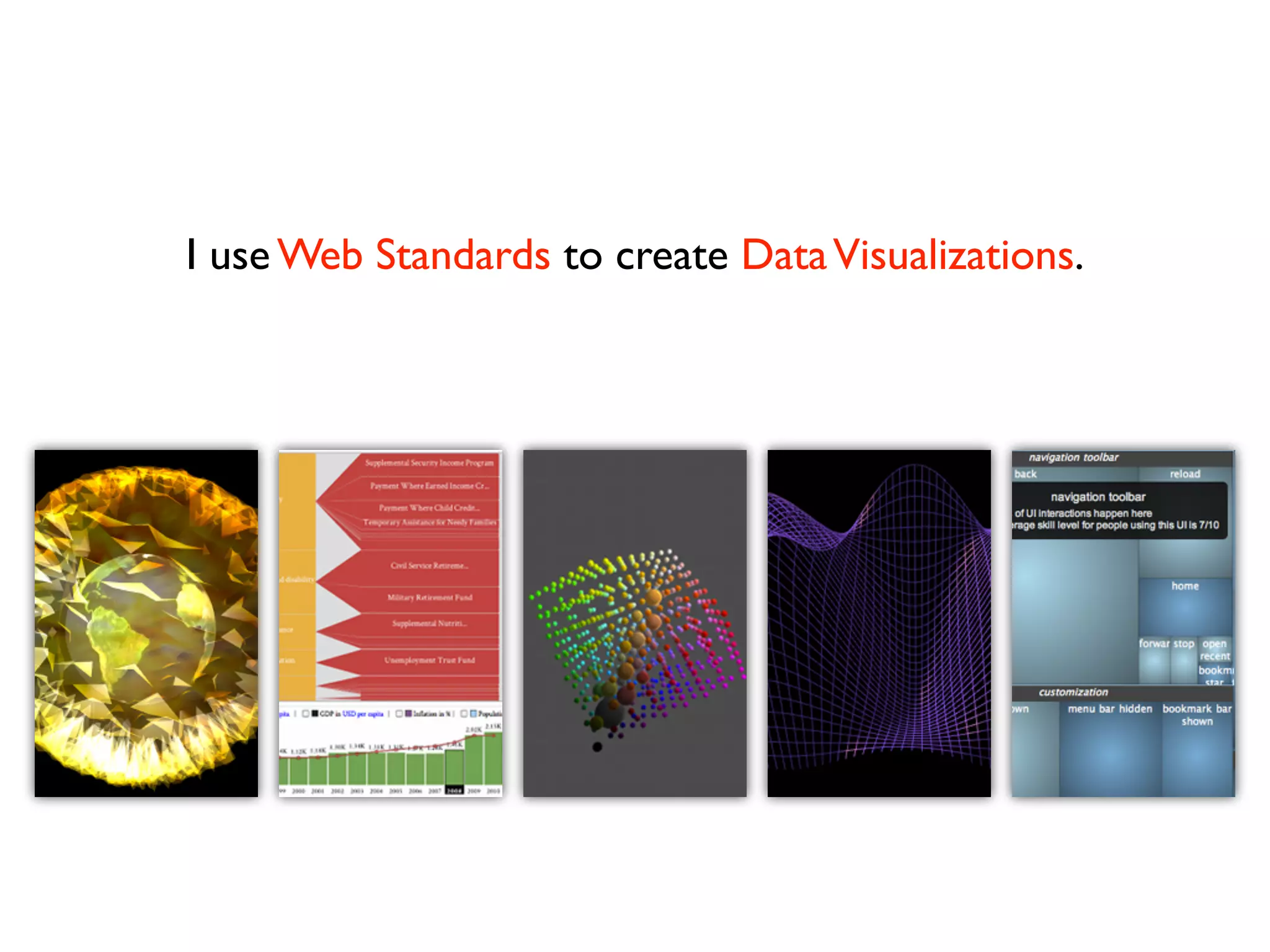
I use Web Standards to create Data Visualizations.
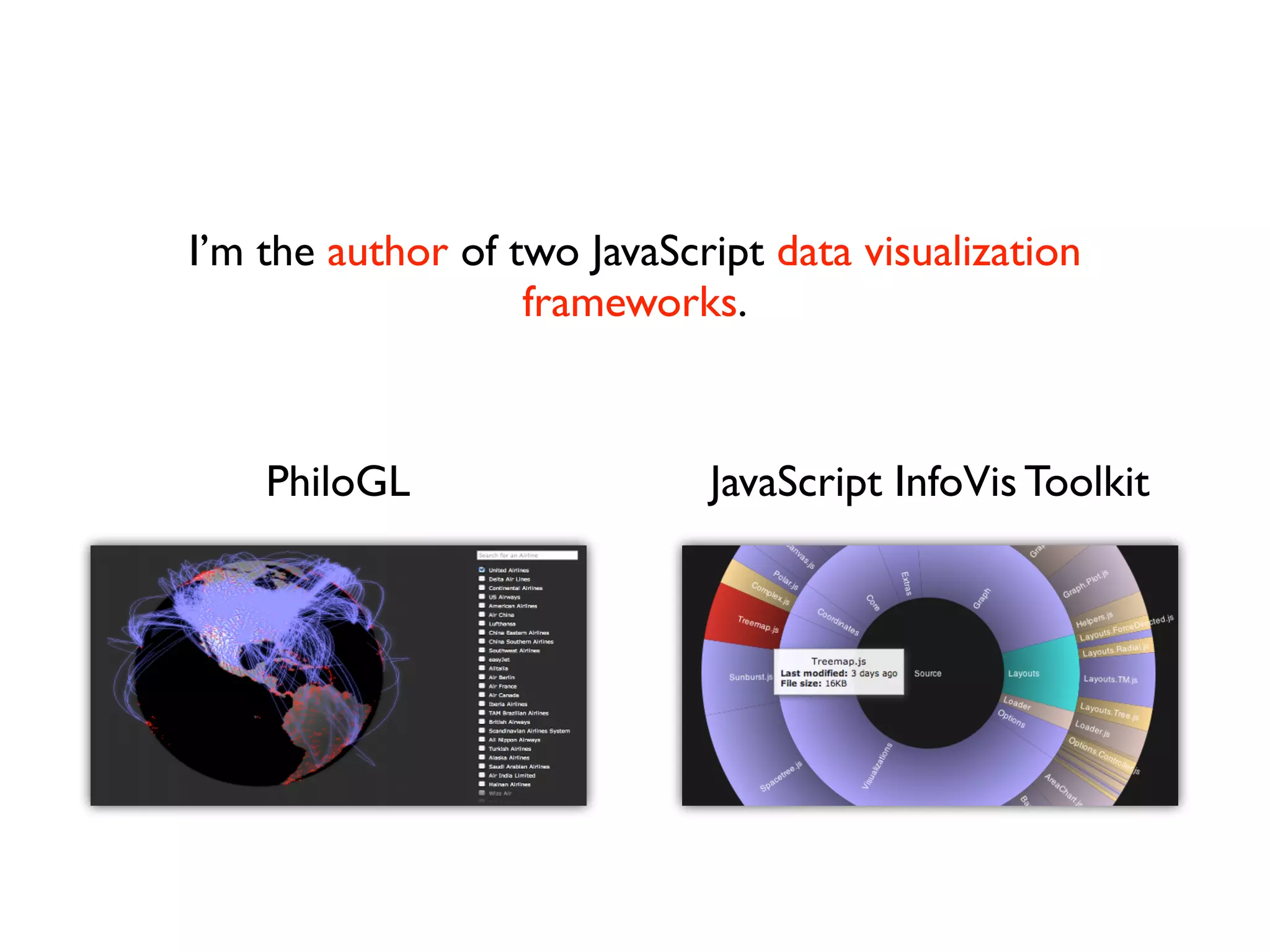
I’m the author of two JavaScript data visualization
                   frameworks.


    PhiloGL                  JavaScript InfoVis Toolkit
Fundamental Principles of
     Analytical Design (Tufte)

1 - Comparisons
2 - Causality, mechanism, structure, explanation
3 - Multivariate analysis
4 - Integration of evidence
5 - Documentation
6 - Content counts most of all
                  Source: Edward Tufte - Beautiful Evidence
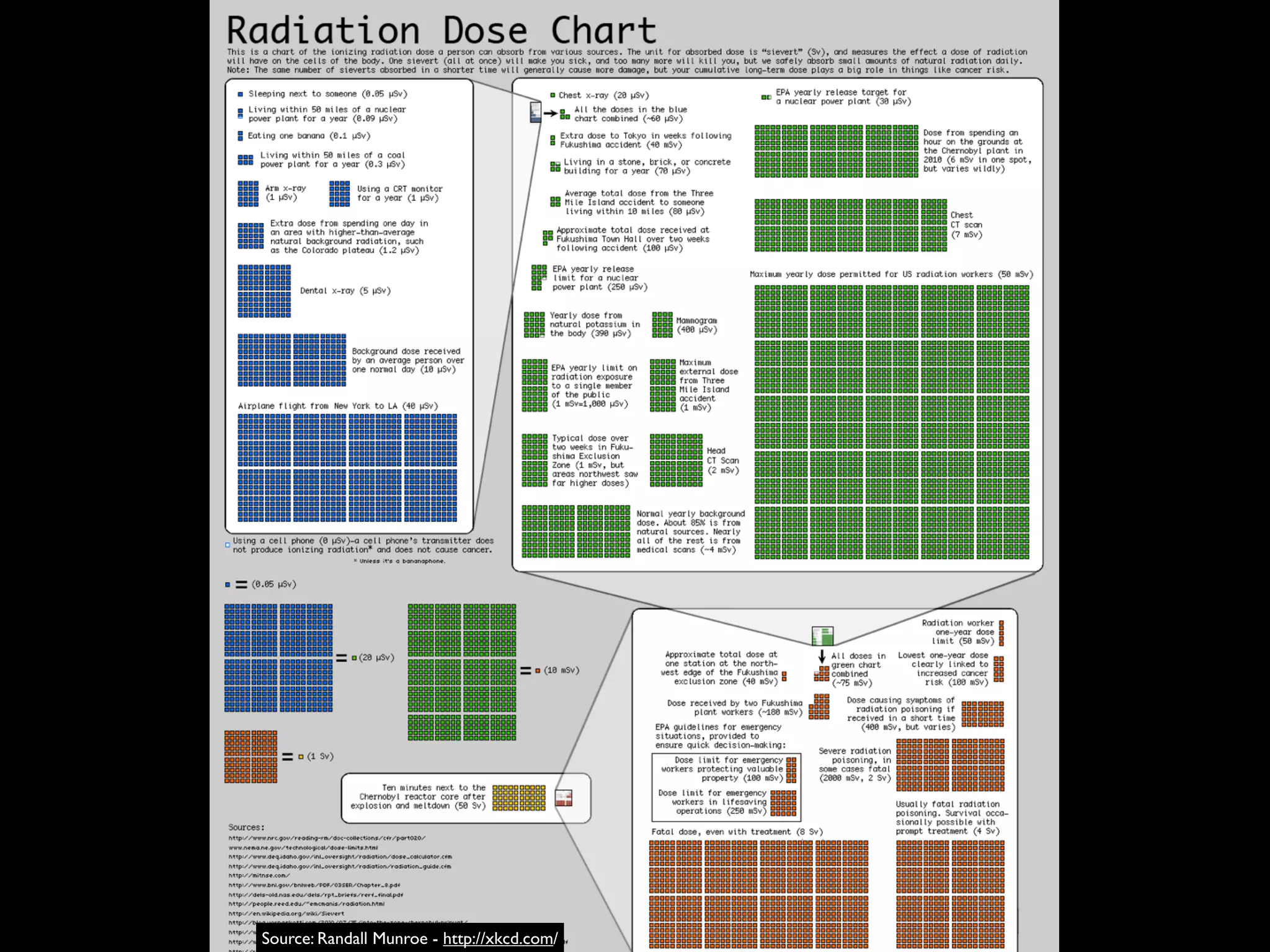
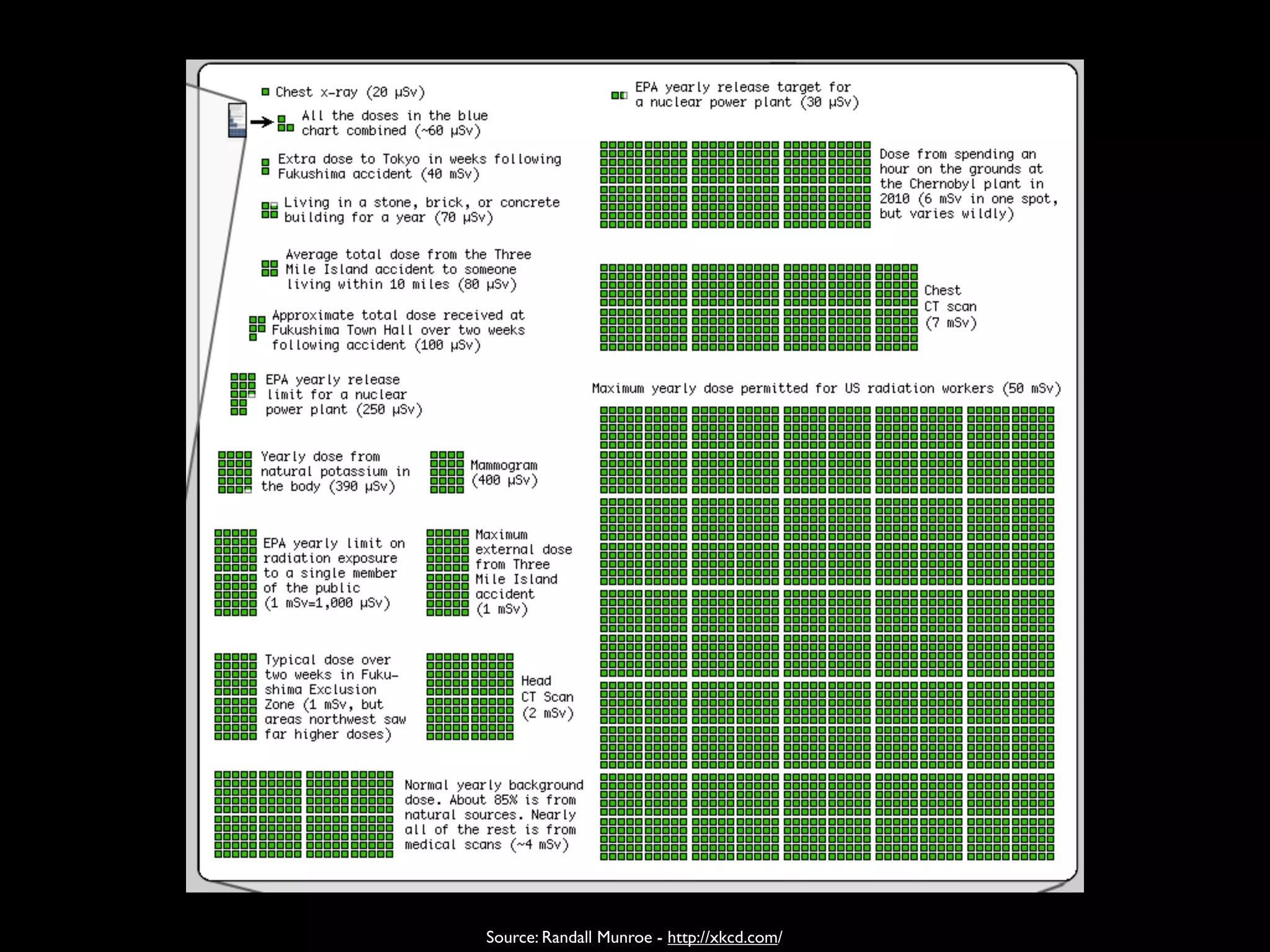
1 - Show comparisons, contrasts, differences.
Source: Randall Munroe - http://xkcd.com/
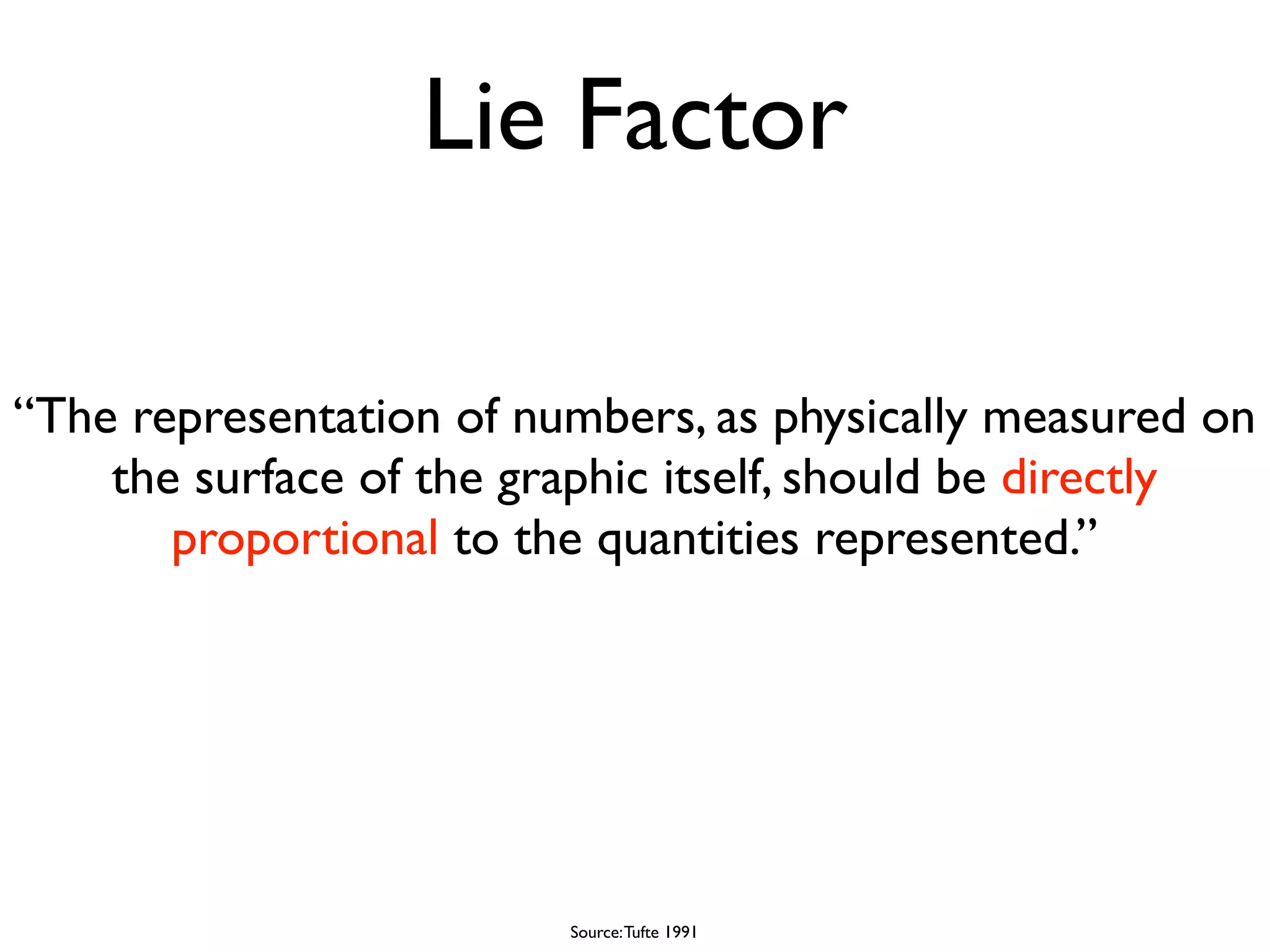
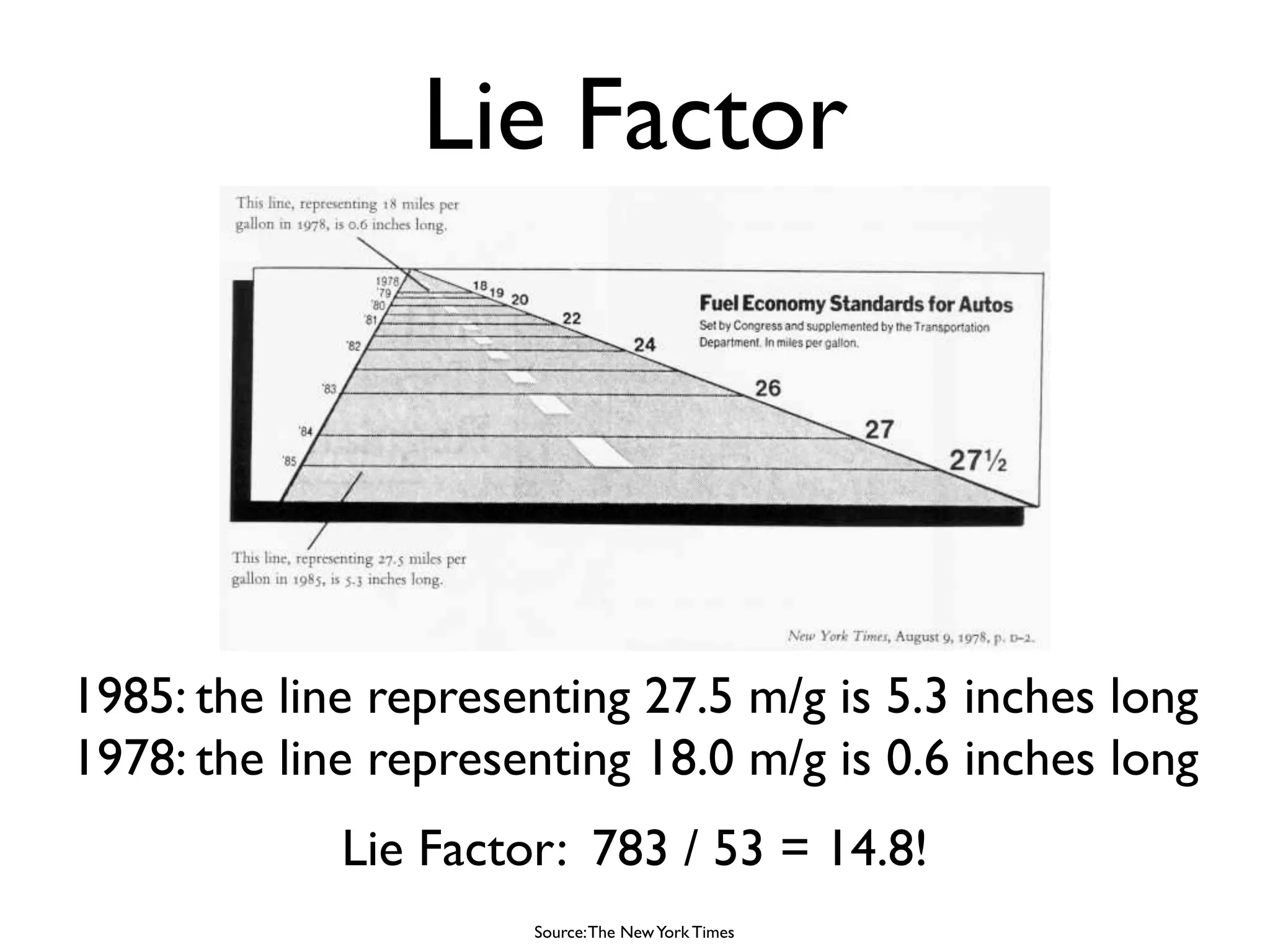
Lie Factor

“The representation of numbers, as physically measured on
    the surface of the graphic itself, should be directly
       proportional to the quantities represented.”


                         Source: Tufte 1991
Lie Factor


1985: the line representing 27.5 m/g is 5.3 inches long
1978: the line representing 18.0 m/g is 0.6 inches long
             Lie Factor: 783 / 53 = 14.8!
                      Source: The New York Times
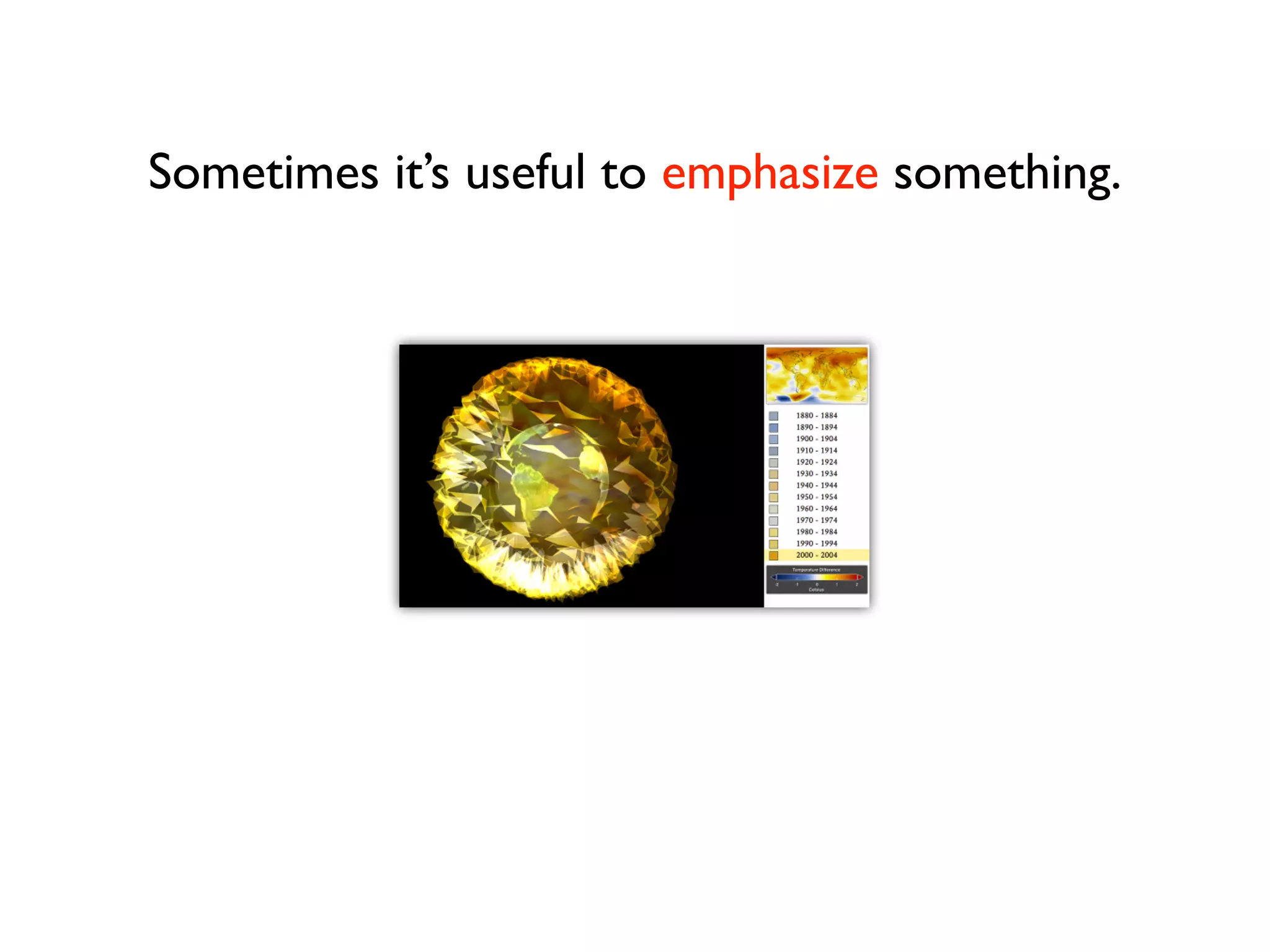
Sometimes it’s useful to emphasize something.
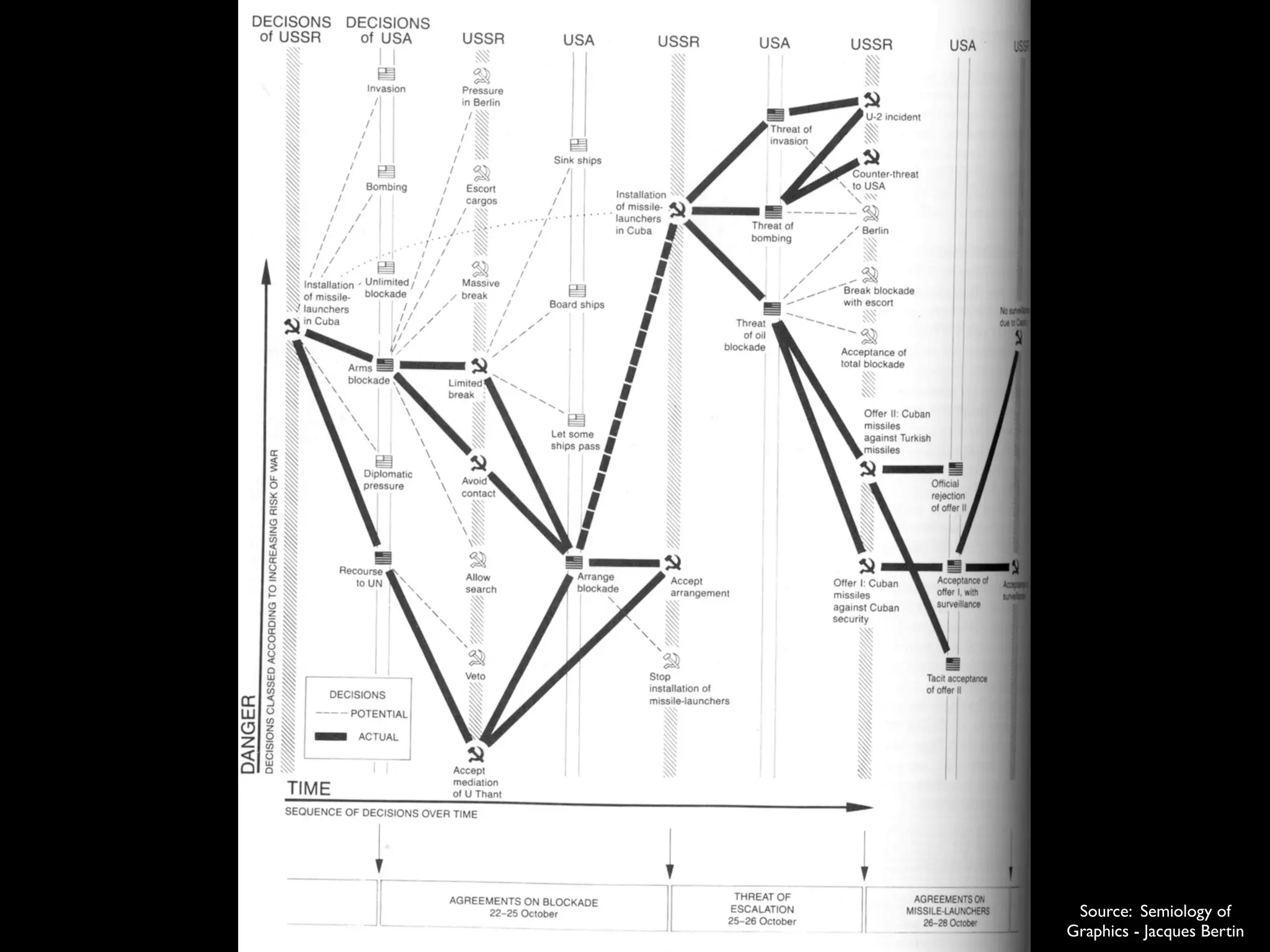
2 - Show causality, mechanism, explanation, systematic
                      structure.
Source: Semiology of
Graphics - Jacques Bertin
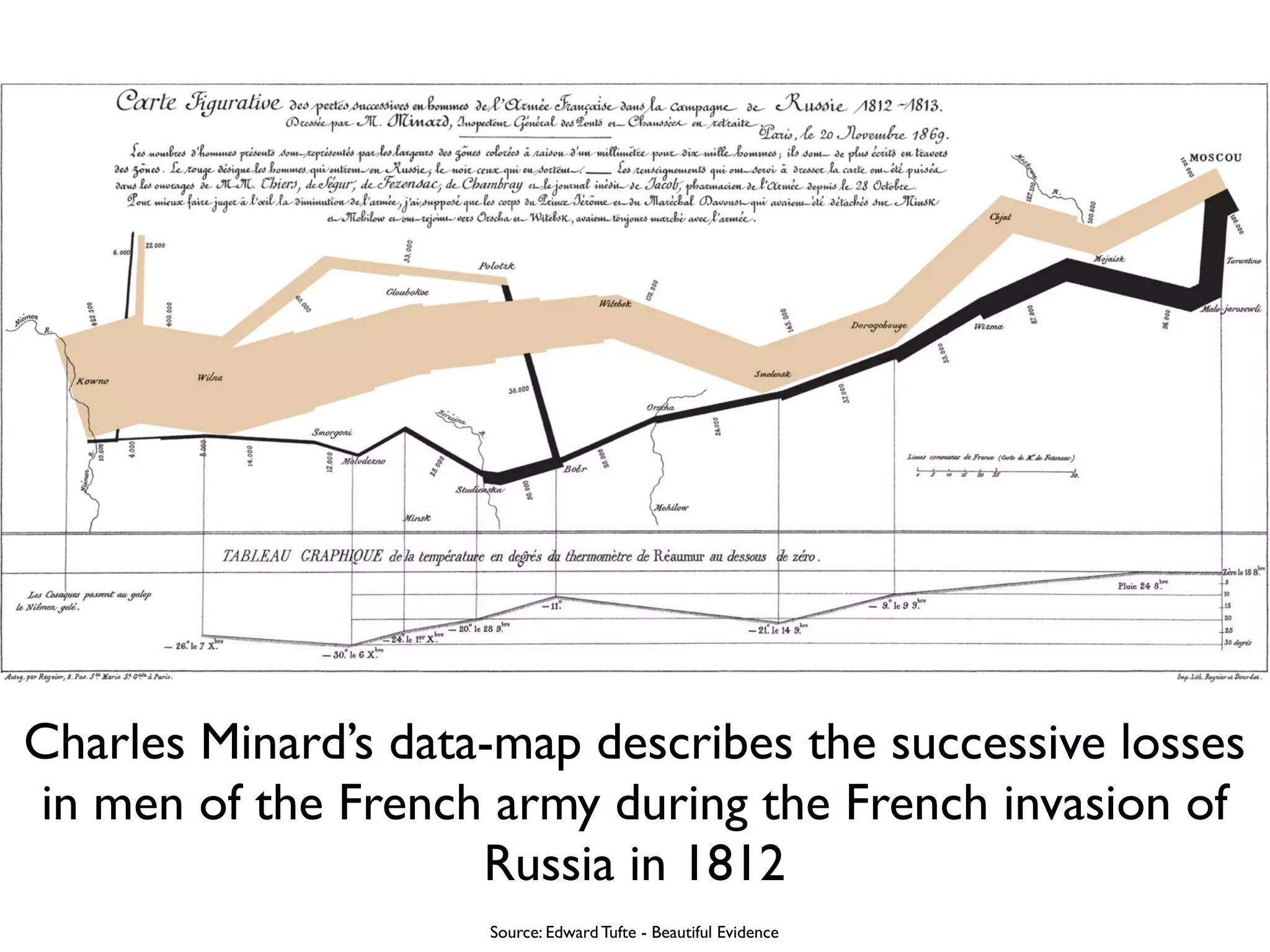
Charles Minard’s data-map describes the successive losses
in men of the French army during the French invasion of
                     Russia in 1812
                     Source: Edward Tufte - Beautiful Evidence
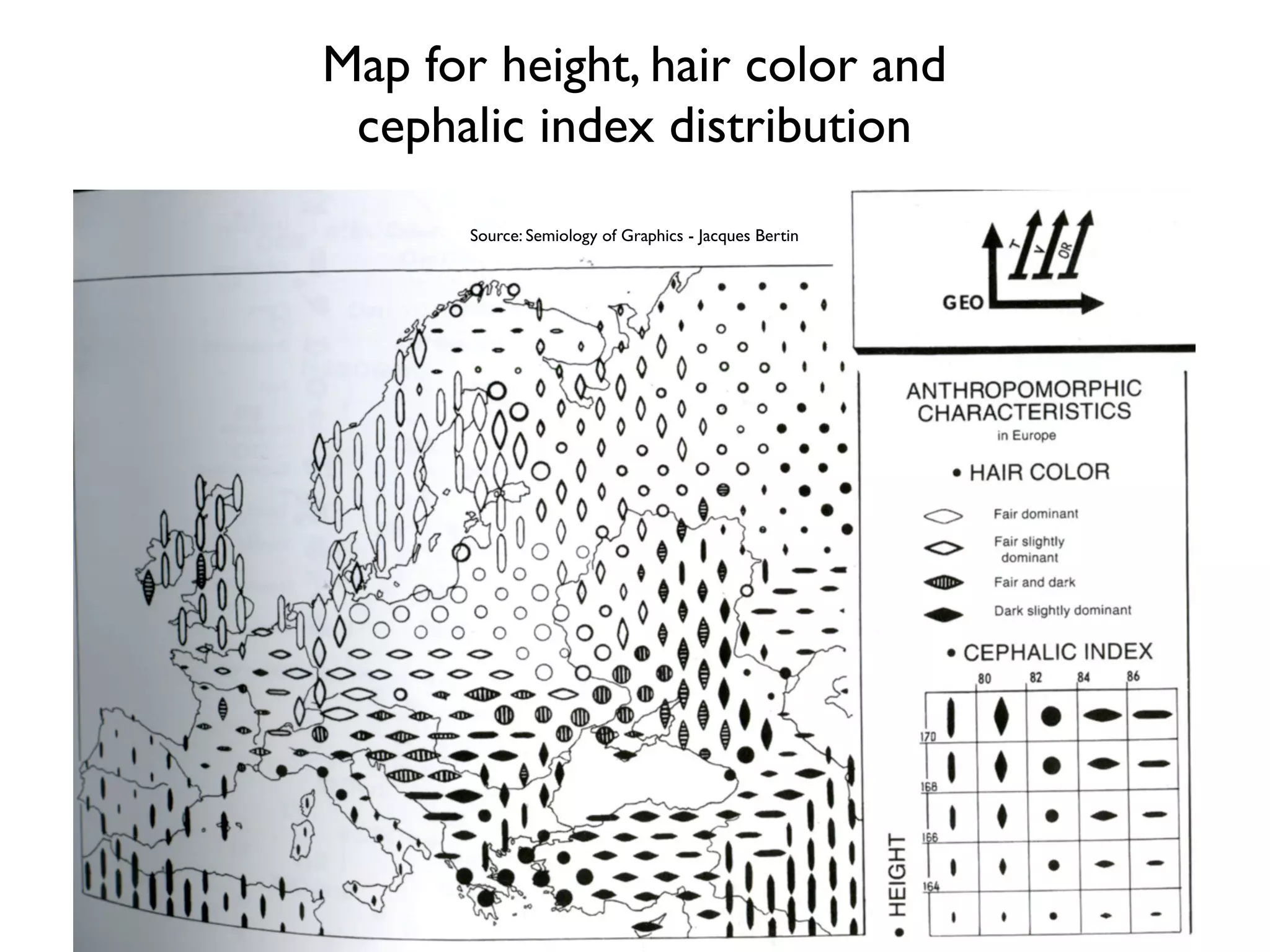
3 - Show multivariate data; that is, show more than 1 or 2
                        variables.
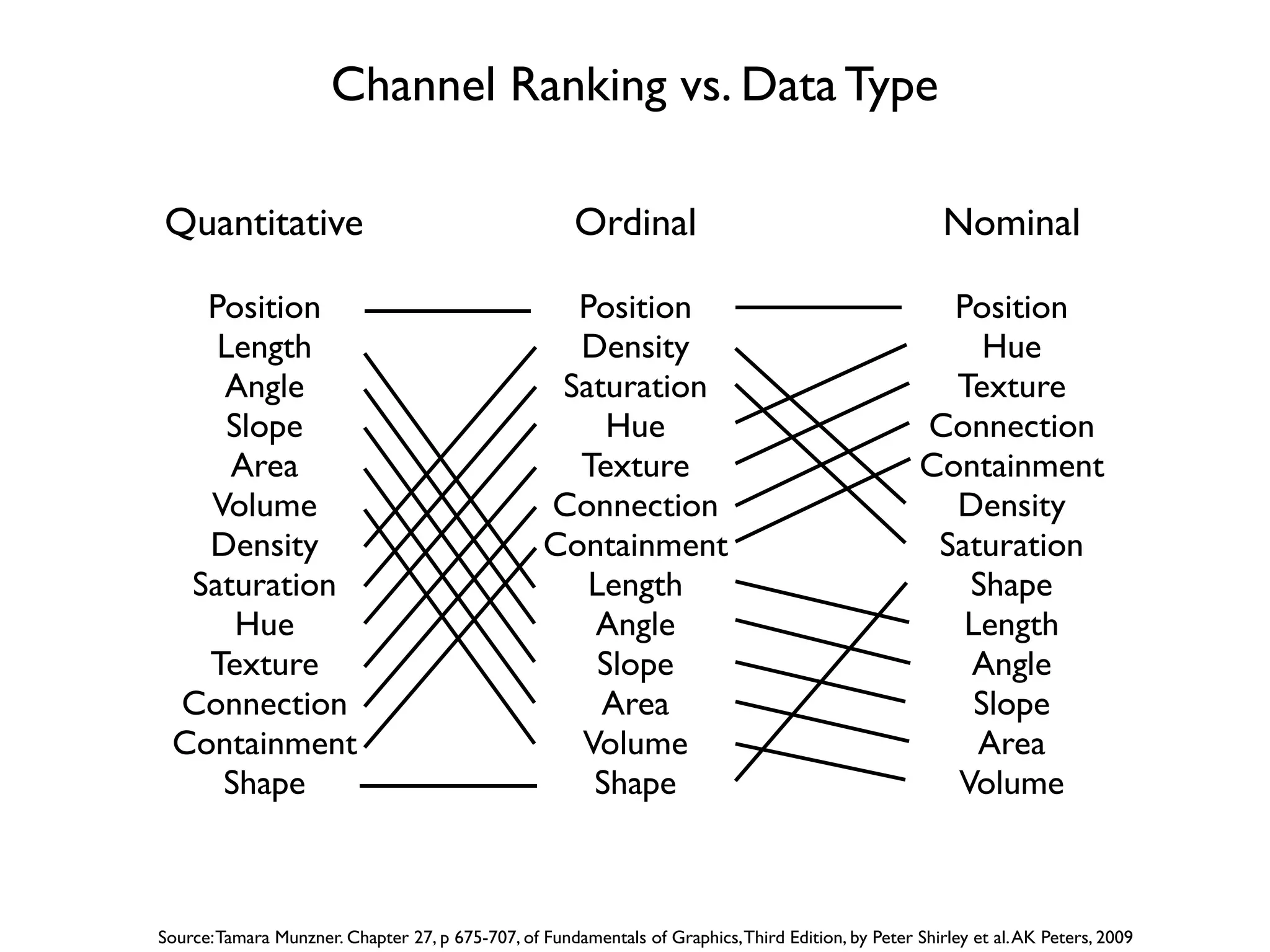
Channel Ranking vs. Data Type

Quantitative                                           Ordinal                                          Nominal

   Position                                          Position                                          Position
    Length                                           Density                                              Hue
    Angle                                           Saturation                                         Texture
     Slope                                              Hue                                          Connection
     Area                                            Texture                                         Containment
   Volume                                          Connection                                          Density
   Density                                         Containment                                        Saturation
  Saturation                                          Length                                            Shape
      Hue                                             Angle                                             Length
   Texture                                             Slope                                            Angle
 Connection                                            Area                                              Slope
 Containment                                         Volume                                              Area
    Shape                                             Shape                                            Volume


Source: Tamara Munzner. Chapter 27, p 675-707, of Fundamentals of Graphics, Third Edition, by Peter Shirley et al. AK Peters, 2009
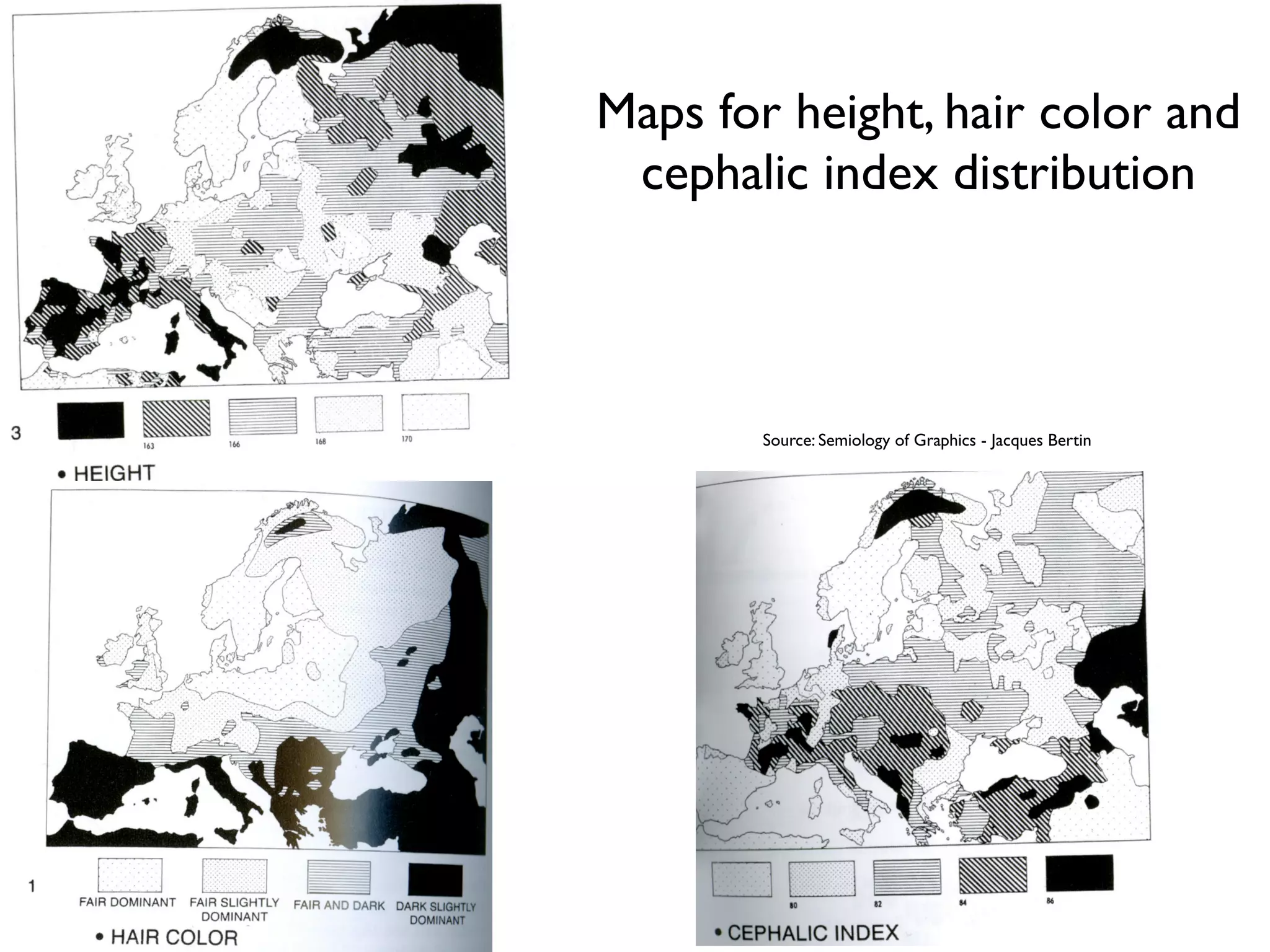
Maps for height, hair color and
 cephalic index distribution


        Source: Semiology of Graphics - Jacques Bertin
Map for height, hair color and
 cephalic index distribution
       Source: Semiology of Graphics - Jacques Bertin
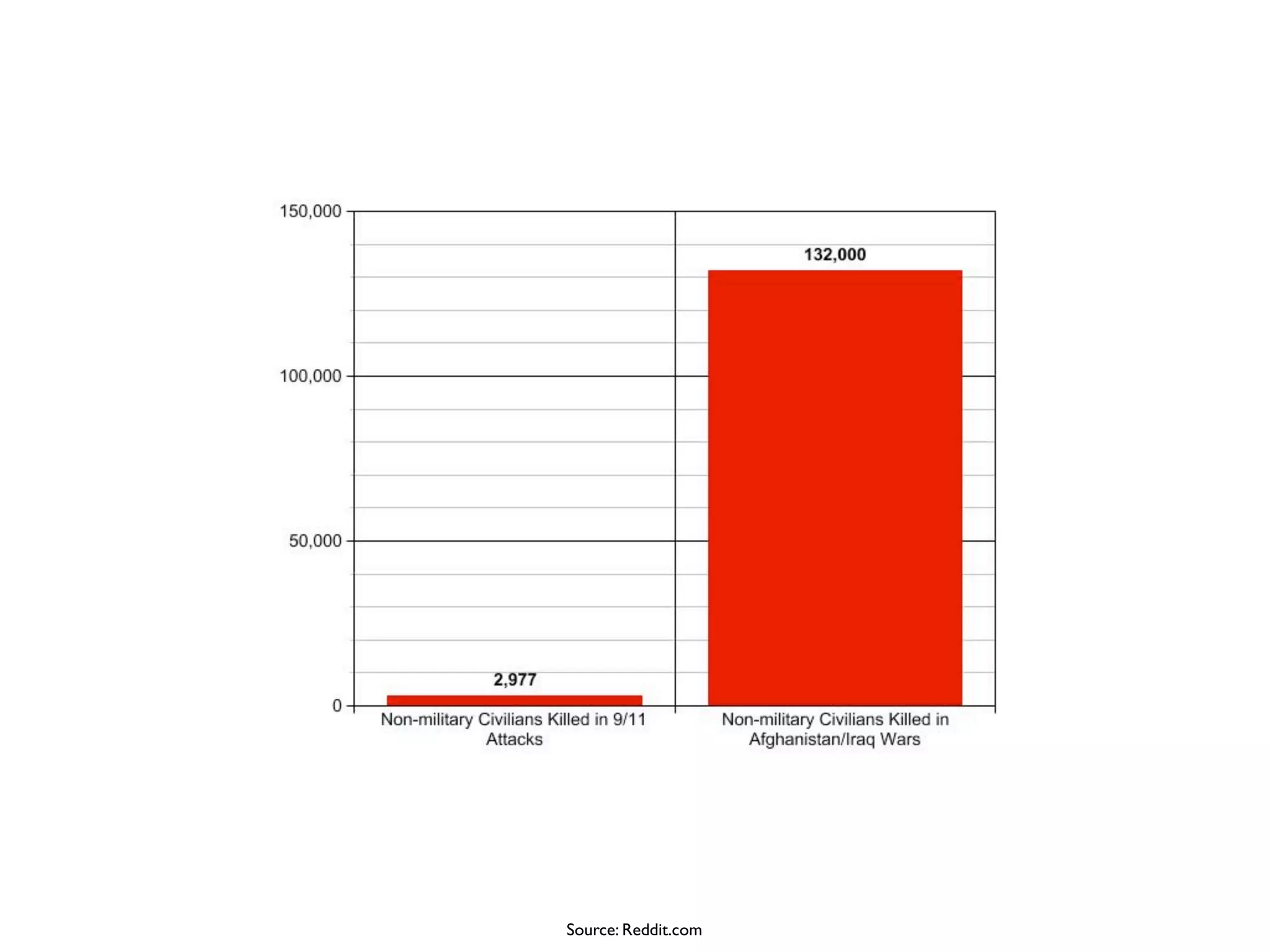
Source: Reddit.com
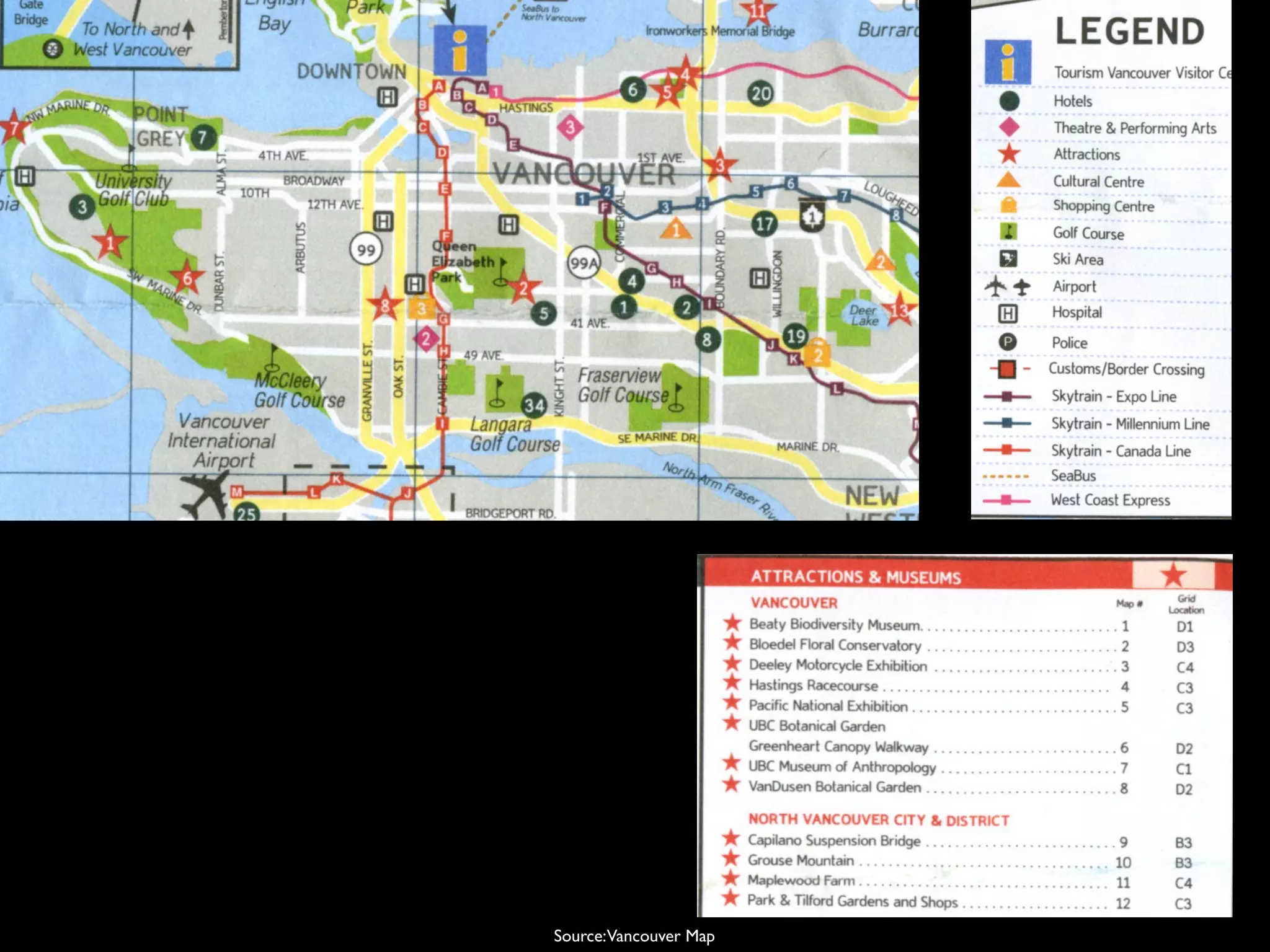
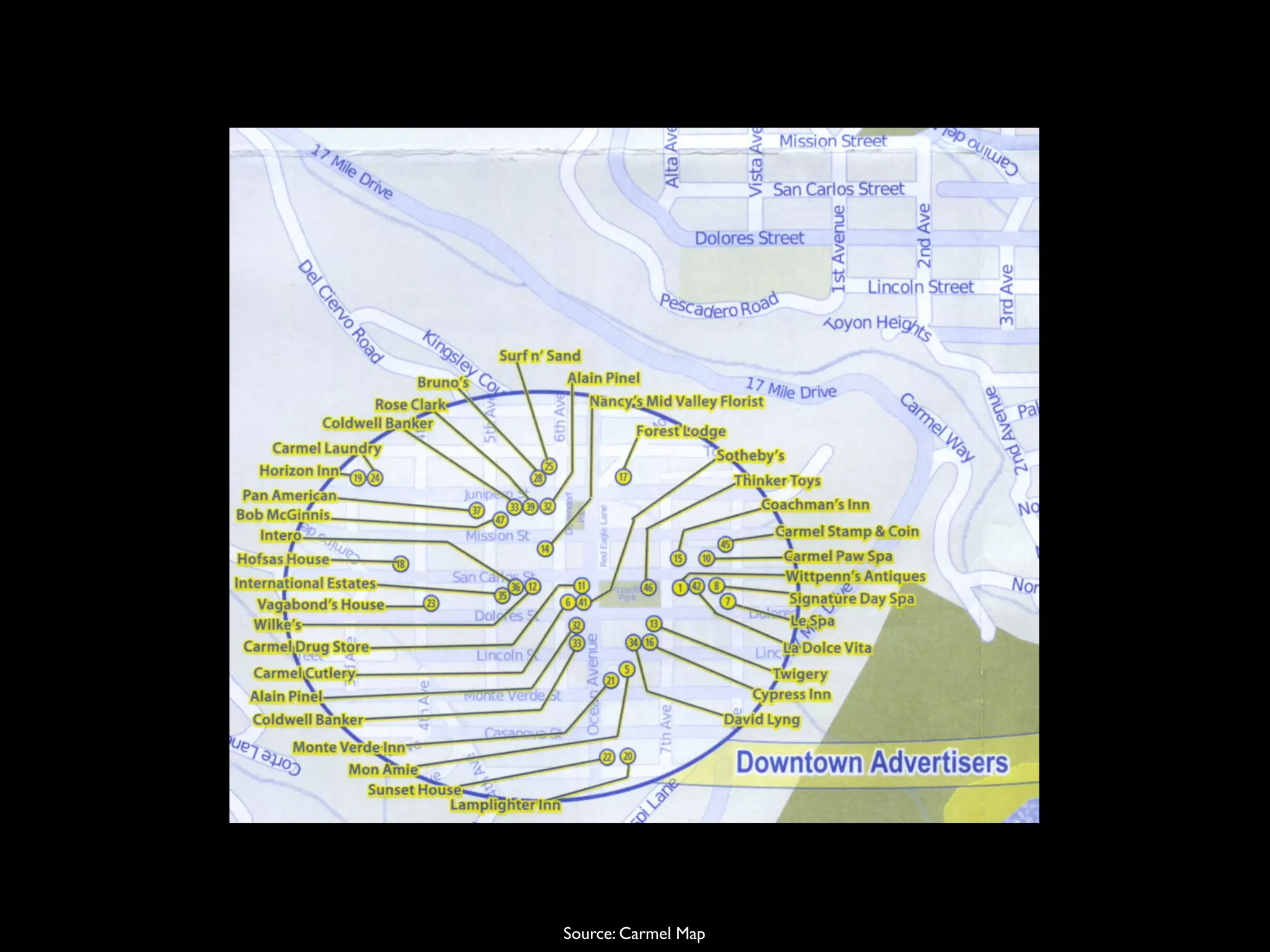
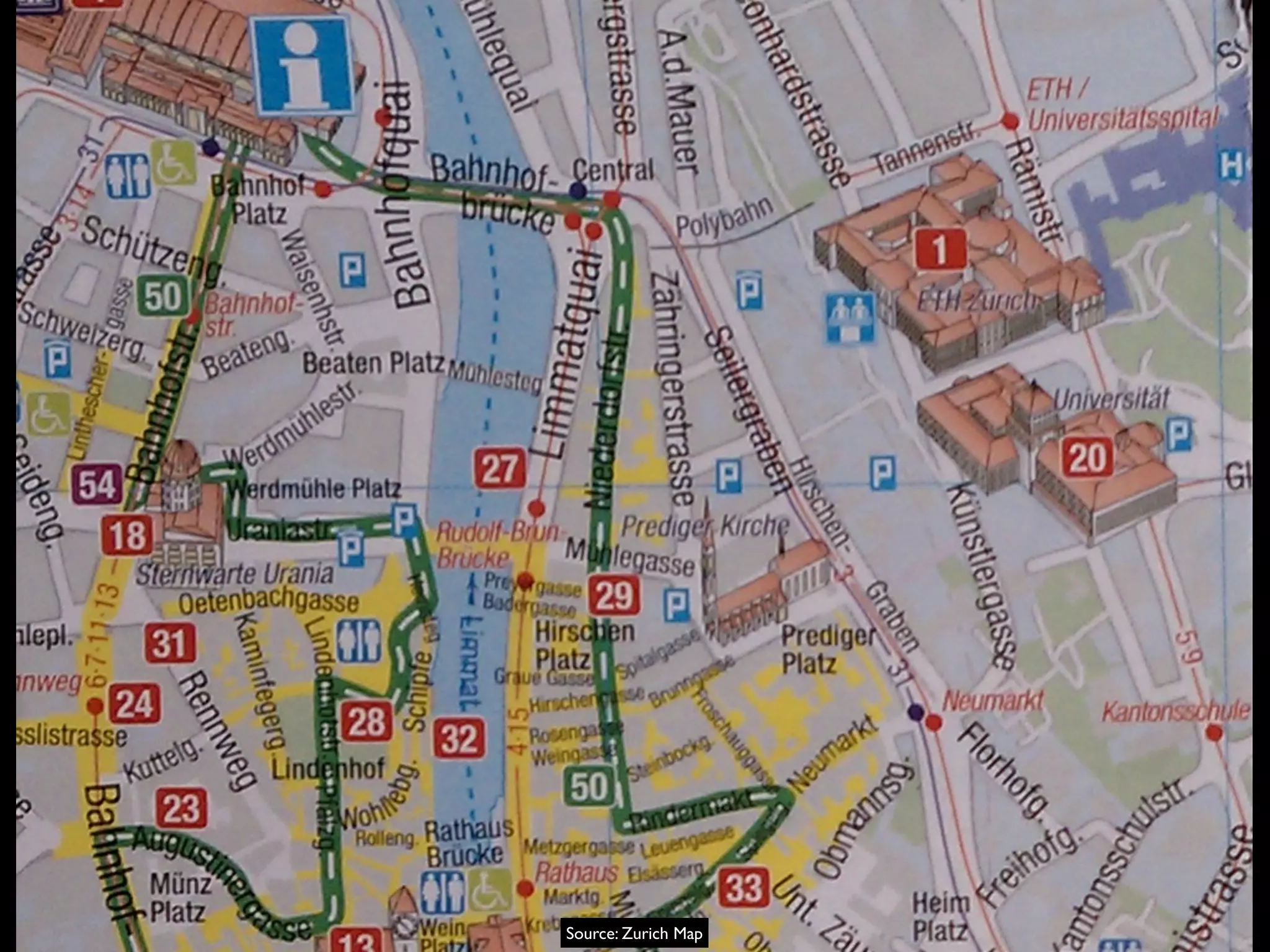
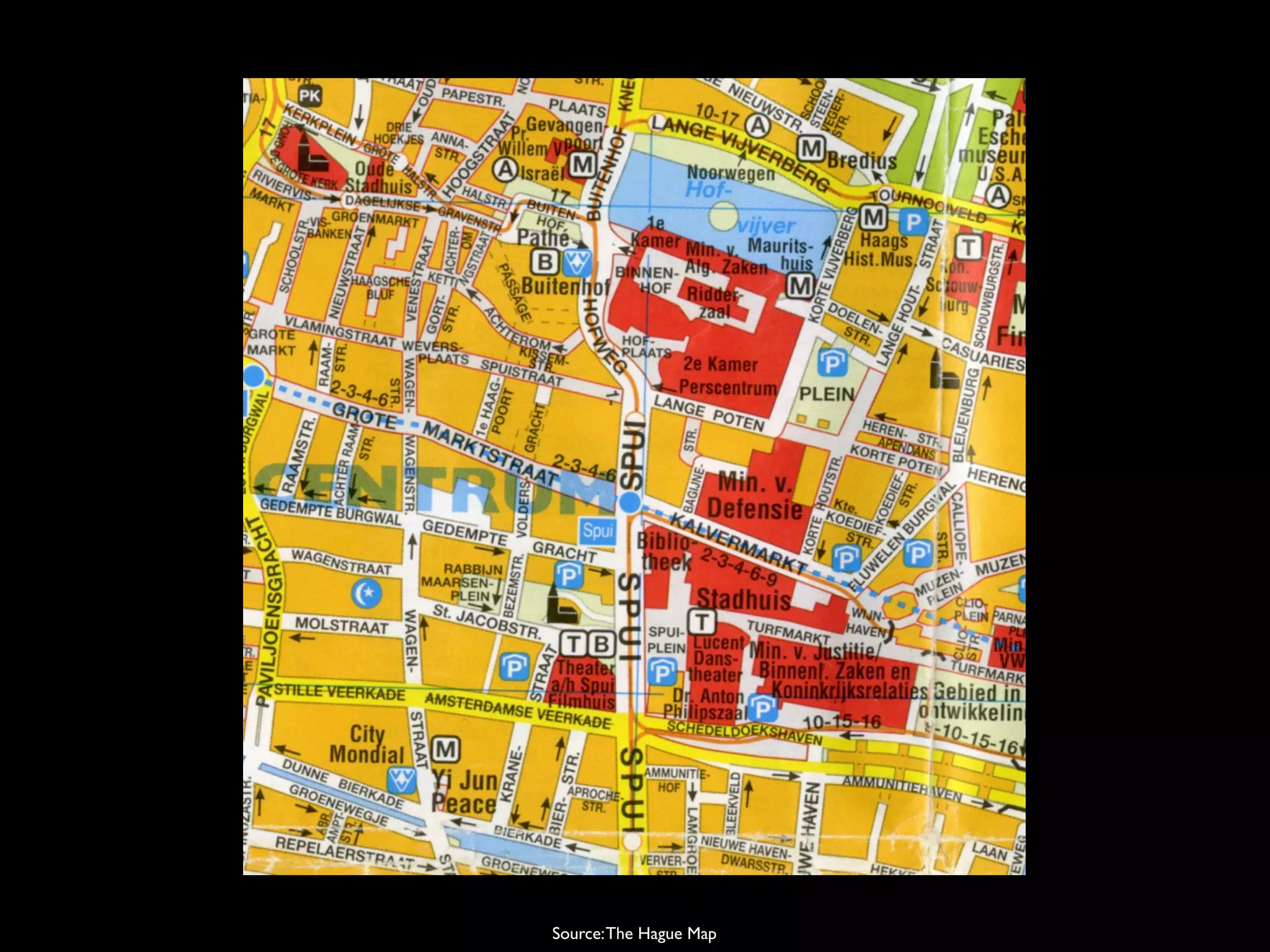
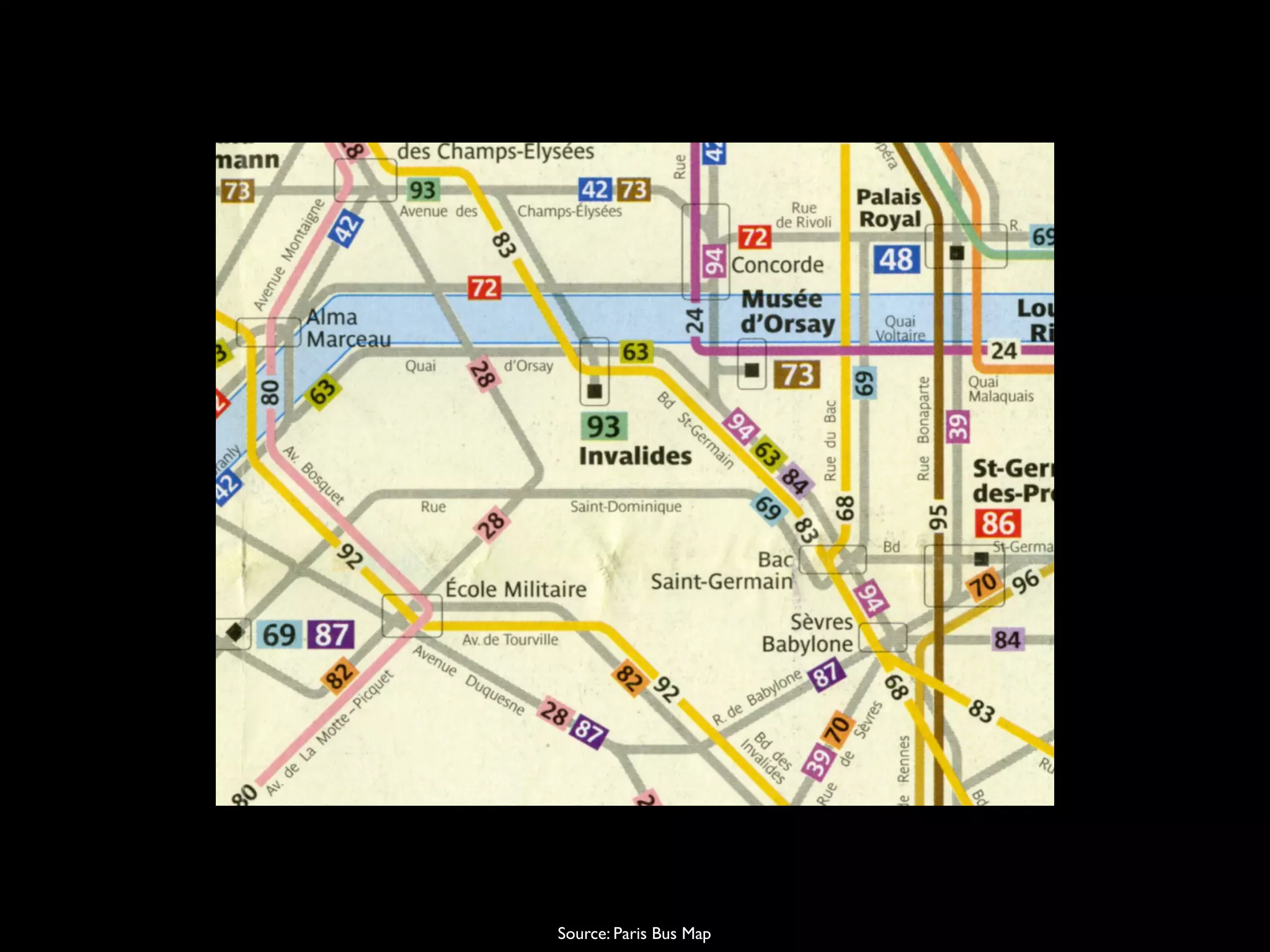
4 - Completely integrate words, numbers, images, diagrams.
Source:Vancouver Map
Source: Carmel Map
Source: Zurich Map
Source: The Hague Map
Source: Paris Bus Map
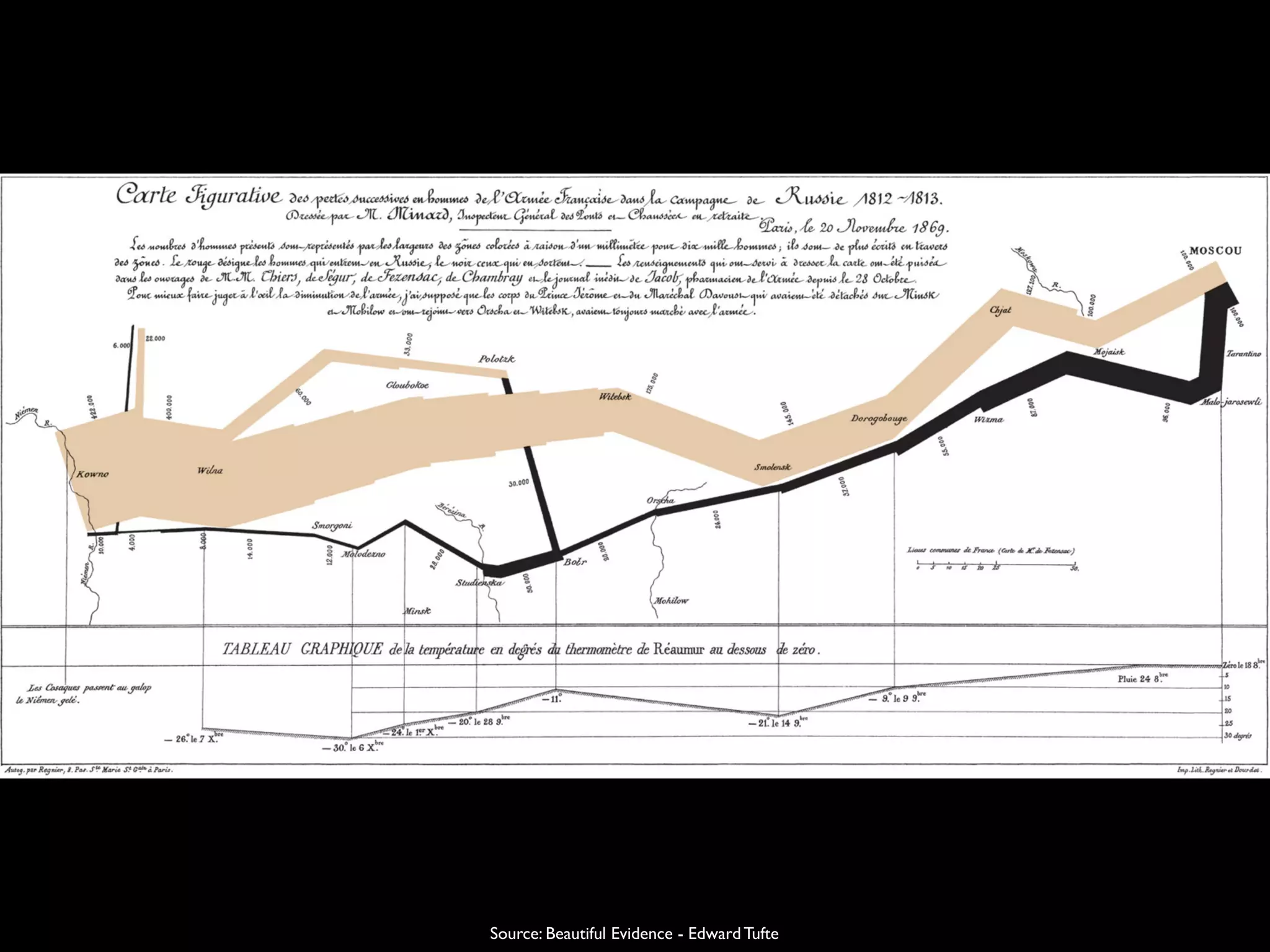
5 - Thoroughly describe the evidence. Provide a detailed
title, indicate the authors and sponsors, document the data
   sources, show complete measurement scales, point out
                        relevant issues.
Source: Beautiful Evidence - Edward Tufte
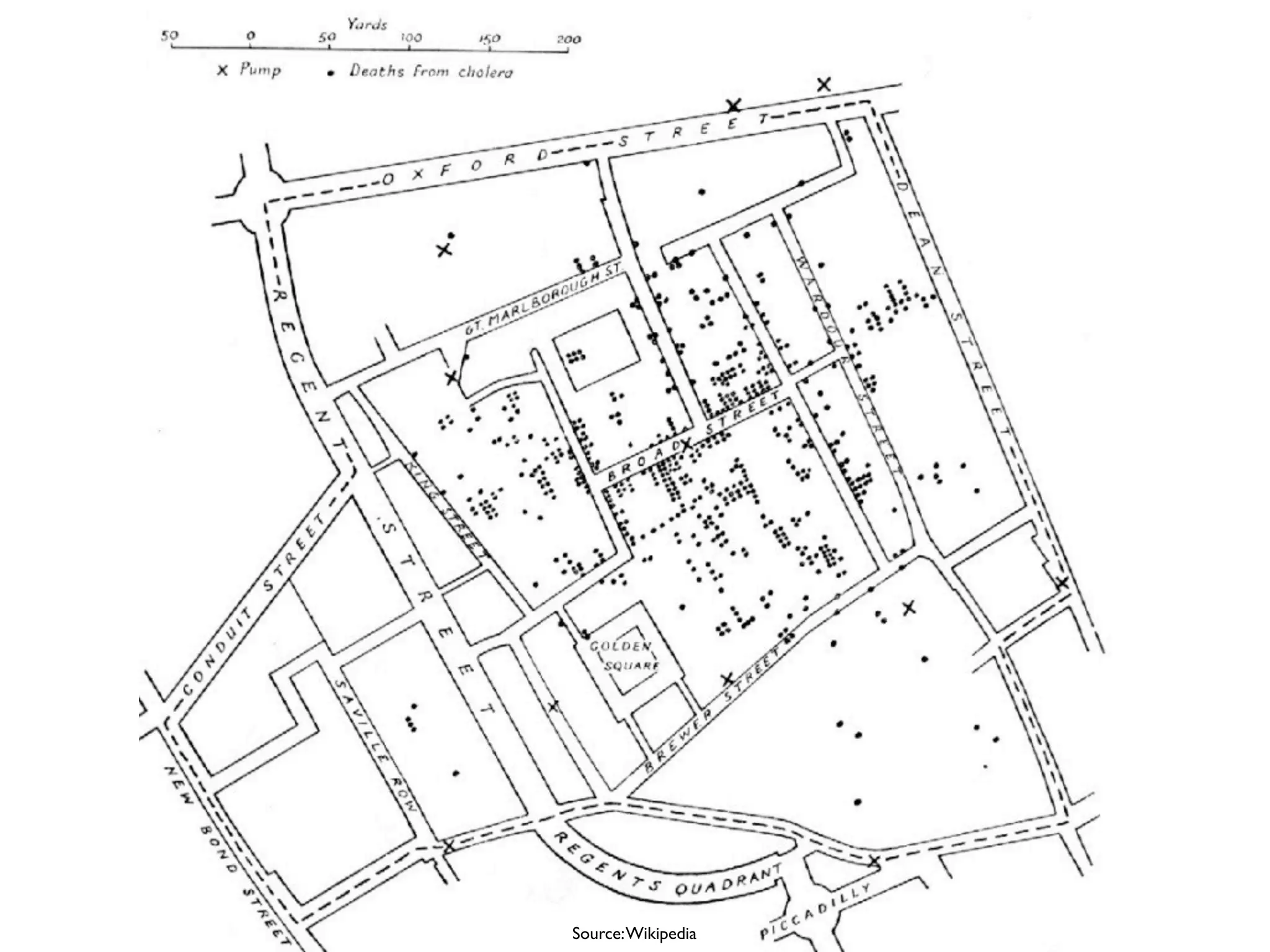
6 - Analytical presentations ultimately stand or fall
depending on the quality, relevance and integrity of their
                         content.
Source: Wikipedia
Other Useful Principles


 6 - Interactivity
 7 - Personalization / Identification
 8 - Aesthetic value
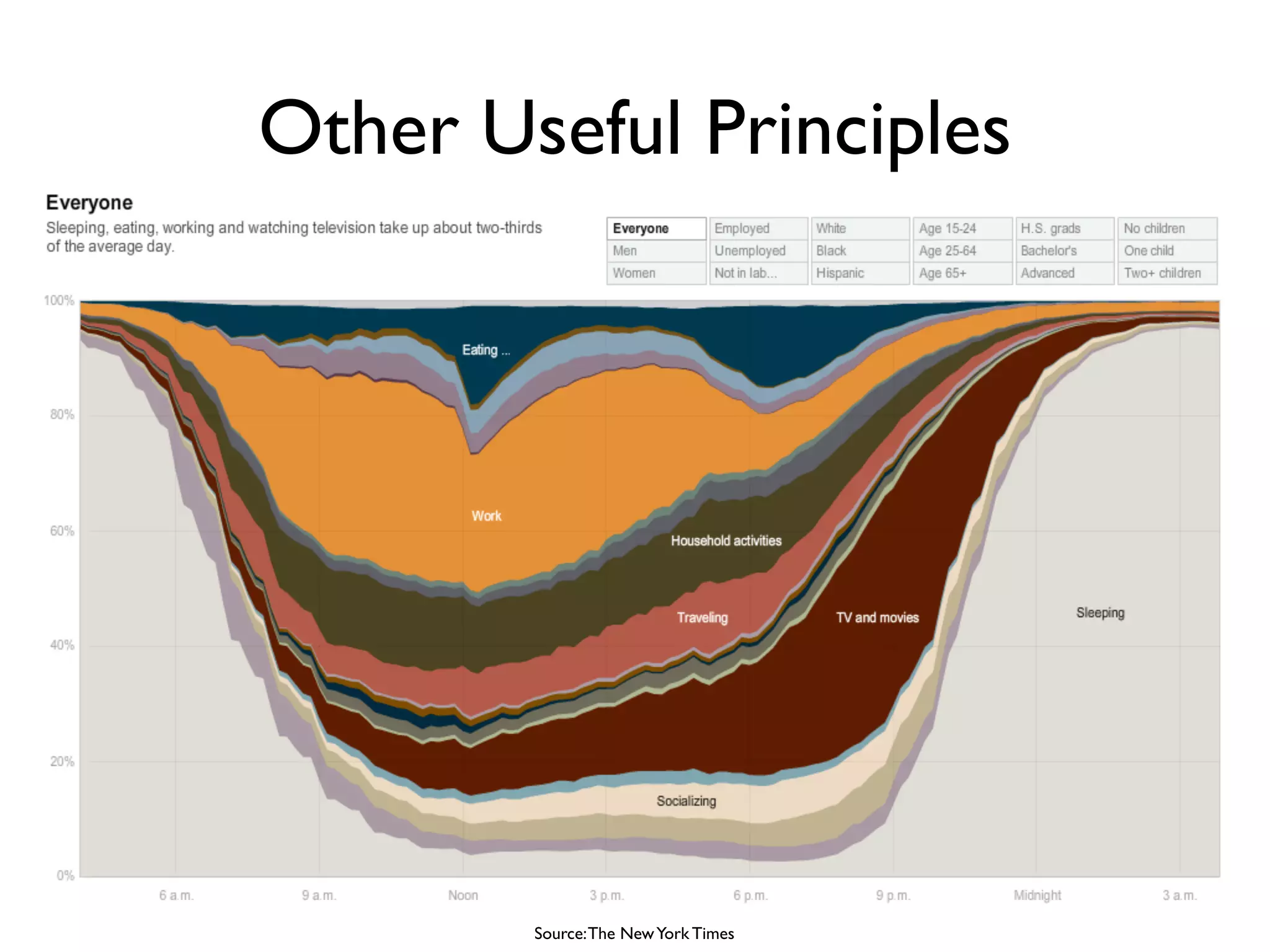
Other Useful Principles


        Source: The New York Times
Thanks!


    Nicolas Garcia Belmonte


@philogb      http://philogb.github.com/

Principles of Analytical Design - Visually Meetup - Sept. 2011

  • 1.
    Principles of Analytical Design Nicolas Garcia Belmonte - @philogb - Sept. 2011
  • 2.
    I use WebStandards to create Data Visualizations.
  • 3.
    I’m the authorof two JavaScript data visualization frameworks. PhiloGL JavaScript InfoVis Toolkit
  • 4.
    Fundamental Principles of Analytical Design (Tufte) 1 - Comparisons 2 - Causality, mechanism, structure, explanation 3 - Multivariate analysis 4 - Integration of evidence 5 - Documentation 6 - Content counts most of all Source: Edward Tufte - Beautiful Evidence
  • 5.
    1 - Showcomparisons, contrasts, differences.
  • 6.
    Source: Randall Munroe- http://xkcd.com/
  • 7.
    Source: Randall Munroe- http://xkcd.com/
  • 8.
    Lie Factor “The representationof numbers, as physically measured on the surface of the graphic itself, should be directly proportional to the quantities represented.” Source: Tufte 1991
  • 9.
    Lie Factor 1985: theline representing 27.5 m/g is 5.3 inches long 1978: the line representing 18.0 m/g is 0.6 inches long Lie Factor: 783 / 53 = 14.8! Source: The New York Times
  • 10.
    Sometimes it’s usefulto emphasize something.
  • 11.
    2 - Showcausality, mechanism, explanation, systematic structure.
  • 12.
  • 13.
    Charles Minard’s data-mapdescribes the successive losses in men of the French army during the French invasion of Russia in 1812 Source: Edward Tufte - Beautiful Evidence
  • 14.
    3 - Showmultivariate data; that is, show more than 1 or 2 variables.
  • 15.
    Channel Ranking vs.Data Type Quantitative Ordinal Nominal Position Position Position Length Density Hue Angle Saturation Texture Slope Hue Connection Area Texture Containment Volume Connection Density Density Containment Saturation Saturation Length Shape Hue Angle Length Texture Slope Angle Connection Area Slope Containment Volume Area Shape Shape Volume Source: Tamara Munzner. Chapter 27, p 675-707, of Fundamentals of Graphics, Third Edition, by Peter Shirley et al. AK Peters, 2009
  • 16.
    Maps for height,hair color and cephalic index distribution Source: Semiology of Graphics - Jacques Bertin
  • 17.
    Map for height,hair color and cephalic index distribution Source: Semiology of Graphics - Jacques Bertin
  • 18.
  • 19.
    4 - Completelyintegrate words, numbers, images, diagrams.
  • 20.
  • 21.
  • 22.
  • 23.
  • 24.
  • 25.
    5 - Thoroughlydescribe the evidence. Provide a detailed title, indicate the authors and sponsors, document the data sources, show complete measurement scales, point out relevant issues.
  • 26.
  • 27.
    6 - Analyticalpresentations ultimately stand or fall depending on the quality, relevance and integrity of their content.
  • 28.
  • 29.
    Other Useful Principles 6 - Interactivity 7 - Personalization / Identification 8 - Aesthetic value
  • 30.
    Other Useful Principles Source: The New York Times
  • 31.
    Thanks! Nicolas Garcia Belmonte @philogb http://philogb.github.com/