By William L. Iġġiaġruk Hensley 
Created by Anne Marie Dorcas 
Athens Technical College 
Human Growth and Development
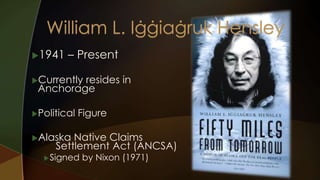
1941 – Present 
Currently resides in 
Anchorage 
Political Figure 
Alaska Native Claims 
Settlement Act (ANCSA) 
Signed by Nixon (1971)
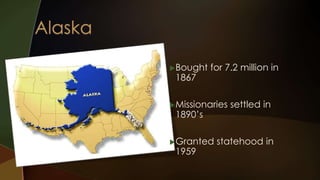
Bought for 7.2 million in 
1867 
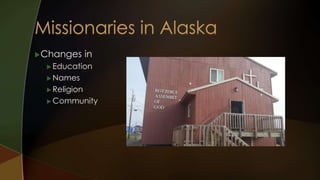
Missionaries settled in 
1890’s 
Granted statehood in 
1959
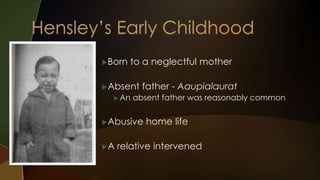
Born to a neglectful mother 
Absent father - Aaupialaurat 
 An absent father was reasonably common 
Abusive home life 
A relative intervened
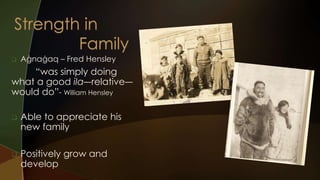
 Aġnaġaq – Fred Hensley 
“was simply doing 
what a good ila–-relative-– 
would do”- William Hensley 
 Able to appreciate his 
new family 
 Positively grow and 
develop
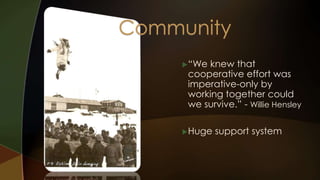
“We knew that 
cooperative effort was 
imperative-only by 
working together could 
we survive.” - Willie Hensley 
Huge support system
Changes in 
Education 
Names 
 Religion 
Community
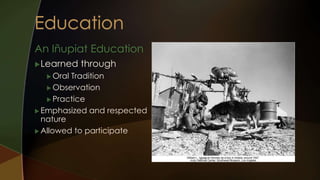
An Iñupiat Education 
Learned through 
 Oral Tradition 
Observation 
Practice 
Emphasized and respected 
nature 
 Allowed to participate
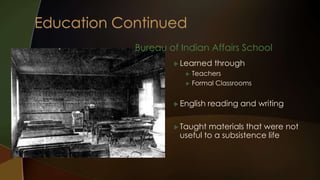
Bureau of Indian Affairs School 
Learned through 
 Teachers 
 Formal Classrooms 
 English reading and writing 
 Taught materials that were not 
useful to a subsistence life
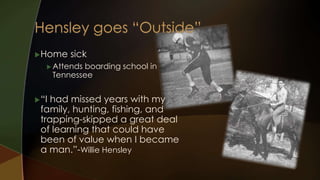
Home sick 
 Attends boarding school in 
Tennessee 
“I had missed years with my 
family, hunting, fishing, and 
trapping-skipped a great deal 
of learning that could have 
been of value when I became 
a man.”-Willie Hensley
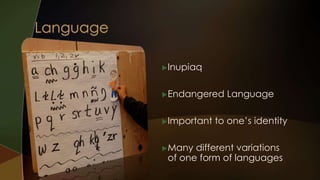
Inupiaq 
Endangered Language 
Important to one’s identity 
Many different variations 
of one form of languages
Exercise 
 Exercise was a part of his 
life from early on 
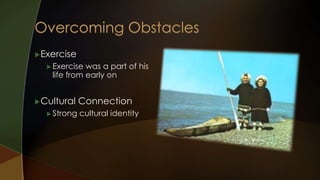
Cultural Connection 
 Strong cultural identity
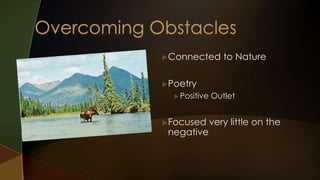
Connected to Nature 
Poetry 
 Positive Outlet 
Focused very little on the 
negative
 Akandere, M., Bastug, G., & Kumartasli, M. (2013). Investigation of Depressive Symptoms in Children Depending 
on Exercise. International Journal Of Academic Research, 5(4), 236-240. doi:10.7813/2075-4124.2013/5- 
4/A.33 
 Arian Parsa, N., & Harati, S. (2013). Art Therapy (Poetry Therapy) Can Reduce the Effects of Depression. 
International Journal Of Academic Research, 5(4), 149-152. doi:10.7813/2075-4124.2013/5-4/B.22 
 Dalhaug, K., Oppedal, B., & Røysamb, E. (2011). The role of sociocultural context for culture competence and 
depressive symptoms among ethnic minority youths in junior high school. European Journal Of 
Developmental Psychology, 8(3), 280-294. doi:10.1080/17405621003710843 
 Hensley, W. I. (2010). Fifty miles from tomorrow : a memoir of Alaska and the real people / William L. Iġġiaġruk 
Hensley. New York : Picador, 2010 
 Hale, C., Hannum, J., & Espelage, D. (2005). Social support and physical health: The importance of 
belonging. Journal Of American College Health, 53(6), 276-284. 
 Jones, K. (2004). Assessing psychological separation and academic performance in nonresident-father and 
resident-father adolescent boys. Child & Adolescent Social Work Journal, 21(4), 333-354. 
 Manville, J., & Maller, R. (2009). The influence of Christian missionaries on Alaskan indigenous peoples. 
Interdisciplinary Journal Of Research On Religion, 5, 1-26. 
 McMahon, T. (2013). 'My culture, my family, my school, me': Identifying strengths and challenges in the lives and 
communities of American Indian youth. Journal Of Child & Family Studies, 22(5), 694-706. 
 Nisbet, E. (2011). Happiness is in our nature: Exploring nature relatedness as a contributor to subjective well-being. 
Journal Of Happiness Studies, 12(2), 303-322
 Olsson, C. (2013). A 32-year longitudinal study of child and adolescent pathways to well-being in 
adulthood. Journal Of Happiness Studies, 14(3), 1069-1083 
 Rogoff, B. (2003). Firsthand learning through intent participation. Annual Review Of Psychology, 54(1), 175. 
 Spilsbury, J., Belliston, L., Drotar, D., Drinkard, A., Kretschmar, J., Creeden, R., & ... Friedman, S. (2007). Clinically 
significant trauma symptoms and behavioral problems in a community-based sample of children 
exposed to domestic violence. Journal Of Family Violence, 22(6), 487-499. doi:10.1007/s10896-007-9113-z 
 Steinberg, L., Blatt-Eisengart, I., & Cauffman, E. (2006). Patterns of competence and adjustment among 
adolescents from authoritative, authoritarian, indulgent, and neglectful homes: A replication in a sample 
of serious juvenile offenders. Journal Of Research On Adolescence (Wiley-Blackwell), 16(1), 47-58. 
doi:10.1111/j.1532-7795.2006.00119.x 
 Usborne, E. M. (2012). Using computer-mediated communication as a tool for exploring the impact of cultural 
identity clarity on psychological well-being. Basic & Applied Social Psychology, 34(2), 183-191. 
 Vacek, K. R., Coyle, L. D., & Vera, E. M. (2010). Stress, self-esteem, hope, optimism, and well-being in urban, ethnic 
minority adolescents. Journal Of Multicultural Counseling & Development, 38(2), 99-111. 
 Wexler, L. (2009). Identifying colonial discourses in Inupiat young people's narratives as a way to understand the 
no future of Inupiat youth suicide. American Indian and Alaska Native mental health research: The 
Journal Of The National Center, 16(1), 1-24

Fifty miles from tomorrow

  • 1.
    By William L.Iġġiaġruk Hensley Created by Anne Marie Dorcas Athens Technical College Human Growth and Development
  • 2.
    1941 – Present Currently resides in Anchorage Political Figure Alaska Native Claims Settlement Act (ANCSA) Signed by Nixon (1971)
  • 3.
    Bought for 7.2million in 1867 Missionaries settled in 1890’s Granted statehood in 1959
  • 4.
    Born to aneglectful mother Absent father - Aaupialaurat  An absent father was reasonably common Abusive home life A relative intervened
  • 5.
     Aġnaġaq –Fred Hensley “was simply doing what a good ila–-relative-– would do”- William Hensley  Able to appreciate his new family  Positively grow and develop
  • 6.
    “We knew that cooperative effort was imperative-only by working together could we survive.” - Willie Hensley Huge support system
  • 7.
    Changes in Education Names  Religion Community
  • 8.
    An Iñupiat Education Learned through  Oral Tradition Observation Practice Emphasized and respected nature  Allowed to participate
  • 9.
    Bureau of IndianAffairs School Learned through  Teachers  Formal Classrooms  English reading and writing  Taught materials that were not useful to a subsistence life
  • 10.
    Home sick Attends boarding school in Tennessee “I had missed years with my family, hunting, fishing, and trapping-skipped a great deal of learning that could have been of value when I became a man.”-Willie Hensley
  • 11.
    Inupiaq Endangered Language Important to one’s identity Many different variations of one form of languages
  • 12.
    Exercise  Exercisewas a part of his life from early on Cultural Connection  Strong cultural identity
  • 13.
    Connected to Nature Poetry  Positive Outlet Focused very little on the negative
  • 14.
     Akandere, M.,Bastug, G., & Kumartasli, M. (2013). Investigation of Depressive Symptoms in Children Depending on Exercise. International Journal Of Academic Research, 5(4), 236-240. doi:10.7813/2075-4124.2013/5- 4/A.33  Arian Parsa, N., & Harati, S. (2013). Art Therapy (Poetry Therapy) Can Reduce the Effects of Depression. International Journal Of Academic Research, 5(4), 149-152. doi:10.7813/2075-4124.2013/5-4/B.22  Dalhaug, K., Oppedal, B., & Røysamb, E. (2011). The role of sociocultural context for culture competence and depressive symptoms among ethnic minority youths in junior high school. European Journal Of Developmental Psychology, 8(3), 280-294. doi:10.1080/17405621003710843  Hensley, W. I. (2010). Fifty miles from tomorrow : a memoir of Alaska and the real people / William L. Iġġiaġruk Hensley. New York : Picador, 2010  Hale, C., Hannum, J., & Espelage, D. (2005). Social support and physical health: The importance of belonging. Journal Of American College Health, 53(6), 276-284.  Jones, K. (2004). Assessing psychological separation and academic performance in nonresident-father and resident-father adolescent boys. Child & Adolescent Social Work Journal, 21(4), 333-354.  Manville, J., & Maller, R. (2009). The influence of Christian missionaries on Alaskan indigenous peoples. Interdisciplinary Journal Of Research On Religion, 5, 1-26.  McMahon, T. (2013). 'My culture, my family, my school, me': Identifying strengths and challenges in the lives and communities of American Indian youth. Journal Of Child & Family Studies, 22(5), 694-706.  Nisbet, E. (2011). Happiness is in our nature: Exploring nature relatedness as a contributor to subjective well-being. Journal Of Happiness Studies, 12(2), 303-322
  • 15.
     Olsson, C.(2013). A 32-year longitudinal study of child and adolescent pathways to well-being in adulthood. Journal Of Happiness Studies, 14(3), 1069-1083  Rogoff, B. (2003). Firsthand learning through intent participation. Annual Review Of Psychology, 54(1), 175.  Spilsbury, J., Belliston, L., Drotar, D., Drinkard, A., Kretschmar, J., Creeden, R., & ... Friedman, S. (2007). Clinically significant trauma symptoms and behavioral problems in a community-based sample of children exposed to domestic violence. Journal Of Family Violence, 22(6), 487-499. doi:10.1007/s10896-007-9113-z  Steinberg, L., Blatt-Eisengart, I., & Cauffman, E. (2006). Patterns of competence and adjustment among adolescents from authoritative, authoritarian, indulgent, and neglectful homes: A replication in a sample of serious juvenile offenders. Journal Of Research On Adolescence (Wiley-Blackwell), 16(1), 47-58. doi:10.1111/j.1532-7795.2006.00119.x  Usborne, E. M. (2012). Using computer-mediated communication as a tool for exploring the impact of cultural identity clarity on psychological well-being. Basic & Applied Social Psychology, 34(2), 183-191.  Vacek, K. R., Coyle, L. D., & Vera, E. M. (2010). Stress, self-esteem, hope, optimism, and well-being in urban, ethnic minority adolescents. Journal Of Multicultural Counseling & Development, 38(2), 99-111.  Wexler, L. (2009). Identifying colonial discourses in Inupiat young people's narratives as a way to understand the no future of Inupiat youth suicide. American Indian and Alaska Native mental health research: The Journal Of The National Center, 16(1), 1-24