Detection of Cryptosporidium in
Freshwater, Fruits, Vegetables and
Dairy products.
Muhammad Iqbal BS Microbiology
Govt College University Fsd.
Internship at CVAS
Contents
• History
• Introduction
• Aims and objectives
• Materials and methods
• Future perspectives
Introduction
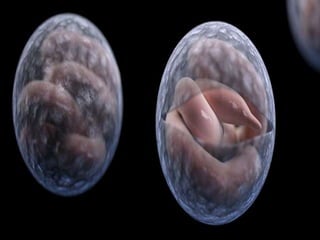
• Cryptosporidium is a spore producing parasite
found in the intestine of infected people and
animals.
• Cryptosporidium spp is the most common
parasite in verterian students and farm
workers.
• By ingesting food or drinks contaminated with
fecal sample.
• Swallowing recreational water contaminated
with cryptosporidium.
• Not washing hands.
• Person to person transmission.
• Food borne transmission.
• Water borne transmission.
• Zoonotic transmission.
• Anthroponotic transmission.
Signs and Symptoms
• Symptoms (2 to 10 days after infection and
can last up to 30 days.)
• Diarrhea
• Stomach cramps
• Dehydration
• Nausea
• Vomiting
• Weight loss
• Sometimes no symptoms are seen.
Who is most at risk
• Children who attend day care centers, including diaper-
aged children
• Child care workers
• Parents of infected children
• People who take care of other people with
cryptosporidiosis
• International travelers
• Backpackers, hikers, and campers who drink unfiltered,
untreated water
• People who drink from untreated shallow, unprotected
wells.
• People, including swimmers, who swallow water from
contaminated sources
• People who handle infected cattle
History
• Recognized in mice in 1907.
• Reported in Human in 1976.
 Immunnocompetant child
 Immunosuppressed child
• Recognize globally in 1980s and 1990s.
 AIDS Patients
 Out break in verterian students.
Aims and objectives
• To determine the cryptosporidium infection in
 Fresh water
 Fruits
 Vegetables
 Dairy products.
Materials and Methods
• Collection of samples.
For fresh water sample from different taps
For fruits from fruit shops and rotten fruits
For vegetables from vegetable shops and field
For dairy from dairy shops and farms
• Make dilution of the samples.
• Direct smear preparation from fresh sample.
• formalin-ether method:
It increase chances of detection of parasitic
organism
Formalin fix the eggs, larvae,
Oocysts, and preserve the
morphology.
zehil-nelson method
• Prepare smear 1-2 drops of specimen and dry.
• Fix with methanol.
• Stain with carbol fuschin for 1 min.
• Destain with acid alcohol for 2 min.
• Counter stain with malachite green for 2 min.
• Dry slides.
• Examine 200-300 field using 40x objective.
Loop-Mediated Isothermal Amplification
• Four different primer used.
• Design to recognize six distinct regions.
• Reaction processed at constant temperature.
• Amplification and detection completed in
single steps.
• By incubating the of mixture samples, primers,
DNA polymerase with strand displacement
activity and substrates at constant
temperature.
Future perspectives
• Identification of types of cryptosporidium
species in different products.

Detection of Cryptospordium

  • 2.
    Detection of Cryptosporidiumin Freshwater, Fruits, Vegetables and Dairy products. Muhammad Iqbal BS Microbiology Govt College University Fsd. Internship at CVAS
  • 4.
    Contents • History • Introduction •Aims and objectives • Materials and methods • Future perspectives
  • 5.
    Introduction • Cryptosporidium isa spore producing parasite found in the intestine of infected people and animals. • Cryptosporidium spp is the most common parasite in verterian students and farm workers. • By ingesting food or drinks contaminated with fecal sample.
  • 6.
    • Swallowing recreationalwater contaminated with cryptosporidium. • Not washing hands. • Person to person transmission. • Food borne transmission. • Water borne transmission. • Zoonotic transmission. • Anthroponotic transmission.
  • 8.
    Signs and Symptoms •Symptoms (2 to 10 days after infection and can last up to 30 days.) • Diarrhea • Stomach cramps • Dehydration • Nausea • Vomiting • Weight loss • Sometimes no symptoms are seen.
  • 10.
    Who is mostat risk • Children who attend day care centers, including diaper- aged children • Child care workers • Parents of infected children • People who take care of other people with cryptosporidiosis • International travelers • Backpackers, hikers, and campers who drink unfiltered, untreated water • People who drink from untreated shallow, unprotected wells. • People, including swimmers, who swallow water from contaminated sources • People who handle infected cattle
  • 11.
    History • Recognized inmice in 1907. • Reported in Human in 1976.  Immunnocompetant child  Immunosuppressed child • Recognize globally in 1980s and 1990s.  AIDS Patients  Out break in verterian students.
  • 12.
    Aims and objectives •To determine the cryptosporidium infection in  Fresh water  Fruits  Vegetables  Dairy products.
  • 13.
    Materials and Methods •Collection of samples. For fresh water sample from different taps For fruits from fruit shops and rotten fruits For vegetables from vegetable shops and field For dairy from dairy shops and farms • Make dilution of the samples.
  • 14.
    • Direct smearpreparation from fresh sample. • formalin-ether method: It increase chances of detection of parasitic organism Formalin fix the eggs, larvae, Oocysts, and preserve the morphology.
  • 15.
    zehil-nelson method • Preparesmear 1-2 drops of specimen and dry. • Fix with methanol. • Stain with carbol fuschin for 1 min. • Destain with acid alcohol for 2 min. • Counter stain with malachite green for 2 min. • Dry slides. • Examine 200-300 field using 40x objective.
  • 18.
    Loop-Mediated Isothermal Amplification •Four different primer used. • Design to recognize six distinct regions. • Reaction processed at constant temperature. • Amplification and detection completed in single steps. • By incubating the of mixture samples, primers, DNA polymerase with strand displacement activity and substrates at constant temperature.
  • 27.
    Future perspectives • Identificationof types of cryptosporidium species in different products.