Elements of Communication
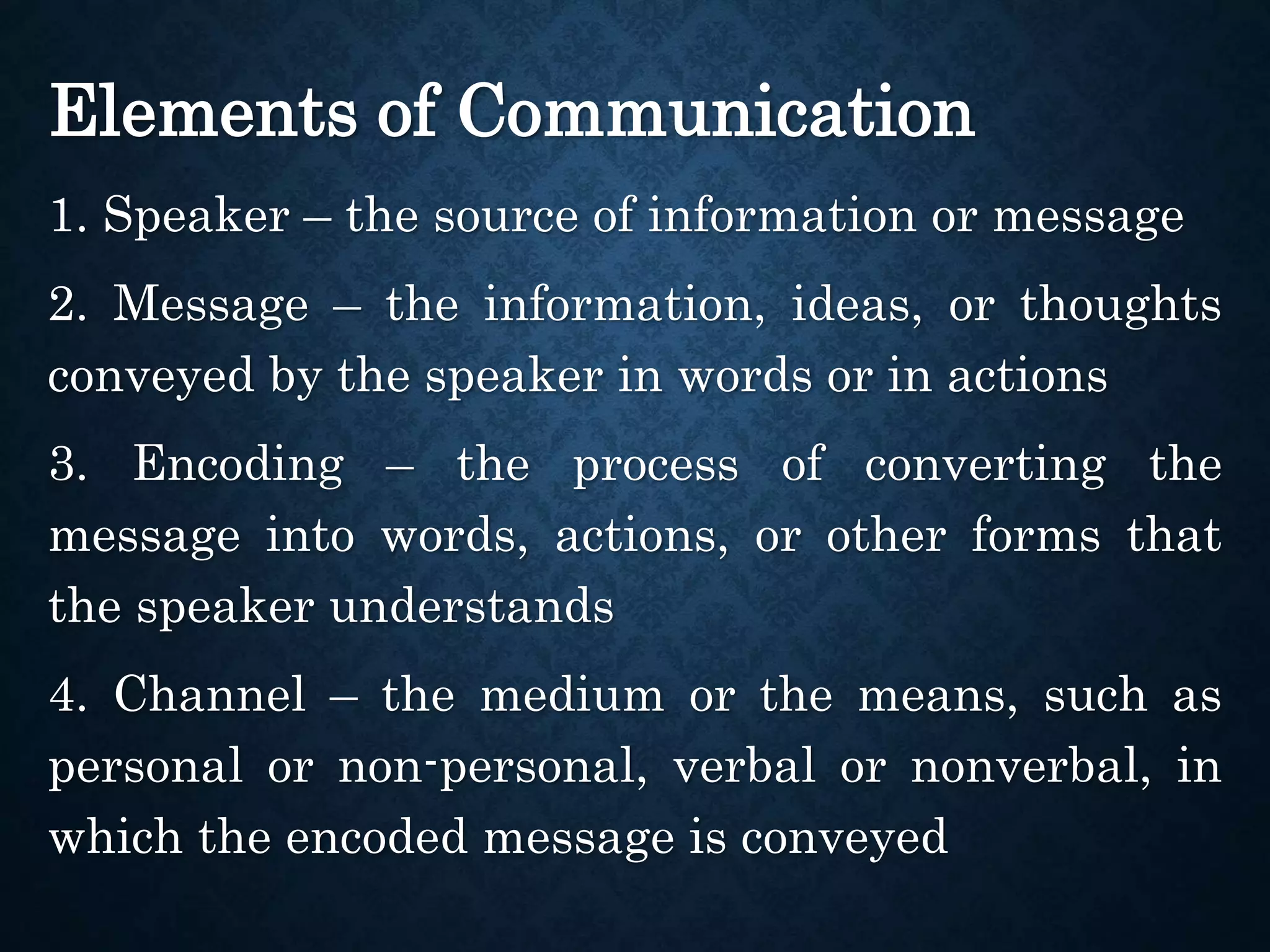
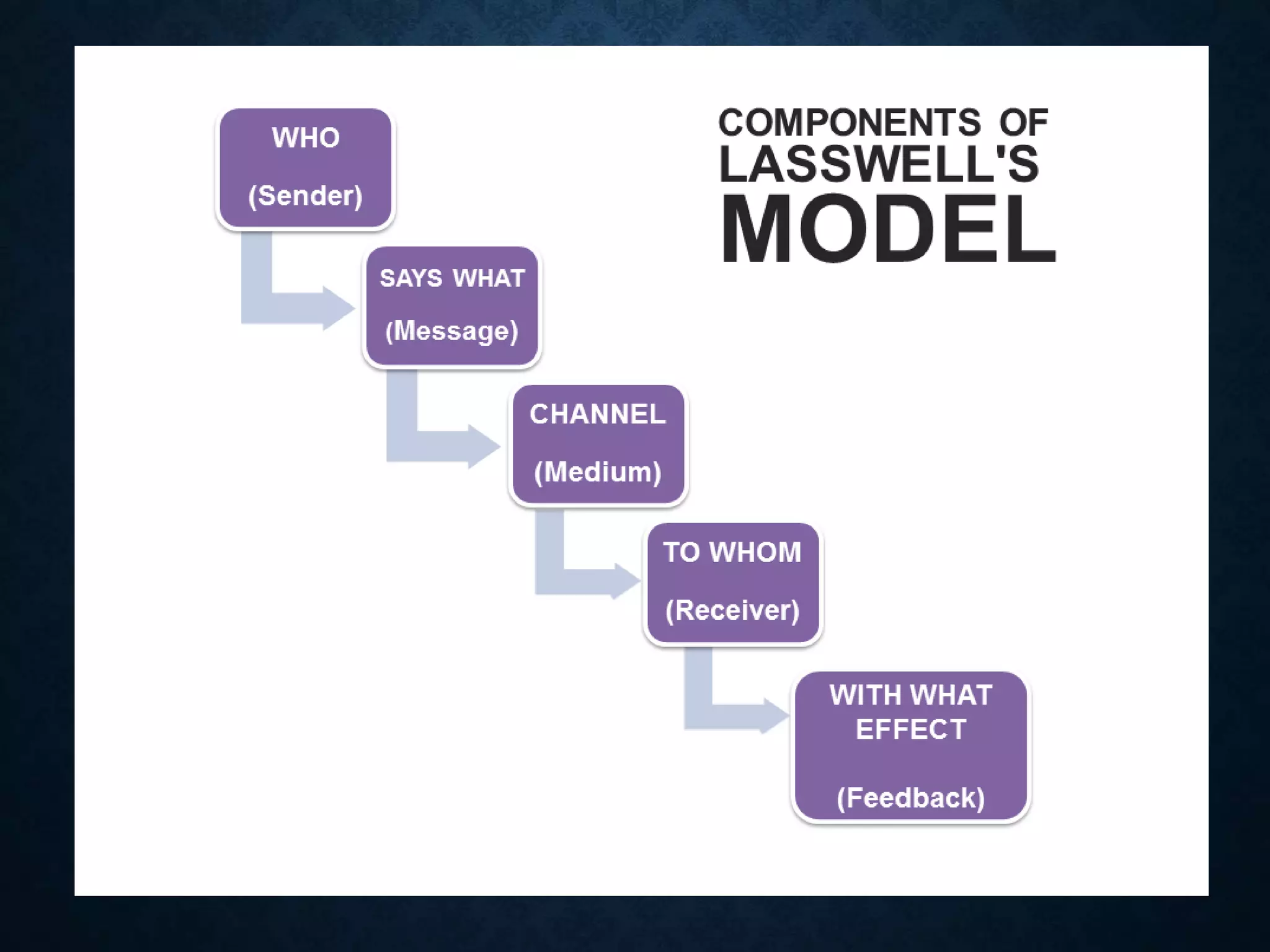
1. Speaker – the source of information or message
2. Message – the information, ideas, or thoughts
conveyed by the speaker in words or in actions
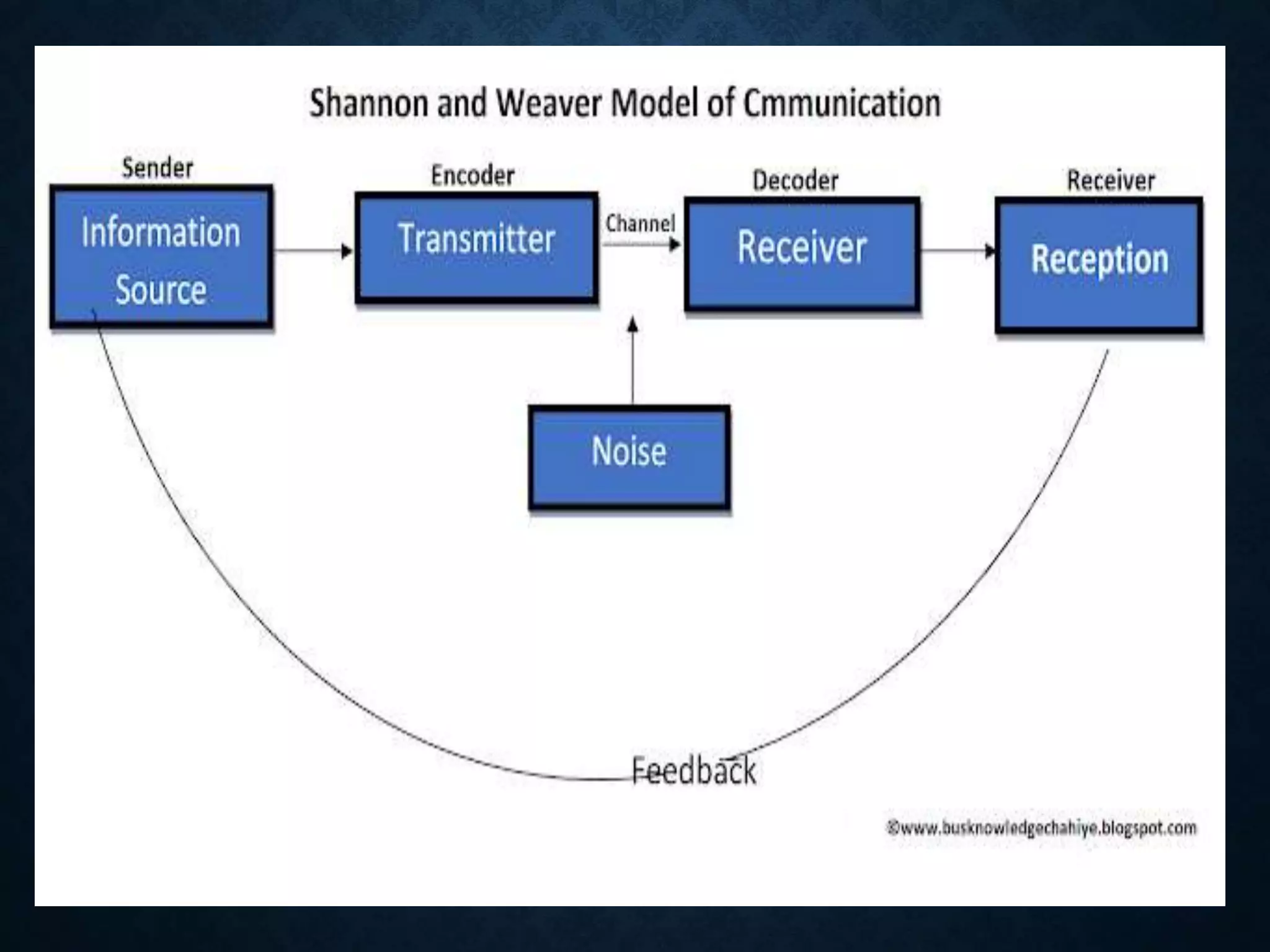
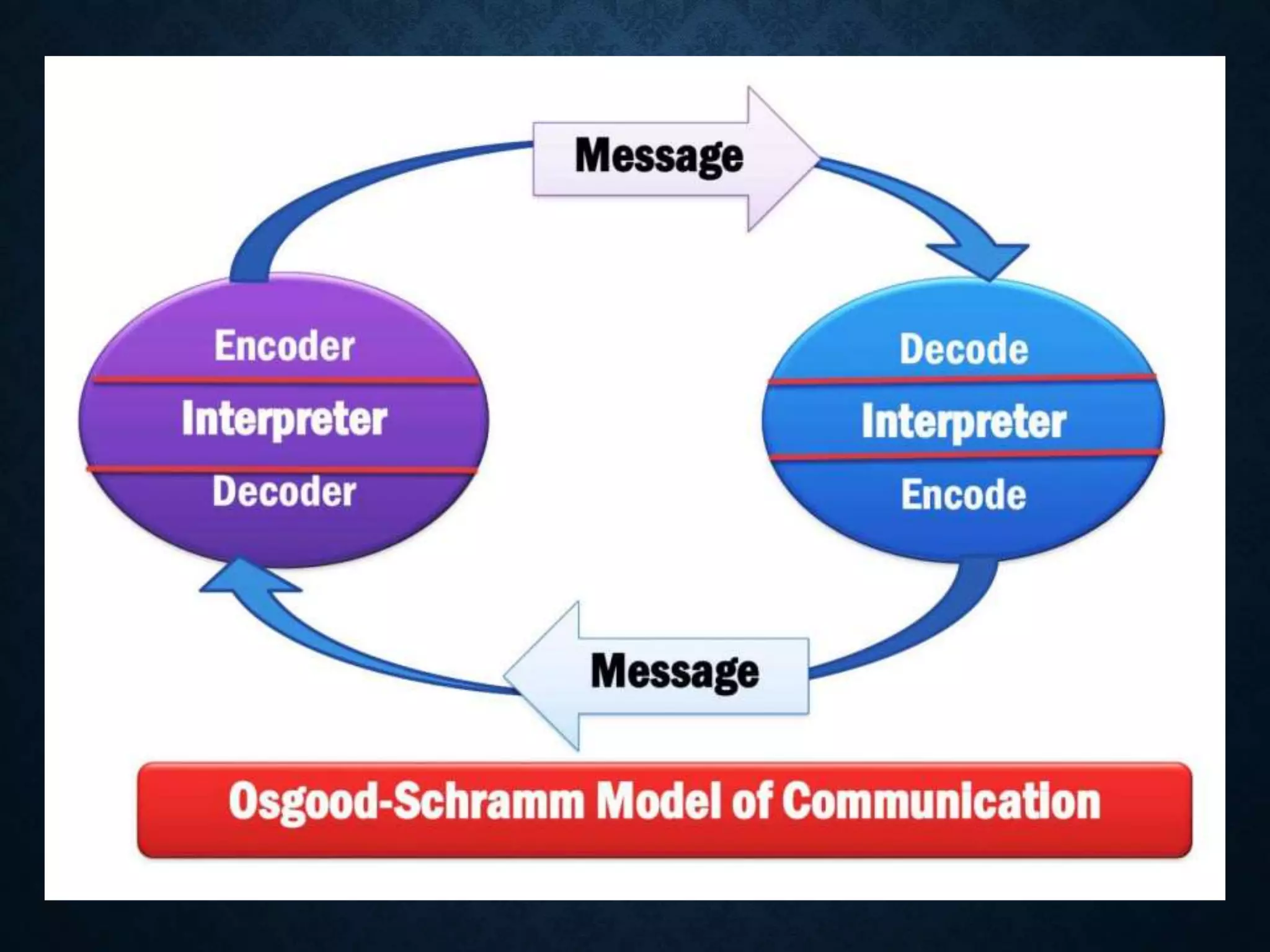
3. Encoding – the process of converting the
message into words, actions, or other forms that
the speaker understands
4. Channel – the medium or the means, such as
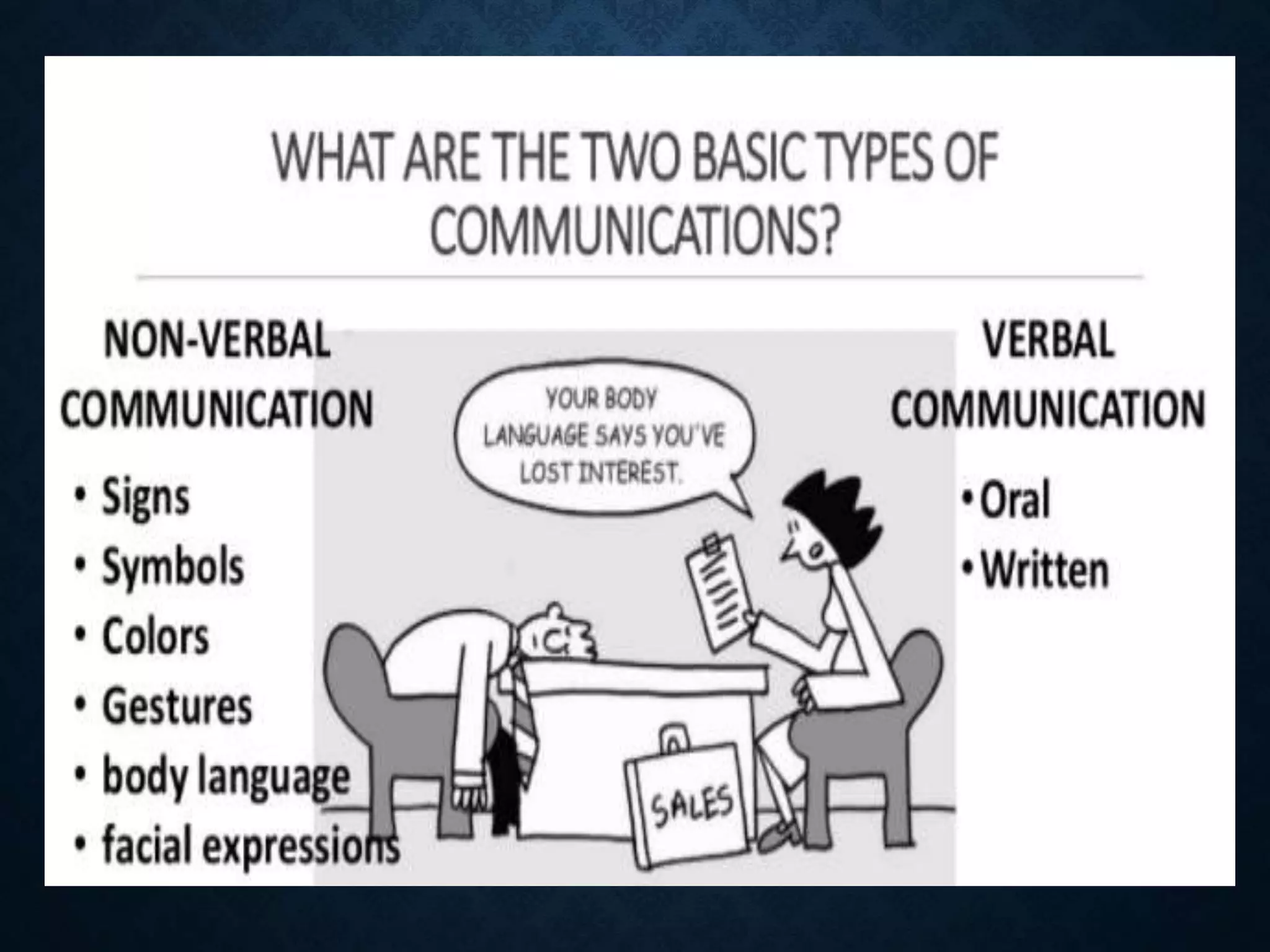
personal or non-personal, verbal or nonverbal, in
which the encoded message is conveyed
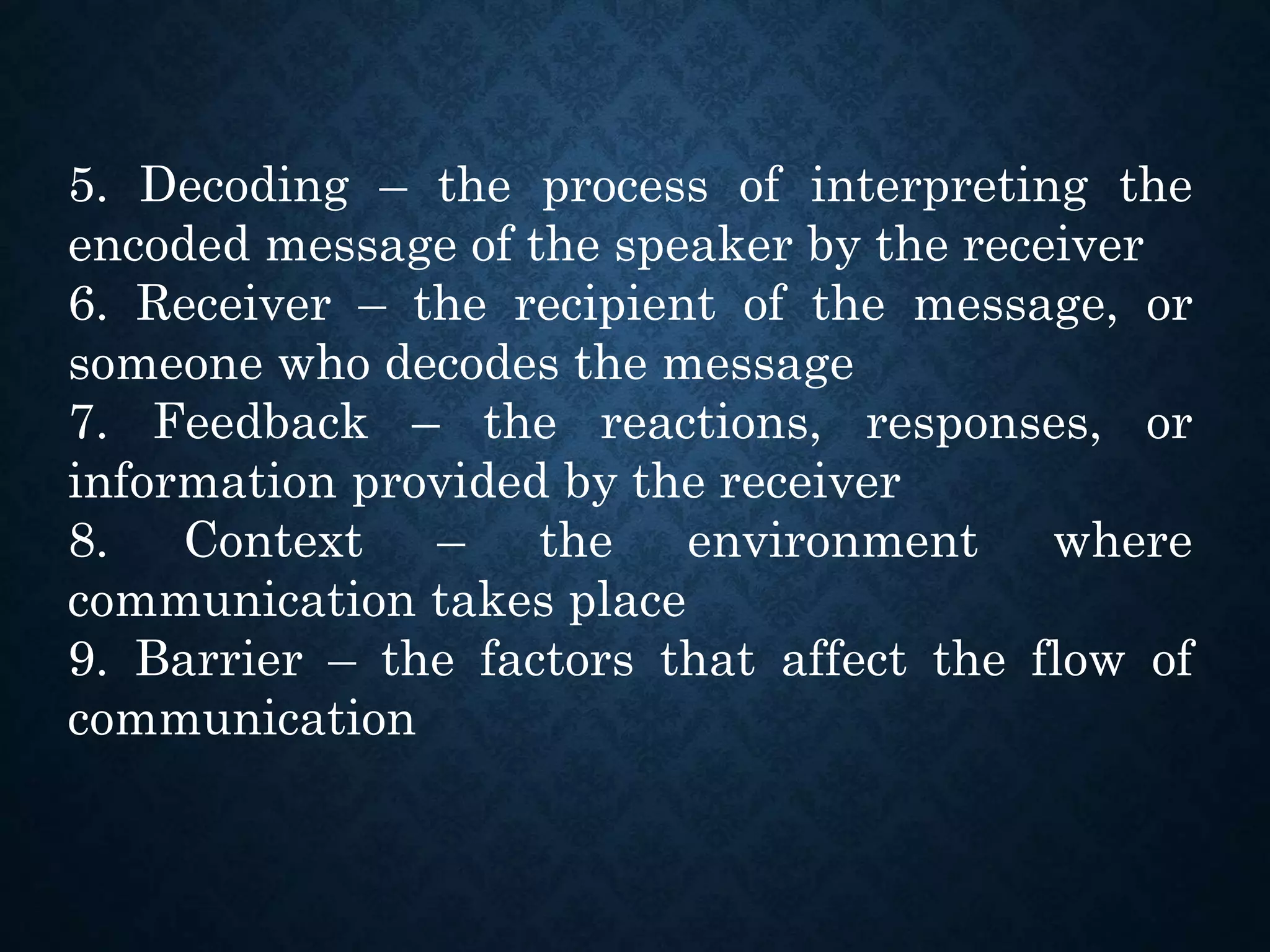
5. Decoding – the process of interpreting the
encoded message of the speaker by the receiver
6. Receiver – the recipient of the message, or
someone who decodes the message
7. Feedback – the reactions, responses, or
information provided by the receiver
8. Context – the environment where
communication takes place
9. Barrier – the factors that affect the flow of
communication
Models of
Communication
Process
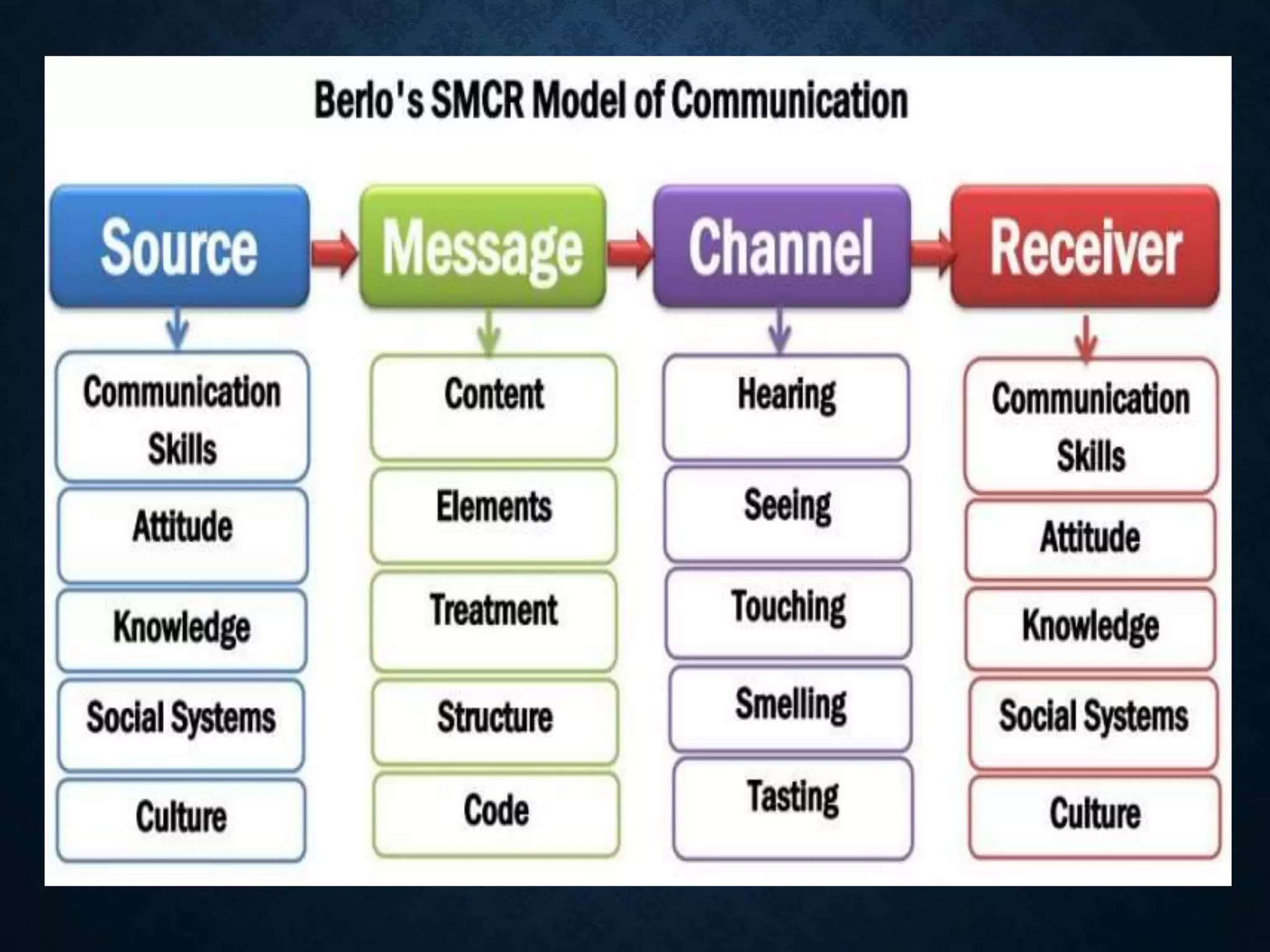
THE SOURCE
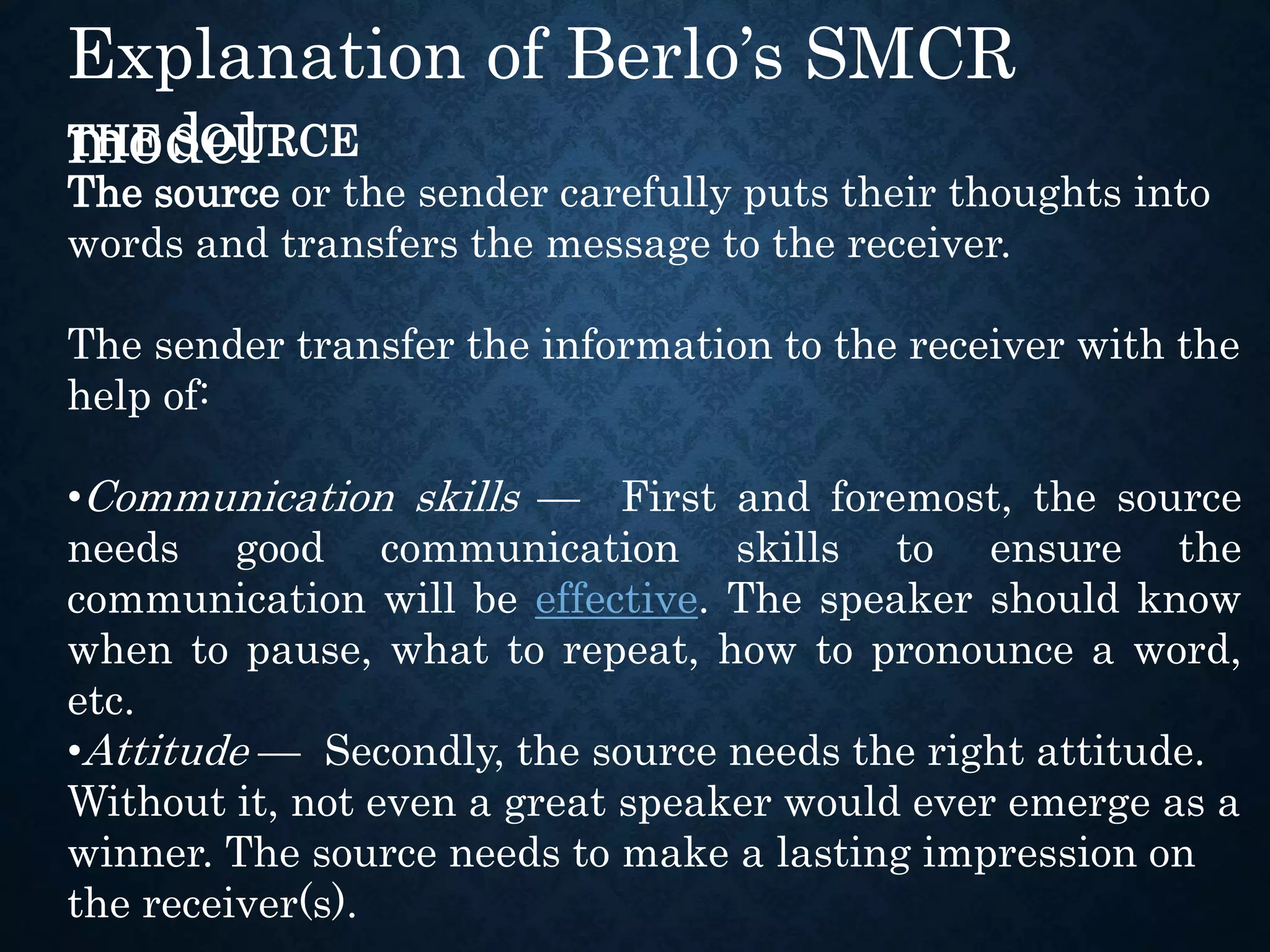
The source or the sender carefully puts their thoughts into
words and transfers the message to the receiver.
The sender transfer the information to the receiver with the
help of:
•Communication skills — First and foremost, the source
needs good communication skills to ensure the
communication will be effective. The speaker should know
when to pause, what to repeat, how to pronounce a word,
etc.
•Attitude — Secondly, the source needs the right attitude.
Without it, not even a great speaker would ever emerge as a
winner. The source needs to make a lasting impression on
the receiver(s).
Explanation of Berlo’s SMCR
model
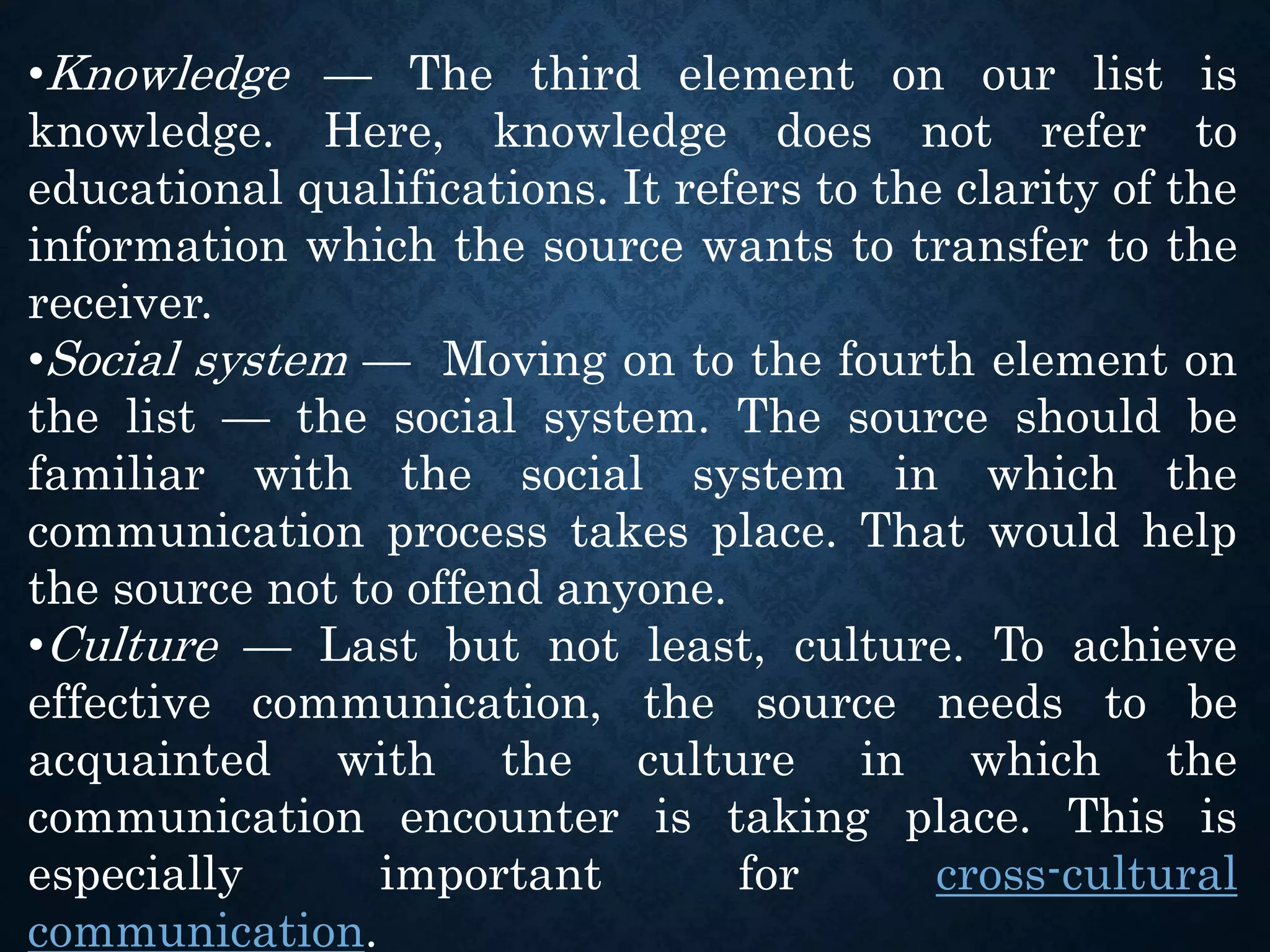
•Knowledge — The third element on our list is
knowledge. Here, knowledge does not refer to
educational qualifications. It refers to the clarity of the
information which the source wants to transfer to the
receiver.
•Social system — Moving on to the fourth element on
the list — the social system. The source should be
familiar with the social system in which the
communication process takes place. That would help
the source not to offend anyone.
•Culture — Last but not least, culture. To achieve
effective communication, the source needs to be
acquainted with the culture in which the
communication encounter is taking place. This is
especially important for cross-cultural
communication.
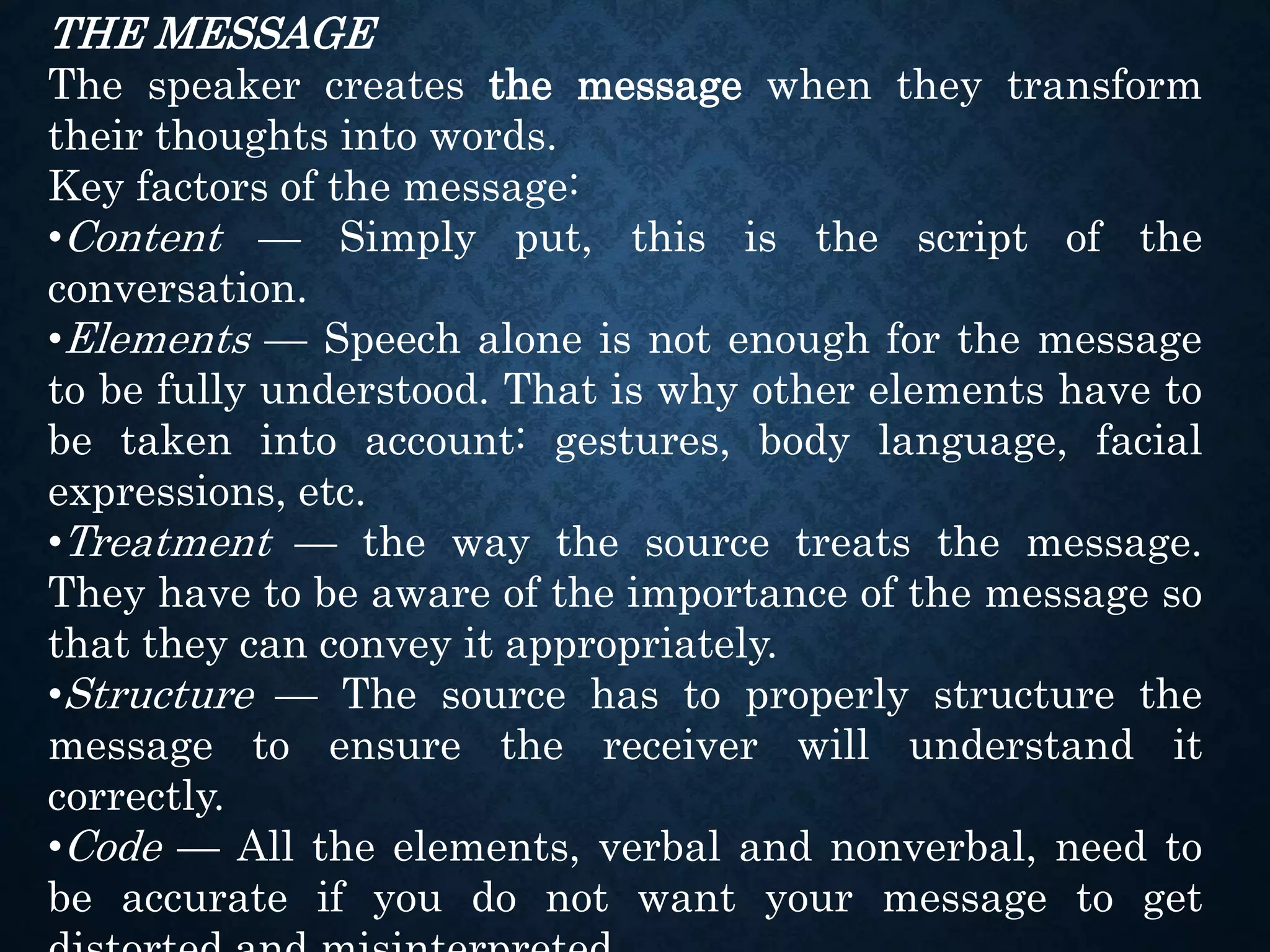
THE MESSAGE
The speaker creates the message when they transform
their thoughts into words.
Key factors of the message:
•Content — Simply put, this is the script of the
conversation.
•Elements — Speech alone is not enough for the message
to be fully understood. That is why other elements have to
be taken into account: gestures, body language, facial
expressions, etc.
•Treatment — the way the source treats the message.
They have to be aware of the importance of the message so
that they can convey it appropriately.
•Structure — The source has to properly structure the
message to ensure the receiver will understand it
correctly.
•Code — All the elements, verbal and nonverbal, need to
be accurate if you do not want your message to get
THE CHANNEL
To get from the source to the receiver, the
message goes through the channel.
All our senses are the channels that help us
communicate with one another.
Our senses are:
hearing
taste
sight
smelling
touching
THE RECEIVER
A receiver is a person the source is
speaking to. The destination of the
conveyed message.
To understand the message, the
receiver should entail the same
elements as the source. They should
have similar communication skills,
attitudes, and knowledge, and be
acquainted with the social system and
culture in which they communicate.

Presentation 1.pptx

  • 2.
    Elements of Communication 1.Speaker – the source of information or message 2. Message – the information, ideas, or thoughts conveyed by the speaker in words or in actions 3. Encoding – the process of converting the message into words, actions, or other forms that the speaker understands 4. Channel – the medium or the means, such as personal or non-personal, verbal or nonverbal, in which the encoded message is conveyed
  • 3.
    5. Decoding –the process of interpreting the encoded message of the speaker by the receiver 6. Receiver – the recipient of the message, or someone who decodes the message 7. Feedback – the reactions, responses, or information provided by the receiver 8. Context – the environment where communication takes place 9. Barrier – the factors that affect the flow of communication
  • 5.
  • 10.
    THE SOURCE The sourceor the sender carefully puts their thoughts into words and transfers the message to the receiver. The sender transfer the information to the receiver with the help of: •Communication skills — First and foremost, the source needs good communication skills to ensure the communication will be effective. The speaker should know when to pause, what to repeat, how to pronounce a word, etc. •Attitude — Secondly, the source needs the right attitude. Without it, not even a great speaker would ever emerge as a winner. The source needs to make a lasting impression on the receiver(s). Explanation of Berlo’s SMCR model
  • 11.
    •Knowledge — Thethird element on our list is knowledge. Here, knowledge does not refer to educational qualifications. It refers to the clarity of the information which the source wants to transfer to the receiver. •Social system — Moving on to the fourth element on the list — the social system. The source should be familiar with the social system in which the communication process takes place. That would help the source not to offend anyone. •Culture — Last but not least, culture. To achieve effective communication, the source needs to be acquainted with the culture in which the communication encounter is taking place. This is especially important for cross-cultural communication.
  • 12.
    THE MESSAGE The speakercreates the message when they transform their thoughts into words. Key factors of the message: •Content — Simply put, this is the script of the conversation. •Elements — Speech alone is not enough for the message to be fully understood. That is why other elements have to be taken into account: gestures, body language, facial expressions, etc. •Treatment — the way the source treats the message. They have to be aware of the importance of the message so that they can convey it appropriately. •Structure — The source has to properly structure the message to ensure the receiver will understand it correctly. •Code — All the elements, verbal and nonverbal, need to be accurate if you do not want your message to get
  • 13.
    THE CHANNEL To getfrom the source to the receiver, the message goes through the channel. All our senses are the channels that help us communicate with one another. Our senses are: hearing taste sight smelling touching
  • 14.
    THE RECEIVER A receiveris a person the source is speaking to. The destination of the conveyed message. To understand the message, the receiver should entail the same elements as the source. They should have similar communication skills, attitudes, and knowledge, and be acquainted with the social system and culture in which they communicate.