

Pollution *And its effects
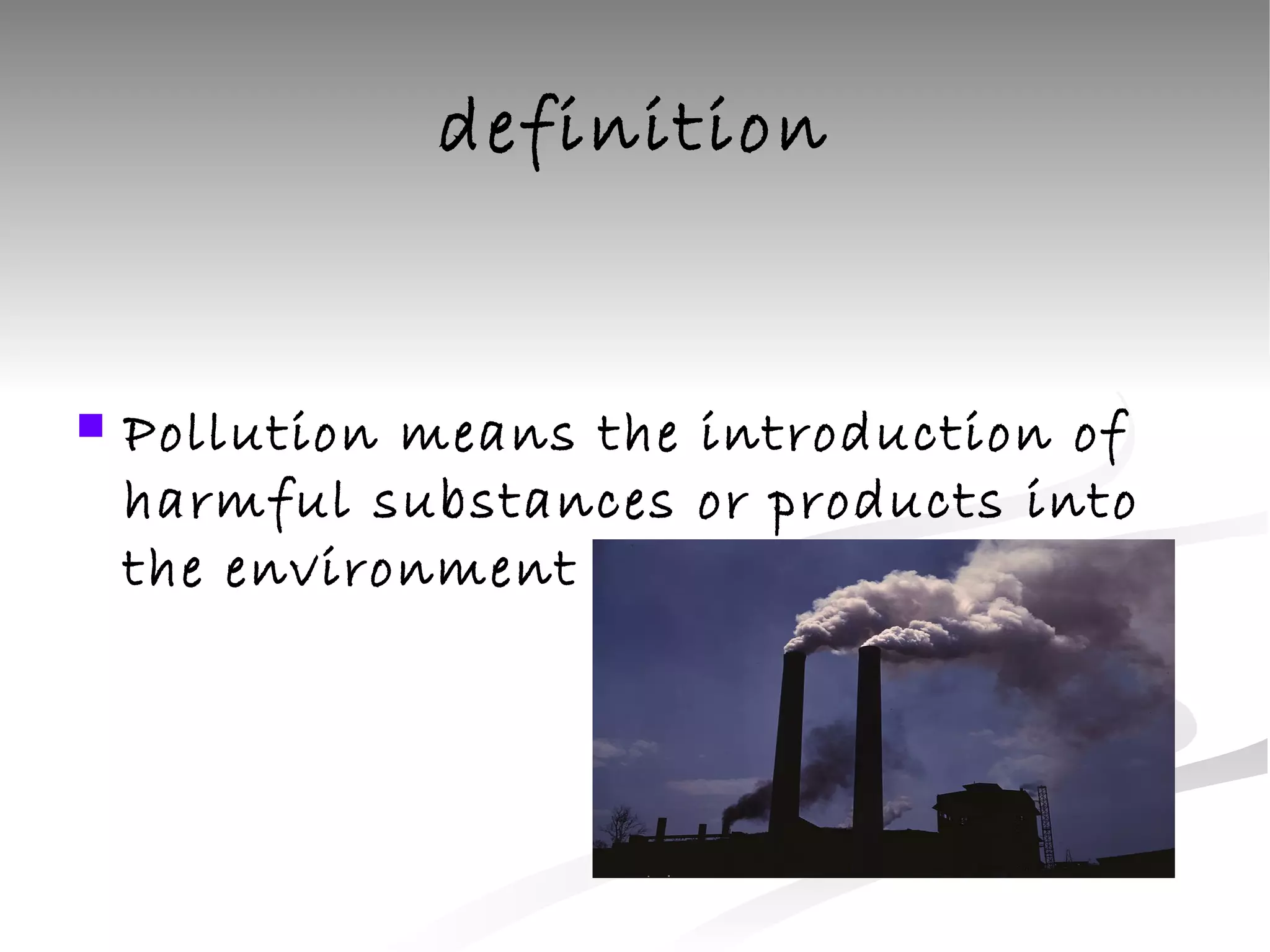
definition Pollution means the introduction of harmful substances or products into the environment
Its types Air pollution Water pollution Land pollution Noise pollution
lets discuss each in brief…
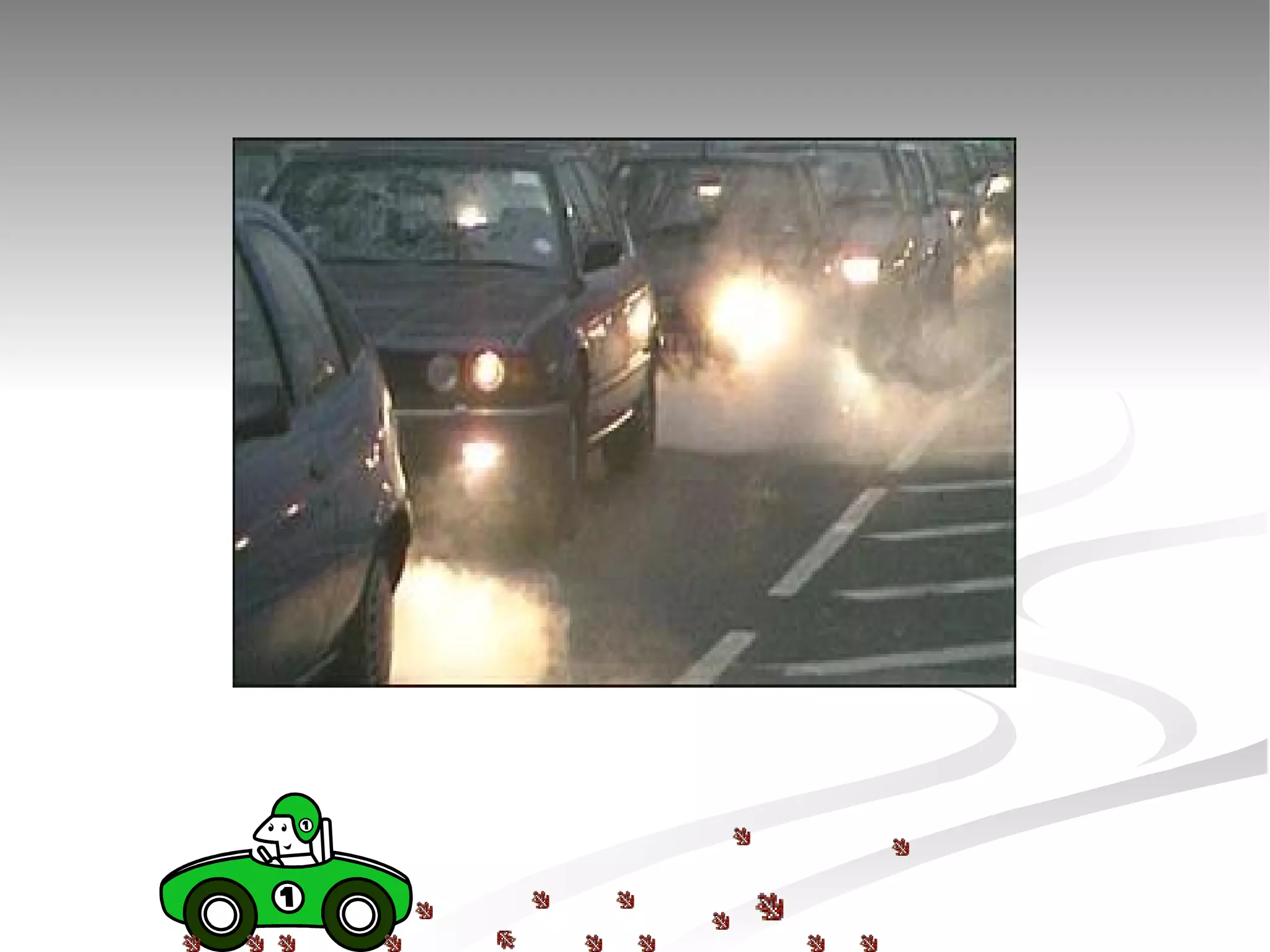
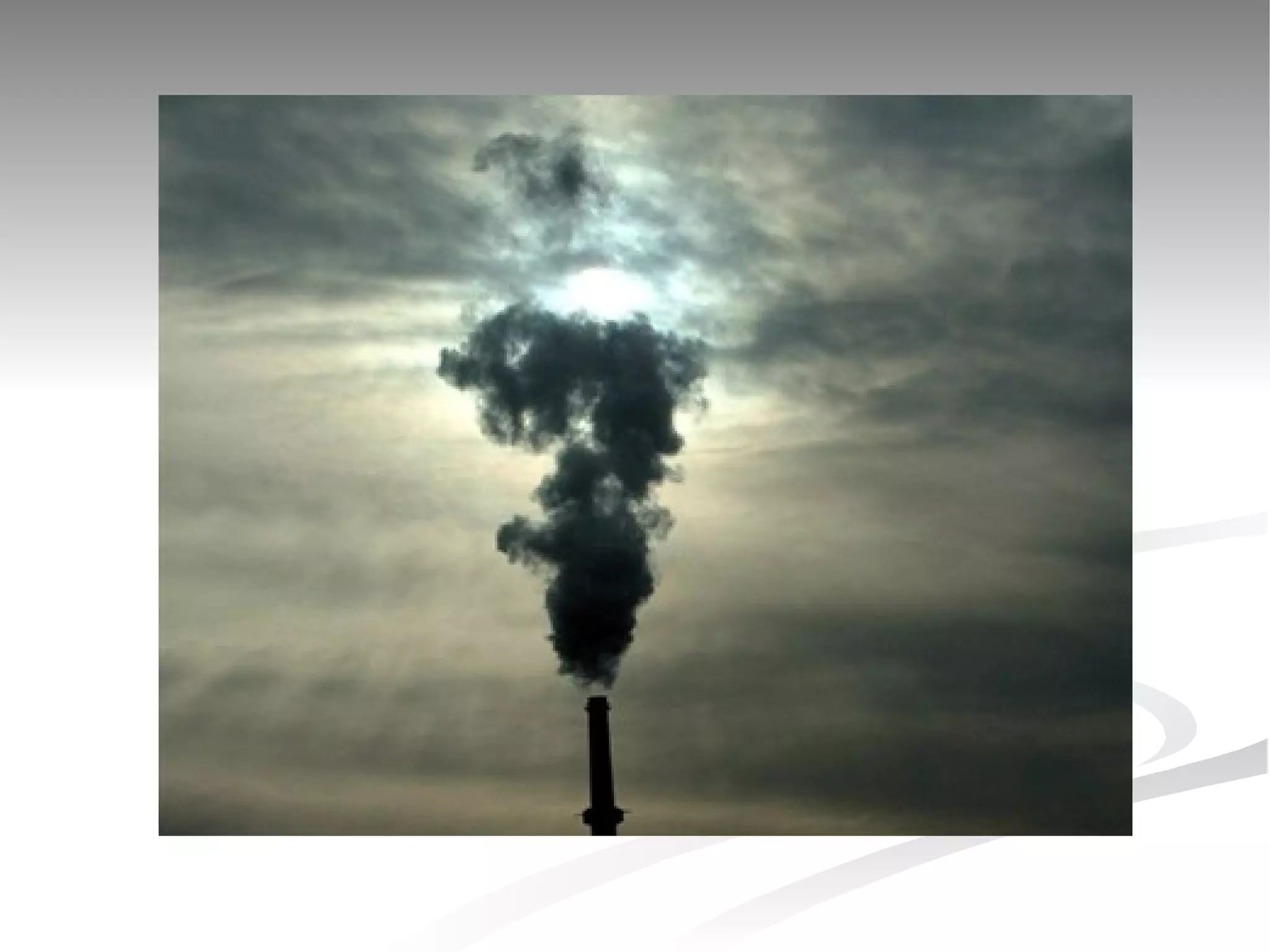
Air pollution Air pollution is made up of a mixture of gases  and  particles  that  have  been  re- leased into the atmosphere by man-made processes.  Mainly from combustion of fossil fuels like coal, petrol or diesel i.e. from traffic emissions.
 
Industrialization and urbanization have resulted in a profound deterioration of India's air quality.  Of the 3 million premature deaths in the world that occur each year due to outdoor and indoor air pollution, the highest number are assessed to occur in India.
According to the World Health Organization, the capital city of New Delhi is one of the top ten most polluted cities in the world.  Surveys indicate that in New Delhi the incidence of respiratory diseases due to air pollution is about 12 times the national average .
 
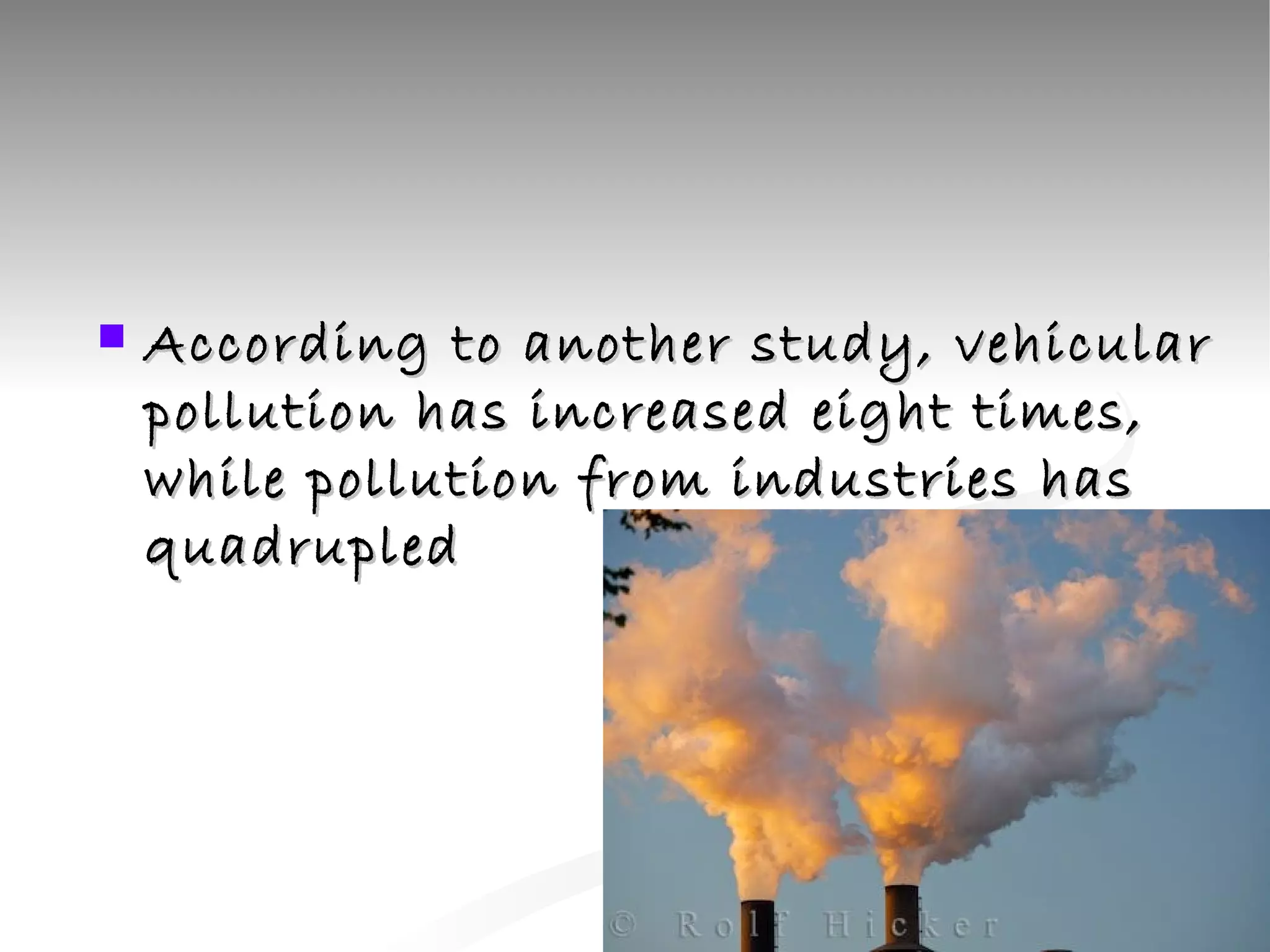
According to another study, vehicular pollution has increased eight times, while pollution from industries has quadrupled
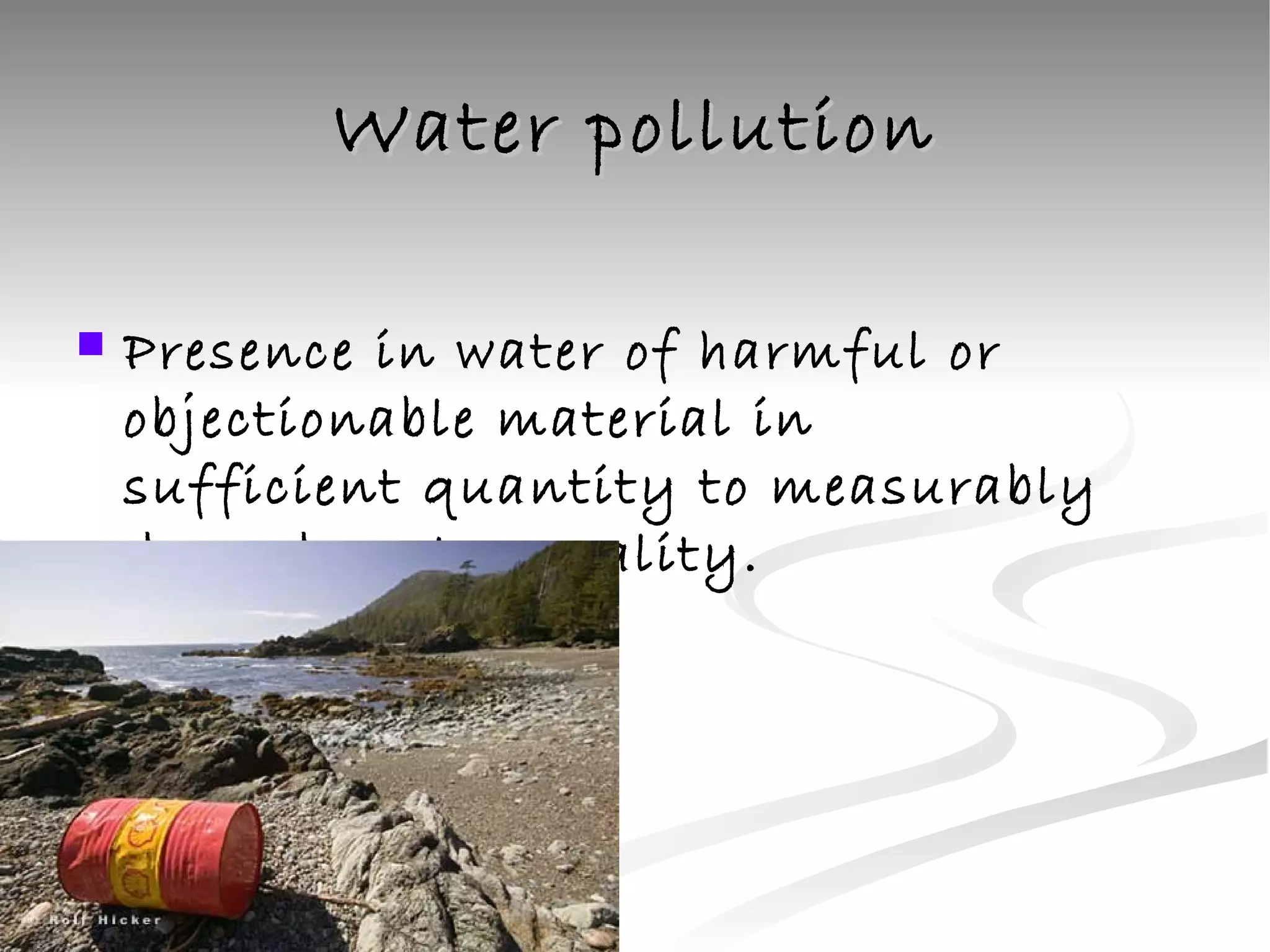
Water pollution Presence in water of harmful or objectionable material in sufficient quantity to measurably degrade water quality.
 
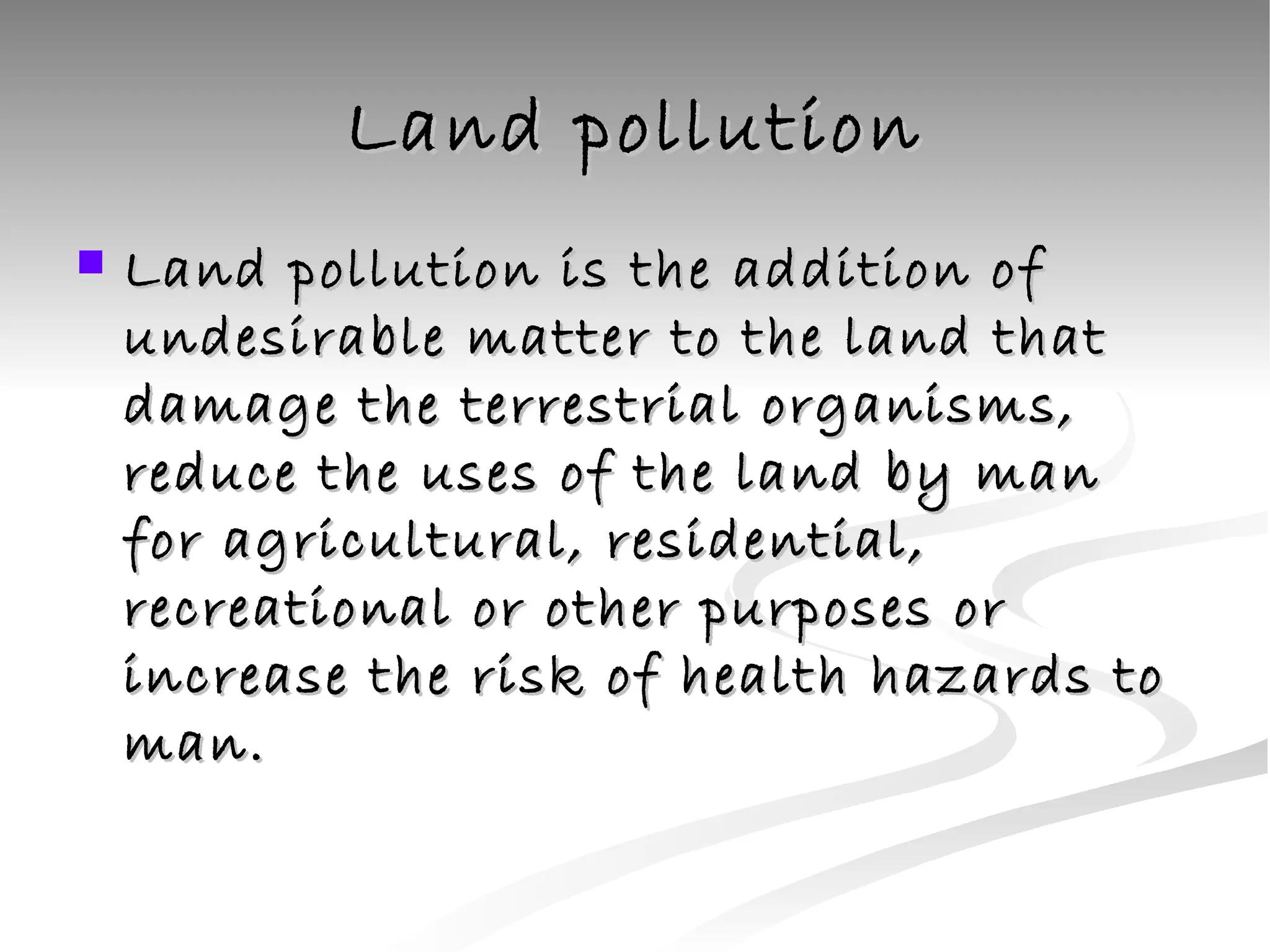
Water pollution has many sources. The most polluting of them are the city sewage and industrial waste discharged into the rivers.  The facilities to treat waste water are not adequate in any city in India. Presently, only about 10% of the waste water generated is treated; the rest is discharged as it is into our water bodies.
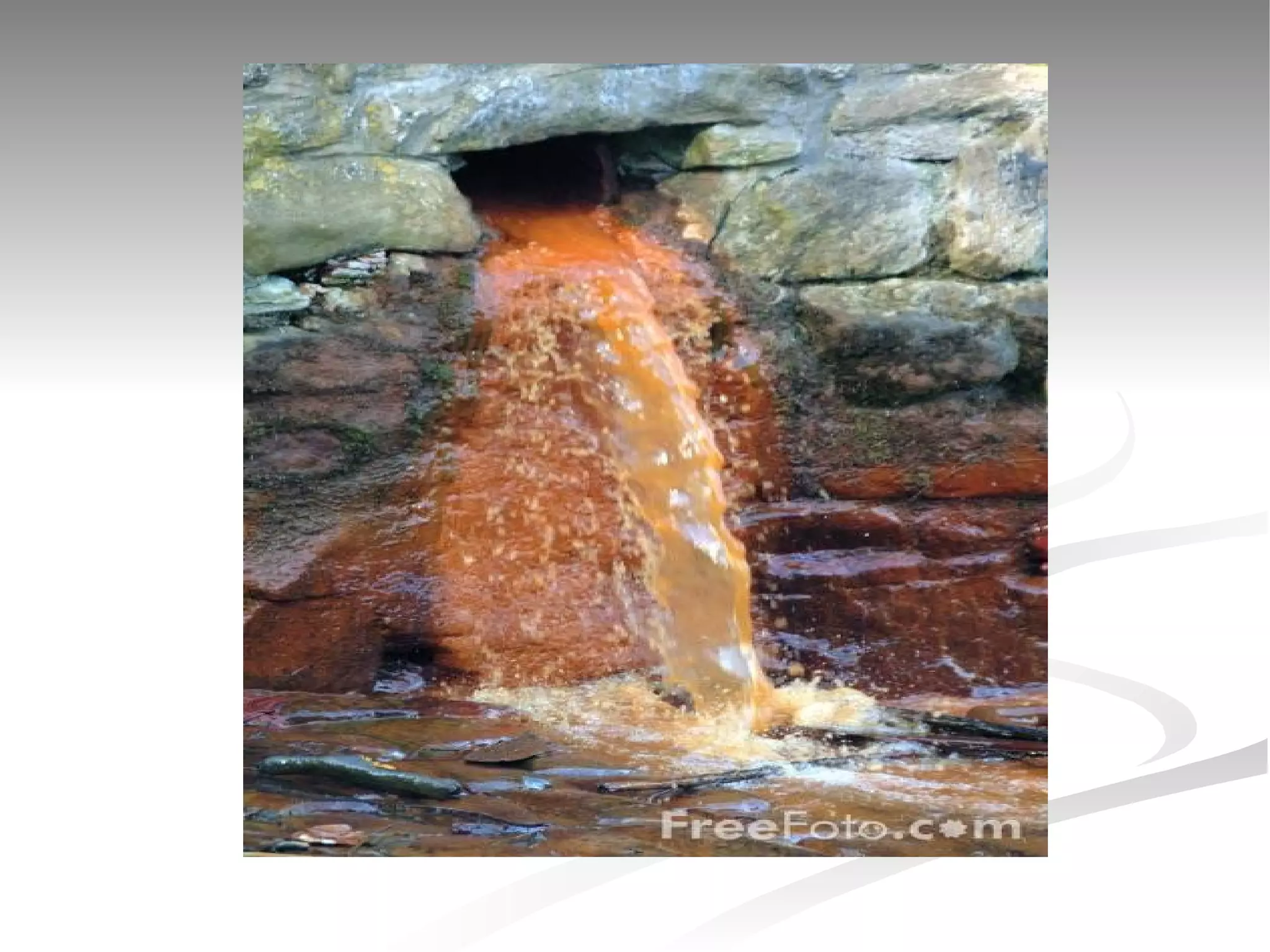
Due to this, pollutants enter groundwater, rivers, and other water bodies.  Such water, which ultimately ends up in our households, is often highly contaminated and carries disease-causing microbes.  Agricultural run-off, or the water from the fields that drains into rivers, is another major water pollutant as it contains fertilizers and pesticides .
 
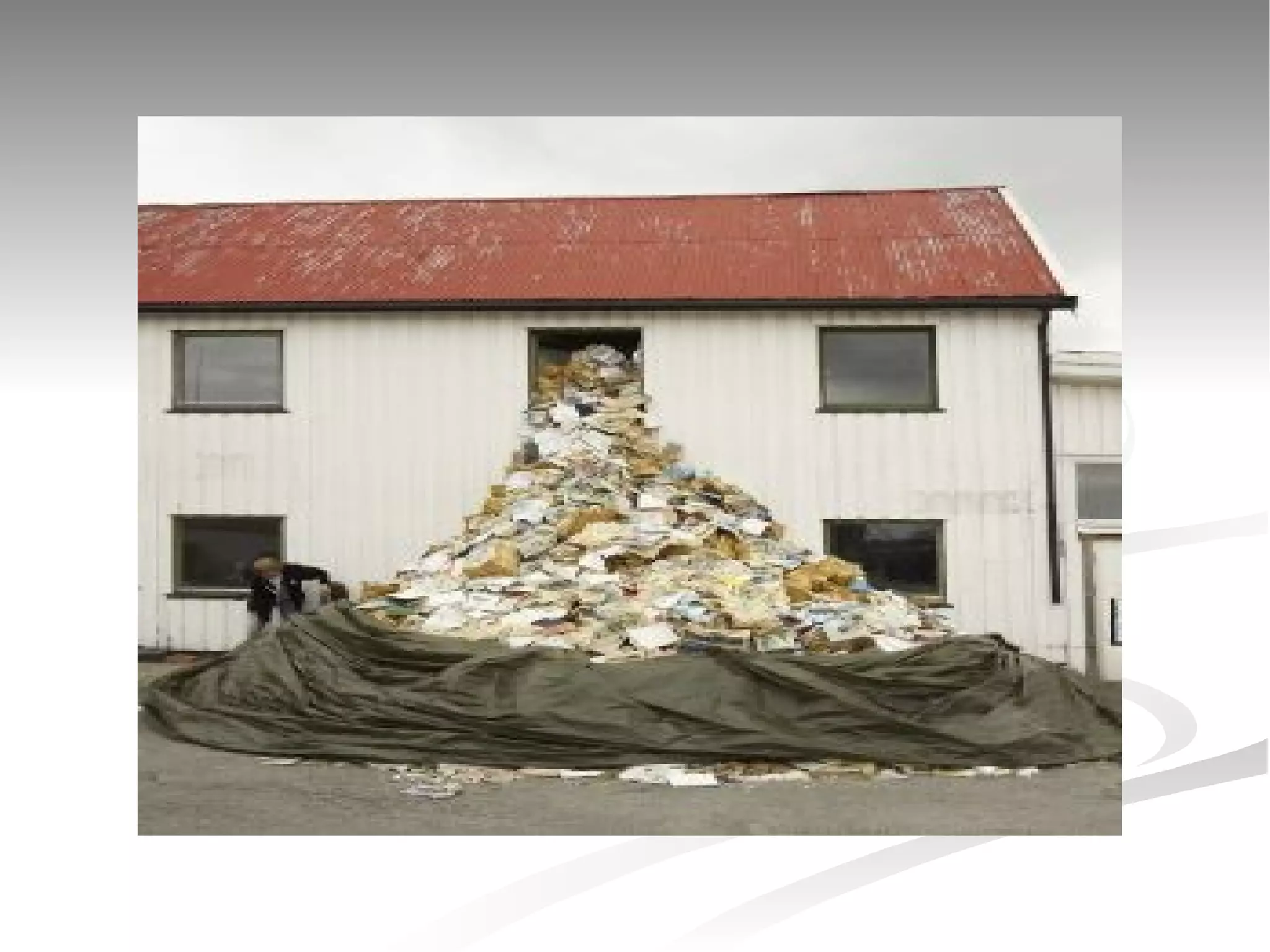
Land pollution Land pollution is the addition of undesirable matter to the land that damage the terrestrial organisms, reduce the uses of the land by man for agricultural, residential, recreational or other purposes or increase the risk of health hazards to man.
 
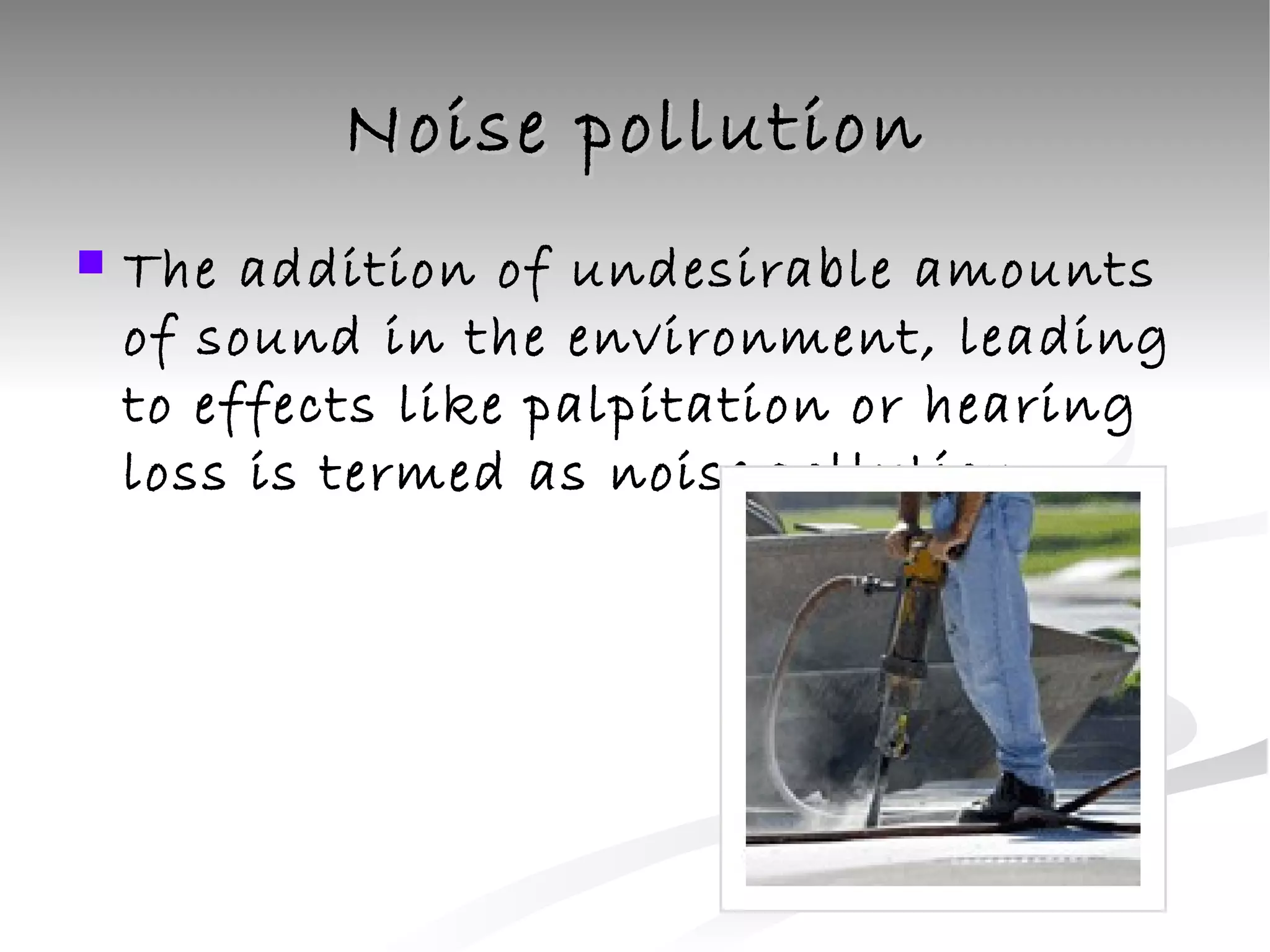
Noise pollution The addition of undesirable amounts of sound in the environment, leading to effects like palpitation or hearing loss is termed as noise pollution
Noise pollution

Pollution

  • 1.
  • 2.
    definition Pollution meansthe introduction of harmful substances or products into the environment
  • 3.
    Its types Airpollution Water pollution Land pollution Noise pollution
  • 4.
    lets discuss eachin brief…
  • 5.
    Air pollution Airpollution is made up of a mixture of gases and particles that have been re- leased into the atmosphere by man-made processes. Mainly from combustion of fossil fuels like coal, petrol or diesel i.e. from traffic emissions.
  • 6.
  • 7.
    Industrialization and urbanizationhave resulted in a profound deterioration of India's air quality. Of the 3 million premature deaths in the world that occur each year due to outdoor and indoor air pollution, the highest number are assessed to occur in India.
  • 8.
    According to theWorld Health Organization, the capital city of New Delhi is one of the top ten most polluted cities in the world. Surveys indicate that in New Delhi the incidence of respiratory diseases due to air pollution is about 12 times the national average .
  • 9.
  • 10.
    According to anotherstudy, vehicular pollution has increased eight times, while pollution from industries has quadrupled
  • 11.
    Water pollution Presencein water of harmful or objectionable material in sufficient quantity to measurably degrade water quality.
  • 12.
  • 13.
    Water pollution hasmany sources. The most polluting of them are the city sewage and industrial waste discharged into the rivers. The facilities to treat waste water are not adequate in any city in India. Presently, only about 10% of the waste water generated is treated; the rest is discharged as it is into our water bodies.
  • 14.
    Due to this,pollutants enter groundwater, rivers, and other water bodies. Such water, which ultimately ends up in our households, is often highly contaminated and carries disease-causing microbes. Agricultural run-off, or the water from the fields that drains into rivers, is another major water pollutant as it contains fertilizers and pesticides .
  • 15.
  • 16.
    Land pollution Landpollution is the addition of undesirable matter to the land that damage the terrestrial organisms, reduce the uses of the land by man for agricultural, residential, recreational or other purposes or increase the risk of health hazards to man.
  • 17.
  • 18.
    Noise pollution Theaddition of undesirable amounts of sound in the environment, leading to effects like palpitation or hearing loss is termed as noise pollution
  • 19.