PMO VALUE MODEL
• Cost Containment Model: Focus on Containing Cost
• Throughput Model: Meeting organisation Objectives. Any cost that is
not contributing to throughput is considered a waste.
• Options
• There is a limit to cost cutting or cost containment.
• There is no limit to throughput. Faster Completion aster ROI and less
interest accrued on the project investment until the return is
achieved
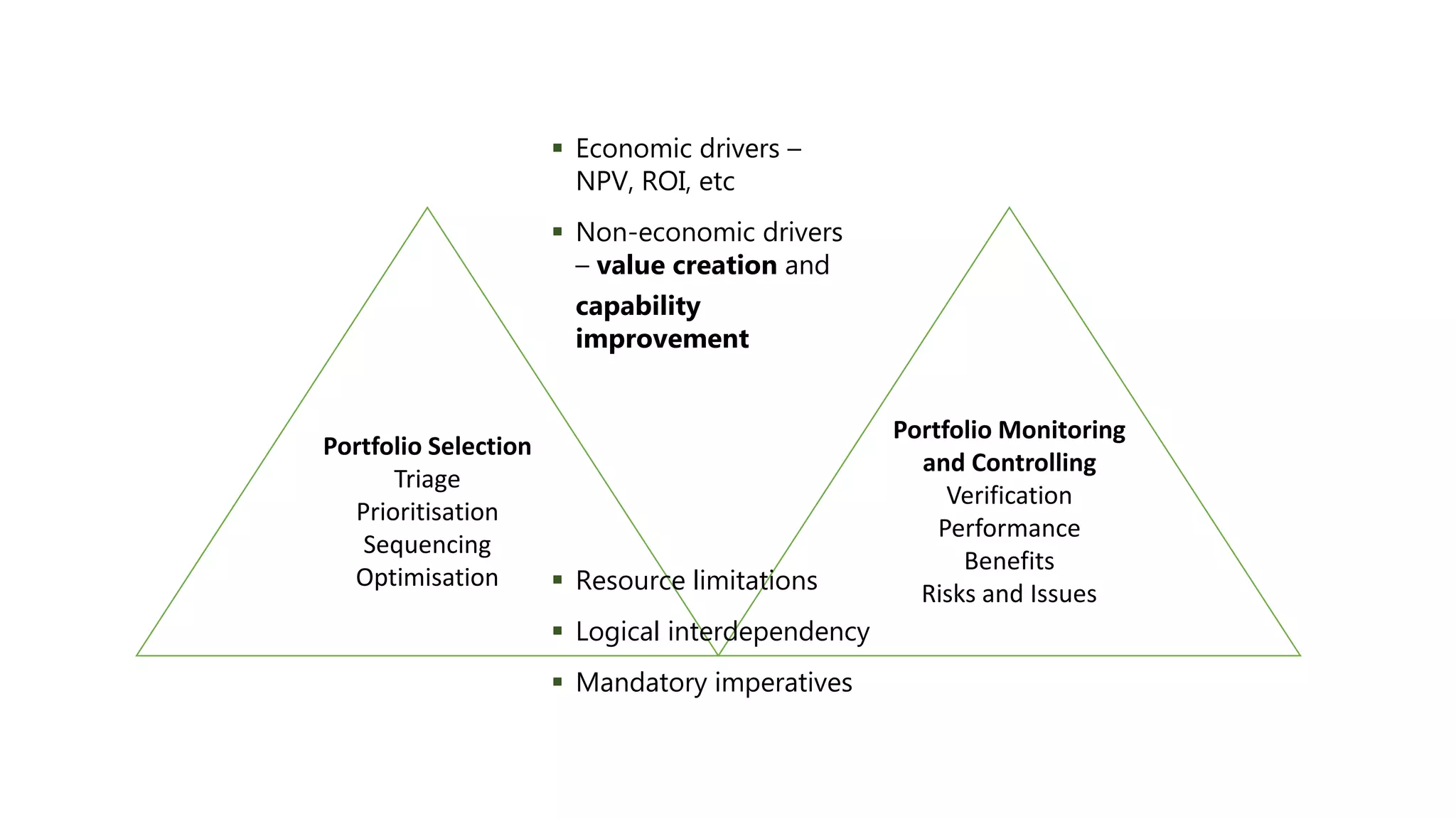
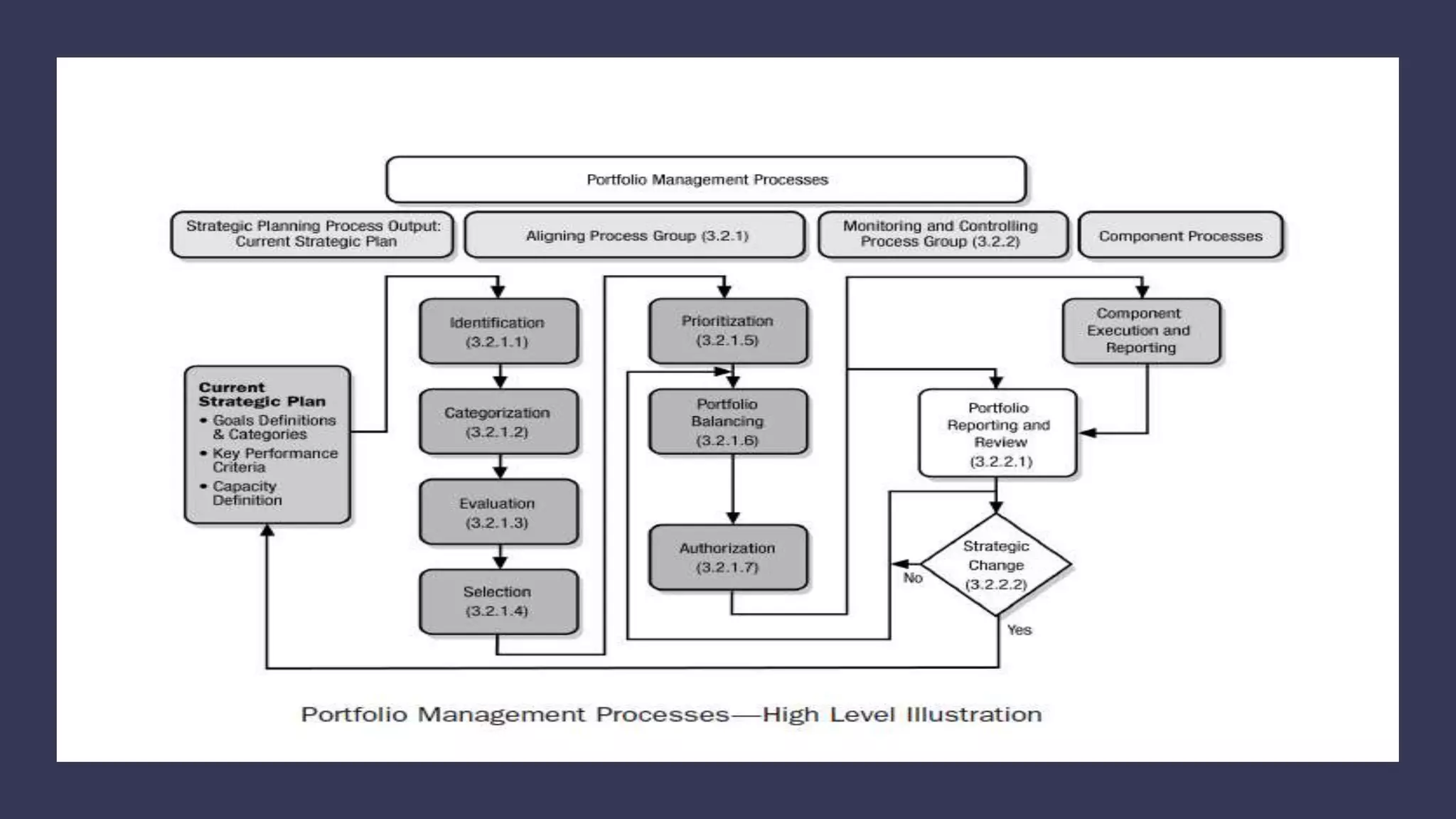
Portfolio Selection
Triage
Prioritisation
Sequencing
Optimisation
Portfolio Monitoring
and Controlling
Verification
Performance
Benefits
Risks and Issues
 Economic drivers –
NPV, ROI, etc
 Non-economic drivers
– value creation and
capability
improvement
 Resource limitations
 Logical interdependency
 Mandatory imperatives
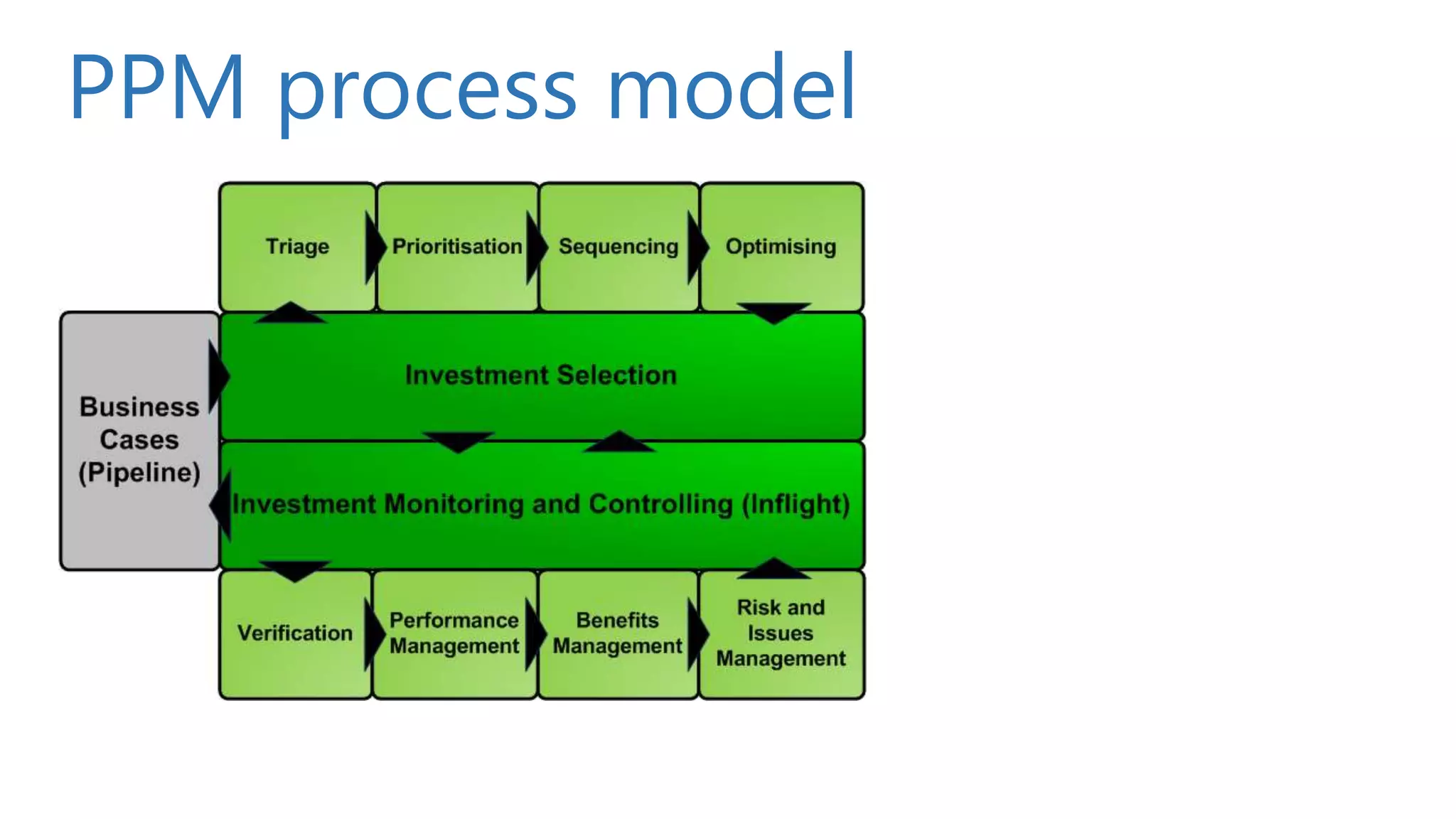
PPM process model
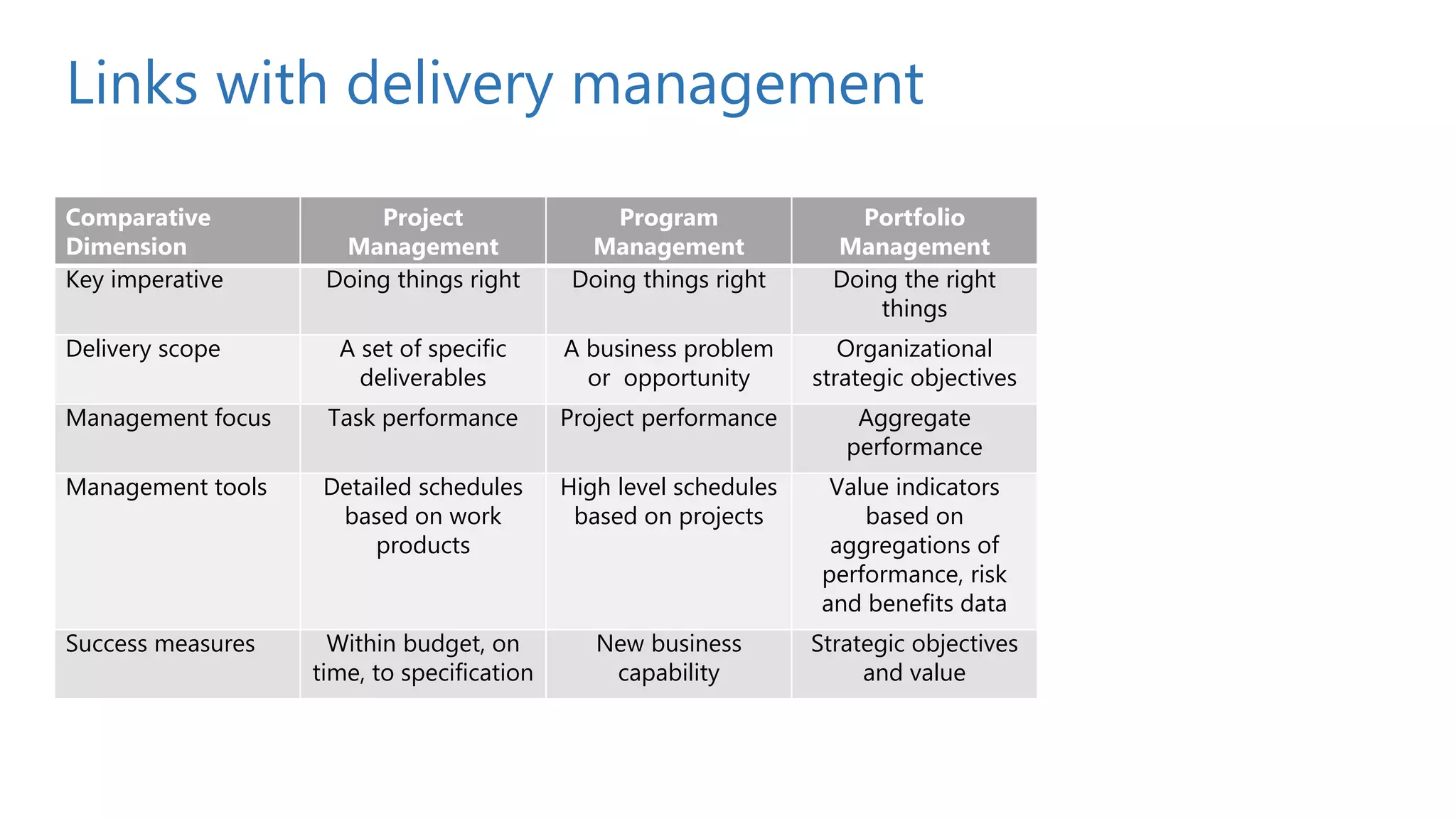
Links with delivery management
Comparative
Dimension
Project
Management
Program
Management
Portfolio
Management
Key imperative Doing things right Doing things right Doing the right
things
Delivery scope A set of specific
deliverables
A business problem
or opportunity
Organizational
strategic objectives
Management focus Task performance Project performance Aggregate
performance
Management tools Detailed schedules
based on work
products
High level schedules
based on projects
Value indicators
based on
aggregations of
performance, risk
and benefits data
Success measures Within budget, on
time, to specification
New business
capability
Strategic objectives
and value
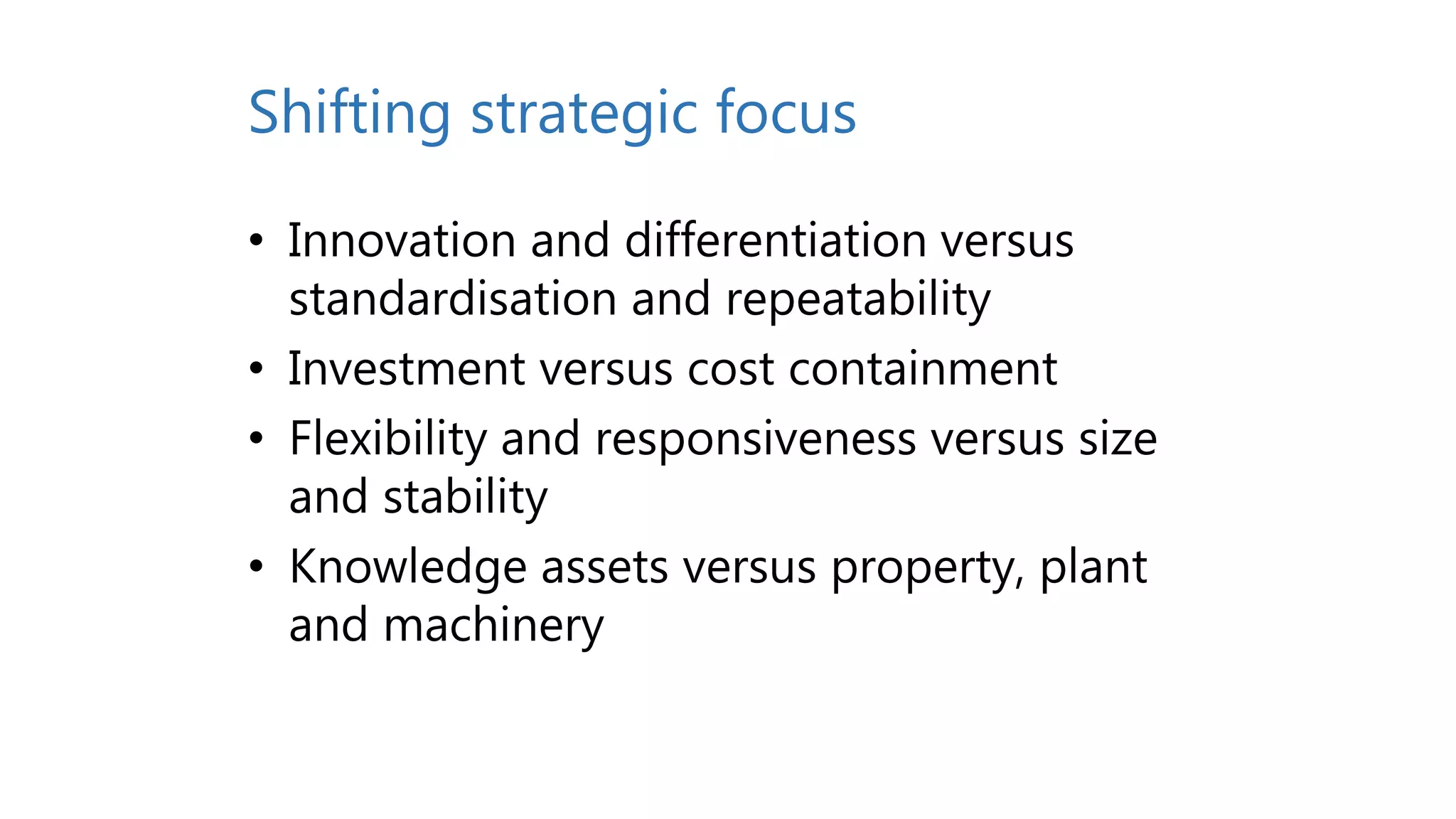
Shifting strategic focus
• Innovation and differentiation versus
standardisation and repeatability
• Investment versus cost containment
• Flexibility and responsiveness versus size
and stability
• Knowledge assets versus property, plant
and machinery
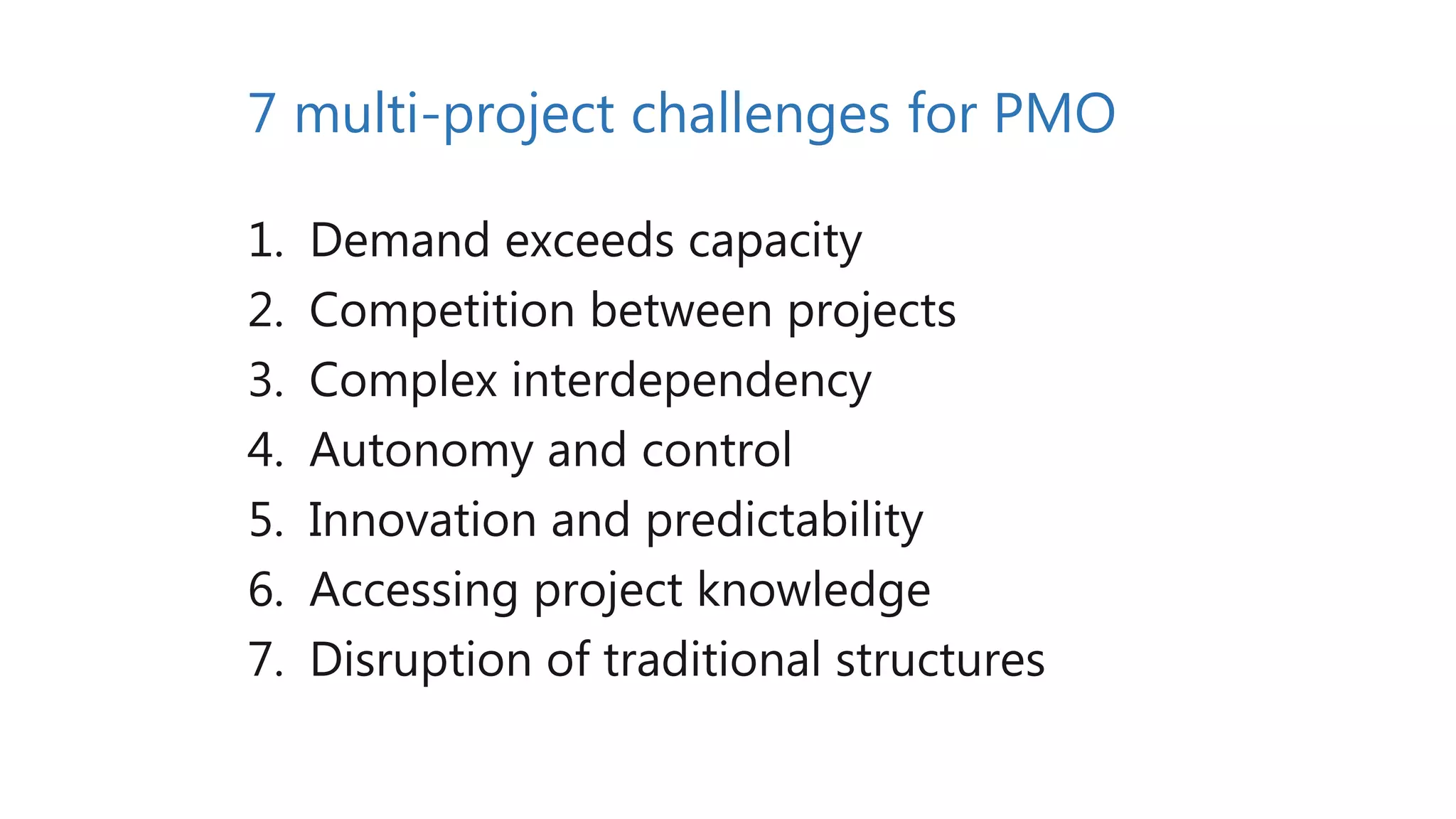
7 multi-project challenges for PMO
1. Demand exceeds capacity
2. Competition between projects
3. Complex interdependency
4. Autonomy and control
5. Innovation and predictability
6. Accessing project knowledge
7. Disruption of traditional structures
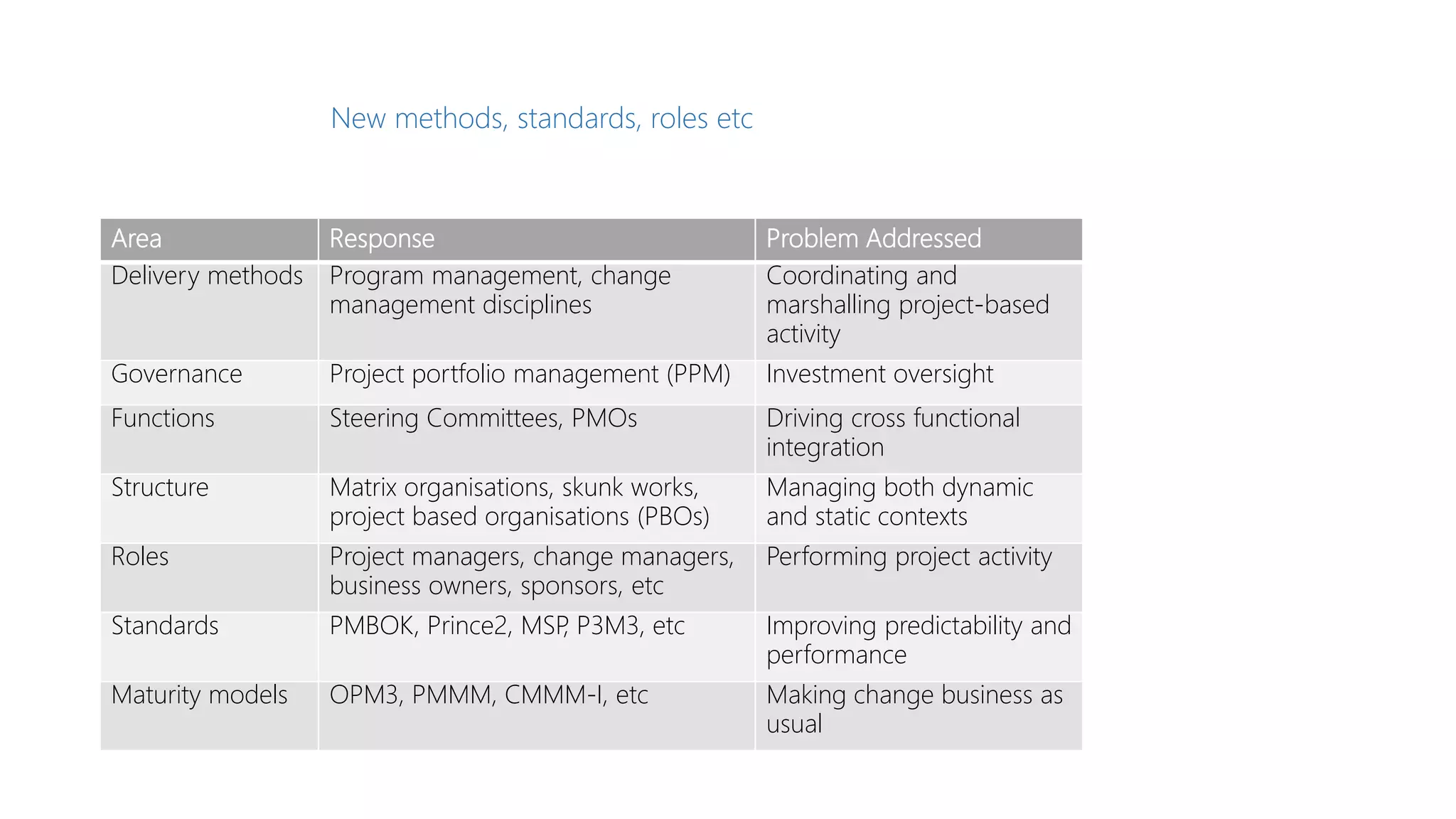
Area Response Problem Addressed
Delivery methods Program management, change
management disciplines
Coordinating and
marshalling project-based
activity
Governance Project portfolio management (PPM) Investment oversight
Functions Steering Committees, PMOs Driving cross functional
integration
Structure Matrix organisations, skunk works,
project based organisations (PBOs)
Managing both dynamic
and static contexts
Roles Project managers, change managers,
business owners, sponsors, etc
Performing project activity
Standards PMBOK, Prince2, MSP, P3M3, etc Improving predictability and
performance
Maturity models OPM3, PMMM, CMMM-I, etc Making change business as
usual
New methods, standards, roles etc
Types of approach
• Intuitive – management judgment, “gut feel”
• Reactive – reacting to external influences,
contingencies and constraints
• Proactive – strategic marketing to identify
projects to develop new products, etc
• Analytical –
– financial return
– multi-attribute models
– optimization models
Barriers to adoption
• Too complex and require too much input
data
• Inadequate treatment of risk
• Failure to recognize interrelationships
• No framework for organizing techniques
within an easily useable and flexible
process
• No consensus on which techniques are
most effective
• Strategic investment selection process
groups comprise:
– Triage
– Prioritisation
– Sequencing
– Optimising (or Risk Balancing)
Process groups
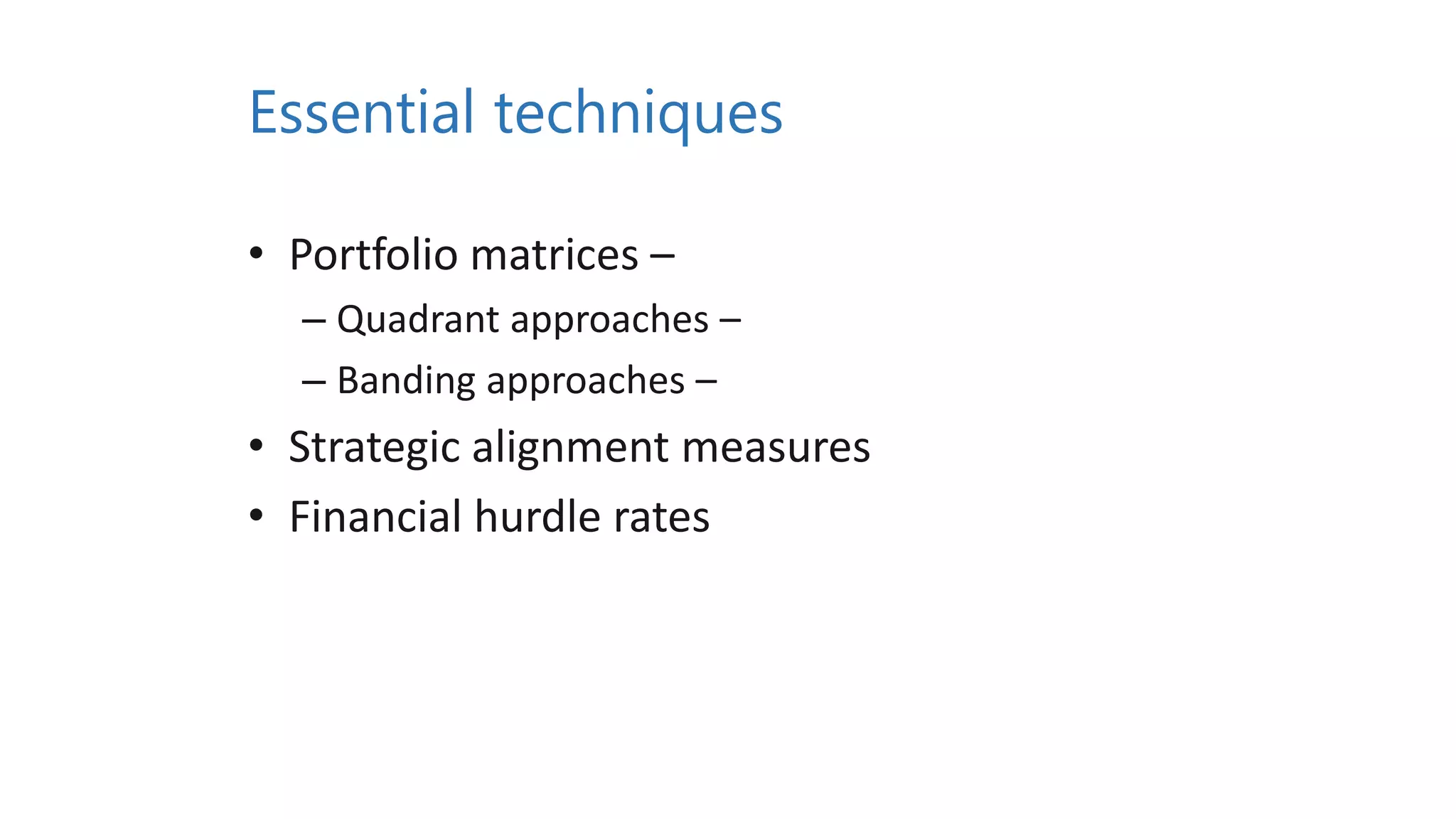
Essential techniques
• Portfolio matrices –
– Quadrant approaches –
– Banding approaches –
• Strategic alignment measures
• Financial hurdle rates
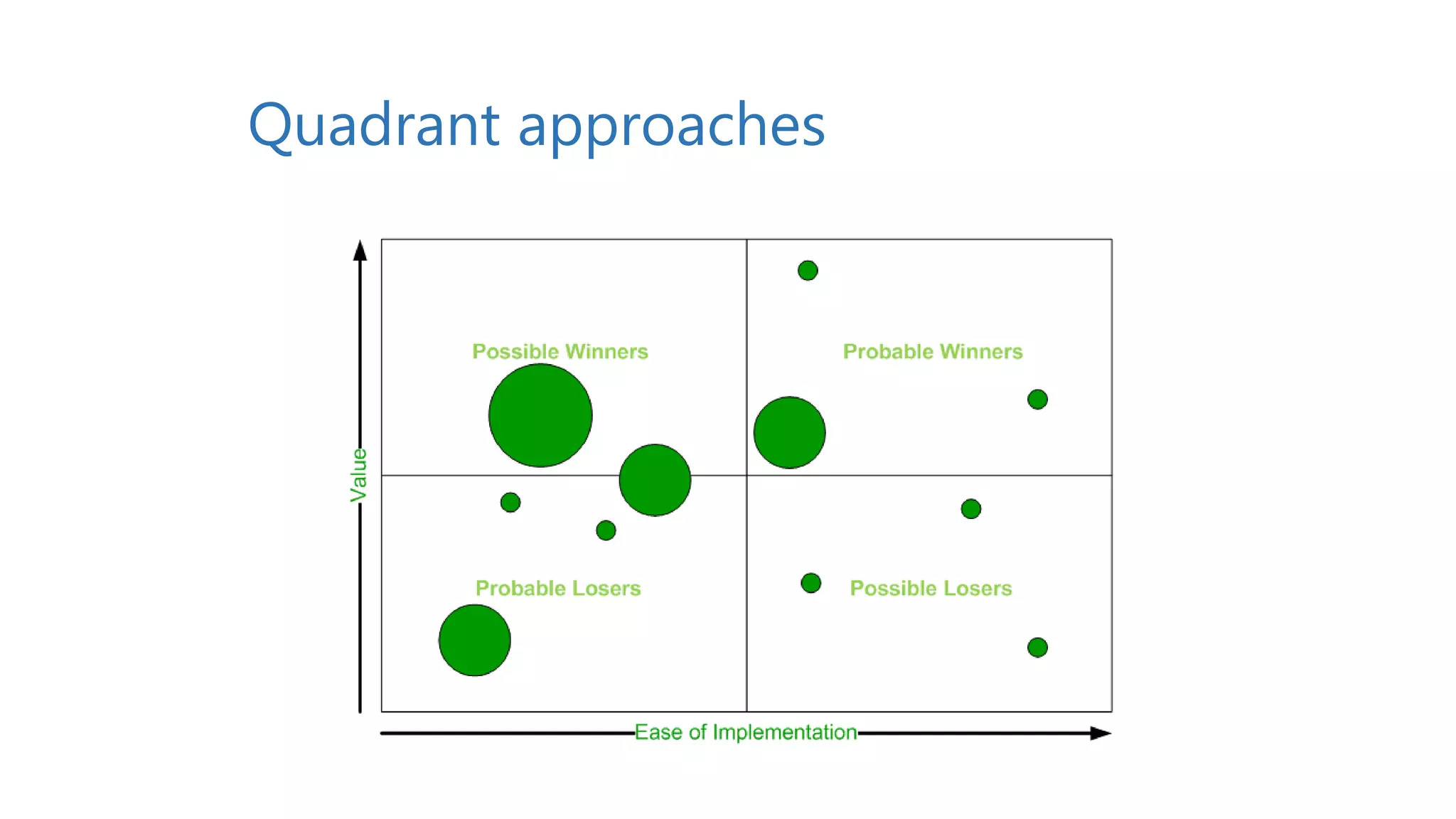
Quadrant approaches
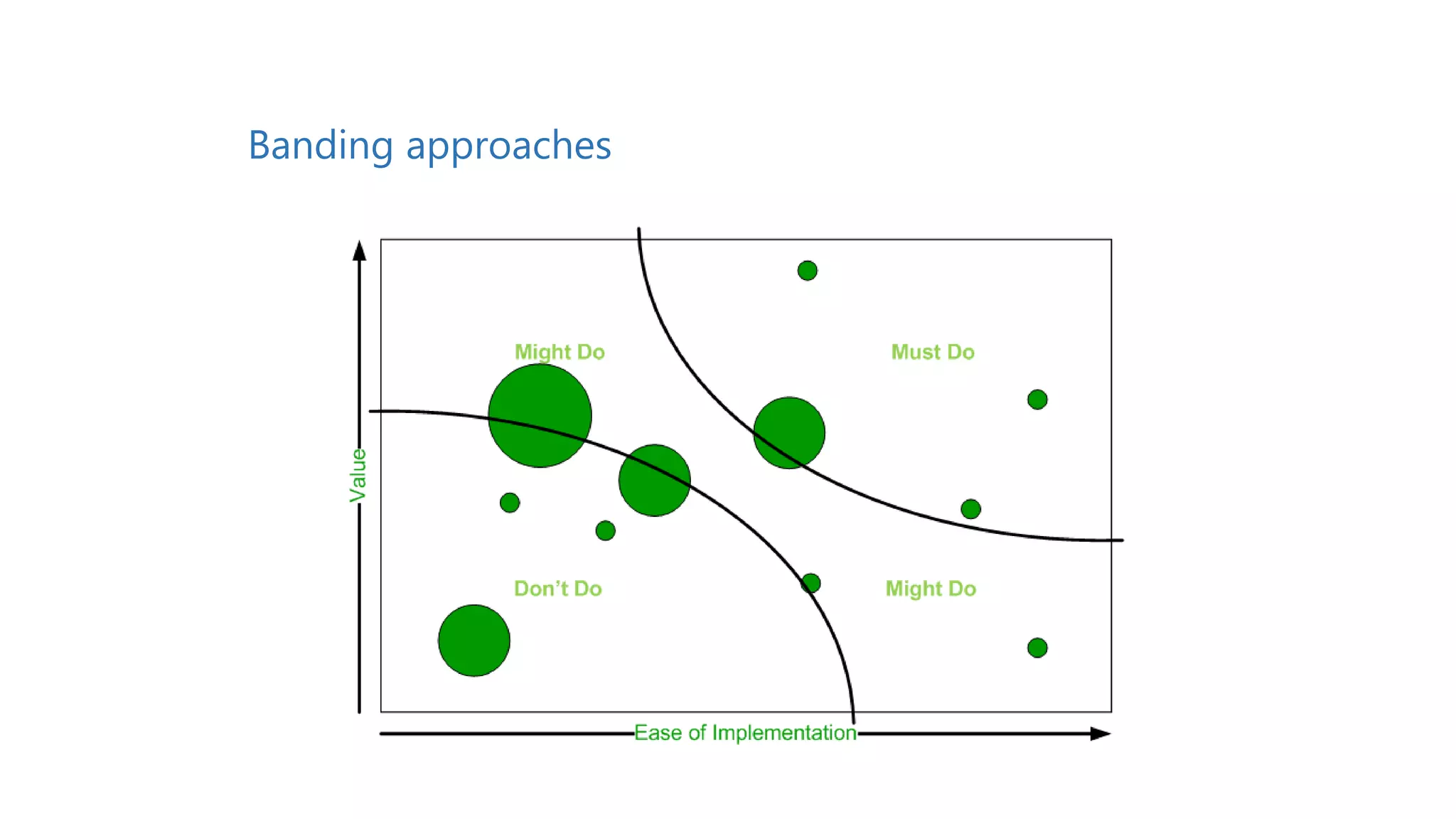
Banding approaches
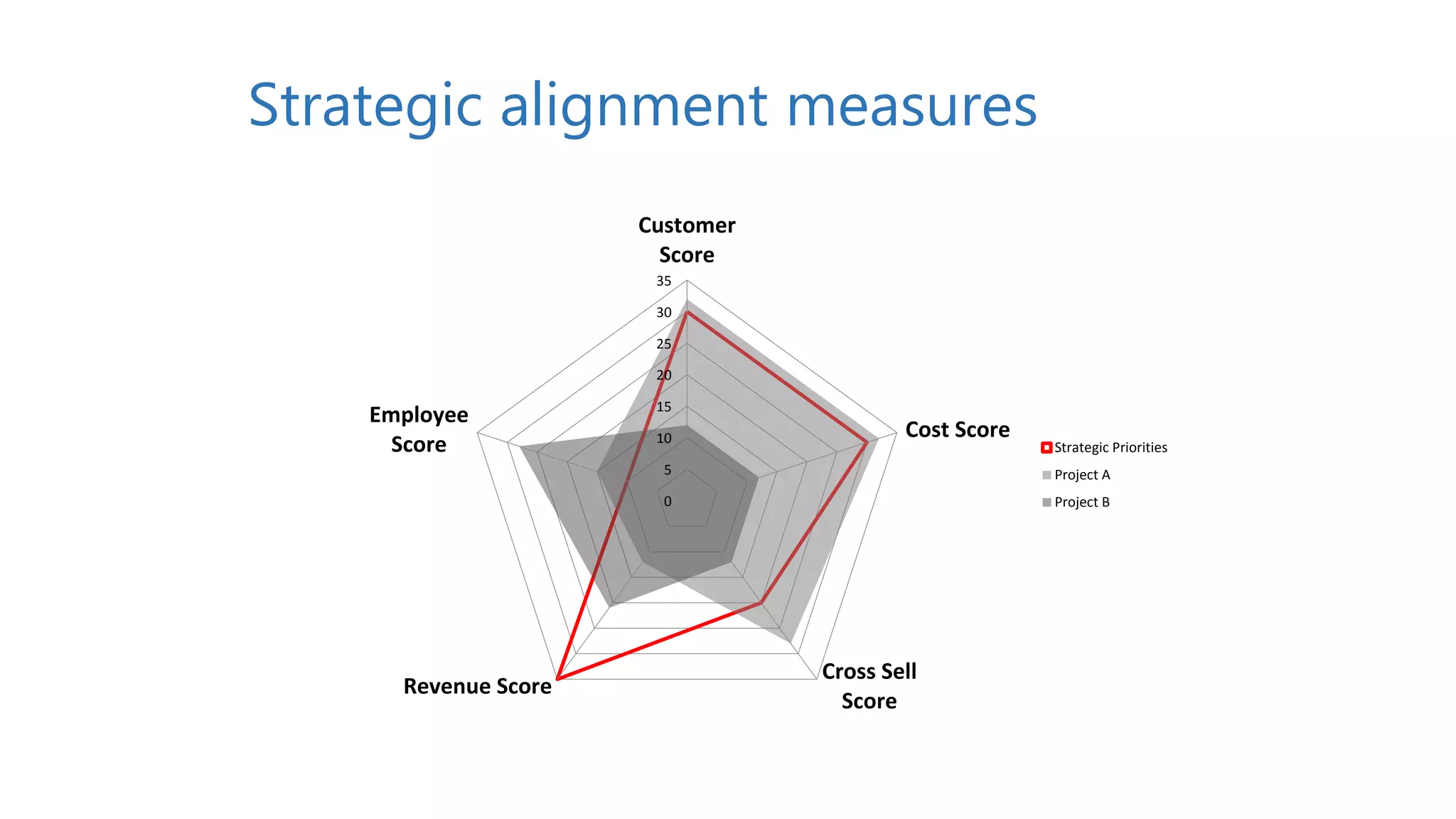
Strategic alignment measures
0
5
10
15
20
25
30
35
Customer
Score
Cost Score
Cross Sell
Score
Revenue Score
Employee
Score Strategic Priorities
Project A
Project B
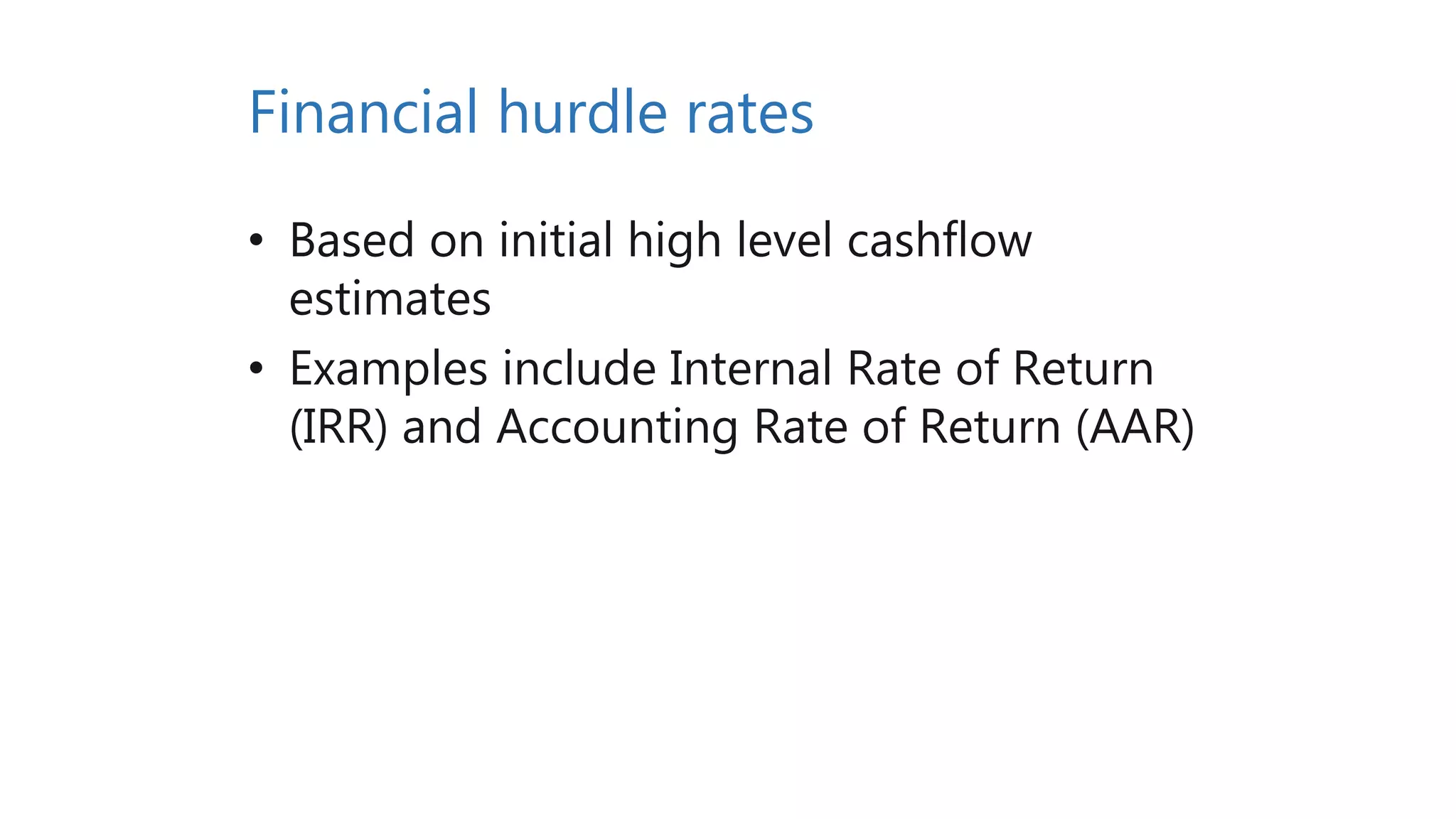
Financial hurdle rates
• Based on initial high level cashflow
estimates
• Examples include Internal Rate of Return
(IRR) and Accounting Rate of Return (AAR)
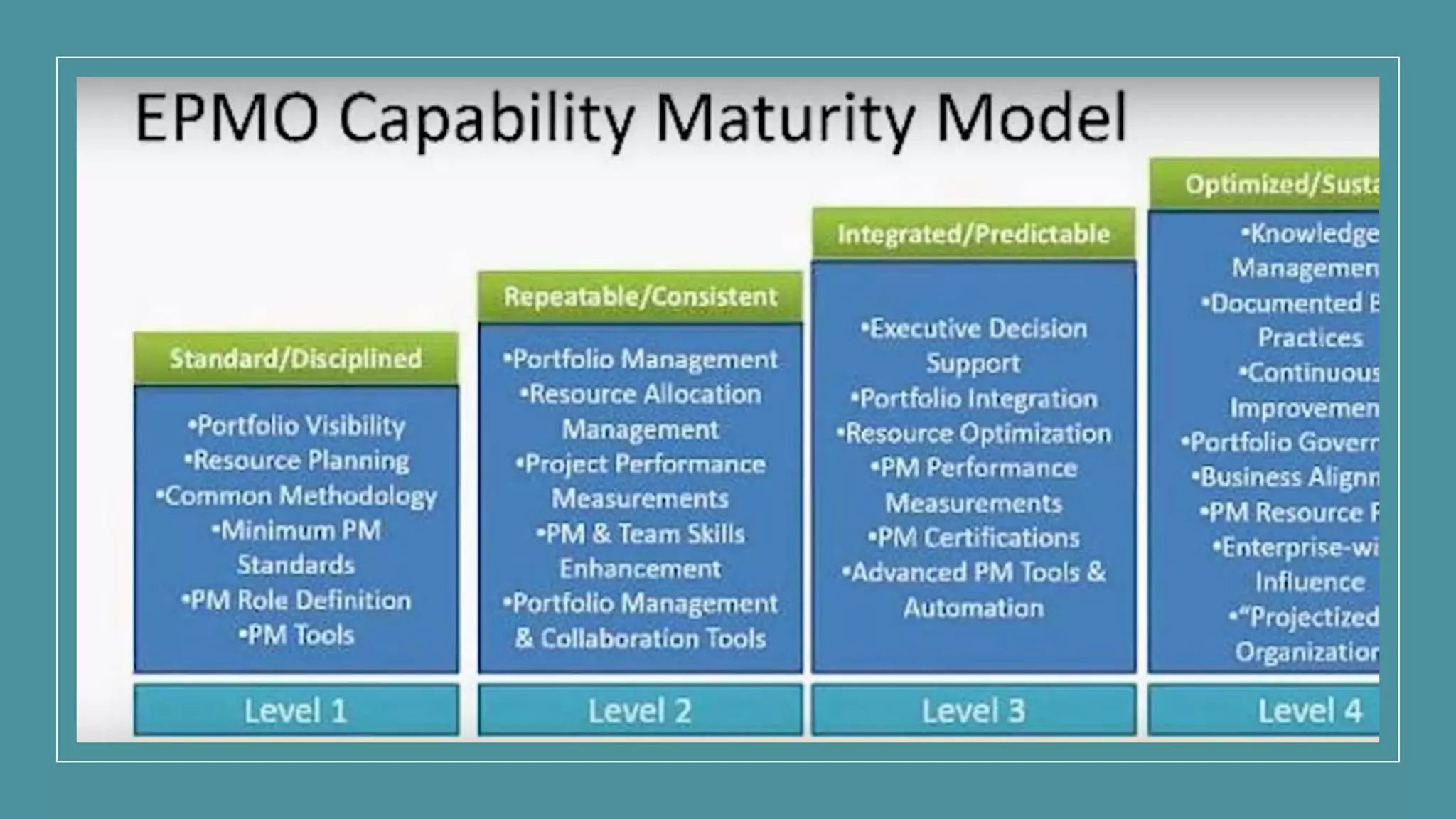
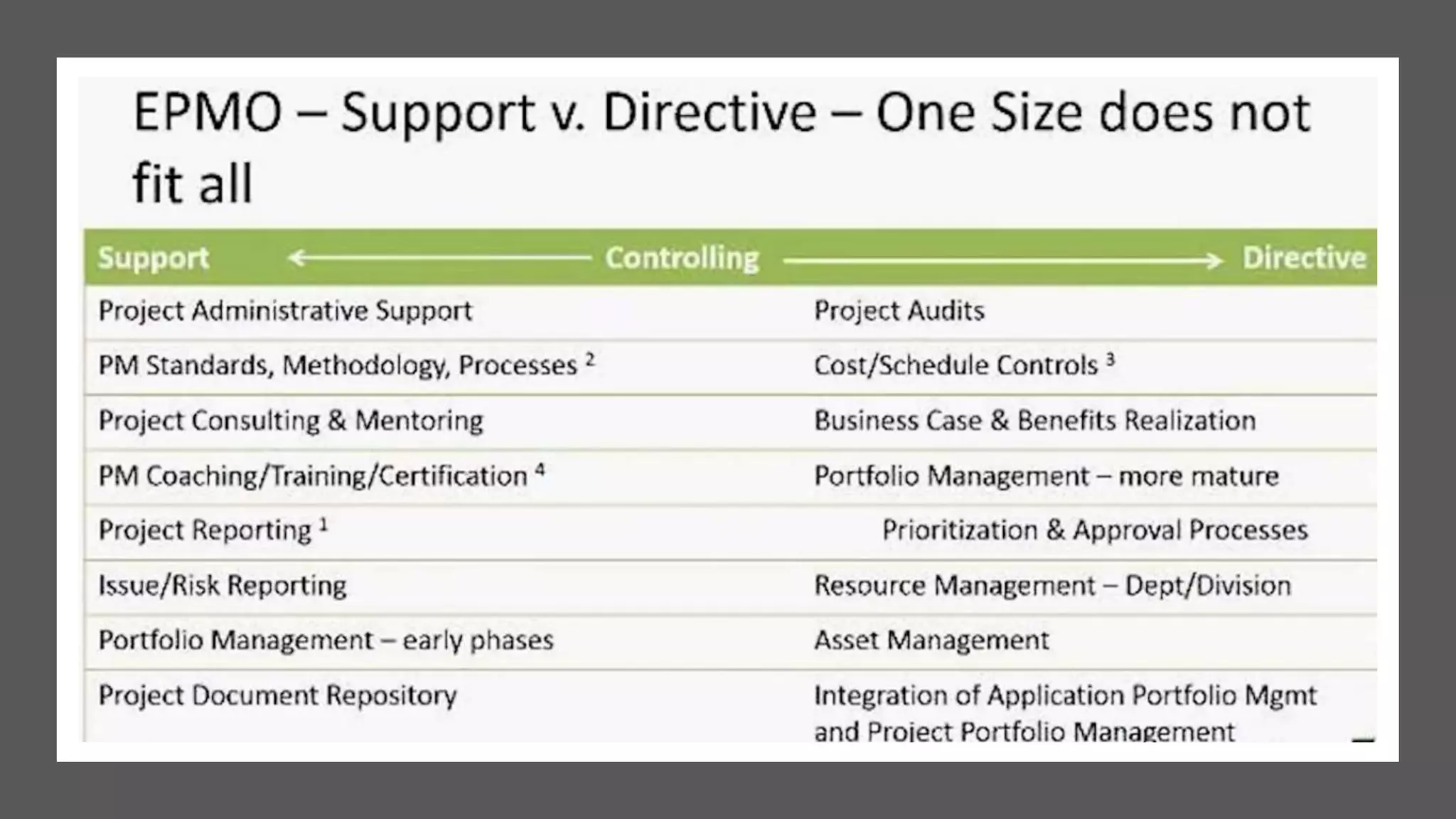
Pmo best practices
Pmo best practices
Pmo best practices
Pmo best practices
Pmo best practices
Pmo best practices
Pmo best practices
Pmo best practices
Pmo best practices
Pmo best practices

Pmo best practices

  • 2.
    PMO VALUE MODEL •Cost Containment Model: Focus on Containing Cost • Throughput Model: Meeting organisation Objectives. Any cost that is not contributing to throughput is considered a waste. • Options • There is a limit to cost cutting or cost containment. • There is no limit to throughput. Faster Completion aster ROI and less interest accrued on the project investment until the return is achieved
  • 3.
    Portfolio Selection Triage Prioritisation Sequencing Optimisation Portfolio Monitoring andControlling Verification Performance Benefits Risks and Issues  Economic drivers – NPV, ROI, etc  Non-economic drivers – value creation and capability improvement  Resource limitations  Logical interdependency  Mandatory imperatives
  • 4.
  • 5.
    Links with deliverymanagement Comparative Dimension Project Management Program Management Portfolio Management Key imperative Doing things right Doing things right Doing the right things Delivery scope A set of specific deliverables A business problem or opportunity Organizational strategic objectives Management focus Task performance Project performance Aggregate performance Management tools Detailed schedules based on work products High level schedules based on projects Value indicators based on aggregations of performance, risk and benefits data Success measures Within budget, on time, to specification New business capability Strategic objectives and value
  • 6.
    Shifting strategic focus •Innovation and differentiation versus standardisation and repeatability • Investment versus cost containment • Flexibility and responsiveness versus size and stability • Knowledge assets versus property, plant and machinery
  • 7.
    7 multi-project challengesfor PMO 1. Demand exceeds capacity 2. Competition between projects 3. Complex interdependency 4. Autonomy and control 5. Innovation and predictability 6. Accessing project knowledge 7. Disruption of traditional structures
  • 8.
    Area Response ProblemAddressed Delivery methods Program management, change management disciplines Coordinating and marshalling project-based activity Governance Project portfolio management (PPM) Investment oversight Functions Steering Committees, PMOs Driving cross functional integration Structure Matrix organisations, skunk works, project based organisations (PBOs) Managing both dynamic and static contexts Roles Project managers, change managers, business owners, sponsors, etc Performing project activity Standards PMBOK, Prince2, MSP, P3M3, etc Improving predictability and performance Maturity models OPM3, PMMM, CMMM-I, etc Making change business as usual New methods, standards, roles etc
  • 9.
    Types of approach •Intuitive – management judgment, “gut feel” • Reactive – reacting to external influences, contingencies and constraints • Proactive – strategic marketing to identify projects to develop new products, etc • Analytical – – financial return – multi-attribute models – optimization models
  • 10.
    Barriers to adoption •Too complex and require too much input data • Inadequate treatment of risk • Failure to recognize interrelationships • No framework for organizing techniques within an easily useable and flexible process • No consensus on which techniques are most effective
  • 11.
    • Strategic investmentselection process groups comprise: – Triage – Prioritisation – Sequencing – Optimising (or Risk Balancing) Process groups
  • 13.
    Essential techniques • Portfoliomatrices – – Quadrant approaches – – Banding approaches – • Strategic alignment measures • Financial hurdle rates
  • 14.
  • 15.
  • 16.
    Strategic alignment measures 0 5 10 15 20 25 30 35 Customer Score CostScore Cross Sell Score Revenue Score Employee Score Strategic Priorities Project A Project B
  • 17.
    Financial hurdle rates •Based on initial high level cashflow estimates • Examples include Internal Rate of Return (IRR) and Accounting Rate of Return (AAR)