DREAM ZONE
DEPARTMENT OF FASHION
DESIGN
PRESENTED BY:
NUSHRATH FIRDOUSE
UNDER THE GUIDANCE OF:
BHAVANA.R
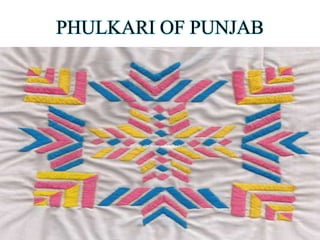
PHULKARI OF PUNJAB
INTRODUCTION
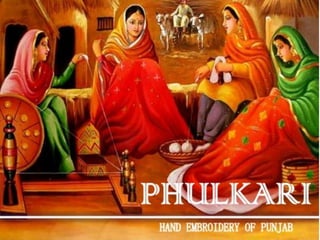
 Originated from Punjab.
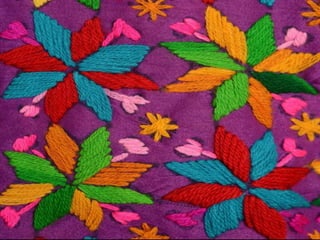
 Literally meaning “flower work”.
 Phulkari was a part of every important
moment of local life and a means of
socializing .
 Purely a domestic art which not only
satisfied their inner urge for creation but
brought color into day-to-day life.
HISTORY
 Birth of this handicraft was basic necessity and
family culture and not artistic purpose.
This was never fabricated for sale.
Each regional group is identifiable by it’s unique
embroidery work.
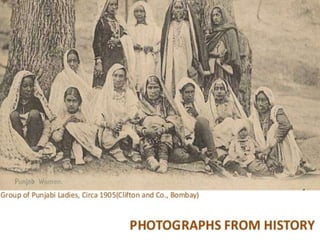
Phulkari word indicates shawls that were loomed
and embroidered to cover woman’s head or to be
displayed in Gurudwara.
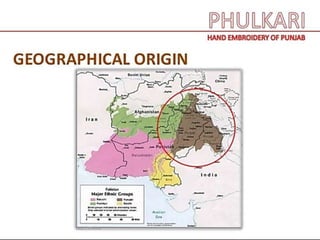
It is rural tradition of handmade embroidery in north
west India and Pakistan during 19th century and
early 20th (geographically specific)Khaddar threads
were the naturally loomed dyed threads.
TYPES OF PHULKARI
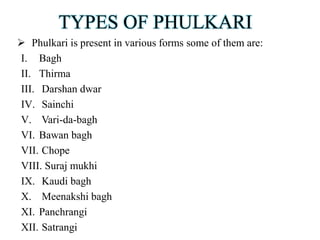
 Phulkari is present in various forms some of them are:
I. Bagh
II. Thirma
III. Darshan dwar
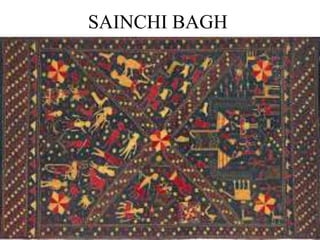
IV. Sainchi
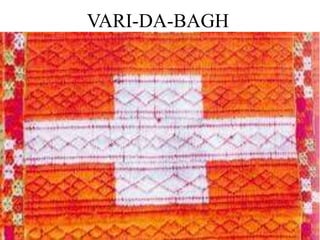
V. Vari-da-bagh
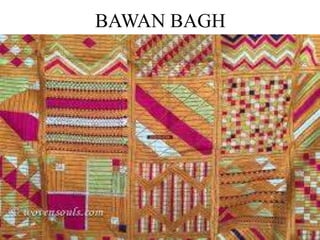
VI. Bawan bagh
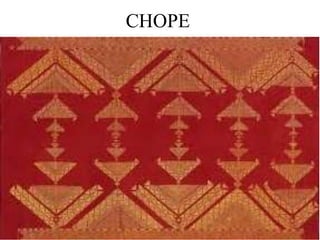
VII. Chope
VIII. Suraj mukhi
IX. Kaudi bagh
X. Meenakshi bagh
XI. Panchrangi
XII. Satrangi
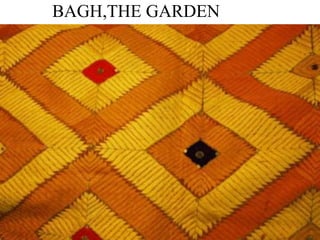
BAGH,THE GARDEN
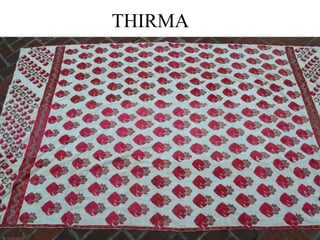
THIRMA
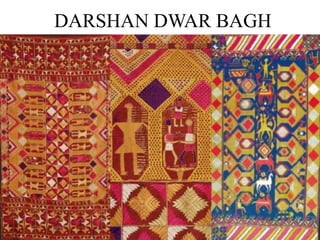
DARSHAN DWAR BAGH
SAINCHI BAGH
VARI-DA-BAGH
BAWAN BAGH
CHOPE
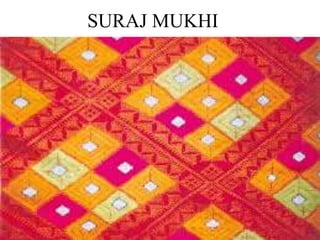
SURAJ MUKHI
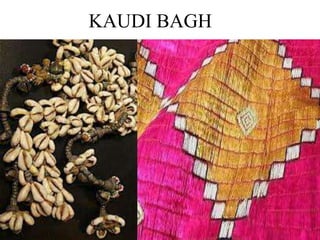
KAUDI BAGH
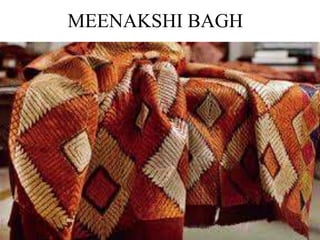
MEENAKSHI BAGH
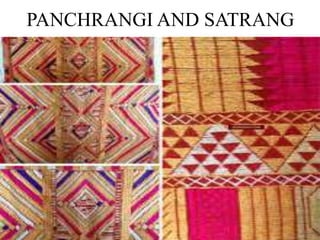
PANCHRANGI AND SATRANG
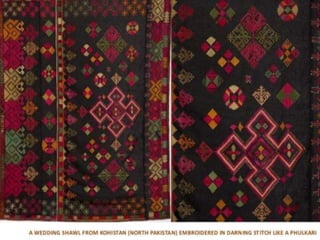
MOTIF
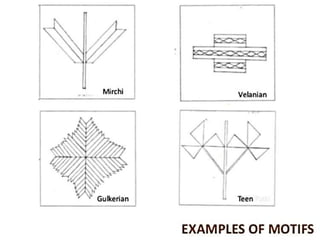
 Women developed various motifs with inspiration from
vegetables, flowers, animals they had Karela, gobhi,
dhaniya, mirchi bagh.
 Everything was inspired from the daily life.
 Lehariya bagh (wave), satranga and pachranga .
 Mor bagh (peacock).
 Most common and beautiful are inspired from
wheat/barley stalks .
 Recent new motifs are parantha (originally eight colors),
kanchan design, butti design.
COLORS & SHAPES
 Done with vertical, horizontal and diagonal stitches .
 No different shades are used for shading purpose .
 Shiny thread reflects different shades in different
directions.
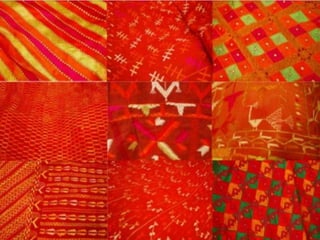
 Most favored color is red and it’s shades because bagh
and phulkari are used during marriage and festivals.
 Main colors are yellow, orange, red, green, pink, blue and
white.
 Other colors are brown, blue, black .
 White was used in bagh by elderly ladies.
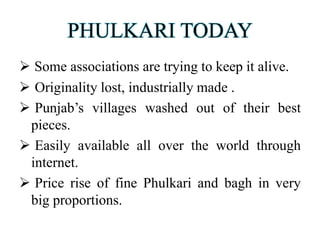
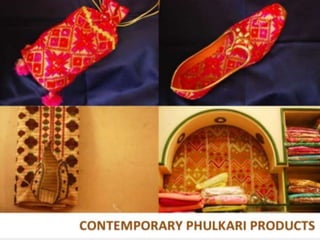
PHULKARI TODAY
 Some associations are trying to keep it alive.
 Originality lost, industrially made .
 Punjab’s villages washed out of their best
pieces.
 Easily available all over the world through
internet.
 Price rise of fine Phulkari and bagh in very
big proportions.
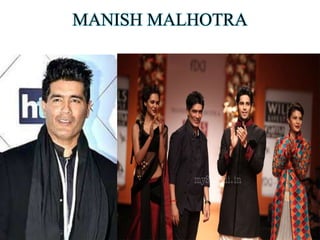
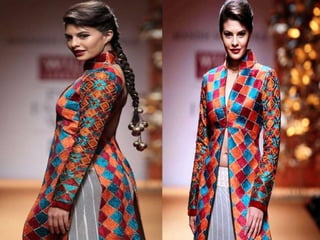
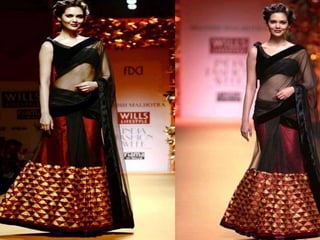
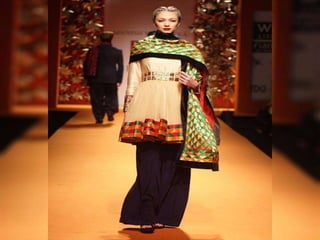
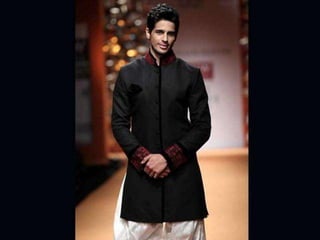
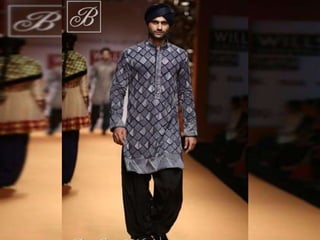
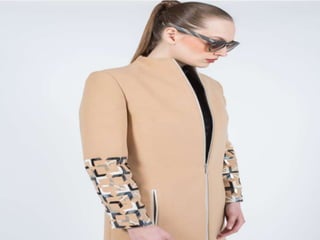
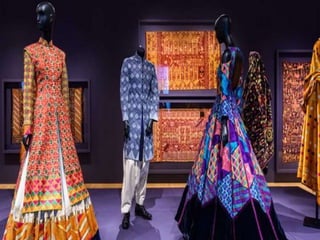
MANISH MALHOTRA
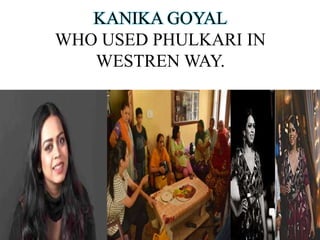
KANIKA GOYAL
WHO USED PHULKARI IN
WESTREN WAY.
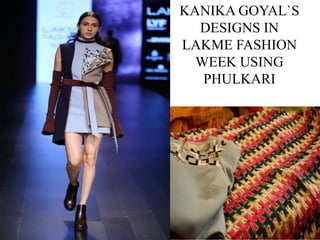
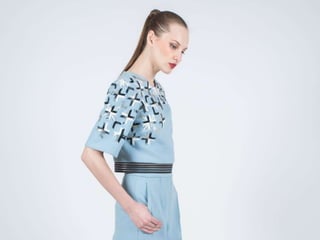
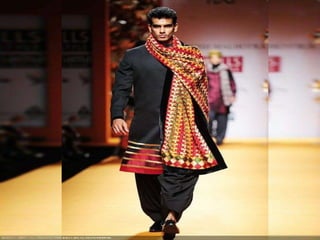
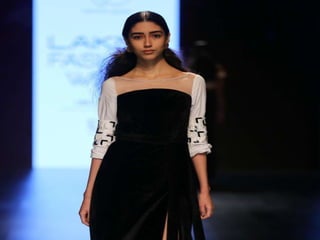
KANIKA GOYAL`S
DESIGNS IN
LAKME FASHION
WEEK USING
PHULKARI
THANK YOU

Phulkari

  • 1.
    DREAM ZONE DEPARTMENT OFFASHION DESIGN PRESENTED BY: NUSHRATH FIRDOUSE UNDER THE GUIDANCE OF: BHAVANA.R
  • 3.
  • 4.
    INTRODUCTION  Originated fromPunjab.  Literally meaning “flower work”.  Phulkari was a part of every important moment of local life and a means of socializing .  Purely a domestic art which not only satisfied their inner urge for creation but brought color into day-to-day life.
  • 7.
    HISTORY  Birth ofthis handicraft was basic necessity and family culture and not artistic purpose. This was never fabricated for sale. Each regional group is identifiable by it’s unique embroidery work. Phulkari word indicates shawls that were loomed and embroidered to cover woman’s head or to be displayed in Gurudwara. It is rural tradition of handmade embroidery in north west India and Pakistan during 19th century and early 20th (geographically specific)Khaddar threads were the naturally loomed dyed threads.
  • 9.
    TYPES OF PHULKARI Phulkari is present in various forms some of them are: I. Bagh II. Thirma III. Darshan dwar IV. Sainchi V. Vari-da-bagh VI. Bawan bagh VII. Chope VIII. Suraj mukhi IX. Kaudi bagh X. Meenakshi bagh XI. Panchrangi XII. Satrangi
  • 10.
  • 11.
  • 12.
  • 13.
  • 14.
  • 15.
  • 16.
  • 17.
  • 18.
  • 19.
  • 20.
  • 21.
    MOTIF  Women developedvarious motifs with inspiration from vegetables, flowers, animals they had Karela, gobhi, dhaniya, mirchi bagh.  Everything was inspired from the daily life.  Lehariya bagh (wave), satranga and pachranga .  Mor bagh (peacock).  Most common and beautiful are inspired from wheat/barley stalks .  Recent new motifs are parantha (originally eight colors), kanchan design, butti design.
  • 23.
    COLORS & SHAPES Done with vertical, horizontal and diagonal stitches .  No different shades are used for shading purpose .  Shiny thread reflects different shades in different directions.  Most favored color is red and it’s shades because bagh and phulkari are used during marriage and festivals.  Main colors are yellow, orange, red, green, pink, blue and white.  Other colors are brown, blue, black .  White was used in bagh by elderly ladies.
  • 25.
    PHULKARI TODAY  Someassociations are trying to keep it alive.  Originality lost, industrially made .  Punjab’s villages washed out of their best pieces.  Easily available all over the world through internet.  Price rise of fine Phulkari and bagh in very big proportions.
  • 28.
  • 36.
    KANIKA GOYAL WHO USEDPHULKARI IN WESTREN WAY.
  • 37.
    KANIKA GOYAL`S DESIGNS IN LAKMEFASHION WEEK USING PHULKARI
  • 41.