












Textbook of Pharmacoepidemiology
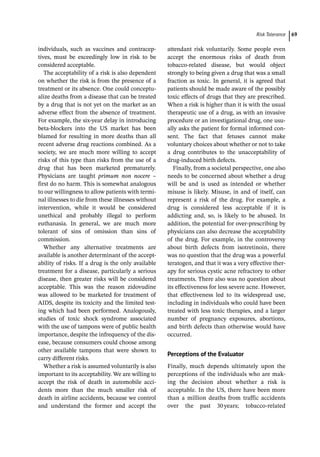
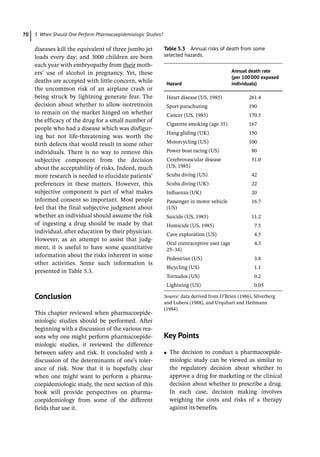
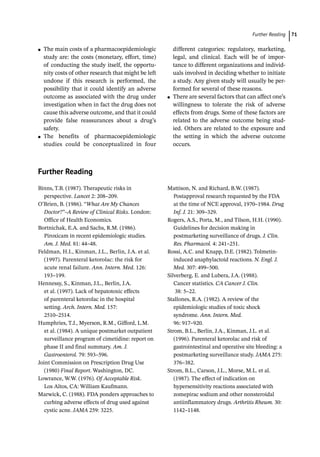
Third Edition
Edited by
Brian L. Strom, MD, MPH
Chancellor, Rutgers Biomedical & Health Sciences
Executive Vice President for Health Affairs
University Professor
Rutgers, The State University of New Jersey
Newark, NJ, USA
Stephen E. Kimmel, MD, MSCE
Dean’s Professor and Chair of Epidemiology
College of Public Health and Health Professions and College of Medicine
University of Florida
Gainesville, FL, USA
Sean Hennessy, PharmD, PhD
Professor of Epidemiology
Director, Center for Pharmacoepidemiology Research and Training
University of Pennsylvania Perelman School of Medicine
Philadelphia, PA, USA
This edition first published 2022
© 2022 John Wiley & Sons Ltd
Edition History
John Wiley & Sons Ltd (1e, 2006);
John Wiley & Sons Ltd (2e, 2013)
All rights reserved. No part of this publication may be reproduced, stored in a retrieval system, or transmitted, in any form or by
any means, electronic, mechanical, photocopying, recording or otherwise, except as permitted by law. Advice on how to obtain
permission to reuse material from this title is available at http://www.wiley.com/go/permissions.
The right of Brian L. Strom, Stephen E. Kimmel, Sean Hennessy to be identified as the authors of the editorial material in this work
has been asserted in accordance with law.
Registered Offices
John Wiley & Sons, Inc., 111 River Street, Hoboken, NJ 07030, USA
John Wiley & Sons Ltd, The Atrium, Southern Gate, Chichester, West Sussex, PO19 8SQ, UK
Editorial Office
9600 Garsington Road, Oxford, OX4 2DQ, UK
For details of our global editorial offices, customer services, and more information about Wiley products visit us at www.wiley.com.
Wiley also publishes its books in a variety of electronic formats and by print-­
on-­
demand. Some content that appears in standard
print versions of this book may not be available in other formats.
Limit of Liability/Disclaimer of Warranty
The contents of this work are intended to further general scientific research, understanding, and discussion only and are not
intended and should not be relied upon as recommending or promoting scientific method, diagnosis, or treatment by physicians
for any particular patient. In view of ongoing research, equipment modifications, changes in governmental regulations, and the
constant flow of information relating to the use of medicines, equipment, and devices, the reader is urged to review and evaluate
the information provided in the package insert or instructions for each medicine, equipment, or device for, among other things,
any changes in the instructions or indication of usage and for added warnings and precautions. While the publisher and authors
have used their best efforts in preparing this work, they make no representations or warranties with respect to the accuracy or
completeness of the contents of this work and specifically disclaim all warranties, including without limitation any implied
warranties of merchantability or fitness for a particular purpose. No warranty may be created or extended by sales representatives,
written sales materials or promotional statements for this work. The fact that an organization, website, or product is referred to in
this work as a citation and/or potential source of further information does not mean that the publisher and authors endorse the
information or services the organization, website, or product may provide or recommendations it may make. This work is sold with
the understanding that the publisher is not engaged in rendering professional services. The advice and strategies contained herein
may not be suitable for your situation. You should consult with a specialist where appropriate. Further, readers should be aware that
websites listed in this work may have changed or disappeared between when this work was written and when it is read. Neither the
publisher nor authors shall be liable for any loss of profit or any other commercial damages, including but not limited to special,
incidental, consequential, or other damages.
Library of Congress Cataloging-­
in-­
Publication Data
Names: Strom, Brian L., editor. | Kimmel, Stephen | Hennessy, Sean, editor.
E., editor.
Title: Textbook of pharmacoepidemiology / edited by Brian L. Strom, Sean
Hennessy, Stephen E. Kimmel.
Description: Third edition. | Hoboken, NJ : Wiley-Blackwell, 2021. |
Includes bibliographical references and index.
Identifiers: LCCN 2021029285 (print) | LCCN 2021029286 (ebook) | ISBN
9781119701071 (paperback) | ISBN 9781119701088 (adobe pdf) | ISBN
9781119701118 (epub)
Subjects: MESH: Pharmacoepidemiology--methods
Classification: LCC RM302.5 (print) | LCC RM302.5 (ebook) | NLM QV 771 |
DDC 615.7/042–dc23
LC record available at https://lccn.loc.gov/2021029285
LC ebook record available at https://lccn.loc.gov/2021029286
Cover Design: Wiley
Cover Image: © ShutterWorx/Getty Images r.classen/Shutterstock
Set in 9.5/12.5pt STIXTwoText by Straive, Pondicherry, India
10 9 8 7 6 5 4 3 2 1
v
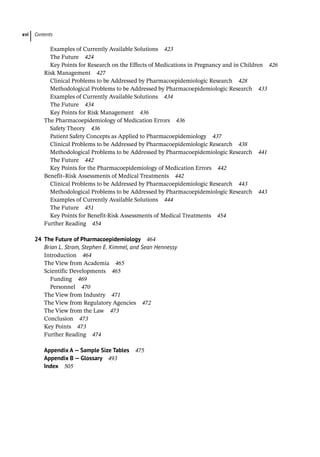
Contributors xvii
Preface xxi
Acknowledgements xxv
Part I Introduction to Pharmacoepidemiology 1
1 What is Pharmacoepidemiology? 3
Brian L. Strom
­
Introduction 3
­
Definition of Pharmacoepidemiology 3
Pharmacoepidemiology Versus Clinical Pharmacology 4
Pharmacoepidemiology Versus Epidemiology 5
­
Historical Background 5
Early Legislation 5
Drug Crises and Resulting Regulatory Actions 7
Legislative Actions Resulting from Drug Crises 9
Intellectual Development of Pharmacoepidemiology Emerging from Drug Crises 10
­
The Current Drug Approval Process 13
Drug Approval in the US 13
Drug Approval in Other Countries 14
­
Potential Contributions of Pharmacoepidemiology 15
Supplementary Information 16
New Types of Information Not Available from Premarketing Studies 17
General Contributions of Pharmacoepidemiology 17
Key Points 18
Further Reading 18
2 Study Designs Available for Pharmacoepidemiologic Studies 20
Brian L. Strom
­
Introduction 20
­
Overview of the Scientific Method 20
­
Types of Errors that one Can Make in Performing a Study 22
­
Criteria for the Causal Nature of an Association 23
­
Epidemiologic Study Designs 26
Case Reports 26
Case Series 26
Contents
Contents
vi
Analyses of Secular Trends 27
Case–Control Studies 28
Cohort Studies 28
Analysis of Case–Control and Cohort Studies 29
Randomized Clinical Trials 30
­
Discussion 31
­
Conclusion 32
­
Key Points 32
Further Reading 33
3 Sample Size Considerations for Pharmacoepidemiologic Studies 35
Brian L. Strom
­
Introduction 35
­
Sample Size Calculations for Cohort Studies 35
­
Sample Size Calculations for Case–Control Studies 40
­
Sample Size Calculations for Case Series 41
­
Discussion 43
­
Key Points 45
Further Reading 45
4 Basic Principles of Clinical Pharmacology Relevant to Pharmacoepidemiologic Studies 47
Jeffrey S. Barrett
­
Introduction 47
­
Clinical Pharmacology and Pharmacoepidemiology 48
­
Basics of Clinical Pharmacology 48
­
Pharmacokinetics 49
Absorption 49
Volume of Distribution 49
Metabolism 49
Elimination 51
­
Special Populations 52
Elderly 52
Pediatrics 53
Pregnancy 55
Organ Impairment 55
Drug Interactions 56
­
Pharmacodynamics 56
Overview 57
­
Pharmacogenomics 59
­
Model-­
Informed Drug Development 59
­
Conclusion 60
­
Key Points 60
Further Reading 61
5 When Should One Perform Pharmacoepidemiologic Studies? 62
Brian L. Strom
­
Introduction 62
­
Reasons to Perform Pharmacoepidemiologic Studies 62
Contents vii
Regulatory 63
Marketing 64
Legal 65
Clinical 66
­
Safety Versus Risk 67
­
Risk Tolerance 67
Features of the Adverse Outcome 68
Characteristics of the Exposure 68
Perceptions of the Evaluator 69
­
Conclusion 70
­
Key Points 70
Further Reading 71
6 Views from Academia, Industry, Regulatory Agencies, and the Legal System 73
Joshua J. Gagne, Jerry Avorn, Nicolle M. Gatto, Jingping Mo, Gerald J. Dal Pan, June Raine,
Shinobu Uzu, Aaron S. Kesselheim, and Kerstin N. Vokinger
­
The View from Academia 73
Introduction 73
The Drug Approval Process 74
Prescribing Practices 75
Evaluation of Patients’ Use of Drugs in the Health Care System 76
Assessment of the Quality and Outcomes of Medication Use in Populations 76
Policy Analysis 77
Interventional Pharmacoepidemiology 77
Economic Assessment of Medication-­
Related Issues 78
The Academic Medical Center 78
Consortia of Academic Medical Center Programs for Pharmacoepidemiologic
Research 78
The Future 79
Summary Points for the View from Academia 79
­
The View from Industry 81
Introduction 81
Regulatory and Industry Focus on Risk Management and Epidemiology 81
Epidemiology in Drug Safety Evaluation 83
Epidemiology in Evaluation of Risk Mitigation Interventions 86
Conclusion 87
Summary Points for the View from Industry 88
­
The View from Regulatory Agencies 90
Introduction 90
Assessing the Need for Medicines 91
Orphan Drugs 91
Planning Drug Development Programs 92
Pre-­
approval Review of Clinical Safety Data 93
Planning for Post-­
approval Studies 94
Monitoring Post-­
approval Safety 94
Assessing Actual Use Patterns of a Medicine 95
Assessing Impact of Regulatory Actions 95
Advancing the Science of Pharmacoepidemiology 96
Contents
viii
Conclusion 97
Summary Points for the View from Regulatory Agencies 97
­
The View from the Legal System 98
Introduction 98
Tort Law and Product Liability Lawsuits 98
Pharmacoepidemiology and Contract Law 102
Pharmacoepidemiology and Intellectual Property Law 103
Conclusion 105
Summary Points for the View from the Legal System 105
Further Reading 107
The View from Academia 107
The View from Industry 108
The View from Regulatory Agencies 109
The View from the Legal System 110
Contract-­
Related Issues in Pharmacoepidemiology 110
Patent Law and Pharmacoepidemiology 110
Part II Sources of Pharmacoepidemiology Data 113
7 Postmarketing Spontaneous Pharmacovigilance Reporting Systems 115
Gerald J. Dal Pan, Marie Lindquist, and Kate Gelperin
­
Introduction 115
­
Description 116
Adverse Events and Adverse Drug Reactions 116
Overview of Pharmacovigilance Reporting Systems 117
The Concept of Spontaneous AE/ADR Reporting 118
Report Characteristics 119
Social Media 121
National Pharmacovigilance Systems 121
National and International Postmarketing Adverse Event Databases 123
Detecting Signals from a Postmarketing Adverse Event Database 124
Review of Individual Case Safety Reports 126
Reporting Ratios 127
­
Strengths 128
Signal Detection 128
Opportunity for the Public to Report AEs/ADRs 129
Scope 129
­
Limitations 129
Quality of Reports 129
Underreporting 130
Non-­
uniform Temporal Trends in Reporting 130
­
Particular Applications 131
Case Series and Reporting Rates 131
Data Mining Signals 131
Signals from Developing Countries 131
­
The Future 132
­
Key Points 132
Further Reading 134
Contents ix
8 Overview of Electronic Databases in Pharmacoepidemiology 136
Brian L. Strom
­
Introduction 136
­
Description 137
Claims and Other Administrative Databases 137
Electronic Health Record Databases 138
­
Strengths 138
­
Weaknesses 139
­
Particular Applications 140
­
The Future 140
­
Key Points 141
Further Reading 141
9 Encounter Databases 142
Tobias Gerhard, Yola Moride, Anton Pottegård, and Nicole Pratt
­
Introduction 142
­
Description 142
Attributes of Encounter Databases 145
Selected Encounter Databases 149
­
Strengths 161
­
Limitations 162
­
Particular Applications 163
Typical Activities Involved in Studies Using Encounter Databases 163
Deciding Between Individual Encounter Databases 164
­
The Future 166
­
Key Points 167
Further Reading 171
US Databases 172
European Databases 172
Canadian Databases 173
Asian Databases 173
10 Electronic Health Record Databases 174
Daniel B. Horton, Harshvinder Bhullar, Francesca Cunningham,
Janet Sultana, and Gialuca Trifirò
­
Introduction 174
­
Description 174
Overview of Health Care Systems and Populations 174
Overview of Databases 181
Data Collection and Structure 182
Data Quality: Accuracy and Completeness 183
Data Access for Researchers 184
­
Strengths 184
Population-Based Data, Sample Size, and Length of Follow-up 184
Validity of Clinical Information 184
Accuracy of Drug Information 184
Ability to Access Original Health Records 184
Linkage to External Patient-­
Level Data 185
Contents
x
­
Limitations 185
Incompleteness of Clinical Data 185
Incompleteness of Drug Data 185
­
The Future 186
­
Summary Points for Electronic Health Record Databases 187
Acknowledgment 187
Further Readings 189
11 Primary Data Collection for Pharmacoepidemiology 192
Priscilla Velentgas
­
Introduction 192
Research Questions that Require Primary Data 192
Hybrid or Enriched Designs 195
­
Methods of Primary Data Collection 195
Site-Based Data Collection 195
Clinician or Site-­
Reported Outcomes (ClinROs) 195
Patient-­
Generated Data 196
Registries as Means of Data Collection 196
Biobanks/Specimen Banks 197
Guidelines on the Quality of Data Collection 197
­
Strengths 197
­
Limitations 197
­
Particular Applications 198
­
Conclusions 199
­
Key Points 199
Further Reading 201
12 How Should One Perform Pharmacoepidemiologic Studies?
Choosing Among the Available Alternatives 203
Brian L. Strom
­
Introduction 203
­
Choosing Among the Available Approaches to Pharma­
coepidemiologic Studies 203
Comparative Characteristics of Pharmacoepidemiologic Data Resources 208
Characteristics of Research Questions and their Impact on the Choice
of Pharmacoepidemiologic Data Resources 211
­
Examples 215
­
Conclusion 216
­
Key Points 216
Further Reading 216
Part III Special Issues in Pharmacoepidemiology Methodology 219
13	
Validity of Drug and Diagnosis Data in Pharmacoepidemiology 221
Mary Elizabeth Ritchey, Suzanne L. West, and George Maldonado
­
Introduction 221
­
Clinical Problems to be Addressed by Pharmacoepidemiologic Research 221
­
Methodological Problems to be Solved by Pharmacoepidemiologic Research 222
Indices of Measurement Error Relevant to Pharmacoepidemiologic Research 222
Contents xi
Quantitative Measurement of Validity 222
Quantitative Measurement of Reliability 224
Measurement Error in Pharmacoepidemiologic Research 225
Adjusting Measures of Association for Measurement Error 227
Self-­
Reported Drug Data from Ad hoc Survey Studies: Recall Accuracy 228
The Influence of Medication Class 228
The Influence of Questionnaire Design 228
The Influence of Patient Population 229
Self-­
Reported Diagnosis and Hospitalization Data from Ad hoc Studies: Recall Accuracy 230
The Influences of Medical Condition Type 230
The Influences of Timing of Diagnosis and Its Emotional Effects on the Patient 230
The Influence of Patient Population 232
The Influence of Questionnaire Design 232
­
Currently Available Solutions 233
Following Best Practices for Questionnaire Design 233
Developing a De novo Questionnaire 233
Conducting Validation Studies to Assess Self-­
Reported Data 235
Considering the Influence of Comparator Selection on Validation Studies 235
Validation of Pharmacoepidemiologic Drug and Diagnosis Data from Electronic Encounter
Databases 236
Special Considerations with Drug Data 237
Special Considerations with Diagnosis and Hospitalization Data 237
Special Considerations with Distributed Data Systems 239
Best Practices 239
­
The Future 242
­
Key Points 242
Further Reading 243
14	
Assessing Causality from Case Reports 246
Bernard Bégaud and Judith K. Jones
­
Introduction 246
­
Clinical Problems to be Addressed by Pharmacoepidemiologic Research 246
­
The Two Paradigms of Causality Assessment 246
­
When is Assessing Causation from Cases Reports Useful? 247
Spontaneous Reporting 247
Clinical Trials and Pharmacoepidemiology 248
Clinical Practice and Prescription 248
Reports of Adverse Drug Reactions to Medical Journals 248
Hypothesis Generation and Research 248
­
Methodological Problems to be Addressed by Pharmacoepidemiologic Research 248
­
Approaches for Assessing Causation from Individual Cases 249
Expert Judgment/Global Introspection 249
Structured Guidelines and Algorithms 250
Probabilistic Approaches 251
­
Calibration 253
­
Choosing the Appropriate Approach 253
­
The Future 254
­
Key Points 255
­
Further Reading 255
Contents
xii
15	Molecular Pharmacoepidemiology 257
Christine Y. Lu and Stephen E. Kimmel
­
Introduction 257
­
Definitions and Concepts 258
Genetic Variability 258
Pharmacogenetics and Pharmacogenomics 259
­
The Interface of Pharmacogenetics and Pharmacogenomics with Molecular
Pharmacoepidemiology 259
­
Clinical Problems to be Addressed by Pharmacoepidemiologic Research 260
Three Ways That Genes Can Affect Drug Response 260
The Interplay of Various Mechanisms 263
­
The Progression and Clinical Application of Molecular Pharmacoepidemiology 264
­
Methodological Problems to be Addressed by Pharmacoepidemiologic Research 264
Interactions 266
Type I Error 267
Type II Error 267
Confounding by Population Admixture 268
­
Currently Available Solutions 269
Identifying Additional Genetic Contributions to Drug Response 269
Interactions 270
Type I Error and Replication 270
Type II Error 271
Confounding by Population Admixture 271
­
The Future 271
­
Key Points 273
Further Reading 274
16	
Bioethical Issues in Pharmacoepidemiologic Research 276
Laura E. Bothwell, Annika Richterich, and Jeremy Greene
­
Introduction 276
­
Clinical Problems to be Addressed by Pharmacoepidemiologic Research 276
The Emergence, Changing Methods, and Moral Stakes of Pharmacoepidemiology in
Twentieth Century North America 276
European Pharmacoepidemiologic Trends and Ethics 280
East Asian Pharmacoepidemiologic Trends and Ethics 282
­
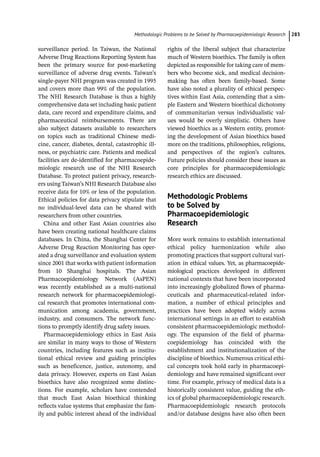
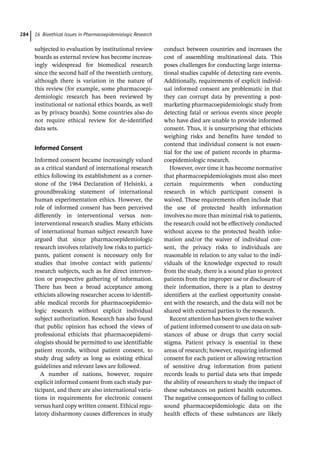
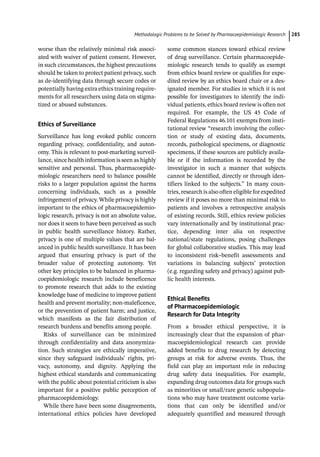
Methodologic Problems to be Solved by Pharmacoepidemiologic Research 283
Informed Consent 284
Ethics of Surveillance 285
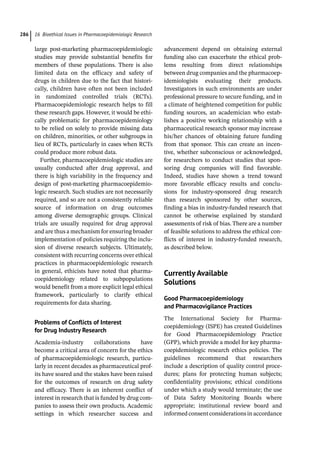
Ethical Benefits of Pharmacoepidemiologic Research for Data Integrity 285
Problems of Conflicts of Interest for Drug Industry Research 286
­
Currently Available Solutions 286
Good Pharmacoepidemiology and Pharmacovigilance Practices 286
Protections against Conflicts of Interest for Drug Industry-­
Sponsored Research 288
­
The Future 289
Acknowledgement 291
­
Key Points 291
Further Reading 293
Contents xiii
17	
The Use of Randomized Controlled Trials for Pharmacoepidemiology 294
Samuel M. Lesko, Allen A. Mitchell, and Robert F. Reynolds
­
Introduction 294
­
Clinical Problems to be Addressed by Pharmacoepidemiologic Research 294
­
Methodological Problems to be Solved by Pharmacoepidemiologic Research 296
Overview of Classic RCTs 296
Limitations of RCTs 298
­
Currently Available Solutions 298
Large Simple Trials 298
When is an LST Feasible? 301
Logistics of Conducting an LST 302
­
Analysis 303
Primary Analysis 303
Subgroup Analyses 303
Data Monitoring/Interim Analyses 304
­
The Future 304
­
Key Points 305
Further Reading 305
18	
Pharmacoeconomics: Economic Evaluation of Pharmaceuticals 307
Kevin A. Schulman
­
Introduction 307
­
Clinical Problems to be Addressed by Pharmacoeconomic Research 307
The Economics of Drug Development 307
Health Economics and Health Care Financing 308
­
Methodological Problems to be Addressed by Pharmacoeconomic Research 312
Types of Analysis 312
Types of Costs 315
Perspective of Analysis 316
Using Economic Data 317
­
The Future 320
Acknowledgements 320
­
Key Points 320
Further Reading 320
19	
Patient Engagement and Patient Reported Outcomes 322
Esi M. Morgan and Adam C. Carle
­
Introduction 322
­
Patient Reported Outcomes in Clinical Trials 323
­
Patient Reported Outcomes in Routine Care 323
­
Patient Reported Outcomes as Motivation to Develop New Therapeutic Strategies 325
­
Clinical Problems to be Addressed by Pharmacoepidemiologic Research 326
Ensuring PRO Completion and Results Review 326
PRO Selection, Score Interpretation and Interventions 326
Patient Engagement and Individualized Assessment and Treatment Plans 327
Barriers to Measuring PROs in Clinical Practice and Using PROs to Guide
Interventions 327
0005160718.INDD 13 09-13-2021 15:12:51
Contents
xiv
­
Methodologic Problems to be Solved by Pharmacoepidemiologic Research 328
­
Currently Available Solutions 328
Discordance in Perspectives between Patients, Clinicians and Researchers 328
Measuring within Person Change 329
Selection of Patient Reported Outcomes and Implementation into Practice 330
­
The Future 330
Key Points 331
Further Reading 331
20	
The Use of Meta-analysis in Pharmacoepidemiology 334
Brenda J. Crowe, Stephen J.W. Evans, H. Amy Xia, and Jesse A. Berlin
­
Introduction 334
­
Clinical Problems to be Addressed by Pharmacoepidemiologic Research 335
­
Methodological Problems to be Solved by Pharmacoepidemiologic Research 336
Susceptibility of the Original Studies to Bias 336
Combinability of Studies 336
Publication Bias 337
Bias in the Abstraction of Data 338
­
Currently Available Solutions 338
Steps Involved in Performing a Meta-­
analysis 338
Publication Bias 344
Indirect Comparison and Simultaneous Comparison of Treatments Available for Specific
Conditions 346
Case Studies of Applications of Meta-­
analysis 346
­
The Future 350
­
Key Points 351
Further Reading 352
21	
Studies of Medication Adherence 355
Julie Lauffenburger, Trisha Acri, and Robert Gross
­
Introduction 355
­
Clinical Problems to be Addressed by Pharmacoepidemiologic Research 356
­
Methodological Problems to be Addressed by Pharmacoepidemiologic Research 357
­
Currently Available Solutions 357
­
Analysis Issues in Adherence 362
Use of Adherence Data in Clinical Trials and Comparative Effectiveness Studies 362
Selecting Adherence Intervals 362
Statistical Analysis 363
Time-­
Varying Nature of Adherence and Trajectory Modeling 364
Prediction of Adherence for Interventions 365
­
The Future 365
­
Key Points 365
Further Reading 366
22	
Advanced Approaches to Controlling Confounding in Pharmacoepidemiologic Studies 368
Sebastian Schneeweiss and Samy Suissa
­
Introduction 368
Contents xv
­
Clinical Problems to be Addressed by Pharmacoepidemiologic Research 368
­
Methodological Problems to be Addressed by Pharmacoepidemiologic Research 368
­
Currently Available Solutions 370
Efficient Sampling Designs within a Cohort Study 370
Analytic Approaches for Improved Confounding Control 377
­
Conclusion 382
­
Key Points 382
Further Reading 384
Part IV Special Applications and the Future of Pharmacoepidemiology 387
23	
Special Applications of Pharmacoepidemiology 389
David Lee, Björn Wettermark, Christine Y. Lu, Stephen B. Soumerai, Robert T. Chen, Sharon-Lise T.
Normand, Art Sedrakyan, Danica Marinac-Dabic, Daniel B. Horton, Sonia Hernandez-Diaz, Tamar
Lasky, Krista F. Huybrechts, Claudia Manzo, Emil Cochino, Hanna M. Seidling, David W. Bates,
Bennett Levitan, Rachael L. DiSantostefano, and Scott Evans
­
Studies of Drug Utilization 389
Introduction 389
Clinical Problems to be Addressed by Pharmacoepidemiologic Research 391
Methodological Problems to be Addressed by Pharmacoepidemiologic Research 392
Examples of Currently Available Solutions 393
The Future 396
Key Points for Studies of Drug Utilization 396
­
Evaluating and Improving Prescribing 398
Clinical Problems to be Addressed by Pharmacoepidemiologic Research 398
Methodological Problems to be Addressed by Pharmacoepidemiologic Research 398
Examples of Currently Available Solutions 399
The Future 402
Key Points for Evaluating and Improving Prescribing 402
­
Special Methodological Issues in Pharmacoepidemiologic Studies of Vaccine Safety 403
Clinical Problems to be Addressed by Pharmacoepidemiologic Research 403
Methodological Problems to be Addressed by Pharmacoepidemiologic Research 404
Examples of Currently Available Solutions 407
The Future 408
Key Points for Special Methodological Issues in Pharmacoepidemiologic Studies of Vaccine
Safety 408
­
Epidemiologic Studies of Implantable Medical Devices 408
What Is a Medical Device and how Is it Different from a Drug? 409
Clinical Problems to be Addressed by Medical Device Epidemiologic Research 409
Methodological Problems to be Solved by Medical Device Epidemiologic Research 410
Examples of Currently Available Solutions 412
The Future 415
Key Points for Epidemiologic Studies of Devices 418
­
Research on the Effects of Medications in Pregnancy and in Children 418
Clinical Problems to be Addressed by Pharmacoepidemiologic Research 418
Methodological Problems to be Solved by Pharmacoepidemiologic Research 419
Contents
xvi
Examples of Currently Available Solutions 423
The Future 424
Key Points for Research on the Effects of Medications in Pregnancy and in Children 426
­
Risk Management 427
Clinical Problems to be Addressed by Pharmacoepidemiologic Research 428
Methodological Problems to be Addressed by Pharmacoepidemiologic Research 433
Examples of Currently Available Solutions 434
The Future 434
Key Points for Risk Management 436
­
The Pharmacoepidemiology of Medication Errors 436
Safety Theory 436
Patient Safety Concepts as Applied to Pharmacoepidemiology 437
Clinical Problems to be Addressed by Pharmacoepidemiologic Research 438
Methodological Problems to be Addressed by Pharmacoepidemiologic Research 441
The Future 442
Key Points for the Pharmacoepidemiology of Medication Errors 442
­
Benefit–Risk Assessments of Medical Treatments 442
Clinical Problems to be Addressed by Pharmacoepidemiologic Research 443
Methodological Problems to be Addressed by Pharmacoepidemiologic Research 443
Examples of Currently Available Solutions 444
The Future 451
Key Points for Benefit-Risk Assessments of Medical Treatments 454
Further Reading 454
24 The Future of Pharmacoepidemiology 464
Brian L. Strom, Stephen E. Kimmel, and Sean Hennessy
­
Introduction 464
­
The View from Academia 465
Scientific Developments 465
Funding 469
Personnel 470
­
The View from Industry 471
­
The View from Regulatory Agencies 472
­
The View from the Law 473
­
Conclusion 473
­
Key Points 473
Further Reading 474
Appendix A — Sample Size Tables 475
Appendix B — Glossary 493
Index 505
xvii
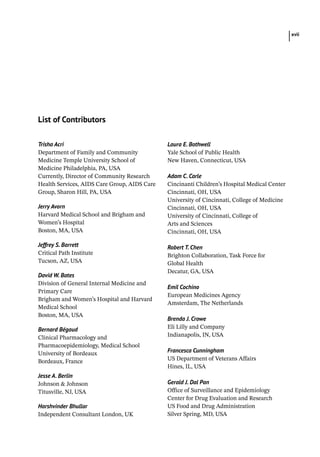
Trisha Acri
Department of Family and Community
Medicine Temple University School of
Medicine Philadelphia, PA, USA
Currently, Director of Community Research
Health Services, AIDS Care Group, AIDS Care
Group, Sharon Hill, PA, USA
Jerry Avorn
Harvard Medical School and Brigham and
Women’s Hospital
Boston, MA, USA
Jeffrey S. Barrett
Critical Path Institute
Tucson, AZ, USA
David W. Bates
Division of General Internal Medicine and
Primary Care
Brigham and Women’s Hospital and Harvard
Medical School
Boston, MA, USA
Bernard Bégaud
Clinical Pharmacology and
Pharmacoepidemiology, Medical School
University of Bordeaux
Bordeaux, France
Jesse A. Berlin
Johnson  Johnson
Titusville, NJ, USA
Harshvinder Bhullar
Independent Consultant London, UK
Laura E. Bothwell
Yale School of Public Health
New Haven, Connecticut, USA
Adam C. Carle
Cincinanti Children’s Hospital Medical Center
Cincinnati, OH, USA
University of Cincinnati, College of Medicine
Cincinnati, OH, USA
University of Cincinnati, College of
Arts and Sciences
Cincinnati, OH, USA
Robert T. Chen
Brighton Collaboration, Task Force for
Global Health
Decatur, GA, USA
Emil Cochino
European Medicines Agency
Amsterdam, The Netherlands
Brenda J. Crowe
Eli Lilly and Company
Indianapolis, IN, USA
Francesca Cunningham
US Department of Veterans Affairs
Hines, IL, USA
Gerald J. Dal Pan
Office of Surveillance and Epidemiology
Center for Drug Evaluation and Research
US Food and Drug Administration
Silver Spring, MD, USA
List of Contributors
xviii
Rachael L. DiSantostefano
Department of Epidemiology
Janssen Research  Development
Titusville, NJ, USA
Scott Evans
Biostatistics Center
The George Washington University
Rockville, MD, USA
Stephen J.W. Evans
The London School of Hygiene and Tropical
Medicine, London, UK
Joshua J. Gagne
Harvard Medical School and Brigham and
Women’s Hospital, Boston, MA, USA
and
Johnson and Johnson
New Brunswick, NJ, USA
Nicolle M. Gatto
Aetion Inc., New York, NY, USA
Kate Gelperin
Division of Epidemiology Office of
Surveillance and Epidemiology
Center for Drug Evaluation and Research
US Food and Drug Administration
Silver Spring, MD, USA
Tobias Gerhard
Ernest Mario School of Pharmacy
Rutgers Biomedical and Health Sciences
Piscataway, NJ, USA
and
Center for Pharmacoepidemiology and
Treatment Science
Rutgers Biomedical and Health Sciences
New Brunswick, NJ, USA
Jeremy Greene
Johns Hopkins University
Baltimore, Maryland, MD, USA
Robert Gross
Center for Clinical Epidemiology and
Biostatistics
Center for Pharmacoepidemiology Research
and Training, Perelman School of Medicine
University of Pennsylvania, Philadelphia
PA, USA
Sean Hennessy
University of Pennsylvania Perelman School
of Medicine
Philadelphia, PA, USA
Sonia Hernandez Diaz
Harvard T.H. Chan School of Public Health
Boston, MA, USA
Daniel B. Horton
Rutgers Robert Wood Johnson
Medical School, Rutgers Center for
Pharmacoepidemiology and Treatment
Science, Rutgers School of Public Health
New Brunswick, NJ, USA
Krista F. Huybrechts
Brigham and Women’s Hospital
Harvard Medical School
Boston, MA, USA
Judith K. Jones
†
Formerly Principal Consultant PharmaLex,
Inc., Fairfax, VA and Adjunct Faculty
The University of Michigan School of Public
Health Summer Program
Ann Arbor, USA
Aaron S. Kesselheim
Harvard Medical School and Brigham and
Women’s Hospital
Boston, MA, USA
Stephen E. Kimmel
University of Florida College of Public
Health and Health Professions  College of
Medicine
Gainesville, FL, USA
Tamar Lasky
US Food and Drug Administration
Silver Spring, MD, USA
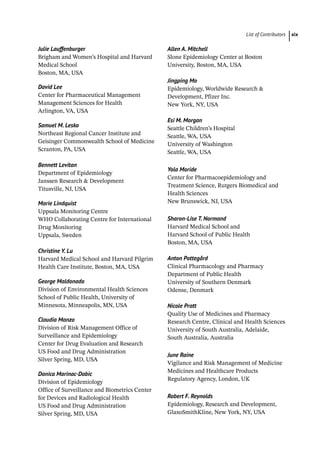
List of Contributors xix
Julie Lauffenburger
Brigham and Women’s Hospital and Harvard
Medical School
Boston, MA, USA
David Lee
Center for Pharmaceutical Management
Management Sciences for Health
Arlington, VA, USA
Samuel M. Lesko
Northeast Regional Cancer Institute and
Geisinger Commonwealth School of Medicine
Scranton, PA, USA
Bennett Levitan
Department of Epidemiology
Janssen Research  Development
Titusville, NJ, USA
Marie Lindquist
Uppsala Monitoring Centre
WHO Collaborating Centre for International
Drug Monitoring
Uppsala, Sweden
Christine Y. Lu
Harvard Medical School and Harvard Pilgrim
Health Care Institute, Boston, MA, USA
George Maldonado
Division of Environmental Health Sciences
School of Public Health, University of
Minnesota, Minneapolis, MN, USA
Claudia Manzo
Division of Risk Management Office of
Surveillance and Epidemiology
Center for Drug Evaluation and Research
US Food and Drug Administration
Silver Spring, MD, USA
Danica Marinac-­Dabic
Division of Epidemiology
Office of Surveillance and Biometrics Center
for Devices and Radiological Health
US Food and Drug Administration
Silver Spring, MD, USA
Allen A. Mitchell
Slone Epidemiology Center at Boston
University, Boston, MA, USA
Jingping Mo
Epidemiology, Worldwide Research 
Development, Pfizer Inc.
New York, NY, USA
Esi M. Morgan
Seattle Children’s Hospital
Seattle, WA, USA
University of Washington
Seattle, WA, USA
Yola Moride
Center for Pharmacoepidemiology and
Treatment Science, Rutgers Biomedical and
Health Sciences
New Brunswick, NJ, USA
Sharon-­Lise T. Normand
Harvard Medical School and
Harvard School of Public Health
Boston, MA, USA
Anton Pottegård
Clinical Pharmacology and Pharmacy
Department of Public Health
University of Southern Denmark
Odense, Denmark
Nicole Pratt
Quality Use of Medicines and Pharmacy
Research Centre, Clinical and Health Sciences
University of South Australia, Adelaide,
South Australia, Australia
June Raine
Vigilance and Risk Management of Medicine
Medicines and Healthcare Products
Regulatory Agency, London, UK
Robert F. Reynolds
Epidemiology, Research and Development,
GlaxoSmithKline, New York, NY, USA
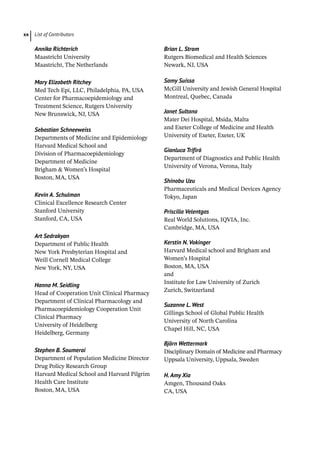
List of Contributors
xx
Annika Richterich
Maastricht University
Maastricht, The Netherlands
Mary Elizabeth Ritchey
Med Tech Epi, LLC, Philadelphia, PA, USA
Center for Pharmacoepidemiology and
Treatment Science, Rutgers University
New Brunswick, NJ, USA
Sebastian Schneeweiss
Departments of Medicine and Epidemiology
Harvard Medical School and
Division of Pharmacoepidemiology
Department of Medicine
Brigham  Women’s Hospital
Boston, MA, USA
Kevin A. Schulman
Clinical Excellence Research Center
Stanford University
Stanford, CA, USA
Art Sedrakyan
Department of Public Health
New York Presbyterian Hospital and
Weill Cornell Medical College
New York, NY, USA
Hanna M. Seidling
Head of Cooperation Unit Clinical Pharmacy
Department of Clinical Pharmacology and
Pharmacoepidemiology Cooperation Unit
Clinical Pharmacy
University of Heidelberg
Heidelberg, Germany
Stephen B. Soumerai
Department of Population Medicine Director
Drug Policy Research Group
Harvard Medical School and Harvard Pilgrim
Health Care Institute
Boston, MA, USA
Brian L. Strom
Rutgers Biomedical and Health Sciences
Newark, NJ, USA
Samy Suissa
McGill University and Jewish General Hospital
Montreal, Quebec, Canada
Janet Sultana
Mater Dei Hospital, Msida, Malta
and Exeter College of Medicine and Health
University of Exeter, Exeter, UK
Gianluca Trifirò
Department of Diagnostics and Public Health
University of Verona, Verona, Italy
Shinobu Uzu
Pharmaceuticals and Medical Devices Agency
Tokyo, Japan
Priscilla Velentgas
Real World Solutions, IQVIA, Inc.
Cambridge, MA, USA
Kerstin N. Vokinger
Harvard Medical school and Brigham and
Women’s Hospital
Boston, MA, USA
and
Institute for Law University of Zurich
Zurich, Switzerland
Suzanne L. West
Gillings School of Global Public Health
University of North Carolina
Chapel Hill, NC, USA
Björn Wettermark
Disciplinary Domain of Medicine and Pharmacy
Uppsala University, Uppsala, Sweden
H. Amy Xia
Amgen, Thousand Oaks
CA, USA
xxi
It was a remarkable 33 years ago that the first
edition of Strom’s Pharmacoepidemiology was
published. The preface to that book stated that
pharmacoepidemiology was a new field with a
new generation of pharmacoepidemiologists
arising to join the field’s few pioneers. Over the
ensuing 32years, the field indeed has grown
and no longer deserves to be called “new.”
Many of those “new generation” scientists
(including two of the editors of this book) are
now “middle-­
aged” pharmacoepidemiologists.
Despite its relatively brief academic life, a
short history of pharmacoepidemiology and
review of its current state will set the stage for
the purpose of this textbook.
Pharmacoepidemiology originally arose from
the union of the fields of clinical pharmacology
and epidemiology. Pharmacoepidemiology
studies the use of and the effects of medical
products in large numbers of people and
applies the methods of epidemiology to the
content area of clinical pharmacology. This
field represents the science underlying post-
marketing medical product surveillance, stud-
ies of the effects of medical products (i.e. drugs,
biologicals, devices) performed after a product
has been approved for use. In recent years,
pharmacoepidemiology has expanded to
include many other types of studies, as well.
The field of pharmacoepidemiology has
grown enormously since the first publication
of Strom. The International Society of
Pharmacoepidemiology, an early idea when
the first edition of this book was written, has
grown into a major international scientific
force, with over 1476 members from 63 coun-
tries, an extremely successful annual meeting
attracting more than 1800 attendees, a large
number of very active committees and scien-
tific interest groups, and its own journal. In
addition, a number of established journals
have targeted pharmacoepidemiology manu-
scripts as desirable. As new scientific develop-
ments occur within mainstream epidemiology,
theyarerapidlyadopted,applied,andadvanced
within our field as well. We have also become
institutionalized as a subfield within the field
of clinical pharmacology, with scientific sec-
tions of the American Society for Clinical
Pharmacology and Therapeutics and with
pharmacoepidemiology a required part of the
clinical pharmacology board examination.
Most of the major international pharmaceuti-
cal companies have founded dedicated units to
organize and lead their efforts in pharmacoepi-
demiology, pharmacoeconomics, and quality-­
of-­
life studies.The continuing parade of drug safety
crises emphasizes the need for the field, and
some foresighted manufacturers have begun to
perform “prophylactic” pharmacoepidemiology
studies, to have data in hand and available when
questions arise, rather than waiting to begin to
collect data after a crisis has developed.
Pharmacoepidemiologic data are now routinely
used for regulatory decisions, and many govern-
mental agencies have been developing and
expanding their own pharmacoepidemiology
programs. Risk evaluation and mitigation
Preface
Preface
xxii
strategies are now required by regulatory bodies
with the marketing of new drugs, as a means of
improving drugs’ benefit/risk balance, and
manufacturers are identifying ways to respond.
Requirements that a drug be proven to be cost
effective have been added to many national,
local, and insurance health care systems, either
to justify reimbursement or even to justify drug
availability. A number of schools of medicine,
pharmacy, and public health have established
research programs in pharmacoepidemiology,
and a few of them have also established pharma-
coepidemiology training programs in response
to a desperate need for more pharmacoepide-
miology personnel. Pharmacoepidemiologic
research funding is now more plentiful, and
even limited support for training is available.
In the United States, drug utilization review
programs are required, by law, of each of the 50
state Medicaid programs, and have been imple-
mented as well in many managed care organi-
zations. Now, years later, the utility of drug
utilization review programs is being ques-
tioned. In addition, the Joint Commission
requires that every hospital in the US have an
adverse drug reaction monitoring program and
a drug use evaluation program, turning every
hospital into a mini-­
pharmacoepidemiology
laboratory. Stimulated in part by the interests
of the World Health Organization and the
Rockefeller Foundation, there is even substan-
tial interest in pharmacoepidemiology in the
developing world. Yet, throughout the world,
the increased concern by the public about pri-
vacy has made pharmacoepidemiologic
research much more difficult to conduct.
In recent years, major new changes have
been made in drug regulation and organiza-
tion, largely in response to a series of accusa-
tions about myocardial infarction caused by
analgesics, which was detected in long-­
term
prevention trials rather than in normal use of
the drugs. For example, FDA was given new
regulatory authority after drug marketing.
Further, the development, since 1 January
2006, of Medicare Part D, a US federal program
to subsidize prescription drugs for Medicare
recipients, introduced to pharmacoepidemiol-
ogy a new database with a stable population
approaching 50 million in what may be the
largest healthcare system in the world. The US
Congress has recognized the importance of the
field, with the founding of the Sentinel
Program, and new requirements that FDA
focus on “real world evidence.” A new move-
ment has arisen in the US of “comparative
effectiveness research,” which in many ways
learns from much longer experience in Europe,
as well as decades of experience in pharma-
coepidemiology. These developments portend
major changes for our field.
In summary, there has been tremendous
growth in the field of pharmacoepidemiology
and a fair amount of maturation. With the
growth and maturation of the field, Strom’s
Pharmacoepidemiology has grown and
matured right along. Pharmacoepidemiology
thus represents a comprehensive source of
information about the field. As a reflection of
the growth of the field, the fourth Edition
of Strom was over twice as long as the first!
Now, seven years after the fifth edition, the
field continues to change and garner wide-
spread interest, leading to the recent publica-
tion of the sixth edition in 2020.
So, why, one may ask, do we need a Textbook
of Pharmacoepidemiology? The need arose
precisely because of the growth of the field.
With that, and the corresponding growth in
theparentbook,Strom’sPharmacoepidemiology
has really become more of a reference book
than a book usable as a textbook. Yet, there is
increasing need for people to be trained in the
field and an increasing number of training
programs. With the maturity of the field comes
therefore the necessity for both comprehensive
approaches (such as Strom’s Pharmacoep­
idemiology) and more focused approaches.
Therefore, Textbook of Pharmacoepidemiology
was intended as a modified and shortened
version of its parent, designed to meet the need
of students. We believe that students can
benefit from an approach that focuses on the
core of the discipline, along with learning aids.
Preface xxiii
Textbook of Pharmacoepidemiology attempts
to fill this need, providing a focused educa-
tional resource for students. It is our hope that
this book will serve as a useful textbook for stu-
dents at all levels: upper-­
level undergraduates,
graduate students, post-­
doctoral fellows, and
others who are learning the field. To achieve
our goals, we have substantially edited down
from Strom’s Pharmacoepidemiology, with a
focus on what is needed by students, eliminat-
ing some chapters and shortening others. We
also have provided case examples for most
chapters and key points for all chapters. Each
chapter is followed by a list of further reading.
So why update it? In looking at the sixth
Edition of Strom, most chapters in the new
edition were thoroughly revised to provide
updated content. New chapters were added,
along with many new authors. The second edi-
tion of the textbook was simply getting out of
date in comparison to the recently published
sixth edition of the parent book.
Specifically, we have tried to emphasize the
methods of pharmacoepidemiology and the
strengths and limitations of the field, while
minimizing some of the technical specifica-
tions that are important for a reference book
but not for students. Therefore, the first five
chapters of Part I, “Introduction to Pharmaco­
epidemiology,” lay out the cores of the disci-
pline, and remain essentially unchanged from
Strom’s Pharma­
coepidemiology, with the excep-
tion of the inclusion of key points and lists of
further reading. We have also included a chap-
ter on different perspectives of the field (from
academia, industry, regulatory agencies, and
the legal system), as a shortened form of several
chapters from the reference book. Part II
focuses on “Sources of Pharmacoepidemiology
Data” and includes important chapters about
spontaneous pharmacovigilance reporting
systems, electronic databases, and other
approaches to pharmacoepidemiology stud-
ies. Part III ­
summarizes “Special Issues in
Pharmaco­
epidemiology Methodology” that we
feel are important to more advanced pharma-
coepidemiology students. Although no student
is likely to become an expert in all of these
methods, they form a core set of knowledge
that we believe all pharmacoepidemiologists
should have. In addition, one never knows
what one will do later in one’s own career, nor
when one may be called upon to help others
with the use of these methods. Part IV con-
cludes the textbook with a collection of
“Special Applications” of the field, and specu-
lation about its future, always an important
consideration for new investigators in charting
a career path.
Pharmacoepidemiology may be maturing,
but many exciting opportunities and chal-
lenges lie ahead as the field continues to grow
and respond to unforeseeable future events. It
is our hope that this book can continue to serve
as a useful introduction and resource for stu-
dents of pharmacoepidemiology, both those
enrolled in formal classes and those learning
in “the real world,” who will respond to the
challenges that they encounter. Of course, we
are always students of our own discipline, and
the process of developing this textbook has
been educational for us. We hope that this
book will also be stimulating and educational
for you.
Brian L. Strom, MD, MPH.
Stephen E. Kimmel, MD, MSCE.
Sean Hennessy, PharmD, PhD.
January 2022
xxv
There are many individuals and institutions to
whom we owe thanks for their contributions to
our efforts in preparing this book. Mostly, we
would like to thank all of the contributors for
the work that they did in revising their book
chapters and sections for this textbook and
providing case examples, key points, and sug-
gested readings. Over the years, our pharma-
coepidemiology work has been supported
mostly by numerous grants from government,
foundations, and industry. While none of this
support was specifically intended to support
the development of this book, without this
assistance, we would not have been able to
support our careers in pharmacoepidemiology.
We would like to thank our publisher, John
Wiley  Sons, Ltd., for their assistance and
insights, both in support of this book, and in
support of the field’s journal, Pharma­
coepidemiology and Drug Safety.
John Hemphill’s contributions to this book
were instrumental, encompassing the role of
project manager where he coordinated the
entire process of contacting the authors and
pulling the book together, while additionally
providing editorial assistance.
BLS would like to thank Steve Kimmel and
Sean Hennessy for joining him as co-­
editors.
Steve did the bulk of the work on the first edi-
tion of this textbook, and Steve and Sean joined
BLS as co-­
editors for the fifth and sixth edition
of the parent book, Pharmacoepidemiology.
These are two very special and talented men. It
has been BLS’s pleasure to help train them –
now, too many years ago – help them cultivate
their own careers, and see them blossom into
star senior pharmacoepidemiologists. It is
wonderful to be able to share with them this
book, which has been an important part of
BLS’s life and career.
BLS would also like to thank his parents,
now deceased, for the support and education
that were critical to him being successful in his
career. BLS would also like to thank the late
Paul D. Stolley, M.D., M.P.H. and the late
Kenneth L. Melmon, M.D., for their direction,
guidance, and inspiration in the formative
years of his career. He would also like to thank
his trainees, from whom he learns at least as
much as he teaches. Last, but certainly not
least, BLS would like to thank his family –
Lani, Shayna, and Jordi – for accepting the
time demands of the book, for tolerating his
endless hours working at home (on its earlier
editions, for the kids), and for their ever pre-
sent love and support.
SEK expresses his sincere gratitude to BLS
for his almost 30 years as a mentor and col-
league and for the chance to work on this book,
to SH for all of his years as an amazing col-
league, to his parents for providing the founda-
tionforallof hiswork,andtohisfamily–Alison,
David, Benjamin, and Jonathan – for all their
support and patience during the many late eve-
nings that SEK worked on the book.
SH also thanks BLS, his longtime friend and
career mentor, and all of his students, mentees,
and collaborators. Finally, he thanks his par-
ents, and his family – Kristin, Landis, and
Bridget – for their love and support.
Acknowledgments
1
Part I
Introduction to Pharmacoepidemiology
Textbook of Pharmacoepidemiology, Third Edition. Edited by Brian L. Strom, Stephen E. Kimmel, and Sean Hennessy.
© 2022 John Wiley  Sons Ltd. Published 2022 by John Wiley  Sons Ltd.
3
“A desire to take medicine is, perhaps, the
great feature which distinguishes man
from other animals.”
Sir William Osler, 1891
­Introduction
In recent decades, modern medicine has been
blessed with a pharmaceutical armamentar-
ium that is much more powerful now than it
had had before. Although this has given health
care providers the ability to provide better
medical care for their patients, it has also
resulted in the ability to do much greater harm.
It has also generated an enormous number of
product liability suits against pharmaceutical
manufacturers, some appropriate and others
inappropriate. In fact, the history of drug regu-
lation parallels the history of major adverse
drug reaction (ADR) “disasters.” Each change
in pharmaceutical law was a political reaction
to an epidemic of ADRs. A 1998 study esti-
mated that 100000 Americans die each year
from ADRs, and 1.5 million US hospitaliza-
tions each year result from ADRs; yet, 20–70%
of ADRs may be preventable. The harm that
drugs can cause has also led to the develop-
ment of the field of pharmacoepidemiology,
which is the focus of this book. More recently,
the field has expanded its focus to include
many issues other than adverse reactions, as
well.
To clarify what is, and what is not, included
within the discipline of pharmacoepidemiol-
ogy, this chapter will begin by defining phar-
macoepidemiology, differentiating it from
other related fields. The history of drug regula-
tion will then be briefly and selectively
reviewed, focusing on the US experience as an
example, demonstrating how it has led to the
development of this new field. Next, the cur-
rent regulatory process for the approval of new
drugs will be reviewed, in order to place the
use of pharmacoepidemiology and postmar-
keting drug surveillance into proper perspec-
tive. Finally, the potential scientific and clinical
contributions of pharmacoepidemiology will
be discussed.
­Definition
of Pharmacoepidemiology
Pharmacoepidemiology is the study of the use
of and the effects of drugs in large numbers of
people. The term pharmacoepidemiology obvi-
ously contains two components: “pharmaco”
and “epidemiology.” In order to better appreci-
ate and understand what is and what is not
1
What is Pharmacoepidemiology?
Brian L. Strom
Rutgers Biomedical and Health Sciences, Newark, NJ, USA
1 What is Pharmacoepidemiology?
4
included in this new field, it is useful to com-
pare its scope to that of other related fields.
The scope of pharmacoepidemiology will first
be compared to that of clinical pharmacology,
and then to that of epidemiology.
Pharmacoepidemiology Versus
Clinical Pharmacology
Pharmacology is the study of the effects of
drugs. Clinical pharmacology is the study of the
effects of drugs in humans (see also Chapter 4).
Pharmacoepidemiology obviously can be con-
sidered, therefore, to fall within clinical phar-
macology. In attempting to optimize the use of
drugs, one central principle of clinical pharma-
cology is that therapy should be individualized,
or tailored, to the needs of the specific patient
at hand. This individualization of therapy
requires the determination of a risk/benefit
ratio specific to the patient at hand. Doing so
requires a prescriber to be aware of the poten-
tial beneficial and harmful effects of the drug in
question and to know how elements of the
patient’s clinical status might modify the prob-
ability of a good therapeutic outcome. For
example, consider a patient with a serious
infection, serious liver impairment, and mild
impairment of his or her renal function. In con-
sidering whether to use gentamicin to treat his
infection, it is not sufficient to know that gen-
tamicin has a small probability of causing renal
disease. A good clinician should realize that a
patient who has impaired liver function is at a
greater risk of suffering from this adverse effect
than one with normal liver function.
Pharmacoepidemiology can be useful in pro-
viding information about the beneficial and
harmful effects of any drug, thus permitting a
better assessment of the risk/benefit balance
for the use of any particular drug in any par-
ticular patient.
Clinical pharmacology is traditionally
divided into two basic areas: pharmacokinetics
and pharmacodynamics. Pharmacokinetics is
the study of the relationship between the dose
administered of a drug and the serum or blood
level achieved. It deals with drug absorption,
distribution, metabolism, and excretion.
Pharmacodynamics is the study of the relation-
ship between drug level and drug effect.
Together, these two fields allow one to predict
the effect one might observe in a patient from
administering a certain drug regimen.
Pharmacoepidemiology encompasses ele-
ments of both of these fields, exploring the
effects achieved by administering a drug regi-
men. It does not normally involve or require
the measurement of drug levels. However,
pharmacoepidemiology can be used to shed
light on the pharmacokinetics of a drug when
used in clinical practice, such as exploring
whether aminophylline is more likely to cause
nausea when administered to a patient simul-
taneously taking cimetidine. However, to date
this is a relatively novel application of the field.
Specifically, the field of pharmacoepidemiol-
ogy has primarily concerned itself with the
study of adverse drug effects. Adverse reac-
tions have traditionally been separated into
those which are the result of an exaggerated
but otherwise usual pharmacologic effect of
the drug, sometimes called Type A reactions,
versus those which are aberrant effects,
called Type B reactions. Type A reactions tend
to be common, dose-­
related, predictable, and
less serious. They can usually be treated by
simply reducing the dose of the drug. They
tend to occur in individuals who have one of
three characteristics. First, the individuals may
have received more of a drug than is customar-
ily required. Second, they may have received a
conventional amount of the drug, but they
may metabolize or excrete the drug unusually
slowly, leading to drug levels that are too high
(see also Chapter 4). Third, they may have nor-
mal drug levels, but for some reason are overly
sensitive to them.
In contrast, Type B reactions tend to be
uncommon, not related to dose, unpredictable,
and potentially more serious. They usually
require cessation of the drug. They may be due
to what are known as hypersensitivity reactions
or immunologic reactions. Alternatively, Type
­Historical Backgroun  5
B reactions may be some other idiosyncratic
reaction to the drug, either due to some inher-
ited susceptibility (e.g. glucose-­
6-­
phosphate
dehydrogenase deficiency) or due to some
other mechanism. Regardless, Type B reactions
are the most difficult to predict or even detect,
and represent the major focus of many phar-
macoepidemiologic studies of ADRs.
One typical approach to studying ADRs has
been the collection of spontaneous reports of
drug-­
related morbidity or mortality (see
Chapter 7), sometimes called pharmacovigi-
lance (although other times that term is used to
refer to all of pharmacoepidemiology).
However, determining causation in case reports
of adverse reactions can be problematic (see
Chapter 14), as can attempts to compare the
effects of drugs in the same class. Further,
drug–drug interactions, predicted based on
pharmacokinetic data (see Chapter 4), require
massive sample sizes to confirm in people. This
has led academic investigators, industry, regu-
latory bodies, and the legal community to turn
to the field of epidemiology. Specifically, studies
of adverse effects have been supplemented with
studies of adverse events. In the former, investi-
gators examine case reports of purported ADRs
and attempt to make a subjective clinical judg-
ment on an individual basis about whether the
adverse outcome was actually caused by the
antecedent drug exposure. In the latter, con-
trolled studies are performed examining
whether the adverse outcome under study
occurs more often in an exposed population
than in an unexposed population. This mar-
riage of the fields of clinical pharmacology and
epidemiology has resulted in the development
of a field: pharmacoepidemiology.
Pharmacoepidemiology Versus
Epidemiology
Epidemiology is the study of the distribution
and determinants of diseases in populations.
Since pharmacoepidemiology is the study of
the use of and effects of drugs in large
numbers of people, it obviously falls within
epidemiology, as well. Epidemiology is also
traditionally subdivided into two basic areas.
The field began as the study of infectious dis-
eases in large populations, i.e. epidemics. It
has since been expanded to encompass the
study of chronic diseases. The field of pharma-
coepidemiology uses the techniques of chronic
disease epidemiology to study the use of and
the effects of drugs. Although application of
the methods of pharmacoepidemiology can be
useful in performing the clinical trials of drugs
that are performed before marketing, the major
application of these principles is after drug
marketing. This has primarily been in the con-
text of postmarketing drug surveillance,
although in recent years the interests of phar-
macoepidemiologists have broadened consid-
erably. Now, as will be made clearer in future
chapters, pharmacoepidemiology is consid-
ered of importance in the whole life cycle of a
drug, from the time when it is first discovered
or synthesized through when it is no longer
sold as a drug.
Thus, pharmacoepidemiology is a relatively
new applied field, bridging between clinical
pharmacology and epidemiology. From clini-
cal pharmacology, pharmacoepidemiology
borrows its focus of inquiry. From epidemiol-
ogy, pharmacoepidemiology borrows its meth-
ods of inquiry. In other words, it applies the
methods of epidemiology to the content area
of clinical pharmacology. In the process, multi-
ple special logistical approaches have been
developed and multiple special methodologic
issues have arisen. These are the primary foci
of this book.
­
Historical Background
Early Legislation
The history of drug regulation in the US is sim-
ilar to that in most developed countries, and
reflects the growing involvement of govern-
ments in attempting to assure that only safe
and effective drug products were available and
1 What is Pharmacoepidemiology?
6
that appropriate manufacturing and market-
ing practices were used. The initial US law, the
Pure Food and Drug Act, was passed in 1906,
in response to excessive adulteration and mis-
branding of the food and drugs available at
that time. There were no restrictions on sales
or requirements for proof of the efficacy or
safety of marketed drugs. Rather, the law sim-
ply gave the federal government the power to
remove from the market any product that was
adulterated or misbranded. The burden of
proof was on the federal government.
In 1937, over 100 people died from renal fail-
ure as a result of the marketing by the
Massengill Company of elixir of sulfanilimide
dissolved in diethylene glycol. In response,
Congress passed the 1938 Food, Drug, and
Cosmetic Act. Preclinical toxicity testing was
required for the first time. In addition, manu-
facturers were required to gather clinical data
about drug safety and to submit these data to
FDA before drug marketing. The FDA had
60days to object to marketing or else it would
proceed. No proof of efficacy was required.
Little attention was paid to ADRs until the
early 1950s, when it was discovered that chlo-
ramphenicol could cause aplastic anemia. In
1952, the first textbook of ADRs was published.
In the same year, the AMA Council on
Pharmacy and Chemistry established the first
official registry of adverse drug effects, to col-
lect cases of drug-­
induced blood dyscrasias. In
1960, the FDA began to collect reports of ADRs
and sponsored new hospital-­
based drug moni-
toring programs. The Johns Hopkins Hospital
andtheBostonCollaborativeDrugSurveillance
Program developed the use of in-­
hospital mon-
itors to perform cohort studies to explore the
short-­
term effects of drugs used in hospitals.
This approach was later to be transported to
the University of Florida-­
Shands Teaching
Hospital, as well.
In the winter of 1961, the world experi-
enced the infamous “thalidomide disaster.”
Thalidomide was marketed as a mild hypnotic,
and had no obvious advantage over other
drugs in its class. Shortly after its marketing, a
dramatic increase was seen in the frequency of
a previously rare birth defect, phocomelia-­
-­
the absence of limbs or parts of limbs, some-
times with the presence instead of flippers.
Epidemiologic studies established its cause to
be in utero exposure to thalidomide. In the
United Kingdom, this resulted in the estab-
lishment in 1968 of the Committee on Safety
of Medicines. Later, the World Health
Organization established a bureau to collect
and collate information from this and other
similar national drug monitoring organiza-
tions (see Chapter 7).
The US had never permitted the marketing
of thalidomide and, so, was fortunately spared
this epidemic. However, the “thalidomide dis-
aster” was so dramatic that it resulted in regu-
latory change in the US as well. Specifically, in
1962 the Kefauver–Harris Amendments were
passed. These amendments strengthened the
requirements for proof of drug safety, requir-
ing extensive preclinical pharmacologic and
toxicologic testing before a drug could be tested
in man. The data from these studies were
required to be submitted to the US Food and
Drug Administration (FDA) in an
Investigational New Drug (IND) application
before clinical studies could begin. Three
explicit phases of clinical testing were defined,
which are described in more detail below. In
addition, a new requirement was added to the
clinical testing, for “substantial evidence that
the drug will have the effect it purports or is
represented to have.” “Substantial evidence”
was defined as “adequate and well-­
controlled
investigations, including clinical investiga-
tions.” Functionally, this has generally been
interpreted as requiring randomized clinical
trials to document drug efficacy before market-
ing. This new procedure also delayed drug
marketing until the FDA explicitly gave
approval. With some modifications, these are
the requirements still in place in the US today.
In addition, the amendments required the
review of all drugs approved between 1938 and
1962, to determine if they too were efficacious.
The resulting DESI (Drug Efficacy Study
­Historical Backgroun  7
Implementation) process, conducted by the
National Academy of Sciences’ National
Research Council with support from a contract
from FDA, was not completed until years later,
and resulted in the removal from the US mar-
ket of many ineffective drugs and drug combi-
nations. The result of all these changes was a
great prolongation of the approval process,
with attendant increases in the cost of drug
development, the so-­
called “drug lag.”
However, the drugs that are marketed are pre-
sumably much safer and more effective.
Drug Crises and Resulting
Regulatory Actions
Despite the more stringent process for drug
regulation, subsequent years have seen a
series of major ADRs. Subacute myelo-­
optic-­
neuropathy (SMON) was found in Japan to be
caused by clioquinol, a drug marketed in the
early 1930s but not discovered to cause this
severe neurological reaction until 1970. In the
1970s, clear cell adenocarcinoma of the cervix
and vagina and other genital malformations
were found to be due to in utero exposure to
diethylstilbestrol two decades earlier. The
mid-­
1970s saw the UK discovery of the ocu-
lomucocutaneous syndrome caused by pract-
olol, five years after drug marketing. In 1980,
the drug ticrynafen was noted to cause deaths
from liver disease. In 1982, benoxaprofen was
noted to do the same. Subsequently the use of
zomepirac, another nonsteroidal anti-­
inflammatory drug, was noted to be associ-
ated with an increased risk of anaphylactoid
reactions. Serious blood dyscrasias were
linked to phenylbutazone. Small intestinal
perforations were noted to be caused by a par-
ticular slow release formulation of indometh-
acin. BendectinR
, a combination product
indicated to treat nausea and vomiting in
pregnancy, was removed from the market
because of litigation claiming it was a terato-
gen, despite the absence of valid scientific evi-
dence to justify this claim (see “Research on
the effects of medications in pregnancy and in
children” in Chapter 23). Acute flank pain
and reversible acute renal failure were noted
to be caused by suprofen. Isotretinoin was
almost removed from the US market because
of the birth defects it causes.The Eosinophilia-­
Myalgia syndrome was linked to a particular
brand of L-­
tryptophan. Triazolam, thought by
the Netherlands in 1979 to be subject to a dis-
proportionate number of central nervous sys-
tem side effects, was discovered by the rest of
the world to be problematic in the early 1990s.
Silicone breast implants, inserted by the mil-
lions in the US for cosmetic purposes, were
accused of causing cancer, rheumatologic dis-
ease, and many other problems, and restricted
from use except for breast reconstruction
after mastectomy. Human insulin was mar-
keted as one of the first of the new biotech-
nology drugs, but soon thereafter was accused
of causing a disproportionate amount of
hypoglycemia. Fluoxetine was marketed as a
major new important and commercially suc-
cessful psychiatric product, but then lost a
large part of its market due to accusations
about its association with suicidal ideation.
An epidemic of deaths from asthma in New
Zealand was traced to fenoterol, and later
data suggested that similar, although smaller,
risks might be present with other beta-­
agonist
inhalers. The possibility was raised of cancer
from depot-­
medroxyprogesterone, resulting
in initial refusal to allow its marketing for this
purpose in the US, then multiple studies, and
ultimate approval. Arrhythmias were linked
to the use of the antihistamines terfenadine
and astemizole. Hypertension, seizures, and
strokes were noted from postpartum use of
bromocriptine. Multiple different adverse
reactions were linked to temafloxacin. Other
examples include liver toxicity from
amoxicillin-­
clavulanic acid; liver toxicity
from bromfenac; cancer, myocardial infarc-
tion, and gastrointestinal bleeding from cal-
cium channel blockers; arrhythmias with
cisapride interactions; primary pulmonary
hypertension and cardiac valvular disease
from dexfenfluramine and fenfluramine;
1 What is Pharmacoepidemiology?
8
­
gastrointestinal bleeding, postoperative
bleeding, deaths, and many other adverse
reactions associated with ketorolac; multiple
drug interactions with mibefradil; thrombosis
from newer oral contraceptives; myocardial
infarction from sildenafil; seizures with tram-
adol; anaphylactic reactions from vitamin K;
liver toxicity from troglitazone; and intussus-
ception from rotavirus vaccine.
Later drug crises have occurred due to alle-
gations of ischemic colitis from alosetron;
rhabdomyolysis from cerivastatin; bronchos-
pasm from rapacuronium; torsades de pointes
from ziprasidone; hemorrhagic stroke from
phenylpropanolamine; arthralgia, myalgia,
and neurologic conditions from Lyme vaccine;
multiple joint and other symptoms from
anthrax vaccine; myocarditis and myocardial
infarction from smallpox vaccine; and heart
attack and stroke from rofecoxib.
Major ADRs continue to plague new drugs,
and in fact are as common if not more com-
mon in the last several decades. In total, 36
­
different oral prescription drug products
have been removed from the US market,
since 1980 alone (alosetron-­
2000, aprotinin-
­
2007, ­
astemizole-­
1999, benoxaprofen-­
1982,
bromfenac-­
1998, cerivastatin-­
2001, cisap­
ride-­
2000, dexfenfluramine-­
1997, efali­
zumab-­
2009, encainide-­
1991, etretinate-­
1998,
fenfluramine-­
1998, flosequinan-­
1993, grepa-
floxin-­
1999, ­
levomethadyl-­
2003, lumiracoxib-
­
2007, ­
mibefradil-­
1998, natalizumab-­
2005,
­
nomifensine-­
1986, palladone-­
2005, pamo­
line-­
2005, pergolide-­
2010, phenylpropanola-
mine-­
2000,propoxyphene-­
2010,rapacuronium-
­
2001, rimonabant-­
2010, rofecoxib-­
2004,
sibutramine-­
2010, suprofen-­
1987, tegaserod-
­
2007, terfenadine-­
1998, temafloxacin-­
1992,
ticrynafen-­
1980, ­
troglitazone-­
2000, val­
decoxib-­
2007, zomepirac 1983). The licensed
vaccines against rotavirus and Lyme were
also withdrawn because of safety concerns
(see “Special methodological issues in phar-
macoepidemiologic studies of vaccine safety”
in Chapter 23). Further, between 1990 and
2004, at least 15 non-­
cardiac drugs ­
including
astemizole, cisapride, droperidol,
­
grepafloxacin, halofantrine, pimozide, pro-
poxyphene, rofecoxib, sertindole, sibutramine
terfenadine, terodiline, thioridazine, veva-
cetylmethadol, and ziprasidone, were subject
to significant regulatory actions because of car-
diac concerns.
Since 1993, trying to deal with drug safety
problems, FDA morphed its extant spontane-
ous reporting system into the MedWatch pro-
gram of collecting spontaneous reports of
adverse reactions (see Chapter 7), as part of
that issuing monthly notifications of label
changes. Compared to the 20–25 safety-­
related
label changes that were being made every
month by mid-­
1999, between 19 and 57 safety-­
related label changes (boxed warnings, warn-
ings, contraindications, precautions, adverse
events) were made every month in 2009. From
January of 2010 to July of 2016, there were
3324 safety-­
related label changes. The range of
safety-­
related label changes per month was
19–87 (median of 41). Among all safety-­
related
label changes (January of 2010 to July of 2016),
8, 13, 56, and 65% were boxed warnings, con-
traindications, warnings, and precautions,
respectively.
According to a study from a number of years
ago by the US Government Accountability
Office, 51% of approved drugs have serious
adverse effects not detected before approval.
Further, there is recognition that the initial
dose recommended for a newly marketed drug
is often incorrect, and needs monitoring and
modification after marketing.
In some of the examples above, the drug was
never convincingly linked to the adverse reac-
tion, yet many of these accusations led to the
removal of the drug involved from the market.
Interestingly, however, this withdrawal was
not necessarily performed in all of the different
countries in which each drug was marketed.
Most of these discoveries have led to litigation,
as well, and a few have even led to criminal
charges against the pharmaceutical manufac-
turer and/or some of its employees (see
Chapter 6).
­Historical Backgroun  9
Legislative Actions Resulting
from Drug Crises
Through the 1980s, there was concern that an
underfunded FDA was approving drugs too
slowly, and that the US suffered, compared to
Europe, from a “drug lag.” To provide addi-
tional resources to the FDA to help expedite
the drug review and approval process, in 1992
Congress passed the Prescription Drug User
Fee Act (PDUFA), allowing the FDA to charge
manufacturers a fee for reviewing New Drug
Applications. This legislation was reauthor-
ized by Congress three more times: PDUFA II,
also called the Food and Drug Modernization
Act of 1997; PDUFA III, also called the Public
Health Security and Bioterrorism Preparedness
and Response Act of 2002; and PDUFA IV, also
called the Food and Drug Administration
Amendments (FDAAA-­
PL 110-­
85) of 2007.
The goals for PDUFA I, II, III, and IV was to
enable the FDA to complete the review of over
90% of priority drug applications in 6months,
and complete the review of over 90% of stand-
ard drug applications in 12months (under
PDUFA I) or 10months (under PDUFA II, III,
and IV). In addition to reauthorizing the col-
lection of user fees from the pharmaceutical
industry, PDUFA II allowed the FDA to accept
a single well-­
controlled clinical study under
certain conditions, to reduce drug develop-
ment time. The result was a system where
more than 550 new drugs were approved by
the FDA in the 1990s.
However, whereas 1400 FDA employees in
1998 worked with the drug approval process,
only 52 monitored safety; FDA spent only
$2.4 million in extramural safety research. This
state of affairs has coincided with the growing
numbers of drug crises cited above. With suc-
cessive reauthorizations of PDUFA, this mark-
edly changed. PDUFA III allowed the FDA for
the first time to use a small portion of the user
fees for post-­
marketing drug safety monitor-
ing, to address safety concerns.
However, there was now growing concern,
in Congress and the US public, that perhaps
the FDA was approving drugs too fast. There
were also calls for the development of an inde-
pendent drug safety board, analogous to the
National Transportation Safety Board, with a
mission much wider than FDA’s regulatory
mission, to complement the latter. For exam-
ple, such a board could investigate drug safety
crises such as those cited above, looking for
ways to prevent them, and could deal with
issues such as improper physician use of
drugs, the need for training, and the develop-
ment of new approaches to the field of
pharmacoepidemiology.
Recurrent concerns about the FDA’s man-
agement of postmarketing drug safety issues
led to a systematic review of the entire drug
risk assessment process. In 2006, the US
General Accountability Office issued its report
of a review of the organizational structure and
effectiveness of FDA’s postmarketing drug
safety decision-­
making, followed in 2007 by
the Institute of Medicine’s independent assess-
ment. Important weaknesses were noted in the
current system, including the failure of the
FDA’s Office of New Drugs and Office of Drug
Safety to communicate with each other on
safety issues, the failure of the FDA to track
ongoing postmarketing studies, the ambiguous
role of the FDA’s Office of Drug Safety in scien-
tific advisory committees, the limited authority
by the FDA to require the pharmaceutical
industry to perform studies to obtain needed
data, concerns about culture problems at the
FDA where recommendations by members of
the FDA’s drug safety staff were not followed,
and concerns about conflict of interest involv-
ing advisory committee members. This
Institute of Medicine report was influential in
shaping PDUFA IV.
Indeed, with the passage of PDUFA IV, the
authority of the FDA was substantially
increased, with the ability, for example, to
require postmarketing studies and levy heavy
fines if these requirements were not met.
Further, its resources were substantially
increased, with a specific charge to (i) fund epi-
demiology best practices and data acquisition
1 What is Pharmacoepidemiology?
10
($7 million in fiscal 2008, increasing to
$9.5 million in fiscal 2012), (ii) fund new drug
trade name review ($5.3 million in fiscal 2008,
rising to $6.5 million in fiscal 2012), and (iii)
fund risk management and communication
($4 million in fiscal 2008, rising to $5 million
in fiscal 2012) (see also “Risk management” in
Chapter 23). In addition, in another use of the
new PDUFA funds, the FDA plans to develop
and implement agency-­
wide and special-­
purpose postmarket IT systems, including the
MedWatch Plus Portal, the FDA Adverse Event
Reporting System, the Sentinel System (a vir-
tual national medical product safety system),
and the Phonetic and Orthographic Computer
Analysis System to find similarities in spelling
or sound between proposed proprietary drug
names that might increase the risk of confu-
sion and medication errors.
FDASIA, the fifth authorization of the
PDUFA, expanded the authority of the US
FDA with the ability to safeguard and advance
public health by: (i) “giving the authority to
collect user fees from industry to fund reviews
of innovator drugs, medical devices, generic
drugs and biosimilar biological products”; (ii)
“promoting innovation to speed patient access
to safe and effective products”; (iii) “increasing
stakeholder involvement in FDA processes”,
and (iv) “enhancing the safety of the drug sup-
ply chain.” Also enacted in 2012, GDUFA per-
mitted the FDA to assess industry user fees
with the intention of increasing the predicta-
bility and timeliness of generic drug applica-
tions reviews. The Biosimilar User Fee Act
(BsUFA), also enacted in 2012, authorized the
FDA to collect fees directly from biosimilar
drug product applicants to expedite the review
of biosimilar applications. The FDA
Reauthorization Act of 2017 (FDARA), reau-
thorized PDUFA, GDUFA, and BsUFA through
fiscal year 2022.
Among other things, the twenty-­
first cen-
tury Cures Act (enacted in December 2016 in
the United States) was intended to expedite the
process by which new drugs and devices are
approved by easing the requirements put on
drug companies looking for FDA approval on
new products or new indications on existing
drugs. It calls for the use of “data summaries”
to support the approval of certain drugs for
new indications, rather than full clinical trial
data. It will also allow drug companies to pro-
mote off-­
label uses to insurance companies,
allowing them to expand their markets. Of par-
ticular relevance to pharmacoepidemiology, it
permitted the use of “real world evidence”
rather than full clinical trial results. Depending
on how these new rules are interpreted, this
could massively change drug development in
the US, and in particular the role of pharma-
coepidemiology in that drug development.
Intellectual Development
of Pharmacoepidemiology
Emerging from Drug Crises
Several developments of the 1960s can be
thought to have marked the beginning of the
field of pharmacoepidemiology. The Kefauver-­
Harris Amendments that were introduced in
1962 required formal safety studies for new
drug applications. The DESI program that was
undertaken by the FDA as part of the Kefauver-­
Harris Amendments required formal efficacy
studies for old drugs that were approved ear-
lier. These requirements created the demand
for new expertise and new methods. In addi-
tion, the mid-­
1960s saw the publication of a
series of drug utilization studies. These studies
provided the first descriptive information on
how physicians use drugs, and began a series
of investigations of the frequency and determi-
nants of poor prescribing (see also “Evaluating
and improving prescribing” in Chapter 23).
In part in response to concerns about adverse
drug effects, the early 1970s saw the develop-
ment of the Drug Epidemiology Unit, now the
Slone Epidemiology Center, which extended
the hospital-­
based approach of the Boston
Collaborative Drug Surveillance Program by
collecting lifetime drug exposure histories
from hospitalized patients and using these to
perform hospital-­
based case–control studies.
­Historical Backgroun  11
The year 1976 saw the formation of the Joint
Commission on Prescription Drug Use, an
interdisciplinary committee of experts charged
with reviewing the state of the art of pharma-
coepidemiology at that time, as well as provid-
ing recommendations for the future. The
Computerized Online Medicaid Analysis and
Surveillance System (COMPASS®) was first
developed in 1977, using Medicaid billing data
to perform pharmacoepidemiologic studies
(see Chapter 9). The Drug Surveillance
Research Unit, now called the Drug Safety
Research Trust, was developed in the United
Kingdom in 1980, with its innovative system of
Prescription Event Monitoring. Each of these
represented major contributions to the field of
pharmacoepidemiology. These and newer
approaches are reviewed in Part II of this book.
In the examples of drug crises mentioned
above, these were serious but uncommon drug
effects, and these experiences have led to an
accelerated search for new methods to study
drug effects in large numbers of patients. This
led to a shift from adverse effect studies to
adverse event studies, with concomitant
increasing use of new data resources and new
methods to study adverse reactions. The
American Society for Clinical Pharmacology
and Therapeutics issued, in 1990, a position
paper on the use of purported postmarketing
drug surveillance studies for promotional pur-
poses, and the International Society for
Pharmacoepidemiology (ISPE) issued, in 1996,
Guidelines for Good Epidemiology Practices
for Drug, Device, and Vaccine Research in the
United States, which were updated in 2007.
Since the late 1990s, pharmacoepidemiologic
research has also been increasingly burdened
by concerns about patient confidentiality (see
also Chapter 16).
There is also increasing recognition that
most of the risk from most drugs to most
patients occurs from known reactions to old
drugs. As an attempt to address concerns about
underuse, overuse, and adverse events of med-
ical products and medical errors that may
cause serious impairment to patient health, a
new program of Centers for Education and
Research on Therapeutics (CERTs) was author-
ized under the FDA Modernization Act of 1997
(as part of the same legislation that reauthor-
ized PDUFA II described earlier). Starting in
1999 and incrementally adding more centers in
2002, 2006, and 2007, the Agency for
Healthcare Research and Quality (AHRQ) that
was selected to administer this program had
funded up to 14 Centers for Education and
Research on Therapeutics (CERTs), although
this program ended in 2016 (see also
Chapter 6).
The research and education activities spon-
sored by AHRQ through the CERTs program
since the late 1990s take place in academic
centers. These CERTs centers conduct research
on therapeutics, exploring new uses of drugs,
ways to improve the effective uses of drugs,
and the risks associated with new uses or com-
binations of drugs. They also develop educa-
tional modules and materials for disseminating
the research findings about medical products.
With the development of direct-­
to-­
consumer
advertising of drugs since the mid 1980s in the
US, the CERTs’ role in educating the public
and health care professionals by providing
evidence-­
based information has become espe-
cially important.
Another impetus for research on drugs
resulted from one of the mandates (in
Section 1013) of the Medicare Prescription
Drug, Improvement, and Modernization Act
of 2003 to provide beneficiaries with scientific
information on the outcomes, comparative
clinical effectiveness, and appropriateness of
health care items and services. In response, the
AHRQcreatedin2005theDEcIDE(Developing
Evidence to Inform Decisions about
Effectiveness) Network to support in academic
settings the conduct of studies on effective-
ness, safety, and usefulness of drugs and other
treatments and services. This, too ended in
2012.
Another major new initiative of close rele-
vance to pharmacoepidemiology is risk man-
agement. There is increasing recognition that
1 What is Pharmacoepidemiology?
12
the risk/benefit balance of some drugs can
only be considered acceptable with active
management of their use, to maximize their
efficacy and/or minimize their risk. In
response, in the late 1990s, there were new ini-
tiatives underway, ranging from FDA require-
ments for risk management plans, to a FDA
Drug Safety and Risk Management Advisory
Committee, and issuing risk minimization and
management guidances in 2005 (see Chapters 6
and 23).
Another initiative closely related to phar-
macoepidemiology is the Patient Safety move-
ment. In the Institute of Medicine’s report,
“To Err is Human: Building a Safer Health
System,” the authors note that: (i) “even
apparently single events or errors are due
most often to the convergence of multiple con-
tributing factors,” (ii) “preventing errors and
improving safety for patients requires a sys-
tems approach in order to modify the condi-
tions that contribute to errors,” and (iii) “the
problem is not bad people; the problem is that
the system needs to be made safer.” In this
framework, the concern is not about substand-
ard or negligent care, but rather, is about
errors made by even the best trained, bright-
est, and most competent professional health
caregivers and/or patients. From this perspec-
tive, the important research questions ask
about the conditions under which people
make errors, the types of errors being made,
and the types of systems that can be put into
place to prevent errors altogether when possi-
ble. Errors that are not prevented must be
identified and corrected efficiently and
quickly, before they inflict harm. Turning spe-
cifically to medications, from 2.4 to 6.5% of
hospitalized patients suffer ADEs, prolonging
hospital stays by twodays, and increase costs
by $2000–2600 per patient. Over 7000 US
deaths were attributed to medication errors in
1993. Although these estimates have been dis-
puted, the overall importance of reducing
these errors has not been questioned. In recog-
nition of this problem, AHRQ launched a
major new grant program of over 100 projects,
at its peak with over $50 million/year of fund-
ing. While only a portion of this is dedicated to
medication errors, they are clearly a focus of
interest and relevance to many (see “The
pharmacoepidemiology of medication errors”
in Chapter 23).
The 1990s and especially the 2000s have seen
another shift in the field, away from its exclu-
sive emphasis on drug utilization and adverse
reactions, to the inclusion of other interests as
well, such as the use of pharmacoepidemiol-
ogy to study beneficial drug effects, the appli-
cation of health economics to the study of drug
effects, studies of patient engagement and
patient reported outcomes, meta-­
analysis, etc.
These new foci are discussed in more detail in
Part III of this book.
Also, with the publication of the results from
the Women’s Health Initiative indicating that
combination hormone replacement therapy
causes an increased risk of myocardial infarc-
tion rather than a decreased risk, there has
been increased concern about reliance solely
on nonexperimental methods to study drug
safety after marketing.This has led to increased
use of massive randomized clinical trials as
part of postmarketing surveillance (see
Chapter 17). This is especially important
because often the surrogate markers used for
drug development cannot necessarily be relied
upon to map completely to true clinical
outcomes.
Finally, with the advent of the Obama admin-
istration in the US, there was enormous interest
in comparative effectiveness research (CER).
CER was defined in 2009 by the Federal
Coordinating Council for Comparative
Effectiveness Research as “the conduct and
synthesis of research comparing the benefits
and harms of different interventions and strate-
gies to prevent, diagnose, treat, and monitor
health conditions in “real world” settings. The
purpose of this research is to improve health
outcomes by developing and disseminating
evidence-­
based information to patients, clini-
cians, and other decision-­
makers, responding to
their expressed needs, about which interventions
­The Current Drug Approval Proces  13
are most effective for which patients under
­
specific circumstances.” By this ­
definition, CER
includes three key elements: (i) evidence
­
synthesis, (ii) evidence generation, and (iii)
­
evidence dissemination. Typically, CER is con-
ducted through observational studies of either
large administrative or medical record data-
bases (see Part II), or large naturalistic clinical
trials (see Chapter 17). In many ways, the UK
has been focusing on CER for years, with its
National Institute for Health and Clinical
Excellence (NICE), an independent organiza-
tion responsible for providing national guid-
ance on promoting good health and preventing
and treating ill health. However, the Obama
administration included $1.1 billion for CER in
its federal stimulus package, and has plans
for hundreds of millions of dollars of support
per year thereafter. While CER does not over-
lap completely with pharmacoepidemiology,
the scientific approaches are very close.
Pharmacoepi­­
demiologists evaluate the use and
effects of medications. CER investigators com-
pare, in the real world, the safety and benefits
of one treatment compared to another. CER
extends beyond pharmacoepidemiology in that
CER can include more than just drugs; phar-
macoepidemiology extends beyond CER in that
it includes studies comparing exposed to unex-
posed patients, not just alternative exposures.
However, to date, most work done in CER has
been done in pharmacoepidemiology.
­
The Current Drug Approval
Process
Drug Approval in the US
Since the mid-­
1990s, there has been a decline
in the number of novel drugs approved per
year, while the cost of bringing a drug to mar-
ket has risen sharply. The total cost of drug
development to the pharmaceutical industry
increased from $24 billion in 1999, to $32 bil-
lion in 2002, and to $65.2 billion on research
and development in 2008. The cost to discover
and develop a drug that successfully reached
the market rose from over $800 million in 2004
to an estimated $1.3 billion to 1.7 billion cur-
rently. In addition to the sizeable costs of
research and development, a substantial part
of this total cost is determined also by the regu-
latory requirement to test new drugs during
several pre-­
marketing and post-­
marketing
phases, as will be reviewed next.
The current drug approval process in the US
and most other developed countries includes
preclinical animal testing followed by three
phases of clinical testing. Phase I testing is usu-
ally conducted in just a few normal volunteers,
and represents the initial trials of the drug in
humans. Phase I trials are generally conducted
by clinical pharmacologists, to determine the
metabolism of the drug in humans, a safe dos-
age range in humans, and to exclude any
extremely common toxic reactions which are
unique to humans.
Phase II testing is also generally conducted
by clinical pharmacologists, on a small number
of patients who have the target disease. Phase
II testing is usually the first time patients are
exposed to the drug. Exceptions are drugs that
are so toxic that it would not normally be con-
sidered ethical to expose healthy individuals to
them, like cytotoxic drugs. For these, patients
are used for Phase I testing as well. The goals of
Phase II testing are to obtain more information
on the pharmacokinetics of the drug and on
any relatively common adverse reactions, and
to obtain initial information on the possible
efficacy of the drug. Specifically, Phase II is
used to determine the daily dosage and regi-
men to be tested more rigorously in Phase III.
Phase III testing is performed by clinician-­
investigators in a much larger number of
patients, in order to rigorously evaluate a
drug’s efficacy and to provide more informa-
tion on its toxicity. At least one of the Phase III
studies needs to be a randomized clinical trial
(see Chapter 17). To meet FDA standards, at
least one of the randomized clinical trials usu-
ally needs to be conducted in the US. Generally
between 500 and 3000 patients are exposed to a
1 What is Pharmacoepidemiology?
14
drug during Phase III, even if drug efficacy can
be demonstrated with much smaller numbers,
in order to be able to detect less common
adverse reactions. For example, a study includ-
ing 3000 patients would allow one to be 95%
certain of detecting any adverse reactions that
occur in at least one exposed patient out of
1000. At the other extreme, a total of 500
patients would allow one to be 95% certain of
detecting any adverse reactions which occur in
six or more patients out of every 1000 exposed.
Adverse reactions which occur less commonly
than these are less likely to be detected in these
premarketing studies. The sample sizes needed
to detect drug effects are discussed in more
detail in Chapter 4. Nowadays, with the
increased focus on drug safety, premarketing
dossiers are sometimes being extended well
beyond 3000 patients. However, as one can tell
from the sample size calculations in Chapter 3
and Appendix A, by itself these larger numbers
gain little additional information about ADRs,
unless one were to increase to perhaps 30000
patients, well beyond the scope of most pre-
marketing studies.
Finally, Phase IV testing is the evaluation of
the effects of drugs after general marketing.
The bulk of this book, is devoted to such
efforts.
Drug Approval in Other Countries
Outside the US, national systems for the reg-
ulation and approval of new drugs vary
greatly, even among developed countries and
especially between developed and developing
countries. While in most developed coun-
tries, at least, the general process of drug
development is very analogous to that in the
US, the implementation varies widely. A
WHO comparative analysis of drug regula-
tion in 10 countries found that not all coun-
tries even have a written national drug policy
document. Regulation of medicines in some
countries is centralized in a single agency
that performs the gamut of functions involv-
ing product registration, licensing, product
review, approval for clinical trials, postmar-
keting surveillance, and inspection of manu-
facturing practice. Examples for this are
Health Canada, the China Food and Drug
Administration (CFDA), the Medicines
Agency in Denmark, the Medicines Agency
inNorway,theCenterforDrugAdministration
in Singapore and the Medicines  Medical
Devices Safety Authority in New Zealand. In
other countries, regulatory functions are dis-
tributed among different agencies. An exam-
ple of the latter is The Netherlands, where
the Ministry of Health, Welfare  Sports per-
forms the functions of licensing; the
Healthcare Inspectorate checks on general
manufacturing practice; and the Medicines
Evaluation Board performs the functions of
product assessment and registration and
ADR monitoring. As another example, in
Singapore, two independent agencies (the
Center for Pharmaceutical Administration
and the Center for Drug Evaluation) were
previously responsible for medicinal regula-
tion and evaluation, but are currently merged
into a single agency (the Center for Drug
Administration). Another dimension on
which countries may vary is the degree of
autonomy of regulatory decisions from politi-
cal influence. Drug regulation in most coun-
tries is performed by a department within the
executive branch (Australia, Cuba, Cyprus,
Tunisia, and Venezuela are examples cited by
the WHO report, and Denmark, India, and
New Zealand are other examples). In other
countries, this function is performed by an
independent commission or board. An exam-
ple of the latter arrangement is The
Netherlands, where members of the
Medicines Evaluation Board are appointed
directly by the Crown, thereby enabling
actions that are independent of interference
by other government authorities, such as the
Minister of Health. All 10 countries exam-
ined by the WHO require registration of
pharmaceutical products, but they differ on
the documentation requirements for evi-
dence of safety and efficacy. Some countries
­Potential Contributions of Pharmacoepidemiolog 15
carry out independent assessments while
others, especially many developing coun-
tries, rely on WHO assessments or other
sources. With the exception of Cyprus, the
remaining nine countries surveyed by the
WHO were found to regulate the conduct of
clinical trials, but with varying rates of par-
ticipation of health care professionals in
reporting ADRs. Another source noted that
countries also differ on the extent of empha-
sis on quantitative or qualitative analysis for
assessing pre-­
and post-­
marketing data.
Further, within Europe, each country has
its own regulatory agency, e.g. the United
Kingdom’s Medicines and Healthcare
Products Regulatory Agency (MHRA), formed
in 2003 as a merger of the Medicines Control
Agency (MCA) and the Medical Devices
Agency (MDA). In addition, since January
1998, some drug registration and approval
within the European Union has shifted away
from the national licensing authorities of the
EU members to that of the centralized author-
ity of the European Medicines Evaluation
Agency (EMEA), which was established in
1993. To facilitate this centralized approval
process, the EMEA pushed for harmonization
of drug approvals. While the goals of harmo-
nization are to create a single pharmaceutical
market in Europe and to shorten approval
times, concerns were voiced that harmonized
safety standards would lower the stricter
standards that were favored by some coun-
tries such as Sweden, for example, and would
compromise patient safety. Now called the
European Medicines Agency (EMA), the
EMA is a decentralized body of the European
Union, responsible for the scientific evalua-
tion and supervision of medicines. These
functions are performed by the EMA’s
Committee for Medicinal Products for Human
Use (CHMP). EMA authorization to market a
drug is valid in all European Union countries,
but individual national medicines agencies
are responsible for monitoring the safety of
approved drugs and sharing this information
with the EMA.
­
Potential Contributions
of Pharmacoepidemiology
The potential contributions of pharmacoepi-
demiology are now well recognized, even
though the field is still relatively new. However,
some contributions are already apparent (see
Table 1.1). In fact, in the 1970s the FDA
requested postmarketing research at the time
of approval for about one third of drugs, com-
pared to over 70% in the 1990s. Now, since the
passage of the Food, and Drug Administration
Amendments Act of 2007 (FDAAA-­
PL 110-­
85)
noted above, the FDA has the right to require
such studies be completed. In this section of
this chapter, we will first review the potential
for pharmacoepidemiologic studies to supple-
ment the information available prior to mar-
keting, and then review the new types of
information obtainable from postmarketing
Table 1.1 Potential contributions
of pharmacoepidemiology.
A) 
Information which supplements the
information available from premarketing
studies – better quantitation of the incidence
of known adverse and beneficial effects
1) Higher precision
2) In patients not studied prior to marketing,
e.g. the elderly, children, pregnant women
3) As modified by other drugs and other illnesses
4) Relative to other drugs used for the same
indications
B) 
New types of information not available from
premarketing studies
1) Discovery of previously undetected adverse
and beneficial effects
i) Uncommon effects
ii) Delayed effects
2) Patterns of drug utilization
3) The effects of drug overdoses
4) The economic implications of drug use
C) 
General contributions of
pharmacoepidemiology
1) Reassurances about drug safety
2) Fulfillment of ethical and legal obligations
1 What is Pharmacoepidemiology?
16
pharmacoepidemiologic studies but not
obtainable prior to drug marketing. Finally, we
will review the general, and probably most
important, potential contributions such stud-
ies can make. In each case, the relevant infor-
mation available from premarketing studies
will be briefly examined first, to clarify how
postmarketing studies can supplement this
information.
Supplementary Information
Premarketing studies of drug effects are neces-
sarily limited in size. After marketing, nonex-
perimental epidemiologic studies can be
performed, evaluating the effects of drugs
administered as part of ongoing medical care.
These allow the cost-­
effective accumulation of
much larger numbers of patients than those
studied prior to marketing, resulting in a more
precise measurement of the incidence of
adverse and beneficial drug effects (see
Chapter 3). For example, at the time of drug
marketing, prazosin was known to cause a
dose-­
dependent first dose syncope, but the
FDA requested the manufacturer to conduct a
postmarketing surveillance study of the drug
in the US to quantitate its incidence more pre-
cisely. In recent years, there has even been an
attempt, in selected special cases, to release
selected critically important drugs more
quickly, by taking advantage of the work that
can be performed after marketing. Probably
the best-­
known early example was zidovudine.
More recently, this has been the case with a
number of cancer drugs, including at least one
where initial expectations of efficacy were not
confirmed in definitive trials after marketing,
and then proven again later in a subgroup,
leading to the product being removed from the
market and then marketed again. As noted
above, the increased sample size available after
marketing also permits a more precise
­
determination of the correct dose to be used.
Premarketing studies also tend to be very
artificial. Important subgroups of patients are
not typically included in studies conducted
before drug marketing, usually for ethical rea-
sons. Examples include the elderly, children,
and pregnant women. Studies of the effects of
drugs in these populations generally must
await studies conducted after drug marketing
(see also “Research on the effects of medica-
tions in pregnancy and in children” in
Chapter 23).
Additionally, for reasons of statistical effi-
ciency, premarketing clinical trials generally
seek subjects who are as homogeneous as pos-
sible, in order to reduce unexplained variabil-
ity in the outcome variables measured and
increase the probability of detecting a differ-
ence between the study groups, if one truly
exists. For these reasons, certain patients are
often excluded, including those with other ill-
nesses or those who are receiving other drugs.
Postmarketing studies can explore how factors
such as other illnesses and other drugs might
modify the effects of the drugs, as well as look-
ing at the effects of differences in drug regi-
men, adherence, etc. For example, after
marketing, the ophthalmic preparation of tim-
olol was noted to cause many serious episodes
of heart block and asthma, resulting in over 10
deaths. These effects were not detected prior to
marketing, as patients with underlying cardio-
vascular or respiratory disease were excluded
from the premarketing studies.
Finally, to obtain approval to market a drug,
a manufacturer needs to evaluate its overall
safety and efficacy, but does not need to evalu-
ate its safety and efficacy relative to any other
drugs available for the same indication. To the
contrary, with the exception of illnesses that
could not ethically be treated with placebos,
such as serious infections and malignancies, it
is generally considered preferable, or even
mandatory, to have studies with placebo con-
trols. There are a number of reasons for this
preference. First, it is easier to show that a new
drug is more effective than a placebo than to
show it is more effective than another effective
drug. Second, one cannot actually prove that a
new drug is as effective as a standard drug.
­Potential Contributions of Pharmacoepidemiolog 17
A study showing a new drug is no worse than
another effective drug does not provide assur-
ance that it is better than a placebo; one simply
could have failed to detect that it was in fact
worse than the standard drug. One could
require a demonstration that a new drug is
more effective than another effective drug, but
this is a standard that does not and should not
have to be met. Yet, optimal medical care
requires information on the effects of a drug
relative to the alternatives available for the
same indication. This information must often
await studies conducted after drug marketing.
New Types of Information Not
Available from Premarketing
Studies
As mentioned above, premarketing studies are
necessarily limited in size (see also Chapter 3).
The additional sample size available in post-
marketing studies permits the study of drug
effects that may be uncommon, but important,
such as drug-­
induced agranulocytosis.
Premarketing studies are also necessarily
limited in time; they must come to an end, or
the drug could never be marketed. In contrast,
postmarketing studies permit the study of
delayed drug effects, such as the unusual clear
cell adenocarcinoma of the vagina and cervix,
which occurred two decades later in women
exposed in utero to diethylstilbestrol.
The patterns of physician prescribing and
patient drug utilization often cannot be pre-
dicted prior to marketing, despite pharmaceu-
tical manufacturers’ best attempts to predict
when planning for drug marketing. Studies of
how a drug is actually being used, and determi-
nants of changes in these usage patterns, can
only be performed after drug marketing (see
“Studies of drug utilization” and “Evaluating
and improving prescribing” in Chapter 23).
In most cases, premarketing studies are per-
formed using selected patients who are closely
observed. Rarely are there any significant over-
doses in this population. Thus, the study of the
effects of a drug when ingested in extremely
high doses is rarely possible before drug mar-
keting. Again, this must await postmarketing
pharmacoepidemiologic studies.
Finally, it is only in the past decade or two
that pharmacoepidemiologists have become
more sensitive to the costs of medical care, and
the techniques of health economics been
applied to evaluate the cost implications of
drug use. It is clear that the exploration of the
costs of drug use requires consideration of
more than just the costs of the drugs them-
selves. The costs of a drug’s adverse effects may
be substantially higher than the cost of the
drug itself, if these adverse effects result in
additional medical care and possibly even hos-
pitalizations. Conversely, a drug’s beneficial
effects could reduce the need for medical care,
resulting in savings that can be much larger
than the cost of the drug itself. As with studies
of drug utilization, the economic implications
of drug use can be predicted prior to market-
ing, but can only be rigorously studied after
marketing (see Chapter 18).
General Contributions
of Pharmacoepidemiology
Lastly, it is important to review the general
contributions that can be made by pharma-
coepidemiology. As an academic or a clinician,
one is most interested in the new information
about drug effects and drug costs that can be
gained from pharmacoepidemiology. Certainly,
these are the findings that receive the greatest
public and political attention. However, often
no new information is obtained, particularly
about new adverse drug effects. This is not a
disappointing outcome, but in fact, a very reas-
suring one, and this reassurance about drug
safety is one of the most important contribu-
tions that can be made by pharmacoepidemio-
logic studies. Related to this is the reassurance
that the sponsor of the study, whether manu-
facturer or regulator, is fulfilling its organiza-
tional duty ethically and responsibly by looking
for any undiscovered problems which may be
there. In an era of product liability litigation,
1 What is Pharmacoepidemiology?
18
this is an important assurance. One cannot
change whether a drug causes an adverse reac-
tion, and the fact that it does will hopefully
eventually become evident. What can be
changed is the perception about whether a
manufacturer did everything possible to detect
it and was not negligent in its behavior.
Key Points
●
● Pharmacoepidemiology is the study of the
use of and the effects of drugs and other
medical devices in large numbers of people.
It uses the methods of epidemiology to study
the content area of clinical pharmacology.
●
● The history of pharmacoepidemiology is a
history of increasingly frequent accusations
about ADRs, often arising out of the sponta-
neous reporting system, followed by formal
studies proving or disproving those
associations.
●
● The drug approval process is inherently
limited, so it cannot detect before market-
ing adverse effects that are uncommon,
delayed, unique to high risk populations,
due to misuse of the drugs by prescribers or
patients, etc.
●
● Pharmacoepidemiology can contribute
information about drug safety and effective-
ness that is not available from premarketing
studies.
­
Further Reading
Califf, R.M. (2002). The need for a national
infrastructure to improve the rational use of
therapeutics. Pharmacoepidemiol. Drug Saf.
11: 319–327.
Caranasos, G.J., Stewart, R.B., and Cluff, L.E.
(1974). Drug-­
induced illness leading to
hospitalization. JAMA 228: 713–717.
Cluff, L.E., Thornton, G.F., and Seidl, L.G.
(1964). Studies on the epidemiology of adverse
drug reactions I. Methods of surveillance.
JAMA 188: 976–983.
Crane, J., Pearce, N., Flatt, A. et al. (1989).
Prescribed fenoterol and death from asthma in
New Zealand, 1981–1983: case–control study.
Lancet 1: 917–922.
Erslev, A.J. and Wintrobe, M.M. (1962).
Detection and prevention of drug induced
blood dyscrasias. JAMA 181: 114–119.
Geiling, E.M.K. and Cannon, P.R. (1938).
Pathogenic effects of elixir of sulfanilimide
(diethylene glycol) poisoning. JAMA 111:
919–926.
Herbst, A.L., Ulfelder, H., and Poskanzer, D.C.
(1971). Adenocarcinoma of the vagina:
association of maternal stilbestrol therapy
with tumor appearance in young women. N.
Engl. J. Med. 284: 878–881.
ISPE (2008). Guidelines for good
pharmacoepidemiology practices (GPP).
Pharmacoepidemiol. Drug Saf. 17: 200–208.
Joint Commission on Prescription Drug Use
(1980) Final Report. Washington, DC.
Kimmel, S.E., Keane, M.G., Crary, J.L. et al.
(1999). Detailed examination of fenfluramine-­
phentermine users with valve abnormalities
identified in Fargo, North Dakota. Am. J.
Cardiol. 84: 304–308.
Kono, R. (1980). Trends and lessons of SMON
research. In: Drug-­
Induced Sufferings (ed. T.
Soda), 11. Princeton, NJ: Excerpta Medica.
Lazarou, J., Pomeranz, B.H., and Corey, P.N.
(1998). Incidence of adverse drug reactions in
hospitalized patients: a meta-­
analysis of
prospective studies. JAMA 279: 1200–1205.
Lenz, W. (1966). Malformations caused by
drugs in pregnancy. Am. J. Dis. Child. 112:
99–106.
Meyler, L. (1952). Side Effects of Drugs.
Amsterdam: Elsevier.
Miller, R.R. and Greenblatt, D.J. (1976). Drug
Effects in Hospitalized Patients. New York:
John Wiley  Sons, Inc.
Rawlins, M.D. and Thompson, J.W. (1977).
Pathogenesis of adverse drug reactions.
  ­Further Readin 19
In: Textbook of Adverse Drug Reactions (ed. D.M.
Davies), 44. Oxford: Oxford University Press.
Strom, B.L. (1990). Members of the ASCPT
pharmacoepidemiology section. Position
paper on the use of purported postmarketing
drug surveillance studies for promotional
purposes. Clin. Pharmacol. Ther. 48: 598.
Strom, B.L., Berlin, J.A., Kinman, J.L. et al.
(1996). Parenteral ketorolac and risk of
gastrointestinal and operative site bleeding: a
postmarketing surveillance study. JAMA 275:
376–382.
Wallerstein, R.O., Condit, P.K., Kasper, C.K.
et al. (1969). Statewide study of
chloramphenicol therapy and fatal aplastic
anemia. JAMA 208: 2045–2050.
Wright, P. (1975). Untoward effects associated
with practolol administration.
Oculomucocutaneous syndrome. BMJ 1:
595–598.
Textbook of Pharmacoepidemiology, Third Edition. Edited by Brian L. Strom, Stephen E. Kimmel, and Sean Hennessy.
© 2022 John Wiley  Sons Ltd. Published 2022 by John Wiley  Sons Ltd.
20
­Introduction
Pharmacoepidemiology applies the methods
of epidemiology to the content area of clinical
pharmacology. Therefore, in order to under-
stand the approaches and methodological
issues specific to the field of pharmacoepide-
miology, the basic principles of the field of epi-
demiology must be understood as well. To this
end, this chapter will begin with an overview
of the scientific method in general. This will be
followed by a discussion of the different types
of errors one can make in designing a study.
Next, the chapter will review the “Criteria for
the causal nature of an association,” which is
how one can decide whether an association
demonstrated in a particular study is, in fact, a
causal association. Finally, the specific study
designs available for epidemiologic studies, or
in fact for any clinical studies, will be reviewed.
The next chapter discusses a specific methodo-
logical issue which needs to be addressed in
any study, but which is of particular impor-
tance for pharmacoepidemiologic studies: the
issue of sample size. These two chapters are
intended to be an introduction to the field of
epidemiology for the neophyte. More informa-
tion on these principles can be obtained from
any textbook of epidemiology or clinical epide-
miology. Finally, Chapter 4 will review basic
principles of clinical pharmacology, the con-
tent area of pharmacoepidemiology.
­
Overview of the
Scientific Method
The scientific method to investigate a research
question involves a three-­
stage process (see
Figure 2.1). In the first stage, one selects a
group of subjects for study. These subjects may
be patients or animals or biologic cells and are
the sources for data sought by the study to
answer a question of interest. Second, one uses
the information obtained in this sample of
study subjects to generalize and draw a conclu-
sion about a population in general. This con-
clusion is referred to as an association. Third,
one generalizes again, drawing a conclusion
about scientific theory or causation. Each will
be discussed in turn.
Any given study is performed on a selection
of individuals, who represent the study sub-
jects. These study subjects should theoretically
represent a random sample of some defined
population. For example, one might perform a
randomized clinical trial of the efficacy of
enalapril in lowering blood pressure, randomly
allocating a total of 40 middle aged hyperten-
sive men to receive either enalapril or a ­
placebo
2
Study Designs Available for Pharmacoepidemiologic Studies
Brian L. Strom
Rutgers Biomedical and Health Sciences, Newark, NJ, USA
­Overview of the Scientific Metho 21
and observing their blood pressure six weeks
later. One might expect to see the blood pres-
sure of the 20 men treated with the active drug
decrease more than the blood pressure of the
20 men treated with a placebo. In this example,
the 40 study subjects would represent the study
sample, theoretically a random sample of
middle-­
aged hypertensive men. In reality, the
study sample is almost never a true random
sample of the underlying target population,
because it is logistically impossible to identify
every individual who belongs in the target pop-
ulation and then randomly choose from among
them. However, the study sample is usually
treated as if it were a random sample of the tar-
get population.
At this point, one would be tempted to make
a generalization that enalapril lowers blood
pressure in middle-­
aged hypertensive men.
However, one must explore whether this obser-
vation could have occurred simply by chance,
i.e. due to random variation. If the observed
outcome in the study was simply a chance
occurrence, then the same observation might
not have been seen if one had chosen a differ-
ent sample of 40 study subjects. Perhaps more
importantly, it might not exist if one were able
to study the entire theoretical population of all
middle-­
aged hypertensive men. In order to
evaluate this possibility, one can perform a sta-
tistical test, which allows an investigator to
quantitate the probability that the observed
outcome in this study (i.e. the difference seen
between the two study groups) could have hap-
pened simply by chance. There are explicit
rules and procedures for how one should prop-
erly make this determination: the science of
statistics. If the results of any study under con-
sideration demonstrate a “statistically signifi-
cant difference” (i.e. ruling out the probability
of a chance occurrence), then one is said to
have an association. The process of assessing
whether random variation could have led to a
study’s findings is referred to as statistical
inference, and represents the major role for sta-
tistical testing in the scientific method.
If there is no statistically significant differ-
ence, then the process in Figure 2.1 stops. If
there is an association, then one is tempted to
generalize the results of the study even further,
to state that enalapril is an antihypertensive
drug, in general. This is referred to as scientific
or biological inference, and the result is a con-
clusion about causation, that the drug really
does lower blood pressure in a population of
treated patients. To draw this type of conclu-
sion, however, requires one to generalize to
populations other than that included in the
study, including types of people who were not
represented in the study sample, such as
women, children, and the elderly. Although it
may be apparent in this example that this is in
fact appropriate, that may well not always be
the case. Unlike statistical inference, there are
no precise quantitative rules for biological
inference. Rather, one needs to examine the
data at hand in light of all other relevant data
in the rest of the scientific literature and make
a subjective judgment. To assist in making that
judgment, however, one can use the “Criteria
for the Causal Nature of an Association,”
described below. First, however, we will place
causal associations into a proper perspective,
by describing the different types of errors that
can be made in performing a study and the dif-
ferent types of associations that each results in.
Study Sample
Conclusion about a Population
(Association)
Conclusion about Scientific Theory
(Causation)
Statistical Inference
Biological Inference
Figure 2.1 Overview of the scientific method.
2 Study Designs Available for Pharmacoepidemiologic Studies
22
­
Types of Errors that one Can
Make in Performing a Study
There are four basic types of associations that
can be observed in a study (Table 2.1). The
basic purpose of research is to differentiate
among them.
First, of course, one could have no associa-
tion. Second, one could have an artifactual
association, i.e. a spurious or false association.
This can occur by either of two mechanisms:
chance or bias. Chance is unsystematic, or ran-
dom, variation. The purpose of statistical test-
ing in science is to evaluate this, estimating the
probability that the result observed in a study
could have happened purely by chance.
The other possible mechanism for creating
an artifactual association is bias.
Epidemiologists’ use of the term bias is differ-
ent from that of the lay public. To an epidemi-
ologist, bias is systematic variation, a consistent
manner in which two study groups are treated
or evaluated differently. This consistent differ-
ence can create an apparent association where
one actually does not exist. Of course, it also
can mask a true association.
There are many different types of potential
biases. For example, consider an interview
study in which the research assistant is aware
of the investigator’s hypothesis. Attempting to
please the boss, the research assistant might
probe more carefully during interviews with
one study group than during interviews with
the other. This difference in how carefully the
interviewer probes could create an apparent
but false association, which is referred to as
interviewer bias. Another example would be a
study of drug-­
induced birth defects that com-
pares children with birth defects to children
without birth defects. A mother of a child with
a birth defect, when interviewed about any
drugs she took during her pregnancy, may be
likely to remember drug ingestion during preg-
nancy with greater accuracy than a mother of a
healthy child, because of the unfortunate expe-
rience she has undergone. The improved recall
in the mothers of the children with birth
defects may result in false apparent associa-
tions between drug exposure and birth defects.
This systematic difference in recall is referred
to as recall bias.
Note that biases, once present, cannot be
corrected. They represent errors in the study
design that can result in incorrect results in the
study. It is important to note that a statistically
significant result is no protection against a bias;
one can have a very precise measurement of an
incorrect answer! The only protection against
biases is proper study design (See Chapter 22
for more discussion about biases in pharma-
coepidemiologic studies.)
Third, one can have an indirect, or con-
founded, association. A confounding variable,
or confounder, is a variable, other than the risk
factor and other than the outcome under study,
which is related independently to both the risk
factor and the outcome and which may create
an apparent association or mask a real one. For
example, a study of risk factors for lung cancer
could find a very strong association between
having yellow fingertips and developing lung
cancer. This is obviously not a causal associa-
tion, but an indirect association, confounded
by cigarette smoking. Specifically, cigarette
smoking causes both yellow fingertips and
lung cancer. Although this example is trans-
parent, most examples of confounding are not.
In designing a study, one must consider every
variable that can be associated with the risk
Table 2.1 Types of associations between factors
under study.
1) None (independent)
2) Artifactual (spurious or false)
a) Chance (unsystematic variation)
b) Bias (systematic variation)
3) Indirect (confounded)
4) Causal (direct or true)
­Criteria for the Causal Nature of an Associatio 23
factor under study or the outcome variable
under study, in order to plan to deal with it as a
potential confounding variable. Preferably, one
will be able to specifically control for the vari-
able, using one of the techniques listed in
Table 2.2. (See Chapter 22 for more discussion
about confounding in pharmacoepidemiologic
studies.)
Fourth, and finally, there are true, causal
associations.
Thus, there are three possible types of errors
that can be produced in a study: random error,
bias, and confounding. The probability of ran-
dom error can be quantitated using statistics.
Bias needs to be prevented by designing the
study properly. Confounding can be controlled
either in the design of the study or in its analy-
sis. If all three types of errors can be excluded,
then one is left with a true, causal association.
­
Criteria for the Causal
Nature of an Association
The “Criteria for the causal nature of an asso-
ciation” were first put forth by Sir Austin
Bradford Hill, but have been described in vari-
ous forms since, each with some modification.
Probably the best known description of them
was in the first Surgeon General’s Report on
Smoking and Health, published in 1964. These
criteria are presented in Table 2.3, in no par-
ticular order. No one of them is absolutely nec-
essary for an association to be a causal
association. Analogously, no one of them is
sufficient for an association to be considered a
causal association. Essentially, the more crite-
ria that are present, the more likely it is that an
association is a causal association. The fewer
criteria that are met, the less likely it is that an
association is a causal association. Each will be
discussed in turn.
The first criterion listed in Table 2.3 is coher-
ence with existing information or biological
plausibility. This refers to whether the associa-
tion makes sense, in light of other types of
information available in the literature. These
other types of information could include data
from other human studies, data from studies of
other related questions, data from animal stud-
ies, or data from in vitro studies, as well as sci-
entific or pathophysiologic theory. To use the
example provided above, it clearly was not bio-
logically plausible that yellow fingertips could
cause lung cancer, and this provided the clue
that confounding was present. Using the exam-
ple of the association between cigarettes and
lung cancer, cigarette smoke is a known car-
cinogen, based on animal data. In humans, it is
known to cause cancers of the head and neck,
the pancreas, and the bladder. Cigarette smoke
also goes down into the lungs, directly expos-
ing the tissues in question. Thus, it certainly is
biologically plausible that cigarettes could
cause lung cancer. It is much more reassuring
if an association found in a particular study
makes sense, based on previously available
information, and this makes one more com-
fortable that it might be a causal association.
Table 2.2 Approaches to controlling confounding.
1) Random allocation
2) Subject selection
a) Exclusion
b) Matching
3) Data analysis
a) Stratification
b) Mathematical modeling
Table 2.3 Criteria for the causal nature of an
association.
1) Coherence with existing information
(biological plausibility)
2) Consistency of the association
3) Time sequence
4) Specificity of the association
5) Strength of the association
a) Quantitative strength
b) Dose–response relationship
c) Study design
2 Study Designs Available for Pharmacoepidemiologic Studies
24
Clearly, however, one could not require that
this criterion always be met, or one would
never have a major breakthrough in science.
The second criterion listed in Table 2.3 is the
consistency of the association. A hallmark of
science is reproducibility: if a finding is real,
one should be able to reproduce it in a different
setting. This could include different geographic
settings, different study designs, different pop-
ulations, etc. For example, in the case of ciga-
rettes and lung cancer, the association has now
been reproduced in many different studies, in
different geographic locations, using different
study designs. The need for reproducibility is
such that one should never believe a finding
reported only once: there may have been an
error committed in the study, which is not
apparent to either the investigator or the
reader.
The third criterion listed is that of time
sequence – a cause must precede an effect.
Although this may seem obvious, there are
study designs from which this cannot be deter-
mined. For example, if one were to perform a
survey in a classroom of 200 medical students,
asking each if he or she were currently taking
diazepam and also whether he or she were
anxious, one would find a strong association
between the use of diazepam and anxiety, but
this does not mean that diazepam causes anxi-
ety! Although this is obvious, as it is not a bio-
logically plausible interpretation, one cannot
differentiate from this type of cross-­
sectional
study which variable came first and which
came second. In the example of cigarettes and
lung cancer, obviously the cigarette smoking
usually precedes the lung cancer, as a patient
would not survive long enough to smoke much
if the opposite were the case.
The fourth criterion listed in Table 2.3 is
specificity. This refers to the question of
whether the cause ever occurs without the pre-
sumed effect and whether the effect ever
occurs without the presumed cause. This crite-
rion is almost never met in biology, with the
occasional exception of infectious diseases.
Measles never occurs without the measles
virus, but even in this example, not everyone
who becomes infected with the measles virus
develops clinical measles. Certainly, not every-
one who smokes develops lung cancer, and not
everyone who develops lung cancer was a
smoker. This is one of the major points the
tobacco industry stresses when it attempts to
make the claim that cigarette smoking has not
been proven to cause lung cancer. Some
authors even omit this as a criterion, as it is so
rarely met. When it is met, however, it provides
extremely strong support for a conclusion that
an association is causal.
The fifth criterion listed in Table 2.3 is the
strength of the association. This includes three
concepts: its quantitative strength, dose–
response, and the study design. Each will be
discussed in turn.
The quantitative strength of an association
refers to the effect size. To evaluate this, one
asks whether the magnitude of the observed
difference between the two study groups is
large. A quantitatively large association can
only be created by a causal association or a
large error, which should be apparent in evalu-
ating the methods of a study. A quantitatively
small association may still be causal, but it
could be created by a subtle error, which would
not be apparent in evaluating the study.
Conventionally, epidemiologists consider an
association with a relative risk of less than 2.0
a weak association. Certainly, the association
between cigarette smoking and lung cancer is a
strong association: studies show relative risks
ranging between 10.0 and 30.0.
A dose–response relationship is an extremely
important and commonly used concept in clin-
ical pharmacology and is used similarly in epi-
demiology. A dose–response relationship exists
when an increase in the intensity of an expo-
sure results in an increased risk of the disease
under study. Equivalent to this is a duration–
response relationship, which exists when a
longer exposure causes an increased risk of the
disease. The presence of either a dose–
response relationship or a duration–response
relationship strongly implies that an
­Criteria for the Causal Nature of an Associatio 25
­
association is, in fact, a causal association.
Certainly in the example of cigarette smoking
and lung cancer, it has been shown repeatedly
that an increase in either the number of ciga-
rettes smoked each day or in the number of
years of smoking increases the risk of develop-
ing lung cancer.
Finally, study design refers to two concepts:
whether the study was well designed, and
which study design was used in the studies
in question. The former refers to whether the
study was subject to one of the three errors
described earlier in this chapter, namely ran-
dom error, bias, and confounding. Table 2.4
presents the study designs typically used for
epidemiologic studies, or in fact for any clin-
ical studies. They are organized in a hierar-
chical fashion. As one advances from the
designs at the bottom of the table to those at
the top of the table, studies get progressively
harder to perform, but are progressively
more convincing. In other words, associa-
tions shown by studies using designs at the
top of the list are more likely to be causal
associations than associations shown by
studies using designs at the bottom of the
list. The association between cigarette smok-
ing and lung cancer has been reproduced in
multiple well-­
designed studies, using analy-
ses of secular trends, case–control studies,
and cohort studies. However, it has not been
shown using a randomized clinical trial,
which is the “cadillac” of study designs, as
will be discussed below. This is the other
major defense used by the tobacco industry.
Of course, it would not be ethical or logisti-
cally feasible to randomly allocate individu-
als to smoke or not to smoke and expect this
to be followed for 20 years to observe the out-
come in each group.
Table 2.4 Advantages and disadvantages of epidemiologic study designs.
Study Design Advantages Disadvantages
Randomized clinical trial
(Experimental study)
Most convincing design Most expensive
Only design which controls for unknown
or unmeasurable confounders
Artificial
Logistically most difficult
Ethical objections
Cohort study Can study multiple outcomes Possibly biased outcome data
Can study uncommon exposures More expensive
Selection bias less likely If done prospectively, may
take years to complete
Unbiased exposure data
Incidence data available
Case–control study Can study multiple exposures Control selection problematic
Can study uncommon diseases Possibly biased exposure data
Logistically easier and faster
Less expensive
Analyses of secular trends Can provide rapid answers No control of confounding
Case series Easy quantitation of incidence No control group, so cannot
be used for hypothesis testing
Case reports Cheap and easy method for generating
hypotheses
Cannot be used for
hypothesis testing
2 Study Designs Available for Pharmacoepidemiologic Studies
26
The issue of causation is discussed more in
Chapter 7 as it relates to the process of sponta-
neous reporting of adverse drug reactions, and
in Chapter 14 as it relates to assessing causa-
tion from case reports.
­
Epidemiologic Study
Designs
In order to clarify the concept of study design
further, each of the designs in Table 2.4 will be
discussed in turn, starting at the bottom of the
list and working upwards.
Case Reports
Case reports are simply reports of events
observed in single patients. As used in phar-
macoepidemiology, a case report describes a
single patient who was exposed to a drug and
experiences a particular, usually adverse, out-
come. For example, one might see a published
case report about a young woman who was
taking oral contraceptives and who suffered a
pulmonary embolism.
Case reports are useful for raising hypothe-
ses about drug effects, to be tested with more
rigorous study designs. However, in a case
report one cannot know if the patient reported
is either typical of those with the exposure or
typical of those with the disease. Certainly, one
cannot usually determine whether the adverse
outcome was due to the drug exposure or
would have happened anyway. As such, it is
very rare that a case report can be used to make
a statement about causation. One exception to
this would be when the outcome is so rare and
so characteristic of the exposure that one
knows that it was likely to be due to the expo-
sure, even if the history of exposure were
unclear. An example of this is clear cell vaginal
adenocarcinoma occurring in young women
exposed in utero to diethylstilbestrol. Another
exception would be when the disease course is
very predictable and the treatment causes a
clearly apparent change in this disease course.
An example would be the ability of penicillin
to cure streptococcal endocarditis, a disease
that is nearly uniformly fatal in the absence of
treatment. Case reports can be particularly
useful to document causation when the treat-
ment causes a change in disease course which
is reversible, such that the patient returns to
his or her untreated state when the exposure is
withdrawn, can be treated again, and when the
change returns upon repeat treatment.
Consider a patient who is suffering from an
overdose of methadone, a long-­
acting narcotic,
and is comatose. If this patient is then treated
with naloxone, a narcotic antagonist, and
immediately awakens, this would be very sug-
gestive that the drug indeed is efficacious as a
narcotic antagonist. As the naloxone wears off
the patient would become comatose again, and
then if he or she were given another dose of
naloxone the patient would awaken again.
This, especially if repeated a few times, would
represent strong evidence that the drug is
indeed effective as a narcotic antagonist. This
type of challenge–rechallenge situation is rela-
tively uncommon, however, as physicians gen-
erally will avoid exposing a patient to a drug if
the patient experienced an adverse reaction to
it in the past. This issue is discussed in more
detail in Chapters 7 and 14.
Case Series
Case series are collections of patients, all of
whom have a single exposure, whose clinical
outcomes are then evaluated and described.
Often they are from a single hospital or medi-
cal practice. Alternatively, case series can be
collections of patients with a single outcome,
looking at their antecedent exposures. For
example, one might observe 100 consecutive
women under the age of 50 who suffer from a
pulmonary embolism, and note that 30 of
them had been taking oral contraceptives.
After drug marketing, case series are most
useful for two related purposes. First, they can
be useful for quantifying the incidence of an
adverse reaction. Second, they can be useful for
­Epidemiologic Study Design 27
being certain that any particular adverse effect
of concern does not occur in a population which
is larger than that studied prior to drug market-
ing. The so-­
called “Phase IV” postmarketing
surveillance study of prazosin was conducted
for the former reason, to quantitate the inci-
dence of first dose syncope from prazosin. The
“Phase IV” postmarketing surveillance study of
cimetidine was conducted for the latter reason.
Metiamide was an H-­
2 blocker, which was with-
drawn after marketing outside the US because it
caused agranulocytosis. Since cimetidine is
chemically related to metiamide there was a
concern that cimetidine might also cause agran-
ulocytosis. In both examples, the manufacturer
asked its sales representatives to recruit physi-
cians to participate in the study. Each participat-
ing physician then enrolled the next series of
patients for whom the drug was prescribed.
In this type of study, one can be more certain
that the patients are probably typical of those
with the exposure or with the disease, depend-
ing on the focus of the study. However, in the
absence of a control group, one cannot be cer-
tain which features in the description of the
patients are unique to the exposure, or out-
come. As an example, one might have a case
series from a particular hospital of 100 indi-
viduals with a certain disease, and note that all
were men over the age of 60. This might lead
one to conclude that this disease seems to be
associated with being a man over the age of 60.
However, it would be clear that this would be
an incorrect conclusion once one noted that
the hospital this case series was drawn from
was a Veterans Administration hospital, where
most patients are men over the age of 60. In the
previous example of pulmonary embolism and
oral contraceptives, 30% of the women with
pulmonary embolism had been using oral con-
traceptives. However, this information is not
sufficient to determine whether this is higher,
the same as, or even lower than would have
been expected. For this reason, case series are
also not very useful in determining causation,
but provide clinical descriptions of a disease or
of patients who receive an exposure.
Analyses of Secular Trends
Analyses of secular trends, also called “ecologi-
cal studies,” examine trends in an exposure that
is a presumed cause and trends in a disease that
is a presumed effect and test whether the trends
coincide. These trends can be examined over
time or across geographic boundaries. In other
words, one could analyze data from a single
region and examine how the trend changes
over time, or one could analyze data from a sin-
gle time period and compare how the data dif-
fer from region to region or country to country.
Vital statistics are often used for these studies.
As an example, one might look at sales data for
oral contraceptives and compare them to death
rates from venous thromboembolism, using
recorded vital statistics. When such a study was
actually performed, mortality rates from venous
thromboembolism were seen to increase in par-
allel with increasing oral contraceptive sales,
but only in women of reproductive age, not in
older women or in men of any age.
Analyses of secular trends are useful for rap-
idly providing evidence for or against a hypoth-
esis. However, these studies lack data on
individuals; they utilize only aggregated group
data (e.g. annual sales data in a given geo-
graphic region in relation to annual cause-­
specific mortality in the same region). As such,
they are unable to control for confounding
variables. Thus, among exposures whose
trends coincide with that of the disease, analy-
ses of secular trends are unable to differentiate
which factor is likely to be the true cause. For
example, lung cancer mortality rates in the US
have been increasing in women, such that lung
cancer is now the leading cause of cancer mor-
tality in women. This is certainly consistent
with the increasing rates of cigarette smoking
observed in women until the mid-­
1960s, and
so appears to be supportive of the association
between cigarette smoking and lung cancer.
However, it would also be consistent with an
association between certain occupational
exposures and lung cancer, as more women in
the US are now working outside the home.
2 Study Designs Available for Pharmacoepidemiologic Studies
28
Case–Control Studies
Case–control studies are studies that compare
cases with a disease to controls without the dis-
ease, looking for differences in antecedent
exposures. As an example, one could select
cases of young women with venous thrombo-
embolism and compare them to controls with-
out venous thromboembolism, looking for
differences in antecedent oral contraceptive
use. Several such studies have been performed,
generally demonstrating a strong association
between the use of oral contraceptives and
venous thromboembolism.
Case–control studies can be particularly use-
ful when one wants to study multiple possible
causes of a single disease, as one can use the
same cases and controls to examine any num-
ber of exposures as potential risk factors. This
design is also particularly useful when one is
studying a relatively rare disease, as it guaran-
tees a sufficient number of cases with the dis-
ease. Using case–control studies, one can study
rare diseases with markedly smaller sample
sizes than those needed for cohort studies (see
Chapter 3). For example, the classic study of
diethylstilbestrol and clear cell vaginal adeno-
carcinoma required only 8 cases and 40 con-
trols, rather than the many thousands of
exposed subjects that would have been required
for a cohort study of this question.
Case–control studies generally obtain their
information on exposures retrospectively, i.e.
by recreating events that happened in the past.
Information on past exposure to potential risk
factors is generally obtained by abstracting
medical records or by administering question-
naires or interviews. As such, case–control
studies are subject to limitations in the validity
of retrospectively collected exposure informa-
tion. In addition, the proper selection of con-
trols can be a challenging task, and appropriate
control selection can lead to a selection bias,
which may lead to incorrect conclusions.
Nevertheless, when case–control studies are
done well, subsequent well-­
done cohort stud-
ies or randomized clinical trials, if any, will
generally confirm their results. As such, the
case–control design is a very useful approach
for pharmacoepidemiologic studies.
Cohort Studies
Cohort studies are studies that identify subsets
of a defined population and follow them over
time, looking for differences in their outcome.
Cohort studies are generally used to compare
exposed patients to unexposed patients,
although they can also be used to compare one
exposure to another. For example, one could
compare women of reproductive age who use
oral contraceptives to users of other contracep-
tive methods, looking for the differences in the
frequency of venous thromboembolism. When
such studies were performed, they in fact con-
firmed the relationship between oral contra-
ceptives and thromboembolism, which had
been noted using analyses of secular trends
and case–control studies. Cohort studies can
be performed either prospectively, that is
simultaneous with the events under study, or
retrospectively, that is after the outcomes
under study had already occurred, by recreat-
ing those past events using medical records,
questionnaires, or interviews.
The major difference between cohort and
case–control studies is the basis upon which
patients are recruited into the study (see
Figure 2.2). Patients are recruited into
Case-Control Studies
Disease
Present
(cases)
Present
(exposed)
Absent
(not exposed)
Absent
(controls)
Cohort
Studies
Risk
Factor
A
C D
B
Figure 2.2 Cohort and case–control studies
provide similar information, but approach data
collection from opposite directions. Source:
Reprinted with permission from Strom (1986).
­Epidemiologic Study Design 29
case–control studies based on the presence or
absence of a disease, and their antecedent
exposures are then studied. Patients are
recruited into cohort studies based on the pres-
ence or absence of an exposure, and their sub-
sequent disease course is then studied.
Cohort studies have the major advantage of
being free of the major problem that plagues
case–control studies: the difficult process of
selecting an undiseased control group. In addi-
tion, prospective cohort studies are free of the
problem of the questionable validity of retro-
spectively collected data. For these reasons, an
association demonstrated by a cohort study is
more likely to be a causal association than
one demonstrated by a case–control study.
Furthermore, cohort studies are particularly
useful when one is studying multiple possible
outcomes from a single exposure, especially a
relatively uncommon exposure. Thus, they are
particularly useful in postmarketing drug sur-
veillance studies, which are looking at any pos-
sible effect of a newly marketed drug. However,
cohort studies can require extremely large
sample sizes to study relatively uncommon
outcomes (see Chapter 3). In addition, pro-
spective cohort studies can require a prolonged
time period to study delayed drug effects.
Analysis of Case–Control
and Cohort Studies
As can be seen in Figure 2.2, both case–control
and cohort studies are intended to provide the
same basic information; the difference is how
this information is collected. The key statistic
reported from these studies is the relative risk.
The relative risk is the ratio of the incidence
rate of an outcome in the exposed group to the
incidence rate of the outcome in the unex-
posed group. A relative risk of greater than
1.0 means that exposed subjects have a greater
risk of the disease under study than unexposed
subjects, or that the exposure appears to cause
the disease. A relative risk less than 1.0 means
that exposed subjects have a lower risk of the
disease than unexposed subjects, or that the
exposure seems to protect against the disease.
A relative risk of 1.0 means that exposed sub-
jects and unexposed subjects have the same
risk of developing the disease, or that the expo-
sure and the disease appear unrelated.
One can calculate a relative risk directly
from the results of a cohort study. However, in
a case–control study one cannot determine the
size of either the exposed population or the
unexposed population that the diseased cases
and undiseased controls were drawn from. The
results of a case–control study do not provide
information on the incidence rates of the dis-
ease in exposed and unexposed individuals.
Therefore, relative risks cannot be calculated
directly from a case–control study. Instead, in
reporting the results of a case–control study
one generally reports the odds ratio, which is a
close estimate of the relative risk when the dis-
ease under study is relatively rare. Since case–
control studies are generally used to study rare
diseases, there is generally very close agree-
ment between the odds ratio and the relative
risk, and the results from case–control studies
are often loosely referred to as relative risks,
although they are in fact odds ratios.
Both relative risks and odds ratios can be
reported with p-­
values. These p-­
values allow
one to determine if the relative risk is statisti-
cally significantly different from 1.0, that is
whether the differences between the two study
groups are likely to be due to random variation
or are likely to represent real associations.
Alternatively, and probably preferably, rela-
tive risks and odds ratios can be reported with
confidence intervals, which are an indication of
the range of relative risks within which the
true relative risk for the entire theoretical pop-
ulation is most likely to lie. As an approxima-
tion, a 95% confidence interval around a
relative risk means that we can be 95% confi-
dent that the true relative risk lies in the range
between the lower and upper limits of this
interval. If a 95% confidence interval around a
relative risk excludes 1.0, then the finding is
statistically significant with a p-­
value of less
than 0.05. A confidence interval provides
2 Study Designs Available for Pharmacoepidemiologic Studies
30
much more information than a p-­
value, how-
ever. As an example, a study that yields a rela-
tive risk (95% confidence interval) of 1.0
(0.9–1.1) is clearly showing that an association
is very unlikely. A study that yields a relative
risk (95% confidence interval) of 1.0 (0.1–100)
provides little evidence for or against an asso-
ciation. Yet, both could be reported as a relative
risk of 1.0 and a p-­
value greater than 0.05. As
another example, a study that yields a relative
risk (95% confidence interval) of 10.0 (9.8–
10.2) precisely quantifies a 10-­
fold increase in
risk that is also statistically significant. A study
that yields a relative risk (95% confidence
interval) of 10.0 (1.1–100) says little, other than
an increased risk is likely. Yet, both could be
reported as a relative risk of 10.0 (p0.05). As
a final example, a study yielding a relative risk
(95% confidence interval) of 3.0 (0.98–5.0) is
strongly suggestive of an association, whereas
a study reporting a relative risk (95% confi-
dence interval) of 3.0 (0.1–30) would not be.
Yet, both could be reported as a relative risk of
3.0 (p0.05).
Finally, another statistic that one can calcu-
late from a cohort study is the excess risk, also
called the risk difference or, sometimes, the
attributable risk. Whereas the relative risk is
the ratio of the incidence rates in the exposed
group versus the unexposed groups, the excess
risk is the arithmetic difference between the
incidence rates. The relative risk is more
important in considering questions of causa-
tion. The excess risk is more important in con-
sidering the public health impact of an
association, as it represents the increased rate
of disease due to the exposure. For example,
oral contraceptives are strongly associated
with the development of myocardial infarction
in young women. However, the risk of myocar-
dial infarction in nonsmoking women in their
20s is so low, that even a fivefold increase in
that risk would still not be of public health
importance. In contrast, women in their 40s
are at higher risk, especially if they are ciga-
rette smokers as well. Thus, oral contraceptives
should not be as readily used in these women.
As with relative risks, excess risks cannot be
calculated from case–control studies, as inci-
dence rates are not available. As with the other
statistics, p-­
values can be calculated to deter-
mine whether the differences between the two
study groups could have occurred just by
chance. Confidence intervals can be calculated
around excess risks as well, and would be
interpreted analogously.
Randomized Clinical Trials
Finally, experimental studies are studies in
which the investigator controls the therapy
that is to be received by each participant.
Generally, an investigator uses that control to
randomly allocate patients between or among
the study groups, performing a randomized
clinical trial. For example, one could theoreti-
cally randomly allocate sexually active women
to use either oral contraceptives or no contra-
ceptive, examining whether they differ in their
incidence of subsequent venous thromboem-
bolism. The major strength of this approach is
random assignment, which is the only way to
make it likely that the study groups are compa-
rable in potential confounding variables that
are either unknown or unmeasurable. For this
reason, associations demonstrated in rand-
omized clinical trials are more likely to be
causal associations than those demonstrated
using one of the other study designs reviewed
above.
However, even randomized clinical trials
are not without their problems. The rand-
omized clinical trial outlined above, allocating
women to receive contraceptives or no contra-
ceptives, demonstrates the major potential
problems inherent in the use of this study
design. It would obviously be impossible to
perform, ethically and logistically. In addition,
randomized clinical trials are expensive and
artificial. Inasmuch as they have already been
performed prior to marketing to demonstrate
each drug’s efficacy, they tend to be unneces-
sary after marketing. They are likely to be used
in pharmacoepidemiologic studies mainly for
­Discussio  31
supplementary studies of drug efficacy.
However, they remain the “gold standard” by
which the other designs must be judged.
Indeed, with the publication of the results
from the Women’s Health Initiative indicating
that combination hormone replacement ther-
apy causes an increased risk of myocardial
infarction rather than a decreased risk, there
has been increased concern about reliance
solely on nonexperimental methods to study
drug safety after marketing, and we are begin-
ning to see the use of massive randomized
clinical trials as part of postmarketing
surveillance.
­Discussion
Thus, a series of different study designs are
available (Table 2.4), each with respective
advantages and disadvantages. Case reports,
case series, analyses of secular trends, case–
control studies, and cohort studies have been
referred to collectively as observational study
designs or nonexperimental study designs, in
order to differentiate them from experimental
studies. In nonexperimental study designs the
investigator does not control the therapy, but
simply observes and evaluates the results of
ongoing medical care. Case reports, case series,
and analyses of secular trends have also been
referred to as descriptive studies. Case–control
studies, cohort studies, and randomized clini-
cal trials all have control groups, and have
been referred to as analytic studies. The ana-
lytic study designs can be classified in two
major ways, by how subjects are selected into
the study and by how data are collected for the
study (see Table 2.5). From the perspective of
how subjects are recruited into the study, case–
control studies can be contrasted with cohort
studies. Specifically, case–control studies select
subjects into the study based on the presence
or absence of a disease, while cohort studies
select subjects into the study based on the pres-
ence or absence of an exposure. From this
­
perspective, randomized clinical trials can be
viewed as a subset of cohort studies, a type of
cohort study in which the investigator controls
the allocation of treatment, rather than simply
observing ongoing medical care. From the per-
spective of timing, data can be collected pro-
spectively, that is simultaneously with the
events under study, or retrospectively, that is
after the events under study had already devel-
oped. In the latter situation, one re-­
creates
events that happened in the past using medical
records, questionnaires, or interviews. Data
can also be collected using cross-­
sectional stud-
ies, studies that have no time sense, as they
examine only one point in time. In principle,
either cohort or case–control studies can be
performed using any of these time frames,
although prospective case–control studies are
unusual. Randomized clinical trials must be
prospective, as this is the only way an investi-
gator can control the therapy received.
The terms presented in this chapter, which
are those that will be used throughout the
book, are probably the terms used by a major-
ity of epidemiologists. Unfortunately, however,
other terms have been used for most of these
study designs, as well. Table 2.5 also presents
several of the synonyms that have been used in
the medical literature. The same term is some-
times used by different authors to describe dif-
ferent concepts. For example, in this book we
are reserving the use of the terms “­
retrospective
Table 2.5 Epidemiologic study designs.
A) Classified by how subjects are recruited into
the study
1) Case–control (case-­
history, case-­
referent,
retrospective, trohoc) studies
2) Cohort (follow-­
up, prospective) studies
a) Experimental studies (clinical trials,
intervention studies)
B) Classified by how data are collected for the
study
1) Retrospective (historical, nonconcurrent,
retrolective) studies
2) Prospective (prolective) studies
3) Cross-­
sectional studies
2 Study Designs Available for Pharmacoepidemiologic Studies
32
study” and “prospective study” to refer to a
time sense. As is apparent from Table 2.5, how-
ever, in the past some authors used the term
“retrospective study” to refer to a case–control
study and used the term “prospective study” to
refer to a cohort study, confusing the two con-
cepts inherent in the classification schemes
presented in the table. Other authors use the
term “retrospective study” to refer to any non-
experimental study, while others appear to use
the term to refer to any study they do not like,
as a term of derision! Unfortunately, when
reading a scientific paper, there is no way of
determining which usage the author intended.
What is more important than the terminology,
however, are the concepts underlying the
terms. Understanding these concepts, the
reader can choose to use whatever terminology
he or she is comfortable with.
­
Conclusion
From the material presented in this chapter, it
is hopefully now apparent that each study
design has an appropriate role in scientific pro-
gress. In general, science proceeds from the
bottom of Table 2.4 upward, from case reports
and case series that are useful for suggesting an
association, to analyses of trends and case–
control studies that are useful for exploring
these associations. Finally, if a study question
warrants the investment and can tolerate the
delay until results become available, then
cohort studies and randomized clinical trials
can be undertaken to assess these associations
more definitively.
For example, regarding the question of
whether oral contraceptives cause venous
thromboembolism, an association was first
suggested by case reports and case series, then
was explored in more detail by analyses of
trends and a series of case–control studies.
Later, because of the importance of oral con-
traceptives, the number of women using them,
and the fact that users were predominantly
healthy women, the investment was made in
two long-­
term, large-­
scale cohort studies. This
question might even be worth the investment
of a randomized clinical trial, except it would
not be feasible or ethical. In contrast, when
thalidomide was marketed, it was not a major
breakthrough; other hypnotics were already
available. Case reports of phocomelia in
exposed patients were followed by case–con-
trol studies and analyses of secular trends.
Inasmuch as the adverse effect was so terrible
and the drug was not of unique importance,
the drug was then withdrawn, without the
delay that would have been necessary if cohort
studies and/or randomized clinical trials had
been awaited. Ultimately, a retrospective
cohort study was performed, comparing those
exposed during the critical time period to those
exposed at other times.
In general, however, clinical, regulatory,
commercial, and legal decisions need to be
made based on the best evidence available at
the time of the decision. To quote Sir Austin
Bradford Hill (1965):
All scientific work is incomplete–
whether it be observational or experi-
mental. All scientific work is liable to be
upset or modified by advancing knowl-
edge. That does not confer upon us a
freedom to ignore the knowledge we
already have, or to postpone the action
that it appears to demand at a given
time.
Who knows, asked Robert Browning,
but the world may end tonight? True,
but on available evidence most of us
make ready to commute on the 8:30 next
day.
­
Key Points
●
● Many different types of potential biases can
create artifactual associations in a scientific
study. Among them are: interviewer bias,
recall bias, and confounding.
Further Reading  33
●
● Four basic types of association can be
observed in studies that examine whether
there is an association between an exposure
and an outcome: no association, artifactual
association (from chance or bias), indirect
association (from confounding), or true
association.
●
● A series of criteria can be used to assess the
causal nature of an association, to assist in
making a subjective judgment about whether
a given association is likely to be causal.
These are: biological plausibility, consist-
ency, time sequence, specificity, and quanti-
tative strength.
●
● Study design options, in hierarchical order
of progressively harder to perform but more
convincing, are: case reports, case series,
analyses of secular trends, case–control
studies, retrospective cohort studies, pro-
spective cohort studies, and randomized
clinical trials.
●
● Associations between an exposure and an
outcome are reported with relative risk ratios
(in cohort studies), odds ratios (in case–con-
trol studies), confidence intervals, and
p-­
values. Sometimes also as attributable
(excess) risk.
Further Reading
Bassetti, W.H.C. and Woodward, M. (2004).
Epidemiology: Study Design and Data Analysis,
2e. Boca Raton, Florida: Chapman  Hall/
CRC.
Bhopal, R.S. (2008). Concepts of Epidemiology:
Integrating the Ideas, Theories, Principles and
Methods of Epidemiology, 2e. New York:
Oxford University Press.
Fletcher, R.H. and Fletcher, S.W. (2005). Clinical
Epidemiology: The Essentials, 4e. Lippincott
Williams  Wilkins.
Friedman, G. (2003). Primer of Epidemiology, 5e.
New York: McGraw Hill.
Gordis, L. (2009). Epidemiology, 4e. Philadelphia,
PA: Saunders.
Hennekens, C.H. and Buring, J.E. (1987).
Epidemiology in Medicine. Boston, MA: Little
Brown.
Hill, A.B. (1965). The environment and disease:
association or causation? Proc. Royal Soc. Med.
58: 295–300.
Hulley, S.B., Cummings, S.R., Browner, W.S.
et al. (2006). Designing Clinical Research: An
Epidemiologic Approach, 3e. Baltimore, MD:
Lippincott Williams  Wilkins.
Katz, D.L. (2001). Clinical Epidemiology and
Evidence-­
based Medicine: Fundamental
Principles of Clinical Reasoning and Research.
Thousand Oaks, CA: Sage Publications.
Kelsey, J.L., Whittemore, A.S., and Evans, A.S.
(1996). Methods in Observational
Epidemiology, 2e. New York: Oxford
University Press.
Lilienfeld, D.E. and Stolley, P. (1994).
Foundations of Epidemiology, 3e. New York:
Oxford University Press.
MacMahon, B. (1997). Epidemiology: Principles
and Methods, 2e. Hagerstown MD:
Lippincott-­
Raven.
Mausner, J.S. and Kramer, S. (1985).
Epidemiology: An Introductory Text, 2e.
Philadelphia, PA: Saunders.
Rothman, K.J. (2002). Epidemiology: An
Introduction. New York: Oxford University
Press.
Rothman, K.J., Greenland, S., and Lash, T.L.
(2008). Modern Epidemiology, 3e.
Philadelphia, PA: Lippincott Williams 
Wilkins.
Sackett, D.L. (1979). Bias in analytic research.
J. Chronic Dis. 32: 51–63.
Sackett, D.L., Haynes, R.B., and Tugwell, P.
(1991). Clinical Epidemiology: A Basic Science
for Clinical Medicine, 2e. Boston, MA: Little
Brown.
Strom, B.L. (1986). Medical databases in
post-­
marketing drug surveillance. Trends
Pharmacol. Sci. 7: 377–380.
2 Study Designs Available for Pharmacoepidemiologic Studies
34
Szklo, M. and Nieto, F.J. (2006). Epidemiology:
Beyond the Basics. Sudbury, MA: Jones 
Bartlett.
US Public Health Service (1964). Smoking and
Health. Report of the Advisory Committee to the
Surgeon General of the Public Health Service, 20.
Washington DC: Government Printing Office.
Weiss, N.S. (1996). Clinical Epidemiology: The
Study of the Outcome of Illness, 2e. New York:
Oxford University Press.
Weiss, N.S., Koepsall, T., and Koepsell, T.D.
(2004). Epidemiologic Methods: Studying the
Occurrence of Illness. New York: Oxford
University Press.
35
Textbook of Pharmacoepidemiology, Third Edition. Edited by Brian L. Strom, Stephen E. Kimmel, and Sean Hennessy.
© 2022 John Wiley  Sons Ltd. Published 2022 by John Wiley  Sons Ltd.
­Introduction
Chapter 1 pointed out that between 500 and
3000 subjects are usually exposed to a drug
prior to marketing, in order to be 95% certain
of detecting adverse effects that occur in
between one and six in a thousand exposed
individuals. While this seems like a reasonable
goal, it poses some important problems that
must be taken into account when planning
pharmacoepidemiologic studies. Specifically,
such studies must generally include a suffi-
cient number of subjects to add significantly to
the premarketing experience, and this require-
ment for large sample sizes raises logistical
obstacles to cost-­
effective studies. This central
special need for large sample sizes is what has
led to the innovative approaches to collecting
pharmacoepidemiologic data that are
described in Section II of this book Sources of
Pharmacoepidemiology Data.
The approach to considering the implica-
tions of a study’s sample size is somewhat dif-
ferent depending on whether a study is already
completed or is being planned. After a study is
completed, if a real finding was statistically
significant, then the study had a sufficient
sample size to detect it, by definition. If a find-
ing was not statistically significant, then one
can use either of two approaches. First, one
can examine the resulting confidence intervals
in order to determine the smallest differences
between the two study groups that the study
had sufficient sample size to exclude.
Alternatively, one can approach the question
in a manner similar to the way one would
approach it if one were planning the study de
novo. Nomograms can be used to assist a
reader in interpreting negative clinical trials in
this way.
In contrast, in this chapter we will discuss in
more detail how to determine a proper study
sample size, from the perspective of one who is
designing a study de novo. Specifically, we will
begin by discussing how one calculates the
minimum sample size necessary for a pharma-
coepidemiologic study, to avoid the problem of
a study with a sample size that is too small. We
will first present the approach for cohort stud-
ies, then for case–control studies, and then for
case series. For each design, one or more tables
will be presented to assist the reader in carry-
ing out these calculations.
­Sample Size Calculations
for Cohort Studies
The sample size required for a cohort study
depends on what you are expecting from the
3
Sample Size Considerations for Pharmacoepidemiologic Studies
Brian L. Strom
Rutgers Biomedical and Health Sciences, Newark, NJ, USA
3 Sample Size Considerations for Pharmacoepidemiologic Studies
36
study. To calculate sample sizes for a cohort
study, one needs to specify five variables (see
Table 3.1).
The first variable to specify is the alpha (α) or
type I error that one is willing to tolerate in the
study. Type I error is the probability of conclud-
ing there is a difference between the groups
being compared when in fact a difference does
not exist. Using diagnostic tests as an analogy, a
type I error is a false positive study finding. The
more tolerant one is willing to be of type I error,
the smaller the sample size required. The less
tolerant one is willing to be of type I error, the
smaller one would set alpha, and the larger the
sample size that would be required.
Conventionally the alpha is set at 0.05, although
this certainly does not have to be the case. Note
that alpha needs to be specified as either one-­
tailed or two-­
tailed. If only one of the study
groups could conceivably be more likely to
develop the disease and one is interested in
detecting this result only, then one would spec-
ify alpha to be one-­
tailed. If either of the study
groups may be likely to develop the disease, and
either result would be of interest, then one
would specify alpha to be two-­
tailed. To decide
whether alpha should be one-­
tailed or two-­
tailed, an investigator should consider what his
or her reaction would be to a result that is sta-
tistically significant in a direction opposite to
the one expected. For example, what if one
observed that a drug increased the frequency of
dying from coronary artery disease instead of
decreasing it, as expected? If the investigator’s
response to this would be: “Boy, what a sur-
prise, but I believe it,” then a two-­
tailed test
should be performed. If the investigator’s
response would be: “I don’t believe it, and I will
interpret this simply as a study that does not
show the expected decrease in coronary artery
disease in the group treated with the study
drug,” then a one-­
tailed test should be per-
formed. The more conservative option is the
two-­
tailed test, assuming that the results could
turn out in either direction. This is the option
usually, although not always, used.
The second variable that needs to be speci-
fied to calculate a sample size for a cohort
study is the beta (β) or type II error that one is
willing to tolerate in the study. A type II error is
the probability of concluding there is no differ-
ence between the groups being compared
when in fact a difference does exist. In other
words, a type II error is the probability of miss-
ing a real difference. Using diagnostic tests as
an analogy, a type II error is a false negative
study finding. The complement of beta is the
power of a study, i.e. the probability of detect-
ing a difference if a difference really exists.
Power is calculated as (1-­
β). Again, the more
tolerant one is willing to be of Type II errors,
i.e. the higher the beta, the smaller the sample
size required. The beta is conventionally set at
0.1 (i.e. 90% power) or 0.2 (i.e. 80% power),
although again this need not be the case. Beta
is always one-­
tailed.
Table 3.1 Information needed to calculate a study’s sample size.
For cohort studies For case–control studies
1) Alpha, or type I error, considered tolerable,
and whether it is one-­
tailed or two-­
tailed
1) Alpha, or type I error, considered tolerable, and
whether it is one-­
tailed or two tailed
2) Beta, or type II error, considered tolerable 2) Beta, or type II, error considered tolerable
3) Minimum relative risk to be detected 3) Minimum relative risk to be detected
4) Incidence of the disease in the unexposed
control group
4) Prevalence of the exposure in the undiseased
control group
5) Ratio of unexposed controls to exposed study
subjects
5) Ratio of undiseased controls to diseased study
subjects
­Sample Size Calculations for Cohort Studie 37
The third variable one needs to specify in
order to calculate sample sizes for a cohort
study is the minimum effect size one wants to
be able to detect. For a cohort study, this is
expressed as a relative risk. The smaller the
relative risk that one wants to detect, the larger
the sample size required. Note that the relative
risk often used by investigators in this calcula-
tion is the relative risk the investigator is
expecting from the study. This is not correct, as
it will lead to inadequate power to detect rela-
tive risks which are smaller than expected, but
still clinically important to the investigator. In
other words, if one chooses a sample size that
is designed to detect a relative risk of 2.5, one
should be comfortable with the thought that, if
the actual relative risk turns out to be 2.2, one
may not be able to detect it as a statistically sig-
nificant finding.
In a cohort study one selects subjects based
on the presence or absence of an exposure of
interest and then investigates the incidence of
the disease of interest in each of the study
groups. Therefore, the fourth variable one
needs to specify is the expected incidence of
the study outcome in the unexposed control
group. Again, the more you ask of a study
(e.g. power to detect very small differences),
the larger the sample size need. Specifically,
the rarer the outcome of interest, the larger the
sample size needed.
The fifth variable one needs to specify is the
number of unexposed control subjects to be
included in the study for each exposed study
subject. A study has the most statistical power
for a given number of study subjects if it has
the same number of exposed and unexposed
subjects (controls). However, sometimes the
number of exposed subjects is limited and,
therefore, inadequate to provide sufficient
power to detect a relative risk of interest. In
that case, additional power can be gained by
increasing the number of controls alone.
Doubling the number of controls, that is
including two controls for each exposed sub-
ject, results in a modest increase in the statisti-
cal power, but it does not double it. Including
three controls for each exposed subject
increases the power further. However, the
increment in power achieved by increasing the
ratio of control subjects to exposed subjects
from 2:1 to 3:1 is smaller than the increment
in power achieved by increasing the ratio from
1:1 to 2:1. Each additional increase in the size
of the control group increases the power of the
study further, but with progressively smaller
gains in statistical power. Thus, there is rarely a
reason to include greater than three or four
controls per study subject. For example, one
could design a study with an alpha of 0.05 to
detect a relative risk of 2.0 for an outcome vari-
able that occurs in the control group with an
incidence rate of 0.01. A study with 2319
exposed individuals and 2319 controls would
yield a power of 0.80, or an 80% chance of
detecting a difference of that magnitude. With
the same 2319 exposed subjects, ratios of con-
trol subjects to exposed subjects of 1:1, 2:1,
3:1, 4:1, 5:1, 10:1, and 50:1 would result in
statistical powers of 0.80, 0.887, 0.913, 0.926,
0.933, 0.947, and 0.956, respectively.
It is important to differentiate between the
number of controls (as was discussed and illus-
trated above) and the number of control
groups. It is not uncommon, especially in
case–control studies, where the selection of a
proper control group can be difficult, to choose
more than one control group (for example, a
group of hospital controls and a group of com-
munity controls). This is done for reasons of
validity, not for statistical power, and it is
important that these multiple control groups
not be aggregated in the analysis. In this situa-
tion, the goal is to assure that the comparison
of the exposed subjects to each of the different
control groups yields the same answer, not to
increase the available sample size. As such, the
comparison of each control group to the
exposed subjects should be treated as a sepa-
rate study. The comparison of the exposed
group to each control group requires a separate
sample size calculation.
Once the five variables above have been
specified, the sample size needed for a given
3 Sample Size Considerations for Pharmacoepidemiologic Studies
38
study can be calculated. Several different
formulas have been used for this calcula-
tion, each of which gives slightly different
results. The formula that is probably the
most often used is modified from
Schlesselman:
N
p R
Z
K
U U
Z pR Rp
p p
1
1
1
1
1
1
1
2 1
1
K
K
2
where p is the incidence of the disease in the
unexposed, R is the minimum relative risk to
be detected, α is the Type I error rate which is
acceptable, β is the Type II error rate which is
acceptable, Z1-­
α and Z1-­
β refer to the unit nor-
mal deviates corresponding to α and β, Κ is the
ratio of number of unexposed control subjects
to the number of exposed subjects, and
U
Kp pR
K 1
.
Z1-­
α is replaced by Z1-­
α/2 if one is planning to
analyze the study using a two-­
tailed alpha.
Note that K does not need to be an integer.
A series of tables are presented in the
Appendix, which were calculated using this
formula. In Tables A1 through A4 we have
assumed an alpha (two-­
tailed) of 0.05, a beta of
0.1 (90% power), and control to exposed ratios
of 1:1, 2:1, 3:1, and 4:1, respectively. Tables
A5 through A8 are similar, except they assume
a beta of 0.2 (80% power). Each table presents
the number of exposed subjects needed to
detect any of several specified relative risks, for
outcome variables that occur at any of several
specified incidence rates. The total study size
will be the sum of exposed subjects (as listed in
the table) plus the controls.
For example, what if one wanted to investi-
gate a new nonsteroidal anti-­
inflammatory
drug that is about to be marketed, but premar-
keting data raised questions about possible
hepatotoxicity? This would presumably be
studied using a cohort study design and,
depending upon the values chosen for alpha,
beta, the incidence of the disease in the unex-
posed population, the relative risk one wants
to be able to detect, and the ratio of control to
exposed subjects, the sample sizes needed
could differ markedly (see Table 3.2). For
example, what if your goal was to study hepa-
titis that occurs, say, in 0.1% of all unexposed
individuals? If one wanted to design a study
with one control per exposed subject to detect
a relative risk of 2.0 for this outcome variable,
assuming an alpha (two-­
tailed) of 0.05 and a
beta of 0.1, one could look in Table A1 and see
that it would require 31483 exposed subjects,
as well as an equal number of unexposed con-
trols. If one were less concerned with missing
a real finding, even if it was there, one could
change beta to 0.2, and the required sample
size would drop to 23518 (see Table 3.2 and
Table A5). If one wanted to minimize the
number of exposed subjects needed for the
study, one could include up to four controls
for each exposed subject (Table 3.2 and Table
A8). This would result in a sample size of
13402, with four times as many controls, a
total of 67010 subjects. Finally, if one consid-
ers it inconceivable that this new drug could
protect against liver disease and one is not
interested in that outcome, then one might
use a one-­
tailed alpha, resulting in a some-
what lower sample size of 10728, again with
four times as many controls. Much smaller
sample sizes are needed to detect relative
risks of 4.0 or greater; these are also presented
in Table 3.2.
In contrast, what if one’s goal was to study
elevated liver function tests, which, say, occur
in 1% of an unexposed population? If one
wants to detect a relative risk of 2 for this
more common outcome variable, only 3104
subjects would be needed in each group,
assuming a two-­
tailed alpha of 0.05, a beta of
0.1, and one control per exposed subject.
Alternatively, if one wanted to detect the
same relative risk for an outcome variable
Table 3.2 Examples of sample sizes needed for a cohort study.
Disease
Incidence rate assumed
in unexposed α β
Relative risk to be
detected
Control:
exposed ratio
Sample size needed
in exposed group
Sample size needed
in control group
Abnormal liver 0.01 0.05 (2-­
tailed) 0.1 2 1 3104 3104
function tests 0.01 0.05 (2-­
tailed) 0.2 2 1 2319 2319
0.01 0.05 (2-­
tailed) 0.2 2 4 1323 5292
0.01 0.05 (1-­
tailed) 0.2 2 4 1059 4236
0.01 0.05 (2-­
tailed) 0.1 4 1 568 568
0.01 0.05 (2-­
tailed) 0.2 4 1 425 425
0.01 0.05 (2-­
tailed) 0.2 4 4 221 884
0.01 0.05 (1-­
tailed) 0.2 4 4 179 716
Hepatitis 0.001 0.05 (2-­
tailed) 0.1 2 1 31483 31483
0.001 0.05 (2-­
tailed) 0.2 2 1 23518 23518
0.001 0.05 (2-­
tailed) 0.2 2 4 13402 53608
0.001 0.05 (1-­
tailed) 0.2 2 4 10728 42912
0.001 0.05 (2-­
tailed) 0.1 4 1 5823 5823
0.001 0.05 (2-­
tailed) 0.2 4 1 4350 4350
0.001 0.05 (2-­
tailed) 0.2 4 4 2253 9012
0.001 0.05 (1-­
tailed) 0.2 4 4 1829 7316
Cholestatic jaundice 0.0001 0.05 (2-­
tailed) 0.1 2 1 315268 315268
0.0001 0.05 (2-­
tailed) 0.2 2 1 235500 235500
0.0001 0.05 (2-­
tailed) 0.2 2 4 134194 536776
0.0001 0.05 (1-­
tailed) 0.2 2 4 107418 429672
0.0001 0.05 (2-­
tailed) 0.1 4 1 58376 58376
0.0001 0.05 (2-­
tailed) 0.2 4 1 43606 43606
0.0001 0.05 (2-­
tailed) 0.2 4 4 22572 90288
0.0001 0.05 (1-­
tailed) 0.2 4 4 18331 73324
3 Sample Size Considerations for Pharmacoepidemiologic Studies
40
that occurred as ­
infrequently as 0.0001, per-
haps cholestatic jaundice, one would need
315268 subjects in each study group.
Obviously, cohort studies can require very
large sample sizes to study uncommon dis-
eases. A study of uncommon diseases is often
better performed using a case–control study
design, as described in the previous chapter.
­Sample Size Calculations
for Case–Control Studies
The approach to calculating sample sizes for
case–control studies is similar to the approach
for cohort studies. Again, there are five varia-
bles that need to be specified, the values of
which depend on what the investigator expects
from the study (see Table 3.1). Three of these
are alpha, or the type I error one is willing to
tolerate; beta, or the type II error one is willing
to tolerate; and the minimum odds ratio (an
approximation of the relative risk) one wants
to be able to detect. These are defined and
described in the section on cohort studies,
above.
In addition, in a case–control study one
selects subjects based on the presence or
absence of the disease of interest, and then
investigates the prevalence of the exposure of
interest in each study group. This is in contrast
to a cohort study, in which one selects subjects
based on the presence or absence of an
­
exposure, and then studies whether or not the
disease of interest develops in each group.
Therefore, the fourth variable to be specified
for a case–control study is the expected preva-
lence of the exposure in the undiseased control
group, rather than the incidence of the disease
of interest in the unexposed control group of a
cohort study.
Finally, analogous to the consideration in
cohort studies of the ratio of the number of
unexposed control subjects to the number of
exposed study subjects, one needs to consider
in a case–control study the ratio of the number
of undiseased control subjects to the number
of diseased study subjects. The principles in
deciding upon the appropriate ratio to use are
similar in both study designs. Again, there is
rarely a reason to include a ratio greater than
3:1 or 4:1. For example, if one were to design
a study with a two-­
tailed alpha of 0.05 to detect
a relative risk of 2.0 for an exposure which
occurs in 5% of the undiseased control group, a
study with 516 diseased individuals and 516
controls would yield a power of 0.80, or an 80%
chance of detecting a difference of that size.
Studies with the same 516 diseased subjects
and ratios of controls to cases of 1:1, 2:1, 3:1,
4:1, 5:1, 10:1, and 50:1 would result in statis-
tical powers of 0.80, 0.889, 0.916, 0.929, 0.936,
0.949, and 0.959, respectively.
The formula for calculating sample sizes for
a case–control study is similar to that for
cohort studies:
N
p V
Z
K
U U Z p p K V V
1
1
1
1 1 1
2 1 1 /
2
where R, α, β, Z1-­
α, and Z1-­
β are as above, p is
the prevalence of the exposure in the control
group, and K is the ratio of undiseased control
subjects to diseased cases,
U
p
K
K
R
p R
1 1 1
and
V
pR
p R
1 1
.
Again, a series of tables that provide sample
sizes for case–control studies is presented in
the Appendix. In Tables A9 through A12, we
have assumed an alpha (two-­
tailed) of 0.05, a
beta of 0.1 (90% power), and control to case
­Sample Size Calculations for Case Serie 41
ratios of 1:1, 2:1, 3:1, and 4:1, respectively.
Tables A13 through A16 are similar, except
they assume a beta of 0.2 (80% power). Each
table presents the number of diseased subjects
needed to detect any of a number of specified
relative risks, for a number of specified expo-
sure rates.
For example, what if again one wanted to
investigate a new nonsteroidal anti-­
inflammatory drug that is about to be mar-
keted but premarketing data raised questions
about possible hepatotoxicity? This time,
however, one is attempting to use a case–con-
trol study design. Again, depending upon the
values chosen of alpha, beta, and so on, the
sample sizes needed could differ markedly
(see Table 3.3). For example, what if one
wanted to design a study with one control
(undiseased subject) per diseased subject,
assuming an alpha (two-­
tailed) of 0.05 and a
beta of 0.1? The sample size needed to detect
a relative risk of 2.0 for any disease would
vary, depending on the prevalence of use of
the drug being studied. If one optimistically
assumed the drug will be used nearly as com-
monly as ibuprofen, by perhaps 1% of the
population, then one could look in Table A9
and see that it would require 3210 diseased
subjects and an equal number of undiseased
controls. If one were less concerned with
missing a real association, even if it existed,
one could opt for a beta of 0.2, and the
required sample size would drop to 2398 (see
Table 3.3 and Table A13). If one wanted to
minimize the number of diseased subjects
needed for the study, one could include up to
four controls for each diseased subject
(Table 3.3 and Table A16). This would result
in a sample size of 1370, with four times as
many controls. Finally, if one considers it
inconceivable that this new drug could protect
against liver disease, then one might use a
one-­
tailed alpha, resulting in a somewhat
lower sample size of 1096, again with four
times as many controls. Much smaller sample
sizes are needed to detect relative risks of 4.0
or greater and are also presented in Table 3.3.
In contrast, what if one’s estimates of the
new drug’s sales were more conservative? If
one wanted to detect a relative risk of 2.0
assuming sales to 0.1% of the population, per-
haps similar to tolmetin, then 31588 subjects
would be needed in each group, assuming a
two-­
tailed alpha of 0.05, a beta of 0.1, and one
control per diseased subject. In contrast, if one
estimated the drug would be used in only
0.01% of the population (i.e. in controls with-
out the study disease of interest), perhaps like
phenylbutazone, one would need 315373 sub-
jects in each study group.
Obviously, case–control studies can require
very large sample sizes to study relatively
uncommonly used drugs. In addition, each
disease of interest requires a separate case
group and, thereby, a separate study. As such,
as described in the prior chapter, studies of
uncommonly used drugs and newly marketed
drugs are usually better done using cohort
study designs, whereas studies of rare dis-
eases are better done using case–control
designs.
­Sample Size Calculations
for Case Series
As described in Chapter 2, the utility of case
series in pharmacoepidemiology is limited, as
the absence of a control group makes causal
inference difficult. Despite this, however, this
is a design that has been used repeatedly. There
are scientific questions that can be addressed
using this design, and the collection of a con-
trol group equivalent in size to the case series
would add considerable cost to the study. Case
series are usually used in pharmacoepidemiol-
ogy to quantitate better the incidence of a par-
ticular disease in patients exposed to a newly
marketed drug. For example, in the “Phase 4”
postmarketing drug surveillance study con-
ducted for prazosin, the investigators collected
a case series of 10000 newly exposed subjects
recruited through the manufacturer’s sales
force, to quantitate better the incidence of first
Table 3.3 Examples of sample sizes needed for a case–control study.
Hypothetical drug
Prevalence rate
assumed in undiseased α β
Odds ratio to
be detected
Control:
case ratio
Sample size needed
in case group
Sample size needed
in control group
Ibuprofen 0.01 0.05 (2-­
tailed) 0.1 2 1 3210 3210
0.01 0.05 (2-­
tailed) 0.2 2 1 2398 2398
0.01 0.05 (2-­
tailed) 0.2 2 4 1370 5480
0.01 0.05 (1-­
tailed) 0.2 2 4 1096 4384
0.01 0.05 (2-­
tailed) 0.1 4 1 601 601
0.01 0.05 (2-­
tailed) 0.2 4 1 449 449
0.01 0.05 (2-­
tailed) 0.2 4 4 234 936
0.01 0.05 (1-­
tailed) 0.2 4 4 190 760
Tolmetin 0.001 0.05 (2-­
tailed) 0.1 2 1 31588 31588
0.001 0.05 (2-­
tailed) 0.2 2 1 23596 23596
0.001 0.05 (2-­
tailed) 0.2 2 4 13449 53796
0.001 0.05 (1-­
tailed) 0.2 2 4 10765 43060
0.001 0.05 (2-­
tailed) 0.1 4 1 5856 5856
0.001 0.05 (2-­
tailed) 0.2 4 1 4375 4375
0.001 0.05 (2-­
tailed) 0.2 4 4 2266 9064
0.001 0.05 (1-­
tailed) 0.2 4 4 1840 7360
Phenylbutazone 0.0001 0.05 (2-­
tailed) 0.1 2 1 315373 315373
0.0001 0.05 (2-­
tailed) 0.2 2 1 235579 235579
0.0001 0.05 (2-­
tailed) 0.2 2 4 134240 536960
0.0001 0.05 (1-­
tailed) 0.2 2 4 107455 429820
0.0001 0.05 (2-­
tailed) 0.1 4 1 58409 58409
0.0001 0.05 (2-­
tailed) 0.2 4 1 43631 43631
0.0001 0.05 (2-­
tailed) 0.2 4 4 22585 90340
0.0001 0.05 (1-­
tailed) 0.2 4 4 18342 73368
­Discussio  43
dose syncope, which was a well-­
recognized
adverse effect of this drug. Case series are usu-
ally used to determine whether a disease
occurs more frequently than some predeter-
mined incidence in exposed patients. Most
often, the predetermined incidence of interest
is zero, and one is looking for any occurrences
of an extremely rare illness. As another exam-
ple, when cimetidine was first marketed, there
was a concern over whether it could cause
agranulocytosis, since it was closely related
chemically to metiamide, another H-­
2 blocker,
which had been removed from the market in
Europe because it caused agranulocytosis. This
study also collected 10000 subjects. It found
only two cases of neutropenia, one in a patient
also receiving chemotherapy. There were no
cases of agranulocytosis.
To establish drug safety, a study must include
a sufficient number of subjects to detect an
elevated incidence of a disease, if it exists.
Generally, this is calculated by assuming the
frequency of the event in question is vanish-
ingly small, so that the occurrence of the event
follows a Poisson distribution, and then one
generally calculates 95% confidence intervals
around the observed results.
Table A17 in the Appendix presents a table
useful for making this calculation. In order to
apply this table, one first calculates the inci-
dence rate observed from the study’s results,
that is the number of subjects who develop the
disease of interest during the specified time
interval, divided by the total number of indi-
viduals in the population at risk. For example,
if three cases of liver disease were observed in
a population of 1000 patients exposed to a new
nonsteroidal anti-­
inflammatory drug during a
specified period of time, the incidence would
be 0.003. The number of subjects who develop
the disease is the “Observed Number on Which
Estimate is Based (n)” in Table A17. In this
example, it is three. The lower boundary of the
95% confidence interval for the incidence rate
is then the corresponding “Lower Limit Factor
(L)” multiplied by the observed incidence rate.
In the example above, it would be 0.206 X
0.003 = 0.000618. Analogously, the upper
boundary would be the product of the corre-
sponding “Upper Limit Factor (U)” multiplied
by the observed incidence rate. In the above
example, this would be 2.92×0.003 = 0.00876.
In other words, the incidence rate (95% confi-
dence interval) would be 0.003 (0.000618–
0.00876). Thus, the best estimate of the
incidence rate would be 30 per 10000, but
there is a 95% chance that it lies between 6.18
per 10000 and 87.6 per 10000.
In addition, a helpful simple guide is the so-­
called “rule of threes,” useful in the common
situation where no events of a particular kind
are observed. Specifically, if no events of a par-
ticular type (i.e. the events of interest to the
study) are observed in a study of X individuals,
then one can be 95% certain that the event
occurs no more often than 3/X. For example, if
500 patients are studied prior to marketing a
drug, then one can be 95% certain that any
event which does not occur in any of those
patients may occur with a frequency of 3 or
less in 500 exposed subjects, or that it has an
incidence rate of less than 0.006. If 3000 sub-
jects are exposed prior to drug marketing, then
one can be 95% certain that any event which
does not occur in this population may occur
no more than three in 3000 subjects, or the
event has an incidence rate of less than 0.001.
Finally, if 10000 subjects are studied in a post-
marketing drug surveillance study, then one
can be 95% certain that any events which are
not observed may occur no more than three in
10000 exposed individuals, or that they have
an incidence rate of less than 0.0003. In other
words, events not detected in the study may
occur less often than one in 3333 subjects in
the general population.
­Discussion
The above discussions about sample size deter-
minations in cohort and case–control studies
assume one is able to obtain information on
each of the five variables that factor into these
3 Sample Size Considerations for Pharmacoepidemiologic Studies
44
sample size calculations. Is this in fact realis-
tic? Four of the variables are, in fact, totally in
the control of the investigator, subject to his or
her specification: alpha, beta, the ratio of con-
trol subjects to study subjects, and the mini-
mum relative risk to be detected. Only one of
the variables requires data derived from other
sources. For cohort studies, this is the expected
incidence of the disease in the unexposed con-
trol group. For case–control studies, this is the
expected prevalence of the exposure in the
undiseased control group. In considering this
needed information, it is important to realize
that the entire process of sample size calcula-
tion is approximate, despite its mathematical
sophistication. There is certainly no compel-
ling reason why an alpha should be 0.05, as
opposed to 0.06 or 0.04. The other variables
specified by the investigator are similarly arbi-
trary. As such, only an approximate estimate is
needed for this missing variable. Often the
needed information is readily available from
some existing data source, for example vital
statistics or commercial drug utilization data
sources. If not, one can search the medical lit-
erature for one or more studies that have col-
lected these data for a defined population,
either deliberately or as a by-­
product of their
data collecting effort, and assume that the pop-
ulation you will study will be similar. If this is
not an appropriate assumption, or if no such
data exist in the medical literature, one is left
with two alternatives. The first, and better,
alternative is to conduct a small pilot study
within your population, in order to measure
the information you need. The second is sim-
ply to guess. In the second case, one should
consider what a reasonable higher guess and a
reasonable lower guess might be, as well, to see
if your sample size should be increased to take
into account the imprecision of your estimate.
Finally, what if one is studying multiple out-
come variables (in a cohort study) or multiple
exposure variables (in a case–control study),
each of which differs in the frequency you
expect in the control group? In that situation,
an investigator might base the study’s sample
size on the variable that leads to the largest
requirement, and note that the study will have
even more power for the other outcome (or
exposure) variables. Regardless, it is usually
better to have a somewhat larger than expected
sample size than the minimum, to allow some
leeway if any of the underlying assumptions
were wrong. This also will permit subgroup
analyses with adequate power. In fact, if there
are important subgroup analyses that repre-
sent a priori hypotheses that one wants to be
able to evaluate, one should perform separate
sample size calculations for those subgroups.
In this situation, one should use the incidence
of disease or prevalence of exposure that
occurs in the subgroups, not that which occurs
in the general population.
Note that sample size calculation is often an
iterative process. There is nothing wrong with
performing an initial calculation, realizing that
it generates an unrealistic sample size, and
then modifying the underlying assumptions
accordingly. What is important is that the inves-
tigator examines his or her final assumptions
closely, asking whether, given the compromises
made, the study is still worth undertaking.
Note that the discussion above was restricted
to sample size calculations for dichotomous
variables, i.e. variables with only two options: a
study subject either has a disease or does not
have a disease. Information was not presented
on sample size calculations for continuous out-
come variables, i.e. variables that have some
measurement, such as height, weight, blood
pressure, or serum cholesterol. Overall, the use
of a continuous variable as an outcome varia-
ble, unless the measurement is extremely
imprecise, will result in a marked increase in
the power of a study. Details about this are
omitted because epidemiologic studies unfor-
tunately do not usually have the luxury of
using such variables. Readers who are inter-
ested in more information on this can consult
a textbook of sample size calculations.
All of the previous discussions have focused
on calculating a minimum necessary sample
size. This is the usual concern. However, two
other issues specific to pharmacoepidemiology
are important to consider as well. First, one of
  ­Further Readin 45
the main advantages of postmarketing pharma-
coepidemiologic studies is the increased sensi-
tivity to rare adverse reactions that can be
achieved, by including a sample size larger than
that used prior to marketing. Since between 500
and 3000 patients are usually studied before
marketing, most pharmacoepidemiologic
cohort studies are designed to include at least
10000 exposed subjects. The total population
from which these 10000 exposed subjects would
be recruited would need to be very much larger,
of course. Case–control studies can be much
smaller, but generally need to recruit cases and
controls from a source population of equivalent
size as for cohort studies. These are not com-
pletely arbitrary figures, but are based on the
principles described above, applied to the ques-
tions which remain of great importance to
addressinapostmarketingsetting.Nevertheless,
these figures should not be rigidly accepted but
should be reconsidered for each specific study.
Some studies will require fewer subjects, many
will require more. To accumulate these sample
sizes while performing cost-­
effective studies,
several special techniques have been developed,
which are described in Section II of this book.
Second, because of the development of these
new techniques and the development of large
electronic data systems (see Chapters 8, 9,
and 10), pharmacoepidemiologic studies have
the potential for the relatively unusual prob-
lem of too large a sample size. It is even more
important than usual, therefore, when inter-
preting the results of studies that use these
data systems to examine their findings, differ-
entiating clearly between statistical signifi-
cance and clinical significance. With a very
large sample size, one can find statistically sig-
nificant differences that are clinically trivial. In
addition, it must be kept in mind that subtle
findings, even if statistically and clinically
important, could easily have been created by
biases or confounders (see Chapter 2). Subtle
findings should not be ignored, but should be
interpreted with caution.
­
Key Points
●
● Premarketing studies of drugs are inherently
limited in size, meaning larger studies are
needed after marketing in order to detect
less common drug effects.
●
● For a cohort study, the sample size needed is
determined by specifying the Type I error
one is willing to tolerate, the Type II error
one is willing to tolerate, the smallest rela-
tive risk which one wants to be able to detect,
the expected incidence of the outcome of
interest in the unexposed control group, and
the ratio of the number of unexposed control
subjects to be included in the study to the
number of exposed study subjects.
●
● For a case–control study, the needed sample
size is determined by specifying the Type I
error one is willing to tolerate, the Type II
error one is willing to tolerate, the smallest
odds ratio which one wants to be able to
detect, the expected prevalence of the expo-
sure of interest in the undiseased control
group, and the ratio of the number of undis-
eased control subjects to be included in the
study to the number of exposed study
subjects.
●
● As a rule of thumb, if no events of a particu-
lar type are observed in a study of X individ-
uals, then one can be 95% certain that the
event occurs no more often than 3/X.
­
Further Reading
Cohen, J. (1977). Statistical Power Analysis for
the Social Sciences. New York: Academic
Press.
Gifford, L.M., Aeugle, M.E., Myerson, R.M., and
Tannenbaum, P.J. (1980). Cimetidine
postmarket outpatient surveillance program.
JAMA 243: 1532–1535.
Graham, R.M., Thornell, I.R., Gain, J.M. et al.
(1976). Prazosin: the first dose phenomenon.
BMJ 2: 1293–1294.
3 Sample Size Considerations for Pharmacoepidemiologic Studies
46
Haenszel, W., Loveland, D.B., and Sirken, M.G.
(1962). Lung cancer mortality as related to
residence and smoking history. I. White
males. J. Natl. Cancer Inst. 28: 947–1001.
Joint Commission on Prescription Drug Use
(1980) Final Report. Washington, DC.
Makuch, R.W. and Johnson, M.F. (1986). Some
issues in the design and interpretation of
“negative” clinical trials. Arch. Intern. Med.
146: 986–989.
Schlesselman, J.J. (1974). Sample size
requirements in cohort and case–control studies
of disease. Am. J. Epidemiol. 99: 381–384.
Stolley, P.D. and Strom, B.L. (1986). Sample size
calculations for clinical pharmacology studies.
Clin. Pharmacol. Ther. 39: 489–490.
Young, M.J., Bresnitz, E.A., and Strom, B.L.
(1983). Sample size nomograms for
interpreting negative clinical studies. Ann.
Intern. Med. 99: 248–251.
47
Textbook of Pharmacoepidemiology, Third Edition. Edited by Brian L. Strom, Stephen E. Kimmel, and Sean Hennessy.
© 2022 John Wiley  Sons Ltd. Published 2022 by John Wiley  Sons Ltd.
­Introduction
Pharmacology deals with the study of drugs
while clinical pharmacology deals with the
study of drugs in humans. More specifically,
clinical pharmacology evaluates the character-
istics, effects, properties, reactions, and uses of
drugs, particularly their therapeutic value in
humans, including their toxicology, safety,
pharmacodynamics, and pharmacokinetics.
While the foundation of the discipline is
underpinned by basic pharmacology (the study
of the interactions that occur between a living
organism and exogenous chemicals that alter
normal biochemical function), the important
emphasis of clinical pharmacology is the appli-
cation of pharmacologic principles and meth-
ods in the care of patients. From the discovery
of new target molecules and molecular targets
to the evaluation of clinical utility in specific
populations, clinical pharmacology bridges the
gap between laboratory science and medical
practice. The main objective is to promote the
safe and effective use of drugs, maximizing the
beneficial drug effects while minimizing harm-
ful side effects. It is important that caregivers
are skilled in the areas of drug information,
medication safety, and other aspects of phar-
macy practice related to clinical pharmacology.
Clinical pharmacology is an important bridg-
ing discipline that includes knowledge about
the relationships between: dose and exposure
at the site of action (pharmacokinetics); expo-
sure at the site of action and clinical response
(pharmacodynamics); and between clinical
response and outcomes. In the process, it
defines the therapeutic window (the dosage of
a medication between the minimum amount
that gives a desired effect and the minimum
amount that gives more adverse effects than
desired effects) of a drug in various patient
populations. Likewise, clinical pharmacology
also guides dose modifications in various
patient subpopulations (e.g. pediatrics, preg-
nancy, elderly, and organ impairment) and/or
dose adjustments for various lifestyle factors
(e.g. food, time of day, drug interactions).
The discovery and development of new med-
icines is reliant upon clinical pharmacologic
research. Scientists in academic, regulatory,
and industrial settings participate in this
research as part of the overall drug develop-
ment process. The output from clinical phar-
macologic investigation appears in the drug
monograph or package insert of all new medi-
cines and forms the basis of how drug dosing
information is communicated to healthcare
providers.
4
Basic Principles of Clinical Pharmacology Relevant
to Pharmacoepidemiologic Studies
Jeffrey S. Barrett
Critical Path Institute, Tuscon, AZ, USA
4 Basic Principles of Clinical Pharmacology Relevant to Pharmacoepidemiologic Studies
48
­
Clinical Pharmacology
and Pharmacoepidemiology
Pharmacoepidemiology is the study of the use
and effects of drugs in large numbers of
people.
To accomplish this, pharmacoepidemiol-
ogy borrows from both clinical pharmacology
and epidemiology. Thus, pharmacoepidemi-
ology can also be called a bridging science.
Part of the task of clinical pharmacology is to
provide risk–benefit assessment for the effect
of drugs in patients. Studies that estimate the
probability and magnitude of beneficial
effects in populations, or the probability and
magnitude of adverse effects in populations,
will benefit from epidemiologic methodol-
ogy. Pharmacoepidemiology then can also be
defined as the application of epidemiologic
methods to the content area of clinical phar-
macology. Figure 4.1 illustrates the relation-
ship between clinical pharmacology and
pharmacoepidemiology as well as some of
the specific research areas reliant on both
disciplines.
­
Basics of Clinical
Pharmacology
Clinical pharmacology encompasses drug
composition, drug properties, interactions,
toxicology, and effects (both desirable and
undesirable) that can be used in pharmaco-
therapy of diseases. Underlying the discipline
of clinical pharmacology are the fields of
pharmacokinetics and pharmacodynamics,
and each of these disciplines can be further
defined by specific subprocesses (absorp-
tion, distribution, metabolism, elimination).
Clinical pharmacology is essential to our
understanding of how drugs work as well
as how to guide their administration.
Pharmacotherapy can be challenging because
of physiologic factors that may alter drug
kinetics (age, size, etc.), pathophysiologic dif-
ferences that may alter pharmacodynamics,
disease etiologies in studied patients that may
differ from those present in the general popu-
lation, and other factors that may result in
great variation in safety and efficacy out-
comes. The challenge is more difficult in
PK
Clinical
pharmacology Epidemiology
P
E
PD
• Drug interactions
• Global trends in prescribing
• Generic vs reference utilization
• Management of ADRs
• Screening studies (drug
development)
• Lifestyle effects on drug therapy
• Special population drug therapy
• Equivalence testing
• Spontaneous reporting of safety
CP + PE
Overlap
Pharmacoepidemiology borrows from
both clinical pharmacology and
epidemiology. Thus, pharmacoepide-
miology can also be called a bridging
science spanning both clinical
Paharmacology and epidemiology.
Part of the task of clinical pharmacol-
ogy is to provide a risk-benefit
assessment for the effect of drugs in
patients.
Figure 4.1 Relationship between clinical pharmacology and pharmacoepidemiology, illustrating the
overlapping areas of interest.
­Pharmacokinetic 49
the critically ill given the paucity of
­
well-­
controlled clinical trials in vulnerable
populations.
­
Pharmacokinetics
Pharmacokinetics refers to the study of the
absorption and distribution of an administered
drug, the chemical changes of the substance in
the body (metabolism), and the effects and
routes of excretion of the metabolites of the
drug (elimination).
Absorption
Absorption is the process of drug transfer from
its site of administration to the blood stream.
The rate and efficiency of absorption depend
on the route of administration. For intrave-
nous administration, absorption is complete;
the total dose reaches the systemic circulation.
Drugs administered enterally may be absorbed
by either passive diffusion or active transport.
The bioavailability (F) of a drug is the fraction
of the administered dose that reaches the sys-
temic circulation. If a drug is administered
intravenously, then bioavailability is 100% and
F = 1.0. When drugs are administered by
routes other than intravenous, the bioavailabil-
ity is usually less. Bioavailability is reduced by
incomplete absorption, first-­
pass metabolism
(defined below), and distribution into other
tissues.
Volume of Distribution
The apparent volume of distribution (Vd) is a
hypothetical volume of fluid through which a
drug is dispersed. A drug rarely disperses solely
into the water compartments of the body.
Instead, the majority of drugs disperse to sev-
eral compartments, including adipose tissue
and plasma proteins. The total volume into
which a drug disperses if it were only fluid is
called the apparent volume of distribution.
This volume is not a physiologic space, but
rather a conceptual parameter. It relates the
total amount of drug in the body to the concen-
tration of drug (C) in the blood or plasma:
Vd = Drug/C..
Figure 4.2 represents the fate of a drug after
intravenous administration. After administra-
tion, maximal plasma concentration is
achieved, and the drug is distributed. The
plasma concentration then decreases over
time. This initial alpha (α) phase of drug distri-
bution indicates the decline in plasma concen-
tration due to the distribution of the drug.
Once a drug is distributed, it undergoes metab-
olism and elimination. The second beta (β)
phase indicates the decline in plasma concen-
tration due to drug metabolism and clearance.
The terms A and B are intercepts with the ver-
tical axis. The extrapolation of the β phase
defines B. The dotted line is generated by sub-
tracting the extrapolated line from the original
concentration line. This second line defines α
and A. The plasma concentration can be esti-
mated using the formula: C = Ae −
αt
+Be −
βt
.
The distribution and elimination half lives can
be determined by: t1/2α = 0.693/α and
t1/2β = 0.693/β, respectively.
For drugs in which distribution is homoge-
nous across the various physiologic spaces,
the distinction between the alpha and beta
phase may be subtle and essentially a single
phase best describes the decline in drug
concentration.
Metabolism
The metabolism of drugs is catalyzed by
enzymes, and most reactions follow Michaelis
Menten kinetics: V (rate of drug metabo-
lism) = [((Vmax) (C)/Km)+(C)], where C is the
drug concentration, Vmax is the maximum rate
of metabolism in units of amount of product
over time, typically μmol/min, and Km is the
Michaelis Menten constant (substrate concen-
tration at which the rate of conversion is half
of Vmax) also in units of concentration. In most
situations, the drug concentration is much less
than Km and the equation simplifies to:
4 Basic Principles of Clinical Pharmacology Relevant to Pharmacoepidemiologic Studies
50
V = (Vmax)(C)/Km. In this case, the rate of drug
metabolism is directly proportional to the con-
centration of free drug, and follows first order
kinetic theory. A constant percentage of the
drug is metabolized per unit time, and the
absolute amount of drug eliminated per unit
time is proportional to the amount of drug in
the body.
Most drugs used in the clinical setting are
eliminated in this manner. A few drugs, such
as aspirin, ethanol, and phenytoin, are used in
higher doses, resulting in higher plasma con-
centrations. In these situations, C is much
greater than Km, and the Michaelis Menten
equation reduces to: V(rate of drug metabo-
lism) = (Vmax)(C)/(C) = Vmax. The enzyme sys-
tem becomes saturated by a high free drug
concentration, and the rate of metabolism is
constant over time. This is called zero-­
order
kinetics, and a constant amount of drug is
metabolized per unit time. For drugs that fol-
low zero-­
order elimination, a large increase in
serum concentration can result from a small
increase in dose.
The liver is the principal organ of drug
metabolism. Other organs that display consid-
erable metabolic activity include the gastroin-
testinal tract, lungs, skin, and kidneys.
Following oral administration, many drugs are
absorbed intact from the small intestine and
transported to the liver via the portal system,
where they are metabolized. This process is
called first pass metabolism, and may greatly
limit the bioavailability of orally administered
drugs. In general, all metabolic reactions can
be classified as either phase I or phase II bio-
transformations. Phase I reactions usually con-
vert the parent drug to a polar metabolite by
introducing or unmasking a more polar site. If
phase I metabolites are sufficiently polar, they
may be readily excreted. However, many phase
I metabolites undergo a subsequent reaction in
which endogenous substances such as glucu-
ronic acid, sulfuric acid, or an amino acid com-
bine with the metabolite to form a highly polar
conjugate. Many drugs undergo these sequen-
tial reactions.
Phase I reactions are usually catalyzed by
enzymes of the cytochrome P450 system.
These drug-­
metabolizing enzymes are located
in the lipophilic membranes of the endoplas-
mic reticulum of the liver and other tissues.
Three gene families, CYP1, CYP2, and CYP3,
are responsible for most drug biotransforma-
tions. The CYP3A subfamily accounts for
greater than 50% of phase I drug metabolism,
predominantly by the CYP3A4 sub-­
type.
CYP3A4 is responsible for the metabolism of
1000
100
10
Concentration
1
0 2 4 6
Time (hours)
8 10 12
A
B
α phase
slope= –α
β phase
slope=–β
Figure 4.2 Semi-­
logarithmic plot of concentration vs time after an intravenous administration of a drug
that follows two-­
compartment pharmacokinetics.
­Pharmacokinetic 51
drugs commonly used in the intensive care set-
ting, including acetaminophen, cyclosporine,
methadone, midazolam, and tacrolimus. Most
other drug biotransformations are performed
by CYP2D6 (e.g. clozapine, codeine, flecainide,
haloperidol, oxycodone), CYP2C9 (e.g. pheny-
toin, S-­
warfarin), CYP2C19 (e.g. diazepam,
omeprazole, propranolol), CYP2E1 (e.g. aceta-
minophen, enflurane, halothane), and
CYP1A2 (e.g. acetaminophen, theophylline,
warfarin).
Biotransformation reactions may be
enhanced or impaired by multiple factors,
including age, enzyme induction or inhibi-
tion, pharmacogenetics, and the effects of
other disease states. Approximately 95% of the
metabolism occurs via conjugation to glucuro-
nide (50–60%) and sulfate (25–35%). Most of
the remainder of acetaminophen is metabo-
lized via the cytochrome P450 forming
N-­
acetyl-­
p-­
benzoquinone imine (NAPQI)
thought to be responsible for hepatotoxicity.
This minor but important pathway is cata-
lyzed by CYP 2E1, and to a lesser extent,
CYP 1A2 and CYP 3A4. NAPQI is detoxified
by reacting with either glutathione directly or
through a glutathione transferase catalyzed
reaction. When hepatic synthesis of glu-
tathione is overwhelmed, manifestations of
toxicity appear, producing centrilobular
necrosis. In the presence of a potent
CYP 2E1 inhibitor, disulfiram, a 69% reduc-
tion in the urinary excretion of these 2E1 met-
abolic products is observed, supporting the
major role for 2E1 in the formation of NAPQI.
CYP 2E1 is unique among the CYP gene fami-
lies in an ability to produce reactive oxygen
radicals through a reduction of O2 and is the
only CYP system strongly induced (drug mol-
ecule initiates or enhances the expression of
an enzyme) by alcohol which is itself a sub-
strate (a molecule upon which an enzyme
acts). In addition to alcohol, isoniazid acts as
inducer and a substrate. Ketoconazole and
other imidazole compounds are inducers but
not substrates. Barbiturates and phenytoin,
which are nonspecific inducers, have no role
as CYP 2E1 inducers, nor are they substrates
for that system. Phenytoin in fact may be
hepato-­
protective because it is an inducer of
the glucuronidation metabolic pathway for
acetaminophen, thus shunting metabolism
away from NAPQI production.
Elimination
Elimination is the process by which drug is
removed or “cleared” from the body. Clearance
(CL) is the amount of blood from which all
drug is removed per unit time (volume/time).
The primary organs responsible for drug clear-
ance are the kidneys and liver. The total body
clearance is equal to the sum of individual
clearances from all mechanisms. Typically, this
is partitioned into renal and nonrenal clear-
ance. Most elimination by the kidneys is
accomplished by glomerular filtration. The
amount of drug filtered is determined by glo-
merular integrity, the size and charge of the
drug, water solubility, and the extent of protein
binding. Highly protein-­
bound drugs are not
readily filtered. Therefore, estimation of the
glomerular filtration rate (GFR) has tradition-
ally served as an approximation of renal
function.
In addition to glomerular filtration, drugs
may be eliminated from the kidneys via active
secretion. Secretion occurs predominantly at
the proximal tubule of the nephron, where
active transport systems secrete primarily
organic acids and bases. Organic acids include
most cephalosporins, loop diuretics, metho-
trexate, nonsteroidal anti-­
inflammatories, pen-
icillins, and thiazide diuretics. Organic bases
include ranitidine and morphine. As drugs
move toward the distal convoluting tubule,
concentration increases. High urine flow rates
decrease drug concentration in the distal
tubule, decreasing the likelihood of diffusion
from the lumen. For both weak acids and
bases, the nonionized form is reabsorbed more
readily. Altering pH can minimize reabsorp-
tion, by placing a charge on the drug and pre-
venting diffusion. For example, salicylate is a
4 Basic Principles of Clinical Pharmacology Relevant to Pharmacoepidemiologic Studies
52
weak acid. In case of salicylate toxicity, urine
alkalinization places a charge on the molecule,
and increases its elimination. The liver also
contributes to elimination through metabo-
lism or excretion into the bile. After the drug is
secreted in bile, it may then be either excreted
into the feces or reabsorbed via enterohepatic
recirculation. The half-­
life of elimination is the
time it takes to clear half of the drug from
plasma. It is directly proportional to the Vd,
and inversely proportional to CL: t1/2β = (0.693)
(Vd)/CL.
­
Special Populations
The term “special populations” as applied to
drug development refers to discussions in the
early 1990s by industry, academic, and regula-
tory scientists struggling with the then current
practice that early drug development was
focused predominantly on young, Caucasian,
male populations. Representatives from the
US, Europe, and Japan jointly issued regula-
tory requirements for drug testing and labeling
in “special populations” (namely the elderly)
in 1993. In later discussions, this generaliza-
tion was expanded to include four major demo-
graphic segments (women, elderly, pediatric,
and major ethnic groups); despite the size of
each of these subpopulations, pharmaceutical
research had been limited. More importantly,
these “special populations” represent diverse
subpopulations of patients in whom dosing
guidance is often needed and likewise targeted
clinical pharmacologic research is essential.
Elderly
Physical signs consistent with aging include
wrinkles, change of hair color to gray or white,
hair loss, lessened hearing, diminished eye-
sight, slower reaction times, and decreased
agility. We are generally more concerned with
how aging affects physiologic processes that
dictate drug pharmacokinetics and pharmaco-
dynamics. Advancing age is characterized by
impairment in the function of the many regu-
latory processes that provide functional inte-
gration between cells and organs. Cardiac
structure and function, renal and gastrointesti-
nal systems, and body composition are the
physiologic systems most often implicated
when pharmacokinetic or pharmacodynamic
differences are observed between an elderly
and young population. Table 4.1 lists the pri-
mary physiologic factors affected by aging.
With respect to absorption, the impact of age
is unclear and many conflicting results exist.
While many studies have not shown signifi-
cant age-­
related differences in absorption
rates, the absorption of vitamin B12, iron, and
calcium is slower through reduced active
transport mechanisms. A reduction in first-­
pass metabolism is associated with aging, most
likely due to a reduction in liver mass and
blood flow. Likewise, drugs undergoing signifi-
cant first-­
pass metabolism experience an
increase in bioavailability with age. This is the
case for propranolol and labetalol. Conversely,
prodrugs requiring activation in the liver (e.g.
ACE inhibitors enalapril and perindopril) are
likely to experience reduction in this phase and
therefore reduced exposure to the active
species.
Based on age-­
related changes in body com-
position, polar drugs that are primarily water
soluble often exhibit smaller volumes of distri-
bution, resulting in higher plasma concentra-
tions in older patients. This is the case for
agents including ethanol, theophylline,
digoxin, and gentamicin. Conversely, nonpolar
compounds are often lipid soluble and exhibit
larger volumes of distribution in older patients.
The impact of the larger Vd is prolongation of
half-­
life with age. This is the case for drugs
such as chlormethiazole and thiopentone.
Conflicting results have been reported with
respect to age effects on protein binding, mak-
ing generalizations difficult.
Several drug classes including water-­
soluble antibiotics, diuretics, water-­
soluble
­
beta-­
adrenoceptor blockers, and nonsteroidal
anti-­
inflammatory drugs exhibit changes in
­Special Population  53
­
clearance with age because of declining renal
function. With respect to hepatic metabolism,
studies have shown that significant reductions
in clearance with age are observed for phase I
pathways in the liver.
From the standpoint of a clinical trial, age
categories are necessary to define the inclusion
and exclusion criteria for the population tar-
geted for enrollment. Pharmaceutical sponsors
are increasingly encouraged to include a
broader range of ages in their pivotal trials or
specifically target an elderly subpopulation in
a separate study, consistent with FDA guid-
ance. The FDA guideline for studies in the
elderly is directed principally toward new
molecular entities likely to have significant use
in the elderly, either because the disease
intended to be treated is characteristically a
disease of aging (e.g. Alzheimer’s disease) or
because the population to be treated is known
to include substantial numbers of geriatric
patients (e.g. hypertension).
Pediatrics
As children develop and grow changes in body
composition, development of metabolizing
enzymes, and maturation of renal and liver
function, all affect drug disposition.
Renal
Renal function in the premature and full-­
term
neonate, both glomerular filtration and tubu-
lar secretion, is significantly reduced, as com-
pared to older children. Maturation of renal
function is a dynamic process that begins dur-
ing fetal life and is complete by early child-
hood. Maturation of tubular function is slower
than that of glomerular filtration. The GFR is
approximately 2–4ml/minute/1.73m2
in full
term neonates, but it may be as low as 0.6–
0.8ml/minute/1.73m2
in preterm neonates.
The GFR increases rapidly during the first two
weeks of life and continues to rise until adult
values are reached at 8–12months of age. For
Table 4.1 Physiologic systems affected during aging that influence drug pharmacokinetic and/or
pharmacodynamic behavior.
Physiologic system Impact of aging
Cardiac structure
and function
●
● Reduced elasticity and compliance of the aorta and great arteries (higher systolic
arterial pressure, increased impedance to left ventricular hypertrophy and
interstitial fibrosis)
●
● Decrease in rate of myocardial relaxation
●
● Left ventricle stiffens and takes longer to relax and fill in diastole
●
● Isotonic contraction is prolonged and velocity of shortening reduced
●
● Reduction in intrinsic heart rate and increased sinoatrial node conduction time
Renal system ●
● Renal mass decreases (reduction in number of nephrons)
●
● Reduced blood flow in the afferent arterioles in the cortex
●
● Renal plasma flow and glomerular filtration rate decline
●
● Decrease in ability to concentrate the urine during water deprivation
●
● Impaired response to water loading
Gastrointestinal
system
●
● Secretion of hydrochloric acid and pepsin is decreased under basal conditions
●
● Reduced absorption of several substances in the small intestine including sugar,
calcium and iron
●
● Decrease in lipase and trypsin secretion in the pancreas
●
● Progressive reduction in liver volume and liver blood flow
Body composition ●
● Progressive reduction in total body water and lean body mass, resulting in a
relative increase in body fat
4 Basic Principles of Clinical Pharmacology Relevant to Pharmacoepidemiologic Studies
54
drugs that are renally eliminated, impaired
renal function decreases clearance, increasing
the half-­
life. Therefore, for drugs that are pri-
marily eliminated by the kidney, dosing should
be performed in an age-­
appropriate fashion
that takes into account both maturational
changes in kidney function.
Hepatic
Hepatic biotransformation reactions are sub-
stantially reduced in the neonatal period. At
birth, the cytochrome p450 system is 28% that
of the adult.The expression of phase I enzymes
such as the P-­
450 cytochromes changes mark-
edly during development. CYP3A7, the pre-
dominant CYP isoform expressed in fetal liver,
peaks shortly after birth and then declines
rapidly to levels that are undetectable in most
adults. Within hours after birth, CYP2E1
activity increases, and CYP2D6 becomes
detectable soon thereafter. CYP3A4 and
CYP2C appear during the first week of life,
whereas CYP1A2 is the last hepatic CYP to
appear, at one to three months of life. The
ontogeny of phase II enzymes is less well
established than the ontogeny of reactions
involving phase I enzymes. Available data
indicate that the individual isoforms of glucu-
ronosyltransferase (UGT) have unique matu-
rational profiles with pharmacokinetic
consequences. For example, the glucuronida-
tion of acetaminophen (a substrate for
UGT1A6 and, to a lesser extent, UGT1A9) is
decreased in newborns and young children as
compared with adolescents and adults.
Glucuronidation of morphine (a UGT2B7 sub-
strate) can be detected in premature infants as
young as 24weeks of gestational age.
Gastrointestinal
Overall, the rate at which most drugs are
absorbed is slower in neonates and young
infants than in older children. As a result, the
time required to achieve maximal plasma lev-
els is longer in the very young. The effect of age
on enteral absorption is not uniform and is dif-
ficult to predict. Gastric emptying and intestinal
motility are the primary determinants of the
rate at which drugs are presented to and dis-
persed along the mucosal surface of the small
intestine. At birth, the coordination of antral
contractions improves, resulting in a marked
increase in gastric emptying during the first
week of life. Similarly, intestinal motor activity
matures throughout early infancy, with conse-
quent increases in the frequency, amplitude,
and duration of propagating contractions.
Changes in the intraluminal pH in different
segments of the gastrointestinal tract can
directly affect both the stability and the degree
of ionization of a drug, thus influencing the
relative amount of drug available for absorp-
tion. During the neonatal period, intragastric
pH is relatively elevated (4). Thus, oral
administration of acid-­
labile compounds such
as penicillin G produces greater bioavailability
in neonates than in older infants and children.
In contrast, drugs that are weak acids, such as
phenobarbital, may require larger oral doses in
the very young in order to achieve therapeutic
plasma levels. Other factors that impact the
rate of absorption include age-­
associated
development of villi, splanchnic blood flow,
changes in intestinal microflora, and intestinal
surface area.
Body Composition
Age-­
dependent changes in body composition
alter the physiologic spaces into which a drug
may be distributed. The percent of total body
water drops from about 85% in premature
infants to 75% in full-­
term infants to 60% in the
adult. Extracellular water decreases from 45%
in the infant to 25% in the adult. Total body fat
in the premature infant can be as low as 1%, as
compared to 15% in the normal, term infant.
Many drugs are less bound to plasma proteins
in the neonate and infant than in the older
child. Limited data in neonates suggest that
the passive diffusion of drugs into the central
nervous system is age dependent, as reflected
by the progressive increase in the ratios of
brain phenobarbital to plasma phenobarbital
from 28 to 39weeks of gestational age,
­Special Population  55
­
demonstrating the increased transport of phe-
nobarbital into the brain.
Pregnancy
The FDA classifies drugs into five categories of
safety for use during pregnancy (normal preg-
nancy, labor, and delivery) as shown in
Table 4.2. Few well-­
controlled studies of thera-
peutic drugs have been conducted in pregnant
women. Most information about drug safety
during pregnancy is derived from animal stud-
ies and uncontrolled assessments (e.g. post-­
marketing reports).
Observational studies have documented that
pregnant women take a variety of medicines
during pregnancy. While changes in drug
exposure during pregnancy are well docu-
mented, a mechanistic understanding of these
effects is not clear. The few studies conducted
suggest that bioavailability is not altered dur-
ing pregnancy, though increased plasma vol-
ume and protein binding changes can affect
the apparent volume of distribution of some
drugs. Likewise, changes in the volume of dis-
tribution and clearance during pregnancy can
cause increases or decreases in the terminal
elimination half-­
life. Renal excretion of
unchanged drugs is increased during preg-
nancy and hence these agents may require
dose increases with pregnancy. Likewise, the
metabolism of drugs via select P450-­
mediated
pathways (3A4, 2D6, and 2C9) and UGT isoen-
zymes are increased during pregnancy, neces-
sitatingincreaseddosagesof drugsmetabolized
by these pathways. In contrast, CYP1A2 and
CYP2C19 activity is decreased during preg-
nancy, suggesting dosing reductions for agents
metabolized via these pathways. The effect of
pregnancy on transport proteins is unknown.
Data are limited; more clinical studies to deter-
mine the effect of pregnancy on the pharma-
cokinetics and pharmacodynamics of drugs
commonly used in pregnancy are sorely
needed.
Organ Impairment
Renal Dysfunction
Renal failure can influence the pharmacoki-
netics of drugs. In renal failure, the binding of
acidic drugs to albumin is decreased, because
of competition with accumulated organic acids
and uremia-­
induced structural changes in
albumin which decrease drug binding affinity,
altering the Vd. Drugs that are more than 30%
eliminated unchanged in the urine are likely to
have significantly diminished CL in the pres-
ence of renal insufficiency.
Hepatic Dysfunction
Drugs that undergo extensive first-­
pass metab-
olism may have a significantly higher oral bio-
availability in patients with liver failure than
in normal subjects. Gut hypomotility may
delay the peak response to enterally
­
administered drugs in these patients.
Hypoalbuminemia or altered glycoprotein lev-
els may affect the fractional protein binding of
acidic or basic drugs, respectively. Altered
plasma protein concentrations may affect the
Table 4.2 FDA categories of drug safety during
pregnancy.
Category Description
A Controlled human studies show no
fetal risks; these drugs are the safest.
B Animal studies show no risk to the
fetus and no controlled human studies
have been conducted, or animal
studies show a risk to the fetus but
well-­
controlled human studies do not.
C No adequate animal or human studies
have been conducted, or adverse fetal
effects have been shown in animals,
but no human data are available.
D Evidence of human fetal risk exists,
but benefits may outweigh risks in
certain situations (e.g. life-­
threatening
disorders, serious disorders for which
safer drugs cannot be used or are
ineffective).
X Proven fetal risks outweigh any
possible benefit.
4 Basic Principles of Clinical Pharmacology Relevant to Pharmacoepidemiologic Studies
56
extent of tissue distribution of drugs that nor-
mally are highly protein-­
bound. The presence
of significant edema and ascites may alter the
Vd of highly water-­
soluble agents, such as
aminoglycoside antibiotics. The capacity of
the liver to metabolize drugs depends on
hepatic blood flow and liver enzyme activity,
both of which can be affected by liver disease.
In addition, some P450 isoforms are more sus-
ceptible than others to liver disease, impairing
drug metabolism.
Cardiac Dysfunction
Circulatory failure, or shock, can alter the
pharmacokinetics of drugs frequently used in
the intensive care setting. Drug absorption
may be impaired because of bowel wall edema.
Passive hepatic congestion may impede first-­
pass metabolism, resulting in higher plasma
concentrations. Peripheral edema inhibits
absorption by intramuscular parenteral routes.
The balance of tissue hypoperfusion versus
increased total body water with edema may
unpredictably alter Vd. In addition, liver
hypoperfusion may alter drug-­
metabolizing
enzyme function, especially flow-­
dependent
drugs such as lidocaine.
Drug Interactions
Patients are often treated with more than one
(often many) drug, increasing the chance of a
drug–drug interaction. Pharmacokinetic
interactions can alter absorption, distribu-
tion, metabolism, and clearance. Drug inter-
actions can affect absorption through the
formation of drug–drug complexes, altera-
tions in gastric pH, and changes in gastroin-
testinal motility. This can have a substantial
impact on the bioavailability of enterally
administered agents. The volume of distribu-
tion may be altered with competitive plasma
protein binding and subsequent changes in
free drug concentrations.
Biotransformation reactions vary greatly
among individuals and are susceptible to drug–
drug interactions. Induction is the ­
process by
which enzyme activity is increased by exposure
to a certain drug, resulting in an increase in
metabolism of other drugs and lower plasma
concentrations. Common inducers include bar-
biturates, carbamezapine, isoniazid, and
rifampin. In contrast, inhibition is the process
by which enzyme activity is decreased by expo-
sure to a certain drug, resulting in a decrease in
the metabolism of other drugs, and subsequent
higher plasma concentrations. Common
enzyme inhibitors include ciprofloxacin, flu-
conazole, metronidazole, quinidine, and valp-
roic acid. Inducers and inhibitors of phase II
enzymes have been less extensively character-
ized, but some clinical applications of this
information have emerged, including the use of
phenobarbital to induce glucuronyl transferase
activity in icteric neonates. Water-­
soluble drugs
are eliminated unchanged in the kidneys. The
clearance of drugs that are excreted entirely by
glomerular filtration is unlikely to be affected
by other drugs. Organic acids and bases are
renally secreted, and can compete with one
another for elimination, resulting in unpredict-
able drug disposition.
­
Pharmacodynamics
Pharmacodynamics characterizes what the
drug does to the body (i.e. the effects or
response to drug therapy). Pharmacodynamic
modeling constructs quantitative relationships
of measured, physiological parameters before
and after drug administration, with effects
defined as the changes in a physiological
parameter relative to its pre-­
dose or baseline
value. Baseline refers to un-­
dosed state and
may be complicated in certain situations due
to diurnal variations. Efficacy can be defined
numerically as the expected sum of all benefi-
cial effects following treatment. In this case,
we refer to clinical and not necessarily eco-
nomic benefits. Similarly, toxicity can be char-
acterized either by the time course of a specific
toxic event or the composite of toxic responses
attributed to a common toxicity.
­Pharmacodynamic 57
Overview
Pharmacodynamic response to drug therapy,
i.e. the concentration-­
effect relationship,
evolves only after active drug molecules reach
their intended site(s) of action. Hence, the link
between pharmacokinetic and pharmacody-
namic processes is implicit. Likewise, the
respective factors that influence various sub-
processes (absorption, distribution, tolerance,
etc.) are relevant and may necessitate separate
study. Differences among drug entities in phar-
macodynamic time course can be considered
as being direct or indirect. A direct effect is
directly proportional to concentration at the
site of measurement, usually the plasma. An
indirect effect exhibits some type of temporal
delay, either because of differences between
site of action and measurement or because the
effect results only after other physiologic or
pharmacologic conditions are satisfied.
Direct effect relationships are easily observed
with some cardiovascular agents, whose site of
action is the vascular space. Pharmacologic
effects such as blood pressure, ACE-­
inhibition,
and inhibition of platelet aggregation can be
characterized by direct response relationships.
Such relationships can usually be defined by
three typical patterns– linear, hyperbolic
(Emax), and sigmoid Emax functions. These are
shown in Figure 4.3.
In each case, the plasma concentration and
drug concentration at the effect site are propor-
tional. Likewise, the concentration–effect rela-
tionship is assumed to be independent of time.
Other drugs exhibit an indirect relationship
between concentration and response. In this
Effect
Drug Concentration
Effect =S× Conc
(a)
Effect
Drug Concentration
(c)
Effect
Drug Concentration
(b)
Effect=
Emax × Conc
EC50 × Conc
Effect =
Emax × Concn
EC50
n× Concn
Figure 4.3 Representative pharmacodynamic relationships for drugs which exhibit direct responses: linear,
hyperbolic and Sigmoid-­
Emax relationships shown. S is the slope of the linear response; Emax refers to the
maximum effect observed; EC50 refers to the concentration at which 50% of the maximal response is
achieved, and n is the degree of sigmoidicity or shape factor (sometimes referred to as the Hill coefficient).
4 Basic Principles of Clinical Pharmacology Relevant to Pharmacoepidemiologic Studies
58
case, the concentration–effect relationship is
time-­
dependent. One explanation for such
effects is hysteresis. Hysteresis refers to the
phenomenon where there is a time-­
lapse
between the cause and its effect. With respect
to pharmacodynamics, this most often indi-
cates a situation in which there is a delay in
equilibrium between plasma drug concentra-
tion and the concentration of active substance
at the effect site (e.g. thiopental, fentanyl).
Three conditions are predominantly responsi-
ble for hysteresis: the biophase (actual site of
drug action) is not in the central compartment
(i.e. plasma or blood compartment); the mech-
anism of action involves protein synthesis;
and/or active metabolites are present. One can
conceptualize a hypothetical effect compart-
ment (a physical space where drug concentra-
tions are directly correlated with drug actions)
such that the relationships defined in
Figure 4.4 are only observed when the effect
site concentrations (Ce) are used as opposed to
the plasma concentrations (Cp). In this situa-
tion, a hysteresis loop is observed when plot-
ting Ce versus Cp.
More complicated models (indirect-­
response
models) have been used to express the same
observations but typically necessitate a greater
understanding of the underlying physiologic
process (e.g. cell trafficking, enzyme recruit-
ment, etc.). The salient point is that pharmaco-
dynamic characterization and likewise dosing
guidance derived from such investigation
stands to be more informative than drug con-
centrations alone.
Likewise, pharmacodynamics may be the
discriminating characteristic that defines dose
adjustment in special populations. This is the
case for the observed markedly enhanced
­
sensitivity in infants compared with older
­
children and adults with respect to
­
immunosuppressive effects of cyclosporine,
PK-PD LINK MODEL:
1st-order abs. single dose, 1CPM
0 50 100 150
Ce (ng/mL)
200 250 300
120
100
80
60
Effect
(%)
40
20
0
(c)
80
60 0 100 200
PLASMA (Cp, ng/mL)
300 400
40
Time (hours)
20
0
400
300
250
200
EFFECT
SITE
(Ce,
ng/mL)
150
100
50
0
350
300
250
200
150
100
50
0
(a) (b)
Concentration
(ng/mL)
Cp (ng/mL)
Ce (ng/mL)
Figure 4.4 Concentration-­
time, hysteresis, and effect-­
concentration plots (clockwise order) illustrating the
use of an effect compartment to explain observed hysteresis.
­Model-­Informed Drug Developmen 59
and calcium channel blocking effects on the
PR interval in the elderly.
­
Pharmacogenomics
Pharmacogenomics is the study of how an
individual’s genetic inheritance affects the
body’s response to drugs. Pharmacogenomics
holds the promise that drugs might one day be
tailored to individuals and adapted to each per-
son’s own genetic makeup. Environment, diet,
age, lifestyle, and state of health all can influ-
ence a person’s response to medicines, but
understanding an individual’s genetic compo-
sition is thought to be the key to creating per-
sonalized drugs with greater efficacy and
safety. Pharmacogenomics combines tradi-
tional pharmaceutical sciences, such as bio-
chemistry, with comprehensive knowledge of
genes, proteins, and single nucleotide poly-
morphisms. Genetic variations, or SNPs (sin-
gle nucleotide polymorphisms), in the human
genome can be a diagnostic tool to predict a
person’s drug response. For SNPs to be used in
this way, a person’s DNA must be sequenced
for the presence of specific SNPs. SNP screen-
ings will benefit drug development; those peo-
ple whose pharmacogenomic screening shows
that the drug being tested would be harmful or
ineffective for them would be excluded from
clinical trials. Prescreening clinical trial sub-
jects might also allow clinical trials to be
smaller, faster, and therefore less expensive.
Finally, the ability to assess an individual’s
reaction to a drug before it is prescribed will
increase confidence in prescribing the drug
and the patient’s confidence in taking the drug,
which in turn should encourage the develop-
ment of new drugs tested in a like manner.
­
Model-­
Informed Drug
Development
One of the more recent developments in the
evolution of Clinical Pharmacology in the
facilitation of early stage drug development is
in the implementation of model-­
informed
drug development (MIDD) principles by many
pharmaceutical and Biotech companies. The
approach is also endorsed by the global regula-
tory community including the EMA and FDA.
The use of modeling and simulation
approaches to de-­
risk decision making in drug
development is not new but the systematic
integration of the unique model assets in an
evolving computing environment that expands
with knowledge about candidate molecules
and/or vaccines is still a work in progress for
many pharmaceutical sponsors though feed-
back from early adopters suggests that the
approach can reduce both time and cost in
drug development when conducted in an
appropriate manner. Figure 4.5 highlights
many of the common early drug development
decision milestones in conjunction with the
various model types and methodologies that
represent key stage gate milestones.
Many of these milestones represent contri-
butions from Clinical Pharmacology and the
supportive quantitative disciplines which col-
laborate in the MIDD effort (e.g. bioinformat-
ics, system pharmacology, DMPK,
pharmacometrics, and biostatistics). As the
figure suggests, many of these milestones are
not only critical to the progression of drug
and/or vaccine candidates but they also repre-
sent critical go/no go criteria requiring quanti-
tative definition around the pace of potential
outcomes. The MIDD likewise is effective at
generating scenarios which explore the space
of potential outcomes either through direct
experimentation or model-­
based projection
(i.e. simulation).
In addition to the utility of MIDD in the
decision-­
making process, the MIDD imple-
mentation generates modeling assets which
can be used in the later stages of drug develop-
ment. These can represent inputs to epidemio-
logic modeling and simulation exercises which
explore the utility of projecting candidate
attributes on target populations of interest and
also accommodate the complexity of the exist-
ing standard of care, population, and subpopu-
lation differences influenced by socioeconomic
4 Basic Principles of Clinical Pharmacology Relevant to Pharmacoepidemiologic Studies
60
and lifestyle factors. This represents a new
frontier for these disciplines to further interact
and inform each other.
­
Conclusion
Clinical pharmacology serves an important
role in the development of new drugs and the
management of pharmacotherapy. In the con-
text of pharmacoepidemiologic investigations,
clinical pharmacology also provides a funda-
mental backbone for understanding the
expected associations between drug therapy
and clinical benefit as well as potential toxicity.
The pharmacoepidemiologist must also have
intimate knowledge of clinical pharmacology
as the impact (clinical and economic) of a new
drug once available to the marketplace can
often be forecast based on how the agent’s clin-
ical pharmacologic attributes compare to exist-
ing therapies. The connection between
utilization, compliance, the complexities of
multimodal therapy, and the associations of
drug behavior with disease-­ or population-­
specific indices must be defined relative to the
known clinical pharmacologic principles that
govern how drugs behave in humans. In an era
when more holistic approaches for the care of
patients are sought to maintain a healthy over-
all well-­
being and avoid chronic and severe
disease, clinical strategies are likely to engage
more preventative approaches. Likewise, clini-
cal pharmacology and pharmacoepidemiology
will be essential disciplines that discriminate
strategies that are truly beneficial from those
that are not or are even harmful.
­
Key Points
●
● There is a great need for caregivers to be
skilled in the areas of drug information,
medication safety, and other aspects of
­
pharmacy practice related to clinical
pharmacology.
●
● Clinical pharmacology defines the therapeutic
window (the dosage of a medication between
the minimum amount that gives a desired
effect and the minimum amount that gives
more adverse effects than desired effects) of a
drug in various patient ­
populations and guides
dose modifications in various patient subpop-
ulations (e.g. pediatrics, pregnancy, elderly,
Pharmacology
Clinical
Pharmacology
Decision Points
Screening
Criteria
FTIM
Dosing
Therapeutic
Window
Dose
Selection
Pivotal Trial
Design
Drug
Monograph
MIDD Outputs
Systems Biology
Modeling PBPK
PK/PD
Modeling
Pop-PK/PD
Modeling
Disease Progression
Modeling CTS
Integrated Models
Figure 4.5 The MIDD approach learns and confirms key characteristics of new molecular entities in a
quantitative manner, with goal of providing explicit, reproducible, and predictive evidence for optimizing
drug development plans and enabling critical decision.
 ­Further Readin 61
and organ impairment) and/or dose adjust-
ments for various lifestyle factors (e.g. food,
time of day, drug interactions).
●
● Clinical pharmacology comprises all aspects
of the scientific study of medicinal drugs in
humans. It can be divided into pharmacoki-
netics (the relationship between the dose of
a drug administered and the serum or blood
level achieved) and pharmacodynamics (the
study of the relationship between drug level
and effect).
●
● There are many factors that affect an individ-
ual’s response to a drug. These factors include
sex, age, health conditions, concomitant med-
ications, and genetic makeup. An important
goal of pharmacoepidemiology is to use pop-
ulation research methods to characterize fac-
tors that influence individual drug response.
●
● Factors that influence individual drug
response may do so via pharmacokinetic
mechanisms, pharmacodynamic mecha-
nisms, or both.
­
Further Reading
Avorn, J. (2007). In defense of
pharmacoepidemiology – embracing the yin
and yang of drug research. N. Engl. J. Med. 357
(22): 2219–2221.
De, V.T.P. (1993). Presenting clinical
pharmacology and therapeutics: a problem
based approach for choosing and prescribing
drugs. Br. J. Clin. Pharmacol. 35 (6): 581–586.
Etminan, M., Gill, S. et al. (2006). Challenges
and opportunities for pharmacoepidemiology
in drug-­
therapy decision making. J. Clin.
Pharmacol. 46 (1): 6–9.
Etminan, M. and Samii, A. (2004).
Pharmacoepidemiology I:a review of
pharmacoepidemiologic study designs.
Pharmacotherapy 24 (8): 964–969.
Evans, S.J. (2012). An agenda for UK clinical
pharmacology pharmacoepidemiology. Br. J.
Clin. Pharmacol. 73 (6): 973–978.
Guess, H.A. (1991). Pharmacoepidemiology in
pre-­
approval clinical trial safety monitoring. J.
Clin. Epidemiol. 44 (8): 851–857.
Hartzema, A.G. (1992). Pharmacoepidemiology–
its relevance to clinical practice. J. Clin.
Pharm. Ther. 17 (2): 73–74.
Jones, J.K. (1992). Clinical pharmacology and
pharmacoepidemiology: synergistic
interactions. Int. J. Clin. Pharmacol. Ther.
Toxicol. 30 (11): 421–424.
Leake, C.D. (1948). Current pharmacology;
general principles in practical clinical
application. JAMA 138 (10): 730–737.
Lehmann, D.F. (2000). Observation and
experiment on the cusp of collaboration:
a parallel examination of clinical
pharmacology and
pharmacoepidemiology. J. Clin.
Pharmacol. 40 (9): 939–945.
Lehmann, D.F. (2001). Improving family ties: an
examination of the complementary disciplines
of pharmacoepidemiology and clinical
pharmacology. Pharmacoepidemiol. Drug Saf.
10 (1): 63–68.
Luo, X., Cappelleri, J.C. et al. (2007). A
systematic review on the application of
pharmacoepidemiology in assessing
prescription drug-­
related adverse events in
pediatrics. Curr. Med. Res. Opin. 23 (5):
1015–1024.
Royer, R.J. (1992). Clinical pharmacology
and pharmacoepidemiology: future
challenges for the European Community.
Int. J. Clin. Pharmacol. Ther. Toxicol. 30
(11): 449–452.
Suissa, S. (1991). Statistical methods in
pharmacoepidemiology. Principles in
managing error. Drug Saf. 6 (5):
381–389.
Theodore, W.H. (1990). Basic principles of
clinical pharmacology. Neurol. Clin. 8 (1):
1–13.
Tilson, H.H. (1990). Major advances in
international pharmacoepidemiology. Ann.
Epidemiol. 1 (2): 205–212.
Textbook of Pharmacoepidemiology, Third Edition. Edited by Brian L. Strom, Stephen E. Kimmel, and Sean Hennessy.
© 2022 John Wiley  Sons Ltd. Published 2022 by John Wiley  Sons Ltd.
62
­Introduction
As discussed in the previous chapters, pharma-
coepidemiologic studies apply the techniques
of epidemiology to the content area of clinical
pharmacology. This chapter will review when
pharmacoepidemiologic studies should be per-
formed. It will begin with a discussion of the
various reasons why one might perform phar-
macoepidemiologic studies. Central to many
of these is one’s willingness to tolerate risk.
Whether one’s perspective is that of a manu-
facturer, regulator, academician, or clinician,
one needs to consider the risk of adverse reac-
tions, which one considers tolerable. Thus, this
chapter will continue with a discussion of the
difference between safety and risk. It will con-
clude with a discussion of the determinants of
one’s tolerance of risk.
­
Reasons to Perform
Pharmacoepidemiologic
Studies
The decision to conduct a pharmacoepidemio-
logic study can be viewed as similar to the reg-
ulatory decision about whether to approve a
drug for marketing or the clinical decision
about whether to prescribe a drug. In each
case, decision-­
making involves weighing the
costs and risks of a therapy against its
benefits.
The main costs of a pharmacoepidemiologic
study are obviously the costs (monetary, effort,
time) of conducting the study itself. These
costs clearly will vary, depending on the ques-
tions posed and the approach chosen to answer
them. Generally, the cost per patient in a post-
marketing study, with the exception of post-
marketing randomized clinical trials, is likely
to be at least an order of magnitude less than
the cost of a premarketing study. Other costs to
consider are the opportunity costs of other
research that might be left undone if this
research is performed.
One risk of conducting a pharmacoepidemi-
ologic study is the possibility that it could iden-
tify an adverse outcome as associated with the
drug under investigation when in fact the drug
does not cause this adverse outcome. Another
risk is that it could provide false reassurances
about a drug’s safety. Both these risks can be
minimized by appropriate study designs,
skilled researchers, and appropriate and
responsible interpretation of the results
obtained.
The benefits of pharmacoepidemiologic
studies could be conceptualized in four differ-
ent categories: regulatory, marketing, clinical,
and legal (see Table 5.1). Each will be of
5
When Should One Perform Pharmacoepidemiologic Studies?
Brian L. Strom
Rutgers Biomedical and Health Sciences, Newark, NJ, USA
­Reasons to Perform Pharmacoepidemiologic Studie 63
­
importance to different organizations and indi-
viduals involved in deciding whether to initiate
a study. Any given study will usually be per-
formed for several of these reasons. Each will
be discussed in turn.
Regulatory
Perhaps the most obvious and compelling
reason to perform a postmarketing pharma-
coepidemiologic study is regulatory: a plan
for a postmarketing pharmacoepidemiologic
study is required before the drug will be
approved for marketing. Requirements for
postmarketing research have become pro-
gressively more frequent in recent years. For
example, in the 1970s the FDA required post-
marketing research at the time of approval
for about one third of drugs, a requirement
which increased to over 70% in the 1990s.
Many of these required studies have been
randomized clinical trials, designed to clarify
residual questions about a drug’s efficacy.
Others focus on questions of drug toxicity.
Often it is unclear whether the pharmacoepi-
demiologic study was undertaken in response
to a regulatory requirement or in response to
merely a “suggestion” by the regulator, but
the effect is essentially the same. Early exam-
ples of studies conducted to address regula-
tory questions include the “Phase IV” cohort
studies performed of cimetidine and prazo-
sin. These are discussed more in Chapter 1.
Now that FDA has the authority to require
such studies, such requirements are becom-
ing more common.
Sometimes a manufacturer may offer to
perform a pharmacoepidemiologic study with
the hope that the regulatory agency might
thereby expedite drug approval. If the agency
believed that any new serious problem would
be detected rapidly and reliably after market-
ing, it could feel more comfortable about
releasing the drug sooner. Although it is dif-
ficult to assess the impact of volunteered
postmarketing studies on regulatory deci-
sions, the very large economic impact of an
earlier approval has motivated some manu-
facturers to initiate such studies. In addition,
Table 5.1 Reasons to perform
pharmacoepidemiologic studies.
A) Regulatory
1) Required
2) To obtain earlier approval for marketing
3) As a response to question by regulatory
agency
4) To assist application for approval for
marketing elsewhere
B) Marketing
1) To assist market penetration by
documenting the safety of the drug
2) To increase name recognition
3) To assist in re-­
positioning the drug
a) Different outcomes, e.g. quality of life
and economic
b) Different types of patients, e.g. the elderly
c) New indications
d) Less restrictive labeling
4) To protect the drug from accusations
about adverse effects
C) Legal
1) In anticipation of future product liability
litigation
D) Clinical
1) Hypothesis testing
a) Problem hypothesized on the basis of
drug structure
b) Problem suspected on the basis of
preclinical or premarketing human data
c) Problem suspected on the basis of
spontaneous reports
d) Need to better quantitate the frequency
of adverse reactions
2) Hypothesis generating–need depends on
whether:
a) it is a new chemical entity
b) the safety profile of the class
c) the relative safety of the drug within its
class
d) the formulation
e) the disease to be treated, including
i) its duration
ii) its prevalence
iii) its severity
iv) whether alternative therapies are
available
5 When Should One Perform Pharmacoepidemiologic Studies?
64
in recent years regulatory authorities have
occasionally released a particularly important
drug after essentially only Phase II testing,
with the understanding that additional data
would be gathered during postmarketing test-
ing. For example, zidovudine was released for
marketing after only limited testing, and only
later were additional data gathered on both
safety and efficacy, data which indicated,
among other things, that the doses initially
recommended were too large.
Some postmarketing studies of drugs arise
in response to case reports of adverse reac-
tions reported to the regulatory agency. One
response to such a report might be to suggest
a labeling change. Often a more appropriate
response, clinically and commercially, would
be to propose a pharmacoepidemiologic
study. This study would explore whether this
adverse event in fact occurs more often in
those exposed to the drug than would have
been expected in the absence of the drug and,
if so, how large is the increased risk of the
disease. As an example, a Medicaid database
was used to study hypersensitivity reactions
to tolmetin, following reports about this
problem to the FDA’s Spontaneous Reporting
System.
Finally, drugs are obviously marketed at
­
different times in different countries. A post-
marketing pharmacoepidemiologic study con-
ducted in a country which marketed a drug
relatively early could be useful in demonstrat-
ing the safety of the drug to regulatory agen-
cies in countries which have not yet permitted
the marketing of the drug. This is becoming
increasingly feasible, as both the industry and
the field of pharmacoepidemiology are becom-
ing more international, and regulators are col-
laborating more.
Marketing
As will be discussed below, pharmacoepide-
miologic studies are performed primarily to
obtain the answers to clinical questions.
However, it is clear that a major underlying
reason for some pharmacoepidemiologic
studies is the potential marketing impact of
those answers. In fact, some companies make
the marketing branch of the company respon-
sible for pharmacoepidemiology, rather than
the medical branch.
Because of the known limitations in the
information available about the effects of a
drug at the time of its initial marketing, many
physicians are appropriately hesitant to pre-
scribe a drug until a substantial amount of
experience in its use has been gathered. A for-
mal postmarketing surveillance study can
speed that process, as well as clarify advan-
tages or disadvantages a drug has compared to
its competitors.
A pharmacoepidemiologic study can also
be useful to improve product name recogni-
tion. The fact that a study is underway will
often be known to prescribers, as will its
results once it is publicly presented and pub-
lished. This increased name recognition will
presumably help sales. An increase in a prod-
uct’s name recognition is likely to result par-
ticularly from pharmacoepidemiologic
studies that recruit subjects for the study via
prescribers. However, while this technique
can be useful in selected situations, it is
extremely expensive and less likely to be pro-
ductive of scientifically useful information
than most other alternatives available. In par-
ticular, the conduct of a purely marketing
exercise under the guise of a postmarketing
surveillance study, not designed to collect
useful scientific information, is to be con-
demned. It is misleading and could endanger
the performance of future scientifically useful
studies, by resulting in prescribers who are
disillusioned and, thereby, reluctant to par-
ticipate in future studies.
Pharmacoepidemiologic studies can also be
useful to reposition a drug that is already on
the market, i.e. to develop new markets for the
drug. One could explore different types of out-
comes resulting from the use of the drug for
the approved indication, for example, the
impact of the drug on the cost of medical care
(see Chapter 18) and on the patients’ quality-­
of-­
life (see Chapter 19). One could also explore
­Reasons to Perform Pharmacoepidemiologic Studie 65
the use of the drug for the approved indication
in types of patients other than those included
in premarketing studies, for example in chil-
dren, in the elderly, or in patients with multi-
ple comorbidities and/or taking many
concomitant medications. By exploring unin-
tended beneficial effects, or even drug efficacy,
one could obtain clues and supporting infor-
mation for new indications for drug use.
Finally, whether because of questions about
efficacy or questions about toxicity, drugs are
sometimes approved for initial marketing with
restrictive labeling. For example, bretylium
was initially approved for marketing in the US
only for the treatment of life threatening
arrhythmias. Approval for more widespread
use requires additional data. These data can
often be obtained from pharmacoepidemio-
logic studies.
Finally, and perhaps most importantly, phar-
macoepidemiologic studies can be useful to
protect the major investment made in develop-
ing and testing a new drug. When a question
arises about a drug’s toxicity, it often needs an
immediate answer, or else the drug may lose
market share or even be removed from the
market. Immediate answers are often unavail-
able, unless the manufacturer had the fore-
sight to perform pharmacoepidemiologic
studies in anticipation of this problem.
Sometimes these problems can be specifically
foreseen and addressed. More commonly, they
are not. However, the availability of an existing
cohort of exposed patients and a control group
will often allow a much more rapid answer
than would have been possible if the study had
to be conducted de novo. One example of this
is provided by the experience of Pfizer
Pharmaceuticals, when the question arose
about whether piroxicam (Feldene) was more
likely to cause deaths in the elderly from gas-
trointestinal bleeding than the other nonsteroi-
dal anti-­
inflammatory drugs. Although Pfizer
did not fund studies in anticipation of such a
question, it was fortunate that several pharma-
coepidemiologic research groups had data
available on this question because of other
studies that they had performed. McNeil was
not as fortunate when questions were raised
about anaphylactic reactions caused by zome-
pirac. If they had the data available at the time
of the crisis which they were eventually able to
have, they might not have removed the drug
from the market. Later, Syntex recognized the
potential benefit, and the risk, associated with
the marketing of parenteral ketorolac, and
chose to initiate a postmarketing surveillance
cohort study at the time of the drug’s launch.
Indeed, the drug was accused of multiple dif-
ferent adverse outcomes, and it was only the
existence of this study, and its subsequently
published results, that saved the drug in its
major markets.
Legal
Postmarketing surveillance studies can theo-
retically be useful as legal prophylaxis, in
anticipation of eventually having to defend
against product liability suits (see Chapter 6).
One often hears the phrase “What you don’t
know, won’t hurt you.” However, in pharma-
coepidemiology this view is shortsighted and,
in fact, very wrong. All drugs cause adverse
effects; the regulatory decision to approve a
drug and the clinical decision to prescribe a
drug both depend on a judgment about the
relative balance between the benefits of a drug
and its risks. From a legal perspective, to win a
product liability suit using a legal theory of
negligence, a plaintiff must prove causation,
damages, and negligence. A pharmaceutical
manufacturer that is a defendant in such a suit
cannot change whether its drug causes an
adverse effect. If the drug does, this will
presumably be detected at some point. Also,
the manufacturer cannot change whether the
plaintiff suffered legal damages from the
adverse effect, that is whether the plaintiff suf-
fered a disability or incurred expenses result-
ingfromaneedformedicalattention.However,
even if the drug did cause the adverse outcome
in question, a manufacturer certainly can doc-
ument that it was performing state-­
of-­
the-­
art
studies to attempt to detect whatever toxic
effects the drug had. In addition, such studies
5 When Should One Perform Pharmacoepidemiologic Studies?
66
could make easier the defense of totally
groundless suits, in which a drug is blamed for
producing adverse reactions it does not cause.
Clinical
Hypothesis Testing
The major reason for most pharmacoepidemi-
ologic studies is hypothesis testing. The
hypotheses to be tested can be based on the
structure or the chemical class of a drug. For
example, the cimetidine study mentioned
above was conducted because cimetidine was
chemically related to metiamide, which had
been removed from the market in Europe
because it caused agranulocytosis.
Alternatively, hypotheses can also be based on
premarketing or postmarketing animal or clin-
ical findings. For example, the hypotheses can
come from spontaneous reports of adverse
events experienced by patients taking the drug
in question. The tolmetin, piroxicam, zome-
pirac, and ketorolac questions mentioned
above are all examples of this. Finally, an
adverse effect may clearly be due to a drug, but
a study may be needed to quantitate its fre-
quency. An example would be the postmarket-
ing surveillance study of prazosin, performed
to quantitate the frequency of first dose syn-
cope. Of course, the hypotheses to be tested
can involve beneficial drug effects as well as
harmful drug effects, subject to some impor-
tant methodologic limitations.
Hypothesis Generating
Hypothesis generating studies are intended to
screen for previously unknown and unsus-
pected drug effects. In principle, all drugs
could, and perhaps should, be subjected to
such studies. However, some drugs may
require these studies more than others. This
has been the focus of a formal study, which
surveyed experts in Pharmacoepidemiology.
For example, it is generally agreed that new
chemical entities are more in need of study
than so-­
called “me too” drugs. This is because
the lack of experience with related drugs
makes it more likely that the new drug has pos-
sibly important unsuspected effects.
The safety profile of the class of drugs should
also be important to the decision about
whether to conduct a formal screening post-
marketing surveillance study for a new drug.
Previous experience with other drugs in the
same class can be a useful predictor of what
the experience with the new drug in question
is likely to be. For example, with the finding
that troglitazone had an increased risk of liver
disease, that became a concern as well with the
later thiazolidinediones, i.e. pioglitazone and
rosiglitazone. Similarly, with the finding that
rofecoxib was associated with myocardial
infarction, that became a concern as well with
celecoxib.
The relative safety of the drug within its
class can also be helpful. A drug that has been
studied in large numbers of patients before
marketing and appears safe relative to other
drugs within its class is less likely to need sup-
plementary postmarketing surveillance stud-
ies. An extension of this approach, of course, is
comparative effectiveness research.
The formulation of the drug can be consid-
ered a determinant of the need for formal
screening pharmacoepidemiologic studies. A
drug that will, because of its formulation, be
used mainly in institutions, where there is
close supervision, may be less likely to need
such a study. When a drug is used under these
conditions, any serious adverse effect is likely
to be detected, even without any formal study.
The disease to be treated is an important
determinant of whether a drug needs addi-
tional postmarketing surveillance studies.
Drugs used to treat chronic illnesses are likely
to be used for a long period of time. As such, it
is important to know their long-­
term effects.
This cannot be addressed adequately in the
relatively brief time available for each premar-
keting study. Also, drugs used to treat common
diseases are important to study, as many
patients are likely to be exposed to these drugs.
­Risk Toleranc  67
Drugs used to treat mild or self-­
limited dis-
eases also need careful study, because serious
toxicity is less acceptable. This is especially
true for drugs used by healthy individuals,
such as contraceptives. On the other hand,
when one is using a drug to treat individuals
who are very ill, one is more tolerant of toxic-
ity, assuming the drug is efficacious.
Finally, it is also important to know whether
alternative therapies are available. If a new
drug is not a major therapeutic advance, since
it will be used to treat patients who would have
been treated with the old drug, one needs to be
more certain of its relative advantages and dis-
advantages.The presence of significant adverse
effects, or the absence of beneficial effects, is
less likely to be tolerated for a drug that does
not represent a major therapeutic advance.
­
Safety Versus Risk
Clinical pharmacologists are used to thinking
about drug “safety”: the statutory standard that
must be met before a drug is approved for mar-
keting in the US is that it needs to be proven to
be “safe and effective under conditions of
intended use.” It is important, however, to dif-
ferentiate safety from risk. Virtually nothing is
without some risks. Even staying in bed is asso-
ciated with a risk of acquiring bed sores!
Certainly no drug is completely safe. Yet, the
unfortunate misperception by the public per-
sists that drugs mostly are and should be with-
out any risk at all. Use of a “safe” drug, however,
still carries some risk. It would be better to
think in terms of degrees of safety. Specifically, a
drug “is safe if its risks are judged to be accept-
able.” Measuring risk is an objective but proba-
bilistic pursuit. A judgment about safety is a
personal and/or social value judgment about
the acceptability of that risk. Thus, assessing
safety requires two extremely different kinds of
activities: measuring risk and judging the
acceptability of those risks. The former is the
focus of much of ­
pharmacoepidemiology and
most of this book. The latter is the focus of the
following discussion.
­
Risk Tolerance
Whether or not to conduct a postmarketing
surveillance pharmacoepidemiologic study
also depends on one’s willingness to tolerate
risk. From a manufacturer’s perspective, one
can consider this risk in terms of the risk of a
potential regulatory or legal problem that may
arise. Whether one’s perspective is that of a
manufacturer, regulator, academician, or clini-
cian, one needs to consider the risk of adverse
reactions that one is willing to accept as toler-
able. There are several factors that can affect
one’s willingness to tolerate the risk of adverse
effects from drugs (see Table 5.2). Some of
these factors are related to the adverse out-
come being studied. Others are related to the
exposure and the setting in which the adverse
outcome occurs.
Table 5.2 Factors affecting the acceptability
of risks.
A) Features of the adverse outcome
1) Severity
2) Reversibility
3) Frequency
4) “Dread disease”
5) Immediate versus delayed
6) Occurs in all people versus just in sensitive
people
7) Known with certainty or not
B) Characteristics of the exposure
1) Essential versus optional
2) Present versus absent
3) Alternatives available
4) Risk assumed voluntarily
5) Drug use will be as intended versus misuse
is likely
C) Perceptions of the evaluator
5 When Should One Perform Pharmacoepidemiologic Studies?
68
Features of the Adverse Outcome
The severity and reversibility of the adverse
reaction in question are of paramount impor-
tance to its tolerability. An adverse reaction
that is severe is much less tolerable than one
that is mild, even at the same incidence. This is
especially true for adverse reactions that result
in permanent harm, for example birth defects
or death.
Another critical factor that affects the toler-
ability of an adverse outcome is the frequency
of the adverse outcome in those who are
exposed. Notably, this is not a question of the
relative risk of the disease due to the exposure,
but a question of the excess risk attributed to
the drug of interest. Use of tampons is extraor-
dinarily strongly linked to toxic shock: prior
studies have shown relative risks between 10
and 20. However, toxic shock is sufficiently
uncommon, that even a 10-­to 20-­
fold increase
in the risk of the disease still contributes an
extraordinarily small excess risk of the toxic
shock syndrome in those who use tampons.
In addition, the particular disease caused by
the drug is important to one’s tolerance of its
risks. Certain diseases are considered by the
public to be so-­
called “dread diseases,” dis-
eases that generate more fear and emotion
than other diseases. Examples are AIDS and
cancer. It is less likely that the risk of a drug
will be considered acceptable if it causes one of
these diseases.
Another relevant factor is whether the
adverse outcome is immediate or delayed.
Most individuals are less concerned about
delayed risks than immediate risks. This is one
of the factors that have probably slowed the
success of anti-­
smoking efforts. In part, this is
a function of denial; delayed risks seem as if
they may never occur. In addition, an eco-
nomic concept of “discounting” plays a role
here. An adverse event in the future is less bad
than the same event today, and a beneficial
effect today is better than the same beneficial
effect in the future. Something else may occur
between now and then, which could make that
delayed effect irrelevant or, at least, mitigate its
impact. Thus, a delayed adverse event may be
worth incurring if it can bring about beneficial
effects today.
It is also important whether the adverse out-
come is a Type A reaction or a Type B reaction.
As described in Chapter 1, Type A reactions
are the result of an exaggerated but otherwise
usual pharmacological effect of a drug. Type A
reactions tend to be common, but they are
dose-­
related, predictable, and less serious. In
contrast, Type B reactions are aberrant effects
of a drug. Type B reactions tend to be uncom-
mon, are not related to dose, and are poten-
tially more serious. They may be due to
hypersensitivity reactions, immunologic reac-
tions, or some other idiosyncratic reaction to
the drug. Regardless, Type B reactions are the
more difficult to predict or even detect. If one
can predict an adverse effect, then one can
attempt to prevent it. For example, in order to
prevent aminophylline-­
induced arrhythmias
and seizures, one can begin therapy at lower
doses and follow serum levels carefully. For
this reason, all other things being equal, Type
B reactions are usually considered less
tolerable.
Finally, the acceptability of a risk also
­
varies according to how well established it is.
The same adverse effect is obviously less tol-
erable if one knows with certainty that it is
caused by a drug than if it is only a remote
possibility.
Characteristics of the Exposure
The acceptability of a risk is very different,
depending upon whether an exposure is essen-
tial or optional. Major adverse effects are much
more acceptable when one is using a therapy
that can save or prolong life, such as chemo-
therapy for malignancies. On the other hand,
therapy for self-­
limited illnesses must have a
low risk to be acceptable. Pharmaceutical
products intended for use in healthy
­Risk Toleranc  69
­
individuals, such as vaccines and contracep-
tives, must be exceedingly low in risk to be
considered acceptable.
The acceptability of a risk is also dependent
on whether the risk is from the presence of a
treatment or its absence. One could conceptu-
alize deaths from a disease that can be treated
by a drug that is not yet on the market as an
adverse effect from the absence of treatment.
For example, the six-­
year delay in introducing
beta-­
blockers into the US market has been
blamed for resulting in more deaths than all
recent adverse drug reactions combined. As a
society, we are much more willing to accept
risks of this type than risks from the use of a
drug that has been marketed prematurely.
Physicians are taught primum non nocere –
first do no harm. This is somewhat analogous
to our willingness to allow patients with termi-
nal illnesses to die from these illnesses without
intervention, while it would be considered
unethical and probably illegal to perform
euthanasia. In general, we are much more
­
tolerant of sins of omission than sins of
commission.
Whether any alternative treatments are
available is another determinant of the accept-
ability of risks. If a drug is the only available
treatment for a disease, particularly a serious
disease, then greater risks will be considered
acceptable. This was the reason zidovudine
was allowed to be marketed for treatment of
AIDS, despite its toxicity and the limited test-
ing which had been performed. Analogously,
studies of toxic shock syndrome associated
with the use of tampons were of public health
importance, despite the infrequency of the dis-
ease, because consumers could choose among
other available tampons that were shown to
carry different risks.
Whether a risk is assumed voluntarily is also
important to its acceptability. We are willing to
accept the risk of death in automobile acci-
dents more than the much smaller risk of
death in airline accidents, because we control
and understand the former and accept the
attendant risk voluntarily. Some people even
accept the enormous risks of death from
tobacco-­
related disease, but would object
strongly to being given a drug that was a small
fraction as toxic. In general, it is agreed that
patients should be made aware of the possibly
toxic effects of drugs that they are prescribed.
When a risk is higher than it is with the usual
therapeutic use of a drug, as with an invasive
procedure or an investigational drug, one usu-
ally asks the patient for formal informed con-
sent. The fact that fetuses cannot make
voluntary choices about whether or not to take
a drug contributes to the unacceptability of
drug-­
induced birth defects.
Finally, from a societal perspective, one also
needs to be concerned about whether a drug
will be and is used as intended or whether
misuse is likely. Misuse, in and of itself, can
represent a risk of the drug. For example, a
drug is considered less acceptable if it is
addicting and, so, is likely to be abused. In
addition, the potential for over-­
prescribing by
physicians can also decrease the acceptability
of the drug. For example, in the controversy
about birth defects from isotretinoin, there
was no question that the drug was a powerful
teratogen, and that it was a very effective ther-
apy for serious cystic acne refractory to other
treatments. There also was no question about
its effectiveness for less severe acne. However,
that effectiveness led to its widespread use,
including in individuals who could have been
treated with less toxic therapies, and a larger
number of pregnancy exposures, abortions,
and birth defects than otherwise would have
occurred.
Perceptions of the Evaluator
Finally, much depends ultimately upon the
perceptions of the individuals who are mak-
ing the decision about whether a risk is
acceptable. In the US, there have been more
than a million deaths from traffic accidents
over the past 30years; tobacco-­
related
5 When Should One Perform Pharmacoepidemiologic Studies?
70
­
diseases kill the equivalent of three jumbo jet
loads every day; and 3000 children are born
each year with embryopathy from their moth-
ers’ use of alcohol in pregnancy. Yet, these
deaths are accepted with little concern, while
the uncommon risk of an airplane crash or
being struck by lightning generate fear. The
decision about whether to allow isotretinoin
to remain on the market hinged on whether
the efficacy of the drug for a small number of
people who had a disease which was disfigur-
ing but not life-­
threatening was worth the
birth defects that would result in some other
individuals. There is no way to remove this
subjective component from the decision
about the acceptability of risks. Indeed, much
more research is needed to elucidate patients’
preferences in these matters. However, this
subjective component is part of what makes
informed consent so important. Most people
feel that the final subjective judgment about
whether an individual should assume the risk
of ingesting a drug should be made by that
individual, after education by their physician.
However, as an attempt to assist that judg-
ment, it is useful to have some quantitative
information about the risks inherent in some
other activities. Some such information is
presented in Table 5.3.
­
Conclusion
This chapter reviewed when pharmacoepide-
miologic studies should be performed. After
beginning with a discussion of the various rea-
sons why one might perform pharmacoepide-
miologic studies, it reviewed the difference
between safety and risk. It concluded with a
discussion of the determinants of one’s toler-
ance of risk. Now that it is hopefully clear
when one might want to perform a pharma-
coepidemiologic study, the next section of this
book will provide perspectives on pharma-
coepidemiology from some of the different
fields that use it.
­
Key Points
●
● The decision to conduct a pharmacoepide-
miologic study can be viewed as similar to
the regulatory decision about whether to
approve a drug for marketing or the clinical
decision about whether to prescribe a drug.
In each case, decision making involves
weighing the costs and risks of a therapy
against its benefits.
Table 5.3 Annual risks of death from some
selected hazards.
Hazard
Annual death rate
(per 100000 exposed
individuals)
Heart disease (US, 1985) 261.4
Sport parachuting 190
Cancer (US, 1985) 170.5
Cigarette smoking (age 35) 167
Hang gliding (UK) 150
Motorcycling (US) 100
Power boat racing (US) 80
Cerebrovascular disease
(US, 1985)
51.0
Scuba diving (US) 42
Scuba diving (UK) 22
Influenza (UK) 20
Passenger in motor vehicle
(US)
16.7
Suicide (US, 1985) 11.2
Homicide (US, 1985) 7.5
Cave exploration (US) 4.5
Oral contraceptive user (age
25–34)
4.3
Pedestrian (US) 3.8
Bicycling (US) 1.1
Tornados (US) 0.2
Lightning (US) 0.05
Source: data derived from O’Brien (1986), Silverberg
and Lubera (1988), and Urquhart and Heilmann
(1984).
Further Reading  71
●
● The main costs of a pharmacoepidemiologic
study are: the costs (monetary, effort, time)
of conducting the study itself, the opportu-
nity costs of other research that might be left
undone if this research is performed, the
possibility that it could identify an adverse
outcome as associated with the drug under
investigation when in fact the drug does not
cause this adverse outcome, and that it could
provide false reassurances about a drug’s
safety.
●
● The benefits of pharmacoepidemiologic
studies could be conceptualized in four
different categories: regulatory, marketing,
legal, and clinical. Each will be of impor-
tance to different organizations and individ-
uals involved in deciding whether to initiate
a study. Any given study will usually be per-
formed for several of these reasons.
●
● There are several factors that can affect one’s
willingness to tolerate the risk of adverse
effects from drugs. Some of these factors are
related to the adverse outcome being stud-
ied. Others are related to the exposure and
the setting in which the adverse outcome
occurs.
Further Reading
Binns, T.B. (1987). Therapeutic risks in
perspective. Lancet 2: 208–209.
O’Brien, B. (1986). “What Are My Chances
Doctor?”–A Review of Clinical Risks. London:
Office of Health Economics.
Bortnichak, E.A. and Sachs, R.M. (1986).
Piroxicam in recent epidemiologic studies.
Am. J. Med. 81: 44–48.
Feldman, H.I., Kinman, J.L., Berlin, J.A. et al.
(1997). Parenteral ketorolac: the risk for
acute renal failure. Ann. Intern. Med. 126:
193–199.
Hennessy, S., Kinman, J.L., Berlin, J.A.
et al. (1997). Lack of hepatotoxic effects
of parenteral ketorolac in the hospital
setting. Arch. Intern. Med. 157:
2510–2514.
Humphries, T.J., Myerson, R.M., Gifford, L.M.
et al. (1984). A unique postmarket outpatient
surveillance program of cimetidine: report on
phase II and final summary. Am. J.
Gastroenterol. 79: 593–596.
Joint Commission on Prescription Drug Use
(1980) Final Report. Washington, DC.
Lowrance, W.W. (1976). Of Acceptable Risk.
Los Altos, CA: William Kaufmann.
Marwick, C. (1988). FDA ponders approaches to
curbing adverse effects of drug used against
cystic acne. JAMA 259: 3225.
Mattison, N. and Richard, B.W. (1987).
Postapproval research requested by the FDA
at the time of NCE approval, 1970–1984. Drug
Inf. J. 21: 309–329.
Rogers, A.S., Porta, M., and Tilson, H.H. (1990).
Guidelines for decision making in
postmarketing surveillance of drugs. J. Clin.
Res. Pharmacol. 4: 241–251.
Rossi, A.C. and Knapp, D.E. (1982). Tolmetin-­
induced anaphylactoid reactions. N. Engl. J.
Med. 307: 499–500.
Silverberg, E. and Lubera, J.A. (1988).
Cancer statistics. CA Cancer J. Clin.
38: 5–22.
Stallones, R.A. (1982). A review of the
epidemiologic studies of toxic shock
syndrome. Ann. Intern. Med.
96: 917–920.
Strom, B.L., Berlin, J.A., Kinman, J.L. et al.
(1996). Parenteral ketorolac and risk of
gastro­­­­­­
intestinal and operative site bleeding: a
postmarketing surveillance study. JAMA 275:
376–382.
Strom, B.L., Carson, J.L., Morse, M.L. et al.
(1987). The effect of indication on
hypersensitivity reactions associated with
zomepirac sodium and other nonsteroidal
antiinflammatory drugs. Arthritis Rheum. 30:
1142–1148.
5 When Should One Perform Pharmacoepidemiologic Studies?
72
Strom, B.L., Carson, J.L., Schinnar, R. et al.
(1988). The effect of indication on the risk of
hyper­­
sensitivity reactions associated with
tolmetin sodium vs. other nonsteroidal
anti­­
inflammatory drugs. J. Rheumatol. 15:
695–699.
Strom, B.L. and members of the ASCPT
Pharmacoepidemiology Section (1990).
Position paper on the use of purported
postmarketing drug surveillance studies for
promotional purposes. Clin. Pharmacol. Ther.
48: 598.
Urquhart, J. and Heilmann, K. (1984). Risk
Watch–The Odds of Life. New York: Facts on
File.
Young, F.E. (1988). The role of the FDA in the
effort against AIDS. Public Health Rep. 103:
242–245.
73
Textbook of Pharmacoepidemiology, Third Edition. Edited by Brian L. Strom, Stephen E. Kimmel, and Sean Hennessy.
© 2022 John Wiley  Sons Ltd. Published 2022 by John Wiley  Sons Ltd.
­
The View from Academia
Introduction
Every year prescribers and patients have more
medications at their disposal, each with its
own efficacy, side effects, and cost. When a
new drug is introduced, its benefit-­
to-­
risk rela-
tionship is often understood in only a prelimi-
nary way, as is its cost-­
effectiveness. This
provides a limited perspective on how it ideally
should be used. High-­
profile withdrawals of
drugs for safety reasons, along with prominent
warnings about widely-­
used medications that
remain on the market, have caused physicians,
patients, and policymakers to become more
aware of drug safety concerns. At the same
time, health care systems all over the globe
are struggling with how to provide the most
appropriate care in the face of rising costs
and increasingly tight fiscal constraints.
Pharmacoepidemiology can serve as a key tool
for helping to address all of these concerns.
These issues are growing throughout the
health care system, and particularly in aca-
demic medical centers.
Once a drug is approved for marketing, it
enters a complex health care system in which
its prescription, its use by patients, and its out-
comes often go largely unassessed. Until
recently, scant attention has been paid to sys-
tematic surveillance of these actions, except
for the atypical settings of some integrated
health care delivery systems. The prevailing
view has been that after the US Food and Drug
Administration (FDA) or comparable national
authority approves a drug, it is used at the dis-
cretion of the clinician, with little formal fol-
low-­
up of the appropriateness or consequences
of such decisions. The problem is made more
acute by the fact that many regulatory agencies
purposely (and often by statute) do not base
their approval decisions on a medication’s clin-
ical or economic value compared to similar
products; often superiority over placebo is suf-
ficient for a drug to be approved. In addition, it
is generally no one’s responsibility (other than
the harried prescriber) to determine how
6
Views from Academia, Industry, Regulatory Agencies,
and the Legal System
Joshua J. Gagne1,2
, Jerry Avorn1
, Nicolle M. Gatto3
, Jingping Mo4
, Gerald J. Dal Pan5
,
June Raine6
, Shinobu Uzu7
, Aaron S. Kesselheim1
, and Kerstin N. Vokinger  
1,8
1
Harvard Medical School and Brigham and Women’s Hospital, Boston, MA, USA
2
Johnson and Johnson, New Brunswick, NJ, USA
3
Aetion Inc., New York, NY, USA
4
Epidemiology, Worldwide Research  Development, Pfizer Inc., New York, NY, USA
5
Office of Surveillance and Epidemiology, Center for Drug Evaluation and Research, US Food and Drug Administration, Silver Spring,
MD, USA
6
Vigilance and Risk Management of Medicine, Medicines and Healthcare Products Regulatory Agency, London, UK
7
Pharmaceuticals and Medical Devices Agency, Tokyo, Japan
8
Institute for Law University of Zurich, Zurich, Switzerland
6 Views from Academia, Industry, Regulatory Agencies, and the Legal System
74
­
faithfully patients are adhering to the pre-
scribed regimen. Increasingly, more attention
is being paid to assessing the outcomes of med-
ication use on a population level, considering
what its useful and harmful outcomes are
when it is taken by hundreds, thousands, or
even millions of patients rather than by single
individuals in a clinical trial or in routine prac-
tice. It is now widely appreciated that some
adverse events can be identified and their risk
quantified only by observing a drug’s use in
large numbers of patients. The best perspective
on the impact of a medication on the health of
the public requires measuring those outcomes
in the health care system itself, rather than one
person at a time. It is here that the insights of
pharmacoepidemiology are playing an increas-
ingly central role.
Driven by the pressures noted above, this
situation is evolving, with growing apprecia-
tion of several important problems, each of
which can be informed by the methods and
tools of pharmacoepidemiology: (i) medica-
tions that seem acceptably safe on approval
may prove to have important risks which were
under-­
appreciated at the time of approval; (ii)
in typical practice, clinicians often make pre-
scribing decisions that do not reflect the best
evidence-­
base or guideline recommendations;
(iii) even this evidence base is often thinner
than it should be because head-­
to-­
head com-
parisons of drug effectiveness or safety – either
trial-­
based or observational – have not been
done; (iv) as a result, inadequate information
is available to inform decisions about which
drugs work best, or most cost-­
effectively, for
specific indications; and (v) patients fre-
quently fail to take their medications as
directed.
Pharmacoepidemiology is the core discipline
required for a rigorous understanding of each
of these areas, and to guide the development
and evaluation of programs to address them.
Many of these topics are discussed in detail in
the chapters that follow; this chapter provides
an overview of how the field and its methods
can contribute to these larger themes in
­
medical care delivery and health services
research, from the perspective of academia.
The Drug Approval Process
Each national health care system must grapple
with the following inherent paradox of phar-
macology: A new therapy must be evaluated
for approval when the available data on its
benefits and harms are still modest. Yet wait-
ing until “all the evidence is in” can pose its
own public health threat, if this prevents an
important new treatment from being used by
patients who need it. Since any medication
that is effective is bound to have some adverse
effect in some organ system in some patients at
some doses, any approval must by definition be
based on a judgment that a drug’s efficacy is
“worth it” in light of the known risks of the
treatment. However, the trials conducted by a
given drug manufacturer to win approval are
often powered statistically (see Chapter 3) to
demonstrate success for that single product in
achieving a pre-­
specified therapeutic end-
point. Especially when this is demonstration of
superiority over placebo, and/or when the
required endpoint is reaching a surrogate out-
come (e.g. a change in a laboratory test such as
hemoglobin A1c or low density lipoprotein
[LDL] cholesterol), the number of subjects
required for these exercises, and the duration
of the studies, are often inadequate to reveal
important safety problems if they are present.
This is exacerbated by the extensive exclusion
criteria for study participation, a particular
problem for high-­
risk populations such as the
frail elderly, pregnant women, and children
(see also Chapter 23).
As a result, additional methods need to be
applied even to pre-­
approval data to aggregate
adverse events from multiple study popula-
tions to provide the power needed to assess
safety. Meta-­
analysis (see Chapter 20) of
adverse effects data from multiple pre-­
approval
trials represents the first opportunity to use
these tools to inform the appropriate use of
medications. This makes it possible to combine
­The View from Academi  75
findings from different smaller studies – many
of them conducted before the drug in question
was approved – to produce evidence of poten-
tial harm for drugs.
These shortcomings of pre-­
marketing trials
are likely to become even more salient as regu-
lators move toward alternative drug approval
processes. The European Medicines Agency
(EMA) recently completed a pilot project to
explore approval via adaptive pathways, which
are intended to provide earlier and progressive
patient access to new drugs. The US FDA
maintains several expedited regulatory path-
ways. Post-­
approval monitoring of drugs
approved through these pathways is even more
critical, because safety information is more
likely to emerge in the post-­
marketing setting
for drugs approved by these pathways as com-
pared to conventional pathways. In 2016 the
US Congress enacted the 21st Century Cures
Act which included, among other sections,
provisions that modify the data required for
FDA approval. In particular, the law promotes
the use of biomarkers and surrogate measures
to support the approval of new drugs as well as
“real world evidence” from observational data
to support supplemental indications for exist-
ing products. As these new provisions are
implemented, pharmacoepidemiology will
have an even greater role in generating the
“real world evidence” for supplemental indica-
tions and will be increasingly relied upon to
evaluate the impact on clinical outcomes, both
beneficial and harmful, of new drugs approved
on less rigorous evidence.
Prescribing Practices
Once a drug has entered the health care deliv-
ery system, the tools of pharmacoepidemiol-
ogy can be used to document areas in which
prescribing falls short of existing knowledge.
First is the issue of underprescribing. Studies of
many important chronic diseases such as
hypertension, hypercholesterolemia, and dia-
betes reveal that many patients with these con-
ditions have not been diagnosed by their
physicians, and when they have, they are often
not prescribed an adequate regimen to control
their risks, or even any regimen at all.
Pharmacoepidemiology makes it possible to
identify more clearly when and how prescrib-
ing falls short, insights which can then be used
to shape programs to improve care (see below).
When medications are used, there is good
evidence that clinicians frequently do not pre-
scribe regimens that are optimal, based on the
available clinical evidence, or prescribe medi-
cations that may interact with other drugs a
patient takes, or choose more expensive drugs
when comparable generic preparations would
work as well and be much more affordable.
Pharmacoepidemiology makes it possible to
assess the distribution of drugs used for a
given indication by clinician, practice, or sys-
tem and can account for contraindications
and compelling indications related to specific
drug choices, to refine the assessment of the
appropriateness of prescribing in an entire
health care system, or for individual clini-
cians. One study assessed all hypertension-­
related medication use and diagnoses in one
large state-­
funded program of medications for
the elderly. The availability of clinical infor-
mation made it possible to determine how
well the regimen of each patient conformed to
guideline recommendations. This study found
that a substantial proportion of treated hyper-
tensive patients were not receiving a regiment
consistent with guidelines. Often, such subop-
timal prescribing involved omissions of an
indicated class (e.g. angiotensin converting
enzyme inhibitors in patients with diabetes
mellitus), or use of a calcium channel blocker
when a beta-­
blocker would have been more
appropriate (e.g. in a hypertensive patient who
has had a myocardial infarction). Another
analysis reviewed all clinical encounters of
patients who had filled prescriptions for clopi-
dogrel and found that about half did not have
any evidence of conditions (such as coronary
artery stenting) for which the drug had an
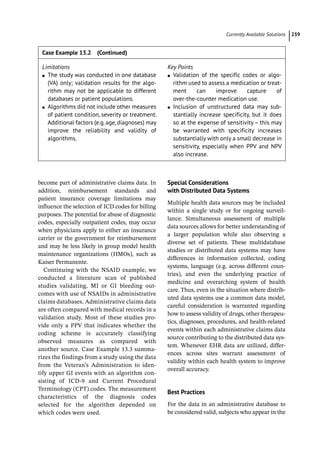
approved indication, or any other evidence-­
based reasons for its use.
6 Views from Academia, Industry, Regulatory Agencies, and the Legal System
76
More sophisticated health records systems
are becoming available each year that integrate
pharmacy data with information from clinical
laboratories, electronic health records, regis-
tries, and sources of patient-­
reported informa-
tion to measure the adequacy of use of
cholesterol-­
lowering agents, diabetes drugs,
antihypertensives, and other drugs. This makes
it possible to assess the effectiveness of pre-
scribing outcomes for a given clinician (or
practice or system), by measuring how well
target metrics such as normotension or goal
LDL cholesterol or hemoglobin A1c are being
achieved. In all these analyses, pharmacoepi-
demiology makes it possible to evaluate the
appropriateness of medication use in selected
populations, even if it cannot with certainty
determine whether a given prescription in a
particular patient was the best choice.
Evaluation of Patients’ Use
of Drugs in the Health Care System
Even when a medication is appropriately pre-
scribed, patients may underuse it or use it in
unsafe ways. Underuse of needed drugs by
patients is one of the most common
medication-­
related problems, and one that can
be readily identified by pharmacoepidemiol-
ogy (see also Chapter 21).
Because many assessments of underuse are
based on pharmacy-­
generated data on filled
prescriptions, it is sometimes difficult to know
whether non-­
use of an indicated drug was the
result of a failure of the patient to fill a pre-
scription, or the failure of the clinician to write
it. Electronic prescribing makes it possible to
define this problem more precisely. One large
study found that a fourth of initial prescrip-
tions written electronically were never picked
up at the pharmacy. As a result, the approxi-
mately 50% rate of non-­
adherence seen over
time in pharmacoepidemiologic datasets based
on filled prescriptions is a best-­
case scenario,
as it does not even take into account the addi-
tional millions of regimens that are not even
initiated by the patient. Terminology has
evolved to define the two aspects of this prob-
lem: secondary non-­
adherence refers to the fail-
ure by a patient to continue to use a medication
already begun; primary non-­
adherence occurs
when a clinician writes a prescription that the
patient does not even fill once. The magnitude
of both primary and secondary non-­
adherence
is substantial, and varies by drug class as well
as country.
Assessment of the Quality
and Outcomes of Medication Use
in Populations
Much attention is now being paid to the assess-
ment of the outcomes of medication use in
typical “real-­
world” populations. This perspec-
tive is based on the difference between efficacy,
the effect of a medication in the rigorous but
idealized setting of a clinical trial, compared to
its effectiveness, a measure of its outcomes in
typical practice settings. These often differ. For
example, one important conventional rand-
omized trial demonstrated convincingly that
addition of spironolactone to the regimen of
patients with congestive heart failure substan-
tially improved their clinical status and
reduced mortality. However, a population-­
based analysis later found that when these
findings were applied in routine practice by
typical physicians treating a much larger num-
ber of typical patients, there was a significant
increase in hyperkalemia-­
associated morbidity
and mortality. By contrast, an analysis of pre-
scribers’ response to a different study that pro-
vidednewevidenceaboutoptimalmanagement
of atrial fibrillation demonstrated a more posi-
tive change in practice.
Other analyses document that despite over-
whelming randomized trial evidence showing
the efficacy of warfarin use in preventing
stroke in patients with atrial fibrillation,
population-­
based studies of older patients liv-
ing in nursing homes revealed a surprisingly
low prevalence of use of this therapy. Such
underuse was found to be associated with phy-
sicians’ recent experience with adverse events
­The View from Academi  77
caused by the drug, as well as by their percep-
tions and attitudes about risks and benefits.
This kind of real-­
world population research
can lay the foundation for enlightened inter-
ventions to address such non-­
use, by taking on
its underlying causes.
Pharmacoepidemiologic methods can also
be used to track the diffusion of new medica-
tion classes into practice, as well as the reac-
tion of practitioners in various settings to new
information about the comparative benefits
and risks of drug. Acknowledging the gap
between the characteristics of clinical trial par-
ticipants and those who often use a medication
in practice, methods are also being developed
and applied to generalize trial results to more
typical patient populations. For example, the
newer oral anticoagulant, dabigatran, was
approved on the basis of a large randomized
trial comparing it to warfarin, an older oral
anticoagulant. A simulation-­
based approach
was used to assess how the comparative bene-
fits and risks would translate to cohorts of
patients who use these drugs outside of the
randomized trial and in usual routine care.
Such an approach preserves the strengths of
the randomized trial but makes the results
more useful to patients and clinicians.
Policy Analysis
Usually, policy changes are implemented in
the health care system with no systematic
plans for their evaluation, and no follow-­
up
studies of their impact. Such changes in bene-
fit design are often applied to medication use.
However, even if a policy is changed in a way
that does not anticipate an evaluation,
population-­
based observational studies after
the fact can still yield important conclusions
concerning its effects, both good and bad. For
example, when the Canadian province of
British Columbia implemented a reference-­
pricing policy for antihypertensive medica-
tions in which it reimbursed only the cost of an
effective generic drug in several classes, critics
charged that any savings would come at the
cost of increased morbidity and healthcare uti-
lization. However, a careful time-­
series analy-
sis of all medication use, physician visits, and
hospital care in the province before and after
policy implementation provided compelling
evidence that the new reimbursement system
produced no important clinical downsides, but
did achieve substantial savings for the provin-
cial health-­
care budget. Such observational
methods have also been combined with
population-­
based randomized policy trials,
and were found to yield similar results.
Interventional
Pharmacoepidemiology
Although epidemiology is traditionally seen as
a merely observational discipline, it can also be
used for what might be called “interventional
epidemiology” – in this case, using the tools of
pharmacoepidemiology to define baseline
medication use, to direct the implementation
of programs to improve such use, and then to
employ the same rigorous ascertainment of
practice patterns and clinical events to evalu-
ate the effectiveness of those interventions.
One example of such interventional phar-
macoepidemiology has been the development,
testing, and widespread deployment of the
form of educational outreach known as “aca-
demic detailing.” The academic detailing
approach uses the engaging interactive out-
reach of the pharmaceutical industry, but puts
in the service of transmitting messages based
solely on evidence-­
based recommendations of
optimal prescribing, developed by academic
physicians. Building on pharmacoepidemio-
logic assessment of overall prescribing pat-
terns in a given area, the method was then
tested in several population-­
based randomized
trials in which it was shown to be effective in
improving prescribing, as well as in reducing
unnecessary medication expenditures.
As computerized drug and medical data
have matured, their role has expanded to sup-
port large-­
scale, multi-­
center, pragmatic rand-
omized trials of medications themselves. In
6 Views from Academia, Industry, Regulatory Agencies, and the Legal System
78
the Salford Lung Study, investigators rand-
omized over 4000 typical patients with asthma
to receive an inhaled combination of a beta-­
agonist and a corticosteroid or to usual care.
The trial was conducted in more than six dozen
general practice clinics in the UK, using an
integrated electronic health record system that
enabled the investigators to collect study data
during the course of the trial with little addi-
tional interaction required between patients
and trial staff.
Economic Assessment
of Medication-­
Related Issues
Using population-­
based datasets that contain
information on expenditures as well as utiliza-
tion makes it possible to assess the economic
impact of such prescribing issues as well (see
Chapter 18). The above study of patients
treated for hypertension, for example, found
that better adherence to the guideline recom-
mendations would not only have led to more
evidence-­
based prescribing (and therefore bet-
ter clinical outcomes), it would also have
resulted in savings of $1.2 billion annually if
the findings were projected nationally.
Similarly, the clopidogrel-­
use study suggested
that if aspirin had been substituted in patients
who lacked an evidence-­
based or FDA-­
approved indication for use of the more costly
drug, it would have saved $1.5 billion at a
national level.
The Academic Medical Center
The academic medical center represents a spe-
cial case of inquiry for pharmacoepidemiology,
and one where the field can make particularly
useful contributions. These centers are the
home base for many researchers in the field,
and such settings are more likely than many
routine practices to have available the elec-
tronic datasets that make such analyses possi-
ble. In recent years, the Institute of Medicine
(IOM) has been promoting the idea of a
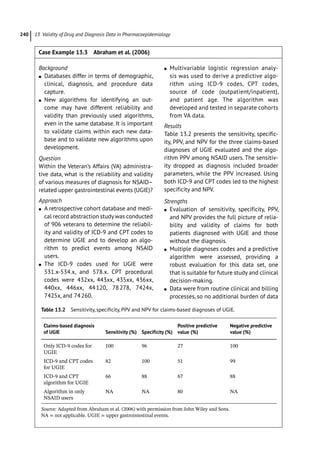
Learning Healthcare System in which the data
generated within a medical center are ana-
lyzed and used to improve the delivery of care
within the system. The science of pharmacoep-
idemiology is central to the collection, analy-
sis, and interpretation of the data generated
and used in this continuous feedback loop for
several reasons, including its capacity to rigor-
ously specify treatment exposures and out-
comes, and its perspective that takes into
account the concept of “population at risk.”
For academic medical centers that evolve in
the coming years to become the hubs of com-
prehensive accountable care organizations, the
availability of such data and investigator teams
will make it possible to use these epidemio-
logic tools to study – and improve – the pat-
terns of use and outcomes of medications
across the entire inpatient-­
outpatient contin-
uum of care.
Consortia of Academic Medical
Center Programs
for Pharmacoepidemiologic
Research
As the field of pharmacoepidemiology matures,
new collaborations are emerging to enhance the
capacity of the health care delivery system and
of academic centers to address important ques-
tions in medication use. Such collaborations
can bring together large groups of patients for
study, increasing the size of populations availa-
ble for research, as well as their diversity and
representativeness. Equally important, such
consortia can bring together the expertise of
several groups whose skills may be complemen-
tary in addressing the difficult methodologic
issues inherent in observational studies of drug
use and outcomes. The EMA has created
ENCePP, the European Network of Centres for
PharmacoepidemiologyandPharmacovigilance.
The project has developed an inventory of
European research centers and data sources in
­The View from Academi  79
pharmacoepidemiology and pharmacovigi-
lance, and provides a public index of such
resources. ENCePP has also developed an elec-
tronic register of studies that provides a publicly
accessible means of identifying all registered
ongoing projects in pharmacoepidemiology and
pharmacovigilance. In order to be registered
and receive formal ENCePP approval, study
investigators must agree to a Code of Conduct,
which sets forth a set of principles for such stud-
ies concerning methodologic practices and
transparency; they must also agree to adhere to
a checklist of methodologic standards.
Examples in the US include the FDA’s
Sentinel system, the Centers for Disease
Control and Prevention’s (CDC’s) Vaccine
Safety Datalink (VSD), and the Patient-­
Centered Outcome Research Institute’s
(PCORI) PCORnet. Sentinel is FDA’s national
monitoring system that brings together a large
number of electronic health care data providers
and academic investigators to conduct post-­
approval safety surveillance of FDA-­
regulated
medical products. The VSD, which is a collabo-
rative project between the CDC and health care
organizations that provide data and scientific
expertise, is a precursor to Sentinel that focuses
on vaccine safety surveillance, such as monitor-
ing the safety of the seasonal influenza vaccine.
A product of the healthcare reform program
enacted in 2010, PCORI was designed to pro-
vide funding for comparative effectiveness
research (CER), which was to include the study
of medications, often by means of observa-
tional studies. PCORnet is PCORI’s collabora-
tive network of health systems, clinicians,
researchers, patients, and data intended to fos-
ter patient-­
centered research across various
health systems. However, those who expected
PCORI to function as a CER resource that
would fund trial or observational studies com-
paring relevant treatment options head-­
to-­
head
have been surprised at what a small proportion
of its activities have supported such work.
The Future
The continuing evolution of health care sys-
tems in both the industrialized and the devel-
oping worlds will bring about a growing role
for pharmacoepidemiology in multiple set-
tings. Many new medications have novel effi-
cacy but also daunting risks of toxicity, and
often enormous costs. Health care systems all
over the world face pressures to provide only
those interventions that have the best effi-
cacy and safety, but also at a price. To accom-
plish this will require relying on more than
manufacturers’ assessments of the utility,
safety, or economic value of their own prod-
ucts, and more than clinicians’ received wis-
dom or traditional prescribing habits. Nor
will the interest of some insurers in promot-
ing use of the most inexpensive medications
necessarily lead to optimal outcomes
­
clinically, economically, or ethically.
Pharmacoepidemiology (and its related disci-
pline, pharmacoeconomics) can provide the
tools for rigorous assessment of the good and
harm that specific medications provide, and
hold the promise of applying science to ther-
apeutic decisions that are still too dominated
by other forces.
Summary Points for the View
from Academia
●
● Pharmacoepidemiology has a growing role
in providing insights into therapeutic deci-
sions as routinely collected health care data
can be analyzed by increasingly powerful
software and hardware, combined with
emerging sophisticated epidemiologic
methods.
●
● Beyond defining the benefits and risks of
therapeutics, these tools can point to how
best to maximize benefits, reduce risks, and
contain costs.
6 Views from Academia, Industry, Regulatory Agencies, and the Legal System
80
Case Example 6.1  
The view from academia: The role of aca-
demia in developing, implementing, and
evaluating innovative programs to improve
medication use (Avorn 2011).
Background
●
● Practitioners have difficulty keeping up
with important new findings about drug
risks and benefits. As a result, there is a
knowledge gap between what is known
and what is practiced.
●
● Pharmacoepidemiology can play a more
prominent role in defining prescribing
patterns and their outcomes.
Question
How can researchers in academia improve
the use of therapeutics to maximize patient
benefit and minimize the likelihood of harm?
Approach
●
● Academic researchers have expertise in
analyzing population-­
based data to identify
patterns of medication use. They also have
a broad grasp of the overall clinical litera-
ture; train future practitioners and research-
ers; develop and evaluate therapies; deliver
care to patients; and include thought lead-
ers who influence national policy.
●
● Such expertise can be used to understand
the outcomes of medications and improve
their use.
●
● Programs of “academic detailing” devised
by academic researchers can adopt the
effective outreach methods of pharmaceu-
tical companies for noncommercial pur-
poses by visiting physicians in their offices
to promote optimal prescribing practices.
Results
Many randomized controlled trials have dem-
onstrated that this approach is effective in
providing prescribers with better information
about benefits, risks and appropriate use of
therapeutics, and changing their prescribing.
Strengths
●
● This approach enables those in academia
to combine the analytic tools of
­
pharmacoepidemiology with evidence-­
based medicine expertise and social mar-
keting methods to create interventions
that bridge the gap between therapeutics
knowledge and practice.
●
● Such programs can help offset their costs
by improving outcomes and reducing use
of therapies that are not cost-­
effective.
Limitations
●
● Requires cooperation among stakeholders
with different goals and perspectives
within a fragmented health care system.
●
● Lack of cooperation among different pay-
ers can reduce incentives to operate such
programs and sustain their costs.
Key Points
●
● As health care organizations become more
centered on enhancing outcomes and
value rather than on maximizing volume,
opportunities are increasing for academic
researchers to “push out” innovative user-­
friendly educational programs to improve
medication use.
●
● Pharmacoepidemiology can play a central
role in such work, by defining patterns of
medication use, assessing risks and bene-
fits, and evaluating changes in prescribing
and outcomes in populations of patients.
●
● Health care organizations face pressing
needs to develop data repositories and
local expertise in the analysis of medica-
tion use and outcomes. Academic medical
centers can set the example by organizing
their own data and providing access to it to
improve quality and therapeutic strategies.
●
● Academic medical centers can leverage their
combined missions of education,health care
delivery,and research to move national prac-
tice toward better use of therapeutics.
●
● Academic researchers are well suited to
translate medical research findings on
drug benefits, risks, and cost-­
effectiveness
into educational outreach programs that
can be acted upon by policy-­
makers, prac-
titioners and the public.
­The View from Industr  81
­
The View from Industry
Note
The views expressed are those of the authors,
which are not necessarily those of Aetion Inc. or
Pfizer Inc.
Introduction
Epidemiology is recognized as a key compo-
nent of risk management and safety assess-
ment activities during pre-­and post-­
approval
drug development. In addition to risk manage-
ment, epidemiology contributes to several
other important functions within a biophar-
maceutical company, including portfolio
development, the commercialization of drugs,
and benefit–risk assessments. The use of epi-
demiology to support the appropriate market-
ing of drugs, including health economics, and
benefit–risk assessment, are discussed else-
where in this book (see Chapters 18 and 23).
The most consistent contribution of epidemi-
ology in the biopharmaceutical industry is
arguably drug safety evaluation, including the
contextualization and refinement of safety sig-
nals, and examination of specific research
hypotheses. To meet these aims, epidemiolo-
gists design and implement background epide-
miology studies among indicated populations,
risk management interventions and evalua-
tions, and post-­
approval safety studies.
Additionally, epidemiologists contribute con-
tent, expertise, and strategy to regulatory docu-
ments such as global Risk Management Plans
(RMP), Pediatric Investigation Plans (PIP), and
orphan drug applications, and are key contrib-
utors in interactions with regulatory authori-
ties. This section discusses the specific
application of pharmacoepidemiology to safety
assessment throughout the development lifecy-
cle from the perspective of epidemiologists
working within the biopharmaceutical indus-
try. At the end of this section, we include a case
example of the epidemiology strategy imple-
mented to support the development, approval,
and post-­
approval activities for Xeljanz®
(tofaci-
tinib), a Janus kinase (JAK) inhibitor for treat-
ment of rheumatoid arthritis (RA).
Regulatory and Industry Focus on Risk
Management and Epidemiology
Biopharmaceutical risk management (see also
Chapter 23) is fundamentally concerned with
preserving an appropriate benefit–risk balance
among patients using a medicine, vaccine, or
device. There are many tools by which this goal
can be achieved, but risk assessment and risk
mitigation are the two primary components of
risk management. Epidemiologists play a vital
role in the quantification and interpretation of
risk. Pre-­
approval, they contextualize risks
emerging from clinical studies by understand-
ing the background rates of clinical outcomes
of interest in the indicated population. Post-­
approval, they assess the safety of drugs as
usedinactualclinicalpractice.Epidemiologists’
training in observational research, data analy-
sis and interpretation, and survey and program
design also contributes to effective risk mitiga-
tion program planning and assessment.
The Evolution of Biopharmaceutical
Risk Management
The guidance and regulations around risk
management have evolved since the 1990s.
Public pressure to speed drug approvals for
HIV and cancer drugs led to the Prescription
Drug User Fee Act (PDUFA) in the US. Ten
years later, concern that speed might come at
the expense of fully evaluating safety led to
the inclusion of a risk management frame-
work for safety assessment in PDUFA III in
2002. For the first time, dedicated funding
was provided to the FDA for risk manage-
ment resources. In response to this regula-
tion, the FDA issued three guidance
documents in 2005: (i) Pre-­
Marketing Risk
Assessment, (ii) Pharmacovigilance and
Pharmacoepidemiology, and (iii) Risk
Minimization Action Plans (RiskMAPs).
After a number of widely used drugs
were withdrawn in 2004 and 2005 for safety
reasons, the public questioned the effective-
ness of the FDA’s methods to assess and
approve drugs. The IOM was tasked with eval-
uating the US drug safety system and making
6 Views from Academia, Industry, Regulatory Agencies, and the Legal System
82
­
recommendations for improvements to risk
assessment, safety surveillance, and the safer
use of drugs. The IOM committee made
numerous recommendations, several of which
pertained to epidemiologists, including: pro-
vide the FDA additional funding and staff;
improve ­
communications on drug safety,
including a larger role for the drug safety staff;
and most importantly, be given additional
authority and enforcement tools.
As a result of the IOM report and other stake-
holder research and advocacy, Congress passed
the Food and Drug Administration Amendment
Act (FDAAA) in 2007, which further strength-
ened the FDA’s oversight of risk management
activities. With FDAAA, the FDA was granted
the ability to mandate post-­
approval studies
(Postmarketing Requirements, or PMR) and
Risk Mitigation Evaluation Strategies (“REMS”;
see section later in this chapter for further infor-
mation) by imposing substantial fines for non-
compliance or denial/revocation of drug
approval. FDAAA also allowed for voluntarily
post-­
marketing commitments (PMC), i.e. stud-
ies that may not necessarily be required but
could provide important public health informa-
tion. Observational studies could be either
PMRs or PMCs, and are further described in the
FDA Guidance for Industry Postmarketing
Studies and Clinical Trials.
Europe passed similar legislation in 2005,
The Rules Governing Medicinal Products in
the European Union-­
Volume 9A, which pro-
vide guidelines on pharmacovigilance and risk
management between companies and the
EMA. EU law requires companies to submit a
formal RMP with each marketing authoriza-
tion application (MAA). Following a review of
the European system of safety monitoring as
well as extensive public consultation, a
Directive and Regulation (also called new EU
pharmacovigilance legislation) were adopted
by the European Parliament and Council of
Ministers in December 2010, which became
effective in July 2012, bringing about signifi-
cant changes in the safety monitoring of
medicines across the EU. The new EU
­
pharmacovigilance legislation introduced a
pharmacovigilance system master file (PSMF),
required RMPs for all new products, enhanced
post-­
authorization measures with legally bind-
ing post-­
authorization safety studies (PASS),
including evaluation of the effectiveness of
additional risk minimization measures
(aRMMs), and post-­
authorization efficacy
studies (PAES). The new EU pharmacovigi-
lance legislation also introduced clarity in the
oversight by the authorities for non-­
interventional studies: the national competent
authority is responsible for nationally author-
ized products, EMA and its Pharmacovigilance
and Risk Assessment Committee (PRAC) has
the oversight responsibility when more than
one member state is involved. To facilitate the
performance of pharmacovigilance in accord-
ance with the new EU legislation, the EMA
developed good pharmacovigilance practices
(GVP) modules. The modules that are most rel-
evant to epidemiologists are Module VIII PASS
and Module XVI Risk minimization measures:
selection of tools and effectiveness.
Besides US and EU, regulations on risk man-
agement planning, including post-­
approval
safety studies, are evolving in other parts of the
world, such as Asia and Latin America. In
Japan, post-­
marketing surveillance (PMS) is
required for newly approved medicine and must
be conducted in according with the good post-­
marketing study practice (GPSP), a set of stand-
ards unique to Japan. The GPSP ordinance
mandates PMS studies, commonly known as
drug use results surveys (DURSs), and defines
the approach for DURS conduct. There is little
flexibility in the design and format; protocol
finalization and approval are usually stream-
lined processes. Japan’s Pharmaceuticals and
Medical Devices Agency (PMDA) has been
working to strengthen its drug safety assess-
ment framework. The Medical Information for
Risk Assessment Initiative (MIHARI) project
was initiated in 2009 with the aim of utilizing
large-­
scale electronic health information data-
bases as novel information sources for pharma-
coepidemiologic drug safety assessments in
­The View from Industr  83
Japan. After conducting extensive pilot studies,
the framework was implemented into practical
applications in 2014 and is expected to play an
important role in Japan’s pharmacovigilance
and risk management in the future.
In China, policies for post-­
approval safety
studies, known as intensive monitoring, are still
evolving, and the available guidance and over-
all approach are not as comprehensive as in
the US, EU, or Japan. However, the basis for
intensive monitoring has evolved over the past
decade, and provisions for the ideas of post-­
marketing re-­
evaluation and re-­
registration
are delineated in China’s FDA regulations. In
Mexico, Federal Commission for Protection
against Health Risks (COFEPRIS) is the regu-
latory authority for pharmaceuticals. The
National Center of Pharmacovigilance within
COFEPRIS is responsible for the oversight of
all pharmacovigilance activities, in addition to
setting local policies in line with national and
international pharmacovigilance guidelines.
The main standard guideline governing phar-
macovigilance, including PMS studies, in
Mexico is the Installation and Operation of
Pharmacovigilance.
Epidemiology has become increasingly
important to risk management over the last
three decades with evolving pharmacovigi-
lance regulation globally, which has further
solidified epidemiology’s role in informing the
benefit–risk of medicines throughout the
development lifecycle.
Epidemiology in Drug Safety
Evaluation
Background
The safety profile of any drug reflects an evolv-
ing body of knowledge extending from pre-­
clinicalinvestigationsthroughthepost-­
approval
lifecycle of the product. Drug manufacturers
traditionally relied on two major sources for
information on the safety of drugs: the clinical
trials supporting the New Drug Application
(NDA) and, once the drug was marketed, spon-
taneous reports received throughout the world
(see Chapter 7). Clinical trials and spontaneous
reports are useful and have a unique place in
assessing drug safety (e.g. signal detection).
However, both sources have limitations that
can be addressed, in part, by the proper use of
observational epidemiology. Epidemiologic
studies complement these two sources of data
to refine the safety signals they generate and to
provide a more comprehensive and pragmatic
picture of the safety profile of a drug as it is
used in clinical practice.
Contributions of Pre-­
approval
Epidemiology
Before evaluation of a potential medicine can
begin, extensive pre-­
clinical research is con-
ducted, involving lengthy in vitro and in vivo
testing. Preclinical safety studies evaluate and
identify potential toxic effects of the drug,
which include assessing whether a medicine is
carcinogenic, mutagenic, or teratogenic.
Although the information generated from pre-­
clinical studies provides guidance on the selec-
tion of a safe starting dose for the first
administration-­
to-­
human study, the limited
predictability of animal studies to the toxicity
of drugs in human is well-­
recognized.
However, these studies can provide important
information about hypothetical drug risks.
Randomized clinical trials (RCTs) provide
abundant high-­
quality data about identified
and hypothetical risks, but have limitations.
Pre-­
approval RCTs typically involve highly
selected subjects followed for a short period of
time and, in the aggregate, include at most a
few thousand patients. These studies are gen-
erally sufficiently large to provide evidence of
a beneficial clinical effect, exclude large
increases in risk of common adverse events,
and identify the most common and acutely
occurring adverse events. However, they are
rarely large enough to detect small differences
in the risk of common adverse events or to reli-
ably estimate the risk of rare events. Using the
“rule of three,” where the sample size needed
is roughly three times the reciprocal of the fre-
quency of the event, at least 300 patients would
6 Views from Academia, Industry, Regulatory Agencies, and the Legal System
84
be required in a trial in order to observe at least
one adverse event that occurs at a rate of 1/100.
Likewise, a sample of 3000 is needed to observe
at least one adverse event with 95% probability
if the frequency of the event is 1/1000 (see
Chapter 3 for more discussion of the sample
sizes needed for studies). Increasingly, preap-
proval studies – particularly in the rare dis-
eases or where long-­
term placebo treatments
are unethical – include unbalanced randomi-
zation or treatment arms with short duration
of placebo or active-­
comparator, or use non-­
contemporaneous controls. While clinical tri-
als are not intended or designed to address all
potential safety issues related to a particular
drug, like preclinical studies, they often give
rise to signals that cannot be adequately
addressed from trial data alone.
Pre-­
approval epidemiology complements
safety data from preclinical and clinical studies
and provides a context for signals arising from
clinical trials. Comprehensive reviews of the
epidemiologic literature are complemented by
epidemiologic studies to establish the back-
ground epidemiology (e.g. incidence, preva-
lence, mortality) of the indication among
patients expected to use the new medication
(i.e. indicated populations); expected preva-
lence/incidence of risk factors, co-­
morbidities
and complications; patterns of health care uti-
lization and prescribing of currently approved
treatments; and background rates of mortality
and serious nonfatal events.
Epidemiologic studies conducted before or
during the clinical development program are
often critical to place the incidence of adverse
events observed in clinical trials in perspective.
Data are often lacking on the expected rates of
events in the population likely to be treated.
For example, studies examining the risk fac-
tors for and rates of sudden unexplained death
among people with epilepsy were able to pro-
vide reassurance that the rates observed in a
clinical development program were within the
expected range for individuals with a compara-
bly severe disease. Epidemiologists use infor-
mation from the published literature,
descriptive epidemiologic studies, and stand-
ing cohorts (i.e. open cohorts of indicated pop-
ulations which are updated over time and
queried for incidence of safety events and
other data as needed) to support regulatory fil-
ings and to complete epidemiology sections of
key regulatory documents (e.g. RMP and PIP,
orphan drug applications). These background
epidemiology data can also be a key compo-
nent for internal decision making such as trial
design, data monitoring committee decisions
to stop/continue trials, decisions to move/not
move to the next phase of development, risk
management decisions, and risk mitigation
planning.
During development, in addition to summa-
rizing the existing relevant literature and
designing and executing background epidemi-
ology studies, industry epidemiologists are
often involved in safety signal evaluation,
observational analyses of RCT data (e.g. as-­
treated or observed versus expected analyses),
and designing post-­
approval epidemiology
studies and risk minimization planning.
Planning for successful post-­
approval epidemi-
ology studies often begins well before approval.
During the peri-­
approval phase, epidemiolo-
gists may conduct feasibility assessments for
planned post-­
approval studies, start key opera-
tional aspects of post-­
approval studies (e.g.
identifying key external partners such as con-
tract research organizations and scientific
steering committee members for the design
and conduct of the study), and contribute to
regulatory submissions, responses, and nego-
tiations (e.g. responding to regulatory inquiries
related to epidemiology and participating in
regulatory meetings).
There are several other areas where epidemi-
ologists are increasingly providing their exper-
tise to support pre-­
approval development. In
the context of risk minimization planning, the
epidemiologist may conduct research to test
the comprehension and utility of educational
materials, evaluate the proposed risk minimi-
zation tools and processes to assess their bur-
den on the healthcare system and patients,
­The View from Industr  85
pilot and/or user test assessment materials
such as surveys, and generally contribute to
the design and implementation of these pro-
grams. Furthermore, many regulatory ­
agencies
are utilizing various benefit–risk assessment
frameworks in their reviews. Epidemiologists
can provide inputs or lead both quantitative
and qualitative benefit-­
risk assessments such
as multi-­
criteria decision analysis (MCDA),
stochastic multicriteria acceptability analysis
(SMAA), and the PhRMA Benefit-­
Risk Action
Team (BRAT) framework, among others (see
Chapter 23). Lastly, several accelerated/condi-
tional approval pathways and regulations exist
in the EU, and are anticipated for the US and
other regions, which have requirements for
Real World Data and Evidence (RWD/RWE) to
complement the incomplete or uncertain data
from abbreviated development programs in
areas of high unmet needs. Epidemiologists’
expertise in regulatory-­
quality RWD/RWE
generation is often critical to the success of
these accelerated options.
Contributions of Post-­
approval
Epidemiology
The need for a post-­
approval epidemiology
study can be known and devised pre-­
approval
or can arise once a new drug is marketed. Post-­
approval signals may come from clinical trial
extension data (e.g. long-­
term extension [LTE]
studies), spontaneous reports, published case-­
series, or signal detection of electronic health-
care data. Once a drug is marketed,
epidemiologists execute post-­
approval com-
mitments (e.g. epidemiology studies, active
surveillance studies, other registries, REMS/
aRMM evaluations, PIP observational studies,
etc.); conduct studies evaluating the effective-
ness of risk mitigation activities; perform sig-
nal detection in existing cohorts (e.g. via
claims or electronic patient record data); and
design and implement new studies as addi-
tional signals arise (e.g. from spontaneous
reports, signal detection or other sources).
Epidemiologists also communicate scientific
findings through oral and poster presentations
at scientific conferences and peer-­
reviewed
publications.
Spontaneous reporting systems are the most
commonly used pharmacovigilance method to
generate signals on new or rare adverse events
not discovered in clinical trials (see Chapter 7).
However, there are several important limita-
tions in interpreting spontaneous report data.
Due to the lack of complete numerator (num-
ber of cases) and the need to estimate the
denominator (total number of patients actu-
ally exposed to the drug) data, it is not possible
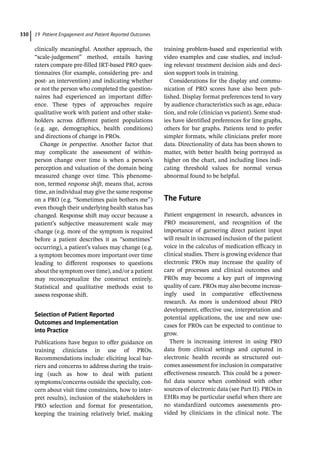
to determine the incidence of a particular
event from spontaneous reports. Further eval-
uation of an apparent association between a
drug and an adverse reaction usually requires
post-­
approval epidemiologic studies.
Likewise, the nature of pre-­
approval clinical
trials often necessitates further safety evalua-
tion through post-­
approval epidemiology. In
addition to the limited sample size and length
of follow-­
up of pre-­
approval RCTs, with
respect to drug safety, an additional limitation
of these studies is the common strict inclu-
sion/exclusion criteria. Patients included in
pre-­
approval clinical studies may be the
healthiest segment of that patient population.
Special groups such as the elderly, pregnant
women, or children are frequently excluded
from trials. Patients in clinical trials also tend
to be treated for well-­
defined indications, have
limited and well-­
monitored concomitant drug
use, and are closely followed for early signs
and symptoms of adverse events which may be
reversed with proper treatment.
In contrast, once a drug is marketed, it is
used in a “real-­
world” clinical context.
Patients using the drug may have multiple
co-­
morbidities for which they are being
treated simultaneously. Patients may also be
taking over-­
the-­
counter medications, “natu-
ral” remedies, or illicit drugs unbeknownst to
the prescribing physician. The interactions of
various drugs and treatments may result in a
particular drug having a different safety pro-
file in a post-­
marketing setting compared to
the controlled premarketing environment.
6 Views from Academia, Industry, Regulatory Agencies, and the Legal System
86
An example is the drug mibefradil, which
was voluntarily withdrawn from the market
by the manufacturer after less than a year
as a result of new information about multi-
ple potentially serious drug interactions.
Adherence to medications also often differs
between closely monitored trials and general
post-­
approval use, as is the case with
antihypertensives.
Because of the logistical complexity, high
cost, and low external validity, large controlled
trials have not been widely used for the post-
marketing evaluation of drugs. Regulators and
the medical community have communicated a
desire for safety data from the populations that
actually use the drugs in “real-­
world” clinical
practice. This has led to a greater emphasis on
the use of observational methods to under-
stand the safety profile of new medications
after they are marketed.
In addition to typical epidemiologic designs,
depending on the specific safety research
hypothesis, epidemiologists design and imple-
ment active surveillance studies, pragmatic
trials (including the most naturalistic version,
the large simple trial [LST]), and self-­
controlled designs such as the case-­
crossover
study and self-­
controlled case series. Active
surveillance studies can be defined as descrip-
tive studies intended to solicit information on
adverse events among a specified population,
such that the numerator and denominator are
as complete as possible, potentially allowing
calculation of incidence.
Purely observational epidemiologic stud-
ies may not always be the most appropriate
method of evaluating safety signals or com-
paring the safety profile of different medica-
tions, especially when there are concerns of
confounding by indication. Confounding by
indication occurs when the risk of an adverse
event is related to the indication for medica-
tion use such that in the absence of the med-
ication, those actually exposed are at higher
or lower risk of the adverse event than those
unexposed. As with any other form of con-
founding, one can, in theory, control for its
effects if the severity of the underlying ill-
ness (i.e. any conditions specified as labeled
indications or contraindications, or included
in the precautions or warnings) can be val-
idly measured (see Chapter 22). Confounding
by indication is more of an issue when a par-
ticular property of the drug is very likely to
affect the type of patient it is used by or pre-
scribed to. In these cases, studies using rand-
omization to treatment may be necessary. A
pragmatic clinical trial (PCT) is an RCT with
one or more pragmatic elements and an LST
is a type of PCT that combines randomiza-
tion to treatment with observational follow-
­
up of patients. The characteristics of LSTs
are further described in Chapter 17.
Epidemiology in Evaluation of Risk
Mitigation Interventions
Epidemiology not only plays an important role
in evaluation of the drug safety profile pre-­and
post-­
approval but, as noted earlier, also makes
significant contributions to the evaluation of
the effectiveness of risk mitigation interven-
tion measures (see also Section 23.6). This
component of biopharmaceutical risk man-
agement has grown considerably in the last
decade, with the US, EU, Taiwan, Egypt,
Australia, and a number of other countries
implementing legislation that supports risk
mitigation interventions.
Under FDAAA, the FDA can require a
sponsor to submit a proposed Risk
Evaluation and Mitigation Strategies
(REMS) as part of its initial application if
the FDA finds that a REMS is necessary to
ensure the benefits of the drug or biological
product outweigh the risks. The FDA may
also require a REMS post-­
approval based
upon new safety information. FDAAA has
defined this as any information obtained
during the initial review process, as a result
of post-­
approval studies, or spontaneous
reports. REMS are intended to be utilized to
reduce known or hypothetical risks when
traditional minimization approaches (i.e.
­The View from Industr  87
the product label) are insufficient. These
tools generally fall into three categories:
enhanced education, i.e. patient labeling
(including medication guides) or communi-
cation plans such as prescriber training pro-
grams; Elements to Assure Safe Use
(ETASU), e.g. requiring documentation of
laboratory tests before each prescription or
restricting distribution only to those who
are certified prescribers; and an implemen-
tation system to monitor and evaluate the
ETASU. A critical addition to this legislation
that was particularly relevant to epidemiolo-
gists within industry was the requirement to
perform assessments of the effectiveness of
these risk minimization tools and to submit
these to the Agency for review at prescribed
time points, generally at 18 months, 3 years,
and 7 years. The EU has similar legislation
to require sponsors to implement aRMM
where necessary to ensure the benefits out-
weigh the risks, and a similar requirement
to assess the effectiveness of the aRMM,
although without defined timelines. These
aRMM programs and assessments are
described in the EU-­
RMP.
Epidemiologists play a critical role in the
design and implementation of these assess-
ments because of their expertise in observa-
tional study design, survey design, data
analysis, and program evaluation. For exam-
ple, using an automated healthcare or claims
database, assessments may measure compli-
ance with monitoring guidelines or to meas-
ure whether a contraindicated population is
prescribed the drug. Assessments may also
examine the frequency of occurrence of an
adverse event of interest before and after
implementation of the risk minimization
tool. Most commonly, however, assessments
measure prescriber, pharmacist, or patient
comprehension of risk information or self-­
reported adherence to risk minimization
behaviors, and require the epidemiologist to
craft cross-­
sectional surveys specific for
each recipient, drug, and associated unique
risk profile, as standardized or validated
­
questionnaires that measure these concepts
do not exist.
The implementation of the REMS and
aRMM legislation has highlighted a number
of difficulties. The mandated assessments may
be difficult to achieve, or achieve within the
US legislative timelines, for many reasons: the
need to develop and pilot knowledge/compre-
hension surveys unique to each drug subject
to a REMS; to design, implement, and assess
complex safe use programs; the scarcity of
patients treated with the drug of interest; or
difficulties in identifying them through auto-
mated channels. The fractured healthcare and
prescription delivery system in the US and the
wide variety of health systems, legal and pri-
vacy requirements, and attitudes toward these
programs and research participation across
Europe present a barrier to efficient distribu-
tion of educational materials, to the imple-
mentation of many safe use elements, and to
the scientifically valid evaluation of these pro-
grams overall. Unfortunately, there is rela-
tively little scholarly work published on how
best to assess, how best to define success, and
where necessary, how best to improve these
often burdensome but important risk mitiga-
tion programs. Knowledge in these areas con-
tinues to mature as more companies and the
regulatory agencies garner additional experi-
ence, and we expect that existing guidance
will evolve. Risk mitigation evaluation is thus
still an emerging area for epidemiologists in
industry but one that complements our spe-
cialized training and expertise.
Conclusion
Epidemiology makes a significant contribu-
tion to the development and marketing of
safe and effective biopharmaceutical prod-
ucts worldwide. It facilitates the regulatory
process and provides a rational basis for drug
safety evaluation, particularly in the post-­
approval phase, and evaluation of risk miti-
gation interventions. Like any other
discipline, it must be properly understood
6 Views from Academia, Industry, Regulatory Agencies, and the Legal System
88
and appropriately utilized. Industry has an
opportunity to contribute to the ­
development
of the field and the responsibility to do so in
a manner that expands resources while
assuring scientific validity. With the passage
of the 2007 FDAAA legislation and the 2010
EMA Regulation on Pharmacovigilance, the
need for scientists with training and research
experience in pharmacoepidemiology has
never been greater. To best support drug
safety evaluation, epidemiology strategies
must: (i) begin early in development, (ii)
continue throughout the lifecycle of the
drug, (iii) evolve as new safety information
becomes available, and (iv) be innovative,
requiring epidemiologists to be aware of
new methodologies and methods specific to
the disease area. Epidemiologists within
industry have an opportunity to build on the
successes of the last 40 years by collabo-
rating with academics, non-­
profit organi-
zations and regulators to advance the
methods of drug safety evaluation and risk
management.
Summary Points for the View
from Industry
●
● The safety profile of any drug reflects an
evolving body of knowledge extending from
preclinical investigations to the first use of
the agent in humans and through the post-­
approval life cycle of the product.
●
● Results from clinical trials, spontaneous
reports, epidemiologic studies, and where
relevant, preclinical datasets, should all be
evaluated for their potential to address
safety questions, with close consideration
given to the unique strengths and limita-
tions of the study designs and data collec-
tion methods used.
●
● Epidemiology plays a central role in drug
safety assessment and risk management
activities within the pharmaceutical indus-
try, whether through studies of the natural
history of disease, disease progression/treat-
ment pathways, and morbidity and mortality
patterns, or in the design and implementa-
tion of post-­
approval safety studies or risk
minimization programs.
Case Example 6.2  
View from industry: Tofacitinib pre-­
approval and post-­
approval epidemiology
strategies.
Background
●
● Tofacitinib is a JAK inhibitor for the treat-
ment of rheumatoid arthritis (RA) for
adults with an inadequate response to
methotrexate.
●
● RCTs provide high-­
quality data about iden-
tified and hypothesized risk but have limi-
tations. Even though all the RCTs in the
tofacitinib RA development program
included at least one placebo or active
control group, the size of the control
groups and duration of treatment prohib-
ited precise comparative assessments for
adverse events with low frequency or long
latency. Furthermore, LTE studies, while
providing greater exposure in patients
taking tofacitinib, lacked control groups to
allow a comparative risk assessment.
Evidence of the expected rates in a con-
current and directly comparable patient
population was also lacking.
Question
How were epidemiologic studies strategi-
cally implemented to support the safety pro-
file of tofacitinib during the entire product
lifecycle from pre-­
approval to post-­
approval
activities?
Approach
●
● Pre-­
approval epidemiological strategy con-
sisted of several distinct but complemen-
tary efforts for risk characterization for
­The View from Industr  89
tofacitinib, including literature reviews,
meta-­
analyses, and a standing cohort
within a US-­
based registry of patients with
RA. Indirect comparative methods via
external patient cohorts were also used to
provide evidence of expected adverse
event rates, while taking into account key
potential differences in the populations.
The output of the analyses were used to
assess the rates of identified and potential
risks of interest in the tofacitinib clinical
program compared with those from
cohorts of RA patients treated with bio-
logic disease modifying antirheumatic
drugs (bDMARDs).
●
● Post-­
approval epidemiology strategy con-
sisted of several approaches including (i)
safety studies to characterize the safety of
tofacitinib within the real-­
world or clinical
practice setting, (ii) surveillance program
is to evaluate any excess risk in the occur-
rence of known or potential adverse
events, after accounting for confounding
factors including disease severity and con-
comitant therapy, and (iii) risk mitigation
activities.
⚪
⚪ In the US, two observational post-­
approval safety studies were initiated: (i)
an active surveillance study within the
Corrona RA registry, and (ii) a pregnancy
outcome study within the Organization
of Teratology Information Specialists
Registry (OTIS) registry as a condition for
approval of tofacitinib.
⚪
⚪ In the EU, four 5-­
year surveillance stud-
ies embedded within existing registries
(ARTIS, BIOBADASER, BSRBR, and
RABBIT) were proposed as a commit-
ment to EMA to assess the safety of
tofacitinib.
⚪
⚪ The US REMS for tofacitinib consisted of
a Medication Guide, a communication
plan, and a timetable for the submission
of the REMS assessment (i.e. surveys at
18 months, 3years, and 7 years). The EU
aRMMs were implemented within the
EU as a condition of approval within the
EU consisting of an educational program
intended to enhance the communication
of the risks and risk minimization prac-
tices to patients and health care profes-
sionals (HCP).
Results
●
● Pre-­
approval epidemiology strategy: The
data from pre-­
approval epidemiological
analyses were articulated within regula-
tory documents including the NDA for FDA
and the briefing document (i.e.summary of
clinical safety (SCS), clinical overview (CO),
etc.) for EMA and also presented at the
FDA Advisory Committee Meeting for
tofacitinib in May 2012. The collective
body of evidence (including interim data
from the US-­
based registry study) provided
substantial additional context to rates of
selected adverse events observed in the
tofacitinib clinical trial program, and
therefore addressed the uncertainties
related to the potential risks previously
expressed by the EMA.
●
● Tofacitinib was approved in the US in
November 2012 and in the EU in March
2017.
●
● Post-­approval epidemiology strategy: Several
regulatory commitments, including post-­
approval safety studies, ongoing pharma-
covigilance (i.e. spontaneous reports), and
REMS and aRMM related work served to
address regulatory concerns regarding
drug safety among US and European
patients receiving care in the real-­
world.
⚪
⚪ In the US,the FDA deemed the 18-­
month
REMS epidemiological assessment ade-
quate, citing that the survey data dem-
onstrated that patients understood the
Case Example 6.2 (Continued)
(Continued)
6 Views from Academia, Industry, Regulatory Agencies, and the Legal System
90
­
The View from Regulatory
Agencies
Note
The views expressed herein are those of the
authors, and not necessarily of the US FDA,
the MHRA, or the Japanese PMDA.
Introduction
The regulation of pharmaceuticals aims at
ensuring that the public has access to
­
medicines that are effective, acceptably safe,
and of high quality. A wide range of regulatory
activities spans the entire lifecycle of a medi-
cine, involving laboratory-­
based understand-
ing of pharmacological action, animal testing,
providing scientific and regulatory input to
drug development programs, protection of
human subjects during clinical trials, assuring
the integrity of the manufacturing process,
reviewing the dossier to support product
approval or licensure, monitoring the safety of
medicines after they enter the market, and
risks associated with therapy and deter-
mined that maintaining the Medication
Guide as part of the approved labeling
was sufficient to address safety-­
related
concerns.
⚪
⚪ In the EU, the elements of the aRMM
included Xeljanz HCP Brochure, Xeljanz
HCP Treatment Initiation Checklist,
Xeljanz HCP Treatment Maintenance
Checklist, an educational website, and
Xeljanz Patient Alert Card.
Strengths
●
● Data from multiple sources (i.e. observa-
tional studies, RCTs with other agents, and
cohorts of patients stratified by RCT inclu-
sion/exclusion criteria) were used to pro-
vide indirect comparisons, drawing from
the strengths of each data source while
balancing their weaknesses.
●
● Epidemiological evidence from the entire
lifecycle of tofacitinib allowed regulatory
agencies in the US and EU to assess and
ensure the safety of the product.
Limitations
●
● All data sources have unique limitations.
Limitations in clinical trials and spontane-
ous reports can be addressed, in part, by
the proper use of observational
epidemiology.
●
● Purely observational epidemiologic stud-
ies may not always be the most appropri-
ate method of evaluating safety signals or
comparing the safety profile of different
medications, especially when there are
concerns of confounding by indication.
Key Points
●
● Pre-­
approval epidemiology strategy com-
plements safety data from preclinical and
clinical studies and provides a context for
signals arising from clinical trials.
●
● Post-­
approval epidemiology strategies
may require industry epidemiologists to
address regulatory-­
mandated post-­
approval commitments, such as epidemi-
ology studies, active surveillance studies,
registries, REMS/aRMM evaluations, and
PIP observational studies or address post-­
approval safety signals arising from clini-
cal trial extension data, spontaneous
reports, published case series, or signal
detection from electronic healthcare data.
●
● To support drug safety evaluations, epide-
miologic strategies must initiate early in
development, continue throughout the
lifecycle of the drug, evolve as new safety
information becomes available, and may
require innovative methods specific to the
disease area.
Case Example 6.2 (Continued)
­The View from Regulatory Agencie  91
many other activities. These regulatory activi-
ties are firmly rooted in science, have a strong
public health focus, and are executed within a
legal and regulatory framework.
Assessing the Need for Medicines
Pharmacoepidemiology, along with other
areas of medical epidemiology, can be used in
drug development long before a medicine is
licensed or even tested in humans.
Pharmacoepidemiologic approaches can be
used to examine patterns of utilization of exist-
ing disease treatments in order to identify and
characterize disease populations and sub-­
populations for which unmet medical needs
exist. In some cases, no available therapies may
exist. In other cases, available therapy may be
ineffective for or poorly tolerated by certain
patients. In these cases, pharmacoepidemio-
logic approaches can be used to characterize
the patients who experience a suboptimal
response to the medicine, thus defining the
target population for a drug development pro-
gram. For example, population-­
based data-
bases can be used to characterize the frequency
and distribution of characteristics of patients
with a specific disease, so that relevant popula-
tions can be included in the developmental
clinical trials. Healthcare databases can be
used to estimate the frequency of co-­
morbid
conditions in the setting of the specific under-
lying disease to be treated, so that relevant
background rates can be derived to place
potential adverse events that arise during
development in context. This is especially use-
ful for clinical events that are seen more fre-
quently in patients with the disease for which
the new treatment is being tested, but which
could also represent an adverse drug reaction.
This situation, known as confounding by indi-
cation, is a well-­
known methodological prob-
lem in observational pharmacoepidemiologic
studies, but can also complicate the interpreta-
tion of adverse events in clinical trials, espe-
cially if the trial is not designed or powered to
analyze these events. In these situations,
­
careful understanding of background rates can
be important.
Orphan Drugs
In the last decade, there has been substantial
activity and progress in the development of
drugs for rare diseases. Orphan drug programs
are designed to provide incentives to pharma-
ceutical manufacturers who develop medi-
cines for rare conditions, known as “orphan
drugs.” In the United States, an orphan drug
designation is given to a drug or biologic that
has shown promise as a therapy intended to
treat a disease affecting fewer than 200000 per-
sons in the United States. In Japan, orphan
designation is granted for drugs or medical
devices if they are intended for use in less than
50000 patients in Japan and for which there is
a high medical need. In the European Union, a
prevalence rate of five per 10000 persons in the
EU is used. When all rare diseases are taken
together, their public health impact is signifi-
cant; approximately 25 million people in North
America are affected by these diseases.
Medical epidemiology is central to the desig-
nation of a product as an orphan drug product,
as determination of prevalence is the basis for
such designation. Data sources for determin-
ing prevalence can include administrative
healthcare databases, electronic medical
record systems, registries, and surveys. In
many cases, combining data from multiple
sources will be necessary. In most cases, data
from these sources, even when combined, will
not cover the entire jurisdiction for which the
orphan designation applies. Thus, some form
of extrapolation must be performed to deter-
mine if the relevant population prevalence has
been exceeded. Most orphan drug designations
are for diseases or conditions whose preva-
lence is much lower than the 200000 preva-
lence threshold in the United States. A review
of 25years’ experience with the orphan drug
program in the United States covering 1892
orphan designations found that the median
prevalence was 39000; the most common
6 Views from Academia, Industry, Regulatory Agencies, and the Legal System
92
patient prevalence was 10000 or fewer patients,
with relatively few prevalence rates near the
200000 threshold. For estimates of population
prevalence near the threshold, care must be
taken to ensure that the most rigorous meth-
ods have been used to estimate the population
prevalence of a rare disease. The closer the
estimated prevalence is to the threshold, the
greater the precision needed to characterize
the prevalence.
Planning Drug Development
Programs
Despite the availability of an increasing num-
ber of medicines, there remain a substantial
number of unmet medical needs. Advances in
understanding the molecular pathogenesis of
cancers, rare diseases, and infectious diseases
have led to a rapid rise in the number of drug
development programs targeting these condi-
tions. At the same time, the aging population
across the globe has led to a need for improved
treatments for widespread diseases such as
diabetes, hypertension, ischemic heart dis-
ease, chronic obstructive pulmonary disease,
Alzheimer disease, other neurodegenerative
disorders, and many others. The continuing
emergence of antibacterial resistance and the
threat of new viral illnesses prompt the need
for new antimicrobial agents. Infections with
Mycobacteria tuberculosis, Plasmodium falci-
parum, human immunodeficiency virus,
endemic parasitic diseases, and other agents
contribute substantially to the global burden
of disease and require new treatments.
Regulatory agencies have responded to this
demand with a variety of regulatory programs
and pathways designed to promote efficient
development of medicines and to reduce drug
development time so that these unfulfilled
medical needs can be met. Some of these pro-
grams seek to optimize drug development by
providing timely consultation between the
regulator and the company developing a
drug to clarify scientific requirements; other
programs allow clinical development to be
shortened by allowing the use of surrogate
markers rather than clinical markers.
Examples of programs to optimize drug
develop include breakthrough therapy des-
ignation in the United States, the PRIME
(PRIority MEdicines) initiative in the
European Union, and the SAKIGAKE review
program in Japan. “SAKIGAKE” is a Japanese
word meaning “frontrunner” or “pioneer.” In
each of these situations, pharmacoepidemio-
logic analyses can aid in the comparison of
new treatments to existing treatments, espe-
cially when data on existing treatments are
derived from clinical experience and not from
formal clinical trials.
The goal of a drug development program is to
demonstrate that a medicine has a beneficial
and meaningful effect on a clinically important
outcome, generally a measure of how the
patient feels, functions, or survives. Clinical tri-
als whose primary endpoint is a direct measure
of a clinically important outcome may be very
long and delay access by patients to effective
therapies. To allow patient access as rapidly as
is feasible, and to assure that definitive evi-
dence of effectiveness is obtained, an alterna-
tive approach allows marketing approval for a
new drug product on the basis of adequate and
well-­
controlled clinical trials establishing that
the drug product has a beneficial effect on a
surrogate endpoint. A surrogate endpoint is an
outcome measure that is used in place of a
direct measure of a clinically meaningful out-
come when the effect of treatment on the sur-
rogate endpoint is expected to reflect changes
in the clinically meaningful outcome. In the
context of drug development, a validated sur-
rogate endpoint is one for which evidence exists
that the effect of treatment on the surrogate
endpoint predicts the effect of treatment on the
clinical outcome of interest. For example, sys-
tolic blood pressure is used as a surrogate end-
point in clinical trials of antihypertensive
agents because it predicts the risk of occurrence
of stroke. Similarly, human immunodeficiency
virus viral load is used as a surrogate endpoint
in clinical trials of antiretroviral agents because
­The View from Regulatory Agencie  93
it predicts the ­
development of an acquired
immunodeficiency syndrome diagnosis. The
use of validated surrogate markers to support
approval of medicines is widely employed.
There are, however, many serious and life-­
threatening conditions for which there are no
validated surrogate markers, yet there is still an
urgent need to bring effective therapies to
patients in a timely way. For this latter situa-
tion, the concept of “accelerated approval” has
been developed. Under this framework, the US
FDA may grant approval to a medicine intended
to treat a serious or life-­
threatening disease
based on an unvalidated surrogate endpoint
that is reasonably likely, based on epidemio-
logic, therapeutic, pathophysiologic, or other
evidence, to predict clinical benefit on the basis
of an effect on a clinical endpoint other than
survival or irreversible morbidity. In these
cases, postmarketing studies must be con-
ducted to demonstrate the actual clinical bene-
fit of the medicine.
A key regulatory tool in the EU to fulfill
unmet medical needs is the conditional mar-
keting authorization, which has reduced data
requirements linked to a one-­
year time-­
limited
authorization where the authorization’s
renewal is linked to further data submission.
Under the applicable regulations, manufactur-
ers must study the drug further once it is
approved, to verify and describe its clinical
benefit, where there is uncertainty as to the
relationship of the surrogate endpoint to clini-
cal benefit, or of the observed clinical benefit
to ultimate outcome. At the time of approval,
postmarketing studies would usually already
be underway.
In Japan, the Pharmaceuticals, Medical
Devices and Other Therapeutics Products Act
(“PMD Act”) established a system of condi-
tional and time-­
limited approval for regenera-
tive medicines based on probable benefit from
early clinical trials. After obtaining such an
approval, the marketing authorization holder
is required to submit a standard marketing
application with additional data on safety and
efficacy. Similarly, since 2017 a conditional
early approval program has applied to drugs
offering high efficacy and clinical usefulness in
the treatment of serious diseases, drugs for
which conducting confirmatory studies is
impracticable, and other designated drugs.
One prerequisite for approval will be a com-
mitment to complete postmarketing studies as
necessary in order to reconfirm product safety
and efficacy.
Understanding the relationship between a
surrogate endpoint and a clinically relevant
endpoint, as well as validation of the surrogate
endpoint, are opportunities for pharmacoepi-
demiologists to contribute to drug develop-
ment. Pharmacoepidemiologists can use
principles of epidemiology to distinguish sim-
ple correlation between a potential endpoint
and a clinically meaningful outcome, on the
one hand, from a true surrogate marker. For
example, a marker of disease status used in
natural history studies may not be an adequate
surrogate endpoint in a clinical trial because it
is not related to the disease mechanisms that
give rise to symptoms, morbidity, and
mortality.
Pre-­
approval Review of Clinical
Safety Data
While the traditional role of pharmacoepide-
miology, from a regulatory standpoint, has
been the assessment of the safety of medicines
in the post-­
licensing period, pharmacoepide-
miology can play an important role during the
pre-­
licensing review of safety data. The limita-
tions of pre-­
licensing clinical trials in defining
the full scope of adverse drug reactions are
mainly related to the fact that clinical trials are
relatively small in size, compared to the popu-
lation of patients that will ultimately take the
medicine once it is marketed. Patients who
participate in clinical trials may have fewer
comorbidities and take fewer concomitant
medications than those treated in actual prac-
tice. Pre-­
licensing clinical trials generally pro-
vide relatively little data, or no data at all, in
certain populations such as children, the
6 Views from Academia, Industry, Regulatory Agencies, and the Legal System
94
elderly, and pregnant women, or at-­
risk groups
such as immunosuppressed patients. These
groups, however, are treated with the medi-
cines in the course of clinical practice once the
medicine is licensed.
The analytic methods of clinical trials are best
suited for data arising from randomized, con-
trolled, comparative trials. Many clinical trials
of medicines intended for chronic or long-­
term
use, including those trials in pre-­
approval drug
development programs, may have single-­
arm,
open-­
label extensions after participants have
completed the randomized portion of the trial.
For data generated from this portion of the clini-
cal trial, the techniques of observational phar-
macoepidemiology may be appropriate. In
addition to tallying the frequencies of specific
adverse events, data from long-­
term extension
studies can be examined to characterize pat-
terns of adverse event onset over time. If appro-
priate, analyses based on person-­
time can be
performed. In this setting, the interpretations of
adverse events must take into account the prior
treatment received during the randomized por-
tion of the trial, the duration of treatment, the
underlying frequency of medical outcomes in
the population with the disease being treated,
and other factors. Pharmacoepidemiology can
inform this approach.
Planning for Post-­
approval Studies
At the time a medicine is approved, there are
uncertainties and unknowns regarding the
safety profile of the medicine. In many cases,
the nature of the safety issues that will unfold
post-­
approval cannot be predicted at the time
the product is brought to market. In some cases,
however, a careful review of the clinical data at
the time of approval can lead to a proactive
approach to obtaining more safety information.
Pharmacoepidemiology can play an impor-
tant role in several specific situations. First,
drug development programs based on the use
of unvalidated surrogate markers, as described
above, generally require postmarketing stud-
ies to demonstrate definitively the clinical
effectiveness of the product. In these situations,
pharmacoepidemiologists can be involved in
studies assessing the validity of the surrogate
marker.
Second, pharmacoepidemiologists can be
involved in the design and interpretation of
postmarketing studies designed to assess the
impact of new formulations of medicines
developed to have a more favorable safety pro-
file than earlier versions.
Third, pharmacoepidemiologists can be
involved in planning postmarketing studies
when safety signals are detected prior to
approval.
Monitoring Post-­
approval Safety
For the regulator, the postmarketing assess-
ment of the safety of medicines involves both a
proactive approach and, of necessity, a reactive
approach. The International Council for
Harmonisation of Technical Requirements for
Pharmaceuticals for Human Use (ICH) has
developed a useful and practical framework
that summarizes the known safety issues of a
product and can form the basis of ongoing
monitoring and, as needed, specific studies.
The ICH framework characterizes important
identified risks, important potential risks, and
important missing information. This frame-
work allows pharmacoepidemiologists and
others to devise proactive strategies to design
observational studies or clinical trials to
address unanswered questions about the safety
profile of a medicine. The identification of
knowledge gaps can occur at any time in the
life cycle of a medicine, and can be based on
data from clinical trials or observational stud-
ies of the medicine, or safety findings from
other medicines in the same class. In these
cases, careful review of the available data can
allow the regulator, often working with the
developer, to develop a thoughtful and rational
approach to drug safety issues in the post-­
approval period.
Reactive approaches are also needed in regu-
latory pharmacoepidemiology because the
­The View from Regulatory Agencie  95
adverse effects of medicine can become recog-
nized at any time, sometimes many years, after
approval. Because not all drug safety issues can
be predicted, regulators continue to need reac-
tive approaches. These approaches require the
efficient review of the existing data, careful and
timely assessment of the need for immediate or
near-­
term regulatory action, and interaction
with the product’s manufacturer to plan further
study. Reactive approaches become necessary,
for example, when new safety issues are identi-
fied from spontaneously reported suspected
adverse drug reactions, when drug safety find-
ings are published by independent groups, and
when events such as manufacturing-­
related
product recalls result in a large number of
adverse event reports that need to be reviewed
in a short period of time. From the regulator’s
point of view, the scientific studies that form
the basis of regulatory actions must be as sound
and robust as possible.
Assessing Actual Use Patterns of a
Medicine
Regulators are interested not only in whether a
medicine meets the relevant regulatory stand-
ards for approval, but also in how a medicine is
actually used in clinical practice. Because the
harms of medicines can result not only from
their intrinsic pharmacological properties but
also from how they are used, or misused, in
actual practice, understanding the actual usage
allows regulators to assess the degree to which
the medicine is used in ways that are consist-
ent with the safe use of the medicine as
described in the label or marketing authoriza-
tion. To do so, regulators can use a variety of
pharmacoepidemiologic techniques, including
administrative claims data, electronic medical
records, or other public health databases.
Assessing Impact of Regulatory
Actions
Because of its public health focus, drug regu-
lation must ensure that its actions lead to the
intended public health outcomes. For serious
safety issues, it is not enough simply to add a
warning to a product label. Such an action is
in itself an intervention, and it is thus impor-
tant to understand its impact. Recognizing the
fundamental importance of the need for such
assessments, the Pharmacovigilance Risk
Assessment Committee of the EMA developed
a formal strategy to measure the impact of
pharmacovigilance activities. The strategy is
aimed both at informing the review of indi-
vidual medicines that have been the subject of
major risk minimization efforts and at deter-
mining which activities are successful and
which are not, in order to optimize the phar-
macovigilancesystem.Pharmacoepidemiology
is critical to this endeavor, as it can relate regu-
latory activities to the outcomes which those
activities are intended to impact.
Pharmacoepidemiologic thinking and meth-
odologies underpin the EMA strategy.
One domain of assessment of the impact of
regulatory activities is an understanding of the
effectiveness of regulatory agencies’ communi-
cations about the risks of medicines. A study
that examined the extent to which patients
understand important information about a
serious risk of a medicine that they are taking
examined the results of patient-­
directed
knowledge surveys for 66 medicines for which
patients were supposed to have received a
Medication Guide, a type of patient-­
directed
labeling. For each Medication Guide, accepta-
ble knowledge defined was 80% or more of
patients correctly answering questions about
the medicine’s primary risk. The study found
that only 20 Medication Guides (30.3%) met
the 80% threshold, a finding that underscores
the need for improved patient-­
directed
information.
Analysis of the impact of regulatory actions
is not limited to the assessment of actions
related to individual medicines. Rather, it can
look broadly at how the functioning of a drug
regulatory system contributes to the system’s
public health mission. Because of the rapidly
changing and expanding data that inform
6 Views from Academia, Industry, Regulatory Agencies, and the Legal System
96
pharmacoepidemiologic studies, studies that
examine overall performance are important
because they can lead to system-­
wide
improvements.
Advancing the Science
of Pharmacoepidemiology
Pharmacoepidemiology is a complex,
dynamic, and changing field. It relies on the
integration of epidemiology, clinical pharma-
cology, pharmacy, medicine, statistics, and
other disciplines, for its full execution.
Increasingly, the rapid advances in the avail-
ability of large, diverse, and relevant datasets
have made informatics an important contrib-
uting discipline to pharmacoepidemiologic
efforts. Acquiring expertise in pharmacoepi-
demiology thus requires an environment that
provides access to experts in all the relevant
disciplines. Furthermore, this discipline
relies on population-­
based healthcare data
and thus an understanding of the healthcare
system in which the data were generated,
which experts in the above fields may not
have. As more and more drug safety ques-
tions arise that require expertise in pharma-
coepidemiology as well as appropriate data, it
is crucial that there be sufficient capacity,
both in the form of well-­
trained pharmacoep-
idemiologists and in the availability of sys-
tems, such as networks that combine relevant
data with scientific expertise, that can be
used for pharmacoepidemiologic studies.
Because pharmacoepidemiology is a multi-
disciplinary effort, there must also be appro-
priate mechanisms for collaboration.
Regulatory agencies play a role in facilitating
the reaching of these goals.
To strengthen the monitoring of marketed
medicines, as noted above, EMA developed
ENCePP, a network of centers with the capac-
ity to perform post-­
authorization studies focus-
ing on safety and benefit–risk.
In Japan, PMDA launched the Medical
Information Database NETwork (MID-­
NET®
)
that is a distributed database compiling elec-
tronic medical records, insurance claims
data, and DPC-­
compatible inpatient care
data under a common data model. The use of
the MID-­
NET®
system will be opened to rele-
vant members of industry and academic
researchers for use in pharmacoepidemio-
logic studies.
FDA’s Sentinel Initiative, as noted earlier,
has created a linked system of electronic
healthcare databases to investigate safety
questions about FDA-­
regulated medical prod-
ucts, which was developed after FDA sought
extensive stakeholder input as it worked with
outside organizations to develop Sentinel to
address important issues of governance, pri-
vacy, data standards, and public disclosure of
results.
Pharmacoepidemiologic efforts such as
ENCePP, MID-­
NET®
, and Sentinel all make
use of various traditional sources of health-
care data derived from existing sources that
reflect current clinical practice and actual
patient experiences. While these contempo-
rary systems often rely on large datasets
and, at times, integration of datasets through
networks, it is important to note that phar-
macoepidemiologic research has a decades-­
long tradition of using observational data
recorded at the point of care to describe the
effects of medicines in populations, though
the scope of this work has largely focused on
safety issues. The emergence in recent years
of additional digital health-­
related data,
such as data generated from wearable
devices and health-­
related applications, has
given rise to the notion that the expanding
variety of electronic healthcare data can be
used to study the effects of medicines
beyond those related to safety. As methods
to develop real-­
world evidence move for-
ward, pharmacoepidemiologists, including
those in regulatory agencies, will have an
important and growing role to play, particu-
larly in supporting timely and robust public
health decisions.
­The View from Regulatory Agencie  97
Conclusion
Pharmacoepidemiology is an essential disci-
pline in the activities of a drug regulatory
agency and is used throughout the lifecycle of
a product. Clear, robust, and transparent meth-
ods of integrating data from multiple sources
to arrive at sound, evidence-­
based conclusions
are critically important. Methodologic
advances in the field are needed to analyze the
increasingly wide range of large data sources.
These efforts depend on collaborations among
regulatory agencies, academia, industry, and
other stakeholders.
Summary Points for the View
from Regulatory Agencies
●
● Drug regulation has a public-­
health focus, is
based in science, and is executed in the con-
text of applicable laws and regulations.
●
● Pharmacoepidemiology plays an important
role in drug regulation.
●
● Pharmacoepidemiology is important across
the lifecycle of a medicine.
●
● Synthesis of data from multiple sources is
critical for sound regulatory decisions.
●
● Advancing the science of pharmacoepidemi-
ology is essential.
Case Example 6.3  
The view from regulatory agencies: Duration
of the use of metoclopramide (Kaplan S.,
Staffa, J.A., Dal Pan, G.J. 2007).
Background
The use of long-­
term treatment with meto-
clopramide is a known risk factor for tardive
dyskinesia. The product label in the United
States recommended a treatment duration
of no longer than 12weeks.
Issue
The extent of use beyond the recommended
12weeks of treatment had not been
quantified.
Approach
Prescription claims data were used to esti-
mate duration of therapy and the extent of
therapy beyond the maximum time period of
12weeks evaluated in the clinical trials and
recommended in the label.
Results
During the study period, almost 80% of
approximately 200000 persons who had
received a prescription for metoclopramide
had only one episode of therapy. The length
of the longest episode for most patients
(85%) varied from 1 to 90days, yet 15% of
the patients appeared to have received pre-
scriptions for metoclopramide for a period
longer than 90days. Cumulative therapy for
longer than 90days was recorded for almost
20% of the patients.These data indicate that
a substantial percentage of patients were
taking metoclopramide for longer than the
recommended duration of treatment. The
manufacturer was subsequently required to
add an additional warning to the product’s
label, cautioning against prolonged use.
Strengths
The data were drawn from a reasonably
large population.
Limitations
The data did not include information on
diagnoses, so the outcome of tardive dyski-
nesia could not be ascertained.
Key Points
●
● Drug safety problems can emerge not only
from problematic drugs, but problematic
drug use
●
● Studies of the appropriateness of drug use
in populations can identify poor drug use
and lead to regulatory intervention
6 Views from Academia, Industry, Regulatory Agencies, and the Legal System
98
­
The View from the Legal System
Introduction
Pharmacoepidemiologists in their daily work
encounter many different aspects of the law.
Three of the most important intersections of
pharmacoepidemiology and the law involve
product liability law, contract law, and intellec-
tual property law. The basic legal rules in these
subject areas, and practical and ethical impli-
cations for pharmacoepidemiology, will be dis-
cussed in turn.
Tort Law and Product Liability
Lawsuits
Individuals harmed by a drug may seek dam-
ages from its manufacturer. A basic under-
standing of product liability law is essential for
pharmacoepidemiologists, even for those who
might never find themselves in a courtroom,
because such lawsuits also exert substantial
influence on the field itself. Tort litigation
brought by government agencies and individ-
ual patients can help uncover previously una-
vailable data on adverse effects, questionable
practices by manufacturers, and flaws in drug
regulatory systems.
The Legal Theory of Product Liability
Product liability law is a variation of tort law
that covers the principles under which con-
sumers harmed by products sold in interstate
commerce may seek redress for their injuries.
Originally, consumers were required to prove
four elements to make out a claim for negli-
gence against manufacturers for creating a
dangerous product: (i) that defendants had a
duty to exercise reasonable care, (ii) that
defendants’ conduct diverged from customary
practices that would be followed by other man-
ufacturers or members of the industry, (iii)
that there was a causal link between the
defendants’ lack of care and the outcome at
issue, and (iv) that the preceding three factors
led to damages.
However, some products contained a high
enough inherent risk of harm that courts
decided they should be held to a different legal
standard. Starting in the early 1960s, judges
started applying the theory of strict liability to
certain product liability cases, which merely
requires demonstration that the dangerous
product caused the injury. As distinguished
from negligence, the question of whether the
defendants followed customary practices or
exercised reasonable precautions is moot. For
example, the product could have a “manufac-
turing defect,” meaning that the product did
not comply with the manufacturer’s own stand-
ards, or a “design defect,” meaning that the
product was designed in a way that conferred
inherently unreasonable risk for the consumer.
However, courts also generally agreed that if
the manufacturer of a dangerous product ade-
quately warned about the known risks of its
product, those warnings were sufficient to insu-
late the manufacturer from liability. Thus, strict
product liability also allowed plaintiffs to bring
causes of action against manufacturers based
on a third principle: a “warning defect” (also
called a “failure to warn”).
In the pharmaceutical field, product liability
cases alleging a manufacturing defect are rare,
in part because of strict regulatory oversight of
drug manufacturing plants. Also, cases based
on a design defect theory are also difficult to
win because most courts agree that all pre-
scription drugs have some inherent risks that
must be weighed against their substantial ben-
efits. Rather, the most common bases for litiga-
tion over pharmaceutical products are warning
defects about the adverse event at issue. The
ultimate disposition of failure to warn cases
turns on the question of whether the warning
is reasonable.
Failure-­
to-­
Warn Claims
A failure-­
to-­
warn product liability action
includes three main contentions: knowledge
of the drug risk by the manufacturer, improper
warning of the drug risk, and causation of
damages.
­The View from the Legal Syste  99
Knowledge
The plaintiff must demonstrate that a pharma-
ceutical manufacturer knew, or should have
known, of the risk. A manufacturer of a phar-
maceutical product cannot generally be held
accountable for risks about which it could not
have known. For example, in one case, a plain-
tiff brought a lawsuit claiming that her oral
contraceptive medication led to her having a
cerebrovascular accident. The jury found that
the particular risk the plaintiff claimed could
not have been known at the time the drug was
prescribed, based in part on the testimony of
the expert pharmacoepidemiologist who
reported that “new techniques to measure
these clotting effects had not then been devel-
oped” at the time of the injury. According to
the court, “The warnings contained in the
package inserts were adequate or that the
statements contained therein were a fair repre-
sentation of the medical and scientific knowl-
edge available at the time the drug was taken
by the plaintiff.”
Knowledge can be actual or constructive.
Actual knowledge is defined as literal aware-
ness. Actual knowledge can be demonstrated
by showing that the manufacturer was cogni-
zant of reasonable information suggesting a
particular risk that it did not pass on to con-
sumers. In the case of selective serotonin reup-
takeinhibitors(SSRIs),usedtotreatdepression,
various manufacturers were found to have
conducted clinical trials that showed an
increased risk of suicidal ideation in adoles-
cent patients taking the drug. Plaintiffs brought
lawsuits charging that these findings were
delayed for lengthy periods of time, not
released, or the concerns not fairly
represented.
Constructive knowledge is sometimes called
“legal knowledge,” because it is knowledge
that the law assumes should be present, even if
it is not. This knowledge could have been
acquired by the exercise of reasonable care. For
example, the cholesterol-­
lowering drug ceriv-
astatin (Baycol) was removed from the mar-
ket in 2001 after it was linked to cases of
rhabdomyolysis, a potentially fatal kidney dis-
ease. The manufacturer, Bayer, was found to
possess several reports from as early as 1999
suggesting a 10-­
fold risk of rhabdomyolysis
relative to other medications in its class, but it
allegedly did not process these reports and pass
them along to patients or regulators. In some
lawsuits, Bayer was charged with having con-
structive knowledge of these concerns by 1999,
because the company should have processed
the reports and acted on them by that time. A
common legal standard used in these situa-
tions is what a reasonably prudent company
with expertise in this area would have done.
Warning
If a manufacturer has the duty to provide a
warning about adverse events associated with
its product, then the next question is whether
an adequate warning was provided. A proper
warning is relevant, timely, and accurate. For
example, a relevant warning about an adverse
effect is commensurate with the scope and
extent of dangers associated with the drug.
Warnings must not be subject to undue delay.
A manufacturer must keep up with emerging
scientific data and patient reports, and warn of
new side effects discovered after initial
approval.Inthecaseof rosiglitazone(Avandia),
a 2007 meta-­
analysis linked the drug to life-­
threatening cardiovascular adverse events.
However, after a review of internal company
documents, a US Senate Finance Committee
report suggested that the manufacturer knew
about these risks but delayed publicly warning
about them and sought to limit their dissemi-
nation. Thus, a primary question in lawsuits
arising from use of rosiglitazone is whether
these tactics inappropriately delayed reasona-
ble warnings about the adverse effect. Finally,
warnings must be of appropriately urgent tone.
In the case of rofecoxib (Vioxx), lawsuits
alleged that the warning was insufficiently
urgent because the risk of cardiovascular
events was described in vague terms and
placed in the less prominent “precautions”
section of the label.
6 Views from Academia, Industry, Regulatory Agencies, and the Legal System
100
The plaintiff must also demonstrate that the
inadequate warnings about the adverse effect
were relevant to the plaintiff’s receiving the
drug. If a defendant can demonstrate that even
an adequate warning would have made no dif-
ference in the decision to prescribe the drug, or
to monitor the patient postprescription, the case
may be dismissed for lack of a proximate cause.
According to the “learned intermediary” rule,
pharmaceutical manufacturers fulfill their
duties to warn by providing accurate and ade-
quate warnings to prescribing physicians. If the
manufacturer imparts an appropriate warning
that physicians can sufficiently grasp, then the
manufacturer can be insulated from liability.
Therefore, warnings do not have to be offered
about risks that should be obvious or are gener-
ally known to skilled medical practitioners.
However, when the information given to physi-
cians omits, underemphasizes, misstates, or
obfuscates dangers, this deficiency is legally
transferred to the patient, who maintains a right
of redress against the manufacturer if those
dangers materialize and cause injury.
In some special situations, pharmaceutical
manufacturers may lose the ability to invoke
the learned intermediary defense. If a manu-
facturer markets its product very aggressively
and without sufficient attention to certain
risks, courts may rule that it has essentially
undone the physician-­
patient prescribing
relationship. Direct-­
to-­
consumer advertising
(DTCA) is one modality that can undercut
the assumption that patients are largely igno-
rant of prescription drug risks and manufac-
turers lack means of interacting with patients
other than through physicians. The New
Jersey Supreme Court has ruled that DTCA
created a limited exception to the learned
intermediary defense, and in 2007 the West
Virginia Supreme Court rejected the learned
intermediary defense in its entirety on this
basis. Nonetheless, in most jurisdictions, the
learned intermediary rule still stands.
Causation
Legal causation usually requires a clear causal
chain from event to outcome, in an individual.
The legal standard for causation is therefore
challenged by product liability cases, in which
probabilistic evidence links drugs to injuries.
Courts struggle with the question of legal cau-
sation in these cases on two distinct levels:
general and specific causation.
General causation addresses whether a prod-
uct is capable of causing a particular injury in
the population of patients like the plaintiff.
The basic common law standard to prove gen-
eral causation is that a particular product
“more likely than not” caused the damages.
Some courts have held that legal causation
must be demonstrated by more than an asso-
ciation and a mere possibility of causation,
even though causal hypotheses based on such
considerations are common in the scientific lit-
erature. A few courts have even gone further
and defined “more likely than not” as having a
relative risk of greater than 2.0, no matter how
tight the confidence intervals are around a sta-
tistically significant finding of association
between 1.0 and 2.0. Presumably this is based
on the calculation of attributable risk in the
exposed group exceeding 50%, when the rela-
tive risk exceeds 2.0. This standard has been
replicated in the Federal Judicial Center’s
“Reference Manual on Scientific Evidence”
and employed in some cases to exclude epide-
miologic evidence with weaker associations.
However, all courts do not adhere rigidly to
the relative risk = 2.0 rule for general causa-
tion. Both clinical trials and epidemiologic
studies of the product at issue can establish
general causation between a pharmaceutical
product and an outcome. Animal studies,
meta-­
analyses, case reports/case series, and
secondary source materials (such as internal
company documents) have also been used in
court to help support establishing a causal
link. Since pharmacoepidemiologic studies
tend to assess the presence of an association,
rather than directly addressing causation,
courts sometimes apply the Bradford Hill
­
criteria to build the bridge between an associa-
tion and general causation (see Table 6.1).
To demonstrate specific causation, a plaintiff
must show that the product in question caused
­The View from the Legal Syste  101
the alleged injury in the individual plaintiff. In
some cases, like instantaneous allergic reac-
tions, the causal link is clear. For more suba-
cute or later onset responses, however, specific
causation may be hard to demonstrate. For
example, in one case against Merck brought by
a plaintiff who suffered a myocardial infarc-
tion shortly after starting rofecoxib, the manu-
facturer argued that the outcome was
attributable to the plaintiff’s prior existing cor-
onary artery disease. The plaintiff countered
with the fact that he was in a state of stable car-
diovascular health prior to initiation of
rofecoxib and that he simultaneously devel-
oped two coronary artery clots after the drug’s
initiation (a rare presentation for ischemic
heart disease). While the trial court held for
the plaintiff, the decision was reversed on
appeal; the appeals court ruled, “although
plaintiffs were not required to establish spe-
cific causation in terms of medical certainty,
nor to conclusively exclude every other reason-
able hypothesis, because [the plaintiff’s] preex-
isting cardiovascular disease was another
plausible cause of his death, the plaintiffs were
required to offer evidence excluding that cause
with reasonable certainty.”
Pharmacoepidemiologic Expertise and
Daubert
In product liability cases, pharmacoepidemi-
ologists serve as expert witness, helping explain
data about drugs and determine whether risk
information was acted upon appropriately.
Experts usually describe the current state of
knowledge about the adverse event at issue,
and may analyze available data to present
before the court.
As federal Circuit Court Judge Richard Posner
has explained, “the courtroom is not the place
for scientific guesswork, even of the inspired
sort.” Pharmacoepidemiologists seeking to pre-
sent expert evidence in litigation will routinely
face judicial inquiry to determine whether they
are fit to serve in that role. Traditionally, the
judge evaluated whether expert witnesses lack
qualifications or espouse scientific theories out
of step with accepted knowledge. In the 1993
case of Daubert v. Merrell Dow, the US Supreme
Court outlined a number of markers for review-
ing the appropriateness of expert witness testi-
mony, including whether the theory was current
and whether it had been tested or subjected to
peer review and publication. A subsequent case
applied these rules and further refined them in
evaluating a debate over the admissibility of
expert testimony suggesting that polychlorin-
ated biphenyls (PCBs) can cause lung cancer.
The research was excluded because the experts
did not validate their conclusions – the epide-
miologic studies did not report a statistically sig-
nificant causal link between PCBs and lung
cancer, lacked proper controls, and examined
substances other than PCBs. In the US, some
state courts have embraced the Daubert guide-
lines, which have also been taken up by revised
Federal Rules of Evidence; others adhere to a
more basic doctrine that excludes testimony
containing theories that do not enjoy “general
acceptance in the relevant scientific
community.”
Intersection Between Drug Regulation
and Product Liability Litigation
In most countries, when the government regu-
latory authority charged with overseeing sales
of pharmaceutical products approves a drug
for widespread use, the drug comes with an
official drug labeling. The labeling presents a
description of drug’s efficacy, including the tri-
als performed in the premarket period, as well
Table 6.1 Bradford Hill criteria.
1) Strength of association
2) Consistency and replication of findings
3) Specificity with respect to both the substance
and injury at issue
4) Temporal relationship
5) Biological gradient and evidence of a
dose–response relationship
6) Plausibility
7) Coherence
8) Experimental removal of exposure
9) Consideration of alternative explanation
6 Views from Academia, Industry, Regulatory Agencies, and the Legal System
102
as safety concerns that have emerged during
this period of testing. In the US, the labeling is
usually written by the manufacturer and
approved by the FDA.
In the US, the label takes on particular legal
significance. The FDA requires the manufac-
turer to mention important warnings that are
in the official labeling when marketing its
product, but does not require manufacturers to
mention warnings that are not in the labeling.
Recently, there has been controversy over the
intersection between the drug label and prod-
uct liability lawsuits. For example, in one case,
a man was prescribed the antidepressant ser-
traline (Zoloft) and immediately started expe-
riencing agitation, confusion, and suicidal
thinking, ultimately leading him to take his
own life one week later. The plaintiffs claimed
that the manufacturer failed to warn appropri-
ately about the risks of suicidal behaviors. The
manufacturer contended that such a claim
could not be brought because the FDA had not
included such a warning in the official label.
That is, the claim was “preempted” by the
FDA’s regulatory action. However, this view
was overturned by the US Supreme Court in
the seminal case of Wyeth v. Levine, which
held, “It has remained a central premise of
drug regulation that the manufacturer bears
responsibility for the content of its label at all
times.” The brand-­
name drug manufacturer
can therefore strengthen the label at its own
discretion by adding warnings to it without
first notifying the FDA and receiving approval
to do so. Notably, if the FDA does review all the
data surrounding a particular safety issue and
makes a specific statement that a strong warn-
ing is not necessary, such an action can still
preempt a failure-­
to-­
warn lawsuit. The
Supreme Court has also held that the responsi-
bility to proactively update the label does not
extend to generic drug manufacturers, which
only must have labels that match their brand-­
name counterparts.
Product liability law in Europe is in many
ways similar to the US. A liability action aris-
ing under the controlling EU directive includes
the following contentions: (i) defective prod-
uct, (ii) causation of damage, and (iii) no exclu-
sion of liability. A product is defective if it does
not provide the safety that a person is entitled
to expect, taking all circumstances in account,
including the presentation of the product, the
use reasonably expected of the product, and
the time when the product was put into circu-
lation. Because the product liability rule is a
directive, member states retain some flexibility
in implementing aspects of it, such as whether
they permit compensation for non-­
economic
damages (e.g. pain and suffering) or which
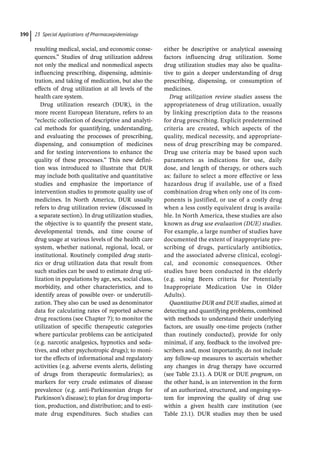
manufacturer defenses they seek to incorpo-
rate. As a result of this flexibility, there is sub-
stantial diversity across EU countries in how
product liability cases are adjudicated.
Country-­
specific laws outside the EU set up
similar legal regimes. Like in the US, most
product liability lawsuits in EU and non-­
EU
countries in Europe are based on failure-­
to-­
warn claims about the adverse event at issue,
rather than design defects. One of the exclu-
sions of liability, as in US, is the learned inter-
mediary defense. However, while similar
product liability rules apply in Europe, fewer
cases are brought to court and damage com-
pensation is lower.
Pharmacoepidemiology
and Contract Law
Many studies in the field of pharmacoepidemi-
ology emerge from collaborations between
individuals at different institutions.
Cooperative work can allow more complex
research to be performed and help advance the
field of pharmacoepidemiology. One type of
collaborative work of particular public health
importance is contract research. Contract
research is undertaken by an individual, aca-
demic, or nonprofit investigator supported by a
sponsor (usually an industry or governmental
agency). The contract classically represents the
full outline of the agreement between the par-
ties. In countless cases, contract research in
pharmacoepidemiology has led to important
­The View from the Legal Syste  103
public health findings and changes in health
care delivery.
However, contract research may pose vari-
ous potential concerns, generally centering
around: (i) trial design, (ii) access to data and
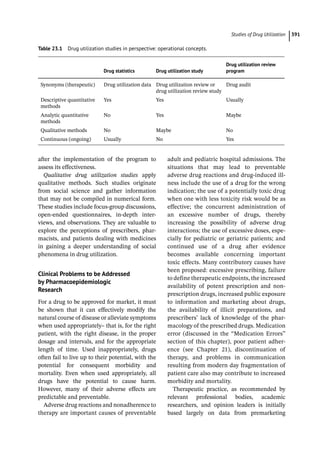
data analysis, and (iii) publication of results.
Investigators should be wary of performing
contract research in which the sponsor has
the right to unduly influence the design of the
trial. Many sponsors prefer to retain control
of the data and insert their own statistical
analyses. They argue that such efforts guard
against “investigators [who] want to take the
data beyond where the data should go,” while
investigators argue that this arrangement pro-
vides the company with an opportunity to
“provide the spin on the data that favors
them.” Examples from both government and
industry abound. In the case of rosiglitazone,
a clinical trial organized by the manufacturer
sought to compare the product against other
treatment options for diabetes, and an inde-
pendent academic steering committee was
organized to oversee the data analysis.
Company documents suggest that the clinical
trial database was exclusively controlled by
the company, which provided limited access
to the investigators. When members of the
steering committee questioned the presenta-
tion of the results, their concerns were largely
overlooked.
There have also been numerous conflicts
over so-­
called “gag clauses” that prevent con-
tract investigators from publishing their ulti-
mate results. For example, after a University
of Toronto physician identified safety issues
related to an experimental drug used to
treat iron overload in transfusion-­
dependent
patients with thalassemia, she was not granted
permission to publish her results. When she
ultimately exposed her findings, she was the
subject of a breach of contract lawsuit from the
sponsor on the basis that her research contract
provided that the published work-­
product was
“secret and confidential” and could not be dis-
closed except with the manufacturer’s “prior
written consent.”
For researchers based in academic medical
centers, institutional research administration
offices usually handle the details of contract
negotiation with research sponsors. However,
surveys of academic medical centers have
found that academic institutions routinely
engage in industry-­
sponsored research with-
out sufficient protection for investigators. For
example, improper contracts can pass through
such offices that allow contract provisions per-
mitting the research sponsor to insert its own
statistical analyses and draft the manuscript,
while prohibiting investigators from sharing
data with third parties after a trial had ended.
Whether or not they receive support from
research administration offices, pharmacoepi-
demiologists must thoroughly evaluate con-
tracts guiding research for inappropriate
language regarding control of design of the
trial, access to data, and reporting of results
(see Table 6.2). Problematic language includes
overly broad confidentiality clauses, clauses
that define and assign ownership of intellec-
tual property, and clauses that require approval
from a sponsor prior to publication. It may be
reasonable to allow sponsors a limited amount
of time to review proposed publications for
inadvertent release of proprietary company
information or to contribute suggestions based
on their expertise. However, researchers have
an ethical obligation to ensure that contracts
do not unreasonably delay the publication of
potentially important results. Poorly written
contracts can lead to inappropriate secrecy of
results, which can have public health ramifica-
tions, as well as result in litigation against
researcher.
Pharmacoepidemiology
and Intellectual Property Law
A patent is a formal grant of market exclusiv-
ity authorized by the federal government,
­
lasting for 20years. Patents can be issued for
any process, machine, manufacture, or com-
position of matter. To be worthy of a patent,
an innovation must be useful, novel, and
6 Views from Academia, Industry, Regulatory Agencies, and the Legal System
104
­
nonobvious. These criteria ensure that patents
cannot be awarded for inventions that already
exist, or small improvements on those inven-
tions that are obvious to a person of ordinary
skill in the field.
A patent is classically thought of as a “quid
pro quo” between inventors and society. The
goal of a patent is to encourage inventors to
invest in the development of their ideas,
because it gives them a competition-­
free period
in which to market a successful invention. At
the same time, in filing for a patent, an inven-
tor must fully disclose the content of the
claimed invention in a patent document. The
government provides its police power to pro-
tect an inventor’s intellectual property for a set
length of time and, in exchange, inventors
make their inventions available to the public
and fully describes it, so that others can use it
and potentially improve on it in creating subse-
quent innovation.
Patents have become increasingly visible in
the practice of pharmacoepidemiology. Most
fall into the “process” category, such as meth-
ods of analyzing claims data and comparing
outcomes to identify adverse events. In recent
years, numerous patents have been obtained
on methods and techniques used in pharma-
coepidemiology, including investigating char-
acteristics of drug use and adverse events. The
US Supreme Court has held that patentable
processes may not include fundamental princi-
ples such as “laws of nature, natural phenom-
ena, or abstract ideas,” or purely mental
process. By contrast, applications of laws of
nature to a particular process may still be
patentable. For example, a well-­
known case
involved a patent over a method of curing syn-
thetic rubber that used the Arrhenius Equation
to calculate the optimal cure time. The process
was found to be patentable because the for-
mula was a part of a larger inventive process
for curing rubber.
There are important ethical and legal con-
cerns related to patenting processes that pro-
vide exclusive control over various aspects of
the conduct of pharmacoepidemiology and
pharmacovigilance research. In one case, an
HIV researcher at Stanford has faced a patent-­
infringement lawsuit over a publicly-­
available
database he created to help guide antiretroviral
therapy based on the resistance characteristics
of the disease, because searching this database
may involve a similar process to one previously
patented (but never implemented) by a for-­
profit company.
Table 6.2 Potentially objectionable language in research contracts for pharmacoepidemiologists.
Category Contractual terms Critique
Control over
investigator work
product
“____ shall provide confidential information to
CONSULTANT for the purpose of conducting
the CONSULTANT’S professional services. All
information whether written or verbal provided
by, or developed for ______, and all data
collected during the performance of this
Agreement is deemed to be the Confidential
Information of ______.”
Broad definition of
“confidential information”
seems to cover all information.
Researcher’s work product
becomes sponsor’s confidential
information.
Gag clauses “No information regarding this Agreement or
the interest of ____ or Client in the subject
matter hereof shall be disclosed to any third
party without the prior written consent of
_____”
Prevents disclosure of existence
of the contract as a financial
source in publication.
Opportunity to
influence outcome
Client “shall not present or publish, nor submit
for publication, any work resulting from the
Services without _____ prior written approval.”
Contract allows sponsor to
quash publication unless it
approves analyses.
All examples adapted from actual contracts offered to engage in sponsored research.
­The View from the Legal Syste  105
Recently, the US Supreme Court laid down a
new, strict standard for patentability of pro-
cesses, excluding those that simply describe a
correlation or instruct people to “gather data
from which they may draw an inference.” A
patentable process must involve an inventive
and novel application of a law of nature beyond
“well-­
understood, routine, conventional activ-
ity, previously engaged in by those in the field.”
One way to operationalize this definition is
using the machine-­
or-­
transformation test.
That is, a process is likely to be patentable if it
can be tied to a particular machine or appara-
tus, or if it transforms an object into a different
state or thing. Notably, as pertaining to phar-
macoepidemiologic patents, gathering data
may not constitute a “transformation” because
every algorithm inherently requires the gather-
ing of data inputs.
In Europe, the European Patent Convention
(EPC) provides the legal framework under
which patents are granted. Patent lengths are
the same and US and European standards with
regard to the patentability for methods and
techniques are also close. There are three pos-
sible routes for obtaining patent protection in
Europe. One can apply for a patent directly to
the national patent office of a particular coun-
try (national patent); one can apply for a patent
to the EPO and designate specific EU member
states where patent protection is wanted (“clas-
sical” European patent); or – as part of a new
pathway intended to start in 2018 – one can
apply for a patent to the EPO with the designa-
tion of a unitary patent that will be applicable
for all of the EU member states where the gov-
ernment has ratified the Agreement on a
Unified Patent Court. Decisions about which
pathway is appropriate are applicant-­
specific
and could involve considerations such as the
need for broad geographical coverage vs pro-
tection in one (or a few) Member States.
Conclusion
Legal issues intersect with the practice of phar-
macoepidemiology in a number of ways.
Pharmacoepidemiologists may be involved in
product liability cases brought by individuals
against drug manufacturers, either as expert
witnesses or on the basis of academic work
they undertake. These cases traditionally
involve a claim of a failure to warn, which
requires proof that the manufacturer knew of
the safety issue, that any provided warnings
were insufficient, and that the injury received
was directly caused by use of the drug.
Manufacturers can invoke a “learned interme-
diary” defense to deflect responsibility onto the
treating physician. Pharmacoepidemiologists
may also be involved in contract research, but
should carefully consider contractual require-
ments related to ownership of the work prod-
uct and withholding publication. Finally,
pharmacoepidemiologists may decide to try to
patent their research methods, but should
weigh the risks and benefits of this form of
intellectual property.
Summary Points for the View
from the Legal System
●
● Product liability is the term for the set of
principles under which consumers harmed
by products sold in interstate commerce seek
redress for their injuries.
●
● A product liability case against a manufac-
turer alleging failure to warn about a drug
risk includes three main contentions: (i)
actual or constructive knowledge of the risk,
(ii) lack of a warning, or a warning that is
not relevant, timely, and accurate, and (iii)
causation of damages.
●
● Product liability cases involve two types of
causation:generalcausation,whichaddresses
whether the product can cause the alleged
injury in patients like the plaintiff, and spe-
cific causation, which addresses whether the
product caused the alleged injury in the indi-
vidual plaintiff. The standard for general cau-
sation is usually that the product “more likely
than not” caused the damages, which some
courts have interpreted as a relative risk of
greater than 2.0. The Bradford Hill criteria
6 Views from Academia, Industry, Regulatory Agencies, and the Legal System
106
can build the bridge between an association
and general causation.
●
● Pharmaceutical manufacturers can fulfill
their duties to warn by providing accurate
and adequate warnings to the prescribing
physician (the “learned intermediary”
defense). Warnings do not have to be offered
about obvious risks or risks generally known
to skilled medical practitioners.
●
● A regulatory authority’s drug label repre-
sents its best judgment about risks that war-
rant disclosure and how to describe those
risks. In the US, the drug label does not
preempt manufacturers’ responsibility to
monitor emerging data about adverse effects
and update the label as needed.
●
● Contract research is central to effective phar-
macoepidemiologic collaborations but prob-
lematic contract terms include overly broad
confidentiality clauses, clauses that define
and assign ownership of intellectual prop-
erty, and clauses that require approval from
a sponsor prior to publication.
●
● Patents offer 20-­
year period of government-­
enforced market exclusivity for novel and
nonobvious processes or products. A patent-
able process must involve an inventive and
novel application of a natural law or correla-
tion. For example, a natural correlation may
be patentable if it can be tied to a particular
machine, or if it can transform an object into
a different state.
●
● Patented processes that provide exclusive
control over the conduct of pharmacoepide-
miology and pharmacovigilance research
can hurt the public health if they prevent
sharing of data or technologies necessary for
research into drug outcomes and effects.
Case Example 6.4  
The view from the legal system
Background
An inventor seeks to patent a method of
using adverse event data regarding vaccine
administration to inform subsequent health
care delivery.The patent claims,“A method of
determining whether an immunization
schedule affects the incidence or severity of
a chronic immune-­
mediated disorder in a
treatment group of mammals, relative to a
control group of mammals, which comprises
immunizing mammals in the treatment
group of mammals with one or more doses
of one or more immunogens, according to
said immunization schedule, and comparing
the incidence, prevalence, frequency, or
severity of said chronic immune-­
mediated
disorder or the level of a marker of such a
disorder, in the treatment group, with that in
the control group.” Patentable methods may
not include fundamental principles such as
“laws of nature, natural phenomena, or
abstract ideas,” or purely mental processes.
By contrast, applications of laws of nature to
a particular process may still be patentable.
Question
Is the inventor’s patent valid, or does it
improperly claim a “natural law”?
Approach
The recent Supreme Court case of Mayo
CollaborativeServicesv.PrometheusLaboratories
holds that processes cannot be patentable if
they restate a basic scientific discovery and
then instruct physicians to gather data from
which they may draw an inference. That is, a
patentable method cannot amount to“nothing
significantly more than an instruction to doc-
tors to apply the applicable laws when treat-
ing their patients.”
Results
Under the Prometheus reasoning, the method
described above likely would not reach the
level of a patentable invention. The inventor
here has uncovered a potentially important
correlation between immunization ­schedules
 ­Further Readin 107
­
Further Reading
The View from Academia
Avorn, J. and Soumerai, S.B. (1983). Improving
drug-­
therapy decisions through educational
outreach. A randomized controlled trial of
academically based “detailing.”. N. Engl. J.
Med. 308: 1457–1463.
Avorn, J. (2005). Powerful Medicines: The
Benefits, Risks, and Costs of Prescription Drugs.
New York: Knopf.
Avorn, J. (2011). Teaching clinicians about
drugs – 50years later, whose job is it? N. Engl.
J. Med. 364: 1185–1187.
O’Brien, M.A., Rogers, S., Jamtvedt, G. et al.
(2007). Educational outreach visits: effects on
professional practice and health care
outcomes. Cochrane Database Syst. Rev. (4):
CD000409. https://doi.org/10.1002/14651858.
CD000409.pub2.
Choudhry, N.K., Avorn, J., Glynn, R.J. et al.
(2011). Post-­
myocardial infarction free Rx
event and economic evaluation (MI FREEE)
trial. Full coverage for preventive medications
after myocardial infarction. N. Engl. J. Med.
365: 2088–2097.
Clancy, C. and Collins, F.S. (2010). Patient-­
centered outcomes research institute: the
intersection of science and health care. Sci.
Transl. Med. 2: 37.
Cutrona, S.L., Choudhry, N.K., Stedman, M. et
al. (2010). Physician effectiveness in
interventions to improve cardiovascular
medication adherence: a systematic review. J.
Gen. Intern. Med. 25: 1090–1096.
Fischer, M.A. and Avorn, J. (2004). Economic
implications of evidence-­
based prescribing for
hypertension: can better care cost less? JAMA
291: 1850–1856.
Fischer, M.A., Choudhry, N.K., and
Winkelmayer, W.C. (2007). Impact of
Medicaid prior authorization on angiotensin-­
receptor blockers: can policy promote rational
prescribing? Health Aff. (Millwood) 26:
800–807.
Fischer, M.A., Morris, C.A., Winkelmayer, W.C.,
and Avorn, J. (2007). Nononcologic use of
human recombinant erythropoietin therapy in
hospitalized patients. Arch. Intern. Med. 167:
840–846.
and patient outcomes, but these natural cor-
relations are not patentable by themselves.
Strengths
The Prometheus principle prevents patents
from being issued on certain fundamental
discoveries related to pharmacoepidemiol-
ogy. Patents in this field that are sufficiently
broad could prevent others from conducting
necessary research into drug outcomes and
effects.
Limitations:
●
● Excluding certain discoveries from the
possibility of patenting has led some
observers to worry about the implications
for private investment. The prospect of
patents on new pharmacoepidemiologic
methods and discoveries may be essential
for recouping the costs of innovation.
●
● Government patent offices,which are often
underfunded and understaffed, will now
face the task of distinguishing the devel-
opment and characterization of patentable
methods from other methods that simply
describe natural correlations.
Key Points
A patentable process needs to involve an
inventive and novel application of a law of
nature or natural correlation beyond “well-­
understood, routine, conventional activity,
previously engaged in by those in the field.”
Case Example 6.4 (Continued)
6 Views from Academia, Industry, Regulatory Agencies, and the Legal System
108
Fischer, M.A., Stedman, M.R., Lii, J. et al. (2010).
Primary medication non-­
adherence: analysis
of 195, 930 electronic prescriptions. J. Gen.
Intern. Med. 25: 284–290.
Jackevicius, C.A., Li, P., and Tu, J.V. (2008a).
Prevalence, predictors, and outcomes of
primary nonadherence after acute myocardial
infarction. Circulation 117: 1028–1036.
Jackevicius, C.A., Tu, J.V., Demers, V. et al.
(2008b). Cardiovascular outcomes after a
change in prescription policy for clopidogrel. N.
Engl. J. Med. 359: 1802–1810.
Juurlink, D.N., Mamdani, M.M., Lee, D.S. et al.
(2004). Rates of hyperkalemia after
publication of the randomized Aldactone
evaluation study. N. Engl. J. Med. 351:
543–551.
Shah, N.D., Montori, V.M., Krumholz, H.M. et
al. (2010). Responding to an FDA warning –
geographic variation in the use of
rosiglitazone. N. Engl. J. Med. 363:
2081–2084.
Shrank, W.H., Hoang, T., Ettner, S.L. et al.
(2006). The implications of choice: prescribing
generic or preferred pharmaceuticals
improves medication adherence for chronic
conditions. Arch. Intern. Med. 166: 332–337.
Solomon, D.H., Finkelstein, J.S., Katz, J.N. et al.
(2003). Underuse of osteoporosis medications
in elderly patients with fractures. Am. J. Med.
115: 398–400.
Solomon, D.H., Van Houten, L., Glynn, R.J. et al.
(2001). Academic detailing to improve use of
broad-­
spectrum antibiotics at an academic
medical center. Arch. Intern. Med. 161:
1897–1902.
The View from Industry
AsPEN collaborators AM, Bergman, U., Choi,
N.K. et al. (2013). The Asian
Pharmacoepidemiology Network (AsPEN):
promoting multinational collaboration for
pharmacoepidemiologic research in Asia.
Pharmacoepidemiol. Drug Saf. 22 (7): 700–704.
Berger, M.L., Sox, H., and Willke, R. (2017).
Good practices for real-­
world data studies of
treatment and/or comparative effectiveness:
recommendations from the Joint ISPOR-­
ISPE
Special Task Force on Real-­
World Evidence in
Healthcare Decision-­
Making.
Pharmacoepidemiol. Drug Saf. 26 (9):
1033–1039.
Coplan, P., Noel, R., Levitan, B. et al. (2011).
Development of a framework for enhancing
the transparency, reproducibility and
communication of the benefit–risk balance of
medicines. Clin. Pharmacol. Ther. 89: 312–315.
European Medicines Agency. Guideline on the
Exposure to Medicinal Products During
Pregnancy: Need for Post-­
Authorisation Data
London: Committee for Medicinal Products
for Human Use (CHMP); 2005. http://www.
ema.europa.eu/docs/en_GB/document_
library/Regulatory_and_procedural_
guideline/2009/11/WC500011303.pdf.
European Medicines Agency, Committee for
Medicinal Products for Human Use (CHMP).
Guideline on risk assessment of medicinal
products on human reproduction and
lactation: From data to labelling. 2008.
The Rules Governing Medicinal Products in the
European Union-­
Volume 9A.
European Medicines Agency. Guideline on
good pharmacovigilance practices (GVP)
Module V – Risk management systems (Rev
2). 2017a.
European Medicines Agency. Guideline on good
pharmacovigilance practices (GVP). Module
VIII – Post-­
authorisation safety studies (Rev
3). 2017b.
European Medicines Agency. Guideline on good
pharmacovigilance practices (GVP). Module
XVI – Risk minimisation measures: selection
of tools and effectiveness indicators (Rev 2).
2017c.
European Network of Centres for
Pharmacoepidemiology and
Pharmacovigilance (ENCePP). Guide on
Methodological Standards in
Pharmacoepidemiology (Revision 6) 2017.
http://www.encepp.eu/standards_and_
guidances/documents/ENCePPGuideofMeth
StandardsinPE_Rev6.pdf.
 ­Further Readin 109
Food and Drug Administration. Guidance for
Industry Postmarketing Studies and Clinical
Trials 2011. https://www.federalregister.gov/
documents/2011/04/01/2011-7707/
guidance-for-industry-on-postmarketing-
studies-and-clinical-trials-implementation-of-
section-505o3.
Food and Drug Administration. Guidance for
Industry and FDA Staff: Best Practices for
Conducting and Reporting
Pharmacoepidemiologic Safety Studies Using
Electronic Healthcare Data. 2013.
Food and Drug Administration. Guidance for
industry: Establishing pregnancy exposure
registries Rockville 2002. http://www.fda.gov/
downloads/Drugs/GuidanceComplianceRegul
atoryInformation/Guidances/ucm071639.pdf.
Food and Drug Administration. Draft Guidance
for Industry: FDA’s Application of Statutory
Factors in Determining When a REMS Is
Necessary. 2016.
Institute of Medicine (IOM). The Future of Drug
Safety: Promoting and Protecting the Health
of the Public 2006. http://www.iom.edu/
Reports/2006/The-­
Future-­
of-­
Drug-­
Safety-­
Promoting-­
and-­
Protecting-­
the-­
Health-­
of-­
the-­
Public.aspx.
International Society for Pharmacoepidemiology
(2008). Guidelines for good
pharmacoepidemiology practices (GPP).
Pharmacoepidemiol. Drug Saf. 17 (2): 200–208.
Ishiguro, C.T.Y., Uyama, Y., and Tawaragi, T.
(2016). The MIHARI project: establishing a
new framework for pharmacoepidemiological
drug safety assessments by the
Pharmaceuticals and Medical Devices Agency
of Japan. Pharmacoepidemiol. Drug Saf. 25:
854–859.
Klungel, O.H., Kurz, X., de Groot, M.C.H. et al.
(2016). Multi-­
centre, multi-­
database studies
with common protocols: lessons learnt from
the IMI PROTECT project.
Pharmacoepidemiol. Drug Saf. 25 (Suppl 1):
156–165.
Mussen, F., Salek, S., and Walker, S. (2007). A
quantitative approach to benefit–risk
assessment of medicines – part 1: the
development of a new model using multi-­
criteria decision analysis. Pharmacoepidemiol.
Drug Saf. 16: S2–S15.
Nyeland, M.E.L.M. and Callréus, T. (2017).
Evaluating the effectiveness of risk
minimisation measures: the application of a
conceptual framework to Danish real-­
world
dabigatran data. Pharmacoepidemiol. Drug
Saf. 26 (6): 607–614.
Platt, R., Wilson, M., Chan, K.A., et al. (2009).
The new sentinel network-­
-­
improving the
evidence of medical-­
product safety. N. Engl. J.
Med. 361 (7): 645–647.
Suissa, S., Henry, D., Caetano, P., et al. (2012).
CNODES: the Canadian network for
observational drug effect studies. Open Med. 6
(4): e134–e140.
Wang, S.V., Schneeweiss, S., and On behalf of
the joint ISPE-­
ISPOR Special Task Force on
Real World Evidence in Health Care Decision
Making (2017). Reporting to improve
reproducibility and facilitate validity
assessment for healthcare database studies
V1.0. Pharmacoepidemiol. Drug Saf. 26 (9):
1018–1032.
The View from Regulatory Agencies
Braun, M.M., Farag-­
El-­
Massah, S., Xu, K., and
Cote, T.R. (2010). Emergence of orphan drugs
in the United States: a quantitative assessment
of the first 25years. Nat. Rev. Drug Discov. 9:
519–522. https://doi.org/10.1038/nrd3160.
Fleming, T.R. and Powers, J.H. (2012).
Biomarkers and surrogate endpoints in
clinical trials. Stat. Med. 10: 2973–2984.
https://doi.org/10.1002/sim.5403.
Goedecke, T., Morales, D., Pacarariu, A., and
Kurz, X. (2017 Nov 5). Measuring the impact
of medicines regulatory interventions –
systematic review and methodological
considerations. Br. J. Clin. Pharmacol. https://
doi.org/10.1111/bcp.13469 [Epub ahead of
print].
Hunter, N.L., Rao, G.R., and Sherman, R.E.
(2017). Flexibility in the FDA approach to
orphan drug development. Nat. Rev. Drug
6 Views from Academia, Industry, Regulatory Agencies, and the Legal System
110
Discov. 16: 737–738. https://doi.org/10.1038/
nrd.2017.151.
Kaplan, S., Staffa, J.A., and Dal Pan, G.J. (2007).
Duration of therapy with metoclopramide: a
prescription claims data study.
Pharmacoepidemiol Drug Saf. Aug. 16 (8):
878–881.
Knox, C., Hampp, C., Willy, M. et al. (2015).
Patient understanding of drug risks: an
evaluation of medication guide assessments.
Pharmacoepidemiol. Drug Saf. 24: 518–525.
https://doi.org/10.1002/pds.3762.
Schieppati, A., Henter, J.I., Daina, E., and
Aperia, A. (2008). Why rare diseases are an
important medical and social issue. Lancet
371: 2039–2041. https://doi.org/10.1016/
S0140-­
6736(08)60872-­
7.
Sherman, R.E., Anderson, S.A., Dal Pan, G.J.
et al. (2016). Real-­
world evidence – what is it
and what can it tell us? N. Engl. J. Med. 375:
2293–2297. https://doi.org/10.1056/
NEJMsb1609216.
Temple, R.J. (1995). A regulatory authority’s
opinion about surrogate endpoints. In:
Clinical Measurement in Drug Evaluation (eds.
W.S. Nimmo and G.T. Tucker). New York:
Wiley.
The View from the Legal System
Drug Safety and Tort Law
Angell, M. (1997). Science on Trial: The Clash of
Medical Evidence and the Law in the Breast
Implant Case. New York: W. W. Norton  Co.
Avorn, J. (2004). Powerful Medicines: The
Benefits, Risks and Costs of Prescription Drugs.
New York, NY: Alfred A Knopf.
Brennan, T.A. (1988). Causal chains and
statistical links: the role of scientific
uncertainty in hazardous-­
substance litigation.
Cornell Law Rev. 73: 469–533.
Federal Judicial Center (2000) Reference Manual
on Scientific Evidence (2nd edn). http://www.
fjc.gov/public/pdf.nsf/lookup/sciman00.
pdf/$file/sciman00.pdf
Green, M.D. (1996). Bendectin and Birth Defects:
The Challenges of Mass Toxic Substances
Litigation. Philadelphia, PA: University of
Pennsylvania Press.
Hill, A.B. (1965). The environment and disease:
association or causation? Proc. R. Soc. Med. 58:
295–300.
Kesselheim, A.S. and Avorn, J. (2007). The role
of litigation in defining drug risks. JAMA 297:
308–311.
Kessler, D.A. and Vladeck, D.C. (2008). A critical
examination of the FDA’s efforts to preempt
failure-­
to-­
warn claims. Georgetown Law J. 96:
461–495.
Shapo, M.S. (2008). Experimenting with the
Consumer: The Mass Testing of Risky Products
on the American Public. Westport, CT: Praeger.
Contract-­
Related Issues
in Pharmacoepidemiology
Bodenheimer, T. (2000). Uneasy alliance –
clinical investigators and the pharmaceutical
industry. New Engl. J. Med. 342: 1539–1544.
Eichler, H.G., Kong, S.X., and Grégoire, J.P.
(2006). Outcomes research collaborations
between third-­
party payers, academia, and
pharmaceutical manufacturers: what can we
learn from clinical research? Eur. J. Health
Econ. 7 (2): 129–135.
Kong, S.X. and Wertheimer, A.I. (1998).
Outcomes research: collaboration among
academic researchers, managed care
organizations, and pharmaceutical
manufacturers. Am. J. Manag. Care 4 (1):
28–34.
Washburn, J. and University Inc (2006). The
Corporate Corruption of Higher Education.
New York: Basic Books.
Patent Law and
Pharmacoepidemiology
Heller, M.A. and Eisenberg, R.S. (1998). Can
patents deter innovation: the anticommons in
biomedical research. Science 280: 698–701.
Jaffe, A.B. and Lerner, J. (2004). Innovation and
Its Discontents: How Our Broken Patent System
Is Endangering Innovation and Progress, and
 ­Further Readin 111
What To Do About It. Princeton, NJ: Princeton
University Press.
Kesselheim, A.S. and Karlawish, J. (2012).
Biomarkers unbound – the supreme Court’s
ruling on diagnostic-­
test patents. N. Engl. J.
Med. 366: 2338–2340.
Nard, C.A. and Wagner, R.P. (2007). Patent Law:
Concepts and Insights. St. Paul, MN:
Foundation Press.
National Research Council (2004). A Patent
System for the 21st Century (eds. S.A. Merrill,
R.C. Levin and M.B. Myers). Washington, DC:
The National Academies Press.
Walker, A.M. (2006). More lawyers, more
bureaucrats, less information on drug
safety. Pharmacoepidemiol. Drug Saf. 15:
394–395.
113
Part II
Sources of Pharmacoepidemiology Data
115
Textbook of Pharmacoepidemiology, Third Edition. Edited by Brian L. Strom, Stephen E. Kimmel, and Sean Hennessy.
© 2022 John Wiley  Sons Ltd. Published 2022 by John Wiley  Sons Ltd.
The views expressed herein are those of the
authors, and not necessarily of the US Food
and Drug Administration.
­Introduction
Potential signals for adverse drug reactions
(ADRs) or adverse drug effects for marketed
products most often arise from postmarketing
spontaneous case reports, which are collated
and analyzed by drug safety experts, evaluated
as clinical case series, and considered for poten-
tial regulatory action. These efforts are not pos-
sible without input from dedicated health
professionals and other concerned stakehold-
ers. Adverse events (AEs) thought to be poten-
tially drug-­
related may be reported by a
consumer or a health professional to a drug’s
manufacturer, or they may be reported directly
to a health authority through programs such as
MedWatch or Eudravigilance. In addition, case
reports and case series with valuable clinical
details may be published in a peer-­
reviewed
journal. Concerned stakeholders – health pro-
fessionals as well as patients and consumers –
are the source of the signals that can trigger
furtherinvestigationandappropriate­
regulatory
action when needed to protect the public from
unnecessary risks or harms. At times, a causal
association between a drug and an AE may
seem clear due to strong temporal association
between exposure to the drug and onset of an
adverse effect, or when there is confirmation of
positive re-­
challenge (i.e. signs or symptoms
resolve when exposure is stopped but recur
when re-­
introduced). But more often, causality
assessment is challenging, and well-­
designed
pharmacoepidemiology or other clinical stud-
ies are needed to assess the signal and quantify
the risk.
In the United States, the Food and Drug
Administration (FDA) issues Drug Safety
Communications (DSCs) to alert the public
about emerging safety issues, such as investi-
gations into safety signals that may have a clin-
ically important impact on a product’s safety
profile. Recently, FDA launched a new web
portal that enables the public to view summary
charts and listings of de-­
identified cases from
the FDA Adverse Event Reporting System
(FAERS), a compilation of all postmarketing
AE reports received by FDA.
The term “pharmacovigilance” is widely
used to denote postmarketing safety activities,
and is defined by the World Health
7
Postmarketing Spontaneous Pharmacovigilance Reporting
Systems
Gerald J. Dal Pan1
, Marie Lindquist2
, and Kate Gelperin1
1
Office of Surveillance and Epidemiology, Center for Drug Evaluation and Research, US Food and Drug Administration, Silver Spring, MD, USA
2
Uppsala Monitoring Centre, WHO Collaborating Centre for International Drug Monitoring, Uppsala, Sweden
7 Postmarketing Spontaneous Pharmacovigilance Reporting Systems
116
Organization (WHO) as “the science and activ-
ities relating to the detection, assessment,
understanding and prevention of adverse
effects or any other possible drug-­
related
problems.”
Monitoring and understanding the safety of
drug and therapeutic biologic products is a
process that proceeds throughout the product’s
life cycle, spanning the period prior to first
administration to humans through the entire
marketing life of the product. Throughout the
product lifecycle, astute clinical observations
made at the point of care constitute an impor-
tant source of information. While new tech-
nologies have enabled more thorough
knowledge of a drug’s actions, and computer-
ized databases have enabled large-­
scale,
population-­
based analyses of drug safety inves-
tigations, these advancements are adjuncts to,
and not substitutes for, careful, well thought-­
out clinical observations.
Though the preapproval testing of a drug is
typically rigorous, and the review of the data is
thorough, there are still inevitable uncertain-
ties about the complete safety profile of a drug
when it is brought to market. Several factors
contribute to these uncertainties. First, the
number of patients treated with the drug prior
to approval is limited, generally from several
hundred to a few thousand. Second, patients in
clinical trials tend to be carefully selected for
inclusion in these trials, and are thus more
clinically homogeneous than patients treated
in the course of clinical practice once a drug is
marketed. Compared to patients in clinical tri-
als, patients treated in clinical practice may
have a broader range of co-­
morbidities, take a
wider variety of concomitant medications, and
have a wider clinical severity spectrum of the
underlying disease being treated. Third, addi-
tional populations of patients, such as children
or older adults, who may not have been studied
in large numbers in premarketing clinical tri-
als, may be treated with the product once it is
marketed. In addition, marketed drug prod-
ucts are often used for diseases or conditions
for which they are not indicated, or at doses
outside of the approved range. For these rea-
sons, patients treated in clinical practice are
more diverse than those treated in clinical tri-
als. A postmarketing drug pharmacovigilance
reporting system is therefore necessary.
­Description
Adverse Events and Adverse Drug
Reactions
A key concept in pharmacovigilance is the dis-
tinction between an adverse event and an
adverse drug reaction. The International
Conference on Harmonization of Technical
Requirements for Registration of
Pharmaceuticals for Human Use (ICH) E2D
guideline on Post-­
Approval Safety Data
Management: Definitions and Standards for
Expedited Reporting, defines an AE as follows:
An adverse event (AE) is any untoward
medical occurrence in a patient admin-
istered a medicinal product and which
does not necessarily have to have a
causal relationship with this treatment.
An adverse event can therefore be any
unfavorable and unintended sign (for
example, an abnormal laboratory find-
ing), symptom, or disease temporally
associated with the use of a medicinal
product, whether or not considered
related to this medicinal product.
The same guideline describes an ADR as
follows:
All noxious and unintended responses
to a medicinal product related to any
dose should be considered adverse drug
reactions.
The phrase “responses to a medicinal product”
means that a causal relationship between a
medicinal product and an AE is at least a
possibility.
­Descriptio  117
A reaction, in contrast to an event, is character-
ized by the fact that a causal relationship
between the drug and the occurrence is sus-
pected. If an event is spontaneously reported,
even if the relationship is unknown or
unstated, it meets the definition of an adverse
drug reaction.
The principal difference between an AE and
an ADR is that a causal relationship is sus-
pected for the latter, but is not required for the
former. In this framework, ADRs are a subset
of AEs. In some countries, postmarketing
pharmacovigilance reporting systems are
focused on ADRs, while in others data on AEs
are collected. In the United States, for example,
the scope of reporting requirements is “[a]ny
adverse event associated with the use of a drug
in humans, whether or not considered drug
related . . .”
While many of the principles discussed in
this chapter apply equally to AEs and ADRs,
it is important to understand the distinction
between these two concepts. Specifically,
some databases may contain only ADRs,
while others may contain AEs. These data-
bases may behave differently when used for
data mining. However, because many of the
principles of drug safety surveillance apply
to both AEs and ADRs, we will use the term
“AE/ADR” to refer to these two terms col-
lectively in this chapter, for convenience.
When needed, we will use the individual
terms if a distinction between the two is
required.
Overview of Pharmacovigilance
Reporting Systems
The goal of a postmarketing, or post-­
approval, safety program is to identify drug-­
related AEs or ADRs that were not identified
prior to a drug’s approval, to refine knowl-
edge of the known adverse effects of a drug,
and to understand better the conditions
under which the safe use of a drug can be
assured.
The scope of pharmacovigilance is broad.
The core activity is usually the identification of
previously unrecognized AEs/ADRs with the
use of the drug. However, it is not sufficient
simply to note that use of a drug can lead to an
AE/ADR. Rather, an investigation into not
only the potential causal role of the drug in the
development of the AE/ADR, but also into
the conditions leading to the occurrence of the
AE/ADR in one person or population and not
in others must be the focus of any postmarket
drug safety effort. Factors such as dose–
response relationships, drug–drug interac-
tions, drug–disease interactions, drug–food
interactions, and the possibility of medication
errors must be carefully considered. A full
understanding of the factors that can lead to an
AE/ADR may yield ideas for effective interven-
tions to minimize the severity or occurrence of
the AE/ADR, and thus enhance the safe use of
the drug. For this reason, the approach to
detecting and understanding clinically impor-
tant AEs/ADRs in the postmarketing period
must be as comprehensive as possible.
The identification of a new safety issue with
a medicinal product often begins with a single
observation. In the postmarketing period, such
observations are usually clinical observations,
often made at the point of care in the course of
clinical practice. A practitioner or patient notes
the development of symptoms or signs that
were not present, or were present in less severe
form, prior to the patient’s using the medicine.
If this sign or symptom is not listed in the
product’s approved labeling, patients and
healthcare professionals may not think to
attribute it to the medicine. If further evalua-
tion reveals a clinically significant process (e.g.
liver injury, rhabdomyolysis, agranulocytosis),
it is important to keep in mind the possibility
of a side effect due to a medication in the dif-
ferential diagnosis of the event. If a medication
side effect is not included in the list of possible
conditions or diseases that could be causing
the observed problem, the patient may not be
treated appropriately.
7 Postmarketing Spontaneous Pharmacovigilance Reporting Systems
118
In the postmarketing period, the investiga-
tion of AEs/ADRs is a multidisciplinary one.
The analysis of a complex AE/ADR can involve
the fields of medicine, pharmacology, epidemi-
ology, statistics, pharmacy, toxicology, and oth-
ers. There are several methods of clinical
postmarketing safety assessment. These
include the review of case reports and case
series from spontaneous reporting systems and
published medical literature, a wide variety of
types of observational epidemiologic studies,
and clinical trials. This chapter will focus on
spontaneous pharmacovigilance reporting sys-
tems. No one method is a priori better than
another in all settings. Rather, the choice of
methods depends on the particular safety
question to be answered.
The Concept of Spontaneous AE/
ADR Reporting
A core aspect of pharmacovigilance is the vol-
untary reporting of AEs/ADRs either directly
to established national or regional centers, or
alternatively to pharmaceutical manufactur-
ers, who in turn are obligated to report the
information to regulators. National reporting
systems are typically run by regulatory agen-
cies (e.g. the US FDA runs the MedWatch pro-
gram) or by centers designated by the health
ministry or the drug regulatory authority. In a
few countries, the national pharmacovigilance
center is run by a university or other scientific
body. In the United States, AEs/ADRs in indi-
vidual patients are generally identified at the
point of care. Patients, physicians, nurses,
pharmacists, or anyone else who suspects that
there may be an association between an AE/
ADR and a drug or therapeutic biologic prod-
uct are encouraged to, but are generally not
required to, report the case to either the manu-
facturer or to the FDA.
This system of AE/ADR reporting is often
referred to as a spontaneous reporting system;
“spontaneous” because the person who ini-
tially reports the AE/ADR to either the report-
ing center or to the manufacturer chooses
whether to report an AE and what events to
report. Sometimes, spontaneous reporting sys-
tems are also labeled as “passive,” based on the
argument that the reporting center or the man-
ufacturer passively receives this information,
rather than actively seeking it out. However,
this term does not do justice to the proactive
way in which many pharmacovigilance centers
seek to operate, even if resource constraints
often limit the ability to interact adequately
with reporters. Moreover, “spontaneous
reporting” does not fit well with the reporting
situation of today, when most countries have
introduced or enacted legislation which man-
dates reporting from pharmaceutical compa-
nies. For marketed products, companies often
conduct planned, structured interactions with
patients and practitioners (e.g. patient support
programs) that have the potential to generate
AE reports that may not otherwise have been
communicated. Reporting may also include
canvassed or stimulated reporting of suspected
reactions of particular interest (see also below,
in the section “National pharmacovigilance
systems”).
Underlying the concept of a spontaneous
postmarketing AE/ADR pharmacovigilance
reporting system is the notion that clinical
observations made at the point of care are
often valuable pieces of information in further
refining the knowledge of a drug’s safety pro-
file. This is an important, though frequently
underemphasized, idea. After approval, when
formal study often ends and marketing of the
medicine begins, there is often no further sys-
tematic way to continue the study of a medi-
cine’s safety, or even to generate drug safety
hypotheses. While scientific advances and
access to new data sources (e.g. electronic
healthcare records) may provide some oppor-
tunity to monitor the safety of a marketed
medicine, these alternative approaches to
safety signal detection remain unproven.
When healthcare professionals, patients,
and consumers want to make a notification of
a potentially adverse effect of a medication, it is
useful for this information to be systematically
­Descriptio  119
organized, stored, and analyzed. A reporting
system fills this need. If such information were
not systematically collected, potentially valua-
ble data about medicines would be lost. This
system implies an important role for health-
care professionals in postmarketing safety
assessment, as the quality of reports is always
dependent on the details provided by health-
care professionals.
Because most AE/ADR reporting systems
rely on healthcare professionals, patients, and
consumers to submit reports voluntarily, it is
generally recognized that there is substantial
underreporting of AEs/ADRs via current
reporting systems. Two survey-­
based studies
conducted in the US in the 1980s, one in
Maryland and the other in Rhode Island,
examined physician reporting to FDA, and
concluded that fewer than 10% of AEs/ADRs
were reported to FDA. These studies were con-
ducted prior to the development of the current
MedWatch program in 1993, and do not con-
sider the contribution of reporting from
sources other than physicians. Calculating the
proportion of AE reports that a reporting sys-
tem actually receives requires that the true
number of AEs/ADRs in the population be
known. For most AEs/ADRs, this number is
not known or readily available. In some cases,
however, data are available that allow an esti-
mate of the extent of reporting to be calculated.
For example, the extent of reporting to FDA of
cases of hospitalized rhabdomyolysis associ-
ated with statin use was estimated using a pro-
jected estimate of the number of such cases in
the United States and comparing it to the num-
ber of reports of statin-­
associated hospitalized
rhabdomyolysis in FAERS, a database that
houses FDA’s postmarketing AE reports. The
projected national estimate was obtained by
using incidence rates from a population-­
based
cohort study, and applying those incidence
rates to national estimates of statin use. Across
four statins (atorvastatin, cerivastatin, pravas-
tatin, and simvastatin), the estimated overall
extent of AE reporting was 17.7%. For individ-
ual statins, the estimated extent of reporting
ranged from 5.0% (atorvastatin) to 31.2%
(cerivastatin). Further analysis revealed that
the high proportion of reporting of cerivasta-
tin cases was driven by reports received after
the dissemination of a Dear Healthcare
Professional letter notifying physicians of the
risks of cerivastatin-­
associated rhabdomyoly-
sis. The estimated extent of reporting was
14.8% before the letter and rose to 35.0% after.
It is important to note that the results of this
study apply only to reporting cases of statin-­
associated rhabdomyolysis. The extent of
reporting for different drug-­
adverse pairs will
be different, and cannot be estimated from the
results of this study.
Once case reports are received by national
pharmacovigilance centers, they are entered
into AE/ADR databases. These databases can
then be inspected for drug safety signals, which
form the basis of further study, necessary regu-
latory action, or both.
Report Characteristics
The individual case report is the fundamental
unit of a postmarketing pharmacovigilance
reporting system. The extent to which such a
reporting system can address specific drug
safety questions depends, in large part, on the
characteristics and quality of the individual
reports. Specific report formats differ across
jurisdictions, though many countries and
regions collect information compatible with
the ICH E2B format. The standard is designed
to work with a variety of national and interna-
tional systems and incorporates endorsement
of standards by participating Standards
Development Organizations such as the
International Standards Organization (ISO),
Health Level Seven (HL7), European
Committee for Standardization (CEN), and
Clinical Data Interchange Standards
Consortium (CDISC) to enable wider inter-­
operability across the regulatory and health-
care communities. Although comprehensive
in scope, the format also allows for limited
data to be submitted. The principal domains of
7 Postmarketing Spontaneous Pharmacovigilance Reporting Systems
120
case information in the ICH E2B standard
include: (i) patient characteristics, (ii) reaction(s)
or event(s), (iii) results of tests and procedures
relevant to the investigation of the patient, (iv)
drug(s) information, and (v) a narrative case
summary and further information.
Regardless of the specific formatting require-
ments across jurisdictions, there are some fun-
damental components of an individual safety
report that are important for a thorough
review.
Product identification, in as much detail as
possible, is essential for an assessment of a
case report. For pharmaceuticals, the identifi-
cation of the active ingredient(s) is critical to
product identification. However, other factors
can also be important, depending on the spe-
cific safety question. For example, the formula-
tion of the product can be important, as certain
active ingredients may be present in a variety
of formulations. For example, many opioid
agents are available in oral, injectable, and
transdermal formulations. Because the phar-
macokinetic and other pharmaceutical proper-
ties can differ across these formulations,
information about the formulation is impor-
tant in determining if there are formulation
specific effects, including those that may result
from medication errors. Additionally, if the
drug safety question involves the assessment
of an AE/ADR related to a product quality
defect, information on both manufacturer and
lot/batch number can be very important, as
product quality problems typically involve spe-
cific lots from an individual manufacturer.
Reports describing medication errors, or the
potential for medication errors, ideally contain
information on the product involved, the
sequence of events leading up to the error, the
work environment in which the error occurred,
and the type of error that occurred.
Characteristics of a good quality case report
include adequate information on product use,
patient characteristics, medical history, and
concomitant treatments, and a description of
the AE/ADR, including response to treatments
and clinical outcome. Our experience, based
on many years of reviewing case reports, is that
while a substantial amount of useful clinical
information can be written in a succinct narra-
tive, most narratives are incomplete, many to
the extent that they are uninterpretable. While
follow-­
up with the reporter is sometimes feasi-
ble for drug safety analysts to perform during
case review, this has been the exception not
the rule, often due to resource constraints.
Incomplete and uninterpretable case reports
limit the effectiveness of postmarket pharma-
covigilance reporting systems. Attempts to
improve the systems will need to address the
problem of poor case report quality rather than
merely increasing the number of reports.
Unfortunately, it is not unusual for FDA to
receive potentially important spontaneous
reports which cannot be evaluated because of
missing key information. For instance, many
spontaneous reports of hypersensitivity AEs/
ADRs associated with heparin administration
during an investigation of tainted heparin
were excluded from an FDA analysis published
in 2010 because they lacked “basic or critical
clinical information.”
Information on product use should include
the start date(s), stop date(s), dose(s), fre-
quency of use, and indication for use. Dosage
information is important in exploring dose-­
event relationships. Duration of use is impor-
tant for characterizing the time course of AEs/
ADRs relative to initiation of product use.
Indication for use is also an important piece of
information, as many products are used for
more than one indication (either on-­
label or
off-­
label).
Patient information should include age, gen-
der, medical history, and concomitant medica-
tion usage. The presence of factors that could
confound the relationship of the drug to the
AE/ADR, especially elements of the medical
history and concomitant medication usage, are
critical to the interpretation of individual case
safety reports.
A description of the AE/ADR that allows for
independent medical assessment is critical. A
narrative of the event that includes the
­Descriptio  121
­
temporal relationship of drug usage to the
development of the AE/ADR, the clinical and
diagnostic features, the clinical course, any
measures instituted to treat the AE/ADR, the
response to these measures, and the clinical
outcome are all essential components of a high
quality case report. Results of laboratory tests,
imaging studies, and pathology results facili-
tate an independent interpretation of the
report. Information on de-­
challenge (the
course of the AE/ADR when the medication is
withdrawn) and re-­
challenge (the determina-
tion of whether the AE/ADR recurs when the
drug is re-­
introduced), if available, can be
invaluable.
Social Media
Social media are a range of computer-­
based
technologies that allow the creation and shar-
ing of information, ideas, photographs and
other messages via electronic communication.
User-­
generated content is a defining feature of
social media. This content can be made avail-
able to others via computer-­
based networks
that connect one user with other users or
groups to form social networks. Depending on
privacy settings, which in some cases may be
chosen by the user, content may be widely
available to other users or it may be restricted
to only certain users or groups. Given the
widespread use of the internet and, to a lesser
degree, of social media, for health-­
related top-
ics, there is interest in whether social media
can be a source of drug safety signals or other-
wise shed light on ADRs. Because social media
posts describe individual experiences, they
can, in theory, describe adverse reactions to
medicines. The use of social media for phar-
macovigilance presents both opportunities
and challenges, and is an area of active
research. In 2014, the Innovative Medicines
Initiative (IMI), a public-­
private partnership
between the European Union and the
European Federation for Pharmaceutical
Industries and Associations, launched WEB-­
RADR: Recognising Adverse Drug Reactions
(https://web-­
radr.eu/) to develop new techni-
cal tools to facilitate the detection and analysis
of potential ADRs in social media sites. It also
aimed to develop a mobile phone app for the
reporting of suspected ADRs to regulatory
authorities in the European Union (in the con-
text of traditional AE reporting). One of sev-
eral planned outgrowths of these efforts is the
establishment of a regulatory framework for
social media mining for ADRs. Preliminary
recommendations from IMI WEB-­
RADR for a
regulatory framework note that data from
social media should be treated as a “secondary
use of data,” the use of social media for signal
detection and validation should be optional,
reporting of individual case safety reports of
ADRs from social media sites should not be
required, and that follow-­
up with social media
users should not be required. Rather, drug
manufacturers should include insights gained
from social media regarding the safety of their
products in the product’s periodic safety
update report or risk management plan. More
work is needed to refine the methods of
extracting and analyzing data from social
media for detection of ADRs. Results of the
WEB-­
RADR project yielded a realistic and
cautionary appraisal of the current ability of
social media to provide primary pharmacovig-
ilance information.
National Pharmacovigilance
Systems
The organization of postmarketing safety
reporting systems and national pharmacovigi-
lance systems varies around the world. The
fundamental feature is that health profession-
als, and in some cases patients or consumers,
are encouraged to send reports of AEs/ADRs
to one or more specified locations. These loca-
tions can be the drug regulatory authority, an
academic or hospital-­
based pharmacovigilance
center (often working with or on behalf of a
drug regulatory authority), or the drug manu-
facturer. The roles of these institutions vary
from country to country, and depend greatly
7 Postmarketing Spontaneous Pharmacovigilance Reporting Systems
122
on the regulatory and national drug monitor-
ing system in the country.
In low-­and middle-­
income countries, with
varying regulatory infrastructure, the focus
in pharmacovigilance has been different
from that in the more affluent parts of the
world. Reports can result from counterfeit
and sub-­
standard drugs, known ADRs and
drug interactions of concern to reporters, and
ADRs resulting from medical error. In some
countries, responding to queries about
adverse reaction incidence, diagnosis, and
management are a major part of the work of
pharmacovigilance centers. In developing
countries, there are often deficiencies in
access to up-­
to-­
date information on drug
safety that need remedying. On the other
hand, large donations of new drugs to com-
bat the endemic scourges of malaria, HIV/
AIDS, tuberculosis, infestations, and other
diseases, along with vaccines, have led to the
high priority of monitoring their use for both
safety and efficacy.
However, in many low-­and middle-­
income
countries there is currently not enough capac-
ity for effective drug safety monitoring, and
the improved access to new medicines adds
additional strain on already overburdened or
non-­
existent pharmacovigilance systems. A
survey from 2010 of pharmacovigilance sys-
tems in low-­ and middle-­
income countries
found that seven of 55 responding countries
indicated that they had no designated system
in place, and fewer than half of the respond-
ents had a budget for pharmacovigilance.
Consequently, lack of funding was mentioned
as a hindrance to the development of pharma-
covigilance, together with lack of training and
a culture that does not promote AE/ADR
reporting. Suggested key developments
included: training for health workers and
pharmacovigilance program managers; active
surveillance methods, sentinel sites and regis-
tries; and better collaboration between phar-
macovigilance centers and public health
programs, with a designated budget for phar-
macovigilance included in the latter.
The WHO is working together with major
donor organizations to address the urgent need
for capacity building in low-­ and middle-­
income countries. The strategy is focused on
sustainable development, covering not only
the implementation of reporting systems,
technical support, and training of healthcare
professionals, but also improvements in gov-
ernance and infrastructure to support pharma-
covigilance activities in the broader context of
regulatory systems strengthening.
The perceived responsibility of healthcare
professionals to report AEs/ADRs often varies
around the world. Because the largest gaps in
drug safety knowledge are believed to be for
recently approved medicines, most countries
emphasize the need to report AEs/ADRs, even
less serious ones, for this group of medicines.
For example, in the United Kingdom, recently
approved drugs containing new active ingre-
dients are marked in the British National
Formulary with a black triangle, a symbol used
to denote a drug product whose active ingredi-
ent has been newly licensed for use in the UK.
In some cases, drug products meeting certain
additional criteria are also marked with a black
triangle, even if the active ingredient has been
previously approved. The aim of the black tri-
angle program is to prompt health profession-
als to report all suspected adverse reactions
associated with the use of these products. In
some countries, it is mandatory for physicians
and dentists to report cases of suspected ADRs
to the regulatory authority. Most countries,
however, do not have such specific programs
or requirements, but health professionals are
encouraged to report and the national report-
ing centers provide general advice to health
professionals on what events to report.
In a majority of countries, including coun-
tries in the ICH regions, other high income
countries, and 33 of 55 low-­ and middle-­
income countries responding to a 2008 survey,
pharmaceutical companies that hold market-
ing authorizations are obligated to report AEs
or ADRs to the regulatory authority. In some
countries, the event is reportable only if an
­Descriptio  123
attribution of causality has been made. In
other countries, the event is reportable even if
no attribution has been made. For example, in
the United States, pharmaceutical companies
are required by law to submit spontaneous
reports of AEs/ADRs, regardless of attribution
of causality, on an expedited basis if they are
serious and unexpected. The AE/ADR is con-
sidered serious when the patient outcome is:
death; life-­
threatening; hospitalization (initial
or prolonged); disability; congenital anomaly;
or, requires intervention to prevent permanent
impairment or damage. Periodic reporting of
other types of AEs/ADRs, such as those con-
sidered serious and expected (labeled), or non-
serious, is typically required as well. The
periodicity of such aggregate reports is deter-
mined by the length of time the drug has been
marketed, with increased frequency for newly
approved drugs, and decreased (e.g. annual)
with older drugs.
While spontaneous reports of AEs/ADRs
usually originate initially from the point of
care, the more proximal source of reports com-
ing into the national pharmacovigilance cent-
ers may vary, with reports most often being
received from drug manufacturers or from
healthcare professionals and patients. Some
countries restrict reports to only those origi-
nating from physicians. Other countries also
accept reports from pharmacists, nurses, and
patients. There is a current trend toward
encouraging direct patient or consumer report-
ing, replacing the notion held by many in the
past that such reports would not be a reliable
and useful source of information.
In most countries, the national pharma-
covigilance center is part of the drug regula-
tory authority; in some, the monitoring is
carried out jointly by the drug regulatory
authority/Ministry of Health and an independ-
ent institution. In Germany, the Federal
Institute for Drugs and Medical Devices
(BfArM) maintains a joint database for record-
ing reported ADRs, together with the Drug
Commission of the German Medical
Profession. According to the professional code
of conduct of physicians in Germany, all ADRs
should be reported to the Drug Commission.
In the Netherlands, the practical responsibility
for post-­
marketing surveillance is shared
between the Medicines Evaluation Board
(MEB)andtheNetherlandsPharmacovigilance
Centre (Lareb). The MEB handles communica-
tions with market authorization holders; the
role of Lareb is to process and analyze reports
from health professionals and patients.
Decentralized drug monitoring systems exist
both within and outside the ICH region. In
France, the French Medicines Agency coordi-
nates the network of 31 regional centers that
are connected to major university hospitals. In
the United Kingdom, there are four regional
centers connected to university hospitals,
which have a special function of encouraging
reporting in their regions. Since 2018, the
pharmacovigilance system in China is regu-
lated by the National Medical Products
Administration (NMPA), within the State
Administration for Market Regulation. In
India, the Pharmacovigilance Programme of
India has been in operation since 2010, with
the Indian Pharmacopoeia Commission (IPC)
running the National Coordinating Centre.
The system is now operating nationwide, with
250 local monitoring centers in medical
institutes.
National and International
Postmarketing Adverse Event
Databases
Once submitted to the national drug safety
monitoring program, individual case safety
reports are stored in computerized postmarket-
ing AE databases. Examples of national report-
ing systems and databases include the “Blue
Card” system (Australia), Canada Vigilance
(Canada), the Canadian Adverse Events
Following Immunization Surveillance System
(CAEFISS) database (Canada), the French
Pharmacovigilance Spontaneous Reporting
System database (France), the Adverse Drug
Reaction Information Management System of
7 Postmarketing Spontaneous Pharmacovigilance Reporting Systems
124
the Pharmaceutical and Medication Devices
Agency, Ministry of Health, Labor, and Welfare
(Japan), the Lareb database (Netherlands), the
BISI database (Sweden), the MHRA ADR data-
base (United Kingdom), the FAERS database
(United States), and the Vaccine Adverse Event
Reporting System (VAERS) database (United
States). In addition, there are two international
reportinganddatabasesystems:EudraVigilance
in the European Union (run by the European
Medicines Agency, EMA); and VigiBase, pool-
ing data from more than 130 member countries
of the WHO International Drug Monitoring
Programme (run by the Uppsala Monitoring
Centre, UMC). VigiBase is also the database
model used as the national database by around
70 pharmacovigilance centers around the
world; reports are entered, stored and managed
in an internet-­
based data management system,
VigiFlow, from which the data is seamlessly
transferred to VigiBase, and can be analyzed
remotely through a search and analytical inter-
face, VigiLyze.
To understand the results of an analysis of
individual case safety reports from a postmar-
keting database, it is necessary to understand
the unique features of the database, as each
large postmarketing AE database differs from
the others. It is necessary to understand if, and
how, the data are coded. Many databases code
drugs according to a local or national standard
drug dictionary, while others use a standard
international dictionary, such as WHODrug.
Similarly, many databases code individual AE/
ADR reporter verbatim terms which describe
the AE/ADR according to a standard medical
dictionary, such as the Medical Dictionary for
Regulatory Activities (MedDRA). In the ICH
regions, (Europe, Japan, and the United States)
use of MedDRA is mandatory for coding of
AEs/ADRs.
Beyond coding, several other features of the
database are important to understand. First,
does the database include only reports from
postmarketing systems, or does it include
reports from other sources, such as the medical
literature or clinical trials? Second, does the
database include reports only from health pro-
fessionals, or does it also include reports from
patients and consumers? Third, what is the
range of medical products included in the
database – drugs, biologicals, blood, blood
products, vaccines, dietary supplements?
Fourth, does the database include reports from
only one country or region, or does it include
reports from regions outside the jurisdiction of
the regulatory authority? Fifth, does the data-
base include both “nonserious” and “serious”
AEs/ ADRs; if so, what proportion of the
reports have been classified by the health
authority (or other database manager) as seri-
ous? Sixth, does the database include all AEs
(i.e. events which may or may not be judged to
be causally related to a medicine) or does it
include only ADRs (i.e. events for which a
likely causal relationship has been determined
prior to entering the report into the database)?
Seventh, how many individual case safety
reports are in the database? Each of these fac-
tors is important in determining the utility of a
particular database in answering a specific
drug safety question.
Detecting Signals from a
Postmarketing Adverse Event
Database
Identifying potential associations of AEs/
ADRs to drugs using only information within
the database involves the detection of signals.
According to the WHO, a signal is “reported
information on a possible causal relationship
between an adverse event and a drug, the
relationship being unknown or incompletely
documented previously.” While there have
been many definitions of a signal put forth
over the years, the important underlying prin-
ciple is that a signal is a hypothesis that calls
for further work to be performed to evaluate
that hypothesis. Signal detection is the act of
looking for or identifying signals from any
source.
In the setting of a relatively small number of
reports, review of groups of reports or periodic
­Descriptio  125
summaries of reports has been a standard
method of signal detection. For example, one
could look at a list of all reports in which the
outcome was “death” to see if this outcome
was reported more frequently for some drugs
than others. Summaries based on specific
organ class toxicities could be reviewed to
examine if reports in one system organ class
were proportionately more frequent for one
drug than others. These methods depend on
the ability of a drug safety specialist to recog-
nize new or unusual patterns of case reports.
While an astute specialist can identify signals
using this method, this manual review is often
neither practical nor reproducible for detecting
signals from large postmarketing AE data-
bases, some of which contain several million
records.
In an effort to address this challenge, data
mining techniques have been applied to phar-
macovigilance AE/ADR databases. In broad
terms, data mining refers to a process of ana-
lyzing data to find patterns. In the case of AE/
ADR databases, most of these patterns would
not be visible without the use of statistically
based, computerized algorithms. There are a
variety of specific algorithms that have been
applied to safety signal detection in AE/ADR
databases. The fundamental feature of data
mining techniques used to analyze AE data-
bases is that each is based on finding “dispro-
portionalities” in data, which in this context is
the finding that a given AE/ADR is reported
for a particular drug more often than would be
expected based on the number of reports of
that AE/ADR for all other drugs in the data-
base. Several features of these methods are
worth noting.
First, the methods are transparent. While the
number of reports received for a drug varies
over time (and may be highest in the first few
years of reporting), this temporal trend will not
necessarily alter the proportion of specific
reactions for the drug. Thus, a given reaction
may still be found to be disproportionately
reported even as the total number of reports
for the drug changes.
Second, these methods rely exclusively on
reports within the database; no external data
are needed. For this reason, understanding the
characteristics of the database, as discussed
above, is important. This feature has several
consequences. Because the expected number
of reports of a specific AE/ADR for a given
drug (and thus the disproportionality of the
drug–event pair) depend on the reports within
the individual database, the degree of dispro-
portionality for a given drug–event pair may
vary from one database to the next. In the
extreme, a given drug–event pair may have a
strong signal of disproportionality in one data-
base, and no such signal in another. A second
consequence is that as the background infor-
mation for all drugs in the database changes,
so does the expected number of reports of a
specific AE/ADR for a given drug (and again
the disproportionality of the drug–event pair).
Third, a signal of disproportionality is a
measure of a statistical association within a
collection of AE/ADR reports (rather than in a
population), and it is not a measure of causal-
ity. In this regard, it is important to underscore
that the use of data mining is for signal detec-
tion – that is, for hypothesis generation – and
that further work is needed to evaluate the
signal.
Fourth, the absence of a signal of dispropor-
tionality in a postmarketing AE database is not
evidence that an important AE/ADR is not
associated with a particular drug.
Some of the data mining techniques used
in pharmacovigilance have included the pro-
portional reporting ratio, the reporting odds
ratio, the Bayesian Confidence Propagation
Neural Network (BCPNN), and the Empirical
Bayes method (also known as the Gamma
Poisson Shrinker or the Multi-­
item Gamma
Poisson Shrinker). Data mining is sometimes
done using a subset of an AE/ADR database.
For example, a portion of the database lim-
ited to a specific class of drugs might be used
to find relative differences in the frequencies
of specific AEs/ADRs across the class. As
part of the IMI, a public-­
private partnership
7 Postmarketing Spontaneous Pharmacovigilance Reporting Systems
126
in Europe, the EMA established the
Pharmacoepidemiological Research on
Outcomes of Therapeutics by a European
Consortium (IMI PROTECT) with a goal of
conducting research to develop and test new
tools for the benefit–risk assessment of
­
marketed drugs. A range of signal detection
algorithms were compared across seven
spontaneous reporting databases with no
method found to be better than the others.
Findings were inconsistent across databases.
The choice of signaling criteria had a greater
impact on signal detection performance than
the choice of disproportionality methods.
Review of Individual Case Safety
Reports
The review of individual case safety reports of
AEs/ADRs is a complex process. It typically
begins by identifying one or more case reports
with the outcome of interest. Because the case
reports that form a case series often come from
disparate sources, it is usually necessary to
develop a case definition. The case definition
centers on the clinical characteristics of the
event of interest, without regard to the causal
role of the medicine whose relationship to the
AE is being investigated. Once a case defini-
tion is established, each report is reviewed to
determine if the event meets the case defini-
tion and if the report is to be included in the
case series. Depending on the specific
question(s) to be answered by the case series,
other exclusion criteria may also apply. For
example, one would always exclude a case in
which the report suggests that the patient
never took the medicine of interest. In other
cases, one may restrict the case series to only
certain formulations of the medicine (e.g.
include case reports in which an intravenous
formulation, but not an oral formulation, was
used, if such exclusion is appropriate for the
question at hand), or to certain age groups
(e.g. limit the case series to only case reports
describing the suspected AEs in pediatric
patients, if such exclusion is appropriate for
the question at hand), or to certain indications
for use (e.g. limit the case series to case reports
in which the medicine was used for a certain
off-­
label indication, if such exclusion is appro-
priate to the question at hand). Exclusion cri-
teria for a case series must be carefully
considered so that potentially relevant cases
are not excluded, and all available information
is fully assessed. In general, if the purpose of
the case series is to examine the relationship
between a medicine and a suspected AE/ADR
that has not been previously associated with
the medicine, it is best to err on the side of
inclusion to avoid missing clinically relevant,
though incomplete, information about cases
of interest.
Once the case series has been developed, it is
next necessary to review each case report indi-
vidually in order to determine if there is a plau-
sible causal relationship between the medicine
and the AE. At the level of the individual case
safety report, it is often difficult to establish
with certainty that the medicine caused the AE
of interest. For example, if the AE/ADR of
interest is one that is already common in the
population that takes the medication, estab-
lishing a causal role for the medicine in the
development of the condition is generally not
feasible using individual case safety reports or
case series. For example, the incidence of
Parkinson disease is much higher in persons
over the age of 60years than it is in persons
below that age. In this situation, review of a
report describing a myocardial infarction in a
70-­
year-­
old patient on an anti-­
Parkinsonian
agent will generally not be informative in
determining if the agent played a causal role in
the development of the myocardial infarction,
as myocardial infarction occurs commonly in
this age group. Similarly, review of a case
report is not likely to shed light on the causal
relationship between a medicine and an AE/
ADR when the AE/ADR is a manifestation of
the underlying illness which the medicine is
treating. For example, a review of case reports
of worsening asthma in patients taking an
anti-­
asthma medication is not likely to be
­Descriptio  127
­
sufficient to establish a causal link between the
worsening asthma and the medication. Review
of a case series to establish a causal relation-
ship between a drug and a AE/ADR is most
straightforward when the suspected AE/ADR:
(i) is rare in the population when the medica-
tion is not used, (ii) is not a manifestation of
the underlying disease, (iii) has a strong tem-
poral association with drug administration,
and (iv) is biologically plausible as a drug reac-
tion or is generally the result of a drug reaction
based on other clinical experience. Examples
of AEs/ADRs that often meet these criteria are
acute hepatic failure, aplastic anemia, agranu-
locytosis, rhabdomyolysis, serious skin reac-
tions such as Stevens-­
Johnson syndrome and
toxic epidermal necrolysis, and certain
arrhythmias, such as torsades de pointes.
The approach to assessing the causal role of
a medicine in the development of an AE/ADR
has evolved over the past four decades. In gen-
eral, the approach relies on a systematic review
of each case report to ascertain the temporal
relationship between drug intake and the
development of the adverse reaction, an assess-
ment of any co-­
existing diseases or medica-
tions that could confound the relationship
between the medicine and the AE/ADR, the
clinical course after withdrawing the drug
(“de-­
challenge”), and the clinical course after
re-­
introduction of the drug (re-­
challenge),
when applicable. Naranjo and colleagues
described a method based on these general
principles for estimating the likelihood that a
drug caused an adverse clinical event. The
WHO has developed a qualitative scale for cat-
egorizing causality assessments.
In the development of a case series, once the
individual cases are reviewed, it is important to
integrate the findings across the cases to deter-
mine patterns that may point to a relationship
between the drug and the AE/ADR. For exam-
ple, does the AE/ADR appear at some doses,
but not at others? Does the AE/ADR appear
after one or a few doses, or does it appear only
after a more prolonged exposure? Is the spec-
trum of severity of the event homogeneous or
is it heterogeneous? Are certain co-­
morbidities
or concomitant medications more likely to be
present in patients with the event? In the
review of a case series, there are no prespeci-
fied answers to these questions that establish
or exclude the possibility that the drug led to
the AE/ADR. Rather, the characteristics of the
individual cases, taken together with the pat-
terns observed in the case series itself, can lead
the analyst to determine if the medication has
a reasonable possibility of causing the condi-
tion of interest.
Reporting Ratios
Because postmarketing safety reporting sys-
tems do not capture all cases of an event of
interest, it is not possible to calculate an inci-
dence rate for a particular drug–event pair.
However, analysis of AEs/ADRs based simply
on numbers of reports, even after thorough
analysis of these reports, does not in itself put
these reports into the context of how widely a
medicine is used.
To adjust for the extent of drug utilization in
a population in the analysis of AE/ADR
reports, a reporting ratio can be used. A report-
ing ratio is defined as the number of cases of a
particular AE/ADR reported to an AE data-
base during a specific time period divided by
some measure of drug utilization in the same
time period. Across drugs in an AE database,
the reporting ratios measure the relative fre-
quency of the AE/ADR reports adjusting for
differences in the level of drug utilization in
that database. The numerator is derived from
counts of AE/ADR reports associated with the
drug of interest that are recorded in the post-
marketing AE database during a specified
time period. In the past, the denominator typi-
cally consisted of the number of dispensed
prescriptions, used as a surrogate measure of
drug exposure in the population over that
same time period, and often estimated from
proprietary drug utilization databases. The
number of dispensed prescriptions was used
because data on the number of unique
7 Postmarketing Spontaneous Pharmacovigilance Reporting Systems
128
­
individuals using the drug in a specified time
period was generally not available. More
recently, such data have become available, and
reporting ratios based on persons using the
medication, and not prescriptions, are being
calculated. In some cases, information is avail-
able on not only the number of persons receiv-
ing the drug or the number of prescriptions
dispensed, but also on the duration of use.
When such data are available, the denomina-
tor for the reporting ratio may be expressed in
person-­
time. When using denominators based
on person-­
time, it is important to be mindful
of the assumptions of the person-­
time method,
especially the assumption that events in the
numerator occur uniformly over time. Because
AEs/ADRs may not occur uniformly over time
after a drug is started, this assumption does
not always hold.
Because the reporting ratio (sometimes
referred to as “reporting rate”) is not a measure
of incidence or prevalence, it must be inter-
preted cautiously. For AEs/ADRs that are rare
in the general population (e.g., aplastic ane-
mia), reporting ratios are sometimes compared
to the background rate (incidence or preva-
lence) of that event in a defined population. In
other situations, individual reporting ratios of
a particular AE/ADR across different drugs
used for a similar indication or within the
same class are calculated and the magnitude of
the differences in reporting ratios is compared.
Interpretation of the comparison of reporting
ratios across drugs must be made with caution,
since such comparisons are highly sensitive to
variation in AE/ADR reporting and thus it is
necessary to consider the differential underre-
porting of AEs in the postmarketing safety
reporting system. The underlying assumption
in estimating reporting ratios for comparison
across a group of drug products is that each of
the respective manufacturer’s reporting prac-
tices for the drug of interest are similar over
the reporting period. However, this assump-
tion may not hold true in some cases, and a
comparison of reporting ratios across drugs
may not be valid.
­Strengths
Signal Detection
The principal strength – and, arguably, the
principal purpose – of a postmarketing safety
reporting system is that it allows for signal
detection, the further exploration of drug
safety hypotheses, and appropriate regula-
tory decision-­
making and action when neces-
sary. As noted earlier in this chapter, signals
can be detected by data mining methods,
reviews of individual case safety reports, or
assessment of case series. In many instances,
further work is needed to determine with
more certainty the relationship of the drug to
the AE/ADR. The capability for timely and
effective signal detection is a key strength of
a postmarketing pharmacovigilance report-
ing system.
Another key strength of a well designed
and effectively utilized postmarketing phar-
macovigilance reporting system is that, in cer-
tain cases, the relationship of a drug to an
AE/ADR can be established with sufficient
confidence, usually by a case series, that nec-
essary regulatory action can be taken. AEs/
ADRs for which the relationship to a drug can
be established with reasonable certainty are
generally those that have a strong temporal
association with drug administration, a low
or near absent frequency in the underlying
population, are not part of the underlying ill-
ness being treated, are generally the result of
exposure to a drug or other toxin, and have no
other likely explanation. Aplastic anemia,
agranulocytosis, acute liver failure, rhabdo-
myolysis, certain arrhythmias such as tor-
sades de pointes, and serious skin reactions
such as Stevens-­
Johnson syndrome are exam-
ples of AEs whose relationship to a drug can
often be established by case series. However,
relative to all signals detected in a postmar-
keting safety reporting system, those about
which a reasonably firm conclusion can be
made on the basis of AE/ADR reports alone
are few in number.
­Limitation  129
Opportunity for the Public
to Report AEs/ADRs
Postmarketing safety reporting systems allow
healthcare professionals to report suspected
AEs/ADRs to national pharmacovigilance
centers, drug regulatory authorities, and/or
manufacturers. Such systems allow for direct
engagement of healthcare professionals in the
drug safety monitoring system. The advantage
of this involvement is that it allows for careful
clinical observations, made at the point of care,
to inform drug safety surveillance. Clinicians
can provide succinct but detailed accounts of
relevant symptoms, signs, diagnostic test
results, past medical history, concomitant
medications, and clinical course of an AE/
ADR, including information on de-­
challenge
and re-­
challenge. Such a synthesis of clinical
information is generally not available from
automated data sources. For those AEs/ADRs
that are serious, rare, and often the result of a
medication exposure, the ability to obtain
detailed information directly from the point of
care is an essential feature of postmarketing
pharmacovigilance reporting systems.
Postmarketing safety reporting systems also
can accept reports from consumers and
patients, though this practice is not a feature of
all such reporting systems. In the United
States, where consumers and patients can
report either to the manufacturer or directly to
the FDA, the percentage of reports in 2016 that
originated from consumers was about 50%.
When consumer and patient-­
generated reports
do not contain sufficient medical detail for
meaningful review, subsequent follow up with
health professionals may be possible in poten-
tially important cases, so that more complete
clinical information (e.g. hospital discharge
summary) can be obtained.
Scope
The scope of a postmarketing safety reporting
system is quite broad. The system can cover all
medicines used in the population, and it can
receive reports of AEs/ADRs occurring in any
member of the population. Because it need
not restrict the reports it receives, it can
receive AE/ADR reports throughout a medi-
cine’s marketed lifecycle. Thus, AEs/ADRs
recognized late in a product’s lifecycle, such as
those resulting from prolonged exposure to a
medicine, can, in theory, be ascertained. In
practice, such ascertainment is difficult to
achieve, because healthcare professionals may
be less likely to ascribe an AE/ADR not known
to be associated with a medicine that has been
marketed for several years. In addition,
patients who take a medicine for several years
may also receive other treatments during that
time, making it difficult to conclude that there
is an association between the medicine and
the AE/ADR.
Despite this broad scope, a postmarketing
spontaneous reporting system can be relatively
inexpensive. Most of these pharmacovigilance
systems rely on voluntary reporting, and those
who report AEs/ADRs are generally not paid
for doing so. Thus, information collection is
not expensive from the perspective of an effec-
tive pharmacovigilance, given that the system
has the capacity to handle all medicines and all
outcomes. This is in contrast to other data used
to study drug safety questions, such as data
from clinical trials, registries, and electronic
healthcare data, each of which is relatively
expensive to operate.
­Limitations
Quality of Reports
Perhaps the major potential limitation of a
spontaneous postmarketing safety reporting
system is that it depends quite heavily on the
quality of individual reports. Although data
mining and other informatics methods can
detect signals using coded bioinformatics
terms in AE databases, each individual case
safety report must still be carefully reviewed by
a clinical analyst to determine if there is a
7 Postmarketing Spontaneous Pharmacovigilance Reporting Systems
130
plausible relationship between the medicine
and the development of the AE/ADR. The
quality of the report, as described earlier in this
chapter, is critical for an informative and
meaningful review of the individual case safety
report. Report quality depends on the care,
effort, and judgment of the person submitting
the report, as well as the diligence of the per-
son receiving and/or transmitting the report to
the health authority. Reports without suffi-
cient information for an independent determi-
nation of the relationship between the
medicine and the AE/ADR are problematic for
drug safety surveillance. However, with suc-
cessful follow up, sometimes even such defi-
cient reports can yield useful information.
Underreporting
Another well-­
recognized limitation of sponta-
neous postmarketing reporting systems is
underreporting. Because most systems are vol-
untary, not all AEs/ADRs are reported. A con-
sequence of underreporting of AEs/ADRs is
that population-­
based rates of AEs/ADRs can-
not be calculated, because all such occurrences
in the population are not reported, and the
extent of underreporting for any individual
AE/ADR is not known. Reporting ratios, dis-
cussed earlier in this chapter, allow the
reported number of AEs/ADRs to be put into
the context of drug utilization, though this
measure is not an incidence rate.
Non-­
uniform Temporal Trends
in Reporting
Another limitation of spontaneous reporting
systems is that temporal trends in the number
of AE/ADR reports for a drug–event combina-
tion may not reflect actual population-­
based
trends for the drug–event combination. This is
because multiple factors can affect the number
of AE/ADR reports received for a given drug–
event pair.
First, the number of reports for a medicine
has been thought to peak in the second year
after approval and decline thereafter, even
though the drug may be used more widely.
This phenomenon, known as the Weber effect,
was originally described in relation to non-­
steroidal anti-­
inflammatory medicines. A
more recent analysis of reporting patterns for
the angiotensin II receptor blocker class of
medicines revealed no discernible trend when
the number of reports over time was exam-
ined. Specifically, this analysis did not confirm
that the number of reports increased toward
the end of the second year and declined there-
after. Rather, the analysis indicated that addi-
tionalfactors,suchastheapprovalof additional
indications and modifications of the firms’
reporting requirements affected the total num-
ber of reports received. However, when the
number of reports in a year was adjusted for
the number of prescriptions dispensed in that
year’s period, it was found that the adjusted
number of reports was highest in the first years
after approval and declined thereafter. The fre-
quency of AE/ADR reports per estimated unit
of drug utilization may not be constant over
time.
Second, publicity about an important new
AE/ADR often gives rise to a large number of
reports shortly after the publicity, with a
decline in the number of reports shortly there-
after. This phenomenon is known as stimu-
lated reporting, and was observed, for example,
in the reporting pattern of statin-­
induced hos-
pitalized rhabdomyolysis after there was pub-
licity of this risk. For these reasons, changes in
the number of AE/ADR reports for a given
drug–event pair cannot reliably be interpreted
as a change in the population-­
based frequency
of the AE/ADR.
Another limitation of a postmarketing
reporting system is that it is usually not well
suited to ascertaining the relationship of a
medicine to an AE/ADR that is common in the
treated population, especially if the condition
is a manifestation of the underlying illness. In
such cases, the combined effect of confound-
ing of patient factors and indication make cau-
sality assessment of individual cases difficult.
­Particular Application  131
Finally, duplicate reports of the same AE/
ADR may be received by drug manufacturers
and health authorities, and if undetected as
duplicates, may be entered into the database as
multiple occurrences of the same event.
Algorithms have been developed, and various
methods can be used to identify such reports;
nonetheless, this issue is a potential source of
bias and limits the utility of data mining or
other calculations which rely on “crude” case
counts which have not been “de-­
duplicated.”
­Particular Applications
Case Series and Reporting Rates
Spontaneous AE/ADR reports have at times
served as a necessary and sufficient basis for
regulatory actions including product with-
drawals. For instance, in August 2001 the man-
ufacturer of cerivastatin withdrew that drug
from marketing based on “a markedly
increased reporting rate of fatal rhabdomyoly-
sis” compared to the other drugs in the statin
class. Additional confirmation of the unac-
ceptably high risk of rhabdomyolysis with
cerivastatin was eventually available three
years later when results of a well-­
designed epi-
demiologic study were published. Clearly, that
timeframe would have been far too long to
delay decisive action, which in retrospect was
soundly based on the signal from spontaneous
reports. The timely detection of this signal
would not have happened without the efforts
of the point-­
of-­
care clinicians who took the
time to report rhabdomyolysis when it
occurred in their patients.
Data Mining Signals
According to the UMC glossary of pharma-
covigilance terms, a signal is “a hypothesis of a
risk with a medicine, with various levels of evi-
dence and arguments to support it.” Signals are
identified by UMC analysts from the WHO
database (VigiBase) by applying a predefined
triage algorithm (data mining) and are reported
quarterly in the Signal document, which is cir-
culated in restricted fashion to national phar-
macovigilance centers for the purpose of
communicating the results of UMC evalua-
tions of potential data mining signals. The dis-
proportionality measure used by the UMC is
the Information Component (IC), originally
introduced through the BCPNN, which is a
logarithmic measure of the disproportionality
between the observed and expected reporting
of a drug-­
ADR pair. A positive IC value means
that a particular drug–event pair is reported
more often than expected, based on all the
reports in the database. The following is an
example of a signal identified by data mining
techniques applied to VigiBase regarding the
occurrence of glaucoma with topiramate.
Topiramate was approved in the US in 1996 as
an anticonvulsant drug. In the second quarter
of 2000, reports of topiramate and glaucoma in
VigiBase reached the threshold of an “associa-
tion” (i.e. the lower limit of a 95% Bayesian
confidence interval for the IC exceeded zero).
When potential signals are identified, the
available information is reviewed by the UMC
staff and an expert review panel. At the time,
there were six cases reported to VigiBase. After
review, a summary of the findings was circu-
lated in the Signal document in April 2001 to
all national pharmacovigilance centers in the
WHO Programme. Later the same year, the
Market Authorization Holder issued a Dear
Healthcare Professional letter warning about
“an ocular syndrome that has occurred in
patients receiving topiramate. This syndrome
is characterized by acute myopia and second-
ary angle closure glaucoma.” At the time, there
were 23 reported cases according to the com-
pany. FDA issued a warning in the revised
labeling October 1, 2001.
Signals from Developing Countries
At the annual meetings of the WHO
Programme members, country representatives
are invited to share problems of current
7 Postmarketing Spontaneous Pharmacovigilance Reporting Systems
132
­
interest in their countries. Below is an example
illustrating the kind of issues that have been
investigated in developing countries, presented
at the 2017 meeting in Uganda:
Blindness and Retinal Disorder
Associated with Clomifene Citrate:
Case Series Assessment
A case of retinal detachment with the use of
clomifene citrate that caused irreversible
blindness triggered an assessment by the
Eritrean Pharmacovigilance Centre. A search
of VigiBase identified 24 cases of blindness
and retinal disorder. All cases were evaluated
using Austin Bradford Hill considerations to
assess the causal relation. In all cases, clo-
mifene was reported as the sole suspected drug
and in all but three cases no concomitant drugs
were reported. There were two cases of blind-
ness in which the reaction abated with seque-
lae following withdrawal of clomifene. The
conclusion was that the findings support a
causal relationship and warrant further inves-
tigation to substantiate the signal.
­The Future
Spontaneous AE/ADR reporting is an impor-
tant component of drug safety surveillance.
The widespread availability of electronic
healthcare data may, at first, seem to under-
mine the importance of AE/ADR reporting.
This is not likely to be the case. Because careful
observation at the point of care is an essential
component of pharmacovigilance, electronic
systems may be able to facilitate AE/ADR
reporting in the future, but will not replace it.
It is technologically and administratively feasi-
ble for carefully designed systems to allow cli-
nicians to report AEs/ADRs directly from
electronic medical record systems. If designed
properly, these systems could allow for the
accurate, complete, and efficient inclusion of
laboratory, radiologic, and other diagnostic test
results, information which is often incomplete
in current AE/ADR reports. The challenge of
such a system will be to encourage reporters to
routinely provide a clinically meaningful nar-
rative that concisely explains the clinical
course of the AE/ADR and its relationship to
medication usage. There is also interest in
using modern informatics techniques to facili-
tate a review of AE reports, especially in large
AE databases. For example, the use of natural
language processing techniques is being
explored to determine if it can identify indi-
vidual case safety reports that warrant further
evaluation, or if it can identify individual case
reports that suggest a causal association
between a medicine and an AE. Postmarketing
safety reporting systems depend on the involve-
ment of healthcare professionals and, in some
areas, consumers and patients as well, for high
quality AE/ADR reports. As new medicines
become available, it will be increasingly neces-
sary to monitor postmarketing safety. Efficient
safety reporting infrastructure is particularly
important in situations where compassionate
use programs are utilized. Pharmacovigilance
reporting systems will continue to be the cor-
nerstone of this effort, because of their unique
advantages. As social media, active surveil-
lance, and the use of large healthcare data-
bases begin to play a role in drug safety
surveillance, demonstrate their utility, and
realize their potential, they could become valu-
able adjuncts to existing pharmacovigilance
reporting systems worldwide.
­Key Points
●
● AEs and ADRs are closely related, but none-
theless distinct, concepts.
●
● Spontaneous reporting systems are based on
the notion that clinical observations made at
the point of care are often valuable pieces of
information in further refining knowledge
of a drug’s safety.
●
● Spontaneous reporting systems can be used
to describe adverse drug events, adverse
133
­Key Point 
device events, medication errors, or a combi-
nation of these.
●
● The characteristics and quality of individual
case safety reports determine the extent to
which the reports can address a drug safety
question.
●
● The organization of national pharmacovigi-
lance centers can vary from one country to
the next.
●
● Data mining of spontaneous reporting data-
bases, which allows relationships and pat-
terns to be seen in the data which would
otherwise be missed, can be used to detect
drug safety signals and generate hypotheses.
●
● Interpretation of spontaneous reports always
requires careful analysis, thought, and clear
communication of results, conclusions, and
limitations.
●
● Because postmarketing safety reporting sys-
tems do not capture all cases of an event of
interest, it is not possible to calculate an inci-
dence rate for a particular drug–event pair.
●
● Reporting ratios help put the number of
reports of a drug-­
AE pair into the context of
how widely a medicine is used.
●
● The capability for timely and effective signal
detection is a key strength of a postmarket-
ing pharmacovigilance reporting system.
Case Example 7.1  
Spontaneous pharmacovigilance reporting
systems: Felbamate
Background:
Felbamate is an anticonvulsant agent
approved for use in the United States on July
29, 1993. Pre-­
approval studies showed no
evidence of significant, nonreversible hema-
tologic abnormalities.
Question
Can spontaneous postmarketing reports
identify a signal for a rare event such as
aplastic anemia and can safety surveillance
result in a regulatory decision and labeling
change that supports the safe use of this
product?
Approach
Within about one year of approval, cases of
aplastic anemia were reported to the manu-
facturer and to the US FDA. This finding
prompted a search for and comprehensive
review of all case reports of aplastic anemia
in persons taking felbamate.
Results
●
● Twenty cases of aplastic anemia, three of
them fatal, had been reported in the
United States. Review of the case reports
suggested a causal role for felbamate,
based on a careful review of the temporal
relationship of the AE to use of the drug,
the patients’ past medical history, and con-
comitant medication usage.
●
● An estimated 100000 patients had taken
felbamate during this time. While the true
incidence of aplastic anemia in patients
taking felbamate cannot be calculated
because case ascertainment is likely
incomplete, the minimum rate is
20/100000/year, or 200/million/year.
●
● In contrast, the population background
rate of aplastic anemia is low, about two
per million per year. Thus, the observed
cases of aplastic anemia suggest that
aplastic anemia is at least 100 times more
frequent in patients taking felbamate than
in the general population.
Outcome
●
● Based on this finding, the FDA and the
manufacturer recommended that patients
not be treated with felbamate unless the
benefits of the drug were judged to out-
weigh the risk of aplastic anemia.
●
● A subsequent review of 31 case reports of
aplastic anemia in patients taking fel-
bamate using the criteria of the
International Agranulocytosis and Aplastic
(Continued)
7 Postmarketing Spontaneous Pharmacovigilance Reporting Systems
134
­Further Reading
Almenoff, J., Tonning, J., Gould, A. et al. (2005).
Perspectives on the use of data mining in
pharmacovigilance. Drug Saf. 28 (11):
981–1007.
Bohn, J., Kortepeter, C., Muñoz, M. et al. (2015).
Patterns in spontaneous adverse event
reporting among branded and generic
antiepileptic drugs. Clin. Pharmacol. Ther. 97
(5): 508–517.
Edwards, I.R. (2017). Causality assessment in
pharmacovigilance: still a challenge. Drug Saf.
40 (5): 365–372.
Edwards, I.R. and Lindquist, M. (2011). Social
media and networks in pharmacovigilance:
boon or bane? Drug Saf. 34 (4): 267–271.
EMA. EudraVigilance. http://www.ema.europa.
eu/ema/index.jsp?curl=pages/regulation/
general/general_content_000679.jsp
ICH Harmonized Tripartite Guideline (1994).
Clinical Safety Data Management: Definitions
and Standards for Expedited Reporting E2A.
Current Step 4 version, dated 27 October
1994. http://www.ich.org/LOB/media/
MEDIA436.pdf
ICH Harmonized Tripartite Guideline (2003).
Post-­
approval safety data management:
definitions and standards for expedited
reporting. https://www.fda.gov/media/71228/
download.
Kaufman, D., Kelly, J., Anderson, T. et al. (1997).
Evaluation of case reports of aplastic anemia
among patients treated with felbamate.
Epilepsia 38 (12): 1265–1269.
McAdams, M., Governale, L., Swartz, L. et al.
(2008). Identifying patterns of adverse event
reporting for four members of the Angiotensin
II receptor blockers class of drugs: revisiting
the weber effect. Pharmacoepidemiol. Drug
Saf. 17: 882–889.
McAdams, M., Staffa, J., and Dal Pan, G. (2008).
Estimating the extent of reporting to FDA: a
case study of statin-­
associated
rhabdomyolysis. Pharmacoepidemiol. Drug
Saf. 17 (3): 229–239.
McMahon, A., Pratt, R., Hammad, T. et al.
(2010). Description of hypersensitivity adverse
events following administration of heparin
that was potentially contaminated with
Anemia Study (IAAAS),established that fel-
bamate was the only plausible cause in
three cases, and the most likely cause in
11 cases. For the remaining nine cases,
there was at least one other plausible
cause. The authors concluded that the
“most probable” incidence of aplastic ane-
mia was estimated to be 127 per million.
Strengths
●
● Spontaneous reports of drug AEs can be
used to identify ADRs that are rare, serious,
and generally the result of a drug or toxin
exposure.
●
● While reporting rates cannot be used to
calculate incidence rates,in certain cases a
reporting rate can be compared to a back-
ground incidence rate to demonstrate that
the incidence of the AE in patients exposed
to the drug is higher than would be
expected in the absence of the drug.
Limitations
Formal incidence rates cannot be calculated
from spontaneous reports.
Key Points
Because aplastic anemia is uncommon in the
population and because it is generally the
result of a medication or other toxin, a care-
ful analysis of a case series can establish the
relationship of a drug to aplastic anemia.
Case Example 7.1 (Continued)
 ­Further Readin 135
oversulfated chrondroitin sulfate in early
2008. Pharmacoepidemiol. Drug Saf. 19 (9):
921–933.
Meyboom, R.H.B., Hekster, Y.A., Egberts, A.C.G.
et al. (1997). Causal or casual? The role of
causality assessment in pharmacovigilance.
Drug Saf. 17 (6): 374–389.
Nightingale, S. (1994). Recommendation to
immediately withdraw patients from
treatment with felbamate. J. Am. Med. Assoc.
272 (13): 995.
Russmann, S. (2006). Case reports of suspected
adverse drug reactions: case reports generate
signals efficiently. BMJ 332 (7539): 488.
Sloane, R., Osanlou, O., Lewis, D. et al. (2015).
Social media and pharmacovigilance: a review
of the opportunities and challenges. Br. J. Clin.
Pharmacol. 80 (4): 910–920.
Staffa, J., Chang, J., and Green, L. (2002).
Cerivastatin and reports of fatal rhabdomyolysis.
N. Engl. J. Med. 346 (7): 539–540.
van Stekelenborg, J., Ellenius, J., Maskell, S.
et al. (2019). Recommendations for the use of
social media in pharmacovigilance: lessons
from IMI WEB-­
RADR. Drug Saf. 42 (12):
1393–1407.
US Food and Drug Administration (2005a).
Guidance for Industry–E2B(M): Data
Elements for Transmission of Individual Case
Safety Reports. http://www.fda.gov/
RegulatoryInformation/Guidances/
ucm129428.htm.
US Food and Drug Administration (2005b).
Guidance for Industry: Good
Pharmacovigilance Practices and
Pharmacoepidemiologic Assessment. http://
www.fda.gov/downloads/
RegulatoryInformationGuidances/
UCM126834.pdf
US Food and Drug Administration (2009) 21
CFR 314.80. http://www.accessdata.fda.gov/
scripts/cdrh/cfdocs/cfcfr/CFRSearch.
cfm?fr=314.80 (accessed 4 January 2009).
US Food and Drug Administration (2009). The
ICH Guideline on Clinical Safety Data
Management: Data Elements for Transmission
of Individual Case Safety Reports.
US Food and Drug Administration (2020).
MedWatch: The FDA Safety Information and
Adverse Events Reporting System. https://
www.fda.gov/safety/
medwatch-­
fda-­
safety-­
information-­
and-­
adverse-­
event-­
reporting-­
program.
US Food and Drug Administration (2020). Drug
Safety Communications. https://www.fda.gov/
Drugs/DrugSafety/ucm199082.htm
World Health Organization (2002). The
Importance of Pharmacovigilance. Safety
Monitoring of Medicinal Products. Geneva:
WHO.
Textbook of Pharmacoepidemiology, Third Edition. Edited by Brian L. Strom, Stephen E. Kimmel, and Sean Hennessy.
© 2022 John Wiley  Sons Ltd. Published 2022 by John Wiley  Sons Ltd.
136
­Introduction
Once hypotheses about drug-­
induced adverse
effects are generated, usually from spontane-
ous reporting systems (see Chapter 7), tech-
niques are needed to test these hypotheses.
Usually between 500 and 3000 patients are
exposed to the drug during Phase III testing,
even if drug efficacy can be demonstrated with
much smaller numbers of patients. Studies of
this size would be expected to observe a single
case of outcomes with an incidence of one per
1000 to six per 1000 (see Chapter 3). Given this
context, postmarketing studies of drug effects
must then generally include at least 10000
exposed persons in a cohort study, or enroll
diseased patients from a population of equiva-
lent size for a case–control study. Given a study
of this size, the upper 95% confidence limit for
the incidence of any event that is not identified
would be three per 10000 (see Chapter 3).
However, prospective studies this large are
expensive, and difficult to perform. Yet, such
studies often need to be conducted quickly, to
address acute and serious regulatory, commer-
cial, and/or public health crises. For all of
these reasons, the past decades have seen a
growing use of electronic databases containing
health care data, sometimes called “automated
databases,” as potential data sources for phar-
macoepidemiologic studies.
Large electronic databases can often meet
the need for a cost-­
effective and efficient
means of conducting postmarketing surveil-
lance studies. To meet the needs of pharma-
coepidemiology, the ideal database would
include records from inpatient and outpatient
care, emergency care, mental health care, all
laboratory and radiological tests (including
pharmacogenomic tests that may not have
been performed as part of clinical care), func-
tional assessments, and all prescribed and
over-­
the-­
counter medications, as well as alter-
native therapies. The population covered by
the database would be large enough to permit
discovery of rare events for the drug(s) in ques-
tion, and the population would be stable over
its lifetime. Although it is generally preferable
for the population included in the database to
be representative of the general population
from which it is drawn, it may sometimes be
advantageous to emphasize the more disad-
vantaged groups that may have been absent
from premarketing testing. The drug(s) under
investigation must of course be present in the
formulary and must be prescribed in sufficient
quantity to provide adequate power for
analyses.
8
Overview of Electronic Databases in Pharmacoepidemiology
Brian L. Strom
Rutgers Biomedical and Health Sciences, Newark, NJ, USA
­Descriptio  137
Other requirements of an ideal database are
that all parts are easily linked by means of a
patient’s unique identifier, that the records are
updated on a regular basis, and that the records
are verifiable and are reliable. The ability to
conduct medical chart review to confirm out-
comes is also a necessity for most studies
(unless validated algorithms for the study out-
come already exist), as diagnoses entered into
an electronic database may include rule-­
out
diagnoses or interim diagnoses and recurrent/
chronic, as opposed to acute, events.
Information on potential confounders, such as
smoking and alcohol consumption, may only
be available through chart review or, more con-
sistently, through patient interviews. With
appropriate permissions and confidentiality
safeguards in place, access to patients is some-
times possible and useful for assessing compli-
ance with the medication regimen as well as
for obtaining biosamples or information on
other factors that may relate to drug effects.
Information on drugs taken intermittently for
symptom relief, over-­
the-­
counter drugs, and
drugs not on the formulary must also be
obtained directly from the patient.
These automated databases are the focus of
this section of the book. Of course, no single
database is ideal for all questions. In the cur-
rent chapter, we will introduce these resources,
presenting some of the general principles that
apply to them all. In Chapters 9 and 10, we will
present more detailed descriptions of those
databases that have been used in a substantial
amount of published research, along with the
strengths and weaknesses of each.
­
Description
So-­
called automated databases have existed
and been used for pharmacoepidemiologic
research in North America since 1980, and are
primarily administrative in origin, generated
by the request for payments, or claims, for clin-
ical services and therapies. In contrast, elec-
tronic health record databases were developed
for use by researchers in Europe, and similar
databases have been developed in the US more
recently.
Claims and Other Administrative
Databases
Claims data arise from billable interactions
between patients and the health care system
(see Figure 8.1). When a patient goes to a
pharmacy and gets a drug dispensed, the phar-
macy bills the insurance carrier for the cost of
that drug, and has to identify which medica-
tion was dispensed, the milligrams per tablet,
number of tablets, etc. Analogously, if a
patient goes to a hospital or to a physician for
medical care, the providers of care bill the
insurance carrier for the cost of the medical
care, and have to justify the bill with a diagno-
sis. If there is a common patient identification
number for both the pharmacy and the medi-
cal care claims, these elements could be
linked, and analyzed as a longitudinal medical
record.
Since drug identity and the amount of drug
dispensed affect reimbursement, and because
the filing of an incorrect claim about drugs dis-
pensed is fraud, claims are often closely
audited, e.g. by Medicaid. Indeed, there have
also been numerous validity checks on the
drug data in claims files that showed that the
drug data are of extremely high quality, i.e.
confirming that the patient was dispensed
exactly what the claim showed was dispensed,
according to the pharmacy record. In fact,
claims data of this type provide some of the
best data on drug exposure in pharmacoepide-
miology (see Chapter 13).
Provider: Physician
Provider: Hospital
Provider: Pharmacy
Payor
Data
User
Claims Databases: Sources of Data
Figure 8.1 Sources of claims data.
8 Overview of Electronic Databases in Pharmacoepidemiology
138
The quality of disease data in these data-
bases is somewhat less perfect. If a patient is
admitted to a US hospital, the hospital charges
for the care and justifies that charge by assign-
ingdiagnosiscodes(untilrecentlyInternational
Classification of Diseases-­
Ninth Revision-­
Clinical Modification [ICD-­
9-­
CM] codes) and
a Diagnosis Related Group (DRG). Hospital
diagnosis codes are reasonably accurate diag-
noses that are used for clinical purposes, based
primarily on the discharge diagnoses assigned
by the patient’s attending physician (of course,
this does not guarantee that the physician’s
diagnosis is correct). The amount paid by the
insurer to the hospital is based on the DRG, so
there is no financial incentive to provide incor-
rect diagnosis codes. In fact, most hospitals
have mapped each set of diagnosis codes into
the DRG code that generates the largest
payment.
In contrast, however, outpatient diagnoses
are assigned by the practitioners themselves,
or by their office staff. Once again, reimburse-
ment in the US does not usually depend on
the actual diagnosis, but rather on the visit
intensity during the outpatient medical
encounter, and the resulting procedure codes
indicate the intensity of the services provided.
Thus, there is no incentive for the practitioner
to provide incorrect diagnosis codes, but there
is also no incentive for them to be particularly
careful or complete about the diagnoses
­
provided. For these reasons, the outpatient
diagnoses are the weakest link in claims
databases.
Some other databases are not made up of
actual claims, but derive from other adminis-
trative processes, e.g. data from US Health
Maintenance Organizations or other data
sources. The characteristics of these data are
similar in many ways to those of claims data,
and they are discussed together as encounter-­
based databases in Chapter 9.
Electronic Health Record Databases
In contrast, electronic health record databases
are a more recent development, arising out of
the increasing use of computerization in med-
ical care. Initially, computers were used in
Medicine primarily as a tool for literature
searches. Then, they were used for billing.
Now, however, there is increasing use of com-
puters to record medical information at the
point of care. In most instances, this is replac-
ing the paper medical record as the primary
medical record. As medical practices increas-
ingly become electronic, this opens up a
unique opportunity for pharmacoepidemiol-
ogy, as larger and larger numbers of patients
are available in such systems. The best-­
known
and most widely used example of this
approach is the UK Clinical Practice Research
Database (CPRD), along with the newer data-
base, The Health Improvement Network
(THIN), both described in Chapter 10. As gen-
eral practice databases, these contain primar-
ily outpatient data. In addition, recently there
are inpatient electronic health record data-
bases available.
Electronic health record databases have
unique advantages. Importantly among them
is that the validity of the diagnosis data in
these databases is probably better than that in
claims databases, as these data are being used
to document medical care rather than just for
billing purposes. When performing a pharma-
coepidemiologic study using these databases,
there is no purpose in validating the data
against the actual medical record, since one is
analyzing the data from the actual medical
record. However, there are also unique issues
one needs to be concerned about, especially
the uncertain completeness of the data from
other physicians and sites of care. Any given
practitioner provides only a piece of the care a
patient receives, and inpatient and outpatient
care are unlikely to be recorded in a common
medical record.
­
Strengths
Computerized databases have several impor-
tant advantages. These include their potential
for providing a very large sample size. This is
­Weaknesse  139
especially important in the field of pharma-
coepidemiology, where achieving an adequate
sample size is uniquely problematic. In addi-
tion, these databases are relatively inexpensive
to use, especially given the available sample
size, as they are by-­
products of existing admin-
istrative systems. Studies using these data sys-
tems do not need to incur the considerable cost
of data collection, other than for those subsets
of the populations for whom medical records
are abstracted and/or interviews are con-
ducted. The data can be complete, i.e. for
claims databases, information is available on
all medical care provided for covered services,
regardless of who the provider was. As indi-
cated above, this can be a problem though for
electronic health record databases, especially
in the US, where primary care providers often
do not serve as gatekeepers to specialty care. In
addition, these databases can be population-­
based, they can include outpatient drugs and
diseases, and there is no opportunity for recall
and interviewer bias, as they do not rely on
patient recall or interviewers to obtain their
data. Another advantage is that these data-
bases can potentially be linked to external
other electronic databases (e.g. death records,
maternal-­
child records, police accident
records), to expand the capabilities and scope
of research. This requires using common iden-
tification elements (e.g. name and date of
birth) and standardized semantics to allow
communication across databases.
­
Weaknesses
The major weakness of such data systems is
the uncertain validity of diagnosis data. This is
especially true for claims databases, and for
outpatient data. For these databases, access to
medical record data for validation purposes is
usually needed. This issue is less problematic
for electronic health record databases; how-
ever, the validity of medication data from elec-
tronic health record databases in the United
States is less certain than pharmacy dispensing
data from claims databases. The addition of
laboratory results data to these resources can
assist in diagnosis validity, as well.
In addition, such databases can lack infor-
mation on some potential confounding varia-
bles. For example, in claims databases there
are no data on date of menopause, and
diagnosis-­
based algorithms to identify smok-
ing and alcohol abuse may have poor sensitiv-
ity, all of which can be of great importance to
selected research questions. This argues that
one either needs access to patients or access to
physician records if these contain the data in
question, or one needs to be selective about the
research questions that one seeks to answer
through these databases, avoiding questions
that require data on variables which may be
important potential confounders that must be
controlled for.
A major other disadvantage of administra-
tive data is the instability of the population due
to job changes, employers’ changes of health
plans, and changes in coverage for specific
employees and their family members. The
opportunity for longitudinal analyses is
thereby hindered by the continual enrollment
and dis-­
enrollment of plan members. Another
source of instability of the population is when
patients transfer out of the system due to death
or relocation. The effect of this is an inflated
list with patients no longer seeking medical
care. This will invalidate calculations of
patient-­
time in studies of disease incidence, for
example, because the denominator is inflated.
The challenge for the investigator is to be crea-
tive in devising strategies to guard or correct
for this incomplete information in the data-
base (e.g. by performing sensitivity analysis
censoring follow-­
up one or two years after the
patient’s last recorded entry in the database).
Alternatively, strategies can be adopted for
selecting stable populations within a particular
database, and for example, by examining pat-
terns of prescription refills for chronically used
medications and by restricting the study popu-
lation to include only continuously enrolled
patients. Of course, the largest such data sys-
tem, i.e. US Medicare, suffers much less from
this problem, since it covers the elderly, so
8 Overview of Electronic Databases in Pharmacoepidemiology
140
­
people never lose eligibility. Even there, how-
ever, patients can switch between fee-­
for-­
service plans and managed care plans, and the
latter may not record all health care that is pro-
vided (see Chapter 9).
Further, by definition, such databases only
include illnesses severe enough to come to
medical attention. In general, this is not a
problem, since illnesses that are not serious
enough to come to medical attention and yet
are uncommon enough for one to seek to study
them in such databases, are generally of lower
importance.
Some results from studies that utilize these
databases may not be generalizable, e.g. on
health care utilization. This is especially rele-
vant for databases created by data from a popu-
lation that is atypical in some way, e.g. US
Medicaid data.
Finally, as noted briefly above, as an increas-
ing number of electronic health record data-
bases emerge in the US, to date all are
problematic in that they do not include com-
plete data on a defined population. In the US
health system, unlike other countries, patients
can, and often do, seek medical care from a
variety of different health care providers at
unaffiliated institutions with a non-­
linked
electronic health record system. Thus, provid-
ers’ electronic health records are inherently
incomplete, and need to be linked to adminis-
trative data in order to be useful for quality
research. This is different from the situation in,
for example, the UK, where electronic health
record databases are much more likely to be
complete given the general practitioner gate-
keeper paradigm and unique patient identifier
for all healthcare services.
­
Particular Applications
Based on these characteristics, one can identify
particular situations when these databases are
uniquely useful or uniquely problematic for
pharmacoepidemiologic research. These data-
bases are useful in situations: (i) when looking
for uncommon outcomes because of a large
sample size, (ii) when a denominator is needed
to calculate incidence rates, (iii) when one is
studying short-­
term drug effects (especially
when the effects require specific drug or surgi-
cal therapy that can be used as validation of
the diagnosis), (iv) when one is studying objec-
tive, laboratory-­
driven diagnoses, (v) when
recall or interviewer bias could influence the
association, (vi) when time is limited, and (vii)
when the budget is limited.
Uniquely problematic situations include: (i)
illnesses that do not reliably come to medical
attention, (ii) inpatient drug exposures that are
not included in some of these databases, (iii)
outcomes that are poorly captured by the cod-
ing system, such as Stevens-­
Johnson Syndrome,
(iv) descriptive studies, if the population stud-
ied is non-­
representative, (v) delayed drug
effects, wherein patients can lose eligibility in
the interim, and (vi) important confounders
about which information cannot be obtained
without accessing the patients, such as ciga-
rette smoking, occupation, menarche, meno-
pause, etc.
­
The Future
Given the frequent use of these data resources
for pharmacoepidemiologic research in the
recent past, we have already learned much
about their appropriate role. Inasmuch as it
appears that these uses will be increasing, we
are likely to continue to gain more insight in
the coming years, especially with the access in
the US to Medicare data, and the advent in the
US of FDA’s Sentinel system, exceeding
170 million individuals. However, care must be
taken to ensure that all potential confounding
factors of interest are available in the system or
addressed in some other way, that diagnoses
under study are chosen carefully, and that
medical records can be obtained when needed
to validate the diagnoses. In this section of
the book, Chapters 9 and 10, we will review
the details of a number of these databases. The
databases selected for detailed review have
been chosen because they have been the most
  ­Further Readin 141
widely used for published research. They are
also good examples of the different types of
data that are available. There are multiple oth-
ers like each of them and undoubtedly many
more will emerge over the ensuing years. Each
has its advantages and disadvantages, but each
has proven it can be useful in pharmacoepide-
miologic studies.
­
Key Points
●
● The past three decades have seen a growing
use of computerized databases containing
medical care data, so-­
called “automated
databases,” as potential data sources for
pharmacoepidemiology studies.
●
● Claims data arise from a person’s use of the
health care system, and the submission of
claims to insurance companies for payment.
While claims data provide some of the best
data on drug exposure in pharmacoepidemi-
ology, the quality of disease data in these
databases can be more problematic.
●
● Medical record databases are a more recent
development, arising out of the increasing
use of computerization in medical care. The
validity of the diagnosis data in these data-
bases is better than that in claims databases,
as these data are being used for medical
care. However, the completeness of the data
from other physicians and sites of care is
uncertain.
­
Further Reading
Ray, W.A. and Griffin, M.R. (1989). Use of
Medicaid data for pharmacoepidemiology.
Am. J. Epidemiol. 129: 837–849.
Strom, B.L. and Carson, J.L. (1989). Automated
data bases used for pharmacoepidemiology
research. Clin. Pharmacol. Ther. 46: 390–394.
Strom, B.L. and Carson, J.L. (1990). Use of
automated databases for
pharmacoepidemiology research. Epidemiol.
Rev. 12: 87–107.
Textbook of Pharmacoepidemiology, Third Edition. Edited by Brian L. Strom, Stephen E. Kimmel, and Sean Hennessy.
© 2022 John Wiley  Sons Ltd. Published 2022 by John Wiley  Sons Ltd.
142
­Introduction
Encounter databases contain electronic
records of healthcare encounters for large,
defined populations. They capture information
on patient characteristics, prescription fills,
and medical services, as part of the routine
administration or reimbursement of health-
care. This is in contrast to electronic health
record (EHR) databases, described in detail in
Chapter 10, which are primarily intended and
maintained to support patient care. Encounter
data may contain records at various levels of
granularity ranging from records of individual
services (fee-­
for-­
service claims) to aggregate
records of care episodes (hospital discharge
records). Encounter databases exist in many
countries and within a number of vastly differ-
ent healthcare systems. An increasing number
are available for research and consequently,
encounter databases have become a corner-
stone of pharmacoepidemiologic research.
Although they vary markedly in their specific
characteristics, encounter databases share a
number of defining features that warrant their
discussion as a group. Rather than attempting
to provide an encyclopedic description of avail-
able databases, this chapter focuses on the
description of key commonalities and distinc-
tions across encounter databases, illustrated
with selected examples and supplemented by
references to more comprehensive resources in
the literature. The chapter also includes a dedi-
cated discussion of the considerations faced by
researchers when evaluating the appropriate-
ness of a specific encounter database or decid-
ing among multiple encounter databases for
their research question.
­Description
Encounter data arise as part of the routine
administration of a person’s interactions with
various sectors of the healthcare system.
When combined, these data can be used to
infer a longitudinal picture of a person’s medi-
cal and treatment history. The quality of that
picture, i.e. its usefulness for pharmacoepide-
miologic and other research, depends on the
completeness and validity of the information
available.
9
Encounter Databases
Tobias Gerhard1
, Yola Moride2
, Anton Pottegård3
, and Nicole Pratt4
1
Ernest Mario School of Pharmacy, Rutgers Biomedical and Health Sciences, Piscataway, NJ, USA
2
Center for Pharmacoepidemiology and Treatment Science, Rutgers Biomedical and Health Sciences, New Brunswick, NJ, USA
3
Clinical Pharmacology and Pharmacy, Department of Public Health, University of Southern Denmark, Odense, Denmark
4
Quality Use of Medicines and Pharmacy Research Centre, Clinical and Health Sciences, University of South Australia, Adelaide, South
Australia, Australia
­Descriptio  143
The essential attribute of all encounter data-
bases useful for pharmacoepidemiologic
research is a defined population for which
healthcare services are recorded regardless of
the provider or location of care received (e.g.
outpatient, inpatient, emergency department).
Such databases are considered population-­
based (see Chapter 12). Precise definition of
the database population avoids various forms
of selection bias common in non-­
population-­
based studies (e.g. biased control selection in
hospital-­
based case–control studies). Complete
capture of all relevant healthcare services
avoids bias from incomplete and potentially
differential measurement of healthcare ser-
vices (e.g. incomplete ascertainment of hospi-
talizations occurring in a non-­
participating
healthcare system). Although representative-
ness of a geographic region or the general pop-
ulation is often desirable, it is not necessary, as
long as the database population is accurately
defined. While encounter databases ideally
capture all healthcare services, in practice spe-
cific service types may not be captured due to
the nature of the data collection process (most
often due to lack of reimbursement). However,
accurate qualitative description of the specific
service types with lack of coverage or incom-
plete capture is critically important to allow
evaluation of the appropriateness of the data-
base for a given research question.
Encounter databases are maintained by a
number of different entities including govern-
ment agencies, insurance companies, health
plans, and information services companies.
The primary purpose of encounter databases is
often the reimbursement of fee-­
for-­
service
payment claims, and such encounter data are
often referred to as claims data. In some
instances, however, for example in US health
plans with staff model delivery systems or cap-
itated payment models, the purpose is purely
administrative with no processing of payments
for individual services. This distinction can be
important as the accuracy and validity of data
correspond to the purpose of the record. For
example, claims records are routinely audited
to prevent fraud and thus assure high accuracy
of the data in instances where the information
is directly relevant to the processing of the cor-
rect payment amount (e.g. quantity and dose
of medications dispensed by a community
pharmacy or type of procedure performed dur-
ing an outpatient physician visit). In contrast,
data elements that are not directly tied to the
payment, for example, the specific diagnoses
associated with an outpatient visit or proce-
dure may be recorded with lower accuracy. In
purely administrative databases, data charac-
teristics depend on the specific data collection
and quality assurance processes in place for
each of the data elements.
While an ideal encounter database would
capture all types of healthcare services, in
practice, individual databases often lack cover-
age of certain service types depending on the
purpose of the database and the nature of the
data collection process. The completeness of
information captured in a database is a func-
tion of the types of healthcare services (data
domains) included, as well as of the compre-
hensiveness of data capture within each
domain. Encounter databases useful for phar-
macoepidemiologic research typically contain
the following core data domains: (i) healthcare
plan eligibility and basic demographic infor-
mation, (ii) outpatient pharmacy dispensing,
and (iii) medical services (typically including
hospitalizations; commonly also including
outpatient health services).
Data domains may be maintained in sepa-
rate files within a single integrated database
(e.g. US private and governmental databases),
or in multiple autonomous databases that
together function as a federated virtual data-
base (e.g. Nordic healthcare databases),
depending on whether the data are collected
and maintained by a single or by multiple enti-
ties. Both integrated and federated databases
require reliable linkage of an individual’s
records over time and between data domains.
Table 9.1 summarizes commonly available
data elements within the core data domains.
The content of the core data domains often
9 Encounter Databases
144
varies across individual databases in terms of
which types of healthcare services are cap-
tured. While some databases are limited to
hospital discharge data, many also capture
data on outpatient office-­
based physician vis-
its, outpatient clinic visits, long-­
term care facil-
ities, dental, and vision services. Another
example for incomplete data capture within a
data domain, is incomplete or lack of record-
ing of over-­
the-­
counter (OTC) medication fills
in prescription databases. Similar variability
across databases exists in terms of access to
non-­
encounter data, such as EHRs, laboratory
test results, diagnostic examinations, provider
specialty/characteristics, vital statistics, or dis-
ease registries. Lastly, profound differences
also exist in data structure and coding
systems.
Because the primary purpose of encounter
data is administrative, any inferences about a
patient’s medical history made from these data
have to be carefully evaluated. Validation of
encounter data, ranging from the validation
of individual data elements to the validation of
complex encounter data-­
based algorithms, is
critical for rigorous pharmacoepidemiologic
research with encounter databases (see
Chapter 13). Validation necessitates the ability
to reliably link an individual’s encounter data
to non-­
encounter data sources that serve as the
external gold standard, such as electronic or
paper medical records, disease registries, or
survey data. Furthermore, linkage with com-
plementary non-­
encounter data resources or
ad hoc data collection (see Chapter 11) is also
commonly implemented in order to supple-
ment an encounter database with variables
that are required to answer a specific research
question but are not recorded in the database,
such as lifestyle factors or disease severity.
Because of their size, population-­
based
nature, comprehensive capture of the full spec-
trum of healthcare encounters, and ability to
rapidly assemble cohorts and identify outcomes
among them, encounter databases represent a
tremendous resource for pharmacoepidemio-
logic studies. For some research questions,
encounter data may be sufficient on their own,
Table 9.1 Core data domains in encounter databasesa
.
Membership Patient identifier, sex, age/date of birth, race/ethnicity (not universally available),
zip code, dates of enrollment and disenrollment, benefits package/eligibility
category (if applicable).
Medical
Outpatient Services
Inpatient Services
Patient identifier, encounter date, service location (physician office, hospital
outpatient, etc.), procedure codes (e.g. CPT, HCPCS), primary and secondary
diagnosis codes (e.g. ICD-­
10-­
CM), provider identifier, provider profession/specialty.
Patient identifier, primary diagnosis, secondary diagnoses, admission and
discharge dates, length of stay, patient destination, hospital identifier. Inpatient
data generally do not include information on in-­
hospital medication use and
typically represent summaries for an entire hospital stay, resulting in some lack of
detail.
Pharmacy Patient identifier, unique drug identifier (e.g. US-­
NDC, Nordic article number)
which identifies generic name, brand name, dosage form, and strength (crosswalks
may be needed for some databases while others include the individual data
elements coded by the unique identifier), date dispensed, quantity dispensed,
prescription duration/days supply.
Typically, not recorded: Indication for the prescription, inpatient drug use,
over-­the-­
counter drugs.
a
adapted from Chapter 13, Strom et al. (2012); CPT, Current Procedural Terminology; HCPCS, Healthcare
Common Procedure Coding System; ICD, International Classification of Diseases; NDC, National Drug Code.
­Descriptio  145
particularly when the outcome of interest has
been previously validated and data on all
important confounders are available within the
database. In many instances however, valida-
tion of outcomes and supplementation with
external data are necessary. In these cases, the
encounter databases provide the study founda-
tion (population base and comprehensive cap-
ture of healthcare interactions) with certain
data elements critical to the study question
fleshed out through linkage with additional
data resources.
Attributes of Encounter Databases
Although encounter databases share a basic
set of defining characteristics, they differ in
numerous attributes that deserve considera-
tion when evaluating the fit of a database to
address a specific research question.
Importantly, in some databases, such as the US
commercial insurance databases, these attrib-
utes can be heterogeneous across individual
people, as availability of supplemental data
(e.g. laboratory test results or ability to retrieve
medical records) or even core data domains
(e.g. pharmacy dispensing data) may be
restricted to subsets of the full database popu-
lation. In these instances, the suitability of the
database (e.g. in terms of sample size and rep-
resentativeness) should be evaluated based on
the subset of the population in a given data-
base for which the attributes required to
address the question under study (i.e. key
study variables) are available rather than the
database population as a whole.
Population and Coverage Period
The population captured is a critically impor-
tant consideration when examining the suita-
bility of an encounter database for the study of
a specific research question of interest. The
size of the database is typically one of the key
criteria when considering an encounter data-
base for a specific research question; both in
comparison to electronic medical record data-
bases as well as in comparison to alternative
encounter databases. A large study population
is generally necessary to ensure adequate sta-
tistical power when exposures or outcomes are
rare (particularly when both are rare), effect
sizes are small, and when subgroup effects or
treatment effect heterogeneity are of interest.
In addition, some common study designs and
analytic methods may further increase the size
of the database necessary to achieve adequate
statistical power. For example, the new-­
user
active comparator design results in study pop-
ulations that often represent only a small frac-
tion of the total number of users of a drug of
interest during the study period; restriction, a
common approach to reduce confounding, can
substantially decrease the size of study cohorts;
and instrumental variable methods are statisti-
cally inefficient compared to standard regres-
sion approaches (see Chapter 22).
In addition to the size of the database, the
characteristics of the database population have
to be carefully considered. As a general rule,
the population covered by an encounter data-
base is a function of the underlying healthcare
system in the respective country during the
study period. Knowledge of these systems is a
prerequisite for informed consideration and
use of databases for pharmacoepidemiologic
research. Databases in countries or regions
with universal single-­
payer coverage, such as
Taiwan, South Korea, and the Northern
European countries, generally include the
entire population and do not impose eligibility
restrictions. All individuals are included and
membership is maintained throughout a per-
son’s life regardless of qualifying factors such
as age, employment, or financial situation.
Therefore, the characteristics of the popula-
tion included in these databases are stable over
time and closely track the characteristics of the
population of the respective country or region
as a whole. In contrast, database populations
in countries or regions with less complete or
more fragmented coverage, including the US,
are heterogeneous and far more complicated.
The fragmentation of the US healthcare sys-
tem, in particular, leads to a complex ­
landscape
9 Encounter Databases
146
for encounter databases with different data-
bases covering distinctly different subsets of
the US population (discussed in more detail
below). Furthermore, individuals may be
included in different databases at different
points in time based on their personal situa-
tion (e.g. employment and state of residence),
resulting in short average enrollment periods
(dwell times) in any specific database environ-
ment. Dwell time is an important consideration
particularly when the research question of
interest involves studying a long-­
term effect of
a medicine. Similarly, when dwell time is
short, it becomes increasing difficult to study
new users of medicines as a lag time at the
start of an individual’s data capture is required
to differentiate incident from prevalent medi-
cation exposure.
Lastly, the time period covered by a database
often determines its usefulness for a given
study question, depending on the start of data
collection and recency of the latest available
data. Studies examining trends in drug utiliza-
tion over time or studies on the long-­
term
effects of drugs, such as studies with cancer as
an outcome, are best served by databases with
long coverage periods and a stable population.
Studies of newly approved medications pri-
marily require the most current data available.
The US Medicaid Analytic Extracts (MAX)
data, for example, are generally not appropri-
ate for studies of recently approved drugs, due
to a two to three year lag in data availability.
Importantly, when studying long-­
term utiliza-
tion trends or long-­
term drug effects, it is
important to be cognizant of any changes over
time in health service reimbursement and
administration and appreciate their impact on
drug utilization.
Services Covered and Data
Completeness
For obvious reasons, medication data are a pre-
requisite for all encounter databases used for
pharmacoepidemiologic research. Generally,
these data are limited to information on medi-
cations dispensed by community pharmacies.
Drugs administered during hospital stays or in
long-­
term care units, in the emergency room,
or in outpatient physician office settings are
typically not included. The latter, however, can
in some instances be captured through drug-­
specific outpatient procedure codes (e.g. drug-­
specific procedure codes for injection
administration). OTC drug use is generally not
recorded, unless OTC drugs are prescribed and
specifically covered by the insurance or health
system. In databases for which data capture
depends on a reimbursement mechanism,
drug dispensing may also be missing in cases
where drugs are paid for entirely out of pocket
(i.e. because the cash price is lower than the
required copayment), or for non-­
reimbursable
drugs (benzodiazepines, for example, were
excluded from reimbursement by Medicare
Part D prior to 2013).
Lastly, drug formularies, stepped therapy
requirements, and prior authorization pro-
grams may impose restrictions on availability
and copayments and thus have a significant
impact on use rates of individual medications
and medication classes. Individual formularies
may apply to an entire database population or
vary widely across individuals depending on
the underlying healthcare system.
Encounter databases also vary substantially
in terms of which medical services are included
and importantly what information is captured
about these services. Most widely used encoun-
ter databases capture hospital services includ-
ing emergency departments. Hospital services
are generally recorded as hospital discharge
data that summarize information for an entire
hospital or emergency department stay rather
than provide documentation of individual ser-
vices. Differences, however, exist in the granu-
larity of these data, such as number of
diagnosis fields and availability of procedure
codes.
Even greater variation between databases
exists in the capture of outpatient services. For
example, in contrast to databases in the US,
Canada, Taiwan, and South Korea, the Nordic
countries do not maintain a database of
­Descriptio  147
­
outpatient office-­
based physician visits, though
visits to outpatient hospital/specialty clinics
are captured. Therefore, Nordic database stud-
ies of outcomes that do not result in hospitali-
zations or that require outpatient office-­
based
diagnoses for adjustment of confounding have
to rely on medication use as a proxy for outpa-
tient office-­
based diagnoses. Capture of other
service types, such as dental, vision, or long-­
term care also depend on the database and the
patient’s specific insurance coverage. Lastly,
particularly in the US, specific benefits such as
mental health or other specialty services may
be excluded (“carved out”) in certain benefits
packages and thus not captured for individuals
covered under these plans. For many data-
bases, it is thus important to evaluate the avail-
ability of data on specific service types not only
at the level of the database but at the individ-
ual level and over time using information on
each person’s benefit package.
Finally, databases differ in the information
available about the patient and service pro-
vider. For example, data on the patient’s race
and ethnicity are generally not available in US
administrative claims databases but available
in US governmental databases. Similarly, death
is reliably recorded in some databases while
others require linkage to vital statistics.
Databases also differ in the availability of pro-
vider specialty and identity for physician medi-
cal services as well as prescriber specialty and
identity for dispensing data.
Linkage to Non-­
encounter Data
Many pharmacoepidemiologic research ques-
tions cannot be answered with encounter data
alone. Some questions will require randomized
trials (see Chapter 17) or prospective primary
data collection (see Chapter 11). However,
linkages to complementary sources of data
may help to overcome inherent limitations of
encounter data. Commonly used sources for
non-­
encounter data include electronic or
paper medical records, laboratory test results,
cause of death registries or autopsy records,
disease or immunization registries, census
data, biobanks, or survey data. Linkage of
encounter data to complementary data sources
serves two distinct purposes: (i) validation of
encounter-­
based information against an exter-
nal gold-­
standard, and (ii) provision of supple-
mentary data not available in the encounter
database, such as disease-­
specific data and
symptoms. Linkage to an external gold stand-
ard, ideally the medical record, for a sample of
cases is particularly critical in order to facili-
tate outcome validation and calculation of
positive predictive values (PPVs) of encounter
data-­
based algorithms. In absence of the medi-
cal record, validation may be performed
against disease registries or patient self-­
report/
survey. The validity of pharmacoepidemiologic
drug and diagnosis data as well as approaches
to the conduct of validation studies are dis-
cussed in detail in Chapter 13. The ability to
retrieve medical records for outcome valida-
tion varies between databases and is often a
critical factor in database selection.
Linkage to non-­
encounter data may also be
necessary to provide supplemental informa-
tion on variables that are unmeasured or
poorly measured in the encounter data but
necessary to adjust for confounding or appro-
priate restriction of the study population (e.g.
indication for drug prescribing, lifestyle fac-
tors, measures of disease severity).
Supplemental information such as laboratory
test results or autopsy records may also be
required for outcome ascertainment (e.g.
HbA1c level as an outcome for a study on the
comparative effectiveness of various hypogly-
cemic agents).
Due to privacy restrictions that prevent the
sharing or use of personal identifiers, retrieval
of medical records or information obtained
through direct contact with physicians or
patients is generally not performed by investiga-
tors, but rather facilitated through third parties
(e.g. retrieval of redacted medical records for US
Medicaid and Medicare) or handled internally
by employees of the participating health plans
(e.g. in several US commercial insurance data-
bases). Depending on the ­
database, encounter
9 Encounter Databases
148
and non-­
encounter data may be available under
the same umbrella organization (e.g. linkage to
EHRs in many US health plans) or require link-
age to outside entities (e.g. retrieval of hospital
medical records for US Medicaid beneficiaries
for the purpose of outcome validation), which
greatly affects the feasibility, efficiency, cost,
and success rates of the linkage.
Healthcare data linkages are governed by
both privacy restrictions and the availability
of common linkage variables in the respective
databases. Privacy regulations governing the
ability to link personal health information are
complex and vary between countries, data-
base owners, and over time. When these regu-
lations do not preclude linkage, health
information databases can be linked using
either deterministic or probabilistic methods.
Briefly, in deterministic linkage, a unique
identifier or a combination of several non-­
unique variables available in both databases
must match exactly (though the match can be
implemented based on transformed versions
of the variables, e.g. phonetic codes instead of
names to minimize the impact of spelling
errors). Deterministic linkage is most useful
if reliable unique identifiers are available (e.g.
US social security number) but is also achiev-
able with combinations of multiple non-­
unique variables (e.g. birth dates, admission
dates, and names). However, use of variables
with low discriminative power and errors or
missingness in the matching variable(s) will
lead to a high number of overlooked (false
negative) matches. Probabilistic linkage
methods can reduce the number of over-
looked (false negative) matches by allowing
imperfect matches due to partially inaccurate
or missing data but in turn may produce false
positive matches. Choice of matching method
thus involves a trade-­
off between false nega-
tive matches (i.e. missed matches) and false
positive matches (i.e. incorrectly matched
records). Simulation studies have suggested
that deterministic linkage is an equally valid
but less computationally intensive method for
databases with low rates of missingness and
error in the linkage variables. However,
­
probabilistic linkage is more accurate in error
prone data. Although often challenging, vali-
dation of linkage quality is critically impor-
tant as all linkage methods are susceptible to
error. The Nordic prescription database net-
works are examples of highly reliable linkage
between encounter data and disease registries
with unique identifiers while the Dutch
PHARMO system uses probabilistic record
linkage methods.
Access
Access regulations, costs, and feasibility con-
siderations vary widely between encounter
databases and often have a major impact on
database choice. Access may, for example, be
restricted to certain researchers, such as those
working in academia or governmental agen-
cies. Some encounter databases facilitate direct
access to either “off the shelf” or customized
anonymized datasets which may be physically
transferred to the researcher’s institution or
accessed remotely (e.g. select US commercial
databases, US governmental databases, or the
South Korean HIRA data), while others require
in-­
house data analyses and thus necessitate
collaborative agreements with researchers
employed by the database custodian or affili-
ated research institutes (e.g. US health plan
databases or Nordic prescription databases).
Some databases are directly accessible in
anonymized form but require in-­
house analy-
sis performed by the database custodian when
additional “custom” linkages that require per-
sonal identifiers have to be implemented (e.g.
Truven MarketScan). For studies conducted
through the database custodian, it is important
to not only consider the attributes of the data-
base itself, but also the data analytic capacity
and track record of the in-­
house research col-
laborators. While complexity of database struc-
ture varies between databases and studies, all
work with large encounter databases requires
sophisticated programming skills as well as a
comprehensive understanding of database-­
specific details. The latter consideration can be
­Descriptio  149
a major advantage of collaborative arrange-
ments that include researchers or program-
mers from the database custodian.
Costs of data access vary across databases
and often within databases depending on the
specific characteristics of the study in ques-
tion. Fees often vary by size (number of indi-
viduals) and complexity (number of files/data
sources/number of years of data) of the
requested dataset as well as by funding source
(e.g. federal versus commercial funding). In-­
house data analysis often imposes substantial
additional costs.
Application processes vary widely as well.
While all databases require compliance with
data privacy and security restrictions, some may
also impose scientific vetting of the research
plan or a justification of the benefit of the
research to the public. Particularly in projects
that require custom linkage with identifiable
patient or provider information, close collabora-
tion with the database custodian is needed to
obtain necessary approvals and maintain confi-
dentiality. In addition, the time required for the
creation of study-­
specific data-­
cuts depends on
the staffing resources and experience at the data-
base custodian and the complexity of the
required dataset. As a result, the duration from
the beginning of the application process until
the start of the research can vary dramatically
between several weeks to multiple years.
In practice, while access considerations and
familiarity with a given database are often
important drivers of database choice, it is vital
never to lose sight of the suitability of the data-
base to the specific research question under
study (fit-­
for-­
purpose).
Selected Encounter Databases
A selection of widely used encounter data-
bases and database types with their basic char-
acteristics is presented in Table 9.2 and
discussed below. Databases will be discussed
by region and include US databases, Canadian
databases, European databases, and Asian
databases.
Encounter Databases in the United
States
US encounter databases are arguably both the
largest databases available and the most frag-
mented worldwide. Unlike most industrial-
ized nations, the US does not have a uniform
health system or universal healthcare cover-
age resulting in databases with characteristics
that differ markedly from databases in the rest
of the world. In 2018, 324 million people, or
92% of the US population had health insur-
ance coverage, with 27 million uninsured.
217 million people had coverage from private
plans (67%), mostly employment-­
based plans
(178 million, 55%). 111 million people (34%)
had coverage from a governmental plan;
58 million by Medicaid (18%), 58 million by
Medicare (18%), and 3 million had coverage
from the Department of Veterans Affairs
Healthcare System (1%). Note that these cen-
sus data-­
based estimates show some inconsist-
encies with the reporting from the Centers for
Medicare and Medicaid Services (CMS) pre-
sented later in the chapter. Broadly speaking,
most employed individuals and their depend-
ents are covered by commercial insurance,
adults 65years and older and qualifying indi-
viduals with disabilities are covered by
Medicare, and the poor and other disadvan-
taged groups are covered by Medicaid.
Furthermore, insurance coverage in the US is
not mutually exclusive. In 2018, 15% of the
population with health insurance had multi-
ple coverage types either due to switches in
coverage type or due to simultaneous coverage
to supplement their primary insurance type.
With the exception of Medicaid programs,
which generally provide prescription drug cov-
erage for all beneficiaries, prescription drug
insurance is typically provided separately from
medical insurance resulting in subgroups of
patients in major databases for whom only
pharmacy or medical data are available.
Although pharmacy claims are recorded with
high accuracy, medication dispensing can be
incompletely captured in patients covered by
multiple insurance programs or in instances
Table 9.2 Select database characteristics.
Type
Government,
US Government, US
Health System
Databases, US
Commercial Insurance,
US
Government,
Canada
Government, Northern
Europe
Government,
Asia
Examples Medicare Medicaid
Analytic Extract
(MAX)
Kaiser,
Geisinger
HealthCore,
MarketScan, Optum,
Pharmetrics
Saskatchewan,
Quebec
Denmark, Norway,
Sweden, Netherlands
South Korea,
Taiwan
Networks Sentinel Sentinel HCSRN,
Sentinel,
PCORnet, VSD
Sentinel, CNODES CNODES PROTECT AsPEN
Population Province Country Country
Relative Size +++ +++ ++ +++ ++ ++ +++
Dwell time +++ + to ++ + to ++ + +++ ++++ ++++
Lag in availability 3–4years 1–2years 1/2 year 1/2 year Variable Up to 2 years Variable
Access Direct Direct In-­
house In-­
house  1–2years In-­
house Variable
Retrieval of Medical
Records for Validation
Yes Yes Yes Partial Noa
Yes Yes for some
databases
Coding, Drug NDC NDC NDC NDC AHFS ATC ATC
Coding, Dx ICD-­
9-­
CM,
ICD-­
10-­
CM
ICD-­
9-­
CM,
ICD-­
10-­
CM
ICD-­
9-­
CM,
ICD-­
10-­
CM
ICD-­
9-­
CM, ICD-­
10-­
CM ICD-­
9-­
CM,
ICD-­
10-­
CM
ICD-­
8, −9 and−10 ICD-­
10,
ICD-­
9
Validation +++ +++ ++++ + to +++ ++ ++ ++
Supplementation +++ ++ ++++ + to +++ ++ +++ +++
a
Apart from a few rare exceptions, one cannot retrieve medical charts of cases ascertained in a given study. However, can identify patients in medical records in institutions
and link back to the database.
­Descriptio  151
where the copayment is greater than the cash
price of the medication. In recent years, sev-
eral large US retailers have begun to offer low-­
cost generic medications for as little as $4 for a
monthly supply, considerably less than the
average tier 1 copayment ($11 in 2019). Since
there is no financial incentive, pharmacies
may not submit insurance claims when
patients pay cash resulting in potential under-­
ascertainment of low cost generic medications.
To date, empirical studies examining the miss-
ingness of dispensing in claims databases have
reported a limited impact of such generic drug
discount programs. Payments rates and modal-
ities for medical services vary widely ranging
from fee-­
for service to capitated arrangements
in which providers receive a fixed payment per
patient per unit of time for the delivery of a
specified set of services. Detailed claims data
are often not available for services or patients
covered by such capitated payment models as
the payment amount is independent from the
specific services provided.
Several large US encounter databases are
available and have been widely used for phar-
macoepidemiologic research. These databases
include markedly different groups of the popu-
lation and often individuals with heterogene-
ous healthcare coverage are included within
the same database. To complicate matters fur-
ther, significant mobility exists between data-
bases as changing life circumstances (loss of
employment, change in employer, disability,
reaching age 65/Medicare eligibility) result in
changes in insurance coverage. This is often
referred to as “churning,” and substantially
affects the average dwell time of individuals in
US encounter databases.
US databases generally use the National
Drug Code (NDC) for medication data, the
Current Procedural Terminology (CPT) coding
and Healthcare Common Procedure Coding
System (HCPCS) for procedures, and the
International Classification of Diseases,
Clinical Modification (ICD-­
CM) system for
diagnoses. The US transitioned from ICD-­
9-­
CM to ICD-­
10-­
CM on October 1, 2015, which
has important implications for pharmacoepi-
demiologic research conducted in US data-
bases. Despite the existence of crosswalks, the
performance characteristics of encounter-­
data
based algorithms have to be demonstrated for
the new coding system and studies that span
the transition date will have to implement
multiple coding systems in a single study. Data
privacy and security of identifiable healthcare
data in the US is governed by the Health
Insurance Portability and Accountability Act
of 1996 (HIPAA).
US Private Insurance Databases
Most healthcare in the US is covered through
private insurance, predominantly employer-­
based insurance. For-­
profit and not-­
for profit
insurance companies offer a wide range of
plans that vary in characteristics such as pre-
mium, copayment/coinsurance, deductibles,
out of pocket limits, services covered, drug for-
mularies, as well as provider choice. Payment
systems and business models are complex and
undergo continuing change over time. Because
most private insurance plans are associated
with the employer, many patients frequently
change insurance plans due to changes in
employment or when employers change their
contracted insurance portfolio. Although there
are hundreds of health insurance companies
in the US, a relatively small number of compa-
nies provide coverage for a majority of the pri-
vately insured population. The great majority
of the privately insured population are covered
by insurance systems that pay for the care pro-
vided by others. Commercial insurance data-
bases derived from these systems are some of
the largest databases available for pharma-
coepidemiologic research. A smaller group is
covered by integrated, often not-­
for-­
profit
healthcare delivery systems that assume
responsibility for preventive and therapeutic
health services to a defined population, often
employ group or staff model delivery systems,
and frequently operate their own hospitals
(e.g. Kaiser Permanente). Though typically
smaller in size, the databases associated with
9 Encounter Databases
152
these healthcare systems offer extensive data
resources that combine encounter-­
data with
detailed clinical data resources including
EHRs and direct access to patients and
providers.
Commercial insurance databases are longitu-
dinal collections of billable healthcare interac-
tions. These databases are maintained by a
variety of entities. This includes large insur-
ance companies, often through health data
analytics-­
focused subsidiaries (e.g. Optum
Clinformatics/UnitedHealth Group;
HealthCore Integrated Research Database/
Anthem, Comprehensive Health Insights
Outcomes Data/Humana), as well as health
information technology (IT) companies (e.g.
Truven Health MarketScan, IQVIA
PharmetricsPlus). Commercial insurance
databases typically include several millions to
tens of millions of individuals cross-­
sectionally
and cumulatively often exceed 100 million
unique patients over the life span of the data-
base. Importantly however, the extremely large
sizes of these databases do not necessarily
translate directly into the size of pharmacoepi-
demiologic study cohorts. Given the approxi-
mately 30% annual churn rate in commercial
insurance coverage and the fact that prescrip-
tion drug coverage is often separately adminis-
tered or absent, only approximately 50%, 30%,
and 15%, of beneficiaries with medical cover-
age have continuous medical and pharmacy
coverage for 1, 2, and 4+ years, respectively.
Another important and often underappreci-
ated feature of commercial insurance data-
basesisthelargewithin-­
databaseheterogeneity
in data availability, data completeness, data
quality, and ability to link member data to non-­
encounter data. Within a typical commercial
database, members are covered by a variety of
insurance products (often from multiple insur-
ance companies) leading to substantial differ-
ences in services captured in the database.
Drug formularies, which determine coverage
and out-­
of-­
pocket costs for prescription drugs,
for example, vary widely between plans.
Similarly, a study that requires data on dental
procedures would have to be limited to the
subset of beneficiaries with a dental benefit
during a specific time period. Completeness
and quality of the claims data also depends on
the payment model employed by the respective
insurance products. As discussed earlier, com-
pleteness and accuracy with which services are
captured may differ substantially depending
on whether services are reimbursed through
fee-­
for service payments or through capitated
arrangements. Such capitated arrangements
may apply to all medical coverage or be limited
to specific services (e.g. specialist visits or men-
tal healthcare services). The ability to validate
or supplement the claims data is also often lim-
ited to subgroups of members included in the
database. For example, for databases main-
tained by subsidies of insurance companies,
data validation and supplementation may not
be permitted for the (sometimes substantial)
proportion of individuals in “self-­
funded”
plans, where the employer assumes direct risk
for payment and the insurance company only
provides administrative services (ASO mem-
bers). Similarly, the ability to identify patients
and validate or supplement patient data
depends on the contractual arrangements with
the data sources (employers, health plans) and
is generally restricted to a limited subset of the
full database populations. Given the substan-
tial heterogeneity in multiple data attributes
within and between commercial databases,
thoughtful consideration of detailed informa-
tion on members’ individual benefit packages
is critical to facilitate restriction of the study
population to those for whom all necessary
data elements and linkages are captured or
available in the database.
Several models exist to enable research
access to commercial insurance databases.
Some databases are directly available in their
entirety through licensing arrangements (e.g.
MarketScan), while others are solely accessible
on a project by project basis via collaborative
arrangements involving in-­
house program-
mers. Databases available for licensing are
­
de-­
identified, with all personal identifiers
­Descriptio  153
removed and as such do not support external
linkages. Studies that require such linkages for
validation or supplementation of the encoun-
ter data typically require collaboration with
researchers employed by the database custo-
dian. Such collaborations have the added
advantage of tapping into the often substantial
experience of the custodian research team.
Most major commercial insurance providers
also participate as data partners for the Sentinel
System.
Integrated healthcare delivery system data-
bases differ from commercial insurance data-
bases in that they include a defined population
whose entire spectrum of care is under the
responsibility of and provided by the inte-
grated delivery system. Similar to commercial
insurance databases, the delivery system data-
bases include pharmacy dispensing data as
well as encounter data on diagnoses and proce-
dures from care delivered in both ambulatory
and inpatient settings. However, because all
care is provided by the delivery system, these
databases also have access to full inpatient and
outpatient electronic and paper medical
records, and have the ability to interact with
providers and patients. Although the latter fea-
tures are also available for subsets of patients
in many commercial insurance databases, the
uniqueness of integrated delivery systems
databases lies in the fact that these linkages
cover the entire care received by the patient
and is not limited to care received by specific
practices or hospitals. Since many EHR sys-
tems include information on drugs prescribed,
delivery system databases have often access to
both prescription and dispensing data, which
can be useful for a variety of research ques-
tions, such as questions of primary non-­
adherence. In addition, several integrated
healthcare delivery systems include affiliated
research centers that maintain a variety of
additional data resources such as registries for
cancer, diabetes, or cardiovascular disease.
Integrated health delivery systems have a long
track record of pharmacoepidemiologic
research, and many are consortium members
in the Health Care System Research Network
(HCSRN, formerly known as the HMO
Research Network) and data partners for the
Sentinel System.
US Government
The US government funds healthcare services
through several major programs, including
Medicare, and Medicaid as well as the
Department of Veterans Affairs Healthcare
System (VA). In contrast to the VA, which is a
large provider of healthcare services operating
numerous hospitals, clinics, and nursing
homes, Medicaid and Medicare function as
payers. Both programs pay directly for services
using fee-­
for-­
service arrangements, but a large
and growing proportion of beneficiaries
receives Medicaid (69% in 2017) or Medicare
(34% in 2018) coverage administered by private
insurance companies through capitated man-
aged care plans. For beneficiaries covered by
managed-­
care plans, encounter data for indi-
vidual services have historically been unavail-
able (Medicare) or were of mixed completeness
and quality (Medicaid). Research with
Medicaid or Medicare data has thus histori-
cally been restricted to individuals with fee-­
for-­
service coverage. Recent efforts have aimed
to improve availability and quality of data for
Medicare and Medicaid beneficiaries covered
by managed-­
care plans. CMS administers
Medicare and Medicaid data and facilitate
access to research identifiable files for research
purposes. Requests for these data files require
a research protocol and data use agreement,
and are reviewed by CMS’s Privacy Board. The
application process is managed and supported
by the Research Data Assistance Center
(ResDAC) at the University of Minnesota,
which provides technical assistance to
researchers interested in CMS Medicare and
Medicaid data. Data access requires payment
of fees based on the requested population size
as well as the number of data files requested,
which can be provided through release of data
files to investigators or remotely via the CMS
Virtual Research Data Center (VRDC). A
9 Encounter Databases
154
mechanism to obtain inpatient hospital and
emergency department medical records corre-
sponding to Medicare and Medicaid claims has
been described and implemented. Medicaid
and Medicare data for select states or popula-
tions are also available from commercial enti-
ties (e.g. IBM Watson Health).
Medicaid is a joint state/federal program
intended to provide health coverage for low-­
income individuals. It is administered sepa-
rately by each state and state-­
specific eligibility
rules differ within federal regulations.
Traditionally, the program has provided cover-
age limited to certain groups of low-­
income
individuals, including pregnant women, low-­
income families with children, the chronically
disabled, and the elderly. Following the pas-
sage of the Affordable Care Act in 2010, about
one half of US states have expanded coverage
to all individuals under certain income thresh-
olds. In 2018, the average monthly enrollment
in Medicaid was 74.6 million (6.0 million aged,
10.7 million blind/disabled, 28.5 million chil-
dren, 15.8 million traditionally eligible adults,
and 12.2 million adults eligible through
Medicaid expansion). In 38 states 50% of ben-
eficiaries were covered through private
managed-­
care plans. Medicaid coverage for
eligible individuals is generally comprehensive
although each state, within federally man-
dated parameters, administers their Medicaid
program differently, resulting in variations in
Medicaid coverage across the country.
Medicaid data files include enrollment and
claims data for all Medicaid enrollees in the 50
states and the District of Columbia as well as
for the approximately 7.0 million (2016) enroll-
ees in the Children’s Health Insurance Program
(CHIP) which serves uninsured children up to
age 19 in families with incomes too high to
qualify them for Medicaid. Data files have been
produced since 1999, available per state per
year. From 1999 through 2013 exclusively as
MAX files, from 2016 onward exclusively as
T-­
MSIS Analytic Files (TAF), with a transition
period in 2014 and 2015, during which,
depending on the state, both file types were in
use. MAX and TAF data are both organized in
5 file types: (i) Person Summary/Demographic
and Eligibility (demographic characteristics
and enrollment information), (ii) Inpatient
(inpatient hospital claims with one record per
stay; procedure and diagnosis codes), (iii)
Long-­
Term Care (e.g. nursing facility claims),
(iv) Prescription Drug/Pharmacy (outpatient
pharmacy data including NDC, quantity dis-
pensed, days supply), and (v) other services
(e.g. claims for physician, outpatient hospital,
and laboratory services). Data are based on
state-­
level data submitted through the
Transformed Medicaid Statistical Information
System (T-­
MSIS, since 2011 for some states and
since October 2015 for all states) and the
Medicaid Statistical Information System
(MSIS; 1999 through 2015). TAF and MAX
both are produced by CMS. MAX data under-
went extensive editing and quality control at
the federal level resulting in a substantial lag of
approximately three to four years between the
end of a calendar year and data availability. For
TAF, more of the responsibility for data quality
control has been shifted to the individual states
resulting in a reduced lag in data availability
(Two years or less). Once released, MAX and
TAF files are final. Compared to MAX, TAF
files add hundreds of additional data elements
(third-­
party liability, provider, and managed
care plan data) as well as modifications of
existing data elements.
One of the intentions of the transition from
MSIS to T-­
MSIS was to improve capture and
quality of encounter data for beneficiaries cov-
ered by managed care plans. Data for these
beneficiaries have historically been considered
not to be up to research standards and typically
have been excluded from most pharmacoepi-
demiologic research. Given that the majority
of Medicaid enrollees are now covered under
managed-­
care plans, availability of research
quality data for this population (after extensive
quality checks and validation studies) would
substantially increase the potential of Medicaid
data as a resource for pharmacoepidemiologic
research. Gaps in data capture due to periods
­Descriptio  155
of ineligibility are common as eligibility is typi-
cally determined monthly and changes with
income and life circumstances. This issue
affects individual eligibility groups differently
with more stable enrollment for those qualify-
ing based on disability and less stable enroll-
ment for low-­
income adults. Exclusion of
beneficiaries without stable enrollment has
been implemented based on eligibility files as
well as through requirements for Medicaid
encounters during specified periods before and
after person time under study. Because
Medicaid is administered at the state-­
level,
state-­
specific policies (e.g. opioid quantity lim-
its or prior approval requirements) have to be
considered in the research design. Medicaid
and Medicare data for dually eligible benefi-
ciaries can be linked. Such linkage is impor-
tant in studies of dual enrollees since Medicaid
or Medicare data alone fail to document the
full spectrum of care provided to such dual
enrollees. Medicaid data for research are also
available directly from individual states but
access is often limited to researchers with
established ties to the specific state Medicaid
programs.
Medicare is the federal program that pro-
vides healthcare coverage for almost all people
65years and over as well as for qualifying indi-
viduals with permanent disabilities. Medicare
coverage consists of four parts: Medicare Part
A (Hospital Insurance), Medicare Part B
(Medical Insurance), Medicare Part C
(Medicare Advantage), and Medicare Part D
(Medicare Prescription Drug Coverage). All
Parts of Medicare coverage require beneficiar-
ies to pay deductibles and some stipulate cost
sharing. Part A covers inpatient care in hospi-
tals and skilled nursing facilities, as well as
hospice. It is premium-­
free for the great major-
ity of beneficiaries. Part B covers physician and
other outpatient services. It is an optional pro-
gram that requires monthly premiums.
Approximately 90% of Medicare beneficiaries
enroll in Part B. Part C allows Medicare benefi-
ciaries to enroll in private health plans that
administer Part A and B benefits. The large
majority of these so called Medicare Advantage
plans also include Part D benefits (i.e. prescrip-
tion drug coverage). Part C plans are optional
and require premiums. In 2018, 33.6% of
Medicare beneficiaries received coverage
through Medicare Advantage plans.
Importantly, encounter data for Medicare
Advantage beneficiaries have only recently
become available through CMS (to date solely
for service years 2015 and 2016). Part D pro-
vides outpatient prescription drug coverage.
Established in 2006, the program is adminis-
tered by private companies that provide cover-
age through hundreds (901 in 2019) of
prescription drug plans (PDPs) that differ in
formulary coverage and cost sharing.
Enrollment in Part D is voluntary and requires
a monthly premium that varies between the
individual PDPs. Medicare Part D imposes a
coverage gap (doughnut hole) that requires
beneficiaries to pay a substantial percentage of
the cost of their medications (35% and 44% for
brand name and generic drugs, respectively in
2018) until they reach the out-­
of-­
pocket spend-
ing limit ($5000 in 2018). A large proportion of
Medicare beneficiaries have some type of sup-
plemental coverage (employer sponsored,
Medicaid, so-­
called Medigap policies) to
reduce out-­
of-­
pocket costs from cost-­
sharing
requirements. In 2018, the average monthly
Medicare enrollment was 60.0 million
(51.3 million aged, 8.7 million disabled).
20.2 million beneficiaries were covered
through Medicare Advantage and 44.2 million
had a Part D benefit, including 16 million
through Medicare Advantage plans.
Medicare data are available in several file
types that are linkable to each other, as well as
to Medicaid data for dually-­
enrolled benefi-
ciaries. File types include: MBSFs (Master
Beneficiary Summary Files), which include
files on demographics and enrollment, chronic
conditions, and cost and utilization;
Institutional Claims, which include files on
inpatient services, skilled nursing facilities,
and hospice; Non-­
institutional Claims, which
include outpatient physician claims (Carrier
9 Encounter Databases
156
file) and claims for durable medical equip-
ment; and the Part D event Data file, which
provides detailed prescription level outpatient
pharmacy claims. Supplementary files provide
information on Part D plan characteristics,
pharmacies, drugs (crosswalks from First
DataBank), prescribers, and formularies.
Since prescription drug data for Medicare
have become available after the establish-
ment of Medicare Part D in 2006, Medicare,
due to its large and stable population, has
become one of the largest and most compre-
hensive resources for pharmacoepidemio-
logic research.
Encounter Databases in Canada
Canada, with its population of approximately
37.5 million, has a universal healthcare pro-
gram covering all residents regardless of age
or income. Program administration is under
the responsibility of each of its 10 provinces or
territories. Physician visits, diagnostic tests,
procedures (in-­or out-­
patient), and hospitali-
zations are provided without payment by the
patient at the point of care. Encounter data are
transactional and consist of billings submitted
by healthcare providers on a fee-­
for-­
service
basis. Similar to US encounter databases,
some in-­
hospital services are not billed indi-
vidually and a small number of physicians
may have all or a portion of their activities
covered by salary; hence, the services they
provide may not be included in the medical
services databases. In contrast, public drug
coverage programs differ among provinces;
programs have been available for varying
lengths of time and differ with respect to eligi-
bility criteria as well as characteristics (i.e.
copayments and deductibles). Some prov-
inces, such as Saskatchewan and Manitoba,
provide coverage for the entire population
while in the others, public drug programs
restrict coverage to specific segments of the
population, such as the elderly, welfare recipi-
ents, youth (less than 25years of age) or those
who do not have access to private insurance
plans through their employers.
Within each province, three encounter data-
bases are available: (i) beneficiary, (ii) medical
services, and (iii) prescription drugs acquired
through the public drug plan (with the excep-
tion of British Columbia which collects drug
dispensings acquired through both public and
private drug plans, as well as out-­
of-­
pocket).
These databases are linkable through a unique
patient identifier that remains unchanged
over time. Additional linkage capacities are
available to hospitalization databases, popula-
tion health surveys or to province-­
specific dis-
ease registries. Linkage of hospital charts or
outpatient charts for validation of diagnoses
or collection of data that are not present in the
databases requires approval from the provin-
cial information access commissioner and
may not be feasible in all provinces. A number
of validation studies of Canadian databases,
primarily of diagnoses codes in the medical
services databases, can be found in the litera-
ture, but validation data remain far from
comprehensive.
Each province maintains its own medical
services encounter database, which includes
all claims submitted by physicians regardless
of setting (inpatient, outpatient, or emergency
department) as long as the physician is paid on
a fee-­
for-­
service basis. The nature of the infor-
mation in the various provincial medical ser-
vices databases is similar though differences
exist in coding systems, such as the ICD ver-
sion. For each medical service, the following
information is recorded: service (date, descrip-
tion, location, diagnosis, and cost), provider
(identifier and specialty). The vast majority of
claims are submitted electronically, and the
resulting medical services claims databases are
populated in real-­
time. In a few provinces,
such as Nova Scotia, Manitoba, and British
Columbia, mental health services, including
psychotherapy, are recorded in a distinct
database.
Unlike the medical services databases, hos-
pitalization databases are intended for the cre-
ation of health statistics rather than for
reimbursement purposes. The databases
­Descriptio  157
­
contain clinical data related to hospital dis-
charges from acute or chronic care units, or
rehabilitation centers, as well as day surgeries.
With the exception of Quebec, which main-
tains its own hospital discharge database
(MED-­
ECHO), all provinces contribute to the
Discharge Abstract Database (DAD) main-
tained by the Canadian Institute for Health
Information (CIHI). The information is there-
fore homogeneous across provinces. In the
hospitalization databases, diagnosis was coded
with ICD-­
9-­
CM until 31 March 2006 and with
ICD-­
10 thereafter. In the DAD database, infor-
mation on mental health resources, cancer
staging, and reproductive history were added
in 2009–2010. Hospitalization databases are
typically available six months after the end of
the fiscal year (March 31st).
Province-­
specific prescription drug data-
bases record all prescription drugs dispensed
in an outpatient setting to individuals covered
by the public drug plan. Drugs acquired out-­
of-­
pocket/OTC, in-­
hospital, long-­
term care
units, not included in the formulary, or cov-
ered only by private insurance programs are
not usually included in the database. One
exception is PharmaNet in British Columbia
that links all pharmacies to a central data sys-
tem. Every prescription dispensed in the out-
patient setting is recorded regardless of
coverage; hence, it includes medications cov-
ered by the public drug plan, private insurance
programs, as well as those acquired out-­
of-­
pocket. Drugs are coded according to the
Canadian-­
specific Drug Information Number
(DIN) as well as the American Hospital
Formulary Service (AHFS). For each dispens-
ing, the following information is recorded:
drug (date of dispensing, drug name, dose per
unit, mode of administration, prescribed dura-
tion [the latter is not recorded in
Saskatchewan], cost including dispensing
fees), pharmacist (identifier, pharmacy loca-
tion), and prescriber (identifier, specialty).
Indication for a drug prescription is not
recorded in any of the dispensing databases.
While data and coding systems are similar
across provinces, inclusion of individual drugs
in the formulary and type of listing (general or
restricted) may vary. For each patient, the year
of entry and exit from the drug program are
available in the beneficiary database. This is
important information for studies that include
segments of the population whose member-
ship in the drug program may be transitory,
such as membership based on income or
access to private insurance programs. Only 7
of the 10 Canadian provinces make prescrip-
tion data available for pharmacoepidemio-
logic research. Approximately half of these
databases are accessible through custodians
located in a university setting while the other
half are accessible through provincial govern-
ment agencies. In addition to the drug data-
bases, custodians also act as a repository for
other provincial databases and are responsible
for their linkage.
Database access varies across provinces.
Some provinces (Saskatchewan, Quebec, and
Nova Scotia), provide raw anonymized data-
sets to researchers (from academic or industry
settings) while others (Ontario, BC) require
data to be analyzed in-­
house by specific
research organizations. To maintain confiden-
tiality of the data, no patient, healthcare pro-
vider (including pharmacist), or institution
identifiers are transmitted to researchers.
Additional restrictions are in place in individ-
ual provinces. For example, in Quebec only a
random sample of approximately 75% of the
population eligible for a given study (capped at
a maximum of 125000 eligible patients) may
be obtained, and no birthdates are transmitted.
Exceptions can be granted through a request to
the Provincial Access to Information
Commission, which substantially increases
the delay in data extraction. Although
Canadian encounter databases are much
smaller than the US encounter databases, their
greatest advantage is that they include a stable
population, thereby allowing longer follow-­
up
periods. This is, for example, illustrated
through a study on benzodiazepines and
Alzheimer’s disease by Billioti de Gage and
9 Encounter Databases
158
colleagues, in which a 10 year follow-­
up was
available. The time required for database
extraction varies across provinces, ranging
from 10 to 20weeks to 1 year, more if a request
to the Provincial Access to Information
Commission is required.
Access to linked data (prescription, medical
services, hospitalizations) is possible on a pro-
vincial basis. At a national level, the CIHI
houses encounter databases from multiple pre-
scription claims-­
level data, from public drug
programs of British Columbia, Alberta,
Saskatchewan, Manitoba, Ontario, New
Brunswick, Nova Scotia, Prince Edward Island,
Newfoundland and Labrador, and Yukon.
These data have been linked at CIHI to the
hospital discharge database (DAD), although
those multi-­
province linked data are not acces-
sible to external researchers. In addition, the
IQVIA Private Drug Plan Database houses
adjudicated prescription claims from approxi-
mately 83% of the total private (direct-­
pay)
business in Canada. These data are useful for
the conduct of drug utilization studies but are
currently not linked to medical services or hos-
pitalization data.
Encounter Databases in Europe
The Nordic Prescription Databases
The Nordic countries (Denmark, Iceland,
Norway, Sweden, and Finland) have tax-­
supported universal health coverage. All citi-
zens (a combined population of over 25 million
people ranging from ~300000 in Iceland to
more than 9 million in Sweden) are provided
with unrestricted access to health services
including partial or complete reimbursement
of medications. Pharmacies electronically sub-
mit information on dispensed prescriptions to
national databases without a requirement for
informed consent by the patient (available
since 1994 in Finland and Denmark, since
2004 in Norway, since 2005 in Sweden, and
since 2006 in Iceland). Unique civil registra-
tion codes facilitate unambiguous linkage to
various national databases using a central
patient router file. Linkable national databases
include but are not limited to hospital dis-
charge databases, laboratory data including
results, pathology databases, medical birth
databases, cancer registries, and cause of death
databases, as well as census data, health sur-
veys, biobanks, and patient records. Together,
these databases create a federated database
network that provides exposure information
from the prescription database as well as
patient and clinical outcome data from the
patient router file and multiple linked autono-
mous databases.
The prescription databases largely include
similar data elements with slight variations
between countries. Besides a patient identifier
(which also encodes birth year and sex), data
includes drug data (dispensing date, Nordic
article number, a unique identifier similar to
the NDC code used in the US, Anatomical
Therapeutic Chemical [ATC] classification,
quantity dispensed in defined daily doses), a
prescriber identifier (which can be linked to
prescriber data such as basic demographics,
profession, specialty, practice site), and phar-
macy data (name and location). OTC drugs are
not included unless they are obtained via pre-
scription. Importantly, some drugs that are
also available OTC are used primarily via pre-
scription, to ensure reimbursement. Besides
the difference in the age of the databases, the
most noticeable difference is the fact that non-­
reimbursed drugs are not covered by the
Finnish database.
Outcome data are primarily based on
national hospital discharge databases (regis-
tries). While comparable, some differences
exist in the age of the patient databases with
the Finnish database dating back to 1969, fol-
lowed by the Danish (1977), Swedish (1987),
and Norwegian registry (2008). Numerous
other databases including cancer, birth, and
death, together with pathology and laboratory
results further complement the dataset.
Importantly, no large-­
scale data are available
that provide details regarding general practice
visits or other non-­
hospital health services.
This is often referred to as a lack of “ou­
tpatient”
­Descriptio  159
data. However, this term can lead to misunder-
standings in the context of the Nordic health
care model. All hospital databases cover activi-
ties within hospital outpatient clinics, and as
such all specialized care is covered. However,
in all Nordic countries, general practice physi-
cians serve as gate keepers to specialized care
(including both hospital and private practicing
specialists). Detailed data, e.g. diagnoses or
laboratory data, are not available. However,
data on contacts (without specification for the
reason for such contacts) can be obtained.
Rules governing data access vary between
the Nordic countries, but generally require col-
laboration with local researchers. Access to
Danish prescription data is particularly restric-
tive. Consequently, data from the Danish
National Prescription Registry cannot leave
the data havens provided by Danish authori-
ties. For multinational studies involving
Danish individual-­
level prescription data,
pooled analyses require data to be transferred
to e.g. Statistics Denmark or meta-­
analysis
techniques to be applied to obtain pooled esti-
mates. Other sources of Danish prescription
data are not restricted in the same way, but
only provide data on reimbursed prescriptions
and either only offer local coverage or only
provide data on reimbursed prescriptions and
only cover more recent years.
Other European Encounter Databases
Pharmacy-­
based federated database networks
also exist in the Netherlands (PHARMO) and
Scotland (Tayside MEMO). These networks are
limited to specific regions of their respective
countries and provide the ability to link to a
number of databases that provide outcome and
confounder information similar to those in the
Nordic countries. In addition, integrated
encounter databases are available in France,
and select regions of Italy (Lombardy,
Tuscany). The French national claims data-
base, SNIIRAM, captures data for more than
66 million individuals (~98% of the French
population) regardless of socioeconomic or
employment status. It captures encounter data
on outpatient visits, dispensed medication,
procedures, chronic conditions, as well as hos-
pital admission diagnoses and procedures, and
date of death. Data access, however, is
complex.
Encounter Databases in Asia
There are many encounter databases available
across the Asia-­
Pacific Region. Many of these
are population-­
wide databases due to promi-
nence of nationwide healthcare coverage in
these countries. For example, South Korea and
Taiwan both have single-­
payer, universal
government-­
run health insurance systems that
predominantly operate on a fee-­
for-­
service
basis and have established national research
databases. The National Health Insurance
Databases of South Korea and Taiwan are the
most well-­
established and widely used Asian
encounter databases. Similar to encounter
databases in the US, Canada, and Europe,
these databases capture patient demographic
information, medical (in-­and outpatient) ser-
vices and prescription and dispensing data.
Encounter databases also exist in Australia,
and Japan. In Australia, the commonwealth
government maintains a dataset of dispensing
of subsidized medicines under the
Pharmaceutical Benefits Scheme (PBS) and
medical services under the Medicare Benefits
Schedule (MBS). A 10% sample of these data,
linked longitudinally, is available and has been
used for research. Additionally, an encounter
database of services provided to Australian
Veterans is maintained by the Australian
Department of Veterans Affairs (DVA). These
data include all prescriptions dispensed, medi-
cal services claimed and hospital visits attended
by the veterans, their dependents and spouses.
The DVA data have been used widely for
research.
One of the advantages of databases across
the Asia Pacific region is the consistency of
coding systems. For example, encounter data-
bases in South Korea, Taiwan and Australia
all use ATC (Anatomical Therapeutic
Chemical) codes to identify individual
9 Encounter Databases
160
­
medicines and all but Taiwan use ICD-­
10
codes to identify diagnoses. This allows for
comparisons of similar products across differ-
ent countries without the need to map indi-
vidual country-­
specific codes. This has
allowed cross-­
national studies to be con-
ducted using a distributed network approach
through the Asian Pharmacoepidemiology
Network (AsPEN). Pharmacoepidemiologic
studies using Asian databases have histori-
cally been limited due to restrictions in the
accessibility of these data. Milea and col-
leagues reported that of 54 encounter data-
bases across the Asia pacific region very few
allowed access to raw data. Databases in
Australia, Taiwan and Japan for example
were considered as having a high level of data
accessibility, while South Korea had a
medium level and Thailand, China, Malaysia
and Singapore had a low level of accessibility.
The level of accessibility can differ for indi-
vidual databases within the same country, as
some databases may require a local researcher
to access data while others do not provide raw
data with only summary level data available
for researchers.
The Taiwanese National Health Insurance Research
Database (NHIRD)
Established in 1995, the National Health
Insurance (NHI) program of Taiwan covers
approximately 23 million individuals, more
than 99% of the country’s population. The NHI
maintains the National Health Insurance
Research Database (NHIRD), which is acces-
sible for research. NHIRD includes but is not
limited to patient demographics, prescription
and dispensing data, outpatient visits, hospi-
talizations, and dental care. Data are updated
biannually. The NHIRD can be linked to a
number of external national databases through
a unique and universal personal identification
number. Databases available for linkage
include numerous registries (birth, death,
immunization, cancer, reportable infectious
diseases, and suicide), population-­
based
screening programs (various cancers, myopia,
urine, newborns) as well as regular examina-
tions in school children. Strict procedures for
data access and human subject review are in
place to assure protection of confidentiality
and data security.
The South Korean Health Insurance Review
and Assessment (HIRA) Data
South Korea provides universal health cover-
age since 1989. In 2000, all health insurance
systems were integrated into a single national
system creating the National Health Insurance
Service (NHIS) and the Health Insurance
Review and Assessment Service (HIRA). All
healthcare providers are covered under the
NHIS and are, with a few exceptions, reim-
bursed on a fee-­
for-­
service basis. Claims are
electronically submitted by providers to HIRA
for reimbursement and are the basis for the
HIRA database, which contains healthcare uti-
lization and prescribed medications for
approximately 50 million individuals. Use of
the database for research was initially limited
until it became publicly available for research
in 2009. HIRA research data include benefi-
ciary ID, basic demographics, procedures,
diagnostic tests, all diagnosis received by the
beneficiary (coded in KCD6, the Korean
Standard Classification of Disease Version 6,
which is closely based on the ICD-­
10 system),
in-­ and outpatient prescriptions (including
brand name, generic name, prescription and
dispensing date, duration, dose, and route of
administration), as well as provider ID and
characteristics. Validity of diagnosis data in the
HIRA database has been shown to vary accord-
ing to the severity of the condition (with
greater validity for more severe conditions)
and the care setting (with higher validity for
inpatient than for outpatient diagnoses). HIRA
data are available to researchers in academia
and government agencies and for those in the
private sector such as pharmaceutical compa-
nies and medical device companies, but access
requires in person consultation at the HIRA
and submission of a study proposal. Once
approval is given, tailored data extracts with
­Strength  161
encrypted ID information for protection of pri-
vacy are uploaded in a remote access system
accessible only by the individual researcher for
the study. Importantly, HIRA data are cur-
rently available only for a five year period
beginning from the current year although
plans exist to expand this period to 10years.
In response to the COVID-­
19 pandemic,
HIRA made available a de-­
identified
COVID-­
19 nationwide patient dataset for
researchers. The dataset contains a five year
history of insurance claims for all tested cases
of COVID-­
19. Researchers are able to down-
load a sample datafile to develop analytic code
which can then be submitted to HIRA for exe-
cution in the full dataset.
­
Strengths
Encounter databases have a number of
strengths in comparison to other data sources
for pharmacoepidemiologic research, which
explain their broad representation in the
literature.
First, automated healthcare databases facili-
tate the rapid and cost-­
efficient assembly of
extremely large cohorts of patients and provide
data on drug exposures, health outcomes, and
potential confounding factors. Encounter data-
bases, in particular, are the largest available
population-­
based healthcare databases.
Several of the databases discussed in this chap-
ter cumulatively include more than 100 mil-
lion individuals and provide the ability to
rapidly assemble cohorts that are substantially
larger than analogous cohorts from EHR-­
databases or ad-­
hoc data collection. Encounter
databases thus are uniquely able to address
research questions that require the largest pos-
sible study sizes. The following example illus-
trates the differences in cohort sizes for the
same study in select encounter and EHR data-
bases. Filion and colleagues examined proton
pump inhibitors and the risk of hospitalization
for community-­
acquired pneumonia among
new users of NSAIDs, aged 40years in
­
multiple databases within the Canadian
Network for Observational Drug Effect Studies
(CNODES). The respective sizes of study
cohorts assembled using a common protocol
and allowing multiple cohort entry dates for a
single patient were approximately 2.2 million
for MarketScan, 1.5 million for the combined
Canadian provincial databases, and 0.6 mil-
lion for UK General Practice Research
Database (GPRD), the largest population-­
based EHR-­
database. The MarketScan cohort
was more than 3.5 times larger than the GRPD
cohort, despite not including data on 65year
olds who made up around 35% of the total
study population.
Second, because encounter databases are
population-­
based and provide a comprehen-
sive capture of covered health care encounters
regardless of the provider, they can support the
full range of epidemiologic study designs
including cohort, nested-­
case control, and self-­
controlled designs. While this strength is
shared by a number of other population-­
based
automated databases, it is a critical limitation
to non-­
population based data sources such as
EHR databases of individual institutions or
health systems.
Third, many encounter databases facilitate
systematic or ad-­
hoc linkage to non-­
encounter
data resources including electronic or paper
medical records, disease registries, laboratory
results, or patient and provider surveys. Such
linkages can support validation of study out-
comes and allow supplementation of
encounter-­
data with variables such as labora-
tory results or lifestyle data. In ideal circum-
stances, such linkages thus provide the ability
to take advantage of the size and population-­
based nature of encounter data, while also
accruing the advantages of higher data quality
and greater clinical detail available from data
sources such as EHRs, disease registries, or
patient and provider surveys. Importantly,
however, linkage ability and quality vary sub-
stantially between individual encounter data-
bases and has to be carefully considered for
each study question.
9 Encounter Databases
162
Fourth, many large encounter-­
databases are
broadly representative of nations, regions, or
particular health systems. As such, these data-
bases can often serve an important role in facil-
itating health services and health policy
research. Many include very stable popula-
tions that facilitate assessment of long-­
term
safety effects and long-­
term trends in treat-
ment practice and quality. Further, encounter
databases from countries or regions with uni-
versal health coverage – by definition – are free
from selection bias as inclusion in the database
is universal.
Fifth, for encounter data generated from fee-­
for-­
service payment claims, data elements that
directly pertain to the payment amount are
subject to auditing and considered highly
accurate. This is true for procedure claims
(type of procedure performed) as well as for
pharmacy claims (date, drug, and quantity dis-
pensed). Importantly however, the accuracy of
procedure data primarily relates to the occur-
rence of the procedure billed while the accu-
racy of the clinical indication associated with
the procedure may be substantially lower. For
example, a validation study by Wysowski and
Baum that used specific surgical procedure
codes in Medicaid data as part of an algorithm
to identify cases of hip fracture found in medi-
cal record review that while all of the proce-
dures billed for were actually performed, some
of the procedures were used to correct ortho-
pedic conditions other than hip fracture. A fur-
ther advantage of pharmacy data compared to
prescription data recorded in EHR databases
(see Chapter 10) is the fact that prescription
dispensings are one step closer to ingestion
than what was prescribed and thus are subject
to a lesser degree of exposure misclassification.
The accuracy of encounter data generated by
administrative processes not related to pay-
ment is less well established and likely to vary
depending on the existence and rigor of quality
assurance processes.
Sixth and last, data capture processes in
encounter data are automated and independ-
ent of the study question and hypothesis,
greatly diminishing the likelihood of recall or
assessment biases.
­Limitations
Encounter databases are primarily intended
and maintained for payment or other adminis-
trative purposes, and therefore are subject to
important limitations when used for research.
First, one of the greatest concerns when using
encounter databases for pharmacoepidemio-
logic research is the uncertain validity of diag-
nostic information (see Chapters 8 and 13).
While these concerns apply to all diagnostic
encounter data, they are amplified for diagno-
ses recorded in the outpatient setting where
diagnosis is typically not directly linked to a
particular level of payment. It is thus critically
important for all encounter-­
based research to
validate diagnostic data (for both outcomes
and important confounders) against external
gold standards such as the medical record or
disease registries. These gold standards, of
course, may not be correct either when com-
pared to research grade diagnoses as employed
by RCTs.
Second, encounter data lack clinical detail
such as markers of disease severity (e.g. blood
pressure, ejection fraction) and lifestyle fac-
tors (tobacco and alcohol use, body mass
index, physical activity). Oftentimes data ele-
ments are available (e.g. diagnostic codes for
obesity or smoking status) but of extremely
low sensitivity. For example, a study by Lloyd
and colleagues using data from the National
Health and Nutrition Examination Survey to
validate diagnosis of obesity in Medicare
claims found that claims-­
based diagnostics
codes fail to identify a great majority of
patients with obesity (sensitivity of 18%).
Though still far from perfect, clinical detail
such as disease severity and lifestyle factors
are generally better captured by paper or
electronic medical records. Because such
clinical detail is often critical for confound-
ing adjustment, methods that minimize
­Particular Application  163
unmeasured or residual confounding (self-­
controlled designs, active comparator new-­
user designs, instrumental variable analyses,
propensity score calibration) are of great
importance to encounter-­
based pharmacoep-
idemiologic research (see Chapter 22).
Third, while limitations of encounter data-
bases can often be overcome by facilitating
linkage to non-­
encounter data such as EHRs,
disease registries, or laboratory results, such
linkages are typically time consuming and
costly and, in many cases, only available to
subsets of the database population. Further,
when compared to population-­
based EHR
databases the resulting linked/enriched
encounter data typically remain less compre-
hensive, and validation is often restricted to
small samples often with poor response/
retrieval rates.
Fourth, in certain situations medication
dispensing information may not capture data
for specific drugs or drug classes. This may
include drugs excluded from reimbursement,
drugs that are primarily obtained OTC, as
well as low-­
cost generic drugs that are paid
for out of pocket because the cash price is
lower than the required copayment. This may
result in misclassification of exposure, such
that some patients will appear not to be
exposed to a medicine when in fact they
were. Non-­
reimbursable drugs as well as low-­
cost generics are often better captured in
EHR databases, which contain information
on all prescriptions written. However, the
disadvantage of prescription information is
that not all prescriptions will be dispensed
and will result in misclassification of expo-
sure, such that some patients will appear to
be exposed to a medicine when in fact they
were not.
Fifth and last, due to the fragmentation
of the US healthcare system, many large
US encounter databases lack representa-
tiveness of the general population and fea-
ture significant turn-­
over and short dwell
times (e.g. US private insurance databases,
MAX/TAF).
­Particular Applications
Encounter databases have been used in thou-
sands of pharmacoepidemiologic publications,
many of which have shaped clinical medicine
or regulatory decision-­
making. These data-
bases have supported work across a wide spec-
trum of areas including drug safety,
comparative effectiveness, drug-­
utilization,
and health services research, methods and val-
idation, as well as pharmacoeconomics. This
section outlines some typical activities involved
in encounter database studies and presents
some of the considerations in choosing the
optimal encounter database when multiple
options are available or assessing the suitabil-
ity of a specific database for a given research
question.
Typical Activities Involved
in Studies Using Encounter
Databases
Although encounter databases vary in data
structure, coding schemes, and numerous
other specifics, a number of activities are typi-
cal across all such databases. Virtually all phar-
macoepidemiologic studies of encounter
databases require linkage of records between
data files and over time. Records from different
data domains, such as membership, outpatient
services, inpatient services, and pharmacy, are
linked so that an individual’s entire set of
encounters over the study period can be avail-
able for analysis. Another ubiquitous step in
the conduct of pharmacoepidemiologic studies
involves the aggregation of drug-­
, diagnosis-­
,
and procedure codes into meaningful study vari-
ables. Exposures, outcomes, potential con-
founders, and in−/exclusion criteria for study
are defined via code lists using drug-­
, diagno-
sis-­
, and procedure codes, or combinations
thereof. These code lists are typically study-­
and database-­ specific using the coding
schemes utilized by the respective database
and drugs approved and available for the study
population during the study period. It is often
9 Encounter Databases
164
desirable to use previously validated algo-
rithms for the definition of study outcomes
and important confounding variables. Such
algorithms often combine diagnostic codes,
drug codes, and procedure codes for more
accurate measures of disease (see Chapter 13).
Together with demographic information these
study-­
specific variables (e.g. drug classes, dis-
ease states) as described above facilitate the
creation of the study population. Study popula-
tions often consist of (new) users of specific
drugs or drug classes within individuals who
meet specific inclusion and exclusion criteria
based on their encounter-­
derived medical his-
tory. Once the study population is identified in
the dataset, analytic plans often specify the
construction of longitudinal histories.
Exposure, occurrence of outcome events, and
presence of confounding factors are measured
over time, typically in temporal relation to the
study’s index date. This facilitates the assess-
ment of exposure periods, person-­
time at risk,
and allows calculation of incidence rates and
measures of association. If additional data not
available in the encounter database are
required, complementary information may be
gathered through linkage to electronic medical
records, data obtained directly from patients or
their physicians from surveys, retrieval of
paper medical records, or data routinely col-
lected in disease, immunization, or national
vital registries.
Deciding Between Individual
Encounter Databases
Database choice or evaluation of suitability of
a single database should involve consideration
of all database attributes relevant to the
research question under study. Some of the key
attributes that differentiate individual encoun-
ter databases are shown in Table 9.2 and dis-
cussed below.
Target population: The database should cap-
ture a large and representative sample of the
target population (e.g. patients exposed to a
particular drug) to adequately address the
study question. For example, Stroup and col-
leagues aimed to examine the effectiveness of
initiating treatment with either clozapine or a
standard antipsychotic among adults with evi-
dence of treatment-­
resistant schizophrenia
using national US Medicaid data. On first
glance, this might not be an obvious choice as
the adult Medicaid population is highly selec-
tive and often transient. However, Medicaid
covers approximately two thirds of all US
adults with schizophrenia because most
patients with severe schizophrenia qualify for
disability. In addition, because these individu-
als qualify for Medicaid because of disability
rather than because of their economic condi-
tion, they are typically stably enrolled without
breaks in coverage. While non-­
US encounter
databases might have provided similarly large
numbers of stably-­
enrolled patients with
schizophrenia, the authors sought a US data-
base because of the pronounced differences in
psychiatric treatment practice between US and
most other countries. The study was conducted
as a 1:1 propensity score matched cohort study
and found that clozapine treated patients com-
pared to patients treated with a standard antip-
sychotic had a decreased risk of psychiatric
hospital admission (hazard ratio = 0.78, 95%
CI = 0.69–0.88) but at an increased risk of dia-
betes mellitus (hazard ratio = 1.63, 95%
CI = 0.98–2.70).
Database size: The database should be large
enough to provide sufficient power to answer
the research question, e.g. to detect a mean-
ingful difference between treatment groups
(should a difference truly exist). This assess-
ment should be based not on the size of the
overall database, but rather consider the size
of the actual study cohort, i.e. the cohort after
exclusion of individuals for whom required
data elements are unavailable (e.g. after exclu-
sion of individuals under capitated payment
plans), and after application of inclusion and
exclusion criteria (e.g. sufficient uninter-
rupted baseline period). A study by Shin et al.
aimed to determine the risk of cardiovascular
conditions in children and adolescents with
­Particular Application  165
attention deficit hyperactivity disorder
(ADHD) associated with use of methylpheni-
date. As the outcome was rare, the South
Korean HIRA database of over 50 million par-
ticipants was used. From this large population
database, 144258 patients aged less than
18 with a diagnosis of ADHD were retrieved.
Of these, 114657 were new users of methyl-
phenidate and 1224 had an incident cardio-
vascular event. Due to the rare outcome a
self-­
controlled case series design was used
which, compared to other designs, has the
advantage of requiring fewer patients for simi-
lar power (see Chapter 22).
Ability to validate outcomes: Because encoun-
ter data are primarily collected for administra-
tive purposes, the ability to validate or
adjudicate outcome definitions derived from
these data is essential for pharmacoepidemio-
logic studies. Outcome validation should gen-
erally be performed as part of any
encounter-­
based study unless the outcome
measures have previously been validated for
the database. However, the ability to validate
outcomes, through reliable linkage to external
gold standards, such as the medical record or
disease registries, varies markedly between
databases and is often a major consideration
for database selection. Lo Re and colleagues,
for example, conducted a series of postauthori-
zation safety studies to examine the safety
(hospitalization for major adverse cardiovas-
cular events, acute kidney injury, acute liver
failure, infections, and severe hypersensitivity
events) of saxagliptin compared to other oral
antidiabetic drugs in patients with type 2 dia-
betes. The studies were conducted separately
in two EHR databases (Clinical Practice
Research Datalink, The Health Improvement
Network) and two encounter databases
(Medicare, HealthCore Integrated Research
Database). One of the requirements for the
choice of encounter databases in this study
was the ability to obtain inpatient medical
records for outcome adjudication. Using a
new-­
user active comparator cohort design, the
study found no evidence of increased risk of
any of the outcome events within any of the
four databases. Other outcomes are notori-
ously under-­
coded in encounter data and
require development of custom algorithms.
For example, using data from Quebec, Moride
et al. developed and validated a case detection
algorithm for suicide attempts in youth
through a review of medical charts. The fol-
lowing algorithm was used: diagnostic code of
injury or intoxication with a location of service
in the ED, followed by a psychiatric consult or
a psychiatric diagnosis (psychiatric diagnoses
consisting of depression, eating disorder,
schizophrenia, ADHD, substance abuse, oth-
ers) within two days of the ED visit. This algo-
rithm had a sensitivity of 70% and a specificity
of 97.6%.
Availability of non-­
standard encounter data.
While all encounter databases provide infor-
mation on medical services and prescription
drugs, studies often require encounter data on
services that are not universally available in all
databases. For example, Gupta and colleagues
examined opioid prescribing practices among
US dentists from 2010 to 2015 using the
MarketScan database. Because dental services
are not captured for all individuals in the data-
base, the study population was appropriately
restricted to those with simultaneous enroll-
ment in a medical and a dental plan.
Ability to supplement with non-­
encounter
data: Studies using encounter data may require
clinical detail not available from encounter
data often for the purpose of confounding
adjustment or to supplement outcome identifi-
cation. The ability to perform linkages that
allow enrichment of the dataset with non-­
encounter data is thus vital and often a deci-
sive consideration in choosing a study
database. For example, Huybrechts and col-
leagues examined the comparative mortality
risk of individual antipsychotics in elderly
nursing home residents using data for US
nursing home residents dually eligible for
Medicaid and Medicare. Clinical variables
such as cognitive function or behavioral symp-
toms of dementia are important potential
9 Encounter Databases
166
­
confounders but poorly measured in encoun-
ter databases. Linkage to the Minimum Data
Set (MDS, available from CMS), a federally
mandated health assessment tool used in nurs-
ing homes that captures information on physi-
cal, psychological, and psychosocial
functioning, active clinical diagnoses, health
conditions, treatments, and services, allowed
the inclusion of these important covariates
into the study. Using a propensity score
adjusted new-­
user cohort design, the authors
showed that compared to initiators of risperi-
done, initiators of haloperidol had an increased
mortality risk and initiators of quetiapine had
a decreased mortality risk. As another exam-
ple, a Swedish–Danish study investigated the
risks associated with being admitted to an
emergency department with suspected poison-
ing, most often psychotropics or analgesics.
Leveraging the ability to link data on admis-
sions and prescription fills to a dataset includ-
ing detailed ECGs on those admitted to the
hospital, they could estimate not only the
occurrence of QTc prolongation within the
population but also to what extent QTc prolon-
gation as a marker was associated to 30-­
day
mortality.
­The Future
Pharmacoepidemiologic research with
encounter databases has become more and
more widely used and involves an increasing
number of databases in a growing number of
regions of the world. This trend is expected to
continue, particularly as encounter databases
become available in regions for which cur-
rently no data are available. In addition, the
following three major factors are likely to
shape the future of encounter databases: (i)
advances in IT, (ii) privacy regulations, and
(iii) changing healthcare systems. Advances in
IT will continue to expand the boundaries of
data storage and processing, and increasingly
facilitate linkages with new and more complex
sources of data including biomarkers, social
media, web searches, and around the clock
biometric information from wearables. In
addition, automated tools for data visualiza-
tion and analysis of health data are becoming
more accessible. The potential for rapid devel-
opment of progressively complex, detailed,
and complete data resources is likely to be
counteracted by increasingly strict regulations
governing data privacy. These regulations will
vary substantially between countries and are
likely subject to rapid change. Last, and maybe
most importantly, encounter-­
based data are a
secondary byproduct of administrative sys-
tems, created to support the local healthcare
system; research applications are secondary
uses. As such, encounter-­
based healthcare
data will continue to be subject to changes in
the healthcare systems that generate the data.
Again, these changes are likely to vary drasti-
cally between countries and over time.
For example, the US healthcare environ-
ment is undergoing enormous transformation.
Historically, healthcare providers in the US
have been paid using a fee-­
for-­
service
approach, where providers bill health insur-
ance companies for the cost of the services
they provide, generally justifying those bills
with diagnoses. These paid claims represent
the core of these encounter databases.
However, the net result of this approach is that
the more providers do, the more they are paid
which may result in over servicing and wasted
resources. The result has been a large incentive
to increase utilization, and rapidly increasing
costs in the US for providing healthcare, made
worse by an aging population. Under this
model the levels of expenditure are unsustain-
able. This has led to a shift from a fee-­
for-­
service model to a “per patient per month”
payment system, so-­
called “population
health,” which of course switches the incen-
tive to providing less care. In order to attempt
to address that, there are incentives being put
in place to ensure that people are not receiving
too little care, referred to as “value health.” The
US is in the middle of this transition now, vary-
ing greatly in different parts of the country.
­Key Point  167
However, in response, there has been a remark-
able consolidation of physician practices, hos-
pitals, etc., in order to achieve sufficient scale
to create the needed extensive and costly data
infrastructure, and to assume the large risk
associated with population health. Many other
initiatives are underway as well, to limit the
increasing costs of medical care. The results
will likely be large changes over the next few
years in the data as part of US encounter
databases.
Encounter-­
based data are an important
resource for pharmacoepidemiologic
research. These data are comprehensive and
often have a high level of quality as they are
collected for payment purposes. As these data
are generated for purposes other than
research, careful consideration of their appli-
cability, completeness, and generalizability
need to be carefully weighed against their
convenience. As with any data source careful
consideration should be given to the issues of
bias and confounding (see Chapter 2) which
are not problems diminished by the increased
size of the database.
­Key Points
●
● Encounter databases are maintained in
numerous countries, by a variety of entities
(e.g. government agencies, insurance
companies, health plans), and for a
variety of purposes (e.g. reimbursement,
administration).
●
● Encounter databases used in pharmacoepi-
demiology typically contain the following
core data domains: (i) eligibility and basic
demographic information, (ii) outpatient
pharmacy dispensings, and (iii) medical ser-
vices (typically including hospitalizations
and emergency department services; com-
monly also including outpatient health
services).
●
● A defined population for which healthcare
services are recorded regardless of the pro-
vider or location of care received is critical
for the usefulness of encounter databases for
pharmacoepidemiologic research. Such
databases are considered population-­
based.
●
● Fit-­
for-­
purpose evaluation of a given
encounter database should consider the fol-
lowing characteristics: (i) population and
coverage period, (ii) services covered and
data completeness, (iii) ability to link to
complimentary external data sources, and
(iii) access.
●
● Data accuracy for dispensed outpatient pre-
scription drugs is typically high.
●
● The accuracy of diagnostic codes is highly
variable, depending on the specific condi-
tion, the setting of care, and the purpose of
the encounter database. Use of validated
outcome definitions or verification of diag-
noses using primary medical records is
strongly encouraged.
●
● The US has a highly fragmented healthcare
system and no single database captures a
representative cross-­
section of its
population.
●
● US Commercial insurance databases include
some of the largest databases available.
These databases typically aggregate data for
members covered by a variety of insurance
products.
●
● US integrated healthcare delivery system
databases include defined populations
whose entire spectrum of care is under the
responsibility of and provided by the inte-
grated delivery system. They are substan-
tially smaller than typical commercial
insurance databases but provide a more
complete picture of the healthcare received
by its members.
●
● Medicare in the US provides healthcare cov-
erage for almost all people 65years and over
as well as for qualifying individuals with per-
manent disabilities. Prescription drug cover-
age is optional and provided under Medicare
Part D by private PDPs.
●
● Medicaid in the US provides comprehensive
hospital, medical, and prescription drug cov-
erage for certain categories of disadvantaged
individuals.
9 Encounter Databases
168
●
● In Canada, there is no single national linked
encounter database. Owing to the structure
of the healthcare system, each province and
territory maintains encounter databases that
include prescription and medical services
claims of the public healthcare programs,
which can be linked to hospital discharge
data.
●
● All Canadian residents are covered for medi-
cal services regardless of age or income.
However, drug coverage varies between
provinces and access to raw data is also
restricted in some provinces; these aspects
are important to consider in the selection of
a Canadian database.
●
● Owing to coverage characteristics, patients
can be followed long term in Canadian
databases.
●
● The Nordic countries provide nationwide
coverage of prescription fills with easy link-
age to other health registries on, e.g.
hospitalizations.
●
● Multiple other countries throughout Europe
hold data sources covering sizeable propor-
tions of the population, e.g. Italy, Germany,
France, United Kingdom, and Holland.
●
● Many long established databases in the Asia-­
Pacific region cover high proportions of the
population due to single-­
payer, nationwide
healthcare coverage.
●
● Despite variation in healthcare systems and
languages used throughout the region many
of the databases conform to world standard
medical vocabularies such as the WHO ATC
classification system for medicines and ICD-­
10 codes for diagnoses.
●
● Use of Asian databases have historically
been limited due to restrictions in the acces-
sibility of these data. Access to databases
may only be provided to local researchers
while other databases do not provide direct
success to raw data with only summary level
data available for researchers.
Case Example 9.1 US Commercial Insurance Databases (Dave et al. 2019)
Background
●
● Sodium–glucose cotransporter-­
2 inhibi-
tors (SGLT2i) are a class of antidiabetic
medications that reduce serum glucose by
inhibiting its reabsorption in the proximal
tubule.
●
● Based on their mechanism of action, they
are thought to increase the risk of severe
Urinary Tract Infections (UTIs); however,
findings from case-­
reports and meta-­
analysis of randomized controlled trials
are inconclusive.
Question
Are type 2 diabetes patients initiating an
SGLT2i at a higher risk of developing severe
UTIs compared to those initiating non-­
SGLT2i therapies?
Approach
●
● Aretrospective cohort studywas ­
conducted
using the two US based commercial claims
databases: IBM MarketScan and Optum
Clinformatics Datamart between March
2013 to September 2015.
●
● Within each database, patients aged
18years or older with type 2 diabetes ini-
tiating SGLT2i versus dipeptidyl pepti-
dase-­
4 (DPP4i) were identified and
matched using 1:1 propensity score
matching using 90 baseline covariates.
●
● The primary outcome was a severe UTI
event, defined as a composite outcome of
hospitalization for primary UTI, sepsis with
UTI, or pyelonephritis. Hazard ratios (HR)
were estimated using Cox regression.
Results
●
● After 1:1 propensity score matching, the
study identified 61876 patients in each
group.
●
● New initiators of SGLT2i had 61 severe
UTI events (incidence rate [IR] per 1000
­Key Point  169
Case Example 9.2 Canada (Faure et al. 2020)
Background
●
● Despite the existence of clear clinical rec-
ommendations, previous studies have
shown that 19–50% of patients who expe-
rienced an acute ischemic stroke (AIS) do
not receive secondary prevention, consist-
ing mainly of antiplatelet therapy (e.g.
dipyridamole, clopidogrel, acetylsalicylic
acid (ASA), or ticlopidine), or anticoagu-
lants (e.g. vitamin K antagonist (VKA) or
nonvitamin K antagonist oral anticoagu-
lants (NOAC)).
●
● Although the efficacy of pharmacological
secondary prevention has been demon-
strated in clinical trials, evidence gaps
remain regarding the effectiveness of sec-
ondary prevention in the real-­
world clini-
cal practice setting; available data are
either not recent, involved a short-­
term
follow-­
up (e.g. 30days), or restricted to
specific subpopulations.
Questions
●
● What are the patterns of secondary stroke
prevention treatments in the real-­
world
clinical practice setting?
●
● What is the long-­
term effect of secondary
stroke prevention on the risk of death or
AIS recurrence?
Approach
●
● Population-­
based cohort study of adult
patients (age≥18years) who were dis-
charged following a hospitalization for an
incident AIS between January 1, 2011, and
December 31, 2012 and who survived
beyond the short-­
term period (30days).
Data sources were the linked prescription
and medical services claims databases of
Quebec (RAMQ databases).
●
● The main study outcome was the compos-
ite of death or AIS recurrence between
31 and 365days post discharge. Cox
person-­
years, 1.76), compared with 57
events in the DPP-­
4 inhibitor group (IR,
1.77), corresponding to an adjusted HR of
0.98 [95% confidence interval, 0.68–1.41]).
Strengths
●
● This cohort study utilized a large, diverse
cohort of patients with diabetes from two
commercial insurance databases.
●
● The study was able to follow patients for
longitudinal exposures and important
clinical outcomes, including hospitaliza-
tions due to severe UTIs.
Limitations
The small number of outcomes precluded
detailed evaluation of the associations
between individual agents and the risk of
diabetes. Although the study adjusted for
more than 90 potential confounders, it could
not directly control for important variables
such as duration of diabetes or body mass
index.Hemoglobin A1c results were available
for 15% of sample further limiting the study
ability to adjust for diabetes severity.
Key Points
●
● In this large population-­
based cohort
study of patients with type 2 diabetes,
SGLT2i was not associated with an
increased risk of severe UTIs. On the basis
of our findings, other factors beyond the
risk of severe UTIs should be considered in
decisions about whether to prescribe
SGLT2i for patients with diabetes in rou-
tine care settings.
Case Example 9.1 (Continued)
(Continued)
9 Encounter Databases
170
­
proportional hazard models were used to
­
compare the risk of death or AIS recur-
rence across treatments using no pre-
scribed treatment as the reference. In
order to account for treatment switches
and discontinuation during follow-­
up,
exposure was time-­
dependent.
Results
●
● In the month after discharge, 44.3% of the
patients did not receive the recommended
treatment and20% did not have any
treatment.
●
● Untreated patients were younger, had less
comorbidities, and a more severe index AIS
(using hospital length of stay as a proxy for
severity).
●
● Anticoagulants and antiplatelets were
associated with a lower risk of death or
recurrence (hazard ratio [HR] 0.27; 95%
confidence interval [CI] 0.20–0.36 and HR
0.25; 95% CI 0.16–0.38, respectively) com-
pared with the untreated group.
Strengths
●
● This was a population-­
based study that
reflected current prescription patterns for
secondary AIS prevention in the commu-
nity practice setting.
●
● Compared with previous studies that were
mainly limited to the short-­
term period
after a stroke, treatment effectiveness was
evaluated over a one-­
year period.
●
● The use of a time-­
dependent exposure
variable accounted for treatment hetero-
geneity during follow-­
up.
Limitations
●
● Information on drugs acquired OTC were
not available, which may have overesti-
mated the proportion of untreated patients
owing to the availability of ASA OTC.
However, for cost consideration, patients
chronically treated favor acquiring ASA by
prescription.
●
● Absence of data on previous AIS events
that predated the one year look back
period may have resulted in misclassifica-
tion of incident cases.
Key Points
●
● The risk of death or AIS recurrence was
reduced by 50–75% in patients receiving a
secondary prevention treatment when
compared with the untreated patients.
●
● Findings confirm treatment benefits
shown in clinical trials and emphasize the
importance of AIS secondary prevention.
Case Example 9.2 (Continued)
Case Example 9.3 Encounter Databases in Asia (Roughead et al. 2015)
Background
Thiazolidinediones (rosiglitazone and piogl-
itazone), are associated with heart failure
and edema. Many of the published studies
investigating these adverse events were
conducted in caucasian populations. Due to
the differences in metabolizing enzymes and
pharmacodynamic-­
based variation in
response to the thiazolidinediones there
may be a difference in the prevalence of
adverse events across different ethnic
groups.
Questions
Do the risks of heart failure and edema asso-
ciated with the thiazolidinediones vary
between populations located in Asia,
Australia and Canada?
Approach
●
● Sequence symmetry analysis (SSA), a sig-
nal detection method for adverse drug
events utilizing administrative claims data,
was used to assess the association
between the thiazolidinediones and
Further Reading  171
Further Reading
Hall, G.C., Sauer, B., Bourke, A. et al. (2012).
Guidelines for good database selection and
use in pharmacoepidemiology research.
Pharmacoepidemiol. Drug Saf. 21 (1): 1–10.
Strom, B.L., Kimmel, S.E., and Hennessy, S.
(eds.) (2012). Pharmacoepidemiology, Fifth
Edition. John Wiley and Sons.
Faure, M., Castilloux, A.M., Lillo-­
Le-­
Louet, A.
et al. (2020). Secondary stroke prevention: a
population-­
based cohort study on
anticoagulation and antiplatelet treatments,
and the risk of death or recurrence. Clin.
Pharmacol. Ther.
107: 443.
edema (as indicated by furosemide initia-
tion) or heart failure hospitalization across
countries.
●
● Incident dispensing of rosiglitazone,
pioglitazone, metformin, and furosemide
and hospitalization for heart failure were
determined for each individual patient.
All incident dispensing that occurred
within oneyear of each other for the same
person were included in the analysis. The
crude sequence ratio (SR) was calculated
by dividing the number of persons with
furosemide initiated after rosiglitazone
initiation with the number of persons
with furosemide initiated prior to
rosiglitazone.
●
● The SSA method uses a within-­
person
design, making it robust toward confound-
ers that are stable over time.
Results
When results were pooled across the
Caucasian populations there was a signifi-
cantly increased risk of furosemide initiation
for rosiglitazone and pioglitazone, while in
the Asian populations, the pooled risk esti-
mates were lower for rosiglitazone and not
significant for pioglitazone.
Strengths
●
● This was a large study across six different
countries in eight different databases.
●
● Standardized analytical code and stand-
ardized data variables were used to avoid
differences due to coding
●
● While results differed across ethic popula-
tions, results were consistent within
populations
Limitations
●
● Differences in the underlying prevalence
of polymorphisms in both metabolizing
enzymes and pharmacodynamic receptors
may have played a role; however, differ-
ences in other factors, including diet, phys-
ical activity or healthcare practice may
also be contributors.
●
● Diagnostic information was not available
in all countries which limited the strength
of conclusions that could be drawn regard-
ing the more serious outcome of heart fail-
ure hospitalization
●
● Not all medicines were available in all
countries resulting in the exclusion of
some comparisons
Key Points
●
● The risk of edema and heart failure associ-
ated with rosiglitazone was generally
lower in the Asian population than in the
Caucasian population.
●
● There is potential for differences in
response to medicines by ethnicity and
these differences should be investigated
when considering whether regulatory
action is required.
Case Example 9.3 (Continued)
9 Encounter Databases
172
Roughead, E.E., Chan, E.W., Choi, N.K. et al.
(2015 Sep). Variation in association between
Thiazolidinediones and heart failure across
ethnic groups: retrospective analysis of large
healthcare claims databases in six countries.
Drug Saf. 38 (9): 823–831.
Dave, C.V., Schneeweiss, S., Kim, D. et al. (2019
Aug 20). Sodium-­
glucose cotransporter
2 inhibitors and the risk of severe urinary
tract infections. Ann Intern Med. 171 (4):
248–256.
US Databases
Crystal, S., Akincigil, A., Bilder, S., and Walkup,
J.T. (2007). Studying prescription drug use and
outcomes with Medicaid claims data:
strengths, limitations, and strategies. Med.
Care 45 (10 Supl 2): S58–S65.
Gupta, N., Vujicic, M., and Blatz, A. (2018).
Opioid prescribing practices from 2010
through 2015 among dentists in the United
States: what do claims data tell us? J. Am.
Dent. Assoc. 149 (4): 237–245. e236.
Hennessy, S., Leonard, C.E., and Bilker, W.B.
(2007). Researchers and HIPAA. Epidemiology
18 (4): 518.
Hennessy, S., Bilker, W.B., Weber, A., and Strom,
B.L. (2003). Descriptive analyses of the
integrity of a US Medicaid claims database.
Pharmacoepidemiol. Drug Saf. 12 (2): 103–111.
Huybrechts, K.F., Gerhard, T., Crystal, S. et al.
(2012). Differential risk of death in older
residents in nursing homes prescribed specific
antipsychotic drugs: population based cohort
study. BMJ 344: e977.
Lloyd, J.T., Blackwell, S.A., Wei, I.I. et al. (2015).
Validity of a claims-­
based diagnosis of obesity
among Medicare beneficiaries. Eval. Health
Prof. 38 (4): 508–517.
Lo Re, V., Carbonari, D.M., Saine, M.E. et al.
(2017). Postauthorization safety study of the
DPP.4 inhibitor saxagliptin: a large scale
multinational family of cohort studies of five
outcomes. BMJ Open Diabetes Res. Care 5 (1):
e000400.
Stroup, T.S., Gerhard, T., Crystal, S. et al. (2016).
Comparative effectiveness of clozapine and
standard antipsychotic treatment in adults
with schizophrenia. Am. J. Psychiatry 173 (2):
166–173.
Wysowski, D.K. and Baum, C. (1993). The
validity of Medicaid diagnoses of hip fracture.
Am. J. Public Health 83 (5): 770.
European Databases
Bezin, J., Duong, M., Lassalle, R. et al. (2017).
The national healthcare system claims
databases in France, SNIIRAM and EGB:
powerful tools for pharmacoepidemiology.
Pharmacoepidemiol. Drug Saf. 26 (8): 954–962.
Furu, K., Wettermark, B., Andersen, M. et al.
(2010). The Nordic countries as a cohort for
pharmacoepidemiological research. Basic
Clin. Pharmacol. Toxicol. 106 (2): 86–94.
Pottegard, A., Schmidt, S.A.J., Wallach-­
Kildemoes, H. et al. (2017). Data resource
profile: the Danish National Prescription
Registry. Int. J. Epidemiol. 46 (3): 798.
Schade Hansen, C., Pottegard, A., Ekelund, U.
et al. (2018). Association between QTc
prolongation and mortality in patients with
suspected poisoning in the emergency
department: a transnational propensity score
matched cohort study. BMJ Open 8 (7):
e020036.
Schmidt, M., Schmidt, S.A., Sandegaard, J.L.
et al. (2015). The Danish National Patient
Registry: a review of content, data quality, and
research potential. Clin. Epidemiol. 7:
449–490.
Asian Databases  173
Canadian Databases
Billioti de Gage, S., Moride, Y., Ducruet, T. et al.
(2014). Benzodiazepine use and risk of
Alzheimer’s disease: case–control study. BMJ
349: g5205.
Filion, K.B., Chateau, D., Targownik, L.E. et al.
(2014). Proton pump inhibitors and the risk of
hospitalisation for community-­
acquired
pneumonia: replicated cohort studies with
meta-­
analysis. Gut 63 (4): 552–558.
Moride, Y., Lynd, L.D., Ducruet, H. et al. (2014).
Antidepressants and risk of suicide or
self-­
harm in Canadian youth: a study
involving common data models in Quebec and
British Columbia. Pharmacoepidemiol. Drug
Saf. 23 (S1): S10–S11.
Asian Databases
Hsing, A.W. and Ioannidis, J.P. (2015).
Nationwide population science: lessons from
the Taiwan National Health Insurance
Research Database. JAMA Intern. Med. 175
(9): 1527–1529.
Kim, J.A., Yoon, S., Kim, L.Y., and Kim, D.S.
(2017). Towards actualizing the value potential
of Korea Health Insurance Review and
Assessment (HIRA) data as a resource for
health research: strengths, limitations,
applications, and strategies for optimal use of
HIRA data. J. Korean Med. Sci. 32 (5): 718–728.
Park, B.J., Sung, J.H., Park, K.D. et al. (2003).
Report of the Evaluation for Validity of
Discharged Diagnoses in Korean Health
Insurance Database, 19–52. Seoul: Seoul
National University.
Shin, J.Y., Roughead, E.E., Park, B.J., and
Pratt, N.L. (2016). Cardiovascular safety of
methylphenidateamong children and
young people with attention-­
deficit/
hyperactivity disorder (ADHD): nationwide
self controlled case series study. BMJ 353:
i2550.­
Textbook of Pharmacoepidemiology, Third Edition. Edited by Brian L. Strom, Stephen E. Kimmel, and Sean Hennessy.
© 2022 John Wiley  Sons Ltd. Published 2022 by John Wiley  Sons Ltd.
174
­Introduction
Electronic health record (EHR) databases are
longitudinal patient record databases that are
used by clinicians in caring for their patients
and anonymized for the purpose of research.
They often record information unavailable in
administrative databases, such as symptoms of
illness, historical data, family history, smoking
and alcohol use, vital signs (e.g. body mass
index [BMI]), and laboratory data. Further,
EHR data recorded in the provision of patient
care may more accurately represent patients’
true clinical states than administrative claims
data, which are maintained primarily for bill-
ing or administrative purposes.
Despite their advantages, EHR databases
have certain limitations. Certain available data
may have high rates of missingness (e.g. race,
disease severity, smoking history). The validity
of diagnostic codes cannot be presumed with-
out formal validation. Some EHR databases,
including the Veterans Affairs (VA) and other
US EHRs, may not capture information from
out-­
of-­
system care. Other EHR databases,
including some from Europe, may lack data
from secondary care (e.g. hospitals and special-
ists) or linkage to these datasets. While EHR
databases usually contain data on prescribed
outpatient drugs, many lack information on
drug dispensing or inpatient medications.
In this chapter, we focus on selected
European primary care EHR databases and a
national EHR database for United States
Veterans. While there are similarities among
EHR databases, there are also important differ-
ences (see Tables 10.1 and 10.2).
­Description
Overview of Health Care Systems
and Populations
Europe: Many European nations (e.g. Italy,
Netherlands, UK) have either universal
government-­
funded health care or universal
health insurance. General practitioners (GPs),
and sometimes family pediatricians, act as
gatekeepers for medical care in many coun-
tries. As a result, many European primary
10
Electronic Health Record Databases
Daniel B. Horton1
, Harshvinder Bhullar2
, Francesca Cunningham3
, Janet Sultana4
,
and Gianluca Trifirò5
1
Rutgers Robert Wood Johnson Medical School, Rutgers Center for Pharmacoepidemiology and Treatment Science, Rutgers School of
Public Health, New Brunswick, NJ, USA
2
Independent Consultant, London, UK
3
US Department of Veterans Affairs, Hines, IL, USA
4
Mater Dei Hospital, Msida, Malta and Exeter College of Medicine and Health, University of Exeter, Exeter, UK
5
Department of Diagnostics and Public Health, University of Verona, Verona, Italy
Table 10.1 Overview of EHR databases.
BIFAP SIDIAP
Caserta
LHU LPD Italy Pedianet CPRD IMRD IPCI IQVIA DA VA
Country
(region)
Spain Spain
(Catalonia)
Italy
(Caserta)
Italy Italy United
Kingdom
United
Kingdom
Netherlands Germany, France,
United Kingdom
United States
Initiated 2001 2006 2000 1998 2000 1987 2002 1989 1992 1997
Patients,
follow-­
up
time
7.9M
patients;
49.7M
person-­
years
5.6M
patients;
5.7M
person-
­
years
0.9M
patients,
10.2M
person-­
years
1.6M
patients;
19.2M
person-­
years
0.4M
pediatric
patients;
1.8M
person-­
years
59.5M patients
(16.4M active);
400M
person-­
years
19M patients
(3.0M active);
90M
person-­
years
2.4M
patients;
12.1M
person-­
years
Germany: 34M patients
(including 17.2M
German specialty
patients); 54.5M
person-­
years
France: 10.5M patients;
6.0M person-­
years
UK: 4.2M patients;
17.9M person-­
years
14.5M
patients
(6.4M active);
168M
person-­
years
Ages
included
(years)
All All All 15 16 All All All All All
Diagnostic
coding
system
ICD-­
9,
ICPC
ICD-­
10 ICD-­
9 ICD-­
9 ICD-­
9,
ICD-­
10
Read, ICD-­
10,
SNOMED
Read,
SNOMED
ICPC ICD-­
10, Read (UK) ICD-­
9,
ICD-­
10, CPT
Drug
coding
system
ATC ATC, NDC ATC, NDC ATC ATC, NDC Gemscript Gemscript ATC ATC VA Drug
Classification
System, NDC
Software
used
Various,
mainly
OMI-­
AP
e-­
CAPTM Saniarp,
Arianna
Millewin Junior Bit Vision, EMIS Vision Various Various Various
ATC, Anatomical Therapeutic Chemical; CPT, Current Procedural Terminology; ICD, International Classification of Diseases; ICPC, Classification of Primary Care; M,
million; NDC, National Drug Code; NHS, National Health Service.
Table 10.2 Selected variables in EHR databases available for epidemiologic research.
BIFAP SIDIAP Caserta LHU LPD Italy Pedianet CPRD IMRD IPCI IQVIA DA VA
Health care
professional
demographics
Practice
location
Age, sex,
professional
role,
performance
indicators (e.g.
quality of care)
Physicians’
age, sex, years
since
graduation
Practice
location
Pediatricians’
age, sex, city
of clinic; other
information
available by
request
Professional role
of person entering
data
Professional role
of person entering
data
N/A Physicians’ age,
sex, years in
practice
Professional role
of person
entering
prescription
data
Types of health
care
professionals
Mainly GPs,
other primary
care
professionals
(e.g.
pediatricians,
nurses)
Primary care
professionals:
GPs,
pediatricians,
dentists,
nurses,
midwives
GPs; claims
data from the
same
catchment area
GPs Family
pediatricians
GPs GPs GPs Mainly GPs;
IQVIA DA
Germany and
France also
include
specialists (e.g.
cardiologists,
dermatologists)
Primary care
physicians,
physician
specialists (e.g.
cardiologists),
other clinicians
(e.g. nurse
practitioners,
pharmacists)
Practice and
patient
demographics
Practice
Number of
patients
registered with
GP; number of
persons
registered in
practice
available upon
request
Patient
DOB, sex
Practice
Location,
urban/rural,
number of
patients,
deprivation
index
(MEDEA)
Patient:
DOB, sex,
country of
origin
Practice
Province
Patient
DOB, sex,
healthcare
exemption
(based on
salary,
disability,
chronic
diseases)
Practice
Location
Patient
DOB, sex
healthcare
exemption
(based on
salary,
disability)
Practice
Region,
patients per
practice
Patient
YOB, age, sex,
region of
residence,
nationality,
information
about parents
(e.g.
nationality,
habits, blood
group,
mother’s
educational
level, SES)
Practice
Region, practice
size, practice-­
level
SES (Index of
Multiple
Deprivation,
Townsend scores,
~60%), date of last
registration,
Up-­
to-­
Standard
date (see text)
Patient
YOB for adults,
month/YOB for
children; sex,
ethnicity (~25%
recorded; also
available via
census data),
census-­
based SES;
patient status
(active, died,
transferred out)
Practice
Region, number of
patients,
computerization
date, Vision date,
Acceptable
Mortality
Reporting (see
text)
Patient
YOB for adults,
month/YOB for
children;
patient-­
level,
location-­
based SES
(Townsend
deprivation scores,
95% recording),
region, ethnicity,
(20% recording),
patient status
(active, died,
transferred out)
Practice
Number of
employees
available for
some practices
Patient
DOB, sex
Practice
Region,
community size,
patients per
practice,
number of
physicians,
number of
employees, type
(e.g. GP vs
specialty)
Patient
Age, sex, health
insurance status
(e.g. private,
statutory),
medical
insurance
company,
region, town
size (100000
vs. 100000)
Practice
Region, facility,
type of facility
(clinics at
medical center
vs. community-­
based), facility’s
level of
complexity
Patient
DOB, sex, race,
ethnicity, zip
code
(Continued)
BIFAP SIDIAP Caserta LHU LPD Italy Pedianet CPRD IMRD IPCI IQVIA DA VA
Vital signs and
social history
Weight, BMI,
BP, smoking,
alcohol use
BP, BMI,
smoking,
alcohol use,
Framingham
score.
Pediatric
screening data
(height,
weight, head
circumference,
pubertal
development)
Height, weight,
BMI, smoking,
alcohol use
(25% of
patients 65
since 2013); BP
available (since
2016)
BMI, BP,
smoking,
alcohol use
Gestational
age, birth
weight, birth
height,
neonatal
jaundice;
growth
measurements
(e.g. height,
weight);
parental
smoking
Height, weight,
BP, BMI
(measurements
may be biased
toward patients
with clinical
indications);
smoking
(83–93%), obesity
(61–79%), alcohol
use (~80%)
Height, weight,
BP, BMI
(measurements
may be biased
toward patients
with clinical
indications);
smoking (86–94%),
obesity (73–83%),
alcohol use
(75–85%)
BP, weight,
BMI, smoking
(recorded
when
considered
relevant)
BMI (~40%);
smoking and
alcohol
recording
unknown
BP, HR, height,
weight, SES,
education,
marital status,
smoking (90%)
Referrals,
procedures,
results of
investigations
PCPs’ referrals
to specialists
and hospitals;
results from
referrals may
be recorded in
coded fields or
as free text;
self-­
referrals
(less common)
not available
Laboratory test
results,
diagnostic/
imaging
referrals;
spirometry;
referrals for
therapeutic
procedures;
referrals to
secondary/
tertiary care
(date, reason,
specialty
referred)
Laboratory test
results (~25%);
linkage to
hospital
discharge data,
referral data,
diagnostic tests
orders
Referral
data,
diagnostic
tests orders
Apgar scores,
laboratory/
imaging tests
ordered and
reasons for
request; test
results
sometimes
unavailable
Detailed
information on
referrals,
procedures,
laboratory tests
(~75%, via linkage
to HES)
Electronic
referrals available;
most outpatient
laboratory results
Often N/A; test
results may be
available from
letters from
hospitals or
free text
HbA1C, blood
glucose,
cholesterol,
LDL, HDL
available; other
test results
variably
recorded, can be
requested from
paper files
Specialist
referrals
available; all
laboratory
results available
(require
standardization)
BIFAP SIDIAP Caserta LHU LPD Italy Pedianet CPRD IMRD IPCI IQVIA DA VA
Drug data types Drugs
prescribed and
dispensed in
community
setting; vaccine
data available
Drugs
prescribed and
dispensed in
community
setting (when
covered by
national
healthcare
system);
vaccine data
available
Drugs
prescribed in
community
setting; drug
dispensing by
linkage to
claims
Drugs
prescribed
in
community
setting;
vaccine data
available
Drugs
prescribed and
dispensed in
community
setting;
inpatient drug
data available
if reported to
pediatrician;
non-­
compulsory
vaccine data
available,
remaining
vaccine data
identified via
linked claims
Drugs prescribed
in primary care;
some OTC drug
data available (see
text); vaccine data
available
Drugs prescribed
in primary care;
vaccine data
available
Drugs
prescribed in
community
setting; vaccine
data available;
drug
dispensing by
linkage to
Dutch
PHARMO
database
Drugs
prescribed
Drugs
prescribed and
dispensed in
outpatient and
inpatient
settings; vaccine
data available
Available drug
information
Drug name,
active
substance,
number of
prescribed
packages,
duration,
prescribed
daily dose,
strength,
indication
ATC code,
NDC,
indication,
profession of
prescriber;
prescribing
data only:
start/end date,
drug units per
day; dispensing
data only:
units per
package,
number of
packages per
month, month
of drug
dispensation
Drug ATC
code, NDC
(with brand,
formulation,
units),
indication
Drug name,
route, dose,
frequency,
duration,
cost
Drug name,
ATC code,
indication,
Italian
MINSAN
code, NDC
(with brand,
formulation,
units),
number of
prescribed
packages, dose
(not available
for 30%)
Drug name, route,
strength,
frequency,
duration;
immunizations
including batch;
cost upon request
Drug name, route,
strength,
frequency,
duration;
immunizations
including batch;
linkage available
to cost
Drug name,
quantity,
strength, dose
Drug name,
route, dose,
frequency,
duration, cost
Drug name,
route, strength,
dose, frequency,
quantity,
duration,
directions; cost
Table 10.2 (Continued)
BIFAP SIDIAP Caserta LHU LPD Italy Pedianet CPRD IMRD IPCI IQVIA DA VA
Health care
utilization
GP visits;
referrals by GP
to secondary
care/ED;
hospital
admissions
available if
patients
referred to GPs
after discharge
PCP visits,
referrals to
secondary/
tertiary care,
sick leave
(date, length,
reason),
hospital
discharge
GP visits;
hospital
discharge
letters,
specialist
referrals, ED
visits by
linking with
claims
GP visits,
hospital
discharge
letters,
specialist
referrals
Pediatrician
visits, ED/
hospital
admission if
referred by
pediatrician
GP visits,
hospitalizations,
consultant visits;
links to HES
provide detailed
ward-­
level
resource
utilization
(England only)
GP visits,
hospitalizations
entered by GP, sick
leave (if issued by
GP); links to HES
provides detailed
ward-­
level
resource
utilization
(England only)
GP visits; other
data not
available
unless hospital
discharge
letters sent to
GP
GP visits,
hospitalizations,
sick leave
Outpatient
visits, ED visits,
hospitalization
(including
medical,
surgical,
intensive care
units),
Community
Living Center
(VA nursing
home)
Identification
of pregnancy
and families
ICD-­
9/ICPC
codes for
pregnancy;
cannot identify
families
Pregnancy,
pregnancy
outcomes;
mother-­
baby
link available
ICD-­
9 codes
for pregnancy
or birth by
linkage to
claims; cannot
identify
families
N/A May identify
siblings
Pregnancy,
pregnancy
outcomes; family/
household
identification
number;
mother-­
baby
linkage
Pregnancy,
pregnancy
outcomes;
mother-­
baby link
via family/
household number
and algorithm
Some
birth-­
related
data available
through
hospital
discharge
letters; cannot
identify
families
Pregnancy
variable,
gynecologist
records; family
data incomplete
ICD-­
9/ICD-­
10
codes for
pregnancy
Identification
of death and
cause of death
Date of death;
cause of death
not available
consistently
Date of death Date of death
by linkage to
claims
Date of
death
Date/cause of
death
Date/cause of
death available
via CPRD data
and linkage to
Office for
National Statistics
Death date,
sometimes cause
of death; death
certificates
available for fee
Date of death;
cause of death
available via
free-­
text
Date and cause
of death seldom
recorded
Date of death
Additional
data, e.g.
consult records,
free text, paper
files
Anonymized
free text notes
available
Hospital
discharge
(30%); other
data by request
N/A N/A Free text by
request
Hospital
discharge
summaries,
consultant letters;
no free text
available
Hospital discharge
summaries,
consultant letters;
free text by request
Free text by
request
N/A Additional data
(e.g. consult
records, free
text) by chart
review
(Continued)
BIFAP SIDIAP Caserta LHU LPD Italy Pedianet CPRD IMRD IPCI IQVIA DA VA
Questionnaires,
investigator-­
initiated
outcome
validation
Questionnaires
for GPs
Questionnaires
for GPs
(sample)
Questionnaires
for GPs
N/A Participating
pediatricians
can interview
patients/
families
Questionnaires
for GPs and
patients; response
rates ~90%
Questionnaires for
GPs and patients;
response rates
~90%
Questionnaires
for GPs
(response rates
low)
Questionnaires
upon request
Chart review for
validation
Settings and
types of
missing data
Inpatient data,
most OTC
drugs
Inpatient data
N/A except
admission/
discharge data
for hospitals of
the Catalan
Health
Institute; OTC
drugs, drug
indications,
drugs not
covered by
national health
system
Inpatient data
(except via
discharge
forms with
main
diagnoses),
laboratory
results for 75%,
OTC drugs,
vaccines
Inpatient
data, OTC
drugs, drug
dispensing,
pediatric
clinical and
prescribing
data (any
setting)
Inpatient data
N/A for 60%;
most OTC
drug data;
adult health
data
Prescriptions in
secondary care,
many OTC drugs,
drug dispensing,
adherence
Prescriptions in
secondary care,
many OTC drugs,
drug dispensing,
adherence
Inpatient/
specialist data,
OTC drugs
Secondary care
records, vaccine
data, patient-­
level linkage
between
primary care
and specialty
clinics
Encounter/drug
data from
healthcare
facilities outside
VHA, including
for local acute
care (e.g.
stroke); some
inpatient
medications
administered
acutely
ATC, Anatomical Therapeutic Chemical; BP, blood pressure; DOB, date of birth; ED, emergency department; GPs, general practitioners; HES, Hospital Episode Statistics;
ICD, International Classification of Diseases; ICPC, International Classification of Primary Care; N/A, not available; NDC, National Drug Code; OTC, over-­
the-­
counter;
PCP, primary care professional; SES, socioeconomic status; VHA, Veterans Health Administration; YOB, year of birth.
Table 10.2 (Continued)
­Descriptio  181
care-­
based EHR databases capture most of
their patients’ health information, including
data from specialty and secondary care (e.g.
consultations, hospitalizations). European
EHR databases may contain regional or nation-
wide data, depending on the structure of the
health care system and the database. Notably,
EHR databases from countries where GPs have
less of a gatekeeper role (e.g. France, Germany)
have less complete records of patients’ health
information.
US/VA: The VA’s Veterans Health
Administration (VHA) is one of the largest
integrated health care systems in the United
States. Funded by the US government, the VA
provides medical, surgical, and rehabilitative
caretomilitaryVeterans,activedutyReservists,
and National Guard across nearly 150 hospi-
tals, 1200 outpatient clinics, and100 nurs-
ing homes organized within 18 regional
integrated networks. In contrast to the general
US population, the VA population consists of
predominantly older men (87% male, 47% over
age 65 as of 2017) who often have multiple
chronic medical or mental health conditions,
although the proportion of younger female
Veterans is rising. Most medications within the
VHA are prescribed by VA clinicians and dis-
pensed by VA pharmacies. Dual-­
care Veterans
with Medicare coverage (which covers virtu-
ally all US citizens aged 65years and older)
may receive medications through both the VA
and the Medicare Part D Plan. Because the
VHA is not a closed medical system, Veterans
may receive out-­
of-­
network care, limiting one’s
ability to study certain outcomes (See
“Incompleteness of Clinical Data” below).
Overview of Databases
Europe: The UK was the setting of the first
European EHR database, now called the
Clinical Practice Research Datalink (CPRD)
(formerly General Practice Research Database
[GPRD]), a research service of the UK
Government that was established in 1987 for
conducting public health research. CPRD
encompasses two datasets – CPRD Gold from
practices across the UK, and CPRD Aurum
predominantly from English practices – which
collectively contain data from about 25% of the
UK population and represent one of the largest
European EHR databases. IQVIA Medical
Research Data (IMRD) (formerly The Health
Improvement Network [THIN]) was later
established as a collaboration between soft-
ware and database companies (respectively,
Cegedim and Epic Database Research
Company Ltd., now part of IQVIA). The same
practices may contribute to both CPRD and
IMRD, but the proportion of overlap changes
over time as new practices join or leave each
database. Information from both databases
may be combined to increase sample size and
improve statistical power and generalizability.
Merging data between CPRD and IMRD
requires identification and singular inclusion
of practices contributing to both databases in a
given year.
The IQVIA Disease Analyzer databases
(DA, previously known as Mediplus) contain
anonymized patient records from primary
care practices and office-­
based specialists
(e.g. cardiologists, dermatologists, gynecolo-
gists, orthopedists) in France, Germany, and
the UK. To preserve confidentiality, patients
who see both GPs and specialists have differ-
ent database identity codes, making it chal-
lenging to track patients across settings of
care.
Italy’s Health Search Longitudinal Patient
Database (LPD Italy from IQVIA) is the coun-
try’s largest EHR database. The Caserta Local
Health Unit (LHU) database contains EHR
data from approximately 60% of inhabitants in
a province of southern Italy and represents the
only Italian database that systematically links
EHR and administrative claims data, including
drug dispensing and hospital discharge data.
Caserta LHU data may also be linked to com-
prehensive, multi-­
dimensional geriatric
assessments for almost three-­
quarters of the
local elderly population, making it valuable for
geriatric research. Another Italian database,
10 Electronic Health Record Databases
182
Pedianet, contains data on over 400000 chil-
dren throughout Italy.
In Spain, Base de Datos para la Investigación
Farmacoepidemiológica en Atención Primaria
(BIFAP) contains primary care data from 9 of
17 autonomous communities representing
nearly 20% of the Spanish population. Sistema
de Información para el Desarrollo de la
Investigación en Atención Primaria (SIDIAP)
contains data from 85% of the population of a
single autonomous community, Catalonia.
GPs across the Netherlands contribute data to
Integrated Primary Care Information (IPCI, pre-
viously Interdisciplinary Processing of Clinical
Information), which contains data from approx-
imately 14% of the Dutch population.
US/VA: The VA database contains demo-
graphic, clinical, and administrative data since
1997 along with prescription data since 1999 and
laboratorydatastartingin2000.In2017,thenum-
ber of Veterans in the VA database was about 2%
of the US population and 32% of US Veterans.
Data Collection and Structure
Europe: Primary care practitioners use EHRs
to document clinical information about their
patients, which can then be electronically
extracted for research purposes, examined for
completeness and accuracy, and anonymized.
Some EHR databases receive frequent data
updates (e.g. Pedianet, CPRD, IMRD) while
others receive data updates just one to two
times per year (e.g. BIFAP, IPCI, LPD Italy).
Primary care EHR databases generally contain
a minimum common set of patient informa-
tion, including demographics, medical diagno-
ses, and drug prescriptions, but they differ
from one another in types of variables and data
included (see Table 10.2).
European EHR databases record diagnoses
using a variety of standardized coding systems:
Read codes (IMRD, CPRD); International
Classification of Diseases, 9th edition (ICD-­
9)
(Caserta LHU Caserta, one autonomous region
in BIFAP, LPD Italy, Pedianet); ICD-­
10 (IQVIA
DA, SIDIAP, Pedianet, Hospital Episode
Statistics [HES] data linked with CPRD and
IMRD); and the International Classification of
Primary Care (ICPC) (IPCI, most autonomous
regions in BIFAP) (see Table 10.1).
The European EHR databases also vary in
how they record drug data. CPRD and IMRD
employ British National Formulary (BNF)
codes through the Gemscript system. Non-­
UK
European databases record medications using
Anatomical Therapeutic Chemical (ATC) clas-
sification codes; most countries also have
national drug codes. All European EHR data-
bases discussed contain data on prescribed
medications. Caserta LHU, BIFAP, Pedianet,
and SIDIAP also contain drug dispensing data.
Additionally, Caserta LHU, BIFAP, Pedianet,
and (for roughly half of drugs) DA databases
specify drug indications.
All the above databases are generally repre-
sentative of their underlying populations in
terms of age/sex distribution and prevalence of
most diseases and drugs used. However, cer-
tain diseases may vary in frequency across
databases depending on local or disease-­
specific patterns of clinical care. BIFAP, CPRD,
DA France and Germany, IPCI, Pedianet, LPD
Italy, and IMRD include most regions of their
respective countries.
Hospitalizations, referrals, and the resulting
consultation letters are recorded to varying
degrees in European EHR databases (see
Table 10.2). Data from social history, including
smoking and alcohol usage, is available to var-
ying extents in most EHR databases See “Data
Quality: Accuracy and Completeness” below
and Table 10.2). Substance exposure informa-
tion is less consistently recorded in DA data-
bases and IPCI. Pedianet contains information
on parental smoking habits.
In most European EHR databases, data are
more commonly recorded using structured
(coded) fields rather than unstructured free
text. BIFAP and IPCI also contain large vol-
umes of unstructured data. These and certain
other databases (e.g. Pedianet, SIDIAP) make
information from anonymized free text entries
available to researchers for outcome validation
­Descriptio  183
and supplemental data extraction. Several
databases (e.g. BIFAP, CPRD, DA Germany,
Pedianet, SIDIAP, IMRD) also allow research-
ers to administer questionnaires directly to cli-
nicians or patients for a fee.
US/VA: Local VA medical centers record
outpatient and inpatient clinical and adminis-
trative data within the Veterans Health
Information Systems Technology and
Architecture (VistA) system. Data from VistA
are available for research within the Corporate
Data Warehouse (CDW), which contains a
wide range of data elements from outpatient
and inpatient settings, including demograph-
ics, diagnoses (ICD-­
9 and ICD-­
10 codes), vital
signs, laboratory and radiology results, surgical
procedures, free text notes, consults, and social
history (e.g. smoking). The VA Vital Status File
contains death data from multiple sources that
are regularly cross-­
checked with the Social
Security Administration Death Master File. In
addition, VA has several disease-­
specific regis-
tries used for patient care and research (e.g.
cancer, diabetes, severe mental illness, amyo-
trophic lateral sclerosis, rheumatoid arthritis).
The VA database contains information on
both prescribing and dispensing of drugs in
both outpatient and inpatient settings. Drug
data may be found within several databases:
the CDW; Pharmacy Benefit Management
(PBM) database, which contains information
on nonprescription medication dispensing and
medical supplies; and the Bar Code Medication
Administration (BCMA) database, which con-
tains records of inpatient administrations of
medications to patients. The VHA also main-
tains its own adverse drug and vaccine event
reporting system (see Chapter 7).
Investigators may also extract data for
research directly from the EHR through man-
ual chart review or natural language process-
ing. Primary data collection from unstructured
data fields, such as reports or free text notes,
can facilitate outcome ascertainment or valida-
tion. In addition to EHR data, surveys of
Veterans or clinicians permit access to addi-
tional information.
Data Quality: Accuracy
and Completeness
Europe: Data quality checks are performed
periodically by European EHR databases on
three levels: (i) practitioner recording, (ii) data
extraction; and (iii) database maintenance.
In the UK, national quality improvement
initiatives and advances in software have
increased overall capture and accuracy of data.
For example, the UK Quality and Outcomes
Framework (QOF) used financial incentives to
improve documentation for 100 quality indi-
cators for 10 chronic diseases. UK GPs contrib-
uting to IMRD or CPRD receive software
training and regular evaluation of their data
recording and prescribing behavior, including
feedback reports with tips on improving
recording. Other database-­
directed quality
measures include audits of newly added prac-
tices and comparison of data to national data-
bases (e.g. mortality, hospitalizations, cancer
and cardiovascular registries).
CPRD only provides data from practices
meeting quality standards (~90% of practices).
The Up-­
to-­
Standard date is a practice-­
based
quality marker based on death rates and gaps in
recording, corresponding to when a practice in
CPRD is considered to have continuous, com-
plete recording of data. For IMRD, IQVIA
employs a practice-­
specific quality measure
known as Acceptable Mortality Reporting
(AMR), denoting the first year that mortality
reporting was deemed complete. Other
European EHR databases have their own stand-
ards for ensuring quality and completeness.
With regards to specific variables, data com-
pleteness varies among databases (See
“Incompleteness of Clinical Data” and Table
10.2). Pregnancy, family structure, mortality,
and cause of death are heterogeneously
recorded and may be difficult to ascertain.
CPRD offers a probabilistic mother–baby link
algorithm and is linkable to mortality records
from the Office for National Statistics to
improve death estimates and confirm cause of
death. In IMRD, researchers may also use data
10 Electronic Health Record Databases
184
algorithms to link family members or deter-
mine cause-­
specific mortality.
US/VA: The CDW, a non-­
transformed mirror
of the medical record, is updated nightly.
Updates of the Vital Status File occur monthly.
The accuracy and completeness of data reflect
the EHR and beneficiary claims they source.
Earlier years of demographic race and ethnic-
ity data can have up to 20% missing data.
The PBM prescription database undergoes
daily quality assurance processes to ensure
completeness and accuracy. As with medica-
tions obtained through Medicaid (see
Chapter 9), low or nil co-­
payments produce
strong financial incentives for Veterans to
obtain outpatient prescriptions through the VA.
Data Access for Researchers
Europe: Research performed using European
EHR databases must generally first be reviewed
by the local institutional review board (IRB)
and the respective database’s ethics board.
Given researchers’ inability to identify individ-
ual patients in anonymized databases, most
studies meet criteria for IRB exemption.
Several European databases are available for
licensing by investigators in government, aca-
demia, and industry, while access to certain
European databases (Caserta LHU, IPCI, LPD
Italy, Pedianet) requires collaboration with
affiliated researchers.
US/VA: To use VA data, researchers must
first receive approval by the local or central VA
IRB. Access to VA data is limited to VA-­
affiliated researchers and their collaborators.
­
Strengths
Population-­
Based Data, Sample
Size, and Length of Follow-­
up
Population-­
based data from European EHRs
draw subjects from the general population,
minimizing selection bias and improving
validity and generalizability of pharmacoepi-
demiologic studies. These data sources are
ideal for nested case–control and cohort stud-
ies. EHRs generally have a longer follow-­
up
period compared to claims data. These charac-
teristics, along with the large populations cov-
ered by EHRs, make these data sources
particularly ideal to study rare diseases and
rare outcomes.
Validity of Clinical Information
Epidemiologic studies in EHR databases
involve use of lists of codes, and sometimes
coding algorithms, for identifying specific
medical conditions, drugs/other exposures of
interest, and covariates. The validity of such
code lists and algorithms has often been stud-
ied in many of these databases. If a proposed
outcome has not previously been validated,
researchers should strongly consider validat-
ing that outcome to ensure that diagnostic
codes or algorithms reflect patients’ true
conditions.
Accuracy of Drug Information
EHR databases contain information on name,
strength, and quantity of prescribed drugs,
which can be used to estimate prescription
coverage. In the UK, unlike in other countries,
the prescription is the payment document.
Refills can be accurately identified from pre-
scriptions in IMRD. The concordance between
issued prescriptions and dispensed drugs in
IMRD is generally high, with some exceptions.
Caserta LHU, BIFAP, Pedianet, SIDIAP, and
VA data contain information on outpatient
drug prescribing and dispensing. VA data also
capture inpatient drug dispensing and
administration.
Ability to Access Original Health
Records
Some EHRs provide access to original
anonymized healthcare records, such as free
text data (e.g. IMRD, IPCI), anonymized copies
of paper records (e.g. IMRD), or the entire
­Limitation  185
EHR (e.g. VA), as well as access to clinicians or
patients via surveys (Table 10.2). Such access
can be useful for validation purposes.
Linkage to External Patient-­
Level
Data
Many EHR databases may be linked to other
health-­
related, patient-­
level information, thus
extending the utility of EHR data. The data
source most commonly linked to CPRD and
IMRD is HES, which contain data on hospitali-
zations, accident and emergency episodes, and
specialized testing, including imaging. The
combination of data from primary care and
HES facilitates research on conditions man-
aged across multiple healthcare settings.
Linkage to official death records may improve
the accuracy of mortality studies and validate
mortality data from general practice.
Researchers can link EHR data with other data
sources, including disease (e.g. cancer and
COVID-­
19) registries, mental health datasets,
and socioeconomic and deprivation indices.
EHR data may also be linked to individual
patient-­
generated data, including patient-­
reported outcomes, environmental data, drug
diaries, and biospecimens. EHR databases out-
side the UK also permit linkages to other data
sources: Caserta LHU EHR to claims data; VA
data to Medicare and Medicaid claims data and
to genetic information from the Million
Veteran Program biobank.
­
Limitations
Incompleteness of Clinical Data
The accuracy and completeness of EHR data
rely heavily on the quality of the recording
from physicians during routine care. Human
errors as well as systematic recording errors
may occur, with the latter leading to bias. For
example, geriatric data in EHRs are likely to be
selectively recorded for frailer patients. Another
example is that clinicians may be more likely to
record laboratory or radiologic findings that are
abnormal, while normal and some abnormal
results may not be documented reliably.
Because European EHR databases are
designed to capture health information from
primary care settings, they typically lack
information from specialists. Researchers
using IMRD or CPRD may access more exten-
sive and reliable data from other settings
through linkage with HES data and other
sources. Similarly, as mentioned above, EHR
data from Caserta LHU can be linked with
claims data.
The nature of illness can affect the pattern of
data recording. Unlike in claims databases,
codes for chronic diseases may be entered only
once into some EHR databases. For this rea-
son, episodes of care involving acute events
may be better recorded than chronic diseases.
While many EHR databases capture infor-
mation about race and ethnicity, smoking and
alcohol use, BMI, socioeconomic status,
employment status, and occupation, these
fields may be missing for many individuals
(see Table 10.2). UK EHR databases may miss
many pediatric growth measurements that are
instead recorded locally on paper. Recording of
pediatric growth measurements is more com-
prehensive in Pedianet.
Veterans in the VHA may receive health care
outside the VHA either by choice (especially
older Veterans with Medicare coverage) or by
necessity (e.g. emergent care). As a result,
occurrences of acute conditions may be gener-
ally missed in inpatient data from VA hospi-
tals, potentially resulting in missing outcome
data. The frequent omission of acute inpatient
outcomes is a major limitation of the VA data-
base; among veterans aged 65 and older, this
limitation can be overcome by linking VA data
to Medicare claims data.
Incompleteness of Drug Data
Information on medication days’ supply and
daily dosage may not be explicitly recorded in
EHR data but can be imputed. Additionally,
10 Electronic Health Record Databases
186
algorithms have been developed to determine
daily dosage and other drug data (e.g. fre-
quency) from unstructured text. Only a few
databases (BIFAP, Caserta LHU, Pedianet, and
to some extent DA) specifically link prescribed
drugs to the specific indication of use. Without
this information, one can refer to diagnoses
recorded in or around encounters that corre-
spond to prescribed drugs.
Prescribing records do not indicate whether
prescriptions were filled. Only BIFAP, Caserta
LHU, SIDIAP, and the VA also contain drug
dispensing data. Data on over-­
the-­
counter
(OTC) drugs are frequently missing from EHR
databases, but exceptions exist where health
care systems pay for OTC drugs (e.g. long-­
term
use of aspirin and nonsteroidal anti-­
inflammatory drugs in UK databases) and
where OTC drugs are prescribed (e.g. Caserta
LHU, Pedianet, VA). SIDIAP captures pre-
scribing and dispensing of drugs irrespective
of coverage by the national health system,
leading to comprehensive recording of OTC
medications.
In European EHR databases, data on medi-
cations restricted to specialist care, dispensed
from hospital pharmacies (e.g. biologics), and
given during hospitalization or upon hospital
discharge may be missing. In the UK, patients
generally receive a limited quantity of medica-
tions upon hospital discharge. In the VA, cer-
tain medications are recorded in the EHR but
not the prescription databases, e.g. medica-
tions obtained from floor stock or adminis-
tered acutely in emergencies. Other drug
administrations may occasionally be incom-
plete in VA prescription databases.
­
The Future
Through interoperable platforms, health
information exchanges, patient portals with
patient-­
generated data, and other techno-
logic advances, EHR databases continue to
evolve and expand in pursuit of delivering
high-­
quality, high-­
value health care. Such
advances enable clinicians and researchers
to have greater access to increasing volumes
of data. As EHR systems evolve, systems
administrators, clinical informatics special-
ists, and end users must address important
challenges, including missing data and vari-
able recording. To optimize clinical care and
facilitate high-­
quality research, health care
systems must implement approaches to
ensure consistent and complete clinical doc-
umentation within the EHR. The vital need
to maintain individuals’ privacy and confi-
dentiality must be balanced with the poten-
tial societal benefits of enhanced linkage
and sharing of data across disparate plat-
forms and data sources.
The many advancements in EHR systems
have important implications for the conduct of
research. Technologic advances, such as natu-
ral language processing and machine learning,
enable researches to use complex EHR data in
novel ways. Large international research net-
works, such as TEDDY (Teddy European
Network of Excellence for Paediatric Research)
and OHDSI (Observational Health Data
Sciences and Informatics), have demonstrated
the capacity and power of international col-
laborations to use EHR databases for large-­
scale research on drug use and outcomes,
including during the COVID-­
19 pandemic.
Such collaborations lead to more generalizable
research with increased statistical power to
study rare diseases, uncommon drugs, and rare
outcomes. Linkage of EHRs with hospital data,
administrative claims, and other data sources
(e.g. patient registries) helps maximize the
advantages of each data source and minimize
their respective limitations. Furthermore, link-
age of EHR data to patient-­
generated data and
biospecimens enhances discovery through
population-­
representative, patient-­
centered
research and molecular pharmacoepidemiol-
ogy. Researchers can also use EHR systems to
conduct large pragmatic trials. In addition,
expansion of EHRs in low-­and middle-­
income
countries facilitates research in areas of
great need.
­Acknowledgmen  187
High-­
quality research conducted within
EHR databases can favorably influence public
policy and public health. EHR databases also
have an important regulatory role in post-­
market evaluation, pharmacovigilance, and
risk minimization. With rapid, nearly real-­
time analyses of recent population-­
based
data, EHR databases are useful settings to
conduct post-­
authorization safety studies as
well as research addressing emergent health
crises, such as COVID-­
19. Through high-­
quality clinical and translational research and
pharmacovigilance, EHR systems of the
future will continue to serve as key platforms
for answering important questions and
improving the health of patients, communi-
ties, and populations.
­
Summary Points
for Electronic Health Record
Databases
●
● European EHRs databases contain
anonymized, population-­
based data col-
lected in the context of patient care (e.g.
diagnoses, prescribed drugs, health-­
related
behaviors, vital signs, referrals) predomi-
nantly from outpatient settings by primary
care practitioners.
●
● The United States Veterans Affairs databases
contain a wide range of clinical data (e.g.
diagnoses, prescribed and dispensed drugs,
health-­
related behaviors, vital signs, labora-
tory data, mortality, free-­
text data) on US
Veterans from outpatient and inpatient
settings.
●
● EHR databases vary widely in characteristics,
including data structure and coding systems;
location, size, and proportion of population
covered; population of focus (e.g. general,
children, Veterans); types of data included
(e.g. laboratory results, socioeconomic data,
dispensed drugs, mortality, free text); ability to
link to other data sources (e.g. claims data,
inpatient data); and modes of access.
●
● With long durations of follow-­
up and often
large populations, EHR databases are suita-
ble settings for studying a wide variety of
medical conditions, including rare diseases
and rare outcomes, using numerous study
designs. Validation of key outcomes
improves study validity.
●
● Incomplete information about certain types
of data (e.g. health-­
related behaviors, data
from specialists or hospitals) can lead to bias
or other study limitations when using EHR
databases. With some databases, investiga-
tors may obtain additional information by
linking to other datasets (e.g. secondary
care, disease registries), reviewing free text,
or sending questionnaires to physicians or
patients.
●
● Research using EHR databases can contribute
meaningfully to efforts related to public
health, public policy, and pharmacovigilance.
­
Acknowledgment
The authors wish to thank Alexis Ogdie for her
contributions along with the following indi-
viduals who provided information about spe-
cific databases: BIFAP: Miguel Gil García,
Miguel Angel Maciá Martínez, Dolores
Montero Corominas; Caserta LHU: Valentina
Ientile and Michele Tari; CPRD: Lucy Carty;
LPD Italy: Alessandro Pasqua, Iacopo Cricelli,
Francesco Lapi; IPCI: Marcel de Wilde;
Pedianet: Carlo Giaquinto, Luigi Cantarutti,
Anna Cantarutti; SIDIAP: Bonaventura
Bolíbar, Eduardo Hermosilla Pérez, Maria del
Mar García Gil, Talita Duarte Salles; VA: Lucy
Pandey, Kwan Hur.
10 Electronic Health Record Databases
188
Case Example 10.1 Electronic Health Record Database in Spain (see de Abajo et al.,
Lancet, 2020)
Background
●
● Angiotensin-­
converting enzyme 2 (ACE2)
is the molecular receptor used by severe
acute respiratory syndrome coronavirus 2
(SARS-­
CoV-­
2) to enter cells and cause
infection.
●
● Renin–angiotensin–aldosterone system
(RAAS) inhibitors (e.g. ACE inhibitors,
angiotensin-­
receptor blockers [ARBs])
increase ACE2 expression in some animal
models and may reduce angiotensin II-­
associated lung injury, raising questions
about the role of RAAS inhibitors in
increasing or decreasing the risk of SARS-­
CoV-­
2 infection and severity of coronavirus
disease-­2019 (COVID-­19).
●
● Early in the COVID-­
19 pandemic, associa-
tions between certain comorbidities (e.g.
diabetes, hypertension) and severe
COVID-­
19 led to questions about the
safety of continuing RAAS inhibitors.
Issue
Using BIFAP and another local EHR database
(HORUS), a population-­
based study was con-
ducted to evaluate the association between
use of RAAS inhibitors and severe
COVID-­
19 in Madrid, Spain.
Approach
●
● A case-­
population design was used.
●
● Cases were adults consecutively admitted
in March 2020 to hospitals in Madrid with
a diagnosis of COVID-­
19, stratified by
severity; patients with severe COVID-­
19
required intensive care unit (ICU) admis-
sion or died.
●
● Each case was matched by age, sex, and
index date (day and month of hospital
admission) to 10 random controls in
Madrid using 2018 data from BIFAP
(2019–2020 BIFAP data were not
available).
●
● Exposure was defined as a prescription for
RAAS inhibitors lasting until onemonth
before the index date (current use), com-
pared with current use of other antihyper-
tensives (e.g. calcium channel blockers,
beta blockers, diuretics).
●
● Potential confounders were a history of
diabetes, hyperlipidemia (defined as use of
lipid-­
lowering drugs), atrial fibrillation,
heart failure, ischemic heart disease,
thromboembolic disease, cerebrovascular
accident, asthma, cancer, chronic kidney
disease, or chronic obstructive pulmonary
disease; underlying cardiovascular disease
(composite of comorbidities); cardiovascu-
lar risk factors (composite of comorbidities
including hypertension).
●
● Associations were estimated using multi-
variable conditional logistic regression,
adjusted for confounders. Potential effect
modification by age, sex, and comorbidity
(e.g. hypertension, diabetes) was exam-
ined. Models were also stratified by
COVID-­19 severity.
●
● Secondary analyses considered associa-
tions for individual drug classes (e.g. ACE
inhibitors versus calcium channel
blockers).
●
● Sensitivity analyses considered impact of
secular trends of RAAS use (given the two-­
year gap between case and control data)
and media alerts about the safety of RAAS
inhibitors, among others.
Results
●
● Data were collected from 1139 cases and
11390 matched controls. Comorbidities
and use of antihypertensives were more
prevalent among cases than controls.
Further Readings  189
Further Readings
de Abajo, F.J., Rodríguez-­
Martín, S., Lerma, V. et al.
(2020). Use of renin-­
angiotensin-­
aldosterone
system inhibitors and risk of COVID-­
19
requiring admission to hospital: a case-­
population study. Lancet 395 (10238):
1705–1714.
Becher, H., Kostev, K., and Schroder-­
Bernhardi,
D. (2009). Validity and representativeness of
the disease analyzer patient database for use
in pharmacoepidemiological and
pharmacoeconomic studies. Int. J. Clin. Pract.
47 (10): 617–626.
Cai, B., Xu, W., Bortnichak, E., and Watson, D.J.
(2012). An algorithm to identify medical
practices common to both the general practice
research database and the health
improvement network database.
Pharmacoepidemiol. Drug Saf. 21 (7): 770–774.
Carbonari, D.M., Saine, M.E., Newcomb, C.W.
et al. (2015). Use of demographic and
●
● Current use of RAAS inhibitors was 43.6%
in cases and 33.6% in controls, compared
with current use of other antihyperten-
sives in 13.6% of cases and 9.9% of
controls.
●
● Adjusting for covariates, the odds ratio for
the risk of COVID-­
19 requiring hospitaliza-
tion among users of RAAS inhibitors was
0.94 (95% CI: 0.77, 1.15).
●
● Most secondary analyses based on drug
class (ACE inhibitors, ARBs) and COVID-­
19
severity were similar; larger associations
were seen with aldosterone antagonists
(adjusted OR 1.68, 95% CI 0.97, 2.91) and
short-­
term use of RAAS inhibitor (adjusted
OR 1.39, 95% CI 0.92, 2.10).
●
● Stratified analyses suggested potential
effect modification by diabetes, with
adjusted OR of 0.53 (95% CI 0.34, 0.80) in
patients diagnosed with diabetes.
●
● Sensitivity analyses yielded similar
results.
Strengths
●
● Population-­based data, active-­comparator
design, and covariate adjustment reduced
bias from confounding and enhanced the
generalizability of the findings.
●
● Most secondary and sensitivity analyses
were consistent with the findings of a null
association between use of RAAS inhibi-
tors and hospitalized/severe COVID-­
19.
Limitations
●
● Cases and controls were drawn from dif-
ferent databases (albeit from the same
underlying population and source data)
and different years,but sensitivity analyses
considering the influence of secular trends
in use of RAAS inhibitors were similar.
●
● No adjustment for smoking, other lifestyle
habits, or other potential unmeasured
confounders.
●
● Analyses considered drug prescription
data, not accounting for consumption or
adherence.
●
● No consideration of dose effects of
medications.
●
● Certain secondary analyses suggested pos-
sible elevated risk with certain patterns of
RAAS inhibitor use, of unclear significance.
Key Points
●
● Current use of RAAS inhibitors was not
appreciably associated with altered risk of
hospitalized or severe COVID-­
19.
●
● These findings did not support the prac-
tice of either stopping or starting RAAS
inhibitors during the COVID-­
19 pandemic.
Case Example 10.1 (Continued)
10 Electronic Health Record Databases
190
pharmacy data to identify patients included
within both the Clinical Practice Research
Datalink (CPRD) and The Health Improvement
Network (THIN). Pharmacoepidemiol. Drug
Saf. 24 (9): 999–1003.
Dave, S. and Peterson, I. (2009). Creating
medical and drug code lists to identify cases in
primary care databases. Pharmacoepidemiol.
Drug Saf. 18: 704–707.
Evans, R.S. (2016). Electronic health records:
then, now, and in the future. Yearb. Med.
Inform. 1: S48–S61.
Garvin, J.H., Kalsy, M., Brandt, C. et al. (2017).
An evolving ecosystem for natural language
processing in Department of Veterans Affairs.
J. Med. Syst. 41 (2): 32.
Gellad, W.F. (2016). The veterans choice act and
dual health system use. J. Gen. Intern. Med. 31
(2): 153–154.
Hall, G.C., Sauer, B., Bourke, A. et al. (2012).
Guidelines for good database selection
and use in pharmacoepidemiology
research. Pharmacoepidemiol. Drug Saf. 21 (1):
1–10.
Haynes, K., Bilker, W.B., Tenhave, T.R. et al.
(2011). Temporal and within practice
variability in The Health Improvement
Network. Pharmacoepidemiol. Drug Saf. 20
(9): 948–955.
Herrett, E., Thomas, S., Schoonen, S. et al. (2010).
Validation and validity of diagnoses in the
general practice research database: a systematic
review. Br. J. Clin. Pharmacol. 69 (1): 4–14.
Herrett, E., Gallagher, A.M., Bhaskaran, K. et al.
(2015). Data resource profile: Clinical Practice
Research Datalink (CPRD). Int. J. Epidemiol.
44 (3): 827–836.
Khan, N., Perera, R., Harper, S., and Rose, P.
(2010). Adaptation and validation of the
Charlson index for read/OXMIS coded
databases. BMC Family Prac. 5 (11): 1.
Lester, H. (2008). The UK quality and outcomes
framework. BMJ 337: a2095.
Lewis, J.D., Schinnar, R., Bilker, W.B. et al.
(2007). Validation studies of The Health
Improvement Network (THIN) database for
pharmacoepidemiology research.
Pharmacoepidemiol. Drug Saf. 16: 393–401.
Lewis, J., Bilker, W., Weinstein, R., and Strom, B.
(2005). The relationship between time
since registration and measured incidence
rates in the general practice research
database. Pharmacoepidemiol. Drug Saf. 14:
443–451.
Lum, K.J., Newcomb, C.W., Roy, J.A. et al.
(2017). Evaluation of methods to estimate
missing days’ supply within pharmacy data of
the Clinical Practice Research Datalink
(CPRD) and The Health Improvement
Network (THIN). Eur. J. Clin. Pharmacol. 73
(1): 115–123.
Maguire, A., Blak, B., and Thompson, M.
(2009). The importance of defining periods
of complete mortality reporting for
research using automated data from
primary care. Pharmacoepidemiol. Drug
Saf. 18: 76–83.
Marston, L., Carpenter, J.R., Walters, K.R. et al.
(2014). Smoker, ex-­
smoker or non-­
smoker?
The validity of routinely recorded smoking
status in UK primary care: a cross-­
sectional
study. BMJ Open 4 (4): e004958.
Oyinlola, J.O., Campbell, J., and Kousoulis, A.A.
(2016). Is real world evidence influencing
practice? A systematic review of CPRD
research in NICE guidances. BMC Health Serv.
Res. 16: 299.
Robb, M.A., Racoosin, J.A., Worrall, C. et al.
(2012). Active surveillance of postmarket
medical product safety in the Federal
Partners’ collaboration. Med. Care 50 (11):
948–953.
Smith, M.W. and Joseph, G.J. (2003). Pharmacy
data in the VA health care system. Med. Care
Res. Rev. 60 (3 Suppl): 92S–123S.
Sohn, M., Arnold, N., Maynard, C., and
Hynes, D. (2006). Accuracy and completeness
of mortality data in the Department of
Veterans Affairs. Popul. Health Metrics 4:
2–8.
Trifiro, G., Sultana, J., and Bate, A. (2018). From
big data to smart data for pharmacovigilance:
Further Readings  191
the role of healthcare databases and
other emerging sources. Drug Saf. 41 (2):
143–149.
van Staa, T.P., Dyson, L., McCann, G. et al.
(2014). The opportunities and challenges of
pragmatic point-­
of-­
care randomised trials
using routinely collected electronic records:
evaluations of two exemplar trials. Health
Technol. Assess. 18 (43):
1–146.
Wolf, A., Dedman, D., Campbell, J. et al. (2019).
Data resource profile: Clinical Practice
Research Datalink (CPRD) aurum. Int. J.
Epidemiol. 48 (6): 1740–1740g.
Textbook of Pharmacoepidemiology, Third Edition. Edited by Brian L. Strom, Stephen E. Kimmel, and Sean Hennessy.
© 2022 John Wiley  Sons Ltd. Published 2022 by John Wiley  Sons Ltd.
192
­Introduction
Primary data collection refers to data that are
collected specifically for a given research study
or program, while secondary data are data that
were collected to meet needs other than the
research for which they are being used.
Primary data collection can be used in all types
of pharmacoepidemiologic study designs, both
interventional and non-­
interventional, cohort,
and case–control studies, as well as patient
registries. Registries are conceptually a data
collection structure for disease or product
related studies, and in practice may closely
resemble observational cohort study designs.
Registry-­
based studies generally address effec-
tiveness and safety of various medical treat-
ments, and also are used to characterize
diseases including progression over time.
Research Questions that Require
Primary Data
The nature of the research question(s) and
accompanying study design determine the
need for collection of primary data from clini-
cians, patients, and/or others to address a
study’s aims, and are generally weighed against
the availability of the required information in
existing data sources (see Chapter 12). Some
“hybrid or enriched” studies may combine
existing data with primary data collection for
critical aspects of the patient or health care
provider (HCP) experience (see “Hybrid or
enriched designs” below).
Research questions that may require pri-
mary data include the following:
Designs involving randomization – pragmatic
as well as explanatory randomized clinical trial
designs (see Chapter 17) necessitate at least
minimal site and/or patient contact for screen-
ing to determine eligibility and consent to par-
ticipate in the trial. While randomized studies
frequently involve extensive primary data col-
lection to meet the trial objectives, these con-
siderations overlap with those of observational
designs and will be addressed further in that
context.
Outcome assessment/adjudication – studies
may require collection of detailed primary data
for outcome assessment and/or for outcome
adjudication. Collection of primary data for
outcome assessment becomes important when
study outcomes are not consistently recorded
in available health care data, or are not
recorded with the reliability, timing or fre-
quency needed to meet study aims. Additional
primary data may also be collected to validate
or confirm outcomes collected through sec-
ondary data or patient self-­
report. Outcome
11
Primary Data Collection for Pharmacoepidemiology
Priscilla Velentgas
Real World Solutions, IQVIA, Inc., Cambridge, MA, USA
­Introductio  193
validation can also be important for safety
studies that use the patient as the primary
reporter of potential adverse events (AEs), and
clinical validation may be needed to confirm
the endpoint of interest. For example, in the
European PROTECT (Pharmacoepidemio­­
logical Research on Outcomes of Therapeutics)
Consortium, funded by the Innovative
Medicines Initiative, data were collected
directly from pregnant women recruited on-­
line from the UK, Denmark, The Netherlands
and Poland. Researchers learned that women
could accurately report serious birth defects,
but there were many reports of potential
abnormalities that were difficult to classify
without more clinical information.
Some observational as well as interventional
studies, especially those designed to meet
post-­
marketing requirements with safety or
effectiveness outcomes that require an addi-
tional level of rigor, may include a full or mod-
ified approach to clinical outcome review or
adjudication by a central committee over and
above the reporting by individual study sites.
Reasons supporting the need for additional
outcome adjudication include concerns
regarding investigator bias, if they hold strong
opinions as to the benefit or harm associated
with a treatment under study, the need to
apply consistent standard definitions given
variability in diagnostic criteria in usual prac-
tice, and lack of detail or inconsistent use of
standard coding practices in accessible sec-
ondary data sources.
Clinical assessments not consistently captured
in secondary data – Even as the collection of
health care data from routine care is increas-
ingly recorded and available from electronic as
well as paper medical records, substantial vari-
ability in performing assessments on the part
of HCPs according to individual and local
practice, magnified by patients’ variability in
coming in for recommended routine visits,
limits the extent to which clinical data from
secondary sources can be used to address some
research questions. See section on “Clinician
or site-­
reported outcomes” below.
Commonly, prospective studies including
planned analysis of laboratory data or imaging
studies over time may incorporate primary
data collection to ensure complete collection
of assessments and that timing of assessments
is aligned with the study follow-­
up period.
Additionally, use of a central lab to reduce vari-
ability in laboratory measures may be consid-
ered to further increase the validity of study
results. The PROVALID study, (PROspective
cohort study in patients with type 2 diabetes
[T2D] mellitus for VALIDation of biomarkers),
launched in 5 EU countries (Austria, Hungary,
Netherlands, Poland and Scotland), will obtain
laboratory measurements on 4000 enrolled
patients with type-­
2 diabetes treated in the pri-
mary care setting to examine the impact of
medication and predict the clinical course of
disease, including renal and cardiovascular
events. Sites that participate in PROVALID are
required to collect a minimum set of clinical
data parameters, with the option to collect
many additional laboratory and medical his-
tory characteristics on enrolled patients.
Characterization of patient-­
reported out-
comes not captured in secondary data – It is
often important to evaluate the burden of dis-
ease on patients and how that burden is
affected by various treatments. Burden can
include measures of disease related or general
quality of life, ability to complete activities or
attend work, assessment of pain or symptoms
related to the underlying condition. Additional
detail is provided in the section on “Patient-­
Generated Data” below.
Studies of rare populations – ­when necessary
to assemble as large and representative a sam-
ple as possible from a rare population, one or
more existing data sources may not capture
enough of the patient population of interest to
address study aims. Registries of rare disease
and of pregnancy exposures commonly face
the challenge of a small number of patients
with the condition or exposure of interest, dis-
tributed over many countries, for which no
single existing data source likely includes
enough patients to address research aims.
11 Primary Data Collection for Pharmacoepidemiology
194
Registries of rare diseases have been utilized
in a number of ways to support the assessment
of potential treatments. These include provid-
ing information on the natural history of dis-
ease to inform the design of studies and trials,
serving as historical comparators for single
arm trials, and for identification of patients for
studies of treatment effectiveness, including
registry-­
based randomized trials. The validity
of conclusions that may be drawn from analy-
ses of registry data depend on the degree to
which subjects in the registry are not selec-
tively included because of their treatments and
outcomes, and the degree to which follow up
and capture of necessary clinical data is suffi-
ciently complete.
Pregnancy exposure registries are post-­
approval studies of the safety of drugs or vac-
cines, which women may use during
pregnancy. Depending on the product and
indication, the number of exposed pregnant
women may be very small and geographically
dispersed. Recent draft FDA guidance for preg-
nancy registries states that “. . .pregnancy reg-
istries remain an important tool for safety data
collection in the post-­
marketing setting
because of the prospective design and the abil-
ity to collect detailed patient level data.” Such
data include detail of timing of exposures and
clinical detail around pregnancy and offspring
outcomes, with requirements determined by
the research question and outcomes of interest
for each registry.
Vaccine safety – When conducting studies
of vaccine safety, detailed information on vac-
cine brand and formulation as well as batch or
lot numbers may not be readily available in
secondary data, and some AEs of interest may
not be routinely captured in existing data
sources (see “Special Methodological Issues in
Pharmacoepidemiologic Studies of Vaccine
Safety” in Chapter 23).
Beginning in 2014, the European Medicines
Agency (EMA) has required annual
enhanced safety surveillance for all seasonal
influenza vaccines. The interim guidance from
the Pharmacovigilance Risk Assessment
Committee included the requirement to collect
data that would support the identification of
any significant change in frequency or severity
of reactogenicity in comparison with previous
years’ experience with the same vaccine com-
position. Reactogenicity AEs of interest
include vaccination site reactions, headache,
malaise, myalgia, shivering, rash, vomiting,
nausea, arthralgia, decreased appetite, irrita-
bility and crying (in pediatric vaccinees less
than fiveyears of age). Such symptoms, espe-
cially when mild or moderate in severity, are
not commonly reported to HCPs and thus
medical records are not a useful source of data
to study these outcomes following vaccination.
Instead, studies and surveillance activities to
implement the requirements for enhanced
safety surveillance have incorporated patient
(and adult proxy for pediatric patients) self-­
report of occurrence of symptoms to obtain
this information in a systematic manner, for
example through distribution of Safety Report
Cards allowing patients to report these symp-
toms by telephone or mail. Enrollment of vac-
cinated subjects at the point of vaccination
allows for capture of the specific vaccine brand
and batch or lot number, either through inves-
tigators’ knowledge that only specific vaccines
are being distributed at the site, or through
direct collection of this information from staff
administering the vaccines.
Studies of medical devices – As with vac-
cines, device studies may require information
on batch and manufacture location that are
not available in existing data sources (see
“Epidemiologic Studies of Implantable
Medical Devices” in Chapter 23). Additional
information on the “operator” or HCP implant-
ing or administering the device may also help
to provide a full characterization of product
safety and effectiveness.
For example, data collected through the
National Cardiovascular Data Registry (NCDR)
has been utilized for studies that compares the
effectiveness of different types of devices on
cardiovascular outcomes, as well as allowing
for examination of the role of manufacturing
­Methods  of Primary Data Collectio 195
site in device failure. In a 2017 report compar-
ing safety of the Mynx vascular closure device
to other similar devices using the NCDR
CathPCI Registry, a safety signal was observed
in both the full identified analysis population
and a subset of centers with greater experience
with the device.
Special requirements, controlled distribution
products – some products are approved by reg-
ulatory authorities with special requirements
for safety reporting. Often such requirements
necessitate data collection specific to the prod-
uct and the safety concern to ensure robust
monitoring of these concerns.
Several active mandated safety registries and
an example of a multi-­
sponsor pediatric safety
registry were described in a 2009 publication
entitled, “Registries Rising: FDA Looking at
TNF Inhibitors; AHRQ Updates Standards.”
These examples included a pregnancy registry
for milnacipran; a pregnancy registry as part of
a restricted distribution program for eltrom-
bopag, a thrombopoeitin receptor agonist for
treatment of idiopathic thrombocytopenia
purpura; and a safety registry for teriparatide,
an anabolic treatment for osteoporosis and an
expanded indication of glucocorticoid-­
induced
osteoporosis. In a 2018 review of FDA post-­
market requirements for new drugs and bio-
logics approved from 2009 to 2012, 97 out of
110 new drugs or biologics had at least one
post-­
market requirement; of these nearly one-­
third were for prospective cohort studies, regis-
tries, or clinical trials.
Hybrid or Enriched Designs
The terms “hybrid or enriched” are frequently
used to describe study designs that draw upon
both primary and secondary data, with some
data collected de novo, specifically for the pur-
poses of the study, and other study-­
specific
data collected via probabilistic or deterministic
linkage with other data sources, such as elec-
tronic health records, administrative claims
and billing data, vital records or existing regis-
tries. The DISCOVER study is an example of
an enriched study. The study objective was to
characterize and describe the global variation
in management of patients initiating second
line therapy for T2D; data were collected from
patients at sites in 38 countries, with linkage of
electronic health records where feasible.
­
Methods of Primary Data
Collection
Site-­Based Data Collection
Often primary data collection for pharmacoep-
idemiologic studies begins with the identifica-
tion of sites or HCPs who agree to participate
in the study and then for those HCPs to recruit
patients following agreed upon inclusion and
exclusion criteria as described in the protocol.
Traditionally, data collection was performed
on paper, but now most such data collection is
electronic through case report forms, which
are data collection forms designed specifically
for the study purposes as part of an electronic
data capture system. This model requires insti-
tutional board review (ethical review) and site
contracts with each investigator. Generally,
investigators expect some payment for data
collection, and such payments must be propor-
tional to time spent.
Clinician or Site-­
Reported
Outcomes (ClinROs)
Clinician-­
reported outcome measures, or clini-
cian or site-­
reported outcomes (ClinROs), are
standardized, usually validated assessment
tools, used to measure disease severity or pro-
gression, and often incorporated as endpoints
for pharmacoepidemiologic studies. While
some are recommended for use in routine clin-
ical practice, the consistency of uptake and
timing of administration is often not complete
enough to robustly address specific research
questions of interest without additional
requirements for study-­
specific collection. For
example, in rheumatoid arthritis, a number of
11 Primary Data Collection for Pharmacoepidemiology
196
disease activity measures have been endorsed
by the American College of Rheumatology,
most requiring assessment by a physician of
28 joints for tenderness and swelling. Although
use of disease activity measures is strongly rec-
ommended to assess treatment effectiveness
and prevent or slow progression, regular use of
such measures in clinical practice remains low
because of barriers in implementing assess-
ments as part of the workflow in routine
visits.
Patient-­Generated Data
Patients are increasingly contacted directly to
provide a wide range of information for
research studies including medical history,
exposures and outcomes, as well as being con-
tacted through devices that monitor their clini-
cal status, behaviors such as medication
adherence, and physical activity. Studies may
be designed more flexibly with options to col-
lect some data directly from patients either
during an in-­
office study visit or electronically,
outside of study visits.
Multiple studies have established the valid-
ity of patient-­
reported prescription medication
use, laying a foundation for its reliability as
well as supporting the value of additional
information that can be obtained from patients
that is not typically available through second-
ary data, such as non-­
prescription medication
use, recreational drug use, smoking and alco-
hol intake. There are a large number of vali-
dated patient reported outcome measures that
can provide important insights on the patient
experience, including treatment satisfaction,
quality of life, burden of disease, ability to care
for oneself, work, etc. and new tools are con-
stantly in development.
An expanding array of wearable devices and
connected digital products may be used to
directly track physiologic and behavioral meas-
ures from patients without the involvement of
a HCP or study investigator. Researchers have
reviewed mention of digital connected devices
in studies registered with http://clinicaltrials.
gov from 2000 to 2017, and showed a 34%
annual increase in use of these devices.
Continued quantification of the validity and
reliability of wearable sensors that collect
information about physical activity and other
clinically useful data will encourage greater
use in longitudinal observational studies and
randomized trials.
Registries as Means of Data
Collection
As previously mentioned, registries may be
established to fill a need for data collection that
may support multiple research and/or public
health surveillance objectives.
Population-­
based state, regional, and
national cancer registries have played a major
role in cancer surveillance, by quantifying can-
cer incidence and mortality, and trends over
time throughout the world, and in pharma-
coepidemiology, by providing data on prognos-
tic factors, treatment, and outcomes for
analysis within single or across linked data-
bases. In the United States, the Surveillance,
Epidemiology, and End Results (SEER) pro-
gram of the National Cancer Institute works
from a network of 17 active cancer registries in
14 states, that actively collect information on
all reported cancers diagnosed in their cover-
age areas.
Pharmacoepidemiologic studies using can-
cer registries have included case–control stud-
ies of hormonal contraception and breast,
ovarian, and endometrial cancer, and patterns
of care studies of the dissemination of
advanced cancer treatment modalities
throughout different population groups and
into community practice. With approval,
researchers may be granted access to the SEER-­
Medicare linked data files, which include
Medicare claims prior to, during, and follow-
ing cancer diagnosis and treatment. Topics
studied include influences of treatment, facil-
ity, and provider characteristics and interven-
tions on survival and cost outcomes, as well as
disparities in care.
­Limitation  197
Biobanks/Specimen Banks
Clinical data may be linked with biorepository
data to guide researchers in the identification
of biomarkers that are predictive of clinical out-
comes and support the development of targeted
therapies, e.g. by identifying patients whose
tumors harbor a genomic variant that can
potentially be targeted by a new drug. Some
biobanks have been established internationally,
such as the EuroBioBank network, developed
to support research on rare diseases. The UK
Biobank is another example of an international
long-­
term registry accessible for research,
which is following around 500000 volunteers
for at least 25years to investigate the contribu-
tions of genetic predisposition and environ-
mental exposure (including nutrition and
lifestyle) in the disease development, and gain
valuable insights to support advances in the
development of new medicines. An additional
area of data collection for the UK Biobank to
support the inclusion of objective measures of
physical activity in large scale observational
studies has been to obtain measures of physical
activity from accelerometers from over 100000
participants. Forty-­
five percent of those invited
to wear accelerometers for sevendays accepted
the invitations; from these over 93% provided
sufficient valid data for analysis.
Guidelines on the Quality of Data
Collection
There are a variety of guidelines that address
principles for pharmacoepidemiologic studies
that use primary data collection, such as the
Guidelines for Good Pharmacoepidemiologic
Practice developed by the International Society
for Pharmacoepidemiology, the checklist for
study protocols developed by the European
Networkof CentersforPharmacoepidemiology
and Pharmacovigilance, and principles of good
epidemiologic methods and practice. The
GRACE (Good Research for Comparative
Effectiveness) Principles for conducting and
evaluatingobservationalstudiesof ­
comparative
effectiveness are also applicable to studies that
use primary data collection and may help
guide the actual study design. Extensive detail
and guidance regarding operational and scien-
tific considerations for primary data collection
can be found in the Registries for Evaluating
Patient Outcomes: a User’s Guide.
­
Strengths
A notable strength of primary data collection is
that it can address research objectives that
require information that is not accessible or
not consistently recorded in available second-
ary data sources including detail of vaccine
and medical device exposures, clinical out-
comes, and patient reported outcomes. This
type of information can be particularly mean-
ingful to clinicians, patients, regulators, payers
and those involved in drug development, and
can be more robust than inferences derived
from billing data and incomplete or inconsist-
ent electronic health data.
Studies that use collect data directly from
patients also provide the opportunity to follow
patients over long periods of time and to evalu-
ate a range of outcomes including those of
greatest priority to patients themselves. For
chronic diseases, patients may be followed for
years by their treating physicians, regardless of
whether a patient’s health insurance program
changes – an important limitation of health
insurance claims data. It is often the patient’s
relationship with the physician, and the physi-
cian’s relationship with the research program
that play an important role in long-­
term reten-
tion. Direct-­
to-­
patient data collection
approaches also offer flexibility in study design
and potential for further efficiencies in data
collection and reduced study burden.
­Limitations
Primary data collection requires cooperation
of data contributors, often over long periods of
time (follow-­
up). While it would seem that
11 Primary Data Collection for Pharmacoepidemiology
198
altruism should be a sufficient motivation,
experience has shown that successful primary
data collection requires an infrastructure sup-
porting patient and/or physician enrollment
and retention, as well as an active program of
data curation to assure that the data that are
collected are accurate and reliable. Further,
investigators need to consider the validity of
patient-­
centered endpoints, especially pertain-
ing to general and disease-­
specific quality of
life assessments and to detailed information on
past exposures, such as in case–control studies
where the study outcome is known to the
patients at the time of the assessment. Like all
data, the contribution to be made by patients
in recall of past medical diagnoses and expo-
sures of interest to pharmacoepidemiologic
studies must be considered carefully in view of
their strengths and limitations.
Maintaining high subject retention in a
study over time can be difficult to achieve
when using primary data collection. Retention
rates are often higher for studies that are both
(i) responsive to the needs of patients and phy-
sicians so they are motivated to continue par-
ticipating (a special concern for pregnancy
registries and other vulnerable populations),
and (ii) parsimonious in their data collection.
Operational challenges relate to the need to
deploy primary data collection systems that
are easy to use, and that are simple enough to
encourage steady reporting but which do not
result in reporting fatigue. Multiple methods
of data entry such as internet, text messaging,
and/or mail, can be an advantage, considering
the demographics of the target population.
Many researchers believe that consistent per-
sonal interactions from study staff to clinical
investigators and/or patients improves reten-
tion, and this approach is often used in preg-
nancy registries.
While there is some optimism that newer
technologies and the nearly universal adoption
of smartphones would support the use of text
messaging and internet-­
based patient surveys,
results from the PROTECT study raised a cau-
tionary note. Researchers noted that internet-­
based recruitment of pregnant women was
surprisingly difficult and study retention was
low, speculating that although it was relatively
easy to send questionnaires frequently, partici-
pants appeared to tire quickly of responding to
the same questions over time.
­
Particular Applications
To provide further illustration of some of the
applications of primary data collection in mod-
ern pharmacoepidemiologic research, several
examples are described in further detail in this
section. These include a prospective compara-
tive effectiveness research study incorporating
collection of clinical endpoints and PROs, a
novel hybrid study intended to provide data in
support of a label expansion with FDA, use of
large registry data as framework for conduct of
multiple observational studies, and incorpora-
tion of measures of physical activity through
accelerometry as part of the UK Biobank effort.
The Registry in Glaucoma Outcomes
Research (RiGOR) study, funded by the US
Agency for Healthcare Research and Quality,
was a prospective observational study that
used primary data collection to address
which treatment strategy for open-­
angle
glaucoma was associated with the greatest
improvement in patient outcomes. The study
found that patients treated with incisional
surgery after failing at least one course of
medication were twice as likely as patients
treated with additional medication to
achieve a 15% reduction in intraocular pres-
sure (IOP) at 12 months, while patients
treated with laser surgery had similar results
to those who were treated with additional
medication. While IOP is routinely recorded
when glaucoma patients see their ophthal-
mologists, in order to ensure complete
assessment of IOP at around 6 and 12 months
of follow-­
up, it was a required element in the
study’s case report form, along with a vast
array of other detailed clinical information.
The RiGOR study also included several vali-
dated PROs assessments as secondary end-
points, which further required patients to
­Key  Point  199
complete these questionnaires at the time of
a study visit or at home through mail or elec-
tronic means.
The Bioventus Exogen®
device registry is an
example of a hybrid or enriched design involv-
ing both primary and secondary data. This
study was planned following extensive discus-
sions with the US Food and Drug Administration
Center for Drug Evaluation and Research (FDA
CDER) regarding this novel design for a label
expansion. The study utilizes a prospective
direct-­
to-­
patient product registry linked with a
propensity score matched comparator group
from a commercial claims database for a study
of a device used to treat bone fracture non-­
union, currently used broadly outside of labeled
indications to treat fracture.
Two European cancer registries provide
examples of registry infrastructure created to
address innumerable current and future
research questions pertaining to cancer inci-
dence and survival. The EUROCARE
(European Cancer Registry Based Study On
Survival And Care Of Cancer Patients) regis-
try is a very large collaborative research pro-
ject on cancer survival. The registry started
in 1989, aiming to provide updated descrip-
tions of cancer survival time trends and dif-
ferences across European countries, to
measure cancer prevalence, and to study pat-
terns of care of cancer patients. In its fifth
and current edition, EUROCARE-­
5 includes
data on more than 21 million cancer diagno-
ses provided by 116 Cancer Registries in 30
European countries. At least 171 publica-
tions have been generated from
EUROCARE1-5, covering trends in survival
across a very broad range of cancer types as
well as patterns of care, and predictors of
survival and other outcomes.
­Conclusions
Despite the growing availability of large
amount of data on treatments and patients’
clinical experience as recorded in existing
health records and billing data, it is unlikely
that such data will ever contain all informa-
tion needed for every study purpose; thus,
the need for primary data collection will
remain. Traditionally, HCPs have been the
primary reporters/recorders of data for stud-
ies that use primary data collection, although
data is increasingly collected directly from
patients as well. While methods for primary
data collection can and will change over
time, it is likely that researchers will always
need to invest time in data curation to assure
that the data are accurately represented and
to check for critical data that are systemati-
cally missing. Primary data collection will
continue to be a mainstay of pharmacoepide-
miologic research, either as the sole method
of data collection or as a key component of
research that uses multiple modes of data
collection or a mix of primary and secondary
data sources.
­Key Points
●
● Primary data collection is needed for most
pharmacoepidemiologic studies that require
detailed clinical outcomes assessment,
patient-­
reported outcomes, or physiological
measures.
●
● Sources of primary data include assessments
and measures taken by an HCP or study site,
patient generated data, and connected digi-
tal devices.
●
● Primary data may be linked with secondary
data sources such as billing data, electronic
health records, or existing registries utilizing
“hybrid” or “enriched” approaches.
●
● Studies utilizing primary data must incorpo-
rate data quality monitoring that reflects the
nature of the data collection and potential
errors and the nature of the evidence need.
●
● Long term follow-­
up of patients is both a
potential strength of study designs that uti-
lize primary data collection in that there are
no limits on the follow-­
up period imposed by
a database, and a challenge to maintain HCP
and patient engagement over long periods of
time.
11 Primary Data Collection for Pharmacoepidemiology
200
Case Example 11.1
European Cohort Study of Biomarkers in Type
2 Diabetes
Source: Eder S et al. 2018, Heinzel A
et al. 2018.
Background
The prevalence of T2D with and without
chronic kidney disease (CKD) varies substan-
tially between European countries.
Question
The PROVALID study will use biomarkers and
other detailed clinical and demographic data
to predict the course of disease among
patients and subgroups and to explain
regional differences in outcomes such as
rate of loss of estimated glomerular filtra-
tion rate (eGFR) and renal and cardiovascular
outcomes.
Approach
●
● Prospective cohort study conducted in five
European countries (Austria, Hungary,
Netherlands, Poland and Scotland). Four
thousand T2D patients were enrolled from
primary care setting between 2011 and
2015.
●
● Baseline clinical measures and laboratory
measures corresponding to a minimal
dataset as well as optional items were col-
lected for all enrollees.
●
● Annual blood and urine samples are col-
lected to allow for validation of potential
biomarkers for renal disease diagnosis and
progression,with central laboratory analysis
of lab parameters during the study period.
●
● Medication histories were obtained by
interview of the patients or family
members.
●
● Standard descriptive statistics with com-
parisons between groups using Chi2-­
tests
or Kruskal-­
Wallis tests for baseline descrip-
tive analyses.
●
● Univariate and multivariate linear mixed
models for analyses of relationship of clin-
ical risk factors and protein biomarkers on
outcome of rate of change in eGFR (slope)
over follow-­
up period.
Results
●
● The 4000 patients recruited for PROVALID
had a mean age of 63years old and duration
of diabetes of eightyears. Mean values for
baseline renal function showed renal func-
tion not indicative of CKD as measured by
eGFR and albumin levels. Using the KDIGO
grading system, 81% of patients were in
stages G1 or G2 for eGFR and 78% were in
stage A1 for albumin creatinine ratio at
enrollment, indicating most had not yet
advanced to CKD or were in mild stages,
which was expected given the population
was identified from primarycare.(Eder 2018).
●
● From a longitudinal analysis of the rela-
tionship of 17 plasma protein biomarkers
to a rate of progression of eGFR among
481 patients mostly at an early stage of
CKD, univariable analysis showed that nine
biomarkers differed significantly between
patients with stable eGFR and fast progres-
sion of eGFR decline, and 14 biomarkers
were significant predictors of rate of pro-
gression of eGFR.However,results of multi-
variate analysis showed that no biomarkers
remained significant predictors of eGFR
decline over time after adjustment for
baseline eGFR. (Heinzel 2018).
Strengths
●
● Large cohort representing 5 EU countries.
●
● Prospective collection of biomarkers and
annual blood and urine samples to be able
to investigate and validate future candi-
date markers for prediction of renal and
cardiovascular disease outcomes.
Limitations
●
● Potential for attrition bias over time.
●
● Results will be most generalizable to T2D
patients with no or early stage CKD.
Key points
The PROVALID cohort can make a potentially
strong contribution to understanding of pre-
dictors of progression of CKD and cardiovascu-
lar disease among T2D patients and validation
of potential biomarkers within this population.
Further Reading 201
Further Reading
Coleman, A., Lum, F., Velentgas, P. et al. (2016).
RiGOR: a prospective observational study
comparing the effectiveness of treatment
strategies for open-­
angle glaucoma. J. Comp.
Eff. Res. 5 (1): 65–78.
Doherty, A., Jackson, D., Hammerla, N. et al.
(2017). Large scale population assessment of
physical activity using wrist worn
accelerometers: the UK Biobank study. PLoS
One 12 (2): e0169649. https://doi.org/10.1371/
journal.pone.0169649.
Dreyer, N.A., Blackburn, S.C.F., Mt-­
Isa, S. et al.
(2015 Jul-­
Dec). Direct-­
to-­
patient research:
piloting a new approach to understanding
drug safety during pregnancy. JMIR Public
Health Surveill. 1 (2): e22.
Eder, S., Leirer, J., Kershbaum, J. et al. (2018). A
prospective cohort study in patients with type
2 diabetes mellitus for validation of
biomarkers (PROVALID) – study design and
baseline characteristics. Kidney Blood Press.
Res. 43: 181–190.
EuroBioBank Network. http://www.
eurobiobank.org
Gliklich RE, Leavy MB, Dreyer NA (sr eds).
Registries for Evaluating Patient Outcomes:
A User’s Guide. 4th ed. (Prepared by LM
Policy Research, LLC, under Contract No.
290–2014-­
00004-­
C with partners OM1 and
IQVIA) AHRQ Publication No. 19(20)-­
EHC020. Rockville, MD: Agency for
Healthcare Research and Quality;
September 2020. Posted final reports are
located on the Effective Health Care
Program search page. DOI: 10.23970/
AHRQEPCREGISTRIES4.
Heinzel, A., Kammer, M., Mayer, G. et al. (2018
Sep). Validation of plasma biomarker
candidates for the prediction of eGFR decline
in patients with type 2 diabetes. Diabetes Care
41 (9): 1947–1954. https://doi.org/10.2337/
dc18-­
0532.
Hobbs MN. “Registries Rising: FDA Looking At
TNF Inhibitors; AHRQ Updates Standards.”
The Pink Sheet. August 2009;71(34):8–9.
Pharmacoepidemiological Research on
Outcomes of Therapeutics by a European
ConsorTium (PROTECT). http://www.
imi-­
protect.eu accessed 13 October 2020.
Jansen-­
van der Weide, M.C., Gaasterland,
C.M.W., Roes, K.C.B. et al. (2018). Rare
disease registries: potential applications
towards impact on development of new drug
treatments. Orphanet J. Rare Dis. 13: 154.
https://doi.org/10.1186/s13023-­
018-­
0836-­
0.
Mack C, Pavesio A, Kelly K, Wester T, Jones J,
Maislin G, Irwin D, Brinkley E, Zura RD.
Breaking News: Study of Fracture Healing in
Patients at Risk of Non-­
Union. Poster. 33rd
ICPE: International Conference on
Pharmacoepidemiology  Therapeutic Risk
Management, Montreal, Canada, August
23–27, 2017.
Marra, C., Chen, J.L., Coravos, A. et al. (2020).
Quantifying the use of connected digital
products in clinical research. NPJ Digit. Med.
3: 50. https://doi.org/10.1038/
s41746-­
020-­
0259-­
x.
National Cancer Institute, Surveillance,
Epidemiology, and End Results Program.
Overview of the SEER Program (web page).
Available at http://seer.cancer.gov/about
accessed 13 October 2020.
Pharmacovigilance Risk Assessment Committee
(PRAC) [Internet] Interim guidance on
enhanced safety surveillance for seasonal
influenza vaccines in the EU. London:
European Medicines Agency (EMA) 2014.
Available at: http://www.ema.europa.eu/docs/
en_GB/document_library/Scientific_
guideline/2014/04/WC500165492.pdf
accessed 13 October 2020.
Resnic, F.S., Majithia, A., Marinac-Dabic, D. et
al. (2017). Registry-­
based prospective, active
surveillance of medical-­
device safety. N. Engl.
J. Med. 376: 526–535. https://doi.org/10.1056/
NEJMoa1516333.
Seltzer, J.H., Heise, T., Carson, P. et al. (2017).
Use of endpoint adjudication to improve the
quality and validity of endpoint assessment
11 Primary Data Collection for Pharmacoepidemiology
202
for medical device development and post
marketing evaluation: rationale and best
practices. A report from the cardiac safety
research consortium. Am. Heart J. 190: 76–85.
Singh, J.A., Saag, K.G., Bridges, S.L. Jr. et al.
(January 2016). 2015 American College of
Rheumatology Guideline for the treatment of
rheumatoid arthritis. Arthritis Care Res. 68 (1):
1–26. https://doi.org/10.1002/art.39480.
The DISCOVER study. http://www.
discoverdiabetes.com/DISCOVER-­
study.html
Accessed October 13, 2020.
UK Biobank. www.ukbiobank.ac.uk accessed 13
October 2020.
US Food and Drug Administration. Postapproval
Pregnancy Safety Studies Guidance for
Industry: Draft Guidance. May 2019. https://
www.fda.gov/media/124746/download
accessed 13 October 2020.
Wallacj, J.D., Egilman, A.C., Dhruva, S.S. et al.
(2018). Postmarket studies required by the
US Food and Drug Administration for
newdrugs and biologics approved between
2009 and 2012: cross sectional analysis. BMJ
k2031: 361.
World Health Organization. International
Agency for Research on Cancer. Eurocare
study: Survival of cancer patients in
Europe. http://www.eurocare.it/Home/
tabid/36/Default.aspx accessed 13 October
2020.
203
Textbook of Pharmacoepidemiology, Third Edition. Edited by Brian L. Strom, Stephen E. Kimmel, and Sean Hennessy.
© 2022 John Wiley  Sons Ltd. Published 2022 by John Wiley  Sons Ltd.
­Introduction
As discussed in the previous chapters, pharma-
coepidemiologic studies apply the techniques
of epidemiology to the content area of clinical
pharmacology. Between 500 and 3000 individu-
als are usually studied prior to drug marketing.
Most postmarketing pharmacoepidemiologic
studies need to include at least 10000 subjects,
or draw from an equivalent population for a
case–control study, in order to contribute suffi-
cient new information to be worth their cost
and effort (see Chapter 3). This large sample
size raises logistical challenges. Chapters 7
through 11 presented many of the different
data collection approaches and data resources
that have been developed to perform pharma-
coepidemiologic studies efficiently, meeting
the need for these very large sample sizes. This
chapter is intended to synthesize this material,
to assist the reader in choosing among the
available approaches.
­
Choosing Among the Available
Approaches to Pharma­
coepidemiologic Studies
Once one has decided to perform a pharma-
coepidemiologic study, one needs to decide
which of the data collection approaches or
data resources described in the earlier chapters
of this book should be used. Although, to some
degree, the choice may too often be based upon
a researcher’s familiarity with given data
resources and/or the investigators who have
been using them, it is very important to tailor
the choice of pharmacoepidemiologic resource
to the question to be addressed. One often may
want to use more than one data collection
strategy or resource, in parallel or in combina-
tion. If no single resource is optimal for
addressing a question, it can be useful to use a
number of approaches that complement each
other. Indeed, this is probably the preferable
approach for addressing important questions.
Regardless, investigators are often left with a
difficult and complex choice.
In order to explain how to choose among the
available pharmacoepidemiologic data
resources, it is useful to synthesize the infor-
mation from the previous chapters on the rela-
tive strengths and weaknesses of each of the
available pharmacoepidemiologic approaches,
examining the comparative characteristics of
each (see Table 12.1). One can then examine
the characteristics of the research question at
hand, in order to choose the pharmacoepide-
miologic approach best suited to addressing
that question (see Table 12.2). The assessment
and weights provided in this discussion and in
the accompanying tables are arbitrary. They
12
How Should One Perform Pharmacoepidemiologic Studies?
Choosing Among the Available Alternatives
Brian L. Strom
Rutgers Biomedical and Health Sciences, Newark, NJ, USA
Table 12.1 Comparative characteristics of pharmacoepidemiologic data resourcesa
.
Pharmacoepidemiologic approach
Relative
size
Relative
costa
Relative
speed Representativeness
Population-­
based
Cohort studies
possible
Case–control studies
possible
Spontaneous reporting ++++ + ++++ ++ − − + (with external controls)
Health maintenance organizations/
health plans
++ +++ +++ +++ ++ ++++ ++++
Commercial insurance databases ++ +++ +++ +++ ++ ++++ ++++
US Government claims databases +++ ++ ++ variable ++++ ++++ ++++
UK medical record databases ++ ++ +++ +++ +++ ++++ ++++
In-­
hospital databases + ++ +++ ++ − ++ ++
Canadian provincial databases ++ ++ +++ ++++ ++++ ++++ ++++
Pharmacy-­
based medical record linkage
systems
++ ++ +++ ++++ ++++ ++++ ++++
Ad hoc studies
Case–control surveillance
variable +++ + variable − − ++++
Prescription-­
event monitoring +++ +++ + +++ ++ ++++ + (nested)
Registries variable +++ + variable variable +++ +++
Field studies
Ad hoc case–control studies
as feasible +++ + as desired as desired − ++++
Ad hoc cohort studies as feasible ++++ − as desired as desired ++++ ++ (nested)
Randomized trials as feasible ++++ − − − ++++ ++ (nested)
Pharmacoepidemiologic approach
Validity of
exposure data
Validity of
outcome data
Control of
confounding
Inpatient drug
exposure data
Outpatient
diagnosis data
Loss to
follow-­
up
Spontaneous reporting +++ ++ − +++ +++ N/A
Health maintenance organizations/
health plans
++++ +++ ++ − ++ 3–15%/yr
Commercial insurance databases ++++ +++ ++ − ++ about 25%/yr
US Government claims databases ++++ +++ ++ − ++ variable
UK medical record databases +++ ++++ ++ − ++ Nil
In-­
hospital databases ++++ +++ ++ ++++ − Nil
Canadian provincial databases ++++ +++ ++ − ++ Nil
Pharmacy-­
based medical record
linkage systems
++++ + + − − Nil
Ad hoc studies
Case–control surveillance
++ ++++ +++ − + N/A
Prescription-­
event monitoring +++ +++ ++ − +++ variable
Registries +++ +++ ++ + Variable N/A
Field studies
Ad hoc case–control studies
++ ++++ +++ ++ + N/A
Ad hoc cohort studies +++ +++ +++ ++ ++++ Variable
Randomized trials ++++ +++ ++++ ++ ++++ N/A
a
See the text of this chapter for descriptions of the column headings, and previous chapters for descriptions of the data resources.
Table 12.2 Characteristics of research questions and their impact on the choice of pharmacoepidemiologic data resourcesa
.
Pharmacoepidemiologic
approach
Hypothesis
generating
Hypothesis
strengthening Hypothesis testingd
Study of benefits
(versus risk)
Incidence
rates desired
Low
incidence
outcome
Low
prevalence
exposure
Spontaneous reporting ++++ + − − − ++++ ++++
Health maintenance organizations/
health plans
++ ++++ +++ ++ +++ +++ +++
Commercial insurance databases ++ ++++ +++ ++ +++ +++ +++
US Government claims databases ++ ++++ +++ ++ +++ ++++ ++++
UK medical record databases ++ ++++ +++ ++ ++++ +++ +++
In-­
hospital databases + ++++ +++ ++ +++ + +
Canadian provincial databases ++ ++++ +++ ++ +++ +++ +++
Pharmacy-­
based medical record
linkage systems
+ ++ ++ ++ +++ +++ +++
Ad hoc Studies
Case–control surveillance
+++ +++ +++ +++ − ++++ +
Prescription-­
event monitoring ++ ++ +++ +++ +++ +++ +++
Registries + +++ +++ +++ +++ +++ +++
Field Studies
Ad hoc case–control studies
+ ++ +++ +++ + ++++ +
Ad hoc cohort studies + ++ +++ +++ ++++ ++ +++
Randomized trials + + ++++ ++++ ++++ + ++++
Pharmacoepidemiologic approach Important
confounders
Drug use inpatient
(versus outpatient)
Outcome does not
result in
hospitalization
Outcome does not
result in medical
attention
Outcome a
delayed effect
Exposure a
new drug
Urgent
question
Spontaneous reporting − +++ ++++ + + ++++ ++++
Health maintenance organizations/
health plans
+++ − +++ − + ++ +++
Commercial insurance databases ++ − +++ − + +++ +++
US Government claims databases ++ − +++ − + to +++ ++ ++
UK medical record databases +++ − +++ − +++ +++ +++
In-­
hospital databases ++ ++++ − − − +++ +++
Canadian provincial databases ++ − +++ − +++ ++ +++
Pharmacy-­
based medical record
linkage systems
+ − − − ++ +++ +++
Ad hoc studies
Case–control surveillance
+++ + − − ++ + +
Prescription-­
event monitoring ++ + ++++ + + ++++ +
Registries ++ ++ + ++ ++ +++ +
Field studies
Ad hoc case–control studies
+++ ++++ ++ − ++ + +
Ad hoc cohort studies +++ +++ ++++ +++ + ++++ +
Randomized trials ++++ +++ ++++ ++++ + ++++ +
a
See the text of this chapter for descriptions of the column headings, and previous chapters for descriptions of the data resources.
b
Hypothesis-­
generating studies are studies designed to raise new questions about possible unexpected drug effects, whether adverse or beneficial.
c
Hypothesis-­
strengthening studies are studies designed to provide support for, although not definitive evidence for, existing hypotheses.
d
Hypothesis-­
testing studies are studies designed to evaluate in detail hypotheses raised elsewhere.
12 How Should One Perform Pharmacoepidemiologic Studies? Choosing Among the Available Alternatives
208
are not being represented as a consensus of the
pharmacoepidemiologic community, but rep-
resent the judgment of this author alone, based
on the material presented in earlier chapters of
this book. Nevertheless, I think that most
would agree with the general principles pre-
sented, and even many of the relative ratings.
My hope is that this synthesis of information,
despite some of the arbitrary ratings inherent
in it, will make it easier for the reader to syn-
thesize the large amount of information pre-
sented in the prior chapters.
Note that there are a number of other data
sources not discussed here, some of which
have been, or in the future may be of impor-
tance to pharmacoepidemiologic research.
Examples include the old Boston Collaborative
Drug Surveillance data, MEMO, Pharmetrics,
Aetna, Humana, and many others, many
reviewed in prior editions of this book. Given
the wonderful proliferation of pharmacoepide-
miologic data resources, we are making no
attempt to include them all. Instead, we will
discuss them in categories of type of data, as
we did in the chapters themselves.
Comparative Characteristics
of Pharmacoepidemiologic Data
Resources
Table 12.1 lists each of the different pharma-
coepidemiologic data resources that were
described in earlier chapters, along with some
of their characteristics.
The relative size of the database refers to the
population it covers. Only spontaneous report-
ing systems, US Medicare, some of the
pharmacy-­
based medical record linkage sys-
tems, and Prescription Event Monitoring in
the UK cover entire countries or large fractions
thereof. Of course, population databases differ
considerably in size, based on the size of their
underlying populations. Aggregations of
Medicaid databases are the next largest, with
the commercial databases approaching that.
The UK electronic health record databases
would be next in size, as would the health
maintenance organizations, depending on
how many are included. The Canadian provin-
cial databases again could be equivalently
large, depending in part on how many are
included in a study. The other data resources
are generally smaller. Case–control surveil-
lance, as formerly conducted by the Slone
Epidemiology Unit, can cover a variable popu-
lation, depending on the number of hospitals
and metropolitan areas they include in their
network for a given study. The population base
of registry-­
based case–control studies depends
on the registries used for case finding. Ad hoc
studies can be whatever size the researcher
desires and can marshal resources for.
As to relative cost, studies that collect new
data are most expensive, especially rand-
omized trials and cohort studies, for which
sample sizes generally need to be large and
follow-­
up may need to be prolonged. In the
case of randomized trials, there are additional
logistical complexities. Studies that use exist-
ing data are least expensive, although their
cost increases when they gather primary medi-
cal records for validation. Studies that use
existing data resources to identify subjects but
then collect new data about those subjects are
intermediate in cost.
With regard to the relative speed of study
completion, studies that collect new data take
longer, especially randomized trials and cohort
studies. Studies that use existing data are able
to answer a question most quickly, although
considerable additional time may be needed to
obtain primary medical records for validation.
Studies that use existing data resources to
identify subjects but then collect new data
about those subjects are intermediate in speed.
Representativeness refers to how well the
subjects in the data resource represent the pop-
ulation at large or a more specific population
of interest. US Medicare, Prescription Event
Monitoring in the UK, the provincial health
databases in Canada, and the pharmacy-­
based
medical record linkage systems each include
entire countries, provinces, or states and, so,
are typical populations. Spontaneous reporting
­Choosing Among the Available Approaches to Pharma­coepidemiologic Studie 209
systems are drawn from entire populations,
but of course the selective nature of their
reporting could lead to less certain representa-
tiveness. Medicaid programs are limited to the
disadvantaged, and include a population that
is least representative of a general population.
Analogously, randomized trials include popu-
lations limited by the various selection criteria
plus their willingness to volunteer for the
study. The CPRD and THIN use a non-­
random
large subset of the total UK population, and
may be representative of the overall UK popu-
lation. Health plans and commercial databases
are closer to representative populations than a
Medicaid population would be, although they
include a largely working population and, so,
include few patients of low socioeconomic sta-
tus and fewer than normal elderly. Some of the
remaining data collection approaches or
resources are characterized in Table 12.1 as
“variable,” meaning their representativeness
depends on which hospitals are recruited into
the study. Ad hoc studies are listed inTable 12.1
“as desired,” because they can be designed to
be representative or not, as the investigator
wishes.
Whether a database is population-­
based
refers to whether there is an identifiable popu-
lation (which is not necessarily based in geog-
raphy), all of whose medical care would be
included in that database, regardless of the
provider. This allows one to measure incidence
rates of diseases, as well as being more certain
that one knows of all medical care that any
given patient receives. As an example, assum-
ing little or no out-­
of-­
plan care, the Kaiser pro-
grams are population-­
based. One can use
Kaiser data, therefore, to study medical care
received in and out of the hospital, as well as
diseases which may result in repeat hospitali-
zations. For example, one could study the
impact of the treatment initially received for
venous thromboembolism on the risk of subse-
quent disease recurrence. In contrast, hospital-­
based case–control studies conducted outside
aclosednetworklikeKaiserarenotpopulation-­
based: they include only the specific hospitals
that belong to the system and do not capture
all healthcare services a patient may receive.
Thus, a patient diagnosed with and treated for
venous thromboembolism in a participating
hospital could be readmitted to a different,
non-­
participating hospital if the disease
recurred. This recurrence would not be
detected in a study using such a system. The
data resources that are population-­
based are
those which use data from organized health
care delivery or payment systems. Registry-­
based and ad hoc case–control studies can
occasionally be conducted as population-­
based
studies, if all cases in a defined geographic area
are recruited into the study, but this is unusual
(see also Chapter 11).
Whether cohort studies are possible within a
particular data resource would depend on
whether individuals can be identified by
whether or not they were exposed to a drug of
interest. This would be true in any of the
population-­
based systems, as well as any of the
systems designed to perform cohort studies.
Whether case–control studies are possible
within a given data resource depends on
whether patients can be identified by whether
or not they suffered from a disease of interest.
This would be true in any of the population-­
based systems. Data from spontaneous report-
ing systems can be used for case finding for
case–control studies, although this has been
done infrequently.
The validity of the exposure data is most cer-
tain in hospital-­
based settings, where one can
be reasonably certain of both the identity of a
drug and that the patient actually ingested it.
Exposure data in spontaneous reporting sys-
tems come mostly from health care providers
and, so, are probably valid. However, one can-
not be certain of patient adherence in sponta-
neous reporting data. Exposure data from
claims data and from pharmacy-­
based medi-
cal record linkage systems are unbiased data
recorded by pharmacies, often for billing pur-
poses, a process that is closely audited as it
impacts reimbursement. These data are likely
to be accurate with regard to medication
12 How Should One Perform Pharmacoepidemiologic Studies? Choosing Among the Available Alternatives
210
­
possession, although, again, one cannot
assure adherence. Refill adherence though
has been found to correlate closely with
adherence measured using microchips
embedded in medication bottles (see
Chapter 21). However, there are drugs that
may fall beneath a patient’s deductibles or co-­
payments, or not be on formularies, so dis-
pensed by the pharmacy but paid for in cash.
In claims databases, these scenarios may
result in misclassification of a true medica-
tion exposure as the patient would falsely
appear unexposed. Also, since drug benefits
vary depending on the plan, pharmacy files
may not capture all prescribed drugs if benefi-
ciaries reach the drug benefit limit or pay for
the prescription out-­
of-­
pocket. In the UK
medical record systems, drugs prescribed by
physicians other than the general practitioner
could be missed, although continued pre-
scribing by the general practitioner would be
detected. Adhoc case–control studies gener-
ally rely on patient histories for exposure
data. These may be very inaccurate, as
patients often do not recall correctly the med-
ications they are taking. However, this would
be expected to vary, depending on the condi-
tion studied, type of drug taken, the question-
ing technique used, etc. (see Chapter 13).
The validity of the outcome data is also most
certain in hospital-­
based settings, in which the
patient is subjected to intensive medical sur-
veillance. It is least certain in outpatient data
from organized systems of medical care. There
are, however, methods of improving the accu-
racy of these data, such as using drugs, labora-
tory data, and procedures as markers of the
disease and obtaining primary medical records
(see Chapter 13). The outcome data from auto-
mated databases are listed as variable, there-
fore, depending on exactly which data are
being used, and how. The UK medical record
systems analyze the actual medical record,
rather than claims, and can access additional
questionnaire data from the general practi-
tioner, as well. Thus, their outcome data may
be more accurate.
Control of confounding refers to the ability
to control for confounding variables. Rando­
mization is the most convincing way of
­
controlling for unknown, unmeasured, or
unmeas­
urable confounding variables.
Approaches that collect sufficient information
to control for known and measurable variables
are next most effective. These include health
plans, the UK medical record systems, case–
control surveillance, ad hoc case–control stud-
ies, and ad hoc cohort studies. Users of health
databases in Canada, commercial databases,
and Medicaid (sometimes) can obtain primary
medical records, but not all information neces-
sary is always available in those records. They
are generally unable to contact patients directly
to obtain supplementary information that
might not be in a medical record. Finally, spon-
taneous reporting systems do not provide
enough systematically collected information
for control of confounding.
Relatively few of the data systems have data
on inpatient drug use. The exceptions include
spontaneous reporting systems, the in-­
hospital
databases, and some ad hoc studies if designed
to collect such.
Only a few of the data resources have suffi-
cient data on outpatient diagnoses available
without special effort, to be able to study them
as outcome variables. Ad hoc studies can be
designed to be able to collect such information.
In the case of ad hoc randomized clinical trials,
this data collection effort could even include
tailored laboratory and physical examination
measurements. In some of the resources, the
outpatient outcome data are collected observa-
tionally, but directly via the physician, and so
are more likely to be accurate. Included are
spontaneous reporting systems, the UK medi-
cal record systems, HMOs, Prescription Event
Monitoring, and some ad hoc cohort studies.
Other outpatient data come via physician
claims for medical care, including Medicaid
databases, commercial databases, and the pro-
vincial health databases in Canada. Finally,
other data resources can access outpatient
diagnoses only via the patient, and so they are
­Choosing Among the Available Approaches to Pharma­coepidemiologic Studie 211
less likely to be complete; although the diagno-
sis can often be validated using medical
records, it generally needs to be identified by
the patient. These include most ad hoc case–
control studies.
The degree of loss to follow-­
up differs sub-
stantially among the different resources. They
are specified in Table 12.1.
Characteristics of Research
Questions and their Impact on the
Choice of Pharmacoepidemiologic
Data Resources
Once one is familiar with the characteristics of
the pharmacoepidemiologic resources availa-
ble, one must then examine more closely the
research question, to determine which
resources can best be used to answer it (see
Table 12.2).
Pharmacoepidemiologic studies can be
undertaken to generate hypotheses about drug
effects, to strengthen hypotheses, and/or to test
a priori hypotheses about drug effects.
Hypothesis-­
generating studies are studies
designed to raise new questions about possible
unexpected drug effects, whether adverse or
beneficial. Virtually all studies can and do raise
such questions, through incidental findings in
studies performed for other reasons. In addi-
tion, virtually any case–control study could be
used, in principle, to screen for possible drug
causes of a disease under study, and virtually
any cohort study could be used to screen for
unexpected outcomes from a drug exposure
under study. In practice, however, the only set-
tings in which this has been attempted system-
atically have been health plans, case–control
surveillance, Prescription Event Monitoring,
and Medicaid databases. To date, the most pro-
ductive source of new hypotheses about drug
effects has been spontaneous reporting.
However, this is the goal of Sentinel, a
Congressionally mandated data system of over
100 million US lives, initially built primarily
for hypothesis strengthening as “Mini-­
Sentinel,”
although now being used for hypothesis
generation as well, in addition to the tradi-
tional approach of using such data for hypoth-
esis testing. In the future, new approaches
using the internet (e.g. health websites with
consumer posting boards and other social
media) could potentially be used for hypothe-
sis generation of events, including those not
coming to medical attention.
Hypothesis-­
strengthening studies are studies
designed to provide support for, although not
definitive evidence for, existing hypotheses.
The objective of these studies is to provide suf-
ficient support for, or evidence against, a
hypothesis to permit a decision about whether
a subsequent, more definitive, study should be
undertaken.Assuch,hypothesis-­
strengthening
studies need to be conducted rapidly and inex-
pensively. Hypothesis-­
strengthening studies
can include crude analyses conducted using
almost any dataset, evaluating a hypothesis
which arose elsewhere. Because not all poten-
tially confounding variables would be con-
trolled, the findings could not be considered
definitive. Examples would be the modular
studies conducted within Sentinel.
Alternatively, hypothesis-­
strengthening stud-
ies can be more detailed studies, controlling for
confounding, conducted using the same data
resource that raised the hypothesis. In this
case, because the study is not specifically
undertaken to test an a priori hypothesis, the
hypothesis-­
testing type of study can only serve
to strengthen, not test, the hypothesis.
Spontaneous reporting systems are useful for
raising hypotheses, but are not very useful for
providing additional support for those hypoth-
eses. Conversely, randomized trials can cer-
tainly strengthen hypotheses, but are generally
too costly and logistically too complex to be
used for this purpose (Post-­
hoc analyses of ran-
domized trials can obviously be re-­
analyzed,
for the purposes of generating or strengthen-
ing hypotheses, but then they are really being
analyzed as cohort studies). Of the remain-
ing approaches, those that can quickly access,
in computerized form, both exposure data
and outcome data are most useful. Those
12 How Should One Perform Pharmacoepidemiologic Studies? Choosing Among the Available Alternatives
212
that can rapidly access only one of these data
types, only exposure or only outcome data, are
next most useful, while those that need to
gather both data types are least useful, because
of the time and expense that would be entailed.
Hypothesis-­
testing studies are studies
designed to evaluate in detail hypotheses
raised elsewhere. Such studies must be able to
have simultaneous comparison groups and
must be able to control for most known poten-
tial confounding variables. For these reasons,
spontaneous reporting systems cannot be used
for this purpose, as they cannot be used to con-
duct studies with simultaneous controls (with
rare exception). The most powerful approach,
of course, is a randomized clinical trial, as it is
the only way to control for unknown or
unmeasurable confounding variables.
Instrumental variable analyses can approxi-
mate a randomized clinical trial, but only in
the to-­
date limited circumstances that all the
underlying assumptions are met. (On the other
hand, studies of dose–response, duration-­
response, drug–drug interactions, determi-
nants of response, etc. are more readily done in
non-­
randomized than randomized studies.)
Techniques which allow access to patients and
their medical records are the next most power-
ful, as one can gather information on potential
confounders that might only be reliably
obtained from one of those sources or the
other. Techniques which allow access to pri-
mary records but not the patient are next most
useful.
The research implications of questions about
the beneficial effects of drugs are different,
depending upon whether the beneficial effects
of interest are expected or unexpected effects.
Studies of unexpected beneficial effects are
exactly analogous to studies of unexpected
adverse effects, in terms of their implications
to one’s choice of an approach; in both situa-
tions one is studying side effects. Studies of
expected beneficial effects, or drug efficacy, raise
the special methodologic problem of con-
founding by the indication: patients who
receive a drug are different from those who do
not in a way which usually is related to the out-
come under investigation in the study. It is
sometimes possible to address these questions
using nonexperimental study designs.
Generally, however, the randomized clinical
trial is far preferable, when feasible.
In order to address questions about the inci-
dence of a disease in those exposed to a drug,
one must be able to quantify how many people
received the drug. This information can be
obtained using any resource that can perform a
cohort study. Techniques that need to gather
the outcome data de novo may miss some of
the outcomes if there is incomplete participa-
tion and/or reporting of outcomes, such as
with Prescription Event Monitoring, ad hoc
cohort studies, and outpatient pharmacy-­
based
cohort studies. On the other hand, ad hoc data
collection is the only way of systematically col-
lecting information about outcomes that need
not come to medical attention (see below). The
only approaches that are free from either of
these problems are the hospital-­
based
approaches. Registry-­
based case–control stud-
ies and ad hoc case–control studies can occa-
sionally be used to estimate incidence rates, if
one obtains a complete collection of cases from
a defined geographic area. The other
approaches listed cannot be used to calculate
incidence rates.
To address a question about a low incidence
outcome, one needs to study a large population
(see Chapter 3). This can best be done using
spontaneous reporting, US Medicare,
Prescription Event Monitoring, or the
pharmacy-­
based medical record linkage sys-
tems, which can or do cover entire countries.
Alternatively, one could use commercial data-
bases, health plans, or aggregates of Medicaid
databases, which cover a large proportion of
the United States, or the medical record sys-
tems in the UK. Canadian provincial databases
can also be fairly large, and one can perform a
study in multiple such databases. Ad hoc
cohort studies could potentially be expanded
to cover equivalent populations. Case–control
studies, either ad hoc studies, studies using
­Choosing Among the Available Approaches to Pharma­coepidemiologic Studie 213
registries, or studies using case–control sur-
veillance, can also be expanded to cover large
populations, although not as large as the
previously-­
mentioned approaches. Because
case–control studies recruit study subjects on
the basis of the patients suffering from a dis-
ease, they are more efficient than attempting to
perform such studies using analogous cohort
studies. Finally, randomized trials could, in
principle, be expanded to achieve very large
sample sizes, especially large simple trials (see
Chapter 17), but this can be very difficult and
costly.
To address a question about a low prevalence
exposure, one also needs to study a large popu-
lation (see Chapter 3). Again this can best be
done using spontaneous reporting, US
Medicare, the pharmacy-­
based medical record
linkage systems, or Prescription Event
Monitoring, which cover entire countries.
Alternatively, one could use commercial data-
bases, large health plans, or aggregates of
Medicaid databases, which cover a large pro-
portion of the United States, or the medical
record databases in the UK. Ad hoc cohort
studies could also be used to recruit exposed
patients from a large population. Analogously,
randomized trials, which specify exposure,
could assure an adequate number of exposed
individuals. Case–control studies, either ad
hoc studies, studies using registries, or studies
using case–control surveillance, could theo-
retically be expanded to cover a large enough
population, but this would be difficult and
expensive.
When there are important confounders that
need to be taken into account in order to
answer the question at hand, then one needs to
be certain that sufficient and accurate informa-
tion is available on those confounders.
Spontaneous reporting systems cannot be used
for this purpose. The most powerful approach
is a randomized trial, as it is the most convinc-
ing way to control for unknown or unmeasur-
able confounding variables. Techniques which
allow access to patients and their medical
records are the next most powerful, as one can
gather information on potential confounders
that might only be reliably obtained from one
of those sources or the other. Techniques
which allow access to primary records but not
the patient are the next most useful.
If the research question involves inpatient
drug use, then the data resource must obvi-
ously be capable of collecting data on inpatient
drug exposures. The number of approaches
that have this capability are limited, and
include: spontaneous reporting systems and
inpatient database systems. Ad hoc studies
could also, of course, be designed to collect
such information in the hospital.
When the outcome under study does not
result in hospitalization, but does result in medi-
cal attention, the best approaches are rand-
omized trials and ad hoc studies which can be
specifically designed to be sure this informa-
tion can be collected. Prescription Event
Monitoring and the UK medical record sys-
tems, which collect their data from general
practitioners, are excellent sources of data for
this type of question. Reports of such outcomes
are likely to come to spontaneous reporting
systems, as well. Medicaid databases and com-
mercial databases can also be used, as they
include outpatient data, although one must be
cautious about the validity of the diagnosis
information in outpatient claims. Canadian
provincial databases are similar, as are health
plans. Finally, registry-­
based case–control
studies could theoretically be performed, if
they included outpatient cases of the disease
under study.
When the outcome under study does not
result in medical attention at all, the approaches
available are much more limited. Only rand-
omized trials and prospective cohort studies
can be specifically designed to be certain this
information is collected. Finally, occasionally
one could collect information on such an out-
come in a spontaneous reporting system, if the
report came from a patient or if the report
came from a health care provider who became
aware of the problem while the patient was vis-
iting for medical care for some other problem.
12 How Should One Perform Pharmacoepidemiologic Studies? Choosing Among the Available Alternatives
214
In the future, as noted above, new approaches
using the internet (e.g. health websites with
consumer posting boards) could potentially be
used for hypothesis generation of events not
coming to medical attention.
When the outcome under study is a delayed
drug effect, then one obviously needs
approaches capable of tracking individuals
over a long period of time. The best approach
for this are some of the provincial health data-
bases in Canada. Drug data are available in
some for more than 25years, and there is little
turnover in the population covered. Thus, this
is an ideal system within which to perform
such long-­
term studies. Some health plans
have even longer follow-­
up time available.
However, as health plans, they suffer from sub-
stantial turnover, albeit more modest after the
first few years of enrollment. Commercial
databases are similar. Any of the methods of
conducting case–control studies can address
such questions, although one would have to be
especially careful about the validity of the
exposure information collected many years
after the exposure. Medicaid databases have
been available since 1973. However, the large
turnover in Medicaid programs, due to changes
in eligibility with changes in family and
employment status, makes studies of long-­
term drug effects problematic. Similarly, one
could conceivably perform studies of long-­
term drug effects using Prescription Event
Monitoring, the pharmacy-­
based medical
record linkage systems, ad hoc cohort studies,
or randomized clinical trials, but these
approaches are not as well-­
suited to this type
of question as the previously-­
discussed tech-
niques. Theoretically, one also could identify
long-­
term drug effects in a spontaneous report-
ing system. This is unlikely, however, as a phy-
sician is unlikely to link a current medical
event with a drug exposure long ago.
When the exposure under study is a new drug,
then one is, of course, limited to data sources
that collect data on recent exposures, and pref-
erably those that can collect a significant num-
ber of such exposures quickly. Ad hoc cohort
studies or a randomized clinical trial are ideal
for this, as they recruit patients into the study
on the basis of their exposure. Spontaneous
reporting is similarly a good approach for this,
as new drugs are automatically and immedi-
ately covered, and in fact reports are much
more common in the first three years after a
drug is marketed. The major databases are next
most useful, especially the commercial data-
bases, as their large population base will allow
one to accumulate a sufficient number of
exposed individuals rapidly, so one can per-
form a study sooner. In some cases, there is a
delay until the drug is available on the pro-
gram’s formulary; however, that especially can
be an issue with HMOs. The US government
claims databases (Medicare and Medicaid)
have a delay in availability of their data, which
makes them less useful for the newest drugs.
Ad hoc case–control studies, by whatever
approach, must wait until sufficient drug expo-
sure has occurred that it can affect the out-
come variable being studied.
Finally, if one needs an answer to a question
urgently, potentially the fastest approach, if the
needed data are included, is a spontaneous
reporting system; drugs are included in these
systems immediately, and an extremely large
population base is covered. Of course, one can-
not rely on any adverse reaction being detected
in a spontaneous reporting system. The com-
puterized databases are also useful for these
purposes, depending on the speed with which
the exposures accumulate in that database; of
course, if the drug in question is not on the for-
mulary in question, it cannot be studied.
Modular analyses in Sentinel were designed
for exactly this purpose. The remaining
approaches are of limited use, as they take too
long to address a question. One exception to
this is Prescription Event Monitoring, if the
drug in question happens to have been a sub-
ject of one of its studies. The other, and more
likely exception, is case–control surveillance if
the disease under study is available in adequate
numbers in its database, either because it was
the topic of a prior study or because there were
­Example  215
a sufficient number of individuals with the dis-
ease collected to be included in control groups
for prior studies.
­
Examples
As an example, one might want to explore
whether nonsteroidal anti-­
inflammatory
drugs (NSAIDs) cause upper gastrointestinal
bleeding and, if so, how often. One could
examine the manufacturer’s premarketing
data from clinical trials, but the number of
patients included is not likely to be large
enough to study clinical bleeding, and the
setting is very artificial. Alternatively, one
could examine premarketing studies using
more sensitive outcome measures, such as
endoscopy. However, these are even more
artificial. Instead, one could use any of the
databases to address the question quickly, as
they have data on drug exposures that pre-
ceded the hospital admission. Some data-
bases could only be used to investigate
gastrointestinal bleeding resulting in hospi-
talization (e.g. Kaiser Permanente, except
via chart review). Others could be used to
explore inpatient or outpatient bleeding (e.g.
Medicare, Medicaid, Canadian provincial
databases). Because of confounding by ciga-
rette smoking, alcohol, etc. which would not
be well measured in these databases, one
also might want to address this question
using case–control or cohort studies,
whether conducted ad hoc or using any of
the special approaches available, for exam-
ple case–control surveillance or Prescription
Event Monitoring. If one wanted to be able
to calculate incidence rates, one would need
to restrict these studies to cohort studies,
rather than case–control studies. One would
be unlikely to be able to use registries, as
there are no registries, known to this author
at least, which record patients with upper
gastrointestinal bleeding. One would not be
able to perform analyses of secular trends, as
upper gastrointestinal bleeding would not
appear in vital statistics data, except as a
cause of hospitalization or death. Studying
death from upper gastrointestinal bleeding is
problematic, as it is a disease from which
patients usually do not die. Rather than
studying determinants of upper gastrointes-
tinal bleeding, one would really be studying
determinants of complications from upper
gastrointestinal bleeding, diseases for which
upper gastrointestinal bleeding is a compli-
cation, or determinants of physicians’ deci-
sions to withhold supportive transfusion
therapy from patients with upper gastroin-
testinal bleeding, for example: age, terminal
illnesses, etc.
Alternatively, one might want to address a
similar question about nausea and vomiting
caused by NSAIDs. Although this question is
very similar, one’s options in addressing it
would be much more limited, as nausea and
vomiting often do not come to medical atten-
tion. Other than a randomized clinical trial, for
a drug that is largely used on an outpatient basis
one is limited to systems which request infor-
mation from patients, or ad hoc cohort studies.
As another example, one might want to fol-
low-­
up on a signal generated by the spontane-
ous reporting system, designing a study to
investigate whether a drug, which has been on
the market for, say, five years, is a cause of a
relatively rare condition, such as allergic
hypersensitivity reactions. Because of the
infrequency of the disease, one would need to
draw on a very large population. The best alter-
natives would be Medicare or Medicaid data-
bases, health plans, commercial databases,
case–control studies, or Prescription Event
Monitoring. To expedite this hypothesis-­
testing
study and limit costs, it would be desirable if it
could be performed using existing data.
Prescription Event Monitoring and case–­
control surveillance would be excellent ways
of addressing this, but only if the drug or dis-
ease in question, respectively, had been the
subject of a prior study. Other methods of con-
ducting case–control studies require gathering
exposure data de novo.
12 How Should One Perform Pharmacoepidemiologic Studies? Choosing Among the Available Alternatives
216
As a last example, one might want to follow-
­
up on a signal generated by a spontaneous
reporting system, designing a study to investi-
gate whether a drug, which has been on the
market for, say, three years, is a cause of an
extremely rare but serious illness, such as
aplastic anemia. One’s considerations would
be similar to those above, but even Medicare or
Medicaid databases would not be sufficiently
large to include enough cases, given the delay
in the availability of their data. One would
have to gather data de novo. Assuming the
drug in question is used mostly by outpatients,
one could consider using Prescription Event
Monitoring or a case–control study.
­
Conclusion
Once one has decided to perform a pharma-
coepidemiologic study, one needs to decide
which of the resources described in the earlier
chapters of this book should be used. By con-
sidering the characteristics of the pharma-
coepidemiologic resources available as well as
the characteristics of the question to be
addressed, one should be able to choose those
resources that are best suited to addressing the
question at hand.
­
Key Points
●
● There are many different approaches to per-
forming pharmacoepidemiologic studies,
each of which has its advantages and
disadvantages.
●
● The choice of pharmacoepidemiologic
resource must be tailored to the question to
be addressed.
●
● One may want to use more than one data
collection strategy or resource, in parallel or
in combination.
●
● By considering the characteristics of the
pharmacoepidemiologic resources available
and the characteristics of the question to be
addressed, one should be able to choose
those resources that are best suited to address
the question at hand.
­
Further Reading
Anonymous (1986). Risks of agranulocytosis and
aplastic anemia. A first report of their relation
to drug use with special reference to analgesics.
The international agranulocytosis and aplastic
Anemia study. JAMA 256: 1749–1757.
Coulter, A., Vessey, M., and McPherson, K.
(1986). The ability of women to recall their
oral contraceptive histories. Contraception 33:
127–139.
Glass, R., Johnson, B., and Vessey, M. (1974).
Accuracy of recall of histories of oral
contraceptive use. Br. J. Prev. Soc. Med. 28:
273–275.
Klemetti, A. and Saxen, L. (1967). Prospective
versus retrospective approach in the search for
environmental causes of malformations. Am.
J. Public Health 57: 2071–2075.
Mitchell, A.A., Cottler, L.B., and Shapiro, S.
(1986). Effect of questionnaire design on recall
of drug exposure in pregnancy. Am. J.
Epidemiol. 123: 670–676.
Paganini-­
Hill, A. and Ross, R.K. (1982).
Reliability of recall of drug usage and other
health-­
related information. Am. J. Epidemiol.
116: 114–122.
Persson, I., Bergkvist, L., and Adami, H.O.
(1987). Reliability of women’s histories of
climacteric oestrogen treatment assessed by
prescription forms. Int. J. Epidemiol. 16:
222–228.
Rosenberg, M.J., Layde, P.M., Ory, H.W. et al.
(1983). Agreement between women’s histories
of oral contraceptive use and physician
records. Int. J. Epidemiol. 12: 84–87.
  ­Further Readin 217
Schwarz, A., Faber, U., Borner, K. et al. (1984).
Reliability of drug history in analgesic users.
Lancet 2: 1163–1164.
Stolley, P.D., Tonascia, J.A., Sartwell, P.E. et al.
(1978). Agreement rates between oral
contraceptive users and prescribers in relation
to drug use histories. Am. J. Epidemiol. 107:
226–235.
Strom, B.L., West, S.L., Sim, E., and Carson, J.L.
(1989). Epidemiology of the acute flank pain
syndrome from suprofen. Clin. Pharmacol.
Ther. 46: 693–699.
219
Part III
Special Issues in Pharmacoepidemiology Methodology
221
Textbook of Pharmacoepidemiology, Third Edition. Edited by Brian L. Strom, Stephen E. Kimmel, and Sean Hennessy.
© 2022 John Wiley  Sons Ltd. Published 2022 by John Wiley  Sons Ltd.
­Introduction
Accurate pharmacoepidemiologic study con-
clusions require assessment of valid data,
regardless of whether the data originate from
questionnaires, administrative claims, or
electronic health records (EHRs). This chap-
ter begins by discussing the validity of the
drug and diagnostic information used by cli-
nicians in patients’ care. Next, we discuss
measurement error, describing the different
types of error and error detection methods,
exploring how errors may affect the point
estimate, and describing current techniques
for mitigation. In the remainder of the chap-
ter, we illustrate validity concerns when data
from administrative claims, EHRs, or ques-
tionnaire responses are used, using as exam-
ples studies of the associations between
nonsteroidal anti-­
inflammatory drugs
(NSAIDs) and myocardial infarction (MI),
and between NSAIDs and gastrointestinal
(GI) bleeding.
­
Clinical Problems to be Addressed
by Pharmacoepidemiologic
Research
Of particular concern to the subject of this
book is the validity of data on drug exposure
and disease occurrence, because the typical
focus of pharmacoepidemiologic research is
often the association between a medication
and an adverse drug event. Further, many
potential confounders of importance in phar-
macoepidemiologic research (although cer-
tainly not all) are either drugs or diseases.
Clinicians recognize that patients very often
do not know the names of the drugs they are
taking. Thus, it is a given that patients have
difficulty recalling past drug use accurately, at
leastabsentanyaidstothisrecall.Superficially
at least, patients cannot be considered relia-
ble sources of diagnosis information either; in
some instances, they may not even have been
told the correct diagnosis, let alone recall it.
Yet, these data elements are crucial to
13
Validity of Drug and Diagnosis Data in Pharmacoepidemiology
Mary Elizabeth Ritchey1,2
, Suzanne L. West3
, and George Maldonado4
1
Med Tech Epi, LLC, Philadelphia, PA, USA
2
Center for Pharmacoepidemiology and Treatment Science, Rutgers University, New Brunswick, NJ, USA
3
Gillings School of Global Public Health, University of North Carolina, Chapel Hill, NC, USA
4
Division of Environmental Health Sciences, School of Public Health, University of Minnesota, Minneapolis, MN, USA
13 Validity of Drug and Diagnosis Data in Pharmacoepidemiology
222
­
pharmacoepidemiology studies that ascertain
data using questionnaires. Special approaches
have been developed by pharmacoepidemiol-
ogists to obtain such data more accurately,
from patients and other sources, but the suc-
cess of these approaches needs to be consid-
ered in detail.
Besides self-­
reported data, pharmacoepide-
miologists have been using administrative
claims data for more than 30years to evaluate
drug safety. We discuss validity issues with
using these data for research. However, the
changing landscape of health care requires re-­
assessing the validity of the data pharmacoepi-
demiologists are now using for their research
and how these data impact clinical practice.
More and more, pharmacoepidemiologists
are turning to EHR data for their research.
Whereas the increased granularity of EHR
data is a benefit for their use in pharmacoepi-
demiology, important limitations of these data
include their potential incompleteness and
lack of interoperability across health systems.
Unless EHR data arise from “closed” health
care systems where patients receive all their
outpatient and inpatient care, the EHR data
may represent only a portion of the patients’
health problems and care received. If EHR
data from multiple health systems are used,
even if the health systems use the same EHR
vendor, the data may need to be restructured so
that they are consistent across all data arising
from all health systems. The clinician review-
ing evidence for patient care that arises from
studies using EHR data trusts that these data
have been curated sufficiently to produce
robust and valid study findings.
­Methodological Problems
to be Solved by
Pharmacoepidemiologic Research
There are five major methodologic problems
associated with validity of data for pharma-
coepidemiologic research: indices of measure-
ment error, quantitative measurement of
validity, quantitative measurement of reliabil-
ity, measurement error in pharmacoepidemio-
logic research, and adjusting measures of
association for measurement error.
Indices of Measurement Error
Relevant to Pharmacoepidemiologic
Research
Two main comparisons may be drawn between
two (or more) methods of data collection or
sources of information on exposure or out-
come: validity and reliability. Many different
terms have been used to describe each, result-
ing in some confusion. Although the literature
uses the term validation or verification to
describe the agreement between two sources
of information, concordance or agreement may
more appropriately indicate comparison
between data sources because validation
requires a “gold standard.” Though, in recogni-
tion that a method or source can be superior to
another method or source without being per-
fect, the term “alloyed gold standard” is used.
Quantitative Measurement
of Validity
For a binary exposure or outcome measure,
such as “ever” versus “never” using a particu-
lar drug, two measures of validity are used.
Sensitivity measures the degree to which the
inferior source or method correctly identifies
individuals who, according to the superior
method or source, possess the characteristic of
interest (i.e. ever used the drug). Specificity
measures the degree to which the inferior
source or method correctly identifies individu-
als who, according to the superior method or
source, lack the characteristic of interest (i.e.
never used the drug). Figure 13.1 illustrates the
calculation of sensitivity and specificity.
Sensitivity and specificity are the two sides
of the validity “coin” for a dichotomous expo-
sure or outcome variable. In general, sources
or methods with higher sensitivity tend to have
lower specificity, and methods with higher
­Methodological Problems to be Solved by Pharmacoepidemiologic Researc 223
specificity tend to have lower sensitivity. In
these very common situations, neither of the
two sources or methods compared can be said
to have superior overall validity. Depending on
the study setting, either sensitivity or specific-
ity may be the more important validity meas-
ure. Moreover, absolute values of these
measures can be deceiving. For example, if the
true prevalence of ever using a drug is 5%, then
an exposure classification method or informa-
tion source with 95% specificity (and perfect
sensitivity) will almost double the measured
prevalence to about 10%. The ultimate crite-
rion of importance of a given combination of
sensitivity and specificity is the degree of bias
exerted on a measure of effect, such as an esti-
mated relative risk due to measurement error.
As measures of validity, sensitivity and spec-
ificity have “truth” (i.e. the classification
according to a gold standard or an alloyed gold
standard) in their denominators. Investigators
should take care not to confuse these measures
with positive and negative predictive values
(NPV), which include the inferior measure in
their denominators. We distinguish here
between the persons who actually do or do not
have an exposure or outcome, and those who
are classified as having it or not having it. The
positive predictive value (PPV) is the proportion
of persons classified as having the exposure or
outcome who are correctly classified. The neg-
ative predictive value is the proportion of per-
sons classified as lacking the exposure or
outcomewhoarecorrectlyclassified.Predictive
values are measures of performance of a
­
classification method or information source,
not measures of validity. Predictive values
depend not only on the sensitivity and specific-
ity (i.e. on validity), but also on the true preva-
lence of the exposure or outcome. Thus, if a
method or information source for classifying
persons with respect to outcome or exposure
has the same validity (i.e. the same sensitivity
and specificity) in two populations, but those
populations differ in their outcome or expo-
sure prevalence, the source or method will
have different predictive values in the two
populations.
In some validation studies, one method or
source may be used as a gold standard or as an
alloyed gold standard to assess another method
or source with respect to only one side of the
validity “coin.” Studies that focus on the com-
pleteness of one source, such as studies in
which interview responses are compared with
prescription dispensing records to identify
drug exposures forgotten or otherwise unre-
ported by the respondents, may measure (more
or less accurately) the sensitivity of the inter-
view data. However, such studies are silent on
the specificity unless strong assumptions are
made (e.g. that the respondent could not have
obtained the drug in a way that would not be
recorded in the prescription dispensing
records). Similarly, validation of cases in a
case–control study using self-­
report or admin-
istrative claims data often provides only the
PPV that the cases are true cases and does not
evaluate the NPV that the controls are truly
controls. Ideally, one would design a validation
Questionnaire
data
Not exposed
Sensitivity=A/A+C
Specificity=D/B+D
Exposed
Exposed
Gold standard
Not exposed
A
true positive
B
false positive
m1
m2
C
false negative
n1
n2
N
D
true negative
Figure 13.1 Formulas for calculating sensitivity and specificity.
13 Validity of Drug and Diagnosis Data in Pharmacoepidemiology
224
study to calculate sensitivity and specificity, as
well as positive and NPV and the key patient
characteristics and other variables on which
they depend.
For a drug exposure, a true gold standard is a
list of all drugs the study participant has taken,
including dose, duration, and dates of expo-
sure. This drug list might be a diary of prescrip-
tions that the study participants kept or a
computerized database of filled prescriptions.
However, neither of these data sources is a
genuine gold standard. Prescription diaries
cannot be assumed to be kept in perfect accu-
racy. For example, participants may tend to
record drug use as more regular and complete
than it actually was, or as more closely adher-
ing to the typically prescribed regimen.
Similarly, substantial gaps may exist between
the point at which a prescription is filled and
the time that it is ingested, if it is ingested at all
(see Chapter 21 for discussion of adherence).
Two methods are used to quantify the valid-
ity of continuously distributed variables, such
as duration of drug usage. The mean and
standard error of the differences between the
data in question and the valid reference meas-
urement are typically used when the measure-
ment error is constant across the range of true
values (i.e. when measurement error is inde-
pendent of where an individual’s true expo-
sure falls on the exposure distribution in the
study population). With the caveat that it is
generalizable only to populations with similar
exposure distributions, the product–moment
correlation coefficient may also be used.
High correlation between two measures
does not necessarily mean high agreement. For
instance, the correlation coefficient could be
very high (i.e. close to 1), even though one of
the variables systematically overestimates or
underestimates values of the other variable.
The high correlation means that the over-­or
underestimation is systematic and very con-
sistent. When the two measures being com-
pared are plotted against each other and
they have the same scale, full agreement
occurs only when the points fall on the line of
equality, which is 45° from either axis. However,
perfect correlation occurs when the points lie
along any straight line parallel to the line of
equality. It is difficult to tell from the value of a
correlation coefficient how much bias will be
produced by using an inaccurate measure of
disease or exposure.
Quantitative Measurement
of Reliability
When the same data collection method or
source of information is used more than once
for the same information on the same individ-
ual, comparisons of the results measure the
reliability of the method or information source.
An example of a reliability study is a compari-
son of responses in repeat interviews using the
same interview instrument. Reliability is not
validity, although the term is sometimes used,
inaccurately, as such. The term reliability tends
to be used far too broadly to refer variously not
only to reliability itself, but to agreement or
validity as well. Researchers and others should
take greater care with the way they use such
terms.
When different data collection methods or
different sources of information are compared
(e.g. comparison of prescription dispensing
records with interview responses), and neither
of them can be considered distinctly superior
to the other, the comparisons measure mere
agreement. Agreement between two sources or
methods does not imply that either is valid.
To evaluate reliability or agreement for cate-
gorical variables, the percentage agreement
between two or more sources and the related
(kappa, κ) coefficient are used. They are used
only when two imperfect classification
schemes are being compared, not when one
classification method may be considered a pri-
ori superior to the other. The κ statistic is the
percentage agreement corrected for chance.
Agreement is conventionally considered poor
for a κ statistic less than zero, slight for κ
between zero and 0.20, fair for a κ of 0.21–0.40,
moderate for a κ of 0.41–0.60, substantial for a
­Methodological Problems to be Solved by Pharmacoepidemiologic Researc 225
κ of 0.61–0.80, and almost perfect for a κ of
0.81–1.00. Figure 13.2 illustrates the percent-
age agreement and κ calculations for a reliabil-
ity assessment between questionnaire data and
medical record information.
The intraclass correlation coefficient is used
to evaluate the reliability of continuous varia-
bles. It reflects both the average differences in
mean values and the correlation between meas-
urements. The intraclass correlation coefficient
indicates the degree to which the total meas-
urement variation is due to the differences
between the subjects being evaluated and to
differences in measurement for one individual.
When the data from two sets of measurements
are identical, the intraclass correlation coeffi-
cient equals 1.0. Under certain conditions, the
intraclass correlation coefficient is exactly
equivalent to Cohen’s weighted κ.
It is impossible to translate values of meas-
ures of agreement, such as κ, into expected
degrees of bias in exposure or disease
associations.
Measurement Error
in Pharmacoepidemiologic
Research
Epidemiologic assessments of the effects of a
drug on disease incidence depend on an accu-
rate assessment of the study exposure, disease
occurrence, and variables to be adjusted in the
statistical analysis. Measurement error for any
of these factors may incorrectly identify a risk
factor in the study that does not exist in the
population or, conversely, may fail to detect a
risk factor when one truly exists.
For example, when questionnaire data are
used to study the association between drug A
and disease B, study participants who forgot
their past exposure to drug A would be incor-
rectly classified as nonexposed. Similarly, if a
provider uses a diagnosis code to document the
process of testing and ruling out a disease and
then a researcher uses the diagnosis code as a
study outcome, then the person would be
incorrectly classified as having the outcome.
This misclassification is a measurement error.
Although the measurement process often
involves some error, if this measurement error
is of sufficient magnitude, the validity of the
study’s findings is diminished.
Surprisingly, measurement error is often
ignored in epidemiologic studies. Jurek et al.
reported the results of a random survey of
studies published in three major epidemiology
journals; they concluded the following for
exposure-­
measurement error (EME): “Overall,
the potential impact of EME on error in epide-
miologic study results appears to be ignored
frequently in practice (page 871).”
Measurement error is a potentially serious
cause for concern in epidemiologic studies,
and therefore, for several reasons, should not
be ignored when analyzing and interpreting
pharmacoepidemiologic study results. First,
Questionnaire
data
Not exposed
Accuracy=A+D/N
Chance agreement (expected)=((n1
× m1
) + (n2
× m2
))/N2
κ=
Exposed
Exposed
Medical record
Not exposed
A B m1
m2
C
n1
n2
N
D
t
accuracy–chance agreement
1– chance agreement
Figure 13.2 Formulas for calculating the percent agreement and κ.
13 Validity of Drug and Diagnosis Data in Pharmacoepidemiology
226
small amounts of measurement error can
cause large amounts of error in study results.
For example, consider a pharmacoepidemio-
logic study of NSAID A versus NSAID B on GI
bleed (Figure 13.3). In a study with a total
number of study subjects equal to more than
22000, if only 10 subjects are misclassified
with respect to their exposure or disease (five
with GI bleed who actually took NSAID B are
incorrectly classified as having taken NSAID
A, and five users of NSAID A without GI bleed
are incorrectly classified as having GI bleed),
the observed odds ratio (OR) would be
2.1 when the correct OR is in fact 1.0.
Second, measurement error can cause study
results to overestimate or underestimate true
effect sizes, and there is no simple rule for pre-
dicting the direction of the error in real-­
life
situations. We now understand that these old
and often-­
cited heuristics are not necessarily
true, except under special conditions that are
not likely to occur in practice: (i) “nondifferen-
tial misclassification always produces bias
toward the null,” and (ii) “bias toward the null
always produces an observed relative risk that
is an underestimate of the true relative risk.”
These heuristics are unlikely to be true in prac-
tice for the following reasons:
●
● Conditions beyond nondifferentiality are
required to guarantee bias is toward the
null (e.g. when the degree of exposure
measurement error systematically differs
across levels of a polychotomous or contin-
uous exposure variable, or when errors in
measuring the exposure and outcome are
not independent).
●
● Even when the above conditions beyond
nondifferentiality are met, exact nondiffer-
entiality is required to guarantee bias is
toward the null.
●
● Also required to guarantee bias is toward the
null is either (i) the absence of other study
biases (e.g. absence of confounding, absence
of bias due to nonrandom subject selection/
participation), or (ii) the combined effect of
all other biases is also toward the null.
●
● Bias is a statistical term that is defined as the
difference between the true value and the
expected value of an estimator (i.e. the aver-
age of study results over hypothetical repeti-
tions of the study). Bias is not the difference
between the observed estimate for one repeti-
tion of the study and the true value. This
important distinction was not appreciated in
earlier writings on this topic, and even today
we epidemiologists are not careful in our use
of the term bias. Therefore, when bias is
toward the null, the expected value of the esti-
mator is shifted toward the null, but an
observed estimate can be an overestimate of
the true relative risk due to the influence of
random error. (Similarly, when there is no
bias of any kind, one observed estimate can
be an overestimate or an underestimate of the
true relative risk simply due to random error.)
Third, error in measuring variables to be
adjusted in the analysis can result in only par-
tial adjustment for the mismeasured variables.
Observed data (with 5 NSAID B cases misclassified as having taken
NSAID A, and 5 without GI bleed misclassified as GI bleed)
NSAID A NSAID B
GI Bleed 20 95
Not GI Bleed 1,995 20,000 Observed OR = 2.1
Data after correcting for measurement error
NSAID A NSAID B
GI Bleed 10 100
Not GI Bleed 2,000 20,000 True OR = 1.0
Figure 13.3 Small amount of measurement error can cause large error in study results.
­Methodological Problems to be Solved by Pharmacoepidemiologic Researc 227
Adjusting Measures of Association
for Measurement Error
One can use sensitivity analysis methods (also
known as uncertainty analysis and bias analy-
sis) to adjust measures of association for
measurement error as well as for other study
biases. (As used in this context, the meaning
of the term sensitivity differs from its other epi-
demiologic meaning as the counterpart to
specificity as a measure of classification valid-
ity.) Sensitivity analysis is the last line of
defense against biases after every effort has
been made to eliminate, reduce, or control
them in study design, data collection, and data
analysis. In a sensitivity analysis, one varies
key assumptions or methods reasonably to see
how sensitive the results of a study are to
those variations.
One key assumption, usually implicit, in any
study that does not quantitatively account for
the possibility of error in measuring the study
exposure or study outcome, is that the expo-
sure and the outcome in a study have been
measured accurately. With estimates of sensi-
tivity and specificity from validation studies
(from previous research or from a subsample
within the study analyzed) or “guesstimates”
from expert experience and judgment, one can
modify this assumption and use sensitivity
analysis methods to “back calculate” what the
results might have looked like if more accurate
methods had been used to classify participants
with respect to outcome, exposure, or both.
For many years, a qualitative and informal
version of this kind of assessment has been
conducted. However, the net result is contro-
versy, with investigators judging the bias small
and critics judging it large. Further, in the
absence of a formal sensitivity analysis, intui-
tive judgments, even those of the most highly
trained and widely experienced investigators,
can be poorly calibrated in such matters.
Formal sensitivity analysis makes the assess-
ment of residual bias transparent and quanti-
tative, and forces the investigator (and other
critics) to defend criticisms that in earlier times
would have remained qualitative and unsub-
stantiated. An important and well-­
known his-
torical example is the bias from nondifferential
misclassification of disease proposed by
Horwitz and Feinstein to explain associations
between early exogenous estrogen prepara-
tions and endometrial cancer. When proper
sensitivity analyses were conducted, only a
negligible proportion of those associations
were explained by bias.
Epidemiologic applications of quantitative
methods with a long history in the decision sci-
ences have become accessible for quantifying
uncertainties about multiple sources of sys-
tematic error in a probabilistic manner. These
methods permit incorporation of available
validation data, expert judgment about meas-
urement error, uncontrolled confounding (see
Chapter 22), and selection bias, along with
conventional sampling error and prior proba-
bility distributions for effect measures them-
selves, to form uncertainty distributions. These
approaches have been used practically in phar-
macoepidemiology studies such as in assessing
selection bias in a study of topical coal tar ther-
apy and skin cancer among severe psoriasis
patients; exposure misclassification and selec-
tion bias in a study of phenylpropanolamine
use and stroke; selection bias, confounder mis-
classification, unmeasured confounding in a
study of less than definitive therapy and breast
cancer mortality; and other clinical and non-
clinical applications.
Sometimes biases can be shown to be of
more concern and sometimes of less concern
than intuition or simple sensitivity analysis
might suggest. Using these methods, assess-
ment of systematic error can move from a
qualitative discussion of “study limitations,”
beyond sensitivity analyses of one scenario at a
time for one source of error at a time, to a com-
prehensive analysis of all sources of error
simultaneously. The resulting uncertainty dis-
tributions can not only supplement but also
supplant conventional likelihood and p-­
value
functions, which reflect only random sampling
error. As a result, much more realistic,
13 Validity of Drug and Diagnosis Data in Pharmacoepidemiology
228
­
probabilistic assessments of total uncertainty
attending to effect measure estimates are
available.
Self-­
Reported Drug Data from
Ad hoc Survey Studies: Recall Accuracy
The methodological literature on recall accu-
racy discussed above indicates that study par-
ticipants have difficulty remembering drug use
from the distant past, which contributes to
misclassification of exposure in de novo stud-
ies. Researchers are using best practices in
questionnaire design, including medication-­
specific and indication-­
specific questions,
along with recall enhancements, which have
been shown to produce better data. Calendars
and photos of drugs augment recall to a greater
degree than listing only the brand names of the
drugs in question. These techniques – namely,
photos, calendars, and the two different types
of drug questions – have become the state of
the art for collecting self-­
reported drug data by
personal or telephone interview.
The literature to date suggests that recall
accuracy of self-­
reported medication expo-
sures is sometimes, but not always, influenced
by type of medication, drug-­
use patterns,
design of the data collection materials, and
respondent characteristics. Given the current
state of the literature, epidemiologists who
plan to use questionnaire data to investigate
drug–disease associations will need to consider
which factors may influence recall accuracy in
the design of their research protocols. Case
example 13.1 summarizes the published litera-
ture on studies that have validated drug expo-
sureinformation(NSAIDs)onhealthoutcomes
(MI and GI bleeding) from questionnaire data.
The Influence of Medication Class
Several studies have compared self-­
reported
recall accuracy for current or past medication
use with prospectively collected cohort data or
pharmacy, hospital, and outpatient medical
record documentation. Overall, published
studies indicate that people accurately remem-
ber ever having used a medication and when
they first began using it, for some medications,
although they do not remember brand names
and duration of use as well. In general, inac-
curacies correlated with more time elapsed
between occurrence of exposure and its subse-
quent reporting. Accuracy of self-­
reporting
varies by medication. For example:
●
● Chronically used medications (especially
those with more refills) being recalled more
often than acute exposures.
●
● First and most recent brands in a class are
recalled more frequently than other medica-
tions in the class.
●
● Multiple medications in one class are
recalled more frequently than single medica-
tion exposure.
●
● Salient exposures (those that prompted
study initiation) are more accurately recalled
than common and less disconcerting
medications.
For prescription drugs, recall between
self-­
reported use and medical records was
moderately accurate, but over-­
the-­
counter
medications and vitamin supplements had
poorer recall. Discrepancies were due to both
underreporting (e.g. respondent forgot that the
medication was taken) and overreporting (e.g.
physician record patient’s use in chart from
previous visit, even though patient stopped
medication) and differed by therapeutic class.
When self-­
reported data were compared with
multiple sources, such as medical records and
pharmacy dispensing, verification of self-­
reported use was higher than for a single
source.
The Influence of Questionnaire
Design
As reported in a recent systematic review, sev-
eral factors affect the accuracy of medication
exposure reported via questionnaire.
Researchers can facilitate recall and reporting
of medication use by indication-­
specific ques-
­Methodological Problems to be Solved by Pharmacoepidemiologic Researc 229
tions, memory prompts (such as drug photo), a
list of drug names, or a calendar to record life
events. Medication-­
specific or indication-­
specific questions can identify most medica-
tions in current use, but a general medication
question, such as “Have you taken any other
medications?” failed to identify all medica-
tions respondents were currently taking.
Similarly, open-­
ended questions such as “Have
you ever used any medications?” yielded less
than half of the affirmative responses for
actual use of three different medications.
Using the filter question (“Did you use any
medications in the three months before or dur-
ing your pregnancy?”), van Gelder and col-
leagues noted that many women failed to
report medications that they had been dis-
pensed for pain or infections. These findings
could be attributed to poor recall, but they may
be also due to women having chosen not to
take the dispensed medications. If researchers
choose to use open-­
ended medication ques-
tions, adding indication-­
specific questions that
facilitate recall of medication exposures may
be useful. Finally, 20–35% of respondents
reported drug exposure only when asked
medication-­
name-­
specific questions.
Response order may affect recall, as noted
with malaria medications when respondents
had more than one episode of malaria.
Medications listed earlier tended to be selected
more frequently than those listed later – a find-
ing that may be related to “satisficing,” which
occurs when respondents expend the least psy-
chological and emotional effort possible to pro-
vide an acceptable answer to a survey question
rather than an optimal answer.
A comparison of self-­
report for current
and recent medication use (within the past
two years) with pharmacy records of dis-
pensed prescriptions for multiple drug
classes found that recall of the number of
drug dispensingswas highest for cardiovas-
cular medications (66%) and poorest for ali-
mentary tract medications (48%). Recall was
influenced by the number of regularly used
medications: 71% for one drug, 64% for two
drugs, and 59% for three or more drugs,
although duration of use was not related to
recall. However, the questionnaire did not
allow sufficient space to record all medica-
tions used in the time period for this study.
Thus, if respondents were unable to record
all medications due to space limitations, a
misleading validation might have occurred:
it appeared that respondents were unable to
recall all their medications dispensed,
according to the database.
Another methodological study evaluated
whether question structure influenced the
recall of currently used medications in 372
subjects with hypertension who had at least
90days of dispensing in the PHARMO data-
base. The questionnaire asked indication-­
specific questions first (e.g. medications used
for hypertension, medications used for diabe-
tes), followed by an open-­
ended question that
asked whether the participants used any other
medications not already mentioned. For hyper-
tension, the sensitivity was 91% for indication-­
specific questions and 16.7% for open-­
ended
questions. About 20% of participants listed
medications on the questionnaire that were
not in the database; a similar proportion failed
to list medications on the questionnaire that
were in use according to the pharmacy data-
base. Based on these recall sensitivity results,
indication-­
specific questions invoke better
recall accuracy. However, to adequately assess
question structure, a questionnaire could be
designed to ask open-­
ended questions before
indication-­
specific questions. This sequencing
would allow a comparison of the number of
medications recalled by each question
structure.
The Influence of Patient
Population
Few studies have evaluated whether demo-
graphic and behavioral characteristics influ-
ence the recall of past medication use.
Research suggests that education attainment
and race/ethnicity may affect recall accuracy.
13 Validity of Drug and Diagnosis Data in Pharmacoepidemiology
230
Studies are inconsistent for age, socioeco-
nomic status, and smoking as predictors of
recall accuracy, and no study found that recall
accuracy varies by gender. The inconsistencies
on the effect of age on recall accuracy might
arise from differing study designs. The two
studies that reported an age effect were meth-
odological studies evaluating recall accuracy,
whereas the two that reported no age effects
were etiologic studies that reported verifica-
tion of drug use as a measure of exposure mis-
classification for the association under study.
Because of the paucity of information on pre-
dictors of recall, further research in this area is
warranted.
Self-­
Reported Diagnosis
and Hospitalization Data from
Ad hoc Studies: Recall Accuracy
Just as recall accuracy of past medication use
varies by drug class, the recall accuracy of dis-
ease conditions varies by disease, particularly
when it is chronic, like hypertension, or is
viewed as threatening, such as sexual transmit-
ted infections.
The Influences of Medical
Condition Type
Comparing patient self-­
report with data from a
provider questionnaire (gold standard) on pre-
vious history of cardiovascular disease or GI
events, researchers found better agreement for
previous acute MI than for upper GI bleeding
(see Case Example 13.1).
●
● The best reporting has been noted with con-
ditions that are specific and familiar, such as
diabetes mellitus, hypertension, asthma, and
cancers such as breast, lung, large bowel,
and prostate. However, assessing reporting
accuracy is more difficult for common,
symptom-­
based conditions such as sinusitis,
arthritis, low back pain, and migraine head-
aches, which many people may have, or
believe they have, without having been diag-
nosed by a clinician.
Both overreporting and underreporting was
noted for cardiovascular conditions, depend-
ing on the data source used for comparison. In
most instances of recall error, respondents
who had incorrectly reported MIs and stroke
had other conditions that they may have mis-
takenly understood as coronary heart disease,
MI, or stroke. Underreporting was the primary
reason for poor agreement comparing inter-
view data to clinical evaluation, although it is
unclear whether this is due to the respondent’s
unwillingness to admit to mental illness or
underdiagnosis of the conditions.
The Influences of Timing
of Diagnosis and Its Emotional
Effects on the Patient
Factors influencing accuracy of past diagnoses
and hospitalizations also include the number
of physician services for that condition and the
recency of services. For reporting of diagnoses,
the longer the interval between the date of the
last medical visit for the condition and the date
of interview, the poorer the recall for that con-
dition. These differences in recall may be
explained in part by recall interval, patient age,
a cohort (generational) effect, or some inter-
twining of all three factors. Diagnoses consid-
ered sensitive by one generation may not be
considered as such by subsequent generations.
Further, terminology changes over time, with
prior generations using different nomencla-
ture compared with recent generations.
Conditions with substantial impact on a per-
son’s life are more accurately reported than
those with little or no impact on lifestyle. More
patients with current restrictions on food or
beverage due to medical problems reported
chronic conditions that were confirmed in
medical records than did those without these
restrictions. Similarly, those who had restric-
tions on work or housework reported their
chronic conditions more often than those who
did not have these restrictions. The major deter-
minant of recall for spontaneous abortions was
the length of the pregnancy at the time the
­Methodological Problems to be Solved by Pharmacoepidemiologic Researc 231
Case Example 13.1 Fourrier-­
Reglat et al. (2010)
Background
●
● Researchers may have to query the subject
to assess medication exposure and out-
come diagnoses. Accuracy of ad hoc ques-
tionnaire studies has been determined via
comparison with pharmacy, practitioner,
and hospital records.
●
● In some cases, pharmacy or medical
records may not be available or there may
be reason to question both the patient
and practitioner rather than conducting
medical record review. In addition, ques-
tionnaires can provide concurrence
regarding patient history and indication
for use, which are not available from
claims data or easily found in many medi-
cal records.
Question
When questionnaires are self-­
administrated,
is there concordance of patient-­
derived and
physician-­
derived data on medical informa-
tion such as previous medical history and
initial indication for NSAID prescriptions?
Approach
●
● The Kappa statistic (κ) was used to
measure concordance in self-­
administered questionnaires completed
by 18 530 pairs of NSAID patients and
their prescribers for the French national
cohort study of NSAID and Cox-­
2 inhibi-
tor users.
●
● Both patients and prescribers were asked
about patients’ previous history of cardio-
vascular events, including MI, and GI events,
including upper digestive hemorrhage.
Patients and prescribers were asked to iden-
tify which of the following was the initial
indication for NSAID use: rheumatoid arthri-
tis, psoriatic rheumatism, spondylarthritis,
osteoarthritis, back pain, muscle pain/
sprain/tendonitis, migraine/headache, flu-
like symptoms, dysmenorrhea, or other
indication.
Results
●
● Agreement between patients and prescrib-
ers was substantial for MI (κ = 0.75,95% CI:
0.71–0.80), and minimal for upper GI
bleeding (κ = 0.16, 95% CI: 0.11–0.22).
●
● With prescriber data as the gold standard,
patient reports of MI provided moderately
complete data (sensitivity: 77.7%; specific-
ity: 99.6%, PPV: 74.1%, NPV: 99.6%), but
reports of upper GI bleeding by patients
were less well documented in the pre-
scriber reports (sensitivity: 44.6%; speci-
ficity: 98.5%, PPV: 10.4%, NPV: 99.8%).
●
● For the index NSAID indication, the pro-
portion of agreement ranged from 84.3%
to 99.4%, and concordance was almost
perfect (k = 0.81–1.00).
Strengths
●
● Concurrent evaluation of patients and pre-
scribers allows corroboration of patient
history and indication for medication
usage, which are difficult to assess in
claims and electronic health care records.
●
● Self-­
administered questionnaires provide
data on a list of potential confounders that
are often missing from electronic records.
Limitations
●
● Study was carried out in an established
cohort in a single country. Results may not
be generalizable to other data in other
locations.
●
● Neither the patient nor the prescriber
reports “truth”; accuracy of recall was not
assessed in this study.
Key Points
●
● Prior history and indication for prescrip-
tions are often missing from claims and
electronic health care record databases.
Questionnaires from both patients and pre-
scribers may collect data on these potential
confounders, as well as determine the reli-
ability of the collected variables.
(Continued)
13 Validity of Drug and Diagnosis Data in Pharmacoepidemiology
232
event occurred: nearly all respondents who
experienced spontaneous abortions occurring
more than 13weeks into the pregnancy remem-
bered them, compared with just over half of
respondents who experience such abortions
occurring in the first sixweeks of pregnancy.
Perhaps as a result of the emotional stress,
lifestyle changes, and potential financial strain,
hospitalizations tend to be reported accurately.
Further, underreporting of hospitalizations
occurred in 9% of patients when surgery was
performed, compared with 16% of patients
without a surgical procedure. Underreporting
in those with only a one-­
day hospital stay was
28% compared with 11% for two to four day
stays and approximately 6% for stays lasting
five or more days.
Researchers also agree that respondents
remember the type of surgery accurately.
Recall accuracy was very good for hysterec-
tomy and appendectomy, most likely because
these surgeries are both salient and familiar to
respondents. For induced abortions, marginal
agreement occurred, as noted by records from
a managed care organization: 19% of women
underreported their abortion history, 35%
overreported abortions, and 46% reported
accurately, according to their medical records.
Cholecystectomy and oophorectomy were not
as well recalled and were subject to some over-
reporting. However, apparent overreporting
may have been due to possible incompleteness
of the medical records used for comparison.
The Influence of Patient Population
The influence of demographic characteristics
on reporting of chronic illness has been
­
thoroughly evaluated, although the results are
­
conflicting. The most consistent finding is that
recall accuracy decreases with age, although
this may be confounded by recall interval, or
cohort (generational) effects. Whether gender
influences recall accuracy is uncertain. Men
have been found to report better than women,
independent of age, whereas conflicting evi-
dence found that women reported better than
men, especially in older age groups. Further
studies indicate that gender and age differences
depended on the disease under investigation,
with women overreporting malignancies and
men overreporting stroke. No differences were
found for reporting of hospitalizations by age or
gender.
Reporting of illnesses, procedures, and hos-
pitalizations tends to differ by race/ethnicity,
but most studies had much larger proportions
of whites than nonwhites. Reporting by educa-
tional level was equivocal and was more com-
plete for self-­
respondents than for proxy
respondents. Those with a poor or fair current
health status reported conditions more com-
pletely than those with good to excellent health
status.
The Influence of Questionnaire
Design
Questionnaire design also influences the valid-
ity of disease and hospitalization data obtained
by self report. Providing respondents with a
checklist of reasons for visiting the doctor
improves recall of all medical visits. Simpler
questions yield better responses than more
complex questions, presumably because com-
plex questions require the respondent to first
●
● Patients and prescribers may have differ-
ing recall of patient history, especially as
related to nonspecific diagnoses.
●
● Relying on patient-­
reported data may be
necessary but inaccurate, especially for
over-­
the-­
counter medication use.However,
corroboration with another information
source, such as data from the prescriber,
may provide an estimate of the reliability
of patient-­
reported data.
Case Example 13.1 (Continued)
­Currently Available Solution  233
comprehend what is being asked and then
­
provide an answer. Inherent redundancy in
longer questions and greater time allowances
to develop an answer may increase recall; how-
ever, longer questions may tire the respond-
ents, leading to satisficing, as well as increase
the cost of the research.
­
Currently Available
Solutions
Following Best Practices
for Questionnaire Design
Designing a questionnaire to collect epidemio-
logic data requires careful planning and pre-
testing. We suggest the following steps be
considered during the design and initial analy-
sis stages of a study requiring data collection
via questionnaire:
1) Use validated instruments or validated
questions whenever possible.
2) Consider question banks if new questions
are required, such as World Bank’s Living
Standards Measurement Study and Q-­
Bank.
3) Use question assessment tools to determine
the likelihood of response error. These tools
include the Question Appraisal System, the
Survey Quality Predictor (SQP), and the
Question Understanding Aid (QUAID).
4) Strive for a fifth-­
grade literacy level if you
must develop new survey questions to be
used for a general population.
5) Pretest questions using cognitive testing to
assess respondent comprehension of new
questions.
Developing a De novo
Questionnaire
Although specific guidance on best practices
for improving the ascertainment of diagnoses
and hospitalizations is lacking, researchers
developing questionnaires should be mindful
of question wording and sequencing and
response formats. Questionnaire designers
should attend to the cognitive processes
involved in developing a response, especially
those related to saliency for the respondent.
The typical rule of thumb for question sequenc-
ing is to ask general questions before delving
into specific topics and to group questions
according to topic. Response categories should
be unambiguous, nonoverlapping, and exhaus-
tive. When there is a possibility of biased
response due to response ordering, it is best to
randomize the response options to minimize
the bias. Finally, satisficing is also possible
when respondents are asked to identify the
diagnoses they have been given previously.
With the increasing availability of broad-
band and the population’s access to the
Internet, more surveys are moving away from
face-­
to-­
face and telephone interviewer admin-
istration to web-­
based surveys. This modality
requires the same considerations for question
design as described above, but because no
interviewer is available, usability and how effi-
ciently and effectively respondents can answer
the web-­
based questions, should be tested as
well.
To appreciate the accuracy of data derived
by respondent recall, it is important to
understand the how people process, organ-
ize, and recall autobiographical information,
which is key to the response process.
Creating and retrieving information from
autobiographical memories is a three-­
step
process. Information that comes in via sen-
sory or emotional input (e.g. visual, hearing,
semantic) is encoded into a construct that
can be stored within the brain. The next step
is storage, which refers to how the brain
retains the information, typically in either
short-­ or long-­
term memory. Retrieval or
recall of memories requires re-­
accessing
information that was previously encoded
and stored. The recall of encoded or cata-
loged information from memory is thought
to be facilitated by using important personal
milestones. Thus, when respondents are
asked to recall a visit to a doctor that may
have occurred at a particular point in time,
13 Validity of Drug and Diagnosis Data in Pharmacoepidemiology
234
researchers believe that the respondents use
scripts (a generic mental representation of
the event) to help retrieval. In general,
underreporting of medical conditions and
health visits is more widespread as the inter-
val since the event increases. Applying what
we know about how autobiographical mem-
ory is organized and the recall process in
general helps us to understand survey
response. A respondent undergoes four key
tasks when asked to answer a questionnaire:
●
● Question comprehension and interpretation.
●
● Search for and retrieval of information to
construct an answer to the question.
●
● Judgment to discern the completeness and
relevance of memory for formulating a
response.
●
● development of the response based on
retrieved memories.
If survey instrument developers pay too little
attention to the first two key tasks, their ques-
tions may be too vague or complex for respond-
ents to marshal retrieval processes
appropriately. For discussion of the theory of
survey response and the cognitive process
underlying retrieval, see Tourangeau et al.
(2000).
The following example illustrates the
response process for recalling the date on
which a respondent’s depression was diag-
nosed (January 2015). The recall process
begins with the respondent being uncertain
whether the depression was diagnosed in 2014
or 2015. To work toward identifying the cor-
rect year, the respondent recalls that the depres-
sion occurred after he lost his job. The job loss
was particularly traumatic because he and
his wife just purchased their first home a few
months previously, and now, with the loss of
his income, they were at risk of losing the
house. The home purchase was a landmark
event for this respondent, and he remembers
that it occurred in mid-­
2014, just as their chil-
dren finished the school year. So, in 2014 he
lost his job, near the end of the year because
the holiday season was particularly grim. He
remembers that his depression was diagnosed
after the holidays, but was it January or
February of 2015? It was January 2015
because he was already taking antidepres-
sants by Valentine’s Day, when he went out to
dinner with his wife and he could not drink
wine with his meal. This chronology is dia-
grammed in Figure 13.4. We describe below,
how to use the response process to design
When was your depression first diagnosed? The respondent knew it was in
either 2014 or 2015 but could not remember when. The depression occurred
because he lost his job.
Jan Feb Mar Apr May Jun Jul Aug Sep Oct Nov Dec Jan Feb Mar Apr May Jun Jul
2014 2015
Kids finished
school
Moved into
new home
Lost job
Depression diagnosis
January 2015
Grim
holidays Valentine’s
Day
Figure 13.4 Recall schematic for showing how date of depression diagnosis was determined.
­Currently Available Solution  235
questions to elicit the self-­
reported informa-
tion requested.
As illustrated in Figure 13.4, landmark events
probably serve as the primary ­
organizational
units of autobiographical knowledge and
anchor information retrieval. In particular, the
example shows how the respondent used land-
mark and other notable events, relationships
among datable events, and general knowledge
(holiday period and children finishing the
school year) to reconstruct when his major
depression was first diagnosed. An important
caveat is that this respondent described above
was willing to expend considerable effort
searching his memory to determine when his
depression was diagnosed, which may not be
true for all respondents.
The process of satisficing occurs when
respondents expend the least psychological
and emotional effort possible to provide an
acceptable answer to a survey question rather
than an optimal answer. To minimize satisfic-
ing, questionnaire developers should consider
the length of the instrument and the number
of response categories. When faced with a long
list of choices and depending on the mode of
questionnaire administration (i.e. telephone
versus self-­
administered), respondents may
choose answers at the top or bottom of the list
to minimize effort. Respondents with lower
cognitive skills and less education, when chal-
lenged with discerning the best possible
response, are more apt to settle for a satisfac-
tory rather than an optimal response. Because
accuracy of response is critical for pharma-
coepidemiologic research, questionnaire
developers must consider methods to mini-
mize response burden leading to satisficing.
In addition to survey design and respond-
ent motivation, measurement error can be
­
attributed to improper training of interview-
ers and poor data entry quality. The degree to
which one understands the measurement
error associated with key variables is critical
to the analysis can be assessed using several
different modeling approaches, which
Biemer, 2009 discusses in more detail.
Conducting Validation Studies
to Assess Self-­
Reported Data
Methodological studies that use alternative
data sources such as prospectively collected
data or databases of dispensed drugs can meas-
ure both sensitivity and specificity, if one
assumes that the prescription database is a
gold standard. In pharmacoepidemiology,
lower sensitivity is often more of a concern
than lower specificity. Questionnaires that
underreport diseases or miss drug exposures
because the medication was filled without
using the pharmacy plan (e.g. when the co-­
pay
is higher than the cost of the medication) –
that is, data sources with low sensitivity – can-
not be used to rigorously evaluate drug-­
disease
associations. Alternatively, low specificity is
often less of a problem in pharmacoepidemiol-
ogy unless the characteristic with low specific-
ity also has very low prevalence in the
population being studied. For example,
because the incidence of Stevens–Johnson
syndrome is rare, a small degree of misclassifi-
cation when using administrative claims data
in which the case definition uses the ICD-­
9-­
CM code 695.1 will include several skin
problems other than Stevens–Johnson (i.e. the
false-­
positive rate will be high).
Besides the need for completeness on the
individual level, the comparator database must
have information for all persons whose infor-
mation is to be assessed for accuracy.
Systematic omissions of specific population
groups, such as certain ethnic or racial groups,
diminish the quality of the database.
Considering the Influence
of Comparator Selection
on Validation Studies
Regardless of whether the medical record is
paper or electronic, one needs to understand
its availability, completeness, and accuracy to
determine whether it is adequate for evaluat-
ing the accuracy of self-­
reported information.
Retrieval of medical records depends not only
13 Validity of Drug and Diagnosis Data in Pharmacoepidemiology
236
on a person’s ability to remember and report
who prescribed the drug or diagnosed the con-
dition in question, but on whether the health
care provider recorded the information (and
recorded it accurately) and on the availability
of the medical record for review. If the medical
record cannot be retrieved because the health
care provider could not be identified, the pro-
vider had retired, or their record was destroyed
or lost, the events cannot be verified.
In the US, health care is fragmented. Patients
see multiple providers, are treated in several dif-
ferent health settings (e.g. chiropractors, podia-
trists), and may become inpatients at several
different hospitals. Thus, accessing patients’
outpatient and inpatient medical records does
not guarantee that a researcher will have all
medical care provided and drugs prescribed to
the patient. For example, if a researcher is able
to access only the patients’ primary care records,
it is possible that the results of cardiology tests
to confirm a diagnosis or medications for that
diagnosis are not available. However, within
integrated delivery systems that include pri-
mary care, multiple specialties, and inpatient
care, there is a greater likelihood that the EHR
will contain most of the care provided and med-
ications prescribed to the patient.
In addition, exposure information about
medications or important confounders (e.g.
smoking) may be incomplete if clinicians do
not ascertain this information and correctly
enter it into the EHR. Another problem intro-
duced by EHRs is the potential for errors inher-
ent to electronic data entry, such as copying
and pasting of incorrect data from other parts
of the record, of expired or irrelevant clinical
information, or of incorrect or unverified med-
ication lists.
Validation of Pharmacoepidemiologic
Drug and Diagnosis Data from
Electronic Encounter Databases
In addition to conducting de novo studies to
evaluate drug–disease associations, a variety of
computerized, administrative claims and EHR
databases are available for pharmacoepidemio-
logic research, the structure, strengths, and
limitations of which were reviewed in
Chapters 8–10. One major advantage of using
such databases for pharmacoepidemiologic
research is the comparative validity of the drug
data in lieu of questionnaire data, where recall
bias is of concern, as previously described.
The drawbacks and limitations of these data
systems are important. Their most critical limi-
tation for pharmacoepidemiologic research is
the manner in which health insurance is cur-
rently covered in the United States, typically
through the employer. If the employer changes
plans, which may occur annually, the employee
changes among the plans offered by the
employer, or the employee changes jobs, then
the plan no longer covers that employee or his
or her family. Thus, the continual enrollment
and disenrollment of plan members hinders
the opportunity for extended longitudinal
analyses in both administrative claims and
EHRs.
Diagnoses, procedures, medications, and
other therapeutics are included in administra-
tive claims and EHR data through structured
coding systems. Each coding system has its
own ontology and is separated into specific
codes, based on an established hierarchy.
Further, the coding systems are updated peri-
odically to reflect changes in the practice of
health care as well as to incorporate new thera-
pies and processes. Both codes and the general
structure and hierarchy differ between coding
systems. In many cases, a single code is insuf-
ficient to define a variable and an algorithm,
with required timing of codes or a sequential
process for determining the level(s) of the vari-
able, is needed. Algorithms developed in one
coding system likely require translation to be
useful in another coding system.
In addition to the structured data, many
aspects of health care are captured within cli-
nician notes, images and descriptions of proce-
dure results, and other unstructured data.
Performance of an algorithm can be enhanced
through use of this unstructured information,
­Currently Available Solution  237
by converting it into structured information
(e.g. manually) for a specific project, or to
modify and improve algorithm performance as
cases are identified over time (e.g. machine
learning). Previously developed algorithms are
sometimes used for comparison, however
patient charts (electronic or paper) are still
often used as the reference standard for assess-
ing validation.
Completeness and validity of data are the
most critical elements in the selection of a
database for research. Completeness is defined
as the proportion of all exposures, events of
interest, or both that occurred in the popula-
tion covered by the database that appear in the
computerized data. Missing subjects, expo-
sures, or events could introduce bias in the
study results. For example, completeness of
the drug data may vary by income level if per-
sons with higher incomes and drug copay-
ments choose to obtain their medications at
pharmacies not participating in a prescription
plan, which is how pharmacy data are col-
lected. Similarly, bias may be introduced in the
association between a drug and a serious
adverse drug reaction if hospitalizations for
that adverse reaction are missing, e.g. if the
researcher only has access to outpatient clinic
data in the EHR.
Special Considerations with Drug
Data
A handful of studies to date have assessed dis-
pensing associated with prescriptions via
linked administrative claims and EHR data.
These studies indicated that 70–77% of initial
prescriptions are dispensed. Prescribed analge-
sics (i.e. pain medications, including NSAIDS)
and lifestyle drugs (e.g. phosphodiesterase type
5 inhibitors) are least likely to be dispensed,
while antimicrobials are most likely to be dis-
pensed for an initial prescription. Substantial
variation in dispensing was seen across medi-
cations within a class. In addition, results from
Rowan suggests that 20% of patients taking
analgesics and NSAIDS possessed adequate
medication to be adherent throughout a
12month period; this finding may be consist-
ent with intermittent or “as needed”
utilization.
In summary, drug and medical intervention
data are often considered to be correct when
using administrative claims data and EHRs for
research. Although this is generally the case,
researchers should be aware of whether and
how prescribing, dispensing, and administra-
tion of drugs are captured within each data-
base they are contemplating using. We will
likely see greater emphasis on data linkage and
incorporation of more unstructured data from
clinical notes into pharmacoepidemiologic
research, which may lead to increased need for
validation of drug and medical intervention
exposures in the future.
Special Considerations with
Diagnosis and Hospitalization Data
Unlike drug data where many researchers are
comfortable with accuracy and completeness,
inpatient and outpatient diagnoses in these
databases raise considerable concern for
investigators. The accuracy of outpatient diag-
noses is more uncertain than inpatient diag-
noses for several reasons. Hospitals employ
experienced people to code diagnoses for
reimbursement, which may not occur in phy-
sicians’ offices where outpatient diagnoses are
determined. Moreover, hospital personnel
scrutinize inpatient diagnoses for errors, mon-
itoring which does not typically occur in the
outpatient setting.
Systematic errors as a result of diagnostic
coding may influence the validity of both inpa-
tient and outpatient diagnostic data. For exam-
ple, diseases listed in administrative claims
databases are often coded using the
International Classification of Disease (ICD)
system. Poorly defined diseases are difficult to
code using the ICD system, and no way exists
to indicate that an ICD code is coded for “rule-­
out” purposes. How health care plans address
“rule-­
out” diagnoses is unclear; they likely do
13 Validity of Drug and Diagnosis Data in Pharmacoepidemiology
238
Case Example 13.2 Bustamante et al. (2019)
Background
●
● A variety of electronic administrative data-
bases are available for pharmacoepidemi-
ologic research. One major advantage of
using such databases for pharmacoepide-
miologic research is the comparative
validity of the drug data in lieu of ques-
tionnaire data, for which recall bias is
always a concern.
●
● Algorithms using structured and unstruc-
tured data may have differing validity.
Unstructured data may provide useful
information for identifying an over-­
the-­
counter medication.
Question
Within the Veteran’s Affairs (VA) administra-
tive data,what is the reliability and validity of
various measures of dispensing for aspirin?
Approach
●
● A retrospective cohort database study was
conducted of 1869439 veterans who
underwent colonoscopy within the VA in
1999–2014 to develop and evaluate three
algorithms for identifying which patients
received aspirin (over-­
the-­
counter or pre-
scription). Charts reviewed to develop
algorithms (number not stated); tested
algorithms in 100 charts categorized as
having aspirin use and 100 charts catego-
rized with non-­
use.
○
○ Structured data from VA Meds: use of
aspirin documented as medicine taken
and allergy to aspirin assumed to con-
firm non-­
use of aspirin
○
○ Identified common terms from progress
notes, included character distance
between “aspirin” and dose indicators –
identified terms consistent with aspirin
use and non-­
use
○
○ Combined structured and unstructured
data
●
● Assessed sensitivity, specificity PPV, and
NPV of charts compared to manual chart
review of free-­
text progress notes and
pharmacy data
Results
Table 13.1 presents the sensitivity, specific-
ity, PPV, and NPV for the three algorithms.
The sensitivity dropped (minimally) as a
wider array of data was incorporated into the
algorithm, while the specificity, PPV, and NPV
increased. Using both structured and
unstructured data led to the highest speci-
ficity, PPV, and NPV.
Strengths
●
● Evaluation of sensitivity, specificity, PPV,
and NPV provides the full picture of relia-
bility and validity for algorithms assessing
both prescription and over-­
the-­
counter
medication use.
●
● Multiple predictive algorithms were
assessed, showing the improvement in
validity with the use of unstructured data
(i.e. progress notes).
●
● Data were from routine clinical and billing
processes, so no additional burden of data
collection for research purposes was
necessary.
Table 13.1 Sensitivity, specificity, PPV and NPV for three algorithms.
Sensitivity (%) Specificity (%) PPV (%) NPV (%)
Structured data 98 61 94 80
Unstructured data 98 95 95 98
Both structured and unstructured data 96 100 99 98
­Currently Available Solution  239
become part of administrative claims data. In
addition, reimbursement standards and
patient insurance coverage limitations may
influence the selection of ICD codes for billing
purposes. The potential for abuse of diagnostic
codes, especially outpatient codes, may occur
when physicians apply to either an insurance
carrier or the government for reimbursement
and may be less likely in group model health
maintenance organizations (HMOs), such as
Kaiser Permanente.
Continuing with the NSAID example, we
conducted a literature scan of published
studies validating, MI or GI bleeding out-
comes with use of NSAIDs in administrative
claims databases. Administrative claims data
are often compared with medical records in a
validation study. Most of these studies pro-
vide only a PPV that indicates whether the
coding scheme is accurately classifying
observed measures as compared with
another source. Case Example 13.3 summa-
rizes the findings from a study using the data
from the Veteran’s Administration to iden-
tify upper GI events with an algorithm con-
sisting of ICD-­
9 and Current Procedural
Terminology (CPT) codes. The measurement
characteristics of the diagnosis codes
selected for the algorithm depended on
which codes were used.
Special Considerations
with Distributed Data Systems
Multiple health data sources may be included
within a single study or for ongoing surveil-
lance. Simultaneous assessment of multiple
data sources allows for better understanding of
a larger population while also observing a
diverse set of patients. These multidatabase
studies or distributed data systems may have
differences in information collected, coding
systems, language (e.g. across different coun-
tries), and even the underlying practice of
medicine and overarching system of health
care. Thus, even in the situation where distrib-
uted data systems use a common data model,
careful consideration is warranted regarding
how to assess validity of drugs, other therapeu-
tics, diagnoses, procedures, and health-­
related
events within each administrative claims data
source contributing to the distributed data sys-
tem. Whenever EHR data are utilized, differ-
ences across sites warrant assessment of
validity within each health system to improve
overall accuracy.
Best Practices
For the data in an administrative database to
be considered valid, subjects who appear in the
Limitations
●
● The study was conducted in one database
(VA) only; validation results for the algo-
rithm may not be applicable to different
databases or patient populations.
●
● Algorithms did not include other measures
of patient condition, severity or treatment.
Additional factors (e.g.age,diagnoses) may
improve the reliability and validity of
algorithms.
Key Points
●
● Validation of the specific codes or algo-
rithm used to assess a medication or treat-
ment can improve capture of
over-­the-­counter medication use.
●
● Inclusion of unstructured data may sub-
stantially increase specificity, but it does
so at the expense of sensitivity – this may
be warranted with specificity increases
substantially with only a small decrease in
sensitivity, especially when PPV and NPV
also increase.
Case Example 13.2 (Continued)
13 Validity of Drug and Diagnosis Data in Pharmacoepidemiology
240
Case Example 13.3 Abraham et al. (2006)
Background
●
● Databases differ in terms of demographic,
clinical, diagnosis, and procedure data
capture.
●
● New algorithms for identifying an out-
come may have different reliability and
validity than previously used algorithms,
even in the same database. It is important
to validate claims within each new data-
base and to validate new algorithms upon
development.
Question
Within the Veteran’s Affairs (VA) administra-
tive data, what is the reliability and validity
of various measures of diagnosis for NSAID–
related upper gastrointestinal events (UGIE)?
Approach
●
● A retrospective cohort database and medi-
cal record abstraction study was conducted
of 906 veterans to determine the reliabil-
ity and validity of ICD-­
9 and CPT codes to
determine UGIE and to develop an algo-
rithm to predict events among NSAID
users.
●
● The ICD-­
9 codes used for UGIE were
531.x-­
534.x, and 578.x. CPT procedural
codes were 432xx, 443xx, 435xx, 436xx,
440xx, 446xx, 44120, 78278, 7424x,
7425x, and 74260.
●
● Multivariable logistic regression analy-
sis was used to derive a predictive algo-
rithm using ICD-­
9 codes, CPT codes,
source of code (outpatient/inpatient),
and patient age. The algorithm was
developed and tested in separate cohorts
from VA data.
Results
Table 13.2 presents the sensitivity, specific-
ity, PPV, and NPV for the three claims-­
based
diagnoses of UGIE evaluated and the algo-
rithm PPV among NSAID users. The sensitiv-
ity dropped as diagnosis included broader
parameters, while the PPV increased. Using
both ICD-­
9 and CPT codes led to the highest
specificity and NPV.
Strengths
●
● Evaluation of sensitivity, specificity, PPV,
and NPV provides the full picture of relia-
bility and validity of claims for both
patients diagnosed with UGIE and those
without the diagnosis.
●
● Multiple diagnoses codes and a predictive
algorithm were assessed, providing a
robust evaluation for this data set, one
that is suitable for future study and clinical
decision-­making.
●
● Data were from routine clinical and billing
processes, so no additional burden of data
Table 13.2 Sensitivity, specificity, PPV and NPV for claims-­
based diagnoses of UGIE.
Claims-­
based diagnosis
of UGIE Sensitivity (%) Specificity (%)
Positive predictive
value (%)
Negative predictive
value (%)
Only ICD-­
9 codes for
UGIE
100 96 27 100
ICD-­
9 and CPT codes
for UGIE
82 100 51 99
ICD-­
9 and CPT
algorithm for UGIE
66 88 67 88
Algorithm in only
NSAID users
NA NA 80 NA
Source: Adapted from Abraham et al. (2006) with permission from John Wiley and Sons.
NA = not applicable. UGIE = upper gastrointestinal events.
­Currently Available Solution  241
computerized files as having a drug exposure
or disease should truly have that attribute, and
those without the exposure or disease should
truly not have the attribute. Validating the case
definition for observational studies by compar-
ing administrative databases with original doc-
uments, such as inpatient or outpatient
medical records, is an important step to
enhance research quality and credibility.
Although many studies have reviewed original
documents to validate the diagnoses under
study or have referenced validation studies, a
need still exists for validation of drug expo-
sures and disease diagnoses in databases in
which no previous validation has been per-
formed. As medical practice changes, further
validation of previously validated claims will
be warranted.
Evaluating the completeness of the data-
bases is much more difficult because it requires
an external data source known to be complete.
Although administrative claims and EHR
databases have greatly expanded our ability to
do pharmacoepidemiologic research, we need
to ensure that tools, including the databases
used for analyses, are complete and of the
highest quality.
The investigator must be aware of the limi-
tations of both the administrative database
and the chosen comparison data set. The cho-
sen comparator should provide sufficient data
to validate both the exposure and outcome
used for the study. A variable that provides
linkage between the files in a data source,
such as a medical record number, should be
available so that accuracy can be evaluated
within a subset of known study patients. For
example, if a single claim contains six diagno-
sis codes and six months of claims were used
to determine outcomes in patients, then all six
diagnosis codes for all claims across the six-­
month study time must be available in a com-
parison data set to establish the validity of the
outcome. A validation assessment should
include evaluation of patients with and with-
out the exposure or outcome. PPV, NPV, sensi-
tivity, and specificity combined provide a
complete understanding of the agreement
between the two data sources.
The following is a broad overview of how to
conduct a validation study in administrative
claims or EHR data. First, choose a meaningful
number of patients for validation. This sample
size should be statistically grounded; however,
collection for research purposes was
necessary.
Limitations
●
● The study was conducted in one database
(VA) only; validation results for the algo-
rithm may not be applicable to different
databases or patient populations.
●
● Multivariable logistic regression did not
include multiple demographic or clinical
factors that may affect occurrence of out-
come. Additional factors may improve the
reliability and validity of algorithm.
Key Points
●
● Within the same database, different algo-
rithms or codes used to assess a diagnosis
may substantially affect the number of
diagnoses captured. For instance, use of
both ICD-­
9 and CPT codes for UGIE sub-
stantially decreased the sensitivity and
increased the PPV for UGIE within claims
data. Thus, validation of the specific codes
or algorithm used to assess a diagnosis is
key to understanding the findings from
pharmacoepidemiologic research.
●
● Inclusion of a broader base of diagnoses,
procedures, or other factors forming an
algorithm to provide a diagnosis may
increase specificity, but it does so at the
expense of sensitivity. Sensitivity, speci-
ficity, PPV, and NPV are all necessary to
provide a complete picture of the agree-
ment between claims data and medical
records.
Case Example 13.3 (Continued)
13 Validity of Drug and Diagnosis Data in Pharmacoepidemiology
242
considerations of data availability, cost, and
labor are understandable. Next, extract the
variables needed to determine cohort selec-
tion, exposure, outcome, and other variables
for validation. Calculate measures of agree-
ment and error rates (e.g. standard deviations)
between the two data sets. Finally, consider
strengths and limitations of the two data sets
to ascertain validity and completeness of the
data source to answer the study question.
­The Future
Methods for conducting pharmacoepidemio-
logic studies have shifted over the past several
decades from reliance on studies requiring de
novo data collection from individuals, to exten-
sive use of electronic data from either adminis-
trative claims or EHRs to linked data sources
and distributed data networks. Yet, de novo
data collection will continue to be required to
ascertain information on quality of life, patient
reported outcomes, and medications either not
included in pharmacy dispensing files or not
reliably entered into EHRs, such as herbal and
over-­
the-­
counter medications. In fact, with the
advent of wearables and the Internet of Things,
we anticipate that de novo collection of health
data may increase in the coming years.
The improved computer technology that
resulted in faster processor speeds and
increased storage capacity facilitated storage of
health care data in an electronic format, i.e.
EHRs, and allowed development of distributed
data networks, using data from multiple health
plans.The availability of these data for research
has improved researchers’ ability to conduct
studies, and increasing uptake of EHRs is lead-
ing to increased availability of more granular
clinical data for pharmacoepidemiologic
research (e.g. lab results and clinical notes).
Initial evaluation of EHR data suggest great
promise, and increased data quality and stand-
ardization of terminology and codes will be
required to make these data, collected for clini-
cal care, useful for research. Similar processes
will be warranted for use of data from weara-
bles and prior to integration of new data from
biobanks, mobile apps, social media, or other
sources into a rigorous research framework.
As part of the standardization process, data
holders will have to document that their data
are valid for conducting research and surveil-
lance activities. This will require investigators
to apply their knowledge and practices from
use of administrative claims and EHR data to
linked data from these novel sources. Both
medication exposure and outcome diagnosis
data from these novel sources do not carry the
same level of comfort regarding validity as
claims and EHR data. As these data are consid-
ered for research, we hope and expect to see
studies validating their use.
­Key Points
●
● The validity of self-­
reported diagnosis and
drug use data is a function of two properties:
how accurately persons who have medical
conditions or use drugs of interest are ascer-
tained (sensitivity), and the accuracy with
which those who do not have the conditions
or do not use the drugs are identified
(specificity).
●
● Misclassification of drug and diagnosis
information obtained from study partici-
pants by questionnaires or interviews
depends on factors such as the training and
experience of interviewers, the elapsed time
since the events of interest took place, and
characteristics of the participants, such as
their medical status and age.
●
● Misclassification can lead to over-­or under-­
estimation of the true association between
the drug exposure and the outcome of
interest.
●
● The medical record is typically used as the
gold standard for verifying drug and diagno-
sis information, but it may be incomplete
and, with the increasing focus on privacy,
may be difficult to obtain.
Further Reading  243
Further Reading
Abraham, N.S., Cohen, D.C., Rivers, B., and
Richardson, P. (2006). Validation of
administrative data used for the diagnosis of
upper gastrointestinal events following
nonsteroidal anti-­
inflammatory drug
prescription. Alimentary Pharmacology 
Therapeutics 24 (2): 299–306.
Bank, T.W. (2018). Living Standards
Measurement Survey -­Questionnaires. [cited
27 January 2018] Available from: http://go.
worldbank.org/HZVSQMD5S0.
Biemer, P. Measurement errors in sample
surveys. In: Handbook of Statistics –
Sample Surveys: Design, Methods and
Applications (eds. D. Pfeffermann and C.R.
Rao), 281–316. The Netherlands:
North-­
Holland.
Bland, J.M. and Altman, D.G. (1986). Statistical
methods for assessing agreement between two
methods of clinical measurement. Lancet 1
(8476): 307–310.
Bustamante, R., Earles, A., Murphy, J.D. et al.
(2019). Ascertainment of aspirin exposure
using structured and unstructured large-­
scale
electronic health record data. Medical Care 57
(10): e60–e64.
Copeland, K.T., Checkoway, H., McMichael, A.J.,
and Holbrook, R.H. (1977). Bias due to
misclassification in the estimation of relative
risk. American Journal of Epidemiology 105
(5): 488–495.
Dean, E., Caspar, R., McAvinchey, G. et al.
(2007). Developing a low-­
cost technique for
parallel cross-­
cultural instrument
development: the Question Appraisal System
(QAS-­
04). International Journal of Social
Research Methodology 10 (3): 227–241.
Dosemeci, M., Wacholder, S., and Lubin, J.H.
(1990). Does nondifferential misclassification
of exposure always bias a true effect toward
the null value? American Journal of
Epidemiology 132 (4): 746–748.
Fischer, M.A., Stedman, M.R., Lii, J. et al.
(2010). Primary medication non-­
adherence:
analysis of 195,930 electronic prescriptions.
Journal of General Internal Medicine 25 (4):
284–290.
Flegal, K.M., Keyl, P.M., and Nieto, F.J. (1991).
Differential misclassification arising from
nondifferential errors in exposure
measurement. American Journal of
Epidemiology 134 (10): 1233–1244.
Fourrier-­
Reglat, A., Cuong, H.M., Lassalle, R.
et al. (2010). Concordance between prescriber-­
and patient-­
reported previous medical history
and NSAID indication in the CADEUS cohort.
Pharmacoepidemiology and Drug Safety 19 (5):
474–481.
Gama, H., Correia, S., and Lunet, N. (2009).
Questionnaire design and the recall of
pharmacological treatments: a systematic
review. Pharmacoepidemiology and Drug
Safety 18 (3): 175–187.
Geisen, E. and Bergstrom, J.R. (2017).
Respondent-­
survey interaction. In: Usability
Testing for Survey Research (ed. M.
Kaufmann), 21–49. Cambridge, MA:
Elsevier.
Graesser, A.C., Wiemer-­
hastings, K., Kreuz, R.
et al. (2000). QUAID: a questionnaire
evaluation aid for survey methodologists.
Behavior Research Methods, Instruments, and
Computers 32: 254–262.
Greenland, S. (2005). Multiple-­
bias modelling
for analysis of observational data [with
discussion]. Journal of the Royal Statistical
Society: Series A (Statistics in Society) 168 (2):
267–306.
Greenland, S., Lash, T.L., and Rothman, K.J.
(2008). Bias analysis. In: Modern Epidemiology
(eds. K.J. Rothman, S. Greenland and T.L.
Lash), 345–380. Philadelphia, PA: Wolters
Kluwer Health/Lippincott Williams  Wilkins.
Greenland, S. (2001). Sensitivity analysis, Monte
Carlo risk analysis, and Bayesian uncertainty
assessment. Risk Analysis: An Official
Publication of the Society for Risk Analysis 21
(4): 579–583.
13 Validity of Drug and Diagnosis Data in Pharmacoepidemiology
244
Horwitz, R.I. and Feinstein, A.R. (1978).
Alternative analytic methods for case–control
studies of estrogens and endometrial cancer.
The New England Journal of Medicine 299
(20): 1089–1094.
Jurek, A.M., Maldonado, G., Greenland, S., and
Church, T.R. (2006). Exposure-­
measurement
error is frequently ignored when interpreting
epidemiologic study results. European Journal
of Epidemiology 21 (12): 871–876.
Jurek, A.M., Greenland, S., Maldonado, G., and
Church, T.R. (2005). Proper interpretation of
non-­
differential misclassification effects:
expectations vs observations. International
Journal of Epidemiology 34 (3): 680–687.
Jurek, A.M., Maldonado, G., and Greenland, S.
(2013). Adjusting for outcome
misclassification: the importance of
accounting for case–control sampling and
other forms of outcome-­
related selection.
Annals of Epidemiology 23 (3): 129–135.
Krosnick, J. (2000). The threat of satisficing in
surveys: the shortcuts respondents take in
answering questions. Survey Methods
Newsletter 20: 4–8.
Lash, T.L., Fox, M.P., and Fink, A.K. (2009).
Applying Quantitative Bias Analysis to
Epidemiologic Data. New York: Springer.
Lash, T.L., Fox, M.P., MacLehose, R.F. et al.
(2014). Good practices for quantitative bias
analysis. International Journal of
Epidemiology 43 (6): 1969–1985.
Lash, T.L. and Fink, A.K. (2003). Semi-­
automated sensitivity analysis to assess
systematic errors in observational data.
Epidemiology (Cambridge, Massachusetts) 14
(4): 451–458.
Lessler, J.T. and Harris, B.S.H. (1984). Medicaid
Data as a Source for Postmarketing
Surveillance Information. Research Triangle
Park, NC: Research Triangle Institute.
Maclure, M. and Willett, W.C. (1987).
Misinterpretation and misuse of the kappa
statistic. American Journal of Epidemiology
126 (2): 161–169.
Madow, W.G. (1967). Interview data on chronic
conditions compared with information
derived from medical records. Vital and health
statistics. Series 2. Data Evaluation and
Methods Research 23: 1–84.
Maldonado, G. (2008). Adjusting a relative-­
risk
estimate for study imperfections. Journal of
Epidemiology and Community Health 62 (7):
655–663.
Maldonado, G., Greenland, S., and Phillips, C.
(2000). Approximately nondifferential
exposure misclassification does not ensure
bias toward the null. American Journal of
Epidemiology 151: S39.
Mitchell, A.A., Cottler, L.B., and Shapiro, S.
(1986). Effect of questionnaire design on recall
of drug exposure in pregnancy. American
Journal of Epidemiology 123 (4): 670–676.
Naleway, A.L., Belongia, E.A., Greenlee, R.T.
et al. (2003). Eczematous skin disease and
recall of past diagnoses: implications for
smallpox vaccination. Annals of Internal
Medicine 139 (1): 1–7.
Newton, K.M., Peissig, P.L., Kho, A.N. et al.
(2013). Validation of electronic medical
record-­
based phenotyping algorithms: results
and lessons learned from the eMERGE
network. Journal of the American Medical
Informmatics Association 20 (e1): e147–e154.
Nichols, E., Olmsted-­
Hawala, E., Holland, T.,
and Riemer, A.A. (2016). Best Practices of
Usability Testing Online Questionnaires at the
Census Bureau: How rigorous and repeatable
testing can improve online questionnaire
design. In: International Conference on
Questionnaire Design, Development,
Evaluation, and Testing (QDET2). Miami, FL.
Phillips, C.V. (2003). Quantifying and reporting
uncertainty from systematic errors.
Epidemiology (Cambridge, Massachusetts) 14
(4): 459–466.
Phillips, C.V. and LaPole, L.M. (2003).
Quantifying errors without random sampling.
BMC Medical Research Methodology 3: 9.
Poole, C. (1985). Exceptions to the rule about
nondifferential misclassification. American
Journal of Epidemiology 122: 508.
C.f.D.C.a. Q-­
Bank. Prevention [cited 27 January
2018]. https://wwwn.cdc.gov/qbank
Further Reading  245
Ray, W. (2003). Evaluating medication effects
outside of clinical trials: new-­
user designs.
American Journal of Epidemiology 158:
915–920.
Ritchey, M.E., West, S.L., and Maldonado, G.
(2019). Validity of pharmacoepidemiology drug
and diagnosis data. In: Pharmacoepidemiology,
6e (eds. B.L. Strom, S. Hennessy and S.E.
Kimmel), 948–990. Sussex: Wiley.
Rodgers, A. and MacMahon, S. (1995).
Systematic underestimation of treatment
effects as a result of diagnostic test inaccuracy:
implications for the interpretation and design
of thromboprophylaxis trials. Thrombosis and
Haemostasis 73 (2): 167–171.
Rothman, K.J., Greenland, S., and Lash, T.L.
(2008). Precision and statistics in
epidemiologic studies. In: Modern
Epidemiology, 3e (eds. K.J. Rothman, S.
Greenland and T.L. Lash), 148–167.
Philadelphia, PA: Lippincott, Williams 
Wilkins.
Rothman, K.J., Greenland, S., and Lash, T.L.
(2008). Validity in epidemiologic studies. In:
Modern Epidemiology (eds. K.J. Rothman, S.
Greenland and T.L. Lash), 128–147.
Philadelphia, PA: Wolters Kluwer Health/
Lippincott Williams  Wilkins.
Rowan, C.G., Flory, J., Gerhard, T. et al. (2017).
Agreement and validity of electronic health
record prescribing data relative to pharmacy
claims data: a validation study from a US
electronic health record database.
Pharmacoepidemiology and Drug Safety 26 (8):
963–972.
Smith, T.W. (2016). Optimizing Questionnaire
Design in Cross-­
National and Cross-­
Cultural
Surveys. In: International Conference on
Questionnaire Design, Development,
Evaluation, and Testing (QDET2). Miami, FL.
Survey Quality Predictor (SQP) 2.1. [cited
27 January 2018]. http://sqp.upf.edu
Stange, K.C. (2009). The problem of
fragmentation and the need for integrative
solutions. The Annals of Family Medicine 7
(2): 100–103.
Tourangeau, R., Rips, L.J., and Rasinski, K.
(2000). The Psychology of Survey Response.
Cambridge, MA: Cambridge University
Press.
Trifiro, G., Coloma, P.M., Rijnbeek, P.R. et al.
(2014). Combining multiple healthcare
databases for postmarketing drug and vaccine
safety surveillance: why and how? Journal of
Internal Medicine 275 (6): 551–561.
Tsou, A.Y., Lehmann, C.U., Michel, J. et al.
(2017). Safe practices for copy and paste in the
EHR. Systematic review, recommendations,
and novel model for health IT collaboration.
Applied Clinical Informatics 8 (1): 12–34.
Upadhyaya, S.G., Murphree, D.H., Ngufor, C.G.
et al. (2017). Automated diabetes case
identification using electronic health record
data at a tertiary care facility. Mayo Clinic
Proceedings. Innovations, Quality  Outcomes
1 (1): 100–110.
van Gelder, M.M., van Rooij, I.A., de Walle,
H.E. et al. (2013). Maternal recall of
prescription medication use during
pregnancy using a paper-­
based
questionnaire: a validation study in the
Netherlands. Drug Safety 36 (1): 43–54.
Wacholder, S., Armstrong, B., and Hartge, P.
(1993). Validation studies using an alloyed
gold standard. American Journal of
Epidemiology 137 (11): 1251–1258.
Watson, D.L. (1965). Health interview responses
compared with medical records. Vital and
Health Statistics 1 (46): 1–74.
West, S.L., Blake, C., Zhiwen, L. et al. (2009).
Reflections on the use of electronic health
record data for clinical research. Health
Informatics Journal 15 (2): 108–121.
West, S.L., Savitz, D.A., Koch, G. et al. (1995).
Recall accuracy for prescription medications:
self-­
report compared with database
information. American Journal of
Epidemiology 142 (10): 1103–1112.
Textbook of Pharmacoepidemiology, Third Edition. Edited by Brian L. Strom, Stephen E. Kimmel, and Sean Hennessy.
© 2022 John Wiley  Sons Ltd. Published 2022 by John Wiley  Sons Ltd.
246
­Introduction
An important component in clinical and epi-
demiological research is the assessment of the
degree to which an observed or reported event
is causally associated with a drug treatment.
Several approaches to assessing this probabil-
ity of a causal connection have been devel-
oped. This chapter reviews the basic principles,
current approaches, and discusses their regula-
tory context and application.
­
Clinical Problems to be
Addressed by
Pharmacoepidemiologic
Research
The basic clinical problem is that adverse
events may be associated with multiple causal
factors. The task is to make a differential
diagnosis and evaluate the degree to which the
occurrence of an event is linked to a particular
suspected causal agent: a drug or other
pathophysiological mechanism.
In case reports of suspected adverse reactions
to a medicinal product, data are often incom-
plete so causal assessment is challenging.
Moreover, adverse reactions to drugs can be
acute, subacute, or chronic, can be reversible
or not (e.g. birth defects and death), and can
be quite rare or common. They can be patho-
logically unique or mimic almost the entire
range of human pathology. Thus, defining gen-
eral data parameters and criteria for assessing
causality that will apply to most types of sus-
pected adverse reactions is tricky.
Finally, in some instances, the assessment
will have little public health or economic
impact. Conversely, if continuation of a
development program depends upon this
assessment, the rigor of the approach used
becomes critical.
­The Two Paradigms
of Causality Assessment
For a clinical pharmacologist, causal infer-
ence, i.e. stating that a drug can cause a given
event, can only ensue from an experimental
design such as a randomized clinical trial. In
this case, owing to the random allocation of
exposure, the compared groups can be consid-
ered as identical with respect to all variables
that could influence the probability of occur-
rence of the considered event. Therefore, a
14
Assessing Causality from Case Reports
Bernard Bégaud1
and Judith K. Jones†
1
Clinical Pharmacology and Pharmacoepidemiology, Medical School, University of Bordeaux, Bordeaux, France
†
Formerly Principal Consultant PharmaLex, Inc. 9302 Lee Highway. Suite 700, Fairfax, VA 220131, and Adjunct Faculty: The University
of Michigan School of Public Health Summer Program, 1415 Washington Heights, 1700 SPH I, Ann Arbor, MI 48109-­
2029, USA
­When is Assessing Causation from Cases Reports Usefu  247
­
statistically ­
significant excess of cases in the
exposed group, absent any other biases or the
play of chance, signifies drug causation.
Pharmacoepidemiology deals with the real
world where exposure is not allocated by
chance but by human behavior. For this reason,
compared groups never can be considered as
identical in risk, and an excess risk observed in
the exposed can also be explained by other
factors or characteristics over-­ or under-­
represented in the treated population. Drug
causation for a significant risk increase among
the exposed can be established only after these
confounders and putative other biases have
been properly accounted for.
For both the clinical and epidemiological
approaches, statistical inference relies on the
same 2×2 contingency table:
Event No event
Exposed a b
Unexposed c d
n
If we leave the populational level, a quite dif-
ferent question is: Did this drug cause this event
in this particular person? This is the scope of
this chapter.
Assessing drug causation from individual
case reports may seem incongruous for a statis-
tician. Indeed, here we are dealing only with
exposed cases, without the help of figures and
data from the non-­
exposed or from exposed
but non-­
diseased persons:
Event No event
Exposed a ?
Unexposed ? ?
?
The situation is even worse since in many
instances, such as passive safety surveillance
schemes like spontaneous reporting, a is only
the reported fraction of the cases which have
occurred in the exposed population. Because
of massive under-­
reporting, worsened by a
probable subjective selection bias, this sample
has a good chance to differ, in terms of its
characteristics, from the whole population of
exposed cases, the number of which remains
unknown.
Answering the “Did it” question requires
working only from what we know about this
case, and then extracting what can be
considered as relevant for assessing causation.
This assessment will be based on common
sense, medical knowledge, and/or probability
theory.
­When is Assessing
Causation from Cases
Reports Useful?
Here are some examples where case-­
by-­
case
causal assessment can offer real added value:
Spontaneous Reporting
Historically, assessing causation at the indi-
vidual level was the trademark of pharma-
covigilance. For the most relevant adverse drug
reactions reported by health professionals or
patients, e.g. those which were serious or not
previously reported, it was crucial to know
whether the drug-­
event association had a good
chance of being causal or simply coincidental.
During the last 30years of the twentieth cen-
tury, dozens of drugs were withdrawn from the
market owing to a safety profile judged “unac-
ceptable” on the basis of case reports assessed
as causal by the manufacturer or a regulatory
agency. From a methodological point of view,
this indisputably was the golden era of case-­
by-­
case causality assessment and more than 30
different methods and approaches were pro-
posed during this fruitful period.
In several countries, assessment methods
and algorithms were or still are widely used to
discard spurious drug-­
event associations in
order to decrease the background noise and
the generation of false-­
positives.
14 Assessing Causality from Case Reports
248
As big health databases have been made
accessible and allow large pharmacoepidemio-
logic studies to be designed, regulatory deci-
sions have become more and more based on a
causation assessed at the populational level.
However, the case-­
by-­
case approach remains
essential for associations difficult to appraise by
epidemiological approaches, such as serious
cases reported during the early phase of mar-
keting or of a suspected very rare occurrence,
when the constitution of an appropriate control
group is difficult if not impossible or when a
conservative decision could be made on the
basis of a series of serious case reports.
Clinical Trials
and Pharmacoepidemiology
It is obvious that the clinical development of a
novel drug may be hampered by the occurrence
of a single case of an adverse reaction if this
event is serious and drug causation is the more
probable option. For example, for one case of
death identified during clinical development
totaling 900 exposed subjects, the risk estimate
derived from Poisson probabilities would range
from 3.3/100000 to 6.2/1000. This emphasizes
the strategic importance of a precise and
reliable assessment of the causal nature of the
link in this particular case.
A more common practice is to classify
adverse events observed in the study groups
according to the likelihood of drug causation,
e.g. not related, possible, probable, etc. The
same applies to pharmacoepidemiologic
approaches like large post-­
marketing cohort
studies, mainly when a dedicated control
group is not available.
Clinical Practice and Prescription
Appraising whether a drug treatment is
responsible or not for the occurrence of an
adverse event or of the worsening of a patient’s
state is a daily challenge in medical practice. In
some instances, (e.g. oncology, cardiology), the
decision of pursuing or not pursuing the
treatment is vital and the help provided by a
reliable diagnostic method is particularly
valuable.
Reports of Adverse Drug Reactions
to Medical Journals
Cases published in the literature are one of the
most respected and influential sources of data
for drug safety surveillance. Owing to the
impact of such publications, arguments for
and against drug causation should be
extensively listed and discussed. Sadly, many
reports do not provide information on
confounding therapies, medical conditions or
data deemed essential for considering causal-
ity. Here too, operational guidelines or algo-
rithms can have some added value, and some
journals like Therapies or Annals of
Pharmacotherapy have made the use of an
operational algorithm mandatory.
Hypothesis Generation
and Research
The scope of causal assessment goes far
beyond the issue of adverse drug reactions
and pharmacovigilance. Its basic principles
and structured approaches can apply to the
broader question of the link between a factor,
trait or exposure and an event, whatever its
nature.
­
Methodological Problems
to be Addressed by
Pharmacoepidemiologic
Research
Adverse drug reactions are a major cause of
mortality and morbidity, both in developed
and developing countries. Decisions to mini-
mize their public health and economic impact
must be based on reliable conclusions as to the
nature – causal or not – of the association
between a drug exposure and a harmful event.
­Approaches for Assessing Causation from Individual Case  249
Two divergent philosophies have devel-
oped. Some discount the value of causality
assessment of individual reactions, deferring
judgment to the results of formal epidemio-
logic studies or clinical trials. In contrast,
others contend that the information in single
reports can be evaluated to determine some
degree of association, and that this can be
useful – sometimes critical – when consider-
ing discontinuation of a clinical trial or
development or market withdrawal of a drug.
The latter view has spurred the evolution of
causal assessment from expert consensual
opinion (global introspection) to structured
algorithms and elaborate probabilistic
approaches.
­
Approaches for Assessing
Causation from Individual Cases
For the sake of simplicity, three approaches for
assessing causation from individual cases can
be contrasted:
●
● Expert judgment/Global introspection.
●
● Structured guidelines and algorithms.
●
● Probabilistic approaches.
In practice, the differences among these
approaches is not totally watertight: expert
judgment can be used as a gold standard for
weighting the decision criteria of an
operational algorithm and probability concepts
may be used when designing an algorithm.
Expert Judgment/Global
Introspection
Since case-­
by-­
case causality assessment
tends to reproduce the medical diagnosis
process, e.g. to determine the most probable
cause of a disease, the most natural and
common approach for assessing drug causa-
tion is indisputably global introspection.
One or more experts review available infor-
mation on the case, refer to current medical
knowledge, and judge the likelihood that
the adverse event resulted from drug expo-
sure. However, if not structured, global
introspection is known to suffer severe limi-
tations, notably judgment errors and poor
reproducibility.
It has been repeatedly shown that several
experts working separately on the same set of
casereportsmayexpressmarkeddisagreements
in their judgments. Moreover, the process is
uncalibrated; for example, one assessor’s
“possible” might be another’s “probable” or
“doubtful.” Worse, as for any subjective
judgment, the same expert repeating the
process after some weeks or months has a good
chance of not duplicating his/her previous
opinions.
Despite these weaknesses, global
introspection continues to be used, notably by
regulatory agencies and manufacturers, for
assessing spontaneous reports whose serious
events may call for a decision to be made. The
same is true for severe or serious cases
identified during the clinical development of a
novel drug in the framework of “safety advisory
boards.”
Here, we are touching on the paradox of
global introspection, which is not a reliable
instrument per se, but can be considered as the
gold standard in some circumstances. Such
may be the case when a multidisciplinary
group of senior experts is called upon in a sys-
tematic, structured, and interactive process
such as the Delphi Method. For example, drug
causation may be assessed by several experts
working separately. They are required to
express their final judgment for each case and
to provide detailed arguments to substantiate
it. Next, all disagreements are listed and then
interactively discussed until a consensus is
reached on each case. Even if time-­
consuming,
and therefore not applicable to large case
series, this approach can be considered as a
sort of gold standard and has been used as
such to calibrate various algorithmic or proba-
bilistic methods.
14 Assessing Causality from Case Reports
250
Structured Guidelines
and Algorithms
Because expert judgment/global introspection,
which is often plagued by subjectivity, haspoor
reliability and reproducibility, an obvious
improvement has been to force experts to
follow a structured common thread, e.g. by
obliging them to make their final judgment on
the successive assessment of relevant criteria.
These criteria can make reference to formal
logic or common sense, to medical knowledge,
or to literature data.
A good example of formal logic is the
temporal association between the drug treat-
ment and the event. The “cause” should always
precede the first symptoms of the event (“chal-
lenge”); the suppression of the cause, i.e. stop-
ping the treatment is expected to improve or to
cure the situation (“dechallenge”), while the
re-­
introduction of the cause, if any, is expected
to make the event reappear (“rechallenge”).
This should be interpreted in the light of the
characteristics of the molecule (pharmacoki-
netic parameters) and of the event. For
instance, for some of them, such as with death
or irreversible lesions, no relapse can be
expected. Similarly, as for the Bradford Hill cri-
teria, a clear relationship between the dose and
the intensity/severity of the event can be sup-
portive of drug causation.
For criteria calling upon medical knowledge,
there are arguments that allow alternative
causes for the event to be ruled out or the
biological or pharmacological plausibility:
does the pharmacological properties of this
drug allow such a manifestation to be expected?
For literature data, one is obviously more
inclined to draw a conclusion of drug causation
if this type of reaction has been repeatedly
reported with the suspected drug.
The first attempt at structuring the
assessment of drug causation in individual
cases was proposed in 1976 by Nelson Irey, a
pathologist at the US Armed Forces Institute of
Pathology. One year later, in 1977, two clinical
pharmacologists, Fred Karch and Louis
Lasagna, proposed the first structured
algorithm for assessing case reports. The two
approaches shared similar basic data elements:
●
● Timing relative to drug exposure,
●
● “Dechallenge”,
●
● “Rechallenge”,
●
● Presence/absence of other potential causal
factors or alternative causes,
●
● Other supportive data, e.g. if previous cases
were reported.
During the following two decades, no less
than 30 methods, algorithms and others were
designed and, for the most part, published.
Although their functional architecture can be
quite diverse, they generally consist in
successively answering a certain number of
questionsinordertoendupwithanassessment
of the probability of drug causation that is
generally expressed in the form of qualifiers
(e.g. “Not-­
related,”“doubtful,”“possible,”“prob
able,”“certain”) or, for some algorithms, of
figures (e.g. 1, 2, 3, 4) or of a probability scale.
Although, the number (from less than 10 up to
84) and the wording of questions may differ
greatly, they roughly include five basic criteria:
timing,dechallenge,rechallenge,confounding,
and prior history of the event. Information
relevant to each criterion is elicited by
questions. The answers are restricted to “yes/
no” (and for some methods “don’t know”) and
then aggregated to derive the final causality
score. This aggregation process can be discrete
(the various questions being interdependent)
relying on an algorithm, a decisiontree or a
combination table, or continuous by summing
notes or scores as in Figure 14.1 below.
The core issue that remains is the weight
attributed to each question in the final score.
On this point, each method has its own “per-
sonality” and it comes as no surprise that
when used on the same set of case reports,
several methods can provide discrepant esti-
mates of the probability of drug causation. In
fact, the two dozen methods proposed so far
do not purport to have the same goals. Some
are very basic algorithms aiming at roughly
­Approaches for Assessing Causation from Individual Case  251
classifying case reports in order to reject those
for which drug causation is quite improbable.
In other cases, the method was designed for a
specific application like signal detection in
routine safety surveillance where sensitivity
is preferred, often at the cost of specificity, for
a specific type of event such as liver injury, or
for a given type of drug (vaccines, anticancer
drugs, etc.). The most ambitious ones aim to
provide “exact” appreciations of the probabil-
ity of drug causation by means of meticu-
lously tuning the respective weight of each
question.
Fewer than one third of these methods have
actually been used in routine practice: some
because their use was recommended or made
mandatory by some regulatory agencies (as it
was the case for Australia and the Food and
Drug Administration and still is in practice for
France); others because they were developed
by a pharmaceutical company for their own
pharmacovigilance, and others because they
were adopted by medical journals for the
reporting of adverse drug reactions.
Despite their obvious weaknesses, algo-
rithms offer a compromise between simplicity
and added value for whomever intends to
deal with drug causation. They dramatically
decrease discrepancies between experts,
markedly increase the reproducibility of
­
estimates, and overall, provide a structured
approach that makes the observer aware of the
questions to be explored before concluding in
terms of drug causation.
Probabilistic Approaches
Bayesian Approaches
In essence, the issue of drug causation belongs
to the domain of probability, the aim being to
quantify (from 0 to 1 or 0% to 100%) the
probability that drug A caused the adverse
event presented by a given person. In the
absence of any relevant information for
judging the nature of the link, the probability
of drug causation is 50% (i.e. in the middle of a
probability scale ranging from 0 to 1). In this
case, the chances for drug causation and non-­
drug causation are equal (i.e. 50% each). Any
evidence in favor of drug causation will move
the estimate to the right (probability 0.5),
while an argument against it will shift it left
(probability 0.5). These basic probability
rules have led some researchers to propose the
Bayes’ Theorem as the most satisfactory
approach to the issue of drug causation.
Indeed, conditional probabilities allow the
calculation of the probability that an event will
CAUSALITY ASSESSMENT
NARANJO SCORED ALGORITHM
QUESTION ANSWER
Yes
Previous reports?
Event after drug?
Event abate on drug removal?
+ Rechallenge?
Alternative causes?
Reaction with placebo?
Drug blood level toxic?
Reaction dose-related?
Past history of similar event?
ADR confirmed objectively?
+1
+2
+1
+2
–1
–1
+1
+1
+1
+1
0
–1
0
–1
+2
+1
0
0
0
0
0
0
0
0
0
0
0
0
0
0
No Unk
SCORE
Total Score
Figure 14.1 Simplified presentation of method proposed by Naranjo et al. Likelihood of drug causation is
qualified by score (Total Score) obtained by summing individual scores from each of 10 questions.
14 Assessing Causality from Case Reports
252
occur or that an affirmation will be correct
under certain conditions, e.g. that a test is
positive or negative or a symptom is present or
absent. The approach developed by Thomas
Bayes (1702–1761) was to start from ana priori
estimate of this probability (prior probability)
that is then altered (increased or decreased) by
what we learn about this particular case in
order to obtain a final estimate called posterior
probability.
For the sake of simplicity, it is easier to use
odds rather than probabilities, the original
Bayes’ formulae being rather troublesome to
use. In this case, the formulation is:
Posterior Odds Prior Odds LR LR LR LRj
1 2 3
The odds (Posterior or Prior) are simply the
probability that the drug was the cause of the
event divided by the probability that it was not.
The odds obviously being 1 when these proba-
bilities are equal (50% or 0.5 each). Indeed:
Odds Probability Probability
/ 1
LRs are the Likelihood Ratios corresponding
to each information component judged to be
relevant for assessing the probability of drug
causation in this particular case. For example,
they may refer to the delay between the start of
treatment and the occurrence of the event, to a
particular clinical or biological sign, to the past
medical history of the person, or to whatever
appears relevant in this particular context. The
value of each LR (which is simply an odds) is
obtained by dividing the probability of the sign
being present if the drug was the cause by the
probability of the sign being present if it was
not the cause. For example, if we learned from
literature that, on average, 67% of persons pre-
senting with the considered adverse event are
female while the proportion of females among
users is 42% in the source population, the LR
for gender would be: 0.67/0.42 = 1.6 if the per-
son was female and 0.33/0.58 = 0.57 if this per-
son was male.
David Lane and colleagues have made this
approach more operational by superposing the
various LRs to be computed with the criteria
universally used in algorithmic approaches:
challenge, dechallenge, rechallenge, etc. An
automated computerized version of the
method has even been developed.
One can see from the Bayes’ formula that
the value used for the prior odds is the
­
starting point and has a notable influence on
the final result. In the absence of any pre-­
analysis information, the prior odds can be
set arbitrarily to 1, i.e. one assumes that the
chances that the drug under study was or
was not the cause of the event are equal. In
more favorable cases, it is possible to set the
value of the prior odds more satisfactorily.
This is for example the case when the drug is
already known or suspected to cause the dis-
ease and a literature search provides reliable
data on the strength of association between
exposure to this drug and the probability of
occurrence of the event in question. For
example, if a pharmacoepidemiologic study
has shown that such a drug treatment
increased the probability of the disease by a
factor (hazard ratio) of 4.5, one can deduce
that the etiologic fraction of the risk among
the exposed is:
AFR HR HRor
E 1 4 5 1 4 5 0 78
/ . / . .
In other words, on average, the probability
for drug causation is 78% for each exposed
individual in this study. Therefore, the prior
odds (probability of drug causation divided by
the probability of non-­
drug causation) is: 0.78/
(1 – 0.78) = 3.5. Or, more simply:
Prior Odds HR 1
Starting from the two examples above, the
probability estimate would be (if the case was a
male):
Posterior Odds 3 5 0 57 1 99
. . .
At this stage, and before pursuing the com-
putation with other, and probably more
­Choosing the Appropriate Approac  253
­
relevant LRs (timing, clinical and/or biological
feature, medical history, alternative causes,
etc.), the drug is twice as likely to be responsi-
ble than it is not. To that end, odds can easily
be, if wished, converted into a probability for
drug causation:
Probability Odds Odds or forourinterim result
/ , : . / .
1 1 99 2 99 66%.
Although rather complex to handle, a major
advantage of the Bayesian approach is that it
relies on healthy probabilistic concepts,
respects the basic rules of probability and pro-
vides a scientifically valid estimate of
probability.
Other Probabilistic Approaches
The logistic function was proposed by Arimone
et al. to convert the individual estimates of
seven criteria (roughly those commonly used
by algorithmic and Bayesian approaches) into
a probability of drug causation varying from 0
to 1:
p
i
i
1
1
1
7
exp Xi
α is similar to the Bayesian prior odds, X1 to
X7 are the results of the individual assessments
of the seven criteria, and ß1 toß7 are the rela-
tive weights attributed to each criterion after
the validation against a gold standard.
Assessments were made simple owing to an
automated computerized process.
­Calibration
When designing a method for assessing drug
causation, the main challenge is to make sure
that the estimates it provides are valid. As no
indisputable gold standard exists, several
workarounds have been proposed:
●
● The most satisfactory ones may arguably, be
Bayesian approaches and multidisciplinary
experts’judgment optimized by the Delphi
process.
●
● It would be tempting to use cases for which
one can be almost certain that the drug was
or was not the cause of an event. For exam-
ple, this might involve a well-­
documented
reaction with this drug that occurs after an
expected delay, which relapses after treat-
ment cessation, reappears after its re-­
introduction and for which no other cause
has been found. However, following such a
caricatural logic gives no guarantee that the
method will provide consistent results in the
situations where uncertainty is the main rea-
son for using it such as in the vast majority of
cases.
●
● A more sensible approach would be to use,
when available, the data from a cohort study
or a large-­
scale trial using a non-­
exposed
control group. The value of the hazard ratio
makes it possible to calculate the etiologic
fraction of the risk in exposed and, therefore,
the proportion and the number of cases of
the event attributable to exposure. In an
ideal world, this proportion and number
should be confirmed by the individual
assessment of all exposed cases with the
method under study.
­
Choosing the Appropriate
Approach
To date, it is obvious that there is no unique
method for assessing drug causation that can
be adopted by all stakeholders in the domain
of drug safety. Moreover, if used on the same
set of cases, one could expect the results to be
discrepant. Nevertheless, one should bear in
mind the following:
●
● A structured approach is always preferable
to a non-­
structured assessment, which
intrinsically has poor reliability and poor
reproducibility.
14 Assessing Causality from Case Reports
254
●
● Beyond the Holy Grail quest for the “univer-
sal” method, the choice should first be
guided by the context:
–
– How will the evaluation be used and who
will perform the evaluation?
–
– The importance of the accuracy of the judg-
ment. If the evaluation will determine
either the continuation of a clinical trial
or the continued marketing of a drug,
then its accuracy may be critical, so a
probabilistic approach would be more
appropriate. Conversely, if little hinges
upon the judgment, unrefined estimates
and methods may suffice.
–
– The number of causality evaluations to be
made must also be weighed against the
time required to make judgments on large
numbers of reports, a dilemma for regula-
tory agencies and sponsors. Here, the
need for accurate judgments is pitted
against the volume of evaluations to be
considered.
­The Future
The field of adverse reaction causality assess-
ment has many unresolved issues, both meth-
odological and practical. Originally there was
hope a consensus method would be found, but
the current state of the field suggests that this
is unlikely for several reasons.
First, some individuals and institutions
have adopted one or a few methods and have
committed to their use, often through their
choice of data collecting systems or software.
Second, practical aspects in using them appear
to play a very real role. Although discussed
with excitement as the possible “gold stand-
ard” for adverse reaction causality, the
Bayesian method has not been widely
embraced, partly because it is difficult to use
without automation. With the lifting of that
barrier, and with further practical applica-
tions, its potential may be realized. Third, the
misuse of judgment terms or scores within the
legal arena has generated concern, ­
particularly
given the fact that there is no reliable standard
terminology.
All of these factors suggest the need for fur-
ther work in several areas:
●
● Determining the applications of causality
assessment, i.e. the “output” of the process,
to better define the desired rigor, accuracy,
and usability of the methods. There will
probably always be the need for simpler and
rougher methods, as well as more complete
and rigorous methods when the determina-
tion has considerable impact.
●
● Further defining the critical elements needed
for evaluation of causality for different types
of adverse reactions (e.g. hepatic, hemato-
logical, skin, etc.) so that this information
may be collected at the time of reporting or
publishing a spontaneous event.
●
● Gathering of data on critical elements of the
specific adverse events in the course of both
clinical trials and epidemiologic studies.
Risk factor, history, timing, characteristics,
and resolution patterns of adverse events
should be described in these studies and
incorporated into general data resources on
the characteristics of medical events and
diseases.
●
● Further work on automation of the causality
evaluation process. Global introspection is
still widely used because of the cumbersome
nature of many of the more complete meth-
ods. Convenient access to the proper ques-
tions, set out in logical order, as well as
background data meeting quality criteria on
the state of information to date, has poten-
tial for considerably improving the state of
adverse reaction causality evaluation.
●
● Consideration of new and different
approaches. Although it is likely that further
work will be based on one or more of the
many available methods, other interesting
approaches have emerged. For example, as
part of work on patient safety in the US,
“root cause analysis” is used to identify
important contributors to adverse events in
clinical settings. This approach creates
­Further Readin  255
­
functional maps of possible contributing fac-
tors to identify not only a cause but also
­
preventative measures. Another approach is
the N-­
of-­
1 trial, which can evaluate the cau-
sality of adverse events in individuals, par-
ticularly those who have experienced
multiple reactions to drugs. Other poten-
tially promising approaches include expert
systems, machine learning, neural networks
and other sophisticated approaches.
­Key Points
●
● Applications of a structured causality
method can standardize and help reduce
biases in assessing the possible cause-­
effect
relationship of an event to a drug exposure.
●
● The use of a clinical non-­
structured
approach (“global introspection”) to assess
adverse events believed to be associated with
a drug has been shown to yield inconsistent
results between raters; its lack of structure
does not further the development of the
hypothesis raised in the report of the event.
●
● The choice of a method is based upon the
use of judgment; if pivotal to the continued
development of a drug, the most rigorous
methods such as the Bayesian approach may
help; if used to sort out well-­
documented
cases that may probably be associated with a
drug, then simple algorithms or scoring
algorithms usually suffice.
●
● The components of causality assessment
methods can help structure data collection
on individual and groups of cases; ulti-
mately, these aggregate data can improve the
description of the event of interest, and pos-
sibly its relationship to a drug, or the disease
of indication.
●
● The detailed probabilistic and explicit
approach in the Bayesian method can, if
data are available, provide a basis for devel-
oping more precise statements of the hypoth-
esis that is posed in a spontaneous report of
a suspected adverse drug reaction.
­Further Reading
Agbabiaka, T.B., Savović, J., and Ernst, E. (2008).
Methods for causality assessment of adverse
drug reactions: a systematic review. Drug Saf.
31 (1): 21–37.
Arimone, Y., Bégaud, B., Miremont-­
Salamé, G.
et al. (2006). A new method for assessing drug
causation provided agreement with experts’
judgment. J. Clin. Epidemiol. 59 (3): 308–314.
Benahmed, S., Picot, M.C., Hillaire-­
Buys, D.
et al. (2005). Comparison of
pharmacovigilance algorithms in drug
hypersensitivity reactions. Eur. J. Clin.
Pharmacol. 61 (7): 537–541.
Bénichou, C. and Danan, G. (1994). A new
method for drug causality assessment:
RUCAM. In: Adverse Drug Reactions. A
Practical Guide to Diagnosis and Management,
277–284. New York: Wiley.
Collet, J.-­
P., MacDonald, N., Cashman, N., and
Pless, R. (2000). The advisory committee on
causality assessment. Monitoring signals for
vaccine safety: the assessment of individual
adverse event reports by an expert advisory
committee. Bull. World Health Organ. 78:
178–185.
Drug Information Association (1986).
Proceedings of the Drug Information
Association Workshop, Arlington, Virginia,
February. Drug Inf. J. 20: 383–533.
Irey, N.S. (1976). Adverse drug reactions and
death: a review of 827 cases. JAMA 236:
575–578.
Jones, J.K. (2020). Assessing causation from case
reports. In: Pharmacoepidemiology, 6e (eds.
B.L. Strom, S.E. Kimmel and S. Hennessy),
725–745. Wiley.
14 Assessing Causality from Case Reports
256
Karch, F.E. and Lasagna, L. (1977). Toward the
operational identification of adverse drug
reactions. Clin. Pharmacol. Ther. 21:
247–254.
Kelly, W.N., Arellano, F.M., Barnes, J. et al.
(2007). Guidelines for submitting adverse
event reports for publication.
Pharmacoepidemiol. Drug Saf. 16: 581–587.
Kramer, M.S., Leventhal, J.M., Hutchinson, T.A.,
and Feinstein, A.R. (1979). An algorithm for
the operational assessment of adverse drug
reactions. I background, description, and
instructions for use. JAMA 242: 623–632.
Lane, D.A., Kramer, M.S., Hutchinson, T.A. et al.
(1987). The causality assessment of adverse
drug reactions using a Bayesian approach.
Pharm. Med. 2: 265–283.
Macedo, A.F., Marques, F.B., and Ribeiro, C.F.
(2006). Can decisional algorithms replace
global introspection in the individual causality
assessment of spontaneously reported ADRs?
Drug Saf. 29 (8): 697–702.
Miremont-­
Salamé, G., Théophile, H.,
Haramburu, F., and Bégaud, B. (2016).
Causality assessment in pharmacovigilance:
the French method and its successive updates.
Therapie 71: 179–186.
Naranjo, C.A., Busto, U., Selers, E.M. et al.
(1981). A method for estimating the
probability of adverse drug reactions. Clin.
Pharmacol. Ther. 30: 239–245.
Péré, J.C., Bégaud, B., Harambaru, F., and Albin,
H. (1986). Computerized comparison of six
adverse drug reaction assessment procedures.
Clin. Pharmacol. Ther. 40: 451–461.
Stephens, M.D. (1987). The diagnosis of adverse
medical events associated with drug
treatment. Adverse Drug React. Acute
Poisoning Rev. 6: 1–35.
Venulet, J., Ciucci, A.G., and Berneker, G.C.
(1986). Updating of a method for causality
assessment of adverse drug reactions. Int. J.
Clin. Pharmacol. Ther. Toxicol. 24: 559–568.
Yerushalmy, J. and Palmer, C.E. (1959). On the
methodology of investigations of etiologic
factors in chronic diseases. J. Chronic Dis. 10
(1): 27–40.
Zapater, P., Such, J., Perez-­
Mateo, M., and
Horga, J.F. (2002). A new Poisson and
Bayesian-­
based method to assign risk and
causality in patients with suspected hepatic
adverse drug reactions: a report of two new
cases of Ticlopidine-­
induced hepatotoxicity.
Drug Saf. 25: 735–750.
257
Textbook of Pharmacoepidemiology, Third Edition. Edited by Brian L. Strom, Stephen E. Kimmel, and Sean Hennessy.
© 2022 John Wiley  Sons Ltd. Published 2022 by John Wiley  Sons Ltd.
­Introduction
Precision medicine has been defined by the
National Institutes of Health (NIH) in the
United States as an “approach to disease pre-
vention and treatment based on people’s indi-
vidual differences in environment, genes and
lifestyle.” Genomic technologies are increas-
ingly available, and their use in clinical care
has grown substantially over the last decade.
There are different types and applications of
genomic technologies, including disease
screening, diagnosis, prognosis, risk assess-
ment or susceptibility, informed reproductive
choices, and pharmacogenetics.
One of the most challenging aspects of clini-
cal pharmacology and pharmacoepidemiology
is to understand why individuals and groups of
individuals respond differently to a specific
drug therapy, both in terms of beneficial and
adverse effects. Reidenberg observed that,
while the prescriber has basically two deci-
sions to make while treating patients (i.e.
choosing the right drug and choosing the right
dose), interpreting the inter-­
individual varia-
bility in outcomes of drug therapy includes a
wider spectrum of variables, including the
patient’s health profile, prognosis, disease
severity, quality of drug prescribing and
­
dispensing, adherence with prescribed drug
regimen (see Chapter 21), and last, but not
least, the genetic profile of the patient.
The effects of genes and other biomarkers on
drug response can be studied using molecular
pharmacoepidemiology. Molecular pharma-
coepidemiology is the study of the manner in
which molecular biomarkers alter the clinical
effects of medications in populations. Just as
the basic science of pharmacoepidemiology is
epidemiology, applied to the content area of
clinical pharmacology, the basic science of
molecular pharmacoepidemiology is epidemi-
ology in general and molecular epidemiology
specifically, also applied to the content area of
clinical pharmacology. Thus, many of the
methods and techniques of epidemiology
apply to molecular pharmacoepidemiologic
studies. However, there are features of molecu-
lar pharmacoepidemiology that are unique, as
discussed later in this chapter. Most of the dis-
cussion will focus on studies related to genes,
but the methodological considerations apply
equally to studies of proteins (e.g. proteomics)
and other biomarkers, such as the microbiome
(the genes within the microbial cells, primarily
bacteria in the gut, harbored within each per-
son) and mRNA (messenger RNA that results
from DNA transcription.
15
Molecular Pharmacoepidemiology
Christine Y. Lu1
and Stephen E. Kimmel2
1
Harvard Medical School  Harvard Pilgrim Health Care Institute, Boston, MA, USA
2
University of Florida, Gainesville, FL, USA
15 Molecular Pharmacoepidemiology
258
On average for each medication, it has been
estimated that about one out of three treated
patients experience beneficial effects, one out
of three do not show the intended beneficial
effects, 10% experience only side effects, and
the rest of the patient population is nonadher-
ent so that the response to the drug is difficult
to assess. This highlights the challenge of indi-
vidualizing therapy to produce a maximal ben-
eficial response and minimize adverse effects.
Although many factors can influence medica-
tion efficacy and adverse effects, including age,
drug interactions, and medication adherence
(see Chapter 21), genetics is an important con-
tributor in the response of an individual to a
medication. Genetic variability can account for
a large proportion (e.g. some estimates range
from 20% to 95%) of variability in drug disposi-
tion and medication effects.
In addition to altering dosing requirements,
genetics can influence response to therapy by
altering drug targets or the pathophysiology of
the disease states that drugs are used to treat.
­
Definitions and Concepts
Genetic Variability
Building on the success of the various human
genome initiatives, it is now estimated that
there are approximately 25000 regions of the
human genome that are recognized as genes
because they contain deoxyribonucleic acid
(DNA) sequence elements including exons
(sequences that encode proteins), introns
(sequences between exons that do not directly
encode amino acids), and regulatory regions
(sequences that determine gene expression by
regulating the transcription of DNA to RNA,
and then the translation of RNA to protein).
Some of these sequences have the ability to
encode RNA (ribonucleic acid, the encoded
messenger of a DNA sequence that mediates
protein translation) and proteins (the amino
acid sequence produced by the translation of
RNA). In addition, we are learning a great deal
about genomic regions that do not encode
RNA or protein, but play important roles in
gene expression and regulation such as epige-
netics (changes in DNA expression that occur
but are not related to the base order, such as
DNA-­
methylation). In addition, changes in the
DNA of microbial cells (the microbiome) can
influence human response to medications.
Thanks to numerous human genome initia-
tives, we also have substantial information
about inter-­
individual variability in the human
genome. The most common form of genomic
variability is a single nucleotide polymorphism
(SNP), which represents a substitution of one
nucleotide (i.e. the basic building block of
DNA, also referred to as a “base”) for another,
which is present in at least 1% of the popula-
tion. Each person has inherited two copies of
each allele (one from the paternal chromo-
some and one from the maternal chromo-
some). The term allele refers to the specific
nucleotide at one point in the genome inher-
ited either from the father or mother, and the
combination of alleles in an individual is
denoted a genotype. When the two alleles are
identical (i.e. the same nucleotide sequence on
both chromosomes), the genotype is referred
to as “homozygous;” when the two alleles are
different (i.e. different nucleotide sequences
on each chromosome), the genotype is referred
to as “heterozygous.” Approximately 10 mil-
lion SNPs are thought to exist in the human
genome, with an estimated two common mis-
sense (i.e. amino acid changing) variants per
gene.
However, SNPs are not the only form of
genetic variation that may be relevant to
human traits and diseases. For example, copy
number variants (CNV), sections of the
genome that have repeats of base pairs, have
also been recently identified as another com-
mon form of genomic variation that may have
a role in disease etiology. DNA methylation,
where methyl groups are added to DNA, thus
changing the activity of DNA (which itself is
regulated by genetics), and variability in the
gut microbiome can also alter drug response.
­The Interface of Pharmacogenetics  and Pharmacogenomics with Molecular Pharmacoepidemiolog 259
Finally, we also recognize that the genome is
not simply a linear nucleotide sequence, but
that population genomic structure exists in
which regions as large as 100 kilobases (a kilo-
base being a thousand nucleotides, or bases) in
length define units that remain intact over evo-
lutionary time. These regions define genomic
block structure that may define haplotypes,
which are sets of genetic variants that are
transmitted as a unit across generations.
Thus, the complexity of genome structure
and genetic variability that influences response
to medications provides unique challenges to
molecular pharmacoepidemiology.
Pharmacogenetics
and Pharmacogenomics
While the term pharmacogenetics is predomi-
nantly applied to the study of how genetic vari-
ability is responsible for differences in patients’
responses to drug exposure, the term pharma-
cogenomics also encompasses approaches
simultaneously considering data about thou-
sands of genotypes, as well as responses in
gene expression to existing medications.
Although the term “pharmacogenetics” is
sometimes used synonymously with pharma-
cogenomics, the former usually refers to a
candidate-­
gene approach as opposed to a
genome-­
wide approach in pharmacogenomics
(both discussed later in this chapter).
­The Interface
of Pharmacogenetics
and Pharmacogenomics
with Molecular
Pharmacoepidemiology
Pharmacogenetic and pharmacogenomic
studies are usually designed to examine
intermediate endpoints between drugs and
outcomes (such as drug levels, pharmacody-
namic properties, or surrogate markers of
drug effects) and often rely on detailed
­
measurements of these surrogates in small
groups of patients in highly controlled set-
tings. Molecular pharmacoepidemiology
focuses on the effects of genetics on clinical
outcomes and uses larger observational and
experimental methods to evaluate the effec-
tiveness and safety of drug treatment in the
population. Molecular pharmacoepidemiol-
ogy uses similar methods as pharmacoepide-
miology to answer questions related to the
effects of genes on drug response. Thus,
molecular pharmacoepidemiology answers
questions related to:
1) The population prevalence of SNPs and
other genetic variants,
2) Evaluating how these genetic variants alter
disease outcomes,
3) Assessing the impact of gene–drug and
gene– gene interactions on drug response
and disease risk, and
4) Evaluating the usefulness and impact of
genetic tests in populations exposed, or to
be exposed, to drugs.
There are, however, some aspects of molecu-
lar pharmacoepidemiology that differ from the
rest of pharmacoepidemiology. These include
the need to understand the complex relation-
ship between medication response and the vast
number of potential molecular and genetic
influences on this response; a focus on interac-
tions among these factors and interactions
between genes and environment (including
other medications) that raise issues of sample
size and has led to interest in novel designs;
and the need to parse out the most likely asso-
ciations between genes and drug response
from among the massive number of potentially
important genes identified through bioinfor-
matics (the science of developing and utilizing
computer databases and algorithms to acceler-
ate and enhance biological research). As stated
previously, the basic science of epidemiology
underlies molecular pharmacoepidemiology
just as it underlies all pharmacoepidemiology.
What is different is the need for approaches
that can deal with the vast number of potential
15 Molecular Pharmacoepidemiology
260
genetic influences on outcomes; the possibility
that “putative” genes associated with drug
response may not be the actual causal genes,
but rather a gene near or otherwise associated
with the causal gene on the chromosome in
the population studied (and that may not be
similarly linked in other populations); the
potential that multiple genes, each with a rela-
tively small effect, work together to alter drug
response; and the focus on complex interac-
tions between and among genes, drugs, and
environment. By discussing the potential
approaches to these challenges in this chapter,
it is hoped that both the similarities and differ-
ences between pharmacoepidemiology and
molecular pharmacoepidemiology will be
made clear.
­
Clinical Problems to be
Addressed by
Pharmacoepidemiologic
Research
It is useful to conceptualize clinical problems
in molecular pharmacoepidemiology by think-
ing about the mechanism by which genes can
affect drug response.
Three Ways That Genes Can Affect
Drug Response
The effect that a medication has on an indi-
vidual can be affected at many points along
the pathway of drug distribution and action.
This includes absorption and distribution of
medications to the site of action, interaction
of the medication with its targets, metabo-
lism of the drug, and drug excretion (see
Chapter 4). These mechanisms can be cate-
gorized into three general routes by which
genes can affect a drug response: pharma-
cokinetic, pharmacodynamic, and gene–
drug interactions in the causal pathway of
disease. These will be discussed in turn
below.
Pharmacokinetic Gene–Drug Interactions
Genes may influence the pharmacokinetics of
a drug by altering its metabolism, absorption,
or distribution. Metabolism of medications
can either inactivate their effect or convert an
inactive prodrug into a pharmacologically
active compound. The genes that are responsi-
ble for variable metabolism of medications are
those that code for various enzyme systems,
especially the cytochrome P450 enzymes.
The gene encoding CYP2D6 represents a
good example of the various ways in which
polymorphisms can alter drug response. Many
drug-­
CYP2D6 genetic variant interactions
have been reported based on experimental or
epidemiologic associations. CYP2D6 is one of
the most common pharmacogenomic markers
included in drug labeling by the US Food and
Drug Administration (FDA) and the European
Medicines Agency (EMA). Some of the genetic
variants lead to low or no activity of the
CYP2D6 enzyme whereas some individuals
have multiple copies of the gene, leading to
increased metabolism of drugs. Thus, patients
using CYP2D6-­
dependent antipsychotic drugs
(e.g. haloperidol) who are poor metabolizers
(low CYP2D6 activity) are more than four
times more likely to need anti-­
Parkinsonian
medication to treat side effects of the antipsy-
chotic drugs than high metabolizers. The
decreased metabolic activity of CYP2D6 may
also lead to lower drug efficacy, as illustrated
for codeine, which is a prodrug that is metabo-
lized to the active metabolite, morphine, by
CYP2D6. It has been estimated that approxi-
mately 6–10% of Caucasians have variants that
result in CYP2D6 genotypes that encode dys-
functional or inactive CYP2D6 enzyme, in
whom codeine is an ineffective analgesic.
There also is important interethnic variability
of CYP2D6 alleles and phenotypes. An analy-
sis of CYP2D6 allele-­
frequency data from
60000 individuals suggests that diplotype
frequencies predicting poor metabolism are
highest among Europeans and the Ashkenazi
Jewish population (about 5–6%) and lowest
among East and South Central Asians,
­Clinical Problems to be Addressed by Pharmacoepidemiologic Researc 261
Oceanians, and Middle Easterns (1% in each
of these populations). In contrast, diplotype
frequencies predicting ultrarapid metabolism
were highest in Oceanian (21.2%), followed by
Ashkenazi Jews and Middle Easterns (about
11% in each of these populations) and lowest
in East Asians (1.4%).
However, predicting clinical outcomes in
daily practice based on such CYP2D6 genetic
data in a valid fashion remains complex. Drug–
gene associations shown in one study cannot
always be replicated in another one. Obviously,
variance in drug response has many determi-
nants and singling out only one genetic factor
fails to account for the co-­
occurrence, inter-
play, and interactions of several other factors
(e.g. disease severity, exposure variability over
time, physiological feedback mechanisms, and
testing bias), all also important for molecular
pharmacoepidemiology.
In addition to metabolism, genes that alter
the absorption and distribution of medications
may also alter drug levels at tissue targets.
These include, for example, genes that code for
transporter proteins such as the ATP-­
binding
cassette transporter proteins (ABCB, also
known as the multidrug-­
resistance [MDR]-­
1
gene), which has polymorphisms that have
been associated with, for example, resistance
to antiepileptic drugs. Patients with drug-­
resistant epilepsy (approximately one of three
patients with epilepsy is a nonresponder) are
more likely to have the CC polymorphism of
ABCB1, which is associated with increased
expression of this transporter drug-­
efflux pro-
tein. Of note, the ABCB1 polymorphism falls
within an extensive block of linkage disequi-
librium (LD). LD is defined by a region in
which multiple genetic variants (e.g. SNPs) are
correlated with one another due to population
and evolutionary genetic history. As a result, a
SNP may be statistically associated with dis-
ease risk, but is also in LD with the true causa-
tive SNP. Therefore, the SNP under study may
not itself be causal but simply linked to a true
causal variant. One of the major challenges in
genetics research at this time is developing
methods that can identify the true causal
variant(s) that may reside in an LD block.
Pharmacodynamic Gene–Drug
Interactions
Once a drug is absorbed and transported to its
target site, its effect may be altered by differ-
encesintheresponseof drugtargets.Therefore,
polymorphisms in genes that code for drug tar-
gets may alter the response of an individual to
a medication.
For example, polymorphisms of the β(2)-­
adrenergic receptor (β(2)-­
AR) might affect
response to β-­
agonists (e.g. albuterol) in
asthma patients. In particular, the coding vari-
ants at position 16 within the β(2)-­
AR gene
(β(2)-­
AR-­
16) have been suggested to determine
patient response to albuterol treatment (see
Case Example 15.1).
Pharmacodynamic gene–drug interactions
may also affect the risk of adverse reactions.
One example is a polymorphism in the gene
coding for the bradykinin B2 receptor that has
been associated with an increased risk of angi-
otensin converting enzyme (ACE) inhibitor-­
induced cough. Cough is one of the most
frequently seen adverse drug reactions (ADRs)
in ACE therapy and very often a reason for dis-
continuation of therapy. The TT genotype and
T allele of the human bradykinin B(2) receptor
gene were found to be significantly higher in
patients with cough. However, similar to many
other studies, replication of these findings has
been limited. Further research using genome-­
wide association studies (GWAS) has sug-
gestedthatotherSNPsarerelatedtointolerance
to ACE inhibitors, but again requires
replication.
Gene–Drug Interactions and the
Causal Pathway of Disease
Along with altering the pharmacokinetic and
pharmacodynamic properties of medications,
genetic polymorphisms may also alter the dis-
ease state that is the target of drug therapy. For
example, antihypertensive medications that
work by a particular mechanism, such as the
15 Molecular Pharmacoepidemiology
262
increasing sodium excretion of some antihy-
pertensive medications, may have different
effects depending on the susceptibility of the
patient to the effects of the drug. Patients with
a polymorphism in the α-­
adducin gene may
have greater sensitivity to changes in sodium
balance. A case–control study has suggested
that those with the α-­
adducin polymorphism
may be more likely to benefit from diuretic
treatment than those without the
polymorphism.
Genetic variability in disease states also can
be critical for tailoring drug therapy to patients
with a specific genotype related both to the dis-
ease and drug response. One example is the
humanized monoclonal antibody trastuzumab
(Herceptin®
), which is used for the treatment
of metastatic breast cancer patients with over-
expression of the HER2 oncogene. The HER2
protein is thought to be a unique target for tras-
tuzumab therapy in patients with this geneti-
cally associated overexpression, occurring in
10–34% of females with breast cancer. The case
of trastuzumab, together with another anti-­
cancer drug, imatinib, which is especially
effective in patients with Philadelphia
chromosome-­
positive leukemias, has pio-
neered successful genetically targeted therapy.
The association of somatic mutations to drug
response has received substantial interest.
There are many targeted therapies now availa-
ble that block the growth and spread of cancer
Case Example 15.1
Background
Regular use of inhaled B-­
agonists for asthma
may produce adverse effects and be no more
effective than as-­needed use of these drugs.
Question
Can genetic polymorphisms in the B2-­
agonist receptor alter responsiveness to
inhaled B-­agonists?
Approach
●
● Perform genetic analysis within a rand-
omized clinical trial of regular versus as-­
needed use of inhaled B-­
agonists, and
●
● Compare the effects of multiple genetic
polymorphisms on drug-­
response.
Results
●
● Regular use of inhaled B-­
agonist is associ-
ated with decline in efficacy among those
with B(2)-­
AR-­
16 variants but not among
those with other variants tested.
●
● No effect of genotype in those using inhaled
B-­
agonists in an as-­
needed manner.
Strengths
●
● Randomized trial design eliminates con-
founding by indication for frequency of
medication use.
●
● Candidate genes enhances biological
plausibility.
Limitations
●
● Multiple polymorphisms tested on multi-
ple outcomes leads to concern of false
positives.
●
● LD: polymorphisms identified could be
“innocent bystanders” by being linked to
the true causative mutations.
Key Points
●
● Genetic polymorphisms of drug targets
may alter drug response.
●
● Because of the concern of false positives
and/or LD, replication studies and mecha-
nistic studies remain critical to identifying
true putative mutations that alter drug
response.
●
● Effects of a gene may vary by the pattern
of drug use, making it important to
c­
onsider all aspects of drug use (dose,
duration, frequency, regularity, etc.)
in molecular pharmacoepidemiology
studies.
­Clinical Problems to be Addressed by Pharmacoepidemiologic Researc 263
by interfering with specific molecules that are
involved in the growth, progression, and
spread of cancer.
Genetic polymorphisms that alter disease
states can also play a role in drug safety. For
example, factor V Leiden mutation, present in
about 1 out of 20 Caucasians, is considered an
important genetic risk factor for deep vein
thrombosis and embolism. A relative risk of
about 30 in factor V carriers and users of oral
contraceptives compared to noncarriers and
non-­
oral-­
contraceptive users has been
reported. This gene–drug interaction has also
been linked to the differential thrombotic risk
associated with third-­
generation oral contra-
ceptives compared with second-­
generation
oral contraceptives. Despite this strong associ-
ation, Vandenbroucke et al. have calculated
that mass screening for factor V would result in
denial of oral contraceptives for about
20000 women positive for this mutation in
order to prevent 1 death. Therefore, these
authors concluded that reviewing personal
and family thrombosis history, and only if suit-
able, factor V testing before prescribing oral
contraceptives, is the recommended approach
to avoid this adverse gene–drug interaction.
This highlights another important role of
molecular pharmacoepidemiology: determin-
ing the utility and cost-­
effectiveness (see also
Chapter 18) of genetic screening to guide drug
therapy.
The Interplay of Various
Mechanisms
It is useful to conceptualize how the effects of
genetic polymorphisms at different stages of
drug disposition and response might influence
an individual’s response to a medication. As an
example, an individual may have a genotype
that alters the metabolism of the drug, the
receptor for the drug, or both. Depending on
the combination of these genotypes, the indi-
vidual might have a different response in terms
of both efficacy and toxicity (see Table 15.1). In
the simplified example in Table 15.1, there is
one genetic variant that alters drug metabo-
lism and one genetic variant that alters recep-
tor response to a medication of interest. In this
example, among those who are homozygous
for the alleles that encode normal drug metab-
olism and normal receptor response, there is
relatively high efficacy and low toxicity.
However, among those who have a variant that
reduces drug metabolism, efficacy at a stand-
ard dose could actually be greater (assuming a
linear dose–response relationship within the
possible drug levels of the medication) but tox-
icity could be increased (if dose-­
related).
Among those who have a variant that reduces
receptor response, drug efficacy will be reduced
while toxicity may not be different from those
who carry genotypes that are not associated
with impaired receptor response (assuming
Table 15.1 Hypothetical response to medications by genetic variants in metabolism and receptor genes.
Drug response
Gene affecting metabolisma
Gene affecting receptor responsea
Efficacy Toxicity
Wild-­
type Wild-­
type 70% 2%
Variant Wild-­
type 85% 20%
Wild-­
type Variant 20% 2%
Variant Variant 35% 20%
Source: Data from Evans and McLeod (2003).
a
Wild-­
type associated with normal metabolism or receptor response and variants associated with reduced
metabolism or receptor response.
15 Molecular Pharmacoepidemiology
264
that toxicity is not related to the receptor
responsible for efficacy). Among those who
have variants for both genes, efficacy could be
reduced because of the receptor variant (per-
haps not as substantially as those with an iso-
lated variant of the receptor gene because of
the higher effective dose resulting from the
metabolism gene variant), while toxicity could
be increased because of the metabolism
variant.
­The Progression
and Clinical Application
of Molecular
Pharmacoepidemiology
Medications with a narrow therapeutic index
are good targets for the use of molecular phar-
macoepidemiology to improve the use and
application of medications. One example is
warfarin. This example illustrates both the log-
ical progression of pharmacogenetics through
molecular pharmacoepidemiology and the
complexity of moving pharmacogenetic data
into practice. The enzyme primarily responsi-
ble for the metabolism of warfarin to its inac-
tive form is the cytochrome P450 2C9 variant
(CYP2C9). Case Example 15.2 illustrates both
the logical progression of pharmacogenetics
through molecular pharmacoepidemiology
and the complexity of moving pharmacoge-
netic data into practice.
Another pertinent example is in oncology.
Markers predicting response to anti-­
cancer
drugs are mostly related to the fact that drug
efficacy can be greatly influenced by alterations
in drug targets and in related proteins present
in tumor cells. Therefore, cancer targeted ther-
apies, directed to a specific cancer alteration,
may only be indicated for the subgroup of
patients with tumors carrying that molecular
target. Examples include trastuzumab and
imatinib mentioned earlier in the chapter.
It is important to note that novel treatment
strategies can be based on a specific genetic
characteristic regardless of the type or subtype
of cancer. For instance, in 2017 the US FDA
approved pembrolizumab for treatment of
unresectable or metastatic solid tumors that
have a biomarker, microsatellite instability-­
high
(MSI-­
H) or mismatch repair deficient (dMMR),
in adult and pediatric patients. This is the first
drug approval based on a tumor’s biomarker
without regard to the tumor’s original location.
­Methodological Problems
to be Addressed by
Pharmacoepidemiologic
Research
The same methodological problems of phar-
macoepidemiology must be addressed in
molecular pharmacoepidemiology. These
problems include those of chance and statisti-
cal power, confounding, bias, and generaliza-
bility (see Chapters 2, 3, and 22).
However, the complex relationship between
medication response and molecular and
genetic factors generates some unique chal-
lenges in molecular pharmacoepidemiology.
These challenges derive from the large number
of potential genetic variants that can modify
the response to a single drug, the possibility
that there is a small individual effect of any
one of these genes, the low prevalence of many
genetic variants, and the possibility that a pre-
sumptive gene–drug response relationship
may be confounded by the racial and ethnic
mixture of the population studied. Thus, the
methodological challenges of molecular phar-
macoepidemiology are closely related to issues
of statistical interactions, type I and type II
errors, and confounding. First and foremost,
however, molecular pharmacoepidemiologic
studies rely on proper identification of putative
genotypes. In addition, in all research of this
type, use of appropriate laboratory methods,
such as high-­
throughput genotyping technolo-
gies, is necessary. Similarly, appropriate qual-
ity control procedures must be considered to
­Methodological Problems to be Addressed by Pharmacoepidemiologic Researc 265
Case Example 15.2
The complexity of the progression and clini-
cal application of molecular pharmacoep­
-
idemiology
Background
Warfarin is a narrow therapeutic index drug.
Underdosing or overdosing, even to a mini-
mal degree, can lead to significant morbidity
(thromboembolism and/or bleeding).
Question
Can genetic variants be identified and used
to alter the dosing of warfarin and thus
improve safety and effectiveness?
Approach and Results
●
● Multiple study designs have been used to
address this question.
●
● Pharmacogenetic studies identified the
effect of CYP2C9 polymorphisms on war-
farin metabolism. Additional research
clearly demonstrated that the vitamin K
epoxide reductase complex 1 (VKORC-­
1)
gene is responsible for coding the target
for warfarin.
●
● Numerous observational studies then
demonstrated differential response to
warfarin in patients with CYP2C9 and
VKORC1 variants, particularly for the out-
come of the required maintenance dose of
warfarin.
●
● The development of algorithms to predict a
maintenance warfarin dose that combines
clinical and genetic data then suggested
that improvements may be made by incor-
porating genetic data into dosing algo-
rithms. However, small clinical trials did not
demonstrate the utility of genotyping.
●
● Large-­
scale trials were performed to
answer the important question of clinical
utility. The Clarification of Optimal
Anticoagulation through Genetics (COAG)
trial demonstrated no benefit of
­
pharmacogenetic dosing on anticoagula-
tion control overall, and worsening of anti-
coagulation control with ­
pharmacogenetic
dosing in African Americans. The EU-­
PACT
UK trial demonstrated improvement in
anticoagulation control. A third trial, the
GIFT trial,examined pharmacogenetic dos-
ing in orthopedic patients, compared with
a clinical algorithm dosing arm. This trial
demonstrated benefit from pharmacoge-
netic dosing, but could not address the
question of the effects of pharmacogenet-
ics in African Americans due to the enrol-
ment of very fewAfrican American patients.
Together, these trials demonstrate the
need for, and benefit of, pharmacogenetic
clinical trials testing different strategies in
different patient populations.
Strengths
A logical series of studies, each with its own
strengths and limitations, has improved our
understanding of genetic variability in
response to warfarin.
Limitations
●
● No randomized trials have yet shown that
one can reduce adverse events and
enhance effectiveness of warfarin by
knowing a patient’s genetic make-­
up.
●
● Only about 50% of variability in warfarin
response can be explained by existing
algorithms–other polymorphisms or clini-
cal factors (e.g. adherence) may be
important.
Key Points
●
● The process of fully understanding the
effects of polymorphisms on drug response
requires multiple studies and often sub-
stantial resources.
●
● Our understanding of genetic variants has
progressed so rapidly that new questions
are often raised that have implications for
clinical practice even as old ones are
answered.
●
● Before using genetic data to alter drug
prescribing, prospective evaluation is
needed.
15 Molecular Pharmacoepidemiology
266
obtain meaningful data for research and clini-
cal applications. Recent next-­
generation
sequencing (NGS) techniques have only high-
lighted further the need for, and complexity of,
obtaining valid genotyping results. This sec-
tion will focus on the methodological chal-
lenges of studying interactions, minimizing
type I and type II errors, and accounting for
confounding, particularly by population
admixture (defined below).
Interactions
Along with examining the direct effect of genes
and other biomarkers on outcomes, molecular
pharmacoepidemiologic studies must often be
designed to examine effect modification
between medication use and the genes or bio-
markers of interest. That is, the primary meas-
ure of interest is often the role of biomarker
information on the effect of a medication. For
purposes of simplicity, this discussion will use
genetic variability as the measure of interest.
Effect modification is present if there is a
­
difference in the effect of the medication
­
depending on the presence or absence of the
genetic variant. This difference can be either
on the multiplicative or additive scale. On the
multiplicative scale, interaction is present if
the effect of the combination of the genotype
and medication exposure relative to neither is
greater than the product of the measure of
effect of each (genotype alone or medication
alone) relative to neither. On the additive scale,
interaction is present if the effect of the combi-
nation of the genotype and medication expo-
sure is greater than the sum of the measures of
effect of each alone, again all relative to
neither.
For studies examining a dichotomous medi-
cation exposure (e.g. medication use versus
nonuse), a dichotomous genetic exposure (e.g.
presence versus absence of a genetic variant),
and a dichotomous outcome (e.g. myocardial
infarction occurrence versus none), there are
two ways to consider presenting and analyzing
interactions. The first is as a stratified analysis,
comparing the effect of medication exposure
versus non-­
exposure on the outcome in two
strata: those with the genetic variant and those
Table 15.2 Two ways to present effect modification in molecular pharmacoepidemiologic studies using
case–control study as a model.
Stratified analysis
Genotype Medication Cases Controls Odds ratio Information provided
+ + a b ad/bc Effect of medication vs. no medication
among those with the genotype
− c d
− + e f eh/fg Effect of medication vs. no medication
among those without the genotype
− g h
2×4 Table
Genotype Medication Cases Controls Odds ratio Information provided
+ + a b ah/bg = A Joint genotype and medication vs. neither
+ − c d ch/dg = B Genotype alone vs. neither
− + e f eh/fg = C Medication alone vs. neither
− − g h Reference Reference Group
­Methodological Problems to be Addressed by Pharmacoepidemiologic Researc 267
without (e.g. see Table 15.2). The second is to
present a 2×4 table (also shown in Table 15.2).
In the first example (stratified analysis), one
compares the effect of the medication among
those with the genetic variant to the effect of
the medication among those without the
genetic variant. In the second example (the
2×4 table), the effect of each combination of
exposure (i.e. with both genetic variant and
medication; with genetic variant but without
medication; with medication but without
genetic variant) is determined relative to the
lack of exposure to either. The advantage of
the 2×4 table is that it presents separately the
effect of the drug, the gene, and both relative to
those without the genetic variant and without
medication exposure. In addition, presentation
of the data as a 2×4 table allows one to directly
compute both multiplicative and additive
interactions. In the example given inTable 15.2,
multiplicative interaction would be assessed
by comparing the odds ratio for the combina-
tion of genotype and medication exposure to
the product of the odds ratios for medication
alone and genotype alone. Multiplicative inter-
action would be considered present if the odds
ratios for the combination of medication and
genotype (A in Table 15.2) was greater than the
product of the odds ratios for either alone
(B×C). Additive interaction would be consid-
ered present if the odds ratio for the combina-
tion of genotype and medication use (A) was
greater than the sum of the odds ratios for
medication use alone and genotype alone
(B+C). The 2×4 table also allows the direct
assessment of the number of subjects in each
group along with the respective confidence
interval for the measured effect in each of the
groups, making it possible to directly observe
the precision of the estimates in each of the
groups and therefore better understand the
power of the study. Furthermore, attributable
fractions can be computed separately for each
of the exposures alone and for the combination
of exposures. In general, presenting the data in
both manners is optimal because it allows the
reader to understand the effect of each of the
exposures (2×4 table) as well as the effect of
the medication in the presence or absence of
the genotypic variant (stratified table).
Type I Error
The chance of type I error (concluding there is
an association when in fact one does not exist)
increases with the number of statistical tests
performed on any one data set (see also
Chapter 3). It is easy to appreciate the potential
for type I error in a molecular pharmacoepide-
miologic study that examines, simultaneously,
the effects of multiple genetic factors, the
effects of multiple nongenetic factors, and the
interaction between and among these factors.
One of the reasons cited for nonreplication of
study findings in molecular pharmacoepide-
miology is type I error. Limiting the number of
associations examined to those of specific can-
didate genetic variants that are suspected of
being associated with the outcome is one
method to limit type I error in pharmacoepide-
miology. However, with increasing emphasis
in molecular pharmacoepidemiologic studies
on identifying all variants within a gene (and
all variants within the genome) and examining
multiple interactions, this method of limiting
type I error is often not tenable. Some other
currently available solutions are discussed in
the next section.
Type II Error
Because it has been hypothesized that much of
the genetic variability leading to phenotypic
expression of complex diseases results from
the relatively small effects of many relatively
low prevalence genetic variants, the ability to
detect a gene–response relationship is likely to
require relatively large sample sizes to avoid
type II error (concluding there is no associa-
tion when in fact one does exist). The sample
size requirements for studies that examine the
direct effect of genes on medication response
will be the same as the requirements for exam-
ining direct effects of individual risk factors on
15 Molecular Pharmacoepidemiology
268
outcomes. With relatively low prevalences of
polymorphisms and often low incidence of
outcomes (particularly in studies of ADRs),
large sample sizes are typically required to
detect even modest associations. For such
studies, the case–control design (see Chapter 2)
has become a particularly favored approach for
molecular pharmacoepidemiologic studies
because of its ability to select participants
based on the outcome of interest, and its ability
to study the effects of multiple potential geno-
types in the same study.
Studies that are designed to examine the
interaction between a genetic polymorphism
and a medication will require even larger sam-
ple sizes. This is because such studies need to
be powered to compare those with both the
genetic polymorphism and the medication
exposure with those who have neither. As an
example, the previously mentioned case–con-
trol study of the α-­
adducin gene and diuretic
therapy in patients with treated hypertension
examined the effects of the genetic polymor-
phism, the diuretic therapy, and both in combi-
nation. There were 1038 participants in the
study. When comparing the effect of diuretic
use with no use and comparing the effect of
the genetic variant with the nonvariant allele,
all 1038 participants were available for com-
parison (Table 15.3). However, when examin-
ing the effect of diuretic therapy versus nonuse
among those with the genetic variant, only 385
participants contributed to the analyses.
In order to minimize false negative findings,
further efforts must be made to ensure ade-
quate sample sizes for molecular pharmacoep-
idemiologic studies. Because of the complex
nature of medication response, and the likeli-
hood that at least several genes are responsible
for the variability in drug response, studies
designed to test for multiple gene–gene and
gene–environment interactions (including
other medications, environmental factors,
adherence to medications, and clinical factors)
will, similarly, require large sample sizes.
Confounding by Population
Admixture
When there is evidence that baseline disease
risks and genotype frequencies differ among
ethnicities, the conditions for population strat-
ification (i.e. population admixture or con-
founding by ethnicity) may be met. Population
admixture is simply a manifestation of con-
founding by ethnicity, which can occur if both
baseline disease risk and genotype frequency
vary across ethnicity. For example, the African–
American population represent admixture of
at least three major continental ancestries
(African, European, and Native American).
The larger the number of ethnicities involved
Table 15.3 Gene-­
exposure interaction analysis in a case–control study.
Diuretic Use Adducin Variant Cases Controls
Odds Ratio (OR) for Stroke
Myocardial Infarction
0 0 A00 B00 1.0
103 248
0 1 A01 B01 1.56
85 131
1 0 A10 B10 1.09
94 208
1 1 A11 B11 0.77
41 128
Source: Data from Psaty et al. (2002).
­Currently Available Solution  269
in an admixed population, the less likely that
population stratification can be the explana-
tion for biased associations. Empirical data
show that carefully matched, moderate-­
sized
case–control samples in African–American
populations are unlikely to contain levels of
population admixture that would result in sig-
nificantly inflated numbers of false-­
positive
associations. There is the potential for popula-
tion structure to exist in African–American
populations, but this structure can be elimi-
nated by removing recent African or Caribbean
immigrants, and limiting study samples to
resident African–Americans. Based on the lit-
erature that has evaluated the effects of con-
founding by ethnicity overall, and specifically
in African–Americans, there is little empirical
evidence that population stratification is a
likely explanation for bias in point estimates or
incorrect inferences. Nonetheless, population
admixture must be considered in designing
and analyzing molecular pharmacoepidemio-
logic studies to ensure that adequate adjust-
mentcanbemadeforthispotentialconfounder.
It is important to note that poor study design
may be more important than population strati-
fication in conferring bias to association
studies.
­
Currently Available
Solutions
Identifying Additional Genetic
Contributions to Drug Response
A great concern of the identification of low
penetrance alleles (those in which few of the
individuals who have the allele exhibit the
clinical symptoms associated with that allele)
is that they have not yet been able to explain
the majority of the estimated genetic contribu-
tion to disease etiology. Based on studies of
families or phenotypic variability, most loci
have been found to explain less than half (and
at times as little as 1%) of the predicted herita-
bility of many common traits. This “missing
heritability” of complex disease suggests that
other classes of genetic variation may explain
much of the genetic contribution to common
disease.
There are two primary approaches for gene
discovery: candidate gene association studies
and genome-­
wide studies. In the former, genes
are selected for study on the basis of their
plausible biological relevance to drug
response. While this allows for identification
of variants with a priori biological plausibility,
it is limited by our partial knowledge of which
genetic variants may actually be responsible
for variable drug effects. In the latter, DNA
sequences are examined for associations with
outcomes, initially irrespective of biological
plausibility. The benefit of this approach is
that it does not rely on our limited knowledge
of genetics; the disadvantage is that the bio-
logical plausibility of the findings may then
need to be confirmed.
One example of the genome-­
wide approach
are GWAS. GWAS rely on LD, defined above as
the correlation between alleles at two loci. The
GWAS approach uses DNA sequence variation
(e.g. SNPs) found throughout the genome, and
does not rely on a priori functional knowledge
of gene function. A number of factors influ-
ence the success of these studies. Appropriate
epidemiologic study designs and adequate sta-
tistical power remain essential. Thorough
characterization of LD is essential for replica-
tion of GWAS: the haplotype mapping
(HapMap) consortium and other groups have
shown that the extent of LD varies by ethnicity,
which may affect the ability to replicate find-
ings in subsequent studies. Particularly
informative SNPs that best characterize a
genomic region can be used to limit the amount
of laboratory and analytical work in haplotype-­
based studies. It has been hypothesized that
studies that consider LD involving multiple
SNPs in a genomic region (i.e. a haplotype) can
increase power to detect associations by
15–50% compared with analyses involving
only individual SNPs. Finally, even if genome-­
wide scans may identify markers associated
15 Molecular Pharmacoepidemiology
270
with the trait of interest, a challenge will be to
identify the causative SNPs.
Newer, sequencing technologies have made
it possible to study rarer genetic variants.
While Sanger sequencing is still considered the
gold standard in clinical testing, its limitations
include low throughput and high cost. Broadly,
NGS describes technologies that utilize clon-
ally amplified or single-­
molecular templates
that are then sequenced in a massively parallel
fashion. The advance of NGS technologies has
been enabled by innovation in sequencing
chemistries, better imaging, microfabrication,
and information technology. In addition, bio-
informatics tools for data analysis and man-
agement and sample preparation methods
have rapidly evolved along with the sequenc-
ing technologies, translating to reductions in
the amount of input materials required. In
2013, the US FDA approved marketing for the
first time for a next-­
generation sequencer,
Illumina’s MiSeqDx, which allows the devel-
opment and use of innumerable new genome-­
based tests.
Clearly, candidate gene and genome-­
wide
approaches are not mutually exclusive. Both
have the potential to identify important vari-
ants that may be clinically useful.
Interactions
Along with traditional case–control and cohort
studies, the case-­
only study can be used for
molecular pharmacoepidemiologic studies
designed to examine interactions between
genes and medications. In this design, cases,
representing those with the outcome or pheno-
type of interest, are selected for study, and the
association between genetic variants and med-
ication use is determined among these cases.
Assuming that the use of the medication is
unrelated to the genotype, the case-­
only study
provides a valid measure of the interaction of
the genotype and the medication on the risk of
the outcome.
One strength of the case-­
only study design is
that it eliminates the need to identify controls,
often a major methodological and logistical
challenge in case–control studies. One limita-
tion of the case-­
only design is that it relies on
the assumption of independence between
exposure (medication use) and genotype.
Although this assumption may be valid (in the
absence of knowing genotype clinically, it may
be reasonable to assume that the use of the
medication is not related to patients’ geno-
types), it is certainly possible that, within
observational studies, the genotype, by altering
response to medications targeted at a specific
disease, could affect the medications being
prescribed to patients. Another method is to
perform the case-­
only study within a rand-
omized trial, where drug use is randomly
assigned.
Type I Error and Replication
Given concerns of type I error (along with
other methodologic concerns such as uncon-
trolled confounding, publication bias, and
LD), a key issue in molecular epidemiology is
the ability to replicate association study find-
ings. Replication of association studies is
required not only to identify biologically plau-
sible causative associations, but also to con-
clude that a candidate gene has a meaningful
etiological effect.
The lack of replication can be explained by
false positive reports (e.g. spurious associa-
tions), by false negative reports (e.g. studies
that are insufficiently powerful to identify the
association), or by actual population differ-
ences (e.g. the true associations are different
because of differences in genetic background,
exposures, etc.).
In order to achieve believable, replicable
association results, investigators must consider
factors that influence the design, analysis, and
interpretation of these studies. These include
adequate sample size, proper study design, and
characterization of the study population, par-
ticularly when replication studies themselves
are not comparable in terms of participant
characteristics or other confounding factors.
­The Futur  271
Adequate reporting of genetic association
studies is important to allow assessment of
their strengths and weaknesses. The STREGA
statement (Strengthening the Reporting of
Genetic Association studies) is an extension of
the STROBE statement (Strengthening the
Reporting of Observational Studies in
Epidemiology) that provides a checklist to help
researchers and journals.
Data analytical methods can complement
replication studies to address multiple testing
and type I error. Bonferroni correction is the
most basic approach for adjusting multiple
testing. However, this method is considered
too conservative for tightly linked SNPs and it
may wipe out many small effects that one may
actually expect (i.e. increase risk of type II
errors). The false discovery rate (FDR)
approach is less conservative for controlling
for multiple analyses of the data. The FDR
method estimates the expected proportion of
false-­
positives among associations that are
declared significant, which is expressed as a
q-­
value. Under a Bayesian approach there is no
penalty for multiple testing because the prior
probability of an association should not be
affected by the tests that the investigator
chooses to conduct. However, without strict
standards, one may choose an exaggerated
prior plausibility of a model that is supported a
posteriori.
Type II Error
Reducing type II error (concluding that there is
no association when one does exist in fact)
essentially involves a logistical need to ensure
adequate sample size (see also Chapter 3). One
approach to increasing the sample size of
molecular pharmacoepidemiologic studies is
to perform large, multicenter collaborative
studies. Another is to combine multiple, sepa-
rately performed cohorts.
Another potential solution to minimizing
type II error is through meta-­
analysis, whereby
smaller studies, which are, individually, not
powered to detect specific associations (such
as interactions) are combined in order to
improve the ability to detect such associations
(see Chapter 20).
Confounding by Population
Admixture
Although population stratification is unlikely
to be a significant source of bias in epidemio-
logic association studies, this assumes ade-
quate adjustment for population genetic
structure. A number of analytical approaches
exist to either circumvent problems imposed
by population genetic structure or that use this
structure in gene identification. The “struc-
tured association” approach identifies a set of
individuals who are drawing their alleles from
different background populations or ethnici-
ties. This approach uses information about
genotypes at loci that lie in regions other than
the location of the gene of interest (i.e.
“unlinked markers”) to infer their ancestry
(often referred to as ancestry informative
markers) and learn about population struc-
ture. It further uses the data derived from these
unlinked markers to adjust the association test
statistic. By adjusting for these ancestry
informative markers, one can adjust for differ-
ences in ancestry.
­The Future
Scientific and clinical developments in biology
and molecular biology, particularly in the field
of genomics and other biomarkers, have and
will continue to affect the field of pharmacoep-
idemiology in a significant way. Translating
biomarkers from the lab and experimental
studies to clinical practice has been a difficult
path. Often, initial promising findings on drug-­
gene interactions to predict clinical drug
responses could not be replicated in subse-
quent studies. For sure, the ability of genes and
other biomarkers to improve patient care and
outcomes will need to be tested in properly
controlled studies, including randomized
15 Molecular Pharmacoepidemiology
272
­
controlled trials in some circumstances. The
positive and negative predictive value of carry-
ing a genetic variant will be important deter-
minants of the ability of the variant to improve
outcomes. Those genetic variants with good
test characteristics may still need to be evalu-
ated in properly controlled trials. Such studies
could examine several ways to incorporate
genetic testing into clinical practice, including
the use of genetic variants in dosing algo-
rithms, in selection of a specific therapeutic
class of drug to treat a disease, and in avoid-
ance of using specific medications in those at
high risk for ADRs. These scientific advances
are also finding their way into drug discovery
and development in order to rationalize drug
innovation and to identify good and poor
responders, both in terms of efficacy and
safety, of drug therapy in an earlier phase. The
cost-­
effectiveness of such approaches is also of
great interest because the addition of genetic
testing adds cost to clinical care (see also
Chapter 18). Research will be needed to deter-
mine the cost-­
effectiveness of new biomarker
and genetic tests as they are developed.
NGS will also require the development of
novel approaches to data analyses. There are
three levels of analysis that are conducted by
NGS technologies: (i) targeted gene panels
focus on a limited set of genes allowing for
greater depth of coverage. The advantages
include higher analytical sensitivity and speci-
ficity, and improved ability to interpret the
results in a clinical context because only genes
with an established role in the disease are
sequenced, (ii) exome sequencing tests all cod-
ing regions of the human genome, and (iii)
whole-­
genome sequencing analyzes the entire
three billion bases of the genome. The targeted
approach to genome sequencing is the more
widespread clinical implementation of NGS
technologies. This is because only some of the
enormous amount of genetic information gen-
erated by exome or whole-­
genome sequencing
can be interpreted and is actionable. Along
with the bioinformatics challenges of manag-
ing and validating such large data sets, a sig-
nificant amount of information will be novel
and/or of unknown clinical importance.
A major area that requires further develop-
ment is in establishing the clinical utility of the
identified markers/strategies for patients and
healthcare systems. The level of evidence
required to establish that a marker is clinically
useful and should be introduced for routine
use has been discussed extensively but consen-
sus has not been reached. Genetic and molecu-
lar studies are increasingly being incorporated
in large clinical trials, which can lead to the
identification of subgroups of patients with
clear benefit from drugs, accelerating the dis-
covery of effective therapies for selected popu-
lations. Another challenge to the
implementation of genetic testing is the fact
that pharmacogenetics knowledge is con-
stantly being updated. Clinicians need to inter-
pret the results of these tests in accordance
with current understanding of the association
between pharmacogenetic variation and drug
effects.
What this all means for the future of phar-
macoepidemiology is a challenging question.
Genotype data will increasingly become avail-
able and will enrich pharmacoepidemiologic
analysis. New methods (e.g. sequencing) will
provide new opportunities but also new chal-
lenges to analyzing pharmacoepidemiologic
data. Further, although it is useful to charac-
terize the three different pathways of how
drug-­
gene interactions may occur as was done
in this chapter, this stratification is most likely
an oversimplification of the large plethora of
possible mechanisms of how drugs, genes, and
patient outcomes are interrelated. All these
may have consequences for how molecular
pharmacoepidemiologic studies are designed,
conducted, and analyzed. In addition, the
more that genotype testing is applied in clini-
cal practice, the more drug exposure will be
influenced by such tests, making genotype and
drug exposure non-­
independent factors.
Finally, just as for all research, the ethical,
legal, and social implications of genetic testing
must be considered and addressed (see also
­Key Point  273
Chapter 16). Pharmacogenetic testing raises
issues of privacy concerns, access to health
care services, and informed consent. For exam-
ple, concern has been raised that the use of
genetic testing could lead to targeting of thera-
pies to only specific groups (ethnic or racial) of
patients, ignoring others, and to loss of insur-
ance coverage for certain groups of individu-
als. There is also a concern that medicines will
be developed only for the most common, com-
mercially attractive genotypes, leading to
“orphan genotypes.” Equally importantly, as
more and more genetic data are collected on
individuals as part of routine clinical care, the
requirements and methods for returning unan-
ticipated genetic results must be carefully
determined and implemented.
All of these issues are challenges to over-
come as we continue to reap the benefits of the
tremendous strides made in determining the
molecular basis of disease and drug response.
­Key Points
●
● Genes can affect a drug response via: altera-
tion of drug pharmacokinetics, pharmaco-
dynamiceffectsondrugtargets,andgene–drug
interactions in the causal pathway of
disease.
●
● Molecular pharmacoepidemiology is the
study of the manner in which molecular bio-
markers (often, but not exclusively, genes)
alter the clinical effects of medications in
populations.
●
● Molecular pharmacoepidemiology answers
questions related to: the population preva-
lence of SNPs and other genetic variants;
evaluating how these SNPs alter disease out-
comes; assessing the impact of gene–drug
and gene–gene interactions on disease risk;
and evaluating the usefulness and impact of
genetic tests in populations exposed, or to be
exposed, to drugs.
●
● Identifying genes that alter drug response
for molecular pharmacoepidemiology stud-
ies can use a candidate gene approach or a
genome-­
wide approach; these approaches
are complementary, not mutually
exclusive.
●
● The methodological challenges of molecular
pharmacoepidemiology are closely related to
issues of statistical interactions, type I and
type II errors, and confounding.
●
● Case-­
only studies can be used to measure
the interaction between genetic variants
and medications and eliminate the diffi-
culty and inefficiency of including a con-
trol group. However, they rely on the
assumption of independence between
medication use and genetic variants among
those without disease, an assumption that
may not be met.
●
● Given concerns of type I error (along with
other methodological concerns such as
uncontrolled confounding and LD), a key
issue in molecular epidemiology is the
ability to replicate association study
findings.
●
● Because genetic variability leading to pheno-
typic expression of complex diseases results
from the relatively small effects of many rel-
atively low prevalence genetic variants, the
ability to detect a gene–response relation-
ship is likely to require relatively large sam-
ple sizes to avoid type II error. Methods to
ensure adequate sample sizes include the
use of large, multicenter collaborative stud-
ies; assembly and genotyping of large, rela-
tively homogenous populations for multiple
studies; and meta-­
analysis.
●
● Population stratification can distort the
gene-­
medication response association.
Although unlikely to be a significant source
of bias in well-­
controlled epidemiological
association studies, a number of analytical
approaches exist to either circumvent prob-
lems imposed by population genetic struc-
ture or that use this structure in gene
identification.
●
● The ability of genes and other biomarkers to
improve patient care and outcomes needs to
be tested in properly controlled studies,
including randomized controlled trials in
15 Molecular Pharmacoepidemiology
274
some cases. Similarly, the cost-­
effectiveness
of such approaches must be justifiable given
the additional costs of genetic testing in clin-
ical care.
●
● The ethical, legal, and social implications of
genetic testing must be considered and
addressed, just as they must be considered
for all research.
Further Reading
Botto, L.D. and Khoury, M.J. (2004). Facing the
challenge of complex genotypes and gene–
environment interaction: the basic
epidemiologic units in case–control and
case-­
only designs. In: Human Genome
Epidemiology (eds. M.J. Khoury, J. Little and
W. Burke), 111–126. New York: Oxford
University Press.
Bournissen, F.G., Moretti, M.E., Juurlink,
D.N. et al. (2009 Apr). Polymorphism of
the MDR1/ABCB1 C3435T drug-­
transporter
and resistance to anticonvulsant drugs:
a meta-­
analysis. Epilepsia 50 (4):
898–903.
Caraco, Y., Blotnick, S., and Muszkat, M. (2008).
CYP2C9 genotype-­
guided warfarin
prescribing enhances the efficacy and safety
of anticoagulation: a prospective randomized
controlled study. Clin. Pharmacol. Ther. 83:
460–470.
Evans, W.E. and McLeod, L.J. (2003).
Pharmacogenomics–drug disposition, drug
targets, and side effects. N. Engl. J. Med. 348:
528–549.
Fleeman N, Dundar Y, Dickson R, et al.
Cytochrome P450 testing for prescribing
antipsychotics in adults with schizophrenia:
systematic review and meta-­
analyses. Pharm.
J. 2011 Feb;11(1):1–14.
Gaedigk, A., Sangkuhl, K., Whirl-­
Carrillo, M.
et al. (2017). Prediction of CYP2D6 phenotype
from genotype across world populations.
Genet. Med. 19: 69–76. https://doi.
org/10.1038/gim.2016.80. Epub 2016 Jul 7.
Kimmel, S.E., French, B., Kasner, S.E. et al.
(2013). A pharmacogenetic versus a clinical
algorithm for warfarin dosing. N. Engl. J. Med.
369: 2283–2293.
Klein, T.E., Altman, R.B., Eriksson, N. et al.
(2009). Estimation of a warfarin dose with
clinical and pharmacogenetic data.
International Warfarin Pharmacogenetics
Consortium. N. Engl. J. Med. 360: 753–764.
Lohmueller, K.E., Pearce, C.L., Pike, M. et al.
(2003). Meta-­
analysis of genetic association
studies supports a contribution of common
variants to susceptibility to common disease.
Nat. Genet. 33: 177–182.
Mallal, S., Phillips, E., Carosi, G. et al. (2008).
HLA-­
B*
5701 screening for hypersensitivity to
abacavir. N. Engl. J. Med. 358: 568–579.
Manolio, T.A., Collins, F.S., Cox, N.J.
et al. (2009). Finding the missing heritability
of complex diseases. Nature 461:
747–753.
Psaty, B.M., Smith, N.L., Heckbert, S.R. et al.
(2002). Diuretic therapy, the alpha-­
adducin
gene variant, and the risk of myocardial
infarction or stroke in persons with treated
hypertension. JAMA 287:
1680–1689.
Roden, D.M., McLeod, H.L., Relling, M.V. et al.
(2019 Aug 10). Pharmacogenomics. Lancet
394 (10197): 521–532.
Roses, A.D. (2008). Pharmacogenetics in drug
discovery and development: a translational
perspective. Nat. Rev. Drug Discov. 7 (10):
807–817.
Thomas, D. (2010 Apr). Gene-­­
environment-­
wide association studies: emerging
approaches. Nat. Rev. Genet. 11 (4):
259–272.
Tse, S.M., Tantisira, K., and Weiss, S.T. (2011).
The pharmacogenetics and
pharmacogenomics of asthma therapy.
Pharm. J. 11: 383–392.
Further Reading 275
Veenstra, D.L. (2004). The interface between
epidemiology and pharmacogenomics. In:
Human Genome Epidemiology (eds. M.J.
Khoury, J. Little and W. Burke), 234–246.
New York: Oxford University Press.
Wang, Y., Localio, R., and Rebbeck, T.R. (2006).
Evaluating bias due to population
stratification in epidemiologic studies of
gene–gene or gene–environment
interactions. Cancer Epidemiol. Biomark.
Prev. 15 (1): 124–132. https://doi.
org/10.1158/1055-­
9965.EPI-­
05-­
0304. PMID:
16434597.
Textbook of Pharmacoepidemiology, Third Edition. Edited by Brian L. Strom, Stephen E. Kimmel, and Sean Hennessy.
© 2022 John Wiley  Sons Ltd. Published 2022 by John Wiley  Sons Ltd.
276
­Introduction
Because the bioethical issues involved in phar-
macoepidemiologic research are closely related
to changing patterns of drug usage and chang-
ing technologies of surveillance and data anal-
ysis, it is impossible to understand them
without attention to historical and sociological
perspectives. The field of pharmacoepidemiol-
ogy emerged as a result of broader recent
developments in medical therapeutics, con-
comitant to the expansion and refinement of
the field of bioethics. Some key bioethical prin-
ciples relevant to pharmacoepidemiologic
research have remained significant over time,
others have only gained attention in recent
years. This chapter briefly introduces historical
and sociological dimensions of pharmacoepi-
demiology from an international perspective,
with an eye toward commonalities and differ-
ences in national variations in ethical
approaches to the field.
It is widely believed that pharmacoepidemi-
ologic studies should create data that benefit
public health, improve drug safety, and ensure
efficacy. The protection of research subjects’
rights and safety, their wellbeing, dignity,
autonomy and privacy, as well as the reliability
and robustness of generated data are relatively
universal normative cornerstones of pharma-
coepidemiology ethics. The same goes for the
injunction that objectives and results of phar-
macoepidemiologic research should be inde-
pendent from economic and promotional
interests of pharmaceutical companies or
device manufacturers. Yet these principles are
not simple to implement systematically at an
international level. In this chapter, we explore
the emergence and conduct of pharmacoepi-
demiologic research in three major global set-
tings in which the field developed (North
America, Europe, and East Asia) and some of
the key challenges, tensions, and trends in his-
toric and current international ethical policies
toward pharmacoepidemiology.
­
Clinical Problems to be Addressed
by Pharmacoepidemiologic
Research
The Emergence, Changing Methods,
and Moral Stakes of Pharmacoepidemiology
in Twentieth Century North America
In 1962 a series of epidemiological reports initi-
ated by the German physician Widukind Lenz
connected a recent increase in ­
phocomelia, a
16
Bioethical Issues in Pharmacoepidemiologic Research
Laura E. Bothwell1
, Annika Richterich2
, and Jeremy Greene3
1
Yale School of Public Health, New Haven, Connecticut, USA
2
Maastricht University, Maastricht, The Netherlands
3
Johns Hopkins University, Baltimore, Maryland, USA
­Clinical Problems to be Addressed by Pharmacoepidemiologic Researc 277
birth defect which resulted in grossly visible
limb deformities, with maternal use of the pop-
ular new anti-­
nausea medicine Contergan (tha-
lidomide). Images of thalidomide children
became an international symbol of the ethical
failure of the medical profession and the regu-
latory state to protect vulnerable populations
from the harmful effects of widely marketed
new drugs. Contergan had been extensively
marketed to physicians and consumers alike,
and its premarket testing and post-­
market pro-
motion had emphasized its remarkably non­
toxic safety profile by available standards of
clinical pharmacology. As Lenz’s work was
read internationally, his careful use of the cor-
relative techniques of infectious disease epide-
miology within the terrain of prescription drug
use documented not only the unseen dangers
of newly marketed drugs but also the need for a
new discipline of pharmaceutical epidemiol-
ogy to scour observational data for therapeutic
effects and adverse reactions that could clearly
be associated with drug use in clinical practice.
The recognition that the risks of new drugs
could be better understood when they were
consumed by broad numbers of patients had
been evident long before Lenz’s epidemiology
of thalidomide-­
associated phocomelia. Indeed,
the history of federal drug regulation in the
United States can be recounted as a succession
of measures taken in response to dangers of
drugs that became apparent after widespread
consumption by the general public. However,
until the 1960s the Food and Drug
Administration (FDA) had very limited author-
ity in the post-­
market regulation of drugs. The
agency had neither direct means to control
physician prescriptions nor resources to gather
data on prescribing of newly marketed drugs.
While the Committee on Pharmacy and
Chemistry of the American Medical
Association (AMA) nominally maintained
more influence in both arenas, it depended
entirely upon voluntary physician reports, and
Committee members complained loudly that
the system itself was doomed to failure; as one
report noted, “physicians reported only a small
fraction of all cases and the total number of
patients receiving a drug was unknown.”
The 1962 Kefauver-­
Harris Amendments –
passed largely on the strength of popular moral
outrage over thalidomide – demanded phar-
maceutical manufacturers establish records
and make reports to the FDA of “data relating
to clinical experience and other data or infor-
mation, received or otherwise obtained” for all
new drugs. By 1967 the agency had developed
a protocol requiring manufacturers to seek and
report any reported or published case reports
related to putative side effects of their mar-
keted products. Any novel or unexpected
adverse effect was to be reported to the agency
within 15days; other information “pertinent to
the safety or effectiveness of the drug” was to
be reported quarterly for the first year after
approval, twice in the second year, and annu-
ally thereafter. Yet this kind of information
could become actionable only after years of
case reports, and then only if one of the rela-
tively few FDA staffers took active interest in
pursuit of a specific question of drug harm.
The hospital became the center of early pro-
grams of pharmacoepidemiologic surveillance.
By 1964, the FDA and AMA had built a surveil-
lance program involving more than 600 hospi-
tals, which became the focus of early
pharmacoepidemiologic research by Johns
Hopkins University’s Leighton Cluff, Harvard
University’s Thomas Chalmers, and Tufts
University’s Hershel Jick. Yet the data were
still only as good as the reporting physicians’
records. As Leighton Cluff noted, an early vali-
dation system of reporting efforts at the Johns
Hopkins Hospital “proved completely unsatis-
factory for detecting drug reactions. . .[d]uring
recent daily intensive surveillance of one hos-
pital service, four times as many reactions
were detected than had been reported on the
cards from the entire hospital.” Would-­
be epi-
demiologists of adverse drug effects needed a
way to circumvent the physician as reporting
device – and the digitization of data provided
an appealing solution. Cluff’s attempts at com-
puterized drug monitoring involved the
16 Bioethical Issues in Pharmacoepidemiologic Research
278
­
creation of three linked datasets for every drug
received by every patient in a dedicated hospi-
tal ward. D. J. Finney, another early theorist of
computerized drug monitoring, expressed
these data sets as a linked “P-­
D-­
E system,” in
which P(atient) population data would be sys-
tematically gathered within a set geographic or
hospital catchment area, the D(rug) data
would include records of all relevant prescrip-
tions, and E(vent) collection would record all
untoward reactions potentially attributable to
the drugs prescribed.
Proponents of drug monitoring imagined a
linked system of inpatient surveillance wards
circling the globe, which could act as pharma-
covigilance sensors, detecting early signals of
possible drug harms and providing descriptive
data regarding their frequency, severity, and
relative strength of association. Finney pre-
dicted that surveillance would change phar-
macoepidemiology from a reactive into a
proactive field. Allowing that “much is due to
Lenz for his discovery in 1961 [that thalido-
mide was associated with phocomelia],” he
also boasted that “a monitor could have sig-
naled a warning 1½–2 years earlier.”
Automated inpatient surveillance systems lib-
erated pharmacoepidemiology from the “weak
link” of the reporting physician. With public
and private support from the United States
Public Health Service and the Pharmaceutical
Manufacturers Association, Dennis Slone,
Hershel Jick, and Ivan Borda demonstrated the
feasibility of implementing an automated
hospital-­
based drug monitor system in 1966.
Based at the Lemuel Shattuck Hospital, the
Boston Collaborative Drug Surveillance
Program bypassed the physician by hiring a
drug surveillance nurse “whose primary role is
the acquisition of accurate data.” The Boston
team became a model for an automated drug
surveillance program that functioned “largely
independent of clinical judgment in establish-
ing a connection between a drug and an
adverse event.”
Early results showed that drug-­
related
events were both more frequent and less severe
than had previously been anticipated. More
than one-­
third of patients on the Shattuck
wards experienced at least one drug-­
associated
adverse reaction during the first year of study.
By 1967 the Boston group had established a
numerator/denominator approach for com-
paring drug usage between long-­
term and
acute hospitals through a network of five hos-
pitals in Boston. By 1968, over 2500 patients
had been entered and discharged from the sur-
veillance system, with over 26000 monitored
drug exposures, representing more than
700 individual drugs. Commonly-­
prescribed
drugs, such as digoxin and heparin, could be
reported in detail, yielding novel information
related to their clinical pharmacology and
their interactions with other drugs. The system
enabled the observation of not only obvious
drug reactions (such as a rash) but also other
clinical events (such as heart attacks or kidney
failure) that could only be associated with
drugs by careful epidemiologic surveillance.
As the Boston Collaborative Drug
Surveillance Program escalated its activities
and exported its methods to other sites, these
new data provoked a series of drug scandals
that emphasized both the utility and the limi-
tations of the new forms of pharmacovigilance.
Clioquinol, an anti-­
infective that had been in
use since the 1930s, was found to be associated
with subacute myelo-­
optic neuropathy in 1970,
over three decades after its initial introduction.
An association between the synthetic estrogen
diethylstilbestrol (DES) and a rare form of cer-
vical clear cell adenoma was reported in 1971,
with evidence of a 20-­
year latency period
between the use of the drug and detection of
the cancer. The beta-­
blocker practolol became
the focus of a broad scandal after it was associ-
ated with a potentially fatal inflammation of
the skin and soft tissues (oculomucocutaneous
syndrome) some five years after its broad
release on the British market. These examples
simultaneously elucidated the scientific and
ethical necessity for drug surveillance units
and underscored the impossibility of inpatient
surveillance systems to capture drug-­
disease
­Clinical Problems to be Addressed by Pharmacoepidemiologic Researc 279
associations in which three decades or more
might pass between drug exposure and adverse
events. As Jick warned, in a systematic pro-
posal for the theory and design of the emerging
field of pharmacoepidemiology, the ability to
study “drug-­
illness relations” required distinct
methods depending on the time course and
prevalence of prescription-­
related adverse
events. High-­
frequency events in high-­
prevalence diseases could be detected swiftly
by case report, low-­
frequency events in high-­
prevalence diseases required careful active
ongoing surveillance, and low-­
frequency
events in low-­
prevalence diseases might sim-
ply never be adequately described.
Many early pharmacoepidemiologic research-
ers viewed scientific quality and ethics as com-
plementary: more rigorous data collection of
drug-­
related events carried ethical benefits by
enhancing medical practitioners’ capacity to
“do no harm” to patients. As early pharma-
coepidemiologic work also coincided with the
development of bioethics as a field, critical
principles of informed consent, external review
of research protocols, and protection of patient
privacy began to influence pharmacoepidemio-
logic investigators’ thinking in the US and
internationally, as described below.
To address the growing problems of drug
safety, prescription surveillance needed to
extend outwards: spatially, from the monitored
wards of the hospital to the messier universe of
outpatient care; temporally, from links visible
in days or weeks of measurable hospital time
to the longer stretches of months and years
required to understand the impacts of chronic
medication use; and thematically, from the iso-
lated connection of drug and disease to the
study of all steps of diagnosis, prescription,
adherence, consumption, and presentation
that might extend in between. In the United
States, this project would find its boldest form
in the Joint Commission on Prescription Drug
Use, formed in response to a press conference
held by Senator Edward Kennedy on
30 November 1976, at which he announced
that the new science of drug utilization studies
had provided irrefutable evidence that pre-
scription drugs were ill-­
used in American soci-
ety. Kennedy called for Congress to work with
the medical profession and the pharmaceutical
industry to sponsor a public-­
private body of
expertise whose explicit purpose would be to
establish a post-­
market surveillance system for
prescription drugs. As the Commission would
note in its final report, the purpose of system-
atic prescription surveillance was “not merely
to learn ‘something’ about a drug but to glean
information that is useful in improving the
rational use of drugs.”
Conceived as a public-­
private venture, the
Commission ran from 1976 until 1979 and
issued its final report in the first month of 1980.
The Commission worked to integrate the social,
epidemiological, marketing, and policy inter-
ests in prescriptions as a source of data. Initially,
the prospects for a harmonization of these four
perspectives seemed auspicious. At the first
meeting, Howard L. Binkley, Vice President for
Research and Planning of the Pharmaceutical
Manufacturers Association, provided a descrip-
tion and critique of presently available sources
of data on trends in the prescribing and dis-
pensing of prescription drugs, with an empha-
sis on how market research data could be linked
to broader systems of private and public claims
and outcomes data. Yet as the Commission
assessed its findings by 1979, it became clear
that although several data sets existed, no indi-
vidual data set contained enough information
to deliver sufficient granularity to allow the full
assessment of drug use in outpatient practice.
The Commission began to interview hybrid
data sources that illustrated new links between
the public and private nature of prescriber data
sets. Fledgling health maintenance organiza-
tions such as Kaiser Permanente and the
Group Health Cooperative of Puget Sound
developed in-­
house proprietary databases that
linked both prescription claims and outcomes
data in the same place. Exploratory work by
Hershel Jick following the use of the
­
blockbuster anti-­
ulcer drug Tagamet (cimeti-
dine) in Puget Sound pharmacies suggested
16 Bioethical Issues in Pharmacoepidemiologic Research
280
that this approach could be quite promising
indeed. Another hybrid form was introduced
by Noel Munson, a spokesman from
Prescription Card Services (PCS), a private pre-
scription data company that acted as a “fiscal
intermediary” for public payment groups like
Medicare and Medicaid and other groups that
paid for prescription drugs. But these individ-
ual companies (e.g. PCS) appeared to code
their data according to their own proprietary
software. Even within the Medicaid system,
the promise of effortless data linkage remained
a dream in the late 1970s, complicated by wide
state-­
by-­
state discrepancies in patterns of cod-
ing, storing, and retrieving prescription data.
If the 1980 publication of the Joint
Commission report represented a high point of
collaboration between market researchers, epi-
demiologists, policy reformers, and sociolo-
gists in imagining an early “big data” universe
for therapeutic surveillance, it also represented
a dream of collaborative work that would soon
dissipate. Like many other grand designs for
federally-­
sponsored health programs con-
ceived in the later 1970s and proposed in the
early 1980s, its speculative structures would
never materialize, its measures would be left
unfunded, and subsequent calls for a center for
post-­
marketing surveillance would be
repeated, and unfunded, every few years for
several decades. Only in the past decade, with
the passage of the Food and Drug
Administration Amendments Act of 2007
(FDAAA), would a substantial US public
investment be made in the construction of a
linked public prescription database for phar-
macoepidemiologic research with the creation
of the FDA’s new automated pharmacovigi-
lance program, the Sentinel Initiative, which
officially launched in 2016.
European Pharmacoepidemiologic
Trends and Ethics
In Europe, several nations with centralized
national health systems like England and
Sweden created prescription surveillance
systems by the second half of the twentieth
century. Scandinavian countries in particular
had long histories of centrally organized phar-
macy records and more tightly controlled
national formularies of allowable drugs.
Moreover, the World Health Organization had
set up a regional European Drug Utilization
Group in Oslo which held a prominent confer-
ence on the overprescribing of prescription
drugs in 1969 and then proceeded to develop
methods of comparing utilization across drug
classes and across national pharmacy stand-
ards. Ironically, even in countries such as
Sweden, much of the prescription data came
from the private sector. Still, pharmacoepide-
miologic research in Europe continued to
receive substantial public support throughout
the 1970s, 1980s, and 1990s.
The founding of the European Medicines
Agency (EMA) in 1995 was a crucial step
toward a pan-­
European supervision of medi-
cines. The decentralized agency is critical to
the European Medicines Regulatory Network
(EMRN), partnering with the European
Commission (EC) and national authorities of
European Economic Area (EEA) member
states (the Heads of Medicines Agencies
[HMA] network). The EMRN’s main objective
is to achieve a consistent approach to medi-
cines regulation across the European Union
(EU). In collaboration with the network part-
ners, the EMA oversees the scientific evalua-
tion, safety and efficacy monitoring of human
(and veterinary) medicines in the EU. For most
innovative medicines, including those for rare
diseases, a central assessment and marketing
authorization coordinated by the EMA is com-
pulsory. In cases of human medicines, the
EMA’s Committee for Medicinal Products for
Human Use (CHMP) carries out a scientific
assessment, based on which the EC decides
whether to grant marketing authorization.
Once granted, such a centralized marketing
authorization is valid across the EU.
Predominantly though, medicines in the EU
are authorized by member states’ national
authorities.
­Clinical Problems to be Addressed by Pharmacoepidemiologic Researc 281
Shared, key ethical requirements in
European pharmacoepidemiologic research
came to include beneficence, transparency, sci-
entific independence, and integrity. Yet, incon-
sistent application and authorization
procedures for clinical studies in EU and EEA
member states have long been criticized. This
also applies to pharmacoepidemiology and
pharmacovigilance. Especially for multi-­
national, non-­
interventional studies (NIS), it
has been lamented that “[. . .] a patchwork of
regulations and codes of conduct have to be
followed.”
Partly in response to some of these issues,
since the early 2000s new EU regulations,
directives and guidelines have been intro-
duced. These aim to facilitate ethical, effective
pharmacoepidemiologic practices in and
across different member states. Currently, cru-
cial regulatory changes are underway that will
affect pharmacoepidemiology and pharma-
covigilance in the EU.
The EU pharmacovigilance legislation aims
to minimize risks and harms posed by adverse
drug reactions (ADRs). Its implementation is
overseen by the EMA, EU member state
authorities, and the EC. Key legal documents
for the pharmacovigilance legislation and
pharmacoepidemiologic studies are EU regu-
lation No. 1235/2010 and directive 2010/84/
EC. In effect since 2012, the regulation out-
lines measures for safeguarding patients’
safety and rights and asserts the crucial role
of healthcare professionals in reporting
ADRs. It moreover acknowledges the neces-
sity to develop EU/EEA wide “[. . .] harmo-
nized guiding principles for, and regulatory
supervision of, post-­
authorization safety stud-
ies that are requested by competent authori-
ties and that are non-­
interventional, that are
initiated, managed or financed by the market-
ing authorization holder.” Among other deliv-
erables, the regulation established the
EudraVigilance database as a main platform
for the obligatory reporting of ADRs by mar-
keting authorization holders and respective
national authorities.
In response to the benfluorex scandal, the
legislation was amended in 2012. Servier phar-
maceuticals’ Mediator (benfluorex), marketed
as an add-­
on for diabetes and hyperlipidemia,
was under pharmacovigilance investigation in
France since 1998. It was found in 2003 that
the drug caused cardiovascular complications.
In response, Servier did not re-­
apply for mar-
keting authorization in Spain and Italy, effec-
tively withdrawing the product from the
market in those countries. However, benfluo-
rex continued to be available and approved for
diabetes treatment in France and other coun-
tries until 2009. Only then was the benfluorex
authorization fully revoked; its efficacy was
found to be limited and it risked causing car-
diac valvulopathy. Subsequently, EU regula-
tion No. 1027/2012 and Directive 2012/26/EC
were published, amending the 2010 EU phar-
macovigilance legislation. The amendments
especially addressed the issue that safety meas-
ures for medicinal products need to be imple-
mented consistently and in a timely fashion in
all member states where respective products
were authorized.
The benfluorex scandal points to broader
challenges regarding pharmacovigilance and
pharmacoepidemiologic research in the EU:
regulations and guidelines need to be applied
across multiple states and to different actors,
including national marketing authorization
holders and applicants. While the legislation
outlines fairly broad objectives, responsibili-
ties, and issues, these are specified in concrete
deliverables. One of these deliverables was the
founding of the EMA Pharmacovigilance Risk
Assessment Committee (PRAC) which moni-
tors and assesses drug safety in the EU.
Moreover, it initiated the development of the
EMA’s Good Pharmacovigilance Practices
(GVP) guideline, (described below).
The European Network of Centres for
PharmacoepidemiologyandPharmacovigilance
(ENCePP) was established in 2006 and is coor-
dinated by the EMA. It is an expertise and
resource network focused on pharmacoepide-
miology and ­
pharmacovigilance in Europe. It
16 Bioethical Issues in Pharmacoepidemiologic Research
282
consists of partners that are public and not-­
for-­
profit organizations, including research and
pharmacovigilance centers, university hospi-
tals, healthcare database hosts, and electronic
registry sponsors. For-­
profit organizations, e.g.
contract research institutions, may only partici-
pate if they conduct pharmacoepidemiologic
and/or pharmacovigilance studies commis-
sioned by third parties. While pharmaceutical
companies are not eligible for becoming
ENCePP partners, the network provides rele-
vant resources and allows for these companies
to be involved in public document reviews.
The ENCePP offers crucial guideline docu-
ments for pharmacoepidemiology and phar-
macovigilance: a Code of Conduct; the
ENCePP Checklist for Study Protocols; and
the ENCePP Guide on Methodological
Standards in Pharmacoepidemiology. The
Code lays down rules and principles aimed at
ensuring transparency and scientific inde-
pendence. While adherence to the Code is
voluntary, it is required to receive the ENCePP
Seal. Conditions for receiving the Seal are,
among others, that a study is entered in the
EU post-­
authorization study (PAS) Register
and that it is of scientific and public health
relevance, rather than mainly pursuing
results which may promote certain medicinal
products. The Checklist is meant to ensure
that studies adhere to epidemiological princi-
ples, while also considering methodological
transparency and the need for public
outreach.
East Asian Pharmacoepidemiologic
Trends and Ethics
East Asian investigators have made major con-
tributions to the field of pharmacoepidemiol-
ogy. Researchers in South Korea, Japan, and
Taiwan have linked into comprehensive data
systems on insurance claims created through
universal insurance coverage of these entire
national populations. To help protect patient
privacy, these databases have been made avail-
able for drug safety research only to ­
researchers
in non-­
profit organizations who must apply
and undergo ethical review.
The Korea Food and Drug Administration
(KFDA) launched an ADR reporting system in
1988, although the reporting rate was initially
very low. In 2004, the KFDA mandated that
pharmacists and pharmaceutical companies
report ADRs. The KFDA also established
regional pharmacovigilance centers in univer-
sity hospitals that now provide nearly com-
plete coverage of the country. The KFDA
funded a pharmacovigilance research network
(PVNet) among these centers, and researchers
in the network use their data for studying
adverse events. The Korean national health
insurance (NHI) database also contains all
information on insurance claims made and
prescriptions for approximately 50 million
Koreans, and this has been used for
pharmacovigilance.
In Japan, drug manufacturers are required to
report ADRs to the Pharmaceuticals and
Medical Devices Agency (PMDA). A partial
ADR dataset is available to researchers through
the PMDA website. Healthcare professionals
report adverse drug events to the Ministry of
Health, Labor and Welfare. Japan made its
national insurance claims database available
for drug safety researchers in 2011. The data-
base covers the entire population of 128 mil-
lion and includes basic patient characteristics,
drug prescription and dispensing, medical pro-
cedures, hospital admission, and annual health
check data (for some patients). To protect
patient privacy, Japan’s national database is
usually not available for purchase and may
only be shared in some cooperative research
projects. The Japanese government has also
created the Medical Information for Risk
Assessment Initiative (MIHARI) to access data
from different sources and create a central
database with a common data format.
Taiwan requires mandatory reporting of
serious adverse reactions by medical institu-
tions, pharmacies, and drug and device com-
panies, as well as obligatory safety reports for
newly marketed drugs over a five-­
year
­Methodologic Problems to be Solved by Pharmacoepidemiologic Researc 283
­
surveillance period. In Taiwan, the National
Adverse Drug Reactions Reporting System has
been the primary source for post-­
marketing
surveillance of adverse drug events. Taiwan’s
single-­
payer NHI program was created in 1995
and covers more than 99% of the population.
The NHI Research Database is thus a highly
comprehensive data set including basic patient
data, care record and expenditure claims, and
pharmaceutical reimbursements. There are
also subject datasets available to researchers
on topics such as traditional Chinese medi-
cine, cancer, diabetes, dental, catastrophic ill-
ness, or psychiatric care. Patients and medical
facilities are de-­
identified for pharmacoepide-
miologic research use of the NHI Research
Database. To protect patient privacy, research-
ers using Taiwan’s NHI Research Database also
receive data for 10% or less of the population.
Ethical policies for data privacy stipulate that
no individual-­
level data can be shared with
researchers from other countries.
China and other East Asian countries also
have been creating national healthcare claims
databases. In China, the Shanghai Center for
Adverse Drug Reaction Monitoring has oper-
ated a drug surveillance and evaluation system
since 2001 that works with patient information
from 10 Shanghai hospitals. The Asian
Pharmacoepidemiology Network (AsPEN)
was recently established as a multi-­
national
research network for pharmacoepidemiologi-
cal research that promotes international com-
munication among academia, government,
industry, and consumers. The network func-
tions to promptly identify drug safety issues.
Pharmacoepidemiology ethics in East Asia
are similar in many ways to those of Western
countries, including features such as institu-
tional ethical review and guiding principles
such as beneficence, justice, autonomy, and
data privacy. However, experts on East Asian
bioethics have also recognized some distinc-
tions. For example, scholars have contended
that much East Asian bioethical thinking
reflects value systems that emphasize the fam-
ily and public interest ahead of the individual
rights of the liberal subject that characterize
much of Western bioethics. The family is often
depicted as responsible for taking care of mem-
bers who become sick, and medical decision-­
making has often been family-­
based. Some
have also noted a plurality of ethical perspec-
tives within East Asia, contending that a sim-
ple Eastern and Western bioethical dichotomy
of communitarian versus individualistic val-
ues would be overly simplistic. Others have
viewed bioethics as a Western entity, promot-
ing the development of Asian bioethics based
more on the traditions, philosophies, religions,
and perspectives of the region’s cultures.
Future policies should consider these issues as
core principles for pharmacoepidemiologic
research ethics are discussed.
­Methodologic Problems
to be Solved by
Pharmacoepidemiologic
Research
More work remains to establish international
ethical policy harmonization while also
­
promoting practices that support cultural vari-
ation in ethical values. Yet, as pharmacoepide-
miological practices developed in different
national contexts that have been incorporated
into increasingly globalized flows of pharma-
ceuticals and pharmaceutical-­
related infor-
mation, a number of ethical principles and
practices have been adopted widely across
international settings in an effort to establish
consistent pharmacoepidemiologic methodol-
ogy. The expansion of the field of pharma-
coepidemiology has coincided with the
establishment and institutionalization of the
discipline of bioethics. Numerous critical ethi-
cal concepts took hold early in pharmacoepi-
demiology and have remained significant over
time. For example, privacy of medical data is a
historically consistent value, guiding the eth-
ics of global pharmacoepidemiologic research.
Pharmacoepidemiologic research protocols
and/or database designs have also often been
16 Bioethical Issues in Pharmacoepidemiologic Research
284
subjected to evaluation by institutional review
boards as external review has become increas-
ingly widespread for biomedical research
since the second half of the twentieth century,
although there is variation in the nature of
this review (for example, some pharmacoepi-
demiologic research has been reviewed by
institutional or national ethics boards, as well
as by privacy boards). Some countries also do
not require ethical review for de-­
identified
data sets.
Informed Consent
Informed consent became increasingly valued
as a critical standard of international research
ethics following its establishment as a corner-
stone of the 1964 Declaration of Helsinki, a
groundbreaking statement of international
human experimentation ethics. However, the
role of informed consent has been perceived
differently in interventional versus non-­
interventional research studies. Many ethicists
of international human subject research have
argued that since pharmacoepidemiologic
research involves relatively low risks to partici-
pants, patient consent is necessary only for
studies that involve contact with patients/
research subjects, such as for direct interven-
tion or prospective gathering of information.
There has been a broad acceptance among
ethicists allowing researcher access to identifi-
able medical records for pharmacoepidemio-
logic research without explicit individual
subject authorization. Research has also found
that public opinion has echoed the views of
professional ethicists that pharmacoepidemi-
ologists should be permitted to use identifiable
patient records, without patient consent, to
study drug safety as long as existing ethical
guidelines and relevant laws are followed.
A number of nations, however, require
explicit informed consent from each study par-
ticipant, and there are also international varia-
tions in requirements for electronic consent
versus hard copy written consent. Ethical regu-
latory disharmony causes differences in study
conduct between countries and increases the
cost of assembling multinational data. This
poses challenges for conducting large interna-
tional studies capable of detecting rare events.
Additionally, requirements of explicit individ-
ual informed consent are problematic in that
they can corrupt data by preventing a post-­
marketing pharmacoepidemiologic study from
detecting fatal or serious events since people
who have died are unable to provide informed
consent. Thus, it is unsurprising that ethicists
weighing risks and benefits have tended to
contend that individual consent is not essen-
tial for the use of patient records in pharma-
coepidemiologic research.
However, over time it has become normative
that pharmacoepidemiologists must also meet
certain requirements when conducting
research in which participant consent is
waived. These requirements often include that
the use of protected health information
involves no more than minimal risk to patients,
the research could not be effectively conducted
without access to the protected health infor-
mation and/or the waiver of individual con-
sent, the privacy risks to individuals are
reasonable in relation to any value to the indi-
viduals of the knowledge expected to result
from the study, there is a sound plan to protect
patients from the improper use or disclosure of
their information, there is a plan to destroy
identifiers at the earliest opportunity consist-
ent with the research, and the data will not be
shared with external parties to the research.
Recent attention has been given to the waiver
of patient informed consent to use data on sub-
stances of abuse or drugs that carry social
stigma. Patient privacy is essential in these
areas of research; however, requiring informed
consent for each patient or allowing retraction
of sensitive drug information from patient
records leads to partial data sets that impede
the ability of researchers to study the impact of
these substances on patient health outcomes.
The negative consequences of failing to collect
sound pharmacoepidemiologic data on the
health effects of these substances are likely
­Methodologic Problems to be Solved by Pharmacoepidemiologic Researc 285
worse than the relatively minimal risk associ-
ated with waiver of patient consent. However,
in such circumstances, the highest precautions
should be taken to protect patient privacy, such
as de-­
identifying data through secure codes or
potentially having extra ethics training require-
ments for all researchers using data on stigma-
tized or abused substances.
Ethics of Surveillance
Surveillance has long evoked public concern
regarding privacy, confidentiality, and auton-
omy. This is relevant to post-­
marketing surveil-
lance, since health information is seen as highly
sensitive and personal. Thus, pharmacoepide-
miologic researchers need to balance possible
risks to a larger population against the harms
concerning individuals, such as a possible
infringement of privacy. While privacy is highly
important to the ethics of pharmacoepidemio-
logic research, privacy is not an absolute value,
nor does it seem to have been perceived as such
in public health surveillance history. Rather,
privacy is one of multiple values that are bal-
anced in public health surveillance. It has been
argued that ensuring privacy is part of the
broader value of protecting autonomy. Yet
other key principles to be balanced in pharma-
coepidemiologic research include beneficence
to promote research that adds to the existing
knowledge base of medicine to improve patient
health and prevent mortality; non-­
maleficence,
or the prevention of patient harm; and justice,
which manifests as the fair distribution of
research burdens and benefits among people.
Risks of surveillance can be minimized
through confidentiality and data anonymiza-
tion. Such strategies are ethically imperative,
since they safeguard individuals’ rights, pri-
vacy, autonomy, and dignity. Applying the
highest ethical standards and communicating
with the public about potential criticism is also
important for a positive public perception of
pharmacoepidemiology.
While there have been some disagreements,
international ethics policies have developed
some common stances toward ethical review
of drug surveillance. Certain pharmacoepide-
miologic research tends to qualify as exempt
from ethics board review or qualifies for expe-
dited review by an ethics board chair or a des-
ignated member. For studies in which it is not
possible for investigators to identify the indi-
vidual patients, ethics board review is often not
required. For example, the US 45 Code of
Federal Regulations 46.101 exempts from insti-
tutional review “research involving the collec-
tion or study of existing data, documents,
records, pathological specimens, or diagnostic
specimens, if these sources are publicly availa-
ble or if the information is recorded by the
investigator in such a manner that subjects
cannot be identified, directly or through iden-
tifiers linked to the subjects.” In many coun-
tries, research is also often eligible for expedited
review if it poses no more than minimal risk to
patients and involves a retrospective analysis
of existing records. Still, ethics review policies
vary internationally and by institutional prac-
tice, depending inter alia on respective
national/state regulations, posing challenges
for global collaborative studies. This may lead
to inconsistent risk–benefit assessments and
variations in balancing subjects’ protection
(e.g. regarding safety and privacy) against pub-
lic health interests.
Ethical Benefits
of Pharmacoepidemiologic
Research for Data Integrity
From a broader ethical perspective, it is
increasingly clear that the expansion of phar-
macoepidemiological research can provide
added benefits to drug research by detecting
groups at risk for adverse events. Thus, the
field can play an important role in reducing
drug safety data inequalities. For example,
expanding drug outcomes data for groups such
as minorities or small/rare genetic subpopula-
tions who may have treatment outcome varia-
tions that can only be identified and/or
adequately quantified and measured through
16 Bioethical Issues in Pharmacoepidemiologic Research
286
large post-­
marketing pharmacoepidemiologic
studies may provide substantial benefits for
members of these populations. There is also
limited data on the efficacy and safety of
drugs in children due to the fact that histori-
cally, children have often not been included
in randomized controlled trials (RCTs).
Pharmacoepidemiologic research helps to fill
these research gaps. However, it would be ethi-
cally problematic for pharmacoepidemiology
to be relied on solely to provide missing data
on children, minorities, or other subgroups in
lieu of RCTs, particularly in cases when RCTs
could produce more robust data.
Further, pharmacoepidemiologic studies are
usually conducted after drug approval, and
there is high variability in the frequency and
design of post-­
marketing pharmacoepidemio-
logic research. Such studies are not necessarily
required, and so are not a consistently reliable
source of information on drug outcomes
among diverse demographic groups. Clinical
trials are usually required for drug approval
and are thus a mechanism for ensuring broader
implementation of policies requiring the inclu-
sion of diverse research subjects. Ultimately,
consistent with recurring concerns over ethical
practices in pharmacoepidemiologic research
in general, ethicists have noted that pharma-
coepidemiology related to subpopulations
would benefit from a more explicit legal ethical
framework, particularly to clarify ethical
requirements for data sharing.
Problems of Conflicts of Interest
for Drug Industry Research
Academia-­
industry collaborations have
become a critical area of concern for the ethics
of pharmacoepidemiologic research, particu-
larly in recent decades as pharmaceutical prof-
its have soared and the stakes have been raised
for the outcomes of research on drug safety
and efficacy. There is an inherent conflict of
interest in research that is funded by drug com-
panies to assess their own products. Academic
settings in which researcher success and
advancement depend on obtaining external
funding also can exacerbate the ethical prob-
lems resulting from direct relationships
between drug companies and the pharmacoep-
idemiologists evaluating their products.
Investigators in such environments are under
professional pressure to secure funding, and in
a climate of heightened competition for public
funding sources, an academician who estab-
lishes a positive working relationship with a
pharmaceutical research sponsor may increase
his/her chances of obtaining future funding
from that sponsor. This can create an incen-
tive, whether subconscious or acknowledged,
for researchers to conduct studies that spon-
soring drug companies will find favorable.
Indeed, studies have shown a trend toward
more favorable efficacy results and conclu-
sions for industry-­
sponsored drug research
than research sponsored by other sources,
finding a bias in industry-­
funded research that
cannot be otherwise explained by standard
assessments of risk of bias. There are a number
of feasible solutions to address the ethical con-
flicts of interest in industry-­
funded research,
as described below.
­
Currently Available
Solutions
Good Pharmacoepidemiology
and Pharmacovigilance Practices
The International Society for Pharma­­
coepidemiology (ISPE) has created Guidelines
for Good Pharmacoepidemiology Practice
(GPP), which provide a model for key pharma-
coepidemiologic research ethics policies. The
guidelines recommend that researchers
include a description of quality control proce-
dures; plans for protecting human subjects;
confidentiality provisions; ethical conditions
under which a study would terminate; the use
of Data Safety Monitoring Boards where
appropriate; institutional review board and
informed consent considerations in ­
accordance
­Currently Available Solution  287
with local laws; research study registration;
and plans for disseminating study results.
However, ISPE GPP policies are nonbinding
and therefore do not resolve concerns regard-
ing national variations in ethical oversight and
requirements by regulatory agencies for post-­
marketing pharmacoepidemiologic work.
EU policies provide a useful example of
transnational efforts at regulatory standardiza-
tion of GVPs. EU documents concerning bio-
medical research in general and
pharmacoepidemiologic research in particular
commonly speak of two types of clinical stud-
ies, broadly speaking: interventional, i.e.
experimental, and non-­
interventional, some-
times called observational research. On the
one hand, pharmacoepidemiologic research
relies on non-­
interventional study designs
such as case–control or cohort studies. On the
other hand, interventional, randomized clini-
cal trials (RCTs) are an important element of
post-­
marketing pharmacoepidemiology stud-
ies (see Chapter 17).
The EMA defines GVPs as “a set of measures
drawn up to facilitate the performance of the
safetymonitoringof medicinesintheEuropean
Union.” It includes chapters on pharmacovigi-
lance processes as well as product-­ and
population-­
specific considerations. For EU
pharmacoepidemiologic post-­
authorization
safety studies (PASS), module VIII is particu-
larly relevant. PASS may be interventional or
non-­
interventional. Although the module
touches upon interventional studies too,
emphasis is put on non-­
interventional PASS.
In accordance with the EU pharmacovigi-
lance legislation, the GVP stipulates that the
EMA needs to ensure that protocols and
abstracts of PASS results are published. While
the primary/lead investigator is responsible for
the information provided, the registration may
be made by, for example, research center staff
or representatives of pharmaceutical compa-
nies funding a study. Where possible, this
should be done before the study commences.
Practically, registration and publication are
processed through the EU PAS register, hosted
by the ENCePP. As the ethics review procedure
and requirements for respective committees
depend on national legislation, information on
individual application procedures is not
included in the GVP. While there is no EU reg-
ulation or directive for NIS, interventional
studies are covered in the Clinical Trials
Regulation (CTR).
In the EU, methodological, ethical, and legal
requirements for pharmacoepidemiologic
research hinge significantly on whether a
study is categorized as a “clinical trial” or as
“non-­
interventional/non-­
experimental.” Both
categories are defined as “clinical studies”
aimed at discovering or confirming the
(adverse) effects of medicinal products. For
pharmacoepidemiologic studies involving
clinical trials, the introduction of the EU CTR
No. 536/2014 will soon be decisive. The CTR
was adopted on 16 April 2014 and entered into
force on 16 June 2014. For the regulation to
become applicable, an EU-­
wide clinical trials
portal and database is required. Both need to
undergo an independent audit. According to
the EMA, the Regulation was supposed to
come into application in late 2019, starting a
transition period of three years. However, due
to technical difficulties concerning the plat-
form and database, this has been postponed
and EMA’s Management Board agreed to pro-
ceed with the audit in December 2020 (see
European Commission n.d.). The CTR is
meant to harmonize research practices and to
ensure the highest methodological and ethical
standards across all EU as well as EEA EFTA
(European Economic Area, European Free
Trade Association) member states. To what
extent it will deliver on these promises is under
discussion. The regulation replaces the
“Clinical Trials Directive” 2001/20/EC which
is said to have “[. . .] failed to achieve its goal of
simplifying the scientific and ethical review of
clinical trials in the EU.”
Moreover, the ENCePP had problematized
the NIS definition given in the 2001 directive.
The ENCePP raised the issue that the defini-
tion was not sufficiently specific and created
16 Bioethical Issues in Pharmacoepidemiologic Research
288
uncertainty as to what counts as NIS or RCT.
Pharmacoepidemiologic prospective case-­
control studies − like the International Primary
Pulmonary Hypertension Study investigation
of primary pulmonary hypertension (PPH)
occurrence in association with anorectic
agents − would classify as a clinical trial
according to the 2001 directive. Its ambiguous
NIS definition was thus criticized for impeding
the conduct of pharmacoepidemiologic
studies.
The ENCePP Guide on Methodological
Standards in Pharmacoepidemiology (Revision
6, July 2017) lays down rules and principles for
transparency and scientific independence.
Chapter 9 of the Guide deals with ethical
aspects of pharmacoepidemiology, focusing on
patient and data protection and scientific
integrity and ethical conduct. It identifies key
values based on documents such as the
ADVANCE Code of Conduct for Collaborative
Vaccine Studies, the GPPs of the ISPE, and the
Good Epidemiology Practice (GEP) guidelines
of the International Epidemiological
Association. The Guide highlights that “[p]rin-
ciples of scientific integrity and ethical con-
duct are paramount in any medical research”
and points out that the abovementioned
ENCePP code of conduct “[. . .] offers stand-
ards for scientific independence and transpar-
ency of research in pharmacoepidemiology
and pharmacovigilance.” In addition, the
Guide highlights core values, such as best sci-
ence, strengthening public health, and improv-
ing transparency, as stressed by the ADVANCE
Code of Conduct. It moreover emphasizes the
need for ensuring scientific autonomy, benefi-
cence, non-­
maleficence and justice, according
to the four general ethical principles defined in
the GEP guidelines.
Protections against Conflicts
of Interest for Drug Industry-­
Sponsored Research
While industry-­
sponsored research creates real
challenges for conflicts of interest, industry
also has an interest in maintaining public trust
in product integrity, as well as an interest in
compliance with regulatory ethical and meth-
odological requirements to obtain drug
approval. Thus, there is some incentive for
industry to address concerns about conflicts of
interest. The Board of Directors of the ISPE has
published a set of principles for academia-­
industry collaboration that can be helpful in
managing industry conflicts of interest. It
includes the importance of transparent
research agreements, open and complete dis-
closure of conflicts of interest, registration of
research protocols in public sites such as the
ENCePP registry or http://ClinicalTrials.gov,
compliance with local laws, clarity on confi-
dentiality of proprietary information while
also ensuring reporting of all relevant and
important information to regulators, the
potential value of having a steering committee
and/or an independent advisory committee to
the research, and an obligation to disseminate
and publish research findings of potential sci-
entific or public health importance irrespec-
tive of results.
While all of these principles are helpful in
managing financial conflicts of interest, they
do not eliminate the inherent problem of drug
companies having a stake in the outcomes of
research that they sponsor or the ethical con-
cerns associated with the power dynamics of
industry directly funding investigators as
described above. To eliminate these underlying
ethical problems, the direct relationships in
which companies fund individual investigators
to assess specific products would need to be
severed. Alternative models that eliminate
these ethical conflicts can be easily envisaged.
For example, the British Drug Safety Research
Unit (DSRU), an independent charity sup-
ported by the National Health Service, con-
ducts publicly funded pharmacoepidemiologic
research. Still, the organization conducts a
large amount of research funded by uncondi-
tional donations from pharmaceutical compa-
nies. Yet, the companies have no control on the
conduct or the publication of the studies
­The Futur  289
­
conducted by the DSRU. This helps to mitigate
the pressure of inherent conflicts of interest in
industry-­
funded research. Given that industry
funding may lead to biased study results, a
comprehensive solution could build from the
DSRU model, for example by requiring spon-
sors of new drugs to contribute an uncondi-
tional fee to drug regulators that would fund
pharmacoepidemiologic research. By making
such contributions mandatory rather than vol-
untary, investigators could conduct studies
without concern as to whether results may
influence future industry donation decisions.
In the US, for example, the expansion of the
FDA’s Prescription Drug User Fee could easily
establish a fund for pharmacoepidemiologic
research.
­The Future
The ethical conduct of pharmacoepidemio-
logic studies is of crucial importance for sub-
jects’ safety, health and wellbeing. Moreover, it
is decisive for the public perception of pharma-
coepidemiology. Research in this field is rooted
in the moral obligation to preempt or at least
minimize medicine-­
related harms and health
hazards. Implementing highest ethical stand-
ards helps to avoid potential damage to the
public image of the field and public trust in
claims of pharmacoepidemiological research
as a disinterested form of expert knowledge.
Such damage may be related to research prac-
tices compromised by economic interests or
misconduct of the pharmaceutical industry.
Thus, scientific integrity, independence, and
transparency will continue to be crucial for the
ethics of pharmacoepidemiologic research.
Even in the recent past, regulatory amend-
ments relevant to pharmacoepidemiology and
pharmacovigilance were often triggered by
scandals, although a dream to make pharma-
coepidemiology a proactive, rather than a reac-
tive, field can be traced back to the 1960s if not
earlier. Adjusted, new, and emerging
­
regulations and guidelines aim at promoting
ethical pharmacoepidemiologic research that
effectively identifies and reports ADRs, thus
allowing for timely responses. New policies
must also be more thoroughly transnational
and attentive to global variations in ethical
beliefs. A main challenge is and will be to trans-
late inevitably general documents into practical
instructions and relevant local practices.
In the future, national regulatory authori-
ties, universities, and research centers will
continue working to align requirements
toward coherent pharmacoepidemiologic
research ethics. It is to be expected that further
regulatory efforts will be invested in streamlin-
ing requirements for ethics review boards and
ethical guidelines for NIS, especially across the
EU. Although recent regulations and directives
in the EU hope to address several, pressing
issues, many of these are complicated anew by
the United Kingdom’s announced withdrawal
from the EU. This has already triggered practi-
cal changes, such as the relocation of the EMA
from London to Amsterdam in March 2019.
Moreover, legal uncertainties are underway, as
it has been disclosed by the UK Department for
Exiting the European Union that the post-­
Brexit
guidelines for clinical studies in the UK may
deviate from EU legislation.
Transparency has been stressed as a key ele-
ment for ensuring ethical pharmacoepidemio-
logic practices. Moreover, data sharing is
pivotal for effective pharmacoepidemiology
and pharmacovigilance. At the same time,
researchers are required to safeguard the sub-
jects’ privacy and dignity. Developments such
as the open data movement on the one hand
and regulations aimed at protecting individu-
als’ privacy on the other hand put researchers
in a difficult position. At an increasing rate,
there is a tendency to require public accessibil-
ity of scientific results and even data.
Simultaneously, privacy concerns and poten-
tial regulations may pose challenges for data
(re-­
)use in pharmacoepidemiologic studies.
Heightened attention has already been paid
to the environmental, polluting effects of phar-
maceutical residues. Regulatory documents,
16 Bioethical Issues in Pharmacoepidemiologic Research
290
such as the EU pharmacovigilance legislation,
acknowledge that “[t]he pollution of waters
and soils with pharmaceutical residues is an
emerging environmental problem.” Research
examining the adverse effects of pharmaceuti-
cals on the environment has been labeled as
pharmacoenvironmentology. With its focus on
the environmental impact of drugs given at
therapeutic doses, it is considered part of phar-
macovigilance. Assuming that environmental
issues will continue to be high on the political
and scientific agenda, pharmacoepidemiologic
expertise will be increasingly needed to assess
medicines as pollutants. In this context, phar-
macoepidemiologists will need to employ and
expand their methodological repertoire for
studies investigating medicines’ adverse effects
on the environment. This development might
also imply an amplified need for novel, inter-
disciplinary research collaboration involving
pharmacoepidemiologists. Such collaboration
is also characteristic for another emerging
intersection, between pharmacoepidemiology,
computer, and data science.
Research at the intersection of digital ser-
vices, big data, and public health is a poten-
tially promising, but precarious field. It has
been demonstrated that emerging, digital data
sources like social networking sites can func-
tion as complementary resources for pharma-
coepidemiology. The use of such data sources,
often referred to as a type of “big data,” is atypi-
cal for pharmacoepidemiologic studies, but
may become more common in the future.
Research drawing on “big data” may take place
outside of medical departments or hospitals,
e.g. conducted by data scientists. Big data and
emerging data science approaches have cre-
ated new possibilities for pharmacoepidemio-
logic research. For example, Freifeld et al. used
data from the social networking site and
microblogging service Twitter to monitor
ADRs.
The term “big data” has become associated
with various leaks and scandals. The United
Kingdom Science and Technology Committee
concluded in a 2015 report that data misuses
and leaks have led to public skepticism con-
cerning the use of big data. Not only such neg-
ative connotations, but also scientific concerns
regarding users’ consent, autonomy, and pri-
vacy raise ethical questions about big data
research. Pharmacoepidemiologic research
involving big data requires careful ethical con-
siderations for the individuals’ generating such
data, for example users of social networking
sites. Moreover, pharmacoepidemiologists
need to consider the biases inherent to digital
data sources: such bias can be caused by big
data retrieved from populations that do not
allow for generalizations. For instance, since
individuals included in a digital data sample
may represent only those using an expensive/
innovative technical device or service, these
users could be on average younger or above
average in access to health-­
promoting
resources. In addition, the quality of such data
may differ from other sources of data (e.g.
medical records).
Research involving these alternative sources
of data is subject to different laws and regula-
tory frameworks when conducted in different
global settings. For the United States, access to
health relevant information via social net-
working sites such as Facebook is at present
legally possible, due to the lack of protection
for health-­
relevant data retrieved outside of
the traditional health care and research sys-
tem. With regards to medical privacy, the
Electronic Frontier Foundation (EFF) points
out that social networking sites and other
online services compromise US citizens’ con-
trol over their health data: “The baseline law
for health information is the Health Insurance
Portability and Accountability Act (HIPAA).
HIPAA offers some rights to patients, but it is
severely limited because it only applies to an
entity if it is what the law considers to be either
a ‘covered entity’ − namely: a health care pro-
vider, health plan, or health care clearinghouse
− or a relevant business associate (BA).” This
also implies that content such as Facebook or
Twitter data, despite their actual use as health
indicators, are currently not protected under
­Key Point  291
Case Example 16.1
Evaluation of Facebook and Twitter monitor-
ing to detect safety signals for medical prod-
ucts: an analysis of recent FDA safety alerts
(Pierce et al. 2017)
Background
The use of “big data” retrieved from social
networking sites is rather uncommon for
pharmacoepidemiologic studies, at least for
now. Due to the methodological novelty of
approaches involving such data, ethical
issues are to some extent still uncharted
­
territory. Also, their methodological effec-
tiveness, that is whether they can indeed
complement pharmacoepidemiologic
approaches, and their reliability are still
under investigation.
Question
The authors aimed to examine whether,
post-­
approval, adverse effects were reported
sooner on social media than via the US Food
and  Drug Administration’s Adverse  Event 
Reporting System (FAERS).
HIPAA. Yet, although arguably unlikely, this
may change in the future. In addition, scien-
tists should not conflate legal with ethical
requirements.
With regard to biomedical research, it has
been pointed out that the ethical implications
of big data research are, at least partly,
uncharted territory. Additional ethical consid-
erations for pharmacoepidemiologic research
involving big data are thus needed. This applies
to the autonomy of data subjects, but also to
new corporate stakeholders and public-­
private
partnerships.The latter may not merely involve
pharmaceutical companies or device manufac-
turers. Internet and technology corporations
may also play a role and require ethical as well
as legal oversight, since they control access to
digital data that could further complement
pharmacoepidemiology in the future.
­
Acknowledgement
The authors would like to thank Philip Phan
for assistance with literature searches.
­Key Points
●
● From an ethical perspective, pharmacoepi-
demiologic research has helped to address
the ethical problem of drug safety scandals
that occurred as a result of the release of
poorly understood and inadequately tested
drugs onto the marketplace. More rigorous
pharmacoepidemiologic data on drug out-
comes enhanced medical practitioners’
capacity to “do no harm” to patients.
●
● Pharmacoepidemiology has developed in
varied international social contexts in recent
history. Global researchers share common
experiences and ethical challenges such as
concerns over informed consent, external
review of research protocols, protection of
patient privacy, and questions of conflicts of
interest. However, pharmacoepidemiologic
work within different national or private
data systems has created specific areas of
ethical demands and emphases in different
settings. This history is reflected in the var-
ied global landscape of ethical discussions
and policies.
●
● There is more work to be done to consider
how pharmacoepidemiology ethics can be
inclusive of diverse cultural approaches to
bioethics while also streamlining global ethi-
cal regulatory standards where appropriate.
●
● In the future, as the field of pharmacoepide-
miology continues to rely on changing tech-
nological and data platforms and evolves to
address new areas of pharmacovigilance
such as pharmacoenvironmentology, ethical
reflections and policies should continue to
evolve and develop, as well.
(Continued)
16 Bioethical Issues in Pharmacoepidemiologic Research
292
Approach
In a retrospective approach, the authors
retrieved data from the social networking
site Facebook and the microblogging service
Twitter. These were scanned for signals cor-
relating with 10 post-­
marketing safety sig-
nals reported in FAERS and flagged by the
FDA. For example, the authors examined
whether tweets indicated symptoms of vas-
culitis caused by Dronedarone or angi-
oedema caused by Pradaxa. Potentially
relevant posts were then compared with
those reported in FAERS, assessing where
symptoms were reported first.
Results
The study did not yield a clear outcome.
While some relevant social media data indi-
cated adverse effects for Multaq
(Dronaderone) before these were reported
by the FDA, this was not the case for others.
Strengths
Provided that approaches like these were to
become effective and reliable, harvesting
and analyzing data from social media could
complement existing pharmacoepidemio-
logic methods. Data from social media might
particularly serve as early warning signals.
Limitations
In a letter to the editor, Wiwanitkit (2017)
raised concerns over this study, questioning
the validity and reliability of social media
data. The commentator criticized that “[. . .]
the basic issue with these social media plat-
forms is of confidentiality and privacy.” This
raises the issue of whether it is ethical to use
social media data in the first place. In this
context, one should also consider the com-
plexity and challenge of fully anonymizing
big data. Moreover, others have pointed out
that when entering public-­
private collabora-
tions, researchers need to go beyond ques-
tions concerning the quality of research or
privacy (Sharon 2016). Studies such as the
one conducted by Pierce et al. need to be
carefully examined with regard to power
asymmetries in access to data and control
over technology platforms. For example,
while some of the authors were employed by
the US FDA, others indicated that they were
employees of a technology company intend-
ing to commercialize the software platform
used in the research – a conflict of interest.
Such public–private partnerships also lead
to dependencies between partners and put
involved companies in a powerful position:
this concerns the corporate ownership of
public health data on the one hand and
researchers’ reliance on commercial tech-
nologies on the other. Ethical issues aside,
one should also not forget that the effective-
ness of such novel approaches and their
place in the methodological repertoire of
pharmacoepidemiology are still under
scrutiny.
Key Points
●
● Data, in this case user-­
generated content,
Pharmacoepidemiology & pharmacoeconomics

Pharmacoepidemiology & pharmacoeconomics

  • 3.
  • 5.
    Textbook of Pharmacoepidemiology ThirdEdition Edited by Brian L. Strom, MD, MPH Chancellor, Rutgers Biomedical & Health Sciences Executive Vice President for Health Affairs University Professor Rutgers, The State University of New Jersey Newark, NJ, USA Stephen E. Kimmel, MD, MSCE Dean’s Professor and Chair of Epidemiology College of Public Health and Health Professions and College of Medicine University of Florida Gainesville, FL, USA Sean Hennessy, PharmD, PhD Professor of Epidemiology Director, Center for Pharmacoepidemiology Research and Training University of Pennsylvania Perelman School of Medicine Philadelphia, PA, USA
  • 6.
    This edition firstpublished 2022 © 2022 John Wiley & Sons Ltd Edition History John Wiley & Sons Ltd (1e, 2006); John Wiley & Sons Ltd (2e, 2013) All rights reserved. No part of this publication may be reproduced, stored in a retrieval system, or transmitted, in any form or by any means, electronic, mechanical, photocopying, recording or otherwise, except as permitted by law. Advice on how to obtain permission to reuse material from this title is available at http://www.wiley.com/go/permissions. The right of Brian L. Strom, Stephen E. Kimmel, Sean Hennessy to be identified as the authors of the editorial material in this work has been asserted in accordance with law. Registered Offices John Wiley & Sons, Inc., 111 River Street, Hoboken, NJ 07030, USA John Wiley & Sons Ltd, The Atrium, Southern Gate, Chichester, West Sussex, PO19 8SQ, UK Editorial Office 9600 Garsington Road, Oxford, OX4 2DQ, UK For details of our global editorial offices, customer services, and more information about Wiley products visit us at www.wiley.com. Wiley also publishes its books in a variety of electronic formats and by print-­ on-­ demand. Some content that appears in standard print versions of this book may not be available in other formats. Limit of Liability/Disclaimer of Warranty The contents of this work are intended to further general scientific research, understanding, and discussion only and are not intended and should not be relied upon as recommending or promoting scientific method, diagnosis, or treatment by physicians for any particular patient. In view of ongoing research, equipment modifications, changes in governmental regulations, and the constant flow of information relating to the use of medicines, equipment, and devices, the reader is urged to review and evaluate the information provided in the package insert or instructions for each medicine, equipment, or device for, among other things, any changes in the instructions or indication of usage and for added warnings and precautions. While the publisher and authors have used their best efforts in preparing this work, they make no representations or warranties with respect to the accuracy or completeness of the contents of this work and specifically disclaim all warranties, including without limitation any implied warranties of merchantability or fitness for a particular purpose. No warranty may be created or extended by sales representatives, written sales materials or promotional statements for this work. The fact that an organization, website, or product is referred to in this work as a citation and/or potential source of further information does not mean that the publisher and authors endorse the information or services the organization, website, or product may provide or recommendations it may make. This work is sold with the understanding that the publisher is not engaged in rendering professional services. The advice and strategies contained herein may not be suitable for your situation. You should consult with a specialist where appropriate. Further, readers should be aware that websites listed in this work may have changed or disappeared between when this work was written and when it is read. Neither the publisher nor authors shall be liable for any loss of profit or any other commercial damages, including but not limited to special, incidental, consequential, or other damages. Library of Congress Cataloging-­ in-­ Publication Data Names: Strom, Brian L., editor. | Kimmel, Stephen | Hennessy, Sean, editor. E., editor. Title: Textbook of pharmacoepidemiology / edited by Brian L. Strom, Sean Hennessy, Stephen E. Kimmel. Description: Third edition. | Hoboken, NJ : Wiley-Blackwell, 2021. | Includes bibliographical references and index. Identifiers: LCCN 2021029285 (print) | LCCN 2021029286 (ebook) | ISBN 9781119701071 (paperback) | ISBN 9781119701088 (adobe pdf) | ISBN 9781119701118 (epub) Subjects: MESH: Pharmacoepidemiology--methods Classification: LCC RM302.5 (print) | LCC RM302.5 (ebook) | NLM QV 771 | DDC 615.7/042–dc23 LC record available at https://lccn.loc.gov/2021029285 LC ebook record available at https://lccn.loc.gov/2021029286 Cover Design: Wiley Cover Image: © ShutterWorx/Getty Images r.classen/Shutterstock Set in 9.5/12.5pt STIXTwoText by Straive, Pondicherry, India 10 9 8 7 6 5 4 3 2 1
  • 7.
    v Contributors xvii Preface xxi Acknowledgementsxxv Part I Introduction to Pharmacoepidemiology 1 1 What is Pharmacoepidemiology? 3 Brian L. Strom ­ Introduction 3 ­ Definition of Pharmacoepidemiology 3 Pharmacoepidemiology Versus Clinical Pharmacology 4 Pharmacoepidemiology Versus Epidemiology 5 ­ Historical Background 5 Early Legislation 5 Drug Crises and Resulting Regulatory Actions 7 Legislative Actions Resulting from Drug Crises 9 Intellectual Development of Pharmacoepidemiology Emerging from Drug Crises 10 ­ The Current Drug Approval Process 13 Drug Approval in the US 13 Drug Approval in Other Countries 14 ­ Potential Contributions of Pharmacoepidemiology 15 Supplementary Information 16 New Types of Information Not Available from Premarketing Studies 17 General Contributions of Pharmacoepidemiology 17 Key Points 18 Further Reading 18 2 Study Designs Available for Pharmacoepidemiologic Studies 20 Brian L. Strom ­ Introduction 20 ­ Overview of the Scientific Method 20 ­ Types of Errors that one Can Make in Performing a Study 22 ­ Criteria for the Causal Nature of an Association 23 ­ Epidemiologic Study Designs 26 Case Reports 26 Case Series 26 Contents
  • 8.
    Contents vi Analyses of SecularTrends 27 Case–Control Studies 28 Cohort Studies 28 Analysis of Case–Control and Cohort Studies 29 Randomized Clinical Trials 30 ­ Discussion 31 ­ Conclusion 32 ­ Key Points 32 Further Reading 33 3 Sample Size Considerations for Pharmacoepidemiologic Studies 35 Brian L. Strom ­ Introduction 35 ­ Sample Size Calculations for Cohort Studies 35 ­ Sample Size Calculations for Case–Control Studies 40 ­ Sample Size Calculations for Case Series 41 ­ Discussion 43 ­ Key Points 45 Further Reading 45 4 Basic Principles of Clinical Pharmacology Relevant to Pharmacoepidemiologic Studies 47 Jeffrey S. Barrett ­ Introduction 47 ­ Clinical Pharmacology and Pharmacoepidemiology 48 ­ Basics of Clinical Pharmacology 48 ­ Pharmacokinetics 49 Absorption 49 Volume of Distribution 49 Metabolism 49 Elimination 51 ­ Special Populations 52 Elderly 52 Pediatrics 53 Pregnancy 55 Organ Impairment 55 Drug Interactions 56 ­ Pharmacodynamics 56 Overview 57 ­ Pharmacogenomics 59 ­ Model-­ Informed Drug Development 59 ­ Conclusion 60 ­ Key Points 60 Further Reading 61 5 When Should One Perform Pharmacoepidemiologic Studies? 62 Brian L. Strom ­ Introduction 62 ­ Reasons to Perform Pharmacoepidemiologic Studies 62
  • 9.
    Contents vii Regulatory 63 Marketing64 Legal 65 Clinical 66 ­ Safety Versus Risk 67 ­ Risk Tolerance 67 Features of the Adverse Outcome 68 Characteristics of the Exposure 68 Perceptions of the Evaluator 69 ­ Conclusion 70 ­ Key Points 70 Further Reading 71 6 Views from Academia, Industry, Regulatory Agencies, and the Legal System 73 Joshua J. Gagne, Jerry Avorn, Nicolle M. Gatto, Jingping Mo, Gerald J. Dal Pan, June Raine, Shinobu Uzu, Aaron S. Kesselheim, and Kerstin N. Vokinger ­ The View from Academia 73 Introduction 73 The Drug Approval Process 74 Prescribing Practices 75 Evaluation of Patients’ Use of Drugs in the Health Care System 76 Assessment of the Quality and Outcomes of Medication Use in Populations 76 Policy Analysis 77 Interventional Pharmacoepidemiology 77 Economic Assessment of Medication-­ Related Issues 78 The Academic Medical Center 78 Consortia of Academic Medical Center Programs for Pharmacoepidemiologic Research 78 The Future 79 Summary Points for the View from Academia 79 ­ The View from Industry 81 Introduction 81 Regulatory and Industry Focus on Risk Management and Epidemiology 81 Epidemiology in Drug Safety Evaluation 83 Epidemiology in Evaluation of Risk Mitigation Interventions 86 Conclusion 87 Summary Points for the View from Industry 88 ­ The View from Regulatory Agencies 90 Introduction 90 Assessing the Need for Medicines 91 Orphan Drugs 91 Planning Drug Development Programs 92 Pre-­ approval Review of Clinical Safety Data 93 Planning for Post-­ approval Studies 94 Monitoring Post-­ approval Safety 94 Assessing Actual Use Patterns of a Medicine 95 Assessing Impact of Regulatory Actions 95 Advancing the Science of Pharmacoepidemiology 96
  • 10.
    Contents viii Conclusion 97 Summary Pointsfor the View from Regulatory Agencies 97 ­ The View from the Legal System 98 Introduction 98 Tort Law and Product Liability Lawsuits 98 Pharmacoepidemiology and Contract Law 102 Pharmacoepidemiology and Intellectual Property Law 103 Conclusion 105 Summary Points for the View from the Legal System 105 Further Reading 107 The View from Academia 107 The View from Industry 108 The View from Regulatory Agencies 109 The View from the Legal System 110 Contract-­ Related Issues in Pharmacoepidemiology 110 Patent Law and Pharmacoepidemiology 110 Part II Sources of Pharmacoepidemiology Data 113 7 Postmarketing Spontaneous Pharmacovigilance Reporting Systems 115 Gerald J. Dal Pan, Marie Lindquist, and Kate Gelperin ­ Introduction 115 ­ Description 116 Adverse Events and Adverse Drug Reactions 116 Overview of Pharmacovigilance Reporting Systems 117 The Concept of Spontaneous AE/ADR Reporting 118 Report Characteristics 119 Social Media 121 National Pharmacovigilance Systems 121 National and International Postmarketing Adverse Event Databases 123 Detecting Signals from a Postmarketing Adverse Event Database 124 Review of Individual Case Safety Reports 126 Reporting Ratios 127 ­ Strengths 128 Signal Detection 128 Opportunity for the Public to Report AEs/ADRs 129 Scope 129 ­ Limitations 129 Quality of Reports 129 Underreporting 130 Non-­ uniform Temporal Trends in Reporting 130 ­ Particular Applications 131 Case Series and Reporting Rates 131 Data Mining Signals 131 Signals from Developing Countries 131 ­ The Future 132 ­ Key Points 132 Further Reading 134
  • 11.
    Contents ix 8 Overviewof Electronic Databases in Pharmacoepidemiology 136 Brian L. Strom ­ Introduction 136 ­ Description 137 Claims and Other Administrative Databases 137 Electronic Health Record Databases 138 ­ Strengths 138 ­ Weaknesses 139 ­ Particular Applications 140 ­ The Future 140 ­ Key Points 141 Further Reading 141 9 Encounter Databases 142 Tobias Gerhard, Yola Moride, Anton Pottegård, and Nicole Pratt ­ Introduction 142 ­ Description 142 Attributes of Encounter Databases 145 Selected Encounter Databases 149 ­ Strengths 161 ­ Limitations 162 ­ Particular Applications 163 Typical Activities Involved in Studies Using Encounter Databases 163 Deciding Between Individual Encounter Databases 164 ­ The Future 166 ­ Key Points 167 Further Reading 171 US Databases 172 European Databases 172 Canadian Databases 173 Asian Databases 173 10 Electronic Health Record Databases 174 Daniel B. Horton, Harshvinder Bhullar, Francesca Cunningham, Janet Sultana, and Gialuca Trifirò ­ Introduction 174 ­ Description 174 Overview of Health Care Systems and Populations 174 Overview of Databases 181 Data Collection and Structure 182 Data Quality: Accuracy and Completeness 183 Data Access for Researchers 184 ­ Strengths 184 Population-Based Data, Sample Size, and Length of Follow-up 184 Validity of Clinical Information 184 Accuracy of Drug Information 184 Ability to Access Original Health Records 184 Linkage to External Patient-­ Level Data 185
  • 12.
    Contents x ­ Limitations 185 Incompleteness ofClinical Data 185 Incompleteness of Drug Data 185 ­ The Future 186 ­ Summary Points for Electronic Health Record Databases 187 Acknowledgment 187 Further Readings 189 11 Primary Data Collection for Pharmacoepidemiology 192 Priscilla Velentgas ­ Introduction 192 Research Questions that Require Primary Data 192 Hybrid or Enriched Designs 195 ­ Methods of Primary Data Collection 195 Site-Based Data Collection 195 Clinician or Site-­ Reported Outcomes (ClinROs) 195 Patient-­ Generated Data 196 Registries as Means of Data Collection 196 Biobanks/Specimen Banks 197 Guidelines on the Quality of Data Collection 197 ­ Strengths 197 ­ Limitations 197 ­ Particular Applications 198 ­ Conclusions 199 ­ Key Points 199 Further Reading 201 12 How Should One Perform Pharmacoepidemiologic Studies? Choosing Among the Available Alternatives 203 Brian L. Strom ­ Introduction 203 ­ Choosing Among the Available Approaches to Pharma­ coepidemiologic Studies 203 Comparative Characteristics of Pharmacoepidemiologic Data Resources 208 Characteristics of Research Questions and their Impact on the Choice of Pharmacoepidemiologic Data Resources 211 ­ Examples 215 ­ Conclusion 216 ­ Key Points 216 Further Reading 216 Part III Special Issues in Pharmacoepidemiology Methodology 219 13 Validity of Drug and Diagnosis Data in Pharmacoepidemiology 221 Mary Elizabeth Ritchey, Suzanne L. West, and George Maldonado ­ Introduction 221 ­ Clinical Problems to be Addressed by Pharmacoepidemiologic Research 221 ­ Methodological Problems to be Solved by Pharmacoepidemiologic Research 222 Indices of Measurement Error Relevant to Pharmacoepidemiologic Research 222
  • 13.
    Contents xi Quantitative Measurementof Validity 222 Quantitative Measurement of Reliability 224 Measurement Error in Pharmacoepidemiologic Research 225 Adjusting Measures of Association for Measurement Error 227 Self-­ Reported Drug Data from Ad hoc Survey Studies: Recall Accuracy 228 The Influence of Medication Class 228 The Influence of Questionnaire Design 228 The Influence of Patient Population 229 Self-­ Reported Diagnosis and Hospitalization Data from Ad hoc Studies: Recall Accuracy 230 The Influences of Medical Condition Type 230 The Influences of Timing of Diagnosis and Its Emotional Effects on the Patient 230 The Influence of Patient Population 232 The Influence of Questionnaire Design 232 ­ Currently Available Solutions 233 Following Best Practices for Questionnaire Design 233 Developing a De novo Questionnaire 233 Conducting Validation Studies to Assess Self-­ Reported Data 235 Considering the Influence of Comparator Selection on Validation Studies 235 Validation of Pharmacoepidemiologic Drug and Diagnosis Data from Electronic Encounter Databases 236 Special Considerations with Drug Data 237 Special Considerations with Diagnosis and Hospitalization Data 237 Special Considerations with Distributed Data Systems 239 Best Practices 239 ­ The Future 242 ­ Key Points 242 Further Reading 243 14 Assessing Causality from Case Reports 246 Bernard Bégaud and Judith K. Jones ­ Introduction 246 ­ Clinical Problems to be Addressed by Pharmacoepidemiologic Research 246 ­ The Two Paradigms of Causality Assessment 246 ­ When is Assessing Causation from Cases Reports Useful? 247 Spontaneous Reporting 247 Clinical Trials and Pharmacoepidemiology 248 Clinical Practice and Prescription 248 Reports of Adverse Drug Reactions to Medical Journals 248 Hypothesis Generation and Research 248 ­ Methodological Problems to be Addressed by Pharmacoepidemiologic Research 248 ­ Approaches for Assessing Causation from Individual Cases 249 Expert Judgment/Global Introspection 249 Structured Guidelines and Algorithms 250 Probabilistic Approaches 251 ­ Calibration 253 ­ Choosing the Appropriate Approach 253 ­ The Future 254 ­ Key Points 255 ­ Further Reading 255
  • 14.
    Contents xii 15 Molecular Pharmacoepidemiology 257 ChristineY. Lu and Stephen E. Kimmel ­ Introduction 257 ­ Definitions and Concepts 258 Genetic Variability 258 Pharmacogenetics and Pharmacogenomics 259 ­ The Interface of Pharmacogenetics and Pharmacogenomics with Molecular Pharmacoepidemiology 259 ­ Clinical Problems to be Addressed by Pharmacoepidemiologic Research 260 Three Ways That Genes Can Affect Drug Response 260 The Interplay of Various Mechanisms 263 ­ The Progression and Clinical Application of Molecular Pharmacoepidemiology 264 ­ Methodological Problems to be Addressed by Pharmacoepidemiologic Research 264 Interactions 266 Type I Error 267 Type II Error 267 Confounding by Population Admixture 268 ­ Currently Available Solutions 269 Identifying Additional Genetic Contributions to Drug Response 269 Interactions 270 Type I Error and Replication 270 Type II Error 271 Confounding by Population Admixture 271 ­ The Future 271 ­ Key Points 273 Further Reading 274 16 Bioethical Issues in Pharmacoepidemiologic Research 276 Laura E. Bothwell, Annika Richterich, and Jeremy Greene ­ Introduction 276 ­ Clinical Problems to be Addressed by Pharmacoepidemiologic Research 276 The Emergence, Changing Methods, and Moral Stakes of Pharmacoepidemiology in Twentieth Century North America 276 European Pharmacoepidemiologic Trends and Ethics 280 East Asian Pharmacoepidemiologic Trends and Ethics 282 ­ Methodologic Problems to be Solved by Pharmacoepidemiologic Research 283 Informed Consent 284 Ethics of Surveillance 285 Ethical Benefits of Pharmacoepidemiologic Research for Data Integrity 285 Problems of Conflicts of Interest for Drug Industry Research 286 ­ Currently Available Solutions 286 Good Pharmacoepidemiology and Pharmacovigilance Practices 286 Protections against Conflicts of Interest for Drug Industry-­ Sponsored Research 288 ­ The Future 289 Acknowledgement 291 ­ Key Points 291 Further Reading 293
  • 15.
    Contents xiii 17 The Useof Randomized Controlled Trials for Pharmacoepidemiology 294 Samuel M. Lesko, Allen A. Mitchell, and Robert F. Reynolds ­ Introduction 294 ­ Clinical Problems to be Addressed by Pharmacoepidemiologic Research 294 ­ Methodological Problems to be Solved by Pharmacoepidemiologic Research 296 Overview of Classic RCTs 296 Limitations of RCTs 298 ­ Currently Available Solutions 298 Large Simple Trials 298 When is an LST Feasible? 301 Logistics of Conducting an LST 302 ­ Analysis 303 Primary Analysis 303 Subgroup Analyses 303 Data Monitoring/Interim Analyses 304 ­ The Future 304 ­ Key Points 305 Further Reading 305 18 Pharmacoeconomics: Economic Evaluation of Pharmaceuticals 307 Kevin A. Schulman ­ Introduction 307 ­ Clinical Problems to be Addressed by Pharmacoeconomic Research 307 The Economics of Drug Development 307 Health Economics and Health Care Financing 308 ­ Methodological Problems to be Addressed by Pharmacoeconomic Research 312 Types of Analysis 312 Types of Costs 315 Perspective of Analysis 316 Using Economic Data 317 ­ The Future 320 Acknowledgements 320 ­ Key Points 320 Further Reading 320 19 Patient Engagement and Patient Reported Outcomes 322 Esi M. Morgan and Adam C. Carle ­ Introduction 322 ­ Patient Reported Outcomes in Clinical Trials 323 ­ Patient Reported Outcomes in Routine Care 323 ­ Patient Reported Outcomes as Motivation to Develop New Therapeutic Strategies 325 ­ Clinical Problems to be Addressed by Pharmacoepidemiologic Research 326 Ensuring PRO Completion and Results Review 326 PRO Selection, Score Interpretation and Interventions 326 Patient Engagement and Individualized Assessment and Treatment Plans 327 Barriers to Measuring PROs in Clinical Practice and Using PROs to Guide Interventions 327 0005160718.INDD 13 09-13-2021 15:12:51
  • 16.
    Contents xiv ­ Methodologic Problems tobe Solved by Pharmacoepidemiologic Research 328 ­ Currently Available Solutions 328 Discordance in Perspectives between Patients, Clinicians and Researchers 328 Measuring within Person Change 329 Selection of Patient Reported Outcomes and Implementation into Practice 330 ­ The Future 330 Key Points 331 Further Reading 331 20 The Use of Meta-analysis in Pharmacoepidemiology 334 Brenda J. Crowe, Stephen J.W. Evans, H. Amy Xia, and Jesse A. Berlin ­ Introduction 334 ­ Clinical Problems to be Addressed by Pharmacoepidemiologic Research 335 ­ Methodological Problems to be Solved by Pharmacoepidemiologic Research 336 Susceptibility of the Original Studies to Bias 336 Combinability of Studies 336 Publication Bias 337 Bias in the Abstraction of Data 338 ­ Currently Available Solutions 338 Steps Involved in Performing a Meta-­ analysis 338 Publication Bias 344 Indirect Comparison and Simultaneous Comparison of Treatments Available for Specific Conditions 346 Case Studies of Applications of Meta-­ analysis 346 ­ The Future 350 ­ Key Points 351 Further Reading 352 21 Studies of Medication Adherence 355 Julie Lauffenburger, Trisha Acri, and Robert Gross ­ Introduction 355 ­ Clinical Problems to be Addressed by Pharmacoepidemiologic Research 356 ­ Methodological Problems to be Addressed by Pharmacoepidemiologic Research 357 ­ Currently Available Solutions 357 ­ Analysis Issues in Adherence 362 Use of Adherence Data in Clinical Trials and Comparative Effectiveness Studies 362 Selecting Adherence Intervals 362 Statistical Analysis 363 Time-­ Varying Nature of Adherence and Trajectory Modeling 364 Prediction of Adherence for Interventions 365 ­ The Future 365 ­ Key Points 365 Further Reading 366 22 Advanced Approaches to Controlling Confounding in Pharmacoepidemiologic Studies 368 Sebastian Schneeweiss and Samy Suissa ­ Introduction 368
  • 17.
    Contents xv ­ Clinical Problemsto be Addressed by Pharmacoepidemiologic Research 368 ­ Methodological Problems to be Addressed by Pharmacoepidemiologic Research 368 ­ Currently Available Solutions 370 Efficient Sampling Designs within a Cohort Study 370 Analytic Approaches for Improved Confounding Control 377 ­ Conclusion 382 ­ Key Points 382 Further Reading 384 Part IV Special Applications and the Future of Pharmacoepidemiology 387 23 Special Applications of Pharmacoepidemiology 389 David Lee, Björn Wettermark, Christine Y. Lu, Stephen B. Soumerai, Robert T. Chen, Sharon-Lise T. Normand, Art Sedrakyan, Danica Marinac-Dabic, Daniel B. Horton, Sonia Hernandez-Diaz, Tamar Lasky, Krista F. Huybrechts, Claudia Manzo, Emil Cochino, Hanna M. Seidling, David W. Bates, Bennett Levitan, Rachael L. DiSantostefano, and Scott Evans ­ Studies of Drug Utilization 389 Introduction 389 Clinical Problems to be Addressed by Pharmacoepidemiologic Research 391 Methodological Problems to be Addressed by Pharmacoepidemiologic Research 392 Examples of Currently Available Solutions 393 The Future 396 Key Points for Studies of Drug Utilization 396 ­ Evaluating and Improving Prescribing 398 Clinical Problems to be Addressed by Pharmacoepidemiologic Research 398 Methodological Problems to be Addressed by Pharmacoepidemiologic Research 398 Examples of Currently Available Solutions 399 The Future 402 Key Points for Evaluating and Improving Prescribing 402 ­ Special Methodological Issues in Pharmacoepidemiologic Studies of Vaccine Safety 403 Clinical Problems to be Addressed by Pharmacoepidemiologic Research 403 Methodological Problems to be Addressed by Pharmacoepidemiologic Research 404 Examples of Currently Available Solutions 407 The Future 408 Key Points for Special Methodological Issues in Pharmacoepidemiologic Studies of Vaccine Safety 408 ­ Epidemiologic Studies of Implantable Medical Devices 408 What Is a Medical Device and how Is it Different from a Drug? 409 Clinical Problems to be Addressed by Medical Device Epidemiologic Research 409 Methodological Problems to be Solved by Medical Device Epidemiologic Research 410 Examples of Currently Available Solutions 412 The Future 415 Key Points for Epidemiologic Studies of Devices 418 ­ Research on the Effects of Medications in Pregnancy and in Children 418 Clinical Problems to be Addressed by Pharmacoepidemiologic Research 418 Methodological Problems to be Solved by Pharmacoepidemiologic Research 419
  • 18.
    Contents xvi Examples of CurrentlyAvailable Solutions 423 The Future 424 Key Points for Research on the Effects of Medications in Pregnancy and in Children 426 ­ Risk Management 427 Clinical Problems to be Addressed by Pharmacoepidemiologic Research 428 Methodological Problems to be Addressed by Pharmacoepidemiologic Research 433 Examples of Currently Available Solutions 434 The Future 434 Key Points for Risk Management 436 ­ The Pharmacoepidemiology of Medication Errors 436 Safety Theory 436 Patient Safety Concepts as Applied to Pharmacoepidemiology 437 Clinical Problems to be Addressed by Pharmacoepidemiologic Research 438 Methodological Problems to be Addressed by Pharmacoepidemiologic Research 441 The Future 442 Key Points for the Pharmacoepidemiology of Medication Errors 442 ­ Benefit–Risk Assessments of Medical Treatments 442 Clinical Problems to be Addressed by Pharmacoepidemiologic Research 443 Methodological Problems to be Addressed by Pharmacoepidemiologic Research 443 Examples of Currently Available Solutions 444 The Future 451 Key Points for Benefit-Risk Assessments of Medical Treatments 454 Further Reading 454 24 The Future of Pharmacoepidemiology 464 Brian L. Strom, Stephen E. Kimmel, and Sean Hennessy ­ Introduction 464 ­ The View from Academia 465 Scientific Developments 465 Funding 469 Personnel 470 ­ The View from Industry 471 ­ The View from Regulatory Agencies 472 ­ The View from the Law 473 ­ Conclusion 473 ­ Key Points 473 Further Reading 474 Appendix A — Sample Size Tables 475 Appendix B — Glossary 493 Index 505
  • 19.
    xvii Trisha Acri Department ofFamily and Community Medicine Temple University School of Medicine Philadelphia, PA, USA Currently, Director of Community Research Health Services, AIDS Care Group, AIDS Care Group, Sharon Hill, PA, USA Jerry Avorn Harvard Medical School and Brigham and Women’s Hospital Boston, MA, USA Jeffrey S. Barrett Critical Path Institute Tucson, AZ, USA David W. Bates Division of General Internal Medicine and Primary Care Brigham and Women’s Hospital and Harvard Medical School Boston, MA, USA Bernard Bégaud Clinical Pharmacology and Pharmacoepidemiology, Medical School University of Bordeaux Bordeaux, France Jesse A. Berlin Johnson Johnson Titusville, NJ, USA Harshvinder Bhullar Independent Consultant London, UK Laura E. Bothwell Yale School of Public Health New Haven, Connecticut, USA Adam C. Carle Cincinanti Children’s Hospital Medical Center Cincinnati, OH, USA University of Cincinnati, College of Medicine Cincinnati, OH, USA University of Cincinnati, College of Arts and Sciences Cincinnati, OH, USA Robert T. Chen Brighton Collaboration, Task Force for Global Health Decatur, GA, USA Emil Cochino European Medicines Agency Amsterdam, The Netherlands Brenda J. Crowe Eli Lilly and Company Indianapolis, IN, USA Francesca Cunningham US Department of Veterans Affairs Hines, IL, USA Gerald J. Dal Pan Office of Surveillance and Epidemiology Center for Drug Evaluation and Research US Food and Drug Administration Silver Spring, MD, USA List of Contributors
  • 20.
    List of Contributors xviii RachaelL. DiSantostefano Department of Epidemiology Janssen Research Development Titusville, NJ, USA Scott Evans Biostatistics Center The George Washington University Rockville, MD, USA Stephen J.W. Evans The London School of Hygiene and Tropical Medicine, London, UK Joshua J. Gagne Harvard Medical School and Brigham and Women’s Hospital, Boston, MA, USA and Johnson and Johnson New Brunswick, NJ, USA Nicolle M. Gatto Aetion Inc., New York, NY, USA Kate Gelperin Division of Epidemiology Office of Surveillance and Epidemiology Center for Drug Evaluation and Research US Food and Drug Administration Silver Spring, MD, USA Tobias Gerhard Ernest Mario School of Pharmacy Rutgers Biomedical and Health Sciences Piscataway, NJ, USA and Center for Pharmacoepidemiology and Treatment Science Rutgers Biomedical and Health Sciences New Brunswick, NJ, USA Jeremy Greene Johns Hopkins University Baltimore, Maryland, MD, USA Robert Gross Center for Clinical Epidemiology and Biostatistics Center for Pharmacoepidemiology Research and Training, Perelman School of Medicine University of Pennsylvania, Philadelphia PA, USA Sean Hennessy University of Pennsylvania Perelman School of Medicine Philadelphia, PA, USA Sonia Hernandez Diaz Harvard T.H. Chan School of Public Health Boston, MA, USA Daniel B. Horton Rutgers Robert Wood Johnson Medical School, Rutgers Center for Pharmacoepidemiology and Treatment Science, Rutgers School of Public Health New Brunswick, NJ, USA Krista F. Huybrechts Brigham and Women’s Hospital Harvard Medical School Boston, MA, USA Judith K. Jones † Formerly Principal Consultant PharmaLex, Inc., Fairfax, VA and Adjunct Faculty The University of Michigan School of Public Health Summer Program Ann Arbor, USA Aaron S. Kesselheim Harvard Medical School and Brigham and Women’s Hospital Boston, MA, USA Stephen E. Kimmel University of Florida College of Public Health and Health Professions College of Medicine Gainesville, FL, USA Tamar Lasky US Food and Drug Administration Silver Spring, MD, USA
  • 21.
    List of Contributorsxix Julie Lauffenburger Brigham and Women’s Hospital and Harvard Medical School Boston, MA, USA David Lee Center for Pharmaceutical Management Management Sciences for Health Arlington, VA, USA Samuel M. Lesko Northeast Regional Cancer Institute and Geisinger Commonwealth School of Medicine Scranton, PA, USA Bennett Levitan Department of Epidemiology Janssen Research Development Titusville, NJ, USA Marie Lindquist Uppsala Monitoring Centre WHO Collaborating Centre for International Drug Monitoring Uppsala, Sweden Christine Y. Lu Harvard Medical School and Harvard Pilgrim Health Care Institute, Boston, MA, USA George Maldonado Division of Environmental Health Sciences School of Public Health, University of Minnesota, Minneapolis, MN, USA Claudia Manzo Division of Risk Management Office of Surveillance and Epidemiology Center for Drug Evaluation and Research US Food and Drug Administration Silver Spring, MD, USA Danica Marinac-­Dabic Division of Epidemiology Office of Surveillance and Biometrics Center for Devices and Radiological Health US Food and Drug Administration Silver Spring, MD, USA Allen A. Mitchell Slone Epidemiology Center at Boston University, Boston, MA, USA Jingping Mo Epidemiology, Worldwide Research Development, Pfizer Inc. New York, NY, USA Esi M. Morgan Seattle Children’s Hospital Seattle, WA, USA University of Washington Seattle, WA, USA Yola Moride Center for Pharmacoepidemiology and Treatment Science, Rutgers Biomedical and Health Sciences New Brunswick, NJ, USA Sharon-­Lise T. Normand Harvard Medical School and Harvard School of Public Health Boston, MA, USA Anton Pottegård Clinical Pharmacology and Pharmacy Department of Public Health University of Southern Denmark Odense, Denmark Nicole Pratt Quality Use of Medicines and Pharmacy Research Centre, Clinical and Health Sciences University of South Australia, Adelaide, South Australia, Australia June Raine Vigilance and Risk Management of Medicine Medicines and Healthcare Products Regulatory Agency, London, UK Robert F. Reynolds Epidemiology, Research and Development, GlaxoSmithKline, New York, NY, USA
  • 22.
    List of Contributors xx AnnikaRichterich Maastricht University Maastricht, The Netherlands Mary Elizabeth Ritchey Med Tech Epi, LLC, Philadelphia, PA, USA Center for Pharmacoepidemiology and Treatment Science, Rutgers University New Brunswick, NJ, USA Sebastian Schneeweiss Departments of Medicine and Epidemiology Harvard Medical School and Division of Pharmacoepidemiology Department of Medicine Brigham Women’s Hospital Boston, MA, USA Kevin A. Schulman Clinical Excellence Research Center Stanford University Stanford, CA, USA Art Sedrakyan Department of Public Health New York Presbyterian Hospital and Weill Cornell Medical College New York, NY, USA Hanna M. Seidling Head of Cooperation Unit Clinical Pharmacy Department of Clinical Pharmacology and Pharmacoepidemiology Cooperation Unit Clinical Pharmacy University of Heidelberg Heidelberg, Germany Stephen B. Soumerai Department of Population Medicine Director Drug Policy Research Group Harvard Medical School and Harvard Pilgrim Health Care Institute Boston, MA, USA Brian L. Strom Rutgers Biomedical and Health Sciences Newark, NJ, USA Samy Suissa McGill University and Jewish General Hospital Montreal, Quebec, Canada Janet Sultana Mater Dei Hospital, Msida, Malta and Exeter College of Medicine and Health University of Exeter, Exeter, UK Gianluca Trifirò Department of Diagnostics and Public Health University of Verona, Verona, Italy Shinobu Uzu Pharmaceuticals and Medical Devices Agency Tokyo, Japan Priscilla Velentgas Real World Solutions, IQVIA, Inc. Cambridge, MA, USA Kerstin N. Vokinger Harvard Medical school and Brigham and Women’s Hospital Boston, MA, USA and Institute for Law University of Zurich Zurich, Switzerland Suzanne L. West Gillings School of Global Public Health University of North Carolina Chapel Hill, NC, USA Björn Wettermark Disciplinary Domain of Medicine and Pharmacy Uppsala University, Uppsala, Sweden H. Amy Xia Amgen, Thousand Oaks CA, USA
  • 23.
    xxi It was aremarkable 33 years ago that the first edition of Strom’s Pharmacoepidemiology was published. The preface to that book stated that pharmacoepidemiology was a new field with a new generation of pharmacoepidemiologists arising to join the field’s few pioneers. Over the ensuing 32years, the field indeed has grown and no longer deserves to be called “new.” Many of those “new generation” scientists (including two of the editors of this book) are now “middle-­ aged” pharmacoepidemiologists. Despite its relatively brief academic life, a short history of pharmacoepidemiology and review of its current state will set the stage for the purpose of this textbook. Pharmacoepidemiology originally arose from the union of the fields of clinical pharmacology and epidemiology. Pharmacoepidemiology studies the use of and the effects of medical products in large numbers of people and applies the methods of epidemiology to the content area of clinical pharmacology. This field represents the science underlying post- marketing medical product surveillance, stud- ies of the effects of medical products (i.e. drugs, biologicals, devices) performed after a product has been approved for use. In recent years, pharmacoepidemiology has expanded to include many other types of studies, as well. The field of pharmacoepidemiology has grown enormously since the first publication of Strom. The International Society of Pharmacoepidemiology, an early idea when the first edition of this book was written, has grown into a major international scientific force, with over 1476 members from 63 coun- tries, an extremely successful annual meeting attracting more than 1800 attendees, a large number of very active committees and scien- tific interest groups, and its own journal. In addition, a number of established journals have targeted pharmacoepidemiology manu- scripts as desirable. As new scientific develop- ments occur within mainstream epidemiology, theyarerapidlyadopted,applied,andadvanced within our field as well. We have also become institutionalized as a subfield within the field of clinical pharmacology, with scientific sec- tions of the American Society for Clinical Pharmacology and Therapeutics and with pharmacoepidemiology a required part of the clinical pharmacology board examination. Most of the major international pharmaceuti- cal companies have founded dedicated units to organize and lead their efforts in pharmacoepi- demiology, pharmacoeconomics, and quality-­ of-­ life studies.The continuing parade of drug safety crises emphasizes the need for the field, and some foresighted manufacturers have begun to perform “prophylactic” pharmacoepidemiology studies, to have data in hand and available when questions arise, rather than waiting to begin to collect data after a crisis has developed. Pharmacoepidemiologic data are now routinely used for regulatory decisions, and many govern- mental agencies have been developing and expanding their own pharmacoepidemiology programs. Risk evaluation and mitigation Preface
  • 24.
    Preface xxii strategies are nowrequired by regulatory bodies with the marketing of new drugs, as a means of improving drugs’ benefit/risk balance, and manufacturers are identifying ways to respond. Requirements that a drug be proven to be cost effective have been added to many national, local, and insurance health care systems, either to justify reimbursement or even to justify drug availability. A number of schools of medicine, pharmacy, and public health have established research programs in pharmacoepidemiology, and a few of them have also established pharma- coepidemiology training programs in response to a desperate need for more pharmacoepide- miology personnel. Pharmacoepidemiologic research funding is now more plentiful, and even limited support for training is available. In the United States, drug utilization review programs are required, by law, of each of the 50 state Medicaid programs, and have been imple- mented as well in many managed care organi- zations. Now, years later, the utility of drug utilization review programs is being ques- tioned. In addition, the Joint Commission requires that every hospital in the US have an adverse drug reaction monitoring program and a drug use evaluation program, turning every hospital into a mini-­ pharmacoepidemiology laboratory. Stimulated in part by the interests of the World Health Organization and the Rockefeller Foundation, there is even substan- tial interest in pharmacoepidemiology in the developing world. Yet, throughout the world, the increased concern by the public about pri- vacy has made pharmacoepidemiologic research much more difficult to conduct. In recent years, major new changes have been made in drug regulation and organiza- tion, largely in response to a series of accusa- tions about myocardial infarction caused by analgesics, which was detected in long-­ term prevention trials rather than in normal use of the drugs. For example, FDA was given new regulatory authority after drug marketing. Further, the development, since 1 January 2006, of Medicare Part D, a US federal program to subsidize prescription drugs for Medicare recipients, introduced to pharmacoepidemiol- ogy a new database with a stable population approaching 50 million in what may be the largest healthcare system in the world. The US Congress has recognized the importance of the field, with the founding of the Sentinel Program, and new requirements that FDA focus on “real world evidence.” A new move- ment has arisen in the US of “comparative effectiveness research,” which in many ways learns from much longer experience in Europe, as well as decades of experience in pharma- coepidemiology. These developments portend major changes for our field. In summary, there has been tremendous growth in the field of pharmacoepidemiology and a fair amount of maturation. With the growth and maturation of the field, Strom’s Pharmacoepidemiology has grown and matured right along. Pharmacoepidemiology thus represents a comprehensive source of information about the field. As a reflection of the growth of the field, the fourth Edition of Strom was over twice as long as the first! Now, seven years after the fifth edition, the field continues to change and garner wide- spread interest, leading to the recent publica- tion of the sixth edition in 2020. So, why, one may ask, do we need a Textbook of Pharmacoepidemiology? The need arose precisely because of the growth of the field. With that, and the corresponding growth in theparentbook,Strom’sPharmacoepidemiology has really become more of a reference book than a book usable as a textbook. Yet, there is increasing need for people to be trained in the field and an increasing number of training programs. With the maturity of the field comes therefore the necessity for both comprehensive approaches (such as Strom’s Pharmacoep­ idemiology) and more focused approaches. Therefore, Textbook of Pharmacoepidemiology was intended as a modified and shortened version of its parent, designed to meet the need of students. We believe that students can benefit from an approach that focuses on the core of the discipline, along with learning aids.
  • 25.
    Preface xxiii Textbook ofPharmacoepidemiology attempts to fill this need, providing a focused educa- tional resource for students. It is our hope that this book will serve as a useful textbook for stu- dents at all levels: upper-­ level undergraduates, graduate students, post-­ doctoral fellows, and others who are learning the field. To achieve our goals, we have substantially edited down from Strom’s Pharmacoepidemiology, with a focus on what is needed by students, eliminat- ing some chapters and shortening others. We also have provided case examples for most chapters and key points for all chapters. Each chapter is followed by a list of further reading. So why update it? In looking at the sixth Edition of Strom, most chapters in the new edition were thoroughly revised to provide updated content. New chapters were added, along with many new authors. The second edi- tion of the textbook was simply getting out of date in comparison to the recently published sixth edition of the parent book. Specifically, we have tried to emphasize the methods of pharmacoepidemiology and the strengths and limitations of the field, while minimizing some of the technical specifica- tions that are important for a reference book but not for students. Therefore, the first five chapters of Part I, “Introduction to Pharmaco­ epidemiology,” lay out the cores of the disci- pline, and remain essentially unchanged from Strom’s Pharma­ coepidemiology, with the excep- tion of the inclusion of key points and lists of further reading. We have also included a chap- ter on different perspectives of the field (from academia, industry, regulatory agencies, and the legal system), as a shortened form of several chapters from the reference book. Part II focuses on “Sources of Pharmacoepidemiology Data” and includes important chapters about spontaneous pharmacovigilance reporting systems, electronic databases, and other approaches to pharmacoepidemiology stud- ies. Part III ­ summarizes “Special Issues in Pharmaco­ epidemiology Methodology” that we feel are important to more advanced pharma- coepidemiology students. Although no student is likely to become an expert in all of these methods, they form a core set of knowledge that we believe all pharmacoepidemiologists should have. In addition, one never knows what one will do later in one’s own career, nor when one may be called upon to help others with the use of these methods. Part IV con- cludes the textbook with a collection of “Special Applications” of the field, and specu- lation about its future, always an important consideration for new investigators in charting a career path. Pharmacoepidemiology may be maturing, but many exciting opportunities and chal- lenges lie ahead as the field continues to grow and respond to unforeseeable future events. It is our hope that this book can continue to serve as a useful introduction and resource for stu- dents of pharmacoepidemiology, both those enrolled in formal classes and those learning in “the real world,” who will respond to the challenges that they encounter. Of course, we are always students of our own discipline, and the process of developing this textbook has been educational for us. We hope that this book will also be stimulating and educational for you. Brian L. Strom, MD, MPH. Stephen E. Kimmel, MD, MSCE. Sean Hennessy, PharmD, PhD. January 2022
  • 27.
    xxv There are manyindividuals and institutions to whom we owe thanks for their contributions to our efforts in preparing this book. Mostly, we would like to thank all of the contributors for the work that they did in revising their book chapters and sections for this textbook and providing case examples, key points, and sug- gested readings. Over the years, our pharma- coepidemiology work has been supported mostly by numerous grants from government, foundations, and industry. While none of this support was specifically intended to support the development of this book, without this assistance, we would not have been able to support our careers in pharmacoepidemiology. We would like to thank our publisher, John Wiley Sons, Ltd., for their assistance and insights, both in support of this book, and in support of the field’s journal, Pharma­ coepidemiology and Drug Safety. John Hemphill’s contributions to this book were instrumental, encompassing the role of project manager where he coordinated the entire process of contacting the authors and pulling the book together, while additionally providing editorial assistance. BLS would like to thank Steve Kimmel and Sean Hennessy for joining him as co-­ editors. Steve did the bulk of the work on the first edi- tion of this textbook, and Steve and Sean joined BLS as co-­ editors for the fifth and sixth edition of the parent book, Pharmacoepidemiology. These are two very special and talented men. It has been BLS’s pleasure to help train them – now, too many years ago – help them cultivate their own careers, and see them blossom into star senior pharmacoepidemiologists. It is wonderful to be able to share with them this book, which has been an important part of BLS’s life and career. BLS would also like to thank his parents, now deceased, for the support and education that were critical to him being successful in his career. BLS would also like to thank the late Paul D. Stolley, M.D., M.P.H. and the late Kenneth L. Melmon, M.D., for their direction, guidance, and inspiration in the formative years of his career. He would also like to thank his trainees, from whom he learns at least as much as he teaches. Last, but certainly not least, BLS would like to thank his family – Lani, Shayna, and Jordi – for accepting the time demands of the book, for tolerating his endless hours working at home (on its earlier editions, for the kids), and for their ever pre- sent love and support. SEK expresses his sincere gratitude to BLS for his almost 30 years as a mentor and col- league and for the chance to work on this book, to SH for all of his years as an amazing col- league, to his parents for providing the founda- tionforallof hiswork,andtohisfamily–Alison, David, Benjamin, and Jonathan – for all their support and patience during the many late eve- nings that SEK worked on the book. SH also thanks BLS, his longtime friend and career mentor, and all of his students, mentees, and collaborators. Finally, he thanks his par- ents, and his family – Kristin, Landis, and Bridget – for their love and support. Acknowledgments
  • 29.
    1 Part I Introduction toPharmacoepidemiology
  • 31.
    Textbook of Pharmacoepidemiology,Third Edition. Edited by Brian L. Strom, Stephen E. Kimmel, and Sean Hennessy. © 2022 John Wiley Sons Ltd. Published 2022 by John Wiley Sons Ltd. 3 “A desire to take medicine is, perhaps, the great feature which distinguishes man from other animals.” Sir William Osler, 1891 ­Introduction In recent decades, modern medicine has been blessed with a pharmaceutical armamentar- ium that is much more powerful now than it had had before. Although this has given health care providers the ability to provide better medical care for their patients, it has also resulted in the ability to do much greater harm. It has also generated an enormous number of product liability suits against pharmaceutical manufacturers, some appropriate and others inappropriate. In fact, the history of drug regu- lation parallels the history of major adverse drug reaction (ADR) “disasters.” Each change in pharmaceutical law was a political reaction to an epidemic of ADRs. A 1998 study esti- mated that 100000 Americans die each year from ADRs, and 1.5 million US hospitaliza- tions each year result from ADRs; yet, 20–70% of ADRs may be preventable. The harm that drugs can cause has also led to the develop- ment of the field of pharmacoepidemiology, which is the focus of this book. More recently, the field has expanded its focus to include many issues other than adverse reactions, as well. To clarify what is, and what is not, included within the discipline of pharmacoepidemiol- ogy, this chapter will begin by defining phar- macoepidemiology, differentiating it from other related fields. The history of drug regula- tion will then be briefly and selectively reviewed, focusing on the US experience as an example, demonstrating how it has led to the development of this new field. Next, the cur- rent regulatory process for the approval of new drugs will be reviewed, in order to place the use of pharmacoepidemiology and postmar- keting drug surveillance into proper perspec- tive. Finally, the potential scientific and clinical contributions of pharmacoepidemiology will be discussed. ­Definition of Pharmacoepidemiology Pharmacoepidemiology is the study of the use of and the effects of drugs in large numbers of people. The term pharmacoepidemiology obvi- ously contains two components: “pharmaco” and “epidemiology.” In order to better appreci- ate and understand what is and what is not 1 What is Pharmacoepidemiology? Brian L. Strom Rutgers Biomedical and Health Sciences, Newark, NJ, USA
  • 32.
    1 What isPharmacoepidemiology? 4 included in this new field, it is useful to com- pare its scope to that of other related fields. The scope of pharmacoepidemiology will first be compared to that of clinical pharmacology, and then to that of epidemiology. Pharmacoepidemiology Versus Clinical Pharmacology Pharmacology is the study of the effects of drugs. Clinical pharmacology is the study of the effects of drugs in humans (see also Chapter 4). Pharmacoepidemiology obviously can be con- sidered, therefore, to fall within clinical phar- macology. In attempting to optimize the use of drugs, one central principle of clinical pharma- cology is that therapy should be individualized, or tailored, to the needs of the specific patient at hand. This individualization of therapy requires the determination of a risk/benefit ratio specific to the patient at hand. Doing so requires a prescriber to be aware of the poten- tial beneficial and harmful effects of the drug in question and to know how elements of the patient’s clinical status might modify the prob- ability of a good therapeutic outcome. For example, consider a patient with a serious infection, serious liver impairment, and mild impairment of his or her renal function. In con- sidering whether to use gentamicin to treat his infection, it is not sufficient to know that gen- tamicin has a small probability of causing renal disease. A good clinician should realize that a patient who has impaired liver function is at a greater risk of suffering from this adverse effect than one with normal liver function. Pharmacoepidemiology can be useful in pro- viding information about the beneficial and harmful effects of any drug, thus permitting a better assessment of the risk/benefit balance for the use of any particular drug in any par- ticular patient. Clinical pharmacology is traditionally divided into two basic areas: pharmacokinetics and pharmacodynamics. Pharmacokinetics is the study of the relationship between the dose administered of a drug and the serum or blood level achieved. It deals with drug absorption, distribution, metabolism, and excretion. Pharmacodynamics is the study of the relation- ship between drug level and drug effect. Together, these two fields allow one to predict the effect one might observe in a patient from administering a certain drug regimen. Pharmacoepidemiology encompasses ele- ments of both of these fields, exploring the effects achieved by administering a drug regi- men. It does not normally involve or require the measurement of drug levels. However, pharmacoepidemiology can be used to shed light on the pharmacokinetics of a drug when used in clinical practice, such as exploring whether aminophylline is more likely to cause nausea when administered to a patient simul- taneously taking cimetidine. However, to date this is a relatively novel application of the field. Specifically, the field of pharmacoepidemiol- ogy has primarily concerned itself with the study of adverse drug effects. Adverse reac- tions have traditionally been separated into those which are the result of an exaggerated but otherwise usual pharmacologic effect of the drug, sometimes called Type A reactions, versus those which are aberrant effects, called Type B reactions. Type A reactions tend to be common, dose-­ related, predictable, and less serious. They can usually be treated by simply reducing the dose of the drug. They tend to occur in individuals who have one of three characteristics. First, the individuals may have received more of a drug than is customar- ily required. Second, they may have received a conventional amount of the drug, but they may metabolize or excrete the drug unusually slowly, leading to drug levels that are too high (see also Chapter 4). Third, they may have nor- mal drug levels, but for some reason are overly sensitive to them. In contrast, Type B reactions tend to be uncommon, not related to dose, unpredictable, and potentially more serious. They usually require cessation of the drug. They may be due to what are known as hypersensitivity reactions or immunologic reactions. Alternatively, Type
  • 33.
    ­Historical Backgroun  5 Breactions may be some other idiosyncratic reaction to the drug, either due to some inher- ited susceptibility (e.g. glucose-­ 6-­ phosphate dehydrogenase deficiency) or due to some other mechanism. Regardless, Type B reactions are the most difficult to predict or even detect, and represent the major focus of many phar- macoepidemiologic studies of ADRs. One typical approach to studying ADRs has been the collection of spontaneous reports of drug-­ related morbidity or mortality (see Chapter 7), sometimes called pharmacovigi- lance (although other times that term is used to refer to all of pharmacoepidemiology). However, determining causation in case reports of adverse reactions can be problematic (see Chapter 14), as can attempts to compare the effects of drugs in the same class. Further, drug–drug interactions, predicted based on pharmacokinetic data (see Chapter 4), require massive sample sizes to confirm in people. This has led academic investigators, industry, regu- latory bodies, and the legal community to turn to the field of epidemiology. Specifically, studies of adverse effects have been supplemented with studies of adverse events. In the former, investi- gators examine case reports of purported ADRs and attempt to make a subjective clinical judg- ment on an individual basis about whether the adverse outcome was actually caused by the antecedent drug exposure. In the latter, con- trolled studies are performed examining whether the adverse outcome under study occurs more often in an exposed population than in an unexposed population. This mar- riage of the fields of clinical pharmacology and epidemiology has resulted in the development of a field: pharmacoepidemiology. Pharmacoepidemiology Versus Epidemiology Epidemiology is the study of the distribution and determinants of diseases in populations. Since pharmacoepidemiology is the study of the use of and effects of drugs in large numbers of people, it obviously falls within epidemiology, as well. Epidemiology is also traditionally subdivided into two basic areas. The field began as the study of infectious dis- eases in large populations, i.e. epidemics. It has since been expanded to encompass the study of chronic diseases. The field of pharma- coepidemiology uses the techniques of chronic disease epidemiology to study the use of and the effects of drugs. Although application of the methods of pharmacoepidemiology can be useful in performing the clinical trials of drugs that are performed before marketing, the major application of these principles is after drug marketing. This has primarily been in the con- text of postmarketing drug surveillance, although in recent years the interests of phar- macoepidemiologists have broadened consid- erably. Now, as will be made clearer in future chapters, pharmacoepidemiology is consid- ered of importance in the whole life cycle of a drug, from the time when it is first discovered or synthesized through when it is no longer sold as a drug. Thus, pharmacoepidemiology is a relatively new applied field, bridging between clinical pharmacology and epidemiology. From clini- cal pharmacology, pharmacoepidemiology borrows its focus of inquiry. From epidemiol- ogy, pharmacoepidemiology borrows its meth- ods of inquiry. In other words, it applies the methods of epidemiology to the content area of clinical pharmacology. In the process, multi- ple special logistical approaches have been developed and multiple special methodologic issues have arisen. These are the primary foci of this book. ­ Historical Background Early Legislation The history of drug regulation in the US is sim- ilar to that in most developed countries, and reflects the growing involvement of govern- ments in attempting to assure that only safe and effective drug products were available and
  • 34.
    1 What isPharmacoepidemiology? 6 that appropriate manufacturing and market- ing practices were used. The initial US law, the Pure Food and Drug Act, was passed in 1906, in response to excessive adulteration and mis- branding of the food and drugs available at that time. There were no restrictions on sales or requirements for proof of the efficacy or safety of marketed drugs. Rather, the law sim- ply gave the federal government the power to remove from the market any product that was adulterated or misbranded. The burden of proof was on the federal government. In 1937, over 100 people died from renal fail- ure as a result of the marketing by the Massengill Company of elixir of sulfanilimide dissolved in diethylene glycol. In response, Congress passed the 1938 Food, Drug, and Cosmetic Act. Preclinical toxicity testing was required for the first time. In addition, manu- facturers were required to gather clinical data about drug safety and to submit these data to FDA before drug marketing. The FDA had 60days to object to marketing or else it would proceed. No proof of efficacy was required. Little attention was paid to ADRs until the early 1950s, when it was discovered that chlo- ramphenicol could cause aplastic anemia. In 1952, the first textbook of ADRs was published. In the same year, the AMA Council on Pharmacy and Chemistry established the first official registry of adverse drug effects, to col- lect cases of drug-­ induced blood dyscrasias. In 1960, the FDA began to collect reports of ADRs and sponsored new hospital-­ based drug moni- toring programs. The Johns Hopkins Hospital andtheBostonCollaborativeDrugSurveillance Program developed the use of in-­ hospital mon- itors to perform cohort studies to explore the short-­ term effects of drugs used in hospitals. This approach was later to be transported to the University of Florida-­ Shands Teaching Hospital, as well. In the winter of 1961, the world experi- enced the infamous “thalidomide disaster.” Thalidomide was marketed as a mild hypnotic, and had no obvious advantage over other drugs in its class. Shortly after its marketing, a dramatic increase was seen in the frequency of a previously rare birth defect, phocomelia-­ -­ the absence of limbs or parts of limbs, some- times with the presence instead of flippers. Epidemiologic studies established its cause to be in utero exposure to thalidomide. In the United Kingdom, this resulted in the estab- lishment in 1968 of the Committee on Safety of Medicines. Later, the World Health Organization established a bureau to collect and collate information from this and other similar national drug monitoring organiza- tions (see Chapter 7). The US had never permitted the marketing of thalidomide and, so, was fortunately spared this epidemic. However, the “thalidomide dis- aster” was so dramatic that it resulted in regu- latory change in the US as well. Specifically, in 1962 the Kefauver–Harris Amendments were passed. These amendments strengthened the requirements for proof of drug safety, requir- ing extensive preclinical pharmacologic and toxicologic testing before a drug could be tested in man. The data from these studies were required to be submitted to the US Food and Drug Administration (FDA) in an Investigational New Drug (IND) application before clinical studies could begin. Three explicit phases of clinical testing were defined, which are described in more detail below. In addition, a new requirement was added to the clinical testing, for “substantial evidence that the drug will have the effect it purports or is represented to have.” “Substantial evidence” was defined as “adequate and well-­ controlled investigations, including clinical investiga- tions.” Functionally, this has generally been interpreted as requiring randomized clinical trials to document drug efficacy before market- ing. This new procedure also delayed drug marketing until the FDA explicitly gave approval. With some modifications, these are the requirements still in place in the US today. In addition, the amendments required the review of all drugs approved between 1938 and 1962, to determine if they too were efficacious. The resulting DESI (Drug Efficacy Study
  • 35.
    ­Historical Backgroun  7 Implementation)process, conducted by the National Academy of Sciences’ National Research Council with support from a contract from FDA, was not completed until years later, and resulted in the removal from the US mar- ket of many ineffective drugs and drug combi- nations. The result of all these changes was a great prolongation of the approval process, with attendant increases in the cost of drug development, the so-­ called “drug lag.” However, the drugs that are marketed are pre- sumably much safer and more effective. Drug Crises and Resulting Regulatory Actions Despite the more stringent process for drug regulation, subsequent years have seen a series of major ADRs. Subacute myelo-­ optic-­ neuropathy (SMON) was found in Japan to be caused by clioquinol, a drug marketed in the early 1930s but not discovered to cause this severe neurological reaction until 1970. In the 1970s, clear cell adenocarcinoma of the cervix and vagina and other genital malformations were found to be due to in utero exposure to diethylstilbestrol two decades earlier. The mid-­ 1970s saw the UK discovery of the ocu- lomucocutaneous syndrome caused by pract- olol, five years after drug marketing. In 1980, the drug ticrynafen was noted to cause deaths from liver disease. In 1982, benoxaprofen was noted to do the same. Subsequently the use of zomepirac, another nonsteroidal anti-­ inflammatory drug, was noted to be associ- ated with an increased risk of anaphylactoid reactions. Serious blood dyscrasias were linked to phenylbutazone. Small intestinal perforations were noted to be caused by a par- ticular slow release formulation of indometh- acin. BendectinR , a combination product indicated to treat nausea and vomiting in pregnancy, was removed from the market because of litigation claiming it was a terato- gen, despite the absence of valid scientific evi- dence to justify this claim (see “Research on the effects of medications in pregnancy and in children” in Chapter 23). Acute flank pain and reversible acute renal failure were noted to be caused by suprofen. Isotretinoin was almost removed from the US market because of the birth defects it causes.The Eosinophilia-­ Myalgia syndrome was linked to a particular brand of L-­ tryptophan. Triazolam, thought by the Netherlands in 1979 to be subject to a dis- proportionate number of central nervous sys- tem side effects, was discovered by the rest of the world to be problematic in the early 1990s. Silicone breast implants, inserted by the mil- lions in the US for cosmetic purposes, were accused of causing cancer, rheumatologic dis- ease, and many other problems, and restricted from use except for breast reconstruction after mastectomy. Human insulin was mar- keted as one of the first of the new biotech- nology drugs, but soon thereafter was accused of causing a disproportionate amount of hypoglycemia. Fluoxetine was marketed as a major new important and commercially suc- cessful psychiatric product, but then lost a large part of its market due to accusations about its association with suicidal ideation. An epidemic of deaths from asthma in New Zealand was traced to fenoterol, and later data suggested that similar, although smaller, risks might be present with other beta-­ agonist inhalers. The possibility was raised of cancer from depot-­ medroxyprogesterone, resulting in initial refusal to allow its marketing for this purpose in the US, then multiple studies, and ultimate approval. Arrhythmias were linked to the use of the antihistamines terfenadine and astemizole. Hypertension, seizures, and strokes were noted from postpartum use of bromocriptine. Multiple different adverse reactions were linked to temafloxacin. Other examples include liver toxicity from amoxicillin-­ clavulanic acid; liver toxicity from bromfenac; cancer, myocardial infarc- tion, and gastrointestinal bleeding from cal- cium channel blockers; arrhythmias with cisapride interactions; primary pulmonary hypertension and cardiac valvular disease from dexfenfluramine and fenfluramine;
  • 36.
    1 What isPharmacoepidemiology? 8 ­ gastrointestinal bleeding, postoperative bleeding, deaths, and many other adverse reactions associated with ketorolac; multiple drug interactions with mibefradil; thrombosis from newer oral contraceptives; myocardial infarction from sildenafil; seizures with tram- adol; anaphylactic reactions from vitamin K; liver toxicity from troglitazone; and intussus- ception from rotavirus vaccine. Later drug crises have occurred due to alle- gations of ischemic colitis from alosetron; rhabdomyolysis from cerivastatin; bronchos- pasm from rapacuronium; torsades de pointes from ziprasidone; hemorrhagic stroke from phenylpropanolamine; arthralgia, myalgia, and neurologic conditions from Lyme vaccine; multiple joint and other symptoms from anthrax vaccine; myocarditis and myocardial infarction from smallpox vaccine; and heart attack and stroke from rofecoxib. Major ADRs continue to plague new drugs, and in fact are as common if not more com- mon in the last several decades. In total, 36 ­ different oral prescription drug products have been removed from the US market, since 1980 alone (alosetron-­ 2000, aprotinin- ­ 2007, ­ astemizole-­ 1999, benoxaprofen-­ 1982, bromfenac-­ 1998, cerivastatin-­ 2001, cisap­ ride-­ 2000, dexfenfluramine-­ 1997, efali­ zumab-­ 2009, encainide-­ 1991, etretinate-­ 1998, fenfluramine-­ 1998, flosequinan-­ 1993, grepa- floxin-­ 1999, ­ levomethadyl-­ 2003, lumiracoxib- ­ 2007, ­ mibefradil-­ 1998, natalizumab-­ 2005, ­ nomifensine-­ 1986, palladone-­ 2005, pamo­ line-­ 2005, pergolide-­ 2010, phenylpropanola- mine-­ 2000,propoxyphene-­ 2010,rapacuronium- ­ 2001, rimonabant-­ 2010, rofecoxib-­ 2004, sibutramine-­ 2010, suprofen-­ 1987, tegaserod- ­ 2007, terfenadine-­ 1998, temafloxacin-­ 1992, ticrynafen-­ 1980, ­ troglitazone-­ 2000, val­ decoxib-­ 2007, zomepirac 1983). The licensed vaccines against rotavirus and Lyme were also withdrawn because of safety concerns (see “Special methodological issues in phar- macoepidemiologic studies of vaccine safety” in Chapter 23). Further, between 1990 and 2004, at least 15 non-­ cardiac drugs ­ including astemizole, cisapride, droperidol, ­ grepafloxacin, halofantrine, pimozide, pro- poxyphene, rofecoxib, sertindole, sibutramine terfenadine, terodiline, thioridazine, veva- cetylmethadol, and ziprasidone, were subject to significant regulatory actions because of car- diac concerns. Since 1993, trying to deal with drug safety problems, FDA morphed its extant spontane- ous reporting system into the MedWatch pro- gram of collecting spontaneous reports of adverse reactions (see Chapter 7), as part of that issuing monthly notifications of label changes. Compared to the 20–25 safety-­ related label changes that were being made every month by mid-­ 1999, between 19 and 57 safety-­ related label changes (boxed warnings, warn- ings, contraindications, precautions, adverse events) were made every month in 2009. From January of 2010 to July of 2016, there were 3324 safety-­ related label changes. The range of safety-­ related label changes per month was 19–87 (median of 41). Among all safety-­ related label changes (January of 2010 to July of 2016), 8, 13, 56, and 65% were boxed warnings, con- traindications, warnings, and precautions, respectively. According to a study from a number of years ago by the US Government Accountability Office, 51% of approved drugs have serious adverse effects not detected before approval. Further, there is recognition that the initial dose recommended for a newly marketed drug is often incorrect, and needs monitoring and modification after marketing. In some of the examples above, the drug was never convincingly linked to the adverse reac- tion, yet many of these accusations led to the removal of the drug involved from the market. Interestingly, however, this withdrawal was not necessarily performed in all of the different countries in which each drug was marketed. Most of these discoveries have led to litigation, as well, and a few have even led to criminal charges against the pharmaceutical manufac- turer and/or some of its employees (see Chapter 6).
  • 37.
    ­Historical Backgroun  9 LegislativeActions Resulting from Drug Crises Through the 1980s, there was concern that an underfunded FDA was approving drugs too slowly, and that the US suffered, compared to Europe, from a “drug lag.” To provide addi- tional resources to the FDA to help expedite the drug review and approval process, in 1992 Congress passed the Prescription Drug User Fee Act (PDUFA), allowing the FDA to charge manufacturers a fee for reviewing New Drug Applications. This legislation was reauthor- ized by Congress three more times: PDUFA II, also called the Food and Drug Modernization Act of 1997; PDUFA III, also called the Public Health Security and Bioterrorism Preparedness and Response Act of 2002; and PDUFA IV, also called the Food and Drug Administration Amendments (FDAAA-­ PL 110-­ 85) of 2007. The goals for PDUFA I, II, III, and IV was to enable the FDA to complete the review of over 90% of priority drug applications in 6months, and complete the review of over 90% of stand- ard drug applications in 12months (under PDUFA I) or 10months (under PDUFA II, III, and IV). In addition to reauthorizing the col- lection of user fees from the pharmaceutical industry, PDUFA II allowed the FDA to accept a single well-­ controlled clinical study under certain conditions, to reduce drug develop- ment time. The result was a system where more than 550 new drugs were approved by the FDA in the 1990s. However, whereas 1400 FDA employees in 1998 worked with the drug approval process, only 52 monitored safety; FDA spent only $2.4 million in extramural safety research. This state of affairs has coincided with the growing numbers of drug crises cited above. With suc- cessive reauthorizations of PDUFA, this mark- edly changed. PDUFA III allowed the FDA for the first time to use a small portion of the user fees for post-­ marketing drug safety monitor- ing, to address safety concerns. However, there was now growing concern, in Congress and the US public, that perhaps the FDA was approving drugs too fast. There were also calls for the development of an inde- pendent drug safety board, analogous to the National Transportation Safety Board, with a mission much wider than FDA’s regulatory mission, to complement the latter. For exam- ple, such a board could investigate drug safety crises such as those cited above, looking for ways to prevent them, and could deal with issues such as improper physician use of drugs, the need for training, and the develop- ment of new approaches to the field of pharmacoepidemiology. Recurrent concerns about the FDA’s man- agement of postmarketing drug safety issues led to a systematic review of the entire drug risk assessment process. In 2006, the US General Accountability Office issued its report of a review of the organizational structure and effectiveness of FDA’s postmarketing drug safety decision-­ making, followed in 2007 by the Institute of Medicine’s independent assess- ment. Important weaknesses were noted in the current system, including the failure of the FDA’s Office of New Drugs and Office of Drug Safety to communicate with each other on safety issues, the failure of the FDA to track ongoing postmarketing studies, the ambiguous role of the FDA’s Office of Drug Safety in scien- tific advisory committees, the limited authority by the FDA to require the pharmaceutical industry to perform studies to obtain needed data, concerns about culture problems at the FDA where recommendations by members of the FDA’s drug safety staff were not followed, and concerns about conflict of interest involv- ing advisory committee members. This Institute of Medicine report was influential in shaping PDUFA IV. Indeed, with the passage of PDUFA IV, the authority of the FDA was substantially increased, with the ability, for example, to require postmarketing studies and levy heavy fines if these requirements were not met. Further, its resources were substantially increased, with a specific charge to (i) fund epi- demiology best practices and data acquisition
  • 38.
    1 What isPharmacoepidemiology? 10 ($7 million in fiscal 2008, increasing to $9.5 million in fiscal 2012), (ii) fund new drug trade name review ($5.3 million in fiscal 2008, rising to $6.5 million in fiscal 2012), and (iii) fund risk management and communication ($4 million in fiscal 2008, rising to $5 million in fiscal 2012) (see also “Risk management” in Chapter 23). In addition, in another use of the new PDUFA funds, the FDA plans to develop and implement agency-­ wide and special-­ purpose postmarket IT systems, including the MedWatch Plus Portal, the FDA Adverse Event Reporting System, the Sentinel System (a vir- tual national medical product safety system), and the Phonetic and Orthographic Computer Analysis System to find similarities in spelling or sound between proposed proprietary drug names that might increase the risk of confu- sion and medication errors. FDASIA, the fifth authorization of the PDUFA, expanded the authority of the US FDA with the ability to safeguard and advance public health by: (i) “giving the authority to collect user fees from industry to fund reviews of innovator drugs, medical devices, generic drugs and biosimilar biological products”; (ii) “promoting innovation to speed patient access to safe and effective products”; (iii) “increasing stakeholder involvement in FDA processes”, and (iv) “enhancing the safety of the drug sup- ply chain.” Also enacted in 2012, GDUFA per- mitted the FDA to assess industry user fees with the intention of increasing the predicta- bility and timeliness of generic drug applica- tions reviews. The Biosimilar User Fee Act (BsUFA), also enacted in 2012, authorized the FDA to collect fees directly from biosimilar drug product applicants to expedite the review of biosimilar applications. The FDA Reauthorization Act of 2017 (FDARA), reau- thorized PDUFA, GDUFA, and BsUFA through fiscal year 2022. Among other things, the twenty-­ first cen- tury Cures Act (enacted in December 2016 in the United States) was intended to expedite the process by which new drugs and devices are approved by easing the requirements put on drug companies looking for FDA approval on new products or new indications on existing drugs. It calls for the use of “data summaries” to support the approval of certain drugs for new indications, rather than full clinical trial data. It will also allow drug companies to pro- mote off-­ label uses to insurance companies, allowing them to expand their markets. Of par- ticular relevance to pharmacoepidemiology, it permitted the use of “real world evidence” rather than full clinical trial results. Depending on how these new rules are interpreted, this could massively change drug development in the US, and in particular the role of pharma- coepidemiology in that drug development. Intellectual Development of Pharmacoepidemiology Emerging from Drug Crises Several developments of the 1960s can be thought to have marked the beginning of the field of pharmacoepidemiology. The Kefauver-­ Harris Amendments that were introduced in 1962 required formal safety studies for new drug applications. The DESI program that was undertaken by the FDA as part of the Kefauver-­ Harris Amendments required formal efficacy studies for old drugs that were approved ear- lier. These requirements created the demand for new expertise and new methods. In addi- tion, the mid-­ 1960s saw the publication of a series of drug utilization studies. These studies provided the first descriptive information on how physicians use drugs, and began a series of investigations of the frequency and determi- nants of poor prescribing (see also “Evaluating and improving prescribing” in Chapter 23). In part in response to concerns about adverse drug effects, the early 1970s saw the develop- ment of the Drug Epidemiology Unit, now the Slone Epidemiology Center, which extended the hospital-­ based approach of the Boston Collaborative Drug Surveillance Program by collecting lifetime drug exposure histories from hospitalized patients and using these to perform hospital-­ based case–control studies.
  • 39.
    ­Historical Backgroun  11 Theyear 1976 saw the formation of the Joint Commission on Prescription Drug Use, an interdisciplinary committee of experts charged with reviewing the state of the art of pharma- coepidemiology at that time, as well as provid- ing recommendations for the future. The Computerized Online Medicaid Analysis and Surveillance System (COMPASS®) was first developed in 1977, using Medicaid billing data to perform pharmacoepidemiologic studies (see Chapter 9). The Drug Surveillance Research Unit, now called the Drug Safety Research Trust, was developed in the United Kingdom in 1980, with its innovative system of Prescription Event Monitoring. Each of these represented major contributions to the field of pharmacoepidemiology. These and newer approaches are reviewed in Part II of this book. In the examples of drug crises mentioned above, these were serious but uncommon drug effects, and these experiences have led to an accelerated search for new methods to study drug effects in large numbers of patients. This led to a shift from adverse effect studies to adverse event studies, with concomitant increasing use of new data resources and new methods to study adverse reactions. The American Society for Clinical Pharmacology and Therapeutics issued, in 1990, a position paper on the use of purported postmarketing drug surveillance studies for promotional pur- poses, and the International Society for Pharmacoepidemiology (ISPE) issued, in 1996, Guidelines for Good Epidemiology Practices for Drug, Device, and Vaccine Research in the United States, which were updated in 2007. Since the late 1990s, pharmacoepidemiologic research has also been increasingly burdened by concerns about patient confidentiality (see also Chapter 16). There is also increasing recognition that most of the risk from most drugs to most patients occurs from known reactions to old drugs. As an attempt to address concerns about underuse, overuse, and adverse events of med- ical products and medical errors that may cause serious impairment to patient health, a new program of Centers for Education and Research on Therapeutics (CERTs) was author- ized under the FDA Modernization Act of 1997 (as part of the same legislation that reauthor- ized PDUFA II described earlier). Starting in 1999 and incrementally adding more centers in 2002, 2006, and 2007, the Agency for Healthcare Research and Quality (AHRQ) that was selected to administer this program had funded up to 14 Centers for Education and Research on Therapeutics (CERTs), although this program ended in 2016 (see also Chapter 6). The research and education activities spon- sored by AHRQ through the CERTs program since the late 1990s take place in academic centers. These CERTs centers conduct research on therapeutics, exploring new uses of drugs, ways to improve the effective uses of drugs, and the risks associated with new uses or com- binations of drugs. They also develop educa- tional modules and materials for disseminating the research findings about medical products. With the development of direct-­ to-­ consumer advertising of drugs since the mid 1980s in the US, the CERTs’ role in educating the public and health care professionals by providing evidence-­ based information has become espe- cially important. Another impetus for research on drugs resulted from one of the mandates (in Section 1013) of the Medicare Prescription Drug, Improvement, and Modernization Act of 2003 to provide beneficiaries with scientific information on the outcomes, comparative clinical effectiveness, and appropriateness of health care items and services. In response, the AHRQcreatedin2005theDEcIDE(Developing Evidence to Inform Decisions about Effectiveness) Network to support in academic settings the conduct of studies on effective- ness, safety, and usefulness of drugs and other treatments and services. This, too ended in 2012. Another major new initiative of close rele- vance to pharmacoepidemiology is risk man- agement. There is increasing recognition that
  • 40.
    1 What isPharmacoepidemiology? 12 the risk/benefit balance of some drugs can only be considered acceptable with active management of their use, to maximize their efficacy and/or minimize their risk. In response, in the late 1990s, there were new ini- tiatives underway, ranging from FDA require- ments for risk management plans, to a FDA Drug Safety and Risk Management Advisory Committee, and issuing risk minimization and management guidances in 2005 (see Chapters 6 and 23). Another initiative closely related to phar- macoepidemiology is the Patient Safety move- ment. In the Institute of Medicine’s report, “To Err is Human: Building a Safer Health System,” the authors note that: (i) “even apparently single events or errors are due most often to the convergence of multiple con- tributing factors,” (ii) “preventing errors and improving safety for patients requires a sys- tems approach in order to modify the condi- tions that contribute to errors,” and (iii) “the problem is not bad people; the problem is that the system needs to be made safer.” In this framework, the concern is not about substand- ard or negligent care, but rather, is about errors made by even the best trained, bright- est, and most competent professional health caregivers and/or patients. From this perspec- tive, the important research questions ask about the conditions under which people make errors, the types of errors being made, and the types of systems that can be put into place to prevent errors altogether when possi- ble. Errors that are not prevented must be identified and corrected efficiently and quickly, before they inflict harm. Turning spe- cifically to medications, from 2.4 to 6.5% of hospitalized patients suffer ADEs, prolonging hospital stays by twodays, and increase costs by $2000–2600 per patient. Over 7000 US deaths were attributed to medication errors in 1993. Although these estimates have been dis- puted, the overall importance of reducing these errors has not been questioned. In recog- nition of this problem, AHRQ launched a major new grant program of over 100 projects, at its peak with over $50 million/year of fund- ing. While only a portion of this is dedicated to medication errors, they are clearly a focus of interest and relevance to many (see “The pharmacoepidemiology of medication errors” in Chapter 23). The 1990s and especially the 2000s have seen another shift in the field, away from its exclu- sive emphasis on drug utilization and adverse reactions, to the inclusion of other interests as well, such as the use of pharmacoepidemiol- ogy to study beneficial drug effects, the appli- cation of health economics to the study of drug effects, studies of patient engagement and patient reported outcomes, meta-­ analysis, etc. These new foci are discussed in more detail in Part III of this book. Also, with the publication of the results from the Women’s Health Initiative indicating that combination hormone replacement therapy causes an increased risk of myocardial infarc- tion rather than a decreased risk, there has been increased concern about reliance solely on nonexperimental methods to study drug safety after marketing.This has led to increased use of massive randomized clinical trials as part of postmarketing surveillance (see Chapter 17). This is especially important because often the surrogate markers used for drug development cannot necessarily be relied upon to map completely to true clinical outcomes. Finally, with the advent of the Obama admin- istration in the US, there was enormous interest in comparative effectiveness research (CER). CER was defined in 2009 by the Federal Coordinating Council for Comparative Effectiveness Research as “the conduct and synthesis of research comparing the benefits and harms of different interventions and strate- gies to prevent, diagnose, treat, and monitor health conditions in “real world” settings. The purpose of this research is to improve health outcomes by developing and disseminating evidence-­ based information to patients, clini- cians, and other decision-­ makers, responding to their expressed needs, about which interventions
  • 41.
    ­The Current DrugApproval Proces  13 are most effective for which patients under ­ specific circumstances.” By this ­ definition, CER includes three key elements: (i) evidence ­ synthesis, (ii) evidence generation, and (iii) ­ evidence dissemination. Typically, CER is con- ducted through observational studies of either large administrative or medical record data- bases (see Part II), or large naturalistic clinical trials (see Chapter 17). In many ways, the UK has been focusing on CER for years, with its National Institute for Health and Clinical Excellence (NICE), an independent organiza- tion responsible for providing national guid- ance on promoting good health and preventing and treating ill health. However, the Obama administration included $1.1 billion for CER in its federal stimulus package, and has plans for hundreds of millions of dollars of support per year thereafter. While CER does not over- lap completely with pharmacoepidemiology, the scientific approaches are very close. Pharmacoepi­­ demiologists evaluate the use and effects of medications. CER investigators com- pare, in the real world, the safety and benefits of one treatment compared to another. CER extends beyond pharmacoepidemiology in that CER can include more than just drugs; phar- macoepidemiology extends beyond CER in that it includes studies comparing exposed to unex- posed patients, not just alternative exposures. However, to date, most work done in CER has been done in pharmacoepidemiology. ­ The Current Drug Approval Process Drug Approval in the US Since the mid-­ 1990s, there has been a decline in the number of novel drugs approved per year, while the cost of bringing a drug to mar- ket has risen sharply. The total cost of drug development to the pharmaceutical industry increased from $24 billion in 1999, to $32 bil- lion in 2002, and to $65.2 billion on research and development in 2008. The cost to discover and develop a drug that successfully reached the market rose from over $800 million in 2004 to an estimated $1.3 billion to 1.7 billion cur- rently. In addition to the sizeable costs of research and development, a substantial part of this total cost is determined also by the regu- latory requirement to test new drugs during several pre-­ marketing and post-­ marketing phases, as will be reviewed next. The current drug approval process in the US and most other developed countries includes preclinical animal testing followed by three phases of clinical testing. Phase I testing is usu- ally conducted in just a few normal volunteers, and represents the initial trials of the drug in humans. Phase I trials are generally conducted by clinical pharmacologists, to determine the metabolism of the drug in humans, a safe dos- age range in humans, and to exclude any extremely common toxic reactions which are unique to humans. Phase II testing is also generally conducted by clinical pharmacologists, on a small number of patients who have the target disease. Phase II testing is usually the first time patients are exposed to the drug. Exceptions are drugs that are so toxic that it would not normally be con- sidered ethical to expose healthy individuals to them, like cytotoxic drugs. For these, patients are used for Phase I testing as well. The goals of Phase II testing are to obtain more information on the pharmacokinetics of the drug and on any relatively common adverse reactions, and to obtain initial information on the possible efficacy of the drug. Specifically, Phase II is used to determine the daily dosage and regi- men to be tested more rigorously in Phase III. Phase III testing is performed by clinician-­ investigators in a much larger number of patients, in order to rigorously evaluate a drug’s efficacy and to provide more informa- tion on its toxicity. At least one of the Phase III studies needs to be a randomized clinical trial (see Chapter 17). To meet FDA standards, at least one of the randomized clinical trials usu- ally needs to be conducted in the US. Generally between 500 and 3000 patients are exposed to a
  • 42.
    1 What isPharmacoepidemiology? 14 drug during Phase III, even if drug efficacy can be demonstrated with much smaller numbers, in order to be able to detect less common adverse reactions. For example, a study includ- ing 3000 patients would allow one to be 95% certain of detecting any adverse reactions that occur in at least one exposed patient out of 1000. At the other extreme, a total of 500 patients would allow one to be 95% certain of detecting any adverse reactions which occur in six or more patients out of every 1000 exposed. Adverse reactions which occur less commonly than these are less likely to be detected in these premarketing studies. The sample sizes needed to detect drug effects are discussed in more detail in Chapter 4. Nowadays, with the increased focus on drug safety, premarketing dossiers are sometimes being extended well beyond 3000 patients. However, as one can tell from the sample size calculations in Chapter 3 and Appendix A, by itself these larger numbers gain little additional information about ADRs, unless one were to increase to perhaps 30000 patients, well beyond the scope of most pre- marketing studies. Finally, Phase IV testing is the evaluation of the effects of drugs after general marketing. The bulk of this book, is devoted to such efforts. Drug Approval in Other Countries Outside the US, national systems for the reg- ulation and approval of new drugs vary greatly, even among developed countries and especially between developed and developing countries. While in most developed coun- tries, at least, the general process of drug development is very analogous to that in the US, the implementation varies widely. A WHO comparative analysis of drug regula- tion in 10 countries found that not all coun- tries even have a written national drug policy document. Regulation of medicines in some countries is centralized in a single agency that performs the gamut of functions involv- ing product registration, licensing, product review, approval for clinical trials, postmar- keting surveillance, and inspection of manu- facturing practice. Examples for this are Health Canada, the China Food and Drug Administration (CFDA), the Medicines Agency in Denmark, the Medicines Agency inNorway,theCenterforDrugAdministration in Singapore and the Medicines Medical Devices Safety Authority in New Zealand. In other countries, regulatory functions are dis- tributed among different agencies. An exam- ple of the latter is The Netherlands, where the Ministry of Health, Welfare Sports per- forms the functions of licensing; the Healthcare Inspectorate checks on general manufacturing practice; and the Medicines Evaluation Board performs the functions of product assessment and registration and ADR monitoring. As another example, in Singapore, two independent agencies (the Center for Pharmaceutical Administration and the Center for Drug Evaluation) were previously responsible for medicinal regula- tion and evaluation, but are currently merged into a single agency (the Center for Drug Administration). Another dimension on which countries may vary is the degree of autonomy of regulatory decisions from politi- cal influence. Drug regulation in most coun- tries is performed by a department within the executive branch (Australia, Cuba, Cyprus, Tunisia, and Venezuela are examples cited by the WHO report, and Denmark, India, and New Zealand are other examples). In other countries, this function is performed by an independent commission or board. An exam- ple of the latter arrangement is The Netherlands, where members of the Medicines Evaluation Board are appointed directly by the Crown, thereby enabling actions that are independent of interference by other government authorities, such as the Minister of Health. All 10 countries exam- ined by the WHO require registration of pharmaceutical products, but they differ on the documentation requirements for evi- dence of safety and efficacy. Some countries
  • 43.
    ­Potential Contributions ofPharmacoepidemiolog 15 carry out independent assessments while others, especially many developing coun- tries, rely on WHO assessments or other sources. With the exception of Cyprus, the remaining nine countries surveyed by the WHO were found to regulate the conduct of clinical trials, but with varying rates of par- ticipation of health care professionals in reporting ADRs. Another source noted that countries also differ on the extent of empha- sis on quantitative or qualitative analysis for assessing pre-­ and post-­ marketing data. Further, within Europe, each country has its own regulatory agency, e.g. the United Kingdom’s Medicines and Healthcare Products Regulatory Agency (MHRA), formed in 2003 as a merger of the Medicines Control Agency (MCA) and the Medical Devices Agency (MDA). In addition, since January 1998, some drug registration and approval within the European Union has shifted away from the national licensing authorities of the EU members to that of the centralized author- ity of the European Medicines Evaluation Agency (EMEA), which was established in 1993. To facilitate this centralized approval process, the EMEA pushed for harmonization of drug approvals. While the goals of harmo- nization are to create a single pharmaceutical market in Europe and to shorten approval times, concerns were voiced that harmonized safety standards would lower the stricter standards that were favored by some coun- tries such as Sweden, for example, and would compromise patient safety. Now called the European Medicines Agency (EMA), the EMA is a decentralized body of the European Union, responsible for the scientific evalua- tion and supervision of medicines. These functions are performed by the EMA’s Committee for Medicinal Products for Human Use (CHMP). EMA authorization to market a drug is valid in all European Union countries, but individual national medicines agencies are responsible for monitoring the safety of approved drugs and sharing this information with the EMA. ­ Potential Contributions of Pharmacoepidemiology The potential contributions of pharmacoepi- demiology are now well recognized, even though the field is still relatively new. However, some contributions are already apparent (see Table 1.1). In fact, in the 1970s the FDA requested postmarketing research at the time of approval for about one third of drugs, com- pared to over 70% in the 1990s. Now, since the passage of the Food, and Drug Administration Amendments Act of 2007 (FDAAA-­ PL 110-­ 85) noted above, the FDA has the right to require such studies be completed. In this section of this chapter, we will first review the potential for pharmacoepidemiologic studies to supple- ment the information available prior to mar- keting, and then review the new types of information obtainable from postmarketing Table 1.1 Potential contributions of pharmacoepidemiology. A) Information which supplements the information available from premarketing studies – better quantitation of the incidence of known adverse and beneficial effects 1) Higher precision 2) In patients not studied prior to marketing, e.g. the elderly, children, pregnant women 3) As modified by other drugs and other illnesses 4) Relative to other drugs used for the same indications B)  New types of information not available from premarketing studies 1) Discovery of previously undetected adverse and beneficial effects i) Uncommon effects ii) Delayed effects 2) Patterns of drug utilization 3) The effects of drug overdoses 4) The economic implications of drug use C)  General contributions of pharmacoepidemiology 1) Reassurances about drug safety 2) Fulfillment of ethical and legal obligations
  • 44.
    1 What isPharmacoepidemiology? 16 pharmacoepidemiologic studies but not obtainable prior to drug marketing. Finally, we will review the general, and probably most important, potential contributions such stud- ies can make. In each case, the relevant infor- mation available from premarketing studies will be briefly examined first, to clarify how postmarketing studies can supplement this information. Supplementary Information Premarketing studies of drug effects are neces- sarily limited in size. After marketing, nonex- perimental epidemiologic studies can be performed, evaluating the effects of drugs administered as part of ongoing medical care. These allow the cost-­ effective accumulation of much larger numbers of patients than those studied prior to marketing, resulting in a more precise measurement of the incidence of adverse and beneficial drug effects (see Chapter 3). For example, at the time of drug marketing, prazosin was known to cause a dose-­ dependent first dose syncope, but the FDA requested the manufacturer to conduct a postmarketing surveillance study of the drug in the US to quantitate its incidence more pre- cisely. In recent years, there has even been an attempt, in selected special cases, to release selected critically important drugs more quickly, by taking advantage of the work that can be performed after marketing. Probably the best-­ known early example was zidovudine. More recently, this has been the case with a number of cancer drugs, including at least one where initial expectations of efficacy were not confirmed in definitive trials after marketing, and then proven again later in a subgroup, leading to the product being removed from the market and then marketed again. As noted above, the increased sample size available after marketing also permits a more precise ­ determination of the correct dose to be used. Premarketing studies also tend to be very artificial. Important subgroups of patients are not typically included in studies conducted before drug marketing, usually for ethical rea- sons. Examples include the elderly, children, and pregnant women. Studies of the effects of drugs in these populations generally must await studies conducted after drug marketing (see also “Research on the effects of medica- tions in pregnancy and in children” in Chapter 23). Additionally, for reasons of statistical effi- ciency, premarketing clinical trials generally seek subjects who are as homogeneous as pos- sible, in order to reduce unexplained variabil- ity in the outcome variables measured and increase the probability of detecting a differ- ence between the study groups, if one truly exists. For these reasons, certain patients are often excluded, including those with other ill- nesses or those who are receiving other drugs. Postmarketing studies can explore how factors such as other illnesses and other drugs might modify the effects of the drugs, as well as look- ing at the effects of differences in drug regi- men, adherence, etc. For example, after marketing, the ophthalmic preparation of tim- olol was noted to cause many serious episodes of heart block and asthma, resulting in over 10 deaths. These effects were not detected prior to marketing, as patients with underlying cardio- vascular or respiratory disease were excluded from the premarketing studies. Finally, to obtain approval to market a drug, a manufacturer needs to evaluate its overall safety and efficacy, but does not need to evalu- ate its safety and efficacy relative to any other drugs available for the same indication. To the contrary, with the exception of illnesses that could not ethically be treated with placebos, such as serious infections and malignancies, it is generally considered preferable, or even mandatory, to have studies with placebo con- trols. There are a number of reasons for this preference. First, it is easier to show that a new drug is more effective than a placebo than to show it is more effective than another effective drug. Second, one cannot actually prove that a new drug is as effective as a standard drug.
  • 45.
    ­Potential Contributions ofPharmacoepidemiolog 17 A study showing a new drug is no worse than another effective drug does not provide assur- ance that it is better than a placebo; one simply could have failed to detect that it was in fact worse than the standard drug. One could require a demonstration that a new drug is more effective than another effective drug, but this is a standard that does not and should not have to be met. Yet, optimal medical care requires information on the effects of a drug relative to the alternatives available for the same indication. This information must often await studies conducted after drug marketing. New Types of Information Not Available from Premarketing Studies As mentioned above, premarketing studies are necessarily limited in size (see also Chapter 3). The additional sample size available in post- marketing studies permits the study of drug effects that may be uncommon, but important, such as drug-­ induced agranulocytosis. Premarketing studies are also necessarily limited in time; they must come to an end, or the drug could never be marketed. In contrast, postmarketing studies permit the study of delayed drug effects, such as the unusual clear cell adenocarcinoma of the vagina and cervix, which occurred two decades later in women exposed in utero to diethylstilbestrol. The patterns of physician prescribing and patient drug utilization often cannot be pre- dicted prior to marketing, despite pharmaceu- tical manufacturers’ best attempts to predict when planning for drug marketing. Studies of how a drug is actually being used, and determi- nants of changes in these usage patterns, can only be performed after drug marketing (see “Studies of drug utilization” and “Evaluating and improving prescribing” in Chapter 23). In most cases, premarketing studies are per- formed using selected patients who are closely observed. Rarely are there any significant over- doses in this population. Thus, the study of the effects of a drug when ingested in extremely high doses is rarely possible before drug mar- keting. Again, this must await postmarketing pharmacoepidemiologic studies. Finally, it is only in the past decade or two that pharmacoepidemiologists have become more sensitive to the costs of medical care, and the techniques of health economics been applied to evaluate the cost implications of drug use. It is clear that the exploration of the costs of drug use requires consideration of more than just the costs of the drugs them- selves. The costs of a drug’s adverse effects may be substantially higher than the cost of the drug itself, if these adverse effects result in additional medical care and possibly even hos- pitalizations. Conversely, a drug’s beneficial effects could reduce the need for medical care, resulting in savings that can be much larger than the cost of the drug itself. As with studies of drug utilization, the economic implications of drug use can be predicted prior to market- ing, but can only be rigorously studied after marketing (see Chapter 18). General Contributions of Pharmacoepidemiology Lastly, it is important to review the general contributions that can be made by pharma- coepidemiology. As an academic or a clinician, one is most interested in the new information about drug effects and drug costs that can be gained from pharmacoepidemiology. Certainly, these are the findings that receive the greatest public and political attention. However, often no new information is obtained, particularly about new adverse drug effects. This is not a disappointing outcome, but in fact, a very reas- suring one, and this reassurance about drug safety is one of the most important contribu- tions that can be made by pharmacoepidemio- logic studies. Related to this is the reassurance that the sponsor of the study, whether manu- facturer or regulator, is fulfilling its organiza- tional duty ethically and responsibly by looking for any undiscovered problems which may be there. In an era of product liability litigation,
  • 46.
    1 What isPharmacoepidemiology? 18 this is an important assurance. One cannot change whether a drug causes an adverse reac- tion, and the fact that it does will hopefully eventually become evident. What can be changed is the perception about whether a manufacturer did everything possible to detect it and was not negligent in its behavior. Key Points ● ● Pharmacoepidemiology is the study of the use of and the effects of drugs and other medical devices in large numbers of people. It uses the methods of epidemiology to study the content area of clinical pharmacology. ● ● The history of pharmacoepidemiology is a history of increasingly frequent accusations about ADRs, often arising out of the sponta- neous reporting system, followed by formal studies proving or disproving those associations. ● ● The drug approval process is inherently limited, so it cannot detect before market- ing adverse effects that are uncommon, delayed, unique to high risk populations, due to misuse of the drugs by prescribers or patients, etc. ● ● Pharmacoepidemiology can contribute information about drug safety and effective- ness that is not available from premarketing studies. ­ Further Reading Califf, R.M. (2002). The need for a national infrastructure to improve the rational use of therapeutics. Pharmacoepidemiol. Drug Saf. 11: 319–327. Caranasos, G.J., Stewart, R.B., and Cluff, L.E. (1974). Drug-­ induced illness leading to hospitalization. JAMA 228: 713–717. Cluff, L.E., Thornton, G.F., and Seidl, L.G. (1964). Studies on the epidemiology of adverse drug reactions I. Methods of surveillance. JAMA 188: 976–983. Crane, J., Pearce, N., Flatt, A. et al. (1989). Prescribed fenoterol and death from asthma in New Zealand, 1981–1983: case–control study. Lancet 1: 917–922. Erslev, A.J. and Wintrobe, M.M. (1962). Detection and prevention of drug induced blood dyscrasias. JAMA 181: 114–119. Geiling, E.M.K. and Cannon, P.R. (1938). Pathogenic effects of elixir of sulfanilimide (diethylene glycol) poisoning. JAMA 111: 919–926. Herbst, A.L., Ulfelder, H., and Poskanzer, D.C. (1971). Adenocarcinoma of the vagina: association of maternal stilbestrol therapy with tumor appearance in young women. N. Engl. J. Med. 284: 878–881. ISPE (2008). Guidelines for good pharmacoepidemiology practices (GPP). Pharmacoepidemiol. Drug Saf. 17: 200–208. Joint Commission on Prescription Drug Use (1980) Final Report. Washington, DC. Kimmel, S.E., Keane, M.G., Crary, J.L. et al. (1999). Detailed examination of fenfluramine-­ phentermine users with valve abnormalities identified in Fargo, North Dakota. Am. J. Cardiol. 84: 304–308. Kono, R. (1980). Trends and lessons of SMON research. In: Drug-­ Induced Sufferings (ed. T. Soda), 11. Princeton, NJ: Excerpta Medica. Lazarou, J., Pomeranz, B.H., and Corey, P.N. (1998). Incidence of adverse drug reactions in hospitalized patients: a meta-­ analysis of prospective studies. JAMA 279: 1200–1205. Lenz, W. (1966). Malformations caused by drugs in pregnancy. Am. J. Dis. Child. 112: 99–106. Meyler, L. (1952). Side Effects of Drugs. Amsterdam: Elsevier. Miller, R.R. and Greenblatt, D.J. (1976). Drug Effects in Hospitalized Patients. New York: John Wiley Sons, Inc. Rawlins, M.D. and Thompson, J.W. (1977). Pathogenesis of adverse drug reactions.
  • 47.
      ­Further Readin19 In: Textbook of Adverse Drug Reactions (ed. D.M. Davies), 44. Oxford: Oxford University Press. Strom, B.L. (1990). Members of the ASCPT pharmacoepidemiology section. Position paper on the use of purported postmarketing drug surveillance studies for promotional purposes. Clin. Pharmacol. Ther. 48: 598. Strom, B.L., Berlin, J.A., Kinman, J.L. et al. (1996). Parenteral ketorolac and risk of gastrointestinal and operative site bleeding: a postmarketing surveillance study. JAMA 275: 376–382. Wallerstein, R.O., Condit, P.K., Kasper, C.K. et al. (1969). Statewide study of chloramphenicol therapy and fatal aplastic anemia. JAMA 208: 2045–2050. Wright, P. (1975). Untoward effects associated with practolol administration. Oculomucocutaneous syndrome. BMJ 1: 595–598.
  • 48.
    Textbook of Pharmacoepidemiology,Third Edition. Edited by Brian L. Strom, Stephen E. Kimmel, and Sean Hennessy. © 2022 John Wiley Sons Ltd. Published 2022 by John Wiley Sons Ltd. 20 ­Introduction Pharmacoepidemiology applies the methods of epidemiology to the content area of clinical pharmacology. Therefore, in order to under- stand the approaches and methodological issues specific to the field of pharmacoepide- miology, the basic principles of the field of epi- demiology must be understood as well. To this end, this chapter will begin with an overview of the scientific method in general. This will be followed by a discussion of the different types of errors one can make in designing a study. Next, the chapter will review the “Criteria for the causal nature of an association,” which is how one can decide whether an association demonstrated in a particular study is, in fact, a causal association. Finally, the specific study designs available for epidemiologic studies, or in fact for any clinical studies, will be reviewed. The next chapter discusses a specific methodo- logical issue which needs to be addressed in any study, but which is of particular impor- tance for pharmacoepidemiologic studies: the issue of sample size. These two chapters are intended to be an introduction to the field of epidemiology for the neophyte. More informa- tion on these principles can be obtained from any textbook of epidemiology or clinical epide- miology. Finally, Chapter 4 will review basic principles of clinical pharmacology, the con- tent area of pharmacoepidemiology. ­ Overview of the Scientific Method The scientific method to investigate a research question involves a three-­ stage process (see Figure 2.1). In the first stage, one selects a group of subjects for study. These subjects may be patients or animals or biologic cells and are the sources for data sought by the study to answer a question of interest. Second, one uses the information obtained in this sample of study subjects to generalize and draw a conclu- sion about a population in general. This con- clusion is referred to as an association. Third, one generalizes again, drawing a conclusion about scientific theory or causation. Each will be discussed in turn. Any given study is performed on a selection of individuals, who represent the study sub- jects. These study subjects should theoretically represent a random sample of some defined population. For example, one might perform a randomized clinical trial of the efficacy of enalapril in lowering blood pressure, randomly allocating a total of 40 middle aged hyperten- sive men to receive either enalapril or a ­ placebo 2 Study Designs Available for Pharmacoepidemiologic Studies Brian L. Strom Rutgers Biomedical and Health Sciences, Newark, NJ, USA
  • 49.
    ­Overview of theScientific Metho 21 and observing their blood pressure six weeks later. One might expect to see the blood pres- sure of the 20 men treated with the active drug decrease more than the blood pressure of the 20 men treated with a placebo. In this example, the 40 study subjects would represent the study sample, theoretically a random sample of middle-­ aged hypertensive men. In reality, the study sample is almost never a true random sample of the underlying target population, because it is logistically impossible to identify every individual who belongs in the target pop- ulation and then randomly choose from among them. However, the study sample is usually treated as if it were a random sample of the tar- get population. At this point, one would be tempted to make a generalization that enalapril lowers blood pressure in middle-­ aged hypertensive men. However, one must explore whether this obser- vation could have occurred simply by chance, i.e. due to random variation. If the observed outcome in the study was simply a chance occurrence, then the same observation might not have been seen if one had chosen a differ- ent sample of 40 study subjects. Perhaps more importantly, it might not exist if one were able to study the entire theoretical population of all middle-­ aged hypertensive men. In order to evaluate this possibility, one can perform a sta- tistical test, which allows an investigator to quantitate the probability that the observed outcome in this study (i.e. the difference seen between the two study groups) could have hap- pened simply by chance. There are explicit rules and procedures for how one should prop- erly make this determination: the science of statistics. If the results of any study under con- sideration demonstrate a “statistically signifi- cant difference” (i.e. ruling out the probability of a chance occurrence), then one is said to have an association. The process of assessing whether random variation could have led to a study’s findings is referred to as statistical inference, and represents the major role for sta- tistical testing in the scientific method. If there is no statistically significant differ- ence, then the process in Figure 2.1 stops. If there is an association, then one is tempted to generalize the results of the study even further, to state that enalapril is an antihypertensive drug, in general. This is referred to as scientific or biological inference, and the result is a con- clusion about causation, that the drug really does lower blood pressure in a population of treated patients. To draw this type of conclu- sion, however, requires one to generalize to populations other than that included in the study, including types of people who were not represented in the study sample, such as women, children, and the elderly. Although it may be apparent in this example that this is in fact appropriate, that may well not always be the case. Unlike statistical inference, there are no precise quantitative rules for biological inference. Rather, one needs to examine the data at hand in light of all other relevant data in the rest of the scientific literature and make a subjective judgment. To assist in making that judgment, however, one can use the “Criteria for the Causal Nature of an Association,” described below. First, however, we will place causal associations into a proper perspective, by describing the different types of errors that can be made in performing a study and the dif- ferent types of associations that each results in. Study Sample Conclusion about a Population (Association) Conclusion about Scientific Theory (Causation) Statistical Inference Biological Inference Figure 2.1 Overview of the scientific method.
  • 50.
    2 Study DesignsAvailable for Pharmacoepidemiologic Studies 22 ­ Types of Errors that one Can Make in Performing a Study There are four basic types of associations that can be observed in a study (Table 2.1). The basic purpose of research is to differentiate among them. First, of course, one could have no associa- tion. Second, one could have an artifactual association, i.e. a spurious or false association. This can occur by either of two mechanisms: chance or bias. Chance is unsystematic, or ran- dom, variation. The purpose of statistical test- ing in science is to evaluate this, estimating the probability that the result observed in a study could have happened purely by chance. The other possible mechanism for creating an artifactual association is bias. Epidemiologists’ use of the term bias is differ- ent from that of the lay public. To an epidemi- ologist, bias is systematic variation, a consistent manner in which two study groups are treated or evaluated differently. This consistent differ- ence can create an apparent association where one actually does not exist. Of course, it also can mask a true association. There are many different types of potential biases. For example, consider an interview study in which the research assistant is aware of the investigator’s hypothesis. Attempting to please the boss, the research assistant might probe more carefully during interviews with one study group than during interviews with the other. This difference in how carefully the interviewer probes could create an apparent but false association, which is referred to as interviewer bias. Another example would be a study of drug-­ induced birth defects that com- pares children with birth defects to children without birth defects. A mother of a child with a birth defect, when interviewed about any drugs she took during her pregnancy, may be likely to remember drug ingestion during preg- nancy with greater accuracy than a mother of a healthy child, because of the unfortunate expe- rience she has undergone. The improved recall in the mothers of the children with birth defects may result in false apparent associa- tions between drug exposure and birth defects. This systematic difference in recall is referred to as recall bias. Note that biases, once present, cannot be corrected. They represent errors in the study design that can result in incorrect results in the study. It is important to note that a statistically significant result is no protection against a bias; one can have a very precise measurement of an incorrect answer! The only protection against biases is proper study design (See Chapter 22 for more discussion about biases in pharma- coepidemiologic studies.) Third, one can have an indirect, or con- founded, association. A confounding variable, or confounder, is a variable, other than the risk factor and other than the outcome under study, which is related independently to both the risk factor and the outcome and which may create an apparent association or mask a real one. For example, a study of risk factors for lung cancer could find a very strong association between having yellow fingertips and developing lung cancer. This is obviously not a causal associa- tion, but an indirect association, confounded by cigarette smoking. Specifically, cigarette smoking causes both yellow fingertips and lung cancer. Although this example is trans- parent, most examples of confounding are not. In designing a study, one must consider every variable that can be associated with the risk Table 2.1 Types of associations between factors under study. 1) None (independent) 2) Artifactual (spurious or false) a) Chance (unsystematic variation) b) Bias (systematic variation) 3) Indirect (confounded) 4) Causal (direct or true)
  • 51.
    ­Criteria for theCausal Nature of an Associatio 23 factor under study or the outcome variable under study, in order to plan to deal with it as a potential confounding variable. Preferably, one will be able to specifically control for the vari- able, using one of the techniques listed in Table 2.2. (See Chapter 22 for more discussion about confounding in pharmacoepidemiologic studies.) Fourth, and finally, there are true, causal associations. Thus, there are three possible types of errors that can be produced in a study: random error, bias, and confounding. The probability of ran- dom error can be quantitated using statistics. Bias needs to be prevented by designing the study properly. Confounding can be controlled either in the design of the study or in its analy- sis. If all three types of errors can be excluded, then one is left with a true, causal association. ­ Criteria for the Causal Nature of an Association The “Criteria for the causal nature of an asso- ciation” were first put forth by Sir Austin Bradford Hill, but have been described in vari- ous forms since, each with some modification. Probably the best known description of them was in the first Surgeon General’s Report on Smoking and Health, published in 1964. These criteria are presented in Table 2.3, in no par- ticular order. No one of them is absolutely nec- essary for an association to be a causal association. Analogously, no one of them is sufficient for an association to be considered a causal association. Essentially, the more crite- ria that are present, the more likely it is that an association is a causal association. The fewer criteria that are met, the less likely it is that an association is a causal association. Each will be discussed in turn. The first criterion listed in Table 2.3 is coher- ence with existing information or biological plausibility. This refers to whether the associa- tion makes sense, in light of other types of information available in the literature. These other types of information could include data from other human studies, data from studies of other related questions, data from animal stud- ies, or data from in vitro studies, as well as sci- entific or pathophysiologic theory. To use the example provided above, it clearly was not bio- logically plausible that yellow fingertips could cause lung cancer, and this provided the clue that confounding was present. Using the exam- ple of the association between cigarettes and lung cancer, cigarette smoke is a known car- cinogen, based on animal data. In humans, it is known to cause cancers of the head and neck, the pancreas, and the bladder. Cigarette smoke also goes down into the lungs, directly expos- ing the tissues in question. Thus, it certainly is biologically plausible that cigarettes could cause lung cancer. It is much more reassuring if an association found in a particular study makes sense, based on previously available information, and this makes one more com- fortable that it might be a causal association. Table 2.2 Approaches to controlling confounding. 1) Random allocation 2) Subject selection a) Exclusion b) Matching 3) Data analysis a) Stratification b) Mathematical modeling Table 2.3 Criteria for the causal nature of an association. 1) Coherence with existing information (biological plausibility) 2) Consistency of the association 3) Time sequence 4) Specificity of the association 5) Strength of the association a) Quantitative strength b) Dose–response relationship c) Study design
  • 52.
    2 Study DesignsAvailable for Pharmacoepidemiologic Studies 24 Clearly, however, one could not require that this criterion always be met, or one would never have a major breakthrough in science. The second criterion listed in Table 2.3 is the consistency of the association. A hallmark of science is reproducibility: if a finding is real, one should be able to reproduce it in a different setting. This could include different geographic settings, different study designs, different pop- ulations, etc. For example, in the case of ciga- rettes and lung cancer, the association has now been reproduced in many different studies, in different geographic locations, using different study designs. The need for reproducibility is such that one should never believe a finding reported only once: there may have been an error committed in the study, which is not apparent to either the investigator or the reader. The third criterion listed is that of time sequence – a cause must precede an effect. Although this may seem obvious, there are study designs from which this cannot be deter- mined. For example, if one were to perform a survey in a classroom of 200 medical students, asking each if he or she were currently taking diazepam and also whether he or she were anxious, one would find a strong association between the use of diazepam and anxiety, but this does not mean that diazepam causes anxi- ety! Although this is obvious, as it is not a bio- logically plausible interpretation, one cannot differentiate from this type of cross-­ sectional study which variable came first and which came second. In the example of cigarettes and lung cancer, obviously the cigarette smoking usually precedes the lung cancer, as a patient would not survive long enough to smoke much if the opposite were the case. The fourth criterion listed in Table 2.3 is specificity. This refers to the question of whether the cause ever occurs without the pre- sumed effect and whether the effect ever occurs without the presumed cause. This crite- rion is almost never met in biology, with the occasional exception of infectious diseases. Measles never occurs without the measles virus, but even in this example, not everyone who becomes infected with the measles virus develops clinical measles. Certainly, not every- one who smokes develops lung cancer, and not everyone who develops lung cancer was a smoker. This is one of the major points the tobacco industry stresses when it attempts to make the claim that cigarette smoking has not been proven to cause lung cancer. Some authors even omit this as a criterion, as it is so rarely met. When it is met, however, it provides extremely strong support for a conclusion that an association is causal. The fifth criterion listed in Table 2.3 is the strength of the association. This includes three concepts: its quantitative strength, dose– response, and the study design. Each will be discussed in turn. The quantitative strength of an association refers to the effect size. To evaluate this, one asks whether the magnitude of the observed difference between the two study groups is large. A quantitatively large association can only be created by a causal association or a large error, which should be apparent in evalu- ating the methods of a study. A quantitatively small association may still be causal, but it could be created by a subtle error, which would not be apparent in evaluating the study. Conventionally, epidemiologists consider an association with a relative risk of less than 2.0 a weak association. Certainly, the association between cigarette smoking and lung cancer is a strong association: studies show relative risks ranging between 10.0 and 30.0. A dose–response relationship is an extremely important and commonly used concept in clin- ical pharmacology and is used similarly in epi- demiology. A dose–response relationship exists when an increase in the intensity of an expo- sure results in an increased risk of the disease under study. Equivalent to this is a duration– response relationship, which exists when a longer exposure causes an increased risk of the disease. The presence of either a dose– response relationship or a duration–response relationship strongly implies that an
  • 53.
    ­Criteria for theCausal Nature of an Associatio 25 ­ association is, in fact, a causal association. Certainly in the example of cigarette smoking and lung cancer, it has been shown repeatedly that an increase in either the number of ciga- rettes smoked each day or in the number of years of smoking increases the risk of develop- ing lung cancer. Finally, study design refers to two concepts: whether the study was well designed, and which study design was used in the studies in question. The former refers to whether the study was subject to one of the three errors described earlier in this chapter, namely ran- dom error, bias, and confounding. Table 2.4 presents the study designs typically used for epidemiologic studies, or in fact for any clin- ical studies. They are organized in a hierar- chical fashion. As one advances from the designs at the bottom of the table to those at the top of the table, studies get progressively harder to perform, but are progressively more convincing. In other words, associa- tions shown by studies using designs at the top of the list are more likely to be causal associations than associations shown by studies using designs at the bottom of the list. The association between cigarette smok- ing and lung cancer has been reproduced in multiple well-­ designed studies, using analy- ses of secular trends, case–control studies, and cohort studies. However, it has not been shown using a randomized clinical trial, which is the “cadillac” of study designs, as will be discussed below. This is the other major defense used by the tobacco industry. Of course, it would not be ethical or logisti- cally feasible to randomly allocate individu- als to smoke or not to smoke and expect this to be followed for 20 years to observe the out- come in each group. Table 2.4 Advantages and disadvantages of epidemiologic study designs. Study Design Advantages Disadvantages Randomized clinical trial (Experimental study) Most convincing design Most expensive Only design which controls for unknown or unmeasurable confounders Artificial Logistically most difficult Ethical objections Cohort study Can study multiple outcomes Possibly biased outcome data Can study uncommon exposures More expensive Selection bias less likely If done prospectively, may take years to complete Unbiased exposure data Incidence data available Case–control study Can study multiple exposures Control selection problematic Can study uncommon diseases Possibly biased exposure data Logistically easier and faster Less expensive Analyses of secular trends Can provide rapid answers No control of confounding Case series Easy quantitation of incidence No control group, so cannot be used for hypothesis testing Case reports Cheap and easy method for generating hypotheses Cannot be used for hypothesis testing
  • 54.
    2 Study DesignsAvailable for Pharmacoepidemiologic Studies 26 The issue of causation is discussed more in Chapter 7 as it relates to the process of sponta- neous reporting of adverse drug reactions, and in Chapter 14 as it relates to assessing causa- tion from case reports. ­ Epidemiologic Study Designs In order to clarify the concept of study design further, each of the designs in Table 2.4 will be discussed in turn, starting at the bottom of the list and working upwards. Case Reports Case reports are simply reports of events observed in single patients. As used in phar- macoepidemiology, a case report describes a single patient who was exposed to a drug and experiences a particular, usually adverse, out- come. For example, one might see a published case report about a young woman who was taking oral contraceptives and who suffered a pulmonary embolism. Case reports are useful for raising hypothe- ses about drug effects, to be tested with more rigorous study designs. However, in a case report one cannot know if the patient reported is either typical of those with the exposure or typical of those with the disease. Certainly, one cannot usually determine whether the adverse outcome was due to the drug exposure or would have happened anyway. As such, it is very rare that a case report can be used to make a statement about causation. One exception to this would be when the outcome is so rare and so characteristic of the exposure that one knows that it was likely to be due to the expo- sure, even if the history of exposure were unclear. An example of this is clear cell vaginal adenocarcinoma occurring in young women exposed in utero to diethylstilbestrol. Another exception would be when the disease course is very predictable and the treatment causes a clearly apparent change in this disease course. An example would be the ability of penicillin to cure streptococcal endocarditis, a disease that is nearly uniformly fatal in the absence of treatment. Case reports can be particularly useful to document causation when the treat- ment causes a change in disease course which is reversible, such that the patient returns to his or her untreated state when the exposure is withdrawn, can be treated again, and when the change returns upon repeat treatment. Consider a patient who is suffering from an overdose of methadone, a long-­ acting narcotic, and is comatose. If this patient is then treated with naloxone, a narcotic antagonist, and immediately awakens, this would be very sug- gestive that the drug indeed is efficacious as a narcotic antagonist. As the naloxone wears off the patient would become comatose again, and then if he or she were given another dose of naloxone the patient would awaken again. This, especially if repeated a few times, would represent strong evidence that the drug is indeed effective as a narcotic antagonist. This type of challenge–rechallenge situation is rela- tively uncommon, however, as physicians gen- erally will avoid exposing a patient to a drug if the patient experienced an adverse reaction to it in the past. This issue is discussed in more detail in Chapters 7 and 14. Case Series Case series are collections of patients, all of whom have a single exposure, whose clinical outcomes are then evaluated and described. Often they are from a single hospital or medi- cal practice. Alternatively, case series can be collections of patients with a single outcome, looking at their antecedent exposures. For example, one might observe 100 consecutive women under the age of 50 who suffer from a pulmonary embolism, and note that 30 of them had been taking oral contraceptives. After drug marketing, case series are most useful for two related purposes. First, they can be useful for quantifying the incidence of an adverse reaction. Second, they can be useful for
  • 55.
    ­Epidemiologic Study Design27 being certain that any particular adverse effect of concern does not occur in a population which is larger than that studied prior to drug market- ing. The so-­ called “Phase IV” postmarketing surveillance study of prazosin was conducted for the former reason, to quantitate the inci- dence of first dose syncope from prazosin. The “Phase IV” postmarketing surveillance study of cimetidine was conducted for the latter reason. Metiamide was an H-­ 2 blocker, which was with- drawn after marketing outside the US because it caused agranulocytosis. Since cimetidine is chemically related to metiamide there was a concern that cimetidine might also cause agran- ulocytosis. In both examples, the manufacturer asked its sales representatives to recruit physi- cians to participate in the study. Each participat- ing physician then enrolled the next series of patients for whom the drug was prescribed. In this type of study, one can be more certain that the patients are probably typical of those with the exposure or with the disease, depend- ing on the focus of the study. However, in the absence of a control group, one cannot be cer- tain which features in the description of the patients are unique to the exposure, or out- come. As an example, one might have a case series from a particular hospital of 100 indi- viduals with a certain disease, and note that all were men over the age of 60. This might lead one to conclude that this disease seems to be associated with being a man over the age of 60. However, it would be clear that this would be an incorrect conclusion once one noted that the hospital this case series was drawn from was a Veterans Administration hospital, where most patients are men over the age of 60. In the previous example of pulmonary embolism and oral contraceptives, 30% of the women with pulmonary embolism had been using oral con- traceptives. However, this information is not sufficient to determine whether this is higher, the same as, or even lower than would have been expected. For this reason, case series are also not very useful in determining causation, but provide clinical descriptions of a disease or of patients who receive an exposure. Analyses of Secular Trends Analyses of secular trends, also called “ecologi- cal studies,” examine trends in an exposure that is a presumed cause and trends in a disease that is a presumed effect and test whether the trends coincide. These trends can be examined over time or across geographic boundaries. In other words, one could analyze data from a single region and examine how the trend changes over time, or one could analyze data from a sin- gle time period and compare how the data dif- fer from region to region or country to country. Vital statistics are often used for these studies. As an example, one might look at sales data for oral contraceptives and compare them to death rates from venous thromboembolism, using recorded vital statistics. When such a study was actually performed, mortality rates from venous thromboembolism were seen to increase in par- allel with increasing oral contraceptive sales, but only in women of reproductive age, not in older women or in men of any age. Analyses of secular trends are useful for rap- idly providing evidence for or against a hypoth- esis. However, these studies lack data on individuals; they utilize only aggregated group data (e.g. annual sales data in a given geo- graphic region in relation to annual cause-­ specific mortality in the same region). As such, they are unable to control for confounding variables. Thus, among exposures whose trends coincide with that of the disease, analy- ses of secular trends are unable to differentiate which factor is likely to be the true cause. For example, lung cancer mortality rates in the US have been increasing in women, such that lung cancer is now the leading cause of cancer mor- tality in women. This is certainly consistent with the increasing rates of cigarette smoking observed in women until the mid-­ 1960s, and so appears to be supportive of the association between cigarette smoking and lung cancer. However, it would also be consistent with an association between certain occupational exposures and lung cancer, as more women in the US are now working outside the home.
  • 56.
    2 Study DesignsAvailable for Pharmacoepidemiologic Studies 28 Case–Control Studies Case–control studies are studies that compare cases with a disease to controls without the dis- ease, looking for differences in antecedent exposures. As an example, one could select cases of young women with venous thrombo- embolism and compare them to controls with- out venous thromboembolism, looking for differences in antecedent oral contraceptive use. Several such studies have been performed, generally demonstrating a strong association between the use of oral contraceptives and venous thromboembolism. Case–control studies can be particularly use- ful when one wants to study multiple possible causes of a single disease, as one can use the same cases and controls to examine any num- ber of exposures as potential risk factors. This design is also particularly useful when one is studying a relatively rare disease, as it guaran- tees a sufficient number of cases with the dis- ease. Using case–control studies, one can study rare diseases with markedly smaller sample sizes than those needed for cohort studies (see Chapter 3). For example, the classic study of diethylstilbestrol and clear cell vaginal adeno- carcinoma required only 8 cases and 40 con- trols, rather than the many thousands of exposed subjects that would have been required for a cohort study of this question. Case–control studies generally obtain their information on exposures retrospectively, i.e. by recreating events that happened in the past. Information on past exposure to potential risk factors is generally obtained by abstracting medical records or by administering question- naires or interviews. As such, case–control studies are subject to limitations in the validity of retrospectively collected exposure informa- tion. In addition, the proper selection of con- trols can be a challenging task, and appropriate control selection can lead to a selection bias, which may lead to incorrect conclusions. Nevertheless, when case–control studies are done well, subsequent well-­ done cohort stud- ies or randomized clinical trials, if any, will generally confirm their results. As such, the case–control design is a very useful approach for pharmacoepidemiologic studies. Cohort Studies Cohort studies are studies that identify subsets of a defined population and follow them over time, looking for differences in their outcome. Cohort studies are generally used to compare exposed patients to unexposed patients, although they can also be used to compare one exposure to another. For example, one could compare women of reproductive age who use oral contraceptives to users of other contracep- tive methods, looking for the differences in the frequency of venous thromboembolism. When such studies were performed, they in fact con- firmed the relationship between oral contra- ceptives and thromboembolism, which had been noted using analyses of secular trends and case–control studies. Cohort studies can be performed either prospectively, that is simultaneous with the events under study, or retrospectively, that is after the outcomes under study had already occurred, by recreat- ing those past events using medical records, questionnaires, or interviews. The major difference between cohort and case–control studies is the basis upon which patients are recruited into the study (see Figure 2.2). Patients are recruited into Case-Control Studies Disease Present (cases) Present (exposed) Absent (not exposed) Absent (controls) Cohort Studies Risk Factor A C D B Figure 2.2 Cohort and case–control studies provide similar information, but approach data collection from opposite directions. Source: Reprinted with permission from Strom (1986).
  • 57.
    ­Epidemiologic Study Design29 case–control studies based on the presence or absence of a disease, and their antecedent exposures are then studied. Patients are recruited into cohort studies based on the pres- ence or absence of an exposure, and their sub- sequent disease course is then studied. Cohort studies have the major advantage of being free of the major problem that plagues case–control studies: the difficult process of selecting an undiseased control group. In addi- tion, prospective cohort studies are free of the problem of the questionable validity of retro- spectively collected data. For these reasons, an association demonstrated by a cohort study is more likely to be a causal association than one demonstrated by a case–control study. Furthermore, cohort studies are particularly useful when one is studying multiple possible outcomes from a single exposure, especially a relatively uncommon exposure. Thus, they are particularly useful in postmarketing drug sur- veillance studies, which are looking at any pos- sible effect of a newly marketed drug. However, cohort studies can require extremely large sample sizes to study relatively uncommon outcomes (see Chapter 3). In addition, pro- spective cohort studies can require a prolonged time period to study delayed drug effects. Analysis of Case–Control and Cohort Studies As can be seen in Figure 2.2, both case–control and cohort studies are intended to provide the same basic information; the difference is how this information is collected. The key statistic reported from these studies is the relative risk. The relative risk is the ratio of the incidence rate of an outcome in the exposed group to the incidence rate of the outcome in the unex- posed group. A relative risk of greater than 1.0 means that exposed subjects have a greater risk of the disease under study than unexposed subjects, or that the exposure appears to cause the disease. A relative risk less than 1.0 means that exposed subjects have a lower risk of the disease than unexposed subjects, or that the exposure seems to protect against the disease. A relative risk of 1.0 means that exposed sub- jects and unexposed subjects have the same risk of developing the disease, or that the expo- sure and the disease appear unrelated. One can calculate a relative risk directly from the results of a cohort study. However, in a case–control study one cannot determine the size of either the exposed population or the unexposed population that the diseased cases and undiseased controls were drawn from. The results of a case–control study do not provide information on the incidence rates of the dis- ease in exposed and unexposed individuals. Therefore, relative risks cannot be calculated directly from a case–control study. Instead, in reporting the results of a case–control study one generally reports the odds ratio, which is a close estimate of the relative risk when the dis- ease under study is relatively rare. Since case– control studies are generally used to study rare diseases, there is generally very close agree- ment between the odds ratio and the relative risk, and the results from case–control studies are often loosely referred to as relative risks, although they are in fact odds ratios. Both relative risks and odds ratios can be reported with p-­ values. These p-­ values allow one to determine if the relative risk is statisti- cally significantly different from 1.0, that is whether the differences between the two study groups are likely to be due to random variation or are likely to represent real associations. Alternatively, and probably preferably, rela- tive risks and odds ratios can be reported with confidence intervals, which are an indication of the range of relative risks within which the true relative risk for the entire theoretical pop- ulation is most likely to lie. As an approxima- tion, a 95% confidence interval around a relative risk means that we can be 95% confi- dent that the true relative risk lies in the range between the lower and upper limits of this interval. If a 95% confidence interval around a relative risk excludes 1.0, then the finding is statistically significant with a p-­ value of less than 0.05. A confidence interval provides
  • 58.
    2 Study DesignsAvailable for Pharmacoepidemiologic Studies 30 much more information than a p-­ value, how- ever. As an example, a study that yields a rela- tive risk (95% confidence interval) of 1.0 (0.9–1.1) is clearly showing that an association is very unlikely. A study that yields a relative risk (95% confidence interval) of 1.0 (0.1–100) provides little evidence for or against an asso- ciation. Yet, both could be reported as a relative risk of 1.0 and a p-­ value greater than 0.05. As another example, a study that yields a relative risk (95% confidence interval) of 10.0 (9.8– 10.2) precisely quantifies a 10-­ fold increase in risk that is also statistically significant. A study that yields a relative risk (95% confidence interval) of 10.0 (1.1–100) says little, other than an increased risk is likely. Yet, both could be reported as a relative risk of 10.0 (p0.05). As a final example, a study yielding a relative risk (95% confidence interval) of 3.0 (0.98–5.0) is strongly suggestive of an association, whereas a study reporting a relative risk (95% confi- dence interval) of 3.0 (0.1–30) would not be. Yet, both could be reported as a relative risk of 3.0 (p0.05). Finally, another statistic that one can calcu- late from a cohort study is the excess risk, also called the risk difference or, sometimes, the attributable risk. Whereas the relative risk is the ratio of the incidence rates in the exposed group versus the unexposed groups, the excess risk is the arithmetic difference between the incidence rates. The relative risk is more important in considering questions of causa- tion. The excess risk is more important in con- sidering the public health impact of an association, as it represents the increased rate of disease due to the exposure. For example, oral contraceptives are strongly associated with the development of myocardial infarction in young women. However, the risk of myocar- dial infarction in nonsmoking women in their 20s is so low, that even a fivefold increase in that risk would still not be of public health importance. In contrast, women in their 40s are at higher risk, especially if they are ciga- rette smokers as well. Thus, oral contraceptives should not be as readily used in these women. As with relative risks, excess risks cannot be calculated from case–control studies, as inci- dence rates are not available. As with the other statistics, p-­ values can be calculated to deter- mine whether the differences between the two study groups could have occurred just by chance. Confidence intervals can be calculated around excess risks as well, and would be interpreted analogously. Randomized Clinical Trials Finally, experimental studies are studies in which the investigator controls the therapy that is to be received by each participant. Generally, an investigator uses that control to randomly allocate patients between or among the study groups, performing a randomized clinical trial. For example, one could theoreti- cally randomly allocate sexually active women to use either oral contraceptives or no contra- ceptive, examining whether they differ in their incidence of subsequent venous thromboem- bolism. The major strength of this approach is random assignment, which is the only way to make it likely that the study groups are compa- rable in potential confounding variables that are either unknown or unmeasurable. For this reason, associations demonstrated in rand- omized clinical trials are more likely to be causal associations than those demonstrated using one of the other study designs reviewed above. However, even randomized clinical trials are not without their problems. The rand- omized clinical trial outlined above, allocating women to receive contraceptives or no contra- ceptives, demonstrates the major potential problems inherent in the use of this study design. It would obviously be impossible to perform, ethically and logistically. In addition, randomized clinical trials are expensive and artificial. Inasmuch as they have already been performed prior to marketing to demonstrate each drug’s efficacy, they tend to be unneces- sary after marketing. They are likely to be used in pharmacoepidemiologic studies mainly for
  • 59.
    ­Discussio  31 supplementary studiesof drug efficacy. However, they remain the “gold standard” by which the other designs must be judged. Indeed, with the publication of the results from the Women’s Health Initiative indicating that combination hormone replacement ther- apy causes an increased risk of myocardial infarction rather than a decreased risk, there has been increased concern about reliance solely on nonexperimental methods to study drug safety after marketing, and we are begin- ning to see the use of massive randomized clinical trials as part of postmarketing surveillance. ­Discussion Thus, a series of different study designs are available (Table 2.4), each with respective advantages and disadvantages. Case reports, case series, analyses of secular trends, case– control studies, and cohort studies have been referred to collectively as observational study designs or nonexperimental study designs, in order to differentiate them from experimental studies. In nonexperimental study designs the investigator does not control the therapy, but simply observes and evaluates the results of ongoing medical care. Case reports, case series, and analyses of secular trends have also been referred to as descriptive studies. Case–control studies, cohort studies, and randomized clini- cal trials all have control groups, and have been referred to as analytic studies. The ana- lytic study designs can be classified in two major ways, by how subjects are selected into the study and by how data are collected for the study (see Table 2.5). From the perspective of how subjects are recruited into the study, case– control studies can be contrasted with cohort studies. Specifically, case–control studies select subjects into the study based on the presence or absence of a disease, while cohort studies select subjects into the study based on the pres- ence or absence of an exposure. From this ­ perspective, randomized clinical trials can be viewed as a subset of cohort studies, a type of cohort study in which the investigator controls the allocation of treatment, rather than simply observing ongoing medical care. From the per- spective of timing, data can be collected pro- spectively, that is simultaneously with the events under study, or retrospectively, that is after the events under study had already devel- oped. In the latter situation, one re-­ creates events that happened in the past using medical records, questionnaires, or interviews. Data can also be collected using cross-­ sectional stud- ies, studies that have no time sense, as they examine only one point in time. In principle, either cohort or case–control studies can be performed using any of these time frames, although prospective case–control studies are unusual. Randomized clinical trials must be prospective, as this is the only way an investi- gator can control the therapy received. The terms presented in this chapter, which are those that will be used throughout the book, are probably the terms used by a major- ity of epidemiologists. Unfortunately, however, other terms have been used for most of these study designs, as well. Table 2.5 also presents several of the synonyms that have been used in the medical literature. The same term is some- times used by different authors to describe dif- ferent concepts. For example, in this book we are reserving the use of the terms “­ retrospective Table 2.5 Epidemiologic study designs. A) Classified by how subjects are recruited into the study 1) Case–control (case-­ history, case-­ referent, retrospective, trohoc) studies 2) Cohort (follow-­ up, prospective) studies a) Experimental studies (clinical trials, intervention studies) B) Classified by how data are collected for the study 1) Retrospective (historical, nonconcurrent, retrolective) studies 2) Prospective (prolective) studies 3) Cross-­ sectional studies
  • 60.
    2 Study DesignsAvailable for Pharmacoepidemiologic Studies 32 study” and “prospective study” to refer to a time sense. As is apparent from Table 2.5, how- ever, in the past some authors used the term “retrospective study” to refer to a case–control study and used the term “prospective study” to refer to a cohort study, confusing the two con- cepts inherent in the classification schemes presented in the table. Other authors use the term “retrospective study” to refer to any non- experimental study, while others appear to use the term to refer to any study they do not like, as a term of derision! Unfortunately, when reading a scientific paper, there is no way of determining which usage the author intended. What is more important than the terminology, however, are the concepts underlying the terms. Understanding these concepts, the reader can choose to use whatever terminology he or she is comfortable with. ­ Conclusion From the material presented in this chapter, it is hopefully now apparent that each study design has an appropriate role in scientific pro- gress. In general, science proceeds from the bottom of Table 2.4 upward, from case reports and case series that are useful for suggesting an association, to analyses of trends and case– control studies that are useful for exploring these associations. Finally, if a study question warrants the investment and can tolerate the delay until results become available, then cohort studies and randomized clinical trials can be undertaken to assess these associations more definitively. For example, regarding the question of whether oral contraceptives cause venous thromboembolism, an association was first suggested by case reports and case series, then was explored in more detail by analyses of trends and a series of case–control studies. Later, because of the importance of oral con- traceptives, the number of women using them, and the fact that users were predominantly healthy women, the investment was made in two long-­ term, large-­ scale cohort studies. This question might even be worth the investment of a randomized clinical trial, except it would not be feasible or ethical. In contrast, when thalidomide was marketed, it was not a major breakthrough; other hypnotics were already available. Case reports of phocomelia in exposed patients were followed by case–con- trol studies and analyses of secular trends. Inasmuch as the adverse effect was so terrible and the drug was not of unique importance, the drug was then withdrawn, without the delay that would have been necessary if cohort studies and/or randomized clinical trials had been awaited. Ultimately, a retrospective cohort study was performed, comparing those exposed during the critical time period to those exposed at other times. In general, however, clinical, regulatory, commercial, and legal decisions need to be made based on the best evidence available at the time of the decision. To quote Sir Austin Bradford Hill (1965): All scientific work is incomplete– whether it be observational or experi- mental. All scientific work is liable to be upset or modified by advancing knowl- edge. That does not confer upon us a freedom to ignore the knowledge we already have, or to postpone the action that it appears to demand at a given time. Who knows, asked Robert Browning, but the world may end tonight? True, but on available evidence most of us make ready to commute on the 8:30 next day. ­ Key Points ● ● Many different types of potential biases can create artifactual associations in a scientific study. Among them are: interviewer bias, recall bias, and confounding.
  • 61.
    Further Reading  33 ● ●Four basic types of association can be observed in studies that examine whether there is an association between an exposure and an outcome: no association, artifactual association (from chance or bias), indirect association (from confounding), or true association. ● ● A series of criteria can be used to assess the causal nature of an association, to assist in making a subjective judgment about whether a given association is likely to be causal. These are: biological plausibility, consist- ency, time sequence, specificity, and quanti- tative strength. ● ● Study design options, in hierarchical order of progressively harder to perform but more convincing, are: case reports, case series, analyses of secular trends, case–control studies, retrospective cohort studies, pro- spective cohort studies, and randomized clinical trials. ● ● Associations between an exposure and an outcome are reported with relative risk ratios (in cohort studies), odds ratios (in case–con- trol studies), confidence intervals, and p-­ values. Sometimes also as attributable (excess) risk. Further Reading Bassetti, W.H.C. and Woodward, M. (2004). Epidemiology: Study Design and Data Analysis, 2e. Boca Raton, Florida: Chapman Hall/ CRC. Bhopal, R.S. (2008). Concepts of Epidemiology: Integrating the Ideas, Theories, Principles and Methods of Epidemiology, 2e. New York: Oxford University Press. Fletcher, R.H. and Fletcher, S.W. (2005). Clinical Epidemiology: The Essentials, 4e. Lippincott Williams Wilkins. Friedman, G. (2003). Primer of Epidemiology, 5e. New York: McGraw Hill. Gordis, L. (2009). Epidemiology, 4e. Philadelphia, PA: Saunders. Hennekens, C.H. and Buring, J.E. (1987). Epidemiology in Medicine. Boston, MA: Little Brown. Hill, A.B. (1965). The environment and disease: association or causation? Proc. Royal Soc. Med. 58: 295–300. Hulley, S.B., Cummings, S.R., Browner, W.S. et al. (2006). Designing Clinical Research: An Epidemiologic Approach, 3e. Baltimore, MD: Lippincott Williams Wilkins. Katz, D.L. (2001). Clinical Epidemiology and Evidence-­ based Medicine: Fundamental Principles of Clinical Reasoning and Research. Thousand Oaks, CA: Sage Publications. Kelsey, J.L., Whittemore, A.S., and Evans, A.S. (1996). Methods in Observational Epidemiology, 2e. New York: Oxford University Press. Lilienfeld, D.E. and Stolley, P. (1994). Foundations of Epidemiology, 3e. New York: Oxford University Press. MacMahon, B. (1997). Epidemiology: Principles and Methods, 2e. Hagerstown MD: Lippincott-­ Raven. Mausner, J.S. and Kramer, S. (1985). Epidemiology: An Introductory Text, 2e. Philadelphia, PA: Saunders. Rothman, K.J. (2002). Epidemiology: An Introduction. New York: Oxford University Press. Rothman, K.J., Greenland, S., and Lash, T.L. (2008). Modern Epidemiology, 3e. Philadelphia, PA: Lippincott Williams Wilkins. Sackett, D.L. (1979). Bias in analytic research. J. Chronic Dis. 32: 51–63. Sackett, D.L., Haynes, R.B., and Tugwell, P. (1991). Clinical Epidemiology: A Basic Science for Clinical Medicine, 2e. Boston, MA: Little Brown. Strom, B.L. (1986). Medical databases in post-­ marketing drug surveillance. Trends Pharmacol. Sci. 7: 377–380.
  • 62.
    2 Study DesignsAvailable for Pharmacoepidemiologic Studies 34 Szklo, M. and Nieto, F.J. (2006). Epidemiology: Beyond the Basics. Sudbury, MA: Jones Bartlett. US Public Health Service (1964). Smoking and Health. Report of the Advisory Committee to the Surgeon General of the Public Health Service, 20. Washington DC: Government Printing Office. Weiss, N.S. (1996). Clinical Epidemiology: The Study of the Outcome of Illness, 2e. New York: Oxford University Press. Weiss, N.S., Koepsall, T., and Koepsell, T.D. (2004). Epidemiologic Methods: Studying the Occurrence of Illness. New York: Oxford University Press.
  • 63.
    35 Textbook of Pharmacoepidemiology,Third Edition. Edited by Brian L. Strom, Stephen E. Kimmel, and Sean Hennessy. © 2022 John Wiley Sons Ltd. Published 2022 by John Wiley Sons Ltd. ­Introduction Chapter 1 pointed out that between 500 and 3000 subjects are usually exposed to a drug prior to marketing, in order to be 95% certain of detecting adverse effects that occur in between one and six in a thousand exposed individuals. While this seems like a reasonable goal, it poses some important problems that must be taken into account when planning pharmacoepidemiologic studies. Specifically, such studies must generally include a suffi- cient number of subjects to add significantly to the premarketing experience, and this require- ment for large sample sizes raises logistical obstacles to cost-­ effective studies. This central special need for large sample sizes is what has led to the innovative approaches to collecting pharmacoepidemiologic data that are described in Section II of this book Sources of Pharmacoepidemiology Data. The approach to considering the implica- tions of a study’s sample size is somewhat dif- ferent depending on whether a study is already completed or is being planned. After a study is completed, if a real finding was statistically significant, then the study had a sufficient sample size to detect it, by definition. If a find- ing was not statistically significant, then one can use either of two approaches. First, one can examine the resulting confidence intervals in order to determine the smallest differences between the two study groups that the study had sufficient sample size to exclude. Alternatively, one can approach the question in a manner similar to the way one would approach it if one were planning the study de novo. Nomograms can be used to assist a reader in interpreting negative clinical trials in this way. In contrast, in this chapter we will discuss in more detail how to determine a proper study sample size, from the perspective of one who is designing a study de novo. Specifically, we will begin by discussing how one calculates the minimum sample size necessary for a pharma- coepidemiologic study, to avoid the problem of a study with a sample size that is too small. We will first present the approach for cohort stud- ies, then for case–control studies, and then for case series. For each design, one or more tables will be presented to assist the reader in carry- ing out these calculations. ­Sample Size Calculations for Cohort Studies The sample size required for a cohort study depends on what you are expecting from the 3 Sample Size Considerations for Pharmacoepidemiologic Studies Brian L. Strom Rutgers Biomedical and Health Sciences, Newark, NJ, USA
  • 64.
    3 Sample SizeConsiderations for Pharmacoepidemiologic Studies 36 study. To calculate sample sizes for a cohort study, one needs to specify five variables (see Table 3.1). The first variable to specify is the alpha (α) or type I error that one is willing to tolerate in the study. Type I error is the probability of conclud- ing there is a difference between the groups being compared when in fact a difference does not exist. Using diagnostic tests as an analogy, a type I error is a false positive study finding. The more tolerant one is willing to be of type I error, the smaller the sample size required. The less tolerant one is willing to be of type I error, the smaller one would set alpha, and the larger the sample size that would be required. Conventionally the alpha is set at 0.05, although this certainly does not have to be the case. Note that alpha needs to be specified as either one-­ tailed or two-­ tailed. If only one of the study groups could conceivably be more likely to develop the disease and one is interested in detecting this result only, then one would spec- ify alpha to be one-­ tailed. If either of the study groups may be likely to develop the disease, and either result would be of interest, then one would specify alpha to be two-­ tailed. To decide whether alpha should be one-­ tailed or two-­ tailed, an investigator should consider what his or her reaction would be to a result that is sta- tistically significant in a direction opposite to the one expected. For example, what if one observed that a drug increased the frequency of dying from coronary artery disease instead of decreasing it, as expected? If the investigator’s response to this would be: “Boy, what a sur- prise, but I believe it,” then a two-­ tailed test should be performed. If the investigator’s response would be: “I don’t believe it, and I will interpret this simply as a study that does not show the expected decrease in coronary artery disease in the group treated with the study drug,” then a one-­ tailed test should be per- formed. The more conservative option is the two-­ tailed test, assuming that the results could turn out in either direction. This is the option usually, although not always, used. The second variable that needs to be speci- fied to calculate a sample size for a cohort study is the beta (β) or type II error that one is willing to tolerate in the study. A type II error is the probability of concluding there is no differ- ence between the groups being compared when in fact a difference does exist. In other words, a type II error is the probability of miss- ing a real difference. Using diagnostic tests as an analogy, a type II error is a false negative study finding. The complement of beta is the power of a study, i.e. the probability of detect- ing a difference if a difference really exists. Power is calculated as (1-­ β). Again, the more tolerant one is willing to be of Type II errors, i.e. the higher the beta, the smaller the sample size required. The beta is conventionally set at 0.1 (i.e. 90% power) or 0.2 (i.e. 80% power), although again this need not be the case. Beta is always one-­ tailed. Table 3.1 Information needed to calculate a study’s sample size. For cohort studies For case–control studies 1) Alpha, or type I error, considered tolerable, and whether it is one-­ tailed or two-­ tailed 1) Alpha, or type I error, considered tolerable, and whether it is one-­ tailed or two tailed 2) Beta, or type II error, considered tolerable 2) Beta, or type II, error considered tolerable 3) Minimum relative risk to be detected 3) Minimum relative risk to be detected 4) Incidence of the disease in the unexposed control group 4) Prevalence of the exposure in the undiseased control group 5) Ratio of unexposed controls to exposed study subjects 5) Ratio of undiseased controls to diseased study subjects
  • 65.
    ­Sample Size Calculationsfor Cohort Studie 37 The third variable one needs to specify in order to calculate sample sizes for a cohort study is the minimum effect size one wants to be able to detect. For a cohort study, this is expressed as a relative risk. The smaller the relative risk that one wants to detect, the larger the sample size required. Note that the relative risk often used by investigators in this calcula- tion is the relative risk the investigator is expecting from the study. This is not correct, as it will lead to inadequate power to detect rela- tive risks which are smaller than expected, but still clinically important to the investigator. In other words, if one chooses a sample size that is designed to detect a relative risk of 2.5, one should be comfortable with the thought that, if the actual relative risk turns out to be 2.2, one may not be able to detect it as a statistically sig- nificant finding. In a cohort study one selects subjects based on the presence or absence of an exposure of interest and then investigates the incidence of the disease of interest in each of the study groups. Therefore, the fourth variable one needs to specify is the expected incidence of the study outcome in the unexposed control group. Again, the more you ask of a study (e.g. power to detect very small differences), the larger the sample size need. Specifically, the rarer the outcome of interest, the larger the sample size needed. The fifth variable one needs to specify is the number of unexposed control subjects to be included in the study for each exposed study subject. A study has the most statistical power for a given number of study subjects if it has the same number of exposed and unexposed subjects (controls). However, sometimes the number of exposed subjects is limited and, therefore, inadequate to provide sufficient power to detect a relative risk of interest. In that case, additional power can be gained by increasing the number of controls alone. Doubling the number of controls, that is including two controls for each exposed sub- ject, results in a modest increase in the statisti- cal power, but it does not double it. Including three controls for each exposed subject increases the power further. However, the increment in power achieved by increasing the ratio of control subjects to exposed subjects from 2:1 to 3:1 is smaller than the increment in power achieved by increasing the ratio from 1:1 to 2:1. Each additional increase in the size of the control group increases the power of the study further, but with progressively smaller gains in statistical power. Thus, there is rarely a reason to include greater than three or four controls per study subject. For example, one could design a study with an alpha of 0.05 to detect a relative risk of 2.0 for an outcome vari- able that occurs in the control group with an incidence rate of 0.01. A study with 2319 exposed individuals and 2319 controls would yield a power of 0.80, or an 80% chance of detecting a difference of that magnitude. With the same 2319 exposed subjects, ratios of con- trol subjects to exposed subjects of 1:1, 2:1, 3:1, 4:1, 5:1, 10:1, and 50:1 would result in statistical powers of 0.80, 0.887, 0.913, 0.926, 0.933, 0.947, and 0.956, respectively. It is important to differentiate between the number of controls (as was discussed and illus- trated above) and the number of control groups. It is not uncommon, especially in case–control studies, where the selection of a proper control group can be difficult, to choose more than one control group (for example, a group of hospital controls and a group of com- munity controls). This is done for reasons of validity, not for statistical power, and it is important that these multiple control groups not be aggregated in the analysis. In this situa- tion, the goal is to assure that the comparison of the exposed subjects to each of the different control groups yields the same answer, not to increase the available sample size. As such, the comparison of each control group to the exposed subjects should be treated as a sepa- rate study. The comparison of the exposed group to each control group requires a separate sample size calculation. Once the five variables above have been specified, the sample size needed for a given
  • 66.
    3 Sample SizeConsiderations for Pharmacoepidemiologic Studies 38 study can be calculated. Several different formulas have been used for this calcula- tion, each of which gives slightly different results. The formula that is probably the most often used is modified from Schlesselman: N p R Z K U U Z pR Rp p p 1 1 1 1 1 1 1 2 1 1 K K 2 where p is the incidence of the disease in the unexposed, R is the minimum relative risk to be detected, α is the Type I error rate which is acceptable, β is the Type II error rate which is acceptable, Z1-­ α and Z1-­ β refer to the unit nor- mal deviates corresponding to α and β, Κ is the ratio of number of unexposed control subjects to the number of exposed subjects, and U Kp pR K 1 . Z1-­ α is replaced by Z1-­ α/2 if one is planning to analyze the study using a two-­ tailed alpha. Note that K does not need to be an integer. A series of tables are presented in the Appendix, which were calculated using this formula. In Tables A1 through A4 we have assumed an alpha (two-­ tailed) of 0.05, a beta of 0.1 (90% power), and control to exposed ratios of 1:1, 2:1, 3:1, and 4:1, respectively. Tables A5 through A8 are similar, except they assume a beta of 0.2 (80% power). Each table presents the number of exposed subjects needed to detect any of several specified relative risks, for outcome variables that occur at any of several specified incidence rates. The total study size will be the sum of exposed subjects (as listed in the table) plus the controls. For example, what if one wanted to investi- gate a new nonsteroidal anti-­ inflammatory drug that is about to be marketed, but premar- keting data raised questions about possible hepatotoxicity? This would presumably be studied using a cohort study design and, depending upon the values chosen for alpha, beta, the incidence of the disease in the unex- posed population, the relative risk one wants to be able to detect, and the ratio of control to exposed subjects, the sample sizes needed could differ markedly (see Table 3.2). For example, what if your goal was to study hepa- titis that occurs, say, in 0.1% of all unexposed individuals? If one wanted to design a study with one control per exposed subject to detect a relative risk of 2.0 for this outcome variable, assuming an alpha (two-­ tailed) of 0.05 and a beta of 0.1, one could look in Table A1 and see that it would require 31483 exposed subjects, as well as an equal number of unexposed con- trols. If one were less concerned with missing a real finding, even if it was there, one could change beta to 0.2, and the required sample size would drop to 23518 (see Table 3.2 and Table A5). If one wanted to minimize the number of exposed subjects needed for the study, one could include up to four controls for each exposed subject (Table 3.2 and Table A8). This would result in a sample size of 13402, with four times as many controls, a total of 67010 subjects. Finally, if one consid- ers it inconceivable that this new drug could protect against liver disease and one is not interested in that outcome, then one might use a one-­ tailed alpha, resulting in a some- what lower sample size of 10728, again with four times as many controls. Much smaller sample sizes are needed to detect relative risks of 4.0 or greater; these are also presented in Table 3.2. In contrast, what if one’s goal was to study elevated liver function tests, which, say, occur in 1% of an unexposed population? If one wants to detect a relative risk of 2 for this more common outcome variable, only 3104 subjects would be needed in each group, assuming a two-­ tailed alpha of 0.05, a beta of 0.1, and one control per exposed subject. Alternatively, if one wanted to detect the same relative risk for an outcome variable
  • 67.
    Table 3.2 Examplesof sample sizes needed for a cohort study. Disease Incidence rate assumed in unexposed α β Relative risk to be detected Control: exposed ratio Sample size needed in exposed group Sample size needed in control group Abnormal liver 0.01 0.05 (2-­ tailed) 0.1 2 1 3104 3104 function tests 0.01 0.05 (2-­ tailed) 0.2 2 1 2319 2319 0.01 0.05 (2-­ tailed) 0.2 2 4 1323 5292 0.01 0.05 (1-­ tailed) 0.2 2 4 1059 4236 0.01 0.05 (2-­ tailed) 0.1 4 1 568 568 0.01 0.05 (2-­ tailed) 0.2 4 1 425 425 0.01 0.05 (2-­ tailed) 0.2 4 4 221 884 0.01 0.05 (1-­ tailed) 0.2 4 4 179 716 Hepatitis 0.001 0.05 (2-­ tailed) 0.1 2 1 31483 31483 0.001 0.05 (2-­ tailed) 0.2 2 1 23518 23518 0.001 0.05 (2-­ tailed) 0.2 2 4 13402 53608 0.001 0.05 (1-­ tailed) 0.2 2 4 10728 42912 0.001 0.05 (2-­ tailed) 0.1 4 1 5823 5823 0.001 0.05 (2-­ tailed) 0.2 4 1 4350 4350 0.001 0.05 (2-­ tailed) 0.2 4 4 2253 9012 0.001 0.05 (1-­ tailed) 0.2 4 4 1829 7316 Cholestatic jaundice 0.0001 0.05 (2-­ tailed) 0.1 2 1 315268 315268 0.0001 0.05 (2-­ tailed) 0.2 2 1 235500 235500 0.0001 0.05 (2-­ tailed) 0.2 2 4 134194 536776 0.0001 0.05 (1-­ tailed) 0.2 2 4 107418 429672 0.0001 0.05 (2-­ tailed) 0.1 4 1 58376 58376 0.0001 0.05 (2-­ tailed) 0.2 4 1 43606 43606 0.0001 0.05 (2-­ tailed) 0.2 4 4 22572 90288 0.0001 0.05 (1-­ tailed) 0.2 4 4 18331 73324
  • 68.
    3 Sample SizeConsiderations for Pharmacoepidemiologic Studies 40 that occurred as ­ infrequently as 0.0001, per- haps cholestatic jaundice, one would need 315268 subjects in each study group. Obviously, cohort studies can require very large sample sizes to study uncommon dis- eases. A study of uncommon diseases is often better performed using a case–control study design, as described in the previous chapter. ­Sample Size Calculations for Case–Control Studies The approach to calculating sample sizes for case–control studies is similar to the approach for cohort studies. Again, there are five varia- bles that need to be specified, the values of which depend on what the investigator expects from the study (see Table 3.1). Three of these are alpha, or the type I error one is willing to tolerate; beta, or the type II error one is willing to tolerate; and the minimum odds ratio (an approximation of the relative risk) one wants to be able to detect. These are defined and described in the section on cohort studies, above. In addition, in a case–control study one selects subjects based on the presence or absence of the disease of interest, and then investigates the prevalence of the exposure of interest in each study group. This is in contrast to a cohort study, in which one selects subjects based on the presence or absence of an ­ exposure, and then studies whether or not the disease of interest develops in each group. Therefore, the fourth variable to be specified for a case–control study is the expected preva- lence of the exposure in the undiseased control group, rather than the incidence of the disease of interest in the unexposed control group of a cohort study. Finally, analogous to the consideration in cohort studies of the ratio of the number of unexposed control subjects to the number of exposed study subjects, one needs to consider in a case–control study the ratio of the number of undiseased control subjects to the number of diseased study subjects. The principles in deciding upon the appropriate ratio to use are similar in both study designs. Again, there is rarely a reason to include a ratio greater than 3:1 or 4:1. For example, if one were to design a study with a two-­ tailed alpha of 0.05 to detect a relative risk of 2.0 for an exposure which occurs in 5% of the undiseased control group, a study with 516 diseased individuals and 516 controls would yield a power of 0.80, or an 80% chance of detecting a difference of that size. Studies with the same 516 diseased subjects and ratios of controls to cases of 1:1, 2:1, 3:1, 4:1, 5:1, 10:1, and 50:1 would result in statis- tical powers of 0.80, 0.889, 0.916, 0.929, 0.936, 0.949, and 0.959, respectively. The formula for calculating sample sizes for a case–control study is similar to that for cohort studies: N p V Z K U U Z p p K V V 1 1 1 1 1 1 2 1 1 / 2 where R, α, β, Z1-­ α, and Z1-­ β are as above, p is the prevalence of the exposure in the control group, and K is the ratio of undiseased control subjects to diseased cases, U p K K R p R 1 1 1 and V pR p R 1 1 . Again, a series of tables that provide sample sizes for case–control studies is presented in the Appendix. In Tables A9 through A12, we have assumed an alpha (two-­ tailed) of 0.05, a beta of 0.1 (90% power), and control to case
  • 69.
    ­Sample Size Calculationsfor Case Serie 41 ratios of 1:1, 2:1, 3:1, and 4:1, respectively. Tables A13 through A16 are similar, except they assume a beta of 0.2 (80% power). Each table presents the number of diseased subjects needed to detect any of a number of specified relative risks, for a number of specified expo- sure rates. For example, what if again one wanted to investigate a new nonsteroidal anti-­ inflammatory drug that is about to be mar- keted but premarketing data raised questions about possible hepatotoxicity? This time, however, one is attempting to use a case–con- trol study design. Again, depending upon the values chosen of alpha, beta, and so on, the sample sizes needed could differ markedly (see Table 3.3). For example, what if one wanted to design a study with one control (undiseased subject) per diseased subject, assuming an alpha (two-­ tailed) of 0.05 and a beta of 0.1? The sample size needed to detect a relative risk of 2.0 for any disease would vary, depending on the prevalence of use of the drug being studied. If one optimistically assumed the drug will be used nearly as com- monly as ibuprofen, by perhaps 1% of the population, then one could look in Table A9 and see that it would require 3210 diseased subjects and an equal number of undiseased controls. If one were less concerned with missing a real association, even if it existed, one could opt for a beta of 0.2, and the required sample size would drop to 2398 (see Table 3.3 and Table A13). If one wanted to minimize the number of diseased subjects needed for the study, one could include up to four controls for each diseased subject (Table 3.3 and Table A16). This would result in a sample size of 1370, with four times as many controls. Finally, if one considers it inconceivable that this new drug could protect against liver disease, then one might use a one-­ tailed alpha, resulting in a somewhat lower sample size of 1096, again with four times as many controls. Much smaller sample sizes are needed to detect relative risks of 4.0 or greater and are also presented in Table 3.3. In contrast, what if one’s estimates of the new drug’s sales were more conservative? If one wanted to detect a relative risk of 2.0 assuming sales to 0.1% of the population, per- haps similar to tolmetin, then 31588 subjects would be needed in each group, assuming a two-­ tailed alpha of 0.05, a beta of 0.1, and one control per diseased subject. In contrast, if one estimated the drug would be used in only 0.01% of the population (i.e. in controls with- out the study disease of interest), perhaps like phenylbutazone, one would need 315373 sub- jects in each study group. Obviously, case–control studies can require very large sample sizes to study relatively uncommonly used drugs. In addition, each disease of interest requires a separate case group and, thereby, a separate study. As such, as described in the prior chapter, studies of uncommonly used drugs and newly marketed drugs are usually better done using cohort study designs, whereas studies of rare dis- eases are better done using case–control designs. ­Sample Size Calculations for Case Series As described in Chapter 2, the utility of case series in pharmacoepidemiology is limited, as the absence of a control group makes causal inference difficult. Despite this, however, this is a design that has been used repeatedly. There are scientific questions that can be addressed using this design, and the collection of a con- trol group equivalent in size to the case series would add considerable cost to the study. Case series are usually used in pharmacoepidemiol- ogy to quantitate better the incidence of a par- ticular disease in patients exposed to a newly marketed drug. For example, in the “Phase 4” postmarketing drug surveillance study con- ducted for prazosin, the investigators collected a case series of 10000 newly exposed subjects recruited through the manufacturer’s sales force, to quantitate better the incidence of first
  • 70.
    Table 3.3 Examplesof sample sizes needed for a case–control study. Hypothetical drug Prevalence rate assumed in undiseased α β Odds ratio to be detected Control: case ratio Sample size needed in case group Sample size needed in control group Ibuprofen 0.01 0.05 (2-­ tailed) 0.1 2 1 3210 3210 0.01 0.05 (2-­ tailed) 0.2 2 1 2398 2398 0.01 0.05 (2-­ tailed) 0.2 2 4 1370 5480 0.01 0.05 (1-­ tailed) 0.2 2 4 1096 4384 0.01 0.05 (2-­ tailed) 0.1 4 1 601 601 0.01 0.05 (2-­ tailed) 0.2 4 1 449 449 0.01 0.05 (2-­ tailed) 0.2 4 4 234 936 0.01 0.05 (1-­ tailed) 0.2 4 4 190 760 Tolmetin 0.001 0.05 (2-­ tailed) 0.1 2 1 31588 31588 0.001 0.05 (2-­ tailed) 0.2 2 1 23596 23596 0.001 0.05 (2-­ tailed) 0.2 2 4 13449 53796 0.001 0.05 (1-­ tailed) 0.2 2 4 10765 43060 0.001 0.05 (2-­ tailed) 0.1 4 1 5856 5856 0.001 0.05 (2-­ tailed) 0.2 4 1 4375 4375 0.001 0.05 (2-­ tailed) 0.2 4 4 2266 9064 0.001 0.05 (1-­ tailed) 0.2 4 4 1840 7360 Phenylbutazone 0.0001 0.05 (2-­ tailed) 0.1 2 1 315373 315373 0.0001 0.05 (2-­ tailed) 0.2 2 1 235579 235579 0.0001 0.05 (2-­ tailed) 0.2 2 4 134240 536960 0.0001 0.05 (1-­ tailed) 0.2 2 4 107455 429820 0.0001 0.05 (2-­ tailed) 0.1 4 1 58409 58409 0.0001 0.05 (2-­ tailed) 0.2 4 1 43631 43631 0.0001 0.05 (2-­ tailed) 0.2 4 4 22585 90340 0.0001 0.05 (1-­ tailed) 0.2 4 4 18342 73368
  • 71.
    ­Discussio  43 dose syncope,which was a well-­ recognized adverse effect of this drug. Case series are usu- ally used to determine whether a disease occurs more frequently than some predeter- mined incidence in exposed patients. Most often, the predetermined incidence of interest is zero, and one is looking for any occurrences of an extremely rare illness. As another exam- ple, when cimetidine was first marketed, there was a concern over whether it could cause agranulocytosis, since it was closely related chemically to metiamide, another H-­ 2 blocker, which had been removed from the market in Europe because it caused agranulocytosis. This study also collected 10000 subjects. It found only two cases of neutropenia, one in a patient also receiving chemotherapy. There were no cases of agranulocytosis. To establish drug safety, a study must include a sufficient number of subjects to detect an elevated incidence of a disease, if it exists. Generally, this is calculated by assuming the frequency of the event in question is vanish- ingly small, so that the occurrence of the event follows a Poisson distribution, and then one generally calculates 95% confidence intervals around the observed results. Table A17 in the Appendix presents a table useful for making this calculation. In order to apply this table, one first calculates the inci- dence rate observed from the study’s results, that is the number of subjects who develop the disease of interest during the specified time interval, divided by the total number of indi- viduals in the population at risk. For example, if three cases of liver disease were observed in a population of 1000 patients exposed to a new nonsteroidal anti-­ inflammatory drug during a specified period of time, the incidence would be 0.003. The number of subjects who develop the disease is the “Observed Number on Which Estimate is Based (n)” in Table A17. In this example, it is three. The lower boundary of the 95% confidence interval for the incidence rate is then the corresponding “Lower Limit Factor (L)” multiplied by the observed incidence rate. In the example above, it would be 0.206 X 0.003 = 0.000618. Analogously, the upper boundary would be the product of the corre- sponding “Upper Limit Factor (U)” multiplied by the observed incidence rate. In the above example, this would be 2.92×0.003 = 0.00876. In other words, the incidence rate (95% confi- dence interval) would be 0.003 (0.000618– 0.00876). Thus, the best estimate of the incidence rate would be 30 per 10000, but there is a 95% chance that it lies between 6.18 per 10000 and 87.6 per 10000. In addition, a helpful simple guide is the so-­ called “rule of threes,” useful in the common situation where no events of a particular kind are observed. Specifically, if no events of a par- ticular type (i.e. the events of interest to the study) are observed in a study of X individuals, then one can be 95% certain that the event occurs no more often than 3/X. For example, if 500 patients are studied prior to marketing a drug, then one can be 95% certain that any event which does not occur in any of those patients may occur with a frequency of 3 or less in 500 exposed subjects, or that it has an incidence rate of less than 0.006. If 3000 sub- jects are exposed prior to drug marketing, then one can be 95% certain that any event which does not occur in this population may occur no more than three in 3000 subjects, or the event has an incidence rate of less than 0.001. Finally, if 10000 subjects are studied in a post- marketing drug surveillance study, then one can be 95% certain that any events which are not observed may occur no more than three in 10000 exposed individuals, or that they have an incidence rate of less than 0.0003. In other words, events not detected in the study may occur less often than one in 3333 subjects in the general population. ­Discussion The above discussions about sample size deter- minations in cohort and case–control studies assume one is able to obtain information on each of the five variables that factor into these
  • 72.
    3 Sample SizeConsiderations for Pharmacoepidemiologic Studies 44 sample size calculations. Is this in fact realis- tic? Four of the variables are, in fact, totally in the control of the investigator, subject to his or her specification: alpha, beta, the ratio of con- trol subjects to study subjects, and the mini- mum relative risk to be detected. Only one of the variables requires data derived from other sources. For cohort studies, this is the expected incidence of the disease in the unexposed con- trol group. For case–control studies, this is the expected prevalence of the exposure in the undiseased control group. In considering this needed information, it is important to realize that the entire process of sample size calcula- tion is approximate, despite its mathematical sophistication. There is certainly no compel- ling reason why an alpha should be 0.05, as opposed to 0.06 or 0.04. The other variables specified by the investigator are similarly arbi- trary. As such, only an approximate estimate is needed for this missing variable. Often the needed information is readily available from some existing data source, for example vital statistics or commercial drug utilization data sources. If not, one can search the medical lit- erature for one or more studies that have col- lected these data for a defined population, either deliberately or as a by-­ product of their data collecting effort, and assume that the pop- ulation you will study will be similar. If this is not an appropriate assumption, or if no such data exist in the medical literature, one is left with two alternatives. The first, and better, alternative is to conduct a small pilot study within your population, in order to measure the information you need. The second is sim- ply to guess. In the second case, one should consider what a reasonable higher guess and a reasonable lower guess might be, as well, to see if your sample size should be increased to take into account the imprecision of your estimate. Finally, what if one is studying multiple out- come variables (in a cohort study) or multiple exposure variables (in a case–control study), each of which differs in the frequency you expect in the control group? In that situation, an investigator might base the study’s sample size on the variable that leads to the largest requirement, and note that the study will have even more power for the other outcome (or exposure) variables. Regardless, it is usually better to have a somewhat larger than expected sample size than the minimum, to allow some leeway if any of the underlying assumptions were wrong. This also will permit subgroup analyses with adequate power. In fact, if there are important subgroup analyses that repre- sent a priori hypotheses that one wants to be able to evaluate, one should perform separate sample size calculations for those subgroups. In this situation, one should use the incidence of disease or prevalence of exposure that occurs in the subgroups, not that which occurs in the general population. Note that sample size calculation is often an iterative process. There is nothing wrong with performing an initial calculation, realizing that it generates an unrealistic sample size, and then modifying the underlying assumptions accordingly. What is important is that the inves- tigator examines his or her final assumptions closely, asking whether, given the compromises made, the study is still worth undertaking. Note that the discussion above was restricted to sample size calculations for dichotomous variables, i.e. variables with only two options: a study subject either has a disease or does not have a disease. Information was not presented on sample size calculations for continuous out- come variables, i.e. variables that have some measurement, such as height, weight, blood pressure, or serum cholesterol. Overall, the use of a continuous variable as an outcome varia- ble, unless the measurement is extremely imprecise, will result in a marked increase in the power of a study. Details about this are omitted because epidemiologic studies unfor- tunately do not usually have the luxury of using such variables. Readers who are inter- ested in more information on this can consult a textbook of sample size calculations. All of the previous discussions have focused on calculating a minimum necessary sample size. This is the usual concern. However, two other issues specific to pharmacoepidemiology are important to consider as well. First, one of
  • 73.
      ­Further Readin45 the main advantages of postmarketing pharma- coepidemiologic studies is the increased sensi- tivity to rare adverse reactions that can be achieved, by including a sample size larger than that used prior to marketing. Since between 500 and 3000 patients are usually studied before marketing, most pharmacoepidemiologic cohort studies are designed to include at least 10000 exposed subjects. The total population from which these 10000 exposed subjects would be recruited would need to be very much larger, of course. Case–control studies can be much smaller, but generally need to recruit cases and controls from a source population of equivalent size as for cohort studies. These are not com- pletely arbitrary figures, but are based on the principles described above, applied to the ques- tions which remain of great importance to addressinapostmarketingsetting.Nevertheless, these figures should not be rigidly accepted but should be reconsidered for each specific study. Some studies will require fewer subjects, many will require more. To accumulate these sample sizes while performing cost-­ effective studies, several special techniques have been developed, which are described in Section II of this book. Second, because of the development of these new techniques and the development of large electronic data systems (see Chapters 8, 9, and 10), pharmacoepidemiologic studies have the potential for the relatively unusual prob- lem of too large a sample size. It is even more important than usual, therefore, when inter- preting the results of studies that use these data systems to examine their findings, differ- entiating clearly between statistical signifi- cance and clinical significance. With a very large sample size, one can find statistically sig- nificant differences that are clinically trivial. In addition, it must be kept in mind that subtle findings, even if statistically and clinically important, could easily have been created by biases or confounders (see Chapter 2). Subtle findings should not be ignored, but should be interpreted with caution. ­ Key Points ● ● Premarketing studies of drugs are inherently limited in size, meaning larger studies are needed after marketing in order to detect less common drug effects. ● ● For a cohort study, the sample size needed is determined by specifying the Type I error one is willing to tolerate, the Type II error one is willing to tolerate, the smallest rela- tive risk which one wants to be able to detect, the expected incidence of the outcome of interest in the unexposed control group, and the ratio of the number of unexposed control subjects to be included in the study to the number of exposed study subjects. ● ● For a case–control study, the needed sample size is determined by specifying the Type I error one is willing to tolerate, the Type II error one is willing to tolerate, the smallest odds ratio which one wants to be able to detect, the expected prevalence of the expo- sure of interest in the undiseased control group, and the ratio of the number of undis- eased control subjects to be included in the study to the number of exposed study subjects. ● ● As a rule of thumb, if no events of a particu- lar type are observed in a study of X individ- uals, then one can be 95% certain that the event occurs no more often than 3/X. ­ Further Reading Cohen, J. (1977). Statistical Power Analysis for the Social Sciences. New York: Academic Press. Gifford, L.M., Aeugle, M.E., Myerson, R.M., and Tannenbaum, P.J. (1980). Cimetidine postmarket outpatient surveillance program. JAMA 243: 1532–1535. Graham, R.M., Thornell, I.R., Gain, J.M. et al. (1976). Prazosin: the first dose phenomenon. BMJ 2: 1293–1294.
  • 74.
    3 Sample SizeConsiderations for Pharmacoepidemiologic Studies 46 Haenszel, W., Loveland, D.B., and Sirken, M.G. (1962). Lung cancer mortality as related to residence and smoking history. I. White males. J. Natl. Cancer Inst. 28: 947–1001. Joint Commission on Prescription Drug Use (1980) Final Report. Washington, DC. Makuch, R.W. and Johnson, M.F. (1986). Some issues in the design and interpretation of “negative” clinical trials. Arch. Intern. Med. 146: 986–989. Schlesselman, J.J. (1974). Sample size requirements in cohort and case–control studies of disease. Am. J. Epidemiol. 99: 381–384. Stolley, P.D. and Strom, B.L. (1986). Sample size calculations for clinical pharmacology studies. Clin. Pharmacol. Ther. 39: 489–490. Young, M.J., Bresnitz, E.A., and Strom, B.L. (1983). Sample size nomograms for interpreting negative clinical studies. Ann. Intern. Med. 99: 248–251.
  • 75.
    47 Textbook of Pharmacoepidemiology,Third Edition. Edited by Brian L. Strom, Stephen E. Kimmel, and Sean Hennessy. © 2022 John Wiley Sons Ltd. Published 2022 by John Wiley Sons Ltd. ­Introduction Pharmacology deals with the study of drugs while clinical pharmacology deals with the study of drugs in humans. More specifically, clinical pharmacology evaluates the character- istics, effects, properties, reactions, and uses of drugs, particularly their therapeutic value in humans, including their toxicology, safety, pharmacodynamics, and pharmacokinetics. While the foundation of the discipline is underpinned by basic pharmacology (the study of the interactions that occur between a living organism and exogenous chemicals that alter normal biochemical function), the important emphasis of clinical pharmacology is the appli- cation of pharmacologic principles and meth- ods in the care of patients. From the discovery of new target molecules and molecular targets to the evaluation of clinical utility in specific populations, clinical pharmacology bridges the gap between laboratory science and medical practice. The main objective is to promote the safe and effective use of drugs, maximizing the beneficial drug effects while minimizing harm- ful side effects. It is important that caregivers are skilled in the areas of drug information, medication safety, and other aspects of phar- macy practice related to clinical pharmacology. Clinical pharmacology is an important bridg- ing discipline that includes knowledge about the relationships between: dose and exposure at the site of action (pharmacokinetics); expo- sure at the site of action and clinical response (pharmacodynamics); and between clinical response and outcomes. In the process, it defines the therapeutic window (the dosage of a medication between the minimum amount that gives a desired effect and the minimum amount that gives more adverse effects than desired effects) of a drug in various patient populations. Likewise, clinical pharmacology also guides dose modifications in various patient subpopulations (e.g. pediatrics, preg- nancy, elderly, and organ impairment) and/or dose adjustments for various lifestyle factors (e.g. food, time of day, drug interactions). The discovery and development of new med- icines is reliant upon clinical pharmacologic research. Scientists in academic, regulatory, and industrial settings participate in this research as part of the overall drug develop- ment process. The output from clinical phar- macologic investigation appears in the drug monograph or package insert of all new medi- cines and forms the basis of how drug dosing information is communicated to healthcare providers. 4 Basic Principles of Clinical Pharmacology Relevant to Pharmacoepidemiologic Studies Jeffrey S. Barrett Critical Path Institute, Tuscon, AZ, USA
  • 76.
    4 Basic Principlesof Clinical Pharmacology Relevant to Pharmacoepidemiologic Studies 48 ­ Clinical Pharmacology and Pharmacoepidemiology Pharmacoepidemiology is the study of the use and effects of drugs in large numbers of people. To accomplish this, pharmacoepidemiol- ogy borrows from both clinical pharmacology and epidemiology. Thus, pharmacoepidemi- ology can also be called a bridging science. Part of the task of clinical pharmacology is to provide risk–benefit assessment for the effect of drugs in patients. Studies that estimate the probability and magnitude of beneficial effects in populations, or the probability and magnitude of adverse effects in populations, will benefit from epidemiologic methodol- ogy. Pharmacoepidemiology then can also be defined as the application of epidemiologic methods to the content area of clinical phar- macology. Figure 4.1 illustrates the relation- ship between clinical pharmacology and pharmacoepidemiology as well as some of the specific research areas reliant on both disciplines. ­ Basics of Clinical Pharmacology Clinical pharmacology encompasses drug composition, drug properties, interactions, toxicology, and effects (both desirable and undesirable) that can be used in pharmaco- therapy of diseases. Underlying the discipline of clinical pharmacology are the fields of pharmacokinetics and pharmacodynamics, and each of these disciplines can be further defined by specific subprocesses (absorp- tion, distribution, metabolism, elimination). Clinical pharmacology is essential to our understanding of how drugs work as well as how to guide their administration. Pharmacotherapy can be challenging because of physiologic factors that may alter drug kinetics (age, size, etc.), pathophysiologic dif- ferences that may alter pharmacodynamics, disease etiologies in studied patients that may differ from those present in the general popu- lation, and other factors that may result in great variation in safety and efficacy out- comes. The challenge is more difficult in PK Clinical pharmacology Epidemiology P E PD • Drug interactions • Global trends in prescribing • Generic vs reference utilization • Management of ADRs • Screening studies (drug development) • Lifestyle effects on drug therapy • Special population drug therapy • Equivalence testing • Spontaneous reporting of safety CP + PE Overlap Pharmacoepidemiology borrows from both clinical pharmacology and epidemiology. Thus, pharmacoepide- miology can also be called a bridging science spanning both clinical Paharmacology and epidemiology. Part of the task of clinical pharmacol- ogy is to provide a risk-benefit assessment for the effect of drugs in patients. Figure 4.1 Relationship between clinical pharmacology and pharmacoepidemiology, illustrating the overlapping areas of interest.
  • 77.
    ­Pharmacokinetic 49 the criticallyill given the paucity of ­ well-­ controlled clinical trials in vulnerable populations. ­ Pharmacokinetics Pharmacokinetics refers to the study of the absorption and distribution of an administered drug, the chemical changes of the substance in the body (metabolism), and the effects and routes of excretion of the metabolites of the drug (elimination). Absorption Absorption is the process of drug transfer from its site of administration to the blood stream. The rate and efficiency of absorption depend on the route of administration. For intrave- nous administration, absorption is complete; the total dose reaches the systemic circulation. Drugs administered enterally may be absorbed by either passive diffusion or active transport. The bioavailability (F) of a drug is the fraction of the administered dose that reaches the sys- temic circulation. If a drug is administered intravenously, then bioavailability is 100% and F = 1.0. When drugs are administered by routes other than intravenous, the bioavailabil- ity is usually less. Bioavailability is reduced by incomplete absorption, first-­ pass metabolism (defined below), and distribution into other tissues. Volume of Distribution The apparent volume of distribution (Vd) is a hypothetical volume of fluid through which a drug is dispersed. A drug rarely disperses solely into the water compartments of the body. Instead, the majority of drugs disperse to sev- eral compartments, including adipose tissue and plasma proteins. The total volume into which a drug disperses if it were only fluid is called the apparent volume of distribution. This volume is not a physiologic space, but rather a conceptual parameter. It relates the total amount of drug in the body to the concen- tration of drug (C) in the blood or plasma: Vd = Drug/C.. Figure 4.2 represents the fate of a drug after intravenous administration. After administra- tion, maximal plasma concentration is achieved, and the drug is distributed. The plasma concentration then decreases over time. This initial alpha (α) phase of drug distri- bution indicates the decline in plasma concen- tration due to the distribution of the drug. Once a drug is distributed, it undergoes metab- olism and elimination. The second beta (β) phase indicates the decline in plasma concen- tration due to drug metabolism and clearance. The terms A and B are intercepts with the ver- tical axis. The extrapolation of the β phase defines B. The dotted line is generated by sub- tracting the extrapolated line from the original concentration line. This second line defines α and A. The plasma concentration can be esti- mated using the formula: C = Ae − αt +Be − βt . The distribution and elimination half lives can be determined by: t1/2α = 0.693/α and t1/2β = 0.693/β, respectively. For drugs in which distribution is homoge- nous across the various physiologic spaces, the distinction between the alpha and beta phase may be subtle and essentially a single phase best describes the decline in drug concentration. Metabolism The metabolism of drugs is catalyzed by enzymes, and most reactions follow Michaelis Menten kinetics: V (rate of drug metabo- lism) = [((Vmax) (C)/Km)+(C)], where C is the drug concentration, Vmax is the maximum rate of metabolism in units of amount of product over time, typically μmol/min, and Km is the Michaelis Menten constant (substrate concen- tration at which the rate of conversion is half of Vmax) also in units of concentration. In most situations, the drug concentration is much less than Km and the equation simplifies to:
  • 78.
    4 Basic Principlesof Clinical Pharmacology Relevant to Pharmacoepidemiologic Studies 50 V = (Vmax)(C)/Km. In this case, the rate of drug metabolism is directly proportional to the con- centration of free drug, and follows first order kinetic theory. A constant percentage of the drug is metabolized per unit time, and the absolute amount of drug eliminated per unit time is proportional to the amount of drug in the body. Most drugs used in the clinical setting are eliminated in this manner. A few drugs, such as aspirin, ethanol, and phenytoin, are used in higher doses, resulting in higher plasma con- centrations. In these situations, C is much greater than Km, and the Michaelis Menten equation reduces to: V(rate of drug metabo- lism) = (Vmax)(C)/(C) = Vmax. The enzyme sys- tem becomes saturated by a high free drug concentration, and the rate of metabolism is constant over time. This is called zero-­ order kinetics, and a constant amount of drug is metabolized per unit time. For drugs that fol- low zero-­ order elimination, a large increase in serum concentration can result from a small increase in dose. The liver is the principal organ of drug metabolism. Other organs that display consid- erable metabolic activity include the gastroin- testinal tract, lungs, skin, and kidneys. Following oral administration, many drugs are absorbed intact from the small intestine and transported to the liver via the portal system, where they are metabolized. This process is called first pass metabolism, and may greatly limit the bioavailability of orally administered drugs. In general, all metabolic reactions can be classified as either phase I or phase II bio- transformations. Phase I reactions usually con- vert the parent drug to a polar metabolite by introducing or unmasking a more polar site. If phase I metabolites are sufficiently polar, they may be readily excreted. However, many phase I metabolites undergo a subsequent reaction in which endogenous substances such as glucu- ronic acid, sulfuric acid, or an amino acid com- bine with the metabolite to form a highly polar conjugate. Many drugs undergo these sequen- tial reactions. Phase I reactions are usually catalyzed by enzymes of the cytochrome P450 system. These drug-­ metabolizing enzymes are located in the lipophilic membranes of the endoplas- mic reticulum of the liver and other tissues. Three gene families, CYP1, CYP2, and CYP3, are responsible for most drug biotransforma- tions. The CYP3A subfamily accounts for greater than 50% of phase I drug metabolism, predominantly by the CYP3A4 sub-­ type. CYP3A4 is responsible for the metabolism of 1000 100 10 Concentration 1 0 2 4 6 Time (hours) 8 10 12 A B α phase slope= –α β phase slope=–β Figure 4.2 Semi-­ logarithmic plot of concentration vs time after an intravenous administration of a drug that follows two-­ compartment pharmacokinetics.
  • 79.
    ­Pharmacokinetic 51 drugs commonlyused in the intensive care set- ting, including acetaminophen, cyclosporine, methadone, midazolam, and tacrolimus. Most other drug biotransformations are performed by CYP2D6 (e.g. clozapine, codeine, flecainide, haloperidol, oxycodone), CYP2C9 (e.g. pheny- toin, S-­ warfarin), CYP2C19 (e.g. diazepam, omeprazole, propranolol), CYP2E1 (e.g. aceta- minophen, enflurane, halothane), and CYP1A2 (e.g. acetaminophen, theophylline, warfarin). Biotransformation reactions may be enhanced or impaired by multiple factors, including age, enzyme induction or inhibi- tion, pharmacogenetics, and the effects of other disease states. Approximately 95% of the metabolism occurs via conjugation to glucuro- nide (50–60%) and sulfate (25–35%). Most of the remainder of acetaminophen is metabo- lized via the cytochrome P450 forming N-­ acetyl-­ p-­ benzoquinone imine (NAPQI) thought to be responsible for hepatotoxicity. This minor but important pathway is cata- lyzed by CYP 2E1, and to a lesser extent, CYP 1A2 and CYP 3A4. NAPQI is detoxified by reacting with either glutathione directly or through a glutathione transferase catalyzed reaction. When hepatic synthesis of glu- tathione is overwhelmed, manifestations of toxicity appear, producing centrilobular necrosis. In the presence of a potent CYP 2E1 inhibitor, disulfiram, a 69% reduc- tion in the urinary excretion of these 2E1 met- abolic products is observed, supporting the major role for 2E1 in the formation of NAPQI. CYP 2E1 is unique among the CYP gene fami- lies in an ability to produce reactive oxygen radicals through a reduction of O2 and is the only CYP system strongly induced (drug mol- ecule initiates or enhances the expression of an enzyme) by alcohol which is itself a sub- strate (a molecule upon which an enzyme acts). In addition to alcohol, isoniazid acts as inducer and a substrate. Ketoconazole and other imidazole compounds are inducers but not substrates. Barbiturates and phenytoin, which are nonspecific inducers, have no role as CYP 2E1 inducers, nor are they substrates for that system. Phenytoin in fact may be hepato-­ protective because it is an inducer of the glucuronidation metabolic pathway for acetaminophen, thus shunting metabolism away from NAPQI production. Elimination Elimination is the process by which drug is removed or “cleared” from the body. Clearance (CL) is the amount of blood from which all drug is removed per unit time (volume/time). The primary organs responsible for drug clear- ance are the kidneys and liver. The total body clearance is equal to the sum of individual clearances from all mechanisms. Typically, this is partitioned into renal and nonrenal clear- ance. Most elimination by the kidneys is accomplished by glomerular filtration. The amount of drug filtered is determined by glo- merular integrity, the size and charge of the drug, water solubility, and the extent of protein binding. Highly protein-­ bound drugs are not readily filtered. Therefore, estimation of the glomerular filtration rate (GFR) has tradition- ally served as an approximation of renal function. In addition to glomerular filtration, drugs may be eliminated from the kidneys via active secretion. Secretion occurs predominantly at the proximal tubule of the nephron, where active transport systems secrete primarily organic acids and bases. Organic acids include most cephalosporins, loop diuretics, metho- trexate, nonsteroidal anti-­ inflammatories, pen- icillins, and thiazide diuretics. Organic bases include ranitidine and morphine. As drugs move toward the distal convoluting tubule, concentration increases. High urine flow rates decrease drug concentration in the distal tubule, decreasing the likelihood of diffusion from the lumen. For both weak acids and bases, the nonionized form is reabsorbed more readily. Altering pH can minimize reabsorp- tion, by placing a charge on the drug and pre- venting diffusion. For example, salicylate is a
  • 80.
    4 Basic Principlesof Clinical Pharmacology Relevant to Pharmacoepidemiologic Studies 52 weak acid. In case of salicylate toxicity, urine alkalinization places a charge on the molecule, and increases its elimination. The liver also contributes to elimination through metabo- lism or excretion into the bile. After the drug is secreted in bile, it may then be either excreted into the feces or reabsorbed via enterohepatic recirculation. The half-­ life of elimination is the time it takes to clear half of the drug from plasma. It is directly proportional to the Vd, and inversely proportional to CL: t1/2β = (0.693) (Vd)/CL. ­ Special Populations The term “special populations” as applied to drug development refers to discussions in the early 1990s by industry, academic, and regula- tory scientists struggling with the then current practice that early drug development was focused predominantly on young, Caucasian, male populations. Representatives from the US, Europe, and Japan jointly issued regula- tory requirements for drug testing and labeling in “special populations” (namely the elderly) in 1993. In later discussions, this generaliza- tion was expanded to include four major demo- graphic segments (women, elderly, pediatric, and major ethnic groups); despite the size of each of these subpopulations, pharmaceutical research had been limited. More importantly, these “special populations” represent diverse subpopulations of patients in whom dosing guidance is often needed and likewise targeted clinical pharmacologic research is essential. Elderly Physical signs consistent with aging include wrinkles, change of hair color to gray or white, hair loss, lessened hearing, diminished eye- sight, slower reaction times, and decreased agility. We are generally more concerned with how aging affects physiologic processes that dictate drug pharmacokinetics and pharmaco- dynamics. Advancing age is characterized by impairment in the function of the many regu- latory processes that provide functional inte- gration between cells and organs. Cardiac structure and function, renal and gastrointesti- nal systems, and body composition are the physiologic systems most often implicated when pharmacokinetic or pharmacodynamic differences are observed between an elderly and young population. Table 4.1 lists the pri- mary physiologic factors affected by aging. With respect to absorption, the impact of age is unclear and many conflicting results exist. While many studies have not shown signifi- cant age-­ related differences in absorption rates, the absorption of vitamin B12, iron, and calcium is slower through reduced active transport mechanisms. A reduction in first-­ pass metabolism is associated with aging, most likely due to a reduction in liver mass and blood flow. Likewise, drugs undergoing signifi- cant first-­ pass metabolism experience an increase in bioavailability with age. This is the case for propranolol and labetalol. Conversely, prodrugs requiring activation in the liver (e.g. ACE inhibitors enalapril and perindopril) are likely to experience reduction in this phase and therefore reduced exposure to the active species. Based on age-­ related changes in body com- position, polar drugs that are primarily water soluble often exhibit smaller volumes of distri- bution, resulting in higher plasma concentra- tions in older patients. This is the case for agents including ethanol, theophylline, digoxin, and gentamicin. Conversely, nonpolar compounds are often lipid soluble and exhibit larger volumes of distribution in older patients. The impact of the larger Vd is prolongation of half-­ life with age. This is the case for drugs such as chlormethiazole and thiopentone. Conflicting results have been reported with respect to age effects on protein binding, mak- ing generalizations difficult. Several drug classes including water-­ soluble antibiotics, diuretics, water-­ soluble ­ beta-­ adrenoceptor blockers, and nonsteroidal anti-­ inflammatory drugs exhibit changes in
  • 81.
    ­Special Population  53 ­ clearancewith age because of declining renal function. With respect to hepatic metabolism, studies have shown that significant reductions in clearance with age are observed for phase I pathways in the liver. From the standpoint of a clinical trial, age categories are necessary to define the inclusion and exclusion criteria for the population tar- geted for enrollment. Pharmaceutical sponsors are increasingly encouraged to include a broader range of ages in their pivotal trials or specifically target an elderly subpopulation in a separate study, consistent with FDA guid- ance. The FDA guideline for studies in the elderly is directed principally toward new molecular entities likely to have significant use in the elderly, either because the disease intended to be treated is characteristically a disease of aging (e.g. Alzheimer’s disease) or because the population to be treated is known to include substantial numbers of geriatric patients (e.g. hypertension). Pediatrics As children develop and grow changes in body composition, development of metabolizing enzymes, and maturation of renal and liver function, all affect drug disposition. Renal Renal function in the premature and full-­ term neonate, both glomerular filtration and tubu- lar secretion, is significantly reduced, as com- pared to older children. Maturation of renal function is a dynamic process that begins dur- ing fetal life and is complete by early child- hood. Maturation of tubular function is slower than that of glomerular filtration. The GFR is approximately 2–4ml/minute/1.73m2 in full term neonates, but it may be as low as 0.6– 0.8ml/minute/1.73m2 in preterm neonates. The GFR increases rapidly during the first two weeks of life and continues to rise until adult values are reached at 8–12months of age. For Table 4.1 Physiologic systems affected during aging that influence drug pharmacokinetic and/or pharmacodynamic behavior. Physiologic system Impact of aging Cardiac structure and function ● ● Reduced elasticity and compliance of the aorta and great arteries (higher systolic arterial pressure, increased impedance to left ventricular hypertrophy and interstitial fibrosis) ● ● Decrease in rate of myocardial relaxation ● ● Left ventricle stiffens and takes longer to relax and fill in diastole ● ● Isotonic contraction is prolonged and velocity of shortening reduced ● ● Reduction in intrinsic heart rate and increased sinoatrial node conduction time Renal system ● ● Renal mass decreases (reduction in number of nephrons) ● ● Reduced blood flow in the afferent arterioles in the cortex ● ● Renal plasma flow and glomerular filtration rate decline ● ● Decrease in ability to concentrate the urine during water deprivation ● ● Impaired response to water loading Gastrointestinal system ● ● Secretion of hydrochloric acid and pepsin is decreased under basal conditions ● ● Reduced absorption of several substances in the small intestine including sugar, calcium and iron ● ● Decrease in lipase and trypsin secretion in the pancreas ● ● Progressive reduction in liver volume and liver blood flow Body composition ● ● Progressive reduction in total body water and lean body mass, resulting in a relative increase in body fat
  • 82.
    4 Basic Principlesof Clinical Pharmacology Relevant to Pharmacoepidemiologic Studies 54 drugs that are renally eliminated, impaired renal function decreases clearance, increasing the half-­ life. Therefore, for drugs that are pri- marily eliminated by the kidney, dosing should be performed in an age-­ appropriate fashion that takes into account both maturational changes in kidney function. Hepatic Hepatic biotransformation reactions are sub- stantially reduced in the neonatal period. At birth, the cytochrome p450 system is 28% that of the adult.The expression of phase I enzymes such as the P-­ 450 cytochromes changes mark- edly during development. CYP3A7, the pre- dominant CYP isoform expressed in fetal liver, peaks shortly after birth and then declines rapidly to levels that are undetectable in most adults. Within hours after birth, CYP2E1 activity increases, and CYP2D6 becomes detectable soon thereafter. CYP3A4 and CYP2C appear during the first week of life, whereas CYP1A2 is the last hepatic CYP to appear, at one to three months of life. The ontogeny of phase II enzymes is less well established than the ontogeny of reactions involving phase I enzymes. Available data indicate that the individual isoforms of glucu- ronosyltransferase (UGT) have unique matu- rational profiles with pharmacokinetic consequences. For example, the glucuronida- tion of acetaminophen (a substrate for UGT1A6 and, to a lesser extent, UGT1A9) is decreased in newborns and young children as compared with adolescents and adults. Glucuronidation of morphine (a UGT2B7 sub- strate) can be detected in premature infants as young as 24weeks of gestational age. Gastrointestinal Overall, the rate at which most drugs are absorbed is slower in neonates and young infants than in older children. As a result, the time required to achieve maximal plasma lev- els is longer in the very young. The effect of age on enteral absorption is not uniform and is dif- ficult to predict. Gastric emptying and intestinal motility are the primary determinants of the rate at which drugs are presented to and dis- persed along the mucosal surface of the small intestine. At birth, the coordination of antral contractions improves, resulting in a marked increase in gastric emptying during the first week of life. Similarly, intestinal motor activity matures throughout early infancy, with conse- quent increases in the frequency, amplitude, and duration of propagating contractions. Changes in the intraluminal pH in different segments of the gastrointestinal tract can directly affect both the stability and the degree of ionization of a drug, thus influencing the relative amount of drug available for absorp- tion. During the neonatal period, intragastric pH is relatively elevated (4). Thus, oral administration of acid-­ labile compounds such as penicillin G produces greater bioavailability in neonates than in older infants and children. In contrast, drugs that are weak acids, such as phenobarbital, may require larger oral doses in the very young in order to achieve therapeutic plasma levels. Other factors that impact the rate of absorption include age-­ associated development of villi, splanchnic blood flow, changes in intestinal microflora, and intestinal surface area. Body Composition Age-­ dependent changes in body composition alter the physiologic spaces into which a drug may be distributed. The percent of total body water drops from about 85% in premature infants to 75% in full-­ term infants to 60% in the adult. Extracellular water decreases from 45% in the infant to 25% in the adult. Total body fat in the premature infant can be as low as 1%, as compared to 15% in the normal, term infant. Many drugs are less bound to plasma proteins in the neonate and infant than in the older child. Limited data in neonates suggest that the passive diffusion of drugs into the central nervous system is age dependent, as reflected by the progressive increase in the ratios of brain phenobarbital to plasma phenobarbital from 28 to 39weeks of gestational age,
  • 83.
    ­Special Population  55 ­ demonstratingthe increased transport of phe- nobarbital into the brain. Pregnancy The FDA classifies drugs into five categories of safety for use during pregnancy (normal preg- nancy, labor, and delivery) as shown in Table 4.2. Few well-­ controlled studies of thera- peutic drugs have been conducted in pregnant women. Most information about drug safety during pregnancy is derived from animal stud- ies and uncontrolled assessments (e.g. post-­ marketing reports). Observational studies have documented that pregnant women take a variety of medicines during pregnancy. While changes in drug exposure during pregnancy are well docu- mented, a mechanistic understanding of these effects is not clear. The few studies conducted suggest that bioavailability is not altered dur- ing pregnancy, though increased plasma vol- ume and protein binding changes can affect the apparent volume of distribution of some drugs. Likewise, changes in the volume of dis- tribution and clearance during pregnancy can cause increases or decreases in the terminal elimination half-­ life. Renal excretion of unchanged drugs is increased during preg- nancy and hence these agents may require dose increases with pregnancy. Likewise, the metabolism of drugs via select P450-­ mediated pathways (3A4, 2D6, and 2C9) and UGT isoen- zymes are increased during pregnancy, neces- sitatingincreaseddosagesof drugsmetabolized by these pathways. In contrast, CYP1A2 and CYP2C19 activity is decreased during preg- nancy, suggesting dosing reductions for agents metabolized via these pathways. The effect of pregnancy on transport proteins is unknown. Data are limited; more clinical studies to deter- mine the effect of pregnancy on the pharma- cokinetics and pharmacodynamics of drugs commonly used in pregnancy are sorely needed. Organ Impairment Renal Dysfunction Renal failure can influence the pharmacoki- netics of drugs. In renal failure, the binding of acidic drugs to albumin is decreased, because of competition with accumulated organic acids and uremia-­ induced structural changes in albumin which decrease drug binding affinity, altering the Vd. Drugs that are more than 30% eliminated unchanged in the urine are likely to have significantly diminished CL in the pres- ence of renal insufficiency. Hepatic Dysfunction Drugs that undergo extensive first-­ pass metab- olism may have a significantly higher oral bio- availability in patients with liver failure than in normal subjects. Gut hypomotility may delay the peak response to enterally ­ administered drugs in these patients. Hypoalbuminemia or altered glycoprotein lev- els may affect the fractional protein binding of acidic or basic drugs, respectively. Altered plasma protein concentrations may affect the Table 4.2 FDA categories of drug safety during pregnancy. Category Description A Controlled human studies show no fetal risks; these drugs are the safest. B Animal studies show no risk to the fetus and no controlled human studies have been conducted, or animal studies show a risk to the fetus but well-­ controlled human studies do not. C No adequate animal or human studies have been conducted, or adverse fetal effects have been shown in animals, but no human data are available. D Evidence of human fetal risk exists, but benefits may outweigh risks in certain situations (e.g. life-­ threatening disorders, serious disorders for which safer drugs cannot be used or are ineffective). X Proven fetal risks outweigh any possible benefit.
  • 84.
    4 Basic Principlesof Clinical Pharmacology Relevant to Pharmacoepidemiologic Studies 56 extent of tissue distribution of drugs that nor- mally are highly protein-­ bound. The presence of significant edema and ascites may alter the Vd of highly water-­ soluble agents, such as aminoglycoside antibiotics. The capacity of the liver to metabolize drugs depends on hepatic blood flow and liver enzyme activity, both of which can be affected by liver disease. In addition, some P450 isoforms are more sus- ceptible than others to liver disease, impairing drug metabolism. Cardiac Dysfunction Circulatory failure, or shock, can alter the pharmacokinetics of drugs frequently used in the intensive care setting. Drug absorption may be impaired because of bowel wall edema. Passive hepatic congestion may impede first-­ pass metabolism, resulting in higher plasma concentrations. Peripheral edema inhibits absorption by intramuscular parenteral routes. The balance of tissue hypoperfusion versus increased total body water with edema may unpredictably alter Vd. In addition, liver hypoperfusion may alter drug-­ metabolizing enzyme function, especially flow-­ dependent drugs such as lidocaine. Drug Interactions Patients are often treated with more than one (often many) drug, increasing the chance of a drug–drug interaction. Pharmacokinetic interactions can alter absorption, distribu- tion, metabolism, and clearance. Drug inter- actions can affect absorption through the formation of drug–drug complexes, altera- tions in gastric pH, and changes in gastroin- testinal motility. This can have a substantial impact on the bioavailability of enterally administered agents. The volume of distribu- tion may be altered with competitive plasma protein binding and subsequent changes in free drug concentrations. Biotransformation reactions vary greatly among individuals and are susceptible to drug– drug interactions. Induction is the ­ process by which enzyme activity is increased by exposure to a certain drug, resulting in an increase in metabolism of other drugs and lower plasma concentrations. Common inducers include bar- biturates, carbamezapine, isoniazid, and rifampin. In contrast, inhibition is the process by which enzyme activity is decreased by expo- sure to a certain drug, resulting in a decrease in the metabolism of other drugs, and subsequent higher plasma concentrations. Common enzyme inhibitors include ciprofloxacin, flu- conazole, metronidazole, quinidine, and valp- roic acid. Inducers and inhibitors of phase II enzymes have been less extensively character- ized, but some clinical applications of this information have emerged, including the use of phenobarbital to induce glucuronyl transferase activity in icteric neonates. Water-­ soluble drugs are eliminated unchanged in the kidneys. The clearance of drugs that are excreted entirely by glomerular filtration is unlikely to be affected by other drugs. Organic acids and bases are renally secreted, and can compete with one another for elimination, resulting in unpredict- able drug disposition. ­ Pharmacodynamics Pharmacodynamics characterizes what the drug does to the body (i.e. the effects or response to drug therapy). Pharmacodynamic modeling constructs quantitative relationships of measured, physiological parameters before and after drug administration, with effects defined as the changes in a physiological parameter relative to its pre-­ dose or baseline value. Baseline refers to un-­ dosed state and may be complicated in certain situations due to diurnal variations. Efficacy can be defined numerically as the expected sum of all benefi- cial effects following treatment. In this case, we refer to clinical and not necessarily eco- nomic benefits. Similarly, toxicity can be char- acterized either by the time course of a specific toxic event or the composite of toxic responses attributed to a common toxicity.
  • 85.
    ­Pharmacodynamic 57 Overview Pharmacodynamic responseto drug therapy, i.e. the concentration-­ effect relationship, evolves only after active drug molecules reach their intended site(s) of action. Hence, the link between pharmacokinetic and pharmacody- namic processes is implicit. Likewise, the respective factors that influence various sub- processes (absorption, distribution, tolerance, etc.) are relevant and may necessitate separate study. Differences among drug entities in phar- macodynamic time course can be considered as being direct or indirect. A direct effect is directly proportional to concentration at the site of measurement, usually the plasma. An indirect effect exhibits some type of temporal delay, either because of differences between site of action and measurement or because the effect results only after other physiologic or pharmacologic conditions are satisfied. Direct effect relationships are easily observed with some cardiovascular agents, whose site of action is the vascular space. Pharmacologic effects such as blood pressure, ACE-­ inhibition, and inhibition of platelet aggregation can be characterized by direct response relationships. Such relationships can usually be defined by three typical patterns– linear, hyperbolic (Emax), and sigmoid Emax functions. These are shown in Figure 4.3. In each case, the plasma concentration and drug concentration at the effect site are propor- tional. Likewise, the concentration–effect rela- tionship is assumed to be independent of time. Other drugs exhibit an indirect relationship between concentration and response. In this Effect Drug Concentration Effect =S× Conc (a) Effect Drug Concentration (c) Effect Drug Concentration (b) Effect= Emax × Conc EC50 × Conc Effect = Emax × Concn EC50 n× Concn Figure 4.3 Representative pharmacodynamic relationships for drugs which exhibit direct responses: linear, hyperbolic and Sigmoid-­ Emax relationships shown. S is the slope of the linear response; Emax refers to the maximum effect observed; EC50 refers to the concentration at which 50% of the maximal response is achieved, and n is the degree of sigmoidicity or shape factor (sometimes referred to as the Hill coefficient).
  • 86.
    4 Basic Principlesof Clinical Pharmacology Relevant to Pharmacoepidemiologic Studies 58 case, the concentration–effect relationship is time-­ dependent. One explanation for such effects is hysteresis. Hysteresis refers to the phenomenon where there is a time-­ lapse between the cause and its effect. With respect to pharmacodynamics, this most often indi- cates a situation in which there is a delay in equilibrium between plasma drug concentra- tion and the concentration of active substance at the effect site (e.g. thiopental, fentanyl). Three conditions are predominantly responsi- ble for hysteresis: the biophase (actual site of drug action) is not in the central compartment (i.e. plasma or blood compartment); the mech- anism of action involves protein synthesis; and/or active metabolites are present. One can conceptualize a hypothetical effect compart- ment (a physical space where drug concentra- tions are directly correlated with drug actions) such that the relationships defined in Figure 4.4 are only observed when the effect site concentrations (Ce) are used as opposed to the plasma concentrations (Cp). In this situa- tion, a hysteresis loop is observed when plot- ting Ce versus Cp. More complicated models (indirect-­ response models) have been used to express the same observations but typically necessitate a greater understanding of the underlying physiologic process (e.g. cell trafficking, enzyme recruit- ment, etc.). The salient point is that pharmaco- dynamic characterization and likewise dosing guidance derived from such investigation stands to be more informative than drug con- centrations alone. Likewise, pharmacodynamics may be the discriminating characteristic that defines dose adjustment in special populations. This is the case for the observed markedly enhanced ­ sensitivity in infants compared with older ­ children and adults with respect to ­ immunosuppressive effects of cyclosporine, PK-PD LINK MODEL: 1st-order abs. single dose, 1CPM 0 50 100 150 Ce (ng/mL) 200 250 300 120 100 80 60 Effect (%) 40 20 0 (c) 80 60 0 100 200 PLASMA (Cp, ng/mL) 300 400 40 Time (hours) 20 0 400 300 250 200 EFFECT SITE (Ce, ng/mL) 150 100 50 0 350 300 250 200 150 100 50 0 (a) (b) Concentration (ng/mL) Cp (ng/mL) Ce (ng/mL) Figure 4.4 Concentration-­ time, hysteresis, and effect-­ concentration plots (clockwise order) illustrating the use of an effect compartment to explain observed hysteresis.
  • 87.
    ­Model-­Informed Drug Developmen59 and calcium channel blocking effects on the PR interval in the elderly. ­ Pharmacogenomics Pharmacogenomics is the study of how an individual’s genetic inheritance affects the body’s response to drugs. Pharmacogenomics holds the promise that drugs might one day be tailored to individuals and adapted to each per- son’s own genetic makeup. Environment, diet, age, lifestyle, and state of health all can influ- ence a person’s response to medicines, but understanding an individual’s genetic compo- sition is thought to be the key to creating per- sonalized drugs with greater efficacy and safety. Pharmacogenomics combines tradi- tional pharmaceutical sciences, such as bio- chemistry, with comprehensive knowledge of genes, proteins, and single nucleotide poly- morphisms. Genetic variations, or SNPs (sin- gle nucleotide polymorphisms), in the human genome can be a diagnostic tool to predict a person’s drug response. For SNPs to be used in this way, a person’s DNA must be sequenced for the presence of specific SNPs. SNP screen- ings will benefit drug development; those peo- ple whose pharmacogenomic screening shows that the drug being tested would be harmful or ineffective for them would be excluded from clinical trials. Prescreening clinical trial sub- jects might also allow clinical trials to be smaller, faster, and therefore less expensive. Finally, the ability to assess an individual’s reaction to a drug before it is prescribed will increase confidence in prescribing the drug and the patient’s confidence in taking the drug, which in turn should encourage the develop- ment of new drugs tested in a like manner. ­ Model-­ Informed Drug Development One of the more recent developments in the evolution of Clinical Pharmacology in the facilitation of early stage drug development is in the implementation of model-­ informed drug development (MIDD) principles by many pharmaceutical and Biotech companies. The approach is also endorsed by the global regula- tory community including the EMA and FDA. The use of modeling and simulation approaches to de-­ risk decision making in drug development is not new but the systematic integration of the unique model assets in an evolving computing environment that expands with knowledge about candidate molecules and/or vaccines is still a work in progress for many pharmaceutical sponsors though feed- back from early adopters suggests that the approach can reduce both time and cost in drug development when conducted in an appropriate manner. Figure 4.5 highlights many of the common early drug development decision milestones in conjunction with the various model types and methodologies that represent key stage gate milestones. Many of these milestones represent contri- butions from Clinical Pharmacology and the supportive quantitative disciplines which col- laborate in the MIDD effort (e.g. bioinformat- ics, system pharmacology, DMPK, pharmacometrics, and biostatistics). As the figure suggests, many of these milestones are not only critical to the progression of drug and/or vaccine candidates but they also repre- sent critical go/no go criteria requiring quanti- tative definition around the pace of potential outcomes. The MIDD likewise is effective at generating scenarios which explore the space of potential outcomes either through direct experimentation or model-­ based projection (i.e. simulation). In addition to the utility of MIDD in the decision-­ making process, the MIDD imple- mentation generates modeling assets which can be used in the later stages of drug develop- ment. These can represent inputs to epidemio- logic modeling and simulation exercises which explore the utility of projecting candidate attributes on target populations of interest and also accommodate the complexity of the exist- ing standard of care, population, and subpopu- lation differences influenced by socioeconomic
  • 88.
    4 Basic Principlesof Clinical Pharmacology Relevant to Pharmacoepidemiologic Studies 60 and lifestyle factors. This represents a new frontier for these disciplines to further interact and inform each other. ­ Conclusion Clinical pharmacology serves an important role in the development of new drugs and the management of pharmacotherapy. In the con- text of pharmacoepidemiologic investigations, clinical pharmacology also provides a funda- mental backbone for understanding the expected associations between drug therapy and clinical benefit as well as potential toxicity. The pharmacoepidemiologist must also have intimate knowledge of clinical pharmacology as the impact (clinical and economic) of a new drug once available to the marketplace can often be forecast based on how the agent’s clin- ical pharmacologic attributes compare to exist- ing therapies. The connection between utilization, compliance, the complexities of multimodal therapy, and the associations of drug behavior with disease-­ or population-­ specific indices must be defined relative to the known clinical pharmacologic principles that govern how drugs behave in humans. In an era when more holistic approaches for the care of patients are sought to maintain a healthy over- all well-­ being and avoid chronic and severe disease, clinical strategies are likely to engage more preventative approaches. Likewise, clini- cal pharmacology and pharmacoepidemiology will be essential disciplines that discriminate strategies that are truly beneficial from those that are not or are even harmful. ­ Key Points ● ● There is a great need for caregivers to be skilled in the areas of drug information, medication safety, and other aspects of ­ pharmacy practice related to clinical pharmacology. ● ● Clinical pharmacology defines the therapeutic window (the dosage of a medication between the minimum amount that gives a desired effect and the minimum amount that gives more adverse effects than desired effects) of a drug in various patient ­ populations and guides dose modifications in various patient subpop- ulations (e.g. pediatrics, pregnancy, elderly, Pharmacology Clinical Pharmacology Decision Points Screening Criteria FTIM Dosing Therapeutic Window Dose Selection Pivotal Trial Design Drug Monograph MIDD Outputs Systems Biology Modeling PBPK PK/PD Modeling Pop-PK/PD Modeling Disease Progression Modeling CTS Integrated Models Figure 4.5 The MIDD approach learns and confirms key characteristics of new molecular entities in a quantitative manner, with goal of providing explicit, reproducible, and predictive evidence for optimizing drug development plans and enabling critical decision.
  • 89.
     ­Further Readin61 and organ impairment) and/or dose adjust- ments for various lifestyle factors (e.g. food, time of day, drug interactions). ● ● Clinical pharmacology comprises all aspects of the scientific study of medicinal drugs in humans. It can be divided into pharmacoki- netics (the relationship between the dose of a drug administered and the serum or blood level achieved) and pharmacodynamics (the study of the relationship between drug level and effect). ● ● There are many factors that affect an individ- ual’s response to a drug. These factors include sex, age, health conditions, concomitant med- ications, and genetic makeup. An important goal of pharmacoepidemiology is to use pop- ulation research methods to characterize fac- tors that influence individual drug response. ● ● Factors that influence individual drug response may do so via pharmacokinetic mechanisms, pharmacodynamic mecha- nisms, or both. ­ Further Reading Avorn, J. (2007). In defense of pharmacoepidemiology – embracing the yin and yang of drug research. N. Engl. J. Med. 357 (22): 2219–2221. De, V.T.P. (1993). Presenting clinical pharmacology and therapeutics: a problem based approach for choosing and prescribing drugs. Br. J. Clin. Pharmacol. 35 (6): 581–586. Etminan, M., Gill, S. et al. (2006). Challenges and opportunities for pharmacoepidemiology in drug-­ therapy decision making. J. Clin. Pharmacol. 46 (1): 6–9. Etminan, M. and Samii, A. (2004). Pharmacoepidemiology I:a review of pharmacoepidemiologic study designs. Pharmacotherapy 24 (8): 964–969. Evans, S.J. (2012). An agenda for UK clinical pharmacology pharmacoepidemiology. Br. J. Clin. Pharmacol. 73 (6): 973–978. Guess, H.A. (1991). Pharmacoepidemiology in pre-­ approval clinical trial safety monitoring. J. Clin. Epidemiol. 44 (8): 851–857. Hartzema, A.G. (1992). Pharmacoepidemiology– its relevance to clinical practice. J. Clin. Pharm. Ther. 17 (2): 73–74. Jones, J.K. (1992). Clinical pharmacology and pharmacoepidemiology: synergistic interactions. Int. J. Clin. Pharmacol. Ther. Toxicol. 30 (11): 421–424. Leake, C.D. (1948). Current pharmacology; general principles in practical clinical application. JAMA 138 (10): 730–737. Lehmann, D.F. (2000). Observation and experiment on the cusp of collaboration: a parallel examination of clinical pharmacology and pharmacoepidemiology. J. Clin. Pharmacol. 40 (9): 939–945. Lehmann, D.F. (2001). Improving family ties: an examination of the complementary disciplines of pharmacoepidemiology and clinical pharmacology. Pharmacoepidemiol. Drug Saf. 10 (1): 63–68. Luo, X., Cappelleri, J.C. et al. (2007). A systematic review on the application of pharmacoepidemiology in assessing prescription drug-­ related adverse events in pediatrics. Curr. Med. Res. Opin. 23 (5): 1015–1024. Royer, R.J. (1992). Clinical pharmacology and pharmacoepidemiology: future challenges for the European Community. Int. J. Clin. Pharmacol. Ther. Toxicol. 30 (11): 449–452. Suissa, S. (1991). Statistical methods in pharmacoepidemiology. Principles in managing error. Drug Saf. 6 (5): 381–389. Theodore, W.H. (1990). Basic principles of clinical pharmacology. Neurol. Clin. 8 (1): 1–13. Tilson, H.H. (1990). Major advances in international pharmacoepidemiology. Ann. Epidemiol. 1 (2): 205–212.
  • 90.
    Textbook of Pharmacoepidemiology,Third Edition. Edited by Brian L. Strom, Stephen E. Kimmel, and Sean Hennessy. © 2022 John Wiley Sons Ltd. Published 2022 by John Wiley Sons Ltd. 62 ­Introduction As discussed in the previous chapters, pharma- coepidemiologic studies apply the techniques of epidemiology to the content area of clinical pharmacology. This chapter will review when pharmacoepidemiologic studies should be per- formed. It will begin with a discussion of the various reasons why one might perform phar- macoepidemiologic studies. Central to many of these is one’s willingness to tolerate risk. Whether one’s perspective is that of a manu- facturer, regulator, academician, or clinician, one needs to consider the risk of adverse reac- tions, which one considers tolerable. Thus, this chapter will continue with a discussion of the difference between safety and risk. It will con- clude with a discussion of the determinants of one’s tolerance of risk. ­ Reasons to Perform Pharmacoepidemiologic Studies The decision to conduct a pharmacoepidemio- logic study can be viewed as similar to the reg- ulatory decision about whether to approve a drug for marketing or the clinical decision about whether to prescribe a drug. In each case, decision-­ making involves weighing the costs and risks of a therapy against its benefits. The main costs of a pharmacoepidemiologic study are obviously the costs (monetary, effort, time) of conducting the study itself. These costs clearly will vary, depending on the ques- tions posed and the approach chosen to answer them. Generally, the cost per patient in a post- marketing study, with the exception of post- marketing randomized clinical trials, is likely to be at least an order of magnitude less than the cost of a premarketing study. Other costs to consider are the opportunity costs of other research that might be left undone if this research is performed. One risk of conducting a pharmacoepidemi- ologic study is the possibility that it could iden- tify an adverse outcome as associated with the drug under investigation when in fact the drug does not cause this adverse outcome. Another risk is that it could provide false reassurances about a drug’s safety. Both these risks can be minimized by appropriate study designs, skilled researchers, and appropriate and responsible interpretation of the results obtained. The benefits of pharmacoepidemiologic studies could be conceptualized in four differ- ent categories: regulatory, marketing, clinical, and legal (see Table 5.1). Each will be of 5 When Should One Perform Pharmacoepidemiologic Studies? Brian L. Strom Rutgers Biomedical and Health Sciences, Newark, NJ, USA
  • 91.
    ­Reasons to PerformPharmacoepidemiologic Studie 63 ­ importance to different organizations and indi- viduals involved in deciding whether to initiate a study. Any given study will usually be per- formed for several of these reasons. Each will be discussed in turn. Regulatory Perhaps the most obvious and compelling reason to perform a postmarketing pharma- coepidemiologic study is regulatory: a plan for a postmarketing pharmacoepidemiologic study is required before the drug will be approved for marketing. Requirements for postmarketing research have become pro- gressively more frequent in recent years. For example, in the 1970s the FDA required post- marketing research at the time of approval for about one third of drugs, a requirement which increased to over 70% in the 1990s. Many of these required studies have been randomized clinical trials, designed to clarify residual questions about a drug’s efficacy. Others focus on questions of drug toxicity. Often it is unclear whether the pharmacoepi- demiologic study was undertaken in response to a regulatory requirement or in response to merely a “suggestion” by the regulator, but the effect is essentially the same. Early exam- ples of studies conducted to address regula- tory questions include the “Phase IV” cohort studies performed of cimetidine and prazo- sin. These are discussed more in Chapter 1. Now that FDA has the authority to require such studies, such requirements are becom- ing more common. Sometimes a manufacturer may offer to perform a pharmacoepidemiologic study with the hope that the regulatory agency might thereby expedite drug approval. If the agency believed that any new serious problem would be detected rapidly and reliably after market- ing, it could feel more comfortable about releasing the drug sooner. Although it is dif- ficult to assess the impact of volunteered postmarketing studies on regulatory deci- sions, the very large economic impact of an earlier approval has motivated some manu- facturers to initiate such studies. In addition, Table 5.1 Reasons to perform pharmacoepidemiologic studies. A) Regulatory 1) Required 2) To obtain earlier approval for marketing 3) As a response to question by regulatory agency 4) To assist application for approval for marketing elsewhere B) Marketing 1) To assist market penetration by documenting the safety of the drug 2) To increase name recognition 3) To assist in re-­ positioning the drug a) Different outcomes, e.g. quality of life and economic b) Different types of patients, e.g. the elderly c) New indications d) Less restrictive labeling 4) To protect the drug from accusations about adverse effects C) Legal 1) In anticipation of future product liability litigation D) Clinical 1) Hypothesis testing a) Problem hypothesized on the basis of drug structure b) Problem suspected on the basis of preclinical or premarketing human data c) Problem suspected on the basis of spontaneous reports d) Need to better quantitate the frequency of adverse reactions 2) Hypothesis generating–need depends on whether: a) it is a new chemical entity b) the safety profile of the class c) the relative safety of the drug within its class d) the formulation e) the disease to be treated, including i) its duration ii) its prevalence iii) its severity iv) whether alternative therapies are available
  • 92.
    5 When ShouldOne Perform Pharmacoepidemiologic Studies? 64 in recent years regulatory authorities have occasionally released a particularly important drug after essentially only Phase II testing, with the understanding that additional data would be gathered during postmarketing test- ing. For example, zidovudine was released for marketing after only limited testing, and only later were additional data gathered on both safety and efficacy, data which indicated, among other things, that the doses initially recommended were too large. Some postmarketing studies of drugs arise in response to case reports of adverse reac- tions reported to the regulatory agency. One response to such a report might be to suggest a labeling change. Often a more appropriate response, clinically and commercially, would be to propose a pharmacoepidemiologic study. This study would explore whether this adverse event in fact occurs more often in those exposed to the drug than would have been expected in the absence of the drug and, if so, how large is the increased risk of the disease. As an example, a Medicaid database was used to study hypersensitivity reactions to tolmetin, following reports about this problem to the FDA’s Spontaneous Reporting System. Finally, drugs are obviously marketed at ­ different times in different countries. A post- marketing pharmacoepidemiologic study con- ducted in a country which marketed a drug relatively early could be useful in demonstrat- ing the safety of the drug to regulatory agen- cies in countries which have not yet permitted the marketing of the drug. This is becoming increasingly feasible, as both the industry and the field of pharmacoepidemiology are becom- ing more international, and regulators are col- laborating more. Marketing As will be discussed below, pharmacoepide- miologic studies are performed primarily to obtain the answers to clinical questions. However, it is clear that a major underlying reason for some pharmacoepidemiologic studies is the potential marketing impact of those answers. In fact, some companies make the marketing branch of the company respon- sible for pharmacoepidemiology, rather than the medical branch. Because of the known limitations in the information available about the effects of a drug at the time of its initial marketing, many physicians are appropriately hesitant to pre- scribe a drug until a substantial amount of experience in its use has been gathered. A for- mal postmarketing surveillance study can speed that process, as well as clarify advan- tages or disadvantages a drug has compared to its competitors. A pharmacoepidemiologic study can also be useful to improve product name recogni- tion. The fact that a study is underway will often be known to prescribers, as will its results once it is publicly presented and pub- lished. This increased name recognition will presumably help sales. An increase in a prod- uct’s name recognition is likely to result par- ticularly from pharmacoepidemiologic studies that recruit subjects for the study via prescribers. However, while this technique can be useful in selected situations, it is extremely expensive and less likely to be pro- ductive of scientifically useful information than most other alternatives available. In par- ticular, the conduct of a purely marketing exercise under the guise of a postmarketing surveillance study, not designed to collect useful scientific information, is to be con- demned. It is misleading and could endanger the performance of future scientifically useful studies, by resulting in prescribers who are disillusioned and, thereby, reluctant to par- ticipate in future studies. Pharmacoepidemiologic studies can also be useful to reposition a drug that is already on the market, i.e. to develop new markets for the drug. One could explore different types of out- comes resulting from the use of the drug for the approved indication, for example, the impact of the drug on the cost of medical care (see Chapter 18) and on the patients’ quality-­ of-­ life (see Chapter 19). One could also explore
  • 93.
    ­Reasons to PerformPharmacoepidemiologic Studie 65 the use of the drug for the approved indication in types of patients other than those included in premarketing studies, for example in chil- dren, in the elderly, or in patients with multi- ple comorbidities and/or taking many concomitant medications. By exploring unin- tended beneficial effects, or even drug efficacy, one could obtain clues and supporting infor- mation for new indications for drug use. Finally, whether because of questions about efficacy or questions about toxicity, drugs are sometimes approved for initial marketing with restrictive labeling. For example, bretylium was initially approved for marketing in the US only for the treatment of life threatening arrhythmias. Approval for more widespread use requires additional data. These data can often be obtained from pharmacoepidemio- logic studies. Finally, and perhaps most importantly, phar- macoepidemiologic studies can be useful to protect the major investment made in develop- ing and testing a new drug. When a question arises about a drug’s toxicity, it often needs an immediate answer, or else the drug may lose market share or even be removed from the market. Immediate answers are often unavail- able, unless the manufacturer had the fore- sight to perform pharmacoepidemiologic studies in anticipation of this problem. Sometimes these problems can be specifically foreseen and addressed. More commonly, they are not. However, the availability of an existing cohort of exposed patients and a control group will often allow a much more rapid answer than would have been possible if the study had to be conducted de novo. One example of this is provided by the experience of Pfizer Pharmaceuticals, when the question arose about whether piroxicam (Feldene) was more likely to cause deaths in the elderly from gas- trointestinal bleeding than the other nonsteroi- dal anti-­ inflammatory drugs. Although Pfizer did not fund studies in anticipation of such a question, it was fortunate that several pharma- coepidemiologic research groups had data available on this question because of other studies that they had performed. McNeil was not as fortunate when questions were raised about anaphylactic reactions caused by zome- pirac. If they had the data available at the time of the crisis which they were eventually able to have, they might not have removed the drug from the market. Later, Syntex recognized the potential benefit, and the risk, associated with the marketing of parenteral ketorolac, and chose to initiate a postmarketing surveillance cohort study at the time of the drug’s launch. Indeed, the drug was accused of multiple dif- ferent adverse outcomes, and it was only the existence of this study, and its subsequently published results, that saved the drug in its major markets. Legal Postmarketing surveillance studies can theo- retically be useful as legal prophylaxis, in anticipation of eventually having to defend against product liability suits (see Chapter 6). One often hears the phrase “What you don’t know, won’t hurt you.” However, in pharma- coepidemiology this view is shortsighted and, in fact, very wrong. All drugs cause adverse effects; the regulatory decision to approve a drug and the clinical decision to prescribe a drug both depend on a judgment about the relative balance between the benefits of a drug and its risks. From a legal perspective, to win a product liability suit using a legal theory of negligence, a plaintiff must prove causation, damages, and negligence. A pharmaceutical manufacturer that is a defendant in such a suit cannot change whether its drug causes an adverse effect. If the drug does, this will presumably be detected at some point. Also, the manufacturer cannot change whether the plaintiff suffered legal damages from the adverse effect, that is whether the plaintiff suf- fered a disability or incurred expenses result- ingfromaneedformedicalattention.However, even if the drug did cause the adverse outcome in question, a manufacturer certainly can doc- ument that it was performing state-­ of-­ the-­ art studies to attempt to detect whatever toxic effects the drug had. In addition, such studies
  • 94.
    5 When ShouldOne Perform Pharmacoepidemiologic Studies? 66 could make easier the defense of totally groundless suits, in which a drug is blamed for producing adverse reactions it does not cause. Clinical Hypothesis Testing The major reason for most pharmacoepidemi- ologic studies is hypothesis testing. The hypotheses to be tested can be based on the structure or the chemical class of a drug. For example, the cimetidine study mentioned above was conducted because cimetidine was chemically related to metiamide, which had been removed from the market in Europe because it caused agranulocytosis. Alternatively, hypotheses can also be based on premarketing or postmarketing animal or clin- ical findings. For example, the hypotheses can come from spontaneous reports of adverse events experienced by patients taking the drug in question. The tolmetin, piroxicam, zome- pirac, and ketorolac questions mentioned above are all examples of this. Finally, an adverse effect may clearly be due to a drug, but a study may be needed to quantitate its fre- quency. An example would be the postmarket- ing surveillance study of prazosin, performed to quantitate the frequency of first dose syn- cope. Of course, the hypotheses to be tested can involve beneficial drug effects as well as harmful drug effects, subject to some impor- tant methodologic limitations. Hypothesis Generating Hypothesis generating studies are intended to screen for previously unknown and unsus- pected drug effects. In principle, all drugs could, and perhaps should, be subjected to such studies. However, some drugs may require these studies more than others. This has been the focus of a formal study, which surveyed experts in Pharmacoepidemiology. For example, it is generally agreed that new chemical entities are more in need of study than so-­ called “me too” drugs. This is because the lack of experience with related drugs makes it more likely that the new drug has pos- sibly important unsuspected effects. The safety profile of the class of drugs should also be important to the decision about whether to conduct a formal screening post- marketing surveillance study for a new drug. Previous experience with other drugs in the same class can be a useful predictor of what the experience with the new drug in question is likely to be. For example, with the finding that troglitazone had an increased risk of liver disease, that became a concern as well with the later thiazolidinediones, i.e. pioglitazone and rosiglitazone. Similarly, with the finding that rofecoxib was associated with myocardial infarction, that became a concern as well with celecoxib. The relative safety of the drug within its class can also be helpful. A drug that has been studied in large numbers of patients before marketing and appears safe relative to other drugs within its class is less likely to need sup- plementary postmarketing surveillance stud- ies. An extension of this approach, of course, is comparative effectiveness research. The formulation of the drug can be consid- ered a determinant of the need for formal screening pharmacoepidemiologic studies. A drug that will, because of its formulation, be used mainly in institutions, where there is close supervision, may be less likely to need such a study. When a drug is used under these conditions, any serious adverse effect is likely to be detected, even without any formal study. The disease to be treated is an important determinant of whether a drug needs addi- tional postmarketing surveillance studies. Drugs used to treat chronic illnesses are likely to be used for a long period of time. As such, it is important to know their long-­ term effects. This cannot be addressed adequately in the relatively brief time available for each premar- keting study. Also, drugs used to treat common diseases are important to study, as many patients are likely to be exposed to these drugs.
  • 95.
    ­Risk Toleranc  67 Drugsused to treat mild or self-­ limited dis- eases also need careful study, because serious toxicity is less acceptable. This is especially true for drugs used by healthy individuals, such as contraceptives. On the other hand, when one is using a drug to treat individuals who are very ill, one is more tolerant of toxic- ity, assuming the drug is efficacious. Finally, it is also important to know whether alternative therapies are available. If a new drug is not a major therapeutic advance, since it will be used to treat patients who would have been treated with the old drug, one needs to be more certain of its relative advantages and dis- advantages.The presence of significant adverse effects, or the absence of beneficial effects, is less likely to be tolerated for a drug that does not represent a major therapeutic advance. ­ Safety Versus Risk Clinical pharmacologists are used to thinking about drug “safety”: the statutory standard that must be met before a drug is approved for mar- keting in the US is that it needs to be proven to be “safe and effective under conditions of intended use.” It is important, however, to dif- ferentiate safety from risk. Virtually nothing is without some risks. Even staying in bed is asso- ciated with a risk of acquiring bed sores! Certainly no drug is completely safe. Yet, the unfortunate misperception by the public per- sists that drugs mostly are and should be with- out any risk at all. Use of a “safe” drug, however, still carries some risk. It would be better to think in terms of degrees of safety. Specifically, a drug “is safe if its risks are judged to be accept- able.” Measuring risk is an objective but proba- bilistic pursuit. A judgment about safety is a personal and/or social value judgment about the acceptability of that risk. Thus, assessing safety requires two extremely different kinds of activities: measuring risk and judging the acceptability of those risks. The former is the focus of much of ­ pharmacoepidemiology and most of this book. The latter is the focus of the following discussion. ­ Risk Tolerance Whether or not to conduct a postmarketing surveillance pharmacoepidemiologic study also depends on one’s willingness to tolerate risk. From a manufacturer’s perspective, one can consider this risk in terms of the risk of a potential regulatory or legal problem that may arise. Whether one’s perspective is that of a manufacturer, regulator, academician, or clini- cian, one needs to consider the risk of adverse reactions that one is willing to accept as toler- able. There are several factors that can affect one’s willingness to tolerate the risk of adverse effects from drugs (see Table 5.2). Some of these factors are related to the adverse out- come being studied. Others are related to the exposure and the setting in which the adverse outcome occurs. Table 5.2 Factors affecting the acceptability of risks. A) Features of the adverse outcome 1) Severity 2) Reversibility 3) Frequency 4) “Dread disease” 5) Immediate versus delayed 6) Occurs in all people versus just in sensitive people 7) Known with certainty or not B) Characteristics of the exposure 1) Essential versus optional 2) Present versus absent 3) Alternatives available 4) Risk assumed voluntarily 5) Drug use will be as intended versus misuse is likely C) Perceptions of the evaluator
  • 96.
    5 When ShouldOne Perform Pharmacoepidemiologic Studies? 68 Features of the Adverse Outcome The severity and reversibility of the adverse reaction in question are of paramount impor- tance to its tolerability. An adverse reaction that is severe is much less tolerable than one that is mild, even at the same incidence. This is especially true for adverse reactions that result in permanent harm, for example birth defects or death. Another critical factor that affects the toler- ability of an adverse outcome is the frequency of the adverse outcome in those who are exposed. Notably, this is not a question of the relative risk of the disease due to the exposure, but a question of the excess risk attributed to the drug of interest. Use of tampons is extraor- dinarily strongly linked to toxic shock: prior studies have shown relative risks between 10 and 20. However, toxic shock is sufficiently uncommon, that even a 10-­to 20-­ fold increase in the risk of the disease still contributes an extraordinarily small excess risk of the toxic shock syndrome in those who use tampons. In addition, the particular disease caused by the drug is important to one’s tolerance of its risks. Certain diseases are considered by the public to be so-­ called “dread diseases,” dis- eases that generate more fear and emotion than other diseases. Examples are AIDS and cancer. It is less likely that the risk of a drug will be considered acceptable if it causes one of these diseases. Another relevant factor is whether the adverse outcome is immediate or delayed. Most individuals are less concerned about delayed risks than immediate risks. This is one of the factors that have probably slowed the success of anti-­ smoking efforts. In part, this is a function of denial; delayed risks seem as if they may never occur. In addition, an eco- nomic concept of “discounting” plays a role here. An adverse event in the future is less bad than the same event today, and a beneficial effect today is better than the same beneficial effect in the future. Something else may occur between now and then, which could make that delayed effect irrelevant or, at least, mitigate its impact. Thus, a delayed adverse event may be worth incurring if it can bring about beneficial effects today. It is also important whether the adverse out- come is a Type A reaction or a Type B reaction. As described in Chapter 1, Type A reactions are the result of an exaggerated but otherwise usual pharmacological effect of a drug. Type A reactions tend to be common, but they are dose-­ related, predictable, and less serious. In contrast, Type B reactions are aberrant effects of a drug. Type B reactions tend to be uncom- mon, are not related to dose, and are poten- tially more serious. They may be due to hypersensitivity reactions, immunologic reac- tions, or some other idiosyncratic reaction to the drug. Regardless, Type B reactions are the more difficult to predict or even detect. If one can predict an adverse effect, then one can attempt to prevent it. For example, in order to prevent aminophylline-­ induced arrhythmias and seizures, one can begin therapy at lower doses and follow serum levels carefully. For this reason, all other things being equal, Type B reactions are usually considered less tolerable. Finally, the acceptability of a risk also ­ varies according to how well established it is. The same adverse effect is obviously less tol- erable if one knows with certainty that it is caused by a drug than if it is only a remote possibility. Characteristics of the Exposure The acceptability of a risk is very different, depending upon whether an exposure is essen- tial or optional. Major adverse effects are much more acceptable when one is using a therapy that can save or prolong life, such as chemo- therapy for malignancies. On the other hand, therapy for self-­ limited illnesses must have a low risk to be acceptable. Pharmaceutical products intended for use in healthy
  • 97.
    ­Risk Toleranc  69 ­ individuals,such as vaccines and contracep- tives, must be exceedingly low in risk to be considered acceptable. The acceptability of a risk is also dependent on whether the risk is from the presence of a treatment or its absence. One could conceptu- alize deaths from a disease that can be treated by a drug that is not yet on the market as an adverse effect from the absence of treatment. For example, the six-­ year delay in introducing beta-­ blockers into the US market has been blamed for resulting in more deaths than all recent adverse drug reactions combined. As a society, we are much more willing to accept risks of this type than risks from the use of a drug that has been marketed prematurely. Physicians are taught primum non nocere – first do no harm. This is somewhat analogous to our willingness to allow patients with termi- nal illnesses to die from these illnesses without intervention, while it would be considered unethical and probably illegal to perform euthanasia. In general, we are much more ­ tolerant of sins of omission than sins of commission. Whether any alternative treatments are available is another determinant of the accept- ability of risks. If a drug is the only available treatment for a disease, particularly a serious disease, then greater risks will be considered acceptable. This was the reason zidovudine was allowed to be marketed for treatment of AIDS, despite its toxicity and the limited test- ing which had been performed. Analogously, studies of toxic shock syndrome associated with the use of tampons were of public health importance, despite the infrequency of the dis- ease, because consumers could choose among other available tampons that were shown to carry different risks. Whether a risk is assumed voluntarily is also important to its acceptability. We are willing to accept the risk of death in automobile acci- dents more than the much smaller risk of death in airline accidents, because we control and understand the former and accept the attendant risk voluntarily. Some people even accept the enormous risks of death from tobacco-­ related disease, but would object strongly to being given a drug that was a small fraction as toxic. In general, it is agreed that patients should be made aware of the possibly toxic effects of drugs that they are prescribed. When a risk is higher than it is with the usual therapeutic use of a drug, as with an invasive procedure or an investigational drug, one usu- ally asks the patient for formal informed con- sent. The fact that fetuses cannot make voluntary choices about whether or not to take a drug contributes to the unacceptability of drug-­ induced birth defects. Finally, from a societal perspective, one also needs to be concerned about whether a drug will be and is used as intended or whether misuse is likely. Misuse, in and of itself, can represent a risk of the drug. For example, a drug is considered less acceptable if it is addicting and, so, is likely to be abused. In addition, the potential for over-­ prescribing by physicians can also decrease the acceptability of the drug. For example, in the controversy about birth defects from isotretinoin, there was no question that the drug was a powerful teratogen, and that it was a very effective ther- apy for serious cystic acne refractory to other treatments. There also was no question about its effectiveness for less severe acne. However, that effectiveness led to its widespread use, including in individuals who could have been treated with less toxic therapies, and a larger number of pregnancy exposures, abortions, and birth defects than otherwise would have occurred. Perceptions of the Evaluator Finally, much depends ultimately upon the perceptions of the individuals who are mak- ing the decision about whether a risk is acceptable. In the US, there have been more than a million deaths from traffic accidents over the past 30years; tobacco-­ related
  • 98.
    5 When ShouldOne Perform Pharmacoepidemiologic Studies? 70 ­ diseases kill the equivalent of three jumbo jet loads every day; and 3000 children are born each year with embryopathy from their moth- ers’ use of alcohol in pregnancy. Yet, these deaths are accepted with little concern, while the uncommon risk of an airplane crash or being struck by lightning generate fear. The decision about whether to allow isotretinoin to remain on the market hinged on whether the efficacy of the drug for a small number of people who had a disease which was disfigur- ing but not life-­ threatening was worth the birth defects that would result in some other individuals. There is no way to remove this subjective component from the decision about the acceptability of risks. Indeed, much more research is needed to elucidate patients’ preferences in these matters. However, this subjective component is part of what makes informed consent so important. Most people feel that the final subjective judgment about whether an individual should assume the risk of ingesting a drug should be made by that individual, after education by their physician. However, as an attempt to assist that judg- ment, it is useful to have some quantitative information about the risks inherent in some other activities. Some such information is presented in Table 5.3. ­ Conclusion This chapter reviewed when pharmacoepide- miologic studies should be performed. After beginning with a discussion of the various rea- sons why one might perform pharmacoepide- miologic studies, it reviewed the difference between safety and risk. It concluded with a discussion of the determinants of one’s toler- ance of risk. Now that it is hopefully clear when one might want to perform a pharma- coepidemiologic study, the next section of this book will provide perspectives on pharma- coepidemiology from some of the different fields that use it. ­ Key Points ● ● The decision to conduct a pharmacoepide- miologic study can be viewed as similar to the regulatory decision about whether to approve a drug for marketing or the clinical decision about whether to prescribe a drug. In each case, decision making involves weighing the costs and risks of a therapy against its benefits. Table 5.3 Annual risks of death from some selected hazards. Hazard Annual death rate (per 100000 exposed individuals) Heart disease (US, 1985) 261.4 Sport parachuting 190 Cancer (US, 1985) 170.5 Cigarette smoking (age 35) 167 Hang gliding (UK) 150 Motorcycling (US) 100 Power boat racing (US) 80 Cerebrovascular disease (US, 1985) 51.0 Scuba diving (US) 42 Scuba diving (UK) 22 Influenza (UK) 20 Passenger in motor vehicle (US) 16.7 Suicide (US, 1985) 11.2 Homicide (US, 1985) 7.5 Cave exploration (US) 4.5 Oral contraceptive user (age 25–34) 4.3 Pedestrian (US) 3.8 Bicycling (US) 1.1 Tornados (US) 0.2 Lightning (US) 0.05 Source: data derived from O’Brien (1986), Silverberg and Lubera (1988), and Urquhart and Heilmann (1984).
  • 99.
    Further Reading  71 ● ●The main costs of a pharmacoepidemiologic study are: the costs (monetary, effort, time) of conducting the study itself, the opportu- nity costs of other research that might be left undone if this research is performed, the possibility that it could identify an adverse outcome as associated with the drug under investigation when in fact the drug does not cause this adverse outcome, and that it could provide false reassurances about a drug’s safety. ● ● The benefits of pharmacoepidemiologic studies could be conceptualized in four different categories: regulatory, marketing, legal, and clinical. Each will be of impor- tance to different organizations and individ- uals involved in deciding whether to initiate a study. Any given study will usually be per- formed for several of these reasons. ● ● There are several factors that can affect one’s willingness to tolerate the risk of adverse effects from drugs. Some of these factors are related to the adverse outcome being stud- ied. Others are related to the exposure and the setting in which the adverse outcome occurs. Further Reading Binns, T.B. (1987). Therapeutic risks in perspective. Lancet 2: 208–209. O’Brien, B. (1986). “What Are My Chances Doctor?”–A Review of Clinical Risks. London: Office of Health Economics. Bortnichak, E.A. and Sachs, R.M. (1986). Piroxicam in recent epidemiologic studies. Am. J. Med. 81: 44–48. Feldman, H.I., Kinman, J.L., Berlin, J.A. et al. (1997). Parenteral ketorolac: the risk for acute renal failure. Ann. Intern. Med. 126: 193–199. Hennessy, S., Kinman, J.L., Berlin, J.A. et al. (1997). Lack of hepatotoxic effects of parenteral ketorolac in the hospital setting. Arch. Intern. Med. 157: 2510–2514. Humphries, T.J., Myerson, R.M., Gifford, L.M. et al. (1984). A unique postmarket outpatient surveillance program of cimetidine: report on phase II and final summary. Am. J. Gastroenterol. 79: 593–596. Joint Commission on Prescription Drug Use (1980) Final Report. Washington, DC. Lowrance, W.W. (1976). Of Acceptable Risk. Los Altos, CA: William Kaufmann. Marwick, C. (1988). FDA ponders approaches to curbing adverse effects of drug used against cystic acne. JAMA 259: 3225. Mattison, N. and Richard, B.W. (1987). Postapproval research requested by the FDA at the time of NCE approval, 1970–1984. Drug Inf. J. 21: 309–329. Rogers, A.S., Porta, M., and Tilson, H.H. (1990). Guidelines for decision making in postmarketing surveillance of drugs. J. Clin. Res. Pharmacol. 4: 241–251. Rossi, A.C. and Knapp, D.E. (1982). Tolmetin-­ induced anaphylactoid reactions. N. Engl. J. Med. 307: 499–500. Silverberg, E. and Lubera, J.A. (1988). Cancer statistics. CA Cancer J. Clin. 38: 5–22. Stallones, R.A. (1982). A review of the epidemiologic studies of toxic shock syndrome. Ann. Intern. Med. 96: 917–920. Strom, B.L., Berlin, J.A., Kinman, J.L. et al. (1996). Parenteral ketorolac and risk of gastro­­­­­­ intestinal and operative site bleeding: a postmarketing surveillance study. JAMA 275: 376–382. Strom, B.L., Carson, J.L., Morse, M.L. et al. (1987). The effect of indication on hypersensitivity reactions associated with zomepirac sodium and other nonsteroidal antiinflammatory drugs. Arthritis Rheum. 30: 1142–1148.
  • 100.
    5 When ShouldOne Perform Pharmacoepidemiologic Studies? 72 Strom, B.L., Carson, J.L., Schinnar, R. et al. (1988). The effect of indication on the risk of hyper­­ sensitivity reactions associated with tolmetin sodium vs. other nonsteroidal anti­­ inflammatory drugs. J. Rheumatol. 15: 695–699. Strom, B.L. and members of the ASCPT Pharmacoepidemiology Section (1990). Position paper on the use of purported postmarketing drug surveillance studies for promotional purposes. Clin. Pharmacol. Ther. 48: 598. Urquhart, J. and Heilmann, K. (1984). Risk Watch–The Odds of Life. New York: Facts on File. Young, F.E. (1988). The role of the FDA in the effort against AIDS. Public Health Rep. 103: 242–245.
  • 101.
    73 Textbook of Pharmacoepidemiology,Third Edition. Edited by Brian L. Strom, Stephen E. Kimmel, and Sean Hennessy. © 2022 John Wiley Sons Ltd. Published 2022 by John Wiley Sons Ltd. ­ The View from Academia Introduction Every year prescribers and patients have more medications at their disposal, each with its own efficacy, side effects, and cost. When a new drug is introduced, its benefit-­ to-­ risk rela- tionship is often understood in only a prelimi- nary way, as is its cost-­ effectiveness. This provides a limited perspective on how it ideally should be used. High-­ profile withdrawals of drugs for safety reasons, along with prominent warnings about widely-­ used medications that remain on the market, have caused physicians, patients, and policymakers to become more aware of drug safety concerns. At the same time, health care systems all over the globe are struggling with how to provide the most appropriate care in the face of rising costs and increasingly tight fiscal constraints. Pharmacoepidemiology can serve as a key tool for helping to address all of these concerns. These issues are growing throughout the health care system, and particularly in aca- demic medical centers. Once a drug is approved for marketing, it enters a complex health care system in which its prescription, its use by patients, and its out- comes often go largely unassessed. Until recently, scant attention has been paid to sys- tematic surveillance of these actions, except for the atypical settings of some integrated health care delivery systems. The prevailing view has been that after the US Food and Drug Administration (FDA) or comparable national authority approves a drug, it is used at the dis- cretion of the clinician, with little formal fol- low-­ up of the appropriateness or consequences of such decisions. The problem is made more acute by the fact that many regulatory agencies purposely (and often by statute) do not base their approval decisions on a medication’s clin- ical or economic value compared to similar products; often superiority over placebo is suf- ficient for a drug to be approved. In addition, it is generally no one’s responsibility (other than the harried prescriber) to determine how 6 Views from Academia, Industry, Regulatory Agencies, and the Legal System Joshua J. Gagne1,2 , Jerry Avorn1 , Nicolle M. Gatto3 , Jingping Mo4 , Gerald J. Dal Pan5 , June Raine6 , Shinobu Uzu7 , Aaron S. Kesselheim1 , and Kerstin N. Vokinger   1,8 1 Harvard Medical School and Brigham and Women’s Hospital, Boston, MA, USA 2 Johnson and Johnson, New Brunswick, NJ, USA 3 Aetion Inc., New York, NY, USA 4 Epidemiology, Worldwide Research Development, Pfizer Inc., New York, NY, USA 5 Office of Surveillance and Epidemiology, Center for Drug Evaluation and Research, US Food and Drug Administration, Silver Spring, MD, USA 6 Vigilance and Risk Management of Medicine, Medicines and Healthcare Products Regulatory Agency, London, UK 7 Pharmaceuticals and Medical Devices Agency, Tokyo, Japan 8 Institute for Law University of Zurich, Zurich, Switzerland
  • 102.
    6 Views fromAcademia, Industry, Regulatory Agencies, and the Legal System 74 ­ faithfully patients are adhering to the pre- scribed regimen. Increasingly, more attention is being paid to assessing the outcomes of med- ication use on a population level, considering what its useful and harmful outcomes are when it is taken by hundreds, thousands, or even millions of patients rather than by single individuals in a clinical trial or in routine prac- tice. It is now widely appreciated that some adverse events can be identified and their risk quantified only by observing a drug’s use in large numbers of patients. The best perspective on the impact of a medication on the health of the public requires measuring those outcomes in the health care system itself, rather than one person at a time. It is here that the insights of pharmacoepidemiology are playing an increas- ingly central role. Driven by the pressures noted above, this situation is evolving, with growing apprecia- tion of several important problems, each of which can be informed by the methods and tools of pharmacoepidemiology: (i) medica- tions that seem acceptably safe on approval may prove to have important risks which were under-­ appreciated at the time of approval; (ii) in typical practice, clinicians often make pre- scribing decisions that do not reflect the best evidence-­ base or guideline recommendations; (iii) even this evidence base is often thinner than it should be because head-­ to-­ head com- parisons of drug effectiveness or safety – either trial-­ based or observational – have not been done; (iv) as a result, inadequate information is available to inform decisions about which drugs work best, or most cost-­ effectively, for specific indications; and (v) patients fre- quently fail to take their medications as directed. Pharmacoepidemiology is the core discipline required for a rigorous understanding of each of these areas, and to guide the development and evaluation of programs to address them. Many of these topics are discussed in detail in the chapters that follow; this chapter provides an overview of how the field and its methods can contribute to these larger themes in ­ medical care delivery and health services research, from the perspective of academia. The Drug Approval Process Each national health care system must grapple with the following inherent paradox of phar- macology: A new therapy must be evaluated for approval when the available data on its benefits and harms are still modest. Yet wait- ing until “all the evidence is in” can pose its own public health threat, if this prevents an important new treatment from being used by patients who need it. Since any medication that is effective is bound to have some adverse effect in some organ system in some patients at some doses, any approval must by definition be based on a judgment that a drug’s efficacy is “worth it” in light of the known risks of the treatment. However, the trials conducted by a given drug manufacturer to win approval are often powered statistically (see Chapter 3) to demonstrate success for that single product in achieving a pre-­ specified therapeutic end- point. Especially when this is demonstration of superiority over placebo, and/or when the required endpoint is reaching a surrogate out- come (e.g. a change in a laboratory test such as hemoglobin A1c or low density lipoprotein [LDL] cholesterol), the number of subjects required for these exercises, and the duration of the studies, are often inadequate to reveal important safety problems if they are present. This is exacerbated by the extensive exclusion criteria for study participation, a particular problem for high-­ risk populations such as the frail elderly, pregnant women, and children (see also Chapter 23). As a result, additional methods need to be applied even to pre-­ approval data to aggregate adverse events from multiple study popula- tions to provide the power needed to assess safety. Meta-­ analysis (see Chapter 20) of adverse effects data from multiple pre-­ approval trials represents the first opportunity to use these tools to inform the appropriate use of medications. This makes it possible to combine
  • 103.
    ­The View from Academi 75 findings from different smaller studies – many of them conducted before the drug in question was approved – to produce evidence of poten- tial harm for drugs. These shortcomings of pre-­ marketing trials are likely to become even more salient as regu- lators move toward alternative drug approval processes. The European Medicines Agency (EMA) recently completed a pilot project to explore approval via adaptive pathways, which are intended to provide earlier and progressive patient access to new drugs. The US FDA maintains several expedited regulatory path- ways. Post-­ approval monitoring of drugs approved through these pathways is even more critical, because safety information is more likely to emerge in the post-­ marketing setting for drugs approved by these pathways as com- pared to conventional pathways. In 2016 the US Congress enacted the 21st Century Cures Act which included, among other sections, provisions that modify the data required for FDA approval. In particular, the law promotes the use of biomarkers and surrogate measures to support the approval of new drugs as well as “real world evidence” from observational data to support supplemental indications for exist- ing products. As these new provisions are implemented, pharmacoepidemiology will have an even greater role in generating the “real world evidence” for supplemental indica- tions and will be increasingly relied upon to evaluate the impact on clinical outcomes, both beneficial and harmful, of new drugs approved on less rigorous evidence. Prescribing Practices Once a drug has entered the health care deliv- ery system, the tools of pharmacoepidemiol- ogy can be used to document areas in which prescribing falls short of existing knowledge. First is the issue of underprescribing. Studies of many important chronic diseases such as hypertension, hypercholesterolemia, and dia- betes reveal that many patients with these con- ditions have not been diagnosed by their physicians, and when they have, they are often not prescribed an adequate regimen to control their risks, or even any regimen at all. Pharmacoepidemiology makes it possible to identify more clearly when and how prescrib- ing falls short, insights which can then be used to shape programs to improve care (see below). When medications are used, there is good evidence that clinicians frequently do not pre- scribe regimens that are optimal, based on the available clinical evidence, or prescribe medi- cations that may interact with other drugs a patient takes, or choose more expensive drugs when comparable generic preparations would work as well and be much more affordable. Pharmacoepidemiology makes it possible to assess the distribution of drugs used for a given indication by clinician, practice, or sys- tem and can account for contraindications and compelling indications related to specific drug choices, to refine the assessment of the appropriateness of prescribing in an entire health care system, or for individual clini- cians. One study assessed all hypertension-­ related medication use and diagnoses in one large state-­ funded program of medications for the elderly. The availability of clinical infor- mation made it possible to determine how well the regimen of each patient conformed to guideline recommendations. This study found that a substantial proportion of treated hyper- tensive patients were not receiving a regiment consistent with guidelines. Often, such subop- timal prescribing involved omissions of an indicated class (e.g. angiotensin converting enzyme inhibitors in patients with diabetes mellitus), or use of a calcium channel blocker when a beta-­ blocker would have been more appropriate (e.g. in a hypertensive patient who has had a myocardial infarction). Another analysis reviewed all clinical encounters of patients who had filled prescriptions for clopi- dogrel and found that about half did not have any evidence of conditions (such as coronary artery stenting) for which the drug had an approved indication, or any other evidence-­ based reasons for its use.
  • 104.
    6 Views fromAcademia, Industry, Regulatory Agencies, and the Legal System 76 More sophisticated health records systems are becoming available each year that integrate pharmacy data with information from clinical laboratories, electronic health records, regis- tries, and sources of patient-­ reported informa- tion to measure the adequacy of use of cholesterol-­ lowering agents, diabetes drugs, antihypertensives, and other drugs. This makes it possible to assess the effectiveness of pre- scribing outcomes for a given clinician (or practice or system), by measuring how well target metrics such as normotension or goal LDL cholesterol or hemoglobin A1c are being achieved. In all these analyses, pharmacoepi- demiology makes it possible to evaluate the appropriateness of medication use in selected populations, even if it cannot with certainty determine whether a given prescription in a particular patient was the best choice. Evaluation of Patients’ Use of Drugs in the Health Care System Even when a medication is appropriately pre- scribed, patients may underuse it or use it in unsafe ways. Underuse of needed drugs by patients is one of the most common medication-­ related problems, and one that can be readily identified by pharmacoepidemiol- ogy (see also Chapter 21). Because many assessments of underuse are based on pharmacy-­ generated data on filled prescriptions, it is sometimes difficult to know whether non-­ use of an indicated drug was the result of a failure of the patient to fill a pre- scription, or the failure of the clinician to write it. Electronic prescribing makes it possible to define this problem more precisely. One large study found that a fourth of initial prescrip- tions written electronically were never picked up at the pharmacy. As a result, the approxi- mately 50% rate of non-­ adherence seen over time in pharmacoepidemiologic datasets based on filled prescriptions is a best-­ case scenario, as it does not even take into account the addi- tional millions of regimens that are not even initiated by the patient. Terminology has evolved to define the two aspects of this prob- lem: secondary non-­ adherence refers to the fail- ure by a patient to continue to use a medication already begun; primary non-­ adherence occurs when a clinician writes a prescription that the patient does not even fill once. The magnitude of both primary and secondary non-­ adherence is substantial, and varies by drug class as well as country. Assessment of the Quality and Outcomes of Medication Use in Populations Much attention is now being paid to the assess- ment of the outcomes of medication use in typical “real-­ world” populations. This perspec- tive is based on the difference between efficacy, the effect of a medication in the rigorous but idealized setting of a clinical trial, compared to its effectiveness, a measure of its outcomes in typical practice settings. These often differ. For example, one important conventional rand- omized trial demonstrated convincingly that addition of spironolactone to the regimen of patients with congestive heart failure substan- tially improved their clinical status and reduced mortality. However, a population-­ based analysis later found that when these findings were applied in routine practice by typical physicians treating a much larger num- ber of typical patients, there was a significant increase in hyperkalemia-­ associated morbidity and mortality. By contrast, an analysis of pre- scribers’ response to a different study that pro- vidednewevidenceaboutoptimalmanagement of atrial fibrillation demonstrated a more posi- tive change in practice. Other analyses document that despite over- whelming randomized trial evidence showing the efficacy of warfarin use in preventing stroke in patients with atrial fibrillation, population-­ based studies of older patients liv- ing in nursing homes revealed a surprisingly low prevalence of use of this therapy. Such underuse was found to be associated with phy- sicians’ recent experience with adverse events
  • 105.
    ­The View from Academi 77 caused by the drug, as well as by their percep- tions and attitudes about risks and benefits. This kind of real-­ world population research can lay the foundation for enlightened inter- ventions to address such non-­ use, by taking on its underlying causes. Pharmacoepidemiologic methods can also be used to track the diffusion of new medica- tion classes into practice, as well as the reac- tion of practitioners in various settings to new information about the comparative benefits and risks of drug. Acknowledging the gap between the characteristics of clinical trial par- ticipants and those who often use a medication in practice, methods are also being developed and applied to generalize trial results to more typical patient populations. For example, the newer oral anticoagulant, dabigatran, was approved on the basis of a large randomized trial comparing it to warfarin, an older oral anticoagulant. A simulation-­ based approach was used to assess how the comparative bene- fits and risks would translate to cohorts of patients who use these drugs outside of the randomized trial and in usual routine care. Such an approach preserves the strengths of the randomized trial but makes the results more useful to patients and clinicians. Policy Analysis Usually, policy changes are implemented in the health care system with no systematic plans for their evaluation, and no follow-­ up studies of their impact. Such changes in bene- fit design are often applied to medication use. However, even if a policy is changed in a way that does not anticipate an evaluation, population-­ based observational studies after the fact can still yield important conclusions concerning its effects, both good and bad. For example, when the Canadian province of British Columbia implemented a reference-­ pricing policy for antihypertensive medica- tions in which it reimbursed only the cost of an effective generic drug in several classes, critics charged that any savings would come at the cost of increased morbidity and healthcare uti- lization. However, a careful time-­ series analy- sis of all medication use, physician visits, and hospital care in the province before and after policy implementation provided compelling evidence that the new reimbursement system produced no important clinical downsides, but did achieve substantial savings for the provin- cial health-­ care budget. Such observational methods have also been combined with population-­ based randomized policy trials, and were found to yield similar results. Interventional Pharmacoepidemiology Although epidemiology is traditionally seen as a merely observational discipline, it can also be used for what might be called “interventional epidemiology” – in this case, using the tools of pharmacoepidemiology to define baseline medication use, to direct the implementation of programs to improve such use, and then to employ the same rigorous ascertainment of practice patterns and clinical events to evalu- ate the effectiveness of those interventions. One example of such interventional phar- macoepidemiology has been the development, testing, and widespread deployment of the form of educational outreach known as “aca- demic detailing.” The academic detailing approach uses the engaging interactive out- reach of the pharmaceutical industry, but puts in the service of transmitting messages based solely on evidence-­ based recommendations of optimal prescribing, developed by academic physicians. Building on pharmacoepidemio- logic assessment of overall prescribing pat- terns in a given area, the method was then tested in several population-­ based randomized trials in which it was shown to be effective in improving prescribing, as well as in reducing unnecessary medication expenditures. As computerized drug and medical data have matured, their role has expanded to sup- port large-­ scale, multi-­ center, pragmatic rand- omized trials of medications themselves. In
  • 106.
    6 Views fromAcademia, Industry, Regulatory Agencies, and the Legal System 78 the Salford Lung Study, investigators rand- omized over 4000 typical patients with asthma to receive an inhaled combination of a beta-­ agonist and a corticosteroid or to usual care. The trial was conducted in more than six dozen general practice clinics in the UK, using an integrated electronic health record system that enabled the investigators to collect study data during the course of the trial with little addi- tional interaction required between patients and trial staff. Economic Assessment of Medication-­ Related Issues Using population-­ based datasets that contain information on expenditures as well as utiliza- tion makes it possible to assess the economic impact of such prescribing issues as well (see Chapter 18). The above study of patients treated for hypertension, for example, found that better adherence to the guideline recom- mendations would not only have led to more evidence-­ based prescribing (and therefore bet- ter clinical outcomes), it would also have resulted in savings of $1.2 billion annually if the findings were projected nationally. Similarly, the clopidogrel-­ use study suggested that if aspirin had been substituted in patients who lacked an evidence-­ based or FDA-­ approved indication for use of the more costly drug, it would have saved $1.5 billion at a national level. The Academic Medical Center The academic medical center represents a spe- cial case of inquiry for pharmacoepidemiology, and one where the field can make particularly useful contributions. These centers are the home base for many researchers in the field, and such settings are more likely than many routine practices to have available the elec- tronic datasets that make such analyses possi- ble. In recent years, the Institute of Medicine (IOM) has been promoting the idea of a Learning Healthcare System in which the data generated within a medical center are ana- lyzed and used to improve the delivery of care within the system. The science of pharmacoep- idemiology is central to the collection, analy- sis, and interpretation of the data generated and used in this continuous feedback loop for several reasons, including its capacity to rigor- ously specify treatment exposures and out- comes, and its perspective that takes into account the concept of “population at risk.” For academic medical centers that evolve in the coming years to become the hubs of com- prehensive accountable care organizations, the availability of such data and investigator teams will make it possible to use these epidemio- logic tools to study – and improve – the pat- terns of use and outcomes of medications across the entire inpatient-­ outpatient contin- uum of care. Consortia of Academic Medical Center Programs for Pharmacoepidemiologic Research As the field of pharmacoepidemiology matures, new collaborations are emerging to enhance the capacity of the health care delivery system and of academic centers to address important ques- tions in medication use. Such collaborations can bring together large groups of patients for study, increasing the size of populations availa- ble for research, as well as their diversity and representativeness. Equally important, such consortia can bring together the expertise of several groups whose skills may be complemen- tary in addressing the difficult methodologic issues inherent in observational studies of drug use and outcomes. The EMA has created ENCePP, the European Network of Centres for PharmacoepidemiologyandPharmacovigilance. The project has developed an inventory of European research centers and data sources in
  • 107.
    ­The View from Academi 79 pharmacoepidemiology and pharmacovigi- lance, and provides a public index of such resources. ENCePP has also developed an elec- tronic register of studies that provides a publicly accessible means of identifying all registered ongoing projects in pharmacoepidemiology and pharmacovigilance. In order to be registered and receive formal ENCePP approval, study investigators must agree to a Code of Conduct, which sets forth a set of principles for such stud- ies concerning methodologic practices and transparency; they must also agree to adhere to a checklist of methodologic standards. Examples in the US include the FDA’s Sentinel system, the Centers for Disease Control and Prevention’s (CDC’s) Vaccine Safety Datalink (VSD), and the Patient-­ Centered Outcome Research Institute’s (PCORI) PCORnet. Sentinel is FDA’s national monitoring system that brings together a large number of electronic health care data providers and academic investigators to conduct post-­ approval safety surveillance of FDA-­ regulated medical products. The VSD, which is a collabo- rative project between the CDC and health care organizations that provide data and scientific expertise, is a precursor to Sentinel that focuses on vaccine safety surveillance, such as monitor- ing the safety of the seasonal influenza vaccine. A product of the healthcare reform program enacted in 2010, PCORI was designed to pro- vide funding for comparative effectiveness research (CER), which was to include the study of medications, often by means of observa- tional studies. PCORnet is PCORI’s collabora- tive network of health systems, clinicians, researchers, patients, and data intended to fos- ter patient-­ centered research across various health systems. However, those who expected PCORI to function as a CER resource that would fund trial or observational studies com- paring relevant treatment options head-­ to-­ head have been surprised at what a small proportion of its activities have supported such work. The Future The continuing evolution of health care sys- tems in both the industrialized and the devel- oping worlds will bring about a growing role for pharmacoepidemiology in multiple set- tings. Many new medications have novel effi- cacy but also daunting risks of toxicity, and often enormous costs. Health care systems all over the world face pressures to provide only those interventions that have the best effi- cacy and safety, but also at a price. To accom- plish this will require relying on more than manufacturers’ assessments of the utility, safety, or economic value of their own prod- ucts, and more than clinicians’ received wis- dom or traditional prescribing habits. Nor will the interest of some insurers in promot- ing use of the most inexpensive medications necessarily lead to optimal outcomes ­ clinically, economically, or ethically. Pharmacoepidemiology (and its related disci- pline, pharmacoeconomics) can provide the tools for rigorous assessment of the good and harm that specific medications provide, and hold the promise of applying science to ther- apeutic decisions that are still too dominated by other forces. Summary Points for the View from Academia ● ● Pharmacoepidemiology has a growing role in providing insights into therapeutic deci- sions as routinely collected health care data can be analyzed by increasingly powerful software and hardware, combined with emerging sophisticated epidemiologic methods. ● ● Beyond defining the benefits and risks of therapeutics, these tools can point to how best to maximize benefits, reduce risks, and contain costs.
  • 108.
    6 Views fromAcademia, Industry, Regulatory Agencies, and the Legal System 80 Case Example 6.1   The view from academia: The role of aca- demia in developing, implementing, and evaluating innovative programs to improve medication use (Avorn 2011). Background ● ● Practitioners have difficulty keeping up with important new findings about drug risks and benefits. As a result, there is a knowledge gap between what is known and what is practiced. ● ● Pharmacoepidemiology can play a more prominent role in defining prescribing patterns and their outcomes. Question How can researchers in academia improve the use of therapeutics to maximize patient benefit and minimize the likelihood of harm? Approach ● ● Academic researchers have expertise in analyzing population-­ based data to identify patterns of medication use. They also have a broad grasp of the overall clinical litera- ture; train future practitioners and research- ers; develop and evaluate therapies; deliver care to patients; and include thought lead- ers who influence national policy. ● ● Such expertise can be used to understand the outcomes of medications and improve their use. ● ● Programs of “academic detailing” devised by academic researchers can adopt the effective outreach methods of pharmaceu- tical companies for noncommercial pur- poses by visiting physicians in their offices to promote optimal prescribing practices. Results Many randomized controlled trials have dem- onstrated that this approach is effective in providing prescribers with better information about benefits, risks and appropriate use of therapeutics, and changing their prescribing. Strengths ● ● This approach enables those in academia to combine the analytic tools of ­ pharmacoepidemiology with evidence-­ based medicine expertise and social mar- keting methods to create interventions that bridge the gap between therapeutics knowledge and practice. ● ● Such programs can help offset their costs by improving outcomes and reducing use of therapies that are not cost-­ effective. Limitations ● ● Requires cooperation among stakeholders with different goals and perspectives within a fragmented health care system. ● ● Lack of cooperation among different pay- ers can reduce incentives to operate such programs and sustain their costs. Key Points ● ● As health care organizations become more centered on enhancing outcomes and value rather than on maximizing volume, opportunities are increasing for academic researchers to “push out” innovative user-­ friendly educational programs to improve medication use. ● ● Pharmacoepidemiology can play a central role in such work, by defining patterns of medication use, assessing risks and bene- fits, and evaluating changes in prescribing and outcomes in populations of patients. ● ● Health care organizations face pressing needs to develop data repositories and local expertise in the analysis of medica- tion use and outcomes. Academic medical centers can set the example by organizing their own data and providing access to it to improve quality and therapeutic strategies. ● ● Academic medical centers can leverage their combined missions of education,health care delivery,and research to move national prac- tice toward better use of therapeutics. ● ● Academic researchers are well suited to translate medical research findings on drug benefits, risks, and cost-­ effectiveness into educational outreach programs that can be acted upon by policy-­ makers, prac- titioners and the public.
  • 109.
    ­The View from Industr 81 ­ The View from Industry Note The views expressed are those of the authors, which are not necessarily those of Aetion Inc. or Pfizer Inc. Introduction Epidemiology is recognized as a key compo- nent of risk management and safety assess- ment activities during pre-­and post-­ approval drug development. In addition to risk manage- ment, epidemiology contributes to several other important functions within a biophar- maceutical company, including portfolio development, the commercialization of drugs, and benefit–risk assessments. The use of epi- demiology to support the appropriate market- ing of drugs, including health economics, and benefit–risk assessment, are discussed else- where in this book (see Chapters 18 and 23). The most consistent contribution of epidemi- ology in the biopharmaceutical industry is arguably drug safety evaluation, including the contextualization and refinement of safety sig- nals, and examination of specific research hypotheses. To meet these aims, epidemiolo- gists design and implement background epide- miology studies among indicated populations, risk management interventions and evalua- tions, and post-­ approval safety studies. Additionally, epidemiologists contribute con- tent, expertise, and strategy to regulatory docu- ments such as global Risk Management Plans (RMP), Pediatric Investigation Plans (PIP), and orphan drug applications, and are key contrib- utors in interactions with regulatory authori- ties. This section discusses the specific application of pharmacoepidemiology to safety assessment throughout the development lifecy- cle from the perspective of epidemiologists working within the biopharmaceutical indus- try. At the end of this section, we include a case example of the epidemiology strategy imple- mented to support the development, approval, and post-­ approval activities for Xeljanz® (tofaci- tinib), a Janus kinase (JAK) inhibitor for treat- ment of rheumatoid arthritis (RA). Regulatory and Industry Focus on Risk Management and Epidemiology Biopharmaceutical risk management (see also Chapter 23) is fundamentally concerned with preserving an appropriate benefit–risk balance among patients using a medicine, vaccine, or device. There are many tools by which this goal can be achieved, but risk assessment and risk mitigation are the two primary components of risk management. Epidemiologists play a vital role in the quantification and interpretation of risk. Pre-­ approval, they contextualize risks emerging from clinical studies by understand- ing the background rates of clinical outcomes of interest in the indicated population. Post-­ approval, they assess the safety of drugs as usedinactualclinicalpractice.Epidemiologists’ training in observational research, data analy- sis and interpretation, and survey and program design also contributes to effective risk mitiga- tion program planning and assessment. The Evolution of Biopharmaceutical Risk Management The guidance and regulations around risk management have evolved since the 1990s. Public pressure to speed drug approvals for HIV and cancer drugs led to the Prescription Drug User Fee Act (PDUFA) in the US. Ten years later, concern that speed might come at the expense of fully evaluating safety led to the inclusion of a risk management frame- work for safety assessment in PDUFA III in 2002. For the first time, dedicated funding was provided to the FDA for risk manage- ment resources. In response to this regula- tion, the FDA issued three guidance documents in 2005: (i) Pre-­ Marketing Risk Assessment, (ii) Pharmacovigilance and Pharmacoepidemiology, and (iii) Risk Minimization Action Plans (RiskMAPs). After a number of widely used drugs were withdrawn in 2004 and 2005 for safety reasons, the public questioned the effective- ness of the FDA’s methods to assess and approve drugs. The IOM was tasked with eval- uating the US drug safety system and making
  • 110.
    6 Views fromAcademia, Industry, Regulatory Agencies, and the Legal System 82 ­ recommendations for improvements to risk assessment, safety surveillance, and the safer use of drugs. The IOM committee made numerous recommendations, several of which pertained to epidemiologists, including: pro- vide the FDA additional funding and staff; improve ­ communications on drug safety, including a larger role for the drug safety staff; and most importantly, be given additional authority and enforcement tools. As a result of the IOM report and other stake- holder research and advocacy, Congress passed the Food and Drug Administration Amendment Act (FDAAA) in 2007, which further strength- ened the FDA’s oversight of risk management activities. With FDAAA, the FDA was granted the ability to mandate post-­ approval studies (Postmarketing Requirements, or PMR) and Risk Mitigation Evaluation Strategies (“REMS”; see section later in this chapter for further infor- mation) by imposing substantial fines for non- compliance or denial/revocation of drug approval. FDAAA also allowed for voluntarily post-­ marketing commitments (PMC), i.e. stud- ies that may not necessarily be required but could provide important public health informa- tion. Observational studies could be either PMRs or PMCs, and are further described in the FDA Guidance for Industry Postmarketing Studies and Clinical Trials. Europe passed similar legislation in 2005, The Rules Governing Medicinal Products in the European Union-­ Volume 9A, which pro- vide guidelines on pharmacovigilance and risk management between companies and the EMA. EU law requires companies to submit a formal RMP with each marketing authoriza- tion application (MAA). Following a review of the European system of safety monitoring as well as extensive public consultation, a Directive and Regulation (also called new EU pharmacovigilance legislation) were adopted by the European Parliament and Council of Ministers in December 2010, which became effective in July 2012, bringing about signifi- cant changes in the safety monitoring of medicines across the EU. The new EU ­ pharmacovigilance legislation introduced a pharmacovigilance system master file (PSMF), required RMPs for all new products, enhanced post-­ authorization measures with legally bind- ing post-­ authorization safety studies (PASS), including evaluation of the effectiveness of additional risk minimization measures (aRMMs), and post-­ authorization efficacy studies (PAES). The new EU pharmacovigi- lance legislation also introduced clarity in the oversight by the authorities for non-­ interventional studies: the national competent authority is responsible for nationally author- ized products, EMA and its Pharmacovigilance and Risk Assessment Committee (PRAC) has the oversight responsibility when more than one member state is involved. To facilitate the performance of pharmacovigilance in accord- ance with the new EU legislation, the EMA developed good pharmacovigilance practices (GVP) modules. The modules that are most rel- evant to epidemiologists are Module VIII PASS and Module XVI Risk minimization measures: selection of tools and effectiveness. Besides US and EU, regulations on risk man- agement planning, including post-­ approval safety studies, are evolving in other parts of the world, such as Asia and Latin America. In Japan, post-­ marketing surveillance (PMS) is required for newly approved medicine and must be conducted in according with the good post-­ marketing study practice (GPSP), a set of stand- ards unique to Japan. The GPSP ordinance mandates PMS studies, commonly known as drug use results surveys (DURSs), and defines the approach for DURS conduct. There is little flexibility in the design and format; protocol finalization and approval are usually stream- lined processes. Japan’s Pharmaceuticals and Medical Devices Agency (PMDA) has been working to strengthen its drug safety assess- ment framework. The Medical Information for Risk Assessment Initiative (MIHARI) project was initiated in 2009 with the aim of utilizing large-­ scale electronic health information data- bases as novel information sources for pharma- coepidemiologic drug safety assessments in
  • 111.
    ­The View from Industr 83 Japan. After conducting extensive pilot studies, the framework was implemented into practical applications in 2014 and is expected to play an important role in Japan’s pharmacovigilance and risk management in the future. In China, policies for post-­ approval safety studies, known as intensive monitoring, are still evolving, and the available guidance and over- all approach are not as comprehensive as in the US, EU, or Japan. However, the basis for intensive monitoring has evolved over the past decade, and provisions for the ideas of post-­ marketing re-­ evaluation and re-­ registration are delineated in China’s FDA regulations. In Mexico, Federal Commission for Protection against Health Risks (COFEPRIS) is the regu- latory authority for pharmaceuticals. The National Center of Pharmacovigilance within COFEPRIS is responsible for the oversight of all pharmacovigilance activities, in addition to setting local policies in line with national and international pharmacovigilance guidelines. The main standard guideline governing phar- macovigilance, including PMS studies, in Mexico is the Installation and Operation of Pharmacovigilance. Epidemiology has become increasingly important to risk management over the last three decades with evolving pharmacovigi- lance regulation globally, which has further solidified epidemiology’s role in informing the benefit–risk of medicines throughout the development lifecycle. Epidemiology in Drug Safety Evaluation Background The safety profile of any drug reflects an evolv- ing body of knowledge extending from pre-­ clinicalinvestigationsthroughthepost-­ approval lifecycle of the product. Drug manufacturers traditionally relied on two major sources for information on the safety of drugs: the clinical trials supporting the New Drug Application (NDA) and, once the drug was marketed, spon- taneous reports received throughout the world (see Chapter 7). Clinical trials and spontaneous reports are useful and have a unique place in assessing drug safety (e.g. signal detection). However, both sources have limitations that can be addressed, in part, by the proper use of observational epidemiology. Epidemiologic studies complement these two sources of data to refine the safety signals they generate and to provide a more comprehensive and pragmatic picture of the safety profile of a drug as it is used in clinical practice. Contributions of Pre-­ approval Epidemiology Before evaluation of a potential medicine can begin, extensive pre-­ clinical research is con- ducted, involving lengthy in vitro and in vivo testing. Preclinical safety studies evaluate and identify potential toxic effects of the drug, which include assessing whether a medicine is carcinogenic, mutagenic, or teratogenic. Although the information generated from pre-­ clinical studies provides guidance on the selec- tion of a safe starting dose for the first administration-­ to-­ human study, the limited predictability of animal studies to the toxicity of drugs in human is well-­ recognized. However, these studies can provide important information about hypothetical drug risks. Randomized clinical trials (RCTs) provide abundant high-­ quality data about identified and hypothetical risks, but have limitations. Pre-­ approval RCTs typically involve highly selected subjects followed for a short period of time and, in the aggregate, include at most a few thousand patients. These studies are gen- erally sufficiently large to provide evidence of a beneficial clinical effect, exclude large increases in risk of common adverse events, and identify the most common and acutely occurring adverse events. However, they are rarely large enough to detect small differences in the risk of common adverse events or to reli- ably estimate the risk of rare events. Using the “rule of three,” where the sample size needed is roughly three times the reciprocal of the fre- quency of the event, at least 300 patients would
  • 112.
    6 Views fromAcademia, Industry, Regulatory Agencies, and the Legal System 84 be required in a trial in order to observe at least one adverse event that occurs at a rate of 1/100. Likewise, a sample of 3000 is needed to observe at least one adverse event with 95% probability if the frequency of the event is 1/1000 (see Chapter 3 for more discussion of the sample sizes needed for studies). Increasingly, preap- proval studies – particularly in the rare dis- eases or where long-­ term placebo treatments are unethical – include unbalanced randomi- zation or treatment arms with short duration of placebo or active-­ comparator, or use non-­ contemporaneous controls. While clinical tri- als are not intended or designed to address all potential safety issues related to a particular drug, like preclinical studies, they often give rise to signals that cannot be adequately addressed from trial data alone. Pre-­ approval epidemiology complements safety data from preclinical and clinical studies and provides a context for signals arising from clinical trials. Comprehensive reviews of the epidemiologic literature are complemented by epidemiologic studies to establish the back- ground epidemiology (e.g. incidence, preva- lence, mortality) of the indication among patients expected to use the new medication (i.e. indicated populations); expected preva- lence/incidence of risk factors, co-­ morbidities and complications; patterns of health care uti- lization and prescribing of currently approved treatments; and background rates of mortality and serious nonfatal events. Epidemiologic studies conducted before or during the clinical development program are often critical to place the incidence of adverse events observed in clinical trials in perspective. Data are often lacking on the expected rates of events in the population likely to be treated. For example, studies examining the risk fac- tors for and rates of sudden unexplained death among people with epilepsy were able to pro- vide reassurance that the rates observed in a clinical development program were within the expected range for individuals with a compara- bly severe disease. Epidemiologists use infor- mation from the published literature, descriptive epidemiologic studies, and stand- ing cohorts (i.e. open cohorts of indicated pop- ulations which are updated over time and queried for incidence of safety events and other data as needed) to support regulatory fil- ings and to complete epidemiology sections of key regulatory documents (e.g. RMP and PIP, orphan drug applications). These background epidemiology data can also be a key compo- nent for internal decision making such as trial design, data monitoring committee decisions to stop/continue trials, decisions to move/not move to the next phase of development, risk management decisions, and risk mitigation planning. During development, in addition to summa- rizing the existing relevant literature and designing and executing background epidemi- ology studies, industry epidemiologists are often involved in safety signal evaluation, observational analyses of RCT data (e.g. as-­ treated or observed versus expected analyses), and designing post-­ approval epidemiology studies and risk minimization planning. Planning for successful post-­ approval epidemi- ology studies often begins well before approval. During the peri-­ approval phase, epidemiolo- gists may conduct feasibility assessments for planned post-­ approval studies, start key opera- tional aspects of post-­ approval studies (e.g. identifying key external partners such as con- tract research organizations and scientific steering committee members for the design and conduct of the study), and contribute to regulatory submissions, responses, and nego- tiations (e.g. responding to regulatory inquiries related to epidemiology and participating in regulatory meetings). There are several other areas where epidemi- ologists are increasingly providing their exper- tise to support pre-­ approval development. In the context of risk minimization planning, the epidemiologist may conduct research to test the comprehension and utility of educational materials, evaluate the proposed risk minimi- zation tools and processes to assess their bur- den on the healthcare system and patients,
  • 113.
    ­The View from Industr 85 pilot and/or user test assessment materials such as surveys, and generally contribute to the design and implementation of these pro- grams. Furthermore, many regulatory ­ agencies are utilizing various benefit–risk assessment frameworks in their reviews. Epidemiologists can provide inputs or lead both quantitative and qualitative benefit-­ risk assessments such as multi-­ criteria decision analysis (MCDA), stochastic multicriteria acceptability analysis (SMAA), and the PhRMA Benefit-­ Risk Action Team (BRAT) framework, among others (see Chapter 23). Lastly, several accelerated/condi- tional approval pathways and regulations exist in the EU, and are anticipated for the US and other regions, which have requirements for Real World Data and Evidence (RWD/RWE) to complement the incomplete or uncertain data from abbreviated development programs in areas of high unmet needs. Epidemiologists’ expertise in regulatory-­ quality RWD/RWE generation is often critical to the success of these accelerated options. Contributions of Post-­ approval Epidemiology The need for a post-­ approval epidemiology study can be known and devised pre-­ approval or can arise once a new drug is marketed. Post-­ approval signals may come from clinical trial extension data (e.g. long-­ term extension [LTE] studies), spontaneous reports, published case-­ series, or signal detection of electronic health- care data. Once a drug is marketed, epidemiologists execute post-­ approval com- mitments (e.g. epidemiology studies, active surveillance studies, other registries, REMS/ aRMM evaluations, PIP observational studies, etc.); conduct studies evaluating the effective- ness of risk mitigation activities; perform sig- nal detection in existing cohorts (e.g. via claims or electronic patient record data); and design and implement new studies as addi- tional signals arise (e.g. from spontaneous reports, signal detection or other sources). Epidemiologists also communicate scientific findings through oral and poster presentations at scientific conferences and peer-­ reviewed publications. Spontaneous reporting systems are the most commonly used pharmacovigilance method to generate signals on new or rare adverse events not discovered in clinical trials (see Chapter 7). However, there are several important limita- tions in interpreting spontaneous report data. Due to the lack of complete numerator (num- ber of cases) and the need to estimate the denominator (total number of patients actu- ally exposed to the drug) data, it is not possible to determine the incidence of a particular event from spontaneous reports. Further eval- uation of an apparent association between a drug and an adverse reaction usually requires post-­ approval epidemiologic studies. Likewise, the nature of pre-­ approval clinical trials often necessitates further safety evalua- tion through post-­ approval epidemiology. In addition to the limited sample size and length of follow-­ up of pre-­ approval RCTs, with respect to drug safety, an additional limitation of these studies is the common strict inclu- sion/exclusion criteria. Patients included in pre-­ approval clinical studies may be the healthiest segment of that patient population. Special groups such as the elderly, pregnant women, or children are frequently excluded from trials. Patients in clinical trials also tend to be treated for well-­ defined indications, have limited and well-­ monitored concomitant drug use, and are closely followed for early signs and symptoms of adverse events which may be reversed with proper treatment. In contrast, once a drug is marketed, it is used in a “real-­ world” clinical context. Patients using the drug may have multiple co-­ morbidities for which they are being treated simultaneously. Patients may also be taking over-­ the-­ counter medications, “natu- ral” remedies, or illicit drugs unbeknownst to the prescribing physician. The interactions of various drugs and treatments may result in a particular drug having a different safety pro- file in a post-­ marketing setting compared to the controlled premarketing environment.
  • 114.
    6 Views fromAcademia, Industry, Regulatory Agencies, and the Legal System 86 An example is the drug mibefradil, which was voluntarily withdrawn from the market by the manufacturer after less than a year as a result of new information about multi- ple potentially serious drug interactions. Adherence to medications also often differs between closely monitored trials and general post-­ approval use, as is the case with antihypertensives. Because of the logistical complexity, high cost, and low external validity, large controlled trials have not been widely used for the post- marketing evaluation of drugs. Regulators and the medical community have communicated a desire for safety data from the populations that actually use the drugs in “real-­ world” clinical practice. This has led to a greater emphasis on the use of observational methods to under- stand the safety profile of new medications after they are marketed. In addition to typical epidemiologic designs, depending on the specific safety research hypothesis, epidemiologists design and imple- ment active surveillance studies, pragmatic trials (including the most naturalistic version, the large simple trial [LST]), and self-­ controlled designs such as the case-­ crossover study and self-­ controlled case series. Active surveillance studies can be defined as descrip- tive studies intended to solicit information on adverse events among a specified population, such that the numerator and denominator are as complete as possible, potentially allowing calculation of incidence. Purely observational epidemiologic stud- ies may not always be the most appropriate method of evaluating safety signals or com- paring the safety profile of different medica- tions, especially when there are concerns of confounding by indication. Confounding by indication occurs when the risk of an adverse event is related to the indication for medica- tion use such that in the absence of the med- ication, those actually exposed are at higher or lower risk of the adverse event than those unexposed. As with any other form of con- founding, one can, in theory, control for its effects if the severity of the underlying ill- ness (i.e. any conditions specified as labeled indications or contraindications, or included in the precautions or warnings) can be val- idly measured (see Chapter 22). Confounding by indication is more of an issue when a par- ticular property of the drug is very likely to affect the type of patient it is used by or pre- scribed to. In these cases, studies using rand- omization to treatment may be necessary. A pragmatic clinical trial (PCT) is an RCT with one or more pragmatic elements and an LST is a type of PCT that combines randomiza- tion to treatment with observational follow- ­ up of patients. The characteristics of LSTs are further described in Chapter 17. Epidemiology in Evaluation of Risk Mitigation Interventions Epidemiology not only plays an important role in evaluation of the drug safety profile pre-­and post-­ approval but, as noted earlier, also makes significant contributions to the evaluation of the effectiveness of risk mitigation interven- tion measures (see also Section 23.6). This component of biopharmaceutical risk man- agement has grown considerably in the last decade, with the US, EU, Taiwan, Egypt, Australia, and a number of other countries implementing legislation that supports risk mitigation interventions. Under FDAAA, the FDA can require a sponsor to submit a proposed Risk Evaluation and Mitigation Strategies (REMS) as part of its initial application if the FDA finds that a REMS is necessary to ensure the benefits of the drug or biological product outweigh the risks. The FDA may also require a REMS post-­ approval based upon new safety information. FDAAA has defined this as any information obtained during the initial review process, as a result of post-­ approval studies, or spontaneous reports. REMS are intended to be utilized to reduce known or hypothetical risks when traditional minimization approaches (i.e.
  • 115.
    ­The View from Industr 87 the product label) are insufficient. These tools generally fall into three categories: enhanced education, i.e. patient labeling (including medication guides) or communi- cation plans such as prescriber training pro- grams; Elements to Assure Safe Use (ETASU), e.g. requiring documentation of laboratory tests before each prescription or restricting distribution only to those who are certified prescribers; and an implemen- tation system to monitor and evaluate the ETASU. A critical addition to this legislation that was particularly relevant to epidemiolo- gists within industry was the requirement to perform assessments of the effectiveness of these risk minimization tools and to submit these to the Agency for review at prescribed time points, generally at 18 months, 3 years, and 7 years. The EU has similar legislation to require sponsors to implement aRMM where necessary to ensure the benefits out- weigh the risks, and a similar requirement to assess the effectiveness of the aRMM, although without defined timelines. These aRMM programs and assessments are described in the EU-­ RMP. Epidemiologists play a critical role in the design and implementation of these assess- ments because of their expertise in observa- tional study design, survey design, data analysis, and program evaluation. For exam- ple, using an automated healthcare or claims database, assessments may measure compli- ance with monitoring guidelines or to meas- ure whether a contraindicated population is prescribed the drug. Assessments may also examine the frequency of occurrence of an adverse event of interest before and after implementation of the risk minimization tool. Most commonly, however, assessments measure prescriber, pharmacist, or patient comprehension of risk information or self-­ reported adherence to risk minimization behaviors, and require the epidemiologist to craft cross-­ sectional surveys specific for each recipient, drug, and associated unique risk profile, as standardized or validated ­ questionnaires that measure these concepts do not exist. The implementation of the REMS and aRMM legislation has highlighted a number of difficulties. The mandated assessments may be difficult to achieve, or achieve within the US legislative timelines, for many reasons: the need to develop and pilot knowledge/compre- hension surveys unique to each drug subject to a REMS; to design, implement, and assess complex safe use programs; the scarcity of patients treated with the drug of interest; or difficulties in identifying them through auto- mated channels. The fractured healthcare and prescription delivery system in the US and the wide variety of health systems, legal and pri- vacy requirements, and attitudes toward these programs and research participation across Europe present a barrier to efficient distribu- tion of educational materials, to the imple- mentation of many safe use elements, and to the scientifically valid evaluation of these pro- grams overall. Unfortunately, there is rela- tively little scholarly work published on how best to assess, how best to define success, and where necessary, how best to improve these often burdensome but important risk mitiga- tion programs. Knowledge in these areas con- tinues to mature as more companies and the regulatory agencies garner additional experi- ence, and we expect that existing guidance will evolve. Risk mitigation evaluation is thus still an emerging area for epidemiologists in industry but one that complements our spe- cialized training and expertise. Conclusion Epidemiology makes a significant contribu- tion to the development and marketing of safe and effective biopharmaceutical prod- ucts worldwide. It facilitates the regulatory process and provides a rational basis for drug safety evaluation, particularly in the post-­ approval phase, and evaluation of risk miti- gation interventions. Like any other discipline, it must be properly understood
  • 116.
    6 Views fromAcademia, Industry, Regulatory Agencies, and the Legal System 88 and appropriately utilized. Industry has an opportunity to contribute to the ­ development of the field and the responsibility to do so in a manner that expands resources while assuring scientific validity. With the passage of the 2007 FDAAA legislation and the 2010 EMA Regulation on Pharmacovigilance, the need for scientists with training and research experience in pharmacoepidemiology has never been greater. To best support drug safety evaluation, epidemiology strategies must: (i) begin early in development, (ii) continue throughout the lifecycle of the drug, (iii) evolve as new safety information becomes available, and (iv) be innovative, requiring epidemiologists to be aware of new methodologies and methods specific to the disease area. Epidemiologists within industry have an opportunity to build on the successes of the last 40 years by collabo- rating with academics, non-­ profit organi- zations and regulators to advance the methods of drug safety evaluation and risk management. Summary Points for the View from Industry ● ● The safety profile of any drug reflects an evolving body of knowledge extending from preclinical investigations to the first use of the agent in humans and through the post-­ approval life cycle of the product. ● ● Results from clinical trials, spontaneous reports, epidemiologic studies, and where relevant, preclinical datasets, should all be evaluated for their potential to address safety questions, with close consideration given to the unique strengths and limita- tions of the study designs and data collec- tion methods used. ● ● Epidemiology plays a central role in drug safety assessment and risk management activities within the pharmaceutical indus- try, whether through studies of the natural history of disease, disease progression/treat- ment pathways, and morbidity and mortality patterns, or in the design and implementa- tion of post-­ approval safety studies or risk minimization programs. Case Example 6.2   View from industry: Tofacitinib pre-­ approval and post-­ approval epidemiology strategies. Background ● ● Tofacitinib is a JAK inhibitor for the treat- ment of rheumatoid arthritis (RA) for adults with an inadequate response to methotrexate. ● ● RCTs provide high-­ quality data about iden- tified and hypothesized risk but have limi- tations. Even though all the RCTs in the tofacitinib RA development program included at least one placebo or active control group, the size of the control groups and duration of treatment prohib- ited precise comparative assessments for adverse events with low frequency or long latency. Furthermore, LTE studies, while providing greater exposure in patients taking tofacitinib, lacked control groups to allow a comparative risk assessment. Evidence of the expected rates in a con- current and directly comparable patient population was also lacking. Question How were epidemiologic studies strategi- cally implemented to support the safety pro- file of tofacitinib during the entire product lifecycle from pre-­ approval to post-­ approval activities? Approach ● ● Pre-­ approval epidemiological strategy con- sisted of several distinct but complemen- tary efforts for risk characterization for
  • 117.
    ­The View from Industr 89 tofacitinib, including literature reviews, meta-­ analyses, and a standing cohort within a US-­ based registry of patients with RA. Indirect comparative methods via external patient cohorts were also used to provide evidence of expected adverse event rates, while taking into account key potential differences in the populations. The output of the analyses were used to assess the rates of identified and potential risks of interest in the tofacitinib clinical program compared with those from cohorts of RA patients treated with bio- logic disease modifying antirheumatic drugs (bDMARDs). ● ● Post-­ approval epidemiology strategy con- sisted of several approaches including (i) safety studies to characterize the safety of tofacitinib within the real-­ world or clinical practice setting, (ii) surveillance program is to evaluate any excess risk in the occur- rence of known or potential adverse events, after accounting for confounding factors including disease severity and con- comitant therapy, and (iii) risk mitigation activities. ⚪ ⚪ In the US, two observational post-­ approval safety studies were initiated: (i) an active surveillance study within the Corrona RA registry, and (ii) a pregnancy outcome study within the Organization of Teratology Information Specialists Registry (OTIS) registry as a condition for approval of tofacitinib. ⚪ ⚪ In the EU, four 5-­ year surveillance stud- ies embedded within existing registries (ARTIS, BIOBADASER, BSRBR, and RABBIT) were proposed as a commit- ment to EMA to assess the safety of tofacitinib. ⚪ ⚪ The US REMS for tofacitinib consisted of a Medication Guide, a communication plan, and a timetable for the submission of the REMS assessment (i.e. surveys at 18 months, 3years, and 7 years). The EU aRMMs were implemented within the EU as a condition of approval within the EU consisting of an educational program intended to enhance the communication of the risks and risk minimization prac- tices to patients and health care profes- sionals (HCP). Results ● ● Pre-­ approval epidemiology strategy: The data from pre-­ approval epidemiological analyses were articulated within regula- tory documents including the NDA for FDA and the briefing document (i.e.summary of clinical safety (SCS), clinical overview (CO), etc.) for EMA and also presented at the FDA Advisory Committee Meeting for tofacitinib in May 2012. The collective body of evidence (including interim data from the US-­ based registry study) provided substantial additional context to rates of selected adverse events observed in the tofacitinib clinical trial program, and therefore addressed the uncertainties related to the potential risks previously expressed by the EMA. ● ● Tofacitinib was approved in the US in November 2012 and in the EU in March 2017. ● ● Post-­approval epidemiology strategy: Several regulatory commitments, including post-­ approval safety studies, ongoing pharma- covigilance (i.e. spontaneous reports), and REMS and aRMM related work served to address regulatory concerns regarding drug safety among US and European patients receiving care in the real-­ world. ⚪ ⚪ In the US,the FDA deemed the 18-­ month REMS epidemiological assessment ade- quate, citing that the survey data dem- onstrated that patients understood the Case Example 6.2 (Continued) (Continued)
  • 118.
    6 Views fromAcademia, Industry, Regulatory Agencies, and the Legal System 90 ­ The View from Regulatory Agencies Note The views expressed herein are those of the authors, and not necessarily of the US FDA, the MHRA, or the Japanese PMDA. Introduction The regulation of pharmaceuticals aims at ensuring that the public has access to ­ medicines that are effective, acceptably safe, and of high quality. A wide range of regulatory activities spans the entire lifecycle of a medi- cine, involving laboratory-­ based understand- ing of pharmacological action, animal testing, providing scientific and regulatory input to drug development programs, protection of human subjects during clinical trials, assuring the integrity of the manufacturing process, reviewing the dossier to support product approval or licensure, monitoring the safety of medicines after they enter the market, and risks associated with therapy and deter- mined that maintaining the Medication Guide as part of the approved labeling was sufficient to address safety-­ related concerns. ⚪ ⚪ In the EU, the elements of the aRMM included Xeljanz HCP Brochure, Xeljanz HCP Treatment Initiation Checklist, Xeljanz HCP Treatment Maintenance Checklist, an educational website, and Xeljanz Patient Alert Card. Strengths ● ● Data from multiple sources (i.e. observa- tional studies, RCTs with other agents, and cohorts of patients stratified by RCT inclu- sion/exclusion criteria) were used to pro- vide indirect comparisons, drawing from the strengths of each data source while balancing their weaknesses. ● ● Epidemiological evidence from the entire lifecycle of tofacitinib allowed regulatory agencies in the US and EU to assess and ensure the safety of the product. Limitations ● ● All data sources have unique limitations. Limitations in clinical trials and spontane- ous reports can be addressed, in part, by the proper use of observational epidemiology. ● ● Purely observational epidemiologic stud- ies may not always be the most appropri- ate method of evaluating safety signals or comparing the safety profile of different medications, especially when there are concerns of confounding by indication. Key Points ● ● Pre-­ approval epidemiology strategy com- plements safety data from preclinical and clinical studies and provides a context for signals arising from clinical trials. ● ● Post-­ approval epidemiology strategies may require industry epidemiologists to address regulatory-­ mandated post-­ approval commitments, such as epidemi- ology studies, active surveillance studies, registries, REMS/aRMM evaluations, and PIP observational studies or address post-­ approval safety signals arising from clini- cal trial extension data, spontaneous reports, published case series, or signal detection from electronic healthcare data. ● ● To support drug safety evaluations, epide- miologic strategies must initiate early in development, continue throughout the lifecycle of the drug, evolve as new safety information becomes available, and may require innovative methods specific to the disease area. Case Example 6.2 (Continued)
  • 119.
    ­The View from RegulatoryAgencie  91 many other activities. These regulatory activi- ties are firmly rooted in science, have a strong public health focus, and are executed within a legal and regulatory framework. Assessing the Need for Medicines Pharmacoepidemiology, along with other areas of medical epidemiology, can be used in drug development long before a medicine is licensed or even tested in humans. Pharmacoepidemiologic approaches can be used to examine patterns of utilization of exist- ing disease treatments in order to identify and characterize disease populations and sub-­ populations for which unmet medical needs exist. In some cases, no available therapies may exist. In other cases, available therapy may be ineffective for or poorly tolerated by certain patients. In these cases, pharmacoepidemio- logic approaches can be used to characterize the patients who experience a suboptimal response to the medicine, thus defining the target population for a drug development pro- gram. For example, population-­ based data- bases can be used to characterize the frequency and distribution of characteristics of patients with a specific disease, so that relevant popula- tions can be included in the developmental clinical trials. Healthcare databases can be used to estimate the frequency of co-­ morbid conditions in the setting of the specific under- lying disease to be treated, so that relevant background rates can be derived to place potential adverse events that arise during development in context. This is especially use- ful for clinical events that are seen more fre- quently in patients with the disease for which the new treatment is being tested, but which could also represent an adverse drug reaction. This situation, known as confounding by indi- cation, is a well-­ known methodological prob- lem in observational pharmacoepidemiologic studies, but can also complicate the interpreta- tion of adverse events in clinical trials, espe- cially if the trial is not designed or powered to analyze these events. In these situations, ­ careful understanding of background rates can be important. Orphan Drugs In the last decade, there has been substantial activity and progress in the development of drugs for rare diseases. Orphan drug programs are designed to provide incentives to pharma- ceutical manufacturers who develop medi- cines for rare conditions, known as “orphan drugs.” In the United States, an orphan drug designation is given to a drug or biologic that has shown promise as a therapy intended to treat a disease affecting fewer than 200000 per- sons in the United States. In Japan, orphan designation is granted for drugs or medical devices if they are intended for use in less than 50000 patients in Japan and for which there is a high medical need. In the European Union, a prevalence rate of five per 10000 persons in the EU is used. When all rare diseases are taken together, their public health impact is signifi- cant; approximately 25 million people in North America are affected by these diseases. Medical epidemiology is central to the desig- nation of a product as an orphan drug product, as determination of prevalence is the basis for such designation. Data sources for determin- ing prevalence can include administrative healthcare databases, electronic medical record systems, registries, and surveys. In many cases, combining data from multiple sources will be necessary. In most cases, data from these sources, even when combined, will not cover the entire jurisdiction for which the orphan designation applies. Thus, some form of extrapolation must be performed to deter- mine if the relevant population prevalence has been exceeded. Most orphan drug designations are for diseases or conditions whose preva- lence is much lower than the 200000 preva- lence threshold in the United States. A review of 25years’ experience with the orphan drug program in the United States covering 1892 orphan designations found that the median prevalence was 39000; the most common
  • 120.
    6 Views fromAcademia, Industry, Regulatory Agencies, and the Legal System 92 patient prevalence was 10000 or fewer patients, with relatively few prevalence rates near the 200000 threshold. For estimates of population prevalence near the threshold, care must be taken to ensure that the most rigorous meth- ods have been used to estimate the population prevalence of a rare disease. The closer the estimated prevalence is to the threshold, the greater the precision needed to characterize the prevalence. Planning Drug Development Programs Despite the availability of an increasing num- ber of medicines, there remain a substantial number of unmet medical needs. Advances in understanding the molecular pathogenesis of cancers, rare diseases, and infectious diseases have led to a rapid rise in the number of drug development programs targeting these condi- tions. At the same time, the aging population across the globe has led to a need for improved treatments for widespread diseases such as diabetes, hypertension, ischemic heart dis- ease, chronic obstructive pulmonary disease, Alzheimer disease, other neurodegenerative disorders, and many others. The continuing emergence of antibacterial resistance and the threat of new viral illnesses prompt the need for new antimicrobial agents. Infections with Mycobacteria tuberculosis, Plasmodium falci- parum, human immunodeficiency virus, endemic parasitic diseases, and other agents contribute substantially to the global burden of disease and require new treatments. Regulatory agencies have responded to this demand with a variety of regulatory programs and pathways designed to promote efficient development of medicines and to reduce drug development time so that these unfulfilled medical needs can be met. Some of these pro- grams seek to optimize drug development by providing timely consultation between the regulator and the company developing a drug to clarify scientific requirements; other programs allow clinical development to be shortened by allowing the use of surrogate markers rather than clinical markers. Examples of programs to optimize drug develop include breakthrough therapy des- ignation in the United States, the PRIME (PRIority MEdicines) initiative in the European Union, and the SAKIGAKE review program in Japan. “SAKIGAKE” is a Japanese word meaning “frontrunner” or “pioneer.” In each of these situations, pharmacoepidemio- logic analyses can aid in the comparison of new treatments to existing treatments, espe- cially when data on existing treatments are derived from clinical experience and not from formal clinical trials. The goal of a drug development program is to demonstrate that a medicine has a beneficial and meaningful effect on a clinically important outcome, generally a measure of how the patient feels, functions, or survives. Clinical tri- als whose primary endpoint is a direct measure of a clinically important outcome may be very long and delay access by patients to effective therapies. To allow patient access as rapidly as is feasible, and to assure that definitive evi- dence of effectiveness is obtained, an alterna- tive approach allows marketing approval for a new drug product on the basis of adequate and well-­ controlled clinical trials establishing that the drug product has a beneficial effect on a surrogate endpoint. A surrogate endpoint is an outcome measure that is used in place of a direct measure of a clinically meaningful out- come when the effect of treatment on the sur- rogate endpoint is expected to reflect changes in the clinically meaningful outcome. In the context of drug development, a validated sur- rogate endpoint is one for which evidence exists that the effect of treatment on the surrogate endpoint predicts the effect of treatment on the clinical outcome of interest. For example, sys- tolic blood pressure is used as a surrogate end- point in clinical trials of antihypertensive agents because it predicts the risk of occurrence of stroke. Similarly, human immunodeficiency virus viral load is used as a surrogate endpoint in clinical trials of antiretroviral agents because
  • 121.
    ­The View from RegulatoryAgencie  93 it predicts the ­ development of an acquired immunodeficiency syndrome diagnosis. The use of validated surrogate markers to support approval of medicines is widely employed. There are, however, many serious and life-­ threatening conditions for which there are no validated surrogate markers, yet there is still an urgent need to bring effective therapies to patients in a timely way. For this latter situa- tion, the concept of “accelerated approval” has been developed. Under this framework, the US FDA may grant approval to a medicine intended to treat a serious or life-­ threatening disease based on an unvalidated surrogate endpoint that is reasonably likely, based on epidemio- logic, therapeutic, pathophysiologic, or other evidence, to predict clinical benefit on the basis of an effect on a clinical endpoint other than survival or irreversible morbidity. In these cases, postmarketing studies must be con- ducted to demonstrate the actual clinical bene- fit of the medicine. A key regulatory tool in the EU to fulfill unmet medical needs is the conditional mar- keting authorization, which has reduced data requirements linked to a one-­ year time-­ limited authorization where the authorization’s renewal is linked to further data submission. Under the applicable regulations, manufactur- ers must study the drug further once it is approved, to verify and describe its clinical benefit, where there is uncertainty as to the relationship of the surrogate endpoint to clini- cal benefit, or of the observed clinical benefit to ultimate outcome. At the time of approval, postmarketing studies would usually already be underway. In Japan, the Pharmaceuticals, Medical Devices and Other Therapeutics Products Act (“PMD Act”) established a system of condi- tional and time-­ limited approval for regenera- tive medicines based on probable benefit from early clinical trials. After obtaining such an approval, the marketing authorization holder is required to submit a standard marketing application with additional data on safety and efficacy. Similarly, since 2017 a conditional early approval program has applied to drugs offering high efficacy and clinical usefulness in the treatment of serious diseases, drugs for which conducting confirmatory studies is impracticable, and other designated drugs. One prerequisite for approval will be a com- mitment to complete postmarketing studies as necessary in order to reconfirm product safety and efficacy. Understanding the relationship between a surrogate endpoint and a clinically relevant endpoint, as well as validation of the surrogate endpoint, are opportunities for pharmacoepi- demiologists to contribute to drug develop- ment. Pharmacoepidemiologists can use principles of epidemiology to distinguish sim- ple correlation between a potential endpoint and a clinically meaningful outcome, on the one hand, from a true surrogate marker. For example, a marker of disease status used in natural history studies may not be an adequate surrogate endpoint in a clinical trial because it is not related to the disease mechanisms that give rise to symptoms, morbidity, and mortality. Pre-­ approval Review of Clinical Safety Data While the traditional role of pharmacoepide- miology, from a regulatory standpoint, has been the assessment of the safety of medicines in the post-­ licensing period, pharmacoepide- miology can play an important role during the pre-­ licensing review of safety data. The limita- tions of pre-­ licensing clinical trials in defining the full scope of adverse drug reactions are mainly related to the fact that clinical trials are relatively small in size, compared to the popu- lation of patients that will ultimately take the medicine once it is marketed. Patients who participate in clinical trials may have fewer comorbidities and take fewer concomitant medications than those treated in actual prac- tice. Pre-­ licensing clinical trials generally pro- vide relatively little data, or no data at all, in certain populations such as children, the
  • 122.
    6 Views fromAcademia, Industry, Regulatory Agencies, and the Legal System 94 elderly, and pregnant women, or at-­ risk groups such as immunosuppressed patients. These groups, however, are treated with the medi- cines in the course of clinical practice once the medicine is licensed. The analytic methods of clinical trials are best suited for data arising from randomized, con- trolled, comparative trials. Many clinical trials of medicines intended for chronic or long-­ term use, including those trials in pre-­ approval drug development programs, may have single-­ arm, open-­ label extensions after participants have completed the randomized portion of the trial. For data generated from this portion of the clini- cal trial, the techniques of observational phar- macoepidemiology may be appropriate. In addition to tallying the frequencies of specific adverse events, data from long-­ term extension studies can be examined to characterize pat- terns of adverse event onset over time. If appro- priate, analyses based on person-­ time can be performed. In this setting, the interpretations of adverse events must take into account the prior treatment received during the randomized por- tion of the trial, the duration of treatment, the underlying frequency of medical outcomes in the population with the disease being treated, and other factors. Pharmacoepidemiology can inform this approach. Planning for Post-­ approval Studies At the time a medicine is approved, there are uncertainties and unknowns regarding the safety profile of the medicine. In many cases, the nature of the safety issues that will unfold post-­ approval cannot be predicted at the time the product is brought to market. In some cases, however, a careful review of the clinical data at the time of approval can lead to a proactive approach to obtaining more safety information. Pharmacoepidemiology can play an impor- tant role in several specific situations. First, drug development programs based on the use of unvalidated surrogate markers, as described above, generally require postmarketing stud- ies to demonstrate definitively the clinical effectiveness of the product. In these situations, pharmacoepidemiologists can be involved in studies assessing the validity of the surrogate marker. Second, pharmacoepidemiologists can be involved in the design and interpretation of postmarketing studies designed to assess the impact of new formulations of medicines developed to have a more favorable safety pro- file than earlier versions. Third, pharmacoepidemiologists can be involved in planning postmarketing studies when safety signals are detected prior to approval. Monitoring Post-­ approval Safety For the regulator, the postmarketing assess- ment of the safety of medicines involves both a proactive approach and, of necessity, a reactive approach. The International Council for Harmonisation of Technical Requirements for Pharmaceuticals for Human Use (ICH) has developed a useful and practical framework that summarizes the known safety issues of a product and can form the basis of ongoing monitoring and, as needed, specific studies. The ICH framework characterizes important identified risks, important potential risks, and important missing information. This frame- work allows pharmacoepidemiologists and others to devise proactive strategies to design observational studies or clinical trials to address unanswered questions about the safety profile of a medicine. The identification of knowledge gaps can occur at any time in the life cycle of a medicine, and can be based on data from clinical trials or observational stud- ies of the medicine, or safety findings from other medicines in the same class. In these cases, careful review of the available data can allow the regulator, often working with the developer, to develop a thoughtful and rational approach to drug safety issues in the post-­ approval period. Reactive approaches are also needed in regu- latory pharmacoepidemiology because the
  • 123.
    ­The View from RegulatoryAgencie  95 adverse effects of medicine can become recog- nized at any time, sometimes many years, after approval. Because not all drug safety issues can be predicted, regulators continue to need reac- tive approaches. These approaches require the efficient review of the existing data, careful and timely assessment of the need for immediate or near-­ term regulatory action, and interaction with the product’s manufacturer to plan further study. Reactive approaches become necessary, for example, when new safety issues are identi- fied from spontaneously reported suspected adverse drug reactions, when drug safety find- ings are published by independent groups, and when events such as manufacturing-­ related product recalls result in a large number of adverse event reports that need to be reviewed in a short period of time. From the regulator’s point of view, the scientific studies that form the basis of regulatory actions must be as sound and robust as possible. Assessing Actual Use Patterns of a Medicine Regulators are interested not only in whether a medicine meets the relevant regulatory stand- ards for approval, but also in how a medicine is actually used in clinical practice. Because the harms of medicines can result not only from their intrinsic pharmacological properties but also from how they are used, or misused, in actual practice, understanding the actual usage allows regulators to assess the degree to which the medicine is used in ways that are consist- ent with the safe use of the medicine as described in the label or marketing authoriza- tion. To do so, regulators can use a variety of pharmacoepidemiologic techniques, including administrative claims data, electronic medical records, or other public health databases. Assessing Impact of Regulatory Actions Because of its public health focus, drug regu- lation must ensure that its actions lead to the intended public health outcomes. For serious safety issues, it is not enough simply to add a warning to a product label. Such an action is in itself an intervention, and it is thus impor- tant to understand its impact. Recognizing the fundamental importance of the need for such assessments, the Pharmacovigilance Risk Assessment Committee of the EMA developed a formal strategy to measure the impact of pharmacovigilance activities. The strategy is aimed both at informing the review of indi- vidual medicines that have been the subject of major risk minimization efforts and at deter- mining which activities are successful and which are not, in order to optimize the phar- macovigilancesystem.Pharmacoepidemiology is critical to this endeavor, as it can relate regu- latory activities to the outcomes which those activities are intended to impact. Pharmacoepidemiologic thinking and meth- odologies underpin the EMA strategy. One domain of assessment of the impact of regulatory activities is an understanding of the effectiveness of regulatory agencies’ communi- cations about the risks of medicines. A study that examined the extent to which patients understand important information about a serious risk of a medicine that they are taking examined the results of patient-­ directed knowledge surveys for 66 medicines for which patients were supposed to have received a Medication Guide, a type of patient-­ directed labeling. For each Medication Guide, accepta- ble knowledge defined was 80% or more of patients correctly answering questions about the medicine’s primary risk. The study found that only 20 Medication Guides (30.3%) met the 80% threshold, a finding that underscores the need for improved patient-­ directed information. Analysis of the impact of regulatory actions is not limited to the assessment of actions related to individual medicines. Rather, it can look broadly at how the functioning of a drug regulatory system contributes to the system’s public health mission. Because of the rapidly changing and expanding data that inform
  • 124.
    6 Views fromAcademia, Industry, Regulatory Agencies, and the Legal System 96 pharmacoepidemiologic studies, studies that examine overall performance are important because they can lead to system-­ wide improvements. Advancing the Science of Pharmacoepidemiology Pharmacoepidemiology is a complex, dynamic, and changing field. It relies on the integration of epidemiology, clinical pharma- cology, pharmacy, medicine, statistics, and other disciplines, for its full execution. Increasingly, the rapid advances in the avail- ability of large, diverse, and relevant datasets have made informatics an important contrib- uting discipline to pharmacoepidemiologic efforts. Acquiring expertise in pharmacoepi- demiology thus requires an environment that provides access to experts in all the relevant disciplines. Furthermore, this discipline relies on population-­ based healthcare data and thus an understanding of the healthcare system in which the data were generated, which experts in the above fields may not have. As more and more drug safety ques- tions arise that require expertise in pharma- coepidemiology as well as appropriate data, it is crucial that there be sufficient capacity, both in the form of well-­ trained pharmacoep- idemiologists and in the availability of sys- tems, such as networks that combine relevant data with scientific expertise, that can be used for pharmacoepidemiologic studies. Because pharmacoepidemiology is a multi- disciplinary effort, there must also be appro- priate mechanisms for collaboration. Regulatory agencies play a role in facilitating the reaching of these goals. To strengthen the monitoring of marketed medicines, as noted above, EMA developed ENCePP, a network of centers with the capac- ity to perform post-­ authorization studies focus- ing on safety and benefit–risk. In Japan, PMDA launched the Medical Information Database NETwork (MID-­ NET® ) that is a distributed database compiling elec- tronic medical records, insurance claims data, and DPC-­ compatible inpatient care data under a common data model. The use of the MID-­ NET® system will be opened to rele- vant members of industry and academic researchers for use in pharmacoepidemio- logic studies. FDA’s Sentinel Initiative, as noted earlier, has created a linked system of electronic healthcare databases to investigate safety questions about FDA-­ regulated medical prod- ucts, which was developed after FDA sought extensive stakeholder input as it worked with outside organizations to develop Sentinel to address important issues of governance, pri- vacy, data standards, and public disclosure of results. Pharmacoepidemiologic efforts such as ENCePP, MID-­ NET® , and Sentinel all make use of various traditional sources of health- care data derived from existing sources that reflect current clinical practice and actual patient experiences. While these contempo- rary systems often rely on large datasets and, at times, integration of datasets through networks, it is important to note that phar- macoepidemiologic research has a decades-­ long tradition of using observational data recorded at the point of care to describe the effects of medicines in populations, though the scope of this work has largely focused on safety issues. The emergence in recent years of additional digital health-­ related data, such as data generated from wearable devices and health-­ related applications, has given rise to the notion that the expanding variety of electronic healthcare data can be used to study the effects of medicines beyond those related to safety. As methods to develop real-­ world evidence move for- ward, pharmacoepidemiologists, including those in regulatory agencies, will have an important and growing role to play, particu- larly in supporting timely and robust public health decisions.
  • 125.
    ­The View from RegulatoryAgencie  97 Conclusion Pharmacoepidemiology is an essential disci- pline in the activities of a drug regulatory agency and is used throughout the lifecycle of a product. Clear, robust, and transparent meth- ods of integrating data from multiple sources to arrive at sound, evidence-­ based conclusions are critically important. Methodologic advances in the field are needed to analyze the increasingly wide range of large data sources. These efforts depend on collaborations among regulatory agencies, academia, industry, and other stakeholders. Summary Points for the View from Regulatory Agencies ● ● Drug regulation has a public-­ health focus, is based in science, and is executed in the con- text of applicable laws and regulations. ● ● Pharmacoepidemiology plays an important role in drug regulation. ● ● Pharmacoepidemiology is important across the lifecycle of a medicine. ● ● Synthesis of data from multiple sources is critical for sound regulatory decisions. ● ● Advancing the science of pharmacoepidemi- ology is essential. Case Example 6.3   The view from regulatory agencies: Duration of the use of metoclopramide (Kaplan S., Staffa, J.A., Dal Pan, G.J. 2007). Background The use of long-­ term treatment with meto- clopramide is a known risk factor for tardive dyskinesia. The product label in the United States recommended a treatment duration of no longer than 12weeks. Issue The extent of use beyond the recommended 12weeks of treatment had not been quantified. Approach Prescription claims data were used to esti- mate duration of therapy and the extent of therapy beyond the maximum time period of 12weeks evaluated in the clinical trials and recommended in the label. Results During the study period, almost 80% of approximately 200000 persons who had received a prescription for metoclopramide had only one episode of therapy. The length of the longest episode for most patients (85%) varied from 1 to 90days, yet 15% of the patients appeared to have received pre- scriptions for metoclopramide for a period longer than 90days. Cumulative therapy for longer than 90days was recorded for almost 20% of the patients.These data indicate that a substantial percentage of patients were taking metoclopramide for longer than the recommended duration of treatment. The manufacturer was subsequently required to add an additional warning to the product’s label, cautioning against prolonged use. Strengths The data were drawn from a reasonably large population. Limitations The data did not include information on diagnoses, so the outcome of tardive dyski- nesia could not be ascertained. Key Points ● ● Drug safety problems can emerge not only from problematic drugs, but problematic drug use ● ● Studies of the appropriateness of drug use in populations can identify poor drug use and lead to regulatory intervention
  • 126.
    6 Views fromAcademia, Industry, Regulatory Agencies, and the Legal System 98 ­ The View from the Legal System Introduction Pharmacoepidemiologists in their daily work encounter many different aspects of the law. Three of the most important intersections of pharmacoepidemiology and the law involve product liability law, contract law, and intellec- tual property law. The basic legal rules in these subject areas, and practical and ethical impli- cations for pharmacoepidemiology, will be dis- cussed in turn. Tort Law and Product Liability Lawsuits Individuals harmed by a drug may seek dam- ages from its manufacturer. A basic under- standing of product liability law is essential for pharmacoepidemiologists, even for those who might never find themselves in a courtroom, because such lawsuits also exert substantial influence on the field itself. Tort litigation brought by government agencies and individ- ual patients can help uncover previously una- vailable data on adverse effects, questionable practices by manufacturers, and flaws in drug regulatory systems. The Legal Theory of Product Liability Product liability law is a variation of tort law that covers the principles under which con- sumers harmed by products sold in interstate commerce may seek redress for their injuries. Originally, consumers were required to prove four elements to make out a claim for negli- gence against manufacturers for creating a dangerous product: (i) that defendants had a duty to exercise reasonable care, (ii) that defendants’ conduct diverged from customary practices that would be followed by other man- ufacturers or members of the industry, (iii) that there was a causal link between the defendants’ lack of care and the outcome at issue, and (iv) that the preceding three factors led to damages. However, some products contained a high enough inherent risk of harm that courts decided they should be held to a different legal standard. Starting in the early 1960s, judges started applying the theory of strict liability to certain product liability cases, which merely requires demonstration that the dangerous product caused the injury. As distinguished from negligence, the question of whether the defendants followed customary practices or exercised reasonable precautions is moot. For example, the product could have a “manufac- turing defect,” meaning that the product did not comply with the manufacturer’s own stand- ards, or a “design defect,” meaning that the product was designed in a way that conferred inherently unreasonable risk for the consumer. However, courts also generally agreed that if the manufacturer of a dangerous product ade- quately warned about the known risks of its product, those warnings were sufficient to insu- late the manufacturer from liability. Thus, strict product liability also allowed plaintiffs to bring causes of action against manufacturers based on a third principle: a “warning defect” (also called a “failure to warn”). In the pharmaceutical field, product liability cases alleging a manufacturing defect are rare, in part because of strict regulatory oversight of drug manufacturing plants. Also, cases based on a design defect theory are also difficult to win because most courts agree that all pre- scription drugs have some inherent risks that must be weighed against their substantial ben- efits. Rather, the most common bases for litiga- tion over pharmaceutical products are warning defects about the adverse event at issue. The ultimate disposition of failure to warn cases turns on the question of whether the warning is reasonable. Failure-­ to-­ Warn Claims A failure-­ to-­ warn product liability action includes three main contentions: knowledge of the drug risk by the manufacturer, improper warning of the drug risk, and causation of damages.
  • 127.
    ­The View from theLegal Syste  99 Knowledge The plaintiff must demonstrate that a pharma- ceutical manufacturer knew, or should have known, of the risk. A manufacturer of a phar- maceutical product cannot generally be held accountable for risks about which it could not have known. For example, in one case, a plain- tiff brought a lawsuit claiming that her oral contraceptive medication led to her having a cerebrovascular accident. The jury found that the particular risk the plaintiff claimed could not have been known at the time the drug was prescribed, based in part on the testimony of the expert pharmacoepidemiologist who reported that “new techniques to measure these clotting effects had not then been devel- oped” at the time of the injury. According to the court, “The warnings contained in the package inserts were adequate or that the statements contained therein were a fair repre- sentation of the medical and scientific knowl- edge available at the time the drug was taken by the plaintiff.” Knowledge can be actual or constructive. Actual knowledge is defined as literal aware- ness. Actual knowledge can be demonstrated by showing that the manufacturer was cogni- zant of reasonable information suggesting a particular risk that it did not pass on to con- sumers. In the case of selective serotonin reup- takeinhibitors(SSRIs),usedtotreatdepression, various manufacturers were found to have conducted clinical trials that showed an increased risk of suicidal ideation in adoles- cent patients taking the drug. Plaintiffs brought lawsuits charging that these findings were delayed for lengthy periods of time, not released, or the concerns not fairly represented. Constructive knowledge is sometimes called “legal knowledge,” because it is knowledge that the law assumes should be present, even if it is not. This knowledge could have been acquired by the exercise of reasonable care. For example, the cholesterol-­ lowering drug ceriv- astatin (Baycol) was removed from the mar- ket in 2001 after it was linked to cases of rhabdomyolysis, a potentially fatal kidney dis- ease. The manufacturer, Bayer, was found to possess several reports from as early as 1999 suggesting a 10-­ fold risk of rhabdomyolysis relative to other medications in its class, but it allegedly did not process these reports and pass them along to patients or regulators. In some lawsuits, Bayer was charged with having con- structive knowledge of these concerns by 1999, because the company should have processed the reports and acted on them by that time. A common legal standard used in these situa- tions is what a reasonably prudent company with expertise in this area would have done. Warning If a manufacturer has the duty to provide a warning about adverse events associated with its product, then the next question is whether an adequate warning was provided. A proper warning is relevant, timely, and accurate. For example, a relevant warning about an adverse effect is commensurate with the scope and extent of dangers associated with the drug. Warnings must not be subject to undue delay. A manufacturer must keep up with emerging scientific data and patient reports, and warn of new side effects discovered after initial approval.Inthecaseof rosiglitazone(Avandia), a 2007 meta-­ analysis linked the drug to life-­ threatening cardiovascular adverse events. However, after a review of internal company documents, a US Senate Finance Committee report suggested that the manufacturer knew about these risks but delayed publicly warning about them and sought to limit their dissemi- nation. Thus, a primary question in lawsuits arising from use of rosiglitazone is whether these tactics inappropriately delayed reasona- ble warnings about the adverse effect. Finally, warnings must be of appropriately urgent tone. In the case of rofecoxib (Vioxx), lawsuits alleged that the warning was insufficiently urgent because the risk of cardiovascular events was described in vague terms and placed in the less prominent “precautions” section of the label.
  • 128.
    6 Views fromAcademia, Industry, Regulatory Agencies, and the Legal System 100 The plaintiff must also demonstrate that the inadequate warnings about the adverse effect were relevant to the plaintiff’s receiving the drug. If a defendant can demonstrate that even an adequate warning would have made no dif- ference in the decision to prescribe the drug, or to monitor the patient postprescription, the case may be dismissed for lack of a proximate cause. According to the “learned intermediary” rule, pharmaceutical manufacturers fulfill their duties to warn by providing accurate and ade- quate warnings to prescribing physicians. If the manufacturer imparts an appropriate warning that physicians can sufficiently grasp, then the manufacturer can be insulated from liability. Therefore, warnings do not have to be offered about risks that should be obvious or are gener- ally known to skilled medical practitioners. However, when the information given to physi- cians omits, underemphasizes, misstates, or obfuscates dangers, this deficiency is legally transferred to the patient, who maintains a right of redress against the manufacturer if those dangers materialize and cause injury. In some special situations, pharmaceutical manufacturers may lose the ability to invoke the learned intermediary defense. If a manu- facturer markets its product very aggressively and without sufficient attention to certain risks, courts may rule that it has essentially undone the physician-­ patient prescribing relationship. Direct-­ to-­ consumer advertising (DTCA) is one modality that can undercut the assumption that patients are largely igno- rant of prescription drug risks and manufac- turers lack means of interacting with patients other than through physicians. The New Jersey Supreme Court has ruled that DTCA created a limited exception to the learned intermediary defense, and in 2007 the West Virginia Supreme Court rejected the learned intermediary defense in its entirety on this basis. Nonetheless, in most jurisdictions, the learned intermediary rule still stands. Causation Legal causation usually requires a clear causal chain from event to outcome, in an individual. The legal standard for causation is therefore challenged by product liability cases, in which probabilistic evidence links drugs to injuries. Courts struggle with the question of legal cau- sation in these cases on two distinct levels: general and specific causation. General causation addresses whether a prod- uct is capable of causing a particular injury in the population of patients like the plaintiff. The basic common law standard to prove gen- eral causation is that a particular product “more likely than not” caused the damages. Some courts have held that legal causation must be demonstrated by more than an asso- ciation and a mere possibility of causation, even though causal hypotheses based on such considerations are common in the scientific lit- erature. A few courts have even gone further and defined “more likely than not” as having a relative risk of greater than 2.0, no matter how tight the confidence intervals are around a sta- tistically significant finding of association between 1.0 and 2.0. Presumably this is based on the calculation of attributable risk in the exposed group exceeding 50%, when the rela- tive risk exceeds 2.0. This standard has been replicated in the Federal Judicial Center’s “Reference Manual on Scientific Evidence” and employed in some cases to exclude epide- miologic evidence with weaker associations. However, all courts do not adhere rigidly to the relative risk = 2.0 rule for general causa- tion. Both clinical trials and epidemiologic studies of the product at issue can establish general causation between a pharmaceutical product and an outcome. Animal studies, meta-­ analyses, case reports/case series, and secondary source materials (such as internal company documents) have also been used in court to help support establishing a causal link. Since pharmacoepidemiologic studies tend to assess the presence of an association, rather than directly addressing causation, courts sometimes apply the Bradford Hill ­ criteria to build the bridge between an associa- tion and general causation (see Table 6.1). To demonstrate specific causation, a plaintiff must show that the product in question caused
  • 129.
    ­The View from theLegal Syste  101 the alleged injury in the individual plaintiff. In some cases, like instantaneous allergic reac- tions, the causal link is clear. For more suba- cute or later onset responses, however, specific causation may be hard to demonstrate. For example, in one case against Merck brought by a plaintiff who suffered a myocardial infarc- tion shortly after starting rofecoxib, the manu- facturer argued that the outcome was attributable to the plaintiff’s prior existing cor- onary artery disease. The plaintiff countered with the fact that he was in a state of stable car- diovascular health prior to initiation of rofecoxib and that he simultaneously devel- oped two coronary artery clots after the drug’s initiation (a rare presentation for ischemic heart disease). While the trial court held for the plaintiff, the decision was reversed on appeal; the appeals court ruled, “although plaintiffs were not required to establish spe- cific causation in terms of medical certainty, nor to conclusively exclude every other reason- able hypothesis, because [the plaintiff’s] preex- isting cardiovascular disease was another plausible cause of his death, the plaintiffs were required to offer evidence excluding that cause with reasonable certainty.” Pharmacoepidemiologic Expertise and Daubert In product liability cases, pharmacoepidemi- ologists serve as expert witness, helping explain data about drugs and determine whether risk information was acted upon appropriately. Experts usually describe the current state of knowledge about the adverse event at issue, and may analyze available data to present before the court. As federal Circuit Court Judge Richard Posner has explained, “the courtroom is not the place for scientific guesswork, even of the inspired sort.” Pharmacoepidemiologists seeking to pre- sent expert evidence in litigation will routinely face judicial inquiry to determine whether they are fit to serve in that role. Traditionally, the judge evaluated whether expert witnesses lack qualifications or espouse scientific theories out of step with accepted knowledge. In the 1993 case of Daubert v. Merrell Dow, the US Supreme Court outlined a number of markers for review- ing the appropriateness of expert witness testi- mony, including whether the theory was current and whether it had been tested or subjected to peer review and publication. A subsequent case applied these rules and further refined them in evaluating a debate over the admissibility of expert testimony suggesting that polychlorin- ated biphenyls (PCBs) can cause lung cancer. The research was excluded because the experts did not validate their conclusions – the epide- miologic studies did not report a statistically sig- nificant causal link between PCBs and lung cancer, lacked proper controls, and examined substances other than PCBs. In the US, some state courts have embraced the Daubert guide- lines, which have also been taken up by revised Federal Rules of Evidence; others adhere to a more basic doctrine that excludes testimony containing theories that do not enjoy “general acceptance in the relevant scientific community.” Intersection Between Drug Regulation and Product Liability Litigation In most countries, when the government regu- latory authority charged with overseeing sales of pharmaceutical products approves a drug for widespread use, the drug comes with an official drug labeling. The labeling presents a description of drug’s efficacy, including the tri- als performed in the premarket period, as well Table 6.1 Bradford Hill criteria. 1) Strength of association 2) Consistency and replication of findings 3) Specificity with respect to both the substance and injury at issue 4) Temporal relationship 5) Biological gradient and evidence of a dose–response relationship 6) Plausibility 7) Coherence 8) Experimental removal of exposure 9) Consideration of alternative explanation
  • 130.
    6 Views fromAcademia, Industry, Regulatory Agencies, and the Legal System 102 as safety concerns that have emerged during this period of testing. In the US, the labeling is usually written by the manufacturer and approved by the FDA. In the US, the label takes on particular legal significance. The FDA requires the manufac- turer to mention important warnings that are in the official labeling when marketing its product, but does not require manufacturers to mention warnings that are not in the labeling. Recently, there has been controversy over the intersection between the drug label and prod- uct liability lawsuits. For example, in one case, a man was prescribed the antidepressant ser- traline (Zoloft) and immediately started expe- riencing agitation, confusion, and suicidal thinking, ultimately leading him to take his own life one week later. The plaintiffs claimed that the manufacturer failed to warn appropri- ately about the risks of suicidal behaviors. The manufacturer contended that such a claim could not be brought because the FDA had not included such a warning in the official label. That is, the claim was “preempted” by the FDA’s regulatory action. However, this view was overturned by the US Supreme Court in the seminal case of Wyeth v. Levine, which held, “It has remained a central premise of drug regulation that the manufacturer bears responsibility for the content of its label at all times.” The brand-­ name drug manufacturer can therefore strengthen the label at its own discretion by adding warnings to it without first notifying the FDA and receiving approval to do so. Notably, if the FDA does review all the data surrounding a particular safety issue and makes a specific statement that a strong warn- ing is not necessary, such an action can still preempt a failure-­ to-­ warn lawsuit. The Supreme Court has also held that the responsi- bility to proactively update the label does not extend to generic drug manufacturers, which only must have labels that match their brand-­ name counterparts. Product liability law in Europe is in many ways similar to the US. A liability action aris- ing under the controlling EU directive includes the following contentions: (i) defective prod- uct, (ii) causation of damage, and (iii) no exclu- sion of liability. A product is defective if it does not provide the safety that a person is entitled to expect, taking all circumstances in account, including the presentation of the product, the use reasonably expected of the product, and the time when the product was put into circu- lation. Because the product liability rule is a directive, member states retain some flexibility in implementing aspects of it, such as whether they permit compensation for non-­ economic damages (e.g. pain and suffering) or which manufacturer defenses they seek to incorpo- rate. As a result of this flexibility, there is sub- stantial diversity across EU countries in how product liability cases are adjudicated. Country-­ specific laws outside the EU set up similar legal regimes. Like in the US, most product liability lawsuits in EU and non-­ EU countries in Europe are based on failure-­ to-­ warn claims about the adverse event at issue, rather than design defects. One of the exclu- sions of liability, as in US, is the learned inter- mediary defense. However, while similar product liability rules apply in Europe, fewer cases are brought to court and damage com- pensation is lower. Pharmacoepidemiology and Contract Law Many studies in the field of pharmacoepidemi- ology emerge from collaborations between individuals at different institutions. Cooperative work can allow more complex research to be performed and help advance the field of pharmacoepidemiology. One type of collaborative work of particular public health importance is contract research. Contract research is undertaken by an individual, aca- demic, or nonprofit investigator supported by a sponsor (usually an industry or governmental agency). The contract classically represents the full outline of the agreement between the par- ties. In countless cases, contract research in pharmacoepidemiology has led to important
  • 131.
    ­The View from theLegal Syste  103 public health findings and changes in health care delivery. However, contract research may pose vari- ous potential concerns, generally centering around: (i) trial design, (ii) access to data and data analysis, and (iii) publication of results. Investigators should be wary of performing contract research in which the sponsor has the right to unduly influence the design of the trial. Many sponsors prefer to retain control of the data and insert their own statistical analyses. They argue that such efforts guard against “investigators [who] want to take the data beyond where the data should go,” while investigators argue that this arrangement pro- vides the company with an opportunity to “provide the spin on the data that favors them.” Examples from both government and industry abound. In the case of rosiglitazone, a clinical trial organized by the manufacturer sought to compare the product against other treatment options for diabetes, and an inde- pendent academic steering committee was organized to oversee the data analysis. Company documents suggest that the clinical trial database was exclusively controlled by the company, which provided limited access to the investigators. When members of the steering committee questioned the presenta- tion of the results, their concerns were largely overlooked. There have also been numerous conflicts over so-­ called “gag clauses” that prevent con- tract investigators from publishing their ulti- mate results. For example, after a University of Toronto physician identified safety issues related to an experimental drug used to treat iron overload in transfusion-­ dependent patients with thalassemia, she was not granted permission to publish her results. When she ultimately exposed her findings, she was the subject of a breach of contract lawsuit from the sponsor on the basis that her research contract provided that the published work-­ product was “secret and confidential” and could not be dis- closed except with the manufacturer’s “prior written consent.” For researchers based in academic medical centers, institutional research administration offices usually handle the details of contract negotiation with research sponsors. However, surveys of academic medical centers have found that academic institutions routinely engage in industry-­ sponsored research with- out sufficient protection for investigators. For example, improper contracts can pass through such offices that allow contract provisions per- mitting the research sponsor to insert its own statistical analyses and draft the manuscript, while prohibiting investigators from sharing data with third parties after a trial had ended. Whether or not they receive support from research administration offices, pharmacoepi- demiologists must thoroughly evaluate con- tracts guiding research for inappropriate language regarding control of design of the trial, access to data, and reporting of results (see Table 6.2). Problematic language includes overly broad confidentiality clauses, clauses that define and assign ownership of intellec- tual property, and clauses that require approval from a sponsor prior to publication. It may be reasonable to allow sponsors a limited amount of time to review proposed publications for inadvertent release of proprietary company information or to contribute suggestions based on their expertise. However, researchers have an ethical obligation to ensure that contracts do not unreasonably delay the publication of potentially important results. Poorly written contracts can lead to inappropriate secrecy of results, which can have public health ramifica- tions, as well as result in litigation against researcher. Pharmacoepidemiology and Intellectual Property Law A patent is a formal grant of market exclusiv- ity authorized by the federal government, ­ lasting for 20years. Patents can be issued for any process, machine, manufacture, or com- position of matter. To be worthy of a patent, an innovation must be useful, novel, and
  • 132.
    6 Views fromAcademia, Industry, Regulatory Agencies, and the Legal System 104 ­ nonobvious. These criteria ensure that patents cannot be awarded for inventions that already exist, or small improvements on those inven- tions that are obvious to a person of ordinary skill in the field. A patent is classically thought of as a “quid pro quo” between inventors and society. The goal of a patent is to encourage inventors to invest in the development of their ideas, because it gives them a competition-­ free period in which to market a successful invention. At the same time, in filing for a patent, an inven- tor must fully disclose the content of the claimed invention in a patent document. The government provides its police power to pro- tect an inventor’s intellectual property for a set length of time and, in exchange, inventors make their inventions available to the public and fully describes it, so that others can use it and potentially improve on it in creating subse- quent innovation. Patents have become increasingly visible in the practice of pharmacoepidemiology. Most fall into the “process” category, such as meth- ods of analyzing claims data and comparing outcomes to identify adverse events. In recent years, numerous patents have been obtained on methods and techniques used in pharma- coepidemiology, including investigating char- acteristics of drug use and adverse events. The US Supreme Court has held that patentable processes may not include fundamental princi- ples such as “laws of nature, natural phenom- ena, or abstract ideas,” or purely mental process. By contrast, applications of laws of nature to a particular process may still be patentable. For example, a well-­ known case involved a patent over a method of curing syn- thetic rubber that used the Arrhenius Equation to calculate the optimal cure time. The process was found to be patentable because the for- mula was a part of a larger inventive process for curing rubber. There are important ethical and legal con- cerns related to patenting processes that pro- vide exclusive control over various aspects of the conduct of pharmacoepidemiology and pharmacovigilance research. In one case, an HIV researcher at Stanford has faced a patent-­ infringement lawsuit over a publicly-­ available database he created to help guide antiretroviral therapy based on the resistance characteristics of the disease, because searching this database may involve a similar process to one previously patented (but never implemented) by a for-­ profit company. Table 6.2 Potentially objectionable language in research contracts for pharmacoepidemiologists. Category Contractual terms Critique Control over investigator work product “____ shall provide confidential information to CONSULTANT for the purpose of conducting the CONSULTANT’S professional services. All information whether written or verbal provided by, or developed for ______, and all data collected during the performance of this Agreement is deemed to be the Confidential Information of ______.” Broad definition of “confidential information” seems to cover all information. Researcher’s work product becomes sponsor’s confidential information. Gag clauses “No information regarding this Agreement or the interest of ____ or Client in the subject matter hereof shall be disclosed to any third party without the prior written consent of _____” Prevents disclosure of existence of the contract as a financial source in publication. Opportunity to influence outcome Client “shall not present or publish, nor submit for publication, any work resulting from the Services without _____ prior written approval.” Contract allows sponsor to quash publication unless it approves analyses. All examples adapted from actual contracts offered to engage in sponsored research.
  • 133.
    ­The View from theLegal Syste  105 Recently, the US Supreme Court laid down a new, strict standard for patentability of pro- cesses, excluding those that simply describe a correlation or instruct people to “gather data from which they may draw an inference.” A patentable process must involve an inventive and novel application of a law of nature beyond “well-­ understood, routine, conventional activ- ity, previously engaged in by those in the field.” One way to operationalize this definition is using the machine-­ or-­ transformation test. That is, a process is likely to be patentable if it can be tied to a particular machine or appara- tus, or if it transforms an object into a different state or thing. Notably, as pertaining to phar- macoepidemiologic patents, gathering data may not constitute a “transformation” because every algorithm inherently requires the gather- ing of data inputs. In Europe, the European Patent Convention (EPC) provides the legal framework under which patents are granted. Patent lengths are the same and US and European standards with regard to the patentability for methods and techniques are also close. There are three pos- sible routes for obtaining patent protection in Europe. One can apply for a patent directly to the national patent office of a particular coun- try (national patent); one can apply for a patent to the EPO and designate specific EU member states where patent protection is wanted (“clas- sical” European patent); or – as part of a new pathway intended to start in 2018 – one can apply for a patent to the EPO with the designa- tion of a unitary patent that will be applicable for all of the EU member states where the gov- ernment has ratified the Agreement on a Unified Patent Court. Decisions about which pathway is appropriate are applicant-­ specific and could involve considerations such as the need for broad geographical coverage vs pro- tection in one (or a few) Member States. Conclusion Legal issues intersect with the practice of phar- macoepidemiology in a number of ways. Pharmacoepidemiologists may be involved in product liability cases brought by individuals against drug manufacturers, either as expert witnesses or on the basis of academic work they undertake. These cases traditionally involve a claim of a failure to warn, which requires proof that the manufacturer knew of the safety issue, that any provided warnings were insufficient, and that the injury received was directly caused by use of the drug. Manufacturers can invoke a “learned interme- diary” defense to deflect responsibility onto the treating physician. Pharmacoepidemiologists may also be involved in contract research, but should carefully consider contractual require- ments related to ownership of the work prod- uct and withholding publication. Finally, pharmacoepidemiologists may decide to try to patent their research methods, but should weigh the risks and benefits of this form of intellectual property. Summary Points for the View from the Legal System ● ● Product liability is the term for the set of principles under which consumers harmed by products sold in interstate commerce seek redress for their injuries. ● ● A product liability case against a manufac- turer alleging failure to warn about a drug risk includes three main contentions: (i) actual or constructive knowledge of the risk, (ii) lack of a warning, or a warning that is not relevant, timely, and accurate, and (iii) causation of damages. ● ● Product liability cases involve two types of causation:generalcausation,whichaddresses whether the product can cause the alleged injury in patients like the plaintiff, and spe- cific causation, which addresses whether the product caused the alleged injury in the indi- vidual plaintiff. The standard for general cau- sation is usually that the product “more likely than not” caused the damages, which some courts have interpreted as a relative risk of greater than 2.0. The Bradford Hill criteria
  • 134.
    6 Views fromAcademia, Industry, Regulatory Agencies, and the Legal System 106 can build the bridge between an association and general causation. ● ● Pharmaceutical manufacturers can fulfill their duties to warn by providing accurate and adequate warnings to the prescribing physician (the “learned intermediary” defense). Warnings do not have to be offered about obvious risks or risks generally known to skilled medical practitioners. ● ● A regulatory authority’s drug label repre- sents its best judgment about risks that war- rant disclosure and how to describe those risks. In the US, the drug label does not preempt manufacturers’ responsibility to monitor emerging data about adverse effects and update the label as needed. ● ● Contract research is central to effective phar- macoepidemiologic collaborations but prob- lematic contract terms include overly broad confidentiality clauses, clauses that define and assign ownership of intellectual prop- erty, and clauses that require approval from a sponsor prior to publication. ● ● Patents offer 20-­ year period of government-­ enforced market exclusivity for novel and nonobvious processes or products. A patent- able process must involve an inventive and novel application of a natural law or correla- tion. For example, a natural correlation may be patentable if it can be tied to a particular machine, or if it can transform an object into a different state. ● ● Patented processes that provide exclusive control over the conduct of pharmacoepide- miology and pharmacovigilance research can hurt the public health if they prevent sharing of data or technologies necessary for research into drug outcomes and effects. Case Example 6.4   The view from the legal system Background An inventor seeks to patent a method of using adverse event data regarding vaccine administration to inform subsequent health care delivery.The patent claims,“A method of determining whether an immunization schedule affects the incidence or severity of a chronic immune-­ mediated disorder in a treatment group of mammals, relative to a control group of mammals, which comprises immunizing mammals in the treatment group of mammals with one or more doses of one or more immunogens, according to said immunization schedule, and comparing the incidence, prevalence, frequency, or severity of said chronic immune-­ mediated disorder or the level of a marker of such a disorder, in the treatment group, with that in the control group.” Patentable methods may not include fundamental principles such as “laws of nature, natural phenomena, or abstract ideas,” or purely mental processes. By contrast, applications of laws of nature to a particular process may still be patentable. Question Is the inventor’s patent valid, or does it improperly claim a “natural law”? Approach The recent Supreme Court case of Mayo CollaborativeServicesv.PrometheusLaboratories holds that processes cannot be patentable if they restate a basic scientific discovery and then instruct physicians to gather data from which they may draw an inference. That is, a patentable method cannot amount to“nothing significantly more than an instruction to doc- tors to apply the applicable laws when treat- ing their patients.” Results Under the Prometheus reasoning, the method described above likely would not reach the level of a patentable invention. The inventor here has uncovered a potentially important correlation between immunization ­schedules
  • 135.
     ­Further Readin 107 ­ FurtherReading The View from Academia Avorn, J. and Soumerai, S.B. (1983). Improving drug-­ therapy decisions through educational outreach. A randomized controlled trial of academically based “detailing.”. N. Engl. J. Med. 308: 1457–1463. Avorn, J. (2005). Powerful Medicines: The Benefits, Risks, and Costs of Prescription Drugs. New York: Knopf. Avorn, J. (2011). Teaching clinicians about drugs – 50years later, whose job is it? N. Engl. J. Med. 364: 1185–1187. O’Brien, M.A., Rogers, S., Jamtvedt, G. et al. (2007). Educational outreach visits: effects on professional practice and health care outcomes. Cochrane Database Syst. Rev. (4): CD000409. https://doi.org/10.1002/14651858. CD000409.pub2. Choudhry, N.K., Avorn, J., Glynn, R.J. et al. (2011). Post-­ myocardial infarction free Rx event and economic evaluation (MI FREEE) trial. Full coverage for preventive medications after myocardial infarction. N. Engl. J. Med. 365: 2088–2097. Clancy, C. and Collins, F.S. (2010). Patient-­ centered outcomes research institute: the intersection of science and health care. Sci. Transl. Med. 2: 37. Cutrona, S.L., Choudhry, N.K., Stedman, M. et al. (2010). Physician effectiveness in interventions to improve cardiovascular medication adherence: a systematic review. J. Gen. Intern. Med. 25: 1090–1096. Fischer, M.A. and Avorn, J. (2004). Economic implications of evidence-­ based prescribing for hypertension: can better care cost less? JAMA 291: 1850–1856. Fischer, M.A., Choudhry, N.K., and Winkelmayer, W.C. (2007). Impact of Medicaid prior authorization on angiotensin-­ receptor blockers: can policy promote rational prescribing? Health Aff. (Millwood) 26: 800–807. Fischer, M.A., Morris, C.A., Winkelmayer, W.C., and Avorn, J. (2007). Nononcologic use of human recombinant erythropoietin therapy in hospitalized patients. Arch. Intern. Med. 167: 840–846. and patient outcomes, but these natural cor- relations are not patentable by themselves. Strengths The Prometheus principle prevents patents from being issued on certain fundamental discoveries related to pharmacoepidemiol- ogy. Patents in this field that are sufficiently broad could prevent others from conducting necessary research into drug outcomes and effects. Limitations: ● ● Excluding certain discoveries from the possibility of patenting has led some observers to worry about the implications for private investment. The prospect of patents on new pharmacoepidemiologic methods and discoveries may be essential for recouping the costs of innovation. ● ● Government patent offices,which are often underfunded and understaffed, will now face the task of distinguishing the devel- opment and characterization of patentable methods from other methods that simply describe natural correlations. Key Points A patentable process needs to involve an inventive and novel application of a law of nature or natural correlation beyond “well-­ understood, routine, conventional activity, previously engaged in by those in the field.” Case Example 6.4 (Continued)
  • 136.
    6 Views fromAcademia, Industry, Regulatory Agencies, and the Legal System 108 Fischer, M.A., Stedman, M.R., Lii, J. et al. (2010). Primary medication non-­ adherence: analysis of 195, 930 electronic prescriptions. J. Gen. Intern. Med. 25: 284–290. Jackevicius, C.A., Li, P., and Tu, J.V. (2008a). Prevalence, predictors, and outcomes of primary nonadherence after acute myocardial infarction. Circulation 117: 1028–1036. Jackevicius, C.A., Tu, J.V., Demers, V. et al. (2008b). Cardiovascular outcomes after a change in prescription policy for clopidogrel. N. Engl. J. Med. 359: 1802–1810. Juurlink, D.N., Mamdani, M.M., Lee, D.S. et al. (2004). Rates of hyperkalemia after publication of the randomized Aldactone evaluation study. N. Engl. J. Med. 351: 543–551. Shah, N.D., Montori, V.M., Krumholz, H.M. et al. (2010). Responding to an FDA warning – geographic variation in the use of rosiglitazone. N. Engl. J. Med. 363: 2081–2084. Shrank, W.H., Hoang, T., Ettner, S.L. et al. (2006). The implications of choice: prescribing generic or preferred pharmaceuticals improves medication adherence for chronic conditions. Arch. Intern. Med. 166: 332–337. Solomon, D.H., Finkelstein, J.S., Katz, J.N. et al. (2003). Underuse of osteoporosis medications in elderly patients with fractures. Am. J. Med. 115: 398–400. Solomon, D.H., Van Houten, L., Glynn, R.J. et al. (2001). Academic detailing to improve use of broad-­ spectrum antibiotics at an academic medical center. Arch. Intern. Med. 161: 1897–1902. The View from Industry AsPEN collaborators AM, Bergman, U., Choi, N.K. et al. (2013). The Asian Pharmacoepidemiology Network (AsPEN): promoting multinational collaboration for pharmacoepidemiologic research in Asia. Pharmacoepidemiol. Drug Saf. 22 (7): 700–704. Berger, M.L., Sox, H., and Willke, R. (2017). Good practices for real-­ world data studies of treatment and/or comparative effectiveness: recommendations from the Joint ISPOR-­ ISPE Special Task Force on Real-­ World Evidence in Healthcare Decision-­ Making. Pharmacoepidemiol. Drug Saf. 26 (9): 1033–1039. Coplan, P., Noel, R., Levitan, B. et al. (2011). Development of a framework for enhancing the transparency, reproducibility and communication of the benefit–risk balance of medicines. Clin. Pharmacol. Ther. 89: 312–315. European Medicines Agency. Guideline on the Exposure to Medicinal Products During Pregnancy: Need for Post-­ Authorisation Data London: Committee for Medicinal Products for Human Use (CHMP); 2005. http://www. ema.europa.eu/docs/en_GB/document_ library/Regulatory_and_procedural_ guideline/2009/11/WC500011303.pdf. European Medicines Agency, Committee for Medicinal Products for Human Use (CHMP). Guideline on risk assessment of medicinal products on human reproduction and lactation: From data to labelling. 2008. The Rules Governing Medicinal Products in the European Union-­ Volume 9A. European Medicines Agency. Guideline on good pharmacovigilance practices (GVP) Module V – Risk management systems (Rev 2). 2017a. European Medicines Agency. Guideline on good pharmacovigilance practices (GVP). Module VIII – Post-­ authorisation safety studies (Rev 3). 2017b. European Medicines Agency. Guideline on good pharmacovigilance practices (GVP). Module XVI – Risk minimisation measures: selection of tools and effectiveness indicators (Rev 2). 2017c. European Network of Centres for Pharmacoepidemiology and Pharmacovigilance (ENCePP). Guide on Methodological Standards in Pharmacoepidemiology (Revision 6) 2017. http://www.encepp.eu/standards_and_ guidances/documents/ENCePPGuideofMeth StandardsinPE_Rev6.pdf.
  • 137.
     ­Further Readin 109 Foodand Drug Administration. Guidance for Industry Postmarketing Studies and Clinical Trials 2011. https://www.federalregister.gov/ documents/2011/04/01/2011-7707/ guidance-for-industry-on-postmarketing- studies-and-clinical-trials-implementation-of- section-505o3. Food and Drug Administration. Guidance for Industry and FDA Staff: Best Practices for Conducting and Reporting Pharmacoepidemiologic Safety Studies Using Electronic Healthcare Data. 2013. Food and Drug Administration. Guidance for industry: Establishing pregnancy exposure registries Rockville 2002. http://www.fda.gov/ downloads/Drugs/GuidanceComplianceRegul atoryInformation/Guidances/ucm071639.pdf. Food and Drug Administration. Draft Guidance for Industry: FDA’s Application of Statutory Factors in Determining When a REMS Is Necessary. 2016. Institute of Medicine (IOM). The Future of Drug Safety: Promoting and Protecting the Health of the Public 2006. http://www.iom.edu/ Reports/2006/The-­ Future-­ of-­ Drug-­ Safety-­ Promoting-­ and-­ Protecting-­ the-­ Health-­ of-­ the-­ Public.aspx. International Society for Pharmacoepidemiology (2008). Guidelines for good pharmacoepidemiology practices (GPP). Pharmacoepidemiol. Drug Saf. 17 (2): 200–208. Ishiguro, C.T.Y., Uyama, Y., and Tawaragi, T. (2016). The MIHARI project: establishing a new framework for pharmacoepidemiological drug safety assessments by the Pharmaceuticals and Medical Devices Agency of Japan. Pharmacoepidemiol. Drug Saf. 25: 854–859. Klungel, O.H., Kurz, X., de Groot, M.C.H. et al. (2016). Multi-­ centre, multi-­ database studies with common protocols: lessons learnt from the IMI PROTECT project. Pharmacoepidemiol. Drug Saf. 25 (Suppl 1): 156–165. Mussen, F., Salek, S., and Walker, S. (2007). A quantitative approach to benefit–risk assessment of medicines – part 1: the development of a new model using multi-­ criteria decision analysis. Pharmacoepidemiol. Drug Saf. 16: S2–S15. Nyeland, M.E.L.M. and Callréus, T. (2017). Evaluating the effectiveness of risk minimisation measures: the application of a conceptual framework to Danish real-­ world dabigatran data. Pharmacoepidemiol. Drug Saf. 26 (6): 607–614. Platt, R., Wilson, M., Chan, K.A., et al. (2009). The new sentinel network-­ -­ improving the evidence of medical-­ product safety. N. Engl. J. Med. 361 (7): 645–647. Suissa, S., Henry, D., Caetano, P., et al. (2012). CNODES: the Canadian network for observational drug effect studies. Open Med. 6 (4): e134–e140. Wang, S.V., Schneeweiss, S., and On behalf of the joint ISPE-­ ISPOR Special Task Force on Real World Evidence in Health Care Decision Making (2017). Reporting to improve reproducibility and facilitate validity assessment for healthcare database studies V1.0. Pharmacoepidemiol. Drug Saf. 26 (9): 1018–1032. The View from Regulatory Agencies Braun, M.M., Farag-­ El-­ Massah, S., Xu, K., and Cote, T.R. (2010). Emergence of orphan drugs in the United States: a quantitative assessment of the first 25years. Nat. Rev. Drug Discov. 9: 519–522. https://doi.org/10.1038/nrd3160. Fleming, T.R. and Powers, J.H. (2012). Biomarkers and surrogate endpoints in clinical trials. Stat. Med. 10: 2973–2984. https://doi.org/10.1002/sim.5403. Goedecke, T., Morales, D., Pacarariu, A., and Kurz, X. (2017 Nov 5). Measuring the impact of medicines regulatory interventions – systematic review and methodological considerations. Br. J. Clin. Pharmacol. https:// doi.org/10.1111/bcp.13469 [Epub ahead of print]. Hunter, N.L., Rao, G.R., and Sherman, R.E. (2017). Flexibility in the FDA approach to orphan drug development. Nat. Rev. Drug
  • 138.
    6 Views fromAcademia, Industry, Regulatory Agencies, and the Legal System 110 Discov. 16: 737–738. https://doi.org/10.1038/ nrd.2017.151. Kaplan, S., Staffa, J.A., and Dal Pan, G.J. (2007). Duration of therapy with metoclopramide: a prescription claims data study. Pharmacoepidemiol Drug Saf. Aug. 16 (8): 878–881. Knox, C., Hampp, C., Willy, M. et al. (2015). Patient understanding of drug risks: an evaluation of medication guide assessments. Pharmacoepidemiol. Drug Saf. 24: 518–525. https://doi.org/10.1002/pds.3762. Schieppati, A., Henter, J.I., Daina, E., and Aperia, A. (2008). Why rare diseases are an important medical and social issue. Lancet 371: 2039–2041. https://doi.org/10.1016/ S0140-­ 6736(08)60872-­ 7. Sherman, R.E., Anderson, S.A., Dal Pan, G.J. et al. (2016). Real-­ world evidence – what is it and what can it tell us? N. Engl. J. Med. 375: 2293–2297. https://doi.org/10.1056/ NEJMsb1609216. Temple, R.J. (1995). A regulatory authority’s opinion about surrogate endpoints. In: Clinical Measurement in Drug Evaluation (eds. W.S. Nimmo and G.T. Tucker). New York: Wiley. The View from the Legal System Drug Safety and Tort Law Angell, M. (1997). Science on Trial: The Clash of Medical Evidence and the Law in the Breast Implant Case. New York: W. W. Norton Co. Avorn, J. (2004). Powerful Medicines: The Benefits, Risks and Costs of Prescription Drugs. New York, NY: Alfred A Knopf. Brennan, T.A. (1988). Causal chains and statistical links: the role of scientific uncertainty in hazardous-­ substance litigation. Cornell Law Rev. 73: 469–533. Federal Judicial Center (2000) Reference Manual on Scientific Evidence (2nd edn). http://www. fjc.gov/public/pdf.nsf/lookup/sciman00. pdf/$file/sciman00.pdf Green, M.D. (1996). Bendectin and Birth Defects: The Challenges of Mass Toxic Substances Litigation. Philadelphia, PA: University of Pennsylvania Press. Hill, A.B. (1965). The environment and disease: association or causation? Proc. R. Soc. Med. 58: 295–300. Kesselheim, A.S. and Avorn, J. (2007). The role of litigation in defining drug risks. JAMA 297: 308–311. Kessler, D.A. and Vladeck, D.C. (2008). A critical examination of the FDA’s efforts to preempt failure-­ to-­ warn claims. Georgetown Law J. 96: 461–495. Shapo, M.S. (2008). Experimenting with the Consumer: The Mass Testing of Risky Products on the American Public. Westport, CT: Praeger. Contract-­ Related Issues in Pharmacoepidemiology Bodenheimer, T. (2000). Uneasy alliance – clinical investigators and the pharmaceutical industry. New Engl. J. Med. 342: 1539–1544. Eichler, H.G., Kong, S.X., and Grégoire, J.P. (2006). Outcomes research collaborations between third-­ party payers, academia, and pharmaceutical manufacturers: what can we learn from clinical research? Eur. J. Health Econ. 7 (2): 129–135. Kong, S.X. and Wertheimer, A.I. (1998). Outcomes research: collaboration among academic researchers, managed care organizations, and pharmaceutical manufacturers. Am. J. Manag. Care 4 (1): 28–34. Washburn, J. and University Inc (2006). The Corporate Corruption of Higher Education. New York: Basic Books. Patent Law and Pharmacoepidemiology Heller, M.A. and Eisenberg, R.S. (1998). Can patents deter innovation: the anticommons in biomedical research. Science 280: 698–701. Jaffe, A.B. and Lerner, J. (2004). Innovation and Its Discontents: How Our Broken Patent System Is Endangering Innovation and Progress, and
  • 139.
     ­Further Readin 111 WhatTo Do About It. Princeton, NJ: Princeton University Press. Kesselheim, A.S. and Karlawish, J. (2012). Biomarkers unbound – the supreme Court’s ruling on diagnostic-­ test patents. N. Engl. J. Med. 366: 2338–2340. Nard, C.A. and Wagner, R.P. (2007). Patent Law: Concepts and Insights. St. Paul, MN: Foundation Press. National Research Council (2004). A Patent System for the 21st Century (eds. S.A. Merrill, R.C. Levin and M.B. Myers). Washington, DC: The National Academies Press. Walker, A.M. (2006). More lawyers, more bureaucrats, less information on drug safety. Pharmacoepidemiol. Drug Saf. 15: 394–395.
  • 141.
    113 Part II Sources ofPharmacoepidemiology Data
  • 143.
    115 Textbook of Pharmacoepidemiology,Third Edition. Edited by Brian L. Strom, Stephen E. Kimmel, and Sean Hennessy. © 2022 John Wiley Sons Ltd. Published 2022 by John Wiley Sons Ltd. The views expressed herein are those of the authors, and not necessarily of the US Food and Drug Administration. ­Introduction Potential signals for adverse drug reactions (ADRs) or adverse drug effects for marketed products most often arise from postmarketing spontaneous case reports, which are collated and analyzed by drug safety experts, evaluated as clinical case series, and considered for poten- tial regulatory action. These efforts are not pos- sible without input from dedicated health professionals and other concerned stakehold- ers. Adverse events (AEs) thought to be poten- tially drug-­ related may be reported by a consumer or a health professional to a drug’s manufacturer, or they may be reported directly to a health authority through programs such as MedWatch or Eudravigilance. In addition, case reports and case series with valuable clinical details may be published in a peer-­ reviewed journal. Concerned stakeholders – health pro- fessionals as well as patients and consumers – are the source of the signals that can trigger furtherinvestigationandappropriate­ regulatory action when needed to protect the public from unnecessary risks or harms. At times, a causal association between a drug and an AE may seem clear due to strong temporal association between exposure to the drug and onset of an adverse effect, or when there is confirmation of positive re-­ challenge (i.e. signs or symptoms resolve when exposure is stopped but recur when re-­ introduced). But more often, causality assessment is challenging, and well-­ designed pharmacoepidemiology or other clinical stud- ies are needed to assess the signal and quantify the risk. In the United States, the Food and Drug Administration (FDA) issues Drug Safety Communications (DSCs) to alert the public about emerging safety issues, such as investi- gations into safety signals that may have a clin- ically important impact on a product’s safety profile. Recently, FDA launched a new web portal that enables the public to view summary charts and listings of de-­ identified cases from the FDA Adverse Event Reporting System (FAERS), a compilation of all postmarketing AE reports received by FDA. The term “pharmacovigilance” is widely used to denote postmarketing safety activities, and is defined by the World Health 7 Postmarketing Spontaneous Pharmacovigilance Reporting Systems Gerald J. Dal Pan1 , Marie Lindquist2 , and Kate Gelperin1 1 Office of Surveillance and Epidemiology, Center for Drug Evaluation and Research, US Food and Drug Administration, Silver Spring, MD, USA 2 Uppsala Monitoring Centre, WHO Collaborating Centre for International Drug Monitoring, Uppsala, Sweden
  • 144.
    7 Postmarketing SpontaneousPharmacovigilance Reporting Systems 116 Organization (WHO) as “the science and activ- ities relating to the detection, assessment, understanding and prevention of adverse effects or any other possible drug-­ related problems.” Monitoring and understanding the safety of drug and therapeutic biologic products is a process that proceeds throughout the product’s life cycle, spanning the period prior to first administration to humans through the entire marketing life of the product. Throughout the product lifecycle, astute clinical observations made at the point of care constitute an impor- tant source of information. While new tech- nologies have enabled more thorough knowledge of a drug’s actions, and computer- ized databases have enabled large-­ scale, population-­ based analyses of drug safety inves- tigations, these advancements are adjuncts to, and not substitutes for, careful, well thought-­ out clinical observations. Though the preapproval testing of a drug is typically rigorous, and the review of the data is thorough, there are still inevitable uncertain- ties about the complete safety profile of a drug when it is brought to market. Several factors contribute to these uncertainties. First, the number of patients treated with the drug prior to approval is limited, generally from several hundred to a few thousand. Second, patients in clinical trials tend to be carefully selected for inclusion in these trials, and are thus more clinically homogeneous than patients treated in the course of clinical practice once a drug is marketed. Compared to patients in clinical tri- als, patients treated in clinical practice may have a broader range of co-­ morbidities, take a wider variety of concomitant medications, and have a wider clinical severity spectrum of the underlying disease being treated. Third, addi- tional populations of patients, such as children or older adults, who may not have been studied in large numbers in premarketing clinical tri- als, may be treated with the product once it is marketed. In addition, marketed drug prod- ucts are often used for diseases or conditions for which they are not indicated, or at doses outside of the approved range. For these rea- sons, patients treated in clinical practice are more diverse than those treated in clinical tri- als. A postmarketing drug pharmacovigilance reporting system is therefore necessary. ­Description Adverse Events and Adverse Drug Reactions A key concept in pharmacovigilance is the dis- tinction between an adverse event and an adverse drug reaction. The International Conference on Harmonization of Technical Requirements for Registration of Pharmaceuticals for Human Use (ICH) E2D guideline on Post-­ Approval Safety Data Management: Definitions and Standards for Expedited Reporting, defines an AE as follows: An adverse event (AE) is any untoward medical occurrence in a patient admin- istered a medicinal product and which does not necessarily have to have a causal relationship with this treatment. An adverse event can therefore be any unfavorable and unintended sign (for example, an abnormal laboratory find- ing), symptom, or disease temporally associated with the use of a medicinal product, whether or not considered related to this medicinal product. The same guideline describes an ADR as follows: All noxious and unintended responses to a medicinal product related to any dose should be considered adverse drug reactions. The phrase “responses to a medicinal product” means that a causal relationship between a medicinal product and an AE is at least a possibility.
  • 145.
    ­Descriptio  117 A reaction,in contrast to an event, is character- ized by the fact that a causal relationship between the drug and the occurrence is sus- pected. If an event is spontaneously reported, even if the relationship is unknown or unstated, it meets the definition of an adverse drug reaction. The principal difference between an AE and an ADR is that a causal relationship is sus- pected for the latter, but is not required for the former. In this framework, ADRs are a subset of AEs. In some countries, postmarketing pharmacovigilance reporting systems are focused on ADRs, while in others data on AEs are collected. In the United States, for example, the scope of reporting requirements is “[a]ny adverse event associated with the use of a drug in humans, whether or not considered drug related . . .” While many of the principles discussed in this chapter apply equally to AEs and ADRs, it is important to understand the distinction between these two concepts. Specifically, some databases may contain only ADRs, while others may contain AEs. These data- bases may behave differently when used for data mining. However, because many of the principles of drug safety surveillance apply to both AEs and ADRs, we will use the term “AE/ADR” to refer to these two terms col- lectively in this chapter, for convenience. When needed, we will use the individual terms if a distinction between the two is required. Overview of Pharmacovigilance Reporting Systems The goal of a postmarketing, or post-­ approval, safety program is to identify drug-­ related AEs or ADRs that were not identified prior to a drug’s approval, to refine knowl- edge of the known adverse effects of a drug, and to understand better the conditions under which the safe use of a drug can be assured. The scope of pharmacovigilance is broad. The core activity is usually the identification of previously unrecognized AEs/ADRs with the use of the drug. However, it is not sufficient simply to note that use of a drug can lead to an AE/ADR. Rather, an investigation into not only the potential causal role of the drug in the development of the AE/ADR, but also into the conditions leading to the occurrence of the AE/ADR in one person or population and not in others must be the focus of any postmarket drug safety effort. Factors such as dose– response relationships, drug–drug interac- tions, drug–disease interactions, drug–food interactions, and the possibility of medication errors must be carefully considered. A full understanding of the factors that can lead to an AE/ADR may yield ideas for effective interven- tions to minimize the severity or occurrence of the AE/ADR, and thus enhance the safe use of the drug. For this reason, the approach to detecting and understanding clinically impor- tant AEs/ADRs in the postmarketing period must be as comprehensive as possible. The identification of a new safety issue with a medicinal product often begins with a single observation. In the postmarketing period, such observations are usually clinical observations, often made at the point of care in the course of clinical practice. A practitioner or patient notes the development of symptoms or signs that were not present, or were present in less severe form, prior to the patient’s using the medicine. If this sign or symptom is not listed in the product’s approved labeling, patients and healthcare professionals may not think to attribute it to the medicine. If further evalua- tion reveals a clinically significant process (e.g. liver injury, rhabdomyolysis, agranulocytosis), it is important to keep in mind the possibility of a side effect due to a medication in the dif- ferential diagnosis of the event. If a medication side effect is not included in the list of possible conditions or diseases that could be causing the observed problem, the patient may not be treated appropriately.
  • 146.
    7 Postmarketing SpontaneousPharmacovigilance Reporting Systems 118 In the postmarketing period, the investiga- tion of AEs/ADRs is a multidisciplinary one. The analysis of a complex AE/ADR can involve the fields of medicine, pharmacology, epidemi- ology, statistics, pharmacy, toxicology, and oth- ers. There are several methods of clinical postmarketing safety assessment. These include the review of case reports and case series from spontaneous reporting systems and published medical literature, a wide variety of types of observational epidemiologic studies, and clinical trials. This chapter will focus on spontaneous pharmacovigilance reporting sys- tems. No one method is a priori better than another in all settings. Rather, the choice of methods depends on the particular safety question to be answered. The Concept of Spontaneous AE/ ADR Reporting A core aspect of pharmacovigilance is the vol- untary reporting of AEs/ADRs either directly to established national or regional centers, or alternatively to pharmaceutical manufactur- ers, who in turn are obligated to report the information to regulators. National reporting systems are typically run by regulatory agen- cies (e.g. the US FDA runs the MedWatch pro- gram) or by centers designated by the health ministry or the drug regulatory authority. In a few countries, the national pharmacovigilance center is run by a university or other scientific body. In the United States, AEs/ADRs in indi- vidual patients are generally identified at the point of care. Patients, physicians, nurses, pharmacists, or anyone else who suspects that there may be an association between an AE/ ADR and a drug or therapeutic biologic prod- uct are encouraged to, but are generally not required to, report the case to either the manu- facturer or to the FDA. This system of AE/ADR reporting is often referred to as a spontaneous reporting system; “spontaneous” because the person who ini- tially reports the AE/ADR to either the report- ing center or to the manufacturer chooses whether to report an AE and what events to report. Sometimes, spontaneous reporting sys- tems are also labeled as “passive,” based on the argument that the reporting center or the man- ufacturer passively receives this information, rather than actively seeking it out. However, this term does not do justice to the proactive way in which many pharmacovigilance centers seek to operate, even if resource constraints often limit the ability to interact adequately with reporters. Moreover, “spontaneous reporting” does not fit well with the reporting situation of today, when most countries have introduced or enacted legislation which man- dates reporting from pharmaceutical compa- nies. For marketed products, companies often conduct planned, structured interactions with patients and practitioners (e.g. patient support programs) that have the potential to generate AE reports that may not otherwise have been communicated. Reporting may also include canvassed or stimulated reporting of suspected reactions of particular interest (see also below, in the section “National pharmacovigilance systems”). Underlying the concept of a spontaneous postmarketing AE/ADR pharmacovigilance reporting system is the notion that clinical observations made at the point of care are often valuable pieces of information in further refining the knowledge of a drug’s safety pro- file. This is an important, though frequently underemphasized, idea. After approval, when formal study often ends and marketing of the medicine begins, there is often no further sys- tematic way to continue the study of a medi- cine’s safety, or even to generate drug safety hypotheses. While scientific advances and access to new data sources (e.g. electronic healthcare records) may provide some oppor- tunity to monitor the safety of a marketed medicine, these alternative approaches to safety signal detection remain unproven. When healthcare professionals, patients, and consumers want to make a notification of a potentially adverse effect of a medication, it is useful for this information to be systematically
  • 147.
    ­Descriptio  119 organized, stored,and analyzed. A reporting system fills this need. If such information were not systematically collected, potentially valua- ble data about medicines would be lost. This system implies an important role for health- care professionals in postmarketing safety assessment, as the quality of reports is always dependent on the details provided by health- care professionals. Because most AE/ADR reporting systems rely on healthcare professionals, patients, and consumers to submit reports voluntarily, it is generally recognized that there is substantial underreporting of AEs/ADRs via current reporting systems. Two survey-­ based studies conducted in the US in the 1980s, one in Maryland and the other in Rhode Island, examined physician reporting to FDA, and concluded that fewer than 10% of AEs/ADRs were reported to FDA. These studies were con- ducted prior to the development of the current MedWatch program in 1993, and do not con- sider the contribution of reporting from sources other than physicians. Calculating the proportion of AE reports that a reporting sys- tem actually receives requires that the true number of AEs/ADRs in the population be known. For most AEs/ADRs, this number is not known or readily available. In some cases, however, data are available that allow an esti- mate of the extent of reporting to be calculated. For example, the extent of reporting to FDA of cases of hospitalized rhabdomyolysis associ- ated with statin use was estimated using a pro- jected estimate of the number of such cases in the United States and comparing it to the num- ber of reports of statin-­ associated hospitalized rhabdomyolysis in FAERS, a database that houses FDA’s postmarketing AE reports. The projected national estimate was obtained by using incidence rates from a population-­ based cohort study, and applying those incidence rates to national estimates of statin use. Across four statins (atorvastatin, cerivastatin, pravas- tatin, and simvastatin), the estimated overall extent of AE reporting was 17.7%. For individ- ual statins, the estimated extent of reporting ranged from 5.0% (atorvastatin) to 31.2% (cerivastatin). Further analysis revealed that the high proportion of reporting of cerivasta- tin cases was driven by reports received after the dissemination of a Dear Healthcare Professional letter notifying physicians of the risks of cerivastatin-­ associated rhabdomyoly- sis. The estimated extent of reporting was 14.8% before the letter and rose to 35.0% after. It is important to note that the results of this study apply only to reporting cases of statin-­ associated rhabdomyolysis. The extent of reporting for different drug-­ adverse pairs will be different, and cannot be estimated from the results of this study. Once case reports are received by national pharmacovigilance centers, they are entered into AE/ADR databases. These databases can then be inspected for drug safety signals, which form the basis of further study, necessary regu- latory action, or both. Report Characteristics The individual case report is the fundamental unit of a postmarketing pharmacovigilance reporting system. The extent to which such a reporting system can address specific drug safety questions depends, in large part, on the characteristics and quality of the individual reports. Specific report formats differ across jurisdictions, though many countries and regions collect information compatible with the ICH E2B format. The standard is designed to work with a variety of national and interna- tional systems and incorporates endorsement of standards by participating Standards Development Organizations such as the International Standards Organization (ISO), Health Level Seven (HL7), European Committee for Standardization (CEN), and Clinical Data Interchange Standards Consortium (CDISC) to enable wider inter-­ operability across the regulatory and health- care communities. Although comprehensive in scope, the format also allows for limited data to be submitted. The principal domains of
  • 148.
    7 Postmarketing SpontaneousPharmacovigilance Reporting Systems 120 case information in the ICH E2B standard include: (i) patient characteristics, (ii) reaction(s) or event(s), (iii) results of tests and procedures relevant to the investigation of the patient, (iv) drug(s) information, and (v) a narrative case summary and further information. Regardless of the specific formatting require- ments across jurisdictions, there are some fun- damental components of an individual safety report that are important for a thorough review. Product identification, in as much detail as possible, is essential for an assessment of a case report. For pharmaceuticals, the identifi- cation of the active ingredient(s) is critical to product identification. However, other factors can also be important, depending on the spe- cific safety question. For example, the formula- tion of the product can be important, as certain active ingredients may be present in a variety of formulations. For example, many opioid agents are available in oral, injectable, and transdermal formulations. Because the phar- macokinetic and other pharmaceutical proper- ties can differ across these formulations, information about the formulation is impor- tant in determining if there are formulation specific effects, including those that may result from medication errors. Additionally, if the drug safety question involves the assessment of an AE/ADR related to a product quality defect, information on both manufacturer and lot/batch number can be very important, as product quality problems typically involve spe- cific lots from an individual manufacturer. Reports describing medication errors, or the potential for medication errors, ideally contain information on the product involved, the sequence of events leading up to the error, the work environment in which the error occurred, and the type of error that occurred. Characteristics of a good quality case report include adequate information on product use, patient characteristics, medical history, and concomitant treatments, and a description of the AE/ADR, including response to treatments and clinical outcome. Our experience, based on many years of reviewing case reports, is that while a substantial amount of useful clinical information can be written in a succinct narra- tive, most narratives are incomplete, many to the extent that they are uninterpretable. While follow-­ up with the reporter is sometimes feasi- ble for drug safety analysts to perform during case review, this has been the exception not the rule, often due to resource constraints. Incomplete and uninterpretable case reports limit the effectiveness of postmarket pharma- covigilance reporting systems. Attempts to improve the systems will need to address the problem of poor case report quality rather than merely increasing the number of reports. Unfortunately, it is not unusual for FDA to receive potentially important spontaneous reports which cannot be evaluated because of missing key information. For instance, many spontaneous reports of hypersensitivity AEs/ ADRs associated with heparin administration during an investigation of tainted heparin were excluded from an FDA analysis published in 2010 because they lacked “basic or critical clinical information.” Information on product use should include the start date(s), stop date(s), dose(s), fre- quency of use, and indication for use. Dosage information is important in exploring dose-­ event relationships. Duration of use is impor- tant for characterizing the time course of AEs/ ADRs relative to initiation of product use. Indication for use is also an important piece of information, as many products are used for more than one indication (either on-­ label or off-­ label). Patient information should include age, gen- der, medical history, and concomitant medica- tion usage. The presence of factors that could confound the relationship of the drug to the AE/ADR, especially elements of the medical history and concomitant medication usage, are critical to the interpretation of individual case safety reports. A description of the AE/ADR that allows for independent medical assessment is critical. A narrative of the event that includes the
  • 149.
    ­Descriptio  121 ­ temporal relationshipof drug usage to the development of the AE/ADR, the clinical and diagnostic features, the clinical course, any measures instituted to treat the AE/ADR, the response to these measures, and the clinical outcome are all essential components of a high quality case report. Results of laboratory tests, imaging studies, and pathology results facili- tate an independent interpretation of the report. Information on de-­ challenge (the course of the AE/ADR when the medication is withdrawn) and re-­ challenge (the determina- tion of whether the AE/ADR recurs when the drug is re-­ introduced), if available, can be invaluable. Social Media Social media are a range of computer-­ based technologies that allow the creation and shar- ing of information, ideas, photographs and other messages via electronic communication. User-­ generated content is a defining feature of social media. This content can be made avail- able to others via computer-­ based networks that connect one user with other users or groups to form social networks. Depending on privacy settings, which in some cases may be chosen by the user, content may be widely available to other users or it may be restricted to only certain users or groups. Given the widespread use of the internet and, to a lesser degree, of social media, for health-­ related top- ics, there is interest in whether social media can be a source of drug safety signals or other- wise shed light on ADRs. Because social media posts describe individual experiences, they can, in theory, describe adverse reactions to medicines. The use of social media for phar- macovigilance presents both opportunities and challenges, and is an area of active research. In 2014, the Innovative Medicines Initiative (IMI), a public-­ private partnership between the European Union and the European Federation for Pharmaceutical Industries and Associations, launched WEB-­ RADR: Recognising Adverse Drug Reactions (https://web-­ radr.eu/) to develop new techni- cal tools to facilitate the detection and analysis of potential ADRs in social media sites. It also aimed to develop a mobile phone app for the reporting of suspected ADRs to regulatory authorities in the European Union (in the con- text of traditional AE reporting). One of sev- eral planned outgrowths of these efforts is the establishment of a regulatory framework for social media mining for ADRs. Preliminary recommendations from IMI WEB-­ RADR for a regulatory framework note that data from social media should be treated as a “secondary use of data,” the use of social media for signal detection and validation should be optional, reporting of individual case safety reports of ADRs from social media sites should not be required, and that follow-­ up with social media users should not be required. Rather, drug manufacturers should include insights gained from social media regarding the safety of their products in the product’s periodic safety update report or risk management plan. More work is needed to refine the methods of extracting and analyzing data from social media for detection of ADRs. Results of the WEB-­ RADR project yielded a realistic and cautionary appraisal of the current ability of social media to provide primary pharmacovig- ilance information. National Pharmacovigilance Systems The organization of postmarketing safety reporting systems and national pharmacovigi- lance systems varies around the world. The fundamental feature is that health profession- als, and in some cases patients or consumers, are encouraged to send reports of AEs/ADRs to one or more specified locations. These loca- tions can be the drug regulatory authority, an academic or hospital-­ based pharmacovigilance center (often working with or on behalf of a drug regulatory authority), or the drug manu- facturer. The roles of these institutions vary from country to country, and depend greatly
  • 150.
    7 Postmarketing SpontaneousPharmacovigilance Reporting Systems 122 on the regulatory and national drug monitor- ing system in the country. In low-­and middle-­ income countries, with varying regulatory infrastructure, the focus in pharmacovigilance has been different from that in the more affluent parts of the world. Reports can result from counterfeit and sub-­ standard drugs, known ADRs and drug interactions of concern to reporters, and ADRs resulting from medical error. In some countries, responding to queries about adverse reaction incidence, diagnosis, and management are a major part of the work of pharmacovigilance centers. In developing countries, there are often deficiencies in access to up-­ to-­ date information on drug safety that need remedying. On the other hand, large donations of new drugs to com- bat the endemic scourges of malaria, HIV/ AIDS, tuberculosis, infestations, and other diseases, along with vaccines, have led to the high priority of monitoring their use for both safety and efficacy. However, in many low-­and middle-­ income countries there is currently not enough capac- ity for effective drug safety monitoring, and the improved access to new medicines adds additional strain on already overburdened or non-­ existent pharmacovigilance systems. A survey from 2010 of pharmacovigilance sys- tems in low-­ and middle-­ income countries found that seven of 55 responding countries indicated that they had no designated system in place, and fewer than half of the respond- ents had a budget for pharmacovigilance. Consequently, lack of funding was mentioned as a hindrance to the development of pharma- covigilance, together with lack of training and a culture that does not promote AE/ADR reporting. Suggested key developments included: training for health workers and pharmacovigilance program managers; active surveillance methods, sentinel sites and regis- tries; and better collaboration between phar- macovigilance centers and public health programs, with a designated budget for phar- macovigilance included in the latter. The WHO is working together with major donor organizations to address the urgent need for capacity building in low-­ and middle-­ income countries. The strategy is focused on sustainable development, covering not only the implementation of reporting systems, technical support, and training of healthcare professionals, but also improvements in gov- ernance and infrastructure to support pharma- covigilance activities in the broader context of regulatory systems strengthening. The perceived responsibility of healthcare professionals to report AEs/ADRs often varies around the world. Because the largest gaps in drug safety knowledge are believed to be for recently approved medicines, most countries emphasize the need to report AEs/ADRs, even less serious ones, for this group of medicines. For example, in the United Kingdom, recently approved drugs containing new active ingre- dients are marked in the British National Formulary with a black triangle, a symbol used to denote a drug product whose active ingredi- ent has been newly licensed for use in the UK. In some cases, drug products meeting certain additional criteria are also marked with a black triangle, even if the active ingredient has been previously approved. The aim of the black tri- angle program is to prompt health profession- als to report all suspected adverse reactions associated with the use of these products. In some countries, it is mandatory for physicians and dentists to report cases of suspected ADRs to the regulatory authority. Most countries, however, do not have such specific programs or requirements, but health professionals are encouraged to report and the national report- ing centers provide general advice to health professionals on what events to report. In a majority of countries, including coun- tries in the ICH regions, other high income countries, and 33 of 55 low-­ and middle-­ income countries responding to a 2008 survey, pharmaceutical companies that hold market- ing authorizations are obligated to report AEs or ADRs to the regulatory authority. In some countries, the event is reportable only if an
  • 151.
    ­Descriptio  123 attribution ofcausality has been made. In other countries, the event is reportable even if no attribution has been made. For example, in the United States, pharmaceutical companies are required by law to submit spontaneous reports of AEs/ADRs, regardless of attribution of causality, on an expedited basis if they are serious and unexpected. The AE/ADR is con- sidered serious when the patient outcome is: death; life-­ threatening; hospitalization (initial or prolonged); disability; congenital anomaly; or, requires intervention to prevent permanent impairment or damage. Periodic reporting of other types of AEs/ADRs, such as those con- sidered serious and expected (labeled), or non- serious, is typically required as well. The periodicity of such aggregate reports is deter- mined by the length of time the drug has been marketed, with increased frequency for newly approved drugs, and decreased (e.g. annual) with older drugs. While spontaneous reports of AEs/ADRs usually originate initially from the point of care, the more proximal source of reports com- ing into the national pharmacovigilance cent- ers may vary, with reports most often being received from drug manufacturers or from healthcare professionals and patients. Some countries restrict reports to only those origi- nating from physicians. Other countries also accept reports from pharmacists, nurses, and patients. There is a current trend toward encouraging direct patient or consumer report- ing, replacing the notion held by many in the past that such reports would not be a reliable and useful source of information. In most countries, the national pharma- covigilance center is part of the drug regula- tory authority; in some, the monitoring is carried out jointly by the drug regulatory authority/Ministry of Health and an independ- ent institution. In Germany, the Federal Institute for Drugs and Medical Devices (BfArM) maintains a joint database for record- ing reported ADRs, together with the Drug Commission of the German Medical Profession. According to the professional code of conduct of physicians in Germany, all ADRs should be reported to the Drug Commission. In the Netherlands, the practical responsibility for post-­ marketing surveillance is shared between the Medicines Evaluation Board (MEB)andtheNetherlandsPharmacovigilance Centre (Lareb). The MEB handles communica- tions with market authorization holders; the role of Lareb is to process and analyze reports from health professionals and patients. Decentralized drug monitoring systems exist both within and outside the ICH region. In France, the French Medicines Agency coordi- nates the network of 31 regional centers that are connected to major university hospitals. In the United Kingdom, there are four regional centers connected to university hospitals, which have a special function of encouraging reporting in their regions. Since 2018, the pharmacovigilance system in China is regu- lated by the National Medical Products Administration (NMPA), within the State Administration for Market Regulation. In India, the Pharmacovigilance Programme of India has been in operation since 2010, with the Indian Pharmacopoeia Commission (IPC) running the National Coordinating Centre. The system is now operating nationwide, with 250 local monitoring centers in medical institutes. National and International Postmarketing Adverse Event Databases Once submitted to the national drug safety monitoring program, individual case safety reports are stored in computerized postmarket- ing AE databases. Examples of national report- ing systems and databases include the “Blue Card” system (Australia), Canada Vigilance (Canada), the Canadian Adverse Events Following Immunization Surveillance System (CAEFISS) database (Canada), the French Pharmacovigilance Spontaneous Reporting System database (France), the Adverse Drug Reaction Information Management System of
  • 152.
    7 Postmarketing SpontaneousPharmacovigilance Reporting Systems 124 the Pharmaceutical and Medication Devices Agency, Ministry of Health, Labor, and Welfare (Japan), the Lareb database (Netherlands), the BISI database (Sweden), the MHRA ADR data- base (United Kingdom), the FAERS database (United States), and the Vaccine Adverse Event Reporting System (VAERS) database (United States). In addition, there are two international reportinganddatabasesystems:EudraVigilance in the European Union (run by the European Medicines Agency, EMA); and VigiBase, pool- ing data from more than 130 member countries of the WHO International Drug Monitoring Programme (run by the Uppsala Monitoring Centre, UMC). VigiBase is also the database model used as the national database by around 70 pharmacovigilance centers around the world; reports are entered, stored and managed in an internet-­ based data management system, VigiFlow, from which the data is seamlessly transferred to VigiBase, and can be analyzed remotely through a search and analytical inter- face, VigiLyze. To understand the results of an analysis of individual case safety reports from a postmar- keting database, it is necessary to understand the unique features of the database, as each large postmarketing AE database differs from the others. It is necessary to understand if, and how, the data are coded. Many databases code drugs according to a local or national standard drug dictionary, while others use a standard international dictionary, such as WHODrug. Similarly, many databases code individual AE/ ADR reporter verbatim terms which describe the AE/ADR according to a standard medical dictionary, such as the Medical Dictionary for Regulatory Activities (MedDRA). In the ICH regions, (Europe, Japan, and the United States) use of MedDRA is mandatory for coding of AEs/ADRs. Beyond coding, several other features of the database are important to understand. First, does the database include only reports from postmarketing systems, or does it include reports from other sources, such as the medical literature or clinical trials? Second, does the database include reports only from health pro- fessionals, or does it also include reports from patients and consumers? Third, what is the range of medical products included in the database – drugs, biologicals, blood, blood products, vaccines, dietary supplements? Fourth, does the database include reports from only one country or region, or does it include reports from regions outside the jurisdiction of the regulatory authority? Fifth, does the data- base include both “nonserious” and “serious” AEs/ ADRs; if so, what proportion of the reports have been classified by the health authority (or other database manager) as seri- ous? Sixth, does the database include all AEs (i.e. events which may or may not be judged to be causally related to a medicine) or does it include only ADRs (i.e. events for which a likely causal relationship has been determined prior to entering the report into the database)? Seventh, how many individual case safety reports are in the database? Each of these fac- tors is important in determining the utility of a particular database in answering a specific drug safety question. Detecting Signals from a Postmarketing Adverse Event Database Identifying potential associations of AEs/ ADRs to drugs using only information within the database involves the detection of signals. According to the WHO, a signal is “reported information on a possible causal relationship between an adverse event and a drug, the relationship being unknown or incompletely documented previously.” While there have been many definitions of a signal put forth over the years, the important underlying prin- ciple is that a signal is a hypothesis that calls for further work to be performed to evaluate that hypothesis. Signal detection is the act of looking for or identifying signals from any source. In the setting of a relatively small number of reports, review of groups of reports or periodic
  • 153.
    ­Descriptio  125 summaries ofreports has been a standard method of signal detection. For example, one could look at a list of all reports in which the outcome was “death” to see if this outcome was reported more frequently for some drugs than others. Summaries based on specific organ class toxicities could be reviewed to examine if reports in one system organ class were proportionately more frequent for one drug than others. These methods depend on the ability of a drug safety specialist to recog- nize new or unusual patterns of case reports. While an astute specialist can identify signals using this method, this manual review is often neither practical nor reproducible for detecting signals from large postmarketing AE data- bases, some of which contain several million records. In an effort to address this challenge, data mining techniques have been applied to phar- macovigilance AE/ADR databases. In broad terms, data mining refers to a process of ana- lyzing data to find patterns. In the case of AE/ ADR databases, most of these patterns would not be visible without the use of statistically based, computerized algorithms. There are a variety of specific algorithms that have been applied to safety signal detection in AE/ADR databases. The fundamental feature of data mining techniques used to analyze AE data- bases is that each is based on finding “dispro- portionalities” in data, which in this context is the finding that a given AE/ADR is reported for a particular drug more often than would be expected based on the number of reports of that AE/ADR for all other drugs in the data- base. Several features of these methods are worth noting. First, the methods are transparent. While the number of reports received for a drug varies over time (and may be highest in the first few years of reporting), this temporal trend will not necessarily alter the proportion of specific reactions for the drug. Thus, a given reaction may still be found to be disproportionately reported even as the total number of reports for the drug changes. Second, these methods rely exclusively on reports within the database; no external data are needed. For this reason, understanding the characteristics of the database, as discussed above, is important. This feature has several consequences. Because the expected number of reports of a specific AE/ADR for a given drug (and thus the disproportionality of the drug–event pair) depend on the reports within the individual database, the degree of dispro- portionality for a given drug–event pair may vary from one database to the next. In the extreme, a given drug–event pair may have a strong signal of disproportionality in one data- base, and no such signal in another. A second consequence is that as the background infor- mation for all drugs in the database changes, so does the expected number of reports of a specific AE/ADR for a given drug (and again the disproportionality of the drug–event pair). Third, a signal of disproportionality is a measure of a statistical association within a collection of AE/ADR reports (rather than in a population), and it is not a measure of causal- ity. In this regard, it is important to underscore that the use of data mining is for signal detec- tion – that is, for hypothesis generation – and that further work is needed to evaluate the signal. Fourth, the absence of a signal of dispropor- tionality in a postmarketing AE database is not evidence that an important AE/ADR is not associated with a particular drug. Some of the data mining techniques used in pharmacovigilance have included the pro- portional reporting ratio, the reporting odds ratio, the Bayesian Confidence Propagation Neural Network (BCPNN), and the Empirical Bayes method (also known as the Gamma Poisson Shrinker or the Multi-­ item Gamma Poisson Shrinker). Data mining is sometimes done using a subset of an AE/ADR database. For example, a portion of the database lim- ited to a specific class of drugs might be used to find relative differences in the frequencies of specific AEs/ADRs across the class. As part of the IMI, a public-­ private partnership
  • 154.
    7 Postmarketing SpontaneousPharmacovigilance Reporting Systems 126 in Europe, the EMA established the Pharmacoepidemiological Research on Outcomes of Therapeutics by a European Consortium (IMI PROTECT) with a goal of conducting research to develop and test new tools for the benefit–risk assessment of ­ marketed drugs. A range of signal detection algorithms were compared across seven spontaneous reporting databases with no method found to be better than the others. Findings were inconsistent across databases. The choice of signaling criteria had a greater impact on signal detection performance than the choice of disproportionality methods. Review of Individual Case Safety Reports The review of individual case safety reports of AEs/ADRs is a complex process. It typically begins by identifying one or more case reports with the outcome of interest. Because the case reports that form a case series often come from disparate sources, it is usually necessary to develop a case definition. The case definition centers on the clinical characteristics of the event of interest, without regard to the causal role of the medicine whose relationship to the AE is being investigated. Once a case defini- tion is established, each report is reviewed to determine if the event meets the case defini- tion and if the report is to be included in the case series. Depending on the specific question(s) to be answered by the case series, other exclusion criteria may also apply. For example, one would always exclude a case in which the report suggests that the patient never took the medicine of interest. In other cases, one may restrict the case series to only certain formulations of the medicine (e.g. include case reports in which an intravenous formulation, but not an oral formulation, was used, if such exclusion is appropriate for the question at hand), or to certain age groups (e.g. limit the case series to only case reports describing the suspected AEs in pediatric patients, if such exclusion is appropriate for the question at hand), or to certain indications for use (e.g. limit the case series to case reports in which the medicine was used for a certain off-­ label indication, if such exclusion is appro- priate to the question at hand). Exclusion cri- teria for a case series must be carefully considered so that potentially relevant cases are not excluded, and all available information is fully assessed. In general, if the purpose of the case series is to examine the relationship between a medicine and a suspected AE/ADR that has not been previously associated with the medicine, it is best to err on the side of inclusion to avoid missing clinically relevant, though incomplete, information about cases of interest. Once the case series has been developed, it is next necessary to review each case report indi- vidually in order to determine if there is a plau- sible causal relationship between the medicine and the AE. At the level of the individual case safety report, it is often difficult to establish with certainty that the medicine caused the AE of interest. For example, if the AE/ADR of interest is one that is already common in the population that takes the medication, estab- lishing a causal role for the medicine in the development of the condition is generally not feasible using individual case safety reports or case series. For example, the incidence of Parkinson disease is much higher in persons over the age of 60years than it is in persons below that age. In this situation, review of a report describing a myocardial infarction in a 70-­ year-­ old patient on an anti-­ Parkinsonian agent will generally not be informative in determining if the agent played a causal role in the development of the myocardial infarction, as myocardial infarction occurs commonly in this age group. Similarly, review of a case report is not likely to shed light on the causal relationship between a medicine and an AE/ ADR when the AE/ADR is a manifestation of the underlying illness which the medicine is treating. For example, a review of case reports of worsening asthma in patients taking an anti-­ asthma medication is not likely to be
  • 155.
    ­Descriptio  127 ­ sufficient toestablish a causal link between the worsening asthma and the medication. Review of a case series to establish a causal relation- ship between a drug and a AE/ADR is most straightforward when the suspected AE/ADR: (i) is rare in the population when the medica- tion is not used, (ii) is not a manifestation of the underlying disease, (iii) has a strong tem- poral association with drug administration, and (iv) is biologically plausible as a drug reac- tion or is generally the result of a drug reaction based on other clinical experience. Examples of AEs/ADRs that often meet these criteria are acute hepatic failure, aplastic anemia, agranu- locytosis, rhabdomyolysis, serious skin reac- tions such as Stevens-­ Johnson syndrome and toxic epidermal necrolysis, and certain arrhythmias, such as torsades de pointes. The approach to assessing the causal role of a medicine in the development of an AE/ADR has evolved over the past four decades. In gen- eral, the approach relies on a systematic review of each case report to ascertain the temporal relationship between drug intake and the development of the adverse reaction, an assess- ment of any co-­ existing diseases or medica- tions that could confound the relationship between the medicine and the AE/ADR, the clinical course after withdrawing the drug (“de-­ challenge”), and the clinical course after re-­ introduction of the drug (re-­ challenge), when applicable. Naranjo and colleagues described a method based on these general principles for estimating the likelihood that a drug caused an adverse clinical event. The WHO has developed a qualitative scale for cat- egorizing causality assessments. In the development of a case series, once the individual cases are reviewed, it is important to integrate the findings across the cases to deter- mine patterns that may point to a relationship between the drug and the AE/ADR. For exam- ple, does the AE/ADR appear at some doses, but not at others? Does the AE/ADR appear after one or a few doses, or does it appear only after a more prolonged exposure? Is the spec- trum of severity of the event homogeneous or is it heterogeneous? Are certain co-­ morbidities or concomitant medications more likely to be present in patients with the event? In the review of a case series, there are no prespeci- fied answers to these questions that establish or exclude the possibility that the drug led to the AE/ADR. Rather, the characteristics of the individual cases, taken together with the pat- terns observed in the case series itself, can lead the analyst to determine if the medication has a reasonable possibility of causing the condi- tion of interest. Reporting Ratios Because postmarketing safety reporting sys- tems do not capture all cases of an event of interest, it is not possible to calculate an inci- dence rate for a particular drug–event pair. However, analysis of AEs/ADRs based simply on numbers of reports, even after thorough analysis of these reports, does not in itself put these reports into the context of how widely a medicine is used. To adjust for the extent of drug utilization in a population in the analysis of AE/ADR reports, a reporting ratio can be used. A report- ing ratio is defined as the number of cases of a particular AE/ADR reported to an AE data- base during a specific time period divided by some measure of drug utilization in the same time period. Across drugs in an AE database, the reporting ratios measure the relative fre- quency of the AE/ADR reports adjusting for differences in the level of drug utilization in that database. The numerator is derived from counts of AE/ADR reports associated with the drug of interest that are recorded in the post- marketing AE database during a specified time period. In the past, the denominator typi- cally consisted of the number of dispensed prescriptions, used as a surrogate measure of drug exposure in the population over that same time period, and often estimated from proprietary drug utilization databases. The number of dispensed prescriptions was used because data on the number of unique
  • 156.
    7 Postmarketing SpontaneousPharmacovigilance Reporting Systems 128 ­ individuals using the drug in a specified time period was generally not available. More recently, such data have become available, and reporting ratios based on persons using the medication, and not prescriptions, are being calculated. In some cases, information is avail- able on not only the number of persons receiv- ing the drug or the number of prescriptions dispensed, but also on the duration of use. When such data are available, the denomina- tor for the reporting ratio may be expressed in person-­ time. When using denominators based on person-­ time, it is important to be mindful of the assumptions of the person-­ time method, especially the assumption that events in the numerator occur uniformly over time. Because AEs/ADRs may not occur uniformly over time after a drug is started, this assumption does not always hold. Because the reporting ratio (sometimes referred to as “reporting rate”) is not a measure of incidence or prevalence, it must be inter- preted cautiously. For AEs/ADRs that are rare in the general population (e.g., aplastic ane- mia), reporting ratios are sometimes compared to the background rate (incidence or preva- lence) of that event in a defined population. In other situations, individual reporting ratios of a particular AE/ADR across different drugs used for a similar indication or within the same class are calculated and the magnitude of the differences in reporting ratios is compared. Interpretation of the comparison of reporting ratios across drugs must be made with caution, since such comparisons are highly sensitive to variation in AE/ADR reporting and thus it is necessary to consider the differential underre- porting of AEs in the postmarketing safety reporting system. The underlying assumption in estimating reporting ratios for comparison across a group of drug products is that each of the respective manufacturer’s reporting prac- tices for the drug of interest are similar over the reporting period. However, this assump- tion may not hold true in some cases, and a comparison of reporting ratios across drugs may not be valid. ­Strengths Signal Detection The principal strength – and, arguably, the principal purpose – of a postmarketing safety reporting system is that it allows for signal detection, the further exploration of drug safety hypotheses, and appropriate regula- tory decision-­ making and action when neces- sary. As noted earlier in this chapter, signals can be detected by data mining methods, reviews of individual case safety reports, or assessment of case series. In many instances, further work is needed to determine with more certainty the relationship of the drug to the AE/ADR. The capability for timely and effective signal detection is a key strength of a postmarketing pharmacovigilance report- ing system. Another key strength of a well designed and effectively utilized postmarketing phar- macovigilance reporting system is that, in cer- tain cases, the relationship of a drug to an AE/ADR can be established with sufficient confidence, usually by a case series, that nec- essary regulatory action can be taken. AEs/ ADRs for which the relationship to a drug can be established with reasonable certainty are generally those that have a strong temporal association with drug administration, a low or near absent frequency in the underlying population, are not part of the underlying ill- ness being treated, are generally the result of exposure to a drug or other toxin, and have no other likely explanation. Aplastic anemia, agranulocytosis, acute liver failure, rhabdo- myolysis, certain arrhythmias such as tor- sades de pointes, and serious skin reactions such as Stevens-­ Johnson syndrome are exam- ples of AEs whose relationship to a drug can often be established by case series. However, relative to all signals detected in a postmar- keting safety reporting system, those about which a reasonably firm conclusion can be made on the basis of AE/ADR reports alone are few in number.
  • 157.
    ­Limitation  129 Opportunity forthe Public to Report AEs/ADRs Postmarketing safety reporting systems allow healthcare professionals to report suspected AEs/ADRs to national pharmacovigilance centers, drug regulatory authorities, and/or manufacturers. Such systems allow for direct engagement of healthcare professionals in the drug safety monitoring system. The advantage of this involvement is that it allows for careful clinical observations, made at the point of care, to inform drug safety surveillance. Clinicians can provide succinct but detailed accounts of relevant symptoms, signs, diagnostic test results, past medical history, concomitant medications, and clinical course of an AE/ ADR, including information on de-­ challenge and re-­ challenge. Such a synthesis of clinical information is generally not available from automated data sources. For those AEs/ADRs that are serious, rare, and often the result of a medication exposure, the ability to obtain detailed information directly from the point of care is an essential feature of postmarketing pharmacovigilance reporting systems. Postmarketing safety reporting systems also can accept reports from consumers and patients, though this practice is not a feature of all such reporting systems. In the United States, where consumers and patients can report either to the manufacturer or directly to the FDA, the percentage of reports in 2016 that originated from consumers was about 50%. When consumer and patient-­ generated reports do not contain sufficient medical detail for meaningful review, subsequent follow up with health professionals may be possible in poten- tially important cases, so that more complete clinical information (e.g. hospital discharge summary) can be obtained. Scope The scope of a postmarketing safety reporting system is quite broad. The system can cover all medicines used in the population, and it can receive reports of AEs/ADRs occurring in any member of the population. Because it need not restrict the reports it receives, it can receive AE/ADR reports throughout a medi- cine’s marketed lifecycle. Thus, AEs/ADRs recognized late in a product’s lifecycle, such as those resulting from prolonged exposure to a medicine, can, in theory, be ascertained. In practice, such ascertainment is difficult to achieve, because healthcare professionals may be less likely to ascribe an AE/ADR not known to be associated with a medicine that has been marketed for several years. In addition, patients who take a medicine for several years may also receive other treatments during that time, making it difficult to conclude that there is an association between the medicine and the AE/ADR. Despite this broad scope, a postmarketing spontaneous reporting system can be relatively inexpensive. Most of these pharmacovigilance systems rely on voluntary reporting, and those who report AEs/ADRs are generally not paid for doing so. Thus, information collection is not expensive from the perspective of an effec- tive pharmacovigilance, given that the system has the capacity to handle all medicines and all outcomes. This is in contrast to other data used to study drug safety questions, such as data from clinical trials, registries, and electronic healthcare data, each of which is relatively expensive to operate. ­Limitations Quality of Reports Perhaps the major potential limitation of a spontaneous postmarketing safety reporting system is that it depends quite heavily on the quality of individual reports. Although data mining and other informatics methods can detect signals using coded bioinformatics terms in AE databases, each individual case safety report must still be carefully reviewed by a clinical analyst to determine if there is a
  • 158.
    7 Postmarketing SpontaneousPharmacovigilance Reporting Systems 130 plausible relationship between the medicine and the development of the AE/ADR. The quality of the report, as described earlier in this chapter, is critical for an informative and meaningful review of the individual case safety report. Report quality depends on the care, effort, and judgment of the person submitting the report, as well as the diligence of the per- son receiving and/or transmitting the report to the health authority. Reports without suffi- cient information for an independent determi- nation of the relationship between the medicine and the AE/ADR are problematic for drug safety surveillance. However, with suc- cessful follow up, sometimes even such defi- cient reports can yield useful information. Underreporting Another well-­ recognized limitation of sponta- neous postmarketing reporting systems is underreporting. Because most systems are vol- untary, not all AEs/ADRs are reported. A con- sequence of underreporting of AEs/ADRs is that population-­ based rates of AEs/ADRs can- not be calculated, because all such occurrences in the population are not reported, and the extent of underreporting for any individual AE/ADR is not known. Reporting ratios, dis- cussed earlier in this chapter, allow the reported number of AEs/ADRs to be put into the context of drug utilization, though this measure is not an incidence rate. Non-­ uniform Temporal Trends in Reporting Another limitation of spontaneous reporting systems is that temporal trends in the number of AE/ADR reports for a drug–event combina- tion may not reflect actual population-­ based trends for the drug–event combination. This is because multiple factors can affect the number of AE/ADR reports received for a given drug– event pair. First, the number of reports for a medicine has been thought to peak in the second year after approval and decline thereafter, even though the drug may be used more widely. This phenomenon, known as the Weber effect, was originally described in relation to non-­ steroidal anti-­ inflammatory medicines. A more recent analysis of reporting patterns for the angiotensin II receptor blocker class of medicines revealed no discernible trend when the number of reports over time was exam- ined. Specifically, this analysis did not confirm that the number of reports increased toward the end of the second year and declined there- after. Rather, the analysis indicated that addi- tionalfactors,suchastheapprovalof additional indications and modifications of the firms’ reporting requirements affected the total num- ber of reports received. However, when the number of reports in a year was adjusted for the number of prescriptions dispensed in that year’s period, it was found that the adjusted number of reports was highest in the first years after approval and declined thereafter. The fre- quency of AE/ADR reports per estimated unit of drug utilization may not be constant over time. Second, publicity about an important new AE/ADR often gives rise to a large number of reports shortly after the publicity, with a decline in the number of reports shortly there- after. This phenomenon is known as stimu- lated reporting, and was observed, for example, in the reporting pattern of statin-­ induced hos- pitalized rhabdomyolysis after there was pub- licity of this risk. For these reasons, changes in the number of AE/ADR reports for a given drug–event pair cannot reliably be interpreted as a change in the population-­ based frequency of the AE/ADR. Another limitation of a postmarketing reporting system is that it is usually not well suited to ascertaining the relationship of a medicine to an AE/ADR that is common in the treated population, especially if the condition is a manifestation of the underlying illness. In such cases, the combined effect of confound- ing of patient factors and indication make cau- sality assessment of individual cases difficult.
  • 159.
    ­Particular Application  131 Finally,duplicate reports of the same AE/ ADR may be received by drug manufacturers and health authorities, and if undetected as duplicates, may be entered into the database as multiple occurrences of the same event. Algorithms have been developed, and various methods can be used to identify such reports; nonetheless, this issue is a potential source of bias and limits the utility of data mining or other calculations which rely on “crude” case counts which have not been “de-­ duplicated.” ­Particular Applications Case Series and Reporting Rates Spontaneous AE/ADR reports have at times served as a necessary and sufficient basis for regulatory actions including product with- drawals. For instance, in August 2001 the man- ufacturer of cerivastatin withdrew that drug from marketing based on “a markedly increased reporting rate of fatal rhabdomyoly- sis” compared to the other drugs in the statin class. Additional confirmation of the unac- ceptably high risk of rhabdomyolysis with cerivastatin was eventually available three years later when results of a well-­ designed epi- demiologic study were published. Clearly, that timeframe would have been far too long to delay decisive action, which in retrospect was soundly based on the signal from spontaneous reports. The timely detection of this signal would not have happened without the efforts of the point-­ of-­ care clinicians who took the time to report rhabdomyolysis when it occurred in their patients. Data Mining Signals According to the UMC glossary of pharma- covigilance terms, a signal is “a hypothesis of a risk with a medicine, with various levels of evi- dence and arguments to support it.” Signals are identified by UMC analysts from the WHO database (VigiBase) by applying a predefined triage algorithm (data mining) and are reported quarterly in the Signal document, which is cir- culated in restricted fashion to national phar- macovigilance centers for the purpose of communicating the results of UMC evalua- tions of potential data mining signals. The dis- proportionality measure used by the UMC is the Information Component (IC), originally introduced through the BCPNN, which is a logarithmic measure of the disproportionality between the observed and expected reporting of a drug-­ ADR pair. A positive IC value means that a particular drug–event pair is reported more often than expected, based on all the reports in the database. The following is an example of a signal identified by data mining techniques applied to VigiBase regarding the occurrence of glaucoma with topiramate. Topiramate was approved in the US in 1996 as an anticonvulsant drug. In the second quarter of 2000, reports of topiramate and glaucoma in VigiBase reached the threshold of an “associa- tion” (i.e. the lower limit of a 95% Bayesian confidence interval for the IC exceeded zero). When potential signals are identified, the available information is reviewed by the UMC staff and an expert review panel. At the time, there were six cases reported to VigiBase. After review, a summary of the findings was circu- lated in the Signal document in April 2001 to all national pharmacovigilance centers in the WHO Programme. Later the same year, the Market Authorization Holder issued a Dear Healthcare Professional letter warning about “an ocular syndrome that has occurred in patients receiving topiramate. This syndrome is characterized by acute myopia and second- ary angle closure glaucoma.” At the time, there were 23 reported cases according to the com- pany. FDA issued a warning in the revised labeling October 1, 2001. Signals from Developing Countries At the annual meetings of the WHO Programme members, country representatives are invited to share problems of current
  • 160.
    7 Postmarketing SpontaneousPharmacovigilance Reporting Systems 132 ­ interest in their countries. Below is an example illustrating the kind of issues that have been investigated in developing countries, presented at the 2017 meeting in Uganda: Blindness and Retinal Disorder Associated with Clomifene Citrate: Case Series Assessment A case of retinal detachment with the use of clomifene citrate that caused irreversible blindness triggered an assessment by the Eritrean Pharmacovigilance Centre. A search of VigiBase identified 24 cases of blindness and retinal disorder. All cases were evaluated using Austin Bradford Hill considerations to assess the causal relation. In all cases, clo- mifene was reported as the sole suspected drug and in all but three cases no concomitant drugs were reported. There were two cases of blind- ness in which the reaction abated with seque- lae following withdrawal of clomifene. The conclusion was that the findings support a causal relationship and warrant further inves- tigation to substantiate the signal. ­The Future Spontaneous AE/ADR reporting is an impor- tant component of drug safety surveillance. The widespread availability of electronic healthcare data may, at first, seem to under- mine the importance of AE/ADR reporting. This is not likely to be the case. Because careful observation at the point of care is an essential component of pharmacovigilance, electronic systems may be able to facilitate AE/ADR reporting in the future, but will not replace it. It is technologically and administratively feasi- ble for carefully designed systems to allow cli- nicians to report AEs/ADRs directly from electronic medical record systems. If designed properly, these systems could allow for the accurate, complete, and efficient inclusion of laboratory, radiologic, and other diagnostic test results, information which is often incomplete in current AE/ADR reports. The challenge of such a system will be to encourage reporters to routinely provide a clinically meaningful nar- rative that concisely explains the clinical course of the AE/ADR and its relationship to medication usage. There is also interest in using modern informatics techniques to facili- tate a review of AE reports, especially in large AE databases. For example, the use of natural language processing techniques is being explored to determine if it can identify indi- vidual case safety reports that warrant further evaluation, or if it can identify individual case reports that suggest a causal association between a medicine and an AE. Postmarketing safety reporting systems depend on the involve- ment of healthcare professionals and, in some areas, consumers and patients as well, for high quality AE/ADR reports. As new medicines become available, it will be increasingly neces- sary to monitor postmarketing safety. Efficient safety reporting infrastructure is particularly important in situations where compassionate use programs are utilized. Pharmacovigilance reporting systems will continue to be the cor- nerstone of this effort, because of their unique advantages. As social media, active surveil- lance, and the use of large healthcare data- bases begin to play a role in drug safety surveillance, demonstrate their utility, and realize their potential, they could become valu- able adjuncts to existing pharmacovigilance reporting systems worldwide. ­Key Points ● ● AEs and ADRs are closely related, but none- theless distinct, concepts. ● ● Spontaneous reporting systems are based on the notion that clinical observations made at the point of care are often valuable pieces of information in further refining knowledge of a drug’s safety. ● ● Spontaneous reporting systems can be used to describe adverse drug events, adverse
  • 161.
    133 ­Key Point  device events,medication errors, or a combi- nation of these. ● ● The characteristics and quality of individual case safety reports determine the extent to which the reports can address a drug safety question. ● ● The organization of national pharmacovigi- lance centers can vary from one country to the next. ● ● Data mining of spontaneous reporting data- bases, which allows relationships and pat- terns to be seen in the data which would otherwise be missed, can be used to detect drug safety signals and generate hypotheses. ● ● Interpretation of spontaneous reports always requires careful analysis, thought, and clear communication of results, conclusions, and limitations. ● ● Because postmarketing safety reporting sys- tems do not capture all cases of an event of interest, it is not possible to calculate an inci- dence rate for a particular drug–event pair. ● ● Reporting ratios help put the number of reports of a drug-­ AE pair into the context of how widely a medicine is used. ● ● The capability for timely and effective signal detection is a key strength of a postmarket- ing pharmacovigilance reporting system. Case Example 7.1   Spontaneous pharmacovigilance reporting systems: Felbamate Background: Felbamate is an anticonvulsant agent approved for use in the United States on July 29, 1993. Pre-­ approval studies showed no evidence of significant, nonreversible hema- tologic abnormalities. Question Can spontaneous postmarketing reports identify a signal for a rare event such as aplastic anemia and can safety surveillance result in a regulatory decision and labeling change that supports the safe use of this product? Approach Within about one year of approval, cases of aplastic anemia were reported to the manu- facturer and to the US FDA. This finding prompted a search for and comprehensive review of all case reports of aplastic anemia in persons taking felbamate. Results ● ● Twenty cases of aplastic anemia, three of them fatal, had been reported in the United States. Review of the case reports suggested a causal role for felbamate, based on a careful review of the temporal relationship of the AE to use of the drug, the patients’ past medical history, and con- comitant medication usage. ● ● An estimated 100000 patients had taken felbamate during this time. While the true incidence of aplastic anemia in patients taking felbamate cannot be calculated because case ascertainment is likely incomplete, the minimum rate is 20/100000/year, or 200/million/year. ● ● In contrast, the population background rate of aplastic anemia is low, about two per million per year. Thus, the observed cases of aplastic anemia suggest that aplastic anemia is at least 100 times more frequent in patients taking felbamate than in the general population. Outcome ● ● Based on this finding, the FDA and the manufacturer recommended that patients not be treated with felbamate unless the benefits of the drug were judged to out- weigh the risk of aplastic anemia. ● ● A subsequent review of 31 case reports of aplastic anemia in patients taking fel- bamate using the criteria of the International Agranulocytosis and Aplastic (Continued)
  • 162.
    7 Postmarketing SpontaneousPharmacovigilance Reporting Systems 134 ­Further Reading Almenoff, J., Tonning, J., Gould, A. et al. (2005). Perspectives on the use of data mining in pharmacovigilance. Drug Saf. 28 (11): 981–1007. Bohn, J., Kortepeter, C., Muñoz, M. et al. (2015). Patterns in spontaneous adverse event reporting among branded and generic antiepileptic drugs. Clin. Pharmacol. Ther. 97 (5): 508–517. Edwards, I.R. (2017). Causality assessment in pharmacovigilance: still a challenge. Drug Saf. 40 (5): 365–372. Edwards, I.R. and Lindquist, M. (2011). Social media and networks in pharmacovigilance: boon or bane? Drug Saf. 34 (4): 267–271. EMA. EudraVigilance. http://www.ema.europa. eu/ema/index.jsp?curl=pages/regulation/ general/general_content_000679.jsp ICH Harmonized Tripartite Guideline (1994). Clinical Safety Data Management: Definitions and Standards for Expedited Reporting E2A. Current Step 4 version, dated 27 October 1994. http://www.ich.org/LOB/media/ MEDIA436.pdf ICH Harmonized Tripartite Guideline (2003). Post-­ approval safety data management: definitions and standards for expedited reporting. https://www.fda.gov/media/71228/ download. Kaufman, D., Kelly, J., Anderson, T. et al. (1997). Evaluation of case reports of aplastic anemia among patients treated with felbamate. Epilepsia 38 (12): 1265–1269. McAdams, M., Governale, L., Swartz, L. et al. (2008). Identifying patterns of adverse event reporting for four members of the Angiotensin II receptor blockers class of drugs: revisiting the weber effect. Pharmacoepidemiol. Drug Saf. 17: 882–889. McAdams, M., Staffa, J., and Dal Pan, G. (2008). Estimating the extent of reporting to FDA: a case study of statin-­ associated rhabdomyolysis. Pharmacoepidemiol. Drug Saf. 17 (3): 229–239. McMahon, A., Pratt, R., Hammad, T. et al. (2010). Description of hypersensitivity adverse events following administration of heparin that was potentially contaminated with Anemia Study (IAAAS),established that fel- bamate was the only plausible cause in three cases, and the most likely cause in 11 cases. For the remaining nine cases, there was at least one other plausible cause. The authors concluded that the “most probable” incidence of aplastic ane- mia was estimated to be 127 per million. Strengths ● ● Spontaneous reports of drug AEs can be used to identify ADRs that are rare, serious, and generally the result of a drug or toxin exposure. ● ● While reporting rates cannot be used to calculate incidence rates,in certain cases a reporting rate can be compared to a back- ground incidence rate to demonstrate that the incidence of the AE in patients exposed to the drug is higher than would be expected in the absence of the drug. Limitations Formal incidence rates cannot be calculated from spontaneous reports. Key Points Because aplastic anemia is uncommon in the population and because it is generally the result of a medication or other toxin, a care- ful analysis of a case series can establish the relationship of a drug to aplastic anemia. Case Example 7.1 (Continued)
  • 163.
     ­Further Readin 135 oversulfatedchrondroitin sulfate in early 2008. Pharmacoepidemiol. Drug Saf. 19 (9): 921–933. Meyboom, R.H.B., Hekster, Y.A., Egberts, A.C.G. et al. (1997). Causal or casual? The role of causality assessment in pharmacovigilance. Drug Saf. 17 (6): 374–389. Nightingale, S. (1994). Recommendation to immediately withdraw patients from treatment with felbamate. J. Am. Med. Assoc. 272 (13): 995. Russmann, S. (2006). Case reports of suspected adverse drug reactions: case reports generate signals efficiently. BMJ 332 (7539): 488. Sloane, R., Osanlou, O., Lewis, D. et al. (2015). Social media and pharmacovigilance: a review of the opportunities and challenges. Br. J. Clin. Pharmacol. 80 (4): 910–920. Staffa, J., Chang, J., and Green, L. (2002). Cerivastatin and reports of fatal rhabdomyolysis. N. Engl. J. Med. 346 (7): 539–540. van Stekelenborg, J., Ellenius, J., Maskell, S. et al. (2019). Recommendations for the use of social media in pharmacovigilance: lessons from IMI WEB-­ RADR. Drug Saf. 42 (12): 1393–1407. US Food and Drug Administration (2005a). Guidance for Industry–E2B(M): Data Elements for Transmission of Individual Case Safety Reports. http://www.fda.gov/ RegulatoryInformation/Guidances/ ucm129428.htm. US Food and Drug Administration (2005b). Guidance for Industry: Good Pharmacovigilance Practices and Pharmacoepidemiologic Assessment. http:// www.fda.gov/downloads/ RegulatoryInformationGuidances/ UCM126834.pdf US Food and Drug Administration (2009) 21 CFR 314.80. http://www.accessdata.fda.gov/ scripts/cdrh/cfdocs/cfcfr/CFRSearch. cfm?fr=314.80 (accessed 4 January 2009). US Food and Drug Administration (2009). The ICH Guideline on Clinical Safety Data Management: Data Elements for Transmission of Individual Case Safety Reports. US Food and Drug Administration (2020). MedWatch: The FDA Safety Information and Adverse Events Reporting System. https:// www.fda.gov/safety/ medwatch-­ fda-­ safety-­ information-­ and-­ adverse-­ event-­ reporting-­ program. US Food and Drug Administration (2020). Drug Safety Communications. https://www.fda.gov/ Drugs/DrugSafety/ucm199082.htm World Health Organization (2002). The Importance of Pharmacovigilance. Safety Monitoring of Medicinal Products. Geneva: WHO.
  • 164.
    Textbook of Pharmacoepidemiology,Third Edition. Edited by Brian L. Strom, Stephen E. Kimmel, and Sean Hennessy. © 2022 John Wiley Sons Ltd. Published 2022 by John Wiley Sons Ltd. 136 ­Introduction Once hypotheses about drug-­ induced adverse effects are generated, usually from spontane- ous reporting systems (see Chapter 7), tech- niques are needed to test these hypotheses. Usually between 500 and 3000 patients are exposed to the drug during Phase III testing, even if drug efficacy can be demonstrated with much smaller numbers of patients. Studies of this size would be expected to observe a single case of outcomes with an incidence of one per 1000 to six per 1000 (see Chapter 3). Given this context, postmarketing studies of drug effects must then generally include at least 10000 exposed persons in a cohort study, or enroll diseased patients from a population of equiva- lent size for a case–control study. Given a study of this size, the upper 95% confidence limit for the incidence of any event that is not identified would be three per 10000 (see Chapter 3). However, prospective studies this large are expensive, and difficult to perform. Yet, such studies often need to be conducted quickly, to address acute and serious regulatory, commer- cial, and/or public health crises. For all of these reasons, the past decades have seen a growing use of electronic databases containing health care data, sometimes called “automated databases,” as potential data sources for phar- macoepidemiologic studies. Large electronic databases can often meet the need for a cost-­ effective and efficient means of conducting postmarketing surveil- lance studies. To meet the needs of pharma- coepidemiology, the ideal database would include records from inpatient and outpatient care, emergency care, mental health care, all laboratory and radiological tests (including pharmacogenomic tests that may not have been performed as part of clinical care), func- tional assessments, and all prescribed and over-­ the-­ counter medications, as well as alter- native therapies. The population covered by the database would be large enough to permit discovery of rare events for the drug(s) in ques- tion, and the population would be stable over its lifetime. Although it is generally preferable for the population included in the database to be representative of the general population from which it is drawn, it may sometimes be advantageous to emphasize the more disad- vantaged groups that may have been absent from premarketing testing. The drug(s) under investigation must of course be present in the formulary and must be prescribed in sufficient quantity to provide adequate power for analyses. 8 Overview of Electronic Databases in Pharmacoepidemiology Brian L. Strom Rutgers Biomedical and Health Sciences, Newark, NJ, USA
  • 165.
    ­Descriptio  137 Other requirementsof an ideal database are that all parts are easily linked by means of a patient’s unique identifier, that the records are updated on a regular basis, and that the records are verifiable and are reliable. The ability to conduct medical chart review to confirm out- comes is also a necessity for most studies (unless validated algorithms for the study out- come already exist), as diagnoses entered into an electronic database may include rule-­ out diagnoses or interim diagnoses and recurrent/ chronic, as opposed to acute, events. Information on potential confounders, such as smoking and alcohol consumption, may only be available through chart review or, more con- sistently, through patient interviews. With appropriate permissions and confidentiality safeguards in place, access to patients is some- times possible and useful for assessing compli- ance with the medication regimen as well as for obtaining biosamples or information on other factors that may relate to drug effects. Information on drugs taken intermittently for symptom relief, over-­ the-­ counter drugs, and drugs not on the formulary must also be obtained directly from the patient. These automated databases are the focus of this section of the book. Of course, no single database is ideal for all questions. In the cur- rent chapter, we will introduce these resources, presenting some of the general principles that apply to them all. In Chapters 9 and 10, we will present more detailed descriptions of those databases that have been used in a substantial amount of published research, along with the strengths and weaknesses of each. ­ Description So-­ called automated databases have existed and been used for pharmacoepidemiologic research in North America since 1980, and are primarily administrative in origin, generated by the request for payments, or claims, for clin- ical services and therapies. In contrast, elec- tronic health record databases were developed for use by researchers in Europe, and similar databases have been developed in the US more recently. Claims and Other Administrative Databases Claims data arise from billable interactions between patients and the health care system (see Figure 8.1). When a patient goes to a pharmacy and gets a drug dispensed, the phar- macy bills the insurance carrier for the cost of that drug, and has to identify which medica- tion was dispensed, the milligrams per tablet, number of tablets, etc. Analogously, if a patient goes to a hospital or to a physician for medical care, the providers of care bill the insurance carrier for the cost of the medical care, and have to justify the bill with a diagno- sis. If there is a common patient identification number for both the pharmacy and the medi- cal care claims, these elements could be linked, and analyzed as a longitudinal medical record. Since drug identity and the amount of drug dispensed affect reimbursement, and because the filing of an incorrect claim about drugs dis- pensed is fraud, claims are often closely audited, e.g. by Medicaid. Indeed, there have also been numerous validity checks on the drug data in claims files that showed that the drug data are of extremely high quality, i.e. confirming that the patient was dispensed exactly what the claim showed was dispensed, according to the pharmacy record. In fact, claims data of this type provide some of the best data on drug exposure in pharmacoepide- miology (see Chapter 13). Provider: Physician Provider: Hospital Provider: Pharmacy Payor Data User Claims Databases: Sources of Data Figure 8.1 Sources of claims data.
  • 166.
    8 Overview ofElectronic Databases in Pharmacoepidemiology 138 The quality of disease data in these data- bases is somewhat less perfect. If a patient is admitted to a US hospital, the hospital charges for the care and justifies that charge by assign- ingdiagnosiscodes(untilrecentlyInternational Classification of Diseases-­ Ninth Revision-­ Clinical Modification [ICD-­ 9-­ CM] codes) and a Diagnosis Related Group (DRG). Hospital diagnosis codes are reasonably accurate diag- noses that are used for clinical purposes, based primarily on the discharge diagnoses assigned by the patient’s attending physician (of course, this does not guarantee that the physician’s diagnosis is correct). The amount paid by the insurer to the hospital is based on the DRG, so there is no financial incentive to provide incor- rect diagnosis codes. In fact, most hospitals have mapped each set of diagnosis codes into the DRG code that generates the largest payment. In contrast, however, outpatient diagnoses are assigned by the practitioners themselves, or by their office staff. Once again, reimburse- ment in the US does not usually depend on the actual diagnosis, but rather on the visit intensity during the outpatient medical encounter, and the resulting procedure codes indicate the intensity of the services provided. Thus, there is no incentive for the practitioner to provide incorrect diagnosis codes, but there is also no incentive for them to be particularly careful or complete about the diagnoses ­ provided. For these reasons, the outpatient diagnoses are the weakest link in claims databases. Some other databases are not made up of actual claims, but derive from other adminis- trative processes, e.g. data from US Health Maintenance Organizations or other data sources. The characteristics of these data are similar in many ways to those of claims data, and they are discussed together as encounter-­ based databases in Chapter 9. Electronic Health Record Databases In contrast, electronic health record databases are a more recent development, arising out of the increasing use of computerization in med- ical care. Initially, computers were used in Medicine primarily as a tool for literature searches. Then, they were used for billing. Now, however, there is increasing use of com- puters to record medical information at the point of care. In most instances, this is replac- ing the paper medical record as the primary medical record. As medical practices increas- ingly become electronic, this opens up a unique opportunity for pharmacoepidemiol- ogy, as larger and larger numbers of patients are available in such systems. The best-­ known and most widely used example of this approach is the UK Clinical Practice Research Database (CPRD), along with the newer data- base, The Health Improvement Network (THIN), both described in Chapter 10. As gen- eral practice databases, these contain primar- ily outpatient data. In addition, recently there are inpatient electronic health record data- bases available. Electronic health record databases have unique advantages. Importantly among them is that the validity of the diagnosis data in these databases is probably better than that in claims databases, as these data are being used to document medical care rather than just for billing purposes. When performing a pharma- coepidemiologic study using these databases, there is no purpose in validating the data against the actual medical record, since one is analyzing the data from the actual medical record. However, there are also unique issues one needs to be concerned about, especially the uncertain completeness of the data from other physicians and sites of care. Any given practitioner provides only a piece of the care a patient receives, and inpatient and outpatient care are unlikely to be recorded in a common medical record. ­ Strengths Computerized databases have several impor- tant advantages. These include their potential for providing a very large sample size. This is
  • 167.
    ­Weaknesse  139 especially importantin the field of pharma- coepidemiology, where achieving an adequate sample size is uniquely problematic. In addi- tion, these databases are relatively inexpensive to use, especially given the available sample size, as they are by-­ products of existing admin- istrative systems. Studies using these data sys- tems do not need to incur the considerable cost of data collection, other than for those subsets of the populations for whom medical records are abstracted and/or interviews are con- ducted. The data can be complete, i.e. for claims databases, information is available on all medical care provided for covered services, regardless of who the provider was. As indi- cated above, this can be a problem though for electronic health record databases, especially in the US, where primary care providers often do not serve as gatekeepers to specialty care. In addition, these databases can be population-­ based, they can include outpatient drugs and diseases, and there is no opportunity for recall and interviewer bias, as they do not rely on patient recall or interviewers to obtain their data. Another advantage is that these data- bases can potentially be linked to external other electronic databases (e.g. death records, maternal-­ child records, police accident records), to expand the capabilities and scope of research. This requires using common iden- tification elements (e.g. name and date of birth) and standardized semantics to allow communication across databases. ­ Weaknesses The major weakness of such data systems is the uncertain validity of diagnosis data. This is especially true for claims databases, and for outpatient data. For these databases, access to medical record data for validation purposes is usually needed. This issue is less problematic for electronic health record databases; how- ever, the validity of medication data from elec- tronic health record databases in the United States is less certain than pharmacy dispensing data from claims databases. The addition of laboratory results data to these resources can assist in diagnosis validity, as well. In addition, such databases can lack infor- mation on some potential confounding varia- bles. For example, in claims databases there are no data on date of menopause, and diagnosis-­ based algorithms to identify smok- ing and alcohol abuse may have poor sensitiv- ity, all of which can be of great importance to selected research questions. This argues that one either needs access to patients or access to physician records if these contain the data in question, or one needs to be selective about the research questions that one seeks to answer through these databases, avoiding questions that require data on variables which may be important potential confounders that must be controlled for. A major other disadvantage of administra- tive data is the instability of the population due to job changes, employers’ changes of health plans, and changes in coverage for specific employees and their family members. The opportunity for longitudinal analyses is thereby hindered by the continual enrollment and dis-­ enrollment of plan members. Another source of instability of the population is when patients transfer out of the system due to death or relocation. The effect of this is an inflated list with patients no longer seeking medical care. This will invalidate calculations of patient-­ time in studies of disease incidence, for example, because the denominator is inflated. The challenge for the investigator is to be crea- tive in devising strategies to guard or correct for this incomplete information in the data- base (e.g. by performing sensitivity analysis censoring follow-­ up one or two years after the patient’s last recorded entry in the database). Alternatively, strategies can be adopted for selecting stable populations within a particular database, and for example, by examining pat- terns of prescription refills for chronically used medications and by restricting the study popu- lation to include only continuously enrolled patients. Of course, the largest such data sys- tem, i.e. US Medicare, suffers much less from this problem, since it covers the elderly, so
  • 168.
    8 Overview ofElectronic Databases in Pharmacoepidemiology 140 ­ people never lose eligibility. Even there, how- ever, patients can switch between fee-­ for-­ service plans and managed care plans, and the latter may not record all health care that is pro- vided (see Chapter 9). Further, by definition, such databases only include illnesses severe enough to come to medical attention. In general, this is not a problem, since illnesses that are not serious enough to come to medical attention and yet are uncommon enough for one to seek to study them in such databases, are generally of lower importance. Some results from studies that utilize these databases may not be generalizable, e.g. on health care utilization. This is especially rele- vant for databases created by data from a popu- lation that is atypical in some way, e.g. US Medicaid data. Finally, as noted briefly above, as an increas- ing number of electronic health record data- bases emerge in the US, to date all are problematic in that they do not include com- plete data on a defined population. In the US health system, unlike other countries, patients can, and often do, seek medical care from a variety of different health care providers at unaffiliated institutions with a non-­ linked electronic health record system. Thus, provid- ers’ electronic health records are inherently incomplete, and need to be linked to adminis- trative data in order to be useful for quality research. This is different from the situation in, for example, the UK, where electronic health record databases are much more likely to be complete given the general practitioner gate- keeper paradigm and unique patient identifier for all healthcare services. ­ Particular Applications Based on these characteristics, one can identify particular situations when these databases are uniquely useful or uniquely problematic for pharmacoepidemiologic research. These data- bases are useful in situations: (i) when looking for uncommon outcomes because of a large sample size, (ii) when a denominator is needed to calculate incidence rates, (iii) when one is studying short-­ term drug effects (especially when the effects require specific drug or surgi- cal therapy that can be used as validation of the diagnosis), (iv) when one is studying objec- tive, laboratory-­ driven diagnoses, (v) when recall or interviewer bias could influence the association, (vi) when time is limited, and (vii) when the budget is limited. Uniquely problematic situations include: (i) illnesses that do not reliably come to medical attention, (ii) inpatient drug exposures that are not included in some of these databases, (iii) outcomes that are poorly captured by the cod- ing system, such as Stevens-­ Johnson Syndrome, (iv) descriptive studies, if the population stud- ied is non-­ representative, (v) delayed drug effects, wherein patients can lose eligibility in the interim, and (vi) important confounders about which information cannot be obtained without accessing the patients, such as ciga- rette smoking, occupation, menarche, meno- pause, etc. ­ The Future Given the frequent use of these data resources for pharmacoepidemiologic research in the recent past, we have already learned much about their appropriate role. Inasmuch as it appears that these uses will be increasing, we are likely to continue to gain more insight in the coming years, especially with the access in the US to Medicare data, and the advent in the US of FDA’s Sentinel system, exceeding 170 million individuals. However, care must be taken to ensure that all potential confounding factors of interest are available in the system or addressed in some other way, that diagnoses under study are chosen carefully, and that medical records can be obtained when needed to validate the diagnoses. In this section of the book, Chapters 9 and 10, we will review the details of a number of these databases. The databases selected for detailed review have been chosen because they have been the most
  • 169.
      ­Further Readin141 widely used for published research. They are also good examples of the different types of data that are available. There are multiple oth- ers like each of them and undoubtedly many more will emerge over the ensuing years. Each has its advantages and disadvantages, but each has proven it can be useful in pharmacoepide- miologic studies. ­ Key Points ● ● The past three decades have seen a growing use of computerized databases containing medical care data, so-­ called “automated databases,” as potential data sources for pharmacoepidemiology studies. ● ● Claims data arise from a person’s use of the health care system, and the submission of claims to insurance companies for payment. While claims data provide some of the best data on drug exposure in pharmacoepidemi- ology, the quality of disease data in these databases can be more problematic. ● ● Medical record databases are a more recent development, arising out of the increasing use of computerization in medical care. The validity of the diagnosis data in these data- bases is better than that in claims databases, as these data are being used for medical care. However, the completeness of the data from other physicians and sites of care is uncertain. ­ Further Reading Ray, W.A. and Griffin, M.R. (1989). Use of Medicaid data for pharmacoepidemiology. Am. J. Epidemiol. 129: 837–849. Strom, B.L. and Carson, J.L. (1989). Automated data bases used for pharmacoepidemiology research. Clin. Pharmacol. Ther. 46: 390–394. Strom, B.L. and Carson, J.L. (1990). Use of automated databases for pharmacoepidemiology research. Epidemiol. Rev. 12: 87–107.
  • 170.
    Textbook of Pharmacoepidemiology,Third Edition. Edited by Brian L. Strom, Stephen E. Kimmel, and Sean Hennessy. © 2022 John Wiley Sons Ltd. Published 2022 by John Wiley Sons Ltd. 142 ­Introduction Encounter databases contain electronic records of healthcare encounters for large, defined populations. They capture information on patient characteristics, prescription fills, and medical services, as part of the routine administration or reimbursement of health- care. This is in contrast to electronic health record (EHR) databases, described in detail in Chapter 10, which are primarily intended and maintained to support patient care. Encounter data may contain records at various levels of granularity ranging from records of individual services (fee-­ for-­ service claims) to aggregate records of care episodes (hospital discharge records). Encounter databases exist in many countries and within a number of vastly differ- ent healthcare systems. An increasing number are available for research and consequently, encounter databases have become a corner- stone of pharmacoepidemiologic research. Although they vary markedly in their specific characteristics, encounter databases share a number of defining features that warrant their discussion as a group. Rather than attempting to provide an encyclopedic description of avail- able databases, this chapter focuses on the description of key commonalities and distinc- tions across encounter databases, illustrated with selected examples and supplemented by references to more comprehensive resources in the literature. The chapter also includes a dedi- cated discussion of the considerations faced by researchers when evaluating the appropriate- ness of a specific encounter database or decid- ing among multiple encounter databases for their research question. ­Description Encounter data arise as part of the routine administration of a person’s interactions with various sectors of the healthcare system. When combined, these data can be used to infer a longitudinal picture of a person’s medi- cal and treatment history. The quality of that picture, i.e. its usefulness for pharmacoepide- miologic and other research, depends on the completeness and validity of the information available. 9 Encounter Databases Tobias Gerhard1 , Yola Moride2 , Anton Pottegård3 , and Nicole Pratt4 1 Ernest Mario School of Pharmacy, Rutgers Biomedical and Health Sciences, Piscataway, NJ, USA 2 Center for Pharmacoepidemiology and Treatment Science, Rutgers Biomedical and Health Sciences, New Brunswick, NJ, USA 3 Clinical Pharmacology and Pharmacy, Department of Public Health, University of Southern Denmark, Odense, Denmark 4 Quality Use of Medicines and Pharmacy Research Centre, Clinical and Health Sciences, University of South Australia, Adelaide, South Australia, Australia
  • 171.
    ­Descriptio  143 The essentialattribute of all encounter data- bases useful for pharmacoepidemiologic research is a defined population for which healthcare services are recorded regardless of the provider or location of care received (e.g. outpatient, inpatient, emergency department). Such databases are considered population-­ based (see Chapter 12). Precise definition of the database population avoids various forms of selection bias common in non-­ population-­ based studies (e.g. biased control selection in hospital-­ based case–control studies). Complete capture of all relevant healthcare services avoids bias from incomplete and potentially differential measurement of healthcare ser- vices (e.g. incomplete ascertainment of hospi- talizations occurring in a non-­ participating healthcare system). Although representative- ness of a geographic region or the general pop- ulation is often desirable, it is not necessary, as long as the database population is accurately defined. While encounter databases ideally capture all healthcare services, in practice spe- cific service types may not be captured due to the nature of the data collection process (most often due to lack of reimbursement). However, accurate qualitative description of the specific service types with lack of coverage or incom- plete capture is critically important to allow evaluation of the appropriateness of the data- base for a given research question. Encounter databases are maintained by a number of different entities including govern- ment agencies, insurance companies, health plans, and information services companies. The primary purpose of encounter databases is often the reimbursement of fee-­ for-­ service payment claims, and such encounter data are often referred to as claims data. In some instances, however, for example in US health plans with staff model delivery systems or cap- itated payment models, the purpose is purely administrative with no processing of payments for individual services. This distinction can be important as the accuracy and validity of data correspond to the purpose of the record. For example, claims records are routinely audited to prevent fraud and thus assure high accuracy of the data in instances where the information is directly relevant to the processing of the cor- rect payment amount (e.g. quantity and dose of medications dispensed by a community pharmacy or type of procedure performed dur- ing an outpatient physician visit). In contrast, data elements that are not directly tied to the payment, for example, the specific diagnoses associated with an outpatient visit or proce- dure may be recorded with lower accuracy. In purely administrative databases, data charac- teristics depend on the specific data collection and quality assurance processes in place for each of the data elements. While an ideal encounter database would capture all types of healthcare services, in practice, individual databases often lack cover- age of certain service types depending on the purpose of the database and the nature of the data collection process. The completeness of information captured in a database is a func- tion of the types of healthcare services (data domains) included, as well as of the compre- hensiveness of data capture within each domain. Encounter databases useful for phar- macoepidemiologic research typically contain the following core data domains: (i) healthcare plan eligibility and basic demographic infor- mation, (ii) outpatient pharmacy dispensing, and (iii) medical services (typically including hospitalizations; commonly also including outpatient health services). Data domains may be maintained in sepa- rate files within a single integrated database (e.g. US private and governmental databases), or in multiple autonomous databases that together function as a federated virtual data- base (e.g. Nordic healthcare databases), depending on whether the data are collected and maintained by a single or by multiple enti- ties. Both integrated and federated databases require reliable linkage of an individual’s records over time and between data domains. Table 9.1 summarizes commonly available data elements within the core data domains. The content of the core data domains often
  • 172.
    9 Encounter Databases 144 variesacross individual databases in terms of which types of healthcare services are cap- tured. While some databases are limited to hospital discharge data, many also capture data on outpatient office-­ based physician vis- its, outpatient clinic visits, long-­ term care facil- ities, dental, and vision services. Another example for incomplete data capture within a data domain, is incomplete or lack of record- ing of over-­ the-­ counter (OTC) medication fills in prescription databases. Similar variability across databases exists in terms of access to non-­ encounter data, such as EHRs, laboratory test results, diagnostic examinations, provider specialty/characteristics, vital statistics, or dis- ease registries. Lastly, profound differences also exist in data structure and coding systems. Because the primary purpose of encounter data is administrative, any inferences about a patient’s medical history made from these data have to be carefully evaluated. Validation of encounter data, ranging from the validation of individual data elements to the validation of complex encounter data-­ based algorithms, is critical for rigorous pharmacoepidemiologic research with encounter databases (see Chapter 13). Validation necessitates the ability to reliably link an individual’s encounter data to non-­ encounter data sources that serve as the external gold standard, such as electronic or paper medical records, disease registries, or survey data. Furthermore, linkage with com- plementary non-­ encounter data resources or ad hoc data collection (see Chapter 11) is also commonly implemented in order to supple- ment an encounter database with variables that are required to answer a specific research question but are not recorded in the database, such as lifestyle factors or disease severity. Because of their size, population-­ based nature, comprehensive capture of the full spec- trum of healthcare encounters, and ability to rapidly assemble cohorts and identify outcomes among them, encounter databases represent a tremendous resource for pharmacoepidemio- logic studies. For some research questions, encounter data may be sufficient on their own, Table 9.1 Core data domains in encounter databasesa . Membership Patient identifier, sex, age/date of birth, race/ethnicity (not universally available), zip code, dates of enrollment and disenrollment, benefits package/eligibility category (if applicable). Medical Outpatient Services Inpatient Services Patient identifier, encounter date, service location (physician office, hospital outpatient, etc.), procedure codes (e.g. CPT, HCPCS), primary and secondary diagnosis codes (e.g. ICD-­ 10-­ CM), provider identifier, provider profession/specialty. Patient identifier, primary diagnosis, secondary diagnoses, admission and discharge dates, length of stay, patient destination, hospital identifier. Inpatient data generally do not include information on in-­ hospital medication use and typically represent summaries for an entire hospital stay, resulting in some lack of detail. Pharmacy Patient identifier, unique drug identifier (e.g. US-­ NDC, Nordic article number) which identifies generic name, brand name, dosage form, and strength (crosswalks may be needed for some databases while others include the individual data elements coded by the unique identifier), date dispensed, quantity dispensed, prescription duration/days supply. Typically, not recorded: Indication for the prescription, inpatient drug use, over-­the-­ counter drugs. a adapted from Chapter 13, Strom et al. (2012); CPT, Current Procedural Terminology; HCPCS, Healthcare Common Procedure Coding System; ICD, International Classification of Diseases; NDC, National Drug Code.
  • 173.
    ­Descriptio  145 particularly whenthe outcome of interest has been previously validated and data on all important confounders are available within the database. In many instances however, valida- tion of outcomes and supplementation with external data are necessary. In these cases, the encounter databases provide the study founda- tion (population base and comprehensive cap- ture of healthcare interactions) with certain data elements critical to the study question fleshed out through linkage with additional data resources. Attributes of Encounter Databases Although encounter databases share a basic set of defining characteristics, they differ in numerous attributes that deserve considera- tion when evaluating the fit of a database to address a specific research question. Importantly, in some databases, such as the US commercial insurance databases, these attrib- utes can be heterogeneous across individual people, as availability of supplemental data (e.g. laboratory test results or ability to retrieve medical records) or even core data domains (e.g. pharmacy dispensing data) may be restricted to subsets of the full database popu- lation. In these instances, the suitability of the database (e.g. in terms of sample size and rep- resentativeness) should be evaluated based on the subset of the population in a given data- base for which the attributes required to address the question under study (i.e. key study variables) are available rather than the database population as a whole. Population and Coverage Period The population captured is a critically impor- tant consideration when examining the suita- bility of an encounter database for the study of a specific research question of interest. The size of the database is typically one of the key criteria when considering an encounter data- base for a specific research question; both in comparison to electronic medical record data- bases as well as in comparison to alternative encounter databases. A large study population is generally necessary to ensure adequate sta- tistical power when exposures or outcomes are rare (particularly when both are rare), effect sizes are small, and when subgroup effects or treatment effect heterogeneity are of interest. In addition, some common study designs and analytic methods may further increase the size of the database necessary to achieve adequate statistical power. For example, the new-­ user active comparator design results in study pop- ulations that often represent only a small frac- tion of the total number of users of a drug of interest during the study period; restriction, a common approach to reduce confounding, can substantially decrease the size of study cohorts; and instrumental variable methods are statisti- cally inefficient compared to standard regres- sion approaches (see Chapter 22). In addition to the size of the database, the characteristics of the database population have to be carefully considered. As a general rule, the population covered by an encounter data- base is a function of the underlying healthcare system in the respective country during the study period. Knowledge of these systems is a prerequisite for informed consideration and use of databases for pharmacoepidemiologic research. Databases in countries or regions with universal single-­ payer coverage, such as Taiwan, South Korea, and the Northern European countries, generally include the entire population and do not impose eligibility restrictions. All individuals are included and membership is maintained throughout a per- son’s life regardless of qualifying factors such as age, employment, or financial situation. Therefore, the characteristics of the popula- tion included in these databases are stable over time and closely track the characteristics of the population of the respective country or region as a whole. In contrast, database populations in countries or regions with less complete or more fragmented coverage, including the US, are heterogeneous and far more complicated. The fragmentation of the US healthcare sys- tem, in particular, leads to a complex ­ landscape
  • 174.
    9 Encounter Databases 146 forencounter databases with different data- bases covering distinctly different subsets of the US population (discussed in more detail below). Furthermore, individuals may be included in different databases at different points in time based on their personal situa- tion (e.g. employment and state of residence), resulting in short average enrollment periods (dwell times) in any specific database environ- ment. Dwell time is an important consideration particularly when the research question of interest involves studying a long-­ term effect of a medicine. Similarly, when dwell time is short, it becomes increasing difficult to study new users of medicines as a lag time at the start of an individual’s data capture is required to differentiate incident from prevalent medi- cation exposure. Lastly, the time period covered by a database often determines its usefulness for a given study question, depending on the start of data collection and recency of the latest available data. Studies examining trends in drug utiliza- tion over time or studies on the long-­ term effects of drugs, such as studies with cancer as an outcome, are best served by databases with long coverage periods and a stable population. Studies of newly approved medications pri- marily require the most current data available. The US Medicaid Analytic Extracts (MAX) data, for example, are generally not appropri- ate for studies of recently approved drugs, due to a two to three year lag in data availability. Importantly, when studying long-­ term utiliza- tion trends or long-­ term drug effects, it is important to be cognizant of any changes over time in health service reimbursement and administration and appreciate their impact on drug utilization. Services Covered and Data Completeness For obvious reasons, medication data are a pre- requisite for all encounter databases used for pharmacoepidemiologic research. Generally, these data are limited to information on medi- cations dispensed by community pharmacies. Drugs administered during hospital stays or in long-­ term care units, in the emergency room, or in outpatient physician office settings are typically not included. The latter, however, can in some instances be captured through drug-­ specific outpatient procedure codes (e.g. drug-­ specific procedure codes for injection administration). OTC drug use is generally not recorded, unless OTC drugs are prescribed and specifically covered by the insurance or health system. In databases for which data capture depends on a reimbursement mechanism, drug dispensing may also be missing in cases where drugs are paid for entirely out of pocket (i.e. because the cash price is lower than the required copayment), or for non-­ reimbursable drugs (benzodiazepines, for example, were excluded from reimbursement by Medicare Part D prior to 2013). Lastly, drug formularies, stepped therapy requirements, and prior authorization pro- grams may impose restrictions on availability and copayments and thus have a significant impact on use rates of individual medications and medication classes. Individual formularies may apply to an entire database population or vary widely across individuals depending on the underlying healthcare system. Encounter databases also vary substantially in terms of which medical services are included and importantly what information is captured about these services. Most widely used encoun- ter databases capture hospital services includ- ing emergency departments. Hospital services are generally recorded as hospital discharge data that summarize information for an entire hospital or emergency department stay rather than provide documentation of individual ser- vices. Differences, however, exist in the granu- larity of these data, such as number of diagnosis fields and availability of procedure codes. Even greater variation between databases exists in the capture of outpatient services. For example, in contrast to databases in the US, Canada, Taiwan, and South Korea, the Nordic countries do not maintain a database of
  • 175.
    ­Descriptio  147 ­ outpatient office-­ basedphysician visits, though visits to outpatient hospital/specialty clinics are captured. Therefore, Nordic database stud- ies of outcomes that do not result in hospitali- zations or that require outpatient office-­ based diagnoses for adjustment of confounding have to rely on medication use as a proxy for outpa- tient office-­ based diagnoses. Capture of other service types, such as dental, vision, or long-­ term care also depend on the database and the patient’s specific insurance coverage. Lastly, particularly in the US, specific benefits such as mental health or other specialty services may be excluded (“carved out”) in certain benefits packages and thus not captured for individuals covered under these plans. For many data- bases, it is thus important to evaluate the avail- ability of data on specific service types not only at the level of the database but at the individ- ual level and over time using information on each person’s benefit package. Finally, databases differ in the information available about the patient and service pro- vider. For example, data on the patient’s race and ethnicity are generally not available in US administrative claims databases but available in US governmental databases. Similarly, death is reliably recorded in some databases while others require linkage to vital statistics. Databases also differ in the availability of pro- vider specialty and identity for physician medi- cal services as well as prescriber specialty and identity for dispensing data. Linkage to Non-­ encounter Data Many pharmacoepidemiologic research ques- tions cannot be answered with encounter data alone. Some questions will require randomized trials (see Chapter 17) or prospective primary data collection (see Chapter 11). However, linkages to complementary sources of data may help to overcome inherent limitations of encounter data. Commonly used sources for non-­ encounter data include electronic or paper medical records, laboratory test results, cause of death registries or autopsy records, disease or immunization registries, census data, biobanks, or survey data. Linkage of encounter data to complementary data sources serves two distinct purposes: (i) validation of encounter-­ based information against an exter- nal gold-­ standard, and (ii) provision of supple- mentary data not available in the encounter database, such as disease-­ specific data and symptoms. Linkage to an external gold stand- ard, ideally the medical record, for a sample of cases is particularly critical in order to facili- tate outcome validation and calculation of positive predictive values (PPVs) of encounter data-­ based algorithms. In absence of the medi- cal record, validation may be performed against disease registries or patient self-­ report/ survey. The validity of pharmacoepidemiologic drug and diagnosis data as well as approaches to the conduct of validation studies are dis- cussed in detail in Chapter 13. The ability to retrieve medical records for outcome valida- tion varies between databases and is often a critical factor in database selection. Linkage to non-­ encounter data may also be necessary to provide supplemental informa- tion on variables that are unmeasured or poorly measured in the encounter data but necessary to adjust for confounding or appro- priate restriction of the study population (e.g. indication for drug prescribing, lifestyle fac- tors, measures of disease severity). Supplemental information such as laboratory test results or autopsy records may also be required for outcome ascertainment (e.g. HbA1c level as an outcome for a study on the comparative effectiveness of various hypogly- cemic agents). Due to privacy restrictions that prevent the sharing or use of personal identifiers, retrieval of medical records or information obtained through direct contact with physicians or patients is generally not performed by investiga- tors, but rather facilitated through third parties (e.g. retrieval of redacted medical records for US Medicaid and Medicare) or handled internally by employees of the participating health plans (e.g. in several US commercial insurance data- bases). Depending on the ­ database, encounter
  • 176.
    9 Encounter Databases 148 andnon-­ encounter data may be available under the same umbrella organization (e.g. linkage to EHRs in many US health plans) or require link- age to outside entities (e.g. retrieval of hospital medical records for US Medicaid beneficiaries for the purpose of outcome validation), which greatly affects the feasibility, efficiency, cost, and success rates of the linkage. Healthcare data linkages are governed by both privacy restrictions and the availability of common linkage variables in the respective databases. Privacy regulations governing the ability to link personal health information are complex and vary between countries, data- base owners, and over time. When these regu- lations do not preclude linkage, health information databases can be linked using either deterministic or probabilistic methods. Briefly, in deterministic linkage, a unique identifier or a combination of several non-­ unique variables available in both databases must match exactly (though the match can be implemented based on transformed versions of the variables, e.g. phonetic codes instead of names to minimize the impact of spelling errors). Deterministic linkage is most useful if reliable unique identifiers are available (e.g. US social security number) but is also achiev- able with combinations of multiple non-­ unique variables (e.g. birth dates, admission dates, and names). However, use of variables with low discriminative power and errors or missingness in the matching variable(s) will lead to a high number of overlooked (false negative) matches. Probabilistic linkage methods can reduce the number of over- looked (false negative) matches by allowing imperfect matches due to partially inaccurate or missing data but in turn may produce false positive matches. Choice of matching method thus involves a trade-­ off between false nega- tive matches (i.e. missed matches) and false positive matches (i.e. incorrectly matched records). Simulation studies have suggested that deterministic linkage is an equally valid but less computationally intensive method for databases with low rates of missingness and error in the linkage variables. However, ­ probabilistic linkage is more accurate in error prone data. Although often challenging, vali- dation of linkage quality is critically impor- tant as all linkage methods are susceptible to error. The Nordic prescription database net- works are examples of highly reliable linkage between encounter data and disease registries with unique identifiers while the Dutch PHARMO system uses probabilistic record linkage methods. Access Access regulations, costs, and feasibility con- siderations vary widely between encounter databases and often have a major impact on database choice. Access may, for example, be restricted to certain researchers, such as those working in academia or governmental agen- cies. Some encounter databases facilitate direct access to either “off the shelf” or customized anonymized datasets which may be physically transferred to the researcher’s institution or accessed remotely (e.g. select US commercial databases, US governmental databases, or the South Korean HIRA data), while others require in-­ house data analyses and thus necessitate collaborative agreements with researchers employed by the database custodian or affili- ated research institutes (e.g. US health plan databases or Nordic prescription databases). Some databases are directly accessible in anonymized form but require in-­ house analy- sis performed by the database custodian when additional “custom” linkages that require per- sonal identifiers have to be implemented (e.g. Truven MarketScan). For studies conducted through the database custodian, it is important to not only consider the attributes of the data- base itself, but also the data analytic capacity and track record of the in-­ house research col- laborators. While complexity of database struc- ture varies between databases and studies, all work with large encounter databases requires sophisticated programming skills as well as a comprehensive understanding of database-­ specific details. The latter consideration can be
  • 177.
    ­Descriptio  149 a majoradvantage of collaborative arrange- ments that include researchers or program- mers from the database custodian. Costs of data access vary across databases and often within databases depending on the specific characteristics of the study in ques- tion. Fees often vary by size (number of indi- viduals) and complexity (number of files/data sources/number of years of data) of the requested dataset as well as by funding source (e.g. federal versus commercial funding). In-­ house data analysis often imposes substantial additional costs. Application processes vary widely as well. While all databases require compliance with data privacy and security restrictions, some may also impose scientific vetting of the research plan or a justification of the benefit of the research to the public. Particularly in projects that require custom linkage with identifiable patient or provider information, close collabora- tion with the database custodian is needed to obtain necessary approvals and maintain confi- dentiality. In addition, the time required for the creation of study-­ specific data-­ cuts depends on the staffing resources and experience at the data- base custodian and the complexity of the required dataset. As a result, the duration from the beginning of the application process until the start of the research can vary dramatically between several weeks to multiple years. In practice, while access considerations and familiarity with a given database are often important drivers of database choice, it is vital never to lose sight of the suitability of the data- base to the specific research question under study (fit-­ for-­ purpose). Selected Encounter Databases A selection of widely used encounter data- bases and database types with their basic char- acteristics is presented in Table 9.2 and discussed below. Databases will be discussed by region and include US databases, Canadian databases, European databases, and Asian databases. Encounter Databases in the United States US encounter databases are arguably both the largest databases available and the most frag- mented worldwide. Unlike most industrial- ized nations, the US does not have a uniform health system or universal healthcare cover- age resulting in databases with characteristics that differ markedly from databases in the rest of the world. In 2018, 324 million people, or 92% of the US population had health insur- ance coverage, with 27 million uninsured. 217 million people had coverage from private plans (67%), mostly employment-­ based plans (178 million, 55%). 111 million people (34%) had coverage from a governmental plan; 58 million by Medicaid (18%), 58 million by Medicare (18%), and 3 million had coverage from the Department of Veterans Affairs Healthcare System (1%). Note that these cen- sus data-­ based estimates show some inconsist- encies with the reporting from the Centers for Medicare and Medicaid Services (CMS) pre- sented later in the chapter. Broadly speaking, most employed individuals and their depend- ents are covered by commercial insurance, adults 65years and older and qualifying indi- viduals with disabilities are covered by Medicare, and the poor and other disadvan- taged groups are covered by Medicaid. Furthermore, insurance coverage in the US is not mutually exclusive. In 2018, 15% of the population with health insurance had multi- ple coverage types either due to switches in coverage type or due to simultaneous coverage to supplement their primary insurance type. With the exception of Medicaid programs, which generally provide prescription drug cov- erage for all beneficiaries, prescription drug insurance is typically provided separately from medical insurance resulting in subgroups of patients in major databases for whom only pharmacy or medical data are available. Although pharmacy claims are recorded with high accuracy, medication dispensing can be incompletely captured in patients covered by multiple insurance programs or in instances
  • 178.
    Table 9.2 Selectdatabase characteristics. Type Government, US Government, US Health System Databases, US Commercial Insurance, US Government, Canada Government, Northern Europe Government, Asia Examples Medicare Medicaid Analytic Extract (MAX) Kaiser, Geisinger HealthCore, MarketScan, Optum, Pharmetrics Saskatchewan, Quebec Denmark, Norway, Sweden, Netherlands South Korea, Taiwan Networks Sentinel Sentinel HCSRN, Sentinel, PCORnet, VSD Sentinel, CNODES CNODES PROTECT AsPEN Population Province Country Country Relative Size +++ +++ ++ +++ ++ ++ +++ Dwell time +++ + to ++ + to ++ + +++ ++++ ++++ Lag in availability 3–4years 1–2years 1/2 year 1/2 year Variable Up to 2 years Variable Access Direct Direct In-­ house In-­ house 1–2years In-­ house Variable Retrieval of Medical Records for Validation Yes Yes Yes Partial Noa Yes Yes for some databases Coding, Drug NDC NDC NDC NDC AHFS ATC ATC Coding, Dx ICD-­ 9-­ CM, ICD-­ 10-­ CM ICD-­ 9-­ CM, ICD-­ 10-­ CM ICD-­ 9-­ CM, ICD-­ 10-­ CM ICD-­ 9-­ CM, ICD-­ 10-­ CM ICD-­ 9-­ CM, ICD-­ 10-­ CM ICD-­ 8, −9 and−10 ICD-­ 10, ICD-­ 9 Validation +++ +++ ++++ + to +++ ++ ++ ++ Supplementation +++ ++ ++++ + to +++ ++ +++ +++ a Apart from a few rare exceptions, one cannot retrieve medical charts of cases ascertained in a given study. However, can identify patients in medical records in institutions and link back to the database.
  • 179.
    ­Descriptio  151 where thecopayment is greater than the cash price of the medication. In recent years, sev- eral large US retailers have begun to offer low-­ cost generic medications for as little as $4 for a monthly supply, considerably less than the average tier 1 copayment ($11 in 2019). Since there is no financial incentive, pharmacies may not submit insurance claims when patients pay cash resulting in potential under-­ ascertainment of low cost generic medications. To date, empirical studies examining the miss- ingness of dispensing in claims databases have reported a limited impact of such generic drug discount programs. Payments rates and modal- ities for medical services vary widely ranging from fee-­ for service to capitated arrangements in which providers receive a fixed payment per patient per unit of time for the delivery of a specified set of services. Detailed claims data are often not available for services or patients covered by such capitated payment models as the payment amount is independent from the specific services provided. Several large US encounter databases are available and have been widely used for phar- macoepidemiologic research. These databases include markedly different groups of the popu- lation and often individuals with heterogene- ous healthcare coverage are included within the same database. To complicate matters fur- ther, significant mobility exists between data- bases as changing life circumstances (loss of employment, change in employer, disability, reaching age 65/Medicare eligibility) result in changes in insurance coverage. This is often referred to as “churning,” and substantially affects the average dwell time of individuals in US encounter databases. US databases generally use the National Drug Code (NDC) for medication data, the Current Procedural Terminology (CPT) coding and Healthcare Common Procedure Coding System (HCPCS) for procedures, and the International Classification of Diseases, Clinical Modification (ICD-­ CM) system for diagnoses. The US transitioned from ICD-­ 9-­ CM to ICD-­ 10-­ CM on October 1, 2015, which has important implications for pharmacoepi- demiologic research conducted in US data- bases. Despite the existence of crosswalks, the performance characteristics of encounter-­ data based algorithms have to be demonstrated for the new coding system and studies that span the transition date will have to implement multiple coding systems in a single study. Data privacy and security of identifiable healthcare data in the US is governed by the Health Insurance Portability and Accountability Act of 1996 (HIPAA). US Private Insurance Databases Most healthcare in the US is covered through private insurance, predominantly employer-­ based insurance. For-­ profit and not-­ for profit insurance companies offer a wide range of plans that vary in characteristics such as pre- mium, copayment/coinsurance, deductibles, out of pocket limits, services covered, drug for- mularies, as well as provider choice. Payment systems and business models are complex and undergo continuing change over time. Because most private insurance plans are associated with the employer, many patients frequently change insurance plans due to changes in employment or when employers change their contracted insurance portfolio. Although there are hundreds of health insurance companies in the US, a relatively small number of compa- nies provide coverage for a majority of the pri- vately insured population. The great majority of the privately insured population are covered by insurance systems that pay for the care pro- vided by others. Commercial insurance data- bases derived from these systems are some of the largest databases available for pharma- coepidemiologic research. A smaller group is covered by integrated, often not-­ for-­ profit healthcare delivery systems that assume responsibility for preventive and therapeutic health services to a defined population, often employ group or staff model delivery systems, and frequently operate their own hospitals (e.g. Kaiser Permanente). Though typically smaller in size, the databases associated with
  • 180.
    9 Encounter Databases 152 thesehealthcare systems offer extensive data resources that combine encounter-­ data with detailed clinical data resources including EHRs and direct access to patients and providers. Commercial insurance databases are longitu- dinal collections of billable healthcare interac- tions. These databases are maintained by a variety of entities. This includes large insur- ance companies, often through health data analytics-­ focused subsidiaries (e.g. Optum Clinformatics/UnitedHealth Group; HealthCore Integrated Research Database/ Anthem, Comprehensive Health Insights Outcomes Data/Humana), as well as health information technology (IT) companies (e.g. Truven Health MarketScan, IQVIA PharmetricsPlus). Commercial insurance databases typically include several millions to tens of millions of individuals cross-­ sectionally and cumulatively often exceed 100 million unique patients over the life span of the data- base. Importantly however, the extremely large sizes of these databases do not necessarily translate directly into the size of pharmacoepi- demiologic study cohorts. Given the approxi- mately 30% annual churn rate in commercial insurance coverage and the fact that prescrip- tion drug coverage is often separately adminis- tered or absent, only approximately 50%, 30%, and 15%, of beneficiaries with medical cover- age have continuous medical and pharmacy coverage for 1, 2, and 4+ years, respectively. Another important and often underappreci- ated feature of commercial insurance data- basesisthelargewithin-­ databaseheterogeneity in data availability, data completeness, data quality, and ability to link member data to non-­ encounter data. Within a typical commercial database, members are covered by a variety of insurance products (often from multiple insur- ance companies) leading to substantial differ- ences in services captured in the database. Drug formularies, which determine coverage and out-­ of-­ pocket costs for prescription drugs, for example, vary widely between plans. Similarly, a study that requires data on dental procedures would have to be limited to the subset of beneficiaries with a dental benefit during a specific time period. Completeness and quality of the claims data also depends on the payment model employed by the respective insurance products. As discussed earlier, com- pleteness and accuracy with which services are captured may differ substantially depending on whether services are reimbursed through fee-­ for service payments or through capitated arrangements. Such capitated arrangements may apply to all medical coverage or be limited to specific services (e.g. specialist visits or men- tal healthcare services). The ability to validate or supplement the claims data is also often lim- ited to subgroups of members included in the database. For example, for databases main- tained by subsidies of insurance companies, data validation and supplementation may not be permitted for the (sometimes substantial) proportion of individuals in “self-­ funded” plans, where the employer assumes direct risk for payment and the insurance company only provides administrative services (ASO mem- bers). Similarly, the ability to identify patients and validate or supplement patient data depends on the contractual arrangements with the data sources (employers, health plans) and is generally restricted to a limited subset of the full database populations. Given the substan- tial heterogeneity in multiple data attributes within and between commercial databases, thoughtful consideration of detailed informa- tion on members’ individual benefit packages is critical to facilitate restriction of the study population to those for whom all necessary data elements and linkages are captured or available in the database. Several models exist to enable research access to commercial insurance databases. Some databases are directly available in their entirety through licensing arrangements (e.g. MarketScan), while others are solely accessible on a project by project basis via collaborative arrangements involving in-­ house program- mers. Databases available for licensing are ­ de-­ identified, with all personal identifiers
  • 181.
    ­Descriptio  153 removed andas such do not support external linkages. Studies that require such linkages for validation or supplementation of the encoun- ter data typically require collaboration with researchers employed by the database custo- dian. Such collaborations have the added advantage of tapping into the often substantial experience of the custodian research team. Most major commercial insurance providers also participate as data partners for the Sentinel System. Integrated healthcare delivery system data- bases differ from commercial insurance data- bases in that they include a defined population whose entire spectrum of care is under the responsibility of and provided by the inte- grated delivery system. Similar to commercial insurance databases, the delivery system data- bases include pharmacy dispensing data as well as encounter data on diagnoses and proce- dures from care delivered in both ambulatory and inpatient settings. However, because all care is provided by the delivery system, these databases also have access to full inpatient and outpatient electronic and paper medical records, and have the ability to interact with providers and patients. Although the latter fea- tures are also available for subsets of patients in many commercial insurance databases, the uniqueness of integrated delivery systems databases lies in the fact that these linkages cover the entire care received by the patient and is not limited to care received by specific practices or hospitals. Since many EHR sys- tems include information on drugs prescribed, delivery system databases have often access to both prescription and dispensing data, which can be useful for a variety of research ques- tions, such as questions of primary non-­ adherence. In addition, several integrated healthcare delivery systems include affiliated research centers that maintain a variety of additional data resources such as registries for cancer, diabetes, or cardiovascular disease. Integrated health delivery systems have a long track record of pharmacoepidemiologic research, and many are consortium members in the Health Care System Research Network (HCSRN, formerly known as the HMO Research Network) and data partners for the Sentinel System. US Government The US government funds healthcare services through several major programs, including Medicare, and Medicaid as well as the Department of Veterans Affairs Healthcare System (VA). In contrast to the VA, which is a large provider of healthcare services operating numerous hospitals, clinics, and nursing homes, Medicaid and Medicare function as payers. Both programs pay directly for services using fee-­ for-­ service arrangements, but a large and growing proportion of beneficiaries receives Medicaid (69% in 2017) or Medicare (34% in 2018) coverage administered by private insurance companies through capitated man- aged care plans. For beneficiaries covered by managed-­ care plans, encounter data for indi- vidual services have historically been unavail- able (Medicare) or were of mixed completeness and quality (Medicaid). Research with Medicaid or Medicare data has thus histori- cally been restricted to individuals with fee-­ for-­ service coverage. Recent efforts have aimed to improve availability and quality of data for Medicare and Medicaid beneficiaries covered by managed-­ care plans. CMS administers Medicare and Medicaid data and facilitate access to research identifiable files for research purposes. Requests for these data files require a research protocol and data use agreement, and are reviewed by CMS’s Privacy Board. The application process is managed and supported by the Research Data Assistance Center (ResDAC) at the University of Minnesota, which provides technical assistance to researchers interested in CMS Medicare and Medicaid data. Data access requires payment of fees based on the requested population size as well as the number of data files requested, which can be provided through release of data files to investigators or remotely via the CMS Virtual Research Data Center (VRDC). A
  • 182.
    9 Encounter Databases 154 mechanismto obtain inpatient hospital and emergency department medical records corre- sponding to Medicare and Medicaid claims has been described and implemented. Medicaid and Medicare data for select states or popula- tions are also available from commercial enti- ties (e.g. IBM Watson Health). Medicaid is a joint state/federal program intended to provide health coverage for low-­ income individuals. It is administered sepa- rately by each state and state-­ specific eligibility rules differ within federal regulations. Traditionally, the program has provided cover- age limited to certain groups of low-­ income individuals, including pregnant women, low-­ income families with children, the chronically disabled, and the elderly. Following the pas- sage of the Affordable Care Act in 2010, about one half of US states have expanded coverage to all individuals under certain income thresh- olds. In 2018, the average monthly enrollment in Medicaid was 74.6 million (6.0 million aged, 10.7 million blind/disabled, 28.5 million chil- dren, 15.8 million traditionally eligible adults, and 12.2 million adults eligible through Medicaid expansion). In 38 states 50% of ben- eficiaries were covered through private managed-­ care plans. Medicaid coverage for eligible individuals is generally comprehensive although each state, within federally man- dated parameters, administers their Medicaid program differently, resulting in variations in Medicaid coverage across the country. Medicaid data files include enrollment and claims data for all Medicaid enrollees in the 50 states and the District of Columbia as well as for the approximately 7.0 million (2016) enroll- ees in the Children’s Health Insurance Program (CHIP) which serves uninsured children up to age 19 in families with incomes too high to qualify them for Medicaid. Data files have been produced since 1999, available per state per year. From 1999 through 2013 exclusively as MAX files, from 2016 onward exclusively as T-­ MSIS Analytic Files (TAF), with a transition period in 2014 and 2015, during which, depending on the state, both file types were in use. MAX and TAF data are both organized in 5 file types: (i) Person Summary/Demographic and Eligibility (demographic characteristics and enrollment information), (ii) Inpatient (inpatient hospital claims with one record per stay; procedure and diagnosis codes), (iii) Long-­ Term Care (e.g. nursing facility claims), (iv) Prescription Drug/Pharmacy (outpatient pharmacy data including NDC, quantity dis- pensed, days supply), and (v) other services (e.g. claims for physician, outpatient hospital, and laboratory services). Data are based on state-­ level data submitted through the Transformed Medicaid Statistical Information System (T-­ MSIS, since 2011 for some states and since October 2015 for all states) and the Medicaid Statistical Information System (MSIS; 1999 through 2015). TAF and MAX both are produced by CMS. MAX data under- went extensive editing and quality control at the federal level resulting in a substantial lag of approximately three to four years between the end of a calendar year and data availability. For TAF, more of the responsibility for data quality control has been shifted to the individual states resulting in a reduced lag in data availability (Two years or less). Once released, MAX and TAF files are final. Compared to MAX, TAF files add hundreds of additional data elements (third-­ party liability, provider, and managed care plan data) as well as modifications of existing data elements. One of the intentions of the transition from MSIS to T-­ MSIS was to improve capture and quality of encounter data for beneficiaries cov- ered by managed care plans. Data for these beneficiaries have historically been considered not to be up to research standards and typically have been excluded from most pharmacoepi- demiologic research. Given that the majority of Medicaid enrollees are now covered under managed-­ care plans, availability of research quality data for this population (after extensive quality checks and validation studies) would substantially increase the potential of Medicaid data as a resource for pharmacoepidemiologic research. Gaps in data capture due to periods
  • 183.
    ­Descriptio  155 of ineligibilityare common as eligibility is typi- cally determined monthly and changes with income and life circumstances. This issue affects individual eligibility groups differently with more stable enrollment for those qualify- ing based on disability and less stable enroll- ment for low-­ income adults. Exclusion of beneficiaries without stable enrollment has been implemented based on eligibility files as well as through requirements for Medicaid encounters during specified periods before and after person time under study. Because Medicaid is administered at the state-­ level, state-­ specific policies (e.g. opioid quantity lim- its or prior approval requirements) have to be considered in the research design. Medicaid and Medicare data for dually eligible benefi- ciaries can be linked. Such linkage is impor- tant in studies of dual enrollees since Medicaid or Medicare data alone fail to document the full spectrum of care provided to such dual enrollees. Medicaid data for research are also available directly from individual states but access is often limited to researchers with established ties to the specific state Medicaid programs. Medicare is the federal program that pro- vides healthcare coverage for almost all people 65years and over as well as for qualifying indi- viduals with permanent disabilities. Medicare coverage consists of four parts: Medicare Part A (Hospital Insurance), Medicare Part B (Medical Insurance), Medicare Part C (Medicare Advantage), and Medicare Part D (Medicare Prescription Drug Coverage). All Parts of Medicare coverage require beneficiar- ies to pay deductibles and some stipulate cost sharing. Part A covers inpatient care in hospi- tals and skilled nursing facilities, as well as hospice. It is premium-­ free for the great major- ity of beneficiaries. Part B covers physician and other outpatient services. It is an optional pro- gram that requires monthly premiums. Approximately 90% of Medicare beneficiaries enroll in Part B. Part C allows Medicare benefi- ciaries to enroll in private health plans that administer Part A and B benefits. The large majority of these so called Medicare Advantage plans also include Part D benefits (i.e. prescrip- tion drug coverage). Part C plans are optional and require premiums. In 2018, 33.6% of Medicare beneficiaries received coverage through Medicare Advantage plans. Importantly, encounter data for Medicare Advantage beneficiaries have only recently become available through CMS (to date solely for service years 2015 and 2016). Part D pro- vides outpatient prescription drug coverage. Established in 2006, the program is adminis- tered by private companies that provide cover- age through hundreds (901 in 2019) of prescription drug plans (PDPs) that differ in formulary coverage and cost sharing. Enrollment in Part D is voluntary and requires a monthly premium that varies between the individual PDPs. Medicare Part D imposes a coverage gap (doughnut hole) that requires beneficiaries to pay a substantial percentage of the cost of their medications (35% and 44% for brand name and generic drugs, respectively in 2018) until they reach the out-­ of-­ pocket spend- ing limit ($5000 in 2018). A large proportion of Medicare beneficiaries have some type of sup- plemental coverage (employer sponsored, Medicaid, so-­ called Medigap policies) to reduce out-­ of-­ pocket costs from cost-­ sharing requirements. In 2018, the average monthly Medicare enrollment was 60.0 million (51.3 million aged, 8.7 million disabled). 20.2 million beneficiaries were covered through Medicare Advantage and 44.2 million had a Part D benefit, including 16 million through Medicare Advantage plans. Medicare data are available in several file types that are linkable to each other, as well as to Medicaid data for dually-­ enrolled benefi- ciaries. File types include: MBSFs (Master Beneficiary Summary Files), which include files on demographics and enrollment, chronic conditions, and cost and utilization; Institutional Claims, which include files on inpatient services, skilled nursing facilities, and hospice; Non-­ institutional Claims, which include outpatient physician claims (Carrier
  • 184.
    9 Encounter Databases 156 file)and claims for durable medical equip- ment; and the Part D event Data file, which provides detailed prescription level outpatient pharmacy claims. Supplementary files provide information on Part D plan characteristics, pharmacies, drugs (crosswalks from First DataBank), prescribers, and formularies. Since prescription drug data for Medicare have become available after the establish- ment of Medicare Part D in 2006, Medicare, due to its large and stable population, has become one of the largest and most compre- hensive resources for pharmacoepidemio- logic research. Encounter Databases in Canada Canada, with its population of approximately 37.5 million, has a universal healthcare pro- gram covering all residents regardless of age or income. Program administration is under the responsibility of each of its 10 provinces or territories. Physician visits, diagnostic tests, procedures (in-­or out-­ patient), and hospitali- zations are provided without payment by the patient at the point of care. Encounter data are transactional and consist of billings submitted by healthcare providers on a fee-­ for-­ service basis. Similar to US encounter databases, some in-­ hospital services are not billed indi- vidually and a small number of physicians may have all or a portion of their activities covered by salary; hence, the services they provide may not be included in the medical services databases. In contrast, public drug coverage programs differ among provinces; programs have been available for varying lengths of time and differ with respect to eligi- bility criteria as well as characteristics (i.e. copayments and deductibles). Some prov- inces, such as Saskatchewan and Manitoba, provide coverage for the entire population while in the others, public drug programs restrict coverage to specific segments of the population, such as the elderly, welfare recipi- ents, youth (less than 25years of age) or those who do not have access to private insurance plans through their employers. Within each province, three encounter data- bases are available: (i) beneficiary, (ii) medical services, and (iii) prescription drugs acquired through the public drug plan (with the excep- tion of British Columbia which collects drug dispensings acquired through both public and private drug plans, as well as out-­ of-­ pocket). These databases are linkable through a unique patient identifier that remains unchanged over time. Additional linkage capacities are available to hospitalization databases, popula- tion health surveys or to province-­ specific dis- ease registries. Linkage of hospital charts or outpatient charts for validation of diagnoses or collection of data that are not present in the databases requires approval from the provin- cial information access commissioner and may not be feasible in all provinces. A number of validation studies of Canadian databases, primarily of diagnoses codes in the medical services databases, can be found in the litera- ture, but validation data remain far from comprehensive. Each province maintains its own medical services encounter database, which includes all claims submitted by physicians regardless of setting (inpatient, outpatient, or emergency department) as long as the physician is paid on a fee-­ for-­ service basis. The nature of the infor- mation in the various provincial medical ser- vices databases is similar though differences exist in coding systems, such as the ICD ver- sion. For each medical service, the following information is recorded: service (date, descrip- tion, location, diagnosis, and cost), provider (identifier and specialty). The vast majority of claims are submitted electronically, and the resulting medical services claims databases are populated in real-­ time. In a few provinces, such as Nova Scotia, Manitoba, and British Columbia, mental health services, including psychotherapy, are recorded in a distinct database. Unlike the medical services databases, hos- pitalization databases are intended for the cre- ation of health statistics rather than for reimbursement purposes. The databases
  • 185.
    ­Descriptio  157 ­ contain clinicaldata related to hospital dis- charges from acute or chronic care units, or rehabilitation centers, as well as day surgeries. With the exception of Quebec, which main- tains its own hospital discharge database (MED-­ ECHO), all provinces contribute to the Discharge Abstract Database (DAD) main- tained by the Canadian Institute for Health Information (CIHI). The information is there- fore homogeneous across provinces. In the hospitalization databases, diagnosis was coded with ICD-­ 9-­ CM until 31 March 2006 and with ICD-­ 10 thereafter. In the DAD database, infor- mation on mental health resources, cancer staging, and reproductive history were added in 2009–2010. Hospitalization databases are typically available six months after the end of the fiscal year (March 31st). Province-­ specific prescription drug data- bases record all prescription drugs dispensed in an outpatient setting to individuals covered by the public drug plan. Drugs acquired out-­ of-­ pocket/OTC, in-­ hospital, long-­ term care units, not included in the formulary, or cov- ered only by private insurance programs are not usually included in the database. One exception is PharmaNet in British Columbia that links all pharmacies to a central data sys- tem. Every prescription dispensed in the out- patient setting is recorded regardless of coverage; hence, it includes medications cov- ered by the public drug plan, private insurance programs, as well as those acquired out-­ of-­ pocket. Drugs are coded according to the Canadian-­ specific Drug Information Number (DIN) as well as the American Hospital Formulary Service (AHFS). For each dispens- ing, the following information is recorded: drug (date of dispensing, drug name, dose per unit, mode of administration, prescribed dura- tion [the latter is not recorded in Saskatchewan], cost including dispensing fees), pharmacist (identifier, pharmacy loca- tion), and prescriber (identifier, specialty). Indication for a drug prescription is not recorded in any of the dispensing databases. While data and coding systems are similar across provinces, inclusion of individual drugs in the formulary and type of listing (general or restricted) may vary. For each patient, the year of entry and exit from the drug program are available in the beneficiary database. This is important information for studies that include segments of the population whose member- ship in the drug program may be transitory, such as membership based on income or access to private insurance programs. Only 7 of the 10 Canadian provinces make prescrip- tion data available for pharmacoepidemio- logic research. Approximately half of these databases are accessible through custodians located in a university setting while the other half are accessible through provincial govern- ment agencies. In addition to the drug data- bases, custodians also act as a repository for other provincial databases and are responsible for their linkage. Database access varies across provinces. Some provinces (Saskatchewan, Quebec, and Nova Scotia), provide raw anonymized data- sets to researchers (from academic or industry settings) while others (Ontario, BC) require data to be analyzed in-­ house by specific research organizations. To maintain confiden- tiality of the data, no patient, healthcare pro- vider (including pharmacist), or institution identifiers are transmitted to researchers. Additional restrictions are in place in individ- ual provinces. For example, in Quebec only a random sample of approximately 75% of the population eligible for a given study (capped at a maximum of 125000 eligible patients) may be obtained, and no birthdates are transmitted. Exceptions can be granted through a request to the Provincial Access to Information Commission, which substantially increases the delay in data extraction. Although Canadian encounter databases are much smaller than the US encounter databases, their greatest advantage is that they include a stable population, thereby allowing longer follow-­ up periods. This is, for example, illustrated through a study on benzodiazepines and Alzheimer’s disease by Billioti de Gage and
  • 186.
    9 Encounter Databases 158 colleagues,in which a 10 year follow-­ up was available. The time required for database extraction varies across provinces, ranging from 10 to 20weeks to 1 year, more if a request to the Provincial Access to Information Commission is required. Access to linked data (prescription, medical services, hospitalizations) is possible on a pro- vincial basis. At a national level, the CIHI houses encounter databases from multiple pre- scription claims-­ level data, from public drug programs of British Columbia, Alberta, Saskatchewan, Manitoba, Ontario, New Brunswick, Nova Scotia, Prince Edward Island, Newfoundland and Labrador, and Yukon. These data have been linked at CIHI to the hospital discharge database (DAD), although those multi-­ province linked data are not acces- sible to external researchers. In addition, the IQVIA Private Drug Plan Database houses adjudicated prescription claims from approxi- mately 83% of the total private (direct-­ pay) business in Canada. These data are useful for the conduct of drug utilization studies but are currently not linked to medical services or hos- pitalization data. Encounter Databases in Europe The Nordic Prescription Databases The Nordic countries (Denmark, Iceland, Norway, Sweden, and Finland) have tax-­ supported universal health coverage. All citi- zens (a combined population of over 25 million people ranging from ~300000 in Iceland to more than 9 million in Sweden) are provided with unrestricted access to health services including partial or complete reimbursement of medications. Pharmacies electronically sub- mit information on dispensed prescriptions to national databases without a requirement for informed consent by the patient (available since 1994 in Finland and Denmark, since 2004 in Norway, since 2005 in Sweden, and since 2006 in Iceland). Unique civil registra- tion codes facilitate unambiguous linkage to various national databases using a central patient router file. Linkable national databases include but are not limited to hospital dis- charge databases, laboratory data including results, pathology databases, medical birth databases, cancer registries, and cause of death databases, as well as census data, health sur- veys, biobanks, and patient records. Together, these databases create a federated database network that provides exposure information from the prescription database as well as patient and clinical outcome data from the patient router file and multiple linked autono- mous databases. The prescription databases largely include similar data elements with slight variations between countries. Besides a patient identifier (which also encodes birth year and sex), data includes drug data (dispensing date, Nordic article number, a unique identifier similar to the NDC code used in the US, Anatomical Therapeutic Chemical [ATC] classification, quantity dispensed in defined daily doses), a prescriber identifier (which can be linked to prescriber data such as basic demographics, profession, specialty, practice site), and phar- macy data (name and location). OTC drugs are not included unless they are obtained via pre- scription. Importantly, some drugs that are also available OTC are used primarily via pre- scription, to ensure reimbursement. Besides the difference in the age of the databases, the most noticeable difference is the fact that non-­ reimbursed drugs are not covered by the Finnish database. Outcome data are primarily based on national hospital discharge databases (regis- tries). While comparable, some differences exist in the age of the patient databases with the Finnish database dating back to 1969, fol- lowed by the Danish (1977), Swedish (1987), and Norwegian registry (2008). Numerous other databases including cancer, birth, and death, together with pathology and laboratory results further complement the dataset. Importantly, no large-­ scale data are available that provide details regarding general practice visits or other non-­ hospital health services. This is often referred to as a lack of “ou­ tpatient”
  • 187.
    ­Descriptio  159 data. However,this term can lead to misunder- standings in the context of the Nordic health care model. All hospital databases cover activi- ties within hospital outpatient clinics, and as such all specialized care is covered. However, in all Nordic countries, general practice physi- cians serve as gate keepers to specialized care (including both hospital and private practicing specialists). Detailed data, e.g. diagnoses or laboratory data, are not available. However, data on contacts (without specification for the reason for such contacts) can be obtained. Rules governing data access vary between the Nordic countries, but generally require col- laboration with local researchers. Access to Danish prescription data is particularly restric- tive. Consequently, data from the Danish National Prescription Registry cannot leave the data havens provided by Danish authori- ties. For multinational studies involving Danish individual-­ level prescription data, pooled analyses require data to be transferred to e.g. Statistics Denmark or meta-­ analysis techniques to be applied to obtain pooled esti- mates. Other sources of Danish prescription data are not restricted in the same way, but only provide data on reimbursed prescriptions and either only offer local coverage or only provide data on reimbursed prescriptions and only cover more recent years. Other European Encounter Databases Pharmacy-­ based federated database networks also exist in the Netherlands (PHARMO) and Scotland (Tayside MEMO). These networks are limited to specific regions of their respective countries and provide the ability to link to a number of databases that provide outcome and confounder information similar to those in the Nordic countries. In addition, integrated encounter databases are available in France, and select regions of Italy (Lombardy, Tuscany). The French national claims data- base, SNIIRAM, captures data for more than 66 million individuals (~98% of the French population) regardless of socioeconomic or employment status. It captures encounter data on outpatient visits, dispensed medication, procedures, chronic conditions, as well as hos- pital admission diagnoses and procedures, and date of death. Data access, however, is complex. Encounter Databases in Asia There are many encounter databases available across the Asia-­ Pacific Region. Many of these are population-­ wide databases due to promi- nence of nationwide healthcare coverage in these countries. For example, South Korea and Taiwan both have single-­ payer, universal government-­ run health insurance systems that predominantly operate on a fee-­ for-­ service basis and have established national research databases. The National Health Insurance Databases of South Korea and Taiwan are the most well-­ established and widely used Asian encounter databases. Similar to encounter databases in the US, Canada, and Europe, these databases capture patient demographic information, medical (in-­and outpatient) ser- vices and prescription and dispensing data. Encounter databases also exist in Australia, and Japan. In Australia, the commonwealth government maintains a dataset of dispensing of subsidized medicines under the Pharmaceutical Benefits Scheme (PBS) and medical services under the Medicare Benefits Schedule (MBS). A 10% sample of these data, linked longitudinally, is available and has been used for research. Additionally, an encounter database of services provided to Australian Veterans is maintained by the Australian Department of Veterans Affairs (DVA). These data include all prescriptions dispensed, medi- cal services claimed and hospital visits attended by the veterans, their dependents and spouses. The DVA data have been used widely for research. One of the advantages of databases across the Asia Pacific region is the consistency of coding systems. For example, encounter data- bases in South Korea, Taiwan and Australia all use ATC (Anatomical Therapeutic Chemical) codes to identify individual
  • 188.
    9 Encounter Databases 160 ­ medicinesand all but Taiwan use ICD-­ 10 codes to identify diagnoses. This allows for comparisons of similar products across differ- ent countries without the need to map indi- vidual country-­ specific codes. This has allowed cross-­ national studies to be con- ducted using a distributed network approach through the Asian Pharmacoepidemiology Network (AsPEN). Pharmacoepidemiologic studies using Asian databases have histori- cally been limited due to restrictions in the accessibility of these data. Milea and col- leagues reported that of 54 encounter data- bases across the Asia pacific region very few allowed access to raw data. Databases in Australia, Taiwan and Japan for example were considered as having a high level of data accessibility, while South Korea had a medium level and Thailand, China, Malaysia and Singapore had a low level of accessibility. The level of accessibility can differ for indi- vidual databases within the same country, as some databases may require a local researcher to access data while others do not provide raw data with only summary level data available for researchers. The Taiwanese National Health Insurance Research Database (NHIRD) Established in 1995, the National Health Insurance (NHI) program of Taiwan covers approximately 23 million individuals, more than 99% of the country’s population. The NHI maintains the National Health Insurance Research Database (NHIRD), which is acces- sible for research. NHIRD includes but is not limited to patient demographics, prescription and dispensing data, outpatient visits, hospi- talizations, and dental care. Data are updated biannually. The NHIRD can be linked to a number of external national databases through a unique and universal personal identification number. Databases available for linkage include numerous registries (birth, death, immunization, cancer, reportable infectious diseases, and suicide), population-­ based screening programs (various cancers, myopia, urine, newborns) as well as regular examina- tions in school children. Strict procedures for data access and human subject review are in place to assure protection of confidentiality and data security. The South Korean Health Insurance Review and Assessment (HIRA) Data South Korea provides universal health cover- age since 1989. In 2000, all health insurance systems were integrated into a single national system creating the National Health Insurance Service (NHIS) and the Health Insurance Review and Assessment Service (HIRA). All healthcare providers are covered under the NHIS and are, with a few exceptions, reim- bursed on a fee-­ for-­ service basis. Claims are electronically submitted by providers to HIRA for reimbursement and are the basis for the HIRA database, which contains healthcare uti- lization and prescribed medications for approximately 50 million individuals. Use of the database for research was initially limited until it became publicly available for research in 2009. HIRA research data include benefi- ciary ID, basic demographics, procedures, diagnostic tests, all diagnosis received by the beneficiary (coded in KCD6, the Korean Standard Classification of Disease Version 6, which is closely based on the ICD-­ 10 system), in-­ and outpatient prescriptions (including brand name, generic name, prescription and dispensing date, duration, dose, and route of administration), as well as provider ID and characteristics. Validity of diagnosis data in the HIRA database has been shown to vary accord- ing to the severity of the condition (with greater validity for more severe conditions) and the care setting (with higher validity for inpatient than for outpatient diagnoses). HIRA data are available to researchers in academia and government agencies and for those in the private sector such as pharmaceutical compa- nies and medical device companies, but access requires in person consultation at the HIRA and submission of a study proposal. Once approval is given, tailored data extracts with
  • 189.
    ­Strength  161 encrypted IDinformation for protection of pri- vacy are uploaded in a remote access system accessible only by the individual researcher for the study. Importantly, HIRA data are cur- rently available only for a five year period beginning from the current year although plans exist to expand this period to 10years. In response to the COVID-­ 19 pandemic, HIRA made available a de-­ identified COVID-­ 19 nationwide patient dataset for researchers. The dataset contains a five year history of insurance claims for all tested cases of COVID-­ 19. Researchers are able to down- load a sample datafile to develop analytic code which can then be submitted to HIRA for exe- cution in the full dataset. ­ Strengths Encounter databases have a number of strengths in comparison to other data sources for pharmacoepidemiologic research, which explain their broad representation in the literature. First, automated healthcare databases facili- tate the rapid and cost-­ efficient assembly of extremely large cohorts of patients and provide data on drug exposures, health outcomes, and potential confounding factors. Encounter data- bases, in particular, are the largest available population-­ based healthcare databases. Several of the databases discussed in this chap- ter cumulatively include more than 100 mil- lion individuals and provide the ability to rapidly assemble cohorts that are substantially larger than analogous cohorts from EHR-­ databases or ad-­ hoc data collection. Encounter databases thus are uniquely able to address research questions that require the largest pos- sible study sizes. The following example illus- trates the differences in cohort sizes for the same study in select encounter and EHR data- bases. Filion and colleagues examined proton pump inhibitors and the risk of hospitalization for community-­ acquired pneumonia among new users of NSAIDs, aged 40years in ­ multiple databases within the Canadian Network for Observational Drug Effect Studies (CNODES). The respective sizes of study cohorts assembled using a common protocol and allowing multiple cohort entry dates for a single patient were approximately 2.2 million for MarketScan, 1.5 million for the combined Canadian provincial databases, and 0.6 mil- lion for UK General Practice Research Database (GPRD), the largest population-­ based EHR-­ database. The MarketScan cohort was more than 3.5 times larger than the GRPD cohort, despite not including data on 65year olds who made up around 35% of the total study population. Second, because encounter databases are population-­ based and provide a comprehen- sive capture of covered health care encounters regardless of the provider, they can support the full range of epidemiologic study designs including cohort, nested-­ case control, and self-­ controlled designs. While this strength is shared by a number of other population-­ based automated databases, it is a critical limitation to non-­ population based data sources such as EHR databases of individual institutions or health systems. Third, many encounter databases facilitate systematic or ad-­ hoc linkage to non-­ encounter data resources including electronic or paper medical records, disease registries, laboratory results, or patient and provider surveys. Such linkages can support validation of study out- comes and allow supplementation of encounter-­ data with variables such as labora- tory results or lifestyle data. In ideal circum- stances, such linkages thus provide the ability to take advantage of the size and population-­ based nature of encounter data, while also accruing the advantages of higher data quality and greater clinical detail available from data sources such as EHRs, disease registries, or patient and provider surveys. Importantly, however, linkage ability and quality vary sub- stantially between individual encounter data- bases and has to be carefully considered for each study question.
  • 190.
    9 Encounter Databases 162 Fourth,many large encounter-­ databases are broadly representative of nations, regions, or particular health systems. As such, these data- bases can often serve an important role in facil- itating health services and health policy research. Many include very stable popula- tions that facilitate assessment of long-­ term safety effects and long-­ term trends in treat- ment practice and quality. Further, encounter databases from countries or regions with uni- versal health coverage – by definition – are free from selection bias as inclusion in the database is universal. Fifth, for encounter data generated from fee-­ for-­ service payment claims, data elements that directly pertain to the payment amount are subject to auditing and considered highly accurate. This is true for procedure claims (type of procedure performed) as well as for pharmacy claims (date, drug, and quantity dis- pensed). Importantly however, the accuracy of procedure data primarily relates to the occur- rence of the procedure billed while the accu- racy of the clinical indication associated with the procedure may be substantially lower. For example, a validation study by Wysowski and Baum that used specific surgical procedure codes in Medicaid data as part of an algorithm to identify cases of hip fracture found in medi- cal record review that while all of the proce- dures billed for were actually performed, some of the procedures were used to correct ortho- pedic conditions other than hip fracture. A fur- ther advantage of pharmacy data compared to prescription data recorded in EHR databases (see Chapter 10) is the fact that prescription dispensings are one step closer to ingestion than what was prescribed and thus are subject to a lesser degree of exposure misclassification. The accuracy of encounter data generated by administrative processes not related to pay- ment is less well established and likely to vary depending on the existence and rigor of quality assurance processes. Sixth and last, data capture processes in encounter data are automated and independ- ent of the study question and hypothesis, greatly diminishing the likelihood of recall or assessment biases. ­Limitations Encounter databases are primarily intended and maintained for payment or other adminis- trative purposes, and therefore are subject to important limitations when used for research. First, one of the greatest concerns when using encounter databases for pharmacoepidemio- logic research is the uncertain validity of diag- nostic information (see Chapters 8 and 13). While these concerns apply to all diagnostic encounter data, they are amplified for diagno- ses recorded in the outpatient setting where diagnosis is typically not directly linked to a particular level of payment. It is thus critically important for all encounter-­ based research to validate diagnostic data (for both outcomes and important confounders) against external gold standards such as the medical record or disease registries. These gold standards, of course, may not be correct either when com- pared to research grade diagnoses as employed by RCTs. Second, encounter data lack clinical detail such as markers of disease severity (e.g. blood pressure, ejection fraction) and lifestyle fac- tors (tobacco and alcohol use, body mass index, physical activity). Oftentimes data ele- ments are available (e.g. diagnostic codes for obesity or smoking status) but of extremely low sensitivity. For example, a study by Lloyd and colleagues using data from the National Health and Nutrition Examination Survey to validate diagnosis of obesity in Medicare claims found that claims-­ based diagnostics codes fail to identify a great majority of patients with obesity (sensitivity of 18%). Though still far from perfect, clinical detail such as disease severity and lifestyle factors are generally better captured by paper or electronic medical records. Because such clinical detail is often critical for confound- ing adjustment, methods that minimize
  • 191.
    ­Particular Application  163 unmeasuredor residual confounding (self-­ controlled designs, active comparator new-­ user designs, instrumental variable analyses, propensity score calibration) are of great importance to encounter-­ based pharmacoep- idemiologic research (see Chapter 22). Third, while limitations of encounter data- bases can often be overcome by facilitating linkage to non-­ encounter data such as EHRs, disease registries, or laboratory results, such linkages are typically time consuming and costly and, in many cases, only available to subsets of the database population. Further, when compared to population-­ based EHR databases the resulting linked/enriched encounter data typically remain less compre- hensive, and validation is often restricted to small samples often with poor response/ retrieval rates. Fourth, in certain situations medication dispensing information may not capture data for specific drugs or drug classes. This may include drugs excluded from reimbursement, drugs that are primarily obtained OTC, as well as low-­ cost generic drugs that are paid for out of pocket because the cash price is lower than the required copayment. This may result in misclassification of exposure, such that some patients will appear not to be exposed to a medicine when in fact they were. Non-­ reimbursable drugs as well as low-­ cost generics are often better captured in EHR databases, which contain information on all prescriptions written. However, the disadvantage of prescription information is that not all prescriptions will be dispensed and will result in misclassification of expo- sure, such that some patients will appear to be exposed to a medicine when in fact they were not. Fifth and last, due to the fragmentation of the US healthcare system, many large US encounter databases lack representa- tiveness of the general population and fea- ture significant turn-­ over and short dwell times (e.g. US private insurance databases, MAX/TAF). ­Particular Applications Encounter databases have been used in thou- sands of pharmacoepidemiologic publications, many of which have shaped clinical medicine or regulatory decision-­ making. These data- bases have supported work across a wide spec- trum of areas including drug safety, comparative effectiveness, drug-­ utilization, and health services research, methods and val- idation, as well as pharmacoeconomics. This section outlines some typical activities involved in encounter database studies and presents some of the considerations in choosing the optimal encounter database when multiple options are available or assessing the suitabil- ity of a specific database for a given research question. Typical Activities Involved in Studies Using Encounter Databases Although encounter databases vary in data structure, coding schemes, and numerous other specifics, a number of activities are typi- cal across all such databases. Virtually all phar- macoepidemiologic studies of encounter databases require linkage of records between data files and over time. Records from different data domains, such as membership, outpatient services, inpatient services, and pharmacy, are linked so that an individual’s entire set of encounters over the study period can be avail- able for analysis. Another ubiquitous step in the conduct of pharmacoepidemiologic studies involves the aggregation of drug-­ , diagnosis-­ , and procedure codes into meaningful study vari- ables. Exposures, outcomes, potential con- founders, and in−/exclusion criteria for study are defined via code lists using drug-­ , diagno- sis-­ , and procedure codes, or combinations thereof. These code lists are typically study-­ and database-­ specific using the coding schemes utilized by the respective database and drugs approved and available for the study population during the study period. It is often
  • 192.
    9 Encounter Databases 164 desirableto use previously validated algo- rithms for the definition of study outcomes and important confounding variables. Such algorithms often combine diagnostic codes, drug codes, and procedure codes for more accurate measures of disease (see Chapter 13). Together with demographic information these study-­ specific variables (e.g. drug classes, dis- ease states) as described above facilitate the creation of the study population. Study popula- tions often consist of (new) users of specific drugs or drug classes within individuals who meet specific inclusion and exclusion criteria based on their encounter-­ derived medical his- tory. Once the study population is identified in the dataset, analytic plans often specify the construction of longitudinal histories. Exposure, occurrence of outcome events, and presence of confounding factors are measured over time, typically in temporal relation to the study’s index date. This facilitates the assess- ment of exposure periods, person-­ time at risk, and allows calculation of incidence rates and measures of association. If additional data not available in the encounter database are required, complementary information may be gathered through linkage to electronic medical records, data obtained directly from patients or their physicians from surveys, retrieval of paper medical records, or data routinely col- lected in disease, immunization, or national vital registries. Deciding Between Individual Encounter Databases Database choice or evaluation of suitability of a single database should involve consideration of all database attributes relevant to the research question under study. Some of the key attributes that differentiate individual encoun- ter databases are shown in Table 9.2 and dis- cussed below. Target population: The database should cap- ture a large and representative sample of the target population (e.g. patients exposed to a particular drug) to adequately address the study question. For example, Stroup and col- leagues aimed to examine the effectiveness of initiating treatment with either clozapine or a standard antipsychotic among adults with evi- dence of treatment-­ resistant schizophrenia using national US Medicaid data. On first glance, this might not be an obvious choice as the adult Medicaid population is highly selec- tive and often transient. However, Medicaid covers approximately two thirds of all US adults with schizophrenia because most patients with severe schizophrenia qualify for disability. In addition, because these individu- als qualify for Medicaid because of disability rather than because of their economic condi- tion, they are typically stably enrolled without breaks in coverage. While non-­ US encounter databases might have provided similarly large numbers of stably-­ enrolled patients with schizophrenia, the authors sought a US data- base because of the pronounced differences in psychiatric treatment practice between US and most other countries. The study was conducted as a 1:1 propensity score matched cohort study and found that clozapine treated patients com- pared to patients treated with a standard antip- sychotic had a decreased risk of psychiatric hospital admission (hazard ratio = 0.78, 95% CI = 0.69–0.88) but at an increased risk of dia- betes mellitus (hazard ratio = 1.63, 95% CI = 0.98–2.70). Database size: The database should be large enough to provide sufficient power to answer the research question, e.g. to detect a mean- ingful difference between treatment groups (should a difference truly exist). This assess- ment should be based not on the size of the overall database, but rather consider the size of the actual study cohort, i.e. the cohort after exclusion of individuals for whom required data elements are unavailable (e.g. after exclu- sion of individuals under capitated payment plans), and after application of inclusion and exclusion criteria (e.g. sufficient uninter- rupted baseline period). A study by Shin et al. aimed to determine the risk of cardiovascular conditions in children and adolescents with
  • 193.
    ­Particular Application  165 attentiondeficit hyperactivity disorder (ADHD) associated with use of methylpheni- date. As the outcome was rare, the South Korean HIRA database of over 50 million par- ticipants was used. From this large population database, 144258 patients aged less than 18 with a diagnosis of ADHD were retrieved. Of these, 114657 were new users of methyl- phenidate and 1224 had an incident cardio- vascular event. Due to the rare outcome a self-­ controlled case series design was used which, compared to other designs, has the advantage of requiring fewer patients for simi- lar power (see Chapter 22). Ability to validate outcomes: Because encoun- ter data are primarily collected for administra- tive purposes, the ability to validate or adjudicate outcome definitions derived from these data is essential for pharmacoepidemio- logic studies. Outcome validation should gen- erally be performed as part of any encounter-­ based study unless the outcome measures have previously been validated for the database. However, the ability to validate outcomes, through reliable linkage to external gold standards, such as the medical record or disease registries, varies markedly between databases and is often a major consideration for database selection. Lo Re and colleagues, for example, conducted a series of postauthori- zation safety studies to examine the safety (hospitalization for major adverse cardiovas- cular events, acute kidney injury, acute liver failure, infections, and severe hypersensitivity events) of saxagliptin compared to other oral antidiabetic drugs in patients with type 2 dia- betes. The studies were conducted separately in two EHR databases (Clinical Practice Research Datalink, The Health Improvement Network) and two encounter databases (Medicare, HealthCore Integrated Research Database). One of the requirements for the choice of encounter databases in this study was the ability to obtain inpatient medical records for outcome adjudication. Using a new-­ user active comparator cohort design, the study found no evidence of increased risk of any of the outcome events within any of the four databases. Other outcomes are notori- ously under-­ coded in encounter data and require development of custom algorithms. For example, using data from Quebec, Moride et al. developed and validated a case detection algorithm for suicide attempts in youth through a review of medical charts. The fol- lowing algorithm was used: diagnostic code of injury or intoxication with a location of service in the ED, followed by a psychiatric consult or a psychiatric diagnosis (psychiatric diagnoses consisting of depression, eating disorder, schizophrenia, ADHD, substance abuse, oth- ers) within two days of the ED visit. This algo- rithm had a sensitivity of 70% and a specificity of 97.6%. Availability of non-­ standard encounter data. While all encounter databases provide infor- mation on medical services and prescription drugs, studies often require encounter data on services that are not universally available in all databases. For example, Gupta and colleagues examined opioid prescribing practices among US dentists from 2010 to 2015 using the MarketScan database. Because dental services are not captured for all individuals in the data- base, the study population was appropriately restricted to those with simultaneous enroll- ment in a medical and a dental plan. Ability to supplement with non-­ encounter data: Studies using encounter data may require clinical detail not available from encounter data often for the purpose of confounding adjustment or to supplement outcome identifi- cation. The ability to perform linkages that allow enrichment of the dataset with non-­ encounter data is thus vital and often a deci- sive consideration in choosing a study database. For example, Huybrechts and col- leagues examined the comparative mortality risk of individual antipsychotics in elderly nursing home residents using data for US nursing home residents dually eligible for Medicaid and Medicare. Clinical variables such as cognitive function or behavioral symp- toms of dementia are important potential
  • 194.
    9 Encounter Databases 166 ­ confoundersbut poorly measured in encoun- ter databases. Linkage to the Minimum Data Set (MDS, available from CMS), a federally mandated health assessment tool used in nurs- ing homes that captures information on physi- cal, psychological, and psychosocial functioning, active clinical diagnoses, health conditions, treatments, and services, allowed the inclusion of these important covariates into the study. Using a propensity score adjusted new-­ user cohort design, the authors showed that compared to initiators of risperi- done, initiators of haloperidol had an increased mortality risk and initiators of quetiapine had a decreased mortality risk. As another exam- ple, a Swedish–Danish study investigated the risks associated with being admitted to an emergency department with suspected poison- ing, most often psychotropics or analgesics. Leveraging the ability to link data on admis- sions and prescription fills to a dataset includ- ing detailed ECGs on those admitted to the hospital, they could estimate not only the occurrence of QTc prolongation within the population but also to what extent QTc prolon- gation as a marker was associated to 30-­ day mortality. ­The Future Pharmacoepidemiologic research with encounter databases has become more and more widely used and involves an increasing number of databases in a growing number of regions of the world. This trend is expected to continue, particularly as encounter databases become available in regions for which cur- rently no data are available. In addition, the following three major factors are likely to shape the future of encounter databases: (i) advances in IT, (ii) privacy regulations, and (iii) changing healthcare systems. Advances in IT will continue to expand the boundaries of data storage and processing, and increasingly facilitate linkages with new and more complex sources of data including biomarkers, social media, web searches, and around the clock biometric information from wearables. In addition, automated tools for data visualiza- tion and analysis of health data are becoming more accessible. The potential for rapid devel- opment of progressively complex, detailed, and complete data resources is likely to be counteracted by increasingly strict regulations governing data privacy. These regulations will vary substantially between countries and are likely subject to rapid change. Last, and maybe most importantly, encounter-­ based data are a secondary byproduct of administrative sys- tems, created to support the local healthcare system; research applications are secondary uses. As such, encounter-­ based healthcare data will continue to be subject to changes in the healthcare systems that generate the data. Again, these changes are likely to vary drasti- cally between countries and over time. For example, the US healthcare environ- ment is undergoing enormous transformation. Historically, healthcare providers in the US have been paid using a fee-­ for-­ service approach, where providers bill health insur- ance companies for the cost of the services they provide, generally justifying those bills with diagnoses. These paid claims represent the core of these encounter databases. However, the net result of this approach is that the more providers do, the more they are paid which may result in over servicing and wasted resources. The result has been a large incentive to increase utilization, and rapidly increasing costs in the US for providing healthcare, made worse by an aging population. Under this model the levels of expenditure are unsustain- able. This has led to a shift from a fee-­ for-­ service model to a “per patient per month” payment system, so-­ called “population health,” which of course switches the incen- tive to providing less care. In order to attempt to address that, there are incentives being put in place to ensure that people are not receiving too little care, referred to as “value health.” The US is in the middle of this transition now, vary- ing greatly in different parts of the country.
  • 195.
    ­Key Point  167 However,in response, there has been a remark- able consolidation of physician practices, hos- pitals, etc., in order to achieve sufficient scale to create the needed extensive and costly data infrastructure, and to assume the large risk associated with population health. Many other initiatives are underway as well, to limit the increasing costs of medical care. The results will likely be large changes over the next few years in the data as part of US encounter databases. Encounter-­ based data are an important resource for pharmacoepidemiologic research. These data are comprehensive and often have a high level of quality as they are collected for payment purposes. As these data are generated for purposes other than research, careful consideration of their appli- cability, completeness, and generalizability need to be carefully weighed against their convenience. As with any data source careful consideration should be given to the issues of bias and confounding (see Chapter 2) which are not problems diminished by the increased size of the database. ­Key Points ● ● Encounter databases are maintained in numerous countries, by a variety of entities (e.g. government agencies, insurance companies, health plans), and for a variety of purposes (e.g. reimbursement, administration). ● ● Encounter databases used in pharmacoepi- demiology typically contain the following core data domains: (i) eligibility and basic demographic information, (ii) outpatient pharmacy dispensings, and (iii) medical ser- vices (typically including hospitalizations and emergency department services; com- monly also including outpatient health services). ● ● A defined population for which healthcare services are recorded regardless of the pro- vider or location of care received is critical for the usefulness of encounter databases for pharmacoepidemiologic research. Such databases are considered population-­ based. ● ● Fit-­ for-­ purpose evaluation of a given encounter database should consider the fol- lowing characteristics: (i) population and coverage period, (ii) services covered and data completeness, (iii) ability to link to complimentary external data sources, and (iii) access. ● ● Data accuracy for dispensed outpatient pre- scription drugs is typically high. ● ● The accuracy of diagnostic codes is highly variable, depending on the specific condi- tion, the setting of care, and the purpose of the encounter database. Use of validated outcome definitions or verification of diag- noses using primary medical records is strongly encouraged. ● ● The US has a highly fragmented healthcare system and no single database captures a representative cross-­ section of its population. ● ● US Commercial insurance databases include some of the largest databases available. These databases typically aggregate data for members covered by a variety of insurance products. ● ● US integrated healthcare delivery system databases include defined populations whose entire spectrum of care is under the responsibility of and provided by the inte- grated delivery system. They are substan- tially smaller than typical commercial insurance databases but provide a more complete picture of the healthcare received by its members. ● ● Medicare in the US provides healthcare cov- erage for almost all people 65years and over as well as for qualifying individuals with per- manent disabilities. Prescription drug cover- age is optional and provided under Medicare Part D by private PDPs. ● ● Medicaid in the US provides comprehensive hospital, medical, and prescription drug cov- erage for certain categories of disadvantaged individuals.
  • 196.
    9 Encounter Databases 168 ● ●In Canada, there is no single national linked encounter database. Owing to the structure of the healthcare system, each province and territory maintains encounter databases that include prescription and medical services claims of the public healthcare programs, which can be linked to hospital discharge data. ● ● All Canadian residents are covered for medi- cal services regardless of age or income. However, drug coverage varies between provinces and access to raw data is also restricted in some provinces; these aspects are important to consider in the selection of a Canadian database. ● ● Owing to coverage characteristics, patients can be followed long term in Canadian databases. ● ● The Nordic countries provide nationwide coverage of prescription fills with easy link- age to other health registries on, e.g. hospitalizations. ● ● Multiple other countries throughout Europe hold data sources covering sizeable propor- tions of the population, e.g. Italy, Germany, France, United Kingdom, and Holland. ● ● Many long established databases in the Asia-­ Pacific region cover high proportions of the population due to single-­ payer, nationwide healthcare coverage. ● ● Despite variation in healthcare systems and languages used throughout the region many of the databases conform to world standard medical vocabularies such as the WHO ATC classification system for medicines and ICD-­ 10 codes for diagnoses. ● ● Use of Asian databases have historically been limited due to restrictions in the acces- sibility of these data. Access to databases may only be provided to local researchers while other databases do not provide direct success to raw data with only summary level data available for researchers. Case Example 9.1 US Commercial Insurance Databases (Dave et al. 2019) Background ● ● Sodium–glucose cotransporter-­ 2 inhibi- tors (SGLT2i) are a class of antidiabetic medications that reduce serum glucose by inhibiting its reabsorption in the proximal tubule. ● ● Based on their mechanism of action, they are thought to increase the risk of severe Urinary Tract Infections (UTIs); however, findings from case-­ reports and meta-­ analysis of randomized controlled trials are inconclusive. Question Are type 2 diabetes patients initiating an SGLT2i at a higher risk of developing severe UTIs compared to those initiating non-­ SGLT2i therapies? Approach ● ● Aretrospective cohort studywas ­ conducted using the two US based commercial claims databases: IBM MarketScan and Optum Clinformatics Datamart between March 2013 to September 2015. ● ● Within each database, patients aged 18years or older with type 2 diabetes ini- tiating SGLT2i versus dipeptidyl pepti- dase-­ 4 (DPP4i) were identified and matched using 1:1 propensity score matching using 90 baseline covariates. ● ● The primary outcome was a severe UTI event, defined as a composite outcome of hospitalization for primary UTI, sepsis with UTI, or pyelonephritis. Hazard ratios (HR) were estimated using Cox regression. Results ● ● After 1:1 propensity score matching, the study identified 61876 patients in each group. ● ● New initiators of SGLT2i had 61 severe UTI events (incidence rate [IR] per 1000
  • 197.
    ­Key Point  169 CaseExample 9.2 Canada (Faure et al. 2020) Background ● ● Despite the existence of clear clinical rec- ommendations, previous studies have shown that 19–50% of patients who expe- rienced an acute ischemic stroke (AIS) do not receive secondary prevention, consist- ing mainly of antiplatelet therapy (e.g. dipyridamole, clopidogrel, acetylsalicylic acid (ASA), or ticlopidine), or anticoagu- lants (e.g. vitamin K antagonist (VKA) or nonvitamin K antagonist oral anticoagu- lants (NOAC)). ● ● Although the efficacy of pharmacological secondary prevention has been demon- strated in clinical trials, evidence gaps remain regarding the effectiveness of sec- ondary prevention in the real-­ world clini- cal practice setting; available data are either not recent, involved a short-­ term follow-­ up (e.g. 30days), or restricted to specific subpopulations. Questions ● ● What are the patterns of secondary stroke prevention treatments in the real-­ world clinical practice setting? ● ● What is the long-­ term effect of secondary stroke prevention on the risk of death or AIS recurrence? Approach ● ● Population-­ based cohort study of adult patients (age≥18years) who were dis- charged following a hospitalization for an incident AIS between January 1, 2011, and December 31, 2012 and who survived beyond the short-­ term period (30days). Data sources were the linked prescription and medical services claims databases of Quebec (RAMQ databases). ● ● The main study outcome was the compos- ite of death or AIS recurrence between 31 and 365days post discharge. Cox person-­ years, 1.76), compared with 57 events in the DPP-­ 4 inhibitor group (IR, 1.77), corresponding to an adjusted HR of 0.98 [95% confidence interval, 0.68–1.41]). Strengths ● ● This cohort study utilized a large, diverse cohort of patients with diabetes from two commercial insurance databases. ● ● The study was able to follow patients for longitudinal exposures and important clinical outcomes, including hospitaliza- tions due to severe UTIs. Limitations The small number of outcomes precluded detailed evaluation of the associations between individual agents and the risk of diabetes. Although the study adjusted for more than 90 potential confounders, it could not directly control for important variables such as duration of diabetes or body mass index.Hemoglobin A1c results were available for 15% of sample further limiting the study ability to adjust for diabetes severity. Key Points ● ● In this large population-­ based cohort study of patients with type 2 diabetes, SGLT2i was not associated with an increased risk of severe UTIs. On the basis of our findings, other factors beyond the risk of severe UTIs should be considered in decisions about whether to prescribe SGLT2i for patients with diabetes in rou- tine care settings. Case Example 9.1 (Continued) (Continued)
  • 198.
    9 Encounter Databases 170 ­ proportionalhazard models were used to ­ compare the risk of death or AIS recur- rence across treatments using no pre- scribed treatment as the reference. In order to account for treatment switches and discontinuation during follow-­ up, exposure was time-­ dependent. Results ● ● In the month after discharge, 44.3% of the patients did not receive the recommended treatment and20% did not have any treatment. ● ● Untreated patients were younger, had less comorbidities, and a more severe index AIS (using hospital length of stay as a proxy for severity). ● ● Anticoagulants and antiplatelets were associated with a lower risk of death or recurrence (hazard ratio [HR] 0.27; 95% confidence interval [CI] 0.20–0.36 and HR 0.25; 95% CI 0.16–0.38, respectively) com- pared with the untreated group. Strengths ● ● This was a population-­ based study that reflected current prescription patterns for secondary AIS prevention in the commu- nity practice setting. ● ● Compared with previous studies that were mainly limited to the short-­ term period after a stroke, treatment effectiveness was evaluated over a one-­ year period. ● ● The use of a time-­ dependent exposure variable accounted for treatment hetero- geneity during follow-­ up. Limitations ● ● Information on drugs acquired OTC were not available, which may have overesti- mated the proportion of untreated patients owing to the availability of ASA OTC. However, for cost consideration, patients chronically treated favor acquiring ASA by prescription. ● ● Absence of data on previous AIS events that predated the one year look back period may have resulted in misclassifica- tion of incident cases. Key Points ● ● The risk of death or AIS recurrence was reduced by 50–75% in patients receiving a secondary prevention treatment when compared with the untreated patients. ● ● Findings confirm treatment benefits shown in clinical trials and emphasize the importance of AIS secondary prevention. Case Example 9.2 (Continued) Case Example 9.3 Encounter Databases in Asia (Roughead et al. 2015) Background Thiazolidinediones (rosiglitazone and piogl- itazone), are associated with heart failure and edema. Many of the published studies investigating these adverse events were conducted in caucasian populations. Due to the differences in metabolizing enzymes and pharmacodynamic-­ based variation in response to the thiazolidinediones there may be a difference in the prevalence of adverse events across different ethnic groups. Questions Do the risks of heart failure and edema asso- ciated with the thiazolidinediones vary between populations located in Asia, Australia and Canada? Approach ● ● Sequence symmetry analysis (SSA), a sig- nal detection method for adverse drug events utilizing administrative claims data, was used to assess the association between the thiazolidinediones and
  • 199.
    Further Reading  171 FurtherReading Hall, G.C., Sauer, B., Bourke, A. et al. (2012). Guidelines for good database selection and use in pharmacoepidemiology research. Pharmacoepidemiol. Drug Saf. 21 (1): 1–10. Strom, B.L., Kimmel, S.E., and Hennessy, S. (eds.) (2012). Pharmacoepidemiology, Fifth Edition. John Wiley and Sons. Faure, M., Castilloux, A.M., Lillo-­ Le-­ Louet, A. et al. (2020). Secondary stroke prevention: a population-­ based cohort study on anticoagulation and antiplatelet treatments, and the risk of death or recurrence. Clin. Pharmacol. Ther. 107: 443. edema (as indicated by furosemide initia- tion) or heart failure hospitalization across countries. ● ● Incident dispensing of rosiglitazone, pioglitazone, metformin, and furosemide and hospitalization for heart failure were determined for each individual patient. All incident dispensing that occurred within oneyear of each other for the same person were included in the analysis. The crude sequence ratio (SR) was calculated by dividing the number of persons with furosemide initiated after rosiglitazone initiation with the number of persons with furosemide initiated prior to rosiglitazone. ● ● The SSA method uses a within-­ person design, making it robust toward confound- ers that are stable over time. Results When results were pooled across the Caucasian populations there was a signifi- cantly increased risk of furosemide initiation for rosiglitazone and pioglitazone, while in the Asian populations, the pooled risk esti- mates were lower for rosiglitazone and not significant for pioglitazone. Strengths ● ● This was a large study across six different countries in eight different databases. ● ● Standardized analytical code and stand- ardized data variables were used to avoid differences due to coding ● ● While results differed across ethic popula- tions, results were consistent within populations Limitations ● ● Differences in the underlying prevalence of polymorphisms in both metabolizing enzymes and pharmacodynamic receptors may have played a role; however, differ- ences in other factors, including diet, phys- ical activity or healthcare practice may also be contributors. ● ● Diagnostic information was not available in all countries which limited the strength of conclusions that could be drawn regard- ing the more serious outcome of heart fail- ure hospitalization ● ● Not all medicines were available in all countries resulting in the exclusion of some comparisons Key Points ● ● The risk of edema and heart failure associ- ated with rosiglitazone was generally lower in the Asian population than in the Caucasian population. ● ● There is potential for differences in response to medicines by ethnicity and these differences should be investigated when considering whether regulatory action is required. Case Example 9.3 (Continued)
  • 200.
    9 Encounter Databases 172 Roughead,E.E., Chan, E.W., Choi, N.K. et al. (2015 Sep). Variation in association between Thiazolidinediones and heart failure across ethnic groups: retrospective analysis of large healthcare claims databases in six countries. Drug Saf. 38 (9): 823–831. Dave, C.V., Schneeweiss, S., Kim, D. et al. (2019 Aug 20). Sodium-­ glucose cotransporter 2 inhibitors and the risk of severe urinary tract infections. Ann Intern Med. 171 (4): 248–256. US Databases Crystal, S., Akincigil, A., Bilder, S., and Walkup, J.T. (2007). Studying prescription drug use and outcomes with Medicaid claims data: strengths, limitations, and strategies. Med. Care 45 (10 Supl 2): S58–S65. Gupta, N., Vujicic, M., and Blatz, A. (2018). Opioid prescribing practices from 2010 through 2015 among dentists in the United States: what do claims data tell us? J. Am. Dent. Assoc. 149 (4): 237–245. e236. Hennessy, S., Leonard, C.E., and Bilker, W.B. (2007). Researchers and HIPAA. Epidemiology 18 (4): 518. Hennessy, S., Bilker, W.B., Weber, A., and Strom, B.L. (2003). Descriptive analyses of the integrity of a US Medicaid claims database. Pharmacoepidemiol. Drug Saf. 12 (2): 103–111. Huybrechts, K.F., Gerhard, T., Crystal, S. et al. (2012). Differential risk of death in older residents in nursing homes prescribed specific antipsychotic drugs: population based cohort study. BMJ 344: e977. Lloyd, J.T., Blackwell, S.A., Wei, I.I. et al. (2015). Validity of a claims-­ based diagnosis of obesity among Medicare beneficiaries. Eval. Health Prof. 38 (4): 508–517. Lo Re, V., Carbonari, D.M., Saine, M.E. et al. (2017). Postauthorization safety study of the DPP.4 inhibitor saxagliptin: a large scale multinational family of cohort studies of five outcomes. BMJ Open Diabetes Res. Care 5 (1): e000400. Stroup, T.S., Gerhard, T., Crystal, S. et al. (2016). Comparative effectiveness of clozapine and standard antipsychotic treatment in adults with schizophrenia. Am. J. Psychiatry 173 (2): 166–173. Wysowski, D.K. and Baum, C. (1993). The validity of Medicaid diagnoses of hip fracture. Am. J. Public Health 83 (5): 770. European Databases Bezin, J., Duong, M., Lassalle, R. et al. (2017). The national healthcare system claims databases in France, SNIIRAM and EGB: powerful tools for pharmacoepidemiology. Pharmacoepidemiol. Drug Saf. 26 (8): 954–962. Furu, K., Wettermark, B., Andersen, M. et al. (2010). The Nordic countries as a cohort for pharmacoepidemiological research. Basic Clin. Pharmacol. Toxicol. 106 (2): 86–94. Pottegard, A., Schmidt, S.A.J., Wallach-­ Kildemoes, H. et al. (2017). Data resource profile: the Danish National Prescription Registry. Int. J. Epidemiol. 46 (3): 798. Schade Hansen, C., Pottegard, A., Ekelund, U. et al. (2018). Association between QTc prolongation and mortality in patients with suspected poisoning in the emergency department: a transnational propensity score matched cohort study. BMJ Open 8 (7): e020036. Schmidt, M., Schmidt, S.A., Sandegaard, J.L. et al. (2015). The Danish National Patient Registry: a review of content, data quality, and research potential. Clin. Epidemiol. 7: 449–490.
  • 201.
    Asian Databases  173 CanadianDatabases Billioti de Gage, S., Moride, Y., Ducruet, T. et al. (2014). Benzodiazepine use and risk of Alzheimer’s disease: case–control study. BMJ 349: g5205. Filion, K.B., Chateau, D., Targownik, L.E. et al. (2014). Proton pump inhibitors and the risk of hospitalisation for community-­ acquired pneumonia: replicated cohort studies with meta-­ analysis. Gut 63 (4): 552–558. Moride, Y., Lynd, L.D., Ducruet, H. et al. (2014). Antidepressants and risk of suicide or self-­ harm in Canadian youth: a study involving common data models in Quebec and British Columbia. Pharmacoepidemiol. Drug Saf. 23 (S1): S10–S11. Asian Databases Hsing, A.W. and Ioannidis, J.P. (2015). Nationwide population science: lessons from the Taiwan National Health Insurance Research Database. JAMA Intern. Med. 175 (9): 1527–1529. Kim, J.A., Yoon, S., Kim, L.Y., and Kim, D.S. (2017). Towards actualizing the value potential of Korea Health Insurance Review and Assessment (HIRA) data as a resource for health research: strengths, limitations, applications, and strategies for optimal use of HIRA data. J. Korean Med. Sci. 32 (5): 718–728. Park, B.J., Sung, J.H., Park, K.D. et al. (2003). Report of the Evaluation for Validity of Discharged Diagnoses in Korean Health Insurance Database, 19–52. Seoul: Seoul National University. Shin, J.Y., Roughead, E.E., Park, B.J., and Pratt, N.L. (2016). Cardiovascular safety of methylphenidateamong children and young people with attention-­ deficit/ hyperactivity disorder (ADHD): nationwide self controlled case series study. BMJ 353: i2550.­
  • 202.
    Textbook of Pharmacoepidemiology,Third Edition. Edited by Brian L. Strom, Stephen E. Kimmel, and Sean Hennessy. © 2022 John Wiley Sons Ltd. Published 2022 by John Wiley Sons Ltd. 174 ­Introduction Electronic health record (EHR) databases are longitudinal patient record databases that are used by clinicians in caring for their patients and anonymized for the purpose of research. They often record information unavailable in administrative databases, such as symptoms of illness, historical data, family history, smoking and alcohol use, vital signs (e.g. body mass index [BMI]), and laboratory data. Further, EHR data recorded in the provision of patient care may more accurately represent patients’ true clinical states than administrative claims data, which are maintained primarily for bill- ing or administrative purposes. Despite their advantages, EHR databases have certain limitations. Certain available data may have high rates of missingness (e.g. race, disease severity, smoking history). The validity of diagnostic codes cannot be presumed with- out formal validation. Some EHR databases, including the Veterans Affairs (VA) and other US EHRs, may not capture information from out-­ of-­ system care. Other EHR databases, including some from Europe, may lack data from secondary care (e.g. hospitals and special- ists) or linkage to these datasets. While EHR databases usually contain data on prescribed outpatient drugs, many lack information on drug dispensing or inpatient medications. In this chapter, we focus on selected European primary care EHR databases and a national EHR database for United States Veterans. While there are similarities among EHR databases, there are also important differ- ences (see Tables 10.1 and 10.2). ­Description Overview of Health Care Systems and Populations Europe: Many European nations (e.g. Italy, Netherlands, UK) have either universal government-­ funded health care or universal health insurance. General practitioners (GPs), and sometimes family pediatricians, act as gatekeepers for medical care in many coun- tries. As a result, many European primary 10 Electronic Health Record Databases Daniel B. Horton1 , Harshvinder Bhullar2 , Francesca Cunningham3 , Janet Sultana4 , and Gianluca Trifirò5 1 Rutgers Robert Wood Johnson Medical School, Rutgers Center for Pharmacoepidemiology and Treatment Science, Rutgers School of Public Health, New Brunswick, NJ, USA 2 Independent Consultant, London, UK 3 US Department of Veterans Affairs, Hines, IL, USA 4 Mater Dei Hospital, Msida, Malta and Exeter College of Medicine and Health, University of Exeter, Exeter, UK 5 Department of Diagnostics and Public Health, University of Verona, Verona, Italy
  • 203.
    Table 10.1 Overviewof EHR databases. BIFAP SIDIAP Caserta LHU LPD Italy Pedianet CPRD IMRD IPCI IQVIA DA VA Country (region) Spain Spain (Catalonia) Italy (Caserta) Italy Italy United Kingdom United Kingdom Netherlands Germany, France, United Kingdom United States Initiated 2001 2006 2000 1998 2000 1987 2002 1989 1992 1997 Patients, follow-­ up time 7.9M patients; 49.7M person-­ years 5.6M patients; 5.7M person- ­ years 0.9M patients, 10.2M person-­ years 1.6M patients; 19.2M person-­ years 0.4M pediatric patients; 1.8M person-­ years 59.5M patients (16.4M active); 400M person-­ years 19M patients (3.0M active); 90M person-­ years 2.4M patients; 12.1M person-­ years Germany: 34M patients (including 17.2M German specialty patients); 54.5M person-­ years France: 10.5M patients; 6.0M person-­ years UK: 4.2M patients; 17.9M person-­ years 14.5M patients (6.4M active); 168M person-­ years Ages included (years) All All All 15 16 All All All All All Diagnostic coding system ICD-­ 9, ICPC ICD-­ 10 ICD-­ 9 ICD-­ 9 ICD-­ 9, ICD-­ 10 Read, ICD-­ 10, SNOMED Read, SNOMED ICPC ICD-­ 10, Read (UK) ICD-­ 9, ICD-­ 10, CPT Drug coding system ATC ATC, NDC ATC, NDC ATC ATC, NDC Gemscript Gemscript ATC ATC VA Drug Classification System, NDC Software used Various, mainly OMI-­ AP e-­ CAPTM Saniarp, Arianna Millewin Junior Bit Vision, EMIS Vision Various Various Various ATC, Anatomical Therapeutic Chemical; CPT, Current Procedural Terminology; ICD, International Classification of Diseases; ICPC, Classification of Primary Care; M, million; NDC, National Drug Code; NHS, National Health Service.
  • 204.
    Table 10.2 Selectedvariables in EHR databases available for epidemiologic research. BIFAP SIDIAP Caserta LHU LPD Italy Pedianet CPRD IMRD IPCI IQVIA DA VA Health care professional demographics Practice location Age, sex, professional role, performance indicators (e.g. quality of care) Physicians’ age, sex, years since graduation Practice location Pediatricians’ age, sex, city of clinic; other information available by request Professional role of person entering data Professional role of person entering data N/A Physicians’ age, sex, years in practice Professional role of person entering prescription data Types of health care professionals Mainly GPs, other primary care professionals (e.g. pediatricians, nurses) Primary care professionals: GPs, pediatricians, dentists, nurses, midwives GPs; claims data from the same catchment area GPs Family pediatricians GPs GPs GPs Mainly GPs; IQVIA DA Germany and France also include specialists (e.g. cardiologists, dermatologists) Primary care physicians, physician specialists (e.g. cardiologists), other clinicians (e.g. nurse practitioners, pharmacists) Practice and patient demographics Practice Number of patients registered with GP; number of persons registered in practice available upon request Patient DOB, sex Practice Location, urban/rural, number of patients, deprivation index (MEDEA) Patient: DOB, sex, country of origin Practice Province Patient DOB, sex, healthcare exemption (based on salary, disability, chronic diseases) Practice Location Patient DOB, sex healthcare exemption (based on salary, disability) Practice Region, patients per practice Patient YOB, age, sex, region of residence, nationality, information about parents (e.g. nationality, habits, blood group, mother’s educational level, SES) Practice Region, practice size, practice-­ level SES (Index of Multiple Deprivation, Townsend scores, ~60%), date of last registration, Up-­ to-­ Standard date (see text) Patient YOB for adults, month/YOB for children; sex, ethnicity (~25% recorded; also available via census data), census-­ based SES; patient status (active, died, transferred out) Practice Region, number of patients, computerization date, Vision date, Acceptable Mortality Reporting (see text) Patient YOB for adults, month/YOB for children; patient-­ level, location-­ based SES (Townsend deprivation scores, 95% recording), region, ethnicity, (20% recording), patient status (active, died, transferred out) Practice Number of employees available for some practices Patient DOB, sex Practice Region, community size, patients per practice, number of physicians, number of employees, type (e.g. GP vs specialty) Patient Age, sex, health insurance status (e.g. private, statutory), medical insurance company, region, town size (100000 vs. 100000) Practice Region, facility, type of facility (clinics at medical center vs. community-­ based), facility’s level of complexity Patient DOB, sex, race, ethnicity, zip code
  • 205.
    (Continued) BIFAP SIDIAP CasertaLHU LPD Italy Pedianet CPRD IMRD IPCI IQVIA DA VA Vital signs and social history Weight, BMI, BP, smoking, alcohol use BP, BMI, smoking, alcohol use, Framingham score. Pediatric screening data (height, weight, head circumference, pubertal development) Height, weight, BMI, smoking, alcohol use (25% of patients 65 since 2013); BP available (since 2016) BMI, BP, smoking, alcohol use Gestational age, birth weight, birth height, neonatal jaundice; growth measurements (e.g. height, weight); parental smoking Height, weight, BP, BMI (measurements may be biased toward patients with clinical indications); smoking (83–93%), obesity (61–79%), alcohol use (~80%) Height, weight, BP, BMI (measurements may be biased toward patients with clinical indications); smoking (86–94%), obesity (73–83%), alcohol use (75–85%) BP, weight, BMI, smoking (recorded when considered relevant) BMI (~40%); smoking and alcohol recording unknown BP, HR, height, weight, SES, education, marital status, smoking (90%) Referrals, procedures, results of investigations PCPs’ referrals to specialists and hospitals; results from referrals may be recorded in coded fields or as free text; self-­ referrals (less common) not available Laboratory test results, diagnostic/ imaging referrals; spirometry; referrals for therapeutic procedures; referrals to secondary/ tertiary care (date, reason, specialty referred) Laboratory test results (~25%); linkage to hospital discharge data, referral data, diagnostic tests orders Referral data, diagnostic tests orders Apgar scores, laboratory/ imaging tests ordered and reasons for request; test results sometimes unavailable Detailed information on referrals, procedures, laboratory tests (~75%, via linkage to HES) Electronic referrals available; most outpatient laboratory results Often N/A; test results may be available from letters from hospitals or free text HbA1C, blood glucose, cholesterol, LDL, HDL available; other test results variably recorded, can be requested from paper files Specialist referrals available; all laboratory results available (require standardization)
  • 206.
    BIFAP SIDIAP CasertaLHU LPD Italy Pedianet CPRD IMRD IPCI IQVIA DA VA Drug data types Drugs prescribed and dispensed in community setting; vaccine data available Drugs prescribed and dispensed in community setting (when covered by national healthcare system); vaccine data available Drugs prescribed in community setting; drug dispensing by linkage to claims Drugs prescribed in community setting; vaccine data available Drugs prescribed and dispensed in community setting; inpatient drug data available if reported to pediatrician; non-­ compulsory vaccine data available, remaining vaccine data identified via linked claims Drugs prescribed in primary care; some OTC drug data available (see text); vaccine data available Drugs prescribed in primary care; vaccine data available Drugs prescribed in community setting; vaccine data available; drug dispensing by linkage to Dutch PHARMO database Drugs prescribed Drugs prescribed and dispensed in outpatient and inpatient settings; vaccine data available Available drug information Drug name, active substance, number of prescribed packages, duration, prescribed daily dose, strength, indication ATC code, NDC, indication, profession of prescriber; prescribing data only: start/end date, drug units per day; dispensing data only: units per package, number of packages per month, month of drug dispensation Drug ATC code, NDC (with brand, formulation, units), indication Drug name, route, dose, frequency, duration, cost Drug name, ATC code, indication, Italian MINSAN code, NDC (with brand, formulation, units), number of prescribed packages, dose (not available for 30%) Drug name, route, strength, frequency, duration; immunizations including batch; cost upon request Drug name, route, strength, frequency, duration; immunizations including batch; linkage available to cost Drug name, quantity, strength, dose Drug name, route, dose, frequency, duration, cost Drug name, route, strength, dose, frequency, quantity, duration, directions; cost Table 10.2 (Continued)
  • 207.
    BIFAP SIDIAP CasertaLHU LPD Italy Pedianet CPRD IMRD IPCI IQVIA DA VA Health care utilization GP visits; referrals by GP to secondary care/ED; hospital admissions available if patients referred to GPs after discharge PCP visits, referrals to secondary/ tertiary care, sick leave (date, length, reason), hospital discharge GP visits; hospital discharge letters, specialist referrals, ED visits by linking with claims GP visits, hospital discharge letters, specialist referrals Pediatrician visits, ED/ hospital admission if referred by pediatrician GP visits, hospitalizations, consultant visits; links to HES provide detailed ward-­ level resource utilization (England only) GP visits, hospitalizations entered by GP, sick leave (if issued by GP); links to HES provides detailed ward-­ level resource utilization (England only) GP visits; other data not available unless hospital discharge letters sent to GP GP visits, hospitalizations, sick leave Outpatient visits, ED visits, hospitalization (including medical, surgical, intensive care units), Community Living Center (VA nursing home) Identification of pregnancy and families ICD-­ 9/ICPC codes for pregnancy; cannot identify families Pregnancy, pregnancy outcomes; mother-­ baby link available ICD-­ 9 codes for pregnancy or birth by linkage to claims; cannot identify families N/A May identify siblings Pregnancy, pregnancy outcomes; family/ household identification number; mother-­ baby linkage Pregnancy, pregnancy outcomes; mother-­ baby link via family/ household number and algorithm Some birth-­ related data available through hospital discharge letters; cannot identify families Pregnancy variable, gynecologist records; family data incomplete ICD-­ 9/ICD-­ 10 codes for pregnancy Identification of death and cause of death Date of death; cause of death not available consistently Date of death Date of death by linkage to claims Date of death Date/cause of death Date/cause of death available via CPRD data and linkage to Office for National Statistics Death date, sometimes cause of death; death certificates available for fee Date of death; cause of death available via free-­ text Date and cause of death seldom recorded Date of death Additional data, e.g. consult records, free text, paper files Anonymized free text notes available Hospital discharge (30%); other data by request N/A N/A Free text by request Hospital discharge summaries, consultant letters; no free text available Hospital discharge summaries, consultant letters; free text by request Free text by request N/A Additional data (e.g. consult records, free text) by chart review (Continued)
  • 208.
    BIFAP SIDIAP CasertaLHU LPD Italy Pedianet CPRD IMRD IPCI IQVIA DA VA Questionnaires, investigator-­ initiated outcome validation Questionnaires for GPs Questionnaires for GPs (sample) Questionnaires for GPs N/A Participating pediatricians can interview patients/ families Questionnaires for GPs and patients; response rates ~90% Questionnaires for GPs and patients; response rates ~90% Questionnaires for GPs (response rates low) Questionnaires upon request Chart review for validation Settings and types of missing data Inpatient data, most OTC drugs Inpatient data N/A except admission/ discharge data for hospitals of the Catalan Health Institute; OTC drugs, drug indications, drugs not covered by national health system Inpatient data (except via discharge forms with main diagnoses), laboratory results for 75%, OTC drugs, vaccines Inpatient data, OTC drugs, drug dispensing, pediatric clinical and prescribing data (any setting) Inpatient data N/A for 60%; most OTC drug data; adult health data Prescriptions in secondary care, many OTC drugs, drug dispensing, adherence Prescriptions in secondary care, many OTC drugs, drug dispensing, adherence Inpatient/ specialist data, OTC drugs Secondary care records, vaccine data, patient-­ level linkage between primary care and specialty clinics Encounter/drug data from healthcare facilities outside VHA, including for local acute care (e.g. stroke); some inpatient medications administered acutely ATC, Anatomical Therapeutic Chemical; BP, blood pressure; DOB, date of birth; ED, emergency department; GPs, general practitioners; HES, Hospital Episode Statistics; ICD, International Classification of Diseases; ICPC, International Classification of Primary Care; N/A, not available; NDC, National Drug Code; OTC, over-­ the-­ counter; PCP, primary care professional; SES, socioeconomic status; VHA, Veterans Health Administration; YOB, year of birth. Table 10.2 (Continued)
  • 209.
    ­Descriptio  181 care-­ based EHRdatabases capture most of their patients’ health information, including data from specialty and secondary care (e.g. consultations, hospitalizations). European EHR databases may contain regional or nation- wide data, depending on the structure of the health care system and the database. Notably, EHR databases from countries where GPs have less of a gatekeeper role (e.g. France, Germany) have less complete records of patients’ health information. US/VA: The VA’s Veterans Health Administration (VHA) is one of the largest integrated health care systems in the United States. Funded by the US government, the VA provides medical, surgical, and rehabilitative caretomilitaryVeterans,activedutyReservists, and National Guard across nearly 150 hospi- tals, 1200 outpatient clinics, and100 nurs- ing homes organized within 18 regional integrated networks. In contrast to the general US population, the VA population consists of predominantly older men (87% male, 47% over age 65 as of 2017) who often have multiple chronic medical or mental health conditions, although the proportion of younger female Veterans is rising. Most medications within the VHA are prescribed by VA clinicians and dis- pensed by VA pharmacies. Dual-­ care Veterans with Medicare coverage (which covers virtu- ally all US citizens aged 65years and older) may receive medications through both the VA and the Medicare Part D Plan. Because the VHA is not a closed medical system, Veterans may receive out-­ of-­ network care, limiting one’s ability to study certain outcomes (See “Incompleteness of Clinical Data” below). Overview of Databases Europe: The UK was the setting of the first European EHR database, now called the Clinical Practice Research Datalink (CPRD) (formerly General Practice Research Database [GPRD]), a research service of the UK Government that was established in 1987 for conducting public health research. CPRD encompasses two datasets – CPRD Gold from practices across the UK, and CPRD Aurum predominantly from English practices – which collectively contain data from about 25% of the UK population and represent one of the largest European EHR databases. IQVIA Medical Research Data (IMRD) (formerly The Health Improvement Network [THIN]) was later established as a collaboration between soft- ware and database companies (respectively, Cegedim and Epic Database Research Company Ltd., now part of IQVIA). The same practices may contribute to both CPRD and IMRD, but the proportion of overlap changes over time as new practices join or leave each database. Information from both databases may be combined to increase sample size and improve statistical power and generalizability. Merging data between CPRD and IMRD requires identification and singular inclusion of practices contributing to both databases in a given year. The IQVIA Disease Analyzer databases (DA, previously known as Mediplus) contain anonymized patient records from primary care practices and office-­ based specialists (e.g. cardiologists, dermatologists, gynecolo- gists, orthopedists) in France, Germany, and the UK. To preserve confidentiality, patients who see both GPs and specialists have differ- ent database identity codes, making it chal- lenging to track patients across settings of care. Italy’s Health Search Longitudinal Patient Database (LPD Italy from IQVIA) is the coun- try’s largest EHR database. The Caserta Local Health Unit (LHU) database contains EHR data from approximately 60% of inhabitants in a province of southern Italy and represents the only Italian database that systematically links EHR and administrative claims data, including drug dispensing and hospital discharge data. Caserta LHU data may also be linked to com- prehensive, multi-­ dimensional geriatric assessments for almost three-­ quarters of the local elderly population, making it valuable for geriatric research. Another Italian database,
  • 210.
    10 Electronic HealthRecord Databases 182 Pedianet, contains data on over 400000 chil- dren throughout Italy. In Spain, Base de Datos para la Investigación Farmacoepidemiológica en Atención Primaria (BIFAP) contains primary care data from 9 of 17 autonomous communities representing nearly 20% of the Spanish population. Sistema de Información para el Desarrollo de la Investigación en Atención Primaria (SIDIAP) contains data from 85% of the population of a single autonomous community, Catalonia. GPs across the Netherlands contribute data to Integrated Primary Care Information (IPCI, pre- viously Interdisciplinary Processing of Clinical Information), which contains data from approx- imately 14% of the Dutch population. US/VA: The VA database contains demo- graphic, clinical, and administrative data since 1997 along with prescription data since 1999 and laboratorydatastartingin2000.In2017,thenum- ber of Veterans in the VA database was about 2% of the US population and 32% of US Veterans. Data Collection and Structure Europe: Primary care practitioners use EHRs to document clinical information about their patients, which can then be electronically extracted for research purposes, examined for completeness and accuracy, and anonymized. Some EHR databases receive frequent data updates (e.g. Pedianet, CPRD, IMRD) while others receive data updates just one to two times per year (e.g. BIFAP, IPCI, LPD Italy). Primary care EHR databases generally contain a minimum common set of patient informa- tion, including demographics, medical diagno- ses, and drug prescriptions, but they differ from one another in types of variables and data included (see Table 10.2). European EHR databases record diagnoses using a variety of standardized coding systems: Read codes (IMRD, CPRD); International Classification of Diseases, 9th edition (ICD-­ 9) (Caserta LHU Caserta, one autonomous region in BIFAP, LPD Italy, Pedianet); ICD-­ 10 (IQVIA DA, SIDIAP, Pedianet, Hospital Episode Statistics [HES] data linked with CPRD and IMRD); and the International Classification of Primary Care (ICPC) (IPCI, most autonomous regions in BIFAP) (see Table 10.1). The European EHR databases also vary in how they record drug data. CPRD and IMRD employ British National Formulary (BNF) codes through the Gemscript system. Non-­ UK European databases record medications using Anatomical Therapeutic Chemical (ATC) clas- sification codes; most countries also have national drug codes. All European EHR data- bases discussed contain data on prescribed medications. Caserta LHU, BIFAP, Pedianet, and SIDIAP also contain drug dispensing data. Additionally, Caserta LHU, BIFAP, Pedianet, and (for roughly half of drugs) DA databases specify drug indications. All the above databases are generally repre- sentative of their underlying populations in terms of age/sex distribution and prevalence of most diseases and drugs used. However, cer- tain diseases may vary in frequency across databases depending on local or disease-­ specific patterns of clinical care. BIFAP, CPRD, DA France and Germany, IPCI, Pedianet, LPD Italy, and IMRD include most regions of their respective countries. Hospitalizations, referrals, and the resulting consultation letters are recorded to varying degrees in European EHR databases (see Table 10.2). Data from social history, including smoking and alcohol usage, is available to var- ying extents in most EHR databases See “Data Quality: Accuracy and Completeness” below and Table 10.2). Substance exposure informa- tion is less consistently recorded in DA data- bases and IPCI. Pedianet contains information on parental smoking habits. In most European EHR databases, data are more commonly recorded using structured (coded) fields rather than unstructured free text. BIFAP and IPCI also contain large vol- umes of unstructured data. These and certain other databases (e.g. Pedianet, SIDIAP) make information from anonymized free text entries available to researchers for outcome validation
  • 211.
    ­Descriptio  183 and supplementaldata extraction. Several databases (e.g. BIFAP, CPRD, DA Germany, Pedianet, SIDIAP, IMRD) also allow research- ers to administer questionnaires directly to cli- nicians or patients for a fee. US/VA: Local VA medical centers record outpatient and inpatient clinical and adminis- trative data within the Veterans Health Information Systems Technology and Architecture (VistA) system. Data from VistA are available for research within the Corporate Data Warehouse (CDW), which contains a wide range of data elements from outpatient and inpatient settings, including demograph- ics, diagnoses (ICD-­ 9 and ICD-­ 10 codes), vital signs, laboratory and radiology results, surgical procedures, free text notes, consults, and social history (e.g. smoking). The VA Vital Status File contains death data from multiple sources that are regularly cross-­ checked with the Social Security Administration Death Master File. In addition, VA has several disease-­ specific regis- tries used for patient care and research (e.g. cancer, diabetes, severe mental illness, amyo- trophic lateral sclerosis, rheumatoid arthritis). The VA database contains information on both prescribing and dispensing of drugs in both outpatient and inpatient settings. Drug data may be found within several databases: the CDW; Pharmacy Benefit Management (PBM) database, which contains information on nonprescription medication dispensing and medical supplies; and the Bar Code Medication Administration (BCMA) database, which con- tains records of inpatient administrations of medications to patients. The VHA also main- tains its own adverse drug and vaccine event reporting system (see Chapter 7). Investigators may also extract data for research directly from the EHR through man- ual chart review or natural language process- ing. Primary data collection from unstructured data fields, such as reports or free text notes, can facilitate outcome ascertainment or valida- tion. In addition to EHR data, surveys of Veterans or clinicians permit access to addi- tional information. Data Quality: Accuracy and Completeness Europe: Data quality checks are performed periodically by European EHR databases on three levels: (i) practitioner recording, (ii) data extraction; and (iii) database maintenance. In the UK, national quality improvement initiatives and advances in software have increased overall capture and accuracy of data. For example, the UK Quality and Outcomes Framework (QOF) used financial incentives to improve documentation for 100 quality indi- cators for 10 chronic diseases. UK GPs contrib- uting to IMRD or CPRD receive software training and regular evaluation of their data recording and prescribing behavior, including feedback reports with tips on improving recording. Other database-­ directed quality measures include audits of newly added prac- tices and comparison of data to national data- bases (e.g. mortality, hospitalizations, cancer and cardiovascular registries). CPRD only provides data from practices meeting quality standards (~90% of practices). The Up-­ to-­ Standard date is a practice-­ based quality marker based on death rates and gaps in recording, corresponding to when a practice in CPRD is considered to have continuous, com- plete recording of data. For IMRD, IQVIA employs a practice-­ specific quality measure known as Acceptable Mortality Reporting (AMR), denoting the first year that mortality reporting was deemed complete. Other European EHR databases have their own stand- ards for ensuring quality and completeness. With regards to specific variables, data com- pleteness varies among databases (See “Incompleteness of Clinical Data” and Table 10.2). Pregnancy, family structure, mortality, and cause of death are heterogeneously recorded and may be difficult to ascertain. CPRD offers a probabilistic mother–baby link algorithm and is linkable to mortality records from the Office for National Statistics to improve death estimates and confirm cause of death. In IMRD, researchers may also use data
  • 212.
    10 Electronic HealthRecord Databases 184 algorithms to link family members or deter- mine cause-­ specific mortality. US/VA: The CDW, a non-­ transformed mirror of the medical record, is updated nightly. Updates of the Vital Status File occur monthly. The accuracy and completeness of data reflect the EHR and beneficiary claims they source. Earlier years of demographic race and ethnic- ity data can have up to 20% missing data. The PBM prescription database undergoes daily quality assurance processes to ensure completeness and accuracy. As with medica- tions obtained through Medicaid (see Chapter 9), low or nil co-­ payments produce strong financial incentives for Veterans to obtain outpatient prescriptions through the VA. Data Access for Researchers Europe: Research performed using European EHR databases must generally first be reviewed by the local institutional review board (IRB) and the respective database’s ethics board. Given researchers’ inability to identify individ- ual patients in anonymized databases, most studies meet criteria for IRB exemption. Several European databases are available for licensing by investigators in government, aca- demia, and industry, while access to certain European databases (Caserta LHU, IPCI, LPD Italy, Pedianet) requires collaboration with affiliated researchers. US/VA: To use VA data, researchers must first receive approval by the local or central VA IRB. Access to VA data is limited to VA-­ affiliated researchers and their collaborators. ­ Strengths Population-­ Based Data, Sample Size, and Length of Follow-­ up Population-­ based data from European EHRs draw subjects from the general population, minimizing selection bias and improving validity and generalizability of pharmacoepi- demiologic studies. These data sources are ideal for nested case–control and cohort stud- ies. EHRs generally have a longer follow-­ up period compared to claims data. These charac- teristics, along with the large populations cov- ered by EHRs, make these data sources particularly ideal to study rare diseases and rare outcomes. Validity of Clinical Information Epidemiologic studies in EHR databases involve use of lists of codes, and sometimes coding algorithms, for identifying specific medical conditions, drugs/other exposures of interest, and covariates. The validity of such code lists and algorithms has often been stud- ied in many of these databases. If a proposed outcome has not previously been validated, researchers should strongly consider validat- ing that outcome to ensure that diagnostic codes or algorithms reflect patients’ true conditions. Accuracy of Drug Information EHR databases contain information on name, strength, and quantity of prescribed drugs, which can be used to estimate prescription coverage. In the UK, unlike in other countries, the prescription is the payment document. Refills can be accurately identified from pre- scriptions in IMRD. The concordance between issued prescriptions and dispensed drugs in IMRD is generally high, with some exceptions. Caserta LHU, BIFAP, Pedianet, SIDIAP, and VA data contain information on outpatient drug prescribing and dispensing. VA data also capture inpatient drug dispensing and administration. Ability to Access Original Health Records Some EHRs provide access to original anonymized healthcare records, such as free text data (e.g. IMRD, IPCI), anonymized copies of paper records (e.g. IMRD), or the entire
  • 213.
    ­Limitation  185 EHR (e.g.VA), as well as access to clinicians or patients via surveys (Table 10.2). Such access can be useful for validation purposes. Linkage to External Patient-­ Level Data Many EHR databases may be linked to other health-­ related, patient-­ level information, thus extending the utility of EHR data. The data source most commonly linked to CPRD and IMRD is HES, which contain data on hospitali- zations, accident and emergency episodes, and specialized testing, including imaging. The combination of data from primary care and HES facilitates research on conditions man- aged across multiple healthcare settings. Linkage to official death records may improve the accuracy of mortality studies and validate mortality data from general practice. Researchers can link EHR data with other data sources, including disease (e.g. cancer and COVID-­ 19) registries, mental health datasets, and socioeconomic and deprivation indices. EHR data may also be linked to individual patient-­ generated data, including patient-­ reported outcomes, environmental data, drug diaries, and biospecimens. EHR databases out- side the UK also permit linkages to other data sources: Caserta LHU EHR to claims data; VA data to Medicare and Medicaid claims data and to genetic information from the Million Veteran Program biobank. ­ Limitations Incompleteness of Clinical Data The accuracy and completeness of EHR data rely heavily on the quality of the recording from physicians during routine care. Human errors as well as systematic recording errors may occur, with the latter leading to bias. For example, geriatric data in EHRs are likely to be selectively recorded for frailer patients. Another example is that clinicians may be more likely to record laboratory or radiologic findings that are abnormal, while normal and some abnormal results may not be documented reliably. Because European EHR databases are designed to capture health information from primary care settings, they typically lack information from specialists. Researchers using IMRD or CPRD may access more exten- sive and reliable data from other settings through linkage with HES data and other sources. Similarly, as mentioned above, EHR data from Caserta LHU can be linked with claims data. The nature of illness can affect the pattern of data recording. Unlike in claims databases, codes for chronic diseases may be entered only once into some EHR databases. For this rea- son, episodes of care involving acute events may be better recorded than chronic diseases. While many EHR databases capture infor- mation about race and ethnicity, smoking and alcohol use, BMI, socioeconomic status, employment status, and occupation, these fields may be missing for many individuals (see Table 10.2). UK EHR databases may miss many pediatric growth measurements that are instead recorded locally on paper. Recording of pediatric growth measurements is more com- prehensive in Pedianet. Veterans in the VHA may receive health care outside the VHA either by choice (especially older Veterans with Medicare coverage) or by necessity (e.g. emergent care). As a result, occurrences of acute conditions may be gener- ally missed in inpatient data from VA hospi- tals, potentially resulting in missing outcome data. The frequent omission of acute inpatient outcomes is a major limitation of the VA data- base; among veterans aged 65 and older, this limitation can be overcome by linking VA data to Medicare claims data. Incompleteness of Drug Data Information on medication days’ supply and daily dosage may not be explicitly recorded in EHR data but can be imputed. Additionally,
  • 214.
    10 Electronic HealthRecord Databases 186 algorithms have been developed to determine daily dosage and other drug data (e.g. fre- quency) from unstructured text. Only a few databases (BIFAP, Caserta LHU, Pedianet, and to some extent DA) specifically link prescribed drugs to the specific indication of use. Without this information, one can refer to diagnoses recorded in or around encounters that corre- spond to prescribed drugs. Prescribing records do not indicate whether prescriptions were filled. Only BIFAP, Caserta LHU, SIDIAP, and the VA also contain drug dispensing data. Data on over-­ the-­ counter (OTC) drugs are frequently missing from EHR databases, but exceptions exist where health care systems pay for OTC drugs (e.g. long-­ term use of aspirin and nonsteroidal anti-­ inflammatory drugs in UK databases) and where OTC drugs are prescribed (e.g. Caserta LHU, Pedianet, VA). SIDIAP captures pre- scribing and dispensing of drugs irrespective of coverage by the national health system, leading to comprehensive recording of OTC medications. In European EHR databases, data on medi- cations restricted to specialist care, dispensed from hospital pharmacies (e.g. biologics), and given during hospitalization or upon hospital discharge may be missing. In the UK, patients generally receive a limited quantity of medica- tions upon hospital discharge. In the VA, cer- tain medications are recorded in the EHR but not the prescription databases, e.g. medica- tions obtained from floor stock or adminis- tered acutely in emergencies. Other drug administrations may occasionally be incom- plete in VA prescription databases. ­ The Future Through interoperable platforms, health information exchanges, patient portals with patient-­ generated data, and other techno- logic advances, EHR databases continue to evolve and expand in pursuit of delivering high-­ quality, high-­ value health care. Such advances enable clinicians and researchers to have greater access to increasing volumes of data. As EHR systems evolve, systems administrators, clinical informatics special- ists, and end users must address important challenges, including missing data and vari- able recording. To optimize clinical care and facilitate high-­ quality research, health care systems must implement approaches to ensure consistent and complete clinical doc- umentation within the EHR. The vital need to maintain individuals’ privacy and confi- dentiality must be balanced with the poten- tial societal benefits of enhanced linkage and sharing of data across disparate plat- forms and data sources. The many advancements in EHR systems have important implications for the conduct of research. Technologic advances, such as natu- ral language processing and machine learning, enable researches to use complex EHR data in novel ways. Large international research net- works, such as TEDDY (Teddy European Network of Excellence for Paediatric Research) and OHDSI (Observational Health Data Sciences and Informatics), have demonstrated the capacity and power of international col- laborations to use EHR databases for large-­ scale research on drug use and outcomes, including during the COVID-­ 19 pandemic. Such collaborations lead to more generalizable research with increased statistical power to study rare diseases, uncommon drugs, and rare outcomes. Linkage of EHRs with hospital data, administrative claims, and other data sources (e.g. patient registries) helps maximize the advantages of each data source and minimize their respective limitations. Furthermore, link- age of EHR data to patient-­ generated data and biospecimens enhances discovery through population-­ representative, patient-­ centered research and molecular pharmacoepidemiol- ogy. Researchers can also use EHR systems to conduct large pragmatic trials. In addition, expansion of EHRs in low-­and middle-­ income countries facilitates research in areas of great need.
  • 215.
    ­Acknowledgmen  187 High-­ quality researchconducted within EHR databases can favorably influence public policy and public health. EHR databases also have an important regulatory role in post-­ market evaluation, pharmacovigilance, and risk minimization. With rapid, nearly real-­ time analyses of recent population-­ based data, EHR databases are useful settings to conduct post-­ authorization safety studies as well as research addressing emergent health crises, such as COVID-­ 19. Through high-­ quality clinical and translational research and pharmacovigilance, EHR systems of the future will continue to serve as key platforms for answering important questions and improving the health of patients, communi- ties, and populations. ­ Summary Points for Electronic Health Record Databases ● ● European EHRs databases contain anonymized, population-­ based data col- lected in the context of patient care (e.g. diagnoses, prescribed drugs, health-­ related behaviors, vital signs, referrals) predomi- nantly from outpatient settings by primary care practitioners. ● ● The United States Veterans Affairs databases contain a wide range of clinical data (e.g. diagnoses, prescribed and dispensed drugs, health-­ related behaviors, vital signs, labora- tory data, mortality, free-­ text data) on US Veterans from outpatient and inpatient settings. ● ● EHR databases vary widely in characteristics, including data structure and coding systems; location, size, and proportion of population covered; population of focus (e.g. general, children, Veterans); types of data included (e.g. laboratory results, socioeconomic data, dispensed drugs, mortality, free text); ability to link to other data sources (e.g. claims data, inpatient data); and modes of access. ● ● With long durations of follow-­ up and often large populations, EHR databases are suita- ble settings for studying a wide variety of medical conditions, including rare diseases and rare outcomes, using numerous study designs. Validation of key outcomes improves study validity. ● ● Incomplete information about certain types of data (e.g. health-­ related behaviors, data from specialists or hospitals) can lead to bias or other study limitations when using EHR databases. With some databases, investiga- tors may obtain additional information by linking to other datasets (e.g. secondary care, disease registries), reviewing free text, or sending questionnaires to physicians or patients. ● ● Research using EHR databases can contribute meaningfully to efforts related to public health, public policy, and pharmacovigilance. ­ Acknowledgment The authors wish to thank Alexis Ogdie for her contributions along with the following indi- viduals who provided information about spe- cific databases: BIFAP: Miguel Gil García, Miguel Angel Maciá Martínez, Dolores Montero Corominas; Caserta LHU: Valentina Ientile and Michele Tari; CPRD: Lucy Carty; LPD Italy: Alessandro Pasqua, Iacopo Cricelli, Francesco Lapi; IPCI: Marcel de Wilde; Pedianet: Carlo Giaquinto, Luigi Cantarutti, Anna Cantarutti; SIDIAP: Bonaventura Bolíbar, Eduardo Hermosilla Pérez, Maria del Mar García Gil, Talita Duarte Salles; VA: Lucy Pandey, Kwan Hur.
  • 216.
    10 Electronic HealthRecord Databases 188 Case Example 10.1 Electronic Health Record Database in Spain (see de Abajo et al., Lancet, 2020) Background ● ● Angiotensin-­ converting enzyme 2 (ACE2) is the molecular receptor used by severe acute respiratory syndrome coronavirus 2 (SARS-­ CoV-­ 2) to enter cells and cause infection. ● ● Renin–angiotensin–aldosterone system (RAAS) inhibitors (e.g. ACE inhibitors, angiotensin-­ receptor blockers [ARBs]) increase ACE2 expression in some animal models and may reduce angiotensin II-­ associated lung injury, raising questions about the role of RAAS inhibitors in increasing or decreasing the risk of SARS-­ CoV-­ 2 infection and severity of coronavirus disease-­2019 (COVID-­19). ● ● Early in the COVID-­ 19 pandemic, associa- tions between certain comorbidities (e.g. diabetes, hypertension) and severe COVID-­ 19 led to questions about the safety of continuing RAAS inhibitors. Issue Using BIFAP and another local EHR database (HORUS), a population-­ based study was con- ducted to evaluate the association between use of RAAS inhibitors and severe COVID-­ 19 in Madrid, Spain. Approach ● ● A case-­ population design was used. ● ● Cases were adults consecutively admitted in March 2020 to hospitals in Madrid with a diagnosis of COVID-­ 19, stratified by severity; patients with severe COVID-­ 19 required intensive care unit (ICU) admis- sion or died. ● ● Each case was matched by age, sex, and index date (day and month of hospital admission) to 10 random controls in Madrid using 2018 data from BIFAP (2019–2020 BIFAP data were not available). ● ● Exposure was defined as a prescription for RAAS inhibitors lasting until onemonth before the index date (current use), com- pared with current use of other antihyper- tensives (e.g. calcium channel blockers, beta blockers, diuretics). ● ● Potential confounders were a history of diabetes, hyperlipidemia (defined as use of lipid-­ lowering drugs), atrial fibrillation, heart failure, ischemic heart disease, thromboembolic disease, cerebrovascular accident, asthma, cancer, chronic kidney disease, or chronic obstructive pulmonary disease; underlying cardiovascular disease (composite of comorbidities); cardiovascu- lar risk factors (composite of comorbidities including hypertension). ● ● Associations were estimated using multi- variable conditional logistic regression, adjusted for confounders. Potential effect modification by age, sex, and comorbidity (e.g. hypertension, diabetes) was exam- ined. Models were also stratified by COVID-­19 severity. ● ● Secondary analyses considered associa- tions for individual drug classes (e.g. ACE inhibitors versus calcium channel blockers). ● ● Sensitivity analyses considered impact of secular trends of RAAS use (given the two-­ year gap between case and control data) and media alerts about the safety of RAAS inhibitors, among others. Results ● ● Data were collected from 1139 cases and 11390 matched controls. Comorbidities and use of antihypertensives were more prevalent among cases than controls.
  • 217.
    Further Readings  189 FurtherReadings de Abajo, F.J., Rodríguez-­ Martín, S., Lerma, V. et al. (2020). Use of renin-­ angiotensin-­ aldosterone system inhibitors and risk of COVID-­ 19 requiring admission to hospital: a case-­ population study. Lancet 395 (10238): 1705–1714. Becher, H., Kostev, K., and Schroder-­ Bernhardi, D. (2009). Validity and representativeness of the disease analyzer patient database for use in pharmacoepidemiological and pharmacoeconomic studies. Int. J. Clin. Pract. 47 (10): 617–626. Cai, B., Xu, W., Bortnichak, E., and Watson, D.J. (2012). An algorithm to identify medical practices common to both the general practice research database and the health improvement network database. Pharmacoepidemiol. Drug Saf. 21 (7): 770–774. Carbonari, D.M., Saine, M.E., Newcomb, C.W. et al. (2015). Use of demographic and ● ● Current use of RAAS inhibitors was 43.6% in cases and 33.6% in controls, compared with current use of other antihyperten- sives in 13.6% of cases and 9.9% of controls. ● ● Adjusting for covariates, the odds ratio for the risk of COVID-­ 19 requiring hospitaliza- tion among users of RAAS inhibitors was 0.94 (95% CI: 0.77, 1.15). ● ● Most secondary analyses based on drug class (ACE inhibitors, ARBs) and COVID-­ 19 severity were similar; larger associations were seen with aldosterone antagonists (adjusted OR 1.68, 95% CI 0.97, 2.91) and short-­ term use of RAAS inhibitor (adjusted OR 1.39, 95% CI 0.92, 2.10). ● ● Stratified analyses suggested potential effect modification by diabetes, with adjusted OR of 0.53 (95% CI 0.34, 0.80) in patients diagnosed with diabetes. ● ● Sensitivity analyses yielded similar results. Strengths ● ● Population-­based data, active-­comparator design, and covariate adjustment reduced bias from confounding and enhanced the generalizability of the findings. ● ● Most secondary and sensitivity analyses were consistent with the findings of a null association between use of RAAS inhibi- tors and hospitalized/severe COVID-­ 19. Limitations ● ● Cases and controls were drawn from dif- ferent databases (albeit from the same underlying population and source data) and different years,but sensitivity analyses considering the influence of secular trends in use of RAAS inhibitors were similar. ● ● No adjustment for smoking, other lifestyle habits, or other potential unmeasured confounders. ● ● Analyses considered drug prescription data, not accounting for consumption or adherence. ● ● No consideration of dose effects of medications. ● ● Certain secondary analyses suggested pos- sible elevated risk with certain patterns of RAAS inhibitor use, of unclear significance. Key Points ● ● Current use of RAAS inhibitors was not appreciably associated with altered risk of hospitalized or severe COVID-­ 19. ● ● These findings did not support the prac- tice of either stopping or starting RAAS inhibitors during the COVID-­ 19 pandemic. Case Example 10.1 (Continued)
  • 218.
    10 Electronic HealthRecord Databases 190 pharmacy data to identify patients included within both the Clinical Practice Research Datalink (CPRD) and The Health Improvement Network (THIN). Pharmacoepidemiol. Drug Saf. 24 (9): 999–1003. Dave, S. and Peterson, I. (2009). Creating medical and drug code lists to identify cases in primary care databases. Pharmacoepidemiol. Drug Saf. 18: 704–707. Evans, R.S. (2016). Electronic health records: then, now, and in the future. Yearb. Med. Inform. 1: S48–S61. Garvin, J.H., Kalsy, M., Brandt, C. et al. (2017). An evolving ecosystem for natural language processing in Department of Veterans Affairs. J. Med. Syst. 41 (2): 32. Gellad, W.F. (2016). The veterans choice act and dual health system use. J. Gen. Intern. Med. 31 (2): 153–154. Hall, G.C., Sauer, B., Bourke, A. et al. (2012). Guidelines for good database selection and use in pharmacoepidemiology research. Pharmacoepidemiol. Drug Saf. 21 (1): 1–10. Haynes, K., Bilker, W.B., Tenhave, T.R. et al. (2011). Temporal and within practice variability in The Health Improvement Network. Pharmacoepidemiol. Drug Saf. 20 (9): 948–955. Herrett, E., Thomas, S., Schoonen, S. et al. (2010). Validation and validity of diagnoses in the general practice research database: a systematic review. Br. J. Clin. Pharmacol. 69 (1): 4–14. Herrett, E., Gallagher, A.M., Bhaskaran, K. et al. (2015). Data resource profile: Clinical Practice Research Datalink (CPRD). Int. J. Epidemiol. 44 (3): 827–836. Khan, N., Perera, R., Harper, S., and Rose, P. (2010). Adaptation and validation of the Charlson index for read/OXMIS coded databases. BMC Family Prac. 5 (11): 1. Lester, H. (2008). The UK quality and outcomes framework. BMJ 337: a2095. Lewis, J.D., Schinnar, R., Bilker, W.B. et al. (2007). Validation studies of The Health Improvement Network (THIN) database for pharmacoepidemiology research. Pharmacoepidemiol. Drug Saf. 16: 393–401. Lewis, J., Bilker, W., Weinstein, R., and Strom, B. (2005). The relationship between time since registration and measured incidence rates in the general practice research database. Pharmacoepidemiol. Drug Saf. 14: 443–451. Lum, K.J., Newcomb, C.W., Roy, J.A. et al. (2017). Evaluation of methods to estimate missing days’ supply within pharmacy data of the Clinical Practice Research Datalink (CPRD) and The Health Improvement Network (THIN). Eur. J. Clin. Pharmacol. 73 (1): 115–123. Maguire, A., Blak, B., and Thompson, M. (2009). The importance of defining periods of complete mortality reporting for research using automated data from primary care. Pharmacoepidemiol. Drug Saf. 18: 76–83. Marston, L., Carpenter, J.R., Walters, K.R. et al. (2014). Smoker, ex-­ smoker or non-­ smoker? The validity of routinely recorded smoking status in UK primary care: a cross-­ sectional study. BMJ Open 4 (4): e004958. Oyinlola, J.O., Campbell, J., and Kousoulis, A.A. (2016). Is real world evidence influencing practice? A systematic review of CPRD research in NICE guidances. BMC Health Serv. Res. 16: 299. Robb, M.A., Racoosin, J.A., Worrall, C. et al. (2012). Active surveillance of postmarket medical product safety in the Federal Partners’ collaboration. Med. Care 50 (11): 948–953. Smith, M.W. and Joseph, G.J. (2003). Pharmacy data in the VA health care system. Med. Care Res. Rev. 60 (3 Suppl): 92S–123S. Sohn, M., Arnold, N., Maynard, C., and Hynes, D. (2006). Accuracy and completeness of mortality data in the Department of Veterans Affairs. Popul. Health Metrics 4: 2–8. Trifiro, G., Sultana, J., and Bate, A. (2018). From big data to smart data for pharmacovigilance:
  • 219.
    Further Readings  191 therole of healthcare databases and other emerging sources. Drug Saf. 41 (2): 143–149. van Staa, T.P., Dyson, L., McCann, G. et al. (2014). The opportunities and challenges of pragmatic point-­ of-­ care randomised trials using routinely collected electronic records: evaluations of two exemplar trials. Health Technol. Assess. 18 (43): 1–146. Wolf, A., Dedman, D., Campbell, J. et al. (2019). Data resource profile: Clinical Practice Research Datalink (CPRD) aurum. Int. J. Epidemiol. 48 (6): 1740–1740g.
  • 220.
    Textbook of Pharmacoepidemiology,Third Edition. Edited by Brian L. Strom, Stephen E. Kimmel, and Sean Hennessy. © 2022 John Wiley Sons Ltd. Published 2022 by John Wiley Sons Ltd. 192 ­Introduction Primary data collection refers to data that are collected specifically for a given research study or program, while secondary data are data that were collected to meet needs other than the research for which they are being used. Primary data collection can be used in all types of pharmacoepidemiologic study designs, both interventional and non-­ interventional, cohort, and case–control studies, as well as patient registries. Registries are conceptually a data collection structure for disease or product related studies, and in practice may closely resemble observational cohort study designs. Registry-­ based studies generally address effec- tiveness and safety of various medical treat- ments, and also are used to characterize diseases including progression over time. Research Questions that Require Primary Data The nature of the research question(s) and accompanying study design determine the need for collection of primary data from clini- cians, patients, and/or others to address a study’s aims, and are generally weighed against the availability of the required information in existing data sources (see Chapter 12). Some “hybrid or enriched” studies may combine existing data with primary data collection for critical aspects of the patient or health care provider (HCP) experience (see “Hybrid or enriched designs” below). Research questions that may require pri- mary data include the following: Designs involving randomization – pragmatic as well as explanatory randomized clinical trial designs (see Chapter 17) necessitate at least minimal site and/or patient contact for screen- ing to determine eligibility and consent to par- ticipate in the trial. While randomized studies frequently involve extensive primary data col- lection to meet the trial objectives, these con- siderations overlap with those of observational designs and will be addressed further in that context. Outcome assessment/adjudication – studies may require collection of detailed primary data for outcome assessment and/or for outcome adjudication. Collection of primary data for outcome assessment becomes important when study outcomes are not consistently recorded in available health care data, or are not recorded with the reliability, timing or fre- quency needed to meet study aims. Additional primary data may also be collected to validate or confirm outcomes collected through sec- ondary data or patient self-­ report. Outcome 11 Primary Data Collection for Pharmacoepidemiology Priscilla Velentgas Real World Solutions, IQVIA, Inc., Cambridge, MA, USA
  • 221.
    ­Introductio  193 validation canalso be important for safety studies that use the patient as the primary reporter of potential adverse events (AEs), and clinical validation may be needed to confirm the endpoint of interest. For example, in the European PROTECT (Pharmacoepidemio­­ logical Research on Outcomes of Therapeutics) Consortium, funded by the Innovative Medicines Initiative, data were collected directly from pregnant women recruited on-­ line from the UK, Denmark, The Netherlands and Poland. Researchers learned that women could accurately report serious birth defects, but there were many reports of potential abnormalities that were difficult to classify without more clinical information. Some observational as well as interventional studies, especially those designed to meet post-­ marketing requirements with safety or effectiveness outcomes that require an addi- tional level of rigor, may include a full or mod- ified approach to clinical outcome review or adjudication by a central committee over and above the reporting by individual study sites. Reasons supporting the need for additional outcome adjudication include concerns regarding investigator bias, if they hold strong opinions as to the benefit or harm associated with a treatment under study, the need to apply consistent standard definitions given variability in diagnostic criteria in usual prac- tice, and lack of detail or inconsistent use of standard coding practices in accessible sec- ondary data sources. Clinical assessments not consistently captured in secondary data – Even as the collection of health care data from routine care is increas- ingly recorded and available from electronic as well as paper medical records, substantial vari- ability in performing assessments on the part of HCPs according to individual and local practice, magnified by patients’ variability in coming in for recommended routine visits, limits the extent to which clinical data from secondary sources can be used to address some research questions. See section on “Clinician or site-­ reported outcomes” below. Commonly, prospective studies including planned analysis of laboratory data or imaging studies over time may incorporate primary data collection to ensure complete collection of assessments and that timing of assessments is aligned with the study follow-­ up period. Additionally, use of a central lab to reduce vari- ability in laboratory measures may be consid- ered to further increase the validity of study results. The PROVALID study, (PROspective cohort study in patients with type 2 diabetes [T2D] mellitus for VALIDation of biomarkers), launched in 5 EU countries (Austria, Hungary, Netherlands, Poland and Scotland), will obtain laboratory measurements on 4000 enrolled patients with type-­ 2 diabetes treated in the pri- mary care setting to examine the impact of medication and predict the clinical course of disease, including renal and cardiovascular events. Sites that participate in PROVALID are required to collect a minimum set of clinical data parameters, with the option to collect many additional laboratory and medical his- tory characteristics on enrolled patients. Characterization of patient-­ reported out- comes not captured in secondary data – It is often important to evaluate the burden of dis- ease on patients and how that burden is affected by various treatments. Burden can include measures of disease related or general quality of life, ability to complete activities or attend work, assessment of pain or symptoms related to the underlying condition. Additional detail is provided in the section on “Patient-­ Generated Data” below. Studies of rare populations – ­when necessary to assemble as large and representative a sam- ple as possible from a rare population, one or more existing data sources may not capture enough of the patient population of interest to address study aims. Registries of rare disease and of pregnancy exposures commonly face the challenge of a small number of patients with the condition or exposure of interest, dis- tributed over many countries, for which no single existing data source likely includes enough patients to address research aims.
  • 222.
    11 Primary DataCollection for Pharmacoepidemiology 194 Registries of rare diseases have been utilized in a number of ways to support the assessment of potential treatments. These include provid- ing information on the natural history of dis- ease to inform the design of studies and trials, serving as historical comparators for single arm trials, and for identification of patients for studies of treatment effectiveness, including registry-­ based randomized trials. The validity of conclusions that may be drawn from analy- ses of registry data depend on the degree to which subjects in the registry are not selec- tively included because of their treatments and outcomes, and the degree to which follow up and capture of necessary clinical data is suffi- ciently complete. Pregnancy exposure registries are post-­ approval studies of the safety of drugs or vac- cines, which women may use during pregnancy. Depending on the product and indication, the number of exposed pregnant women may be very small and geographically dispersed. Recent draft FDA guidance for preg- nancy registries states that “. . .pregnancy reg- istries remain an important tool for safety data collection in the post-­ marketing setting because of the prospective design and the abil- ity to collect detailed patient level data.” Such data include detail of timing of exposures and clinical detail around pregnancy and offspring outcomes, with requirements determined by the research question and outcomes of interest for each registry. Vaccine safety – When conducting studies of vaccine safety, detailed information on vac- cine brand and formulation as well as batch or lot numbers may not be readily available in secondary data, and some AEs of interest may not be routinely captured in existing data sources (see “Special Methodological Issues in Pharmacoepidemiologic Studies of Vaccine Safety” in Chapter 23). Beginning in 2014, the European Medicines Agency (EMA) has required annual enhanced safety surveillance for all seasonal influenza vaccines. The interim guidance from the Pharmacovigilance Risk Assessment Committee included the requirement to collect data that would support the identification of any significant change in frequency or severity of reactogenicity in comparison with previous years’ experience with the same vaccine com- position. Reactogenicity AEs of interest include vaccination site reactions, headache, malaise, myalgia, shivering, rash, vomiting, nausea, arthralgia, decreased appetite, irrita- bility and crying (in pediatric vaccinees less than fiveyears of age). Such symptoms, espe- cially when mild or moderate in severity, are not commonly reported to HCPs and thus medical records are not a useful source of data to study these outcomes following vaccination. Instead, studies and surveillance activities to implement the requirements for enhanced safety surveillance have incorporated patient (and adult proxy for pediatric patients) self-­ report of occurrence of symptoms to obtain this information in a systematic manner, for example through distribution of Safety Report Cards allowing patients to report these symp- toms by telephone or mail. Enrollment of vac- cinated subjects at the point of vaccination allows for capture of the specific vaccine brand and batch or lot number, either through inves- tigators’ knowledge that only specific vaccines are being distributed at the site, or through direct collection of this information from staff administering the vaccines. Studies of medical devices – As with vac- cines, device studies may require information on batch and manufacture location that are not available in existing data sources (see “Epidemiologic Studies of Implantable Medical Devices” in Chapter 23). Additional information on the “operator” or HCP implant- ing or administering the device may also help to provide a full characterization of product safety and effectiveness. For example, data collected through the National Cardiovascular Data Registry (NCDR) has been utilized for studies that compares the effectiveness of different types of devices on cardiovascular outcomes, as well as allowing for examination of the role of manufacturing
  • 223.
    ­Methods of PrimaryData Collectio 195 site in device failure. In a 2017 report compar- ing safety of the Mynx vascular closure device to other similar devices using the NCDR CathPCI Registry, a safety signal was observed in both the full identified analysis population and a subset of centers with greater experience with the device. Special requirements, controlled distribution products – some products are approved by reg- ulatory authorities with special requirements for safety reporting. Often such requirements necessitate data collection specific to the prod- uct and the safety concern to ensure robust monitoring of these concerns. Several active mandated safety registries and an example of a multi-­ sponsor pediatric safety registry were described in a 2009 publication entitled, “Registries Rising: FDA Looking at TNF Inhibitors; AHRQ Updates Standards.” These examples included a pregnancy registry for milnacipran; a pregnancy registry as part of a restricted distribution program for eltrom- bopag, a thrombopoeitin receptor agonist for treatment of idiopathic thrombocytopenia purpura; and a safety registry for teriparatide, an anabolic treatment for osteoporosis and an expanded indication of glucocorticoid-­ induced osteoporosis. In a 2018 review of FDA post-­ market requirements for new drugs and bio- logics approved from 2009 to 2012, 97 out of 110 new drugs or biologics had at least one post-­ market requirement; of these nearly one-­ third were for prospective cohort studies, regis- tries, or clinical trials. Hybrid or Enriched Designs The terms “hybrid or enriched” are frequently used to describe study designs that draw upon both primary and secondary data, with some data collected de novo, specifically for the pur- poses of the study, and other study-­ specific data collected via probabilistic or deterministic linkage with other data sources, such as elec- tronic health records, administrative claims and billing data, vital records or existing regis- tries. The DISCOVER study is an example of an enriched study. The study objective was to characterize and describe the global variation in management of patients initiating second line therapy for T2D; data were collected from patients at sites in 38 countries, with linkage of electronic health records where feasible. ­ Methods of Primary Data Collection Site-­Based Data Collection Often primary data collection for pharmacoep- idemiologic studies begins with the identifica- tion of sites or HCPs who agree to participate in the study and then for those HCPs to recruit patients following agreed upon inclusion and exclusion criteria as described in the protocol. Traditionally, data collection was performed on paper, but now most such data collection is electronic through case report forms, which are data collection forms designed specifically for the study purposes as part of an electronic data capture system. This model requires insti- tutional board review (ethical review) and site contracts with each investigator. Generally, investigators expect some payment for data collection, and such payments must be propor- tional to time spent. Clinician or Site-­ Reported Outcomes (ClinROs) Clinician-­ reported outcome measures, or clini- cian or site-­ reported outcomes (ClinROs), are standardized, usually validated assessment tools, used to measure disease severity or pro- gression, and often incorporated as endpoints for pharmacoepidemiologic studies. While some are recommended for use in routine clin- ical practice, the consistency of uptake and timing of administration is often not complete enough to robustly address specific research questions of interest without additional requirements for study-­ specific collection. For example, in rheumatoid arthritis, a number of
  • 224.
    11 Primary DataCollection for Pharmacoepidemiology 196 disease activity measures have been endorsed by the American College of Rheumatology, most requiring assessment by a physician of 28 joints for tenderness and swelling. Although use of disease activity measures is strongly rec- ommended to assess treatment effectiveness and prevent or slow progression, regular use of such measures in clinical practice remains low because of barriers in implementing assess- ments as part of the workflow in routine visits. Patient-­Generated Data Patients are increasingly contacted directly to provide a wide range of information for research studies including medical history, exposures and outcomes, as well as being con- tacted through devices that monitor their clini- cal status, behaviors such as medication adherence, and physical activity. Studies may be designed more flexibly with options to col- lect some data directly from patients either during an in-­ office study visit or electronically, outside of study visits. Multiple studies have established the valid- ity of patient-­ reported prescription medication use, laying a foundation for its reliability as well as supporting the value of additional information that can be obtained from patients that is not typically available through second- ary data, such as non-­ prescription medication use, recreational drug use, smoking and alco- hol intake. There are a large number of vali- dated patient reported outcome measures that can provide important insights on the patient experience, including treatment satisfaction, quality of life, burden of disease, ability to care for oneself, work, etc. and new tools are con- stantly in development. An expanding array of wearable devices and connected digital products may be used to directly track physiologic and behavioral meas- ures from patients without the involvement of a HCP or study investigator. Researchers have reviewed mention of digital connected devices in studies registered with http://clinicaltrials. gov from 2000 to 2017, and showed a 34% annual increase in use of these devices. Continued quantification of the validity and reliability of wearable sensors that collect information about physical activity and other clinically useful data will encourage greater use in longitudinal observational studies and randomized trials. Registries as Means of Data Collection As previously mentioned, registries may be established to fill a need for data collection that may support multiple research and/or public health surveillance objectives. Population-­ based state, regional, and national cancer registries have played a major role in cancer surveillance, by quantifying can- cer incidence and mortality, and trends over time throughout the world, and in pharma- coepidemiology, by providing data on prognos- tic factors, treatment, and outcomes for analysis within single or across linked data- bases. In the United States, the Surveillance, Epidemiology, and End Results (SEER) pro- gram of the National Cancer Institute works from a network of 17 active cancer registries in 14 states, that actively collect information on all reported cancers diagnosed in their cover- age areas. Pharmacoepidemiologic studies using can- cer registries have included case–control stud- ies of hormonal contraception and breast, ovarian, and endometrial cancer, and patterns of care studies of the dissemination of advanced cancer treatment modalities throughout different population groups and into community practice. With approval, researchers may be granted access to the SEER-­ Medicare linked data files, which include Medicare claims prior to, during, and follow- ing cancer diagnosis and treatment. Topics studied include influences of treatment, facil- ity, and provider characteristics and interven- tions on survival and cost outcomes, as well as disparities in care.
  • 225.
    ­Limitation  197 Biobanks/Specimen Banks Clinicaldata may be linked with biorepository data to guide researchers in the identification of biomarkers that are predictive of clinical out- comes and support the development of targeted therapies, e.g. by identifying patients whose tumors harbor a genomic variant that can potentially be targeted by a new drug. Some biobanks have been established internationally, such as the EuroBioBank network, developed to support research on rare diseases. The UK Biobank is another example of an international long-­ term registry accessible for research, which is following around 500000 volunteers for at least 25years to investigate the contribu- tions of genetic predisposition and environ- mental exposure (including nutrition and lifestyle) in the disease development, and gain valuable insights to support advances in the development of new medicines. An additional area of data collection for the UK Biobank to support the inclusion of objective measures of physical activity in large scale observational studies has been to obtain measures of physical activity from accelerometers from over 100000 participants. Forty-­ five percent of those invited to wear accelerometers for sevendays accepted the invitations; from these over 93% provided sufficient valid data for analysis. Guidelines on the Quality of Data Collection There are a variety of guidelines that address principles for pharmacoepidemiologic studies that use primary data collection, such as the Guidelines for Good Pharmacoepidemiologic Practice developed by the International Society for Pharmacoepidemiology, the checklist for study protocols developed by the European Networkof CentersforPharmacoepidemiology and Pharmacovigilance, and principles of good epidemiologic methods and practice. The GRACE (Good Research for Comparative Effectiveness) Principles for conducting and evaluatingobservationalstudiesof ­ comparative effectiveness are also applicable to studies that use primary data collection and may help guide the actual study design. Extensive detail and guidance regarding operational and scien- tific considerations for primary data collection can be found in the Registries for Evaluating Patient Outcomes: a User’s Guide. ­ Strengths A notable strength of primary data collection is that it can address research objectives that require information that is not accessible or not consistently recorded in available second- ary data sources including detail of vaccine and medical device exposures, clinical out- comes, and patient reported outcomes. This type of information can be particularly mean- ingful to clinicians, patients, regulators, payers and those involved in drug development, and can be more robust than inferences derived from billing data and incomplete or inconsist- ent electronic health data. Studies that use collect data directly from patients also provide the opportunity to follow patients over long periods of time and to evalu- ate a range of outcomes including those of greatest priority to patients themselves. For chronic diseases, patients may be followed for years by their treating physicians, regardless of whether a patient’s health insurance program changes – an important limitation of health insurance claims data. It is often the patient’s relationship with the physician, and the physi- cian’s relationship with the research program that play an important role in long-­ term reten- tion. Direct-­ to-­ patient data collection approaches also offer flexibility in study design and potential for further efficiencies in data collection and reduced study burden. ­Limitations Primary data collection requires cooperation of data contributors, often over long periods of time (follow-­ up). While it would seem that
  • 226.
    11 Primary DataCollection for Pharmacoepidemiology 198 altruism should be a sufficient motivation, experience has shown that successful primary data collection requires an infrastructure sup- porting patient and/or physician enrollment and retention, as well as an active program of data curation to assure that the data that are collected are accurate and reliable. Further, investigators need to consider the validity of patient-­ centered endpoints, especially pertain- ing to general and disease-­ specific quality of life assessments and to detailed information on past exposures, such as in case–control studies where the study outcome is known to the patients at the time of the assessment. Like all data, the contribution to be made by patients in recall of past medical diagnoses and expo- sures of interest to pharmacoepidemiologic studies must be considered carefully in view of their strengths and limitations. Maintaining high subject retention in a study over time can be difficult to achieve when using primary data collection. Retention rates are often higher for studies that are both (i) responsive to the needs of patients and phy- sicians so they are motivated to continue par- ticipating (a special concern for pregnancy registries and other vulnerable populations), and (ii) parsimonious in their data collection. Operational challenges relate to the need to deploy primary data collection systems that are easy to use, and that are simple enough to encourage steady reporting but which do not result in reporting fatigue. Multiple methods of data entry such as internet, text messaging, and/or mail, can be an advantage, considering the demographics of the target population. Many researchers believe that consistent per- sonal interactions from study staff to clinical investigators and/or patients improves reten- tion, and this approach is often used in preg- nancy registries. While there is some optimism that newer technologies and the nearly universal adoption of smartphones would support the use of text messaging and internet-­ based patient surveys, results from the PROTECT study raised a cau- tionary note. Researchers noted that internet-­ based recruitment of pregnant women was surprisingly difficult and study retention was low, speculating that although it was relatively easy to send questionnaires frequently, partici- pants appeared to tire quickly of responding to the same questions over time. ­ Particular Applications To provide further illustration of some of the applications of primary data collection in mod- ern pharmacoepidemiologic research, several examples are described in further detail in this section. These include a prospective compara- tive effectiveness research study incorporating collection of clinical endpoints and PROs, a novel hybrid study intended to provide data in support of a label expansion with FDA, use of large registry data as framework for conduct of multiple observational studies, and incorpora- tion of measures of physical activity through accelerometry as part of the UK Biobank effort. The Registry in Glaucoma Outcomes Research (RiGOR) study, funded by the US Agency for Healthcare Research and Quality, was a prospective observational study that used primary data collection to address which treatment strategy for open-­ angle glaucoma was associated with the greatest improvement in patient outcomes. The study found that patients treated with incisional surgery after failing at least one course of medication were twice as likely as patients treated with additional medication to achieve a 15% reduction in intraocular pres- sure (IOP) at 12 months, while patients treated with laser surgery had similar results to those who were treated with additional medication. While IOP is routinely recorded when glaucoma patients see their ophthal- mologists, in order to ensure complete assessment of IOP at around 6 and 12 months of follow-­ up, it was a required element in the study’s case report form, along with a vast array of other detailed clinical information. The RiGOR study also included several vali- dated PROs assessments as secondary end- points, which further required patients to
  • 227.
    ­Key Point 199 complete these questionnaires at the time of a study visit or at home through mail or elec- tronic means. The Bioventus Exogen® device registry is an example of a hybrid or enriched design involv- ing both primary and secondary data. This study was planned following extensive discus- sions with the US Food and Drug Administration Center for Drug Evaluation and Research (FDA CDER) regarding this novel design for a label expansion. The study utilizes a prospective direct-­ to-­ patient product registry linked with a propensity score matched comparator group from a commercial claims database for a study of a device used to treat bone fracture non-­ union, currently used broadly outside of labeled indications to treat fracture. Two European cancer registries provide examples of registry infrastructure created to address innumerable current and future research questions pertaining to cancer inci- dence and survival. The EUROCARE (European Cancer Registry Based Study On Survival And Care Of Cancer Patients) regis- try is a very large collaborative research pro- ject on cancer survival. The registry started in 1989, aiming to provide updated descrip- tions of cancer survival time trends and dif- ferences across European countries, to measure cancer prevalence, and to study pat- terns of care of cancer patients. In its fifth and current edition, EUROCARE-­ 5 includes data on more than 21 million cancer diagno- ses provided by 116 Cancer Registries in 30 European countries. At least 171 publica- tions have been generated from EUROCARE1-5, covering trends in survival across a very broad range of cancer types as well as patterns of care, and predictors of survival and other outcomes. ­Conclusions Despite the growing availability of large amount of data on treatments and patients’ clinical experience as recorded in existing health records and billing data, it is unlikely that such data will ever contain all informa- tion needed for every study purpose; thus, the need for primary data collection will remain. Traditionally, HCPs have been the primary reporters/recorders of data for stud- ies that use primary data collection, although data is increasingly collected directly from patients as well. While methods for primary data collection can and will change over time, it is likely that researchers will always need to invest time in data curation to assure that the data are accurately represented and to check for critical data that are systemati- cally missing. Primary data collection will continue to be a mainstay of pharmacoepide- miologic research, either as the sole method of data collection or as a key component of research that uses multiple modes of data collection or a mix of primary and secondary data sources. ­Key Points ● ● Primary data collection is needed for most pharmacoepidemiologic studies that require detailed clinical outcomes assessment, patient-­ reported outcomes, or physiological measures. ● ● Sources of primary data include assessments and measures taken by an HCP or study site, patient generated data, and connected digi- tal devices. ● ● Primary data may be linked with secondary data sources such as billing data, electronic health records, or existing registries utilizing “hybrid” or “enriched” approaches. ● ● Studies utilizing primary data must incorpo- rate data quality monitoring that reflects the nature of the data collection and potential errors and the nature of the evidence need. ● ● Long term follow-­ up of patients is both a potential strength of study designs that uti- lize primary data collection in that there are no limits on the follow-­ up period imposed by a database, and a challenge to maintain HCP and patient engagement over long periods of time.
  • 228.
    11 Primary DataCollection for Pharmacoepidemiology 200 Case Example 11.1 European Cohort Study of Biomarkers in Type 2 Diabetes Source: Eder S et al. 2018, Heinzel A et al. 2018. Background The prevalence of T2D with and without chronic kidney disease (CKD) varies substan- tially between European countries. Question The PROVALID study will use biomarkers and other detailed clinical and demographic data to predict the course of disease among patients and subgroups and to explain regional differences in outcomes such as rate of loss of estimated glomerular filtra- tion rate (eGFR) and renal and cardiovascular outcomes. Approach ● ● Prospective cohort study conducted in five European countries (Austria, Hungary, Netherlands, Poland and Scotland). Four thousand T2D patients were enrolled from primary care setting between 2011 and 2015. ● ● Baseline clinical measures and laboratory measures corresponding to a minimal dataset as well as optional items were col- lected for all enrollees. ● ● Annual blood and urine samples are col- lected to allow for validation of potential biomarkers for renal disease diagnosis and progression,with central laboratory analysis of lab parameters during the study period. ● ● Medication histories were obtained by interview of the patients or family members. ● ● Standard descriptive statistics with com- parisons between groups using Chi2-­ tests or Kruskal-­ Wallis tests for baseline descrip- tive analyses. ● ● Univariate and multivariate linear mixed models for analyses of relationship of clin- ical risk factors and protein biomarkers on outcome of rate of change in eGFR (slope) over follow-­ up period. Results ● ● The 4000 patients recruited for PROVALID had a mean age of 63years old and duration of diabetes of eightyears. Mean values for baseline renal function showed renal func- tion not indicative of CKD as measured by eGFR and albumin levels. Using the KDIGO grading system, 81% of patients were in stages G1 or G2 for eGFR and 78% were in stage A1 for albumin creatinine ratio at enrollment, indicating most had not yet advanced to CKD or were in mild stages, which was expected given the population was identified from primarycare.(Eder 2018). ● ● From a longitudinal analysis of the rela- tionship of 17 plasma protein biomarkers to a rate of progression of eGFR among 481 patients mostly at an early stage of CKD, univariable analysis showed that nine biomarkers differed significantly between patients with stable eGFR and fast progres- sion of eGFR decline, and 14 biomarkers were significant predictors of rate of pro- gression of eGFR.However,results of multi- variate analysis showed that no biomarkers remained significant predictors of eGFR decline over time after adjustment for baseline eGFR. (Heinzel 2018). Strengths ● ● Large cohort representing 5 EU countries. ● ● Prospective collection of biomarkers and annual blood and urine samples to be able to investigate and validate future candi- date markers for prediction of renal and cardiovascular disease outcomes. Limitations ● ● Potential for attrition bias over time. ● ● Results will be most generalizable to T2D patients with no or early stage CKD. Key points The PROVALID cohort can make a potentially strong contribution to understanding of pre- dictors of progression of CKD and cardiovascu- lar disease among T2D patients and validation of potential biomarkers within this population.
  • 229.
    Further Reading 201 FurtherReading Coleman, A., Lum, F., Velentgas, P. et al. (2016). RiGOR: a prospective observational study comparing the effectiveness of treatment strategies for open-­ angle glaucoma. J. Comp. Eff. Res. 5 (1): 65–78. Doherty, A., Jackson, D., Hammerla, N. et al. (2017). Large scale population assessment of physical activity using wrist worn accelerometers: the UK Biobank study. PLoS One 12 (2): e0169649. https://doi.org/10.1371/ journal.pone.0169649. Dreyer, N.A., Blackburn, S.C.F., Mt-­ Isa, S. et al. (2015 Jul-­ Dec). Direct-­ to-­ patient research: piloting a new approach to understanding drug safety during pregnancy. JMIR Public Health Surveill. 1 (2): e22. Eder, S., Leirer, J., Kershbaum, J. et al. (2018). A prospective cohort study in patients with type 2 diabetes mellitus for validation of biomarkers (PROVALID) – study design and baseline characteristics. Kidney Blood Press. Res. 43: 181–190. EuroBioBank Network. http://www. eurobiobank.org Gliklich RE, Leavy MB, Dreyer NA (sr eds). Registries for Evaluating Patient Outcomes: A User’s Guide. 4th ed. (Prepared by LM Policy Research, LLC, under Contract No. 290–2014-­ 00004-­ C with partners OM1 and IQVIA) AHRQ Publication No. 19(20)-­ EHC020. Rockville, MD: Agency for Healthcare Research and Quality; September 2020. Posted final reports are located on the Effective Health Care Program search page. DOI: 10.23970/ AHRQEPCREGISTRIES4. Heinzel, A., Kammer, M., Mayer, G. et al. (2018 Sep). Validation of plasma biomarker candidates for the prediction of eGFR decline in patients with type 2 diabetes. Diabetes Care 41 (9): 1947–1954. https://doi.org/10.2337/ dc18-­ 0532. Hobbs MN. “Registries Rising: FDA Looking At TNF Inhibitors; AHRQ Updates Standards.” The Pink Sheet. August 2009;71(34):8–9. Pharmacoepidemiological Research on Outcomes of Therapeutics by a European ConsorTium (PROTECT). http://www. imi-­ protect.eu accessed 13 October 2020. Jansen-­ van der Weide, M.C., Gaasterland, C.M.W., Roes, K.C.B. et al. (2018). Rare disease registries: potential applications towards impact on development of new drug treatments. Orphanet J. Rare Dis. 13: 154. https://doi.org/10.1186/s13023-­ 018-­ 0836-­ 0. Mack C, Pavesio A, Kelly K, Wester T, Jones J, Maislin G, Irwin D, Brinkley E, Zura RD. Breaking News: Study of Fracture Healing in Patients at Risk of Non-­ Union. Poster. 33rd ICPE: International Conference on Pharmacoepidemiology Therapeutic Risk Management, Montreal, Canada, August 23–27, 2017. Marra, C., Chen, J.L., Coravos, A. et al. (2020). Quantifying the use of connected digital products in clinical research. NPJ Digit. Med. 3: 50. https://doi.org/10.1038/ s41746-­ 020-­ 0259-­ x. National Cancer Institute, Surveillance, Epidemiology, and End Results Program. Overview of the SEER Program (web page). Available at http://seer.cancer.gov/about accessed 13 October 2020. Pharmacovigilance Risk Assessment Committee (PRAC) [Internet] Interim guidance on enhanced safety surveillance for seasonal influenza vaccines in the EU. London: European Medicines Agency (EMA) 2014. Available at: http://www.ema.europa.eu/docs/ en_GB/document_library/Scientific_ guideline/2014/04/WC500165492.pdf accessed 13 October 2020. Resnic, F.S., Majithia, A., Marinac-Dabic, D. et al. (2017). Registry-­ based prospective, active surveillance of medical-­ device safety. N. Engl. J. Med. 376: 526–535. https://doi.org/10.1056/ NEJMoa1516333. Seltzer, J.H., Heise, T., Carson, P. et al. (2017). Use of endpoint adjudication to improve the quality and validity of endpoint assessment
  • 230.
    11 Primary DataCollection for Pharmacoepidemiology 202 for medical device development and post marketing evaluation: rationale and best practices. A report from the cardiac safety research consortium. Am. Heart J. 190: 76–85. Singh, J.A., Saag, K.G., Bridges, S.L. Jr. et al. (January 2016). 2015 American College of Rheumatology Guideline for the treatment of rheumatoid arthritis. Arthritis Care Res. 68 (1): 1–26. https://doi.org/10.1002/art.39480. The DISCOVER study. http://www. discoverdiabetes.com/DISCOVER-­ study.html Accessed October 13, 2020. UK Biobank. www.ukbiobank.ac.uk accessed 13 October 2020. US Food and Drug Administration. Postapproval Pregnancy Safety Studies Guidance for Industry: Draft Guidance. May 2019. https:// www.fda.gov/media/124746/download accessed 13 October 2020. Wallacj, J.D., Egilman, A.C., Dhruva, S.S. et al. (2018). Postmarket studies required by the US Food and Drug Administration for newdrugs and biologics approved between 2009 and 2012: cross sectional analysis. BMJ k2031: 361. World Health Organization. International Agency for Research on Cancer. Eurocare study: Survival of cancer patients in Europe. http://www.eurocare.it/Home/ tabid/36/Default.aspx accessed 13 October 2020.
  • 231.
    203 Textbook of Pharmacoepidemiology,Third Edition. Edited by Brian L. Strom, Stephen E. Kimmel, and Sean Hennessy. © 2022 John Wiley Sons Ltd. Published 2022 by John Wiley Sons Ltd. ­Introduction As discussed in the previous chapters, pharma- coepidemiologic studies apply the techniques of epidemiology to the content area of clinical pharmacology. Between 500 and 3000 individu- als are usually studied prior to drug marketing. Most postmarketing pharmacoepidemiologic studies need to include at least 10000 subjects, or draw from an equivalent population for a case–control study, in order to contribute suffi- cient new information to be worth their cost and effort (see Chapter 3). This large sample size raises logistical challenges. Chapters 7 through 11 presented many of the different data collection approaches and data resources that have been developed to perform pharma- coepidemiologic studies efficiently, meeting the need for these very large sample sizes. This chapter is intended to synthesize this material, to assist the reader in choosing among the available approaches. ­ Choosing Among the Available Approaches to Pharma­ coepidemiologic Studies Once one has decided to perform a pharma- coepidemiologic study, one needs to decide which of the data collection approaches or data resources described in the earlier chapters of this book should be used. Although, to some degree, the choice may too often be based upon a researcher’s familiarity with given data resources and/or the investigators who have been using them, it is very important to tailor the choice of pharmacoepidemiologic resource to the question to be addressed. One often may want to use more than one data collection strategy or resource, in parallel or in combina- tion. If no single resource is optimal for addressing a question, it can be useful to use a number of approaches that complement each other. Indeed, this is probably the preferable approach for addressing important questions. Regardless, investigators are often left with a difficult and complex choice. In order to explain how to choose among the available pharmacoepidemiologic data resources, it is useful to synthesize the infor- mation from the previous chapters on the rela- tive strengths and weaknesses of each of the available pharmacoepidemiologic approaches, examining the comparative characteristics of each (see Table 12.1). One can then examine the characteristics of the research question at hand, in order to choose the pharmacoepide- miologic approach best suited to addressing that question (see Table 12.2). The assessment and weights provided in this discussion and in the accompanying tables are arbitrary. They 12 How Should One Perform Pharmacoepidemiologic Studies? Choosing Among the Available Alternatives Brian L. Strom Rutgers Biomedical and Health Sciences, Newark, NJ, USA
  • 232.
    Table 12.1 Comparativecharacteristics of pharmacoepidemiologic data resourcesa . Pharmacoepidemiologic approach Relative size Relative costa Relative speed Representativeness Population-­ based Cohort studies possible Case–control studies possible Spontaneous reporting ++++ + ++++ ++ − − + (with external controls) Health maintenance organizations/ health plans ++ +++ +++ +++ ++ ++++ ++++ Commercial insurance databases ++ +++ +++ +++ ++ ++++ ++++ US Government claims databases +++ ++ ++ variable ++++ ++++ ++++ UK medical record databases ++ ++ +++ +++ +++ ++++ ++++ In-­ hospital databases + ++ +++ ++ − ++ ++ Canadian provincial databases ++ ++ +++ ++++ ++++ ++++ ++++ Pharmacy-­ based medical record linkage systems ++ ++ +++ ++++ ++++ ++++ ++++ Ad hoc studies Case–control surveillance variable +++ + variable − − ++++ Prescription-­ event monitoring +++ +++ + +++ ++ ++++ + (nested) Registries variable +++ + variable variable +++ +++ Field studies Ad hoc case–control studies as feasible +++ + as desired as desired − ++++ Ad hoc cohort studies as feasible ++++ − as desired as desired ++++ ++ (nested) Randomized trials as feasible ++++ − − − ++++ ++ (nested)
  • 233.
    Pharmacoepidemiologic approach Validity of exposuredata Validity of outcome data Control of confounding Inpatient drug exposure data Outpatient diagnosis data Loss to follow-­ up Spontaneous reporting +++ ++ − +++ +++ N/A Health maintenance organizations/ health plans ++++ +++ ++ − ++ 3–15%/yr Commercial insurance databases ++++ +++ ++ − ++ about 25%/yr US Government claims databases ++++ +++ ++ − ++ variable UK medical record databases +++ ++++ ++ − ++ Nil In-­ hospital databases ++++ +++ ++ ++++ − Nil Canadian provincial databases ++++ +++ ++ − ++ Nil Pharmacy-­ based medical record linkage systems ++++ + + − − Nil Ad hoc studies Case–control surveillance ++ ++++ +++ − + N/A Prescription-­ event monitoring +++ +++ ++ − +++ variable Registries +++ +++ ++ + Variable N/A Field studies Ad hoc case–control studies ++ ++++ +++ ++ + N/A Ad hoc cohort studies +++ +++ +++ ++ ++++ Variable Randomized trials ++++ +++ ++++ ++ ++++ N/A a See the text of this chapter for descriptions of the column headings, and previous chapters for descriptions of the data resources.
  • 234.
    Table 12.2 Characteristicsof research questions and their impact on the choice of pharmacoepidemiologic data resourcesa . Pharmacoepidemiologic approach Hypothesis generating Hypothesis strengthening Hypothesis testingd Study of benefits (versus risk) Incidence rates desired Low incidence outcome Low prevalence exposure Spontaneous reporting ++++ + − − − ++++ ++++ Health maintenance organizations/ health plans ++ ++++ +++ ++ +++ +++ +++ Commercial insurance databases ++ ++++ +++ ++ +++ +++ +++ US Government claims databases ++ ++++ +++ ++ +++ ++++ ++++ UK medical record databases ++ ++++ +++ ++ ++++ +++ +++ In-­ hospital databases + ++++ +++ ++ +++ + + Canadian provincial databases ++ ++++ +++ ++ +++ +++ +++ Pharmacy-­ based medical record linkage systems + ++ ++ ++ +++ +++ +++ Ad hoc Studies Case–control surveillance +++ +++ +++ +++ − ++++ + Prescription-­ event monitoring ++ ++ +++ +++ +++ +++ +++ Registries + +++ +++ +++ +++ +++ +++ Field Studies Ad hoc case–control studies + ++ +++ +++ + ++++ + Ad hoc cohort studies + ++ +++ +++ ++++ ++ +++ Randomized trials + + ++++ ++++ ++++ + ++++ Pharmacoepidemiologic approach Important confounders Drug use inpatient (versus outpatient) Outcome does not result in hospitalization Outcome does not result in medical attention Outcome a delayed effect Exposure a new drug Urgent question Spontaneous reporting − +++ ++++ + + ++++ ++++
  • 235.
    Health maintenance organizations/ healthplans +++ − +++ − + ++ +++ Commercial insurance databases ++ − +++ − + +++ +++ US Government claims databases ++ − +++ − + to +++ ++ ++ UK medical record databases +++ − +++ − +++ +++ +++ In-­ hospital databases ++ ++++ − − − +++ +++ Canadian provincial databases ++ − +++ − +++ ++ +++ Pharmacy-­ based medical record linkage systems + − − − ++ +++ +++ Ad hoc studies Case–control surveillance +++ + − − ++ + + Prescription-­ event monitoring ++ + ++++ + + ++++ + Registries ++ ++ + ++ ++ +++ + Field studies Ad hoc case–control studies +++ ++++ ++ − ++ + + Ad hoc cohort studies +++ +++ ++++ +++ + ++++ + Randomized trials ++++ +++ ++++ ++++ + ++++ + a See the text of this chapter for descriptions of the column headings, and previous chapters for descriptions of the data resources. b Hypothesis-­ generating studies are studies designed to raise new questions about possible unexpected drug effects, whether adverse or beneficial. c Hypothesis-­ strengthening studies are studies designed to provide support for, although not definitive evidence for, existing hypotheses. d Hypothesis-­ testing studies are studies designed to evaluate in detail hypotheses raised elsewhere.
  • 236.
    12 How ShouldOne Perform Pharmacoepidemiologic Studies? Choosing Among the Available Alternatives 208 are not being represented as a consensus of the pharmacoepidemiologic community, but rep- resent the judgment of this author alone, based on the material presented in earlier chapters of this book. Nevertheless, I think that most would agree with the general principles pre- sented, and even many of the relative ratings. My hope is that this synthesis of information, despite some of the arbitrary ratings inherent in it, will make it easier for the reader to syn- thesize the large amount of information pre- sented in the prior chapters. Note that there are a number of other data sources not discussed here, some of which have been, or in the future may be of impor- tance to pharmacoepidemiologic research. Examples include the old Boston Collaborative Drug Surveillance data, MEMO, Pharmetrics, Aetna, Humana, and many others, many reviewed in prior editions of this book. Given the wonderful proliferation of pharmacoepide- miologic data resources, we are making no attempt to include them all. Instead, we will discuss them in categories of type of data, as we did in the chapters themselves. Comparative Characteristics of Pharmacoepidemiologic Data Resources Table 12.1 lists each of the different pharma- coepidemiologic data resources that were described in earlier chapters, along with some of their characteristics. The relative size of the database refers to the population it covers. Only spontaneous report- ing systems, US Medicare, some of the pharmacy-­ based medical record linkage sys- tems, and Prescription Event Monitoring in the UK cover entire countries or large fractions thereof. Of course, population databases differ considerably in size, based on the size of their underlying populations. Aggregations of Medicaid databases are the next largest, with the commercial databases approaching that. The UK electronic health record databases would be next in size, as would the health maintenance organizations, depending on how many are included. The Canadian provin- cial databases again could be equivalently large, depending in part on how many are included in a study. The other data resources are generally smaller. Case–control surveil- lance, as formerly conducted by the Slone Epidemiology Unit, can cover a variable popu- lation, depending on the number of hospitals and metropolitan areas they include in their network for a given study. The population base of registry-­ based case–control studies depends on the registries used for case finding. Ad hoc studies can be whatever size the researcher desires and can marshal resources for. As to relative cost, studies that collect new data are most expensive, especially rand- omized trials and cohort studies, for which sample sizes generally need to be large and follow-­ up may need to be prolonged. In the case of randomized trials, there are additional logistical complexities. Studies that use exist- ing data are least expensive, although their cost increases when they gather primary medi- cal records for validation. Studies that use existing data resources to identify subjects but then collect new data about those subjects are intermediate in cost. With regard to the relative speed of study completion, studies that collect new data take longer, especially randomized trials and cohort studies. Studies that use existing data are able to answer a question most quickly, although considerable additional time may be needed to obtain primary medical records for validation. Studies that use existing data resources to identify subjects but then collect new data about those subjects are intermediate in speed. Representativeness refers to how well the subjects in the data resource represent the pop- ulation at large or a more specific population of interest. US Medicare, Prescription Event Monitoring in the UK, the provincial health databases in Canada, and the pharmacy-­ based medical record linkage systems each include entire countries, provinces, or states and, so, are typical populations. Spontaneous reporting
  • 237.
    ­Choosing Among the AvailableApproaches to Pharma­coepidemiologic Studie 209 systems are drawn from entire populations, but of course the selective nature of their reporting could lead to less certain representa- tiveness. Medicaid programs are limited to the disadvantaged, and include a population that is least representative of a general population. Analogously, randomized trials include popu- lations limited by the various selection criteria plus their willingness to volunteer for the study. The CPRD and THIN use a non-­ random large subset of the total UK population, and may be representative of the overall UK popu- lation. Health plans and commercial databases are closer to representative populations than a Medicaid population would be, although they include a largely working population and, so, include few patients of low socioeconomic sta- tus and fewer than normal elderly. Some of the remaining data collection approaches or resources are characterized in Table 12.1 as “variable,” meaning their representativeness depends on which hospitals are recruited into the study. Ad hoc studies are listed inTable 12.1 “as desired,” because they can be designed to be representative or not, as the investigator wishes. Whether a database is population-­ based refers to whether there is an identifiable popu- lation (which is not necessarily based in geog- raphy), all of whose medical care would be included in that database, regardless of the provider. This allows one to measure incidence rates of diseases, as well as being more certain that one knows of all medical care that any given patient receives. As an example, assum- ing little or no out-­ of-­ plan care, the Kaiser pro- grams are population-­ based. One can use Kaiser data, therefore, to study medical care received in and out of the hospital, as well as diseases which may result in repeat hospitali- zations. For example, one could study the impact of the treatment initially received for venous thromboembolism on the risk of subse- quent disease recurrence. In contrast, hospital-­ based case–control studies conducted outside aclosednetworklikeKaiserarenotpopulation-­ based: they include only the specific hospitals that belong to the system and do not capture all healthcare services a patient may receive. Thus, a patient diagnosed with and treated for venous thromboembolism in a participating hospital could be readmitted to a different, non-­ participating hospital if the disease recurred. This recurrence would not be detected in a study using such a system. The data resources that are population-­ based are those which use data from organized health care delivery or payment systems. Registry-­ based and ad hoc case–control studies can occasionally be conducted as population-­ based studies, if all cases in a defined geographic area are recruited into the study, but this is unusual (see also Chapter 11). Whether cohort studies are possible within a particular data resource would depend on whether individuals can be identified by whether or not they were exposed to a drug of interest. This would be true in any of the population-­ based systems, as well as any of the systems designed to perform cohort studies. Whether case–control studies are possible within a given data resource depends on whether patients can be identified by whether or not they suffered from a disease of interest. This would be true in any of the population-­ based systems. Data from spontaneous report- ing systems can be used for case finding for case–control studies, although this has been done infrequently. The validity of the exposure data is most cer- tain in hospital-­ based settings, where one can be reasonably certain of both the identity of a drug and that the patient actually ingested it. Exposure data in spontaneous reporting sys- tems come mostly from health care providers and, so, are probably valid. However, one can- not be certain of patient adherence in sponta- neous reporting data. Exposure data from claims data and from pharmacy-­ based medi- cal record linkage systems are unbiased data recorded by pharmacies, often for billing pur- poses, a process that is closely audited as it impacts reimbursement. These data are likely to be accurate with regard to medication
  • 238.
    12 How ShouldOne Perform Pharmacoepidemiologic Studies? Choosing Among the Available Alternatives 210 ­ possession, although, again, one cannot assure adherence. Refill adherence though has been found to correlate closely with adherence measured using microchips embedded in medication bottles (see Chapter 21). However, there are drugs that may fall beneath a patient’s deductibles or co-­ payments, or not be on formularies, so dis- pensed by the pharmacy but paid for in cash. In claims databases, these scenarios may result in misclassification of a true medica- tion exposure as the patient would falsely appear unexposed. Also, since drug benefits vary depending on the plan, pharmacy files may not capture all prescribed drugs if benefi- ciaries reach the drug benefit limit or pay for the prescription out-­ of-­ pocket. In the UK medical record systems, drugs prescribed by physicians other than the general practitioner could be missed, although continued pre- scribing by the general practitioner would be detected. Adhoc case–control studies gener- ally rely on patient histories for exposure data. These may be very inaccurate, as patients often do not recall correctly the med- ications they are taking. However, this would be expected to vary, depending on the condi- tion studied, type of drug taken, the question- ing technique used, etc. (see Chapter 13). The validity of the outcome data is also most certain in hospital-­ based settings, in which the patient is subjected to intensive medical sur- veillance. It is least certain in outpatient data from organized systems of medical care. There are, however, methods of improving the accu- racy of these data, such as using drugs, labora- tory data, and procedures as markers of the disease and obtaining primary medical records (see Chapter 13). The outcome data from auto- mated databases are listed as variable, there- fore, depending on exactly which data are being used, and how. The UK medical record systems analyze the actual medical record, rather than claims, and can access additional questionnaire data from the general practi- tioner, as well. Thus, their outcome data may be more accurate. Control of confounding refers to the ability to control for confounding variables. Rando­ mization is the most convincing way of ­ controlling for unknown, unmeasured, or unmeas­ urable confounding variables. Approaches that collect sufficient information to control for known and measurable variables are next most effective. These include health plans, the UK medical record systems, case– control surveillance, ad hoc case–control stud- ies, and ad hoc cohort studies. Users of health databases in Canada, commercial databases, and Medicaid (sometimes) can obtain primary medical records, but not all information neces- sary is always available in those records. They are generally unable to contact patients directly to obtain supplementary information that might not be in a medical record. Finally, spon- taneous reporting systems do not provide enough systematically collected information for control of confounding. Relatively few of the data systems have data on inpatient drug use. The exceptions include spontaneous reporting systems, the in-­ hospital databases, and some ad hoc studies if designed to collect such. Only a few of the data resources have suffi- cient data on outpatient diagnoses available without special effort, to be able to study them as outcome variables. Ad hoc studies can be designed to be able to collect such information. In the case of ad hoc randomized clinical trials, this data collection effort could even include tailored laboratory and physical examination measurements. In some of the resources, the outpatient outcome data are collected observa- tionally, but directly via the physician, and so are more likely to be accurate. Included are spontaneous reporting systems, the UK medi- cal record systems, HMOs, Prescription Event Monitoring, and some ad hoc cohort studies. Other outpatient data come via physician claims for medical care, including Medicaid databases, commercial databases, and the pro- vincial health databases in Canada. Finally, other data resources can access outpatient diagnoses only via the patient, and so they are
  • 239.
    ­Choosing Among the AvailableApproaches to Pharma­coepidemiologic Studie 211 less likely to be complete; although the diagno- sis can often be validated using medical records, it generally needs to be identified by the patient. These include most ad hoc case– control studies. The degree of loss to follow-­ up differs sub- stantially among the different resources. They are specified in Table 12.1. Characteristics of Research Questions and their Impact on the Choice of Pharmacoepidemiologic Data Resources Once one is familiar with the characteristics of the pharmacoepidemiologic resources availa- ble, one must then examine more closely the research question, to determine which resources can best be used to answer it (see Table 12.2). Pharmacoepidemiologic studies can be undertaken to generate hypotheses about drug effects, to strengthen hypotheses, and/or to test a priori hypotheses about drug effects. Hypothesis-­ generating studies are studies designed to raise new questions about possible unexpected drug effects, whether adverse or beneficial. Virtually all studies can and do raise such questions, through incidental findings in studies performed for other reasons. In addi- tion, virtually any case–control study could be used, in principle, to screen for possible drug causes of a disease under study, and virtually any cohort study could be used to screen for unexpected outcomes from a drug exposure under study. In practice, however, the only set- tings in which this has been attempted system- atically have been health plans, case–control surveillance, Prescription Event Monitoring, and Medicaid databases. To date, the most pro- ductive source of new hypotheses about drug effects has been spontaneous reporting. However, this is the goal of Sentinel, a Congressionally mandated data system of over 100 million US lives, initially built primarily for hypothesis strengthening as “Mini-­ Sentinel,” although now being used for hypothesis generation as well, in addition to the tradi- tional approach of using such data for hypoth- esis testing. In the future, new approaches using the internet (e.g. health websites with consumer posting boards and other social media) could potentially be used for hypothe- sis generation of events, including those not coming to medical attention. Hypothesis-­ strengthening studies are studies designed to provide support for, although not definitive evidence for, existing hypotheses. The objective of these studies is to provide suf- ficient support for, or evidence against, a hypothesis to permit a decision about whether a subsequent, more definitive, study should be undertaken.Assuch,hypothesis-­ strengthening studies need to be conducted rapidly and inex- pensively. Hypothesis-­ strengthening studies can include crude analyses conducted using almost any dataset, evaluating a hypothesis which arose elsewhere. Because not all poten- tially confounding variables would be con- trolled, the findings could not be considered definitive. Examples would be the modular studies conducted within Sentinel. Alternatively, hypothesis-­ strengthening stud- ies can be more detailed studies, controlling for confounding, conducted using the same data resource that raised the hypothesis. In this case, because the study is not specifically undertaken to test an a priori hypothesis, the hypothesis-­ testing type of study can only serve to strengthen, not test, the hypothesis. Spontaneous reporting systems are useful for raising hypotheses, but are not very useful for providing additional support for those hypoth- eses. Conversely, randomized trials can cer- tainly strengthen hypotheses, but are generally too costly and logistically too complex to be used for this purpose (Post-­ hoc analyses of ran- domized trials can obviously be re-­ analyzed, for the purposes of generating or strengthen- ing hypotheses, but then they are really being analyzed as cohort studies). Of the remain- ing approaches, those that can quickly access, in computerized form, both exposure data and outcome data are most useful. Those
  • 240.
    12 How ShouldOne Perform Pharmacoepidemiologic Studies? Choosing Among the Available Alternatives 212 that can rapidly access only one of these data types, only exposure or only outcome data, are next most useful, while those that need to gather both data types are least useful, because of the time and expense that would be entailed. Hypothesis-­ testing studies are studies designed to evaluate in detail hypotheses raised elsewhere. Such studies must be able to have simultaneous comparison groups and must be able to control for most known poten- tial confounding variables. For these reasons, spontaneous reporting systems cannot be used for this purpose, as they cannot be used to con- duct studies with simultaneous controls (with rare exception). The most powerful approach, of course, is a randomized clinical trial, as it is the only way to control for unknown or unmeasurable confounding variables. Instrumental variable analyses can approxi- mate a randomized clinical trial, but only in the to-­ date limited circumstances that all the underlying assumptions are met. (On the other hand, studies of dose–response, duration-­ response, drug–drug interactions, determi- nants of response, etc. are more readily done in non-­ randomized than randomized studies.) Techniques which allow access to patients and their medical records are the next most power- ful, as one can gather information on potential confounders that might only be reliably obtained from one of those sources or the other. Techniques which allow access to pri- mary records but not the patient are next most useful. The research implications of questions about the beneficial effects of drugs are different, depending upon whether the beneficial effects of interest are expected or unexpected effects. Studies of unexpected beneficial effects are exactly analogous to studies of unexpected adverse effects, in terms of their implications to one’s choice of an approach; in both situa- tions one is studying side effects. Studies of expected beneficial effects, or drug efficacy, raise the special methodologic problem of con- founding by the indication: patients who receive a drug are different from those who do not in a way which usually is related to the out- come under investigation in the study. It is sometimes possible to address these questions using nonexperimental study designs. Generally, however, the randomized clinical trial is far preferable, when feasible. In order to address questions about the inci- dence of a disease in those exposed to a drug, one must be able to quantify how many people received the drug. This information can be obtained using any resource that can perform a cohort study. Techniques that need to gather the outcome data de novo may miss some of the outcomes if there is incomplete participa- tion and/or reporting of outcomes, such as with Prescription Event Monitoring, ad hoc cohort studies, and outpatient pharmacy-­ based cohort studies. On the other hand, ad hoc data collection is the only way of systematically col- lecting information about outcomes that need not come to medical attention (see below). The only approaches that are free from either of these problems are the hospital-­ based approaches. Registry-­ based case–control stud- ies and ad hoc case–control studies can occa- sionally be used to estimate incidence rates, if one obtains a complete collection of cases from a defined geographic area. The other approaches listed cannot be used to calculate incidence rates. To address a question about a low incidence outcome, one needs to study a large population (see Chapter 3). This can best be done using spontaneous reporting, US Medicare, Prescription Event Monitoring, or the pharmacy-­ based medical record linkage sys- tems, which can or do cover entire countries. Alternatively, one could use commercial data- bases, health plans, or aggregates of Medicaid databases, which cover a large proportion of the United States, or the medical record sys- tems in the UK. Canadian provincial databases can also be fairly large, and one can perform a study in multiple such databases. Ad hoc cohort studies could potentially be expanded to cover equivalent populations. Case–control studies, either ad hoc studies, studies using
  • 241.
    ­Choosing Among the AvailableApproaches to Pharma­coepidemiologic Studie 213 registries, or studies using case–control sur- veillance, can also be expanded to cover large populations, although not as large as the previously-­ mentioned approaches. Because case–control studies recruit study subjects on the basis of the patients suffering from a dis- ease, they are more efficient than attempting to perform such studies using analogous cohort studies. Finally, randomized trials could, in principle, be expanded to achieve very large sample sizes, especially large simple trials (see Chapter 17), but this can be very difficult and costly. To address a question about a low prevalence exposure, one also needs to study a large popu- lation (see Chapter 3). Again this can best be done using spontaneous reporting, US Medicare, the pharmacy-­ based medical record linkage systems, or Prescription Event Monitoring, which cover entire countries. Alternatively, one could use commercial data- bases, large health plans, or aggregates of Medicaid databases, which cover a large pro- portion of the United States, or the medical record databases in the UK. Ad hoc cohort studies could also be used to recruit exposed patients from a large population. Analogously, randomized trials, which specify exposure, could assure an adequate number of exposed individuals. Case–control studies, either ad hoc studies, studies using registries, or studies using case–control surveillance, could theo- retically be expanded to cover a large enough population, but this would be difficult and expensive. When there are important confounders that need to be taken into account in order to answer the question at hand, then one needs to be certain that sufficient and accurate informa- tion is available on those confounders. Spontaneous reporting systems cannot be used for this purpose. The most powerful approach is a randomized trial, as it is the most convinc- ing way to control for unknown or unmeasur- able confounding variables. Techniques which allow access to patients and their medical records are the next most powerful, as one can gather information on potential confounders that might only be reliably obtained from one of those sources or the other. Techniques which allow access to primary records but not the patient are the next most useful. If the research question involves inpatient drug use, then the data resource must obvi- ously be capable of collecting data on inpatient drug exposures. The number of approaches that have this capability are limited, and include: spontaneous reporting systems and inpatient database systems. Ad hoc studies could also, of course, be designed to collect such information in the hospital. When the outcome under study does not result in hospitalization, but does result in medi- cal attention, the best approaches are rand- omized trials and ad hoc studies which can be specifically designed to be sure this informa- tion can be collected. Prescription Event Monitoring and the UK medical record sys- tems, which collect their data from general practitioners, are excellent sources of data for this type of question. Reports of such outcomes are likely to come to spontaneous reporting systems, as well. Medicaid databases and com- mercial databases can also be used, as they include outpatient data, although one must be cautious about the validity of the diagnosis information in outpatient claims. Canadian provincial databases are similar, as are health plans. Finally, registry-­ based case–control studies could theoretically be performed, if they included outpatient cases of the disease under study. When the outcome under study does not result in medical attention at all, the approaches available are much more limited. Only rand- omized trials and prospective cohort studies can be specifically designed to be certain this information is collected. Finally, occasionally one could collect information on such an out- come in a spontaneous reporting system, if the report came from a patient or if the report came from a health care provider who became aware of the problem while the patient was vis- iting for medical care for some other problem.
  • 242.
    12 How ShouldOne Perform Pharmacoepidemiologic Studies? Choosing Among the Available Alternatives 214 In the future, as noted above, new approaches using the internet (e.g. health websites with consumer posting boards) could potentially be used for hypothesis generation of events not coming to medical attention. When the outcome under study is a delayed drug effect, then one obviously needs approaches capable of tracking individuals over a long period of time. The best approach for this are some of the provincial health data- bases in Canada. Drug data are available in some for more than 25years, and there is little turnover in the population covered. Thus, this is an ideal system within which to perform such long-­ term studies. Some health plans have even longer follow-­ up time available. However, as health plans, they suffer from sub- stantial turnover, albeit more modest after the first few years of enrollment. Commercial databases are similar. Any of the methods of conducting case–control studies can address such questions, although one would have to be especially careful about the validity of the exposure information collected many years after the exposure. Medicaid databases have been available since 1973. However, the large turnover in Medicaid programs, due to changes in eligibility with changes in family and employment status, makes studies of long-­ term drug effects problematic. Similarly, one could conceivably perform studies of long-­ term drug effects using Prescription Event Monitoring, the pharmacy-­ based medical record linkage systems, ad hoc cohort studies, or randomized clinical trials, but these approaches are not as well-­ suited to this type of question as the previously-­ discussed tech- niques. Theoretically, one also could identify long-­ term drug effects in a spontaneous report- ing system. This is unlikely, however, as a phy- sician is unlikely to link a current medical event with a drug exposure long ago. When the exposure under study is a new drug, then one is, of course, limited to data sources that collect data on recent exposures, and pref- erably those that can collect a significant num- ber of such exposures quickly. Ad hoc cohort studies or a randomized clinical trial are ideal for this, as they recruit patients into the study on the basis of their exposure. Spontaneous reporting is similarly a good approach for this, as new drugs are automatically and immedi- ately covered, and in fact reports are much more common in the first three years after a drug is marketed. The major databases are next most useful, especially the commercial data- bases, as their large population base will allow one to accumulate a sufficient number of exposed individuals rapidly, so one can per- form a study sooner. In some cases, there is a delay until the drug is available on the pro- gram’s formulary; however, that especially can be an issue with HMOs. The US government claims databases (Medicare and Medicaid) have a delay in availability of their data, which makes them less useful for the newest drugs. Ad hoc case–control studies, by whatever approach, must wait until sufficient drug expo- sure has occurred that it can affect the out- come variable being studied. Finally, if one needs an answer to a question urgently, potentially the fastest approach, if the needed data are included, is a spontaneous reporting system; drugs are included in these systems immediately, and an extremely large population base is covered. Of course, one can- not rely on any adverse reaction being detected in a spontaneous reporting system. The com- puterized databases are also useful for these purposes, depending on the speed with which the exposures accumulate in that database; of course, if the drug in question is not on the for- mulary in question, it cannot be studied. Modular analyses in Sentinel were designed for exactly this purpose. The remaining approaches are of limited use, as they take too long to address a question. One exception to this is Prescription Event Monitoring, if the drug in question happens to have been a sub- ject of one of its studies. The other, and more likely exception, is case–control surveillance if the disease under study is available in adequate numbers in its database, either because it was the topic of a prior study or because there were
  • 243.
    ­Example  215 a sufficientnumber of individuals with the dis- ease collected to be included in control groups for prior studies. ­ Examples As an example, one might want to explore whether nonsteroidal anti-­ inflammatory drugs (NSAIDs) cause upper gastrointestinal bleeding and, if so, how often. One could examine the manufacturer’s premarketing data from clinical trials, but the number of patients included is not likely to be large enough to study clinical bleeding, and the setting is very artificial. Alternatively, one could examine premarketing studies using more sensitive outcome measures, such as endoscopy. However, these are even more artificial. Instead, one could use any of the databases to address the question quickly, as they have data on drug exposures that pre- ceded the hospital admission. Some data- bases could only be used to investigate gastrointestinal bleeding resulting in hospi- talization (e.g. Kaiser Permanente, except via chart review). Others could be used to explore inpatient or outpatient bleeding (e.g. Medicare, Medicaid, Canadian provincial databases). Because of confounding by ciga- rette smoking, alcohol, etc. which would not be well measured in these databases, one also might want to address this question using case–control or cohort studies, whether conducted ad hoc or using any of the special approaches available, for exam- ple case–control surveillance or Prescription Event Monitoring. If one wanted to be able to calculate incidence rates, one would need to restrict these studies to cohort studies, rather than case–control studies. One would be unlikely to be able to use registries, as there are no registries, known to this author at least, which record patients with upper gastrointestinal bleeding. One would not be able to perform analyses of secular trends, as upper gastrointestinal bleeding would not appear in vital statistics data, except as a cause of hospitalization or death. Studying death from upper gastrointestinal bleeding is problematic, as it is a disease from which patients usually do not die. Rather than studying determinants of upper gastrointes- tinal bleeding, one would really be studying determinants of complications from upper gastrointestinal bleeding, diseases for which upper gastrointestinal bleeding is a compli- cation, or determinants of physicians’ deci- sions to withhold supportive transfusion therapy from patients with upper gastroin- testinal bleeding, for example: age, terminal illnesses, etc. Alternatively, one might want to address a similar question about nausea and vomiting caused by NSAIDs. Although this question is very similar, one’s options in addressing it would be much more limited, as nausea and vomiting often do not come to medical atten- tion. Other than a randomized clinical trial, for a drug that is largely used on an outpatient basis one is limited to systems which request infor- mation from patients, or ad hoc cohort studies. As another example, one might want to fol- low-­ up on a signal generated by the spontane- ous reporting system, designing a study to investigate whether a drug, which has been on the market for, say, five years, is a cause of a relatively rare condition, such as allergic hypersensitivity reactions. Because of the infrequency of the disease, one would need to draw on a very large population. The best alter- natives would be Medicare or Medicaid data- bases, health plans, commercial databases, case–control studies, or Prescription Event Monitoring. To expedite this hypothesis-­ testing study and limit costs, it would be desirable if it could be performed using existing data. Prescription Event Monitoring and case–­ control surveillance would be excellent ways of addressing this, but only if the drug or dis- ease in question, respectively, had been the subject of a prior study. Other methods of con- ducting case–control studies require gathering exposure data de novo.
  • 244.
    12 How ShouldOne Perform Pharmacoepidemiologic Studies? Choosing Among the Available Alternatives 216 As a last example, one might want to follow- ­ up on a signal generated by a spontaneous reporting system, designing a study to investi- gate whether a drug, which has been on the market for, say, three years, is a cause of an extremely rare but serious illness, such as aplastic anemia. One’s considerations would be similar to those above, but even Medicare or Medicaid databases would not be sufficiently large to include enough cases, given the delay in the availability of their data. One would have to gather data de novo. Assuming the drug in question is used mostly by outpatients, one could consider using Prescription Event Monitoring or a case–control study. ­ Conclusion Once one has decided to perform a pharma- coepidemiologic study, one needs to decide which of the resources described in the earlier chapters of this book should be used. By con- sidering the characteristics of the pharma- coepidemiologic resources available as well as the characteristics of the question to be addressed, one should be able to choose those resources that are best suited to addressing the question at hand. ­ Key Points ● ● There are many different approaches to per- forming pharmacoepidemiologic studies, each of which has its advantages and disadvantages. ● ● The choice of pharmacoepidemiologic resource must be tailored to the question to be addressed. ● ● One may want to use more than one data collection strategy or resource, in parallel or in combination. ● ● By considering the characteristics of the pharmacoepidemiologic resources available and the characteristics of the question to be addressed, one should be able to choose those resources that are best suited to address the question at hand. ­ Further Reading Anonymous (1986). Risks of agranulocytosis and aplastic anemia. A first report of their relation to drug use with special reference to analgesics. The international agranulocytosis and aplastic Anemia study. JAMA 256: 1749–1757. Coulter, A., Vessey, M., and McPherson, K. (1986). The ability of women to recall their oral contraceptive histories. Contraception 33: 127–139. Glass, R., Johnson, B., and Vessey, M. (1974). Accuracy of recall of histories of oral contraceptive use. Br. J. Prev. Soc. Med. 28: 273–275. Klemetti, A. and Saxen, L. (1967). Prospective versus retrospective approach in the search for environmental causes of malformations. Am. J. Public Health 57: 2071–2075. Mitchell, A.A., Cottler, L.B., and Shapiro, S. (1986). Effect of questionnaire design on recall of drug exposure in pregnancy. Am. J. Epidemiol. 123: 670–676. Paganini-­ Hill, A. and Ross, R.K. (1982). Reliability of recall of drug usage and other health-­ related information. Am. J. Epidemiol. 116: 114–122. Persson, I., Bergkvist, L., and Adami, H.O. (1987). Reliability of women’s histories of climacteric oestrogen treatment assessed by prescription forms. Int. J. Epidemiol. 16: 222–228. Rosenberg, M.J., Layde, P.M., Ory, H.W. et al. (1983). Agreement between women’s histories of oral contraceptive use and physician records. Int. J. Epidemiol. 12: 84–87.
  • 245.
      ­Further Readin217 Schwarz, A., Faber, U., Borner, K. et al. (1984). Reliability of drug history in analgesic users. Lancet 2: 1163–1164. Stolley, P.D., Tonascia, J.A., Sartwell, P.E. et al. (1978). Agreement rates between oral contraceptive users and prescribers in relation to drug use histories. Am. J. Epidemiol. 107: 226–235. Strom, B.L., West, S.L., Sim, E., and Carson, J.L. (1989). Epidemiology of the acute flank pain syndrome from suprofen. Clin. Pharmacol. Ther. 46: 693–699.
  • 247.
    219 Part III Special Issuesin Pharmacoepidemiology Methodology
  • 249.
    221 Textbook of Pharmacoepidemiology,Third Edition. Edited by Brian L. Strom, Stephen E. Kimmel, and Sean Hennessy. © 2022 John Wiley Sons Ltd. Published 2022 by John Wiley Sons Ltd. ­Introduction Accurate pharmacoepidemiologic study con- clusions require assessment of valid data, regardless of whether the data originate from questionnaires, administrative claims, or electronic health records (EHRs). This chap- ter begins by discussing the validity of the drug and diagnostic information used by cli- nicians in patients’ care. Next, we discuss measurement error, describing the different types of error and error detection methods, exploring how errors may affect the point estimate, and describing current techniques for mitigation. In the remainder of the chap- ter, we illustrate validity concerns when data from administrative claims, EHRs, or ques- tionnaire responses are used, using as exam- ples studies of the associations between nonsteroidal anti-­ inflammatory drugs (NSAIDs) and myocardial infarction (MI), and between NSAIDs and gastrointestinal (GI) bleeding. ­ Clinical Problems to be Addressed by Pharmacoepidemiologic Research Of particular concern to the subject of this book is the validity of data on drug exposure and disease occurrence, because the typical focus of pharmacoepidemiologic research is often the association between a medication and an adverse drug event. Further, many potential confounders of importance in phar- macoepidemiologic research (although cer- tainly not all) are either drugs or diseases. Clinicians recognize that patients very often do not know the names of the drugs they are taking. Thus, it is a given that patients have difficulty recalling past drug use accurately, at leastabsentanyaidstothisrecall.Superficially at least, patients cannot be considered relia- ble sources of diagnosis information either; in some instances, they may not even have been told the correct diagnosis, let alone recall it. Yet, these data elements are crucial to 13 Validity of Drug and Diagnosis Data in Pharmacoepidemiology Mary Elizabeth Ritchey1,2 , Suzanne L. West3 , and George Maldonado4 1 Med Tech Epi, LLC, Philadelphia, PA, USA 2 Center for Pharmacoepidemiology and Treatment Science, Rutgers University, New Brunswick, NJ, USA 3 Gillings School of Global Public Health, University of North Carolina, Chapel Hill, NC, USA 4 Division of Environmental Health Sciences, School of Public Health, University of Minnesota, Minneapolis, MN, USA
  • 250.
    13 Validity ofDrug and Diagnosis Data in Pharmacoepidemiology 222 ­ pharmacoepidemiology studies that ascertain data using questionnaires. Special approaches have been developed by pharmacoepidemiol- ogists to obtain such data more accurately, from patients and other sources, but the suc- cess of these approaches needs to be consid- ered in detail. Besides self-­ reported data, pharmacoepide- miologists have been using administrative claims data for more than 30years to evaluate drug safety. We discuss validity issues with using these data for research. However, the changing landscape of health care requires re-­ assessing the validity of the data pharmacoepi- demiologists are now using for their research and how these data impact clinical practice. More and more, pharmacoepidemiologists are turning to EHR data for their research. Whereas the increased granularity of EHR data is a benefit for their use in pharmacoepi- demiology, important limitations of these data include their potential incompleteness and lack of interoperability across health systems. Unless EHR data arise from “closed” health care systems where patients receive all their outpatient and inpatient care, the EHR data may represent only a portion of the patients’ health problems and care received. If EHR data from multiple health systems are used, even if the health systems use the same EHR vendor, the data may need to be restructured so that they are consistent across all data arising from all health systems. The clinician review- ing evidence for patient care that arises from studies using EHR data trusts that these data have been curated sufficiently to produce robust and valid study findings. ­Methodological Problems to be Solved by Pharmacoepidemiologic Research There are five major methodologic problems associated with validity of data for pharma- coepidemiologic research: indices of measure- ment error, quantitative measurement of validity, quantitative measurement of reliabil- ity, measurement error in pharmacoepidemio- logic research, and adjusting measures of association for measurement error. Indices of Measurement Error Relevant to Pharmacoepidemiologic Research Two main comparisons may be drawn between two (or more) methods of data collection or sources of information on exposure or out- come: validity and reliability. Many different terms have been used to describe each, result- ing in some confusion. Although the literature uses the term validation or verification to describe the agreement between two sources of information, concordance or agreement may more appropriately indicate comparison between data sources because validation requires a “gold standard.” Though, in recogni- tion that a method or source can be superior to another method or source without being per- fect, the term “alloyed gold standard” is used. Quantitative Measurement of Validity For a binary exposure or outcome measure, such as “ever” versus “never” using a particu- lar drug, two measures of validity are used. Sensitivity measures the degree to which the inferior source or method correctly identifies individuals who, according to the superior method or source, possess the characteristic of interest (i.e. ever used the drug). Specificity measures the degree to which the inferior source or method correctly identifies individu- als who, according to the superior method or source, lack the characteristic of interest (i.e. never used the drug). Figure 13.1 illustrates the calculation of sensitivity and specificity. Sensitivity and specificity are the two sides of the validity “coin” for a dichotomous expo- sure or outcome variable. In general, sources or methods with higher sensitivity tend to have lower specificity, and methods with higher
  • 251.
    ­Methodological Problems to beSolved by Pharmacoepidemiologic Researc 223 specificity tend to have lower sensitivity. In these very common situations, neither of the two sources or methods compared can be said to have superior overall validity. Depending on the study setting, either sensitivity or specific- ity may be the more important validity meas- ure. Moreover, absolute values of these measures can be deceiving. For example, if the true prevalence of ever using a drug is 5%, then an exposure classification method or informa- tion source with 95% specificity (and perfect sensitivity) will almost double the measured prevalence to about 10%. The ultimate crite- rion of importance of a given combination of sensitivity and specificity is the degree of bias exerted on a measure of effect, such as an esti- mated relative risk due to measurement error. As measures of validity, sensitivity and spec- ificity have “truth” (i.e. the classification according to a gold standard or an alloyed gold standard) in their denominators. Investigators should take care not to confuse these measures with positive and negative predictive values (NPV), which include the inferior measure in their denominators. We distinguish here between the persons who actually do or do not have an exposure or outcome, and those who are classified as having it or not having it. The positive predictive value (PPV) is the proportion of persons classified as having the exposure or outcome who are correctly classified. The neg- ative predictive value is the proportion of per- sons classified as lacking the exposure or outcomewhoarecorrectlyclassified.Predictive values are measures of performance of a ­ classification method or information source, not measures of validity. Predictive values depend not only on the sensitivity and specific- ity (i.e. on validity), but also on the true preva- lence of the exposure or outcome. Thus, if a method or information source for classifying persons with respect to outcome or exposure has the same validity (i.e. the same sensitivity and specificity) in two populations, but those populations differ in their outcome or expo- sure prevalence, the source or method will have different predictive values in the two populations. In some validation studies, one method or source may be used as a gold standard or as an alloyed gold standard to assess another method or source with respect to only one side of the validity “coin.” Studies that focus on the com- pleteness of one source, such as studies in which interview responses are compared with prescription dispensing records to identify drug exposures forgotten or otherwise unre- ported by the respondents, may measure (more or less accurately) the sensitivity of the inter- view data. However, such studies are silent on the specificity unless strong assumptions are made (e.g. that the respondent could not have obtained the drug in a way that would not be recorded in the prescription dispensing records). Similarly, validation of cases in a case–control study using self-­ report or admin- istrative claims data often provides only the PPV that the cases are true cases and does not evaluate the NPV that the controls are truly controls. Ideally, one would design a validation Questionnaire data Not exposed Sensitivity=A/A+C Specificity=D/B+D Exposed Exposed Gold standard Not exposed A true positive B false positive m1 m2 C false negative n1 n2 N D true negative Figure 13.1 Formulas for calculating sensitivity and specificity.
  • 252.
    13 Validity ofDrug and Diagnosis Data in Pharmacoepidemiology 224 study to calculate sensitivity and specificity, as well as positive and NPV and the key patient characteristics and other variables on which they depend. For a drug exposure, a true gold standard is a list of all drugs the study participant has taken, including dose, duration, and dates of expo- sure. This drug list might be a diary of prescrip- tions that the study participants kept or a computerized database of filled prescriptions. However, neither of these data sources is a genuine gold standard. Prescription diaries cannot be assumed to be kept in perfect accu- racy. For example, participants may tend to record drug use as more regular and complete than it actually was, or as more closely adher- ing to the typically prescribed regimen. Similarly, substantial gaps may exist between the point at which a prescription is filled and the time that it is ingested, if it is ingested at all (see Chapter 21 for discussion of adherence). Two methods are used to quantify the valid- ity of continuously distributed variables, such as duration of drug usage. The mean and standard error of the differences between the data in question and the valid reference meas- urement are typically used when the measure- ment error is constant across the range of true values (i.e. when measurement error is inde- pendent of where an individual’s true expo- sure falls on the exposure distribution in the study population). With the caveat that it is generalizable only to populations with similar exposure distributions, the product–moment correlation coefficient may also be used. High correlation between two measures does not necessarily mean high agreement. For instance, the correlation coefficient could be very high (i.e. close to 1), even though one of the variables systematically overestimates or underestimates values of the other variable. The high correlation means that the over-­or underestimation is systematic and very con- sistent. When the two measures being com- pared are plotted against each other and they have the same scale, full agreement occurs only when the points fall on the line of equality, which is 45° from either axis. However, perfect correlation occurs when the points lie along any straight line parallel to the line of equality. It is difficult to tell from the value of a correlation coefficient how much bias will be produced by using an inaccurate measure of disease or exposure. Quantitative Measurement of Reliability When the same data collection method or source of information is used more than once for the same information on the same individ- ual, comparisons of the results measure the reliability of the method or information source. An example of a reliability study is a compari- son of responses in repeat interviews using the same interview instrument. Reliability is not validity, although the term is sometimes used, inaccurately, as such. The term reliability tends to be used far too broadly to refer variously not only to reliability itself, but to agreement or validity as well. Researchers and others should take greater care with the way they use such terms. When different data collection methods or different sources of information are compared (e.g. comparison of prescription dispensing records with interview responses), and neither of them can be considered distinctly superior to the other, the comparisons measure mere agreement. Agreement between two sources or methods does not imply that either is valid. To evaluate reliability or agreement for cate- gorical variables, the percentage agreement between two or more sources and the related (kappa, κ) coefficient are used. They are used only when two imperfect classification schemes are being compared, not when one classification method may be considered a pri- ori superior to the other. The κ statistic is the percentage agreement corrected for chance. Agreement is conventionally considered poor for a κ statistic less than zero, slight for κ between zero and 0.20, fair for a κ of 0.21–0.40, moderate for a κ of 0.41–0.60, substantial for a
  • 253.
    ­Methodological Problems to beSolved by Pharmacoepidemiologic Researc 225 κ of 0.61–0.80, and almost perfect for a κ of 0.81–1.00. Figure 13.2 illustrates the percent- age agreement and κ calculations for a reliabil- ity assessment between questionnaire data and medical record information. The intraclass correlation coefficient is used to evaluate the reliability of continuous varia- bles. It reflects both the average differences in mean values and the correlation between meas- urements. The intraclass correlation coefficient indicates the degree to which the total meas- urement variation is due to the differences between the subjects being evaluated and to differences in measurement for one individual. When the data from two sets of measurements are identical, the intraclass correlation coeffi- cient equals 1.0. Under certain conditions, the intraclass correlation coefficient is exactly equivalent to Cohen’s weighted κ. It is impossible to translate values of meas- ures of agreement, such as κ, into expected degrees of bias in exposure or disease associations. Measurement Error in Pharmacoepidemiologic Research Epidemiologic assessments of the effects of a drug on disease incidence depend on an accu- rate assessment of the study exposure, disease occurrence, and variables to be adjusted in the statistical analysis. Measurement error for any of these factors may incorrectly identify a risk factor in the study that does not exist in the population or, conversely, may fail to detect a risk factor when one truly exists. For example, when questionnaire data are used to study the association between drug A and disease B, study participants who forgot their past exposure to drug A would be incor- rectly classified as nonexposed. Similarly, if a provider uses a diagnosis code to document the process of testing and ruling out a disease and then a researcher uses the diagnosis code as a study outcome, then the person would be incorrectly classified as having the outcome. This misclassification is a measurement error. Although the measurement process often involves some error, if this measurement error is of sufficient magnitude, the validity of the study’s findings is diminished. Surprisingly, measurement error is often ignored in epidemiologic studies. Jurek et al. reported the results of a random survey of studies published in three major epidemiology journals; they concluded the following for exposure-­ measurement error (EME): “Overall, the potential impact of EME on error in epide- miologic study results appears to be ignored frequently in practice (page 871).” Measurement error is a potentially serious cause for concern in epidemiologic studies, and therefore, for several reasons, should not be ignored when analyzing and interpreting pharmacoepidemiologic study results. First, Questionnaire data Not exposed Accuracy=A+D/N Chance agreement (expected)=((n1 × m1 ) + (n2 × m2 ))/N2 κ= Exposed Exposed Medical record Not exposed A B m1 m2 C n1 n2 N D t accuracy–chance agreement 1– chance agreement Figure 13.2 Formulas for calculating the percent agreement and κ.
  • 254.
    13 Validity ofDrug and Diagnosis Data in Pharmacoepidemiology 226 small amounts of measurement error can cause large amounts of error in study results. For example, consider a pharmacoepidemio- logic study of NSAID A versus NSAID B on GI bleed (Figure 13.3). In a study with a total number of study subjects equal to more than 22000, if only 10 subjects are misclassified with respect to their exposure or disease (five with GI bleed who actually took NSAID B are incorrectly classified as having taken NSAID A, and five users of NSAID A without GI bleed are incorrectly classified as having GI bleed), the observed odds ratio (OR) would be 2.1 when the correct OR is in fact 1.0. Second, measurement error can cause study results to overestimate or underestimate true effect sizes, and there is no simple rule for pre- dicting the direction of the error in real-­ life situations. We now understand that these old and often-­ cited heuristics are not necessarily true, except under special conditions that are not likely to occur in practice: (i) “nondifferen- tial misclassification always produces bias toward the null,” and (ii) “bias toward the null always produces an observed relative risk that is an underestimate of the true relative risk.” These heuristics are unlikely to be true in prac- tice for the following reasons: ● ● Conditions beyond nondifferentiality are required to guarantee bias is toward the null (e.g. when the degree of exposure measurement error systematically differs across levels of a polychotomous or contin- uous exposure variable, or when errors in measuring the exposure and outcome are not independent). ● ● Even when the above conditions beyond nondifferentiality are met, exact nondiffer- entiality is required to guarantee bias is toward the null. ● ● Also required to guarantee bias is toward the null is either (i) the absence of other study biases (e.g. absence of confounding, absence of bias due to nonrandom subject selection/ participation), or (ii) the combined effect of all other biases is also toward the null. ● ● Bias is a statistical term that is defined as the difference between the true value and the expected value of an estimator (i.e. the aver- age of study results over hypothetical repeti- tions of the study). Bias is not the difference between the observed estimate for one repeti- tion of the study and the true value. This important distinction was not appreciated in earlier writings on this topic, and even today we epidemiologists are not careful in our use of the term bias. Therefore, when bias is toward the null, the expected value of the esti- mator is shifted toward the null, but an observed estimate can be an overestimate of the true relative risk due to the influence of random error. (Similarly, when there is no bias of any kind, one observed estimate can be an overestimate or an underestimate of the true relative risk simply due to random error.) Third, error in measuring variables to be adjusted in the analysis can result in only par- tial adjustment for the mismeasured variables. Observed data (with 5 NSAID B cases misclassified as having taken NSAID A, and 5 without GI bleed misclassified as GI bleed) NSAID A NSAID B GI Bleed 20 95 Not GI Bleed 1,995 20,000 Observed OR = 2.1 Data after correcting for measurement error NSAID A NSAID B GI Bleed 10 100 Not GI Bleed 2,000 20,000 True OR = 1.0 Figure 13.3 Small amount of measurement error can cause large error in study results.
  • 255.
    ­Methodological Problems to beSolved by Pharmacoepidemiologic Researc 227 Adjusting Measures of Association for Measurement Error One can use sensitivity analysis methods (also known as uncertainty analysis and bias analy- sis) to adjust measures of association for measurement error as well as for other study biases. (As used in this context, the meaning of the term sensitivity differs from its other epi- demiologic meaning as the counterpart to specificity as a measure of classification valid- ity.) Sensitivity analysis is the last line of defense against biases after every effort has been made to eliminate, reduce, or control them in study design, data collection, and data analysis. In a sensitivity analysis, one varies key assumptions or methods reasonably to see how sensitive the results of a study are to those variations. One key assumption, usually implicit, in any study that does not quantitatively account for the possibility of error in measuring the study exposure or study outcome, is that the expo- sure and the outcome in a study have been measured accurately. With estimates of sensi- tivity and specificity from validation studies (from previous research or from a subsample within the study analyzed) or “guesstimates” from expert experience and judgment, one can modify this assumption and use sensitivity analysis methods to “back calculate” what the results might have looked like if more accurate methods had been used to classify participants with respect to outcome, exposure, or both. For many years, a qualitative and informal version of this kind of assessment has been conducted. However, the net result is contro- versy, with investigators judging the bias small and critics judging it large. Further, in the absence of a formal sensitivity analysis, intui- tive judgments, even those of the most highly trained and widely experienced investigators, can be poorly calibrated in such matters. Formal sensitivity analysis makes the assess- ment of residual bias transparent and quanti- tative, and forces the investigator (and other critics) to defend criticisms that in earlier times would have remained qualitative and unsub- stantiated. An important and well-­ known his- torical example is the bias from nondifferential misclassification of disease proposed by Horwitz and Feinstein to explain associations between early exogenous estrogen prepara- tions and endometrial cancer. When proper sensitivity analyses were conducted, only a negligible proportion of those associations were explained by bias. Epidemiologic applications of quantitative methods with a long history in the decision sci- ences have become accessible for quantifying uncertainties about multiple sources of sys- tematic error in a probabilistic manner. These methods permit incorporation of available validation data, expert judgment about meas- urement error, uncontrolled confounding (see Chapter 22), and selection bias, along with conventional sampling error and prior proba- bility distributions for effect measures them- selves, to form uncertainty distributions. These approaches have been used practically in phar- macoepidemiology studies such as in assessing selection bias in a study of topical coal tar ther- apy and skin cancer among severe psoriasis patients; exposure misclassification and selec- tion bias in a study of phenylpropanolamine use and stroke; selection bias, confounder mis- classification, unmeasured confounding in a study of less than definitive therapy and breast cancer mortality; and other clinical and non- clinical applications. Sometimes biases can be shown to be of more concern and sometimes of less concern than intuition or simple sensitivity analysis might suggest. Using these methods, assess- ment of systematic error can move from a qualitative discussion of “study limitations,” beyond sensitivity analyses of one scenario at a time for one source of error at a time, to a com- prehensive analysis of all sources of error simultaneously. The resulting uncertainty dis- tributions can not only supplement but also supplant conventional likelihood and p-­ value functions, which reflect only random sampling error. As a result, much more realistic,
  • 256.
    13 Validity ofDrug and Diagnosis Data in Pharmacoepidemiology 228 ­ probabilistic assessments of total uncertainty attending to effect measure estimates are available. Self-­ Reported Drug Data from Ad hoc Survey Studies: Recall Accuracy The methodological literature on recall accu- racy discussed above indicates that study par- ticipants have difficulty remembering drug use from the distant past, which contributes to misclassification of exposure in de novo stud- ies. Researchers are using best practices in questionnaire design, including medication-­ specific and indication-­ specific questions, along with recall enhancements, which have been shown to produce better data. Calendars and photos of drugs augment recall to a greater degree than listing only the brand names of the drugs in question. These techniques – namely, photos, calendars, and the two different types of drug questions – have become the state of the art for collecting self-­ reported drug data by personal or telephone interview. The literature to date suggests that recall accuracy of self-­ reported medication expo- sures is sometimes, but not always, influenced by type of medication, drug-­ use patterns, design of the data collection materials, and respondent characteristics. Given the current state of the literature, epidemiologists who plan to use questionnaire data to investigate drug–disease associations will need to consider which factors may influence recall accuracy in the design of their research protocols. Case example 13.1 summarizes the published litera- ture on studies that have validated drug expo- sureinformation(NSAIDs)onhealthoutcomes (MI and GI bleeding) from questionnaire data. The Influence of Medication Class Several studies have compared self-­ reported recall accuracy for current or past medication use with prospectively collected cohort data or pharmacy, hospital, and outpatient medical record documentation. Overall, published studies indicate that people accurately remem- ber ever having used a medication and when they first began using it, for some medications, although they do not remember brand names and duration of use as well. In general, inac- curacies correlated with more time elapsed between occurrence of exposure and its subse- quent reporting. Accuracy of self-­ reporting varies by medication. For example: ● ● Chronically used medications (especially those with more refills) being recalled more often than acute exposures. ● ● First and most recent brands in a class are recalled more frequently than other medica- tions in the class. ● ● Multiple medications in one class are recalled more frequently than single medica- tion exposure. ● ● Salient exposures (those that prompted study initiation) are more accurately recalled than common and less disconcerting medications. For prescription drugs, recall between self-­ reported use and medical records was moderately accurate, but over-­ the-­ counter medications and vitamin supplements had poorer recall. Discrepancies were due to both underreporting (e.g. respondent forgot that the medication was taken) and overreporting (e.g. physician record patient’s use in chart from previous visit, even though patient stopped medication) and differed by therapeutic class. When self-­ reported data were compared with multiple sources, such as medical records and pharmacy dispensing, verification of self-­ reported use was higher than for a single source. The Influence of Questionnaire Design As reported in a recent systematic review, sev- eral factors affect the accuracy of medication exposure reported via questionnaire. Researchers can facilitate recall and reporting of medication use by indication-­ specific ques-
  • 257.
    ­Methodological Problems to beSolved by Pharmacoepidemiologic Researc 229 tions, memory prompts (such as drug photo), a list of drug names, or a calendar to record life events. Medication-­ specific or indication-­ specific questions can identify most medica- tions in current use, but a general medication question, such as “Have you taken any other medications?” failed to identify all medica- tions respondents were currently taking. Similarly, open-­ ended questions such as “Have you ever used any medications?” yielded less than half of the affirmative responses for actual use of three different medications. Using the filter question (“Did you use any medications in the three months before or dur- ing your pregnancy?”), van Gelder and col- leagues noted that many women failed to report medications that they had been dis- pensed for pain or infections. These findings could be attributed to poor recall, but they may be also due to women having chosen not to take the dispensed medications. If researchers choose to use open-­ ended medication ques- tions, adding indication-­ specific questions that facilitate recall of medication exposures may be useful. Finally, 20–35% of respondents reported drug exposure only when asked medication-­ name-­ specific questions. Response order may affect recall, as noted with malaria medications when respondents had more than one episode of malaria. Medications listed earlier tended to be selected more frequently than those listed later – a find- ing that may be related to “satisficing,” which occurs when respondents expend the least psy- chological and emotional effort possible to pro- vide an acceptable answer to a survey question rather than an optimal answer. A comparison of self-­ report for current and recent medication use (within the past two years) with pharmacy records of dis- pensed prescriptions for multiple drug classes found that recall of the number of drug dispensingswas highest for cardiovas- cular medications (66%) and poorest for ali- mentary tract medications (48%). Recall was influenced by the number of regularly used medications: 71% for one drug, 64% for two drugs, and 59% for three or more drugs, although duration of use was not related to recall. However, the questionnaire did not allow sufficient space to record all medica- tions used in the time period for this study. Thus, if respondents were unable to record all medications due to space limitations, a misleading validation might have occurred: it appeared that respondents were unable to recall all their medications dispensed, according to the database. Another methodological study evaluated whether question structure influenced the recall of currently used medications in 372 subjects with hypertension who had at least 90days of dispensing in the PHARMO data- base. The questionnaire asked indication-­ specific questions first (e.g. medications used for hypertension, medications used for diabe- tes), followed by an open-­ ended question that asked whether the participants used any other medications not already mentioned. For hyper- tension, the sensitivity was 91% for indication-­ specific questions and 16.7% for open-­ ended questions. About 20% of participants listed medications on the questionnaire that were not in the database; a similar proportion failed to list medications on the questionnaire that were in use according to the pharmacy data- base. Based on these recall sensitivity results, indication-­ specific questions invoke better recall accuracy. However, to adequately assess question structure, a questionnaire could be designed to ask open-­ ended questions before indication-­ specific questions. This sequencing would allow a comparison of the number of medications recalled by each question structure. The Influence of Patient Population Few studies have evaluated whether demo- graphic and behavioral characteristics influ- ence the recall of past medication use. Research suggests that education attainment and race/ethnicity may affect recall accuracy.
  • 258.
    13 Validity ofDrug and Diagnosis Data in Pharmacoepidemiology 230 Studies are inconsistent for age, socioeco- nomic status, and smoking as predictors of recall accuracy, and no study found that recall accuracy varies by gender. The inconsistencies on the effect of age on recall accuracy might arise from differing study designs. The two studies that reported an age effect were meth- odological studies evaluating recall accuracy, whereas the two that reported no age effects were etiologic studies that reported verifica- tion of drug use as a measure of exposure mis- classification for the association under study. Because of the paucity of information on pre- dictors of recall, further research in this area is warranted. Self-­ Reported Diagnosis and Hospitalization Data from Ad hoc Studies: Recall Accuracy Just as recall accuracy of past medication use varies by drug class, the recall accuracy of dis- ease conditions varies by disease, particularly when it is chronic, like hypertension, or is viewed as threatening, such as sexual transmit- ted infections. The Influences of Medical Condition Type Comparing patient self-­ report with data from a provider questionnaire (gold standard) on pre- vious history of cardiovascular disease or GI events, researchers found better agreement for previous acute MI than for upper GI bleeding (see Case Example 13.1). ● ● The best reporting has been noted with con- ditions that are specific and familiar, such as diabetes mellitus, hypertension, asthma, and cancers such as breast, lung, large bowel, and prostate. However, assessing reporting accuracy is more difficult for common, symptom-­ based conditions such as sinusitis, arthritis, low back pain, and migraine head- aches, which many people may have, or believe they have, without having been diag- nosed by a clinician. Both overreporting and underreporting was noted for cardiovascular conditions, depend- ing on the data source used for comparison. In most instances of recall error, respondents who had incorrectly reported MIs and stroke had other conditions that they may have mis- takenly understood as coronary heart disease, MI, or stroke. Underreporting was the primary reason for poor agreement comparing inter- view data to clinical evaluation, although it is unclear whether this is due to the respondent’s unwillingness to admit to mental illness or underdiagnosis of the conditions. The Influences of Timing of Diagnosis and Its Emotional Effects on the Patient Factors influencing accuracy of past diagnoses and hospitalizations also include the number of physician services for that condition and the recency of services. For reporting of diagnoses, the longer the interval between the date of the last medical visit for the condition and the date of interview, the poorer the recall for that con- dition. These differences in recall may be explained in part by recall interval, patient age, a cohort (generational) effect, or some inter- twining of all three factors. Diagnoses consid- ered sensitive by one generation may not be considered as such by subsequent generations. Further, terminology changes over time, with prior generations using different nomencla- ture compared with recent generations. Conditions with substantial impact on a per- son’s life are more accurately reported than those with little or no impact on lifestyle. More patients with current restrictions on food or beverage due to medical problems reported chronic conditions that were confirmed in medical records than did those without these restrictions. Similarly, those who had restric- tions on work or housework reported their chronic conditions more often than those who did not have these restrictions. The major deter- minant of recall for spontaneous abortions was the length of the pregnancy at the time the
  • 259.
    ­Methodological Problems to beSolved by Pharmacoepidemiologic Researc 231 Case Example 13.1 Fourrier-­ Reglat et al. (2010) Background ● ● Researchers may have to query the subject to assess medication exposure and out- come diagnoses. Accuracy of ad hoc ques- tionnaire studies has been determined via comparison with pharmacy, practitioner, and hospital records. ● ● In some cases, pharmacy or medical records may not be available or there may be reason to question both the patient and practitioner rather than conducting medical record review. In addition, ques- tionnaires can provide concurrence regarding patient history and indication for use, which are not available from claims data or easily found in many medi- cal records. Question When questionnaires are self-­ administrated, is there concordance of patient-­ derived and physician-­ derived data on medical informa- tion such as previous medical history and initial indication for NSAID prescriptions? Approach ● ● The Kappa statistic (κ) was used to measure concordance in self-­ administered questionnaires completed by 18 530 pairs of NSAID patients and their prescribers for the French national cohort study of NSAID and Cox-­ 2 inhibi- tor users. ● ● Both patients and prescribers were asked about patients’ previous history of cardio- vascular events, including MI, and GI events, including upper digestive hemorrhage. Patients and prescribers were asked to iden- tify which of the following was the initial indication for NSAID use: rheumatoid arthri- tis, psoriatic rheumatism, spondylarthritis, osteoarthritis, back pain, muscle pain/ sprain/tendonitis, migraine/headache, flu- like symptoms, dysmenorrhea, or other indication. Results ● ● Agreement between patients and prescrib- ers was substantial for MI (κ = 0.75,95% CI: 0.71–0.80), and minimal for upper GI bleeding (κ = 0.16, 95% CI: 0.11–0.22). ● ● With prescriber data as the gold standard, patient reports of MI provided moderately complete data (sensitivity: 77.7%; specific- ity: 99.6%, PPV: 74.1%, NPV: 99.6%), but reports of upper GI bleeding by patients were less well documented in the pre- scriber reports (sensitivity: 44.6%; speci- ficity: 98.5%, PPV: 10.4%, NPV: 99.8%). ● ● For the index NSAID indication, the pro- portion of agreement ranged from 84.3% to 99.4%, and concordance was almost perfect (k = 0.81–1.00). Strengths ● ● Concurrent evaluation of patients and pre- scribers allows corroboration of patient history and indication for medication usage, which are difficult to assess in claims and electronic health care records. ● ● Self-­ administered questionnaires provide data on a list of potential confounders that are often missing from electronic records. Limitations ● ● Study was carried out in an established cohort in a single country. Results may not be generalizable to other data in other locations. ● ● Neither the patient nor the prescriber reports “truth”; accuracy of recall was not assessed in this study. Key Points ● ● Prior history and indication for prescrip- tions are often missing from claims and electronic health care record databases. Questionnaires from both patients and pre- scribers may collect data on these potential confounders, as well as determine the reli- ability of the collected variables. (Continued)
  • 260.
    13 Validity ofDrug and Diagnosis Data in Pharmacoepidemiology 232 event occurred: nearly all respondents who experienced spontaneous abortions occurring more than 13weeks into the pregnancy remem- bered them, compared with just over half of respondents who experience such abortions occurring in the first sixweeks of pregnancy. Perhaps as a result of the emotional stress, lifestyle changes, and potential financial strain, hospitalizations tend to be reported accurately. Further, underreporting of hospitalizations occurred in 9% of patients when surgery was performed, compared with 16% of patients without a surgical procedure. Underreporting in those with only a one-­ day hospital stay was 28% compared with 11% for two to four day stays and approximately 6% for stays lasting five or more days. Researchers also agree that respondents remember the type of surgery accurately. Recall accuracy was very good for hysterec- tomy and appendectomy, most likely because these surgeries are both salient and familiar to respondents. For induced abortions, marginal agreement occurred, as noted by records from a managed care organization: 19% of women underreported their abortion history, 35% overreported abortions, and 46% reported accurately, according to their medical records. Cholecystectomy and oophorectomy were not as well recalled and were subject to some over- reporting. However, apparent overreporting may have been due to possible incompleteness of the medical records used for comparison. The Influence of Patient Population The influence of demographic characteristics on reporting of chronic illness has been ­ thoroughly evaluated, although the results are ­ conflicting. The most consistent finding is that recall accuracy decreases with age, although this may be confounded by recall interval, or cohort (generational) effects. Whether gender influences recall accuracy is uncertain. Men have been found to report better than women, independent of age, whereas conflicting evi- dence found that women reported better than men, especially in older age groups. Further studies indicate that gender and age differences depended on the disease under investigation, with women overreporting malignancies and men overreporting stroke. No differences were found for reporting of hospitalizations by age or gender. Reporting of illnesses, procedures, and hos- pitalizations tends to differ by race/ethnicity, but most studies had much larger proportions of whites than nonwhites. Reporting by educa- tional level was equivocal and was more com- plete for self-­ respondents than for proxy respondents. Those with a poor or fair current health status reported conditions more com- pletely than those with good to excellent health status. The Influence of Questionnaire Design Questionnaire design also influences the valid- ity of disease and hospitalization data obtained by self report. Providing respondents with a checklist of reasons for visiting the doctor improves recall of all medical visits. Simpler questions yield better responses than more complex questions, presumably because com- plex questions require the respondent to first ● ● Patients and prescribers may have differ- ing recall of patient history, especially as related to nonspecific diagnoses. ● ● Relying on patient-­ reported data may be necessary but inaccurate, especially for over-­ the-­ counter medication use.However, corroboration with another information source, such as data from the prescriber, may provide an estimate of the reliability of patient-­ reported data. Case Example 13.1 (Continued)
  • 261.
    ­Currently Available Solution 233 comprehend what is being asked and then ­ provide an answer. Inherent redundancy in longer questions and greater time allowances to develop an answer may increase recall; how- ever, longer questions may tire the respond- ents, leading to satisficing, as well as increase the cost of the research. ­ Currently Available Solutions Following Best Practices for Questionnaire Design Designing a questionnaire to collect epidemio- logic data requires careful planning and pre- testing. We suggest the following steps be considered during the design and initial analy- sis stages of a study requiring data collection via questionnaire: 1) Use validated instruments or validated questions whenever possible. 2) Consider question banks if new questions are required, such as World Bank’s Living Standards Measurement Study and Q-­ Bank. 3) Use question assessment tools to determine the likelihood of response error. These tools include the Question Appraisal System, the Survey Quality Predictor (SQP), and the Question Understanding Aid (QUAID). 4) Strive for a fifth-­ grade literacy level if you must develop new survey questions to be used for a general population. 5) Pretest questions using cognitive testing to assess respondent comprehension of new questions. Developing a De novo Questionnaire Although specific guidance on best practices for improving the ascertainment of diagnoses and hospitalizations is lacking, researchers developing questionnaires should be mindful of question wording and sequencing and response formats. Questionnaire designers should attend to the cognitive processes involved in developing a response, especially those related to saliency for the respondent. The typical rule of thumb for question sequenc- ing is to ask general questions before delving into specific topics and to group questions according to topic. Response categories should be unambiguous, nonoverlapping, and exhaus- tive. When there is a possibility of biased response due to response ordering, it is best to randomize the response options to minimize the bias. Finally, satisficing is also possible when respondents are asked to identify the diagnoses they have been given previously. With the increasing availability of broad- band and the population’s access to the Internet, more surveys are moving away from face-­ to-­ face and telephone interviewer admin- istration to web-­ based surveys. This modality requires the same considerations for question design as described above, but because no interviewer is available, usability and how effi- ciently and effectively respondents can answer the web-­ based questions, should be tested as well. To appreciate the accuracy of data derived by respondent recall, it is important to understand the how people process, organ- ize, and recall autobiographical information, which is key to the response process. Creating and retrieving information from autobiographical memories is a three-­ step process. Information that comes in via sen- sory or emotional input (e.g. visual, hearing, semantic) is encoded into a construct that can be stored within the brain. The next step is storage, which refers to how the brain retains the information, typically in either short-­ or long-­ term memory. Retrieval or recall of memories requires re-­ accessing information that was previously encoded and stored. The recall of encoded or cata- loged information from memory is thought to be facilitated by using important personal milestones. Thus, when respondents are asked to recall a visit to a doctor that may have occurred at a particular point in time,
  • 262.
    13 Validity ofDrug and Diagnosis Data in Pharmacoepidemiology 234 researchers believe that the respondents use scripts (a generic mental representation of the event) to help retrieval. In general, underreporting of medical conditions and health visits is more widespread as the inter- val since the event increases. Applying what we know about how autobiographical mem- ory is organized and the recall process in general helps us to understand survey response. A respondent undergoes four key tasks when asked to answer a questionnaire: ● ● Question comprehension and interpretation. ● ● Search for and retrieval of information to construct an answer to the question. ● ● Judgment to discern the completeness and relevance of memory for formulating a response. ● ● development of the response based on retrieved memories. If survey instrument developers pay too little attention to the first two key tasks, their ques- tions may be too vague or complex for respond- ents to marshal retrieval processes appropriately. For discussion of the theory of survey response and the cognitive process underlying retrieval, see Tourangeau et al. (2000). The following example illustrates the response process for recalling the date on which a respondent’s depression was diag- nosed (January 2015). The recall process begins with the respondent being uncertain whether the depression was diagnosed in 2014 or 2015. To work toward identifying the cor- rect year, the respondent recalls that the depres- sion occurred after he lost his job. The job loss was particularly traumatic because he and his wife just purchased their first home a few months previously, and now, with the loss of his income, they were at risk of losing the house. The home purchase was a landmark event for this respondent, and he remembers that it occurred in mid-­ 2014, just as their chil- dren finished the school year. So, in 2014 he lost his job, near the end of the year because the holiday season was particularly grim. He remembers that his depression was diagnosed after the holidays, but was it January or February of 2015? It was January 2015 because he was already taking antidepres- sants by Valentine’s Day, when he went out to dinner with his wife and he could not drink wine with his meal. This chronology is dia- grammed in Figure 13.4. We describe below, how to use the response process to design When was your depression first diagnosed? The respondent knew it was in either 2014 or 2015 but could not remember when. The depression occurred because he lost his job. Jan Feb Mar Apr May Jun Jul Aug Sep Oct Nov Dec Jan Feb Mar Apr May Jun Jul 2014 2015 Kids finished school Moved into new home Lost job Depression diagnosis January 2015 Grim holidays Valentine’s Day Figure 13.4 Recall schematic for showing how date of depression diagnosis was determined.
  • 263.
    ­Currently Available Solution 235 questions to elicit the self-­ reported informa- tion requested. As illustrated in Figure 13.4, landmark events probably serve as the primary ­ organizational units of autobiographical knowledge and anchor information retrieval. In particular, the example shows how the respondent used land- mark and other notable events, relationships among datable events, and general knowledge (holiday period and children finishing the school year) to reconstruct when his major depression was first diagnosed. An important caveat is that this respondent described above was willing to expend considerable effort searching his memory to determine when his depression was diagnosed, which may not be true for all respondents. The process of satisficing occurs when respondents expend the least psychological and emotional effort possible to provide an acceptable answer to a survey question rather than an optimal answer. To minimize satisfic- ing, questionnaire developers should consider the length of the instrument and the number of response categories. When faced with a long list of choices and depending on the mode of questionnaire administration (i.e. telephone versus self-­ administered), respondents may choose answers at the top or bottom of the list to minimize effort. Respondents with lower cognitive skills and less education, when chal- lenged with discerning the best possible response, are more apt to settle for a satisfac- tory rather than an optimal response. Because accuracy of response is critical for pharma- coepidemiologic research, questionnaire developers must consider methods to mini- mize response burden leading to satisficing. In addition to survey design and respond- ent motivation, measurement error can be ­ attributed to improper training of interview- ers and poor data entry quality. The degree to which one understands the measurement error associated with key variables is critical to the analysis can be assessed using several different modeling approaches, which Biemer, 2009 discusses in more detail. Conducting Validation Studies to Assess Self-­ Reported Data Methodological studies that use alternative data sources such as prospectively collected data or databases of dispensed drugs can meas- ure both sensitivity and specificity, if one assumes that the prescription database is a gold standard. In pharmacoepidemiology, lower sensitivity is often more of a concern than lower specificity. Questionnaires that underreport diseases or miss drug exposures because the medication was filled without using the pharmacy plan (e.g. when the co-­ pay is higher than the cost of the medication) – that is, data sources with low sensitivity – can- not be used to rigorously evaluate drug-­ disease associations. Alternatively, low specificity is often less of a problem in pharmacoepidemiol- ogy unless the characteristic with low specific- ity also has very low prevalence in the population being studied. For example, because the incidence of Stevens–Johnson syndrome is rare, a small degree of misclassifi- cation when using administrative claims data in which the case definition uses the ICD-­ 9-­ CM code 695.1 will include several skin problems other than Stevens–Johnson (i.e. the false-­ positive rate will be high). Besides the need for completeness on the individual level, the comparator database must have information for all persons whose infor- mation is to be assessed for accuracy. Systematic omissions of specific population groups, such as certain ethnic or racial groups, diminish the quality of the database. Considering the Influence of Comparator Selection on Validation Studies Regardless of whether the medical record is paper or electronic, one needs to understand its availability, completeness, and accuracy to determine whether it is adequate for evaluat- ing the accuracy of self-­ reported information. Retrieval of medical records depends not only
  • 264.
    13 Validity ofDrug and Diagnosis Data in Pharmacoepidemiology 236 on a person’s ability to remember and report who prescribed the drug or diagnosed the con- dition in question, but on whether the health care provider recorded the information (and recorded it accurately) and on the availability of the medical record for review. If the medical record cannot be retrieved because the health care provider could not be identified, the pro- vider had retired, or their record was destroyed or lost, the events cannot be verified. In the US, health care is fragmented. Patients see multiple providers, are treated in several dif- ferent health settings (e.g. chiropractors, podia- trists), and may become inpatients at several different hospitals. Thus, accessing patients’ outpatient and inpatient medical records does not guarantee that a researcher will have all medical care provided and drugs prescribed to the patient. For example, if a researcher is able to access only the patients’ primary care records, it is possible that the results of cardiology tests to confirm a diagnosis or medications for that diagnosis are not available. However, within integrated delivery systems that include pri- mary care, multiple specialties, and inpatient care, there is a greater likelihood that the EHR will contain most of the care provided and med- ications prescribed to the patient. In addition, exposure information about medications or important confounders (e.g. smoking) may be incomplete if clinicians do not ascertain this information and correctly enter it into the EHR. Another problem intro- duced by EHRs is the potential for errors inher- ent to electronic data entry, such as copying and pasting of incorrect data from other parts of the record, of expired or irrelevant clinical information, or of incorrect or unverified med- ication lists. Validation of Pharmacoepidemiologic Drug and Diagnosis Data from Electronic Encounter Databases In addition to conducting de novo studies to evaluate drug–disease associations, a variety of computerized, administrative claims and EHR databases are available for pharmacoepidemio- logic research, the structure, strengths, and limitations of which were reviewed in Chapters 8–10. One major advantage of using such databases for pharmacoepidemiologic research is the comparative validity of the drug data in lieu of questionnaire data, where recall bias is of concern, as previously described. The drawbacks and limitations of these data systems are important. Their most critical limi- tation for pharmacoepidemiologic research is the manner in which health insurance is cur- rently covered in the United States, typically through the employer. If the employer changes plans, which may occur annually, the employee changes among the plans offered by the employer, or the employee changes jobs, then the plan no longer covers that employee or his or her family. Thus, the continual enrollment and disenrollment of plan members hinders the opportunity for extended longitudinal analyses in both administrative claims and EHRs. Diagnoses, procedures, medications, and other therapeutics are included in administra- tive claims and EHR data through structured coding systems. Each coding system has its own ontology and is separated into specific codes, based on an established hierarchy. Further, the coding systems are updated peri- odically to reflect changes in the practice of health care as well as to incorporate new thera- pies and processes. Both codes and the general structure and hierarchy differ between coding systems. In many cases, a single code is insuf- ficient to define a variable and an algorithm, with required timing of codes or a sequential process for determining the level(s) of the vari- able, is needed. Algorithms developed in one coding system likely require translation to be useful in another coding system. In addition to the structured data, many aspects of health care are captured within cli- nician notes, images and descriptions of proce- dure results, and other unstructured data. Performance of an algorithm can be enhanced through use of this unstructured information,
  • 265.
    ­Currently Available Solution 237 by converting it into structured information (e.g. manually) for a specific project, or to modify and improve algorithm performance as cases are identified over time (e.g. machine learning). Previously developed algorithms are sometimes used for comparison, however patient charts (electronic or paper) are still often used as the reference standard for assess- ing validation. Completeness and validity of data are the most critical elements in the selection of a database for research. Completeness is defined as the proportion of all exposures, events of interest, or both that occurred in the popula- tion covered by the database that appear in the computerized data. Missing subjects, expo- sures, or events could introduce bias in the study results. For example, completeness of the drug data may vary by income level if per- sons with higher incomes and drug copay- ments choose to obtain their medications at pharmacies not participating in a prescription plan, which is how pharmacy data are col- lected. Similarly, bias may be introduced in the association between a drug and a serious adverse drug reaction if hospitalizations for that adverse reaction are missing, e.g. if the researcher only has access to outpatient clinic data in the EHR. Special Considerations with Drug Data A handful of studies to date have assessed dis- pensing associated with prescriptions via linked administrative claims and EHR data. These studies indicated that 70–77% of initial prescriptions are dispensed. Prescribed analge- sics (i.e. pain medications, including NSAIDS) and lifestyle drugs (e.g. phosphodiesterase type 5 inhibitors) are least likely to be dispensed, while antimicrobials are most likely to be dis- pensed for an initial prescription. Substantial variation in dispensing was seen across medi- cations within a class. In addition, results from Rowan suggests that 20% of patients taking analgesics and NSAIDS possessed adequate medication to be adherent throughout a 12month period; this finding may be consist- ent with intermittent or “as needed” utilization. In summary, drug and medical intervention data are often considered to be correct when using administrative claims data and EHRs for research. Although this is generally the case, researchers should be aware of whether and how prescribing, dispensing, and administra- tion of drugs are captured within each data- base they are contemplating using. We will likely see greater emphasis on data linkage and incorporation of more unstructured data from clinical notes into pharmacoepidemiologic research, which may lead to increased need for validation of drug and medical intervention exposures in the future. Special Considerations with Diagnosis and Hospitalization Data Unlike drug data where many researchers are comfortable with accuracy and completeness, inpatient and outpatient diagnoses in these databases raise considerable concern for investigators. The accuracy of outpatient diag- noses is more uncertain than inpatient diag- noses for several reasons. Hospitals employ experienced people to code diagnoses for reimbursement, which may not occur in phy- sicians’ offices where outpatient diagnoses are determined. Moreover, hospital personnel scrutinize inpatient diagnoses for errors, mon- itoring which does not typically occur in the outpatient setting. Systematic errors as a result of diagnostic coding may influence the validity of both inpa- tient and outpatient diagnostic data. For exam- ple, diseases listed in administrative claims databases are often coded using the International Classification of Disease (ICD) system. Poorly defined diseases are difficult to code using the ICD system, and no way exists to indicate that an ICD code is coded for “rule-­ out” purposes. How health care plans address “rule-­ out” diagnoses is unclear; they likely do
  • 266.
    13 Validity ofDrug and Diagnosis Data in Pharmacoepidemiology 238 Case Example 13.2 Bustamante et al. (2019) Background ● ● A variety of electronic administrative data- bases are available for pharmacoepidemi- ologic research. One major advantage of using such databases for pharmacoepide- miologic research is the comparative validity of the drug data in lieu of ques- tionnaire data, for which recall bias is always a concern. ● ● Algorithms using structured and unstruc- tured data may have differing validity. Unstructured data may provide useful information for identifying an over-­ the-­ counter medication. Question Within the Veteran’s Affairs (VA) administra- tive data,what is the reliability and validity of various measures of dispensing for aspirin? Approach ● ● A retrospective cohort database study was conducted of 1869439 veterans who underwent colonoscopy within the VA in 1999–2014 to develop and evaluate three algorithms for identifying which patients received aspirin (over-­ the-­ counter or pre- scription). Charts reviewed to develop algorithms (number not stated); tested algorithms in 100 charts categorized as having aspirin use and 100 charts catego- rized with non-­ use. ○ ○ Structured data from VA Meds: use of aspirin documented as medicine taken and allergy to aspirin assumed to con- firm non-­ use of aspirin ○ ○ Identified common terms from progress notes, included character distance between “aspirin” and dose indicators – identified terms consistent with aspirin use and non-­ use ○ ○ Combined structured and unstructured data ● ● Assessed sensitivity, specificity PPV, and NPV of charts compared to manual chart review of free-­ text progress notes and pharmacy data Results Table 13.1 presents the sensitivity, specific- ity, PPV, and NPV for the three algorithms. The sensitivity dropped (minimally) as a wider array of data was incorporated into the algorithm, while the specificity, PPV, and NPV increased. Using both structured and unstructured data led to the highest speci- ficity, PPV, and NPV. Strengths ● ● Evaluation of sensitivity, specificity, PPV, and NPV provides the full picture of relia- bility and validity for algorithms assessing both prescription and over-­ the-­ counter medication use. ● ● Multiple predictive algorithms were assessed, showing the improvement in validity with the use of unstructured data (i.e. progress notes). ● ● Data were from routine clinical and billing processes, so no additional burden of data collection for research purposes was necessary. Table 13.1 Sensitivity, specificity, PPV and NPV for three algorithms. Sensitivity (%) Specificity (%) PPV (%) NPV (%) Structured data 98 61 94 80 Unstructured data 98 95 95 98 Both structured and unstructured data 96 100 99 98
  • 267.
    ­Currently Available Solution 239 become part of administrative claims data. In addition, reimbursement standards and patient insurance coverage limitations may influence the selection of ICD codes for billing purposes. The potential for abuse of diagnostic codes, especially outpatient codes, may occur when physicians apply to either an insurance carrier or the government for reimbursement and may be less likely in group model health maintenance organizations (HMOs), such as Kaiser Permanente. Continuing with the NSAID example, we conducted a literature scan of published studies validating, MI or GI bleeding out- comes with use of NSAIDs in administrative claims databases. Administrative claims data are often compared with medical records in a validation study. Most of these studies pro- vide only a PPV that indicates whether the coding scheme is accurately classifying observed measures as compared with another source. Case Example 13.3 summa- rizes the findings from a study using the data from the Veteran’s Administration to iden- tify upper GI events with an algorithm con- sisting of ICD-­ 9 and Current Procedural Terminology (CPT) codes. The measurement characteristics of the diagnosis codes selected for the algorithm depended on which codes were used. Special Considerations with Distributed Data Systems Multiple health data sources may be included within a single study or for ongoing surveil- lance. Simultaneous assessment of multiple data sources allows for better understanding of a larger population while also observing a diverse set of patients. These multidatabase studies or distributed data systems may have differences in information collected, coding systems, language (e.g. across different coun- tries), and even the underlying practice of medicine and overarching system of health care. Thus, even in the situation where distrib- uted data systems use a common data model, careful consideration is warranted regarding how to assess validity of drugs, other therapeu- tics, diagnoses, procedures, and health-­ related events within each administrative claims data source contributing to the distributed data sys- tem. Whenever EHR data are utilized, differ- ences across sites warrant assessment of validity within each health system to improve overall accuracy. Best Practices For the data in an administrative database to be considered valid, subjects who appear in the Limitations ● ● The study was conducted in one database (VA) only; validation results for the algo- rithm may not be applicable to different databases or patient populations. ● ● Algorithms did not include other measures of patient condition, severity or treatment. Additional factors (e.g.age,diagnoses) may improve the reliability and validity of algorithms. Key Points ● ● Validation of the specific codes or algo- rithm used to assess a medication or treat- ment can improve capture of over-­the-­counter medication use. ● ● Inclusion of unstructured data may sub- stantially increase specificity, but it does so at the expense of sensitivity – this may be warranted with specificity increases substantially with only a small decrease in sensitivity, especially when PPV and NPV also increase. Case Example 13.2 (Continued)
  • 268.
    13 Validity ofDrug and Diagnosis Data in Pharmacoepidemiology 240 Case Example 13.3 Abraham et al. (2006) Background ● ● Databases differ in terms of demographic, clinical, diagnosis, and procedure data capture. ● ● New algorithms for identifying an out- come may have different reliability and validity than previously used algorithms, even in the same database. It is important to validate claims within each new data- base and to validate new algorithms upon development. Question Within the Veteran’s Affairs (VA) administra- tive data, what is the reliability and validity of various measures of diagnosis for NSAID– related upper gastrointestinal events (UGIE)? Approach ● ● A retrospective cohort database and medi- cal record abstraction study was conducted of 906 veterans to determine the reliabil- ity and validity of ICD-­ 9 and CPT codes to determine UGIE and to develop an algo- rithm to predict events among NSAID users. ● ● The ICD-­ 9 codes used for UGIE were 531.x-­ 534.x, and 578.x. CPT procedural codes were 432xx, 443xx, 435xx, 436xx, 440xx, 446xx, 44120, 78278, 7424x, 7425x, and 74260. ● ● Multivariable logistic regression analy- sis was used to derive a predictive algo- rithm using ICD-­ 9 codes, CPT codes, source of code (outpatient/inpatient), and patient age. The algorithm was developed and tested in separate cohorts from VA data. Results Table 13.2 presents the sensitivity, specific- ity, PPV, and NPV for the three claims-­ based diagnoses of UGIE evaluated and the algo- rithm PPV among NSAID users. The sensitiv- ity dropped as diagnosis included broader parameters, while the PPV increased. Using both ICD-­ 9 and CPT codes led to the highest specificity and NPV. Strengths ● ● Evaluation of sensitivity, specificity, PPV, and NPV provides the full picture of relia- bility and validity of claims for both patients diagnosed with UGIE and those without the diagnosis. ● ● Multiple diagnoses codes and a predictive algorithm were assessed, providing a robust evaluation for this data set, one that is suitable for future study and clinical decision-­making. ● ● Data were from routine clinical and billing processes, so no additional burden of data Table 13.2 Sensitivity, specificity, PPV and NPV for claims-­ based diagnoses of UGIE. Claims-­ based diagnosis of UGIE Sensitivity (%) Specificity (%) Positive predictive value (%) Negative predictive value (%) Only ICD-­ 9 codes for UGIE 100 96 27 100 ICD-­ 9 and CPT codes for UGIE 82 100 51 99 ICD-­ 9 and CPT algorithm for UGIE 66 88 67 88 Algorithm in only NSAID users NA NA 80 NA Source: Adapted from Abraham et al. (2006) with permission from John Wiley and Sons. NA = not applicable. UGIE = upper gastrointestinal events.
  • 269.
    ­Currently Available Solution 241 computerized files as having a drug exposure or disease should truly have that attribute, and those without the exposure or disease should truly not have the attribute. Validating the case definition for observational studies by compar- ing administrative databases with original doc- uments, such as inpatient or outpatient medical records, is an important step to enhance research quality and credibility. Although many studies have reviewed original documents to validate the diagnoses under study or have referenced validation studies, a need still exists for validation of drug expo- sures and disease diagnoses in databases in which no previous validation has been per- formed. As medical practice changes, further validation of previously validated claims will be warranted. Evaluating the completeness of the data- bases is much more difficult because it requires an external data source known to be complete. Although administrative claims and EHR databases have greatly expanded our ability to do pharmacoepidemiologic research, we need to ensure that tools, including the databases used for analyses, are complete and of the highest quality. The investigator must be aware of the limi- tations of both the administrative database and the chosen comparison data set. The cho- sen comparator should provide sufficient data to validate both the exposure and outcome used for the study. A variable that provides linkage between the files in a data source, such as a medical record number, should be available so that accuracy can be evaluated within a subset of known study patients. For example, if a single claim contains six diagno- sis codes and six months of claims were used to determine outcomes in patients, then all six diagnosis codes for all claims across the six-­ month study time must be available in a com- parison data set to establish the validity of the outcome. A validation assessment should include evaluation of patients with and with- out the exposure or outcome. PPV, NPV, sensi- tivity, and specificity combined provide a complete understanding of the agreement between the two data sources. The following is a broad overview of how to conduct a validation study in administrative claims or EHR data. First, choose a meaningful number of patients for validation. This sample size should be statistically grounded; however, collection for research purposes was necessary. Limitations ● ● The study was conducted in one database (VA) only; validation results for the algo- rithm may not be applicable to different databases or patient populations. ● ● Multivariable logistic regression did not include multiple demographic or clinical factors that may affect occurrence of out- come. Additional factors may improve the reliability and validity of algorithm. Key Points ● ● Within the same database, different algo- rithms or codes used to assess a diagnosis may substantially affect the number of diagnoses captured. For instance, use of both ICD-­ 9 and CPT codes for UGIE sub- stantially decreased the sensitivity and increased the PPV for UGIE within claims data. Thus, validation of the specific codes or algorithm used to assess a diagnosis is key to understanding the findings from pharmacoepidemiologic research. ● ● Inclusion of a broader base of diagnoses, procedures, or other factors forming an algorithm to provide a diagnosis may increase specificity, but it does so at the expense of sensitivity. Sensitivity, speci- ficity, PPV, and NPV are all necessary to provide a complete picture of the agree- ment between claims data and medical records. Case Example 13.3 (Continued)
  • 270.
    13 Validity ofDrug and Diagnosis Data in Pharmacoepidemiology 242 considerations of data availability, cost, and labor are understandable. Next, extract the variables needed to determine cohort selec- tion, exposure, outcome, and other variables for validation. Calculate measures of agree- ment and error rates (e.g. standard deviations) between the two data sets. Finally, consider strengths and limitations of the two data sets to ascertain validity and completeness of the data source to answer the study question. ­The Future Methods for conducting pharmacoepidemio- logic studies have shifted over the past several decades from reliance on studies requiring de novo data collection from individuals, to exten- sive use of electronic data from either adminis- trative claims or EHRs to linked data sources and distributed data networks. Yet, de novo data collection will continue to be required to ascertain information on quality of life, patient reported outcomes, and medications either not included in pharmacy dispensing files or not reliably entered into EHRs, such as herbal and over-­ the-­ counter medications. In fact, with the advent of wearables and the Internet of Things, we anticipate that de novo collection of health data may increase in the coming years. The improved computer technology that resulted in faster processor speeds and increased storage capacity facilitated storage of health care data in an electronic format, i.e. EHRs, and allowed development of distributed data networks, using data from multiple health plans.The availability of these data for research has improved researchers’ ability to conduct studies, and increasing uptake of EHRs is lead- ing to increased availability of more granular clinical data for pharmacoepidemiologic research (e.g. lab results and clinical notes). Initial evaluation of EHR data suggest great promise, and increased data quality and stand- ardization of terminology and codes will be required to make these data, collected for clini- cal care, useful for research. Similar processes will be warranted for use of data from weara- bles and prior to integration of new data from biobanks, mobile apps, social media, or other sources into a rigorous research framework. As part of the standardization process, data holders will have to document that their data are valid for conducting research and surveil- lance activities. This will require investigators to apply their knowledge and practices from use of administrative claims and EHR data to linked data from these novel sources. Both medication exposure and outcome diagnosis data from these novel sources do not carry the same level of comfort regarding validity as claims and EHR data. As these data are consid- ered for research, we hope and expect to see studies validating their use. ­Key Points ● ● The validity of self-­ reported diagnosis and drug use data is a function of two properties: how accurately persons who have medical conditions or use drugs of interest are ascer- tained (sensitivity), and the accuracy with which those who do not have the conditions or do not use the drugs are identified (specificity). ● ● Misclassification of drug and diagnosis information obtained from study partici- pants by questionnaires or interviews depends on factors such as the training and experience of interviewers, the elapsed time since the events of interest took place, and characteristics of the participants, such as their medical status and age. ● ● Misclassification can lead to over-­or under-­ estimation of the true association between the drug exposure and the outcome of interest. ● ● The medical record is typically used as the gold standard for verifying drug and diagno- sis information, but it may be incomplete and, with the increasing focus on privacy, may be difficult to obtain.
  • 271.
    Further Reading  243 FurtherReading Abraham, N.S., Cohen, D.C., Rivers, B., and Richardson, P. (2006). Validation of administrative data used for the diagnosis of upper gastrointestinal events following nonsteroidal anti-­ inflammatory drug prescription. Alimentary Pharmacology Therapeutics 24 (2): 299–306. Bank, T.W. (2018). Living Standards Measurement Survey -­Questionnaires. [cited 27 January 2018] Available from: http://go. worldbank.org/HZVSQMD5S0. Biemer, P. Measurement errors in sample surveys. In: Handbook of Statistics – Sample Surveys: Design, Methods and Applications (eds. D. Pfeffermann and C.R. Rao), 281–316. The Netherlands: North-­ Holland. Bland, J.M. and Altman, D.G. (1986). Statistical methods for assessing agreement between two methods of clinical measurement. Lancet 1 (8476): 307–310. Bustamante, R., Earles, A., Murphy, J.D. et al. (2019). Ascertainment of aspirin exposure using structured and unstructured large-­ scale electronic health record data. Medical Care 57 (10): e60–e64. Copeland, K.T., Checkoway, H., McMichael, A.J., and Holbrook, R.H. (1977). Bias due to misclassification in the estimation of relative risk. American Journal of Epidemiology 105 (5): 488–495. Dean, E., Caspar, R., McAvinchey, G. et al. (2007). Developing a low-­ cost technique for parallel cross-­ cultural instrument development: the Question Appraisal System (QAS-­ 04). International Journal of Social Research Methodology 10 (3): 227–241. Dosemeci, M., Wacholder, S., and Lubin, J.H. (1990). Does nondifferential misclassification of exposure always bias a true effect toward the null value? American Journal of Epidemiology 132 (4): 746–748. Fischer, M.A., Stedman, M.R., Lii, J. et al. (2010). Primary medication non-­ adherence: analysis of 195,930 electronic prescriptions. Journal of General Internal Medicine 25 (4): 284–290. Flegal, K.M., Keyl, P.M., and Nieto, F.J. (1991). Differential misclassification arising from nondifferential errors in exposure measurement. American Journal of Epidemiology 134 (10): 1233–1244. Fourrier-­ Reglat, A., Cuong, H.M., Lassalle, R. et al. (2010). Concordance between prescriber-­ and patient-­ reported previous medical history and NSAID indication in the CADEUS cohort. Pharmacoepidemiology and Drug Safety 19 (5): 474–481. Gama, H., Correia, S., and Lunet, N. (2009). Questionnaire design and the recall of pharmacological treatments: a systematic review. Pharmacoepidemiology and Drug Safety 18 (3): 175–187. Geisen, E. and Bergstrom, J.R. (2017). Respondent-­ survey interaction. In: Usability Testing for Survey Research (ed. M. Kaufmann), 21–49. Cambridge, MA: Elsevier. Graesser, A.C., Wiemer-­ hastings, K., Kreuz, R. et al. (2000). QUAID: a questionnaire evaluation aid for survey methodologists. Behavior Research Methods, Instruments, and Computers 32: 254–262. Greenland, S. (2005). Multiple-­ bias modelling for analysis of observational data [with discussion]. Journal of the Royal Statistical Society: Series A (Statistics in Society) 168 (2): 267–306. Greenland, S., Lash, T.L., and Rothman, K.J. (2008). Bias analysis. In: Modern Epidemiology (eds. K.J. Rothman, S. Greenland and T.L. Lash), 345–380. Philadelphia, PA: Wolters Kluwer Health/Lippincott Williams Wilkins. Greenland, S. (2001). Sensitivity analysis, Monte Carlo risk analysis, and Bayesian uncertainty assessment. Risk Analysis: An Official Publication of the Society for Risk Analysis 21 (4): 579–583.
  • 272.
    13 Validity ofDrug and Diagnosis Data in Pharmacoepidemiology 244 Horwitz, R.I. and Feinstein, A.R. (1978). Alternative analytic methods for case–control studies of estrogens and endometrial cancer. The New England Journal of Medicine 299 (20): 1089–1094. Jurek, A.M., Maldonado, G., Greenland, S., and Church, T.R. (2006). Exposure-­ measurement error is frequently ignored when interpreting epidemiologic study results. European Journal of Epidemiology 21 (12): 871–876. Jurek, A.M., Greenland, S., Maldonado, G., and Church, T.R. (2005). Proper interpretation of non-­ differential misclassification effects: expectations vs observations. International Journal of Epidemiology 34 (3): 680–687. Jurek, A.M., Maldonado, G., and Greenland, S. (2013). Adjusting for outcome misclassification: the importance of accounting for case–control sampling and other forms of outcome-­ related selection. Annals of Epidemiology 23 (3): 129–135. Krosnick, J. (2000). The threat of satisficing in surveys: the shortcuts respondents take in answering questions. Survey Methods Newsletter 20: 4–8. Lash, T.L., Fox, M.P., and Fink, A.K. (2009). Applying Quantitative Bias Analysis to Epidemiologic Data. New York: Springer. Lash, T.L., Fox, M.P., MacLehose, R.F. et al. (2014). Good practices for quantitative bias analysis. International Journal of Epidemiology 43 (6): 1969–1985. Lash, T.L. and Fink, A.K. (2003). Semi-­ automated sensitivity analysis to assess systematic errors in observational data. Epidemiology (Cambridge, Massachusetts) 14 (4): 451–458. Lessler, J.T. and Harris, B.S.H. (1984). Medicaid Data as a Source for Postmarketing Surveillance Information. Research Triangle Park, NC: Research Triangle Institute. Maclure, M. and Willett, W.C. (1987). Misinterpretation and misuse of the kappa statistic. American Journal of Epidemiology 126 (2): 161–169. Madow, W.G. (1967). Interview data on chronic conditions compared with information derived from medical records. Vital and health statistics. Series 2. Data Evaluation and Methods Research 23: 1–84. Maldonado, G. (2008). Adjusting a relative-­ risk estimate for study imperfections. Journal of Epidemiology and Community Health 62 (7): 655–663. Maldonado, G., Greenland, S., and Phillips, C. (2000). Approximately nondifferential exposure misclassification does not ensure bias toward the null. American Journal of Epidemiology 151: S39. Mitchell, A.A., Cottler, L.B., and Shapiro, S. (1986). Effect of questionnaire design on recall of drug exposure in pregnancy. American Journal of Epidemiology 123 (4): 670–676. Naleway, A.L., Belongia, E.A., Greenlee, R.T. et al. (2003). Eczematous skin disease and recall of past diagnoses: implications for smallpox vaccination. Annals of Internal Medicine 139 (1): 1–7. Newton, K.M., Peissig, P.L., Kho, A.N. et al. (2013). Validation of electronic medical record-­ based phenotyping algorithms: results and lessons learned from the eMERGE network. Journal of the American Medical Informmatics Association 20 (e1): e147–e154. Nichols, E., Olmsted-­ Hawala, E., Holland, T., and Riemer, A.A. (2016). Best Practices of Usability Testing Online Questionnaires at the Census Bureau: How rigorous and repeatable testing can improve online questionnaire design. In: International Conference on Questionnaire Design, Development, Evaluation, and Testing (QDET2). Miami, FL. Phillips, C.V. (2003). Quantifying and reporting uncertainty from systematic errors. Epidemiology (Cambridge, Massachusetts) 14 (4): 459–466. Phillips, C.V. and LaPole, L.M. (2003). Quantifying errors without random sampling. BMC Medical Research Methodology 3: 9. Poole, C. (1985). Exceptions to the rule about nondifferential misclassification. American Journal of Epidemiology 122: 508. C.f.D.C.a. Q-­ Bank. Prevention [cited 27 January 2018]. https://wwwn.cdc.gov/qbank
  • 273.
    Further Reading  245 Ray,W. (2003). Evaluating medication effects outside of clinical trials: new-­ user designs. American Journal of Epidemiology 158: 915–920. Ritchey, M.E., West, S.L., and Maldonado, G. (2019). Validity of pharmacoepidemiology drug and diagnosis data. In: Pharmacoepidemiology, 6e (eds. B.L. Strom, S. Hennessy and S.E. Kimmel), 948–990. Sussex: Wiley. Rodgers, A. and MacMahon, S. (1995). Systematic underestimation of treatment effects as a result of diagnostic test inaccuracy: implications for the interpretation and design of thromboprophylaxis trials. Thrombosis and Haemostasis 73 (2): 167–171. Rothman, K.J., Greenland, S., and Lash, T.L. (2008). Precision and statistics in epidemiologic studies. In: Modern Epidemiology, 3e (eds. K.J. Rothman, S. Greenland and T.L. Lash), 148–167. Philadelphia, PA: Lippincott, Williams Wilkins. Rothman, K.J., Greenland, S., and Lash, T.L. (2008). Validity in epidemiologic studies. In: Modern Epidemiology (eds. K.J. Rothman, S. Greenland and T.L. Lash), 128–147. Philadelphia, PA: Wolters Kluwer Health/ Lippincott Williams Wilkins. Rowan, C.G., Flory, J., Gerhard, T. et al. (2017). Agreement and validity of electronic health record prescribing data relative to pharmacy claims data: a validation study from a US electronic health record database. Pharmacoepidemiology and Drug Safety 26 (8): 963–972. Smith, T.W. (2016). Optimizing Questionnaire Design in Cross-­ National and Cross-­ Cultural Surveys. In: International Conference on Questionnaire Design, Development, Evaluation, and Testing (QDET2). Miami, FL. Survey Quality Predictor (SQP) 2.1. [cited 27 January 2018]. http://sqp.upf.edu Stange, K.C. (2009). The problem of fragmentation and the need for integrative solutions. The Annals of Family Medicine 7 (2): 100–103. Tourangeau, R., Rips, L.J., and Rasinski, K. (2000). The Psychology of Survey Response. Cambridge, MA: Cambridge University Press. Trifiro, G., Coloma, P.M., Rijnbeek, P.R. et al. (2014). Combining multiple healthcare databases for postmarketing drug and vaccine safety surveillance: why and how? Journal of Internal Medicine 275 (6): 551–561. Tsou, A.Y., Lehmann, C.U., Michel, J. et al. (2017). Safe practices for copy and paste in the EHR. Systematic review, recommendations, and novel model for health IT collaboration. Applied Clinical Informatics 8 (1): 12–34. Upadhyaya, S.G., Murphree, D.H., Ngufor, C.G. et al. (2017). Automated diabetes case identification using electronic health record data at a tertiary care facility. Mayo Clinic Proceedings. Innovations, Quality Outcomes 1 (1): 100–110. van Gelder, M.M., van Rooij, I.A., de Walle, H.E. et al. (2013). Maternal recall of prescription medication use during pregnancy using a paper-­ based questionnaire: a validation study in the Netherlands. Drug Safety 36 (1): 43–54. Wacholder, S., Armstrong, B., and Hartge, P. (1993). Validation studies using an alloyed gold standard. American Journal of Epidemiology 137 (11): 1251–1258. Watson, D.L. (1965). Health interview responses compared with medical records. Vital and Health Statistics 1 (46): 1–74. West, S.L., Blake, C., Zhiwen, L. et al. (2009). Reflections on the use of electronic health record data for clinical research. Health Informatics Journal 15 (2): 108–121. West, S.L., Savitz, D.A., Koch, G. et al. (1995). Recall accuracy for prescription medications: self-­ report compared with database information. American Journal of Epidemiology 142 (10): 1103–1112.
  • 274.
    Textbook of Pharmacoepidemiology,Third Edition. Edited by Brian L. Strom, Stephen E. Kimmel, and Sean Hennessy. © 2022 John Wiley Sons Ltd. Published 2022 by John Wiley Sons Ltd. 246 ­Introduction An important component in clinical and epi- demiological research is the assessment of the degree to which an observed or reported event is causally associated with a drug treatment. Several approaches to assessing this probabil- ity of a causal connection have been devel- oped. This chapter reviews the basic principles, current approaches, and discusses their regula- tory context and application. ­ Clinical Problems to be Addressed by Pharmacoepidemiologic Research The basic clinical problem is that adverse events may be associated with multiple causal factors. The task is to make a differential diagnosis and evaluate the degree to which the occurrence of an event is linked to a particular suspected causal agent: a drug or other pathophysiological mechanism. In case reports of suspected adverse reactions to a medicinal product, data are often incom- plete so causal assessment is challenging. Moreover, adverse reactions to drugs can be acute, subacute, or chronic, can be reversible or not (e.g. birth defects and death), and can be quite rare or common. They can be patho- logically unique or mimic almost the entire range of human pathology. Thus, defining gen- eral data parameters and criteria for assessing causality that will apply to most types of sus- pected adverse reactions is tricky. Finally, in some instances, the assessment will have little public health or economic impact. Conversely, if continuation of a development program depends upon this assessment, the rigor of the approach used becomes critical. ­The Two Paradigms of Causality Assessment For a clinical pharmacologist, causal infer- ence, i.e. stating that a drug can cause a given event, can only ensue from an experimental design such as a randomized clinical trial. In this case, owing to the random allocation of exposure, the compared groups can be consid- ered as identical with respect to all variables that could influence the probability of occur- rence of the considered event. Therefore, a 14 Assessing Causality from Case Reports Bernard Bégaud1 and Judith K. Jones† 1 Clinical Pharmacology and Pharmacoepidemiology, Medical School, University of Bordeaux, Bordeaux, France † Formerly Principal Consultant PharmaLex, Inc. 9302 Lee Highway. Suite 700, Fairfax, VA 220131, and Adjunct Faculty: The University of Michigan School of Public Health Summer Program, 1415 Washington Heights, 1700 SPH I, Ann Arbor, MI 48109-­ 2029, USA
  • 275.
    ­When is AssessingCausation from Cases Reports Usefu  247 ­ statistically ­ significant excess of cases in the exposed group, absent any other biases or the play of chance, signifies drug causation. Pharmacoepidemiology deals with the real world where exposure is not allocated by chance but by human behavior. For this reason, compared groups never can be considered as identical in risk, and an excess risk observed in the exposed can also be explained by other factors or characteristics over-­ or under-­ represented in the treated population. Drug causation for a significant risk increase among the exposed can be established only after these confounders and putative other biases have been properly accounted for. For both the clinical and epidemiological approaches, statistical inference relies on the same 2×2 contingency table: Event No event Exposed a b Unexposed c d n If we leave the populational level, a quite dif- ferent question is: Did this drug cause this event in this particular person? This is the scope of this chapter. Assessing drug causation from individual case reports may seem incongruous for a statis- tician. Indeed, here we are dealing only with exposed cases, without the help of figures and data from the non-­ exposed or from exposed but non-­ diseased persons: Event No event Exposed a ? Unexposed ? ? ? The situation is even worse since in many instances, such as passive safety surveillance schemes like spontaneous reporting, a is only the reported fraction of the cases which have occurred in the exposed population. Because of massive under-­ reporting, worsened by a probable subjective selection bias, this sample has a good chance to differ, in terms of its characteristics, from the whole population of exposed cases, the number of which remains unknown. Answering the “Did it” question requires working only from what we know about this case, and then extracting what can be considered as relevant for assessing causation. This assessment will be based on common sense, medical knowledge, and/or probability theory. ­When is Assessing Causation from Cases Reports Useful? Here are some examples where case-­ by-­ case causal assessment can offer real added value: Spontaneous Reporting Historically, assessing causation at the indi- vidual level was the trademark of pharma- covigilance. For the most relevant adverse drug reactions reported by health professionals or patients, e.g. those which were serious or not previously reported, it was crucial to know whether the drug-­ event association had a good chance of being causal or simply coincidental. During the last 30years of the twentieth cen- tury, dozens of drugs were withdrawn from the market owing to a safety profile judged “unac- ceptable” on the basis of case reports assessed as causal by the manufacturer or a regulatory agency. From a methodological point of view, this indisputably was the golden era of case-­ by-­ case causality assessment and more than 30 different methods and approaches were pro- posed during this fruitful period. In several countries, assessment methods and algorithms were or still are widely used to discard spurious drug-­ event associations in order to decrease the background noise and the generation of false-­ positives.
  • 276.
    14 Assessing Causalityfrom Case Reports 248 As big health databases have been made accessible and allow large pharmacoepidemio- logic studies to be designed, regulatory deci- sions have become more and more based on a causation assessed at the populational level. However, the case-­ by-­ case approach remains essential for associations difficult to appraise by epidemiological approaches, such as serious cases reported during the early phase of mar- keting or of a suspected very rare occurrence, when the constitution of an appropriate control group is difficult if not impossible or when a conservative decision could be made on the basis of a series of serious case reports. Clinical Trials and Pharmacoepidemiology It is obvious that the clinical development of a novel drug may be hampered by the occurrence of a single case of an adverse reaction if this event is serious and drug causation is the more probable option. For example, for one case of death identified during clinical development totaling 900 exposed subjects, the risk estimate derived from Poisson probabilities would range from 3.3/100000 to 6.2/1000. This emphasizes the strategic importance of a precise and reliable assessment of the causal nature of the link in this particular case. A more common practice is to classify adverse events observed in the study groups according to the likelihood of drug causation, e.g. not related, possible, probable, etc. The same applies to pharmacoepidemiologic approaches like large post-­ marketing cohort studies, mainly when a dedicated control group is not available. Clinical Practice and Prescription Appraising whether a drug treatment is responsible or not for the occurrence of an adverse event or of the worsening of a patient’s state is a daily challenge in medical practice. In some instances, (e.g. oncology, cardiology), the decision of pursuing or not pursuing the treatment is vital and the help provided by a reliable diagnostic method is particularly valuable. Reports of Adverse Drug Reactions to Medical Journals Cases published in the literature are one of the most respected and influential sources of data for drug safety surveillance. Owing to the impact of such publications, arguments for and against drug causation should be extensively listed and discussed. Sadly, many reports do not provide information on confounding therapies, medical conditions or data deemed essential for considering causal- ity. Here too, operational guidelines or algo- rithms can have some added value, and some journals like Therapies or Annals of Pharmacotherapy have made the use of an operational algorithm mandatory. Hypothesis Generation and Research The scope of causal assessment goes far beyond the issue of adverse drug reactions and pharmacovigilance. Its basic principles and structured approaches can apply to the broader question of the link between a factor, trait or exposure and an event, whatever its nature. ­ Methodological Problems to be Addressed by Pharmacoepidemiologic Research Adverse drug reactions are a major cause of mortality and morbidity, both in developed and developing countries. Decisions to mini- mize their public health and economic impact must be based on reliable conclusions as to the nature – causal or not – of the association between a drug exposure and a harmful event.
  • 277.
    ­Approaches for Assessing Causationfrom Individual Case  249 Two divergent philosophies have devel- oped. Some discount the value of causality assessment of individual reactions, deferring judgment to the results of formal epidemio- logic studies or clinical trials. In contrast, others contend that the information in single reports can be evaluated to determine some degree of association, and that this can be useful – sometimes critical – when consider- ing discontinuation of a clinical trial or development or market withdrawal of a drug. The latter view has spurred the evolution of causal assessment from expert consensual opinion (global introspection) to structured algorithms and elaborate probabilistic approaches. ­ Approaches for Assessing Causation from Individual Cases For the sake of simplicity, three approaches for assessing causation from individual cases can be contrasted: ● ● Expert judgment/Global introspection. ● ● Structured guidelines and algorithms. ● ● Probabilistic approaches. In practice, the differences among these approaches is not totally watertight: expert judgment can be used as a gold standard for weighting the decision criteria of an operational algorithm and probability concepts may be used when designing an algorithm. Expert Judgment/Global Introspection Since case-­ by-­ case causality assessment tends to reproduce the medical diagnosis process, e.g. to determine the most probable cause of a disease, the most natural and common approach for assessing drug causa- tion is indisputably global introspection. One or more experts review available infor- mation on the case, refer to current medical knowledge, and judge the likelihood that the adverse event resulted from drug expo- sure. However, if not structured, global introspection is known to suffer severe limi- tations, notably judgment errors and poor reproducibility. It has been repeatedly shown that several experts working separately on the same set of casereportsmayexpressmarkeddisagreements in their judgments. Moreover, the process is uncalibrated; for example, one assessor’s “possible” might be another’s “probable” or “doubtful.” Worse, as for any subjective judgment, the same expert repeating the process after some weeks or months has a good chance of not duplicating his/her previous opinions. Despite these weaknesses, global introspection continues to be used, notably by regulatory agencies and manufacturers, for assessing spontaneous reports whose serious events may call for a decision to be made. The same is true for severe or serious cases identified during the clinical development of a novel drug in the framework of “safety advisory boards.” Here, we are touching on the paradox of global introspection, which is not a reliable instrument per se, but can be considered as the gold standard in some circumstances. Such may be the case when a multidisciplinary group of senior experts is called upon in a sys- tematic, structured, and interactive process such as the Delphi Method. For example, drug causation may be assessed by several experts working separately. They are required to express their final judgment for each case and to provide detailed arguments to substantiate it. Next, all disagreements are listed and then interactively discussed until a consensus is reached on each case. Even if time-­ consuming, and therefore not applicable to large case series, this approach can be considered as a sort of gold standard and has been used as such to calibrate various algorithmic or proba- bilistic methods.
  • 278.
    14 Assessing Causalityfrom Case Reports 250 Structured Guidelines and Algorithms Because expert judgment/global introspection, which is often plagued by subjectivity, haspoor reliability and reproducibility, an obvious improvement has been to force experts to follow a structured common thread, e.g. by obliging them to make their final judgment on the successive assessment of relevant criteria. These criteria can make reference to formal logic or common sense, to medical knowledge, or to literature data. A good example of formal logic is the temporal association between the drug treat- ment and the event. The “cause” should always precede the first symptoms of the event (“chal- lenge”); the suppression of the cause, i.e. stop- ping the treatment is expected to improve or to cure the situation (“dechallenge”), while the re-­ introduction of the cause, if any, is expected to make the event reappear (“rechallenge”). This should be interpreted in the light of the characteristics of the molecule (pharmacoki- netic parameters) and of the event. For instance, for some of them, such as with death or irreversible lesions, no relapse can be expected. Similarly, as for the Bradford Hill cri- teria, a clear relationship between the dose and the intensity/severity of the event can be sup- portive of drug causation. For criteria calling upon medical knowledge, there are arguments that allow alternative causes for the event to be ruled out or the biological or pharmacological plausibility: does the pharmacological properties of this drug allow such a manifestation to be expected? For literature data, one is obviously more inclined to draw a conclusion of drug causation if this type of reaction has been repeatedly reported with the suspected drug. The first attempt at structuring the assessment of drug causation in individual cases was proposed in 1976 by Nelson Irey, a pathologist at the US Armed Forces Institute of Pathology. One year later, in 1977, two clinical pharmacologists, Fred Karch and Louis Lasagna, proposed the first structured algorithm for assessing case reports. The two approaches shared similar basic data elements: ● ● Timing relative to drug exposure, ● ● “Dechallenge”, ● ● “Rechallenge”, ● ● Presence/absence of other potential causal factors or alternative causes, ● ● Other supportive data, e.g. if previous cases were reported. During the following two decades, no less than 30 methods, algorithms and others were designed and, for the most part, published. Although their functional architecture can be quite diverse, they generally consist in successively answering a certain number of questionsinordertoendupwithanassessment of the probability of drug causation that is generally expressed in the form of qualifiers (e.g. “Not-­ related,”“doubtful,”“possible,”“prob able,”“certain”) or, for some algorithms, of figures (e.g. 1, 2, 3, 4) or of a probability scale. Although, the number (from less than 10 up to 84) and the wording of questions may differ greatly, they roughly include five basic criteria: timing,dechallenge,rechallenge,confounding, and prior history of the event. Information relevant to each criterion is elicited by questions. The answers are restricted to “yes/ no” (and for some methods “don’t know”) and then aggregated to derive the final causality score. This aggregation process can be discrete (the various questions being interdependent) relying on an algorithm, a decisiontree or a combination table, or continuous by summing notes or scores as in Figure 14.1 below. The core issue that remains is the weight attributed to each question in the final score. On this point, each method has its own “per- sonality” and it comes as no surprise that when used on the same set of case reports, several methods can provide discrepant esti- mates of the probability of drug causation. In fact, the two dozen methods proposed so far do not purport to have the same goals. Some are very basic algorithms aiming at roughly
  • 279.
    ­Approaches for Assessing Causationfrom Individual Case  251 classifying case reports in order to reject those for which drug causation is quite improbable. In other cases, the method was designed for a specific application like signal detection in routine safety surveillance where sensitivity is preferred, often at the cost of specificity, for a specific type of event such as liver injury, or for a given type of drug (vaccines, anticancer drugs, etc.). The most ambitious ones aim to provide “exact” appreciations of the probabil- ity of drug causation by means of meticu- lously tuning the respective weight of each question. Fewer than one third of these methods have actually been used in routine practice: some because their use was recommended or made mandatory by some regulatory agencies (as it was the case for Australia and the Food and Drug Administration and still is in practice for France); others because they were developed by a pharmaceutical company for their own pharmacovigilance, and others because they were adopted by medical journals for the reporting of adverse drug reactions. Despite their obvious weaknesses, algo- rithms offer a compromise between simplicity and added value for whomever intends to deal with drug causation. They dramatically decrease discrepancies between experts, markedly increase the reproducibility of ­ estimates, and overall, provide a structured approach that makes the observer aware of the questions to be explored before concluding in terms of drug causation. Probabilistic Approaches Bayesian Approaches In essence, the issue of drug causation belongs to the domain of probability, the aim being to quantify (from 0 to 1 or 0% to 100%) the probability that drug A caused the adverse event presented by a given person. In the absence of any relevant information for judging the nature of the link, the probability of drug causation is 50% (i.e. in the middle of a probability scale ranging from 0 to 1). In this case, the chances for drug causation and non-­ drug causation are equal (i.e. 50% each). Any evidence in favor of drug causation will move the estimate to the right (probability 0.5), while an argument against it will shift it left (probability 0.5). These basic probability rules have led some researchers to propose the Bayes’ Theorem as the most satisfactory approach to the issue of drug causation. Indeed, conditional probabilities allow the calculation of the probability that an event will CAUSALITY ASSESSMENT NARANJO SCORED ALGORITHM QUESTION ANSWER Yes Previous reports? Event after drug? Event abate on drug removal? + Rechallenge? Alternative causes? Reaction with placebo? Drug blood level toxic? Reaction dose-related? Past history of similar event? ADR confirmed objectively? +1 +2 +1 +2 –1 –1 +1 +1 +1 +1 0 –1 0 –1 +2 +1 0 0 0 0 0 0 0 0 0 0 0 0 0 0 No Unk SCORE Total Score Figure 14.1 Simplified presentation of method proposed by Naranjo et al. Likelihood of drug causation is qualified by score (Total Score) obtained by summing individual scores from each of 10 questions.
  • 280.
    14 Assessing Causalityfrom Case Reports 252 occur or that an affirmation will be correct under certain conditions, e.g. that a test is positive or negative or a symptom is present or absent. The approach developed by Thomas Bayes (1702–1761) was to start from ana priori estimate of this probability (prior probability) that is then altered (increased or decreased) by what we learn about this particular case in order to obtain a final estimate called posterior probability. For the sake of simplicity, it is easier to use odds rather than probabilities, the original Bayes’ formulae being rather troublesome to use. In this case, the formulation is: Posterior Odds Prior Odds LR LR LR LRj 1 2 3 The odds (Posterior or Prior) are simply the probability that the drug was the cause of the event divided by the probability that it was not. The odds obviously being 1 when these proba- bilities are equal (50% or 0.5 each). Indeed: Odds Probability Probability / 1 LRs are the Likelihood Ratios corresponding to each information component judged to be relevant for assessing the probability of drug causation in this particular case. For example, they may refer to the delay between the start of treatment and the occurrence of the event, to a particular clinical or biological sign, to the past medical history of the person, or to whatever appears relevant in this particular context. The value of each LR (which is simply an odds) is obtained by dividing the probability of the sign being present if the drug was the cause by the probability of the sign being present if it was not the cause. For example, if we learned from literature that, on average, 67% of persons pre- senting with the considered adverse event are female while the proportion of females among users is 42% in the source population, the LR for gender would be: 0.67/0.42 = 1.6 if the per- son was female and 0.33/0.58 = 0.57 if this per- son was male. David Lane and colleagues have made this approach more operational by superposing the various LRs to be computed with the criteria universally used in algorithmic approaches: challenge, dechallenge, rechallenge, etc. An automated computerized version of the method has even been developed. One can see from the Bayes’ formula that the value used for the prior odds is the ­ starting point and has a notable influence on the final result. In the absence of any pre-­ analysis information, the prior odds can be set arbitrarily to 1, i.e. one assumes that the chances that the drug under study was or was not the cause of the event are equal. In more favorable cases, it is possible to set the value of the prior odds more satisfactorily. This is for example the case when the drug is already known or suspected to cause the dis- ease and a literature search provides reliable data on the strength of association between exposure to this drug and the probability of occurrence of the event in question. For example, if a pharmacoepidemiologic study has shown that such a drug treatment increased the probability of the disease by a factor (hazard ratio) of 4.5, one can deduce that the etiologic fraction of the risk among the exposed is: AFR HR HRor E 1 4 5 1 4 5 0 78 / . / . . In other words, on average, the probability for drug causation is 78% for each exposed individual in this study. Therefore, the prior odds (probability of drug causation divided by the probability of non-­ drug causation) is: 0.78/ (1 – 0.78) = 3.5. Or, more simply: Prior Odds HR 1 Starting from the two examples above, the probability estimate would be (if the case was a male): Posterior Odds 3 5 0 57 1 99 . . . At this stage, and before pursuing the com- putation with other, and probably more
  • 281.
    ­Choosing the Appropriate Approac 253 ­ relevant LRs (timing, clinical and/or biological feature, medical history, alternative causes, etc.), the drug is twice as likely to be responsi- ble than it is not. To that end, odds can easily be, if wished, converted into a probability for drug causation: Probability Odds Odds or forourinterim result / , : . / . 1 1 99 2 99 66%. Although rather complex to handle, a major advantage of the Bayesian approach is that it relies on healthy probabilistic concepts, respects the basic rules of probability and pro- vides a scientifically valid estimate of probability. Other Probabilistic Approaches The logistic function was proposed by Arimone et al. to convert the individual estimates of seven criteria (roughly those commonly used by algorithmic and Bayesian approaches) into a probability of drug causation varying from 0 to 1: p i i 1 1 1 7 exp Xi α is similar to the Bayesian prior odds, X1 to X7 are the results of the individual assessments of the seven criteria, and ß1 toß7 are the rela- tive weights attributed to each criterion after the validation against a gold standard. Assessments were made simple owing to an automated computerized process. ­Calibration When designing a method for assessing drug causation, the main challenge is to make sure that the estimates it provides are valid. As no indisputable gold standard exists, several workarounds have been proposed: ● ● The most satisfactory ones may arguably, be Bayesian approaches and multidisciplinary experts’judgment optimized by the Delphi process. ● ● It would be tempting to use cases for which one can be almost certain that the drug was or was not the cause of an event. For exam- ple, this might involve a well-­ documented reaction with this drug that occurs after an expected delay, which relapses after treat- ment cessation, reappears after its re-­ introduction and for which no other cause has been found. However, following such a caricatural logic gives no guarantee that the method will provide consistent results in the situations where uncertainty is the main rea- son for using it such as in the vast majority of cases. ● ● A more sensible approach would be to use, when available, the data from a cohort study or a large-­ scale trial using a non-­ exposed control group. The value of the hazard ratio makes it possible to calculate the etiologic fraction of the risk in exposed and, therefore, the proportion and the number of cases of the event attributable to exposure. In an ideal world, this proportion and number should be confirmed by the individual assessment of all exposed cases with the method under study. ­ Choosing the Appropriate Approach To date, it is obvious that there is no unique method for assessing drug causation that can be adopted by all stakeholders in the domain of drug safety. Moreover, if used on the same set of cases, one could expect the results to be discrepant. Nevertheless, one should bear in mind the following: ● ● A structured approach is always preferable to a non-­ structured assessment, which intrinsically has poor reliability and poor reproducibility.
  • 282.
    14 Assessing Causalityfrom Case Reports 254 ● ● Beyond the Holy Grail quest for the “univer- sal” method, the choice should first be guided by the context: – – How will the evaluation be used and who will perform the evaluation? – – The importance of the accuracy of the judg- ment. If the evaluation will determine either the continuation of a clinical trial or the continued marketing of a drug, then its accuracy may be critical, so a probabilistic approach would be more appropriate. Conversely, if little hinges upon the judgment, unrefined estimates and methods may suffice. – – The number of causality evaluations to be made must also be weighed against the time required to make judgments on large numbers of reports, a dilemma for regula- tory agencies and sponsors. Here, the need for accurate judgments is pitted against the volume of evaluations to be considered. ­The Future The field of adverse reaction causality assess- ment has many unresolved issues, both meth- odological and practical. Originally there was hope a consensus method would be found, but the current state of the field suggests that this is unlikely for several reasons. First, some individuals and institutions have adopted one or a few methods and have committed to their use, often through their choice of data collecting systems or software. Second, practical aspects in using them appear to play a very real role. Although discussed with excitement as the possible “gold stand- ard” for adverse reaction causality, the Bayesian method has not been widely embraced, partly because it is difficult to use without automation. With the lifting of that barrier, and with further practical applica- tions, its potential may be realized. Third, the misuse of judgment terms or scores within the legal arena has generated concern, ­ particularly given the fact that there is no reliable standard terminology. All of these factors suggest the need for fur- ther work in several areas: ● ● Determining the applications of causality assessment, i.e. the “output” of the process, to better define the desired rigor, accuracy, and usability of the methods. There will probably always be the need for simpler and rougher methods, as well as more complete and rigorous methods when the determina- tion has considerable impact. ● ● Further defining the critical elements needed for evaluation of causality for different types of adverse reactions (e.g. hepatic, hemato- logical, skin, etc.) so that this information may be collected at the time of reporting or publishing a spontaneous event. ● ● Gathering of data on critical elements of the specific adverse events in the course of both clinical trials and epidemiologic studies. Risk factor, history, timing, characteristics, and resolution patterns of adverse events should be described in these studies and incorporated into general data resources on the characteristics of medical events and diseases. ● ● Further work on automation of the causality evaluation process. Global introspection is still widely used because of the cumbersome nature of many of the more complete meth- ods. Convenient access to the proper ques- tions, set out in logical order, as well as background data meeting quality criteria on the state of information to date, has poten- tial for considerably improving the state of adverse reaction causality evaluation. ● ● Consideration of new and different approaches. Although it is likely that further work will be based on one or more of the many available methods, other interesting approaches have emerged. For example, as part of work on patient safety in the US, “root cause analysis” is used to identify important contributors to adverse events in clinical settings. This approach creates
  • 283.
    ­Further Readin  255 ­ functionalmaps of possible contributing fac- tors to identify not only a cause but also ­ preventative measures. Another approach is the N-­ of-­ 1 trial, which can evaluate the cau- sality of adverse events in individuals, par- ticularly those who have experienced multiple reactions to drugs. Other poten- tially promising approaches include expert systems, machine learning, neural networks and other sophisticated approaches. ­Key Points ● ● Applications of a structured causality method can standardize and help reduce biases in assessing the possible cause-­ effect relationship of an event to a drug exposure. ● ● The use of a clinical non-­ structured approach (“global introspection”) to assess adverse events believed to be associated with a drug has been shown to yield inconsistent results between raters; its lack of structure does not further the development of the hypothesis raised in the report of the event. ● ● The choice of a method is based upon the use of judgment; if pivotal to the continued development of a drug, the most rigorous methods such as the Bayesian approach may help; if used to sort out well-­ documented cases that may probably be associated with a drug, then simple algorithms or scoring algorithms usually suffice. ● ● The components of causality assessment methods can help structure data collection on individual and groups of cases; ulti- mately, these aggregate data can improve the description of the event of interest, and pos- sibly its relationship to a drug, or the disease of indication. ● ● The detailed probabilistic and explicit approach in the Bayesian method can, if data are available, provide a basis for devel- oping more precise statements of the hypoth- esis that is posed in a spontaneous report of a suspected adverse drug reaction. ­Further Reading Agbabiaka, T.B., Savović, J., and Ernst, E. (2008). Methods for causality assessment of adverse drug reactions: a systematic review. Drug Saf. 31 (1): 21–37. Arimone, Y., Bégaud, B., Miremont-­ Salamé, G. et al. (2006). A new method for assessing drug causation provided agreement with experts’ judgment. J. Clin. Epidemiol. 59 (3): 308–314. Benahmed, S., Picot, M.C., Hillaire-­ Buys, D. et al. (2005). Comparison of pharmacovigilance algorithms in drug hypersensitivity reactions. Eur. J. Clin. Pharmacol. 61 (7): 537–541. Bénichou, C. and Danan, G. (1994). A new method for drug causality assessment: RUCAM. In: Adverse Drug Reactions. A Practical Guide to Diagnosis and Management, 277–284. New York: Wiley. Collet, J.-­ P., MacDonald, N., Cashman, N., and Pless, R. (2000). The advisory committee on causality assessment. Monitoring signals for vaccine safety: the assessment of individual adverse event reports by an expert advisory committee. Bull. World Health Organ. 78: 178–185. Drug Information Association (1986). Proceedings of the Drug Information Association Workshop, Arlington, Virginia, February. Drug Inf. J. 20: 383–533. Irey, N.S. (1976). Adverse drug reactions and death: a review of 827 cases. JAMA 236: 575–578. Jones, J.K. (2020). Assessing causation from case reports. In: Pharmacoepidemiology, 6e (eds. B.L. Strom, S.E. Kimmel and S. Hennessy), 725–745. Wiley.
  • 284.
    14 Assessing Causalityfrom Case Reports 256 Karch, F.E. and Lasagna, L. (1977). Toward the operational identification of adverse drug reactions. Clin. Pharmacol. Ther. 21: 247–254. Kelly, W.N., Arellano, F.M., Barnes, J. et al. (2007). Guidelines for submitting adverse event reports for publication. Pharmacoepidemiol. Drug Saf. 16: 581–587. Kramer, M.S., Leventhal, J.M., Hutchinson, T.A., and Feinstein, A.R. (1979). An algorithm for the operational assessment of adverse drug reactions. I background, description, and instructions for use. JAMA 242: 623–632. Lane, D.A., Kramer, M.S., Hutchinson, T.A. et al. (1987). The causality assessment of adverse drug reactions using a Bayesian approach. Pharm. Med. 2: 265–283. Macedo, A.F., Marques, F.B., and Ribeiro, C.F. (2006). Can decisional algorithms replace global introspection in the individual causality assessment of spontaneously reported ADRs? Drug Saf. 29 (8): 697–702. Miremont-­ Salamé, G., Théophile, H., Haramburu, F., and Bégaud, B. (2016). Causality assessment in pharmacovigilance: the French method and its successive updates. Therapie 71: 179–186. Naranjo, C.A., Busto, U., Selers, E.M. et al. (1981). A method for estimating the probability of adverse drug reactions. Clin. Pharmacol. Ther. 30: 239–245. Péré, J.C., Bégaud, B., Harambaru, F., and Albin, H. (1986). Computerized comparison of six adverse drug reaction assessment procedures. Clin. Pharmacol. Ther. 40: 451–461. Stephens, M.D. (1987). The diagnosis of adverse medical events associated with drug treatment. Adverse Drug React. Acute Poisoning Rev. 6: 1–35. Venulet, J., Ciucci, A.G., and Berneker, G.C. (1986). Updating of a method for causality assessment of adverse drug reactions. Int. J. Clin. Pharmacol. Ther. Toxicol. 24: 559–568. Yerushalmy, J. and Palmer, C.E. (1959). On the methodology of investigations of etiologic factors in chronic diseases. J. Chronic Dis. 10 (1): 27–40. Zapater, P., Such, J., Perez-­ Mateo, M., and Horga, J.F. (2002). A new Poisson and Bayesian-­ based method to assign risk and causality in patients with suspected hepatic adverse drug reactions: a report of two new cases of Ticlopidine-­ induced hepatotoxicity. Drug Saf. 25: 735–750.
  • 285.
    257 Textbook of Pharmacoepidemiology,Third Edition. Edited by Brian L. Strom, Stephen E. Kimmel, and Sean Hennessy. © 2022 John Wiley Sons Ltd. Published 2022 by John Wiley Sons Ltd. ­Introduction Precision medicine has been defined by the National Institutes of Health (NIH) in the United States as an “approach to disease pre- vention and treatment based on people’s indi- vidual differences in environment, genes and lifestyle.” Genomic technologies are increas- ingly available, and their use in clinical care has grown substantially over the last decade. There are different types and applications of genomic technologies, including disease screening, diagnosis, prognosis, risk assess- ment or susceptibility, informed reproductive choices, and pharmacogenetics. One of the most challenging aspects of clini- cal pharmacology and pharmacoepidemiology is to understand why individuals and groups of individuals respond differently to a specific drug therapy, both in terms of beneficial and adverse effects. Reidenberg observed that, while the prescriber has basically two deci- sions to make while treating patients (i.e. choosing the right drug and choosing the right dose), interpreting the inter-­ individual varia- bility in outcomes of drug therapy includes a wider spectrum of variables, including the patient’s health profile, prognosis, disease severity, quality of drug prescribing and ­ dispensing, adherence with prescribed drug regimen (see Chapter 21), and last, but not least, the genetic profile of the patient. The effects of genes and other biomarkers on drug response can be studied using molecular pharmacoepidemiology. Molecular pharma- coepidemiology is the study of the manner in which molecular biomarkers alter the clinical effects of medications in populations. Just as the basic science of pharmacoepidemiology is epidemiology, applied to the content area of clinical pharmacology, the basic science of molecular pharmacoepidemiology is epidemi- ology in general and molecular epidemiology specifically, also applied to the content area of clinical pharmacology. Thus, many of the methods and techniques of epidemiology apply to molecular pharmacoepidemiologic studies. However, there are features of molecu- lar pharmacoepidemiology that are unique, as discussed later in this chapter. Most of the dis- cussion will focus on studies related to genes, but the methodological considerations apply equally to studies of proteins (e.g. proteomics) and other biomarkers, such as the microbiome (the genes within the microbial cells, primarily bacteria in the gut, harbored within each per- son) and mRNA (messenger RNA that results from DNA transcription. 15 Molecular Pharmacoepidemiology Christine Y. Lu1 and Stephen E. Kimmel2 1 Harvard Medical School Harvard Pilgrim Health Care Institute, Boston, MA, USA 2 University of Florida, Gainesville, FL, USA
  • 286.
    15 Molecular Pharmacoepidemiology 258 Onaverage for each medication, it has been estimated that about one out of three treated patients experience beneficial effects, one out of three do not show the intended beneficial effects, 10% experience only side effects, and the rest of the patient population is nonadher- ent so that the response to the drug is difficult to assess. This highlights the challenge of indi- vidualizing therapy to produce a maximal ben- eficial response and minimize adverse effects. Although many factors can influence medica- tion efficacy and adverse effects, including age, drug interactions, and medication adherence (see Chapter 21), genetics is an important con- tributor in the response of an individual to a medication. Genetic variability can account for a large proportion (e.g. some estimates range from 20% to 95%) of variability in drug disposi- tion and medication effects. In addition to altering dosing requirements, genetics can influence response to therapy by altering drug targets or the pathophysiology of the disease states that drugs are used to treat. ­ Definitions and Concepts Genetic Variability Building on the success of the various human genome initiatives, it is now estimated that there are approximately 25000 regions of the human genome that are recognized as genes because they contain deoxyribonucleic acid (DNA) sequence elements including exons (sequences that encode proteins), introns (sequences between exons that do not directly encode amino acids), and regulatory regions (sequences that determine gene expression by regulating the transcription of DNA to RNA, and then the translation of RNA to protein). Some of these sequences have the ability to encode RNA (ribonucleic acid, the encoded messenger of a DNA sequence that mediates protein translation) and proteins (the amino acid sequence produced by the translation of RNA). In addition, we are learning a great deal about genomic regions that do not encode RNA or protein, but play important roles in gene expression and regulation such as epige- netics (changes in DNA expression that occur but are not related to the base order, such as DNA-­ methylation). In addition, changes in the DNA of microbial cells (the microbiome) can influence human response to medications. Thanks to numerous human genome initia- tives, we also have substantial information about inter-­ individual variability in the human genome. The most common form of genomic variability is a single nucleotide polymorphism (SNP), which represents a substitution of one nucleotide (i.e. the basic building block of DNA, also referred to as a “base”) for another, which is present in at least 1% of the popula- tion. Each person has inherited two copies of each allele (one from the paternal chromo- some and one from the maternal chromo- some). The term allele refers to the specific nucleotide at one point in the genome inher- ited either from the father or mother, and the combination of alleles in an individual is denoted a genotype. When the two alleles are identical (i.e. the same nucleotide sequence on both chromosomes), the genotype is referred to as “homozygous;” when the two alleles are different (i.e. different nucleotide sequences on each chromosome), the genotype is referred to as “heterozygous.” Approximately 10 mil- lion SNPs are thought to exist in the human genome, with an estimated two common mis- sense (i.e. amino acid changing) variants per gene. However, SNPs are not the only form of genetic variation that may be relevant to human traits and diseases. For example, copy number variants (CNV), sections of the genome that have repeats of base pairs, have also been recently identified as another com- mon form of genomic variation that may have a role in disease etiology. DNA methylation, where methyl groups are added to DNA, thus changing the activity of DNA (which itself is regulated by genetics), and variability in the gut microbiome can also alter drug response.
  • 287.
    ­The Interface ofPharmacogenetics and Pharmacogenomics with Molecular Pharmacoepidemiolog 259 Finally, we also recognize that the genome is not simply a linear nucleotide sequence, but that population genomic structure exists in which regions as large as 100 kilobases (a kilo- base being a thousand nucleotides, or bases) in length define units that remain intact over evo- lutionary time. These regions define genomic block structure that may define haplotypes, which are sets of genetic variants that are transmitted as a unit across generations. Thus, the complexity of genome structure and genetic variability that influences response to medications provides unique challenges to molecular pharmacoepidemiology. Pharmacogenetics and Pharmacogenomics While the term pharmacogenetics is predomi- nantly applied to the study of how genetic vari- ability is responsible for differences in patients’ responses to drug exposure, the term pharma- cogenomics also encompasses approaches simultaneously considering data about thou- sands of genotypes, as well as responses in gene expression to existing medications. Although the term “pharmacogenetics” is sometimes used synonymously with pharma- cogenomics, the former usually refers to a candidate-­ gene approach as opposed to a genome-­ wide approach in pharmacogenomics (both discussed later in this chapter). ­The Interface of Pharmacogenetics and Pharmacogenomics with Molecular Pharmacoepidemiology Pharmacogenetic and pharmacogenomic studies are usually designed to examine intermediate endpoints between drugs and outcomes (such as drug levels, pharmacody- namic properties, or surrogate markers of drug effects) and often rely on detailed ­ measurements of these surrogates in small groups of patients in highly controlled set- tings. Molecular pharmacoepidemiology focuses on the effects of genetics on clinical outcomes and uses larger observational and experimental methods to evaluate the effec- tiveness and safety of drug treatment in the population. Molecular pharmacoepidemiol- ogy uses similar methods as pharmacoepide- miology to answer questions related to the effects of genes on drug response. Thus, molecular pharmacoepidemiology answers questions related to: 1) The population prevalence of SNPs and other genetic variants, 2) Evaluating how these genetic variants alter disease outcomes, 3) Assessing the impact of gene–drug and gene– gene interactions on drug response and disease risk, and 4) Evaluating the usefulness and impact of genetic tests in populations exposed, or to be exposed, to drugs. There are, however, some aspects of molecu- lar pharmacoepidemiology that differ from the rest of pharmacoepidemiology. These include the need to understand the complex relation- ship between medication response and the vast number of potential molecular and genetic influences on this response; a focus on interac- tions among these factors and interactions between genes and environment (including other medications) that raise issues of sample size and has led to interest in novel designs; and the need to parse out the most likely asso- ciations between genes and drug response from among the massive number of potentially important genes identified through bioinfor- matics (the science of developing and utilizing computer databases and algorithms to acceler- ate and enhance biological research). As stated previously, the basic science of epidemiology underlies molecular pharmacoepidemiology just as it underlies all pharmacoepidemiology. What is different is the need for approaches that can deal with the vast number of potential
  • 288.
    15 Molecular Pharmacoepidemiology 260 geneticinfluences on outcomes; the possibility that “putative” genes associated with drug response may not be the actual causal genes, but rather a gene near or otherwise associated with the causal gene on the chromosome in the population studied (and that may not be similarly linked in other populations); the potential that multiple genes, each with a rela- tively small effect, work together to alter drug response; and the focus on complex interac- tions between and among genes, drugs, and environment. By discussing the potential approaches to these challenges in this chapter, it is hoped that both the similarities and differ- ences between pharmacoepidemiology and molecular pharmacoepidemiology will be made clear. ­ Clinical Problems to be Addressed by Pharmacoepidemiologic Research It is useful to conceptualize clinical problems in molecular pharmacoepidemiology by think- ing about the mechanism by which genes can affect drug response. Three Ways That Genes Can Affect Drug Response The effect that a medication has on an indi- vidual can be affected at many points along the pathway of drug distribution and action. This includes absorption and distribution of medications to the site of action, interaction of the medication with its targets, metabo- lism of the drug, and drug excretion (see Chapter 4). These mechanisms can be cate- gorized into three general routes by which genes can affect a drug response: pharma- cokinetic, pharmacodynamic, and gene– drug interactions in the causal pathway of disease. These will be discussed in turn below. Pharmacokinetic Gene–Drug Interactions Genes may influence the pharmacokinetics of a drug by altering its metabolism, absorption, or distribution. Metabolism of medications can either inactivate their effect or convert an inactive prodrug into a pharmacologically active compound. The genes that are responsi- ble for variable metabolism of medications are those that code for various enzyme systems, especially the cytochrome P450 enzymes. The gene encoding CYP2D6 represents a good example of the various ways in which polymorphisms can alter drug response. Many drug-­ CYP2D6 genetic variant interactions have been reported based on experimental or epidemiologic associations. CYP2D6 is one of the most common pharmacogenomic markers included in drug labeling by the US Food and Drug Administration (FDA) and the European Medicines Agency (EMA). Some of the genetic variants lead to low or no activity of the CYP2D6 enzyme whereas some individuals have multiple copies of the gene, leading to increased metabolism of drugs. Thus, patients using CYP2D6-­ dependent antipsychotic drugs (e.g. haloperidol) who are poor metabolizers (low CYP2D6 activity) are more than four times more likely to need anti-­ Parkinsonian medication to treat side effects of the antipsy- chotic drugs than high metabolizers. The decreased metabolic activity of CYP2D6 may also lead to lower drug efficacy, as illustrated for codeine, which is a prodrug that is metabo- lized to the active metabolite, morphine, by CYP2D6. It has been estimated that approxi- mately 6–10% of Caucasians have variants that result in CYP2D6 genotypes that encode dys- functional or inactive CYP2D6 enzyme, in whom codeine is an ineffective analgesic. There also is important interethnic variability of CYP2D6 alleles and phenotypes. An analy- sis of CYP2D6 allele-­ frequency data from 60000 individuals suggests that diplotype frequencies predicting poor metabolism are highest among Europeans and the Ashkenazi Jewish population (about 5–6%) and lowest among East and South Central Asians,
  • 289.
    ­Clinical Problems to beAddressed by Pharmacoepidemiologic Researc 261 Oceanians, and Middle Easterns (1% in each of these populations). In contrast, diplotype frequencies predicting ultrarapid metabolism were highest in Oceanian (21.2%), followed by Ashkenazi Jews and Middle Easterns (about 11% in each of these populations) and lowest in East Asians (1.4%). However, predicting clinical outcomes in daily practice based on such CYP2D6 genetic data in a valid fashion remains complex. Drug– gene associations shown in one study cannot always be replicated in another one. Obviously, variance in drug response has many determi- nants and singling out only one genetic factor fails to account for the co-­ occurrence, inter- play, and interactions of several other factors (e.g. disease severity, exposure variability over time, physiological feedback mechanisms, and testing bias), all also important for molecular pharmacoepidemiology. In addition to metabolism, genes that alter the absorption and distribution of medications may also alter drug levels at tissue targets. These include, for example, genes that code for transporter proteins such as the ATP-­ binding cassette transporter proteins (ABCB, also known as the multidrug-­ resistance [MDR]-­ 1 gene), which has polymorphisms that have been associated with, for example, resistance to antiepileptic drugs. Patients with drug-­ resistant epilepsy (approximately one of three patients with epilepsy is a nonresponder) are more likely to have the CC polymorphism of ABCB1, which is associated with increased expression of this transporter drug-­ efflux pro- tein. Of note, the ABCB1 polymorphism falls within an extensive block of linkage disequi- librium (LD). LD is defined by a region in which multiple genetic variants (e.g. SNPs) are correlated with one another due to population and evolutionary genetic history. As a result, a SNP may be statistically associated with dis- ease risk, but is also in LD with the true causa- tive SNP. Therefore, the SNP under study may not itself be causal but simply linked to a true causal variant. One of the major challenges in genetics research at this time is developing methods that can identify the true causal variant(s) that may reside in an LD block. Pharmacodynamic Gene–Drug Interactions Once a drug is absorbed and transported to its target site, its effect may be altered by differ- encesintheresponseof drugtargets.Therefore, polymorphisms in genes that code for drug tar- gets may alter the response of an individual to a medication. For example, polymorphisms of the β(2)-­ adrenergic receptor (β(2)-­ AR) might affect response to β-­ agonists (e.g. albuterol) in asthma patients. In particular, the coding vari- ants at position 16 within the β(2)-­ AR gene (β(2)-­ AR-­ 16) have been suggested to determine patient response to albuterol treatment (see Case Example 15.1). Pharmacodynamic gene–drug interactions may also affect the risk of adverse reactions. One example is a polymorphism in the gene coding for the bradykinin B2 receptor that has been associated with an increased risk of angi- otensin converting enzyme (ACE) inhibitor-­ induced cough. Cough is one of the most frequently seen adverse drug reactions (ADRs) in ACE therapy and very often a reason for dis- continuation of therapy. The TT genotype and T allele of the human bradykinin B(2) receptor gene were found to be significantly higher in patients with cough. However, similar to many other studies, replication of these findings has been limited. Further research using genome-­ wide association studies (GWAS) has sug- gestedthatotherSNPsarerelatedtointolerance to ACE inhibitors, but again requires replication. Gene–Drug Interactions and the Causal Pathway of Disease Along with altering the pharmacokinetic and pharmacodynamic properties of medications, genetic polymorphisms may also alter the dis- ease state that is the target of drug therapy. For example, antihypertensive medications that work by a particular mechanism, such as the
  • 290.
    15 Molecular Pharmacoepidemiology 262 increasingsodium excretion of some antihy- pertensive medications, may have different effects depending on the susceptibility of the patient to the effects of the drug. Patients with a polymorphism in the α-­ adducin gene may have greater sensitivity to changes in sodium balance. A case–control study has suggested that those with the α-­ adducin polymorphism may be more likely to benefit from diuretic treatment than those without the polymorphism. Genetic variability in disease states also can be critical for tailoring drug therapy to patients with a specific genotype related both to the dis- ease and drug response. One example is the humanized monoclonal antibody trastuzumab (Herceptin® ), which is used for the treatment of metastatic breast cancer patients with over- expression of the HER2 oncogene. The HER2 protein is thought to be a unique target for tras- tuzumab therapy in patients with this geneti- cally associated overexpression, occurring in 10–34% of females with breast cancer. The case of trastuzumab, together with another anti-­ cancer drug, imatinib, which is especially effective in patients with Philadelphia chromosome-­ positive leukemias, has pio- neered successful genetically targeted therapy. The association of somatic mutations to drug response has received substantial interest. There are many targeted therapies now availa- ble that block the growth and spread of cancer Case Example 15.1 Background Regular use of inhaled B-­ agonists for asthma may produce adverse effects and be no more effective than as-­needed use of these drugs. Question Can genetic polymorphisms in the B2-­ agonist receptor alter responsiveness to inhaled B-­agonists? Approach ● ● Perform genetic analysis within a rand- omized clinical trial of regular versus as-­ needed use of inhaled B-­ agonists, and ● ● Compare the effects of multiple genetic polymorphisms on drug-­ response. Results ● ● Regular use of inhaled B-­ agonist is associ- ated with decline in efficacy among those with B(2)-­ AR-­ 16 variants but not among those with other variants tested. ● ● No effect of genotype in those using inhaled B-­ agonists in an as-­ needed manner. Strengths ● ● Randomized trial design eliminates con- founding by indication for frequency of medication use. ● ● Candidate genes enhances biological plausibility. Limitations ● ● Multiple polymorphisms tested on multi- ple outcomes leads to concern of false positives. ● ● LD: polymorphisms identified could be “innocent bystanders” by being linked to the true causative mutations. Key Points ● ● Genetic polymorphisms of drug targets may alter drug response. ● ● Because of the concern of false positives and/or LD, replication studies and mecha- nistic studies remain critical to identifying true putative mutations that alter drug response. ● ● Effects of a gene may vary by the pattern of drug use, making it important to c­ onsider all aspects of drug use (dose, duration, frequency, regularity, etc.) in molecular pharmacoepidemiology studies.
  • 291.
    ­Clinical Problems to beAddressed by Pharmacoepidemiologic Researc 263 by interfering with specific molecules that are involved in the growth, progression, and spread of cancer. Genetic polymorphisms that alter disease states can also play a role in drug safety. For example, factor V Leiden mutation, present in about 1 out of 20 Caucasians, is considered an important genetic risk factor for deep vein thrombosis and embolism. A relative risk of about 30 in factor V carriers and users of oral contraceptives compared to noncarriers and non-­ oral-­ contraceptive users has been reported. This gene–drug interaction has also been linked to the differential thrombotic risk associated with third-­ generation oral contra- ceptives compared with second-­ generation oral contraceptives. Despite this strong associ- ation, Vandenbroucke et al. have calculated that mass screening for factor V would result in denial of oral contraceptives for about 20000 women positive for this mutation in order to prevent 1 death. Therefore, these authors concluded that reviewing personal and family thrombosis history, and only if suit- able, factor V testing before prescribing oral contraceptives, is the recommended approach to avoid this adverse gene–drug interaction. This highlights another important role of molecular pharmacoepidemiology: determin- ing the utility and cost-­ effectiveness (see also Chapter 18) of genetic screening to guide drug therapy. The Interplay of Various Mechanisms It is useful to conceptualize how the effects of genetic polymorphisms at different stages of drug disposition and response might influence an individual’s response to a medication. As an example, an individual may have a genotype that alters the metabolism of the drug, the receptor for the drug, or both. Depending on the combination of these genotypes, the indi- vidual might have a different response in terms of both efficacy and toxicity (see Table 15.1). In the simplified example in Table 15.1, there is one genetic variant that alters drug metabo- lism and one genetic variant that alters recep- tor response to a medication of interest. In this example, among those who are homozygous for the alleles that encode normal drug metab- olism and normal receptor response, there is relatively high efficacy and low toxicity. However, among those who have a variant that reduces drug metabolism, efficacy at a stand- ard dose could actually be greater (assuming a linear dose–response relationship within the possible drug levels of the medication) but tox- icity could be increased (if dose-­ related). Among those who have a variant that reduces receptor response, drug efficacy will be reduced while toxicity may not be different from those who carry genotypes that are not associated with impaired receptor response (assuming Table 15.1 Hypothetical response to medications by genetic variants in metabolism and receptor genes. Drug response Gene affecting metabolisma Gene affecting receptor responsea Efficacy Toxicity Wild-­ type Wild-­ type 70% 2% Variant Wild-­ type 85% 20% Wild-­ type Variant 20% 2% Variant Variant 35% 20% Source: Data from Evans and McLeod (2003). a Wild-­ type associated with normal metabolism or receptor response and variants associated with reduced metabolism or receptor response.
  • 292.
    15 Molecular Pharmacoepidemiology 264 thattoxicity is not related to the receptor responsible for efficacy). Among those who have variants for both genes, efficacy could be reduced because of the receptor variant (per- haps not as substantially as those with an iso- lated variant of the receptor gene because of the higher effective dose resulting from the metabolism gene variant), while toxicity could be increased because of the metabolism variant. ­The Progression and Clinical Application of Molecular Pharmacoepidemiology Medications with a narrow therapeutic index are good targets for the use of molecular phar- macoepidemiology to improve the use and application of medications. One example is warfarin. This example illustrates both the log- ical progression of pharmacogenetics through molecular pharmacoepidemiology and the complexity of moving pharmacogenetic data into practice. The enzyme primarily responsi- ble for the metabolism of warfarin to its inac- tive form is the cytochrome P450 2C9 variant (CYP2C9). Case Example 15.2 illustrates both the logical progression of pharmacogenetics through molecular pharmacoepidemiology and the complexity of moving pharmacoge- netic data into practice. Another pertinent example is in oncology. Markers predicting response to anti-­ cancer drugs are mostly related to the fact that drug efficacy can be greatly influenced by alterations in drug targets and in related proteins present in tumor cells. Therefore, cancer targeted ther- apies, directed to a specific cancer alteration, may only be indicated for the subgroup of patients with tumors carrying that molecular target. Examples include trastuzumab and imatinib mentioned earlier in the chapter. It is important to note that novel treatment strategies can be based on a specific genetic characteristic regardless of the type or subtype of cancer. For instance, in 2017 the US FDA approved pembrolizumab for treatment of unresectable or metastatic solid tumors that have a biomarker, microsatellite instability-­ high (MSI-­ H) or mismatch repair deficient (dMMR), in adult and pediatric patients. This is the first drug approval based on a tumor’s biomarker without regard to the tumor’s original location. ­Methodological Problems to be Addressed by Pharmacoepidemiologic Research The same methodological problems of phar- macoepidemiology must be addressed in molecular pharmacoepidemiology. These problems include those of chance and statisti- cal power, confounding, bias, and generaliza- bility (see Chapters 2, 3, and 22). However, the complex relationship between medication response and molecular and genetic factors generates some unique chal- lenges in molecular pharmacoepidemiology. These challenges derive from the large number of potential genetic variants that can modify the response to a single drug, the possibility that there is a small individual effect of any one of these genes, the low prevalence of many genetic variants, and the possibility that a pre- sumptive gene–drug response relationship may be confounded by the racial and ethnic mixture of the population studied. Thus, the methodological challenges of molecular phar- macoepidemiology are closely related to issues of statistical interactions, type I and type II errors, and confounding. First and foremost, however, molecular pharmacoepidemiologic studies rely on proper identification of putative genotypes. In addition, in all research of this type, use of appropriate laboratory methods, such as high-­ throughput genotyping technolo- gies, is necessary. Similarly, appropriate qual- ity control procedures must be considered to
  • 293.
    ­Methodological Problems to beAddressed by Pharmacoepidemiologic Researc 265 Case Example 15.2 The complexity of the progression and clini- cal application of molecular pharmacoep­ - idemiology Background Warfarin is a narrow therapeutic index drug. Underdosing or overdosing, even to a mini- mal degree, can lead to significant morbidity (thromboembolism and/or bleeding). Question Can genetic variants be identified and used to alter the dosing of warfarin and thus improve safety and effectiveness? Approach and Results ● ● Multiple study designs have been used to address this question. ● ● Pharmacogenetic studies identified the effect of CYP2C9 polymorphisms on war- farin metabolism. Additional research clearly demonstrated that the vitamin K epoxide reductase complex 1 (VKORC-­ 1) gene is responsible for coding the target for warfarin. ● ● Numerous observational studies then demonstrated differential response to warfarin in patients with CYP2C9 and VKORC1 variants, particularly for the out- come of the required maintenance dose of warfarin. ● ● The development of algorithms to predict a maintenance warfarin dose that combines clinical and genetic data then suggested that improvements may be made by incor- porating genetic data into dosing algo- rithms. However, small clinical trials did not demonstrate the utility of genotyping. ● ● Large-­ scale trials were performed to answer the important question of clinical utility. The Clarification of Optimal Anticoagulation through Genetics (COAG) trial demonstrated no benefit of ­ pharmacogenetic dosing on anticoagula- tion control overall, and worsening of anti- coagulation control with ­ pharmacogenetic dosing in African Americans. The EU-­ PACT UK trial demonstrated improvement in anticoagulation control. A third trial, the GIFT trial,examined pharmacogenetic dos- ing in orthopedic patients, compared with a clinical algorithm dosing arm. This trial demonstrated benefit from pharmacoge- netic dosing, but could not address the question of the effects of pharmacogenet- ics in African Americans due to the enrol- ment of very fewAfrican American patients. Together, these trials demonstrate the need for, and benefit of, pharmacogenetic clinical trials testing different strategies in different patient populations. Strengths A logical series of studies, each with its own strengths and limitations, has improved our understanding of genetic variability in response to warfarin. Limitations ● ● No randomized trials have yet shown that one can reduce adverse events and enhance effectiveness of warfarin by knowing a patient’s genetic make-­ up. ● ● Only about 50% of variability in warfarin response can be explained by existing algorithms–other polymorphisms or clini- cal factors (e.g. adherence) may be important. Key Points ● ● The process of fully understanding the effects of polymorphisms on drug response requires multiple studies and often sub- stantial resources. ● ● Our understanding of genetic variants has progressed so rapidly that new questions are often raised that have implications for clinical practice even as old ones are answered. ● ● Before using genetic data to alter drug prescribing, prospective evaluation is needed.
  • 294.
    15 Molecular Pharmacoepidemiology 266 obtainmeaningful data for research and clini- cal applications. Recent next-­ generation sequencing (NGS) techniques have only high- lighted further the need for, and complexity of, obtaining valid genotyping results. This sec- tion will focus on the methodological chal- lenges of studying interactions, minimizing type I and type II errors, and accounting for confounding, particularly by population admixture (defined below). Interactions Along with examining the direct effect of genes and other biomarkers on outcomes, molecular pharmacoepidemiologic studies must often be designed to examine effect modification between medication use and the genes or bio- markers of interest. That is, the primary meas- ure of interest is often the role of biomarker information on the effect of a medication. For purposes of simplicity, this discussion will use genetic variability as the measure of interest. Effect modification is present if there is a ­ difference in the effect of the medication ­ depending on the presence or absence of the genetic variant. This difference can be either on the multiplicative or additive scale. On the multiplicative scale, interaction is present if the effect of the combination of the genotype and medication exposure relative to neither is greater than the product of the measure of effect of each (genotype alone or medication alone) relative to neither. On the additive scale, interaction is present if the effect of the combi- nation of the genotype and medication expo- sure is greater than the sum of the measures of effect of each alone, again all relative to neither. For studies examining a dichotomous medi- cation exposure (e.g. medication use versus nonuse), a dichotomous genetic exposure (e.g. presence versus absence of a genetic variant), and a dichotomous outcome (e.g. myocardial infarction occurrence versus none), there are two ways to consider presenting and analyzing interactions. The first is as a stratified analysis, comparing the effect of medication exposure versus non-­ exposure on the outcome in two strata: those with the genetic variant and those Table 15.2 Two ways to present effect modification in molecular pharmacoepidemiologic studies using case–control study as a model. Stratified analysis Genotype Medication Cases Controls Odds ratio Information provided + + a b ad/bc Effect of medication vs. no medication among those with the genotype − c d − + e f eh/fg Effect of medication vs. no medication among those without the genotype − g h 2×4 Table Genotype Medication Cases Controls Odds ratio Information provided + + a b ah/bg = A Joint genotype and medication vs. neither + − c d ch/dg = B Genotype alone vs. neither − + e f eh/fg = C Medication alone vs. neither − − g h Reference Reference Group
  • 295.
    ­Methodological Problems to beAddressed by Pharmacoepidemiologic Researc 267 without (e.g. see Table 15.2). The second is to present a 2×4 table (also shown in Table 15.2). In the first example (stratified analysis), one compares the effect of the medication among those with the genetic variant to the effect of the medication among those without the genetic variant. In the second example (the 2×4 table), the effect of each combination of exposure (i.e. with both genetic variant and medication; with genetic variant but without medication; with medication but without genetic variant) is determined relative to the lack of exposure to either. The advantage of the 2×4 table is that it presents separately the effect of the drug, the gene, and both relative to those without the genetic variant and without medication exposure. In addition, presentation of the data as a 2×4 table allows one to directly compute both multiplicative and additive interactions. In the example given inTable 15.2, multiplicative interaction would be assessed by comparing the odds ratio for the combina- tion of genotype and medication exposure to the product of the odds ratios for medication alone and genotype alone. Multiplicative inter- action would be considered present if the odds ratios for the combination of medication and genotype (A in Table 15.2) was greater than the product of the odds ratios for either alone (B×C). Additive interaction would be consid- ered present if the odds ratio for the combina- tion of genotype and medication use (A) was greater than the sum of the odds ratios for medication use alone and genotype alone (B+C). The 2×4 table also allows the direct assessment of the number of subjects in each group along with the respective confidence interval for the measured effect in each of the groups, making it possible to directly observe the precision of the estimates in each of the groups and therefore better understand the power of the study. Furthermore, attributable fractions can be computed separately for each of the exposures alone and for the combination of exposures. In general, presenting the data in both manners is optimal because it allows the reader to understand the effect of each of the exposures (2×4 table) as well as the effect of the medication in the presence or absence of the genotypic variant (stratified table). Type I Error The chance of type I error (concluding there is an association when in fact one does not exist) increases with the number of statistical tests performed on any one data set (see also Chapter 3). It is easy to appreciate the potential for type I error in a molecular pharmacoepide- miologic study that examines, simultaneously, the effects of multiple genetic factors, the effects of multiple nongenetic factors, and the interaction between and among these factors. One of the reasons cited for nonreplication of study findings in molecular pharmacoepide- miology is type I error. Limiting the number of associations examined to those of specific can- didate genetic variants that are suspected of being associated with the outcome is one method to limit type I error in pharmacoepide- miology. However, with increasing emphasis in molecular pharmacoepidemiologic studies on identifying all variants within a gene (and all variants within the genome) and examining multiple interactions, this method of limiting type I error is often not tenable. Some other currently available solutions are discussed in the next section. Type II Error Because it has been hypothesized that much of the genetic variability leading to phenotypic expression of complex diseases results from the relatively small effects of many relatively low prevalence genetic variants, the ability to detect a gene–response relationship is likely to require relatively large sample sizes to avoid type II error (concluding there is no associa- tion when in fact one does exist). The sample size requirements for studies that examine the direct effect of genes on medication response will be the same as the requirements for exam- ining direct effects of individual risk factors on
  • 296.
    15 Molecular Pharmacoepidemiology 268 outcomes.With relatively low prevalences of polymorphisms and often low incidence of outcomes (particularly in studies of ADRs), large sample sizes are typically required to detect even modest associations. For such studies, the case–control design (see Chapter 2) has become a particularly favored approach for molecular pharmacoepidemiologic studies because of its ability to select participants based on the outcome of interest, and its ability to study the effects of multiple potential geno- types in the same study. Studies that are designed to examine the interaction between a genetic polymorphism and a medication will require even larger sam- ple sizes. This is because such studies need to be powered to compare those with both the genetic polymorphism and the medication exposure with those who have neither. As an example, the previously mentioned case–con- trol study of the α-­ adducin gene and diuretic therapy in patients with treated hypertension examined the effects of the genetic polymor- phism, the diuretic therapy, and both in combi- nation. There were 1038 participants in the study. When comparing the effect of diuretic use with no use and comparing the effect of the genetic variant with the nonvariant allele, all 1038 participants were available for com- parison (Table 15.3). However, when examin- ing the effect of diuretic therapy versus nonuse among those with the genetic variant, only 385 participants contributed to the analyses. In order to minimize false negative findings, further efforts must be made to ensure ade- quate sample sizes for molecular pharmacoep- idemiologic studies. Because of the complex nature of medication response, and the likeli- hood that at least several genes are responsible for the variability in drug response, studies designed to test for multiple gene–gene and gene–environment interactions (including other medications, environmental factors, adherence to medications, and clinical factors) will, similarly, require large sample sizes. Confounding by Population Admixture When there is evidence that baseline disease risks and genotype frequencies differ among ethnicities, the conditions for population strat- ification (i.e. population admixture or con- founding by ethnicity) may be met. Population admixture is simply a manifestation of con- founding by ethnicity, which can occur if both baseline disease risk and genotype frequency vary across ethnicity. For example, the African– American population represent admixture of at least three major continental ancestries (African, European, and Native American). The larger the number of ethnicities involved Table 15.3 Gene-­ exposure interaction analysis in a case–control study. Diuretic Use Adducin Variant Cases Controls Odds Ratio (OR) for Stroke Myocardial Infarction 0 0 A00 B00 1.0 103 248 0 1 A01 B01 1.56 85 131 1 0 A10 B10 1.09 94 208 1 1 A11 B11 0.77 41 128 Source: Data from Psaty et al. (2002).
  • 297.
    ­Currently Available Solution 269 in an admixed population, the less likely that population stratification can be the explana- tion for biased associations. Empirical data show that carefully matched, moderate-­ sized case–control samples in African–American populations are unlikely to contain levels of population admixture that would result in sig- nificantly inflated numbers of false-­ positive associations. There is the potential for popula- tion structure to exist in African–American populations, but this structure can be elimi- nated by removing recent African or Caribbean immigrants, and limiting study samples to resident African–Americans. Based on the lit- erature that has evaluated the effects of con- founding by ethnicity overall, and specifically in African–Americans, there is little empirical evidence that population stratification is a likely explanation for bias in point estimates or incorrect inferences. Nonetheless, population admixture must be considered in designing and analyzing molecular pharmacoepidemio- logic studies to ensure that adequate adjust- mentcanbemadeforthispotentialconfounder. It is important to note that poor study design may be more important than population strati- fication in conferring bias to association studies. ­ Currently Available Solutions Identifying Additional Genetic Contributions to Drug Response A great concern of the identification of low penetrance alleles (those in which few of the individuals who have the allele exhibit the clinical symptoms associated with that allele) is that they have not yet been able to explain the majority of the estimated genetic contribu- tion to disease etiology. Based on studies of families or phenotypic variability, most loci have been found to explain less than half (and at times as little as 1%) of the predicted herita- bility of many common traits. This “missing heritability” of complex disease suggests that other classes of genetic variation may explain much of the genetic contribution to common disease. There are two primary approaches for gene discovery: candidate gene association studies and genome-­ wide studies. In the former, genes are selected for study on the basis of their plausible biological relevance to drug response. While this allows for identification of variants with a priori biological plausibility, it is limited by our partial knowledge of which genetic variants may actually be responsible for variable drug effects. In the latter, DNA sequences are examined for associations with outcomes, initially irrespective of biological plausibility. The benefit of this approach is that it does not rely on our limited knowledge of genetics; the disadvantage is that the bio- logical plausibility of the findings may then need to be confirmed. One example of the genome-­ wide approach are GWAS. GWAS rely on LD, defined above as the correlation between alleles at two loci. The GWAS approach uses DNA sequence variation (e.g. SNPs) found throughout the genome, and does not rely on a priori functional knowledge of gene function. A number of factors influ- ence the success of these studies. Appropriate epidemiologic study designs and adequate sta- tistical power remain essential. Thorough characterization of LD is essential for replica- tion of GWAS: the haplotype mapping (HapMap) consortium and other groups have shown that the extent of LD varies by ethnicity, which may affect the ability to replicate find- ings in subsequent studies. Particularly informative SNPs that best characterize a genomic region can be used to limit the amount of laboratory and analytical work in haplotype-­ based studies. It has been hypothesized that studies that consider LD involving multiple SNPs in a genomic region (i.e. a haplotype) can increase power to detect associations by 15–50% compared with analyses involving only individual SNPs. Finally, even if genome-­ wide scans may identify markers associated
  • 298.
    15 Molecular Pharmacoepidemiology 270 withthe trait of interest, a challenge will be to identify the causative SNPs. Newer, sequencing technologies have made it possible to study rarer genetic variants. While Sanger sequencing is still considered the gold standard in clinical testing, its limitations include low throughput and high cost. Broadly, NGS describes technologies that utilize clon- ally amplified or single-­ molecular templates that are then sequenced in a massively parallel fashion. The advance of NGS technologies has been enabled by innovation in sequencing chemistries, better imaging, microfabrication, and information technology. In addition, bio- informatics tools for data analysis and man- agement and sample preparation methods have rapidly evolved along with the sequenc- ing technologies, translating to reductions in the amount of input materials required. In 2013, the US FDA approved marketing for the first time for a next-­ generation sequencer, Illumina’s MiSeqDx, which allows the devel- opment and use of innumerable new genome-­ based tests. Clearly, candidate gene and genome-­ wide approaches are not mutually exclusive. Both have the potential to identify important vari- ants that may be clinically useful. Interactions Along with traditional case–control and cohort studies, the case-­ only study can be used for molecular pharmacoepidemiologic studies designed to examine interactions between genes and medications. In this design, cases, representing those with the outcome or pheno- type of interest, are selected for study, and the association between genetic variants and med- ication use is determined among these cases. Assuming that the use of the medication is unrelated to the genotype, the case-­ only study provides a valid measure of the interaction of the genotype and the medication on the risk of the outcome. One strength of the case-­ only study design is that it eliminates the need to identify controls, often a major methodological and logistical challenge in case–control studies. One limita- tion of the case-­ only design is that it relies on the assumption of independence between exposure (medication use) and genotype. Although this assumption may be valid (in the absence of knowing genotype clinically, it may be reasonable to assume that the use of the medication is not related to patients’ geno- types), it is certainly possible that, within observational studies, the genotype, by altering response to medications targeted at a specific disease, could affect the medications being prescribed to patients. Another method is to perform the case-­ only study within a rand- omized trial, where drug use is randomly assigned. Type I Error and Replication Given concerns of type I error (along with other methodologic concerns such as uncon- trolled confounding, publication bias, and LD), a key issue in molecular epidemiology is the ability to replicate association study find- ings. Replication of association studies is required not only to identify biologically plau- sible causative associations, but also to con- clude that a candidate gene has a meaningful etiological effect. The lack of replication can be explained by false positive reports (e.g. spurious associa- tions), by false negative reports (e.g. studies that are insufficiently powerful to identify the association), or by actual population differ- ences (e.g. the true associations are different because of differences in genetic background, exposures, etc.). In order to achieve believable, replicable association results, investigators must consider factors that influence the design, analysis, and interpretation of these studies. These include adequate sample size, proper study design, and characterization of the study population, par- ticularly when replication studies themselves are not comparable in terms of participant characteristics or other confounding factors.
  • 299.
    ­The Futur  271 Adequatereporting of genetic association studies is important to allow assessment of their strengths and weaknesses. The STREGA statement (Strengthening the Reporting of Genetic Association studies) is an extension of the STROBE statement (Strengthening the Reporting of Observational Studies in Epidemiology) that provides a checklist to help researchers and journals. Data analytical methods can complement replication studies to address multiple testing and type I error. Bonferroni correction is the most basic approach for adjusting multiple testing. However, this method is considered too conservative for tightly linked SNPs and it may wipe out many small effects that one may actually expect (i.e. increase risk of type II errors). The false discovery rate (FDR) approach is less conservative for controlling for multiple analyses of the data. The FDR method estimates the expected proportion of false-­ positives among associations that are declared significant, which is expressed as a q-­ value. Under a Bayesian approach there is no penalty for multiple testing because the prior probability of an association should not be affected by the tests that the investigator chooses to conduct. However, without strict standards, one may choose an exaggerated prior plausibility of a model that is supported a posteriori. Type II Error Reducing type II error (concluding that there is no association when one does exist in fact) essentially involves a logistical need to ensure adequate sample size (see also Chapter 3). One approach to increasing the sample size of molecular pharmacoepidemiologic studies is to perform large, multicenter collaborative studies. Another is to combine multiple, sepa- rately performed cohorts. Another potential solution to minimizing type II error is through meta-­ analysis, whereby smaller studies, which are, individually, not powered to detect specific associations (such as interactions) are combined in order to improve the ability to detect such associations (see Chapter 20). Confounding by Population Admixture Although population stratification is unlikely to be a significant source of bias in epidemio- logic association studies, this assumes ade- quate adjustment for population genetic structure. A number of analytical approaches exist to either circumvent problems imposed by population genetic structure or that use this structure in gene identification. The “struc- tured association” approach identifies a set of individuals who are drawing their alleles from different background populations or ethnici- ties. This approach uses information about genotypes at loci that lie in regions other than the location of the gene of interest (i.e. “unlinked markers”) to infer their ancestry (often referred to as ancestry informative markers) and learn about population struc- ture. It further uses the data derived from these unlinked markers to adjust the association test statistic. By adjusting for these ancestry informative markers, one can adjust for differ- ences in ancestry. ­The Future Scientific and clinical developments in biology and molecular biology, particularly in the field of genomics and other biomarkers, have and will continue to affect the field of pharmacoep- idemiology in a significant way. Translating biomarkers from the lab and experimental studies to clinical practice has been a difficult path. Often, initial promising findings on drug-­ gene interactions to predict clinical drug responses could not be replicated in subse- quent studies. For sure, the ability of genes and other biomarkers to improve patient care and outcomes will need to be tested in properly controlled studies, including randomized
  • 300.
    15 Molecular Pharmacoepidemiology 272 ­ controlledtrials in some circumstances. The positive and negative predictive value of carry- ing a genetic variant will be important deter- minants of the ability of the variant to improve outcomes. Those genetic variants with good test characteristics may still need to be evalu- ated in properly controlled trials. Such studies could examine several ways to incorporate genetic testing into clinical practice, including the use of genetic variants in dosing algo- rithms, in selection of a specific therapeutic class of drug to treat a disease, and in avoid- ance of using specific medications in those at high risk for ADRs. These scientific advances are also finding their way into drug discovery and development in order to rationalize drug innovation and to identify good and poor responders, both in terms of efficacy and safety, of drug therapy in an earlier phase. The cost-­ effectiveness of such approaches is also of great interest because the addition of genetic testing adds cost to clinical care (see also Chapter 18). Research will be needed to deter- mine the cost-­ effectiveness of new biomarker and genetic tests as they are developed. NGS will also require the development of novel approaches to data analyses. There are three levels of analysis that are conducted by NGS technologies: (i) targeted gene panels focus on a limited set of genes allowing for greater depth of coverage. The advantages include higher analytical sensitivity and speci- ficity, and improved ability to interpret the results in a clinical context because only genes with an established role in the disease are sequenced, (ii) exome sequencing tests all cod- ing regions of the human genome, and (iii) whole-­ genome sequencing analyzes the entire three billion bases of the genome. The targeted approach to genome sequencing is the more widespread clinical implementation of NGS technologies. This is because only some of the enormous amount of genetic information gen- erated by exome or whole-­ genome sequencing can be interpreted and is actionable. Along with the bioinformatics challenges of manag- ing and validating such large data sets, a sig- nificant amount of information will be novel and/or of unknown clinical importance. A major area that requires further develop- ment is in establishing the clinical utility of the identified markers/strategies for patients and healthcare systems. The level of evidence required to establish that a marker is clinically useful and should be introduced for routine use has been discussed extensively but consen- sus has not been reached. Genetic and molecu- lar studies are increasingly being incorporated in large clinical trials, which can lead to the identification of subgroups of patients with clear benefit from drugs, accelerating the dis- covery of effective therapies for selected popu- lations. Another challenge to the implementation of genetic testing is the fact that pharmacogenetics knowledge is con- stantly being updated. Clinicians need to inter- pret the results of these tests in accordance with current understanding of the association between pharmacogenetic variation and drug effects. What this all means for the future of phar- macoepidemiology is a challenging question. Genotype data will increasingly become avail- able and will enrich pharmacoepidemiologic analysis. New methods (e.g. sequencing) will provide new opportunities but also new chal- lenges to analyzing pharmacoepidemiologic data. Further, although it is useful to charac- terize the three different pathways of how drug-­ gene interactions may occur as was done in this chapter, this stratification is most likely an oversimplification of the large plethora of possible mechanisms of how drugs, genes, and patient outcomes are interrelated. All these may have consequences for how molecular pharmacoepidemiologic studies are designed, conducted, and analyzed. In addition, the more that genotype testing is applied in clini- cal practice, the more drug exposure will be influenced by such tests, making genotype and drug exposure non-­ independent factors. Finally, just as for all research, the ethical, legal, and social implications of genetic testing must be considered and addressed (see also
  • 301.
    ­Key Point  273 Chapter16). Pharmacogenetic testing raises issues of privacy concerns, access to health care services, and informed consent. For exam- ple, concern has been raised that the use of genetic testing could lead to targeting of thera- pies to only specific groups (ethnic or racial) of patients, ignoring others, and to loss of insur- ance coverage for certain groups of individu- als. There is also a concern that medicines will be developed only for the most common, com- mercially attractive genotypes, leading to “orphan genotypes.” Equally importantly, as more and more genetic data are collected on individuals as part of routine clinical care, the requirements and methods for returning unan- ticipated genetic results must be carefully determined and implemented. All of these issues are challenges to over- come as we continue to reap the benefits of the tremendous strides made in determining the molecular basis of disease and drug response. ­Key Points ● ● Genes can affect a drug response via: altera- tion of drug pharmacokinetics, pharmaco- dynamiceffectsondrugtargets,andgene–drug interactions in the causal pathway of disease. ● ● Molecular pharmacoepidemiology is the study of the manner in which molecular bio- markers (often, but not exclusively, genes) alter the clinical effects of medications in populations. ● ● Molecular pharmacoepidemiology answers questions related to: the population preva- lence of SNPs and other genetic variants; evaluating how these SNPs alter disease out- comes; assessing the impact of gene–drug and gene–gene interactions on disease risk; and evaluating the usefulness and impact of genetic tests in populations exposed, or to be exposed, to drugs. ● ● Identifying genes that alter drug response for molecular pharmacoepidemiology stud- ies can use a candidate gene approach or a genome-­ wide approach; these approaches are complementary, not mutually exclusive. ● ● The methodological challenges of molecular pharmacoepidemiology are closely related to issues of statistical interactions, type I and type II errors, and confounding. ● ● Case-­ only studies can be used to measure the interaction between genetic variants and medications and eliminate the diffi- culty and inefficiency of including a con- trol group. However, they rely on the assumption of independence between medication use and genetic variants among those without disease, an assumption that may not be met. ● ● Given concerns of type I error (along with other methodological concerns such as uncontrolled confounding and LD), a key issue in molecular epidemiology is the ability to replicate association study findings. ● ● Because genetic variability leading to pheno- typic expression of complex diseases results from the relatively small effects of many rel- atively low prevalence genetic variants, the ability to detect a gene–response relation- ship is likely to require relatively large sam- ple sizes to avoid type II error. Methods to ensure adequate sample sizes include the use of large, multicenter collaborative stud- ies; assembly and genotyping of large, rela- tively homogenous populations for multiple studies; and meta-­ analysis. ● ● Population stratification can distort the gene-­ medication response association. Although unlikely to be a significant source of bias in well-­ controlled epidemiological association studies, a number of analytical approaches exist to either circumvent prob- lems imposed by population genetic struc- ture or that use this structure in gene identification. ● ● The ability of genes and other biomarkers to improve patient care and outcomes needs to be tested in properly controlled studies, including randomized controlled trials in
  • 302.
    15 Molecular Pharmacoepidemiology 274 somecases. Similarly, the cost-­ effectiveness of such approaches must be justifiable given the additional costs of genetic testing in clin- ical care. ● ● The ethical, legal, and social implications of genetic testing must be considered and addressed, just as they must be considered for all research. Further Reading Botto, L.D. and Khoury, M.J. (2004). Facing the challenge of complex genotypes and gene– environment interaction: the basic epidemiologic units in case–control and case-­ only designs. In: Human Genome Epidemiology (eds. M.J. Khoury, J. Little and W. Burke), 111–126. New York: Oxford University Press. Bournissen, F.G., Moretti, M.E., Juurlink, D.N. et al. (2009 Apr). Polymorphism of the MDR1/ABCB1 C3435T drug-­ transporter and resistance to anticonvulsant drugs: a meta-­ analysis. Epilepsia 50 (4): 898–903. Caraco, Y., Blotnick, S., and Muszkat, M. (2008). CYP2C9 genotype-­ guided warfarin prescribing enhances the efficacy and safety of anticoagulation: a prospective randomized controlled study. Clin. Pharmacol. Ther. 83: 460–470. Evans, W.E. and McLeod, L.J. (2003). Pharmacogenomics–drug disposition, drug targets, and side effects. N. Engl. J. Med. 348: 528–549. Fleeman N, Dundar Y, Dickson R, et al. Cytochrome P450 testing for prescribing antipsychotics in adults with schizophrenia: systematic review and meta-­ analyses. Pharm. J. 2011 Feb;11(1):1–14. Gaedigk, A., Sangkuhl, K., Whirl-­ Carrillo, M. et al. (2017). Prediction of CYP2D6 phenotype from genotype across world populations. Genet. Med. 19: 69–76. https://doi. org/10.1038/gim.2016.80. Epub 2016 Jul 7. Kimmel, S.E., French, B., Kasner, S.E. et al. (2013). A pharmacogenetic versus a clinical algorithm for warfarin dosing. N. Engl. J. Med. 369: 2283–2293. Klein, T.E., Altman, R.B., Eriksson, N. et al. (2009). Estimation of a warfarin dose with clinical and pharmacogenetic data. International Warfarin Pharmacogenetics Consortium. N. Engl. J. Med. 360: 753–764. Lohmueller, K.E., Pearce, C.L., Pike, M. et al. (2003). Meta-­ analysis of genetic association studies supports a contribution of common variants to susceptibility to common disease. Nat. Genet. 33: 177–182. Mallal, S., Phillips, E., Carosi, G. et al. (2008). HLA-­ B* 5701 screening for hypersensitivity to abacavir. N. Engl. J. Med. 358: 568–579. Manolio, T.A., Collins, F.S., Cox, N.J. et al. (2009). Finding the missing heritability of complex diseases. Nature 461: 747–753. Psaty, B.M., Smith, N.L., Heckbert, S.R. et al. (2002). Diuretic therapy, the alpha-­ adducin gene variant, and the risk of myocardial infarction or stroke in persons with treated hypertension. JAMA 287: 1680–1689. Roden, D.M., McLeod, H.L., Relling, M.V. et al. (2019 Aug 10). Pharmacogenomics. Lancet 394 (10197): 521–532. Roses, A.D. (2008). Pharmacogenetics in drug discovery and development: a translational perspective. Nat. Rev. Drug Discov. 7 (10): 807–817. Thomas, D. (2010 Apr). Gene-­­ environment-­ wide association studies: emerging approaches. Nat. Rev. Genet. 11 (4): 259–272. Tse, S.M., Tantisira, K., and Weiss, S.T. (2011). The pharmacogenetics and pharmacogenomics of asthma therapy. Pharm. J. 11: 383–392.
  • 303.
    Further Reading 275 Veenstra,D.L. (2004). The interface between epidemiology and pharmacogenomics. In: Human Genome Epidemiology (eds. M.J. Khoury, J. Little and W. Burke), 234–246. New York: Oxford University Press. Wang, Y., Localio, R., and Rebbeck, T.R. (2006). Evaluating bias due to population stratification in epidemiologic studies of gene–gene or gene–environment interactions. Cancer Epidemiol. Biomark. Prev. 15 (1): 124–132. https://doi. org/10.1158/1055-­ 9965.EPI-­ 05-­ 0304. PMID: 16434597.
  • 304.
    Textbook of Pharmacoepidemiology,Third Edition. Edited by Brian L. Strom, Stephen E. Kimmel, and Sean Hennessy. © 2022 John Wiley Sons Ltd. Published 2022 by John Wiley Sons Ltd. 276 ­Introduction Because the bioethical issues involved in phar- macoepidemiologic research are closely related to changing patterns of drug usage and chang- ing technologies of surveillance and data anal- ysis, it is impossible to understand them without attention to historical and sociological perspectives. The field of pharmacoepidemiol- ogy emerged as a result of broader recent developments in medical therapeutics, con- comitant to the expansion and refinement of the field of bioethics. Some key bioethical prin- ciples relevant to pharmacoepidemiologic research have remained significant over time, others have only gained attention in recent years. This chapter briefly introduces historical and sociological dimensions of pharmacoepi- demiology from an international perspective, with an eye toward commonalities and differ- ences in national variations in ethical approaches to the field. It is widely believed that pharmacoepidemi- ologic studies should create data that benefit public health, improve drug safety, and ensure efficacy. The protection of research subjects’ rights and safety, their wellbeing, dignity, autonomy and privacy, as well as the reliability and robustness of generated data are relatively universal normative cornerstones of pharma- coepidemiology ethics. The same goes for the injunction that objectives and results of phar- macoepidemiologic research should be inde- pendent from economic and promotional interests of pharmaceutical companies or device manufacturers. Yet these principles are not simple to implement systematically at an international level. In this chapter, we explore the emergence and conduct of pharmacoepi- demiologic research in three major global set- tings in which the field developed (North America, Europe, and East Asia) and some of the key challenges, tensions, and trends in his- toric and current international ethical policies toward pharmacoepidemiology. ­ Clinical Problems to be Addressed by Pharmacoepidemiologic Research The Emergence, Changing Methods, and Moral Stakes of Pharmacoepidemiology in Twentieth Century North America In 1962 a series of epidemiological reports initi- ated by the German physician Widukind Lenz connected a recent increase in ­ phocomelia, a 16 Bioethical Issues in Pharmacoepidemiologic Research Laura E. Bothwell1 , Annika Richterich2 , and Jeremy Greene3 1 Yale School of Public Health, New Haven, Connecticut, USA 2 Maastricht University, Maastricht, The Netherlands 3 Johns Hopkins University, Baltimore, Maryland, USA
  • 305.
    ­Clinical Problems to beAddressed by Pharmacoepidemiologic Researc 277 birth defect which resulted in grossly visible limb deformities, with maternal use of the pop- ular new anti-­ nausea medicine Contergan (tha- lidomide). Images of thalidomide children became an international symbol of the ethical failure of the medical profession and the regu- latory state to protect vulnerable populations from the harmful effects of widely marketed new drugs. Contergan had been extensively marketed to physicians and consumers alike, and its premarket testing and post-­ market pro- motion had emphasized its remarkably non­ toxic safety profile by available standards of clinical pharmacology. As Lenz’s work was read internationally, his careful use of the cor- relative techniques of infectious disease epide- miology within the terrain of prescription drug use documented not only the unseen dangers of newly marketed drugs but also the need for a new discipline of pharmaceutical epidemiol- ogy to scour observational data for therapeutic effects and adverse reactions that could clearly be associated with drug use in clinical practice. The recognition that the risks of new drugs could be better understood when they were consumed by broad numbers of patients had been evident long before Lenz’s epidemiology of thalidomide-­ associated phocomelia. Indeed, the history of federal drug regulation in the United States can be recounted as a succession of measures taken in response to dangers of drugs that became apparent after widespread consumption by the general public. However, until the 1960s the Food and Drug Administration (FDA) had very limited author- ity in the post-­ market regulation of drugs. The agency had neither direct means to control physician prescriptions nor resources to gather data on prescribing of newly marketed drugs. While the Committee on Pharmacy and Chemistry of the American Medical Association (AMA) nominally maintained more influence in both arenas, it depended entirely upon voluntary physician reports, and Committee members complained loudly that the system itself was doomed to failure; as one report noted, “physicians reported only a small fraction of all cases and the total number of patients receiving a drug was unknown.” The 1962 Kefauver-­ Harris Amendments – passed largely on the strength of popular moral outrage over thalidomide – demanded phar- maceutical manufacturers establish records and make reports to the FDA of “data relating to clinical experience and other data or infor- mation, received or otherwise obtained” for all new drugs. By 1967 the agency had developed a protocol requiring manufacturers to seek and report any reported or published case reports related to putative side effects of their mar- keted products. Any novel or unexpected adverse effect was to be reported to the agency within 15days; other information “pertinent to the safety or effectiveness of the drug” was to be reported quarterly for the first year after approval, twice in the second year, and annu- ally thereafter. Yet this kind of information could become actionable only after years of case reports, and then only if one of the rela- tively few FDA staffers took active interest in pursuit of a specific question of drug harm. The hospital became the center of early pro- grams of pharmacoepidemiologic surveillance. By 1964, the FDA and AMA had built a surveil- lance program involving more than 600 hospi- tals, which became the focus of early pharmacoepidemiologic research by Johns Hopkins University’s Leighton Cluff, Harvard University’s Thomas Chalmers, and Tufts University’s Hershel Jick. Yet the data were still only as good as the reporting physicians’ records. As Leighton Cluff noted, an early vali- dation system of reporting efforts at the Johns Hopkins Hospital “proved completely unsatis- factory for detecting drug reactions. . .[d]uring recent daily intensive surveillance of one hos- pital service, four times as many reactions were detected than had been reported on the cards from the entire hospital.” Would-­ be epi- demiologists of adverse drug effects needed a way to circumvent the physician as reporting device – and the digitization of data provided an appealing solution. Cluff’s attempts at com- puterized drug monitoring involved the
  • 306.
    16 Bioethical Issuesin Pharmacoepidemiologic Research 278 ­ creation of three linked datasets for every drug received by every patient in a dedicated hospi- tal ward. D. J. Finney, another early theorist of computerized drug monitoring, expressed these data sets as a linked “P-­ D-­ E system,” in which P(atient) population data would be sys- tematically gathered within a set geographic or hospital catchment area, the D(rug) data would include records of all relevant prescrip- tions, and E(vent) collection would record all untoward reactions potentially attributable to the drugs prescribed. Proponents of drug monitoring imagined a linked system of inpatient surveillance wards circling the globe, which could act as pharma- covigilance sensors, detecting early signals of possible drug harms and providing descriptive data regarding their frequency, severity, and relative strength of association. Finney pre- dicted that surveillance would change phar- macoepidemiology from a reactive into a proactive field. Allowing that “much is due to Lenz for his discovery in 1961 [that thalido- mide was associated with phocomelia],” he also boasted that “a monitor could have sig- naled a warning 1½–2 years earlier.” Automated inpatient surveillance systems lib- erated pharmacoepidemiology from the “weak link” of the reporting physician. With public and private support from the United States Public Health Service and the Pharmaceutical Manufacturers Association, Dennis Slone, Hershel Jick, and Ivan Borda demonstrated the feasibility of implementing an automated hospital-­ based drug monitor system in 1966. Based at the Lemuel Shattuck Hospital, the Boston Collaborative Drug Surveillance Program bypassed the physician by hiring a drug surveillance nurse “whose primary role is the acquisition of accurate data.” The Boston team became a model for an automated drug surveillance program that functioned “largely independent of clinical judgment in establish- ing a connection between a drug and an adverse event.” Early results showed that drug-­ related events were both more frequent and less severe than had previously been anticipated. More than one-­ third of patients on the Shattuck wards experienced at least one drug-­ associated adverse reaction during the first year of study. By 1967 the Boston group had established a numerator/denominator approach for com- paring drug usage between long-­ term and acute hospitals through a network of five hos- pitals in Boston. By 1968, over 2500 patients had been entered and discharged from the sur- veillance system, with over 26000 monitored drug exposures, representing more than 700 individual drugs. Commonly-­ prescribed drugs, such as digoxin and heparin, could be reported in detail, yielding novel information related to their clinical pharmacology and their interactions with other drugs. The system enabled the observation of not only obvious drug reactions (such as a rash) but also other clinical events (such as heart attacks or kidney failure) that could only be associated with drugs by careful epidemiologic surveillance. As the Boston Collaborative Drug Surveillance Program escalated its activities and exported its methods to other sites, these new data provoked a series of drug scandals that emphasized both the utility and the limi- tations of the new forms of pharmacovigilance. Clioquinol, an anti-­ infective that had been in use since the 1930s, was found to be associated with subacute myelo-­ optic neuropathy in 1970, over three decades after its initial introduction. An association between the synthetic estrogen diethylstilbestrol (DES) and a rare form of cer- vical clear cell adenoma was reported in 1971, with evidence of a 20-­ year latency period between the use of the drug and detection of the cancer. The beta-­ blocker practolol became the focus of a broad scandal after it was associ- ated with a potentially fatal inflammation of the skin and soft tissues (oculomucocutaneous syndrome) some five years after its broad release on the British market. These examples simultaneously elucidated the scientific and ethical necessity for drug surveillance units and underscored the impossibility of inpatient surveillance systems to capture drug-­ disease
  • 307.
    ­Clinical Problems to beAddressed by Pharmacoepidemiologic Researc 279 associations in which three decades or more might pass between drug exposure and adverse events. As Jick warned, in a systematic pro- posal for the theory and design of the emerging field of pharmacoepidemiology, the ability to study “drug-­ illness relations” required distinct methods depending on the time course and prevalence of prescription-­ related adverse events. High-­ frequency events in high-­ prevalence diseases could be detected swiftly by case report, low-­ frequency events in high-­ prevalence diseases required careful active ongoing surveillance, and low-­ frequency events in low-­ prevalence diseases might sim- ply never be adequately described. Many early pharmacoepidemiologic research- ers viewed scientific quality and ethics as com- plementary: more rigorous data collection of drug-­ related events carried ethical benefits by enhancing medical practitioners’ capacity to “do no harm” to patients. As early pharma- coepidemiologic work also coincided with the development of bioethics as a field, critical principles of informed consent, external review of research protocols, and protection of patient privacy began to influence pharmacoepidemio- logic investigators’ thinking in the US and internationally, as described below. To address the growing problems of drug safety, prescription surveillance needed to extend outwards: spatially, from the monitored wards of the hospital to the messier universe of outpatient care; temporally, from links visible in days or weeks of measurable hospital time to the longer stretches of months and years required to understand the impacts of chronic medication use; and thematically, from the iso- lated connection of drug and disease to the study of all steps of diagnosis, prescription, adherence, consumption, and presentation that might extend in between. In the United States, this project would find its boldest form in the Joint Commission on Prescription Drug Use, formed in response to a press conference held by Senator Edward Kennedy on 30 November 1976, at which he announced that the new science of drug utilization studies had provided irrefutable evidence that pre- scription drugs were ill-­ used in American soci- ety. Kennedy called for Congress to work with the medical profession and the pharmaceutical industry to sponsor a public-­ private body of expertise whose explicit purpose would be to establish a post-­ market surveillance system for prescription drugs. As the Commission would note in its final report, the purpose of system- atic prescription surveillance was “not merely to learn ‘something’ about a drug but to glean information that is useful in improving the rational use of drugs.” Conceived as a public-­ private venture, the Commission ran from 1976 until 1979 and issued its final report in the first month of 1980. The Commission worked to integrate the social, epidemiological, marketing, and policy inter- ests in prescriptions as a source of data. Initially, the prospects for a harmonization of these four perspectives seemed auspicious. At the first meeting, Howard L. Binkley, Vice President for Research and Planning of the Pharmaceutical Manufacturers Association, provided a descrip- tion and critique of presently available sources of data on trends in the prescribing and dis- pensing of prescription drugs, with an empha- sis on how market research data could be linked to broader systems of private and public claims and outcomes data. Yet as the Commission assessed its findings by 1979, it became clear that although several data sets existed, no indi- vidual data set contained enough information to deliver sufficient granularity to allow the full assessment of drug use in outpatient practice. The Commission began to interview hybrid data sources that illustrated new links between the public and private nature of prescriber data sets. Fledgling health maintenance organiza- tions such as Kaiser Permanente and the Group Health Cooperative of Puget Sound developed in-­ house proprietary databases that linked both prescription claims and outcomes data in the same place. Exploratory work by Hershel Jick following the use of the ­ blockbuster anti-­ ulcer drug Tagamet (cimeti- dine) in Puget Sound pharmacies suggested
  • 308.
    16 Bioethical Issuesin Pharmacoepidemiologic Research 280 that this approach could be quite promising indeed. Another hybrid form was introduced by Noel Munson, a spokesman from Prescription Card Services (PCS), a private pre- scription data company that acted as a “fiscal intermediary” for public payment groups like Medicare and Medicaid and other groups that paid for prescription drugs. But these individ- ual companies (e.g. PCS) appeared to code their data according to their own proprietary software. Even within the Medicaid system, the promise of effortless data linkage remained a dream in the late 1970s, complicated by wide state-­ by-­ state discrepancies in patterns of cod- ing, storing, and retrieving prescription data. If the 1980 publication of the Joint Commission report represented a high point of collaboration between market researchers, epi- demiologists, policy reformers, and sociolo- gists in imagining an early “big data” universe for therapeutic surveillance, it also represented a dream of collaborative work that would soon dissipate. Like many other grand designs for federally-­ sponsored health programs con- ceived in the later 1970s and proposed in the early 1980s, its speculative structures would never materialize, its measures would be left unfunded, and subsequent calls for a center for post-­ marketing surveillance would be repeated, and unfunded, every few years for several decades. Only in the past decade, with the passage of the Food and Drug Administration Amendments Act of 2007 (FDAAA), would a substantial US public investment be made in the construction of a linked public prescription database for phar- macoepidemiologic research with the creation of the FDA’s new automated pharmacovigi- lance program, the Sentinel Initiative, which officially launched in 2016. European Pharmacoepidemiologic Trends and Ethics In Europe, several nations with centralized national health systems like England and Sweden created prescription surveillance systems by the second half of the twentieth century. Scandinavian countries in particular had long histories of centrally organized phar- macy records and more tightly controlled national formularies of allowable drugs. Moreover, the World Health Organization had set up a regional European Drug Utilization Group in Oslo which held a prominent confer- ence on the overprescribing of prescription drugs in 1969 and then proceeded to develop methods of comparing utilization across drug classes and across national pharmacy stand- ards. Ironically, even in countries such as Sweden, much of the prescription data came from the private sector. Still, pharmacoepide- miologic research in Europe continued to receive substantial public support throughout the 1970s, 1980s, and 1990s. The founding of the European Medicines Agency (EMA) in 1995 was a crucial step toward a pan-­ European supervision of medi- cines. The decentralized agency is critical to the European Medicines Regulatory Network (EMRN), partnering with the European Commission (EC) and national authorities of European Economic Area (EEA) member states (the Heads of Medicines Agencies [HMA] network). The EMRN’s main objective is to achieve a consistent approach to medi- cines regulation across the European Union (EU). In collaboration with the network part- ners, the EMA oversees the scientific evalua- tion, safety and efficacy monitoring of human (and veterinary) medicines in the EU. For most innovative medicines, including those for rare diseases, a central assessment and marketing authorization coordinated by the EMA is com- pulsory. In cases of human medicines, the EMA’s Committee for Medicinal Products for Human Use (CHMP) carries out a scientific assessment, based on which the EC decides whether to grant marketing authorization. Once granted, such a centralized marketing authorization is valid across the EU. Predominantly though, medicines in the EU are authorized by member states’ national authorities.
  • 309.
    ­Clinical Problems to beAddressed by Pharmacoepidemiologic Researc 281 Shared, key ethical requirements in European pharmacoepidemiologic research came to include beneficence, transparency, sci- entific independence, and integrity. Yet, incon- sistent application and authorization procedures for clinical studies in EU and EEA member states have long been criticized. This also applies to pharmacoepidemiology and pharmacovigilance. Especially for multi-­ national, non-­ interventional studies (NIS), it has been lamented that “[. . .] a patchwork of regulations and codes of conduct have to be followed.” Partly in response to some of these issues, since the early 2000s new EU regulations, directives and guidelines have been intro- duced. These aim to facilitate ethical, effective pharmacoepidemiologic practices in and across different member states. Currently, cru- cial regulatory changes are underway that will affect pharmacoepidemiology and pharma- covigilance in the EU. The EU pharmacovigilance legislation aims to minimize risks and harms posed by adverse drug reactions (ADRs). Its implementation is overseen by the EMA, EU member state authorities, and the EC. Key legal documents for the pharmacovigilance legislation and pharmacoepidemiologic studies are EU regu- lation No. 1235/2010 and directive 2010/84/ EC. In effect since 2012, the regulation out- lines measures for safeguarding patients’ safety and rights and asserts the crucial role of healthcare professionals in reporting ADRs. It moreover acknowledges the neces- sity to develop EU/EEA wide “[. . .] harmo- nized guiding principles for, and regulatory supervision of, post-­ authorization safety stud- ies that are requested by competent authori- ties and that are non-­ interventional, that are initiated, managed or financed by the market- ing authorization holder.” Among other deliv- erables, the regulation established the EudraVigilance database as a main platform for the obligatory reporting of ADRs by mar- keting authorization holders and respective national authorities. In response to the benfluorex scandal, the legislation was amended in 2012. Servier phar- maceuticals’ Mediator (benfluorex), marketed as an add-­ on for diabetes and hyperlipidemia, was under pharmacovigilance investigation in France since 1998. It was found in 2003 that the drug caused cardiovascular complications. In response, Servier did not re-­ apply for mar- keting authorization in Spain and Italy, effec- tively withdrawing the product from the market in those countries. However, benfluo- rex continued to be available and approved for diabetes treatment in France and other coun- tries until 2009. Only then was the benfluorex authorization fully revoked; its efficacy was found to be limited and it risked causing car- diac valvulopathy. Subsequently, EU regula- tion No. 1027/2012 and Directive 2012/26/EC were published, amending the 2010 EU phar- macovigilance legislation. The amendments especially addressed the issue that safety meas- ures for medicinal products need to be imple- mented consistently and in a timely fashion in all member states where respective products were authorized. The benfluorex scandal points to broader challenges regarding pharmacovigilance and pharmacoepidemiologic research in the EU: regulations and guidelines need to be applied across multiple states and to different actors, including national marketing authorization holders and applicants. While the legislation outlines fairly broad objectives, responsibili- ties, and issues, these are specified in concrete deliverables. One of these deliverables was the founding of the EMA Pharmacovigilance Risk Assessment Committee (PRAC) which moni- tors and assesses drug safety in the EU. Moreover, it initiated the development of the EMA’s Good Pharmacovigilance Practices (GVP) guideline, (described below). The European Network of Centres for PharmacoepidemiologyandPharmacovigilance (ENCePP) was established in 2006 and is coor- dinated by the EMA. It is an expertise and resource network focused on pharmacoepide- miology and ­ pharmacovigilance in Europe. It
  • 310.
    16 Bioethical Issuesin Pharmacoepidemiologic Research 282 consists of partners that are public and not-­ for-­ profit organizations, including research and pharmacovigilance centers, university hospi- tals, healthcare database hosts, and electronic registry sponsors. For-­ profit organizations, e.g. contract research institutions, may only partici- pate if they conduct pharmacoepidemiologic and/or pharmacovigilance studies commis- sioned by third parties. While pharmaceutical companies are not eligible for becoming ENCePP partners, the network provides rele- vant resources and allows for these companies to be involved in public document reviews. The ENCePP offers crucial guideline docu- ments for pharmacoepidemiology and phar- macovigilance: a Code of Conduct; the ENCePP Checklist for Study Protocols; and the ENCePP Guide on Methodological Standards in Pharmacoepidemiology. The Code lays down rules and principles aimed at ensuring transparency and scientific inde- pendence. While adherence to the Code is voluntary, it is required to receive the ENCePP Seal. Conditions for receiving the Seal are, among others, that a study is entered in the EU post-­ authorization study (PAS) Register and that it is of scientific and public health relevance, rather than mainly pursuing results which may promote certain medicinal products. The Checklist is meant to ensure that studies adhere to epidemiological princi- ples, while also considering methodological transparency and the need for public outreach. East Asian Pharmacoepidemiologic Trends and Ethics East Asian investigators have made major con- tributions to the field of pharmacoepidemiol- ogy. Researchers in South Korea, Japan, and Taiwan have linked into comprehensive data systems on insurance claims created through universal insurance coverage of these entire national populations. To help protect patient privacy, these databases have been made avail- able for drug safety research only to ­ researchers in non-­ profit organizations who must apply and undergo ethical review. The Korea Food and Drug Administration (KFDA) launched an ADR reporting system in 1988, although the reporting rate was initially very low. In 2004, the KFDA mandated that pharmacists and pharmaceutical companies report ADRs. The KFDA also established regional pharmacovigilance centers in univer- sity hospitals that now provide nearly com- plete coverage of the country. The KFDA funded a pharmacovigilance research network (PVNet) among these centers, and researchers in the network use their data for studying adverse events. The Korean national health insurance (NHI) database also contains all information on insurance claims made and prescriptions for approximately 50 million Koreans, and this has been used for pharmacovigilance. In Japan, drug manufacturers are required to report ADRs to the Pharmaceuticals and Medical Devices Agency (PMDA). A partial ADR dataset is available to researchers through the PMDA website. Healthcare professionals report adverse drug events to the Ministry of Health, Labor and Welfare. Japan made its national insurance claims database available for drug safety researchers in 2011. The data- base covers the entire population of 128 mil- lion and includes basic patient characteristics, drug prescription and dispensing, medical pro- cedures, hospital admission, and annual health check data (for some patients). To protect patient privacy, Japan’s national database is usually not available for purchase and may only be shared in some cooperative research projects. The Japanese government has also created the Medical Information for Risk Assessment Initiative (MIHARI) to access data from different sources and create a central database with a common data format. Taiwan requires mandatory reporting of serious adverse reactions by medical institu- tions, pharmacies, and drug and device com- panies, as well as obligatory safety reports for newly marketed drugs over a five-­ year
  • 311.
    ­Methodologic Problems to beSolved by Pharmacoepidemiologic Researc 283 ­ surveillance period. In Taiwan, the National Adverse Drug Reactions Reporting System has been the primary source for post-­ marketing surveillance of adverse drug events. Taiwan’s single-­ payer NHI program was created in 1995 and covers more than 99% of the population. The NHI Research Database is thus a highly comprehensive data set including basic patient data, care record and expenditure claims, and pharmaceutical reimbursements. There are also subject datasets available to researchers on topics such as traditional Chinese medi- cine, cancer, diabetes, dental, catastrophic ill- ness, or psychiatric care. Patients and medical facilities are de-­ identified for pharmacoepide- miologic research use of the NHI Research Database. To protect patient privacy, research- ers using Taiwan’s NHI Research Database also receive data for 10% or less of the population. Ethical policies for data privacy stipulate that no individual-­ level data can be shared with researchers from other countries. China and other East Asian countries also have been creating national healthcare claims databases. In China, the Shanghai Center for Adverse Drug Reaction Monitoring has oper- ated a drug surveillance and evaluation system since 2001 that works with patient information from 10 Shanghai hospitals. The Asian Pharmacoepidemiology Network (AsPEN) was recently established as a multi-­ national research network for pharmacoepidemiologi- cal research that promotes international com- munication among academia, government, industry, and consumers. The network func- tions to promptly identify drug safety issues. Pharmacoepidemiology ethics in East Asia are similar in many ways to those of Western countries, including features such as institu- tional ethical review and guiding principles such as beneficence, justice, autonomy, and data privacy. However, experts on East Asian bioethics have also recognized some distinc- tions. For example, scholars have contended that much East Asian bioethical thinking reflects value systems that emphasize the fam- ily and public interest ahead of the individual rights of the liberal subject that characterize much of Western bioethics. The family is often depicted as responsible for taking care of mem- bers who become sick, and medical decision-­ making has often been family-­ based. Some have also noted a plurality of ethical perspec- tives within East Asia, contending that a sim- ple Eastern and Western bioethical dichotomy of communitarian versus individualistic val- ues would be overly simplistic. Others have viewed bioethics as a Western entity, promot- ing the development of Asian bioethics based more on the traditions, philosophies, religions, and perspectives of the region’s cultures. Future policies should consider these issues as core principles for pharmacoepidemiologic research ethics are discussed. ­Methodologic Problems to be Solved by Pharmacoepidemiologic Research More work remains to establish international ethical policy harmonization while also ­ promoting practices that support cultural vari- ation in ethical values. Yet, as pharmacoepide- miological practices developed in different national contexts that have been incorporated into increasingly globalized flows of pharma- ceuticals and pharmaceutical-­ related infor- mation, a number of ethical principles and practices have been adopted widely across international settings in an effort to establish consistent pharmacoepidemiologic methodol- ogy. The expansion of the field of pharma- coepidemiology has coincided with the establishment and institutionalization of the discipline of bioethics. Numerous critical ethi- cal concepts took hold early in pharmacoepi- demiology and have remained significant over time. For example, privacy of medical data is a historically consistent value, guiding the eth- ics of global pharmacoepidemiologic research. Pharmacoepidemiologic research protocols and/or database designs have also often been
  • 312.
    16 Bioethical Issuesin Pharmacoepidemiologic Research 284 subjected to evaluation by institutional review boards as external review has become increas- ingly widespread for biomedical research since the second half of the twentieth century, although there is variation in the nature of this review (for example, some pharmacoepi- demiologic research has been reviewed by institutional or national ethics boards, as well as by privacy boards). Some countries also do not require ethical review for de-­ identified data sets. Informed Consent Informed consent became increasingly valued as a critical standard of international research ethics following its establishment as a corner- stone of the 1964 Declaration of Helsinki, a groundbreaking statement of international human experimentation ethics. However, the role of informed consent has been perceived differently in interventional versus non-­ interventional research studies. Many ethicists of international human subject research have argued that since pharmacoepidemiologic research involves relatively low risks to partici- pants, patient consent is necessary only for studies that involve contact with patients/ research subjects, such as for direct interven- tion or prospective gathering of information. There has been a broad acceptance among ethicists allowing researcher access to identifi- able medical records for pharmacoepidemio- logic research without explicit individual subject authorization. Research has also found that public opinion has echoed the views of professional ethicists that pharmacoepidemi- ologists should be permitted to use identifiable patient records, without patient consent, to study drug safety as long as existing ethical guidelines and relevant laws are followed. A number of nations, however, require explicit informed consent from each study par- ticipant, and there are also international varia- tions in requirements for electronic consent versus hard copy written consent. Ethical regu- latory disharmony causes differences in study conduct between countries and increases the cost of assembling multinational data. This poses challenges for conducting large interna- tional studies capable of detecting rare events. Additionally, requirements of explicit individ- ual informed consent are problematic in that they can corrupt data by preventing a post-­ marketing pharmacoepidemiologic study from detecting fatal or serious events since people who have died are unable to provide informed consent. Thus, it is unsurprising that ethicists weighing risks and benefits have tended to contend that individual consent is not essen- tial for the use of patient records in pharma- coepidemiologic research. However, over time it has become normative that pharmacoepidemiologists must also meet certain requirements when conducting research in which participant consent is waived. These requirements often include that the use of protected health information involves no more than minimal risk to patients, the research could not be effectively conducted without access to the protected health infor- mation and/or the waiver of individual con- sent, the privacy risks to individuals are reasonable in relation to any value to the indi- viduals of the knowledge expected to result from the study, there is a sound plan to protect patients from the improper use or disclosure of their information, there is a plan to destroy identifiers at the earliest opportunity consist- ent with the research, and the data will not be shared with external parties to the research. Recent attention has been given to the waiver of patient informed consent to use data on sub- stances of abuse or drugs that carry social stigma. Patient privacy is essential in these areas of research; however, requiring informed consent for each patient or allowing retraction of sensitive drug information from patient records leads to partial data sets that impede the ability of researchers to study the impact of these substances on patient health outcomes. The negative consequences of failing to collect sound pharmacoepidemiologic data on the health effects of these substances are likely
  • 313.
    ­Methodologic Problems to beSolved by Pharmacoepidemiologic Researc 285 worse than the relatively minimal risk associ- ated with waiver of patient consent. However, in such circumstances, the highest precautions should be taken to protect patient privacy, such as de-­ identifying data through secure codes or potentially having extra ethics training require- ments for all researchers using data on stigma- tized or abused substances. Ethics of Surveillance Surveillance has long evoked public concern regarding privacy, confidentiality, and auton- omy. This is relevant to post-­ marketing surveil- lance, since health information is seen as highly sensitive and personal. Thus, pharmacoepide- miologic researchers need to balance possible risks to a larger population against the harms concerning individuals, such as a possible infringement of privacy. While privacy is highly important to the ethics of pharmacoepidemio- logic research, privacy is not an absolute value, nor does it seem to have been perceived as such in public health surveillance history. Rather, privacy is one of multiple values that are bal- anced in public health surveillance. It has been argued that ensuring privacy is part of the broader value of protecting autonomy. Yet other key principles to be balanced in pharma- coepidemiologic research include beneficence to promote research that adds to the existing knowledge base of medicine to improve patient health and prevent mortality; non-­ maleficence, or the prevention of patient harm; and justice, which manifests as the fair distribution of research burdens and benefits among people. Risks of surveillance can be minimized through confidentiality and data anonymiza- tion. Such strategies are ethically imperative, since they safeguard individuals’ rights, pri- vacy, autonomy, and dignity. Applying the highest ethical standards and communicating with the public about potential criticism is also important for a positive public perception of pharmacoepidemiology. While there have been some disagreements, international ethics policies have developed some common stances toward ethical review of drug surveillance. Certain pharmacoepide- miologic research tends to qualify as exempt from ethics board review or qualifies for expe- dited review by an ethics board chair or a des- ignated member. For studies in which it is not possible for investigators to identify the indi- vidual patients, ethics board review is often not required. For example, the US 45 Code of Federal Regulations 46.101 exempts from insti- tutional review “research involving the collec- tion or study of existing data, documents, records, pathological specimens, or diagnostic specimens, if these sources are publicly availa- ble or if the information is recorded by the investigator in such a manner that subjects cannot be identified, directly or through iden- tifiers linked to the subjects.” In many coun- tries, research is also often eligible for expedited review if it poses no more than minimal risk to patients and involves a retrospective analysis of existing records. Still, ethics review policies vary internationally and by institutional prac- tice, depending inter alia on respective national/state regulations, posing challenges for global collaborative studies. This may lead to inconsistent risk–benefit assessments and variations in balancing subjects’ protection (e.g. regarding safety and privacy) against pub- lic health interests. Ethical Benefits of Pharmacoepidemiologic Research for Data Integrity From a broader ethical perspective, it is increasingly clear that the expansion of phar- macoepidemiological research can provide added benefits to drug research by detecting groups at risk for adverse events. Thus, the field can play an important role in reducing drug safety data inequalities. For example, expanding drug outcomes data for groups such as minorities or small/rare genetic subpopula- tions who may have treatment outcome varia- tions that can only be identified and/or adequately quantified and measured through
  • 314.
    16 Bioethical Issuesin Pharmacoepidemiologic Research 286 large post-­ marketing pharmacoepidemiologic studies may provide substantial benefits for members of these populations. There is also limited data on the efficacy and safety of drugs in children due to the fact that histori- cally, children have often not been included in randomized controlled trials (RCTs). Pharmacoepidemiologic research helps to fill these research gaps. However, it would be ethi- cally problematic for pharmacoepidemiology to be relied on solely to provide missing data on children, minorities, or other subgroups in lieu of RCTs, particularly in cases when RCTs could produce more robust data. Further, pharmacoepidemiologic studies are usually conducted after drug approval, and there is high variability in the frequency and design of post-­ marketing pharmacoepidemio- logic research. Such studies are not necessarily required, and so are not a consistently reliable source of information on drug outcomes among diverse demographic groups. Clinical trials are usually required for drug approval and are thus a mechanism for ensuring broader implementation of policies requiring the inclu- sion of diverse research subjects. Ultimately, consistent with recurring concerns over ethical practices in pharmacoepidemiologic research in general, ethicists have noted that pharma- coepidemiology related to subpopulations would benefit from a more explicit legal ethical framework, particularly to clarify ethical requirements for data sharing. Problems of Conflicts of Interest for Drug Industry Research Academia-­ industry collaborations have become a critical area of concern for the ethics of pharmacoepidemiologic research, particu- larly in recent decades as pharmaceutical prof- its have soared and the stakes have been raised for the outcomes of research on drug safety and efficacy. There is an inherent conflict of interest in research that is funded by drug com- panies to assess their own products. Academic settings in which researcher success and advancement depend on obtaining external funding also can exacerbate the ethical prob- lems resulting from direct relationships between drug companies and the pharmacoep- idemiologists evaluating their products. Investigators in such environments are under professional pressure to secure funding, and in a climate of heightened competition for public funding sources, an academician who estab- lishes a positive working relationship with a pharmaceutical research sponsor may increase his/her chances of obtaining future funding from that sponsor. This can create an incen- tive, whether subconscious or acknowledged, for researchers to conduct studies that spon- soring drug companies will find favorable. Indeed, studies have shown a trend toward more favorable efficacy results and conclu- sions for industry-­ sponsored drug research than research sponsored by other sources, finding a bias in industry-­ funded research that cannot be otherwise explained by standard assessments of risk of bias. There are a number of feasible solutions to address the ethical con- flicts of interest in industry-­ funded research, as described below. ­ Currently Available Solutions Good Pharmacoepidemiology and Pharmacovigilance Practices The International Society for Pharma­­ coepidemiology (ISPE) has created Guidelines for Good Pharmacoepidemiology Practice (GPP), which provide a model for key pharma- coepidemiologic research ethics policies. The guidelines recommend that researchers include a description of quality control proce- dures; plans for protecting human subjects; confidentiality provisions; ethical conditions under which a study would terminate; the use of Data Safety Monitoring Boards where appropriate; institutional review board and informed consent considerations in ­ accordance
  • 315.
    ­Currently Available Solution 287 with local laws; research study registration; and plans for disseminating study results. However, ISPE GPP policies are nonbinding and therefore do not resolve concerns regard- ing national variations in ethical oversight and requirements by regulatory agencies for post-­ marketing pharmacoepidemiologic work. EU policies provide a useful example of transnational efforts at regulatory standardiza- tion of GVPs. EU documents concerning bio- medical research in general and pharmacoepidemiologic research in particular commonly speak of two types of clinical stud- ies, broadly speaking: interventional, i.e. experimental, and non-­ interventional, some- times called observational research. On the one hand, pharmacoepidemiologic research relies on non-­ interventional study designs such as case–control or cohort studies. On the other hand, interventional, randomized clini- cal trials (RCTs) are an important element of post-­ marketing pharmacoepidemiology stud- ies (see Chapter 17). The EMA defines GVPs as “a set of measures drawn up to facilitate the performance of the safetymonitoringof medicinesintheEuropean Union.” It includes chapters on pharmacovigi- lance processes as well as product-­ and population-­ specific considerations. For EU pharmacoepidemiologic post-­ authorization safety studies (PASS), module VIII is particu- larly relevant. PASS may be interventional or non-­ interventional. Although the module touches upon interventional studies too, emphasis is put on non-­ interventional PASS. In accordance with the EU pharmacovigi- lance legislation, the GVP stipulates that the EMA needs to ensure that protocols and abstracts of PASS results are published. While the primary/lead investigator is responsible for the information provided, the registration may be made by, for example, research center staff or representatives of pharmaceutical compa- nies funding a study. Where possible, this should be done before the study commences. Practically, registration and publication are processed through the EU PAS register, hosted by the ENCePP. As the ethics review procedure and requirements for respective committees depend on national legislation, information on individual application procedures is not included in the GVP. While there is no EU reg- ulation or directive for NIS, interventional studies are covered in the Clinical Trials Regulation (CTR). In the EU, methodological, ethical, and legal requirements for pharmacoepidemiologic research hinge significantly on whether a study is categorized as a “clinical trial” or as “non-­ interventional/non-­ experimental.” Both categories are defined as “clinical studies” aimed at discovering or confirming the (adverse) effects of medicinal products. For pharmacoepidemiologic studies involving clinical trials, the introduction of the EU CTR No. 536/2014 will soon be decisive. The CTR was adopted on 16 April 2014 and entered into force on 16 June 2014. For the regulation to become applicable, an EU-­ wide clinical trials portal and database is required. Both need to undergo an independent audit. According to the EMA, the Regulation was supposed to come into application in late 2019, starting a transition period of three years. However, due to technical difficulties concerning the plat- form and database, this has been postponed and EMA’s Management Board agreed to pro- ceed with the audit in December 2020 (see European Commission n.d.). The CTR is meant to harmonize research practices and to ensure the highest methodological and ethical standards across all EU as well as EEA EFTA (European Economic Area, European Free Trade Association) member states. To what extent it will deliver on these promises is under discussion. The regulation replaces the “Clinical Trials Directive” 2001/20/EC which is said to have “[. . .] failed to achieve its goal of simplifying the scientific and ethical review of clinical trials in the EU.” Moreover, the ENCePP had problematized the NIS definition given in the 2001 directive. The ENCePP raised the issue that the defini- tion was not sufficiently specific and created
  • 316.
    16 Bioethical Issuesin Pharmacoepidemiologic Research 288 uncertainty as to what counts as NIS or RCT. Pharmacoepidemiologic prospective case-­ control studies − like the International Primary Pulmonary Hypertension Study investigation of primary pulmonary hypertension (PPH) occurrence in association with anorectic agents − would classify as a clinical trial according to the 2001 directive. Its ambiguous NIS definition was thus criticized for impeding the conduct of pharmacoepidemiologic studies. The ENCePP Guide on Methodological Standards in Pharmacoepidemiology (Revision 6, July 2017) lays down rules and principles for transparency and scientific independence. Chapter 9 of the Guide deals with ethical aspects of pharmacoepidemiology, focusing on patient and data protection and scientific integrity and ethical conduct. It identifies key values based on documents such as the ADVANCE Code of Conduct for Collaborative Vaccine Studies, the GPPs of the ISPE, and the Good Epidemiology Practice (GEP) guidelines of the International Epidemiological Association. The Guide highlights that “[p]rin- ciples of scientific integrity and ethical con- duct are paramount in any medical research” and points out that the abovementioned ENCePP code of conduct “[. . .] offers stand- ards for scientific independence and transpar- ency of research in pharmacoepidemiology and pharmacovigilance.” In addition, the Guide highlights core values, such as best sci- ence, strengthening public health, and improv- ing transparency, as stressed by the ADVANCE Code of Conduct. It moreover emphasizes the need for ensuring scientific autonomy, benefi- cence, non-­ maleficence and justice, according to the four general ethical principles defined in the GEP guidelines. Protections against Conflicts of Interest for Drug Industry-­ Sponsored Research While industry-­ sponsored research creates real challenges for conflicts of interest, industry also has an interest in maintaining public trust in product integrity, as well as an interest in compliance with regulatory ethical and meth- odological requirements to obtain drug approval. Thus, there is some incentive for industry to address concerns about conflicts of interest. The Board of Directors of the ISPE has published a set of principles for academia-­ industry collaboration that can be helpful in managing industry conflicts of interest. It includes the importance of transparent research agreements, open and complete dis- closure of conflicts of interest, registration of research protocols in public sites such as the ENCePP registry or http://ClinicalTrials.gov, compliance with local laws, clarity on confi- dentiality of proprietary information while also ensuring reporting of all relevant and important information to regulators, the potential value of having a steering committee and/or an independent advisory committee to the research, and an obligation to disseminate and publish research findings of potential sci- entific or public health importance irrespec- tive of results. While all of these principles are helpful in managing financial conflicts of interest, they do not eliminate the inherent problem of drug companies having a stake in the outcomes of research that they sponsor or the ethical con- cerns associated with the power dynamics of industry directly funding investigators as described above. To eliminate these underlying ethical problems, the direct relationships in which companies fund individual investigators to assess specific products would need to be severed. Alternative models that eliminate these ethical conflicts can be easily envisaged. For example, the British Drug Safety Research Unit (DSRU), an independent charity sup- ported by the National Health Service, con- ducts publicly funded pharmacoepidemiologic research. Still, the organization conducts a large amount of research funded by uncondi- tional donations from pharmaceutical compa- nies. Yet, the companies have no control on the conduct or the publication of the studies
  • 317.
    ­The Futur  289 ­ conductedby the DSRU. This helps to mitigate the pressure of inherent conflicts of interest in industry-­ funded research. Given that industry funding may lead to biased study results, a comprehensive solution could build from the DSRU model, for example by requiring spon- sors of new drugs to contribute an uncondi- tional fee to drug regulators that would fund pharmacoepidemiologic research. By making such contributions mandatory rather than vol- untary, investigators could conduct studies without concern as to whether results may influence future industry donation decisions. In the US, for example, the expansion of the FDA’s Prescription Drug User Fee could easily establish a fund for pharmacoepidemiologic research. ­The Future The ethical conduct of pharmacoepidemio- logic studies is of crucial importance for sub- jects’ safety, health and wellbeing. Moreover, it is decisive for the public perception of pharma- coepidemiology. Research in this field is rooted in the moral obligation to preempt or at least minimize medicine-­ related harms and health hazards. Implementing highest ethical stand- ards helps to avoid potential damage to the public image of the field and public trust in claims of pharmacoepidemiological research as a disinterested form of expert knowledge. Such damage may be related to research prac- tices compromised by economic interests or misconduct of the pharmaceutical industry. Thus, scientific integrity, independence, and transparency will continue to be crucial for the ethics of pharmacoepidemiologic research. Even in the recent past, regulatory amend- ments relevant to pharmacoepidemiology and pharmacovigilance were often triggered by scandals, although a dream to make pharma- coepidemiology a proactive, rather than a reac- tive, field can be traced back to the 1960s if not earlier. Adjusted, new, and emerging ­ regulations and guidelines aim at promoting ethical pharmacoepidemiologic research that effectively identifies and reports ADRs, thus allowing for timely responses. New policies must also be more thoroughly transnational and attentive to global variations in ethical beliefs. A main challenge is and will be to trans- late inevitably general documents into practical instructions and relevant local practices. In the future, national regulatory authori- ties, universities, and research centers will continue working to align requirements toward coherent pharmacoepidemiologic research ethics. It is to be expected that further regulatory efforts will be invested in streamlin- ing requirements for ethics review boards and ethical guidelines for NIS, especially across the EU. Although recent regulations and directives in the EU hope to address several, pressing issues, many of these are complicated anew by the United Kingdom’s announced withdrawal from the EU. This has already triggered practi- cal changes, such as the relocation of the EMA from London to Amsterdam in March 2019. Moreover, legal uncertainties are underway, as it has been disclosed by the UK Department for Exiting the European Union that the post-­ Brexit guidelines for clinical studies in the UK may deviate from EU legislation. Transparency has been stressed as a key ele- ment for ensuring ethical pharmacoepidemio- logic practices. Moreover, data sharing is pivotal for effective pharmacoepidemiology and pharmacovigilance. At the same time, researchers are required to safeguard the sub- jects’ privacy and dignity. Developments such as the open data movement on the one hand and regulations aimed at protecting individu- als’ privacy on the other hand put researchers in a difficult position. At an increasing rate, there is a tendency to require public accessibil- ity of scientific results and even data. Simultaneously, privacy concerns and poten- tial regulations may pose challenges for data (re-­ )use in pharmacoepidemiologic studies. Heightened attention has already been paid to the environmental, polluting effects of phar- maceutical residues. Regulatory documents,
  • 318.
    16 Bioethical Issuesin Pharmacoepidemiologic Research 290 such as the EU pharmacovigilance legislation, acknowledge that “[t]he pollution of waters and soils with pharmaceutical residues is an emerging environmental problem.” Research examining the adverse effects of pharmaceuti- cals on the environment has been labeled as pharmacoenvironmentology. With its focus on the environmental impact of drugs given at therapeutic doses, it is considered part of phar- macovigilance. Assuming that environmental issues will continue to be high on the political and scientific agenda, pharmacoepidemiologic expertise will be increasingly needed to assess medicines as pollutants. In this context, phar- macoepidemiologists will need to employ and expand their methodological repertoire for studies investigating medicines’ adverse effects on the environment. This development might also imply an amplified need for novel, inter- disciplinary research collaboration involving pharmacoepidemiologists. Such collaboration is also characteristic for another emerging intersection, between pharmacoepidemiology, computer, and data science. Research at the intersection of digital ser- vices, big data, and public health is a poten- tially promising, but precarious field. It has been demonstrated that emerging, digital data sources like social networking sites can func- tion as complementary resources for pharma- coepidemiology. The use of such data sources, often referred to as a type of “big data,” is atypi- cal for pharmacoepidemiologic studies, but may become more common in the future. Research drawing on “big data” may take place outside of medical departments or hospitals, e.g. conducted by data scientists. Big data and emerging data science approaches have cre- ated new possibilities for pharmacoepidemio- logic research. For example, Freifeld et al. used data from the social networking site and microblogging service Twitter to monitor ADRs. The term “big data” has become associated with various leaks and scandals. The United Kingdom Science and Technology Committee concluded in a 2015 report that data misuses and leaks have led to public skepticism con- cerning the use of big data. Not only such neg- ative connotations, but also scientific concerns regarding users’ consent, autonomy, and pri- vacy raise ethical questions about big data research. Pharmacoepidemiologic research involving big data requires careful ethical con- siderations for the individuals’ generating such data, for example users of social networking sites. Moreover, pharmacoepidemiologists need to consider the biases inherent to digital data sources: such bias can be caused by big data retrieved from populations that do not allow for generalizations. For instance, since individuals included in a digital data sample may represent only those using an expensive/ innovative technical device or service, these users could be on average younger or above average in access to health-­ promoting resources. In addition, the quality of such data may differ from other sources of data (e.g. medical records). Research involving these alternative sources of data is subject to different laws and regula- tory frameworks when conducted in different global settings. For the United States, access to health relevant information via social net- working sites such as Facebook is at present legally possible, due to the lack of protection for health-­ relevant data retrieved outside of the traditional health care and research sys- tem. With regards to medical privacy, the Electronic Frontier Foundation (EFF) points out that social networking sites and other online services compromise US citizens’ con- trol over their health data: “The baseline law for health information is the Health Insurance Portability and Accountability Act (HIPAA). HIPAA offers some rights to patients, but it is severely limited because it only applies to an entity if it is what the law considers to be either a ‘covered entity’ − namely: a health care pro- vider, health plan, or health care clearinghouse − or a relevant business associate (BA).” This also implies that content such as Facebook or Twitter data, despite their actual use as health indicators, are currently not protected under
  • 319.
    ­Key Point  291 CaseExample 16.1 Evaluation of Facebook and Twitter monitor- ing to detect safety signals for medical prod- ucts: an analysis of recent FDA safety alerts (Pierce et al. 2017) Background The use of “big data” retrieved from social networking sites is rather uncommon for pharmacoepidemiologic studies, at least for now. Due to the methodological novelty of approaches involving such data, ethical issues are to some extent still uncharted ­ territory. Also, their methodological effec- tiveness, that is whether they can indeed complement pharmacoepidemiologic approaches, and their reliability are still under investigation. Question The authors aimed to examine whether, post-­ approval, adverse effects were reported sooner on social media than via the US Food and Drug Administration’s Adverse Event Reporting System (FAERS). HIPAA. Yet, although arguably unlikely, this may change in the future. In addition, scien- tists should not conflate legal with ethical requirements. With regard to biomedical research, it has been pointed out that the ethical implications of big data research are, at least partly, uncharted territory. Additional ethical consid- erations for pharmacoepidemiologic research involving big data are thus needed. This applies to the autonomy of data subjects, but also to new corporate stakeholders and public-­ private partnerships.The latter may not merely involve pharmaceutical companies or device manufac- turers. Internet and technology corporations may also play a role and require ethical as well as legal oversight, since they control access to digital data that could further complement pharmacoepidemiology in the future. ­ Acknowledgement The authors would like to thank Philip Phan for assistance with literature searches. ­Key Points ● ● From an ethical perspective, pharmacoepi- demiologic research has helped to address the ethical problem of drug safety scandals that occurred as a result of the release of poorly understood and inadequately tested drugs onto the marketplace. More rigorous pharmacoepidemiologic data on drug out- comes enhanced medical practitioners’ capacity to “do no harm” to patients. ● ● Pharmacoepidemiology has developed in varied international social contexts in recent history. Global researchers share common experiences and ethical challenges such as concerns over informed consent, external review of research protocols, protection of patient privacy, and questions of conflicts of interest. However, pharmacoepidemiologic work within different national or private data systems has created specific areas of ethical demands and emphases in different settings. This history is reflected in the var- ied global landscape of ethical discussions and policies. ● ● There is more work to be done to consider how pharmacoepidemiology ethics can be inclusive of diverse cultural approaches to bioethics while also streamlining global ethi- cal regulatory standards where appropriate. ● ● In the future, as the field of pharmacoepide- miology continues to rely on changing tech- nological and data platforms and evolves to address new areas of pharmacovigilance such as pharmacoenvironmentology, ethical reflections and policies should continue to evolve and develop, as well. (Continued)
  • 320.
    16 Bioethical Issuesin Pharmacoepidemiologic Research 292 Approach In a retrospective approach, the authors retrieved data from the social networking site Facebook and the microblogging service Twitter. These were scanned for signals cor- relating with 10 post-­ marketing safety sig- nals reported in FAERS and flagged by the FDA. For example, the authors examined whether tweets indicated symptoms of vas- culitis caused by Dronedarone or angi- oedema caused by Pradaxa. Potentially relevant posts were then compared with those reported in FAERS, assessing where symptoms were reported first. Results The study did not yield a clear outcome. While some relevant social media data indi- cated adverse effects for Multaq (Dronaderone) before these were reported by the FDA, this was not the case for others. Strengths Provided that approaches like these were to become effective and reliable, harvesting and analyzing data from social media could complement existing pharmacoepidemio- logic methods. Data from social media might particularly serve as early warning signals. Limitations In a letter to the editor, Wiwanitkit (2017) raised concerns over this study, questioning the validity and reliability of social media data. The commentator criticized that “[. . .] the basic issue with these social media plat- forms is of confidentiality and privacy.” This raises the issue of whether it is ethical to use social media data in the first place. In this context, one should also consider the com- plexity and challenge of fully anonymizing big data. Moreover, others have pointed out that when entering public-­ private collabora- tions, researchers need to go beyond ques- tions concerning the quality of research or privacy (Sharon 2016). Studies such as the one conducted by Pierce et al. need to be carefully examined with regard to power asymmetries in access to data and control over technology platforms. For example, while some of the authors were employed by the US FDA, others indicated that they were employees of a technology company intend- ing to commercialize the software platform used in the research – a conflict of interest. Such public–private partnerships also lead to dependencies between partners and put involved companies in a powerful position: this concerns the corporate ownership of public health data on the one hand and researchers’ reliance on commercial tech- nologies on the other. Ethical issues aside, one should also not forget that the effective- ness of such novel approaches and their place in the methodological repertoire of pharmacoepidemiology are still under scrutiny. Key Points ● ● Data, in this case user-­ generated content,