Download to read offline
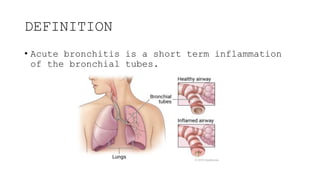
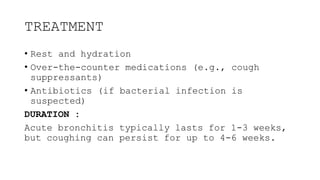
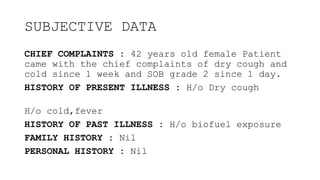
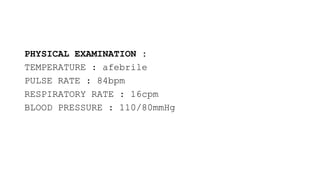
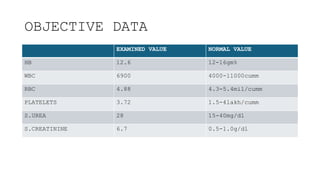
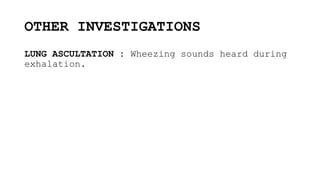
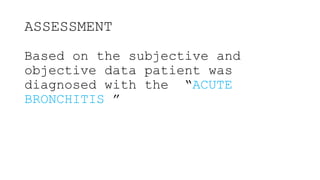
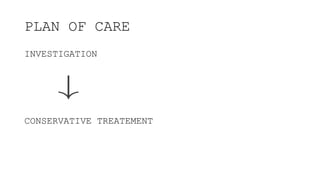
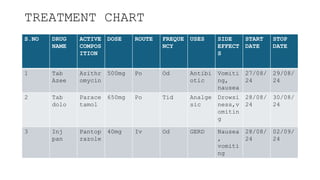
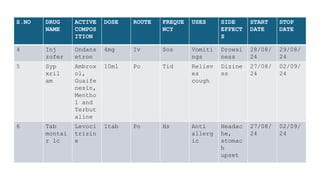
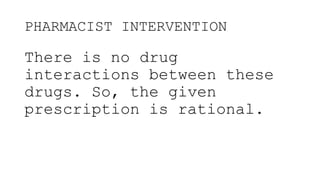
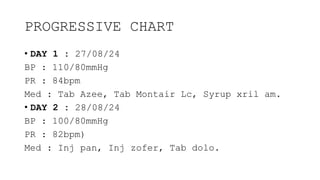
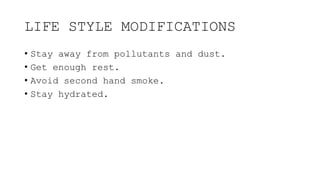


What is it? Acute bronchitis is a sudden inflammation of the bronchi (airways) in the lungs, usually due to an infection. It’s a self-limiting condition lasting less than 3 weeks in most cases. 📌 Causes: Viral infections (most common) Influenza virus Rhinovirus Adenovirus Coronavirus Bacterial infections (less common) Mycoplasma pneumoniae Chlamydophila pneumoniae Bordetella pertussis Other irritants: Smoke Dust Chemical fumes Pollution 📌 Clinical Features: Cough (most common, dry → productive) Low-grade fever Sore throat Runny nose / nasal congestion Wheezing Chest tightness or discomfort Fatigue Sometimes mild breathlessness (in severe cases) Note: No signs of pneumonia on examination (no crackles or bronchial breathing) 📌 Diagnosis: Usually clinical — based on history and symptoms. Chest X-ray: Done if pneumonia is suspected (fever, breathlessness, crepitations) Pulse oximetry: To check oxygen levels CBC: Mildly elevated WBC if bacterial Sputum culture: Rarely needed 📌 Treatment: Supportive care Rest Plenty of fluids Steam inhalation Warm saline gargles Antipyretics and analgesics Paracetamol Ibuprofen Antitussives (for severe cough) Bronchodilators (if wheezing) Antibiotics — usually not needed (unless bacterial infection suspected or patient is immunocompromised) 📌 Complications: Chronic bronchitis (if recurrent) Pneumonia (rare) Exacerbation in asthma or COPD patients


