


Different Milk Borne
Pathogens and Diseases
Dinah Faye Miraflor Indino
Bachelor of Science in Food Technology
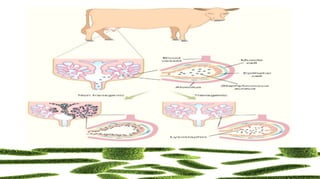
a. Milk is sterile at secretion in the
udder but is contaminated by bacteria
even before it leaves the udder.
b. Further infection of the milk by
microorganisms can take place during
milking, handling, storage, and other
pre-processing activities.
Sources of pathogens
1. Udder
2. Environment
3. Milking machine and equipments
4. Handler
5. Poor hygienic practice before and
after milking
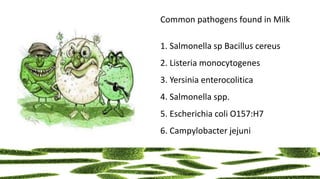
Common pathogens found in Milk
1. Salmonella sp Bacillus cereus
2. Listeria monocytogenes
3. Yersinia enterocolitica
4. Salmonella spp.
5. Escherichia coli O157:H7
6. Campylobacter jejuni
Other pathogens found in Milk
1. Mycobacterium bovis
2. Brucella sp
3. Coxiella burneti
4. Bacillus anthracis
5. Clostridium botulinum
6. Corynebacterium diphtheriae
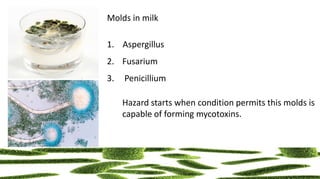
Molds in milk
1. Aspergillus
2. Fusarium
3. Penicillium
Hazard starts when condition permits this molds is
capable of forming mycotoxins.
Milk borne diseases and illnesses
1. Brucellosis
Brucella spp being transmitted from goats to humans either
through direct contact or through the milk of the infected animal.
Particularly since the appearance and taste of the milk are
rarely affected by the presence of the bacteria. Once transmitted to
humans.
Brucella is responsible for a type of granulomatous hepatitis
or an acute febrile illness which can, at times, persist and progress to
a chronically incapacitating disease with serious complications
2. Bacillary dysentery
Bacillary dysentery (Enterocolitis or Shigellosis)
caused by:
Shigella dysentery, Shigella shiga, Shigella sonnei
& Shigella flexneriae.
Sources of contamination like Salmonellosis.
2. Diptheria
Infection caused by the bacterium Corynebacterium
diphtheriae.
Symptoms often come on fairly gradually beginning with a
sore throat and fever. In severe cases a grey or white patch
develops in the throat. This can block the airway and create a
barking cough as in croup. The neck may swell in part due to
large lymph nodes.
Complications may include myocarditis, inflammation of
nerves, kidney problems, and bleeding problems due to low blood
platelets. Myocarditis may result in an abnormal heart rate and
inflammation of the nerves may result in paralysis.
An adherent, dense, grey pseudomembrane
covering the tonsils is classically seen in
diphtheria
Pathogens in milk

Pathogens in milk

  • 1.
    Different Milk Borne Pathogensand Diseases Dinah Faye Miraflor Indino Bachelor of Science in Food Technology
  • 2.
    a. Milk issterile at secretion in the udder but is contaminated by bacteria even before it leaves the udder. b. Further infection of the milk by microorganisms can take place during milking, handling, storage, and other pre-processing activities.
  • 4.
    Sources of pathogens 1.Udder 2. Environment 3. Milking machine and equipments 4. Handler 5. Poor hygienic practice before and after milking
  • 5.
    Common pathogens foundin Milk 1. Salmonella sp Bacillus cereus 2. Listeria monocytogenes 3. Yersinia enterocolitica 4. Salmonella spp. 5. Escherichia coli O157:H7 6. Campylobacter jejuni
  • 6.
    Other pathogens foundin Milk 1. Mycobacterium bovis 2. Brucella sp 3. Coxiella burneti 4. Bacillus anthracis 5. Clostridium botulinum 6. Corynebacterium diphtheriae
  • 7.
    Molds in milk 1.Aspergillus 2. Fusarium 3. Penicillium Hazard starts when condition permits this molds is capable of forming mycotoxins.
  • 8.
    Milk borne diseasesand illnesses 1. Brucellosis Brucella spp being transmitted from goats to humans either through direct contact or through the milk of the infected animal. Particularly since the appearance and taste of the milk are rarely affected by the presence of the bacteria. Once transmitted to humans. Brucella is responsible for a type of granulomatous hepatitis or an acute febrile illness which can, at times, persist and progress to a chronically incapacitating disease with serious complications
  • 9.
    2. Bacillary dysentery Bacillarydysentery (Enterocolitis or Shigellosis) caused by: Shigella dysentery, Shigella shiga, Shigella sonnei & Shigella flexneriae. Sources of contamination like Salmonellosis.
  • 10.
    2. Diptheria Infection causedby the bacterium Corynebacterium diphtheriae. Symptoms often come on fairly gradually beginning with a sore throat and fever. In severe cases a grey or white patch develops in the throat. This can block the airway and create a barking cough as in croup. The neck may swell in part due to large lymph nodes. Complications may include myocarditis, inflammation of nerves, kidney problems, and bleeding problems due to low blood platelets. Myocarditis may result in an abnormal heart rate and inflammation of the nerves may result in paralysis. An adherent, dense, grey pseudomembrane covering the tonsils is classically seen in diphtheria