RFC and OCM
Session for the Leaders
Sakir Temel
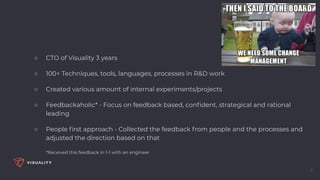
○ CTO of Visuality 3 years
○ 100+ Techniques, tools, languages, processes in R&D work
○ Created various amount of internal experiments/projects
○ Feedbackaholic* - Focus on feedback based, confident, strategical and rational
leading
○ People first approach - Collected the feedback from people and the processes and
adjusted the direction based on that
*Received this feedback in 1-1 with an engineer
2
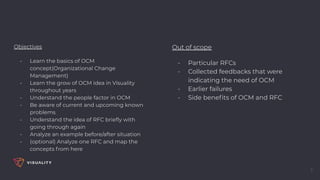
Objectives
- Learn the basics of OCM
concept(Organizational Change
Management)
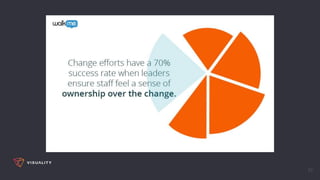
- Learn the grow of OCM idea in Visuality
throughout years
- Understand the people factor in OCM
- Be aware of current and upcoming known
problems
- Understand the idea of RFC briefly with
going through again
- Analyze an example before/after situation
- (optional) Analyze one RFC and map the
concepts from here
3
Out of scope
- Particular RFCs
- Collected feedbacks that were
indicating the need of OCM
- Earlier failures
- Side benefits of OCM and RFC
Thank you, the
leaders of
improvements, for
your time, patience,
and efforts
4
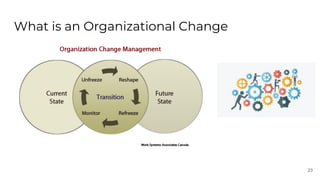
What is an Organizational Change
○ Organizational change is both the process in which an organization changes its
structure, strategies, operational methods, technologies, or organizational culture
to affect change within the organization
○ and the effects of these changes on the organization.
○ Organizational change can be continuous or occur for distinct periods of time.
5
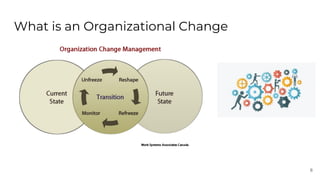
What is an Organizational Change
6
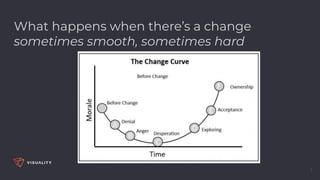
What happens when there’s a change
sometimes smooth, sometimes hard
7
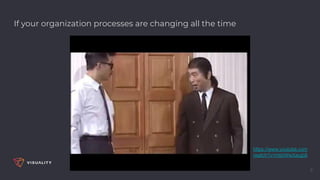
If your organization processes are changing all the time
8
https://www.youtube.com
/watch?v=HsbWwXaujp8
9
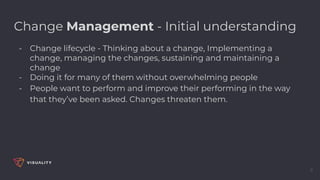
Change Management - Initial understanding
- Change lifecycle - Thinking about a change, Implementing a
change, managing the changes, sustaining and maintaining a
change
- Doing it for many of them without overwhelming people
- People want to perform and improve their performing in the way
that they’ve been asked. Changes threaten them.
10
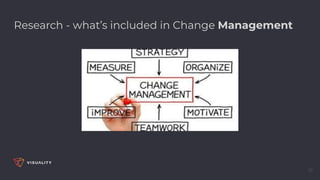
Research - what’s included in Change Management
11
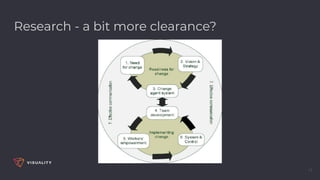
Research - a bit more clearance?
12
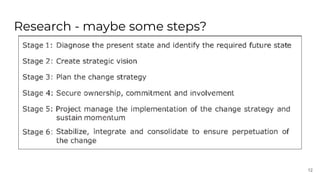
Research - maybe some steps?
13
Change Management - After researches
- Looks cool! Lots of management things, probably we’re done, or are
we? Don’t we forget about something?
- People, or person even. Wasn’t the change for them?
- people want to perform and improve their performing in the way
that they’ve been asked. Changes threaten them.
14
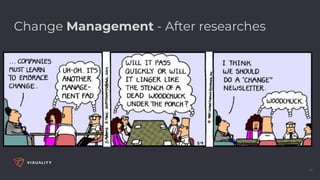
Change Management - After researches
15
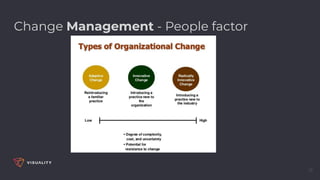
Change Management - People factor
16
Change Management - People factor
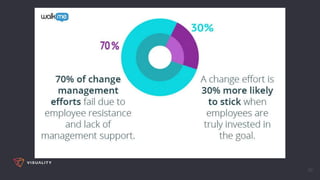
- Changes are for people, it’s their organization
- If they resist, the implementation will be slow
- If they resist, sustaining will be just a wish which later can convert
into blame(people didn’t change)
17
Change Management - People factor
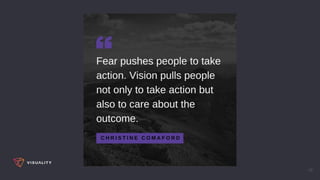
- Why people fear? Mainly, uncertainty
- We can’t plan everything in the future, so we should mainly shed
light on the road - VISION
- Give time to digest, describe clearly and detailed enough to avoid
misunderstanding
18
19
Change Management
- OK, we figured that out. We should communicate, engage, and
manage the process. But, why was it again?
20
21
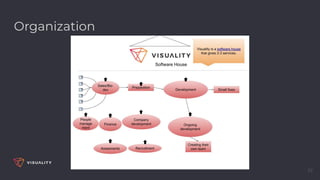
Organization
22
What is an Organizational Change
23
Backbone
24
25
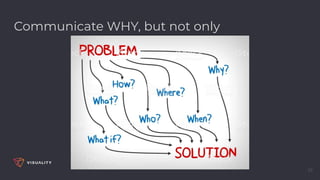
Communicate WHY, but not only
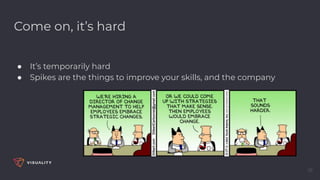
Come on, it’s hard
● It’s temporarily hard
● Spikes are the things to improve your skills, and the company
26
What kind of problems were being expected
It’s normal and expected that..
● Leaders need to develop leadership skills
● Leaders need to know other parts of the company
● Leaders need to have time
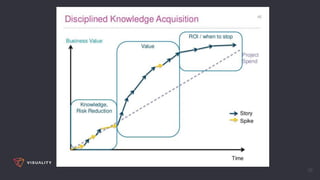
● Spikes - for the project, for yourself
Those spikes will develop the whole company with creating better
understanding on MANY areas while leaders are proposing a change
27
28
And, I’m there
● You can book time with me using calendly
● Sit on the research together
● Ask theoretical questions
● Ask specific doubts
● Explain any part of the company, people, anything
29
RFC
● RFC is not a place for brainstorming
● RFC is not just to make some plans
● RFC is a tool for us to do OCM(Organizational Change Management)
in the right way.
● The ideas should come in an actionable and reviewable way from
everyone, and stay as know-how in the store
30
RFC
● When people read the RFC, they would like to see the problem,
understand the background, see the proposal, understand the
benefits and challenges, see the implementation plan and then
review it. Keep them focused.
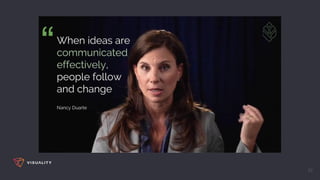
● RFC is mostly, but not only, to communicate Why the solution
should be there, and be on the same page with the others. This
helps them not to resist, and be the change
31
32
33
34
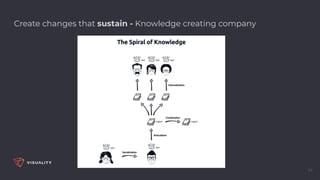
Create changes that sustain - Knowledge creating company
35
Create changes that sustain - Knowledge creating company
- Know-how is our biggest weapon
- If we succeed with continuously aligning ourselves regardless of
location, we can start to scale
- Pods can isolate themselves and self manage while receiving and
delivering changes to other Pods
- Writing culture will lead to asynchronous working
- RFC is our center of grow
- It is a transparent procedure to initiate change and get regular
improvements while staying consistent
- No more long meetings
Y in Visuality - Best practices(from guideline)
- What should be Visuality’s take on Y, how you shape it to us?
- The abstract should summarize all the parts:
- motivation + proposal + benefits. "We're seeing a problem in X, that's why doing Y
will be good, so that we can have less problem"
- Think about the abstract part as a summary that people will
mention during their conversations with their colleagues, friends,
others.
36
Who else using similar processes
● Internet, Google, Microsoft, Facebook, Amazon, Uber
● Many open source projects
37
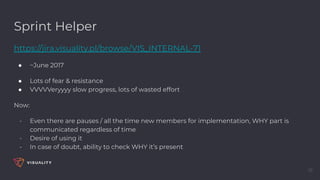
Sprint Helper
https://jira.visuality.pl/browse/VIS_INTERNAL-71
● ~June 2017
● Lots of fear & resistance
● VVVVVeryyyy slow progress, lots of wasted effort
Now:
- Even there are pauses / all the time new members for implementation, WHY part is
communicated regardless of time
- Desire of using it
- In case of doubt, ability to check WHY it’s present
38
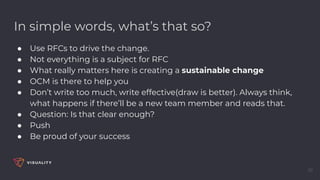
In simple words, what’s that so?
● Use RFCs to drive the change.
● Not everything is a subject for RFC
● What really matters here is creating a sustainable change
● OCM is there to help you
● Don’t write too much, write effective(draw is better). Always think,
what happens if there’ll be a new team member and reads that.
● Question: Is that clear enough?
● Push
● Be proud of your success
39
Thanks for listening
40
What’s next?
● Sleep on this idea a bit
● Try to map the things from here to your RFCs
● Look at the people page, and go through one by one try to think like
them
● Work with me, pretty please
41
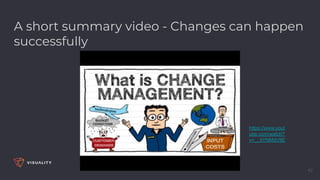
A short summary video - Changes can happen
successfully
42
https://www.yout
ube.com/watch?
v=__IlYNMdV9E
43
What about hype though?
● Well, think what you want? Hype you can have in your prototypes.
Achievement is the feeling that you’ll get from such a change.
44
Is it for better implementing? Just a plan?
- Because the ideas will come in an actionable way, of course it will be
better for implementation, but that’s not the main purposes. The
same with the plan, RFC is not a place where you store your plans.
These 2 are just benefits of RFC, RFC is to communicate clearly the
ideas to people regardless of time.
45
My RFC got rejected, hmmm?
- Spikes that you do, knowledge you generated still stays. RFCs can be
rejected because the organization is not ready for that, or the idea is
not clear enough. While preparing this presentation, I read twice
RFC#7 ADKAR - solving the failure of your change. The effort which
was put in there, simply helped to this presentation. And when the
whole company needs such a framework, the RFC can be
resurrected.
- Also RFCs can be reshaped after they got rejected (RFC#4 is
redefined by RFC#5)
46
360 feedbacks
- After the analysis of 360 feedbacks before and after RFC process, it’s
clearly seeable a major problem and its effects are fixed
47

Organizational Change Management(OCM) and RFC Process

  • 1.
    RFC and OCM Sessionfor the Leaders Sakir Temel
  • 2.
    ○ CTO ofVisuality 3 years ○ 100+ Techniques, tools, languages, processes in R&D work ○ Created various amount of internal experiments/projects ○ Feedbackaholic* - Focus on feedback based, confident, strategical and rational leading ○ People first approach - Collected the feedback from people and the processes and adjusted the direction based on that *Received this feedback in 1-1 with an engineer 2
  • 3.
    Objectives - Learn thebasics of OCM concept(Organizational Change Management) - Learn the grow of OCM idea in Visuality throughout years - Understand the people factor in OCM - Be aware of current and upcoming known problems - Understand the idea of RFC briefly with going through again - Analyze an example before/after situation - (optional) Analyze one RFC and map the concepts from here 3 Out of scope - Particular RFCs - Collected feedbacks that were indicating the need of OCM - Earlier failures - Side benefits of OCM and RFC
  • 4.
    Thank you, the leadersof improvements, for your time, patience, and efforts 4
  • 5.
    What is anOrganizational Change ○ Organizational change is both the process in which an organization changes its structure, strategies, operational methods, technologies, or organizational culture to affect change within the organization ○ and the effects of these changes on the organization. ○ Organizational change can be continuous or occur for distinct periods of time. 5
  • 6.
    What is anOrganizational Change 6
  • 7.
    What happens whenthere’s a change sometimes smooth, sometimes hard 7
  • 8.
    If your organizationprocesses are changing all the time 8 https://www.youtube.com /watch?v=HsbWwXaujp8
  • 9.
    9 Change Management -Initial understanding - Change lifecycle - Thinking about a change, Implementing a change, managing the changes, sustaining and maintaining a change - Doing it for many of them without overwhelming people - People want to perform and improve their performing in the way that they’ve been asked. Changes threaten them.
  • 10.
    10 Research - what’sincluded in Change Management
  • 11.
    11 Research - abit more clearance?
  • 12.
  • 13.
    13 Change Management -After researches - Looks cool! Lots of management things, probably we’re done, or are we? Don’t we forget about something? - People, or person even. Wasn’t the change for them? - people want to perform and improve their performing in the way that they’ve been asked. Changes threaten them.
  • 14.
    14 Change Management -After researches
  • 15.
  • 16.
    16 Change Management -People factor - Changes are for people, it’s their organization - If they resist, the implementation will be slow - If they resist, sustaining will be just a wish which later can convert into blame(people didn’t change)
  • 17.
    17 Change Management -People factor - Why people fear? Mainly, uncertainty - We can’t plan everything in the future, so we should mainly shed light on the road - VISION - Give time to digest, describe clearly and detailed enough to avoid misunderstanding
  • 18.
  • 19.
    19 Change Management - OK,we figured that out. We should communicate, engage, and manage the process. But, why was it again?
  • 20.
  • 21.
  • 22.
  • 23.
    What is anOrganizational Change 23
  • 24.
  • 25.
  • 26.
    Come on, it’shard ● It’s temporarily hard ● Spikes are the things to improve your skills, and the company 26
  • 27.
    What kind ofproblems were being expected It’s normal and expected that.. ● Leaders need to develop leadership skills ● Leaders need to know other parts of the company ● Leaders need to have time ● Spikes - for the project, for yourself Those spikes will develop the whole company with creating better understanding on MANY areas while leaders are proposing a change 27
  • 28.
  • 29.
    And, I’m there ●You can book time with me using calendly ● Sit on the research together ● Ask theoretical questions ● Ask specific doubts ● Explain any part of the company, people, anything 29
  • 30.
    RFC ● RFC isnot a place for brainstorming ● RFC is not just to make some plans ● RFC is a tool for us to do OCM(Organizational Change Management) in the right way. ● The ideas should come in an actionable and reviewable way from everyone, and stay as know-how in the store 30
  • 31.
    RFC ● When peopleread the RFC, they would like to see the problem, understand the background, see the proposal, understand the benefits and challenges, see the implementation plan and then review it. Keep them focused. ● RFC is mostly, but not only, to communicate Why the solution should be there, and be on the same page with the others. This helps them not to resist, and be the change 31
  • 32.
  • 33.
  • 34.
    34 Create changes thatsustain - Knowledge creating company
  • 35.
    35 Create changes thatsustain - Knowledge creating company - Know-how is our biggest weapon - If we succeed with continuously aligning ourselves regardless of location, we can start to scale - Pods can isolate themselves and self manage while receiving and delivering changes to other Pods - Writing culture will lead to asynchronous working - RFC is our center of grow - It is a transparent procedure to initiate change and get regular improvements while staying consistent - No more long meetings
  • 36.
    Y in Visuality- Best practices(from guideline) - What should be Visuality’s take on Y, how you shape it to us? - The abstract should summarize all the parts: - motivation + proposal + benefits. "We're seeing a problem in X, that's why doing Y will be good, so that we can have less problem" - Think about the abstract part as a summary that people will mention during their conversations with their colleagues, friends, others. 36
  • 37.
    Who else usingsimilar processes ● Internet, Google, Microsoft, Facebook, Amazon, Uber ● Many open source projects 37
  • 38.
    Sprint Helper https://jira.visuality.pl/browse/VIS_INTERNAL-71 ● ~June2017 ● Lots of fear & resistance ● VVVVVeryyyy slow progress, lots of wasted effort Now: - Even there are pauses / all the time new members for implementation, WHY part is communicated regardless of time - Desire of using it - In case of doubt, ability to check WHY it’s present 38
  • 39.
    In simple words,what’s that so? ● Use RFCs to drive the change. ● Not everything is a subject for RFC ● What really matters here is creating a sustainable change ● OCM is there to help you ● Don’t write too much, write effective(draw is better). Always think, what happens if there’ll be a new team member and reads that. ● Question: Is that clear enough? ● Push ● Be proud of your success 39
  • 40.
  • 41.
    What’s next? ● Sleepon this idea a bit ● Try to map the things from here to your RFCs ● Look at the people page, and go through one by one try to think like them ● Work with me, pretty please 41
  • 42.
    A short summaryvideo - Changes can happen successfully 42 https://www.yout ube.com/watch? v=__IlYNMdV9E
  • 43.
  • 44.
    What about hypethough? ● Well, think what you want? Hype you can have in your prototypes. Achievement is the feeling that you’ll get from such a change. 44
  • 45.
    Is it forbetter implementing? Just a plan? - Because the ideas will come in an actionable way, of course it will be better for implementation, but that’s not the main purposes. The same with the plan, RFC is not a place where you store your plans. These 2 are just benefits of RFC, RFC is to communicate clearly the ideas to people regardless of time. 45
  • 46.
    My RFC gotrejected, hmmm? - Spikes that you do, knowledge you generated still stays. RFCs can be rejected because the organization is not ready for that, or the idea is not clear enough. While preparing this presentation, I read twice RFC#7 ADKAR - solving the failure of your change. The effort which was put in there, simply helped to this presentation. And when the whole company needs such a framework, the RFC can be resurrected. - Also RFCs can be reshaped after they got rejected (RFC#4 is redefined by RFC#5) 46
  • 47.
    360 feedbacks - Afterthe analysis of 360 feedbacks before and after RFC process, it’s clearly seeable a major problem and its effects are fixed 47