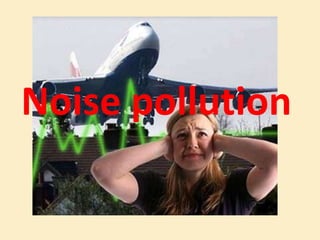
Noise pollution
What is noise pollution?Noise pollution is any unwanted or offensive sounds that unreasonably disturb our daily lives
How is sound measured?The sound pressure level is measured in decibels (dB). A sound level meter is used to measure the decibel levels of sound.
When does sound become noise?People react to sounds in different ways.  Some sounds can distract us and break our concentration. When this happens, the sound becomes unwanted noise. Often it is not the pitch or the loudness that makes a sound annoying. Sometimes it is the repetitive nature of the sound and our inability to control it that makes it annoying. Car alarms and the seemingly endless barking of a dog are good examples.
What are the causes of noise pollution?TrafficConstructionAircraftDogs barkingLawn mowersMusic from cafes & private residences etc.NeighboursAlarms (house, car)Electrical appliances (AC, TV etc.)
Some things can amplify noiseHigh density housingMixed business/residential areasBusy roads through residential areasPoor insulation
Traffic  noiseAt low speeds, most traffic noise is caused by vehicle engines, exhausts and brakes. The stop-start braking and acceleration during peak-hour congestion also increases noise levels. Motorways emit a constant noise.Trucks and motorcycles are responsible for the peak noises against the background rumble.  These sharp and intermittent noises are more likely to cause sleep disturbances and to contribute to other physical and psychological problems. 
What are the effects of noise pollution?stresssleeplessness, fatiguehearing problems / deafnesspoor concentration productivity loss in the workplace loss of psychological well-being
Extreme noiseAt its most extreme, -instant and permanent hearing loss can occur.  Explosive sounds with peak noise levels of 140 decibels (dB) or more can destroy cells in inner ear and cause permanent deafness. Extended exposure to loud noise can also lead to long-term hearing loss. Anoise level of 85 dB, should be sustained by a worker for no more than 8 hours a day.  This is about the same as the noise level in a street with heavy traffic.  Higher noise levels can cause permanent hearing loss unless protective measures are taken.
Damage to more than hearing  Research has shown that people living near airports or busy roads have a higher incidence of headaches, take more sleeping pills and sedatives, are more prone to minor accidents, and are more likely to seek psychiatric treatment. Exposure to high noise levels has also been shown to lead to a range of physical symptoms such as accelerated heartbeat, high blood pressure, gastro-intestinal problems and chronic fatigue.  Some of these problems are relatively easy to treat medically, but other psychological effects such as insomnia, nervousness, anxiety and depression can be longer lasting.
Effects on wildlifeLaboratory studies and limited field research have uncovered four major ways in which animals are adversely affected by noise pollution: -hearing loss, resulting from noise levels of 85 db or greater; 	-masking, which is the inability to hear important environmental cues and animal signals; 	-non-auditory physiological effects, such as increased heart rate and respiration and general stress reaction; and 	-behavioural effects, which vary greatly between species and noise characteristics, resulting in, for example, abandonment of territory and lost reproduction.
Sooty FalconOnly 6 breeding pairs left.Have been affected by noises and loss of territory from city encroachment.
MitigationSound insulationDouble glazingSolid doorsSound walls (concrete) http://www.youtube.com/watch?v=aucUfLdIUqU&feature=relatedCul-de-sacs (no-through roads)Ear plugs / ear muffsStandards, regulation & enforcement
CoP 14 Noise ManagementAims:	Control and undertake actions to control noise levels to protect the community and the environment
Generators of noise are responsible for their noise emissions
A business may be required to monitor and report their noise emissions.
All stakeholders are expected to work cooperatively to reduce impact from noise on the community and the environment.
Development approvalList impacts –who, how long, at what intensityThese are considered alongside other noises in the vicinity, as well as views of affected people
Development Where a proposed development exceeds permitted noise levels, “social worth” is considered
Construction sitesNoise permitted only between:7am-8pm (weekdays)9am-7pm (weekends)This includes all related noises (vehicles, demolition etc.)
Equipment and tools are to be used in a way that minimises noise emissions
VehiclesVehicles must comply with standards regarding engine noise and horn sounds.
Building alarmsMust turn off automatically after 5 minutes
CafesMusic to be directed inwardsMusic must cease after 10pm in residential areas
WorkersMay be required to use earplugs and / or earmuffs –employer to provideEmployer to provide training on their useWarning signs to be located as appropriateMedical checks provided by employer
EmployerTo keep complete and accurate records of noise measurements, medical records etc.
Each sector is responsible for issuing (or withdrawing) permits, work approvals etc. to businesses who are compliant / non-compliant
THE   END

Noise Pollution

  • 1.
  • 2.
    What is noisepollution?Noise pollution is any unwanted or offensive sounds that unreasonably disturb our daily lives
  • 3.
    How is soundmeasured?The sound pressure level is measured in decibels (dB). A sound level meter is used to measure the decibel levels of sound.
  • 5.
    When does soundbecome noise?People react to sounds in different ways.  Some sounds can distract us and break our concentration. When this happens, the sound becomes unwanted noise. Often it is not the pitch or the loudness that makes a sound annoying. Sometimes it is the repetitive nature of the sound and our inability to control it that makes it annoying. Car alarms and the seemingly endless barking of a dog are good examples.
  • 6.
    What are thecauses of noise pollution?TrafficConstructionAircraftDogs barkingLawn mowersMusic from cafes & private residences etc.NeighboursAlarms (house, car)Electrical appliances (AC, TV etc.)
  • 7.
    Some things canamplify noiseHigh density housingMixed business/residential areasBusy roads through residential areasPoor insulation
  • 8.
    Traffic noiseAtlow speeds, most traffic noise is caused by vehicle engines, exhausts and brakes. The stop-start braking and acceleration during peak-hour congestion also increases noise levels. Motorways emit a constant noise.Trucks and motorcycles are responsible for the peak noises against the background rumble.  These sharp and intermittent noises are more likely to cause sleep disturbances and to contribute to other physical and psychological problems. 
  • 9.
    What are theeffects of noise pollution?stresssleeplessness, fatiguehearing problems / deafnesspoor concentration productivity loss in the workplace loss of psychological well-being
  • 10.
    Extreme noiseAt itsmost extreme, -instant and permanent hearing loss can occur.  Explosive sounds with peak noise levels of 140 decibels (dB) or more can destroy cells in inner ear and cause permanent deafness. Extended exposure to loud noise can also lead to long-term hearing loss. Anoise level of 85 dB, should be sustained by a worker for no more than 8 hours a day.  This is about the same as the noise level in a street with heavy traffic.  Higher noise levels can cause permanent hearing loss unless protective measures are taken.
  • 11.
    Damage to morethan hearing  Research has shown that people living near airports or busy roads have a higher incidence of headaches, take more sleeping pills and sedatives, are more prone to minor accidents, and are more likely to seek psychiatric treatment. Exposure to high noise levels has also been shown to lead to a range of physical symptoms such as accelerated heartbeat, high blood pressure, gastro-intestinal problems and chronic fatigue.  Some of these problems are relatively easy to treat medically, but other psychological effects such as insomnia, nervousness, anxiety and depression can be longer lasting.
  • 12.
    Effects on wildlifeLaboratorystudies and limited field research have uncovered four major ways in which animals are adversely affected by noise pollution: -hearing loss, resulting from noise levels of 85 db or greater; -masking, which is the inability to hear important environmental cues and animal signals; -non-auditory physiological effects, such as increased heart rate and respiration and general stress reaction; and -behavioural effects, which vary greatly between species and noise characteristics, resulting in, for example, abandonment of territory and lost reproduction.
  • 13.
    Sooty FalconOnly 6breeding pairs left.Have been affected by noises and loss of territory from city encroachment.
  • 14.
    MitigationSound insulationDouble glazingSoliddoorsSound walls (concrete) http://www.youtube.com/watch?v=aucUfLdIUqU&feature=relatedCul-de-sacs (no-through roads)Ear plugs / ear muffsStandards, regulation & enforcement
  • 15.
    CoP 14 NoiseManagementAims: Control and undertake actions to control noise levels to protect the community and the environment
  • 16.
    Generators of noiseare responsible for their noise emissions
  • 17.
    A business maybe required to monitor and report their noise emissions.
  • 18.
    All stakeholders areexpected to work cooperatively to reduce impact from noise on the community and the environment.
  • 19.
    Development approvalList impacts–who, how long, at what intensityThese are considered alongside other noises in the vicinity, as well as views of affected people
  • 20.
    Development Where aproposed development exceeds permitted noise levels, “social worth” is considered
  • 21.
    Construction sitesNoise permittedonly between:7am-8pm (weekdays)9am-7pm (weekends)This includes all related noises (vehicles, demolition etc.)
  • 22.
    Equipment and toolsare to be used in a way that minimises noise emissions
  • 23.
    VehiclesVehicles must complywith standards regarding engine noise and horn sounds.
  • 24.
    Building alarmsMust turnoff automatically after 5 minutes
  • 25.
    CafesMusic to bedirected inwardsMusic must cease after 10pm in residential areas
  • 26.
    WorkersMay be requiredto use earplugs and / or earmuffs –employer to provideEmployer to provide training on their useWarning signs to be located as appropriateMedical checks provided by employer
  • 27.
    EmployerTo keep completeand accurate records of noise measurements, medical records etc.
  • 28.
    Each sector isresponsible for issuing (or withdrawing) permits, work approvals etc. to businesses who are compliant / non-compliant
  • 29.
    THE END