 Digital Access
 Digital Security
 Digital Literacy
 Digital Rights and Responsibility
 Digital Communication
 Digital Health and Wellness
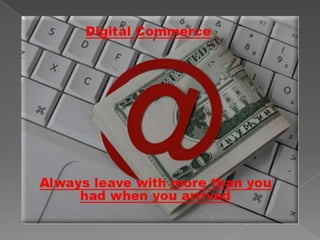
 Digital Commerce
 Digital Law
 Digital Etiquette
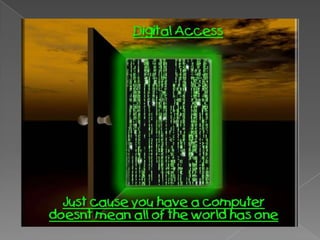
   Definition: full electronic participation in society.
   Technology users need to be aware of and support
    electronic access for all. Digital exclusion of any kind
    does not enhance the growth of users in an
    electronic community. All people should have fair
    access to technology no matter who they
    are. Places or organizations with limited connectivity
    need to be addressed as well.                 To become
    productive citizens, we need to be committed to
    equal digital access.
   Advice: Use technology responsibly since not
    everyone has access to it.
   Security and Safety: electronic precautions to
    guarantee safety.
   Overview: “In any society, there are individuals who
    steal, deface, or disrupt other people. The same is
    true for the digital community. It is not enough to trust
    other members in the community for our own safety.
    In our own homes, we put locks on our doors and fire
    alarms in our houses to provide some level of
    protection. The same must be true for the digital
    security. We need to have virus protection, backups
    of data, and surge control of our equipment. As
    responsible citizens, we must protect our information
    from outside forces that might cause disruption or
    harm.”-Mark Ribble
   Digital Literacy: process of teaching and learning
    about technology and the use of technology.
   Overview: Digital literacy knows how to use
    technology; schools and other organizations do a
    great deal of benefit because they teach students
    how to use technology. People MUST know how to
    use technology and quickly adapt to new
    technology. Military and doctors are a great
    example of this, they quickly adapt to new
    technology to do their jobs better, we all must be
    able to learn anything at anytime.
   Advice: Learn how to use technology to its maximum
    level in order to use it efficiently.
   Overview: Digital Rights and Responsibility: Freedom
    extended to everyone in the digital world. Those
    freedoms extended to everyone in a digital world.
    Just as in the American Constitution where there is a
    Bill of Rights, there is a basic set of rights extended to
    every digital citizen. Digital citizens have the right to
    privacy, free speech, etc. Basic digital rights must be
    addressed, discussed, and understood in the digital
    world. With these rights also come responsibilities as
    well. Users must help define how the technology is to
    be used in an appropriate manner. In a digital
    society these two areas must work together for
    everyone to be productive.
   Advice: Be responsible when using technology.
   Overview:electronic buying and selling of goods.
    Technology users need to understand that a large
    share of market economy is being done
    electronically. Legitimate and legal exchanges are
    occurring, but the buyer or seller need to be aware
    of the issues associated with it. The mainstream
    availability     of     Internet    purchases    of
    toys, clothing, cars, food, etc. has become
    commonplace to many users. At the same time, an
    equal amount of illegal/immoral goods and services
    are surfacing such as pornography and gambling.
    Users need to learn about how to be effective
    consumers in a new digital economy.
   Use technology to communicate and stay in touch.
 Overview: Eye safety from the computer
  light it’s very important since the
  excessive use of a computer can harm
  the ability to see. Also the stress
  syndrome it’s very common with the use
  of technology and it can cause several
  psychological and physical problems
 Advice:    Sit correctly when using
  technology
   Overview: Commerce it now very common in
    the internet and also it’s been classify of a safe
    way to buy and sell. But the people need to
    know how to be an effective consumer. The
    internet has lots and lots of sites in which you
    can buy and sell different kind of stuff. Today
    it’s easy to find a safe place to buy the stuff
    you need on the internet, but it’s also very
    simple to find a site with all the tools to steal
    your money if you don’t check first.
   Advice: Be careful when making transactions.
   Overview: The digital law basically consists
    in the ethics technology within a society.
    Users need to understand that stealing or
    causing damage to other people’s
    work, identity, or property online is a crime.
    Their certain rules in the use of internet like
    the respect to others in a social network.
    The internet’s have a global meeting with
    each user, this gives a complete social life
    to the user and power the user probably do
    not have in his real life. This can be
    confusing to the user and can make a bad
    use of this opportunity by not acting in a
    ethical way.
 Digital Etiquette: Electronic standards of
  conduct and procedure. Also referred with
  name of netiquette. Digital etiquette
  means people with responsible behavior
  around technology and it is role models for
  younger kids. Techdirt made a study in UK
  where they asked office works if they
  consider it rude to not reply a SMS many
  think it is rude not to respond a message
  quickly. Out of ten teenagers none have
  been taught about digital etiquette.
 Advice: Don’t use technology for wrongs.
   END

Nine Elements

  • 2.
     Digital Access Digital Security  Digital Literacy  Digital Rights and Responsibility  Digital Communication  Digital Health and Wellness  Digital Commerce  Digital Law  Digital Etiquette
  • 3.
    Definition: full electronic participation in society.  Technology users need to be aware of and support electronic access for all. Digital exclusion of any kind does not enhance the growth of users in an electronic community. All people should have fair access to technology no matter who they are. Places or organizations with limited connectivity need to be addressed as well. To become productive citizens, we need to be committed to equal digital access.  Advice: Use technology responsibly since not everyone has access to it.
  • 5.
    Security and Safety: electronic precautions to guarantee safety.  Overview: “In any society, there are individuals who steal, deface, or disrupt other people. The same is true for the digital community. It is not enough to trust other members in the community for our own safety. In our own homes, we put locks on our doors and fire alarms in our houses to provide some level of protection. The same must be true for the digital security. We need to have virus protection, backups of data, and surge control of our equipment. As responsible citizens, we must protect our information from outside forces that might cause disruption or harm.”-Mark Ribble
  • 7.
    Digital Literacy: process of teaching and learning about technology and the use of technology.  Overview: Digital literacy knows how to use technology; schools and other organizations do a great deal of benefit because they teach students how to use technology. People MUST know how to use technology and quickly adapt to new technology. Military and doctors are a great example of this, they quickly adapt to new technology to do their jobs better, we all must be able to learn anything at anytime.  Advice: Learn how to use technology to its maximum level in order to use it efficiently.
  • 9.
    Overview: Digital Rights and Responsibility: Freedom extended to everyone in the digital world. Those freedoms extended to everyone in a digital world. Just as in the American Constitution where there is a Bill of Rights, there is a basic set of rights extended to every digital citizen. Digital citizens have the right to privacy, free speech, etc. Basic digital rights must be addressed, discussed, and understood in the digital world. With these rights also come responsibilities as well. Users must help define how the technology is to be used in an appropriate manner. In a digital society these two areas must work together for everyone to be productive.  Advice: Be responsible when using technology.
  • 11.
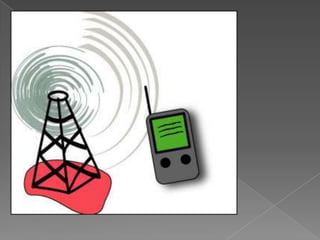
    Overview:electronic buying and selling of goods. Technology users need to understand that a large share of market economy is being done electronically. Legitimate and legal exchanges are occurring, but the buyer or seller need to be aware of the issues associated with it. The mainstream availability of Internet purchases of toys, clothing, cars, food, etc. has become commonplace to many users. At the same time, an equal amount of illegal/immoral goods and services are surfacing such as pornography and gambling. Users need to learn about how to be effective consumers in a new digital economy.  Use technology to communicate and stay in touch.
  • 13.
     Overview: Eyesafety from the computer light it’s very important since the excessive use of a computer can harm the ability to see. Also the stress syndrome it’s very common with the use of technology and it can cause several psychological and physical problems  Advice: Sit correctly when using technology
  • 15.
    Overview: Commerce it now very common in the internet and also it’s been classify of a safe way to buy and sell. But the people need to know how to be an effective consumer. The internet has lots and lots of sites in which you can buy and sell different kind of stuff. Today it’s easy to find a safe place to buy the stuff you need on the internet, but it’s also very simple to find a site with all the tools to steal your money if you don’t check first.  Advice: Be careful when making transactions.
  • 17.
    Overview: The digital law basically consists in the ethics technology within a society. Users need to understand that stealing or causing damage to other people’s work, identity, or property online is a crime. Their certain rules in the use of internet like the respect to others in a social network. The internet’s have a global meeting with each user, this gives a complete social life to the user and power the user probably do not have in his real life. This can be confusing to the user and can make a bad use of this opportunity by not acting in a ethical way.
  • 19.
     Digital Etiquette:Electronic standards of conduct and procedure. Also referred with name of netiquette. Digital etiquette means people with responsible behavior around technology and it is role models for younger kids. Techdirt made a study in UK where they asked office works if they consider it rude to not reply a SMS many think it is rude not to respond a message quickly. Out of ten teenagers none have been taught about digital etiquette.  Advice: Don’t use technology for wrongs.
  • 21.
    END