Philippine
Contemporary
     Art
Abstract Art
    - A recreation of a subject matters shapes
          and colors so that it becomes
       unrecognizable and non-objective
Cubism
     - The breaking down of an object into
   rectangular or square cubes through color
    transparency and overlapping rendetions
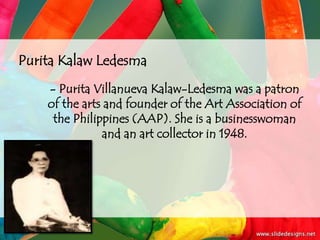
Purita Kalaw Ledesma
    - Purita Villanueva Kalaw-Ledesma was a patron
    of the arts and founder of the Art Association of
     the Philippines (AAP). She is a businesswoman
               and an art collector in 1948.
In the first art competition of the Art
 Association of the Philippines (AAP), six major
   prizes were won by the modernists. The next
three years of AAP competitions were a repeat of
  the first competition arousing hostilities from
     the conservative group led by Fernando
              Amorsolo and Tolentino.
The following are the Artists and their
       contributions of the Philippine
             Contemporary Art

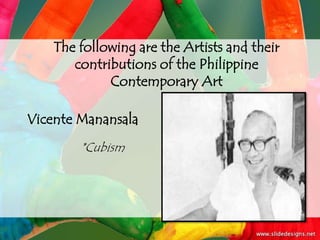
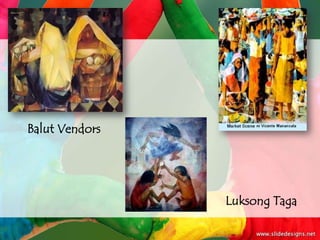
Vicente Manansala
        *Cubism
Balut Vendors


                Luksong Taga
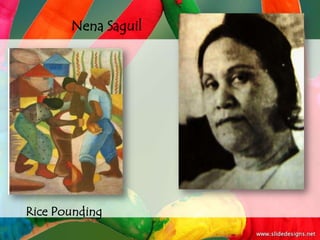
Nena Saguil


Rice Pounding
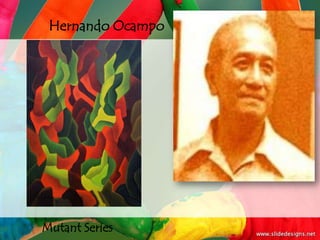
Hernando Ocampo


Mutant Series
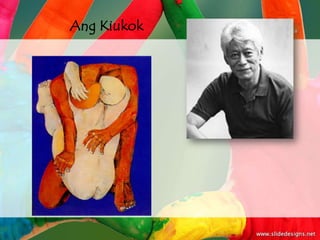
Ang Kiukok
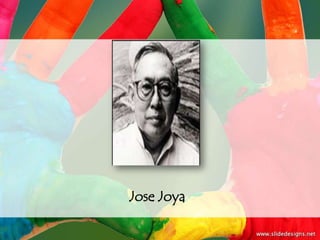
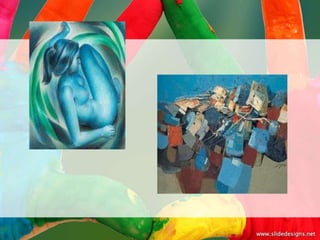
Jose Joya
Jose Tanig Joya was born in Manila on June
3, 1931, the son of Jose Joya Sr. and Asuncion.
    He graduated from the University of the
   Philippines (UP) in 1953 with a bachelor's
 degree in fine arts, earning the distinction of
 being the university's first magna cum laude.
In 1954 to 1955, the Instituto de Cultura
  Hispanica of the Spanish government awarded
 him a painting grant in Madrid. A year later he
 finished his master's degree in painting under a
Fulbright Smith-Mundt grant. He also received a
grant from the John D. Rockefeller III Fund and
  Ford Foundation to paint in New York, from
                   1967 to 1969.
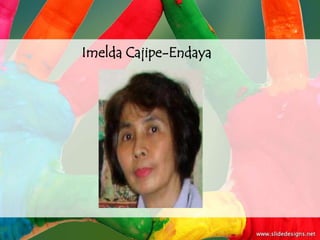
Imelda Cajipe-Endaya
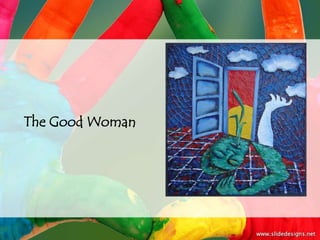
The Good Woman
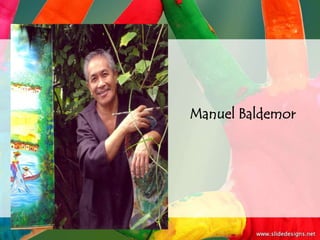
Manuel Baldemor
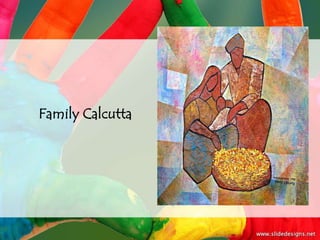
Family Calcutta
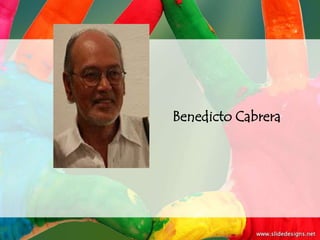
Benedicto Cabrera
The Huntress
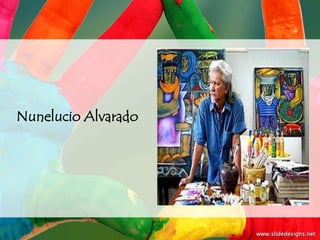
Nunelucio Alvarado
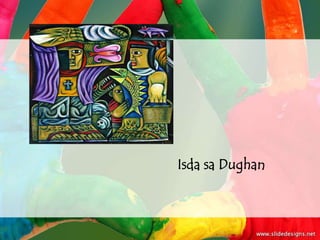
Isda sa Dughan
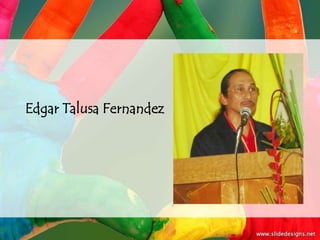
Edgar Talusa Fernandez
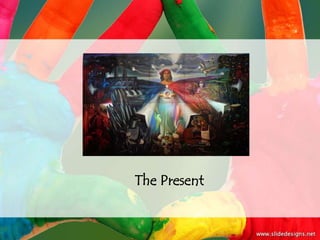
The Present
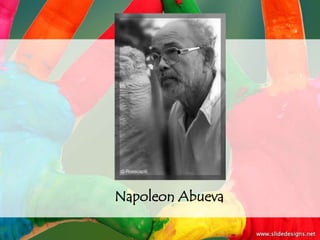
Napoleon Abueva
In 1976, Napoleon V. Abueva, then 46, was the youngest
Filipino to become a National Artist. Known as the Father
   of Modern Philippine Sculpture, he is a master in both
 academic representational style and modern abstract. His
     works have been executed using almost all kinds of
materials, including hard wood like molave, acacia, langka
           wood, ipil, kamagong, palm wood and
               bamboo, adobe, metal, stainless
  steel, cement, marble, bronze, iron, alabaster, coral, and
   brass. He even combines different materials, like wood
                   with metal and stone.
Under a Pura Villanueva-Kalaw Scholarship, Abueva
graduated from the University of the Philippines School of
Fine Arts in 1953 with a Bachelor of Fine Arts in Sculpture.
    He received much recognition as early as his college
    years, during which he was mentored by Guillermo
   Tolentino, the first National Artist for Sculpture and
creator of the UP Oblation. For three years in a row (1951-
1953), he won first prize and best entry awards in sculpture
      in the Art Association of the Philippines annual
   competition. One of his works from this period is the
    Kagampan or Kaganapan, which is considered most
representative of his work. He also received recognition in
     the Institute of Contemporary Arts’ International
    Sculpture Competition in London, England for The
                Unknown Political Prisoner.
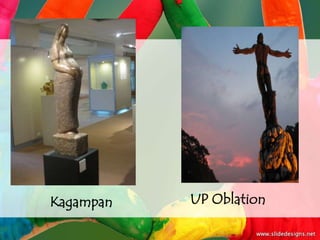
Kagampan   UP Oblation
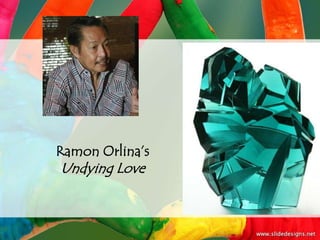
Ramon Orlina’s
Undying Love
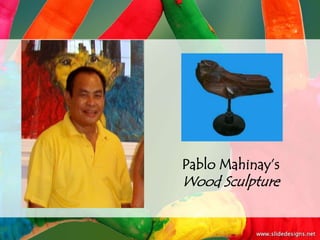
Pablo Mahinay’s
Wood Sculpture
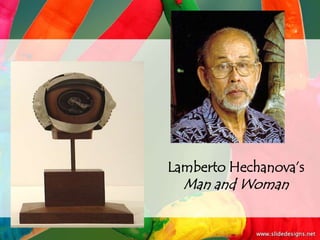
Lamberto Hechanova’s
  Man and Woman
Thank You for
 listening!!!!!

Nhel

  • 1.
  • 2.
    Abstract Art - A recreation of a subject matters shapes and colors so that it becomes unrecognizable and non-objective
  • 3.
    Cubism - The breaking down of an object into rectangular or square cubes through color transparency and overlapping rendetions
  • 4.
    Purita Kalaw Ledesma - Purita Villanueva Kalaw-Ledesma was a patron of the arts and founder of the Art Association of the Philippines (AAP). She is a businesswoman and an art collector in 1948.
  • 5.
    In the firstart competition of the Art Association of the Philippines (AAP), six major prizes were won by the modernists. The next three years of AAP competitions were a repeat of the first competition arousing hostilities from the conservative group led by Fernando Amorsolo and Tolentino.
  • 6.
    The following arethe Artists and their contributions of the Philippine Contemporary Art Vicente Manansala *Cubism
  • 7.
    Balut Vendors Luksong Taga
  • 8.
  • 9.
  • 10.
  • 11.
  • 12.
    Jose Tanig Joyawas born in Manila on June 3, 1931, the son of Jose Joya Sr. and Asuncion. He graduated from the University of the Philippines (UP) in 1953 with a bachelor's degree in fine arts, earning the distinction of being the university's first magna cum laude.
  • 13.
    In 1954 to1955, the Instituto de Cultura Hispanica of the Spanish government awarded him a painting grant in Madrid. A year later he finished his master's degree in painting under a Fulbright Smith-Mundt grant. He also received a grant from the John D. Rockefeller III Fund and Ford Foundation to paint in New York, from 1967 to 1969.
  • 15.
  • 16.
  • 17.
  • 18.
  • 19.
  • 20.
  • 21.
  • 22.
  • 23.
  • 24.
  • 25.
  • 26.
    In 1976, NapoleonV. Abueva, then 46, was the youngest Filipino to become a National Artist. Known as the Father of Modern Philippine Sculpture, he is a master in both academic representational style and modern abstract. His works have been executed using almost all kinds of materials, including hard wood like molave, acacia, langka wood, ipil, kamagong, palm wood and bamboo, adobe, metal, stainless steel, cement, marble, bronze, iron, alabaster, coral, and brass. He even combines different materials, like wood with metal and stone.
  • 27.
    Under a PuraVillanueva-Kalaw Scholarship, Abueva graduated from the University of the Philippines School of Fine Arts in 1953 with a Bachelor of Fine Arts in Sculpture. He received much recognition as early as his college years, during which he was mentored by Guillermo Tolentino, the first National Artist for Sculpture and creator of the UP Oblation. For three years in a row (1951- 1953), he won first prize and best entry awards in sculpture in the Art Association of the Philippines annual competition. One of his works from this period is the Kagampan or Kaganapan, which is considered most representative of his work. He also received recognition in the Institute of Contemporary Arts’ International Sculpture Competition in London, England for The Unknown Political Prisoner.
  • 28.
    Kagampan UP Oblation
  • 29.
  • 30.
  • 31.
  • 32.
    Thank You for listening!!!!!