Grant Writing 101
Grants and Granters

A grant is a financial award given by a
foundation or other entity to a recipient to carry
out a program or project to benefit greater good.
 Government
 Family/trusts
 Corporate
 Community
State of Foundations

   93,000 foundations in the U.S.
   59% are family-run and account for 7% of
    total foundation giving
   Giving was up 1.8% in 2011 - $41.67 billion
   14% of all giving
        - Giving USA
Grant Pros

   Once a recipient, often a recipient again
   Once you have a system in place, can be
    adjusted for multiple grants
   One of the biggest sources of funding for
    nonprofits
   Great ROI in comparison to other fundraising
    strategies
Grant Cons

   Extremely competitive
   Lengthy period of time until rewarded
   Majority of granters want pilot programs
   Not enough money to go around
How to Find Foundations
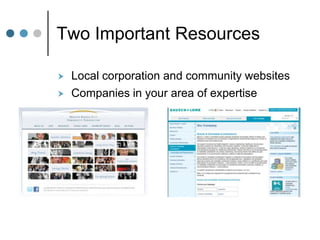
Two Important Resources

   Local corporation and community websites
   Companies in your area of expertise
Grant Writing is Like Dating
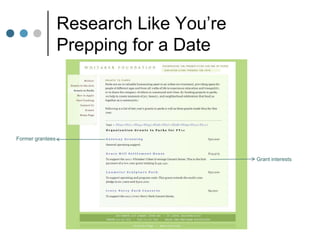
Research Like You’re
                  Prepping for a Date


Former grantees


                                         Grant interests
Who Can Be Your Wingman?

   Corporate funders want some kind of
    employee connection
      Volunteer
      Board member
      Someone who has been helped
What Does the Granter
Expect on the Date?
   Timelines
   Guidelines
   Application directions
   Additional information
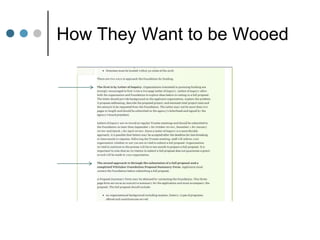
How They Want to be Wooed
What If There’s Not a Perfect
Match?
   Tailor your idea to an RFP carefully
     Ex. Show benefits from an educational
        standpoint as opposed to blindness
        prevention
   Don’t waste your time – or your granter’s
     time if no appropriate fit
   Restructuring your program to meet a
    funder’s needs can hurt in the long run
Your Proposal
The Pieces of Your Proposal

   Cover letter
   Summary/abstract
   Needs assessment
   Program/project description
   Budget
   Evaluation
   Sustainability
   Supporting materials
Summary/Abstract

   Elevator speech
   Main highlights of your program, the issue
    to be resolved, and your end goals
   Brief mention of funding request
   The woo-hoo factor
Needs Assessment

Outlines the issue, why it exists and why it
hasn’t been solved.
 Community analysis
 Target analysis
 Gaps in service
 Statistics
Put a face to the program
Program/Project Description

Outlines your plan of action to solve the problem
 Expected outcomes
Good/Bad Outcome Examples

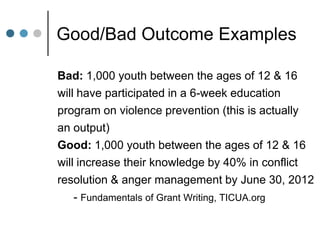
Bad: 1,000 youth between the ages of 12 & 16
will have participated in a 6-week education
program on violence prevention (this is actually
an output)
Good: 1,000 youth between the ages of 12 & 16
will increase their knowledge by 40% in conflict
resolution & anger management by June 30, 2012
    - Fundamentals of Grant Writing, TICUA.org
Program/Project Description
Cont.
   Goals – qualitative, abstract, long-term
     Are they SMART?
   Objectives – quantitative, measurable,
     specific, short-term
   Activities to put your plan into action
Evaluation

   How the results will be measured
   Evaluation methods
Sustainability

How will the program continued beyond the
funding period?
Supporting Materials

   Letters of support (if applicable)
   IRS letter
   990’s
   Financial audits
   Board list
Why Grants Fail

   Not enough money to go around
   Program not right at this time
   Exaggerated results
   Complicated or jargon-filled application
   Lack of alignment with granter’s interests
   Guidelines not followed
   Unrealistic budget or cost greater than goal
Set Yourself Apart
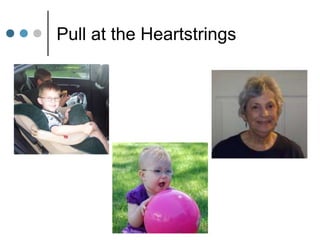
Pull at the Heartstrings
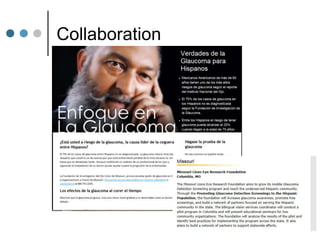
Collaboration
Partnership

   Build relationship with granter
   Volunteer opportunities
   Keep them informed of developments
   Ask for feedback
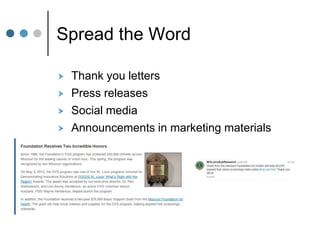
Spread the Word

   Thank you letters
   Press releases
   Social media
   Announcements in marketing materials
Stay on Top of Grants

   Keep a calendar
   Running files of grants
   Supplement file
   Grant Friday
The Results

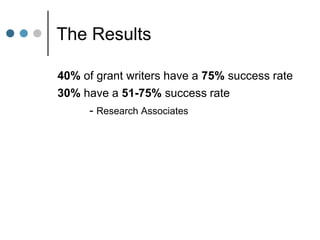
40% of grant writers have a 75% success rate
30% have a 51-75% success rate
     - Research Associates
Questions?

Grant Writing 101

  • 1.
  • 2.
    Grants and Granters Agrant is a financial award given by a foundation or other entity to a recipient to carry out a program or project to benefit greater good.  Government  Family/trusts  Corporate  Community
  • 3.
    State of Foundations  93,000 foundations in the U.S.  59% are family-run and account for 7% of total foundation giving  Giving was up 1.8% in 2011 - $41.67 billion  14% of all giving - Giving USA
  • 4.
    Grant Pros  Once a recipient, often a recipient again  Once you have a system in place, can be adjusted for multiple grants  One of the biggest sources of funding for nonprofits  Great ROI in comparison to other fundraising strategies
  • 5.
    Grant Cons  Extremely competitive  Lengthy period of time until rewarded  Majority of granters want pilot programs  Not enough money to go around
  • 6.
    How to FindFoundations
  • 7.
    Two Important Resources  Local corporation and community websites  Companies in your area of expertise
  • 8.
    Grant Writing isLike Dating
  • 9.
    Research Like You’re Prepping for a Date Former grantees Grant interests
  • 10.
    Who Can BeYour Wingman?  Corporate funders want some kind of employee connection  Volunteer  Board member  Someone who has been helped
  • 11.
    What Does theGranter Expect on the Date?  Timelines  Guidelines  Application directions  Additional information
  • 12.
    How They Wantto be Wooed
  • 13.
    What If There’sNot a Perfect Match?  Tailor your idea to an RFP carefully  Ex. Show benefits from an educational standpoint as opposed to blindness prevention  Don’t waste your time – or your granter’s time if no appropriate fit  Restructuring your program to meet a funder’s needs can hurt in the long run
  • 14.
  • 15.
    The Pieces ofYour Proposal  Cover letter  Summary/abstract  Needs assessment  Program/project description  Budget  Evaluation  Sustainability  Supporting materials
  • 16.
    Summary/Abstract  Elevator speech  Main highlights of your program, the issue to be resolved, and your end goals  Brief mention of funding request  The woo-hoo factor
  • 17.
    Needs Assessment Outlines theissue, why it exists and why it hasn’t been solved.  Community analysis  Target analysis  Gaps in service  Statistics Put a face to the program
  • 18.
    Program/Project Description Outlines yourplan of action to solve the problem  Expected outcomes
  • 19.
    Good/Bad Outcome Examples Bad:1,000 youth between the ages of 12 & 16 will have participated in a 6-week education program on violence prevention (this is actually an output) Good: 1,000 youth between the ages of 12 & 16 will increase their knowledge by 40% in conflict resolution & anger management by June 30, 2012 - Fundamentals of Grant Writing, TICUA.org
  • 20.
    Program/Project Description Cont.  Goals – qualitative, abstract, long-term  Are they SMART?  Objectives – quantitative, measurable, specific, short-term  Activities to put your plan into action
  • 21.
    Evaluation  How the results will be measured  Evaluation methods
  • 22.
    Sustainability How will theprogram continued beyond the funding period?
  • 23.
    Supporting Materials  Letters of support (if applicable)  IRS letter  990’s  Financial audits  Board list
  • 24.
    Why Grants Fail  Not enough money to go around  Program not right at this time  Exaggerated results  Complicated or jargon-filled application  Lack of alignment with granter’s interests  Guidelines not followed  Unrealistic budget or cost greater than goal
  • 25.
  • 26.
    Pull at theHeartstrings
  • 27.
  • 28.
    Partnership  Build relationship with granter  Volunteer opportunities  Keep them informed of developments  Ask for feedback
  • 29.
    Spread the Word  Thank you letters  Press releases  Social media  Announcements in marketing materials
  • 30.
    Stay on Topof Grants  Keep a calendar  Running files of grants  Supplement file  Grant Friday
  • 31.
    The Results 40% ofgrant writers have a 75% success rate 30% have a 51-75% success rate - Research Associates
  • 32.