DR MARK D FILIDEI
Director of Integrative/Functional Medicine
Amen Clinics
MOLD AND MYCOTOXINS
The Hidden Menace
INSERT SPEAKER NAME HERE
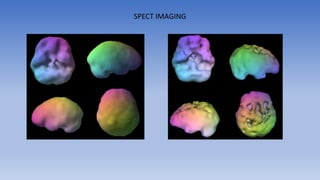
SPECT IMAGING
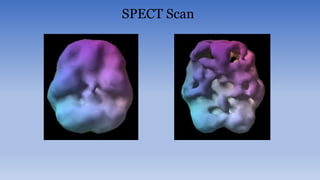
SPECT Scan
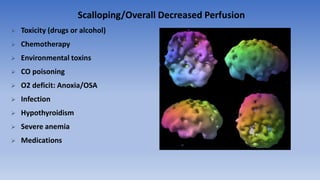
Scalloping/Overall Decreased Perfusion
 Toxicity (drugs or alcohol)
 Chemotherapy
 Environmental toxins
 CO poisoning
 O2 deficit: Anoxia/OSA
 Infection
 Hypothyroidism
 Severe anemia
 Medications
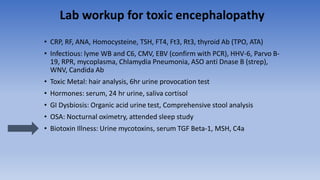
Lab workup for toxic encephalopathy
• CRP, RF, ANA, Homocysteine, TSH, FT4, Ft3, Rt3, thyroid Ab (TPO, ATA)
• Infectious: lyme WB and C6, CMV, EBV (confirm with PCR), HHV-6, Parvo B-
19, RPR, mycoplasma, Chlamydia Pneumonia, ASO anti Dnase B (strep),
WNV, Candida Ab
• Toxic Metal: hair analysis, 6hr urine provocation test
• Hormones: serum, 24 hr urine, saliva cortisol
• GI Dysbiosis: Organic acid urine test, Comprehensive stool analysis
• OSA: Nocturnal oximetry, attended sleep study
• Biotoxin Illness: Urine mycotoxins, serum TGF Beta-1, MSH, C4a
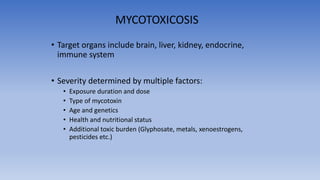
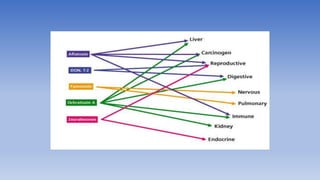
• Target organs include brain, liver, kidney, endocrine,
immune system
• Severity determined by multiple factors:
• Exposure duration and dose
• Type of mycotoxin
• Age and genetics
• Health and nutritional status
• Additional toxic burden (Glyphosate, metals, xenoestrogens,
pesticides etc.)
MYCOTOXICOSIS
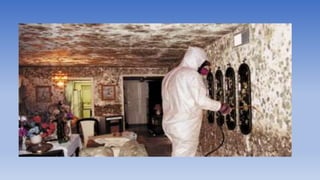
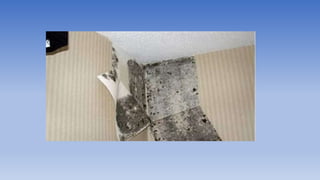
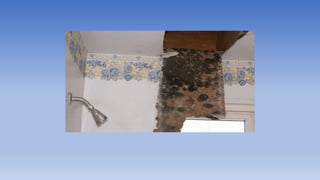
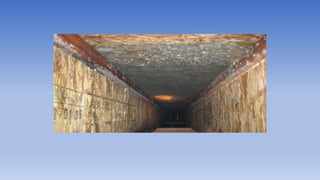
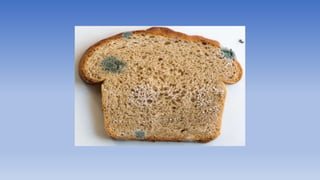
• Water damaged buildings (WDB)
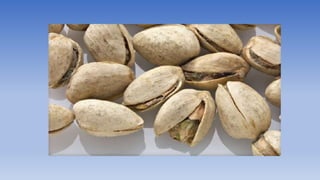
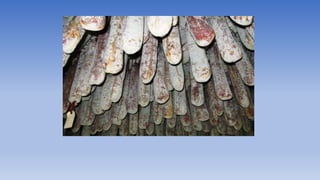
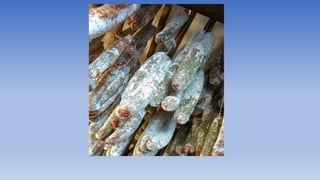
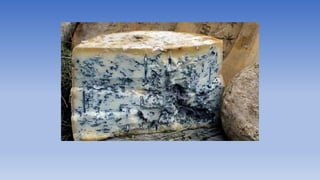
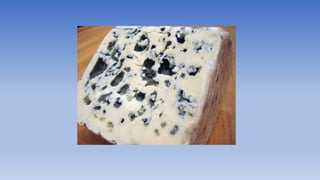
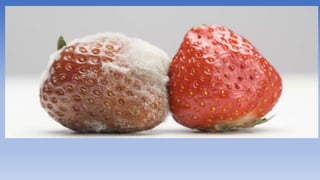
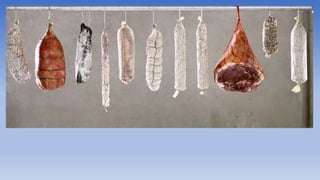
• Food
TWO PRIMARY SOURCES OF MOLD
EXPOSURE
•Allergic/Inflammatory
•Toxic (mycotoxins and infections)
TWO PRIMARY PHYSIOLOGICAL EFFECTS OF
MOLD EXPOSURE
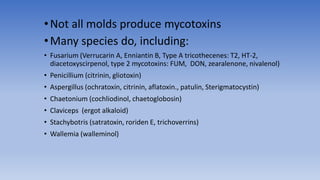
•Not all molds produce mycotoxins
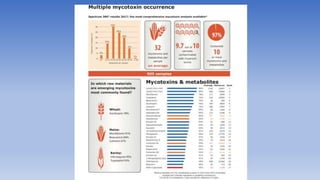
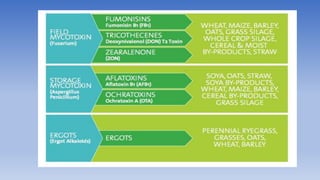
•Many species do, including:
• Fusarium (Verrucarin A, Enniantin B, Type A tricothecenes: T2, HT-2,
diacetoxyscirpenol, type 2 mycotoxins: FUM, DON, zearalenone, nivalenol)
• Penicillium (citrinin, gliotoxin)
• Aspergillus (ochratoxin, citrinin, aflatoxin., patulin, Sterigmatocystin)
• Chaetonium (cochliodinol, chaetoglobosin)
• Claviceps (ergot alkaloid)
• Stachybotris (satratoxin, roriden E, trichoverrins)
• Wallemia (walleminol)
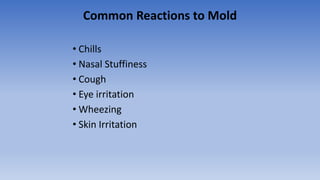
Common Reactions to Mold
• Chills
• Nasal Stuffiness
• Cough
• Eye irritation
• Wheezing
• Skin Irritation
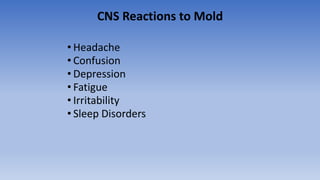
CNS Reactions to Mold
• Headache
• Confusion
• Depression
• Fatigue
• Irritability
• Sleep Disorders
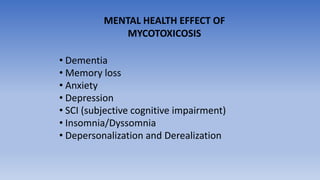
• Dementia
• Memory loss
• Anxiety
• Depression
• SCI (subjective cognitive impairment)
• Insomnia/Dyssomnia
• Depersonalization and Derealization
MENTAL HEALTH EFFECT OF
MYCOTOXICOSIS
Common Mold Toxins
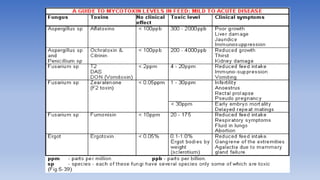
Ochratoxin: Food born mycotoxin, very common. Carcinogenic
Aflatoxin: toxic and carcinogenic. Aspergillus, especially concerning in children, most
potent carcinogen known
Tricothecene: inhibit protein synthesis, extremely dangerous, “black mold”
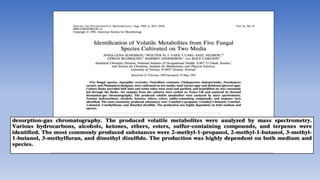
Molds also produce invisible VOC’s. (volatile organic compounds)
• Mycotoxins can make many underlying problems
worse!
• Lyme disease, MCS, ADD, Brain fog, cognitive
impairment, memory loss, anxiety, insomnia,
immune dysfunction, mitochondrial dysfunction,
allergies, confusion, nausea, paresthesia, fatigue,
FMS, dementia
WHY SHOULD WE CARE?
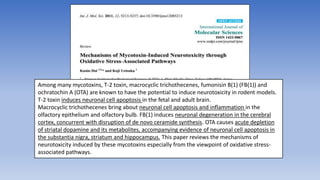
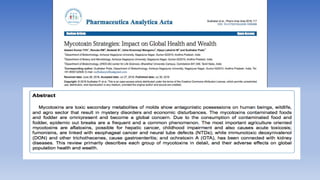
Among many mycotoxins, T-2 toxin, macrocyclic trichothecenes, fumonisin B(1) (FB(1)) and
ochratochin A (OTA) are known to have the potential to induce neurotoxicity in rodent models.
T-2 toxin induces neuronal cell apoptosis in the fetal and adult brain.
Macrocyclic trichothecenes bring about neuronal cell apoptosis and inflammation in the
olfactory epithelium and olfactory bulb. FB(1) induces neuronal degeneration in the cerebral
cortex, concurrent with disruption of de novo ceramide synthesis. OTA causes acute depletion
of striatal dopamine and its metabolites, accompanying evidence of neuronal cell apoptosis in
the substantia nigra, striatum and hippocampus. This paper reviews the mechanisms of
neurotoxicity induced by these mycotoxins especially from the viewpoint of oxidative stress-
associated pathways.
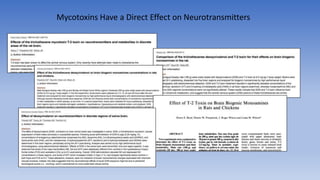
Mycotoxins Have a Direct Effect on Neurotransmitters
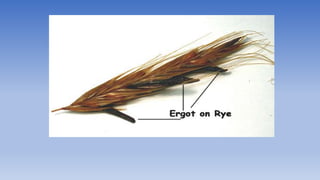
St Anthony’s Fire
• Claviseps purpura Fungus on rye
• Ergotism, erysipelas
• Spasms, mania, psychosis , thought to be a possible explanation for
“bewitchment”
• Killed tens of thousands in the middle ages from poorly stored
grain
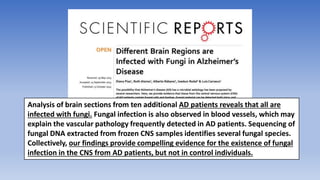
Analysis of brain sections from ten additional AD patients reveals that all are
infected with fungi. Fungal infection is also observed in blood vessels, which may
explain the vascular pathology frequently detected in AD patients. Sequencing of
fungal DNA extracted from frozen CNS samples identifies several fungal species.
Collectively, our findings provide compelling evidence for the existence of fungal
infection in the CNS from AD patients, but not in control individuals.
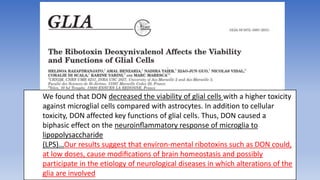
We found that DON decreased the viability of glial cells with a higher toxicity
against microglial cells compared with astrocytes. In addition to cellular
toxicity, DON affected key functions of glial cells. Thus, DON caused a
biphasic effect on the neuroinflammatory response of microglia to
lipopolysaccharide
(LPS)…Our results suggest that environ-mental ribotoxins such as DON could,
at low doses, cause modifications of brain homeostasis and possibly
participate in the etiology of neurological diseases in which alterations of the
glia are involved.
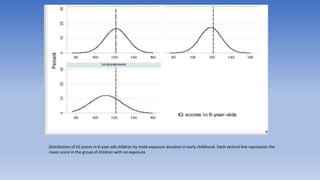
The adjusted IQ deficit attributed to longer exposures to indoor molds
(> 2 years) was significantly lower on the IQ scale (beta coeff. = − 9.16,
95%CI: −15.21, −3.10) and tripled the risk of low IQ scoring (OR = 3.53;
95%CI: 1.11–11.27) compared with references.
In conclusion, the results of this study draw attention to the harmful effect
of early postnatal exposure to indoor molds on children's cognitive
development and provide additional evidence on the role of environmental
determinants in human cognitive development.
Distribution of IQ scores in 6-year-old children by mold exposure duration in early childhood. Dash vertical line represents the
mean score in the group of children with no exposure
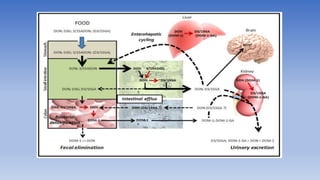
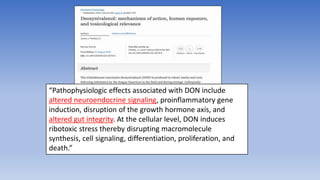
“Pathophysiologic effects associated with DON include
altered neuroendocrine signaling, proinflammatory gene
induction, disruption of the growth hormone axis, and
altered gut integrity. At the cellular level, DON induces
ribotoxic stress thereby disrupting macromolecule
synthesis, cell signaling, differentiation, proliferation, and
death.”
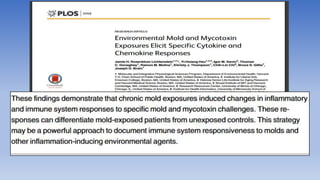
“In summary, the results of the study showed that the T-2
induced alteration in BBB permeability is mediated through
oxidative stress, activation of MMP-9, and proinflammatory
cytokines in brain as well as contribution from peripheral tissue
spleen.”
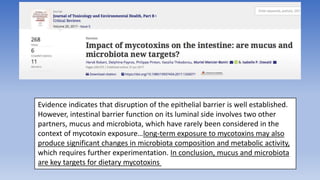
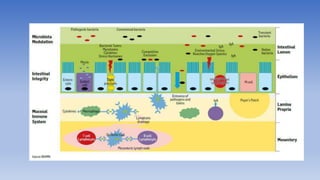
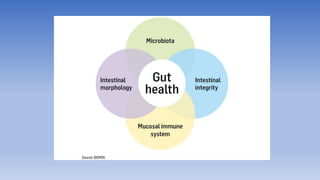
Evidence indicates that disruption of the epithelial barrier is well established.
However, intestinal barrier function on its luminal side involves two other
partners, mucus and microbiota, which have rarely been considered in the
context of mycotoxin exposure…long-term exposure to mycotoxins may also
produce significant changes in microbiota composition and metabolic activity,
which requires further experimentation. In conclusion, mucus and microbiota
are key targets for dietary mycotoxins
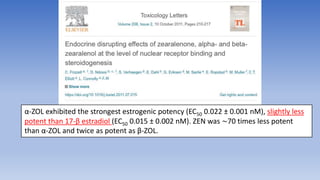
α-ZOL exhibited the strongest estrogenic potency (EC50 0.022 ± 0.001 nM), slightly less
potent than 17-β estradiol (EC50 0.015 ± 0.002 nM). ZEN was ∼70 times less potent
than α-ZOL and twice as potent as β-ZOL.
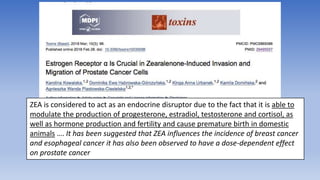
ZEA is considered to act as an endocrine disruptor due to the fact that it is able to
modulate the production of progesterone, estradiol, testosterone and cortisol, as
well as hormone production and fertility and cause premature birth in domestic
animals …. It has been suggested that ZEA influences the incidence of breast cancer
and esophageal cancer it has also been observed to have a dose-dependent effect
on prostate cancer
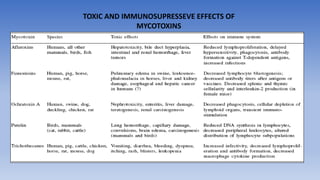
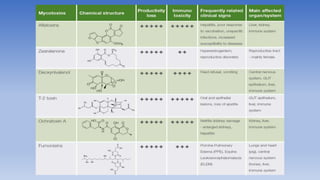
TOXIC AND IMMUNOSUPRESSEVE EFFECTS OF
MYCOTOXINS
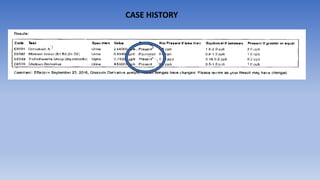
• 53 year old female with complaint of “getting sick all
the time” 4 respiratory infections in the past year, brain
fog, non-union of bone after knee surgery, fatigue.
• 3 bacterial infections recently. “Tailbone infection” 3
times, culture negative, UTI with pseudomonas, IV abx
multiple times. Wakes up in pain.
• Cc: what is causing all these infections and brain fog?
CASE HISTORY
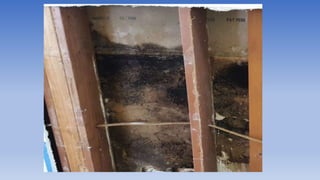
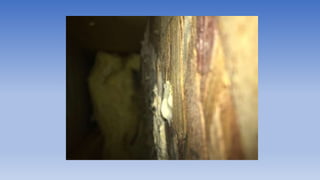
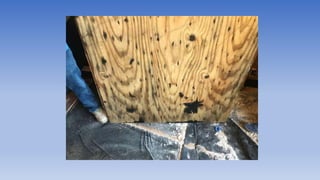
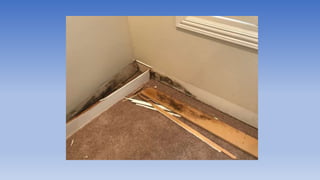
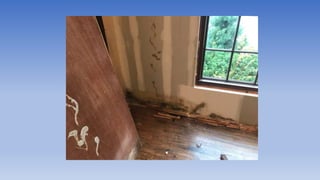
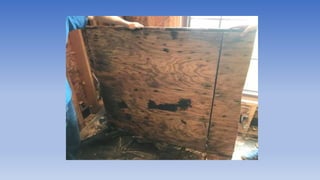
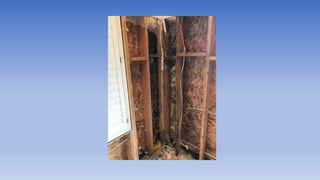
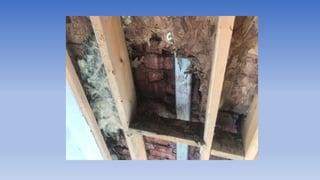
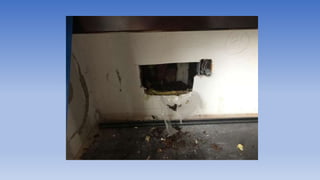
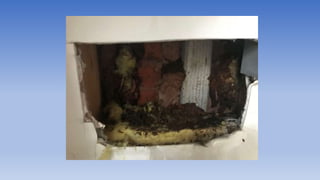
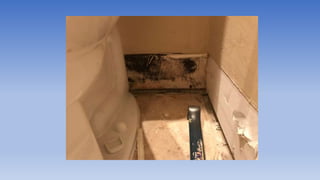
• Have you ever had a water leak in your home?
• “oh yes, whenever I take a shower some water seeps
out at the bottom of the stairs” and “the floors are
squishy”
CASE HISTORY
CASE HISTORY
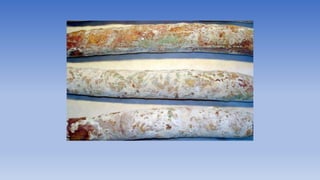
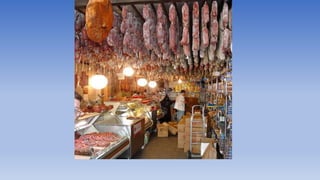
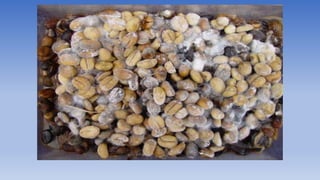
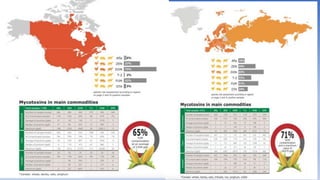
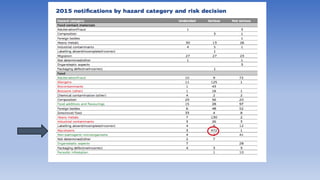
YES MOLD IN FOOD IS A PROBLEM!
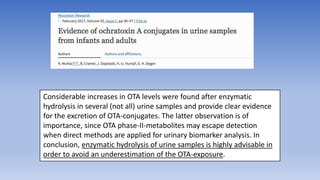
Considerable increases in OTA levels were found after enzymatic
hydrolysis in several (not all) urine samples and provide clear evidence
for the excretion of OTA-conjugates. The latter observation is of
importance, since OTA phase-II-metabolites may escape detection
when direct methods are applied for urinary biomarker analysis. In
conclusion, enzymatic hydrolysis of urine samples is highly advisable in
order to avoid an underestimation of the OTA-exposure.

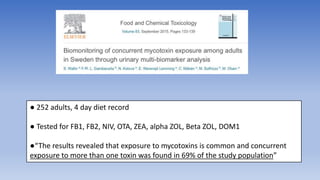
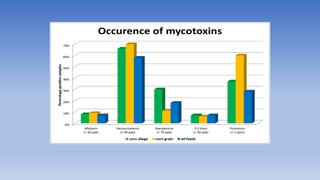
● 252 adults, 4 day diet record
● Tested for FB1, FB2, NIV, OTA, ZEA, alpha ZOL, Beta ZOL, DOM1
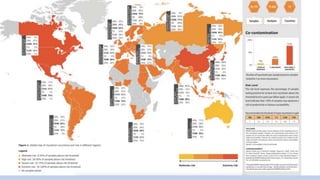
●“The results revealed that exposure to mycotoxins is common and concurrent
exposure to more than one toxin was found in 69% of the study population”
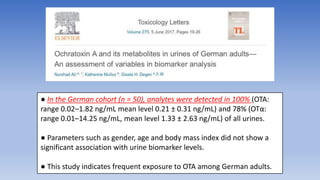
● In the German cohort (n = 50), analytes were detected in 100% (OTA:
range 0.02–1.82 ng/mL mean level 0.21 ± 0.31 ng/mL) and 78% (OTα:
range 0.01–14.25 ng/mL, mean level 1.33 ± 2.63 ng/mL) of all urines.
● Parameters such as gender, age and body mass index did not show a
significant association with urine biomarker levels.
● This study indicates frequent exposure to OTA among German adults.
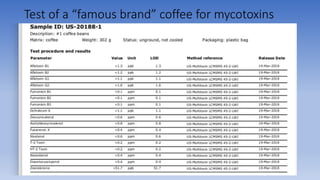
Test of a “famous brand” coffee for mycotoxins
DR MARK D FILIDEI
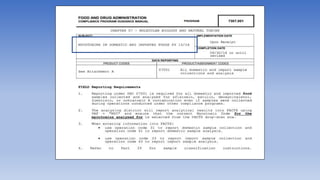
•Reporting under PAC 07001 is required for all
domestic and imported food samples
collected and analyzed for aflatoxin, patulin,
deoxynivalenol, fumonisin, or ochratoxin A
contamination even if samples were
collected during operations conducted under
other compliance programs.
Aflatoxin
• Aflatoxins, metabolic products of the molds Aspergillus flavus and A. parasiticus, may
occur in food as a result of mold growth in a number of susceptible commodities,
including peanuts and corn. Tree nuts and some small grains are also susceptible but less
prone to contamination with aflatoxins. Aflatoxins are known carcinogens to susceptible
laboratory animals and presumably to humans; therefore, the presence of aflatoxins in
foods should be restricted to the lowest practical levels attainable using modern
processing techniques.
• The current CPG limits for aflatoxins can be found in the appropriate section of the CPG.
See Part V for CPG references. Historically, aflatoxin levels in peanuts and corn have been
highest in the Southeastern states. Corn from anywhere in the U.S. may be affected,
however, depending on the growth, harvesting and storage conditions involved.
FDA: MYCOTOXINS IN FOREIGN AND DOMESTIC FOODS FY15/16
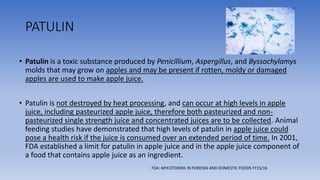
PATULIN
• Patulin is a toxic substance produced by Penicillium, Aspergillus, and Byssochylamys
molds that may grow on apples and may be present if rotten, moldy or damaged
apples are used to make apple juice.
• Patulin is not destroyed by heat processing, and can occur at high levels in apple
juice, including pasteurized apple juice, therefore both pasteurized and non-
pasteurized single strength juice and concentrated juices are to be collected. Animal
feeding studies have demonstrated that high levels of patulin in apple juice could
pose a health risk if the juice is consumed over an extended period of time. In 2001,
FDA established a limit for patulin in apple juice and in the apple juice component of
a food that contains apple juice as an ingredient.
FDA: MYCOTOXINS IN FOREIGN AND DOMESTIC FOODS FY15/16
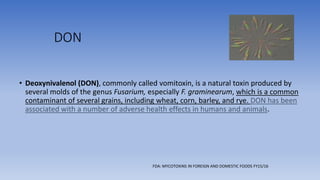
DON
• Deoxynivalenol (DON), commonly called vomitoxin, is a natural toxin produced by
several molds of the genus Fusarium, especially F. graminearum, which is a common
contaminant of several grains, including wheat, corn, barley, and rye. DON has been
associated with a number of adverse health effects in humans and animals.
FDA: MYCOTOXINS IN FOREIGN AND DOMESTIC FOODS FY15/16
OTA
• Ochratoxin A is a naturally occurring nephrotoxic fungal metabolite produced by
certain species of the genera Aspergillus and Penicillium. It is mainly a contaminant
of cereals (corn, barley, wheat and oats), and has been found in edible animal
tissues as well as in human blood sera and milk. Studies indicate that this toxin is
carcinogenic in mice and rats. It is not completely destroyed during the processing
and cooking of food, therefore the implication of risk to human health and safety
must be considered. FDA needs up-to- date information on the incidence and levels
of occurrence of this toxin in the U.S. for use in considering any necessary regulatory
control measures for this substance.
FDA: MYCOTOXINS IN FOREIGN AND DOMESTIC FOODS FY15/16
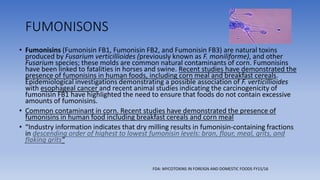
FUMONISONS
• Fumonisins (Fumonisin FB1, Fumonisin FB2, and Fumonisin FB3) are natural toxins
produced by Fusarium verticillioides (previously known as F. moniliforme), and other
Fusarium species; these molds are common natural contaminants of corn. Fumonisins
have been linked to fatalities in horses and swine. Recent studies have demonstrated the
presence of fumonisins in human foods, including corn meal and breakfast cereals.
Epidemiological investigations demonstrating a possible association of F. verticillioides
with esophageal cancer and recent animal studies indicating the carcinogenicity of
fumonisin FB1 have highlighted the need to ensure that foods do not contain excessive
amounts of fumonisins.
• Common contaminant in corn. Recent studies have demonstrated the presence of
fumonisins in human food including breakfast cereals and corn meal
• “Industry information indicates that dry milling results in fumonisin-containing fractions
in descending order of highest to lowest fumonisin levels: bran, flour, meal, grits, and
flaking grits"
FDA: MYCOTOXINS IN FOREIGN AND DOMESTIC FOODS FY15/16
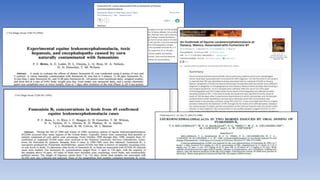
• Encephalomalacia affecting especially the white matter.
• Occurs in carbon monoxide poisoning, mulberry heart
disease of pigs and mycotoxic leukoencephalomalacia.
• Mycotoxic leukoencephalomalacia
• A syndrome of ataxia, tremor, circling, depressed consciousness,
recumbency and death in horses and donkeys;
caused by poisoning by fumonisins from the fungus
Fusarium moniliforme, usually ingested with moldy corn.
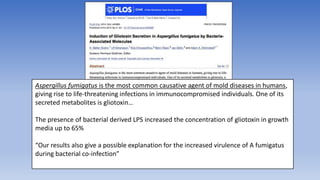
Aspergillus fumigatus is the most common causative agent of mold diseases in humans,
giving rise to life-threatening infections in immunocompromised individuals. One of its
secreted metabolites is gliotoxin…
The presence of bacterial derived LPS increased the concentration of gliotoxin in growth
media up to 65%
“Our results also give a possible explanation for the increased virulence of A fumigatus
during bacterial co-infection”
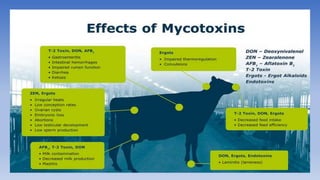
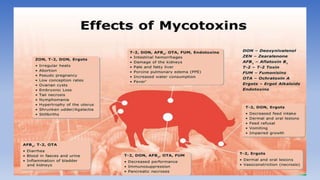
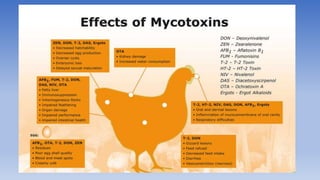
• The following video demonstrates that the
farm/food industry is well aware of mycotoxins and
their effects on health. They have this down to an
exact science.
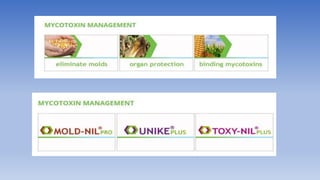
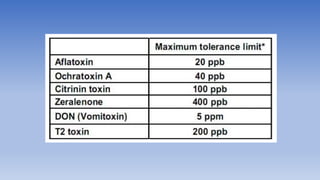
• They even have products that prevent and treat
mycotoxin illness in many types of farm animals, and
yet…
• Nothing like this exists for humans!
• Shoemaker: CIRS. Based on exposure history and serum blood
tests. Multi-step treatment based on correcting lab
abnormalities. Mainstay of treatment is oral binding agents.
• Brewer: Diagnosis based on urine mycotoxin testing. Main
treatment modality is nasal antifungals
TWO MAIN APPROACHES TO MOLD TESTING AND TREATMENT
• CIRS Chronic Inflammatory Response Syndrome: multi
system, mutli symptom illness mediated by an immune
response to toxins and inflammagens associated with WBD.
Dx based on blood tests.
• Exacerbated by a defect in innate immune system (HLA gene
modification the results in faulty antigen presentation)
• Measurement of multiple immune and inflammatory
markers including:
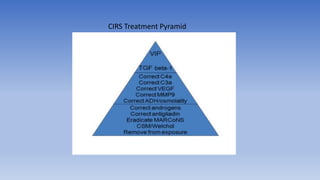
• MSH, TGF beta-1, MMP-9, C4a, VEGF, VIP, MARCoNS,
HLA genes, VCS
• Focuses on 5 particular molds: Aspergillus
penicilloides, Aspergillus versicolor, chaetonium
globosum, stachybotris chartarum, wallemia sebi
CIRS
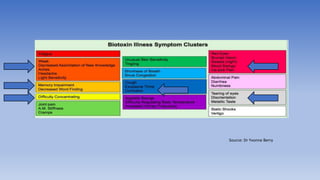
Source: Dr Yvonne Berry
CIRS Treatment Pyramid
• MMP-9 matrix metalloproteinase. An enzyme involved in tissue
growth and repair, blood, bone and nerve formation, tissue
remodeling.
• Elevated in many common illnesses including:
• DM
• Cancer
• Alzheimer’s disease
• MS
• Stress
• PTSD
• Heart disease
TGF can be increased by:
• Stress
• Cigarette smoke
• Yeast
• Viruses
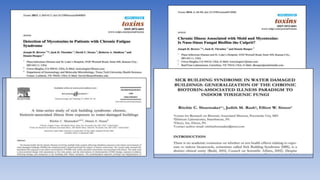
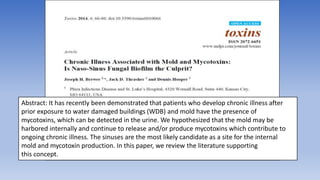
Abstract: It has recently been demonstrated that patients who develop chronic illness after
prior exposure to water damaged buildings (WDB) and mold have the presence of
mycotoxins, which can be detected in the urine. We hypothesized that the mold may be
harbored internally and continue to release and/or produce mycotoxins which contribute to
ongoing chronic illness. The sinuses are the most likely candidate as a site for the internal
mold and mycotoxin production. In this paper, we review the literature supporting
this concept.
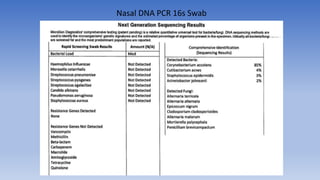
Nasal DNA PCR 16s Swab
Blood Whole Genome Sequencing
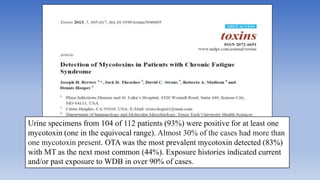
Urine specimens from 104 of 112 patients (93%) were positive for at least one
mycotoxin (one in the equivocal range). Almost 30% of the cases had more than
one mycotoxin present. OTA was the most prevalent mycotoxin detected (83%)
with MT as the next most common (44%). Exposure histories indicated current
and/or past exposure to WDB in over 90% of cases.
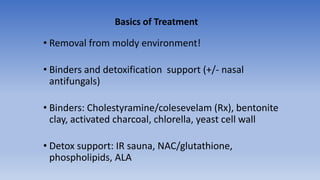
• Removal from moldy environment!
• Binders and detoxification support (+/- nasal
antifungals)
• Binders: Cholestyramine/colesevelam (Rx), bentonite
clay, activated charcoal, chlorella, yeast cell wall
• Detox support: IR sauna, NAC/glutathione,
phospholipids, ALA
Basics of Treatment
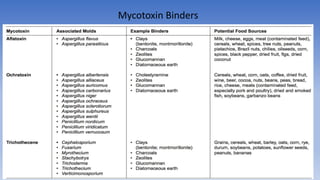
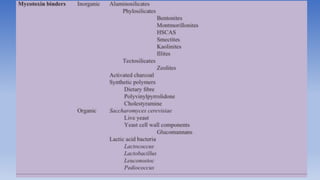
Mycotoxin Binders
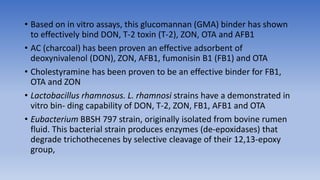
• Based on in vitro assays, this glucomannan (GMA) binder has shown
to effectively bind DON, T-2 toxin (T-2), ZON, OTA and AFB1
• AC (charcoal) has been proven an effective adsorbent of
deoxynivalenol (DON), ZON, AFB1, fumonisin B1 (FB1) and OTA
• Cholestyramine has been proven to be an effective binder for FB1,
OTA and ZON
• Lactobacillus rhamnosus. L. rhamnosi strains have a demonstrated in
vitro bin- ding capability of DON, T-2, ZON, FB1, AFB1 and OTA
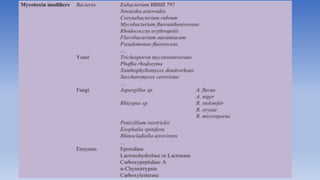
• Eubacterium BBSH 797 strain, originally isolated from bovine rumen
fluid. This bacterial strain produces enzymes (de-epoxidases) that
degrade trichothecenes by selective cleavage of their 12,13-epoxy
group,
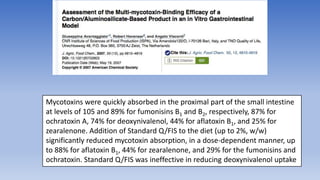
Mycotoxins were quickly absorbed in the proximal part of the small intestine
at levels of 105 and 89% for fumonisins B1 and B2, respectively, 87% for
ochratoxin A, 74% for deoxynivalenol, 44% for aflatoxin B1, and 25% for
zearalenone. Addition of Standard Q/FIS to the diet (up to 2%, w/w)
significantly reduced mycotoxin absorption, in a dose-dependent manner, up
to 88% for aflatoxin B1, 44% for zearalenone, and 29% for the fumonisins and
ochratoxin. Standard Q/FIS was ineffective in reducing deoxynivalenol uptake
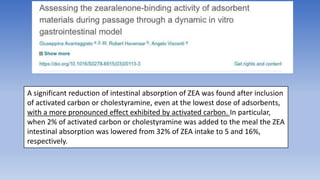
A significant reduction of intestinal absorption of ZEA was found after inclusion
of activated carbon or cholestyramine, even at the lowest dose of adsorbents,
with a more pronounced effect exhibited by activated carbon. In particular,
when 2% of activated carbon or cholestyramine was added to the meal the ZEA
intestinal absorption was lowered from 32% of ZEA intake to 5 and 16%,
respectively.
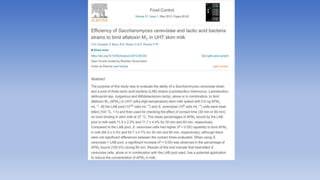
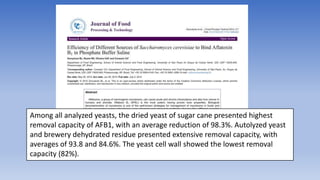
Among all analyzed yeasts, the dried yeast of sugar cane presented highest
removal capacity of AFB1, with an average reduction of 98.3%. Autolyzed yeast
and brewery dehydrated residue presented extensive removal capacity, with
averages of 93.8 and 84.6%. The yeast cell wall showed the lowest removal
capacity (82%).
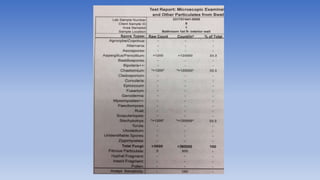
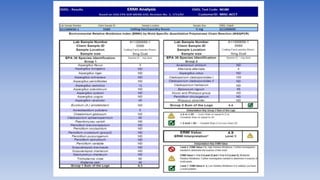
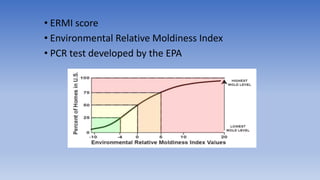
• ERMI score
• Environmental Relative Moldiness Index
• PCR test developed by the EPA
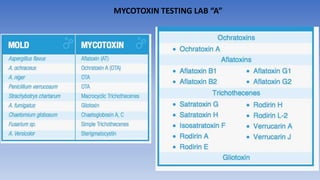
MYCOTOXIN TESTING LAB “A”
• Aflatoxin M1
• OchratoxinA
• Sterigmatocytin
• Zearalenone
• Roridin E
• Verrucarin
• Enniatin B1
MYCOTOXIN TESTING LAB “B”
• We do not live in a sterile world!
• Humans have been living with mold, lyme, bacteria, viruses and
all manner of organisms since we have been on the planet
• Environmental toxicants/pollutants are probably a far greater
risk than organisms are to human health
• Be aware of risks, but be smart
• Relax!
CLOSING THOUGHTS

Mycotoxins dallas-filidei

  • 1.
    DR MARK DFILIDEI Director of Integrative/Functional Medicine Amen Clinics MOLD AND MYCOTOXINS The Hidden Menace
  • 3.
  • 4.
  • 5.
  • 6.
    Scalloping/Overall Decreased Perfusion Toxicity (drugs or alcohol)  Chemotherapy  Environmental toxins  CO poisoning  O2 deficit: Anoxia/OSA  Infection  Hypothyroidism  Severe anemia  Medications
  • 8.
    Lab workup fortoxic encephalopathy • CRP, RF, ANA, Homocysteine, TSH, FT4, Ft3, Rt3, thyroid Ab (TPO, ATA) • Infectious: lyme WB and C6, CMV, EBV (confirm with PCR), HHV-6, Parvo B- 19, RPR, mycoplasma, Chlamydia Pneumonia, ASO anti Dnase B (strep), WNV, Candida Ab • Toxic Metal: hair analysis, 6hr urine provocation test • Hormones: serum, 24 hr urine, saliva cortisol • GI Dysbiosis: Organic acid urine test, Comprehensive stool analysis • OSA: Nocturnal oximetry, attended sleep study • Biotoxin Illness: Urine mycotoxins, serum TGF Beta-1, MSH, C4a
  • 9.
    • Target organsinclude brain, liver, kidney, endocrine, immune system • Severity determined by multiple factors: • Exposure duration and dose • Type of mycotoxin • Age and genetics • Health and nutritional status • Additional toxic burden (Glyphosate, metals, xenoestrogens, pesticides etc.) MYCOTOXICOSIS
  • 11.
    • Water damagedbuildings (WDB) • Food TWO PRIMARY SOURCES OF MOLD EXPOSURE
  • 12.
    •Allergic/Inflammatory •Toxic (mycotoxins andinfections) TWO PRIMARY PHYSIOLOGICAL EFFECTS OF MOLD EXPOSURE
  • 13.
    •Not all moldsproduce mycotoxins •Many species do, including: • Fusarium (Verrucarin A, Enniantin B, Type A tricothecenes: T2, HT-2, diacetoxyscirpenol, type 2 mycotoxins: FUM, DON, zearalenone, nivalenol) • Penicillium (citrinin, gliotoxin) • Aspergillus (ochratoxin, citrinin, aflatoxin., patulin, Sterigmatocystin) • Chaetonium (cochliodinol, chaetoglobosin) • Claviceps (ergot alkaloid) • Stachybotris (satratoxin, roriden E, trichoverrins) • Wallemia (walleminol)
  • 14.
    Common Reactions toMold • Chills • Nasal Stuffiness • Cough • Eye irritation • Wheezing • Skin Irritation
  • 15.
    CNS Reactions toMold • Headache • Confusion • Depression • Fatigue • Irritability • Sleep Disorders
  • 16.
    • Dementia • Memoryloss • Anxiety • Depression • SCI (subjective cognitive impairment) • Insomnia/Dyssomnia • Depersonalization and Derealization MENTAL HEALTH EFFECT OF MYCOTOXICOSIS
  • 17.
    Common Mold Toxins Ochratoxin:Food born mycotoxin, very common. Carcinogenic Aflatoxin: toxic and carcinogenic. Aspergillus, especially concerning in children, most potent carcinogen known Tricothecene: inhibit protein synthesis, extremely dangerous, “black mold” Molds also produce invisible VOC’s. (volatile organic compounds)
  • 19.
    • Mycotoxins canmake many underlying problems worse! • Lyme disease, MCS, ADD, Brain fog, cognitive impairment, memory loss, anxiety, insomnia, immune dysfunction, mitochondrial dysfunction, allergies, confusion, nausea, paresthesia, fatigue, FMS, dementia
  • 21.
  • 23.
    Among many mycotoxins,T-2 toxin, macrocyclic trichothecenes, fumonisin B(1) (FB(1)) and ochratochin A (OTA) are known to have the potential to induce neurotoxicity in rodent models. T-2 toxin induces neuronal cell apoptosis in the fetal and adult brain. Macrocyclic trichothecenes bring about neuronal cell apoptosis and inflammation in the olfactory epithelium and olfactory bulb. FB(1) induces neuronal degeneration in the cerebral cortex, concurrent with disruption of de novo ceramide synthesis. OTA causes acute depletion of striatal dopamine and its metabolites, accompanying evidence of neuronal cell apoptosis in the substantia nigra, striatum and hippocampus. This paper reviews the mechanisms of neurotoxicity induced by these mycotoxins especially from the viewpoint of oxidative stress- associated pathways.
  • 24.
    Mycotoxins Have aDirect Effect on Neurotransmitters
  • 25.
    St Anthony’s Fire •Claviseps purpura Fungus on rye • Ergotism, erysipelas • Spasms, mania, psychosis , thought to be a possible explanation for “bewitchment” • Killed tens of thousands in the middle ages from poorly stored grain
  • 28.
    Analysis of brainsections from ten additional AD patients reveals that all are infected with fungi. Fungal infection is also observed in blood vessels, which may explain the vascular pathology frequently detected in AD patients. Sequencing of fungal DNA extracted from frozen CNS samples identifies several fungal species. Collectively, our findings provide compelling evidence for the existence of fungal infection in the CNS from AD patients, but not in control individuals.
  • 29.
    We found thatDON decreased the viability of glial cells with a higher toxicity against microglial cells compared with astrocytes. In addition to cellular toxicity, DON affected key functions of glial cells. Thus, DON caused a biphasic effect on the neuroinflammatory response of microglia to lipopolysaccharide (LPS)…Our results suggest that environ-mental ribotoxins such as DON could, at low doses, cause modifications of brain homeostasis and possibly participate in the etiology of neurological diseases in which alterations of the glia are involved.
  • 30.
    The adjusted IQdeficit attributed to longer exposures to indoor molds (> 2 years) was significantly lower on the IQ scale (beta coeff. = − 9.16, 95%CI: −15.21, −3.10) and tripled the risk of low IQ scoring (OR = 3.53; 95%CI: 1.11–11.27) compared with references. In conclusion, the results of this study draw attention to the harmful effect of early postnatal exposure to indoor molds on children's cognitive development and provide additional evidence on the role of environmental determinants in human cognitive development.
  • 31.
    Distribution of IQscores in 6-year-old children by mold exposure duration in early childhood. Dash vertical line represents the mean score in the group of children with no exposure
  • 34.
    “Pathophysiologic effects associatedwith DON include altered neuroendocrine signaling, proinflammatory gene induction, disruption of the growth hormone axis, and altered gut integrity. At the cellular level, DON induces ribotoxic stress thereby disrupting macromolecule synthesis, cell signaling, differentiation, proliferation, and death.”
  • 35.
    “In summary, theresults of the study showed that the T-2 induced alteration in BBB permeability is mediated through oxidative stress, activation of MMP-9, and proinflammatory cytokines in brain as well as contribution from peripheral tissue spleen.”
  • 36.
    Evidence indicates thatdisruption of the epithelial barrier is well established. However, intestinal barrier function on its luminal side involves two other partners, mucus and microbiota, which have rarely been considered in the context of mycotoxin exposure…long-term exposure to mycotoxins may also produce significant changes in microbiota composition and metabolic activity, which requires further experimentation. In conclusion, mucus and microbiota are key targets for dietary mycotoxins
  • 37.
    α-ZOL exhibited thestrongest estrogenic potency (EC50 0.022 ± 0.001 nM), slightly less potent than 17-β estradiol (EC50 0.015 ± 0.002 nM). ZEN was ∼70 times less potent than α-ZOL and twice as potent as β-ZOL.
  • 38.
    ZEA is consideredto act as an endocrine disruptor due to the fact that it is able to modulate the production of progesterone, estradiol, testosterone and cortisol, as well as hormone production and fertility and cause premature birth in domestic animals …. It has been suggested that ZEA influences the incidence of breast cancer and esophageal cancer it has also been observed to have a dose-dependent effect on prostate cancer
  • 39.
    TOXIC AND IMMUNOSUPRESSEVEEFFECTS OF MYCOTOXINS
  • 45.
    • 53 yearold female with complaint of “getting sick all the time” 4 respiratory infections in the past year, brain fog, non-union of bone after knee surgery, fatigue. • 3 bacterial infections recently. “Tailbone infection” 3 times, culture negative, UTI with pseudomonas, IV abx multiple times. Wakes up in pain. • Cc: what is causing all these infections and brain fog? CASE HISTORY
  • 46.
    • Have youever had a water leak in your home? • “oh yes, whenever I take a shower some water seeps out at the bottom of the stairs” and “the floors are squishy” CASE HISTORY
  • 47.
  • 77.
    YES MOLD INFOOD IS A PROBLEM!
  • 80.
    Considerable increases inOTA levels were found after enzymatic hydrolysis in several (not all) urine samples and provide clear evidence for the excretion of OTA-conjugates. The latter observation is of importance, since OTA phase-II-metabolites may escape detection when direct methods are applied for urinary biomarker analysis. In conclusion, enzymatic hydrolysis of urine samples is highly advisable in order to avoid an underestimation of the OTA-exposure.
  • 81.
    ● 252 adults,4 day diet record ● Tested for FB1, FB2, NIV, OTA, ZEA, alpha ZOL, Beta ZOL, DOM1 ●“The results revealed that exposure to mycotoxins is common and concurrent exposure to more than one toxin was found in 69% of the study population”
  • 82.
    ● In theGerman cohort (n = 50), analytes were detected in 100% (OTA: range 0.02–1.82 ng/mL mean level 0.21 ± 0.31 ng/mL) and 78% (OTα: range 0.01–14.25 ng/mL, mean level 1.33 ± 2.63 ng/mL) of all urines. ● Parameters such as gender, age and body mass index did not show a significant association with urine biomarker levels. ● This study indicates frequent exposure to OTA among German adults.
  • 94.
    Test of a“famous brand” coffee for mycotoxins
  • 101.
    DR MARK DFILIDEI
  • 105.
    •Reporting under PAC07001 is required for all domestic and imported food samples collected and analyzed for aflatoxin, patulin, deoxynivalenol, fumonisin, or ochratoxin A contamination even if samples were collected during operations conducted under other compliance programs.
  • 106.
    Aflatoxin • Aflatoxins, metabolicproducts of the molds Aspergillus flavus and A. parasiticus, may occur in food as a result of mold growth in a number of susceptible commodities, including peanuts and corn. Tree nuts and some small grains are also susceptible but less prone to contamination with aflatoxins. Aflatoxins are known carcinogens to susceptible laboratory animals and presumably to humans; therefore, the presence of aflatoxins in foods should be restricted to the lowest practical levels attainable using modern processing techniques. • The current CPG limits for aflatoxins can be found in the appropriate section of the CPG. See Part V for CPG references. Historically, aflatoxin levels in peanuts and corn have been highest in the Southeastern states. Corn from anywhere in the U.S. may be affected, however, depending on the growth, harvesting and storage conditions involved. FDA: MYCOTOXINS IN FOREIGN AND DOMESTIC FOODS FY15/16
  • 107.
    PATULIN • Patulin isa toxic substance produced by Penicillium, Aspergillus, and Byssochylamys molds that may grow on apples and may be present if rotten, moldy or damaged apples are used to make apple juice. • Patulin is not destroyed by heat processing, and can occur at high levels in apple juice, including pasteurized apple juice, therefore both pasteurized and non- pasteurized single strength juice and concentrated juices are to be collected. Animal feeding studies have demonstrated that high levels of patulin in apple juice could pose a health risk if the juice is consumed over an extended period of time. In 2001, FDA established a limit for patulin in apple juice and in the apple juice component of a food that contains apple juice as an ingredient. FDA: MYCOTOXINS IN FOREIGN AND DOMESTIC FOODS FY15/16
  • 108.
    DON • Deoxynivalenol (DON),commonly called vomitoxin, is a natural toxin produced by several molds of the genus Fusarium, especially F. graminearum, which is a common contaminant of several grains, including wheat, corn, barley, and rye. DON has been associated with a number of adverse health effects in humans and animals. FDA: MYCOTOXINS IN FOREIGN AND DOMESTIC FOODS FY15/16
  • 110.
    OTA • Ochratoxin Ais a naturally occurring nephrotoxic fungal metabolite produced by certain species of the genera Aspergillus and Penicillium. It is mainly a contaminant of cereals (corn, barley, wheat and oats), and has been found in edible animal tissues as well as in human blood sera and milk. Studies indicate that this toxin is carcinogenic in mice and rats. It is not completely destroyed during the processing and cooking of food, therefore the implication of risk to human health and safety must be considered. FDA needs up-to- date information on the incidence and levels of occurrence of this toxin in the U.S. for use in considering any necessary regulatory control measures for this substance. FDA: MYCOTOXINS IN FOREIGN AND DOMESTIC FOODS FY15/16
  • 111.
    FUMONISONS • Fumonisins (FumonisinFB1, Fumonisin FB2, and Fumonisin FB3) are natural toxins produced by Fusarium verticillioides (previously known as F. moniliforme), and other Fusarium species; these molds are common natural contaminants of corn. Fumonisins have been linked to fatalities in horses and swine. Recent studies have demonstrated the presence of fumonisins in human foods, including corn meal and breakfast cereals. Epidemiological investigations demonstrating a possible association of F. verticillioides with esophageal cancer and recent animal studies indicating the carcinogenicity of fumonisin FB1 have highlighted the need to ensure that foods do not contain excessive amounts of fumonisins. • Common contaminant in corn. Recent studies have demonstrated the presence of fumonisins in human food including breakfast cereals and corn meal • “Industry information indicates that dry milling results in fumonisin-containing fractions in descending order of highest to lowest fumonisin levels: bran, flour, meal, grits, and flaking grits" FDA: MYCOTOXINS IN FOREIGN AND DOMESTIC FOODS FY15/16
  • 113.
    • Encephalomalacia affectingespecially the white matter. • Occurs in carbon monoxide poisoning, mulberry heart disease of pigs and mycotoxic leukoencephalomalacia. • Mycotoxic leukoencephalomalacia • A syndrome of ataxia, tremor, circling, depressed consciousness, recumbency and death in horses and donkeys; caused by poisoning by fumonisins from the fungus Fusarium moniliforme, usually ingested with moldy corn.
  • 114.
    Aspergillus fumigatus isthe most common causative agent of mold diseases in humans, giving rise to life-threatening infections in immunocompromised individuals. One of its secreted metabolites is gliotoxin… The presence of bacterial derived LPS increased the concentration of gliotoxin in growth media up to 65% “Our results also give a possible explanation for the increased virulence of A fumigatus during bacterial co-infection”
  • 115.
    • The followingvideo demonstrates that the farm/food industry is well aware of mycotoxins and their effects on health. They have this down to an exact science. • They even have products that prevent and treat mycotoxin illness in many types of farm animals, and yet… • Nothing like this exists for humans!
  • 130.
    • Shoemaker: CIRS.Based on exposure history and serum blood tests. Multi-step treatment based on correcting lab abnormalities. Mainstay of treatment is oral binding agents. • Brewer: Diagnosis based on urine mycotoxin testing. Main treatment modality is nasal antifungals TWO MAIN APPROACHES TO MOLD TESTING AND TREATMENT
  • 132.
    • CIRS ChronicInflammatory Response Syndrome: multi system, mutli symptom illness mediated by an immune response to toxins and inflammagens associated with WBD. Dx based on blood tests. • Exacerbated by a defect in innate immune system (HLA gene modification the results in faulty antigen presentation)
  • 133.
    • Measurement ofmultiple immune and inflammatory markers including: • MSH, TGF beta-1, MMP-9, C4a, VEGF, VIP, MARCoNS, HLA genes, VCS • Focuses on 5 particular molds: Aspergillus penicilloides, Aspergillus versicolor, chaetonium globosum, stachybotris chartarum, wallemia sebi CIRS
  • 136.
  • 137.
  • 138.
    • MMP-9 matrixmetalloproteinase. An enzyme involved in tissue growth and repair, blood, bone and nerve formation, tissue remodeling. • Elevated in many common illnesses including: • DM • Cancer • Alzheimer’s disease • MS • Stress • PTSD • Heart disease
  • 140.
    TGF can beincreased by: • Stress • Cigarette smoke • Yeast • Viruses
  • 142.
    Abstract: It hasrecently been demonstrated that patients who develop chronic illness after prior exposure to water damaged buildings (WDB) and mold have the presence of mycotoxins, which can be detected in the urine. We hypothesized that the mold may be harbored internally and continue to release and/or produce mycotoxins which contribute to ongoing chronic illness. The sinuses are the most likely candidate as a site for the internal mold and mycotoxin production. In this paper, we review the literature supporting this concept.
  • 143.
    Nasal DNA PCR16s Swab
  • 144.
  • 145.
    Urine specimens from104 of 112 patients (93%) were positive for at least one mycotoxin (one in the equivocal range). Almost 30% of the cases had more than one mycotoxin present. OTA was the most prevalent mycotoxin detected (83%) with MT as the next most common (44%). Exposure histories indicated current and/or past exposure to WDB in over 90% of cases.
  • 146.
    • Removal frommoldy environment! • Binders and detoxification support (+/- nasal antifungals) • Binders: Cholestyramine/colesevelam (Rx), bentonite clay, activated charcoal, chlorella, yeast cell wall • Detox support: IR sauna, NAC/glutathione, phospholipids, ALA Basics of Treatment
  • 147.
  • 151.
    • Based onin vitro assays, this glucomannan (GMA) binder has shown to effectively bind DON, T-2 toxin (T-2), ZON, OTA and AFB1 • AC (charcoal) has been proven an effective adsorbent of deoxynivalenol (DON), ZON, AFB1, fumonisin B1 (FB1) and OTA • Cholestyramine has been proven to be an effective binder for FB1, OTA and ZON • Lactobacillus rhamnosus. L. rhamnosi strains have a demonstrated in vitro bin- ding capability of DON, T-2, ZON, FB1, AFB1 and OTA • Eubacterium BBSH 797 strain, originally isolated from bovine rumen fluid. This bacterial strain produces enzymes (de-epoxidases) that degrade trichothecenes by selective cleavage of their 12,13-epoxy group,
  • 152.
    Mycotoxins were quicklyabsorbed in the proximal part of the small intestine at levels of 105 and 89% for fumonisins B1 and B2, respectively, 87% for ochratoxin A, 74% for deoxynivalenol, 44% for aflatoxin B1, and 25% for zearalenone. Addition of Standard Q/FIS to the diet (up to 2%, w/w) significantly reduced mycotoxin absorption, in a dose-dependent manner, up to 88% for aflatoxin B1, 44% for zearalenone, and 29% for the fumonisins and ochratoxin. Standard Q/FIS was ineffective in reducing deoxynivalenol uptake
  • 153.
    A significant reductionof intestinal absorption of ZEA was found after inclusion of activated carbon or cholestyramine, even at the lowest dose of adsorbents, with a more pronounced effect exhibited by activated carbon. In particular, when 2% of activated carbon or cholestyramine was added to the meal the ZEA intestinal absorption was lowered from 32% of ZEA intake to 5 and 16%, respectively.
  • 155.
    Among all analyzedyeasts, the dried yeast of sugar cane presented highest removal capacity of AFB1, with an average reduction of 98.3%. Autolyzed yeast and brewery dehydrated residue presented extensive removal capacity, with averages of 93.8 and 84.6%. The yeast cell wall showed the lowest removal capacity (82%).
  • 157.
    • ERMI score •Environmental Relative Moldiness Index • PCR test developed by the EPA
  • 158.
  • 159.
    • Aflatoxin M1 •OchratoxinA • Sterigmatocytin • Zearalenone • Roridin E • Verrucarin • Enniatin B1 MYCOTOXIN TESTING LAB “B”
  • 160.
    • We donot live in a sterile world! • Humans have been living with mold, lyme, bacteria, viruses and all manner of organisms since we have been on the planet • Environmental toxicants/pollutants are probably a far greater risk than organisms are to human health • Be aware of risks, but be smart • Relax! CLOSING THOUGHTS

Editor's Notes

  • #33 Patulin most commonly founds in apple and apple juice. Causes “leaky brain” syndrome
  • #42 Most doctors are only focusing on indoor mold
  • #79 Read aloud
  • #158 Cannot delve too deeply into testing modalities