Molecular and
cellular mechanism of action of hormones:
Growth hormone,
Prolactin,
Thyroid & Anti-thyroid drugs
Growth hormone
Prolactin
Thyroid hormones
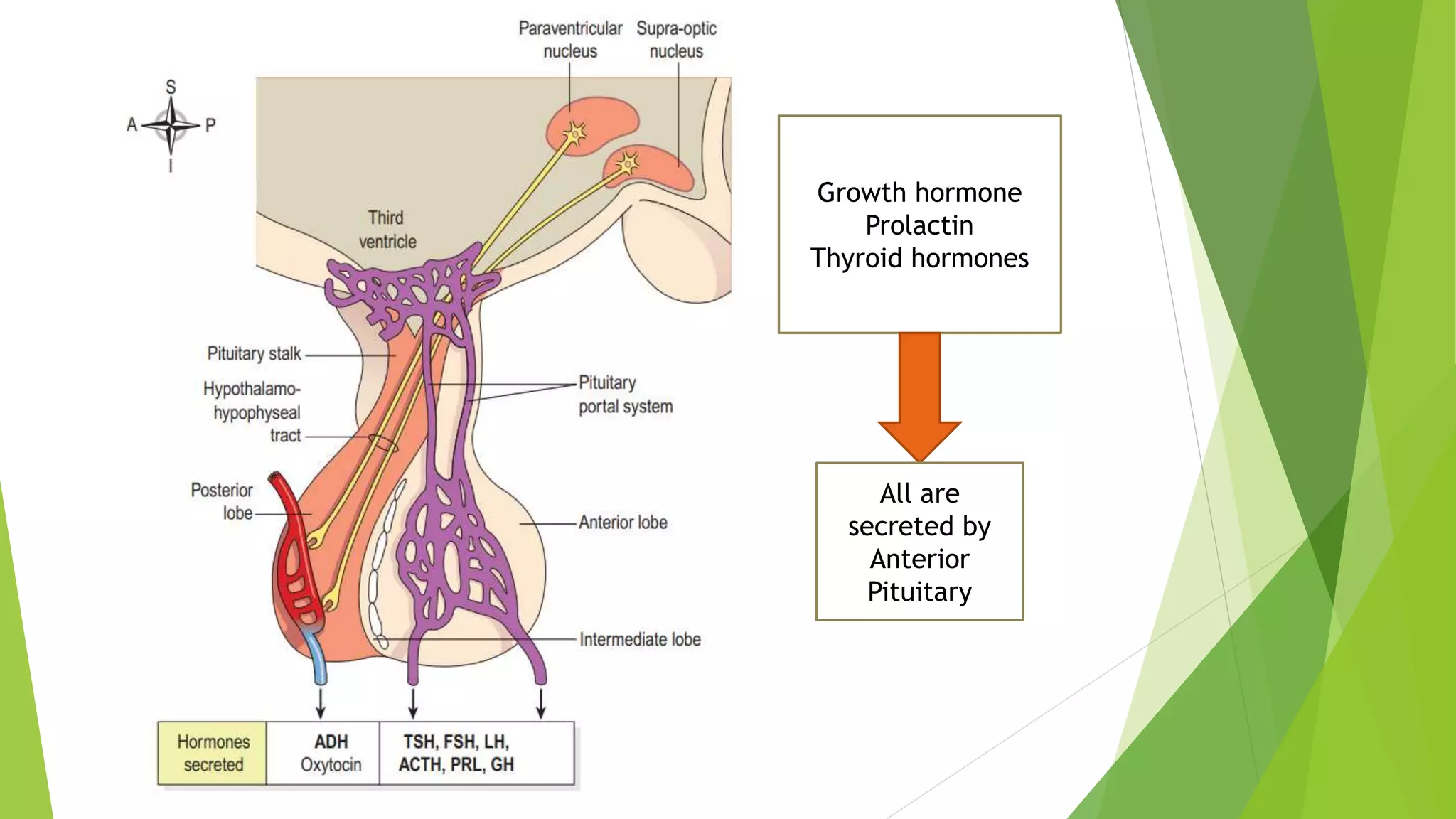
All are
secreted by
Anterior
Pituitary
Introduction
 Most abundant hormone, synthesized by anterior part of
pituitary.
 Stimulates growth and division of most body cells.
 GH also regulates metabolism of organs such as liver,
intestines and pancreas.
 Other important functions of GH includes:
• Protein Synthesis
• Tissue repairs
• Fat Breakdown
• Increases blood glucose level
Introduction (contd.)
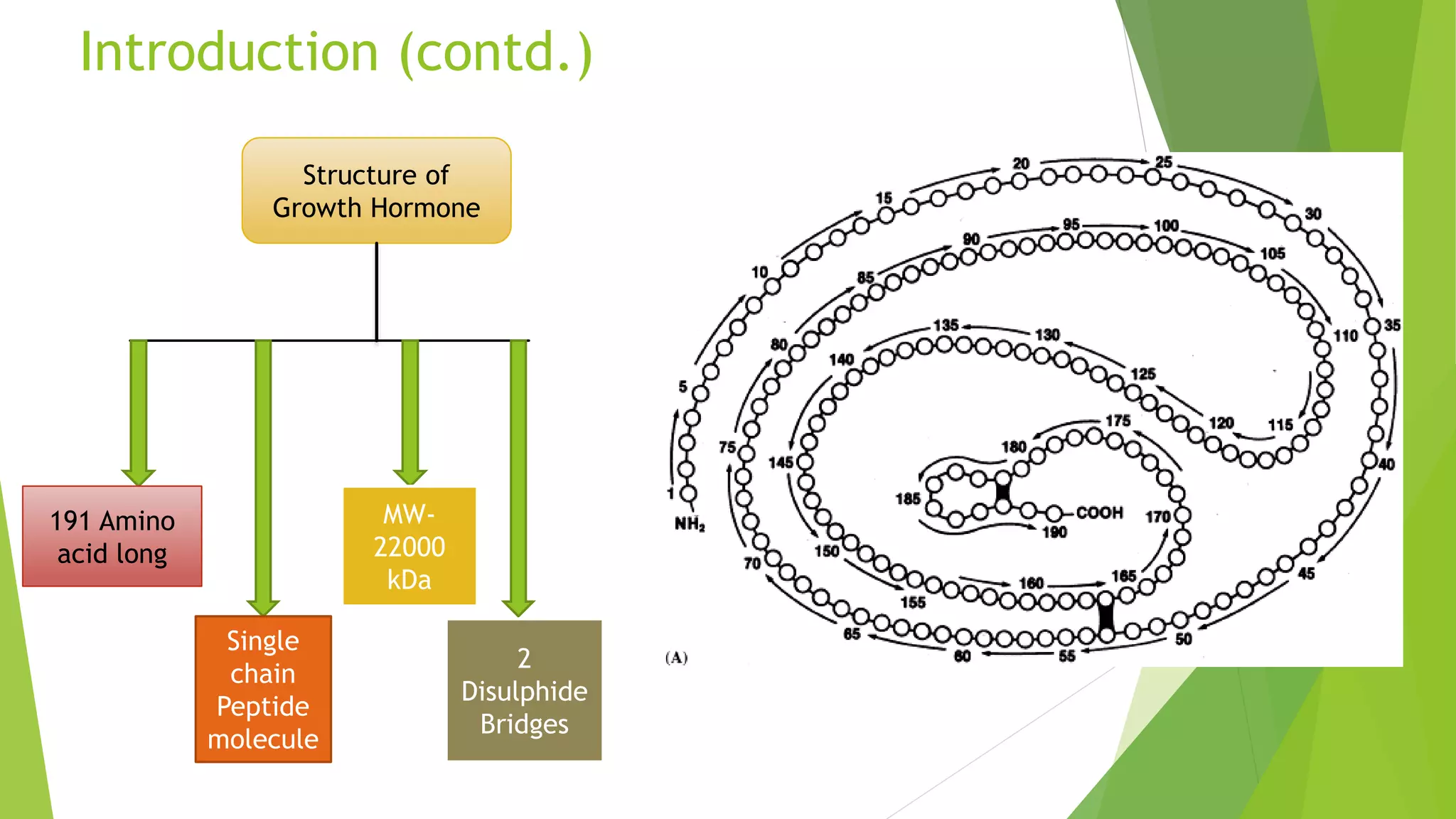
Structure of
Growth Hormone
191 Amino
acid long
2
Disulphide
Bridges
MW-
22000
kDa
Single
chain
Peptide
molecule
Introduction (contd.)
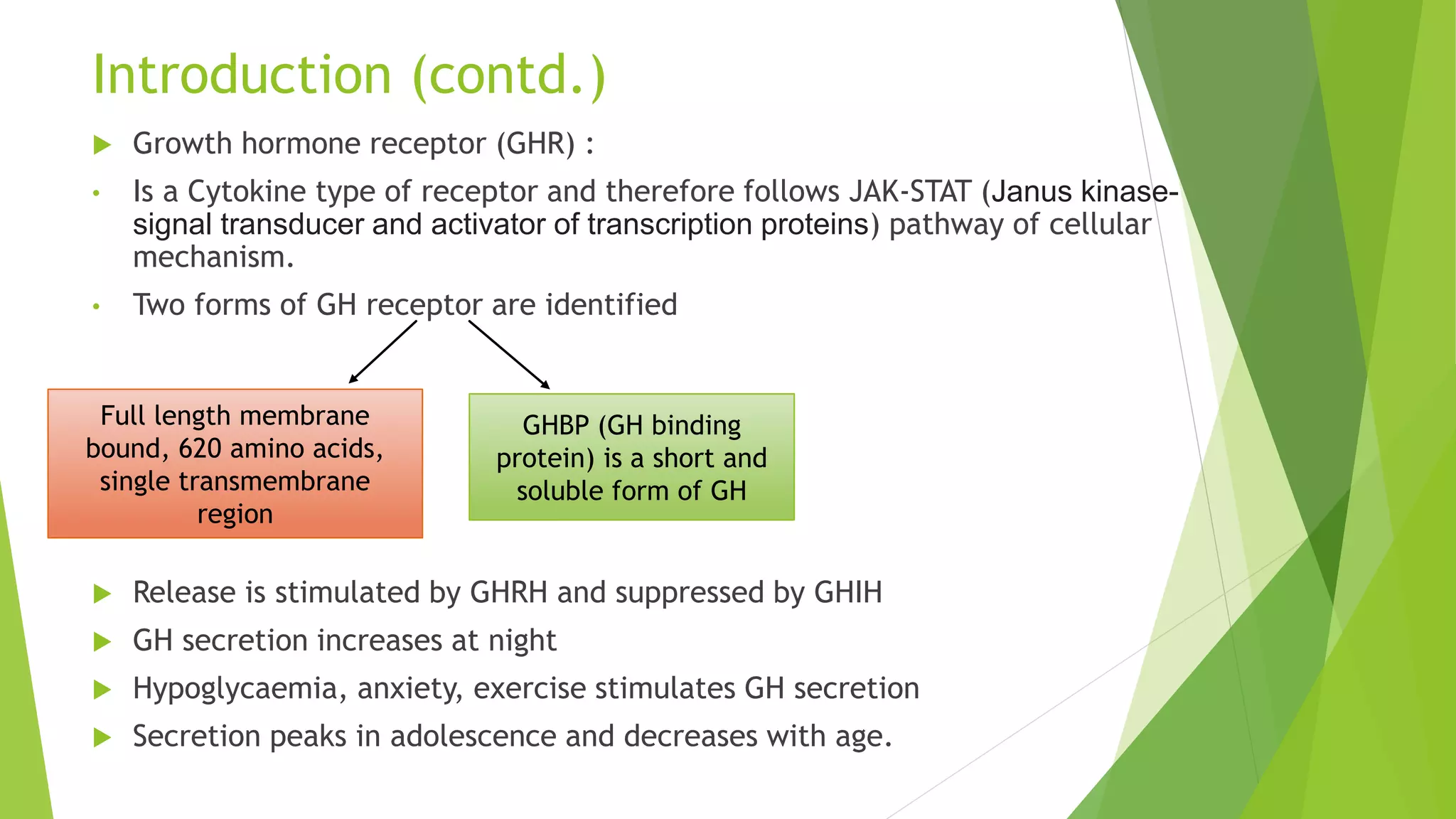
 Growth hormone receptor (GHR) :
• Is a Cytokine type of receptor and therefore follows JAK-STAT (Janus kinase-
signal transducer and activator of transcription proteins) pathway of cellular
mechanism.
• Two forms of GH receptor are identified
 Release is stimulated by GHRH and suppressed by GHIH
 GH secretion increases at night
 Hypoglycaemia, anxiety, exercise stimulates GH secretion
 Secretion peaks in adolescence and decreases with age.
Full length membrane
bound, 620 amino acids,
single transmembrane
region
GHBP (GH binding
protein) is a short and
soluble form of GH
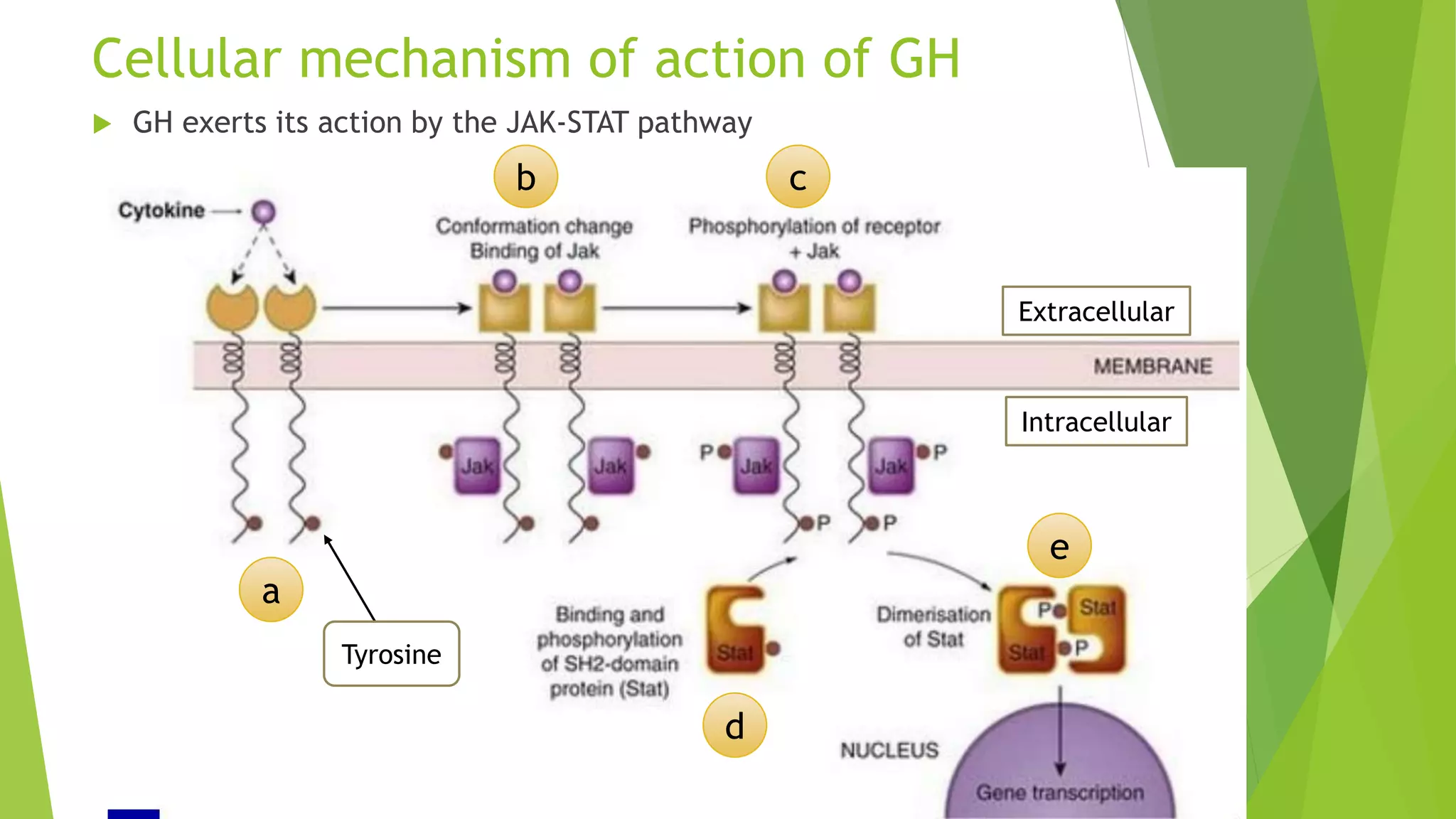
Cellular mechanism of action of GH
 GH exerts its action by the JAK-STAT pathway
Intracellular
Extracellular
a
b c
d
e
Tyrosine
Regulation of Secretion (Negative feedback
mechanism)
 Hypothalamus produces GHRH and inhibitory hormones
(somatostatin)
 Both are peptides
 Receptors of GHRH and somatostatin are GPCR receptors
 Increase or decrease in cAMP formation, enhance or
inhibit GH secretion
 IGF-1 (insulin like growth factor-1) cause feedback
inhibition of GH
Uses
 Pituitary Dwarfism:
• It is due to GH, observed in the early childhood.
• Dose: 30-60 µg/kg preferably in the evening
• Growth is accelerated if the therapy is started early
 Turner Syndrome:
• Short stature of girls is corrected by rhGH (recombinant human growth
hormone) + androgen and oestrogen therapy
 Chronic renal insufficiency in children causes suboptimal growth
• rhGH approved for growth restoration
 Constitutional (idiopathic) short stature children:
• Somatotropin treatment yielded encouraging results
• But ethical, social, medical objections have risen
 AIDS related wasting:
• Somatotropin improves physical and mental health of patients.
Growth hormones inhibitors
 Somatostatin
• 14 amino acid long peptide; inhibits GH, PRL, TSH, insulin, glucagon,
gastrin and Hcl.
• GI actions causes steatorrhoea (the excretion of abnormal quantities of
fat with the faeces), hypochlorhydria, dyspepsia and nausea.
• Use in acromegaly is limited. Because the duration of action is
short(t1/2- 2-3 min).
 Octreotide
• Synthetic octapeptide surrogate of somatostatin
• 40 X more potent in suppressing GH secretion
• Longer acting (t1/2 -90 min )
• Preferred over somatostatin for acromegaly
 Lanreotide
 Pegvisomant
Introduction
 Secreted during pregnancy.
 Prepares breasts for lactation after childbirth.
 Prolactin alone- weak effect
 Prolactin exerts effect when- Mammary glands are equipped with
oestrogen, progesterone, glucocorticoids, human growth hormone,
thyroxine, insulin.
 Milk ejection by mammary gland depends on oxytocin (secreted from
posterior pituitary).
 Dopamine- is prolactin inhibiting hormone in females and inhibit PRL
release from anterior pituitary.
 Hypersecretion of PRL in males- Erectile dysfunction
 Hypersecretion of PRL in females- galactorrhea (inappropriate
lactation) and amenorrhea (absence of menstrual cycle)
Introduction (contd.)
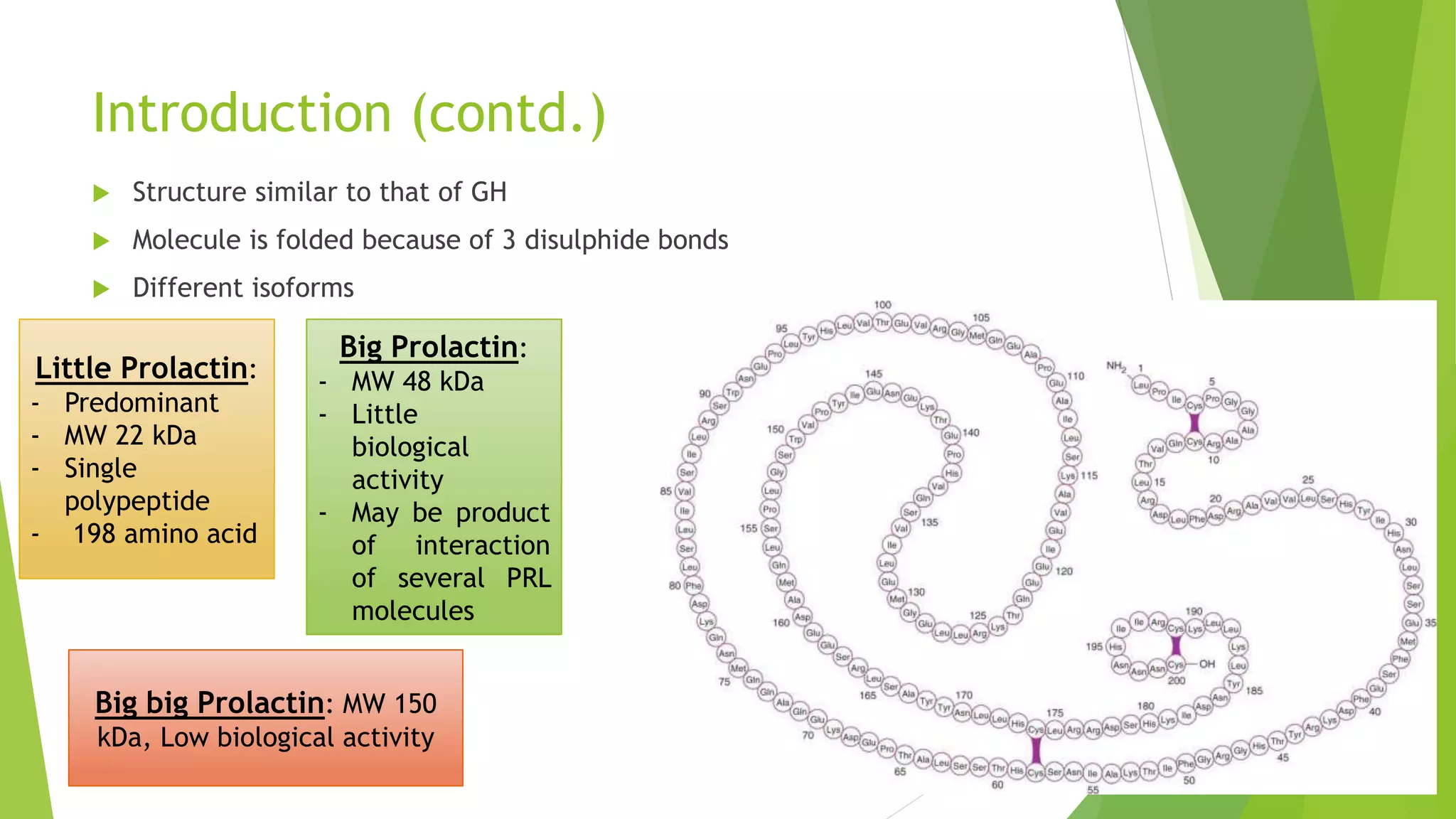
 Structure similar to that of GH
 Molecule is folded because of 3 disulphide bonds
 Different isoforms
Little Prolactin:
- Predominant
- MW 22 kDa
- Single
polypeptide
- 198 amino acid
Big Prolactin:
- MW 48 kDa
- Little
biological
activity
- May be product
of interaction
of several PRL
molecules
Big big Prolactin: MW 150
kDa, Low biological activity
 Prolactin receptors are present in mammary glands, ovaries, pituitary glands,
heart, lungs, thymus, spleen, liver, pancreas.
 When PRL bind to PRL receptors
Dimerization of receptor
JAK-2 initiates JAK- STAT pathway
Introduction (contd.)
Cellular mechanism of action of
prolactin
 Same as that of Growth hormone
 JAK-STAT pathway
Regulation of Secretion
 Dopamine acts on pituitary lactotrope D2 receptor.
 With the help of dopamine, hypothalamus controls inhibitory action of
prolactin.
 Dopamine agonists (DA, bromocriptine, cabergoline)- decrease plasma
protein prolactin levels
 Dopamine antagonist (chlorpromazine, haloperidol, metoclopramide)
and DA depleter (reserpine) cause hyperprolactinemia.
 Levels of prolactin are low in blood during childhood.
 It increases in girls at the time of puberty.
 Higher in adult females than in males.
 High prolactin secretion is maintained by suckling.
 A fall in prolactin secretion is observed if breast feeding is not
continued.
Prolactin Inhibitors
 Bromocriptine:
• Synthetic ergot derivative
• A potent dopamine agonist
• Weak α adrenergic blocker
• Decreases prolactin release from pituitary
• Increases GH release in normal individual
• Has levodopa like actions in CNS
• Decrease GI motility
• Uses: Hyperprolactinemia, acromegaly, parkinsonism
 Cabergoline:
• Newer D2 agonist
• More potent and selective for pituitary lactrotope D2 receptor
• Longer acting (t1/2 >60 hr) than bromocriptine
• First choice of drug treatment for hyperprolactinemia
• Should be stopped during pregnancy, yet no teratogenic effect observed.
Introduction
 Thyroid hormones are secreted by the thyroid gland under influence of
anterior pituitary gland
 Location of thyroid gland- just inferior to larynx (voice box)
 It is composed of right and left lateral lobes, one on either side of trachea.
 Normal mass of thyroid is 30gm. Highly vascularized organ, receives 80-120ml
of blood per minute.
 Types of thyroid hormones: T3 (Tri-iodo thyronine), T4 (Tetra iodo thyronine)
and calcitonin
 Functions
• Primary function of thyroid is production of iodine containing thyroid
hormones
Introduction (contd.)
• 3 major functions of thyroid hormones:
Metabolic:
Thyroxine
increases
basal
metabolic
rate
Cardiovascular
:
Hormone
increases rate
and strength of
heart beat
Developmental
:
Hormone plays
important role in
maintaining
normal sexual
function, sleep,
thought pattern
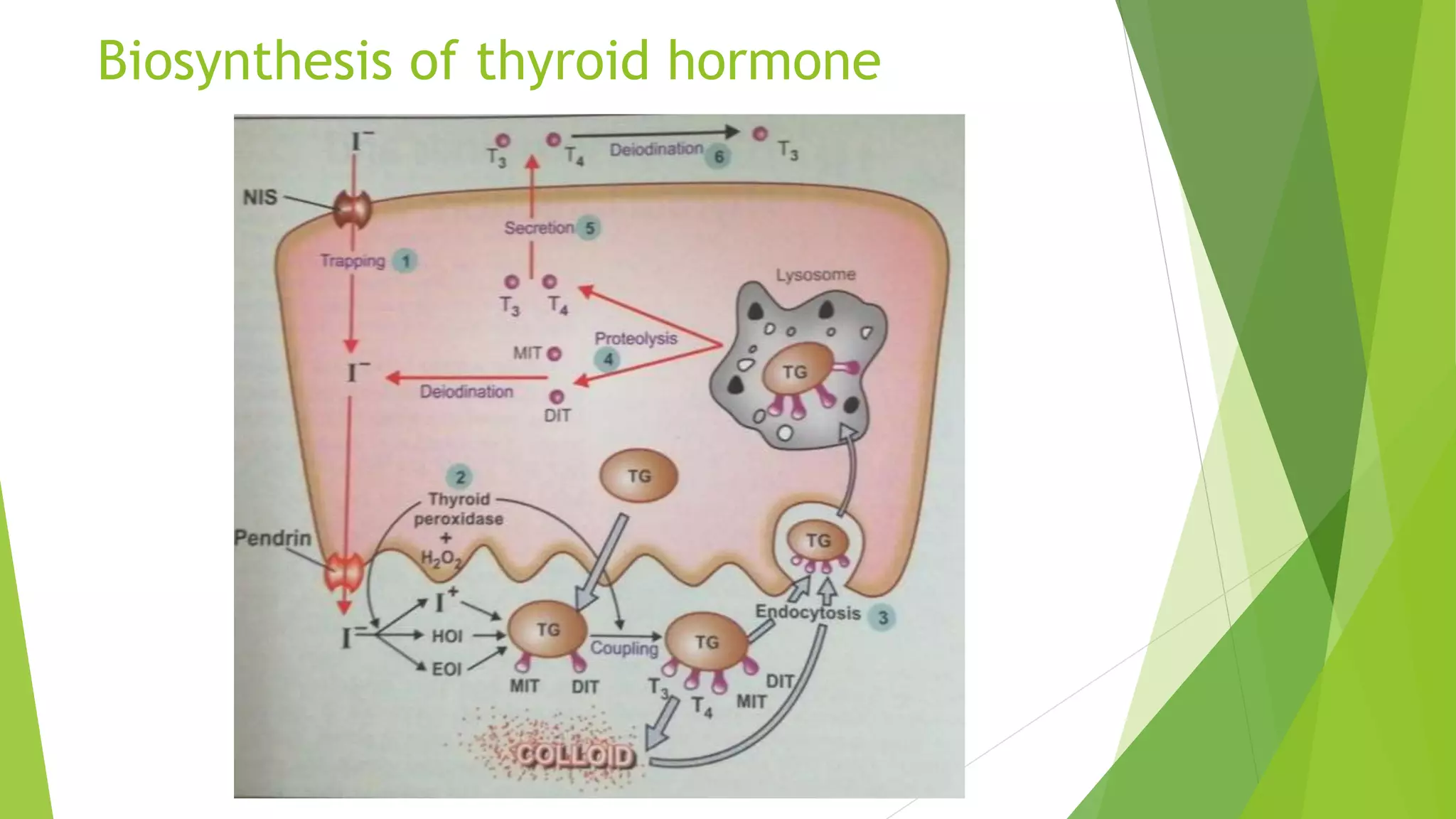
Biosynthesis of thyroid hormone
1. Iodine uptake:
• Conc. of iodine is less in blood, thyroid cells have active transport process Na+ : iodine
transporter to concentrate iodine
• Iodine trapping is stimulated by TSH
2. Oxidation and iodination:
• Follicular cells trap the iodine
• Pendrin, another transporter, transports trapped iodine across apical membrane.
• Oxidation of iodine occurs to form iodinium ion in presence of thyroid peroxidase
enzyme.
• Iodinium combines with tyrosil of thyroglobulin to form MIT and DIT (mono and di iodo
tyrosin)
3. Coupling :
• MIT and DIT couples together to form T3 and T4
• Coupling is also initiated by thyroid peroxidase
4. Storage and release:
• Iodinated tyrosil is transported to interior of follicles and remain stored as
thyroid colloid
• Uptake of colloid is stimulated by TSH
5. Peripheral conversion of T4 to T3
• Peripheral tissues especially liver and kidney convert T4 to T3
Mechanism of action
 Thyroid hormones act by binding to specific nuclear thyroid hormone receptor
(TR)
 T3 has 15 fold higher binding affinity for TR than T4
 The hormone receptor complex binds to DNA via zinc finger and increase or
decrease expression of a variety of different genes that code for protein that
regulate cell function.
 Two types of TR genes are found : α and β
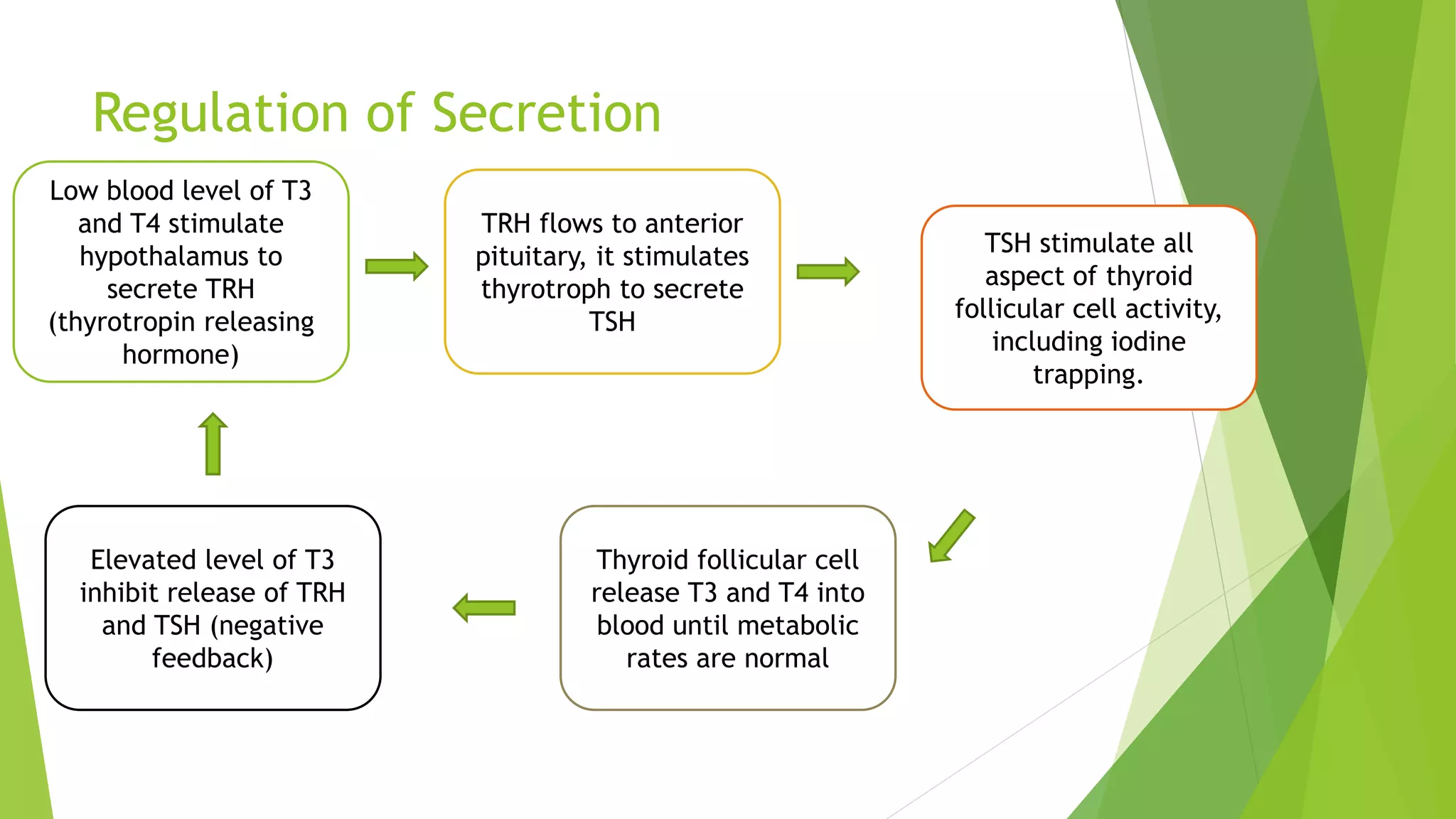
Regulation of Secretion
Low blood level of T3
and T4 stimulate
hypothalamus to
secrete TRH
(thyrotropin releasing
hormone)
TRH flows to anterior
pituitary, it stimulates
thyrotroph to secrete
TSH
TSH stimulate all
aspect of thyroid
follicular cell activity,
including iodine
trapping.
Thyroid follicular cell
release T3 and T4 into
blood until metabolic
rates are normal
Elevated level of T3
inhibit release of TRH
and TSH (negative
feedback)
Uses
 Cretinism: Is due to failure of thyroid development/ defect in hormone
synthesis/ due to extreme iodine deficiency.
 Adult hypothyroidism (Myxoedema): Develops as a consequence of auto-
immune thyroiditis or thyroidectomy. If iodine deficiency is severe, may
accompany simple goiter.
 Myxoedema coma: emergency characterized by progressive mental
deterioration due to acute hypothyroidism.
 Non toxic goiter: Characterized by enlargement of thyroid.
 Thyroid nodule
 Papillary carcinoma of thyroid
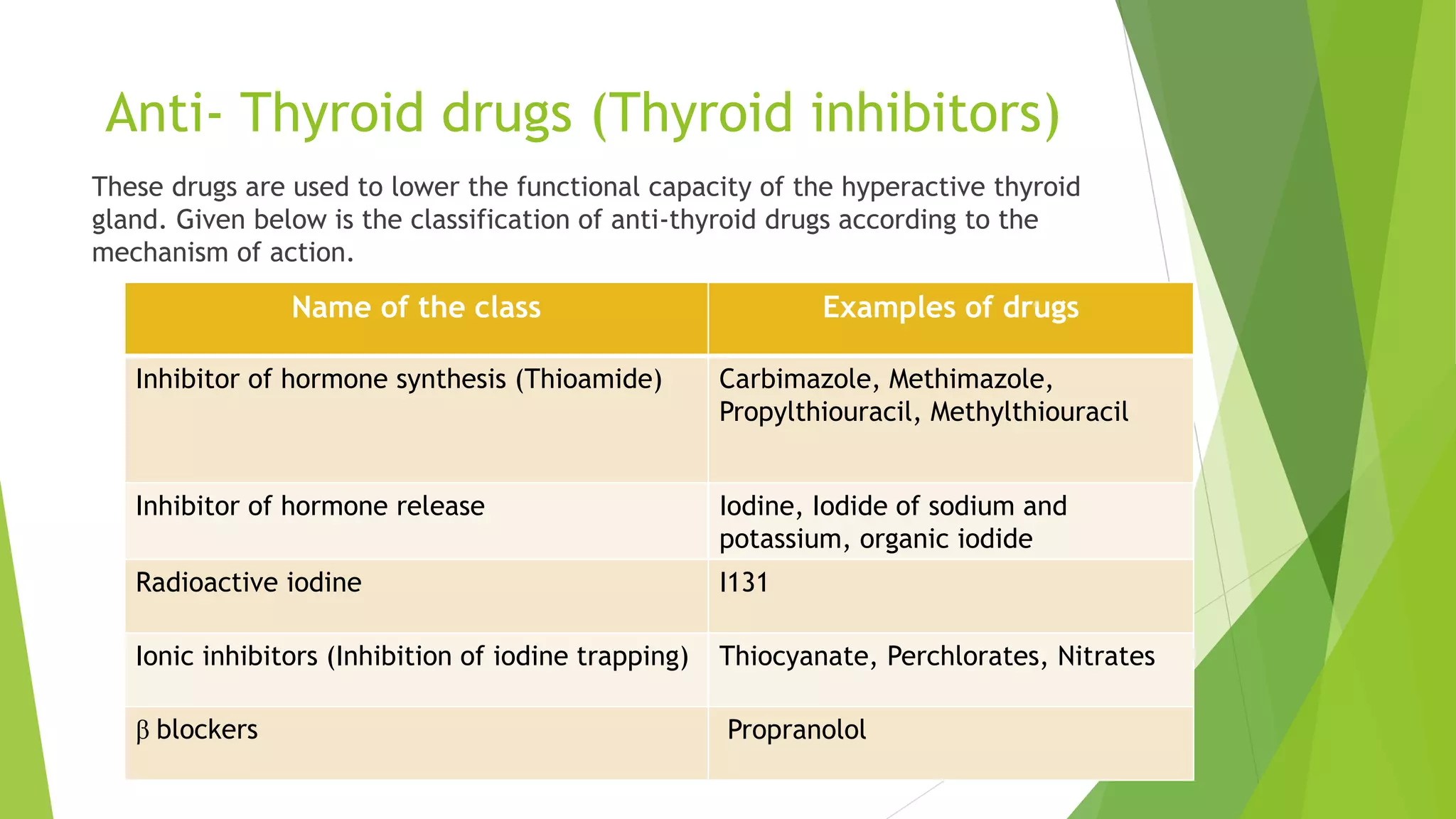
Anti- Thyroid drugs (Thyroid inhibitors)
These drugs are used to lower the functional capacity of the hyperactive thyroid
gland. Given below is the classification of anti-thyroid drugs according to the
mechanism of action.
Name of the class Examples of drugs
Inhibitor of hormone synthesis (Thioamide) Carbimazole, Methimazole,
Propylthiouracil, Methylthiouracil
Inhibitor of hormone release Iodine, Iodide of sodium and
potassium, organic iodide
Radioactive iodine I131
Ionic inhibitors (Inhibition of iodine trapping) Thiocyanate, Perchlorates, Nitrates
β blockers Propranolol
Molecular and cellular mechanism of action of hormones

Molecular and cellular mechanism of action of hormones

  • 1.
    Molecular and cellular mechanismof action of hormones: Growth hormone, Prolactin, Thyroid & Anti-thyroid drugs
  • 2.
    Growth hormone Prolactin Thyroid hormones Allare secreted by Anterior Pituitary
  • 4.
    Introduction  Most abundanthormone, synthesized by anterior part of pituitary.  Stimulates growth and division of most body cells.  GH also regulates metabolism of organs such as liver, intestines and pancreas.  Other important functions of GH includes: • Protein Synthesis • Tissue repairs • Fat Breakdown • Increases blood glucose level
  • 5.
    Introduction (contd.) Structure of GrowthHormone 191 Amino acid long 2 Disulphide Bridges MW- 22000 kDa Single chain Peptide molecule
  • 6.
    Introduction (contd.)  Growthhormone receptor (GHR) : • Is a Cytokine type of receptor and therefore follows JAK-STAT (Janus kinase- signal transducer and activator of transcription proteins) pathway of cellular mechanism. • Two forms of GH receptor are identified  Release is stimulated by GHRH and suppressed by GHIH  GH secretion increases at night  Hypoglycaemia, anxiety, exercise stimulates GH secretion  Secretion peaks in adolescence and decreases with age. Full length membrane bound, 620 amino acids, single transmembrane region GHBP (GH binding protein) is a short and soluble form of GH
  • 7.
    Cellular mechanism ofaction of GH  GH exerts its action by the JAK-STAT pathway Intracellular Extracellular a b c d e Tyrosine
  • 8.
    Regulation of Secretion(Negative feedback mechanism)  Hypothalamus produces GHRH and inhibitory hormones (somatostatin)  Both are peptides  Receptors of GHRH and somatostatin are GPCR receptors  Increase or decrease in cAMP formation, enhance or inhibit GH secretion  IGF-1 (insulin like growth factor-1) cause feedback inhibition of GH
  • 9.
    Uses  Pituitary Dwarfism: •It is due to GH, observed in the early childhood. • Dose: 30-60 µg/kg preferably in the evening • Growth is accelerated if the therapy is started early  Turner Syndrome: • Short stature of girls is corrected by rhGH (recombinant human growth hormone) + androgen and oestrogen therapy  Chronic renal insufficiency in children causes suboptimal growth • rhGH approved for growth restoration  Constitutional (idiopathic) short stature children: • Somatotropin treatment yielded encouraging results • But ethical, social, medical objections have risen  AIDS related wasting: • Somatotropin improves physical and mental health of patients.
  • 10.
    Growth hormones inhibitors Somatostatin • 14 amino acid long peptide; inhibits GH, PRL, TSH, insulin, glucagon, gastrin and Hcl. • GI actions causes steatorrhoea (the excretion of abnormal quantities of fat with the faeces), hypochlorhydria, dyspepsia and nausea. • Use in acromegaly is limited. Because the duration of action is short(t1/2- 2-3 min).  Octreotide • Synthetic octapeptide surrogate of somatostatin • 40 X more potent in suppressing GH secretion • Longer acting (t1/2 -90 min ) • Preferred over somatostatin for acromegaly  Lanreotide  Pegvisomant
  • 12.
    Introduction  Secreted duringpregnancy.  Prepares breasts for lactation after childbirth.  Prolactin alone- weak effect  Prolactin exerts effect when- Mammary glands are equipped with oestrogen, progesterone, glucocorticoids, human growth hormone, thyroxine, insulin.  Milk ejection by mammary gland depends on oxytocin (secreted from posterior pituitary).  Dopamine- is prolactin inhibiting hormone in females and inhibit PRL release from anterior pituitary.  Hypersecretion of PRL in males- Erectile dysfunction  Hypersecretion of PRL in females- galactorrhea (inappropriate lactation) and amenorrhea (absence of menstrual cycle)
  • 13.
    Introduction (contd.)  Structuresimilar to that of GH  Molecule is folded because of 3 disulphide bonds  Different isoforms Little Prolactin: - Predominant - MW 22 kDa - Single polypeptide - 198 amino acid Big Prolactin: - MW 48 kDa - Little biological activity - May be product of interaction of several PRL molecules Big big Prolactin: MW 150 kDa, Low biological activity
  • 14.
     Prolactin receptorsare present in mammary glands, ovaries, pituitary glands, heart, lungs, thymus, spleen, liver, pancreas.  When PRL bind to PRL receptors Dimerization of receptor JAK-2 initiates JAK- STAT pathway Introduction (contd.)
  • 15.
    Cellular mechanism ofaction of prolactin  Same as that of Growth hormone  JAK-STAT pathway
  • 16.
    Regulation of Secretion Dopamine acts on pituitary lactotrope D2 receptor.  With the help of dopamine, hypothalamus controls inhibitory action of prolactin.  Dopamine agonists (DA, bromocriptine, cabergoline)- decrease plasma protein prolactin levels  Dopamine antagonist (chlorpromazine, haloperidol, metoclopramide) and DA depleter (reserpine) cause hyperprolactinemia.  Levels of prolactin are low in blood during childhood.  It increases in girls at the time of puberty.  Higher in adult females than in males.  High prolactin secretion is maintained by suckling.  A fall in prolactin secretion is observed if breast feeding is not continued.
  • 17.
    Prolactin Inhibitors  Bromocriptine: •Synthetic ergot derivative • A potent dopamine agonist • Weak α adrenergic blocker • Decreases prolactin release from pituitary • Increases GH release in normal individual • Has levodopa like actions in CNS • Decrease GI motility • Uses: Hyperprolactinemia, acromegaly, parkinsonism
  • 18.
     Cabergoline: • NewerD2 agonist • More potent and selective for pituitary lactrotope D2 receptor • Longer acting (t1/2 >60 hr) than bromocriptine • First choice of drug treatment for hyperprolactinemia • Should be stopped during pregnancy, yet no teratogenic effect observed.
  • 20.
    Introduction  Thyroid hormonesare secreted by the thyroid gland under influence of anterior pituitary gland  Location of thyroid gland- just inferior to larynx (voice box)  It is composed of right and left lateral lobes, one on either side of trachea.  Normal mass of thyroid is 30gm. Highly vascularized organ, receives 80-120ml of blood per minute.  Types of thyroid hormones: T3 (Tri-iodo thyronine), T4 (Tetra iodo thyronine) and calcitonin  Functions • Primary function of thyroid is production of iodine containing thyroid hormones
  • 21.
    Introduction (contd.) • 3major functions of thyroid hormones: Metabolic: Thyroxine increases basal metabolic rate Cardiovascular : Hormone increases rate and strength of heart beat Developmental : Hormone plays important role in maintaining normal sexual function, sleep, thought pattern
  • 22.
  • 23.
    1. Iodine uptake: •Conc. of iodine is less in blood, thyroid cells have active transport process Na+ : iodine transporter to concentrate iodine • Iodine trapping is stimulated by TSH 2. Oxidation and iodination: • Follicular cells trap the iodine • Pendrin, another transporter, transports trapped iodine across apical membrane. • Oxidation of iodine occurs to form iodinium ion in presence of thyroid peroxidase enzyme. • Iodinium combines with tyrosil of thyroglobulin to form MIT and DIT (mono and di iodo tyrosin) 3. Coupling : • MIT and DIT couples together to form T3 and T4 • Coupling is also initiated by thyroid peroxidase
  • 24.
    4. Storage andrelease: • Iodinated tyrosil is transported to interior of follicles and remain stored as thyroid colloid • Uptake of colloid is stimulated by TSH 5. Peripheral conversion of T4 to T3 • Peripheral tissues especially liver and kidney convert T4 to T3
  • 25.
    Mechanism of action Thyroid hormones act by binding to specific nuclear thyroid hormone receptor (TR)  T3 has 15 fold higher binding affinity for TR than T4  The hormone receptor complex binds to DNA via zinc finger and increase or decrease expression of a variety of different genes that code for protein that regulate cell function.  Two types of TR genes are found : α and β
  • 26.
    Regulation of Secretion Lowblood level of T3 and T4 stimulate hypothalamus to secrete TRH (thyrotropin releasing hormone) TRH flows to anterior pituitary, it stimulates thyrotroph to secrete TSH TSH stimulate all aspect of thyroid follicular cell activity, including iodine trapping. Thyroid follicular cell release T3 and T4 into blood until metabolic rates are normal Elevated level of T3 inhibit release of TRH and TSH (negative feedback)
  • 27.
    Uses  Cretinism: Isdue to failure of thyroid development/ defect in hormone synthesis/ due to extreme iodine deficiency.  Adult hypothyroidism (Myxoedema): Develops as a consequence of auto- immune thyroiditis or thyroidectomy. If iodine deficiency is severe, may accompany simple goiter.  Myxoedema coma: emergency characterized by progressive mental deterioration due to acute hypothyroidism.  Non toxic goiter: Characterized by enlargement of thyroid.  Thyroid nodule  Papillary carcinoma of thyroid
  • 28.
    Anti- Thyroid drugs(Thyroid inhibitors) These drugs are used to lower the functional capacity of the hyperactive thyroid gland. Given below is the classification of anti-thyroid drugs according to the mechanism of action. Name of the class Examples of drugs Inhibitor of hormone synthesis (Thioamide) Carbimazole, Methimazole, Propylthiouracil, Methylthiouracil Inhibitor of hormone release Iodine, Iodide of sodium and potassium, organic iodide Radioactive iodine I131 Ionic inhibitors (Inhibition of iodine trapping) Thiocyanate, Perchlorates, Nitrates β blockers Propranolol