SOCIAL
STRATIFICATION
MODULE 5:
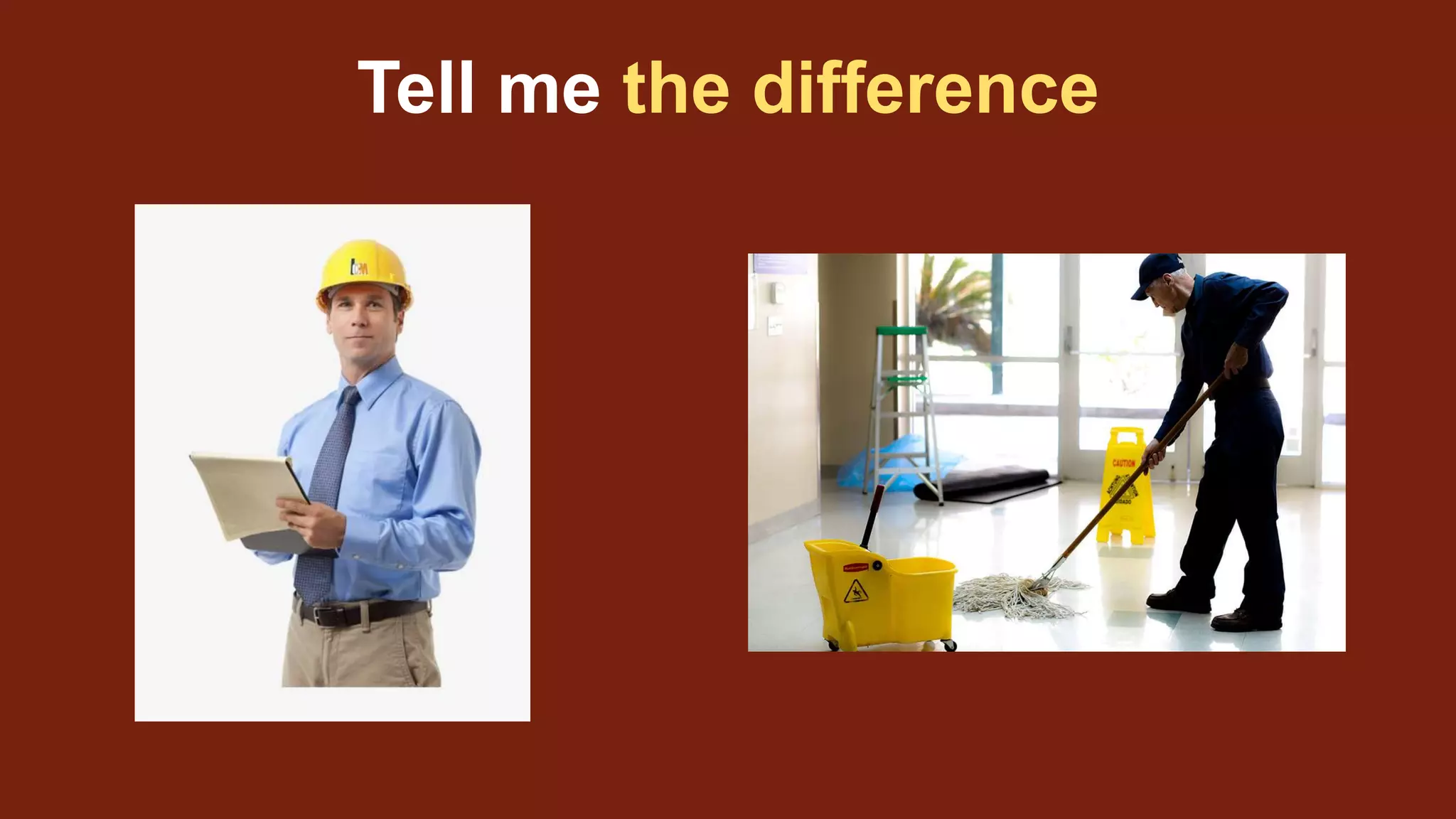
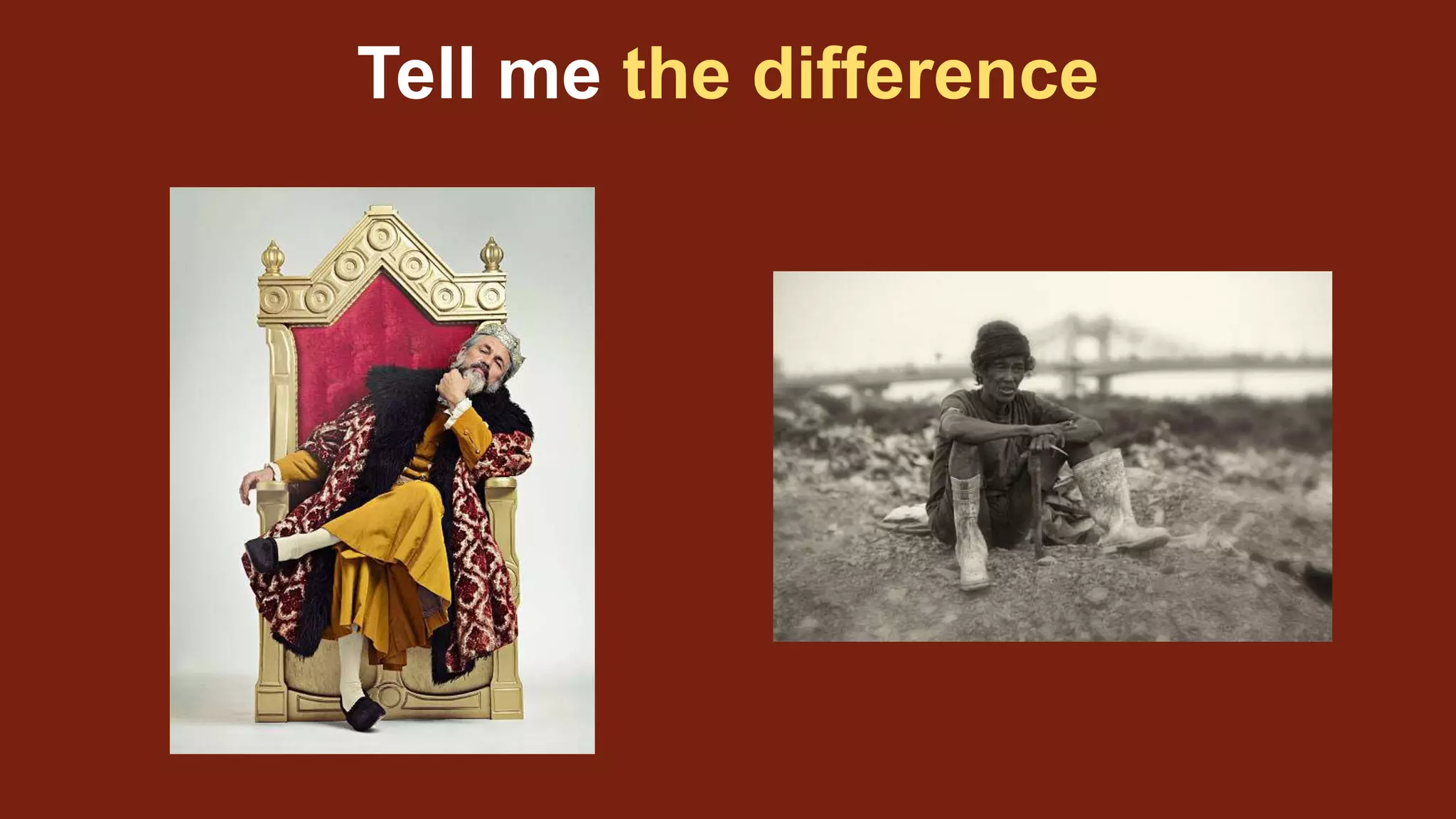
Tell me the difference
What is Social
Stratification?
- a society’s categorization of
people into socioeconomic
strata or layer, based on their
occupation and income,
wealth and social status, or
derived power (social and
political).
1. Upper Class
Three Social Classes
refers to a group of individuals
who occupy the highest place
and status in society. These
people are considered the
wealthiest, lying above the
working and middle class in the
social hierarchy.
2. Middle Class
Three Social Classes
- these are mostly professional
people like lawyers, doctors,
manager, owners of small
businesses, executives, etc. They
value education most since
education to them is the most
important measure of social status.
3. Lower Class
Three Social Classes
- these are the office and clerical
workers, skilled and unskilled
craftsman, farm employees,
underemployed, indigent families,
etc. They depend on their
paycheck.
STATUS
It is the individual’s position in the social structure. The
higher or lower positions that come about through social
stratification are called statuses.
•Ascribed statuses are assigned or given by the
society or group on the basis of some fixed
category. Examples are sex, family background,
ethnicity, etc.
•Achieved statuses are earned by the individual.
Examples are honors received in school, good job,
award for winning a competition, etc.
SOCIAL DESIRABLES
Any rational individual will always aspire for things that
give wealth, power, and prestige. The ability of an individual
to realize such aspiration is constrained by situations
where one is born into.
POWER: refers to the ability to influence other people. It is
getting what they want despite the unwillingness to give in
their desires.
1
PRESTIGE: refers to the evaluation of status. You have prestige
according to your status
2
WEALTH: refers to the amount of resources that you have.
3
SOCIAL MOBILITY
It is the act of moving from one social status to another.
OPEN CLASS SYSTEM:
means that individuals can change their social class
in the society. People are free to gain a different level
of education or employment than their parents. They
can also socialize with members of other classes,
which allow people to move from one class to
another.
1
Social Mobility Systems:
CLOSED-CLASS SYSTEM:
- people can do little or nothing to change their social
standing. People are born into their social standing
and will remain in it. People are assigned occupations
regardless of their talents, interests, or potential.
Social Mobility Systems:
2
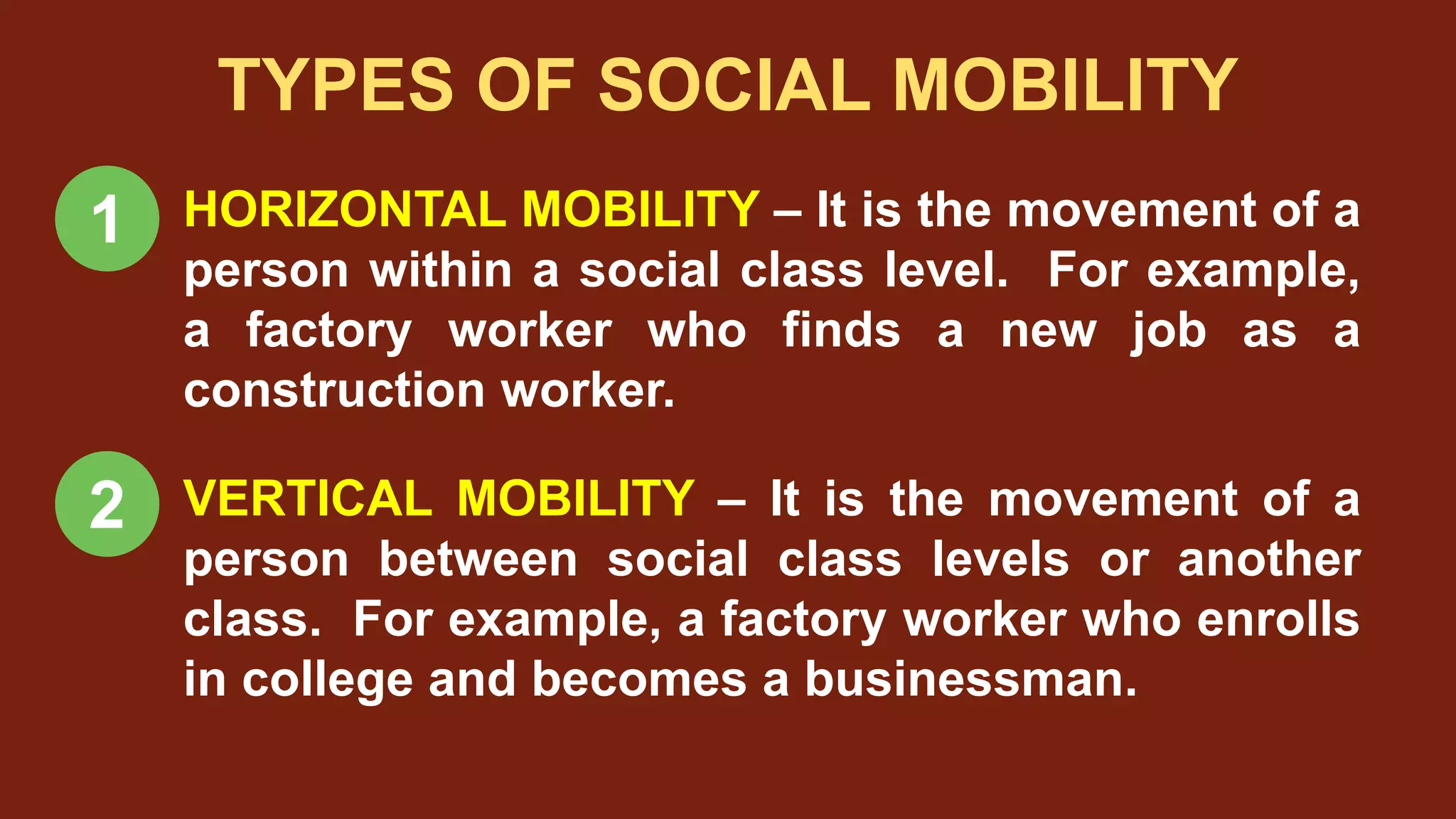
TYPES OF SOCIAL MOBILITY
HORIZONTAL MOBILITY – It is the movement of a
person within a social class level. For example,
a factory worker who finds a new job as a
construction worker.
1
VERTICAL MOBILITY – It is the movement of a
person between social class levels or another
class. For example, a factory worker who enrolls
in college and becomes a businessman.
2
Module 5 - Social Stratification.pptx

Module 5 - Social Stratification.pptx

  • 1.
  • 2.
    Tell me thedifference
  • 3.
    Tell me thedifference
  • 4.
    Tell me thedifference
  • 5.
    Tell me thedifference
  • 6.
    What is Social Stratification? -a society’s categorization of people into socioeconomic strata or layer, based on their occupation and income, wealth and social status, or derived power (social and political).
  • 7.
    1. Upper Class ThreeSocial Classes refers to a group of individuals who occupy the highest place and status in society. These people are considered the wealthiest, lying above the working and middle class in the social hierarchy.
  • 8.
    2. Middle Class ThreeSocial Classes - these are mostly professional people like lawyers, doctors, manager, owners of small businesses, executives, etc. They value education most since education to them is the most important measure of social status.
  • 9.
    3. Lower Class ThreeSocial Classes - these are the office and clerical workers, skilled and unskilled craftsman, farm employees, underemployed, indigent families, etc. They depend on their paycheck.
  • 10.
    STATUS It is theindividual’s position in the social structure. The higher or lower positions that come about through social stratification are called statuses. •Ascribed statuses are assigned or given by the society or group on the basis of some fixed category. Examples are sex, family background, ethnicity, etc. •Achieved statuses are earned by the individual. Examples are honors received in school, good job, award for winning a competition, etc.
  • 11.
    SOCIAL DESIRABLES Any rationalindividual will always aspire for things that give wealth, power, and prestige. The ability of an individual to realize such aspiration is constrained by situations where one is born into. POWER: refers to the ability to influence other people. It is getting what they want despite the unwillingness to give in their desires. 1 PRESTIGE: refers to the evaluation of status. You have prestige according to your status 2 WEALTH: refers to the amount of resources that you have. 3
  • 12.
    SOCIAL MOBILITY It isthe act of moving from one social status to another. OPEN CLASS SYSTEM: means that individuals can change their social class in the society. People are free to gain a different level of education or employment than their parents. They can also socialize with members of other classes, which allow people to move from one class to another. 1 Social Mobility Systems:
  • 13.
    CLOSED-CLASS SYSTEM: - peoplecan do little or nothing to change their social standing. People are born into their social standing and will remain in it. People are assigned occupations regardless of their talents, interests, or potential. Social Mobility Systems: 2
  • 14.
    TYPES OF SOCIALMOBILITY HORIZONTAL MOBILITY – It is the movement of a person within a social class level. For example, a factory worker who finds a new job as a construction worker. 1 VERTICAL MOBILITY – It is the movement of a person between social class levels or another class. For example, a factory worker who enrolls in college and becomes a businessman. 2

Editor's Notes

  • #7 Social Standing gives rise to INEQUALITY
  • #11 For example, some people are high government officials while others are salesmen, utility workers, etc. Statuses do not relate to the individual themselves but rather to the position into which they have been placed.
  • #12 For example, being a senior student, you have the prestige of a senior student at your school. The prestige does not apply directly to you as a person, but rather to the social category to which you belong (senior class).
  • #13 In an open class system, people are ranked by achieved status, whereas in a closed class system, people are ranked by ascribed status.
  • #14 In an open class system, people are ranked by achieved status, whereas in a closed class system, people are ranked by ascribed status.