Nursing academy of east kotawaringin
www.akperkotim.ac.id/web/
Group Name :
Indri Mahrani
puspamauluddianti@yahoo.com
Puspa Maulud Dianti
indrimahrani999@gmail.com
Restu Imbang Pribadi
Pribadirestu74@gmail.com
MODEL OF COMMUNICATION
WHAT IS A COMMUNICATION
MODEL?
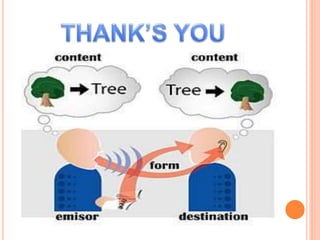
 A communication model is chiefl y a process in which information
is channelled, then imparted by the sender to receiver through a
medium. When the receiver gets the information they decode the
message and may give the sender feedback.
 Theorists have analysed the communication process many times
and how individuals interact with each other. There are different
models of communication that are relevant to a nurse. These are
the linear, interactive and transactional models.
1. LINEAR MODEL
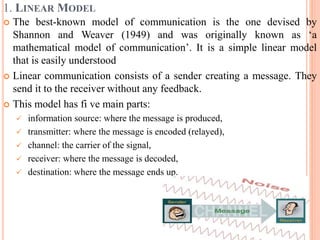
 The best-known model of communication is the one devised by
Shannon and Weaver (1949) and was originally known as ‘a
mathematical model of communication’. It is a simple linear model
that is easily understood
 Linear communication consists of a sender creating a message. They
send it to the receiver without any feedback.
 This model has fi ve main parts:
 information source: where the message is produced,
 transmitter: where the message is encoded (relayed),
 channel: the carrier of the signal,
 receiver: where the message is decoded,
 destination: where the message ends up.
 An example of linear communication is a letter or an email.
One of the advantages of Shannon and Weaver’s model is that
it is simple and easily understood, and can be applied to most
types of communication. However, this type of model has
been challenged because it does not take into account
simultaneous interaction and transactional feedback. An
example of this could be when we try to communicate with
people from different cultures; in such cases, the message is
relayed by one or more of our fi ve senses (sight, touch,
hearing, taste or smell). We observe the listener’s body
language and if they have not heard our message or it has
been misinterpreted then we are able to adapt our
communication or adjust our tone of voice to accommodate
the listener.
2. INTERACTIVE MODEL
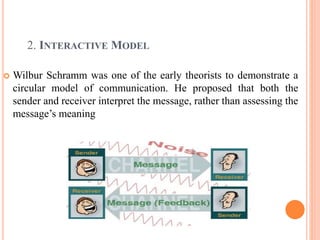
 Wilbur Schramm was one of the early theorists to demonstrate a
circular model of communication. He proposed that both the
sender and receiver interpret the message, rather than assessing the
message’s meaning
 Schramm (1955; cited in Wood 2009) saw
communication as a two-way process with both the
speaker and the listener providing and receiving verbal
or non-verbal feedback. Both the speaker and the listener
take turns to speak and listen to each other. Other
characteristics of messages that impact communication
between two individuals are intonation and pitch
patterns, accents, facial expressions, quality of voice and
gestures. This model also indicates that the speaker and
listener communicate better if they have had the same
experiences. However, this may mean that both the
receiver and sender are limited by their experience.
3. TRANSACTIONAL MODEL
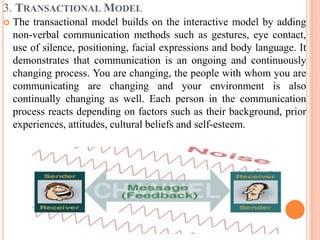
 The transactional model builds on the interactive model by adding
non-verbal communication methods such as gestures, eye contact,
use of silence, positioning, facial expressions and body language. It
demonstrates that communication is an ongoing and continuously
changing process. You are changing, the people with whom you are
communicating are changing and your environment is also
continually changing as well. Each person in the communication
process reacts depending on factors such as their background, prior
experiences, attitudes, cultural beliefs and self-esteem.
 The transactional model displays communication interactions
as ongoing negotiations of meaning. As already mentioned,
non-verbal expressions take on additional importance when
you are communicating with people from completely different
cultures, speaking different languages and with no common
experiences with which to take part in this negotiation of
meaning. Individuals come to a communication interaction
with their own fi eld of experience. This includes things like
personal culture, history, gender, social infl uences and
experience. Your fi eld of experience is the frame of reference
that you bring to each situation that you encounter. At times,
individuals’ fi elds of experiences overlap and they share
things in common. Other times, individuals’ fi elds of
experiences do not overlap; and because they share no
common past experiences, it is diffi cult to negotiate meaning.
BIBLIOGRAPHY
 Kraszewski, S. and McEwan, A. (2010) Communication Skills for Adult Nurses.
Open University Press, Maidenhead.
 McCabe, C. and Timmins, F. (2006) Communication Skills for Nursing Practice.
Palgrave MacMillan, Basingstoke.
 Schramm, W. (1954) How communication works. In The Process and Effects of
 Communication, Schramm, W. (ed.), pp. 3–26. University of Illinois Press,
Urbana, IL.
 Shannon, C.E. and Weaver, W. (1949) A Mathematical Model of Communication.
University of Illinois Press, Urbana, IL.
 Sully, P. and Dallas, J. (2010) Essential Communication Skills for Nursing and
Midwifery. Elsevier Mosby, Oxford.
 Webb, L. (2011) Nursing: Communication Skills in Practice. Oxford University
Press,
Oxford.
 Wood, J.T. (2009) Communication in our Lives (4th edn). Thomson-Wadsworth,
Belmont, CA.

Model of Communication

  • 1.
    Nursing academy ofeast kotawaringin www.akperkotim.ac.id/web/ Group Name : Indri Mahrani puspamauluddianti@yahoo.com Puspa Maulud Dianti indrimahrani999@gmail.com Restu Imbang Pribadi Pribadirestu74@gmail.com MODEL OF COMMUNICATION
  • 2.
    WHAT IS ACOMMUNICATION MODEL?  A communication model is chiefl y a process in which information is channelled, then imparted by the sender to receiver through a medium. When the receiver gets the information they decode the message and may give the sender feedback.  Theorists have analysed the communication process many times and how individuals interact with each other. There are different models of communication that are relevant to a nurse. These are the linear, interactive and transactional models.
  • 3.
    1. LINEAR MODEL The best-known model of communication is the one devised by Shannon and Weaver (1949) and was originally known as ‘a mathematical model of communication’. It is a simple linear model that is easily understood  Linear communication consists of a sender creating a message. They send it to the receiver without any feedback.  This model has fi ve main parts:  information source: where the message is produced,  transmitter: where the message is encoded (relayed),  channel: the carrier of the signal,  receiver: where the message is decoded,  destination: where the message ends up.
  • 4.
     An exampleof linear communication is a letter or an email. One of the advantages of Shannon and Weaver’s model is that it is simple and easily understood, and can be applied to most types of communication. However, this type of model has been challenged because it does not take into account simultaneous interaction and transactional feedback. An example of this could be when we try to communicate with people from different cultures; in such cases, the message is relayed by one or more of our fi ve senses (sight, touch, hearing, taste or smell). We observe the listener’s body language and if they have not heard our message or it has been misinterpreted then we are able to adapt our communication or adjust our tone of voice to accommodate the listener.
  • 5.
    2. INTERACTIVE MODEL Wilbur Schramm was one of the early theorists to demonstrate a circular model of communication. He proposed that both the sender and receiver interpret the message, rather than assessing the message’s meaning
  • 6.
     Schramm (1955;cited in Wood 2009) saw communication as a two-way process with both the speaker and the listener providing and receiving verbal or non-verbal feedback. Both the speaker and the listener take turns to speak and listen to each other. Other characteristics of messages that impact communication between two individuals are intonation and pitch patterns, accents, facial expressions, quality of voice and gestures. This model also indicates that the speaker and listener communicate better if they have had the same experiences. However, this may mean that both the receiver and sender are limited by their experience.
  • 7.
    3. TRANSACTIONAL MODEL The transactional model builds on the interactive model by adding non-verbal communication methods such as gestures, eye contact, use of silence, positioning, facial expressions and body language. It demonstrates that communication is an ongoing and continuously changing process. You are changing, the people with whom you are communicating are changing and your environment is also continually changing as well. Each person in the communication process reacts depending on factors such as their background, prior experiences, attitudes, cultural beliefs and self-esteem.
  • 8.
     The transactionalmodel displays communication interactions as ongoing negotiations of meaning. As already mentioned, non-verbal expressions take on additional importance when you are communicating with people from completely different cultures, speaking different languages and with no common experiences with which to take part in this negotiation of meaning. Individuals come to a communication interaction with their own fi eld of experience. This includes things like personal culture, history, gender, social infl uences and experience. Your fi eld of experience is the frame of reference that you bring to each situation that you encounter. At times, individuals’ fi elds of experiences overlap and they share things in common. Other times, individuals’ fi elds of experiences do not overlap; and because they share no common past experiences, it is diffi cult to negotiate meaning.
  • 10.
    BIBLIOGRAPHY  Kraszewski, S.and McEwan, A. (2010) Communication Skills for Adult Nurses. Open University Press, Maidenhead.  McCabe, C. and Timmins, F. (2006) Communication Skills for Nursing Practice. Palgrave MacMillan, Basingstoke.  Schramm, W. (1954) How communication works. In The Process and Effects of  Communication, Schramm, W. (ed.), pp. 3–26. University of Illinois Press, Urbana, IL.  Shannon, C.E. and Weaver, W. (1949) A Mathematical Model of Communication. University of Illinois Press, Urbana, IL.  Sully, P. and Dallas, J. (2010) Essential Communication Skills for Nursing and Midwifery. Elsevier Mosby, Oxford.  Webb, L. (2011) Nursing: Communication Skills in Practice. Oxford University Press, Oxford.  Wood, J.T. (2009) Communication in our Lives (4th edn). Thomson-Wadsworth, Belmont, CA.