Preaching and Teaching
From the Minor Prophets
An overview of
the
minor
prophets
‘Minor’ prophets – an unfortunate title?
• Of lesser importance compared to other prophets?
• Certainly not the case!
“For whatsoever things were written aforetime were written for our learning, that
we through patience and comfort of the scriptures might have hope.”
{Romans 15 v 4}
The role of the prophets (a reminder)
• The role of the prophet was much broader than
predicting the future, although this was important...
“Surely the Lord God will do nothing, but he revealeth his secret unto his servants the
prophets.” {Amos 3 v 7}
• They were more generally God’s mouthpiece/revealer
• “prophet” = Heb. nabiy. Possible roots:
– From Heb. naba ‘to bubble up’, ‘boil / pour forth’ (cp. Jer. 20v11)?
– From Akkadian root nabu ‘to call’, ‘to call forth’ (as a prophet)?
• Jeremiah’s words capture their general treatment:
“And thou shalt say unto them, Thus saith the Lord; If ye will not hearken to me, to walk in my
law, which I have set before you, To hearken to the words of my servants the prophets, whom I
sent unto you, both rising up early, and sending them, but ye have not hearkened; Then will I
make this house like Shiloh, and will make this city a curse to all the nations of the earth.”
{Jeremiah 26 v 4-6}
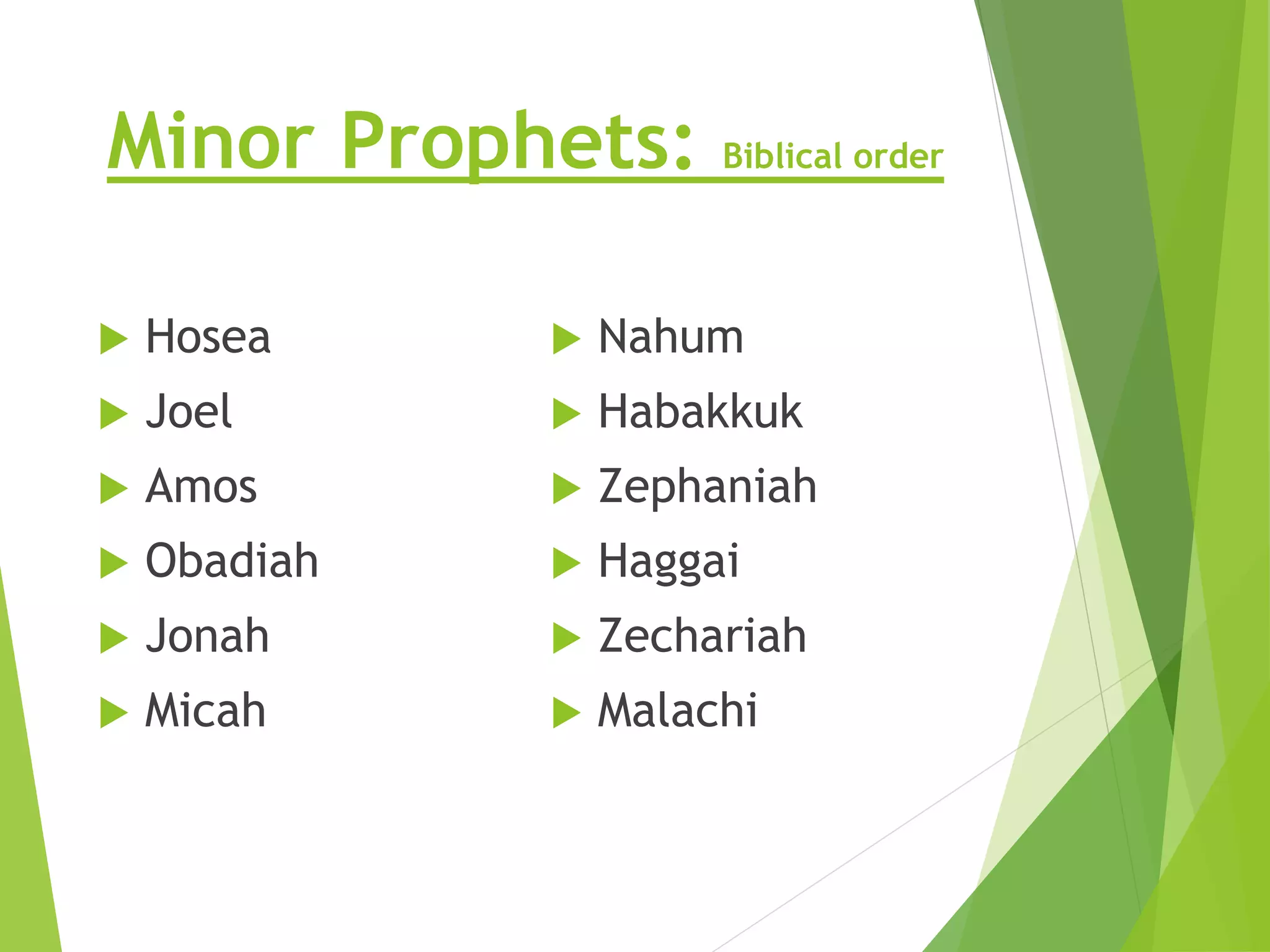
Minor Prophets: Biblical order
 Hosea
 Joel
 Amos
 Obadiah
 Jonah
 Micah
 Nahum
 Habakkuk
 Zephaniah
 Haggai
 Zechariah
 Malachi
H
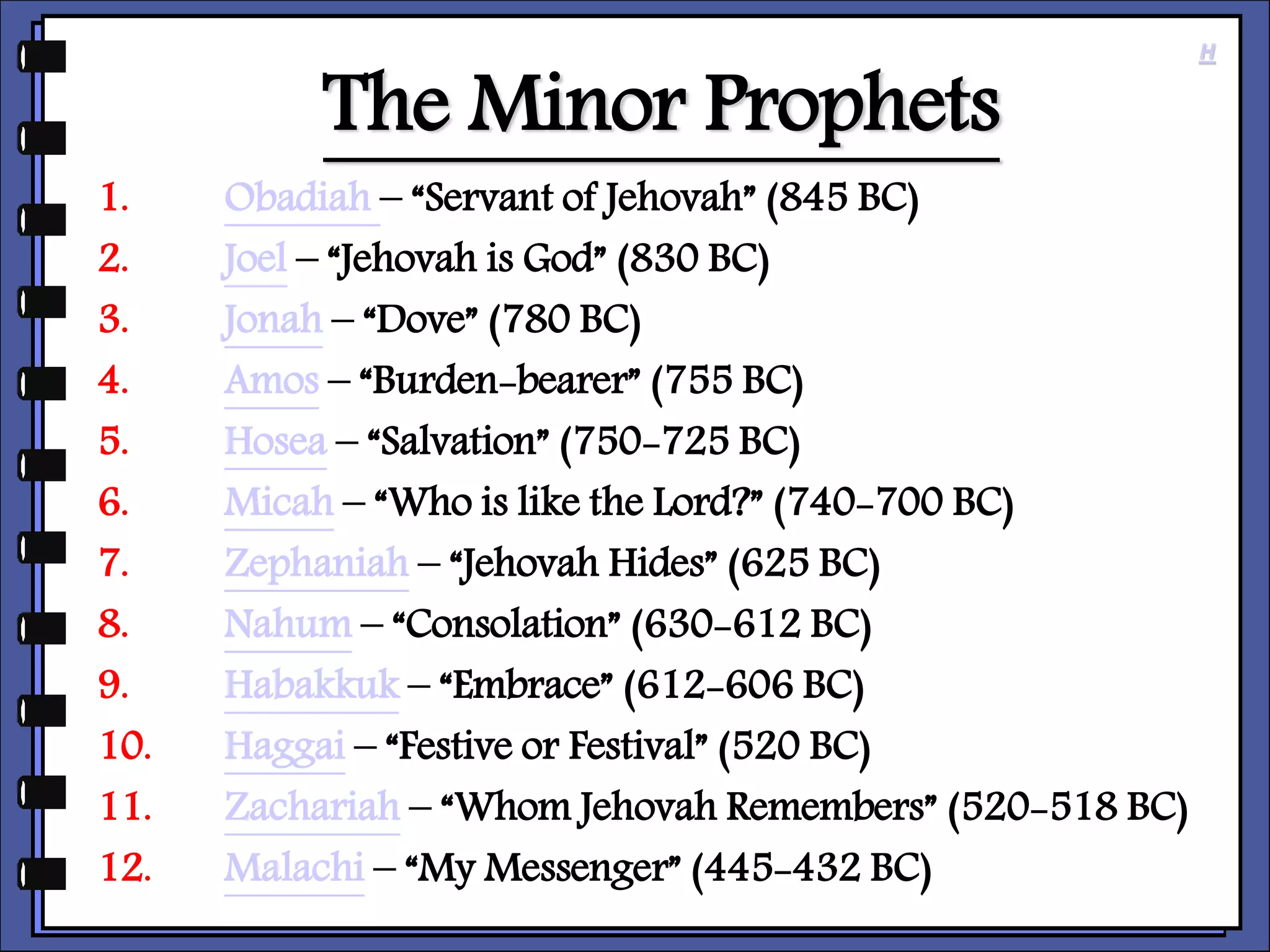
The Minor Prophets
1. Obadiah – “Servant of Jehovah” (845 BC)
2. Joel – “Jehovah is God” (830 BC)
3. Jonah – “Dove” (780 BC)
4. Amos – “Burden-bearer” (755 BC)
5. Hosea – “Salvation” (750-725 BC)
6. Micah – “Who is like the Lord?” (740-700 BC)
7. Zephaniah – “Jehovah Hides” (625 BC)
8. Nahum – “Consolation” (630-612 BC)
9. Habakkuk – “Embrace” (612-606 BC)
10. Haggai – “Festive or Festival” (520 BC)
11. Zachariah – “Whom Jehovah Remembers” (520-518 BC)
12. Malachi – “My Messenger” (445-432 BC)
Three key periods of revelation
OBADIAH (4) c. 848-840 BC
JOEL (2) c. 810-780 BC
JONAH (5) c. 780-770 BC
AMOS (3) c. 765-755 BC
HOSEA (1) c. 750-710 BC
MICAH (6) c. 735-700 BC
First six minor prophets ~150
yrs
Group 1
NAHUM (7) c. 650-620 BC
ZEPHANIAH (9) c. 638-624 BC
HABAKKUK (8) c. 620-600 BC
Next three minor prophets ~50 yrs
Group 2
• The English Bible order is not exactly chronological but
picks up these three broad periods
Early-to-Mid Assyrian Period Late Assyrian Period Persian Period
HAGGAI (10) c. 520 BC
ZECHARIAH (11) c. 520-480 BC
MALACHI (12) c. 435-410 BC
Final three minor prophets ~110 yrs
Group 3
7th Century
Habakkuk 630
Zephaniah 627
Obadiah ?
Joel ?
8th Century
Amos 760
Hosea 746
Micah 725
Jonah?
Exile / Post-exile
Nahum 593
Haggai 520
Zechariah 520
Malachi 515
Short on Words,
Long on Truth
H
Hosea
• Hosea means “salvation”.
• Probably around 730 BC.
• Messenger: Hosea was probably a citizen of the
northern kingdom of Israel. He appears to be a
sympathetic man who mourns the digression of
Israel and laments their pending fall. At the same
time he is filled with a righteous indignation over
their departure from the one true God. His work
reflects these moments of sympathy and
indignation.
H
Hosea
HOSEA Tosave / Salvation Prophet to ISRAEL
During reigns of Jeroboam II, Zechariah, Shallum, Menahem, Pekah and Hoshea (then captivity)
c. 750-710 BC Pre Babylonian exile 6 direct quotations in NT
Chapters = 14 Verses = 197 Words = 5,175
The B ook of Persevering Love
“The love of the LORD toward the children of Israel” (3 v 1)
• Why given? Toillustrate Israel’s spiritual adultery and warn of coming destruction.
H
Hosea
• Outline:
– Israel’s unfaithfulness against God (1-3)
• Hosea’s personal marriage to adulterous Gomer
parallels that of God’s relationship with Israel (1:2–2:1)
• Chastisement, repentance & final restoration of
idolatrous Israel (2:2-23)
– Jehovah’s controversy with Israel (4-6)
– Israel’s corrupt political situation (7-8)
– Israel’s religious & moral apostasy resulting in
punishment, exile & destruction (9-11)
– Israel’s apostasy versus God’s fidelity (12-13)
– Israel’s conversion and pardon (14)
H
Hosea
• Hosea means “salvation”.
• Probably around 730 BC.
• Messenger: Hosea was probably a citizen of the
northern kingdom of Israel. He appears to be a
sympathetic man who mourns the digression of
Israel and laments their pending fall. At the same
time he is filled with a righteous indignation over
their departure from the one true God. His work
reflects these moments of sympathy and
indignation.
Hosea c. 740-730
(Hosea 1:2, 2:23, 6:6, 14:2-4)
He continued Amos' claim that Israel's social
and economic injustice deserved severe
punishment, even devastation of the nation.
Lessons From
They Were Destroyed Because of the Lack of Knowledge
Hosea 4:6
Their lack of knowledge resulted in much wickedness.
They had rejected the knowledge of God's will and, as a result,
God was about to reject them.
All of us need serious study of God's word.
Many people think they know God's will, but, in reality, they
know only bits and pieces.
my people are destroyed from lack of
knowledge.
“Because you have rejected knowledge,
I also reject you as my priests;
because you have ignored the law of your God,
I also will ignore your children.
They Were Trusting in the Wrong Sources
Trusted in their idols
Hosea 4:17
Hosea 8:4-6
Trusted in Assyria for help
Hosea 5:13-15
Hosea 7:8-10
Guilty of Grievous Sins
Hosea 4:1-3
Hosea 6:7-11
Bloodshed and immorality were common in those days
All the while, these same evil people were still offering their
animal sacrifices - Hosea 9:4
Guilty of Grievous Sins
As we consider this, it is similar to the Christian today who,
although he continues to attend services regularly, lives an evil,
corrupt life.
We need to beware of empty, meaningless ritual.
We need sincerity in our worship, coupled with godly living in our
everyday lives.
Hear the word of the LORD, you Israelites,
because the LORD has a charge to bring
against you who live in the land:
“There is no faithfulness, no love,
no acknowledgment of God in the land.
2 There is only cursing, lying and murder,
stealing and adultery;
they break all bounds,
and bloodshed follows bloodshed.
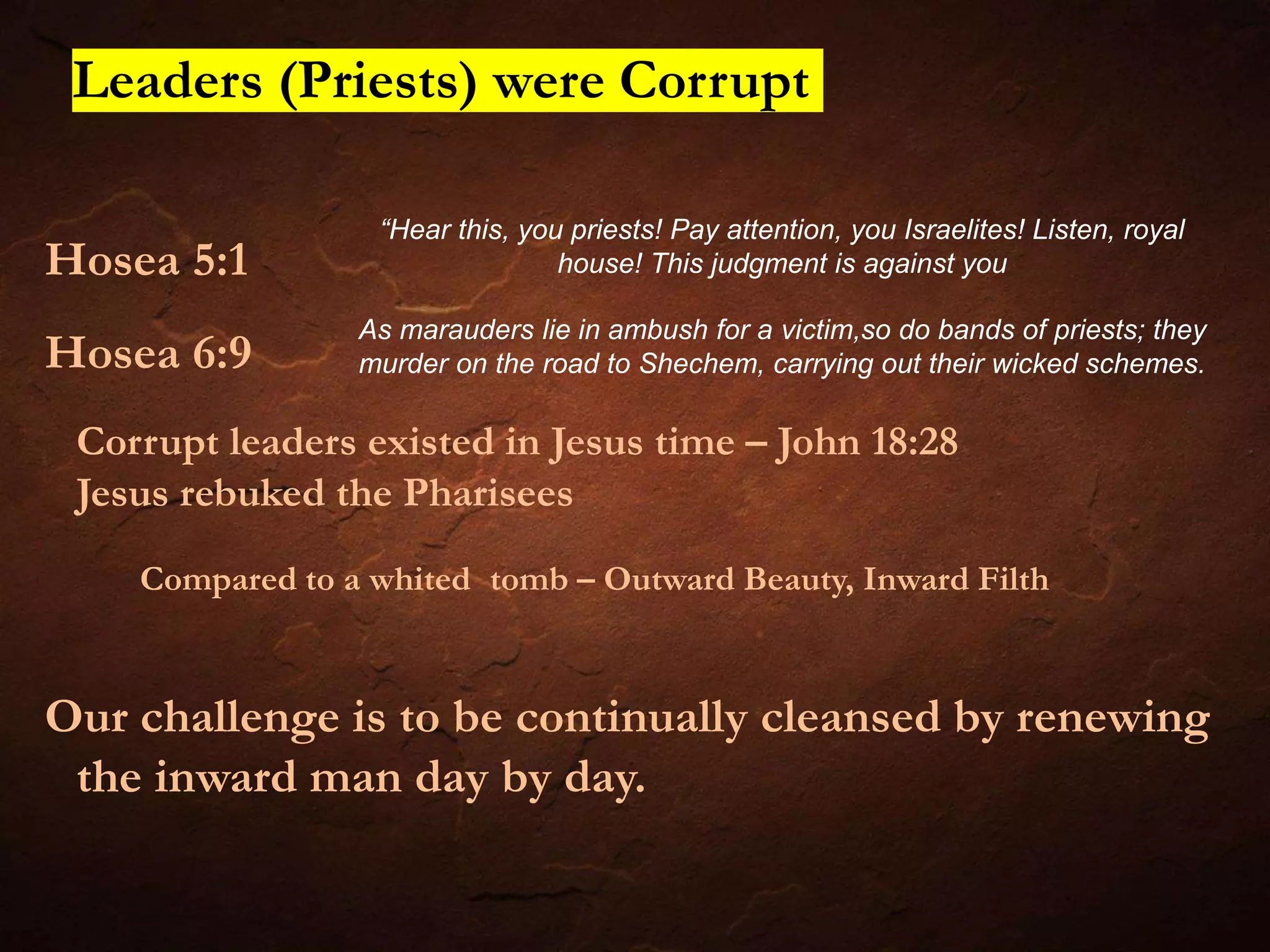
Leaders (Priests) were Corrupt
Hosea 5:1
Hosea 6:9
Corrupt leaders existed in Jesus time – John 18:28
Jesus rebuked the Pharisees
Compared to a whited tomb – Outward Beauty, Inward Filth
Our challenge is to be continually cleansed by renewing
the inward man day by day.
As marauders lie in ambush for a victim,so do bands of priests; they
murder on the road to Shechem, carrying out their wicked schemes.
“Hear this, you priests! Pay attention, you Israelites! Listen, royal
house! This judgment is against you
They Were Called to Repentance
Hosea 14:1-3
Hosea’s responsibility was to convict them of sin so they may
be humbled and return to God.
God would have readily received and blessed them if true
repentance had taken place.
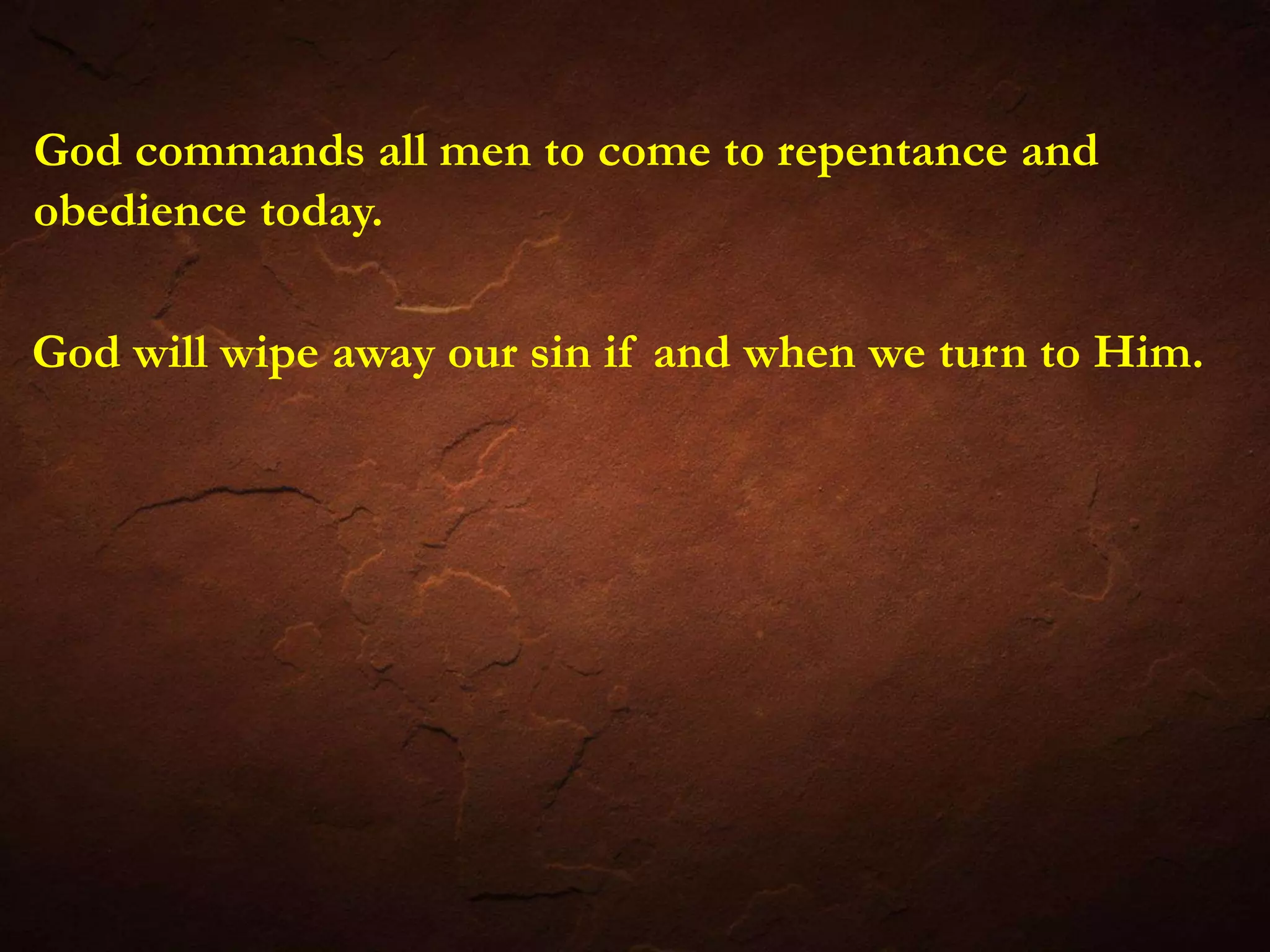
God commands all men to come to repentance and
obedience today.
God will wipe away our sin if and when we turn to Him.
The Depths of Sin
The Book of Amos
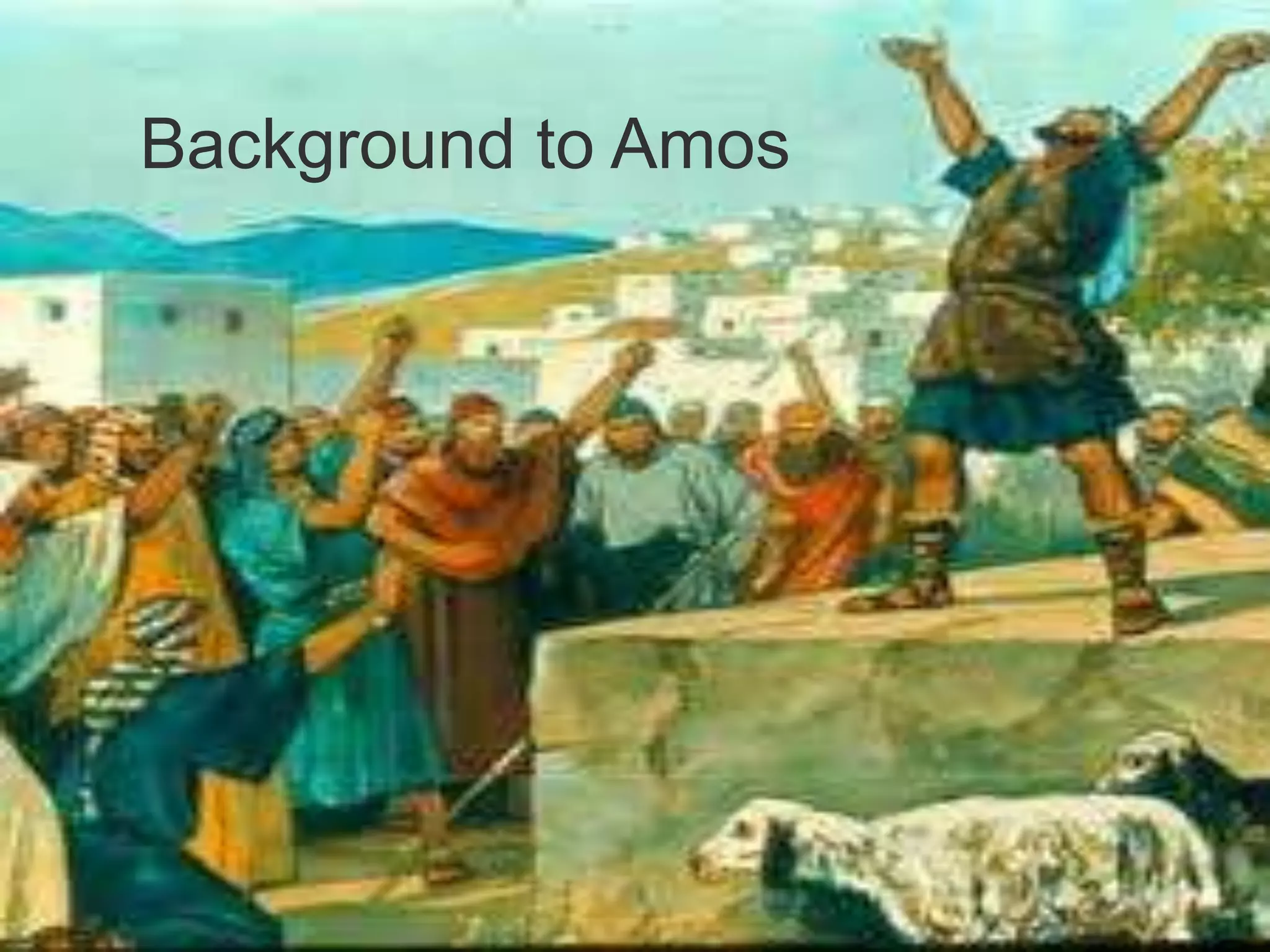
Background to Amos
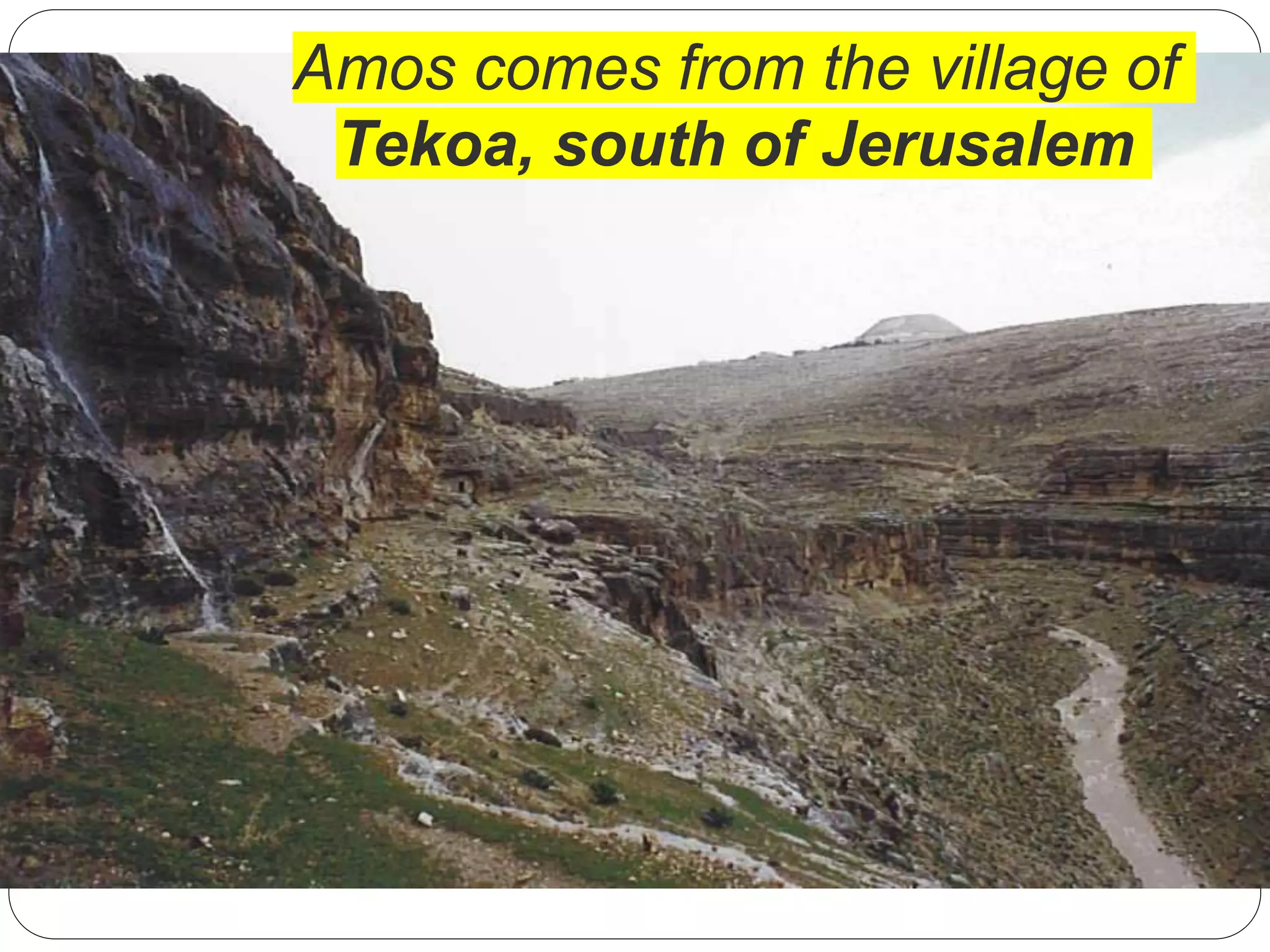
Amos comes from the village of
Tekoa, south of Jerusalem
Small mountain village
Not a business center, more a
shepherding community
Background to Amos
 Amos is a commoner
 Not a priest, nor a member of
the “School of Prophets,”
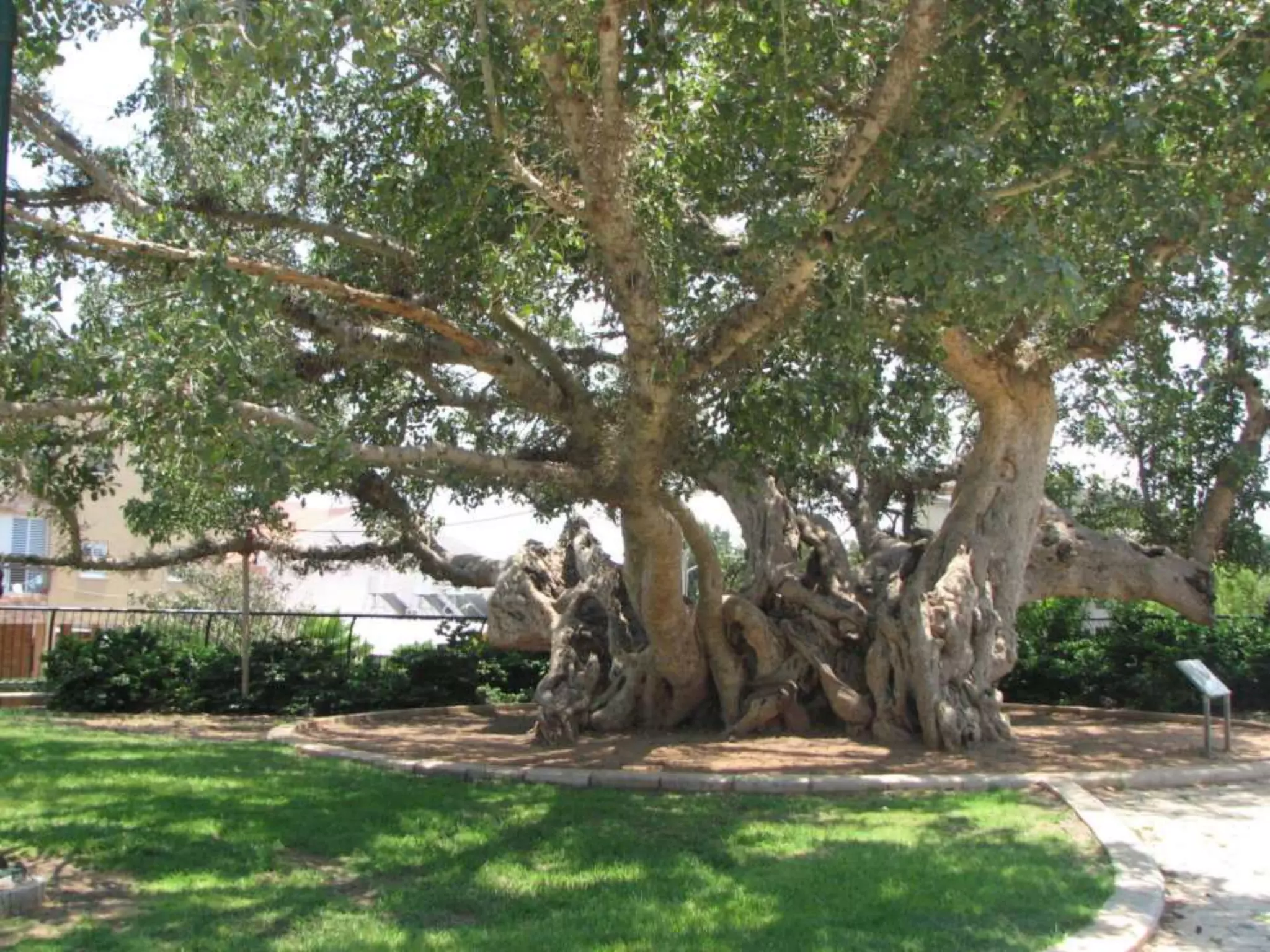
 He describes himself as a
shepherd and “dresser of
Sycamore trees…”
 Obviously educated, however –
his book shows its writer had
plenty of literary skill.
 May have been well travelled
as well (he describes many
places that he may have
visited)
Amos’ Calling
 Amos was not called while
searching for God’s purposes
 Amos was called while he
was at his hum-drum day
job
 So was David, so was Gideon, so
was Matthew, and on and on.
 He took his shepherd’s staff,
and went where God sent
him.
 His book is full of imagery
that comes straight from
the vast and huge
wilderness beyond Tekoa.
 As a shepherd, Amos is at
or very near the bottom of
the social pyramid – he
would be like a dalit of
today
 What does this show about God?
shepherd’s staff
When did Amos work?
 Amos 1:1 clearly states when Amos was at work:
“…in the days of Uzziah king of Judah, and in the
days of Jeroboam, son of Joash, king of Israel, two
years before the earthquake.”
 Jeroboam II took the throne in 796BC
 Uzziah died 739BC
 Most scholars agree that Amos was working around 760BC
Significance of Dates
 Amos was hardly the only prophet around at the
time
 As a boy, he could very well have heard Elisha
 As a young man, he would have heard Jonah
 Hosea worked at the same time, and they definitely
would have known each other (they were both
prophets to the same area)
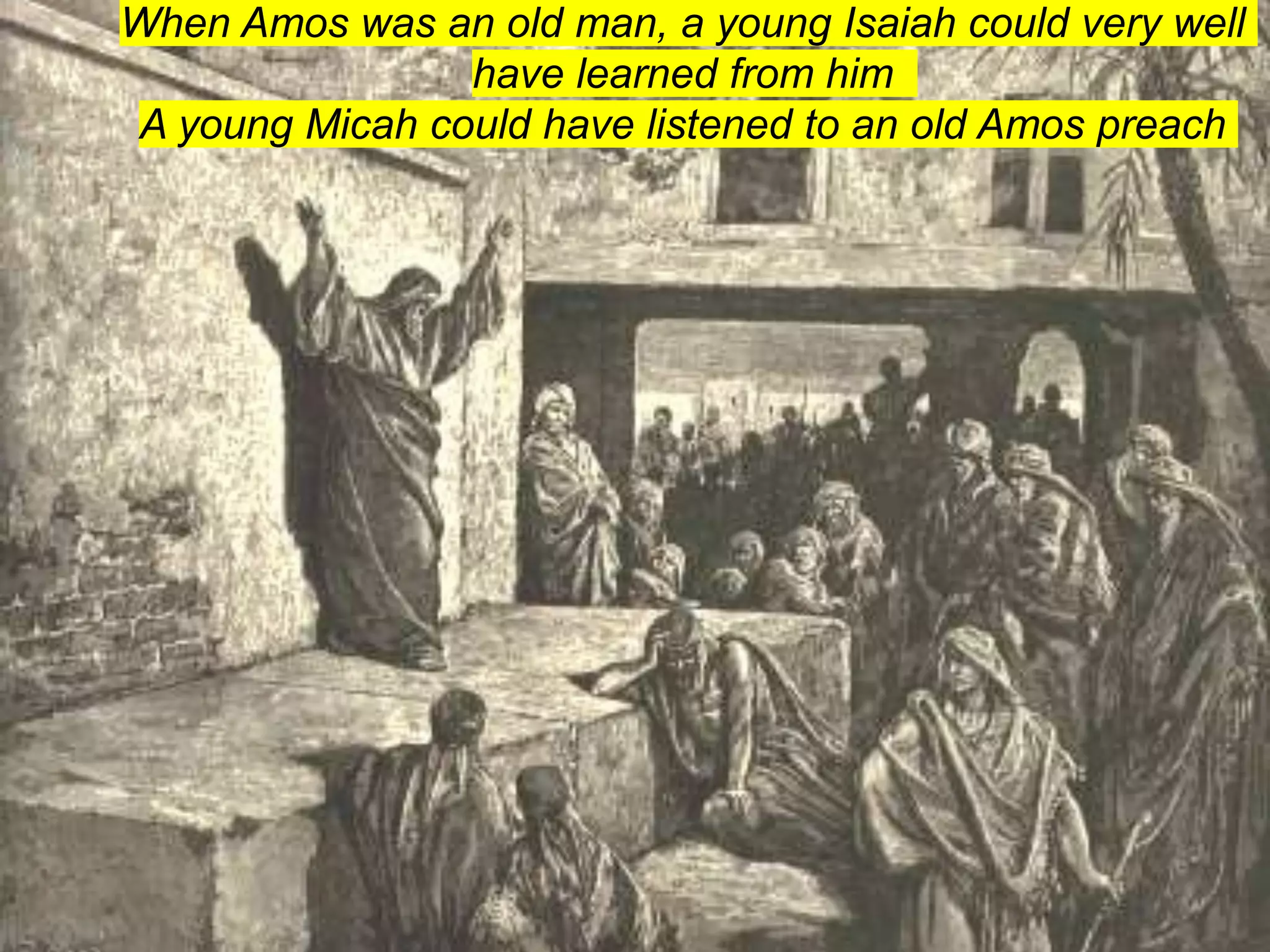
When Amos was an old man, a young Isaiah could very well
have learned from him
A young Micah could have listened to an old Amos preach
Amos’ World
 Israel (and Judah both) were at high points in
their power
 Assyria had not yet risen to world-conquering status
 Money poured in through trade and production
 Armies were victorious – glory and honor
 No nation nearby was strong enough to threaten
either nation
 Amos’ message would have been highly
improbable
 Things are going good – how could they be
destroyed?
 Life is great, yet Amos says we’re doing things
wrong?
What was Amos like?
 From his book, Amos’ personality can be
described as:
 Humble – he does not hide his station in life
 Wise – he preaches directly to the people, not over
them
 Clever – he catches people’s attention by first
condemning their enemies
 Fearless – he tells the truth to all, including kings
 Faithful – His message is strictly God’s message
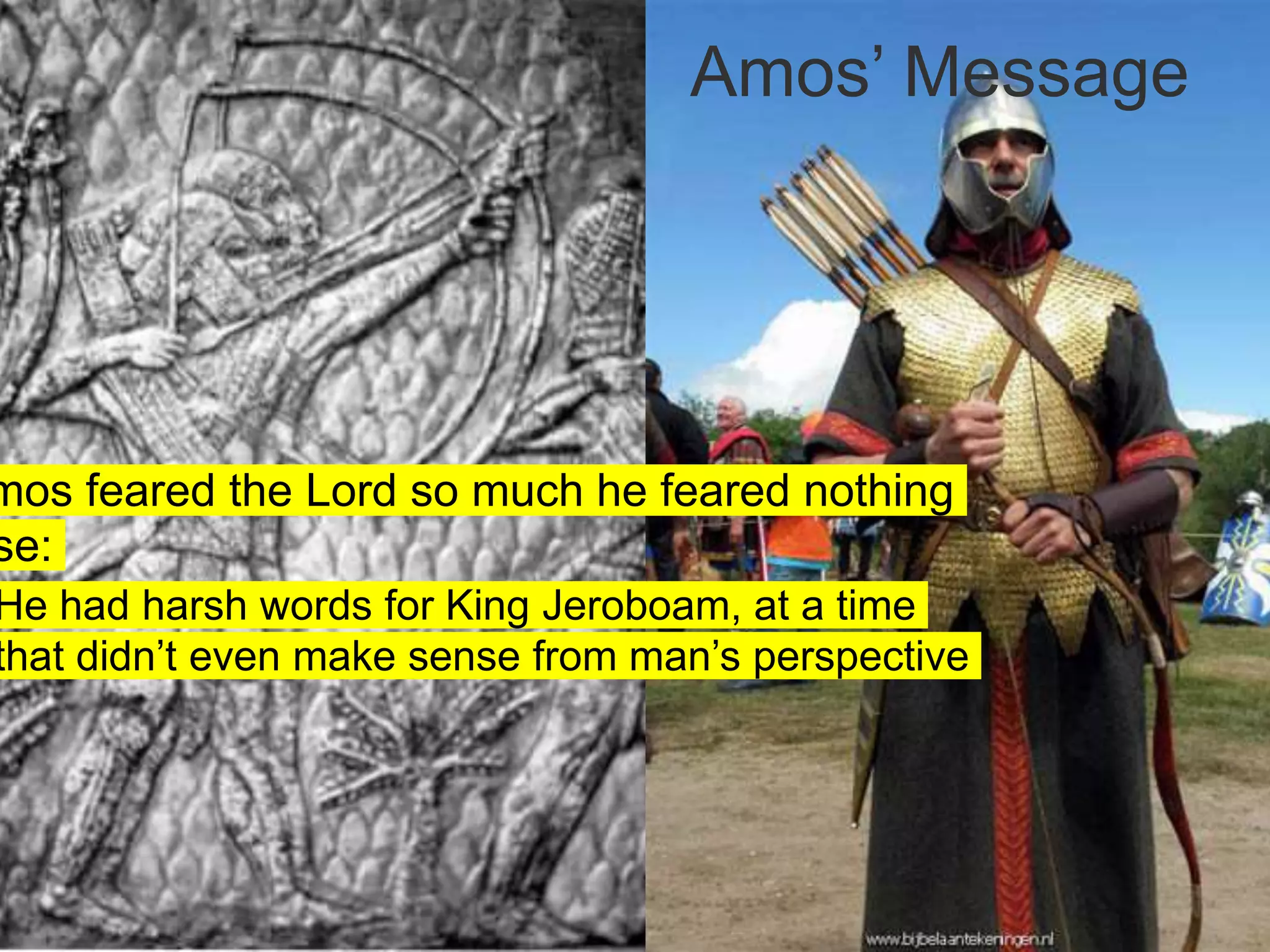
mos feared the Lord so much he feared nothing
se:
He had harsh words for King Jeroboam, at a time
that didn’t even make sense from man’s perspective
Amos’ Message
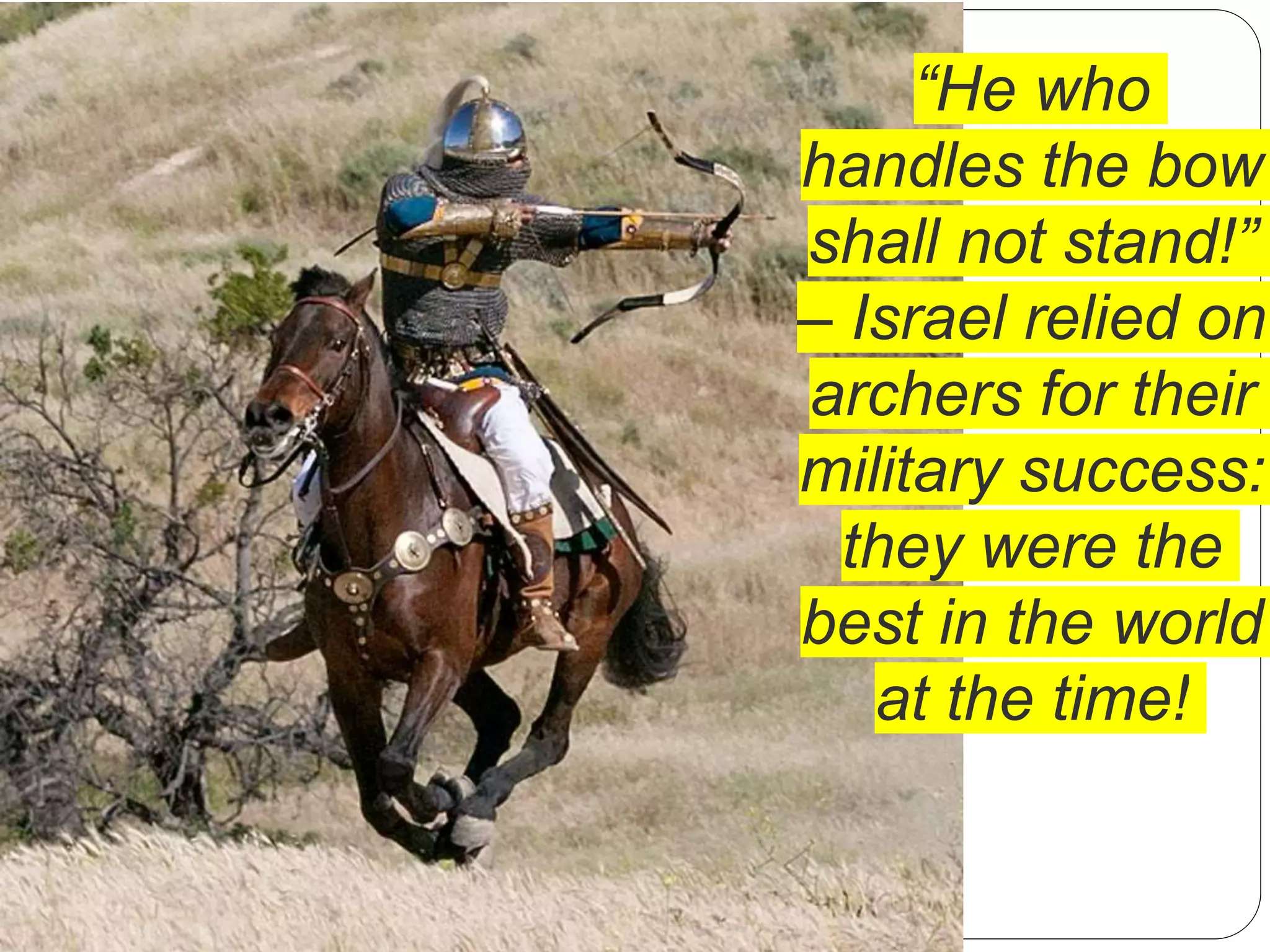
“He who
handles the bow
shall not stand!”
– Israel relied on
archers for their
military success:
they were the
best in the world
at the time!
“Nor shall
he who
rides the
horse save
his life” –
Israel’s
cavalry
forces at
the time
were
nearly
invincible
The Crux of the Message
Thus says the LORD: “As the shepherd rescues
from the mouth of the lion two legs, or a piece of
an ear, so shall the people of Israel who dwell in
Samaria be rescued, with the corner of a couch
and part of a bed.
n other words –
hen a lion eats a
eep, it tears it to
, and the only part
ou might rescue
would be the
tovers. Israel, if it
eps sinning will be
actly like that….
Impossible?
 Israel at the time was stronger than it had ever
been, except for under David – what Amos is
suggesting is simply impossible!
 Except for the fact that 50 years later, it happened…
 Why do great nations come apart?
 Every. Single. Time. The answer is sin. When
people become so sinful that their nation no longer
operates as it should – watch out!
Amos 1-2
 Amos begins his ministry in Bethel – a city on the
southern edge of the northern kingdom of Israel –
22 miles from home.
 He begins by pronouncing judgment on six
neighboring nations: Damascus (Syria), Gaza
(Philistia), Tyre (Phoenicia), Edom, Ammon, and
Moab.
 He then pronounces God’s judgment against Judah
(his home!)
 Israelites are definitely in agreement with him here. He’s
calling out all the sins of everyone they can’t stand.
 He then slams Israel itself, followed by the entire nation.
Amos 1-2
 What did Amos call them out on?
 Excessive luxury
 Greed
 Careless attitude
 Selfishness
 Lying and cheating
 Oppressing the poor
 Worst of all – hypocrisy (saying you belong to
God, and He is on your side, when in reality you
act the opposite of what He wants!)
Amos 3-6
 Now, Amos goes into detail on Israel and why
God is angry with them.
 He lists their sins again: greedy, unjust, immoral,
wicked
 Worse than that, however, is this: Israel excuses
themselves by saying they are God’s chosen
people
Amos 3-6
 Amos says that there is still a way out – Israel
need to repent!
 Repentance means a “turn from sin,” or doing a
180. It absolutely is not just a “Oops, sorry…”
 True repentance comes from the heart, a desire to
never do the same thing again, no matter what the
cost.
 Israel had rejected God’s
warnings – therefore the
punishment was coming…
Amos describes it in five
visions:
 Amos says that there is still a way out – Israel
need to repent!
 Repentance means a “turn from sin,” or doing a
180. It absolutely is not just a “Oops, sorry…”
 True repentance comes from the heart, a desire to
never do the same thing again, no matter what the
cost.
Dr. Pothana
+91-8309511427
bhaktapothana@gmail.com

Minor Prophets: Hosea & Amos

  • 2.
    Preaching and Teaching Fromthe Minor Prophets
  • 3.
  • 4.
    ‘Minor’ prophets –an unfortunate title? • Of lesser importance compared to other prophets? • Certainly not the case! “For whatsoever things were written aforetime were written for our learning, that we through patience and comfort of the scriptures might have hope.” {Romans 15 v 4}
  • 5.
    The role ofthe prophets (a reminder) • The role of the prophet was much broader than predicting the future, although this was important... “Surely the Lord God will do nothing, but he revealeth his secret unto his servants the prophets.” {Amos 3 v 7} • They were more generally God’s mouthpiece/revealer • “prophet” = Heb. nabiy. Possible roots: – From Heb. naba ‘to bubble up’, ‘boil / pour forth’ (cp. Jer. 20v11)? – From Akkadian root nabu ‘to call’, ‘to call forth’ (as a prophet)? • Jeremiah’s words capture their general treatment: “And thou shalt say unto them, Thus saith the Lord; If ye will not hearken to me, to walk in my law, which I have set before you, To hearken to the words of my servants the prophets, whom I sent unto you, both rising up early, and sending them, but ye have not hearkened; Then will I make this house like Shiloh, and will make this city a curse to all the nations of the earth.” {Jeremiah 26 v 4-6}
  • 6.
    Minor Prophets: Biblicalorder  Hosea  Joel  Amos  Obadiah  Jonah  Micah  Nahum  Habakkuk  Zephaniah  Haggai  Zechariah  Malachi
  • 7.
    H The Minor Prophets 1.Obadiah – “Servant of Jehovah” (845 BC) 2. Joel – “Jehovah is God” (830 BC) 3. Jonah – “Dove” (780 BC) 4. Amos – “Burden-bearer” (755 BC) 5. Hosea – “Salvation” (750-725 BC) 6. Micah – “Who is like the Lord?” (740-700 BC) 7. Zephaniah – “Jehovah Hides” (625 BC) 8. Nahum – “Consolation” (630-612 BC) 9. Habakkuk – “Embrace” (612-606 BC) 10. Haggai – “Festive or Festival” (520 BC) 11. Zachariah – “Whom Jehovah Remembers” (520-518 BC) 12. Malachi – “My Messenger” (445-432 BC)
  • 8.
    Three key periodsof revelation OBADIAH (4) c. 848-840 BC JOEL (2) c. 810-780 BC JONAH (5) c. 780-770 BC AMOS (3) c. 765-755 BC HOSEA (1) c. 750-710 BC MICAH (6) c. 735-700 BC First six minor prophets ~150 yrs Group 1 NAHUM (7) c. 650-620 BC ZEPHANIAH (9) c. 638-624 BC HABAKKUK (8) c. 620-600 BC Next three minor prophets ~50 yrs Group 2 • The English Bible order is not exactly chronological but picks up these three broad periods Early-to-Mid Assyrian Period Late Assyrian Period Persian Period HAGGAI (10) c. 520 BC ZECHARIAH (11) c. 520-480 BC MALACHI (12) c. 435-410 BC Final three minor prophets ~110 yrs Group 3
  • 9.
    7th Century Habakkuk 630 Zephaniah627 Obadiah ? Joel ? 8th Century Amos 760 Hosea 746 Micah 725 Jonah? Exile / Post-exile Nahum 593 Haggai 520 Zechariah 520 Malachi 515
  • 10.
  • 12.
    H Hosea • Hosea means“salvation”. • Probably around 730 BC. • Messenger: Hosea was probably a citizen of the northern kingdom of Israel. He appears to be a sympathetic man who mourns the digression of Israel and laments their pending fall. At the same time he is filled with a righteous indignation over their departure from the one true God. His work reflects these moments of sympathy and indignation.
  • 13.
  • 14.
    Hosea HOSEA Tosave /Salvation Prophet to ISRAEL During reigns of Jeroboam II, Zechariah, Shallum, Menahem, Pekah and Hoshea (then captivity) c. 750-710 BC Pre Babylonian exile 6 direct quotations in NT Chapters = 14 Verses = 197 Words = 5,175 The B ook of Persevering Love “The love of the LORD toward the children of Israel” (3 v 1) • Why given? Toillustrate Israel’s spiritual adultery and warn of coming destruction.
  • 15.
    H Hosea • Outline: – Israel’sunfaithfulness against God (1-3) • Hosea’s personal marriage to adulterous Gomer parallels that of God’s relationship with Israel (1:2–2:1) • Chastisement, repentance & final restoration of idolatrous Israel (2:2-23) – Jehovah’s controversy with Israel (4-6) – Israel’s corrupt political situation (7-8) – Israel’s religious & moral apostasy resulting in punishment, exile & destruction (9-11) – Israel’s apostasy versus God’s fidelity (12-13) – Israel’s conversion and pardon (14)
  • 16.
    H Hosea • Hosea means“salvation”. • Probably around 730 BC. • Messenger: Hosea was probably a citizen of the northern kingdom of Israel. He appears to be a sympathetic man who mourns the digression of Israel and laments their pending fall. At the same time he is filled with a righteous indignation over their departure from the one true God. His work reflects these moments of sympathy and indignation.
  • 17.
    Hosea c. 740-730 (Hosea1:2, 2:23, 6:6, 14:2-4) He continued Amos' claim that Israel's social and economic injustice deserved severe punishment, even devastation of the nation.
  • 18.
  • 19.
    They Were DestroyedBecause of the Lack of Knowledge Hosea 4:6 Their lack of knowledge resulted in much wickedness. They had rejected the knowledge of God's will and, as a result, God was about to reject them. All of us need serious study of God's word. Many people think they know God's will, but, in reality, they know only bits and pieces. my people are destroyed from lack of knowledge. “Because you have rejected knowledge, I also reject you as my priests; because you have ignored the law of your God, I also will ignore your children.
  • 20.
    They Were Trustingin the Wrong Sources Trusted in their idols Hosea 4:17 Hosea 8:4-6 Trusted in Assyria for help Hosea 5:13-15 Hosea 7:8-10
  • 21.
    Guilty of GrievousSins Hosea 4:1-3 Hosea 6:7-11 Bloodshed and immorality were common in those days All the while, these same evil people were still offering their animal sacrifices - Hosea 9:4
  • 22.
    Guilty of GrievousSins As we consider this, it is similar to the Christian today who, although he continues to attend services regularly, lives an evil, corrupt life. We need to beware of empty, meaningless ritual. We need sincerity in our worship, coupled with godly living in our everyday lives. Hear the word of the LORD, you Israelites, because the LORD has a charge to bring against you who live in the land: “There is no faithfulness, no love, no acknowledgment of God in the land. 2 There is only cursing, lying and murder, stealing and adultery; they break all bounds, and bloodshed follows bloodshed.
  • 23.
    Leaders (Priests) wereCorrupt Hosea 5:1 Hosea 6:9 Corrupt leaders existed in Jesus time – John 18:28 Jesus rebuked the Pharisees Compared to a whited tomb – Outward Beauty, Inward Filth Our challenge is to be continually cleansed by renewing the inward man day by day. As marauders lie in ambush for a victim,so do bands of priests; they murder on the road to Shechem, carrying out their wicked schemes. “Hear this, you priests! Pay attention, you Israelites! Listen, royal house! This judgment is against you
  • 24.
    They Were Calledto Repentance Hosea 14:1-3 Hosea’s responsibility was to convict them of sin so they may be humbled and return to God. God would have readily received and blessed them if true repentance had taken place.
  • 25.
    God commands allmen to come to repentance and obedience today. God will wipe away our sin if and when we turn to Him.
  • 26.
    The Depths ofSin The Book of Amos
  • 27.
  • 28.
    Amos comes fromthe village of Tekoa, south of Jerusalem
  • 29.
  • 30.
    Not a businesscenter, more a shepherding community
  • 31.
    Background to Amos Amos is a commoner  Not a priest, nor a member of the “School of Prophets,”  He describes himself as a shepherd and “dresser of Sycamore trees…”  Obviously educated, however – his book shows its writer had plenty of literary skill.  May have been well travelled as well (he describes many places that he may have visited)
  • 33.
    Amos’ Calling  Amoswas not called while searching for God’s purposes  Amos was called while he was at his hum-drum day job  So was David, so was Gideon, so was Matthew, and on and on.  He took his shepherd’s staff, and went where God sent him.  His book is full of imagery that comes straight from the vast and huge wilderness beyond Tekoa.  As a shepherd, Amos is at or very near the bottom of the social pyramid – he would be like a dalit of today  What does this show about God?
  • 34.
  • 35.
    When did Amoswork?  Amos 1:1 clearly states when Amos was at work: “…in the days of Uzziah king of Judah, and in the days of Jeroboam, son of Joash, king of Israel, two years before the earthquake.”  Jeroboam II took the throne in 796BC  Uzziah died 739BC  Most scholars agree that Amos was working around 760BC
  • 36.
    Significance of Dates Amos was hardly the only prophet around at the time  As a boy, he could very well have heard Elisha  As a young man, he would have heard Jonah  Hosea worked at the same time, and they definitely would have known each other (they were both prophets to the same area)
  • 37.
    When Amos wasan old man, a young Isaiah could very well have learned from him A young Micah could have listened to an old Amos preach
  • 38.
    Amos’ World  Israel(and Judah both) were at high points in their power  Assyria had not yet risen to world-conquering status  Money poured in through trade and production  Armies were victorious – glory and honor  No nation nearby was strong enough to threaten either nation  Amos’ message would have been highly improbable  Things are going good – how could they be destroyed?  Life is great, yet Amos says we’re doing things wrong?
  • 39.
    What was Amoslike?  From his book, Amos’ personality can be described as:  Humble – he does not hide his station in life  Wise – he preaches directly to the people, not over them  Clever – he catches people’s attention by first condemning their enemies  Fearless – he tells the truth to all, including kings  Faithful – His message is strictly God’s message
  • 40.
    mos feared theLord so much he feared nothing se: He had harsh words for King Jeroboam, at a time that didn’t even make sense from man’s perspective Amos’ Message
  • 41.
    “He who handles thebow shall not stand!” – Israel relied on archers for their military success: they were the best in the world at the time!
  • 42.
    “Nor shall he who ridesthe horse save his life” – Israel’s cavalry forces at the time were nearly invincible
  • 43.
    The Crux ofthe Message Thus says the LORD: “As the shepherd rescues from the mouth of the lion two legs, or a piece of an ear, so shall the people of Israel who dwell in Samaria be rescued, with the corner of a couch and part of a bed.
  • 44.
    n other words– hen a lion eats a eep, it tears it to , and the only part ou might rescue would be the tovers. Israel, if it eps sinning will be actly like that….
  • 45.
    Impossible?  Israel atthe time was stronger than it had ever been, except for under David – what Amos is suggesting is simply impossible!  Except for the fact that 50 years later, it happened…  Why do great nations come apart?  Every. Single. Time. The answer is sin. When people become so sinful that their nation no longer operates as it should – watch out!
  • 46.
    Amos 1-2  Amosbegins his ministry in Bethel – a city on the southern edge of the northern kingdom of Israel – 22 miles from home.  He begins by pronouncing judgment on six neighboring nations: Damascus (Syria), Gaza (Philistia), Tyre (Phoenicia), Edom, Ammon, and Moab.  He then pronounces God’s judgment against Judah (his home!)  Israelites are definitely in agreement with him here. He’s calling out all the sins of everyone they can’t stand.  He then slams Israel itself, followed by the entire nation.
  • 47.
    Amos 1-2  Whatdid Amos call them out on?  Excessive luxury  Greed  Careless attitude  Selfishness  Lying and cheating  Oppressing the poor  Worst of all – hypocrisy (saying you belong to God, and He is on your side, when in reality you act the opposite of what He wants!)
  • 48.
    Amos 3-6  Now,Amos goes into detail on Israel and why God is angry with them.  He lists their sins again: greedy, unjust, immoral, wicked  Worse than that, however, is this: Israel excuses themselves by saying they are God’s chosen people
  • 49.
    Amos 3-6  Amossays that there is still a way out – Israel need to repent!  Repentance means a “turn from sin,” or doing a 180. It absolutely is not just a “Oops, sorry…”  True repentance comes from the heart, a desire to never do the same thing again, no matter what the cost.
  • 50.
     Israel hadrejected God’s warnings – therefore the punishment was coming… Amos describes it in five visions:
  • 51.
     Amos saysthat there is still a way out – Israel need to repent!  Repentance means a “turn from sin,” or doing a 180. It absolutely is not just a “Oops, sorry…”  True repentance comes from the heart, a desire to never do the same thing again, no matter what the cost.
  • 52.