Download to read offline
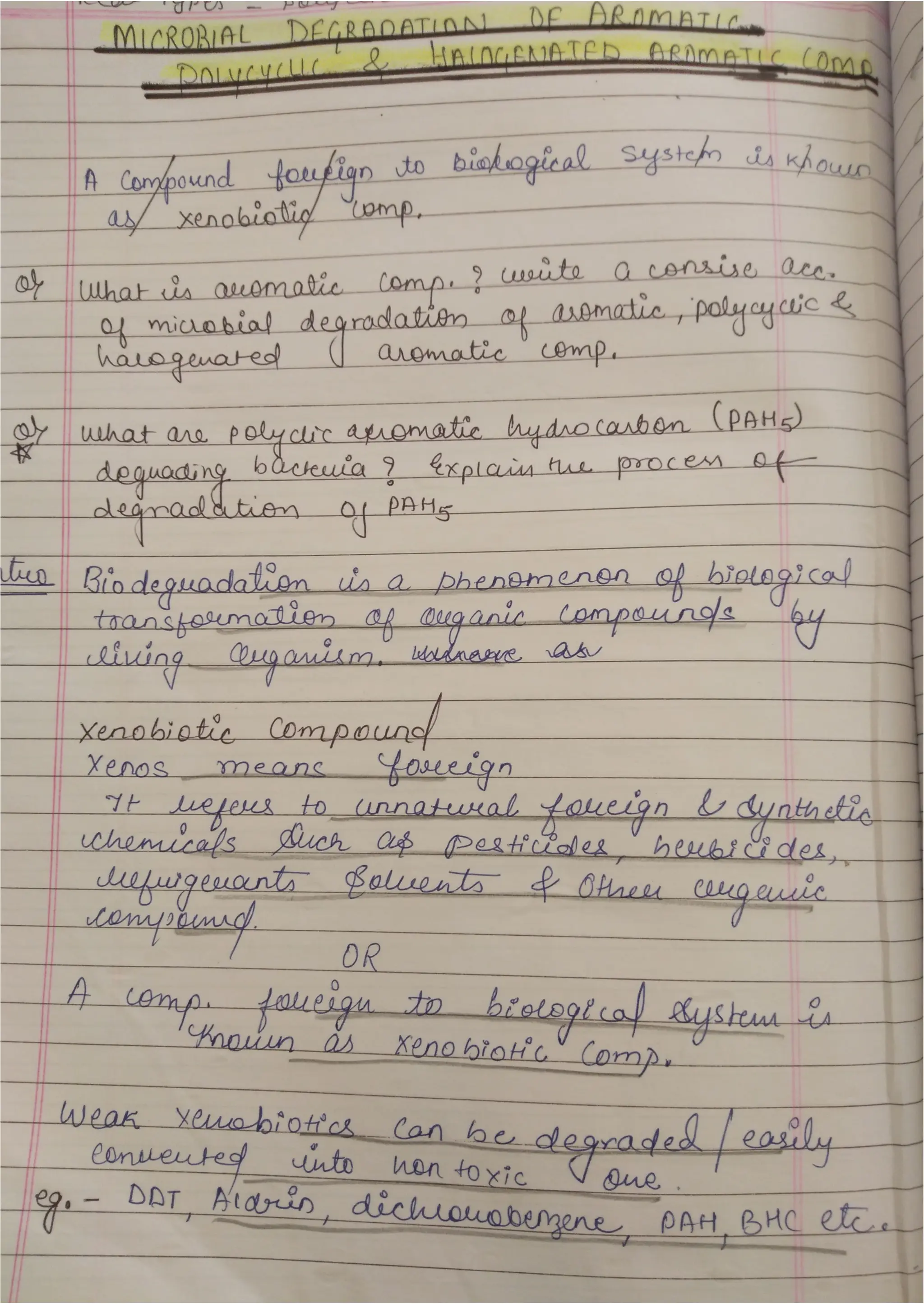
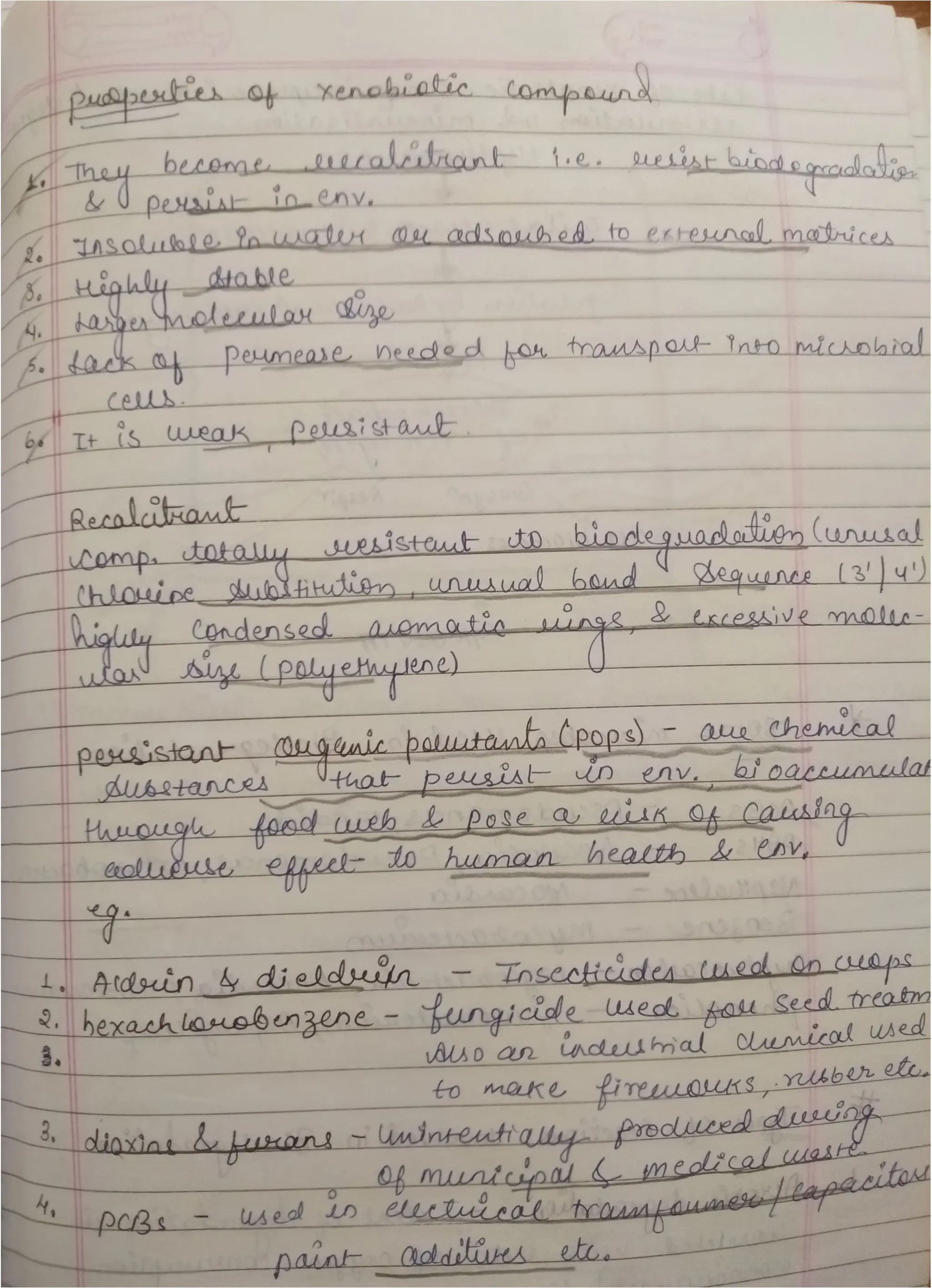
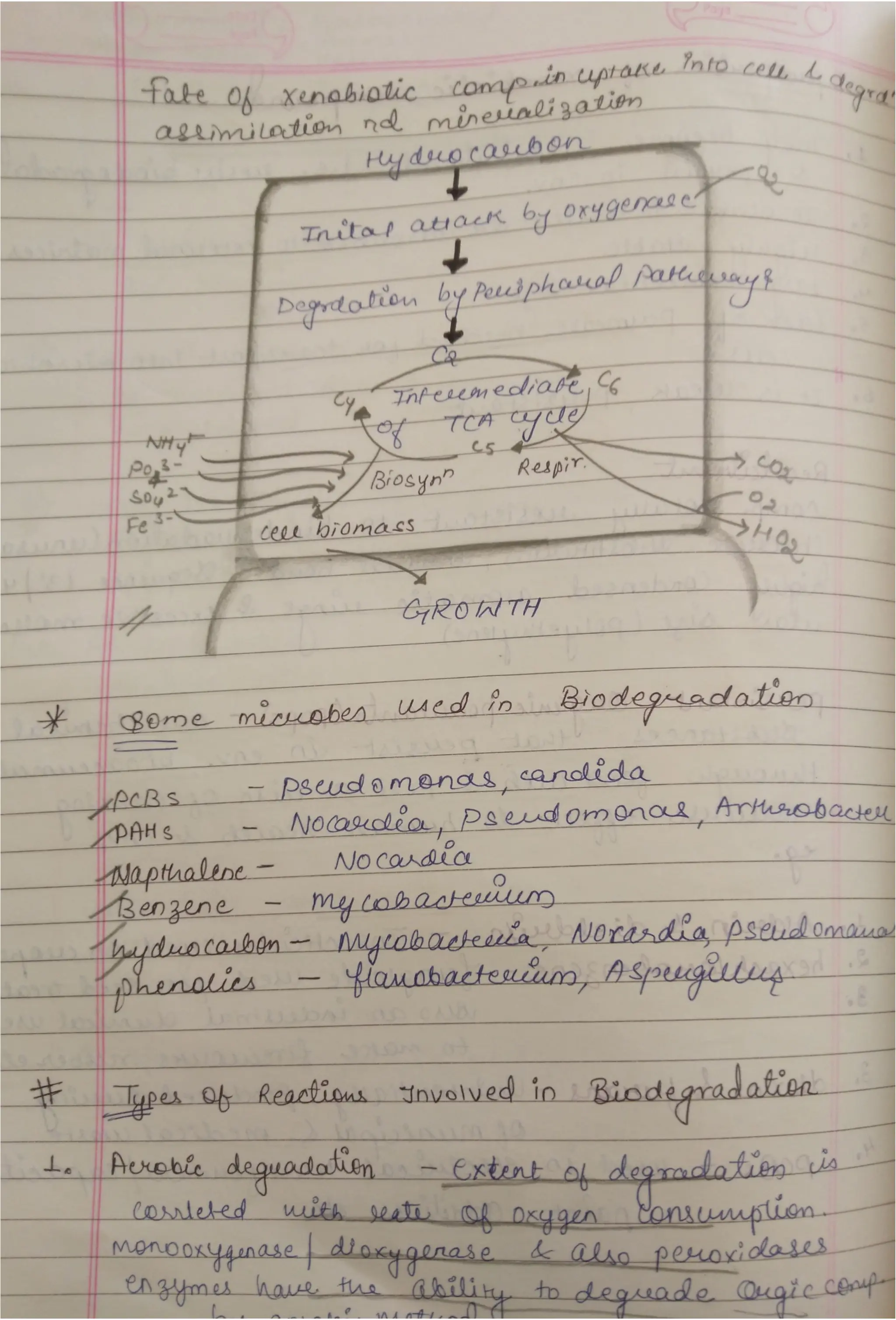
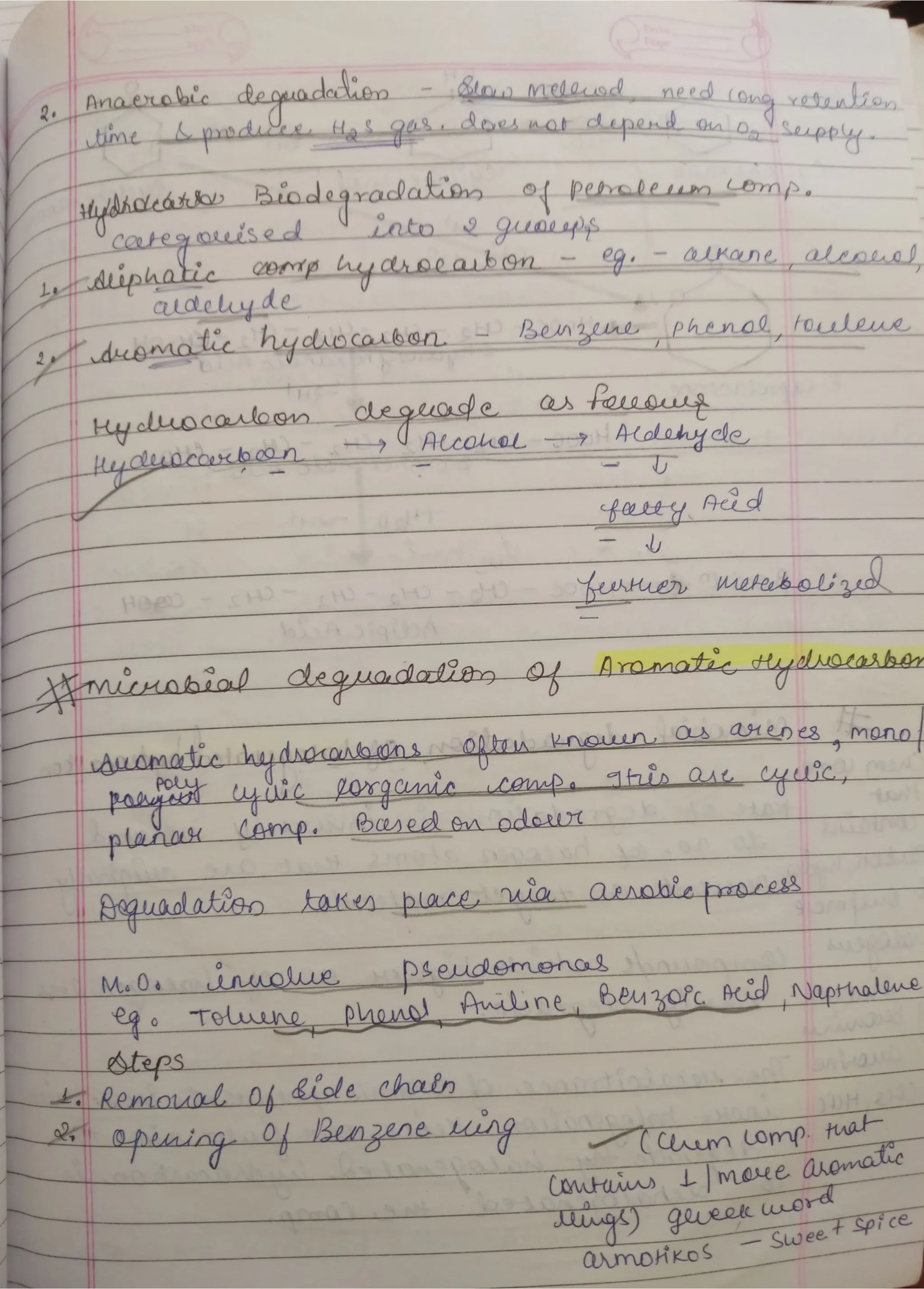
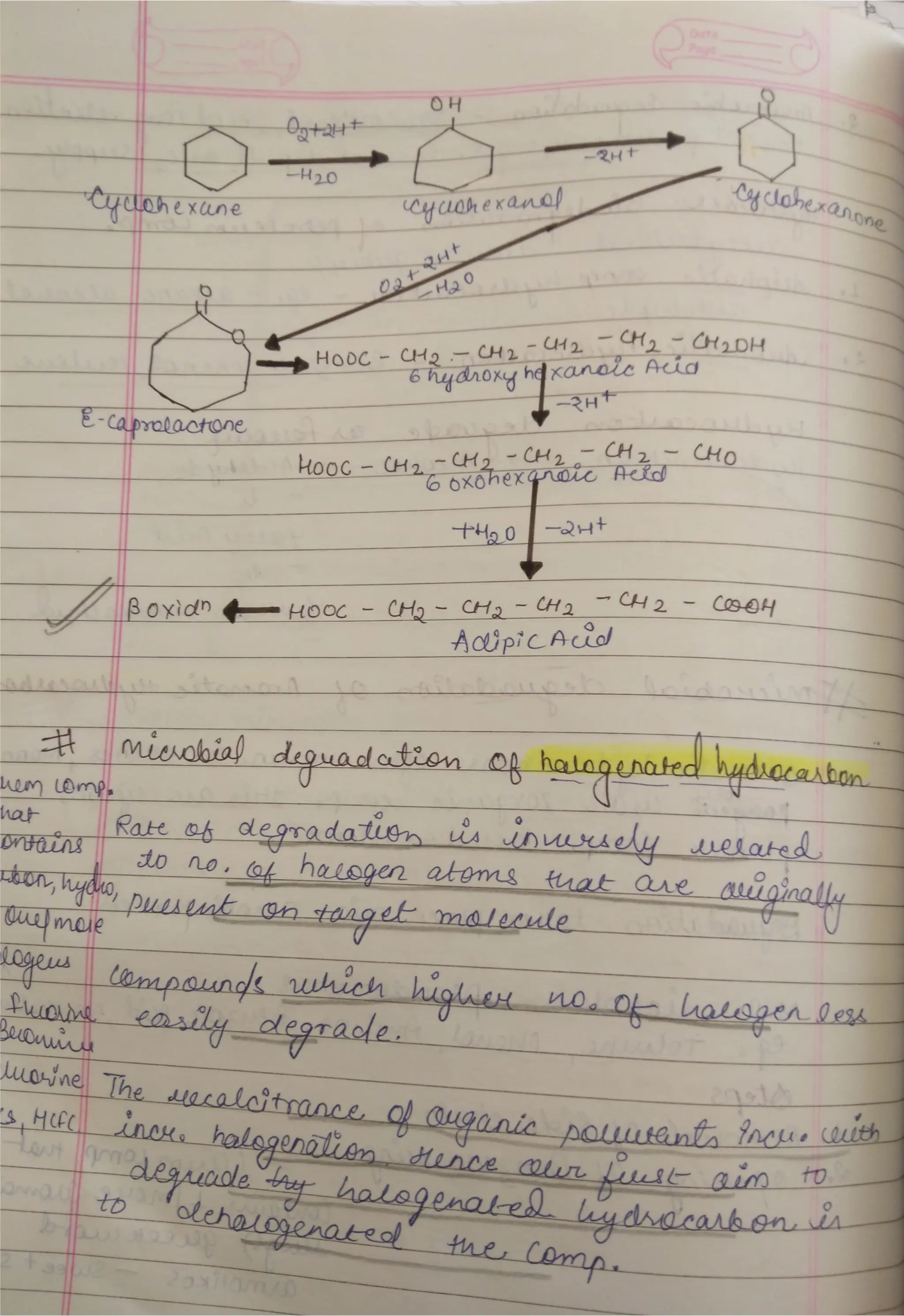
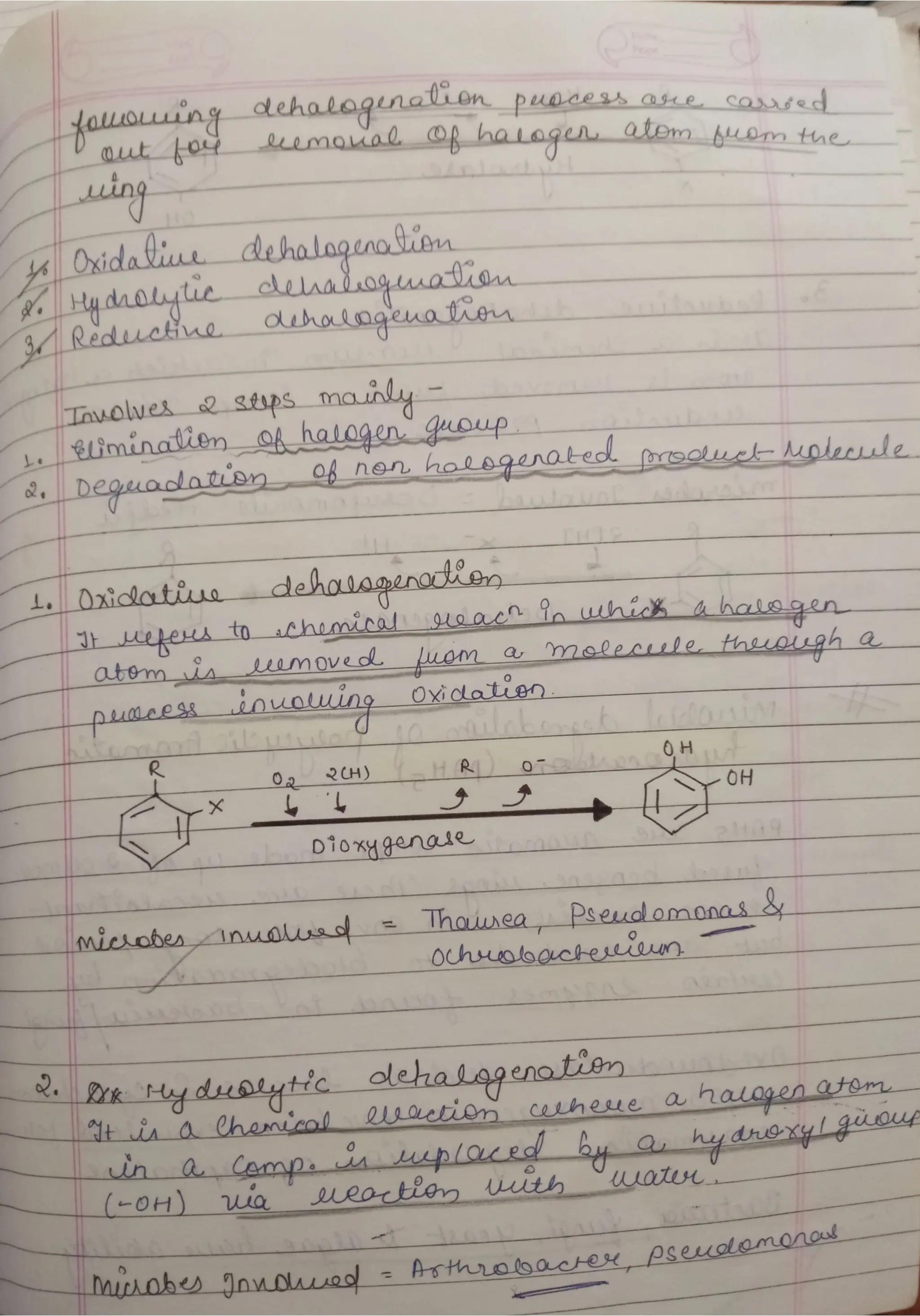
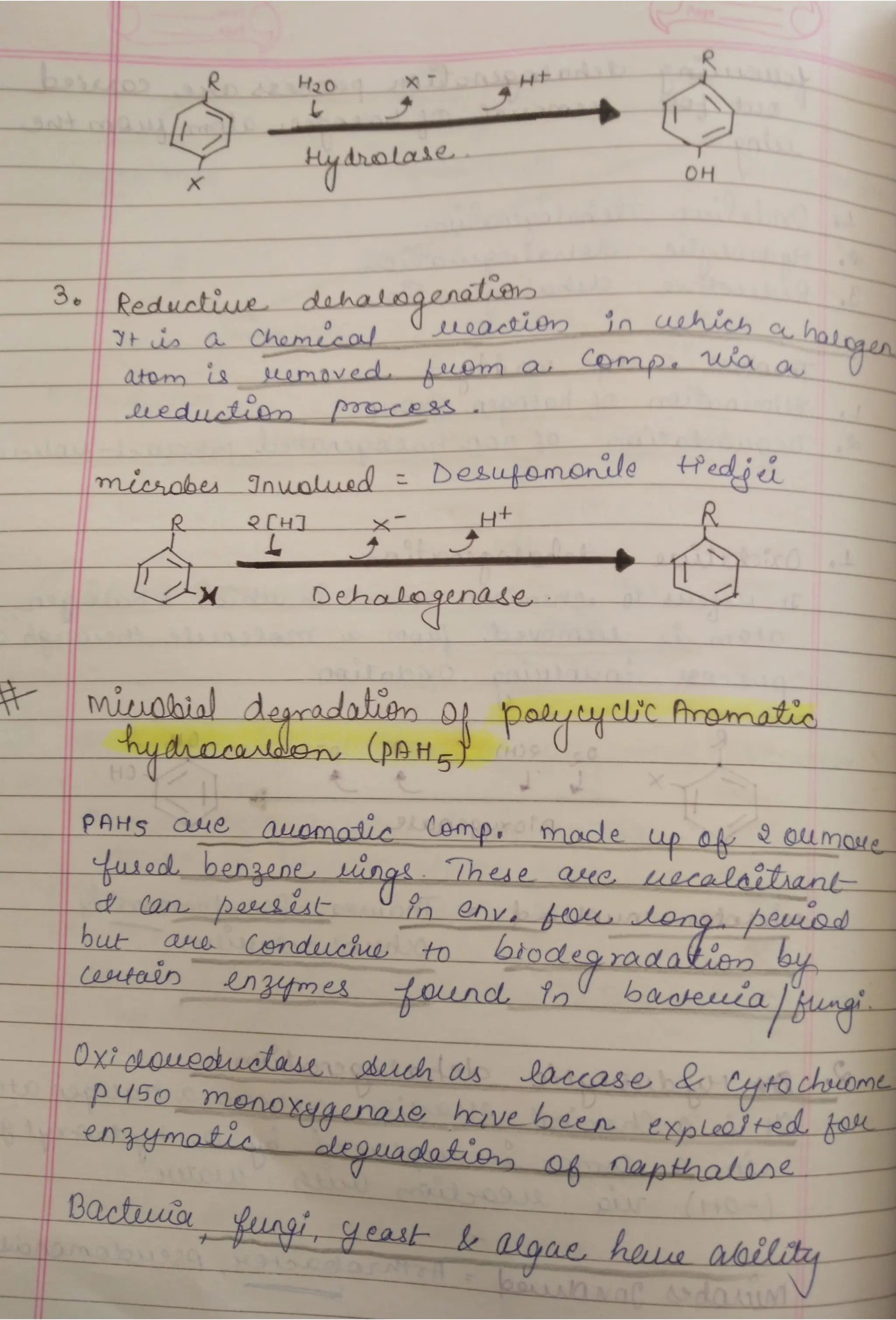
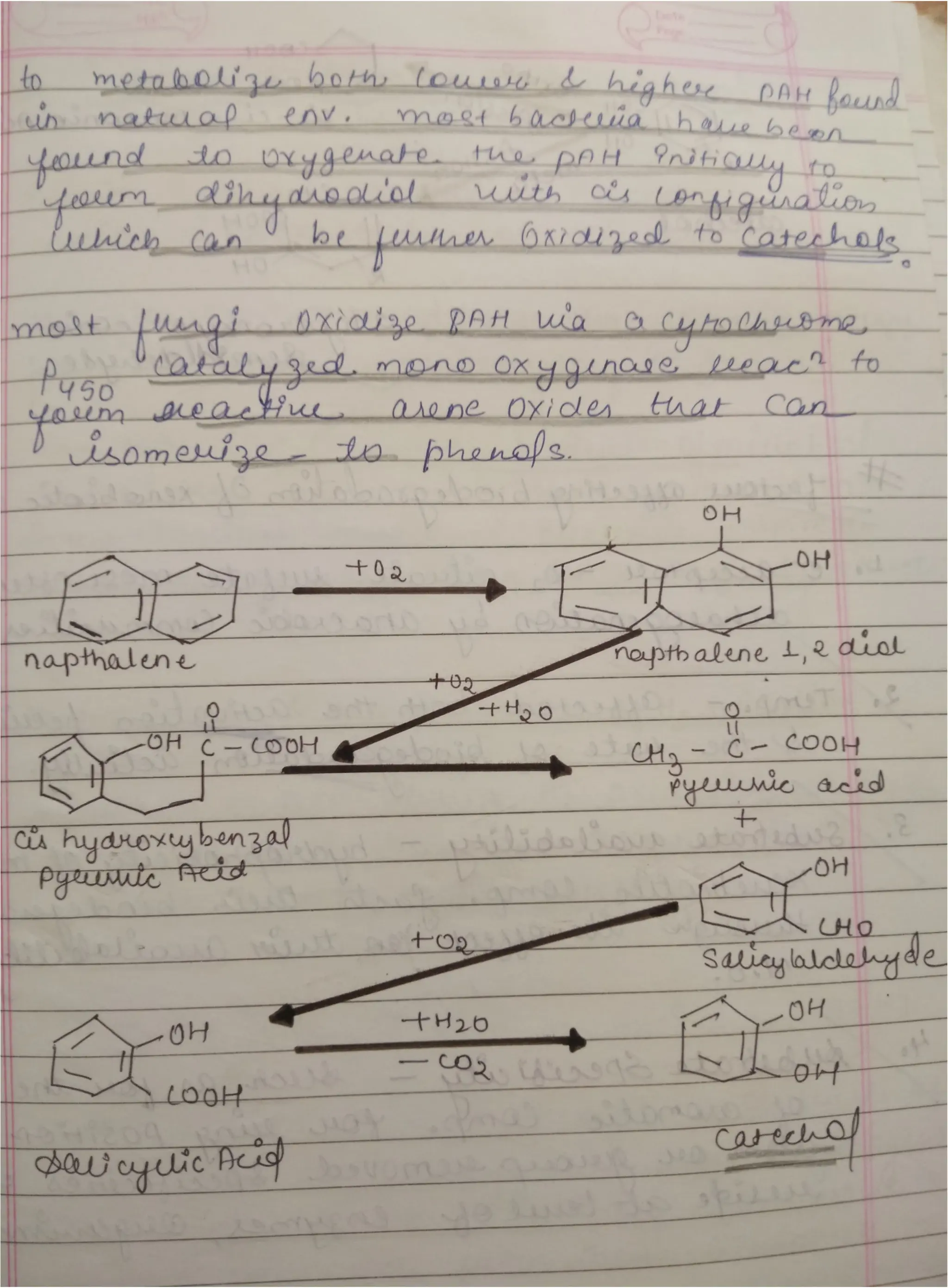
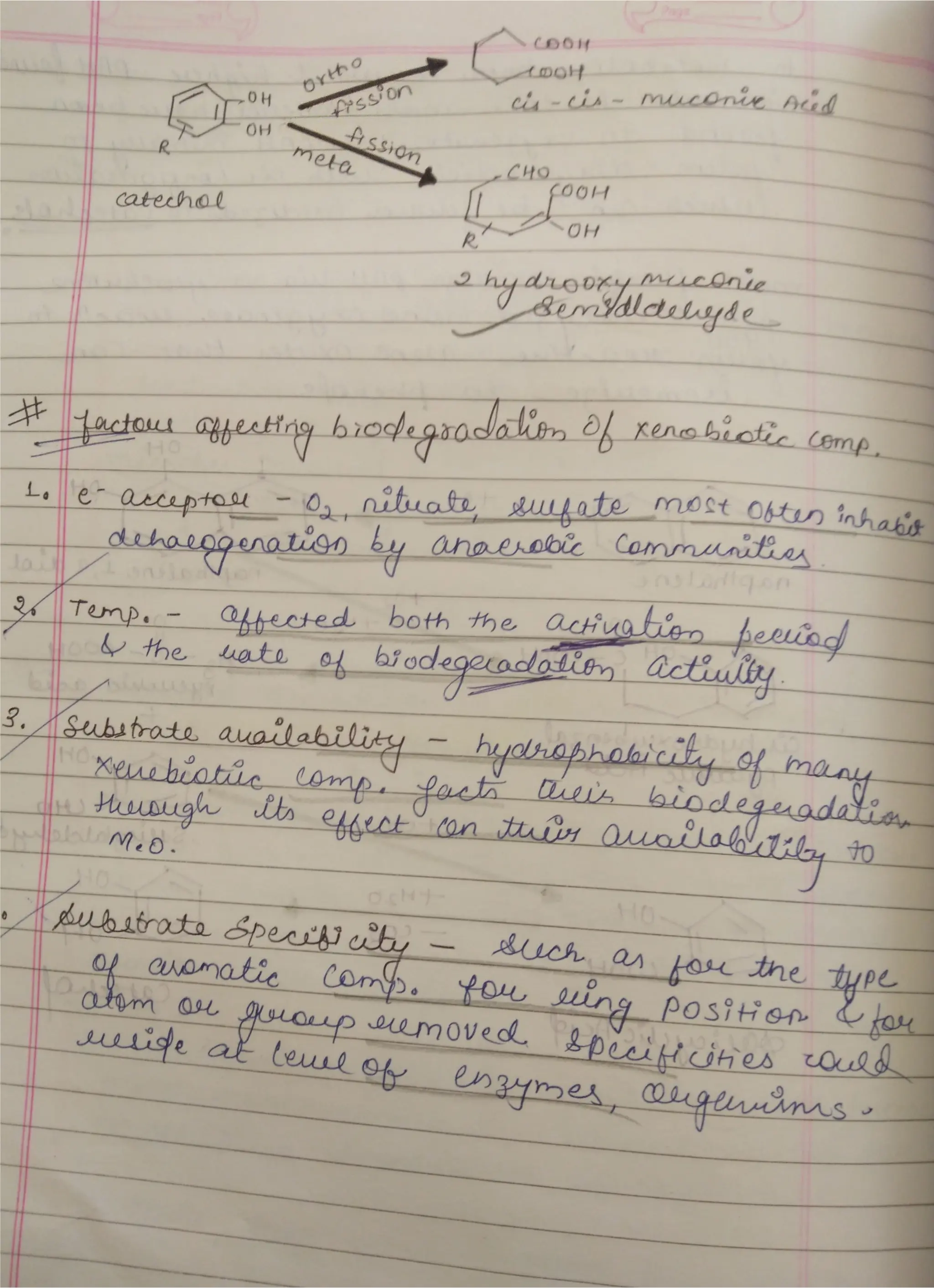

Hand written notes on microbial degradation of aromatic polycyclic & halogenated aromatic compounds Microbial degradation of aromatic polycyclic and halogenated aromatic compounds is a critical process for bioremediation. Polycyclic aromatic hydrocarbons (PAHs) are composed of multiple fused benzene rings and are commonly found in pollutants like oil and coal. Microorganisms, especially bacteria such as *Pseudomonas* and *Mycobacterium*, degrade PAHs via oxygenase enzymes, breaking down the rings into simpler molecules through hydroxylation and ring-cleavage pathways. Halogenated aromatic compounds, such as chlorinated benzenes and biphenyls, are toxic environmental contaminants. Microbial degradation typically involves reductive dehalogenation, where halogen atoms are replaced by hydrogen, enabling further breakdown through aerobic or anaerobic pathways. Bacteria like *Dehalococcoides* species play key roles in this process. These microorganisms use halogenated compounds as electron acceptors, converting them into less harmful substances. Both processes are essential for reducing the persistence of harmful compounds in the environment, aiding in the detoxification of polluted ecosystems.


