Result of DFSS* youth mentoring
seminar on April 26, 2013
*Department of Family and Support Services
 Professor of Community Health Sciences at
UIC
 Specializes in self-esteem and mentoring
relationships in relation to resilience and
holistic positive development
 Received grants from National Institute of
Health, DHHS Office of Minority Health and
Institute of Education services
 Mutuality
 Trust
 Empathy
 Both sides must work and advance the
relationship
 Emphasizes that the mentor must not be
putting in all of the effort
 60/40 or 70/30 ratio of mentor/mentee effort
advised
 Too much is too authoritarian, too little is
perceived as disinterest
 Mentor should place initial effort into
developing a genuine relationship with the
mentee
 Trust must be gained organically
 These actions can be perceived as overbearing
or even overstepping boundaries
 Buying gifts
 Acting as if their savior
 Sympathy feel natural, can actually hurt
mentee
 Mentors have to truly understand mentees
 Successful empathy from the mentor can lead
to long-term emotional stability
 Have a strong, explicit focus on promoting
positive youth development
 Conduct regular reviews of youth progress,
including intensive case conferences
 Encourage collective mentoring
 Use training sessions as a means of promoting
reflective dialogue among staff
 Have Staff observe other good after-school
programs to learn more about best practices
 Form youth councils to make sure youth voice
is heard
 Schedule regular external review and site visits
 Require leadership to engage in regular
supervision and coaching
 Social and Emotional development
 Cognitive development
 Identity development
 Child’s Interpersonal Development
 Integrative strategy designed around the goal
of promoting positive youth development
 Guide organizations through regular
communication, collective mentoring and
thoughtful discussion.
 Inspire ongoing reflection and improvement of
practice
Complete details
can be found at
http://www.mentori
ng.org/downloads/
mentoring_413.pdf
 Program Design and Planning
 Program Management
 Program Operations
 Program Evaluation
 First – and the key – step to building a program
 Design = blueprint for all other aspects of
program
 Number of decisions with have been made at
the conclusion of this step
 Decisions are based on:
 Youth populations that will be served
 Types of mentors (senior citizens, college students)
 Program goals
 Setting of program
 How to promote program
 A well managed program is crucial to health of
mentoring program
 Well-managed program promotes accuracy
and efficiency, establishes credibility and
identifies areas that need improvement
 Elements are necessary for a well-managed,
well-run program:
 Advisory group
 System to monitor program
 Effective public relations
 Communication efforts
 Efficient, consistent everyday operations are
important to mentoring program success.
 Fulfillment of responsibilities can be the
difference between chaos and stability.
 Strategic options for ensuring smooth
operation of the program:
 Consistently evaluating/recruiting mentors
 Supervising relationships
 Helping mentors and mentees reach closure
 Ongoing quality improvement is an indictor of
effective mentoring programs.
 Identifying areas that need improvement
improves how well the program serves young
people.
 To adequately evaluate program effectiveness,
a program must have:
 A plan to measure success
 A process for measuring expected outcomes
 A process that reflects on evaluation findings and
disseminates them to appropriate parties
 5 primary types that have proven to be
effective
 Traditional one-on-one
 Group Mentoring: 1 adult, 4 children
 Team Mentoring: group of adults and children
 Ratio not to exceed 1:4
 Peer Mentoring: older youth w/ younger youth
 Age gap no less than 5 years
 E-mentoring: only electronic correspondence
 A ratio of 1 mentor to 4 mentees is necessary to
adequately serve the needs of the youth
 Conducting reasonably intensive screening of
potential mentors
 Making matches based on interests that both
the mentor and the mentee share
 Providing more than six hours of training for
mentors
 Offering post-match training and support.
Complete details can be found at:
http://raikesfoundation.org/Docu
ments/Lessons%20for%20Youth%2
0Program%20Quality%20Improve
ment%20Initiatives%20(January%2
02012).pdf
 Building the capacity of youth-serving
organizations to deliver the best possible
programs
 Increasing the use of research-based quality
assessment too
 Continually improve practice
 Improve quality at the point of service (where
youth, adults and resources come together)
 Initiative begins with a 15 month process
 Program quality assessment, data-driven
improvement planning, peer learning, and intensive
professional development
 Organizations receive cash grants to participate
in initiative
 Upon Completion, organizations are eligible to
receive continued funding and quality
improvement resources for an addition 2 years
 Key Component of the YPQI
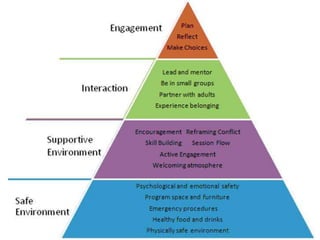
 Derived from Abraham Maslow’s hierarchy of
needs
 Comes in 4 stages, with most emphasis
needing to be placed at the bottom
 Safe Environment
 Supportive environment
 Interaction
 Engagement
 Psychological and Emotional safety
 Program space and furniture
 Emergency procedures
 Healthy food and drinks
 Physically safe environment
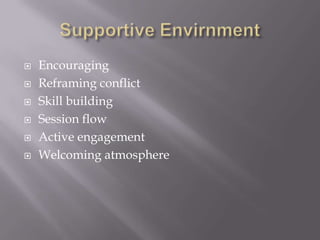
 Encouraging
 Reframing conflict
 Skill building
 Session flow
 Active engagement
 Welcoming atmosphere
 Lead and mentor
 Be in small groups
 Partner with adults
 Experience belonging
 Plan
 Reflect
 Make Choices
Full Details can be found
here (pages 64 and 65):
http://www.cityofchicago.
org/content/dam/city/depts
/obm/supp_info/CDBG/C
DGA2014Final-
CDGAPosting.pdf
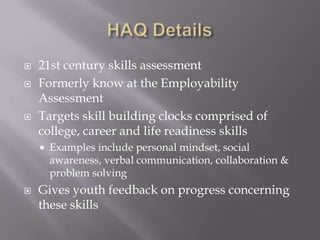
 21st century skills assessment
 Formerly know at the Employability
Assessment
 Targets skill building clocks comprised of
college, career and life readiness skills
 Examples include personal mindset, social
awareness, verbal communication, collaboration &
problem solving
 Gives youth feedback on progress concerning
these skills

Mentoring methods and practice

  • 1.
    Result of DFSS*youth mentoring seminar on April 26, 2013 *Department of Family and Support Services
  • 3.
     Professor ofCommunity Health Sciences at UIC  Specializes in self-esteem and mentoring relationships in relation to resilience and holistic positive development  Received grants from National Institute of Health, DHHS Office of Minority Health and Institute of Education services
  • 4.
  • 5.
     Both sidesmust work and advance the relationship  Emphasizes that the mentor must not be putting in all of the effort  60/40 or 70/30 ratio of mentor/mentee effort advised  Too much is too authoritarian, too little is perceived as disinterest
  • 6.
     Mentor shouldplace initial effort into developing a genuine relationship with the mentee  Trust must be gained organically  These actions can be perceived as overbearing or even overstepping boundaries  Buying gifts  Acting as if their savior
  • 7.
     Sympathy feelnatural, can actually hurt mentee  Mentors have to truly understand mentees  Successful empathy from the mentor can lead to long-term emotional stability
  • 8.
     Have astrong, explicit focus on promoting positive youth development  Conduct regular reviews of youth progress, including intensive case conferences  Encourage collective mentoring  Use training sessions as a means of promoting reflective dialogue among staff
  • 9.
     Have Staffobserve other good after-school programs to learn more about best practices  Form youth councils to make sure youth voice is heard  Schedule regular external review and site visits  Require leadership to engage in regular supervision and coaching
  • 10.
     Social andEmotional development  Cognitive development  Identity development  Child’s Interpersonal Development
  • 11.
     Integrative strategydesigned around the goal of promoting positive youth development  Guide organizations through regular communication, collective mentoring and thoughtful discussion.  Inspire ongoing reflection and improvement of practice
  • 13.
    Complete details can befound at http://www.mentori ng.org/downloads/ mentoring_413.pdf
  • 14.
     Program Designand Planning  Program Management  Program Operations  Program Evaluation
  • 15.
     First –and the key – step to building a program  Design = blueprint for all other aspects of program  Number of decisions with have been made at the conclusion of this step
  • 16.
     Decisions arebased on:  Youth populations that will be served  Types of mentors (senior citizens, college students)  Program goals  Setting of program  How to promote program
  • 17.
     A wellmanaged program is crucial to health of mentoring program  Well-managed program promotes accuracy and efficiency, establishes credibility and identifies areas that need improvement
  • 18.
     Elements arenecessary for a well-managed, well-run program:  Advisory group  System to monitor program  Effective public relations  Communication efforts
  • 19.
     Efficient, consistenteveryday operations are important to mentoring program success.  Fulfillment of responsibilities can be the difference between chaos and stability.
  • 20.
     Strategic optionsfor ensuring smooth operation of the program:  Consistently evaluating/recruiting mentors  Supervising relationships  Helping mentors and mentees reach closure
  • 21.
     Ongoing qualityimprovement is an indictor of effective mentoring programs.  Identifying areas that need improvement improves how well the program serves young people.
  • 22.
     To adequatelyevaluate program effectiveness, a program must have:  A plan to measure success  A process for measuring expected outcomes  A process that reflects on evaluation findings and disseminates them to appropriate parties
  • 23.
     5 primarytypes that have proven to be effective  Traditional one-on-one  Group Mentoring: 1 adult, 4 children  Team Mentoring: group of adults and children  Ratio not to exceed 1:4  Peer Mentoring: older youth w/ younger youth  Age gap no less than 5 years  E-mentoring: only electronic correspondence  A ratio of 1 mentor to 4 mentees is necessary to adequately serve the needs of the youth
  • 24.
     Conducting reasonablyintensive screening of potential mentors  Making matches based on interests that both the mentor and the mentee share  Providing more than six hours of training for mentors  Offering post-match training and support.
  • 26.
    Complete details canbe found at: http://raikesfoundation.org/Docu ments/Lessons%20for%20Youth%2 0Program%20Quality%20Improve ment%20Initiatives%20(January%2 02012).pdf
  • 27.
     Building thecapacity of youth-serving organizations to deliver the best possible programs  Increasing the use of research-based quality assessment too  Continually improve practice  Improve quality at the point of service (where youth, adults and resources come together)
  • 28.
     Initiative beginswith a 15 month process  Program quality assessment, data-driven improvement planning, peer learning, and intensive professional development  Organizations receive cash grants to participate in initiative  Upon Completion, organizations are eligible to receive continued funding and quality improvement resources for an addition 2 years
  • 31.
     Key Componentof the YPQI  Derived from Abraham Maslow’s hierarchy of needs  Comes in 4 stages, with most emphasis needing to be placed at the bottom  Safe Environment  Supportive environment  Interaction  Engagement
  • 32.
     Psychological andEmotional safety  Program space and furniture  Emergency procedures  Healthy food and drinks  Physically safe environment
  • 33.
     Encouraging  Reframingconflict  Skill building  Session flow  Active engagement  Welcoming atmosphere
  • 34.
     Lead andmentor  Be in small groups  Partner with adults  Experience belonging
  • 35.
  • 37.
    Full Details canbe found here (pages 64 and 65): http://www.cityofchicago. org/content/dam/city/depts /obm/supp_info/CDBG/C DGA2014Final- CDGAPosting.pdf
  • 38.
     21st centuryskills assessment  Formerly know at the Employability Assessment  Targets skill building clocks comprised of college, career and life readiness skills  Examples include personal mindset, social awareness, verbal communication, collaboration & problem solving  Gives youth feedback on progress concerning these skills