#med332 
Disco 
and 
dancing
Overview 
• Defining 
Disco 
• Key 
dates 
and 
figures 
• Highs 
and 
lows 
• Backlash
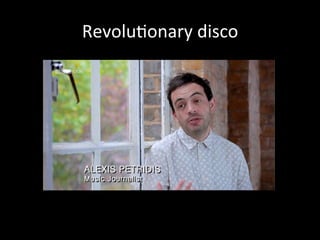
Revolu?onary 
disco
Defining 
disco 
Tim 
Lawrence: 
disco 
an 
‘overburdened’ 
term 
1. Spaces 
organised 
around 
the 
playback 
of 
recorded 
music 
by 
a 
DJ 
– 
the 
discotheque 
2. The 
social 
prac?ce 
of 
individual 
freeform 
dancing 
that 
was 
established 
within 
this 
context 
3. The 
music 
genre 
that 
crystallised 
within 
this 
social 
seNng 
1969-­‐1979
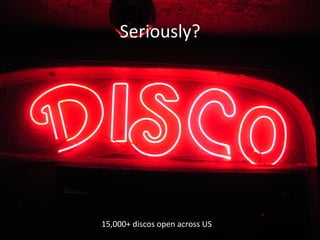
Seriously? 
15,000+ 
discos 
open 
across 
US
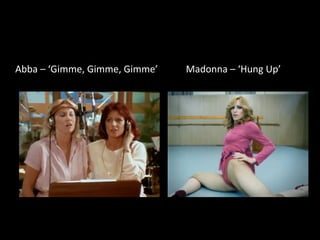
Abba 
– 
‘Gimme, 
Gimme, 
Gimme’ 
Madonna 
– 
‘Hung 
Up’
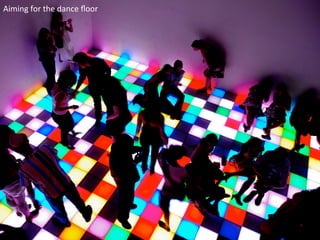
Aiming 
for 
the 
dance 
floor
Poli?cal 
target 
• American 
New 
Right
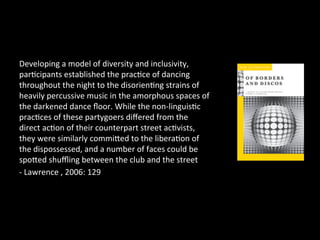
Developing 
a 
model 
of 
diversity 
and 
inclusivity, 
par?cipants 
established 
the 
prac?ce 
of 
dancing 
throughout 
the 
night 
to 
the 
disorien?ng 
strains 
of 
heavily 
percussive 
music 
in 
the 
amorphous 
spaces 
of 
the 
darkened 
dance 
floor. 
While 
the 
non-­‐linguis?c 
prac?ces 
of 
these 
partygoers 
differed 
from 
the 
direct 
ac?on 
of 
their 
counterpart 
street 
ac?vists, 
they 
were 
similarly 
commiaed 
to 
the 
libera?on 
of 
the 
dispossessed, 
and 
a 
number 
of 
faces 
could 
be 
spoaed 
shuffling 
between 
the 
club 
and 
the 
street 
-­‐ 
Lawrence 
, 
2006: 
129
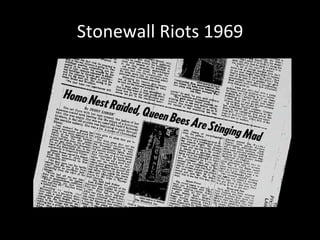
Stonewall 
Riots 
1969
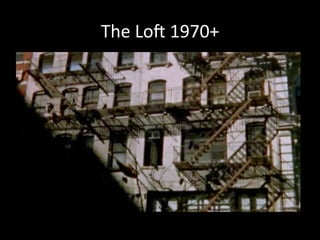
David 
Mancuso 
The 
Loc 
647 
Broadway 
& 
Bleeker 
Lower 
East 
Side 
‘Love 
Saves 
The 
Day’ 
Invite-­‐only 
Audiophile
The 
Loc 
1970+
Loc 
classics: 
1970-­‐73 
• Manu 
Dibango 
‘Soul 
Makossa’ 
• Barrabas 
‘Woman’ 
• Beginning 
Of 
The 
End 
‘Funky 
Nassau’ 
• The 
Equals 
‘Black 
Skin 
Blue 
Eyed 
Boys’ 
• Eddie 
Kendricks 
‘Girl 
You 
Need 
A 
Change 
Of 
Mind’ 
• War 
‘City, 
Country, 
City’
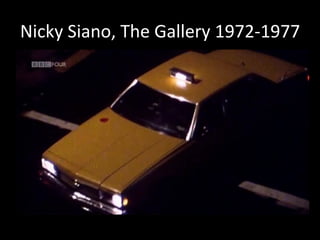
Nicky 
Siano, 
The 
Gallery 
1972-­‐1977
Philly 
Sound 
• MFSB 
• Harold 
Melvin 
and 
the 
Blue 
Notes 
• Teddy 
Pendergrass 
• The 
O’Jays 
• The 
Jacksons 
(co-­‐prod 
w/ 
CBS) 
• Jones 
Girls 
• Dexter 
Wansel
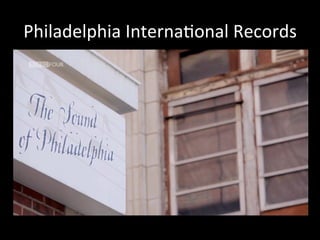
Philadelphia 
Interna?onal 
Records
George 
McRae 
– 
‘Rock 
Your 
Baby’ 
(1974)
The 
dancefloor 
as 
a 
cultural 
space 
where 
the 
usual 
hierarchies 
of 
society 
are 
inverted 
-­‐ 
Paul 
Gilroy, 
1991
The 
disco 
phenomena 
of 
the 
late 
1970s 
thrust 
dance 
music 
forcibly 
into 
discussions 
of 
popular 
music, 
but 
dancing 
was 
most 
ocen 
portrayed 
nega?vely 
as 
a 
feminised 
(or 
demasculinised) 
ac?vity 
associated 
with 
women 
and 
heterosexual 
courtship 
rituals, 
or 
homosexual 
display 
-­‐ 
Wall, 
2013: 
264
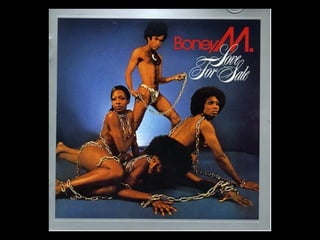
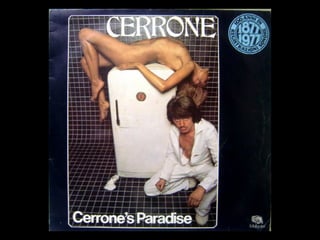
Casablanca 
Records 
(L.A.) 
• Donna 
Summer 
• Giorgio 
Moroder 
• ‘Love 
to 
Love 
You 
Baby’
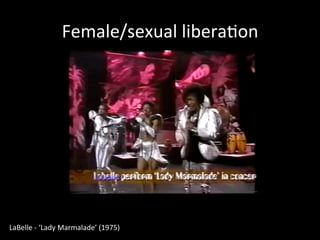
Female/sexual 
libera?on 
LaBelle 
-­‐ 
‘Lady 
Marmalade’ 
(1975)
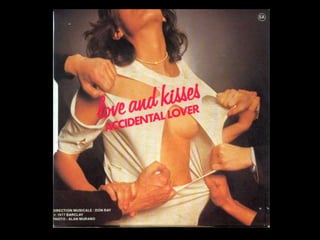
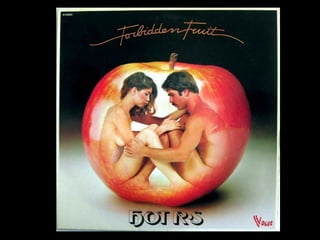
Female/sexual 
libera?on? 
Andrea 
True 
Connec?on 
-­‐ 
‘More, 
More, 
More’ 
[Tom 
Moulton 
mix] 
(1976)
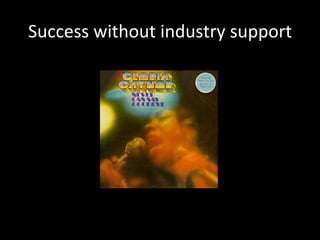
Yet…
Success 
without 
industry 
support
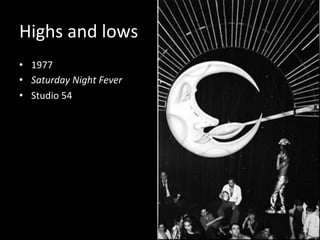
Highs 
and 
lows 
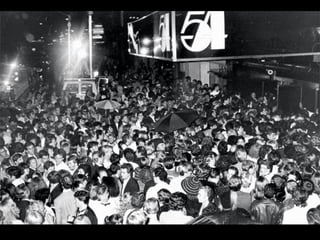
• 1977 
• Saturday 
Night 
Fever 
• Studio 
54
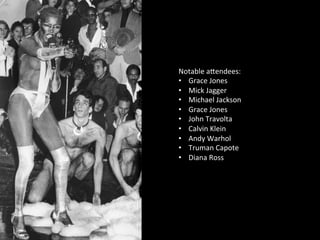
Notable 
aaendees: 
• Grace 
Jones 
• Mick 
Jagger 
• Michael 
Jackson 
• Grace 
Jones 
• John 
Travolta 
• Calvin 
Klein 
• Andy 
Warhol 
• Truman 
Capote 
• Diana 
Ross
Excess
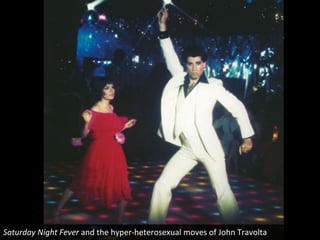
Saturday 
Night 
Fever 
and 
the 
hyper-­‐heterosexual 
moves 
of 
John 
Travolta
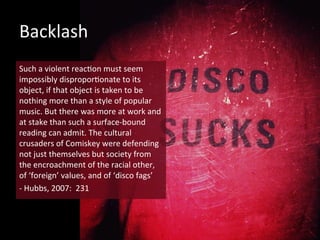
Backlash 
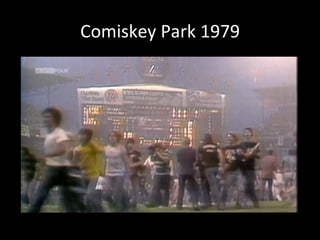
Such 
a 
violent 
reac?on 
must 
seem 
impossibly 
dispropor?onate 
to 
its 
object, 
if 
that 
object 
is 
taken 
to 
be 
nothing 
more 
than 
a 
style 
of 
popular 
music. 
But 
there 
was 
more 
at 
work 
and 
at 
stake 
than 
such 
a 
surface-­‐bound 
reading 
can 
admit. 
The 
cultural 
crusaders 
of 
Comiskey 
were 
defending 
not 
just 
themselves 
but 
society 
from 
the 
encroachment 
of 
the 
racial 
other, 
of 
‘foreign’ 
values, 
and 
of 
‘disco 
fags’ 
-­‐ 
Hubbs, 
2007: 
231
Comiskey 
Park 
1979
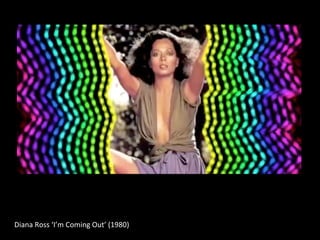
Diana 
Ross 
‘I’m 
Coming 
Out’ 
(1980)
HIV 
Of 
course 
it 
was 
AIDS, 
rather 
than 
the 
histrionic 
gestures 
of 
Steve 
Dahl, 
that 
killed, 
or 
at 
least 
came 
close 
to 
killing, 
disco. 
So 
rampant 
was 
AIDS 
within 
the 
city’s 
gay 
clubbing 
popula?on 
that 
the 
virus 
was 
ini?ally 
dubbed 
‘Saint’s 
disease’, 
acer 
the 
Saint, 
the 
biggest, 
most 
renowned 
white 
gay 
venue 
of 
the 
1980s, 
where 
dancers 
were 
dropping 
in 
dispropor?onate 
numbers. 
-­‐ 
Lawrence, 
2006: 
137
Summary 
• Pivotal 
in 
expressions 
of 
non-­‐heteronorma?ve 
sexuali?es 
• Largely 
inclusive 
cultural 
iden?ty 
• Without 
disco, 
no 
house 
music
Images 
• Brian 
Talbot 
(2005) 
Disco 
Balls 
• Sebas?an 
Niedlich 
(2001) 
Disco 
• Jovino 
(2010) 
disco 
neon 
• PTGreg 
(2007) 
Disco 
• Juska 
Wendland 
(2013) 
Disco 
sucks.

Med332 disco and dancing

  • 1.
  • 2.
    Overview • Defining Disco • Key dates and figures • Highs and lows • Backlash
  • 3.
  • 4.
    Defining disco Tim Lawrence: disco an ‘overburdened’ term 1. Spaces organised around the playback of recorded music by a DJ – the discotheque 2. The social prac?ce of individual freeform dancing that was established within this context 3. The music genre that crystallised within this social seNng 1969-­‐1979
  • 5.
  • 6.
    Abba – ‘Gimme, Gimme, Gimme’ Madonna – ‘Hung Up’
  • 7.
    Aiming for the dance floor
  • 8.
    Poli?cal target •American New Right
  • 9.
    Developing a model of diversity and inclusivity, par?cipants established the prac?ce of dancing throughout the night to the disorien?ng strains of heavily percussive music in the amorphous spaces of the darkened dance floor. While the non-­‐linguis?c prac?ces of these partygoers differed from the direct ac?on of their counterpart street ac?vists, they were similarly commiaed to the libera?on of the dispossessed, and a number of faces could be spoaed shuffling between the club and the street -­‐ Lawrence , 2006: 129
  • 10.
  • 11.
    David Mancuso The Loc 647 Broadway & Bleeker Lower East Side ‘Love Saves The Day’ Invite-­‐only Audiophile
  • 12.
  • 13.
    Loc classics: 1970-­‐73 • Manu Dibango ‘Soul Makossa’ • Barrabas ‘Woman’ • Beginning Of The End ‘Funky Nassau’ • The Equals ‘Black Skin Blue Eyed Boys’ • Eddie Kendricks ‘Girl You Need A Change Of Mind’ • War ‘City, Country, City’
  • 14.
    Nicky Siano, The Gallery 1972-­‐1977
  • 15.
    Philly Sound •MFSB • Harold Melvin and the Blue Notes • Teddy Pendergrass • The O’Jays • The Jacksons (co-­‐prod w/ CBS) • Jones Girls • Dexter Wansel
  • 16.
  • 17.
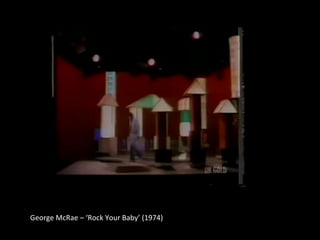
    George McRae – ‘Rock Your Baby’ (1974)
  • 18.
    The dancefloor as a cultural space where the usual hierarchies of society are inverted -­‐ Paul Gilroy, 1991
  • 19.
    The disco phenomena of the late 1970s thrust dance music forcibly into discussions of popular music, but dancing was most ocen portrayed nega?vely as a feminised (or demasculinised) ac?vity associated with women and heterosexual courtship rituals, or homosexual display -­‐ Wall, 2013: 264
  • 20.
    Casablanca Records (L.A.) • Donna Summer • Giorgio Moroder • ‘Love to Love You Baby’
  • 21.
    Female/sexual libera?on LaBelle -­‐ ‘Lady Marmalade’ (1975)
  • 22.
    Female/sexual libera?on? Andrea True Connec?on -­‐ ‘More, More, More’ [Tom Moulton mix] (1976)
  • 23.
  • 29.
  • 30.
    Highs and lows • 1977 • Saturday Night Fever • Studio 54
  • 32.
    Notable aaendees: •Grace Jones • Mick Jagger • Michael Jackson • Grace Jones • John Travolta • Calvin Klein • Andy Warhol • Truman Capote • Diana Ross
  • 33.
  • 34.
    Saturday Night Fever and the hyper-­‐heterosexual moves of John Travolta
  • 35.
    Backlash Such a violent reac?on must seem impossibly dispropor?onate to its object, if that object is taken to be nothing more than a style of popular music. But there was more at work and at stake than such a surface-­‐bound reading can admit. The cultural crusaders of Comiskey were defending not just themselves but society from the encroachment of the racial other, of ‘foreign’ values, and of ‘disco fags’ -­‐ Hubbs, 2007: 231
  • 36.
  • 37.
    Diana Ross ‘I’m Coming Out’ (1980)
  • 38.
    HIV Of course it was AIDS, rather than the histrionic gestures of Steve Dahl, that killed, or at least came close to killing, disco. So rampant was AIDS within the city’s gay clubbing popula?on that the virus was ini?ally dubbed ‘Saint’s disease’, acer the Saint, the biggest, most renowned white gay venue of the 1980s, where dancers were dropping in dispropor?onate numbers. -­‐ Lawrence, 2006: 137
  • 39.
    Summary • Pivotal in expressions of non-­‐heteronorma?ve sexuali?es • Largely inclusive cultural iden?ty • Without disco, no house music
  • 40.
    Images • Brian Talbot (2005) Disco Balls • Sebas?an Niedlich (2001) Disco • Jovino (2010) disco neon • PTGreg (2007) Disco • Juska Wendland (2013) Disco sucks.