
UNIT-VI
NURSING MANAGEMENT-MATERIAL
MANAGEMENT
DR.ANJALATCHI MUTHUKUMARAN
VICE PRINCIPAL
ERA COLLEGE OF NURSING
ERA UNIVERSITY
INTRODUCTION
 The material management in the health care system is
concerned with providing the drugs, supplies and equipment
needed by health personnel to deliver health services.
 About 40 percent of the funds in the health care system are
used up for providing materials.
 It is of great importance that materials of right quality are
supplied to the consumers
Meaning of material
Material means things needed for
doing or making something or the
substances out of which a thing is or
can be made. These are things needed
for smooth functioning of an activity
in the organization
DEFINITION OF MATERIAL
 “Materials”may be defined as “equipment,
apparatus & supplies procured, stocked &
utilised by an organisation”
 Webster defines the word “materials” as
“relating to the production & distribution of
economics, goods & social relationships of
owners & labourers”.
DEFINITION OF MANAGEMENT
 “Management means bringing together the
available resources so as to achieve a specific
objectives.
 It is the function for storing and controlling
materials in an optimum manner so as to
provide a predefined service at minimum
cost.
Definition Of Material
Management
 It is concerned with planning, organizing and
controlling the flow of materials from their initial
purchase through internal operations to the service point
through distribution.
OR
 Material management is a scientific technique,
concerned with Planning, Organizing & Control of flow
of materials, from their initial purchase to destination.
TYPES OF MATERIALS
 DRUGS & MEDICINES- Including anaesthetic agents, vaccines &
drugs required for specific purposes.
 SUPPLIES- Required for diagnosing & treating ailments such as
cotton, bandages, gauze, dressing materials, syringes, needles,
forceps, splints, plasters, trays, bottles, linen, utensils, various
chemicals & reagents/ ready kits for investigations, x-ray plates,
radio-diagnostic materials, drugs used in radiology.
 Supplies may also include items of linen like draw-sheets, bed cover,
mattress, pillows, masks, aprons, surgical gowns, gloves, etc. or soaps,
detergents, antiseptics, broom, candles, match boxes, needles,
stationary items, slippers for OT, etc.
 EQUIPMENTS & INSTRUMENTS- Office furniture,
refrigerators, AC, trolley, tables, screen, examination tables, IV
stands, bedside lockers, sterilizers, X-ray machines, ABG
analyzers, pulse oximeter, defibrillators, cardiac monitor,
endoscope, oxygen & nitrous gas cylinders, washing
machines, incinerators, etc.
 FACILITIES- Include non movable materials used for long time
compared to equipments which have limited life span e.g.
buildings, toilets, lifts, water tanks, pumps, kitchen, cooking
facilities telephone, etc.
CONCEPTS OF MATERIAL
MANAGEMENT
 Material management is concerned with providing the drugs, supplies and
equipment needed by health personnel to deliver health services.
 The right drugs, supplies and equipment must be at the right place, at the
right time and in the right quantity in order that health personnel deliver
health services.
 Without proper material, health personnel cannot work effectively, they
feel frustrated and the community lacks confidence in the health services
and unless appropriate materials are provided in proper time and in
required quantity, productivity of personnel will not be upto expectation.
AIM OF MATERIAL
MANAGEMENT
To get
 The right quality
 Right quantity of supplies
 At the right time
 At the right place
 For the right cost.
PURPOSE
 To gain economy in purchasing
 To satisfy the demand during period of replenishment
 To carry reserve stock to avoid stock out.
 To stabilize fluctuations in consumption
 To provide reasonable level of client services
 Increase efficiency of health care systems.
 Develop knowledge and skills of health care
 Provide materials in required quantity and quality as when
required.
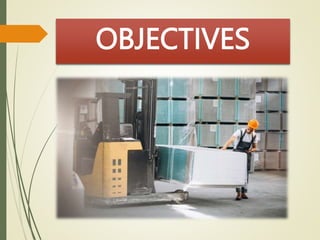
OBJECTIVES
Primary
•Right price
•High turnover
•Low procurement
•& storage cost
•Continuity of supply
•Consistency in quality
•Good supplier relations
•Development of
personnel
•Good information system
Objective of material management
Secondary
•Forecasting
•Inter-departmental
harmony
•Product improvement
•Standardization
•Make or buy decision
•New materials & products
•Favorable reciprocal
relationships
Basic principles of material
management
1. Effective management & supervision .It depends on managerial
functions of
Planning
Organizing
Staffing
Directing
Controlling
Reporting
Budgeting
2. Sound purchasing methods
3. Skillful & hard poised negotiations
4. Effective purchase system
5. Should be simple
6. Must not increase other costs
7. Simple inventory control programme
Basic needs of material
management
 To have adequate materials on hand when
needed
 To pay the lowest possible prices, consistent
with quality and value requirement for
purchases materials
 To minimize the inventory investment
 To operate efficiently
Management techniques used
for MM
Right item Value analysis, standardization
Right quantity Inventory control
Right price Cost/ benefit analysis, value
analysis
Right source Vendor research
Right method ABC, VED etc analysis
Right delivery Operation research
Right people
FUNCTION OF MM
 Material planning and programming
 Purchasing and outsourcing
 Inventory control
 Storekeeping and warehouseing
 Standardization and evaluation of all products
 Transportation and material handling
 Inspection and quality control
 Cost reduction through value analysisi
 Disposal of surplus/obsolete material
 Distribution
PROCEDURE OF MM
Following procedural steps are being taken in
material management:
1. Planning and budgeting/ demand estimation
2. Procurement
3. Receipt and inspection
4. Inventory control or storage, issue and
distribution
5. Maintenance and repair
6. Disposal and condemnation
Demand
Estimation
Procuremen
t Or
Purchasing
Receipt And
Inspection
Inventory
Control Or
Storage, Issue
And Distribution
Maintenance
And Repair
Disposal And
Condemnation
1.Planning and budgeting/
demand estimation
 Since the materials are essential resources to
achieve the objectives of health care organization,
the health administrator required to plan the
material management system in such a way to
ensure adequate supply of material to improve
expected demand pattern.
 First step in handling the problem of supply is
that of determining requirement needs.
It involves three factors :
1. The kind of articles needed
2. The quantity of each article needed
3. The time and frequency of delivery
 One should make a special, careful and technical
study of material needs and on the basis of such
study formulate procurement program.
 Supporting data should be given for their requests
for appropriations and an accurate report rendered of
how money is granted have been expanded.
2.Procurement
 After determining supply requirement, the next step in the
material management is securing or procuring the needed
articles.
It has various operations like :
 Selecting the vendors
 Arranging upon the purchase price
 Time and place of delivery
 Verifying deliveries
 Settlement and payment of vendors remuneration claim.
The objective of procurement is to secure the articles
specified when and where needed and at the lowest
obtainable price .
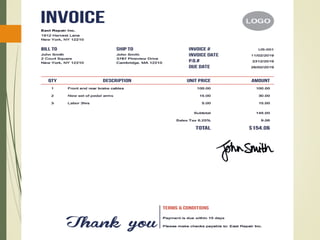
3.Receipt and inspection
 It is done when the stores orders are
received in the store. Material inspection is
necessary to ensure quality of materials
received.
 Whenever an item is delivered the same is
verified in the presence of the stores
incharge, representative of the supplier and
representative from the purchase committee
of the hospital.
 Verification is done to ensure that the item is
as per the order placed.
4. Inventory Control Or Storage,
Issue And Distribution
STORAGE :
 Storage and preservation are an important part of the
storekeeping function. When materials remain idle in the stores
these materials should be taken care of and looked after
properly. Otherwise these material may get perished due to
natural chemical reaction like rusting by moisture, melting by
heat etc and also may get affected by insects, rats.
ISSUE AND DISTRIBUTION:
 The main role of the stores of a hospital is to ensure an
uninterrupted supply of materials to the various departments
so that smooth and efficient functioning of the hospital is not
affected.
 In order to ensure a smooth issue of materials a systematic
procedure should be followed.
 Distribution usually involves transportation to various
units or health care delivery system.
 It is an intricate process focusing on distribution of the
right at right time and at right place.
 Usually two methods are adopted : Requisition system;
as and when required and par level ( periodic automatic
replacement) ; periodic replenishing to a periodic fixed
level.
 Par level, a set quantity for each inventory item that
should be on hand at all times.
For example ; last week Jaya had ordered 20,000 cases of
chicken, 100-roll cases of toilet paper, and ten bottles of
glass cleaner.
This week, Jaya had to throw out several cases of chicken
and she has a large back stock of toilet paper and glass
cleaner with no good place to store it.
 A PAR level system determines the minimum level of
inventory necessary to be on hand for a specific period and
requires automatic replenishment if the level of inventory
falls below that level.
 For Jaya, this means that she has to determine the PAR level
quantity for each inventory item.
 By following a PAR system, Jaya can make sure that he has
enough inventory on hand, but not too much.
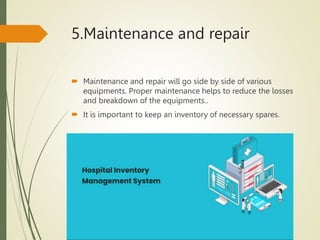
5.Maintenance and repair
 Maintenance and repair will go side by side of various
equipments. Proper maintenance helps to reduce the losses
and breakdown of the equipments..
 It is important to keep an inventory of necessary spares.
6.Disposal and condemnation
MATERIAL MANAGEMENT PPT.pptx

MATERIAL MANAGEMENT PPT.pptx

  • 1.
  • 2.
    INTRODUCTION  The materialmanagement in the health care system is concerned with providing the drugs, supplies and equipment needed by health personnel to deliver health services.  About 40 percent of the funds in the health care system are used up for providing materials.  It is of great importance that materials of right quality are supplied to the consumers
  • 3.
    Meaning of material Materialmeans things needed for doing or making something or the substances out of which a thing is or can be made. These are things needed for smooth functioning of an activity in the organization
  • 4.
    DEFINITION OF MATERIAL “Materials”may be defined as “equipment, apparatus & supplies procured, stocked & utilised by an organisation”  Webster defines the word “materials” as “relating to the production & distribution of economics, goods & social relationships of owners & labourers”.
  • 5.
    DEFINITION OF MANAGEMENT “Management means bringing together the available resources so as to achieve a specific objectives.  It is the function for storing and controlling materials in an optimum manner so as to provide a predefined service at minimum cost.
  • 6.
    Definition Of Material Management It is concerned with planning, organizing and controlling the flow of materials from their initial purchase through internal operations to the service point through distribution. OR  Material management is a scientific technique, concerned with Planning, Organizing & Control of flow of materials, from their initial purchase to destination.
  • 7.
    TYPES OF MATERIALS DRUGS & MEDICINES- Including anaesthetic agents, vaccines & drugs required for specific purposes.  SUPPLIES- Required for diagnosing & treating ailments such as cotton, bandages, gauze, dressing materials, syringes, needles, forceps, splints, plasters, trays, bottles, linen, utensils, various chemicals & reagents/ ready kits for investigations, x-ray plates, radio-diagnostic materials, drugs used in radiology.  Supplies may also include items of linen like draw-sheets, bed cover, mattress, pillows, masks, aprons, surgical gowns, gloves, etc. or soaps, detergents, antiseptics, broom, candles, match boxes, needles, stationary items, slippers for OT, etc.
  • 8.
     EQUIPMENTS &INSTRUMENTS- Office furniture, refrigerators, AC, trolley, tables, screen, examination tables, IV stands, bedside lockers, sterilizers, X-ray machines, ABG analyzers, pulse oximeter, defibrillators, cardiac monitor, endoscope, oxygen & nitrous gas cylinders, washing machines, incinerators, etc.  FACILITIES- Include non movable materials used for long time compared to equipments which have limited life span e.g. buildings, toilets, lifts, water tanks, pumps, kitchen, cooking facilities telephone, etc.
  • 9.
    CONCEPTS OF MATERIAL MANAGEMENT Material management is concerned with providing the drugs, supplies and equipment needed by health personnel to deliver health services.  The right drugs, supplies and equipment must be at the right place, at the right time and in the right quantity in order that health personnel deliver health services.  Without proper material, health personnel cannot work effectively, they feel frustrated and the community lacks confidence in the health services and unless appropriate materials are provided in proper time and in required quantity, productivity of personnel will not be upto expectation.
  • 10.
    AIM OF MATERIAL MANAGEMENT Toget  The right quality  Right quantity of supplies  At the right time  At the right place  For the right cost.
  • 11.
    PURPOSE  To gaineconomy in purchasing  To satisfy the demand during period of replenishment  To carry reserve stock to avoid stock out.  To stabilize fluctuations in consumption  To provide reasonable level of client services  Increase efficiency of health care systems.  Develop knowledge and skills of health care  Provide materials in required quantity and quality as when required.
  • 12.
  • 13.
    Primary •Right price •High turnover •Lowprocurement •& storage cost •Continuity of supply •Consistency in quality •Good supplier relations •Development of personnel •Good information system Objective of material management Secondary •Forecasting •Inter-departmental harmony •Product improvement •Standardization •Make or buy decision •New materials & products •Favorable reciprocal relationships
  • 14.
    Basic principles ofmaterial management 1. Effective management & supervision .It depends on managerial functions of Planning Organizing Staffing Directing Controlling Reporting Budgeting 2. Sound purchasing methods 3. Skillful & hard poised negotiations 4. Effective purchase system 5. Should be simple 6. Must not increase other costs 7. Simple inventory control programme
  • 15.
    Basic needs ofmaterial management  To have adequate materials on hand when needed  To pay the lowest possible prices, consistent with quality and value requirement for purchases materials  To minimize the inventory investment  To operate efficiently
  • 16.
    Management techniques used forMM Right item Value analysis, standardization Right quantity Inventory control Right price Cost/ benefit analysis, value analysis Right source Vendor research Right method ABC, VED etc analysis Right delivery Operation research Right people
  • 17.
    FUNCTION OF MM Material planning and programming  Purchasing and outsourcing  Inventory control  Storekeeping and warehouseing  Standardization and evaluation of all products  Transportation and material handling  Inspection and quality control  Cost reduction through value analysisi  Disposal of surplus/obsolete material  Distribution
  • 18.
    PROCEDURE OF MM Followingprocedural steps are being taken in material management: 1. Planning and budgeting/ demand estimation 2. Procurement 3. Receipt and inspection 4. Inventory control or storage, issue and distribution 5. Maintenance and repair 6. Disposal and condemnation
  • 19.
    Demand Estimation Procuremen t Or Purchasing Receipt And Inspection Inventory ControlOr Storage, Issue And Distribution Maintenance And Repair Disposal And Condemnation
  • 20.
    1.Planning and budgeting/ demandestimation  Since the materials are essential resources to achieve the objectives of health care organization, the health administrator required to plan the material management system in such a way to ensure adequate supply of material to improve expected demand pattern.  First step in handling the problem of supply is that of determining requirement needs.
  • 21.
    It involves threefactors : 1. The kind of articles needed 2. The quantity of each article needed 3. The time and frequency of delivery  One should make a special, careful and technical study of material needs and on the basis of such study formulate procurement program.  Supporting data should be given for their requests for appropriations and an accurate report rendered of how money is granted have been expanded.
  • 22.
    2.Procurement  After determiningsupply requirement, the next step in the material management is securing or procuring the needed articles. It has various operations like :  Selecting the vendors  Arranging upon the purchase price  Time and place of delivery  Verifying deliveries  Settlement and payment of vendors remuneration claim. The objective of procurement is to secure the articles specified when and where needed and at the lowest obtainable price .
  • 23.
    3.Receipt and inspection It is done when the stores orders are received in the store. Material inspection is necessary to ensure quality of materials received.  Whenever an item is delivered the same is verified in the presence of the stores incharge, representative of the supplier and representative from the purchase committee of the hospital.  Verification is done to ensure that the item is as per the order placed.
  • 26.
    4. Inventory ControlOr Storage, Issue And Distribution STORAGE :  Storage and preservation are an important part of the storekeeping function. When materials remain idle in the stores these materials should be taken care of and looked after properly. Otherwise these material may get perished due to natural chemical reaction like rusting by moisture, melting by heat etc and also may get affected by insects, rats. ISSUE AND DISTRIBUTION:  The main role of the stores of a hospital is to ensure an uninterrupted supply of materials to the various departments so that smooth and efficient functioning of the hospital is not affected.  In order to ensure a smooth issue of materials a systematic procedure should be followed.
  • 27.
     Distribution usuallyinvolves transportation to various units or health care delivery system.  It is an intricate process focusing on distribution of the right at right time and at right place.  Usually two methods are adopted : Requisition system; as and when required and par level ( periodic automatic replacement) ; periodic replenishing to a periodic fixed level.  Par level, a set quantity for each inventory item that should be on hand at all times.
  • 28.
    For example ;last week Jaya had ordered 20,000 cases of chicken, 100-roll cases of toilet paper, and ten bottles of glass cleaner. This week, Jaya had to throw out several cases of chicken and she has a large back stock of toilet paper and glass cleaner with no good place to store it.  A PAR level system determines the minimum level of inventory necessary to be on hand for a specific period and requires automatic replenishment if the level of inventory falls below that level.  For Jaya, this means that she has to determine the PAR level quantity for each inventory item.  By following a PAR system, Jaya can make sure that he has enough inventory on hand, but not too much.
  • 30.
    5.Maintenance and repair Maintenance and repair will go side by side of various equipments. Proper maintenance helps to reduce the losses and breakdown of the equipments..  It is important to keep an inventory of necessary spares.
  • 31.