Chapter 7
The Control
of Microbial
Growth
Copyright © 2010 Pearson Education, Inc.
SLOs
 Define sterilization, disinfection, antisepsis, sanitization, biocide, germicide,
bacteriostasis, and asepsis.
 Describe the microbial death curve.
 Describe the effects of microbial control agents on cellular structures.
 Compare effectiveness of moist heat (autoclaving, pasteurization) vs .dry
heat.
 Describe how filtration, low temperature, high pressure, desiccation, and
osmotic pressure suppress microbial growth.
 Explain how radiation kills cells.
 List the factors related to effective disinfection.
 Interpret results of use-dilution tests and the disk-diffusion method.
 Identify some methods of action and preferred uses of chemical disinfectant
 Differentiate between halogens used as antiseptics and as disinfectants.
 Identify the appropriate uses for surface-active agents.
 List the advantages of glutaraldehyde over other chemical disinfectants.
 Identify the method of sterilizing plastic labware.
 Explain how microbial control is affected by the type of microbe.
Copyright © 2010 Pearson Education, Inc.
Terminology
 Sepsis: microbial
contamination.
 Asepsis: absence of significant contamination.
 Aseptic surgery techniques prevent microbial
contamination of wounds.
 Antimicrobial chemicals, expected to destroy
pathogens but not to achieve sterilization
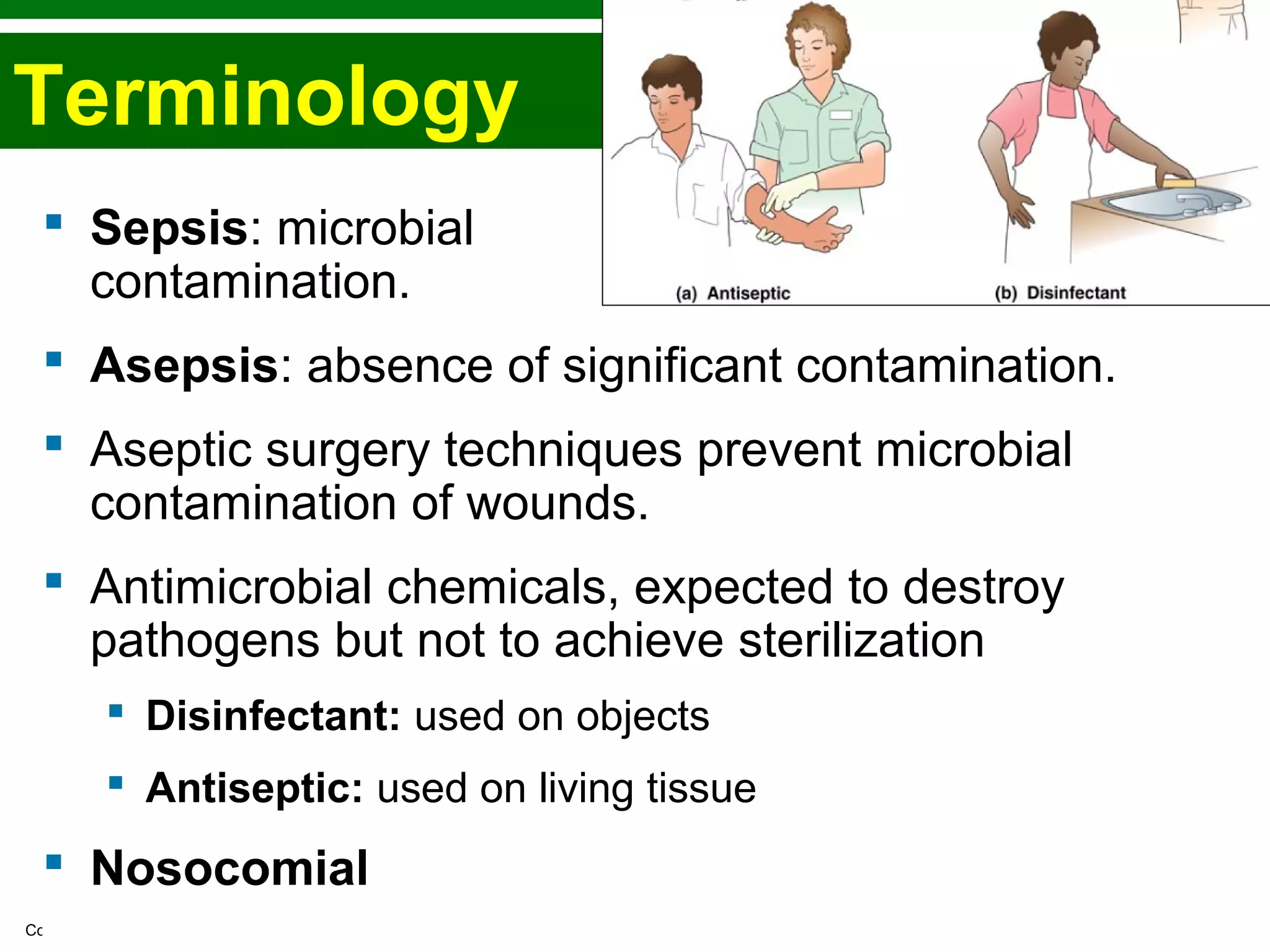
 Disinfectant: used on objects
 Antiseptic: used on living tissue
 Nosocomial
Copyright © 2010 Pearson Education, Inc.
. . . More Terminology
 Sterilization: Removal of all
microbial life (heat, filtration)
 For food: Commercial sterilization to kill
C. botulinum endospores
 Sanitization: reduces microbial numbers to safe
levels (e.g.: eating utensils)
 Bacteriostatic: Inhibits bacterial
reproduction
 Bactericidal: Kills bacteria
 Fungicide, sporicide, germicide,
biocide
Copyright © 2010 Pearson Education, Inc.
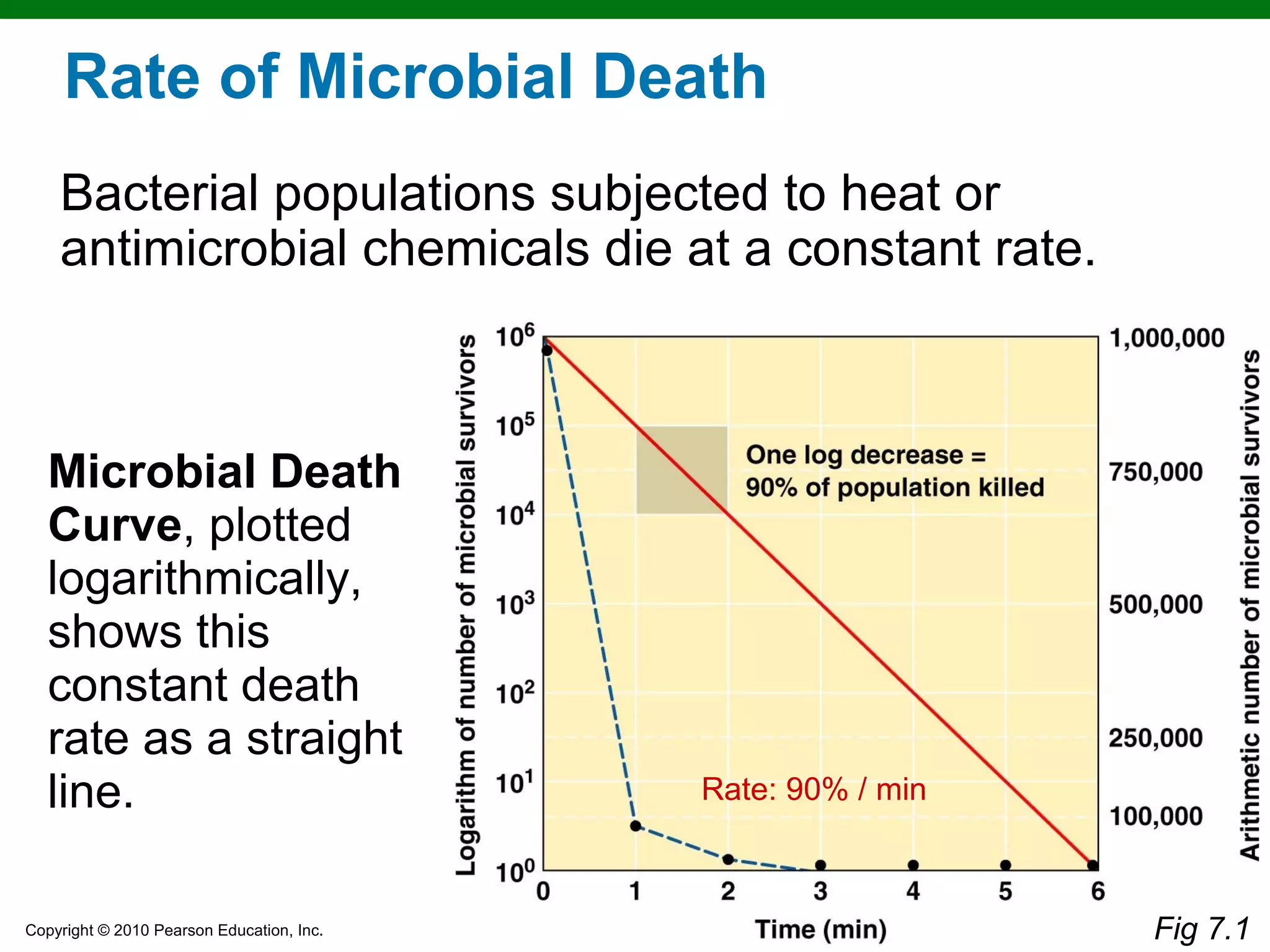
Microbial Death
Curve, plotted
logarithmically,
shows this
constant death
rate as a straight
line.
Figure 7.1a
Rate of Microbial Death
Bacterial populations subjected to heat or
antimicrobial chemicals die at a constant rate.
Rate: 90% / min
Fig 7.1
Copyright © 2010 Pearson Education, Inc.
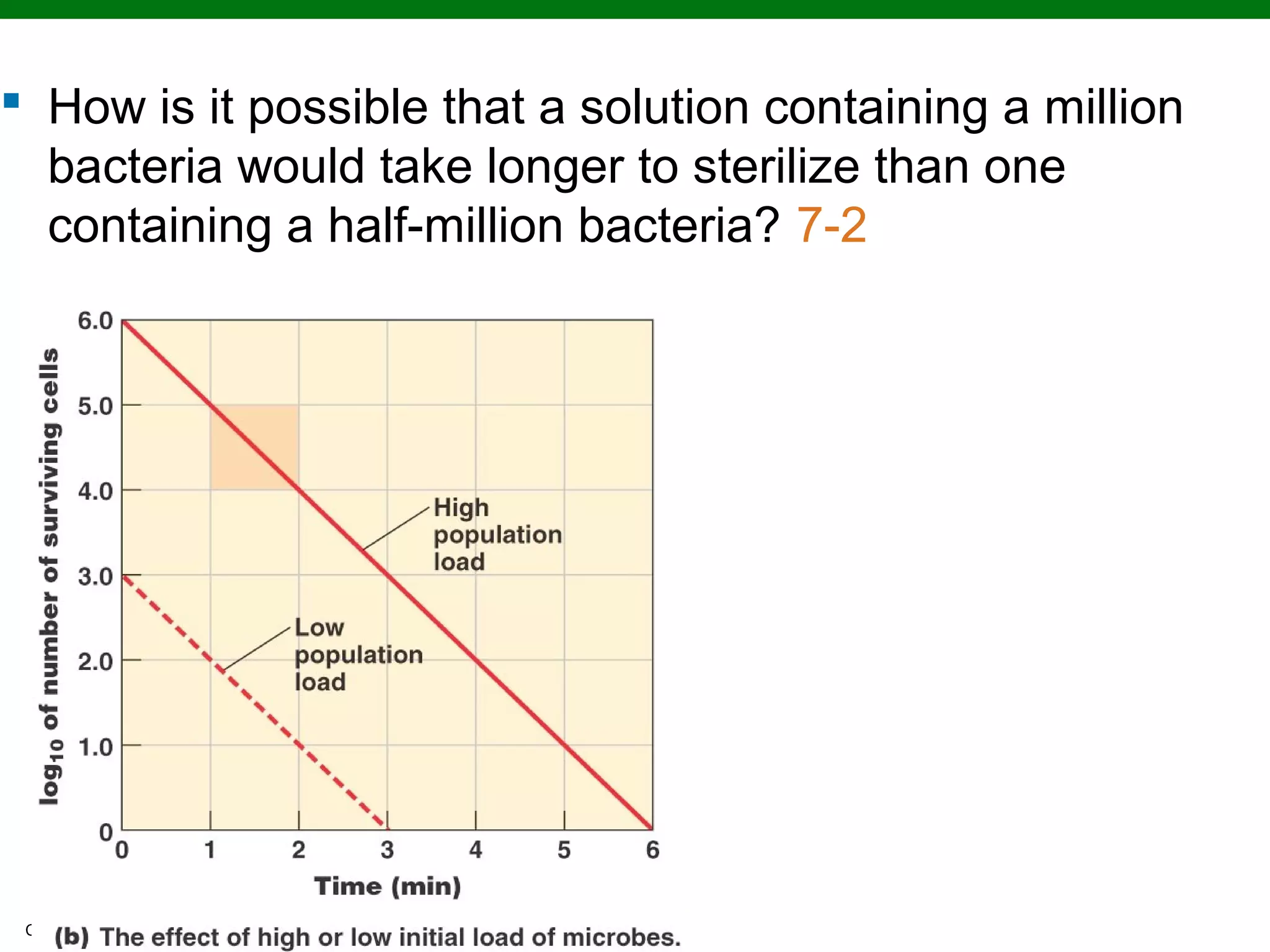
 How is it possible that a solution containing a million
bacteria would take longer to sterilize than one
containing a half-million bacteria? 7-2
Copyright © 2010 Pearson Education, Inc.
Effectiveness of Antimicrobial Treatment
Depends on
 Time it takes to kill a microbial population is
proportional to number of microbes.
 Microbial species and life cycle phases (e.g.:
endospores) have different susceptibilities to
physical and chemical controls.
 Organic matter may interfere with heat treatments
and chemical control agents.
 Exposure time: Longer exposure to lower heat
produces same effect as shorter time at higher
heat.
Copyright © 2010 Pearson Education, Inc.
Actions of Microbial Control Agents
 Alternation of membrane permeability
 Damage to proteins
 Damage to nucleic acids
Copyright © 2010 Pearson Education, Inc.
Physical Methods of Microbial Control
 Heat is very effective (fast and cheap).
 Thermal death point (TDP): Lowest temperature at
which all cells in a culture are killed in 10 min.
 Thermal death time (TDT): Time to kill all cells in a
culture
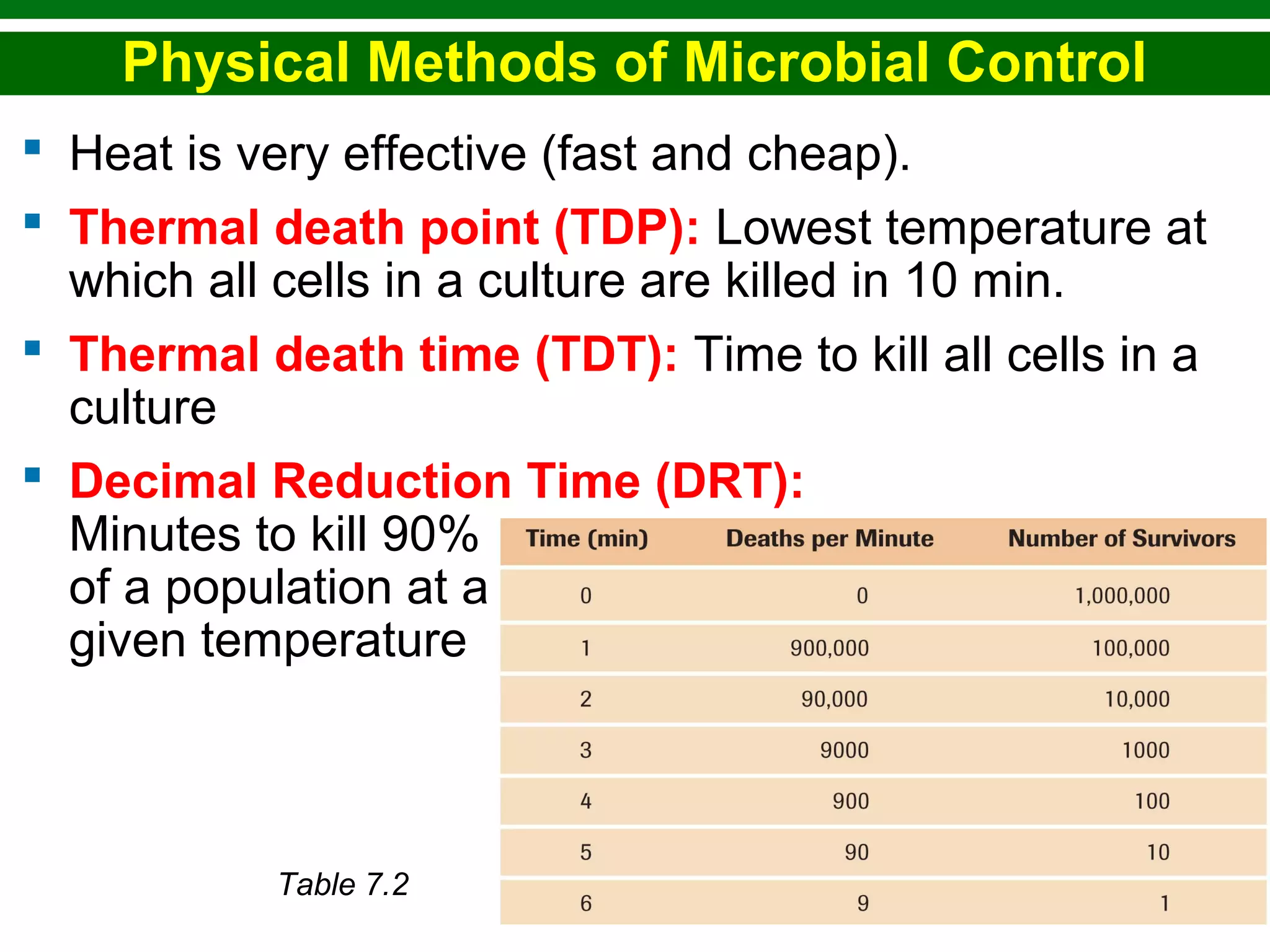
 Decimal Reduction Time (DRT):
Minutes to kill 90%
of a population at a
given temperature
Table 7.2
Copyright © 2010 Pearson Education, Inc.
Moist Heat Sterilization
 Denatures proteins
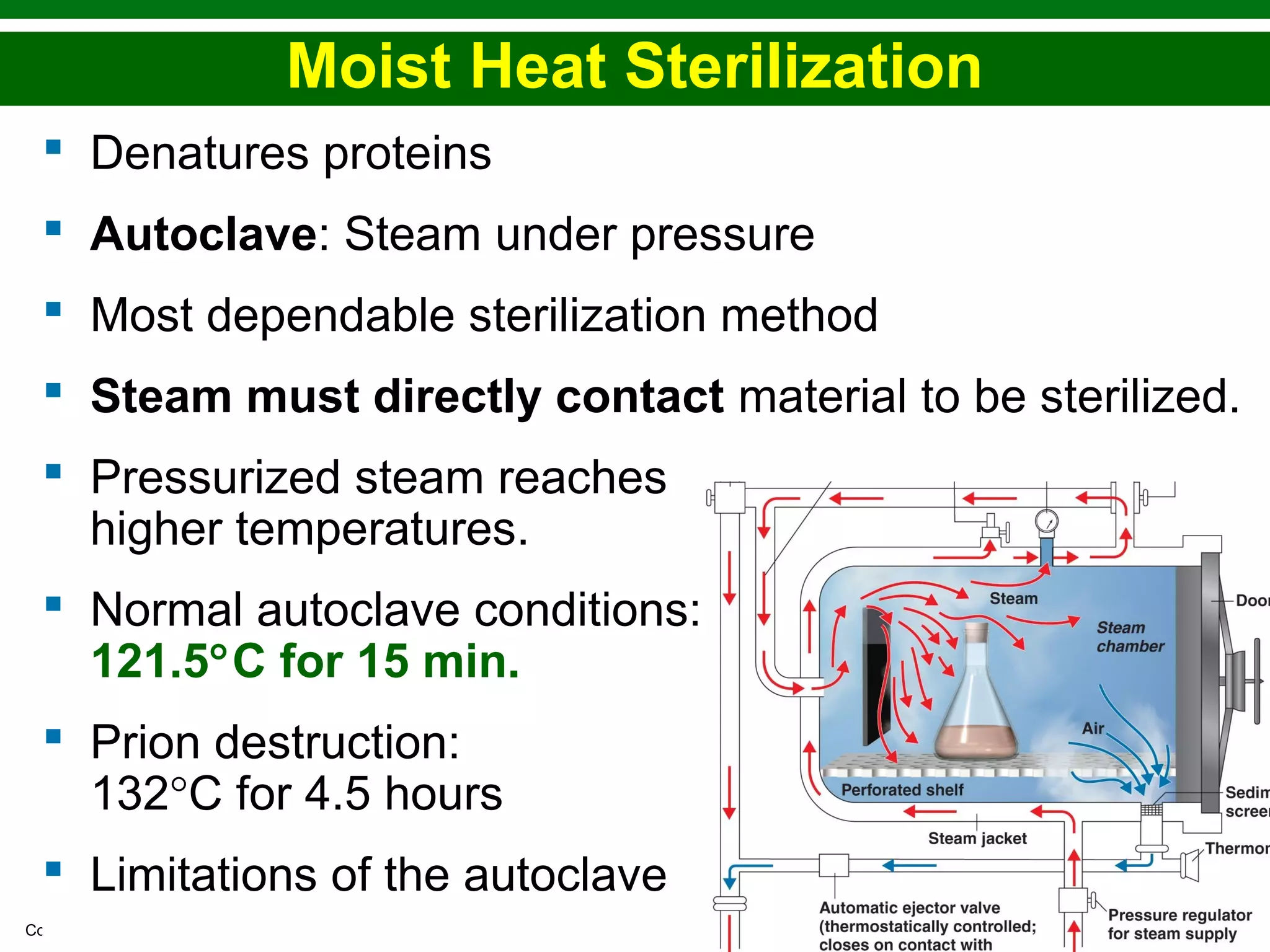
 Autoclave: Steam under pressure
 Most dependable sterilization method
 Steam must directly contact material to be sterilized.
 Pressurized steam reaches
higher temperatures.
 Normal autoclave conditions:
121.5°C for 15 min.
 Prion destruction:
132°C for 4.5 hours
 Limitations of the autoclave
Copyright © 2010 Pearson Education, Inc.
Pasteurization
 Significant number reduction (esp. spoilage and
pathogenic organisms) → does not sterilize!
 Historical goal: destruction of M. tuberculosis
 Classic holding method: 63°C for 30 min
 Flash pasteurization (HTST): 72°C for 15 sec.
Most common in US.
Thermoduric organisms survive
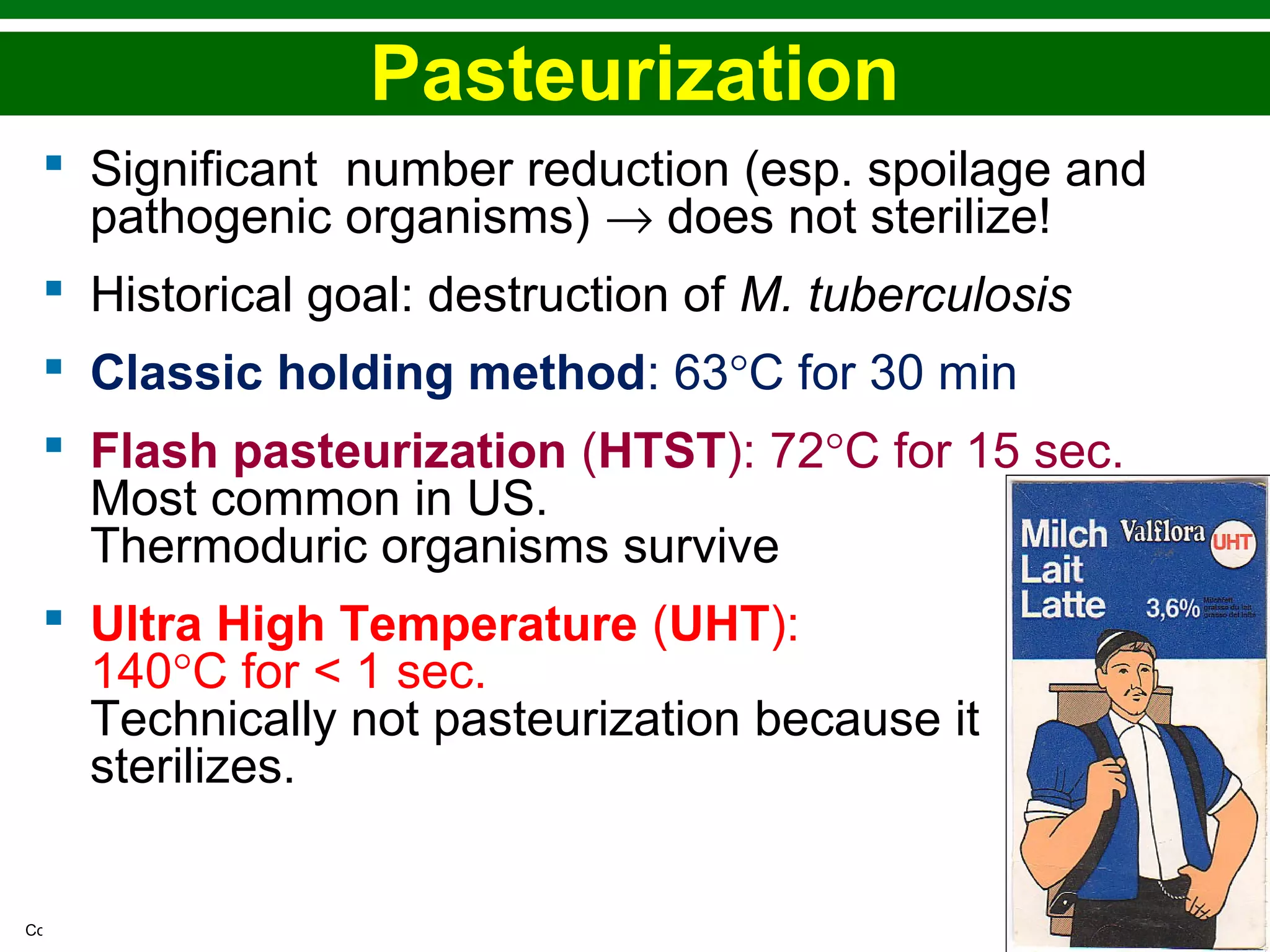
 Ultra High Temperature (UHT):
140°C for < 1 sec.
Technically not pasteurization because it
sterilizes.
Copyright © 2010 Pearson Education, Inc.
Hot-air Autoclave
Equivalent
treatments
170˚C, 2 hr
121˚C, 15
min
Dry heat sterilization kills by oxidation
 Flaming of loop
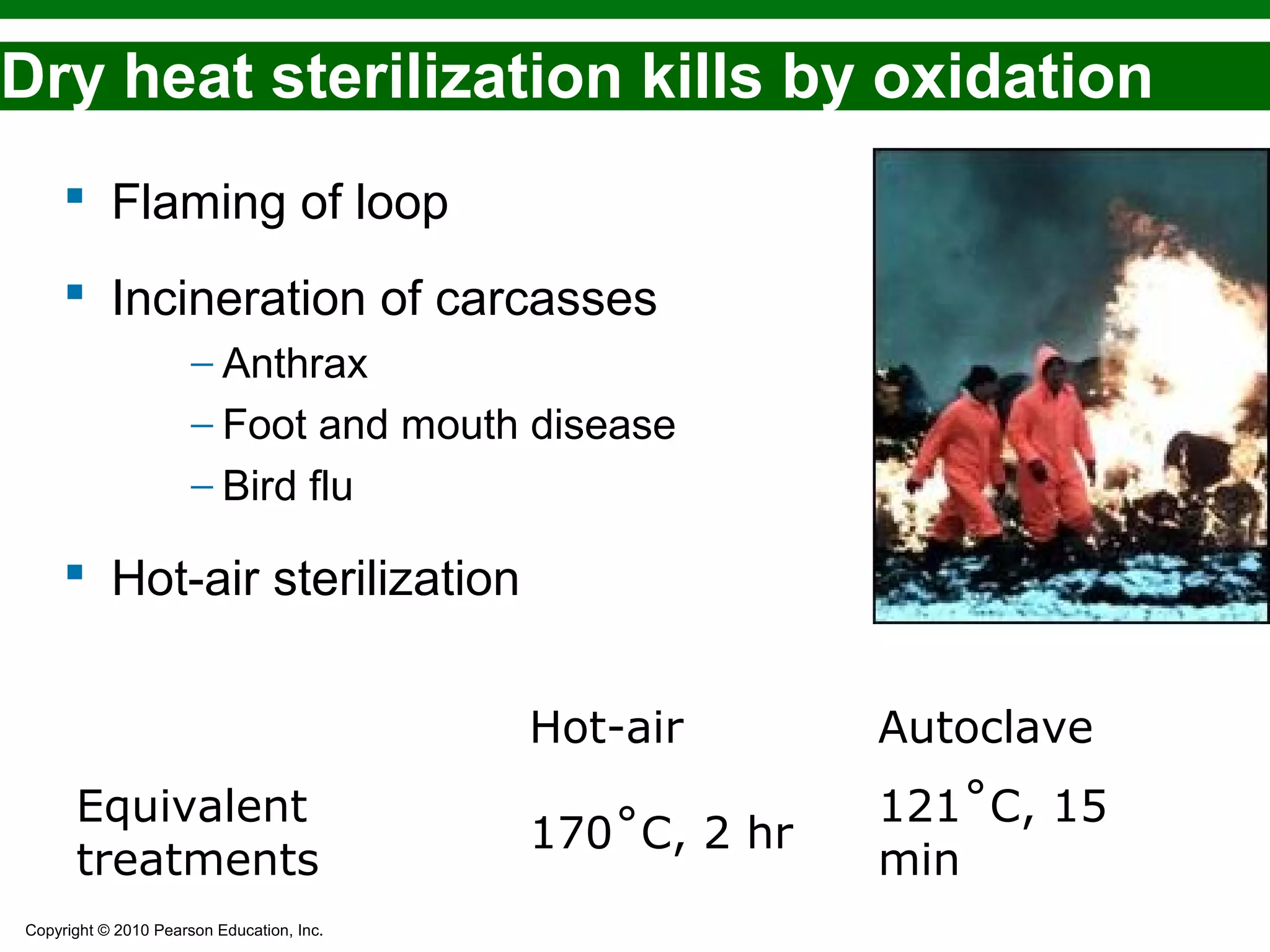
 Incineration of carcasses
− Anthrax
− Foot and mouth disease
− Bird flu
 Hot-air sterilization
Copyright © 2010 Pearson Education, Inc.
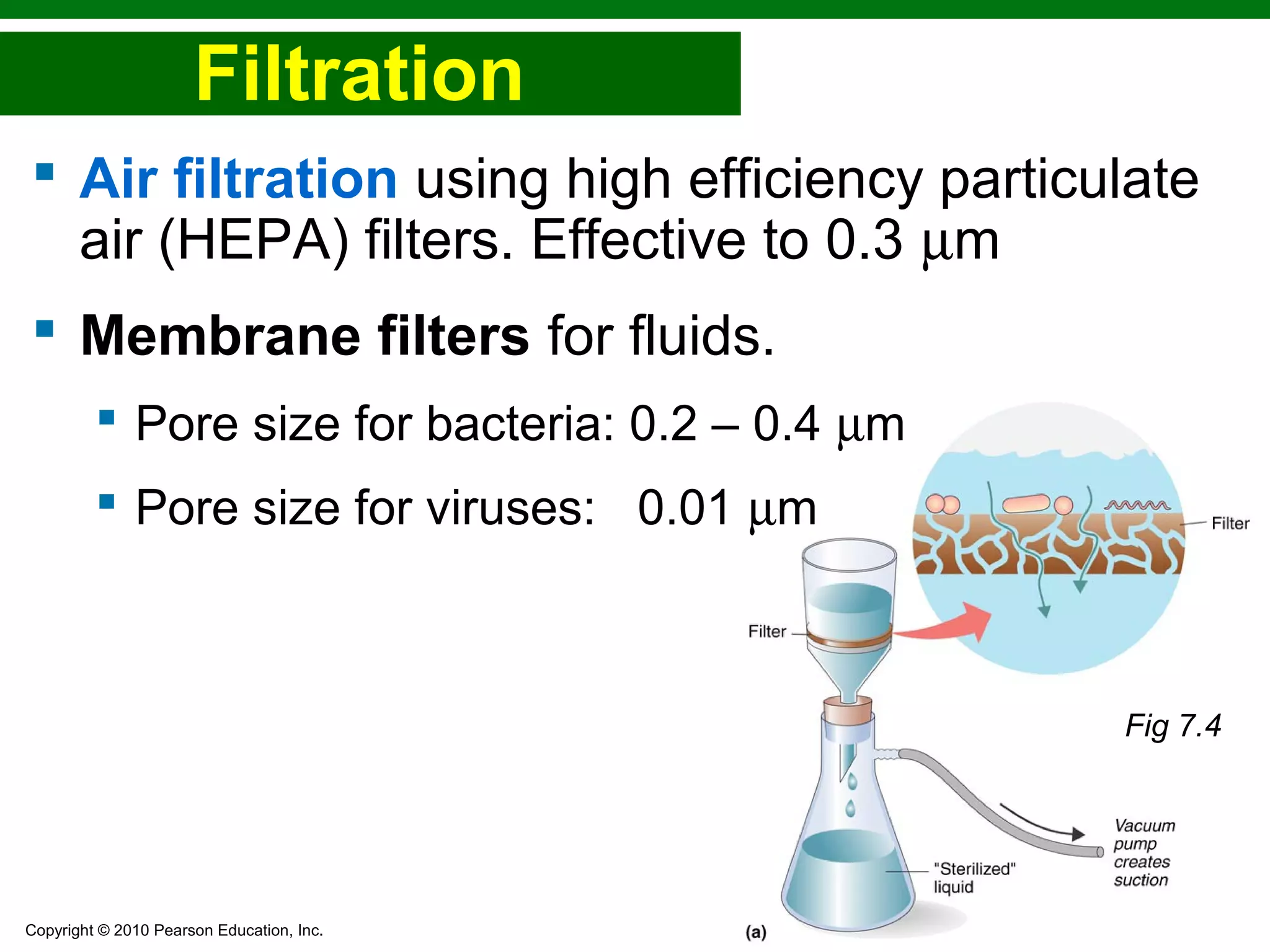
Filtration
 Air filtration using high efficiency particulate
air (HEPA) filters. Effective to 0.3 µm
 Membrane filters for fluids.
 Pore size for bacteria: 0.2 – 0.4 µm
 Pore size for viruses: 0.01 µm
Fig 7.4
Copyright © 2010 Pearson Education, Inc.
Low Temperature
 Slows enzymatic reactions ⇒ inhibits microbial growth
 Freezing forms ice crystals that damage microbial cells
 Refrigeration (watch out for _________________!, deep
freezing, lyophilization
Various Other Methods
 High pressure in liquids denatures bacterial proteins
and preserves flavor
 Desiccation prevents metabolism
 Osmotic pressure causes plasmolysis
Copyright © 2010 Pearson Education, Inc.
Ionizing Radiation
 X-rays, γ-rays, electron beams →
dislodge e- from atoms → production
of free radicals and other highly reactive
molecules
 Commonly used Cobalt-60 radioisotope
 Salmonella and Pseudomonas are particularly
sensitive
 Sterilization of heat sensitive materials: drugs,
vitamins, herbs, suture material
 Also used as “cold pasteurization” of food ⇒
Consumer fears!?
Copyright © 2010 Pearson Education, Inc.
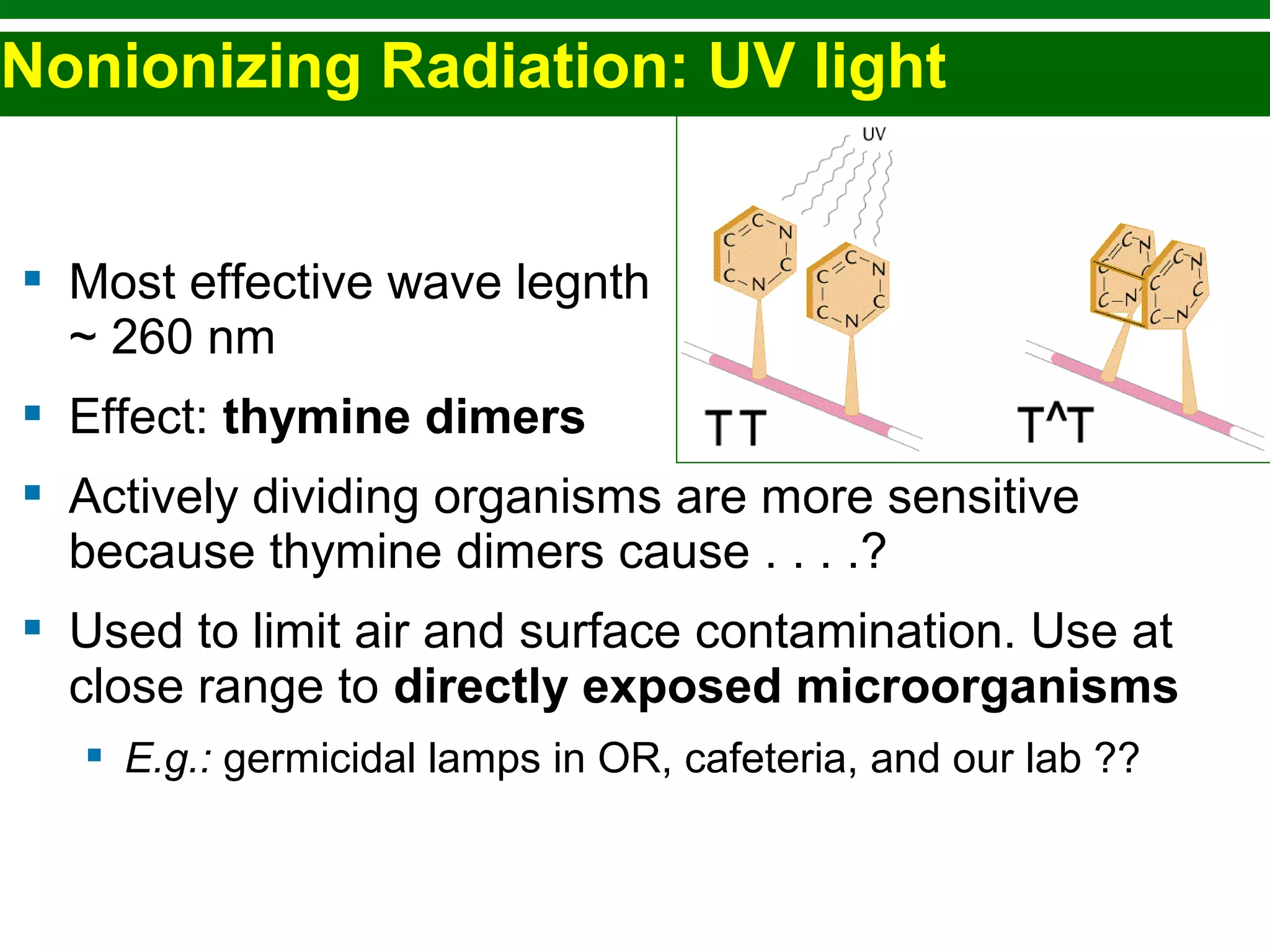
 Most effective wave legnth
~ 260 nm
 Effect: thymine dimers
 Actively dividing organisms are more sensitive
because thymine dimers cause . . . .?
 Used to limit air and surface contamination. Use at
close range to directly exposed microorganisms
 E.g.: germicidal lamps in OR, cafeteria, and our lab ??
Nonionizing Radiation: UV light
Copyright © 2010 Pearson Education, Inc.
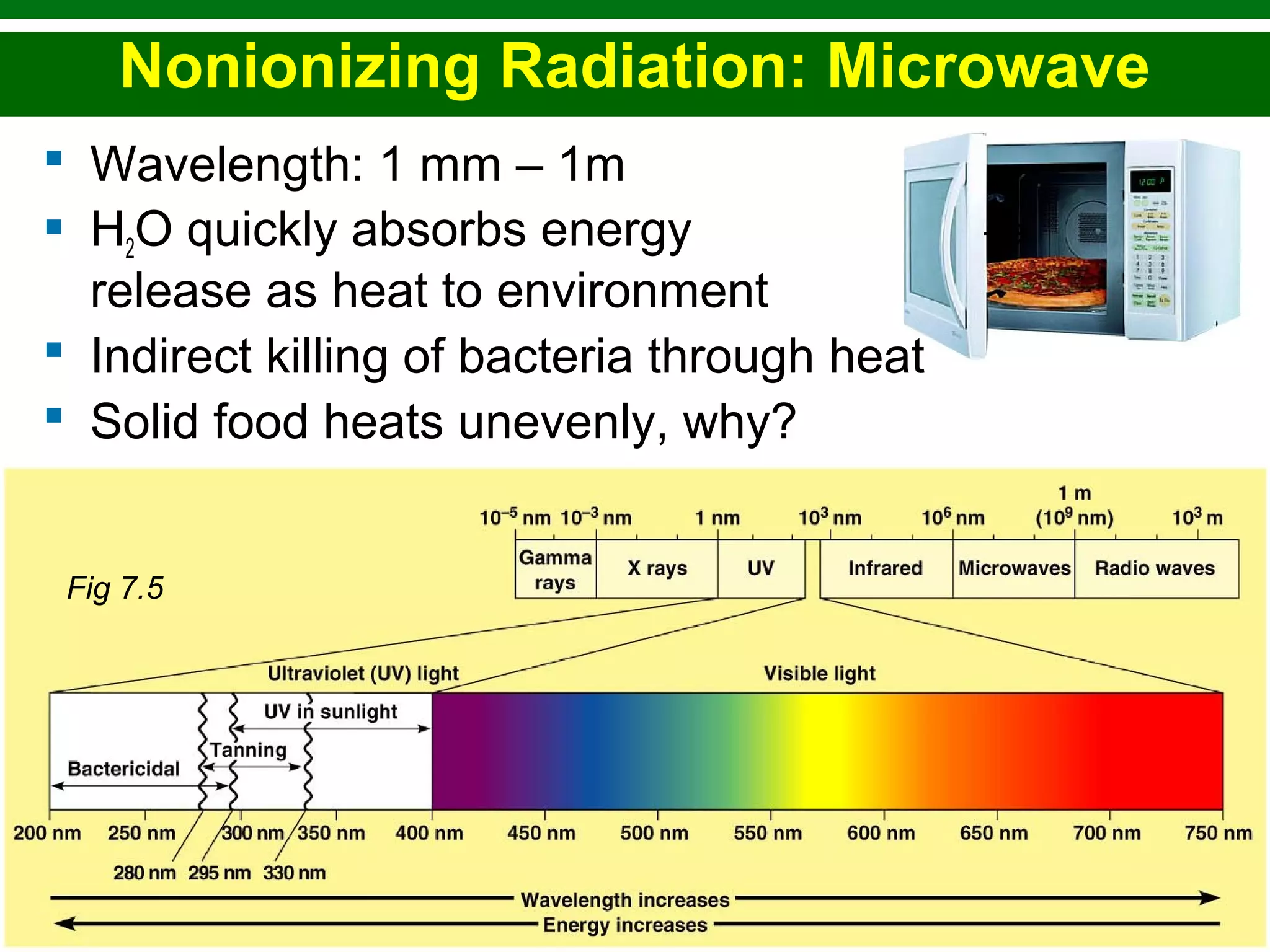
 Wavelength: 1 mm – 1m
 H2O quickly absorbs energy →
release as heat to environment
 Indirect killing of bacteria through heat
 Solid food heats unevenly, why?
Nonionizing Radiation: Microwave
Fig 7.5
Copyright © 2010 Pearson Education, Inc.
Chemical Methods of Microbial Control
 Few chemical agents achieve sterility.
 Consider presence of organic matter, degree of contact
with microorganisms, and temperature
 Disinfectants regulated by EPA
Antiseptics regulated by FDA
 Use-dilution test
1. Metal rings dipped in test bacteria are dried.
2. Dried cultures of S. choleraesuis, S. aureus, and P.
aeruginosa are placed in disinfectant for 10 min at
20°C.
3. Rings are transferred to culture media to determine
whether bacteria survived treatment.
Copyright © 2010 Pearson Education, Inc.
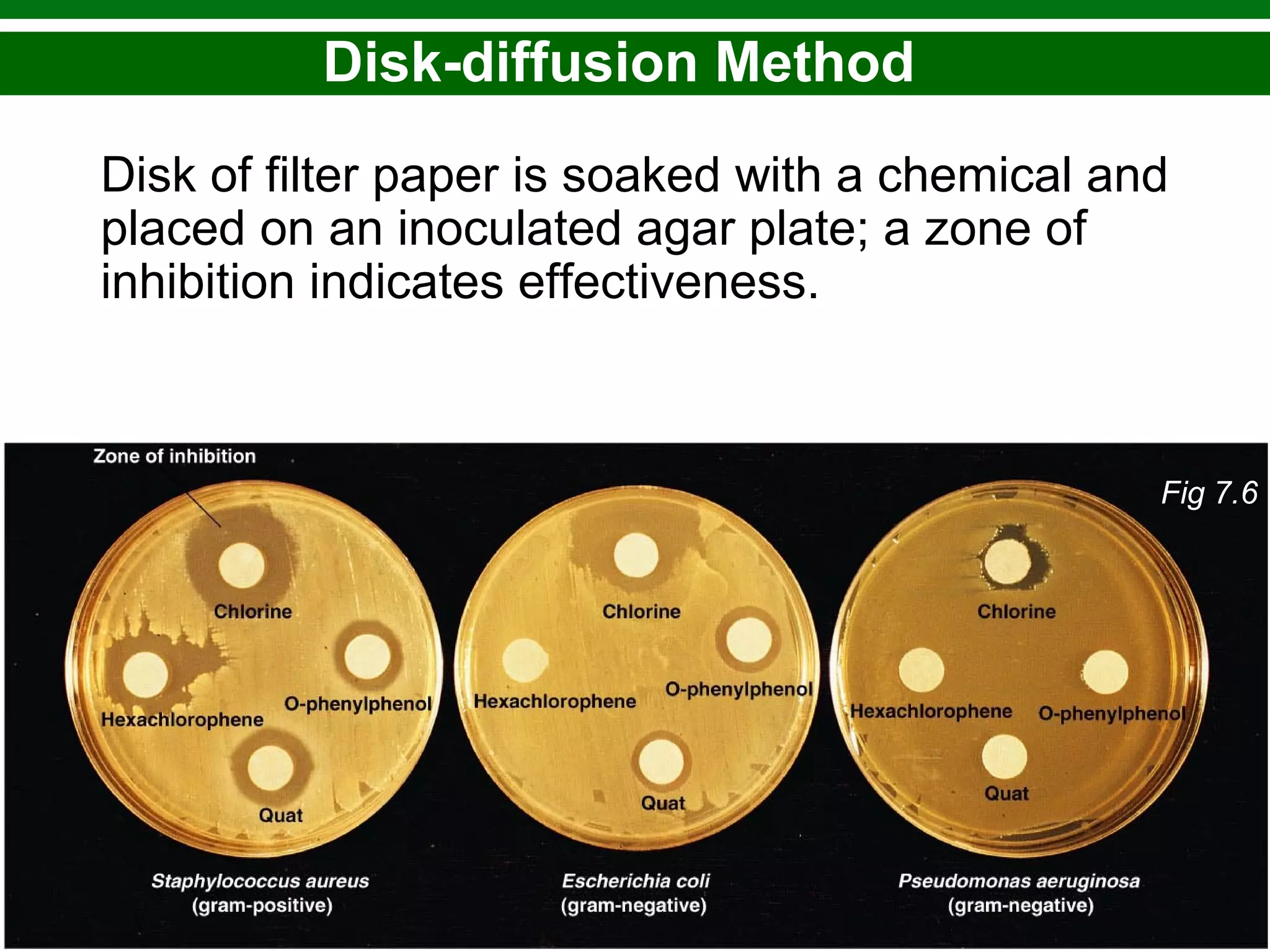
Disk-diffusion Method
Disk of filter paper is soaked with a chemical and
placed on an inoculated agar plate; a zone of
inhibition indicates effectiveness.
Fig 7.6
Copyright © 2010 Pearson Education, Inc.
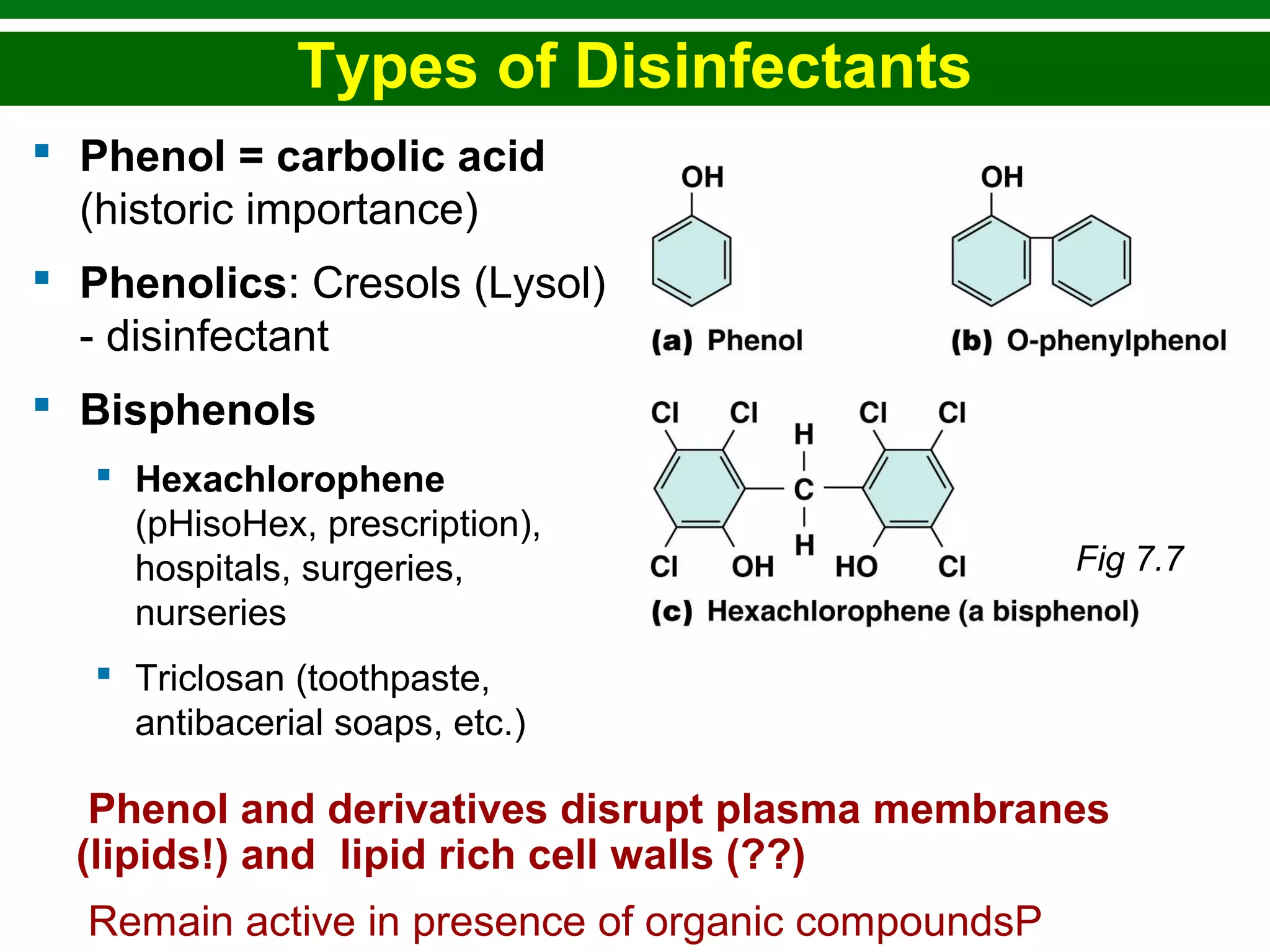
Types of Disinfectants
 Phenol = carbolic acid
(historic importance)
 Phenolics: Cresols (Lysol)
- disinfectant
 Bisphenols
 Hexachlorophene
(pHisoHex, prescription),
hospitals, surgeries,
nurseries
 Triclosan (toothpaste,
antibacerial soaps, etc.)
Phenol and derivatives disrupt plasma membranes
(lipids!) and lipid rich cell walls (??)
Remain active in presence of organic compoundsP
Fig 7.7
Copyright © 2010 Pearson Education, Inc.
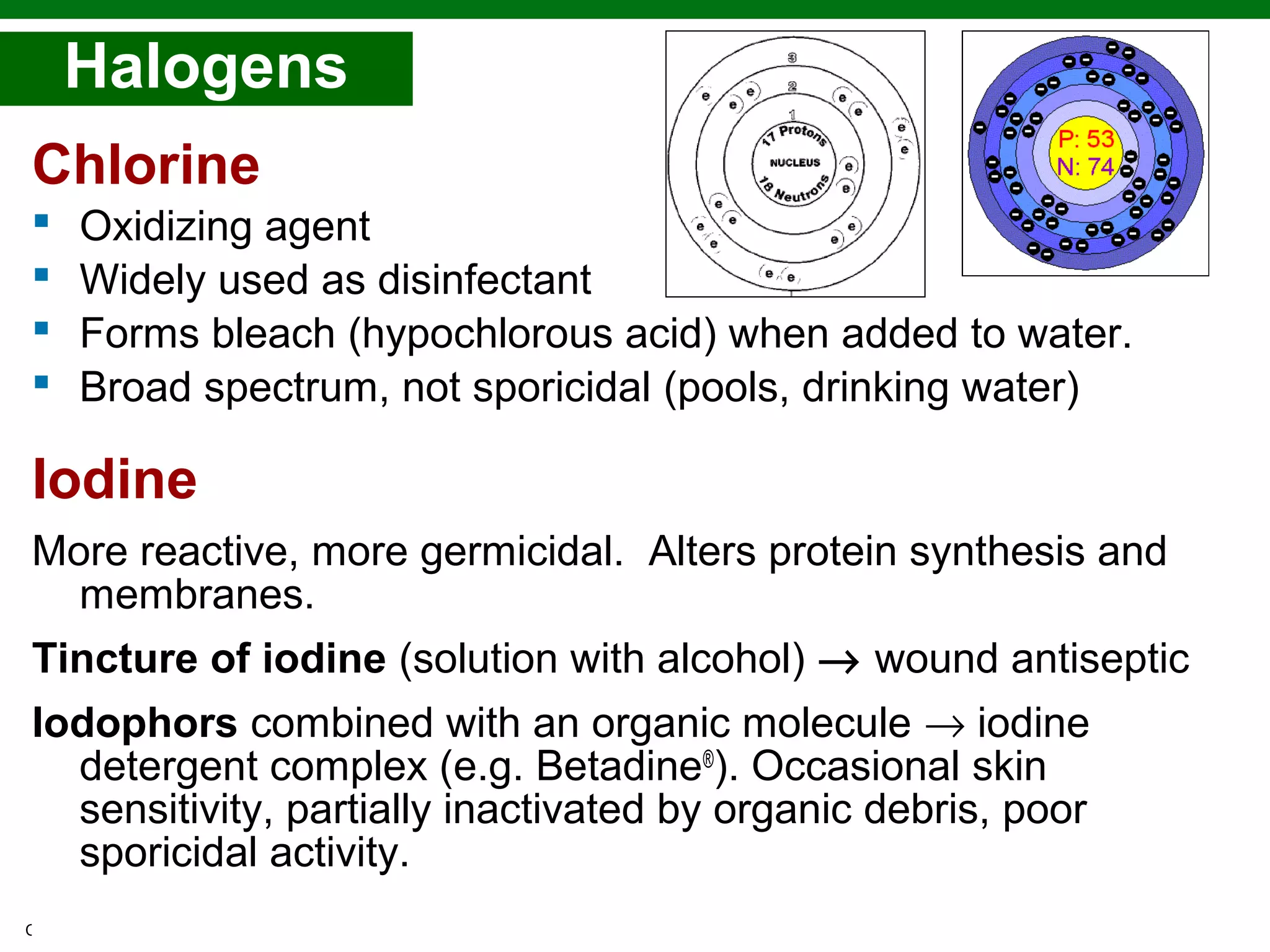
Chlorine
 Oxidizing agent
 Widely used as disinfectant
 Forms bleach (hypochlorous acid) when added to water.
 Broad spectrum, not sporicidal (pools, drinking water)
Iodine
More reactive, more germicidal. Alters protein synthesis and
membranes.
Tincture of iodine (solution with alcohol) → wound antiseptic
Iodophors combined with an organic molecule → iodine
detergent complex (e.g. Betadine®
). Occasional skin
sensitivity, partially inactivated by organic debris, poor
sporicidal activity.
Halogens
Copyright © 2010 Pearson Education, Inc.
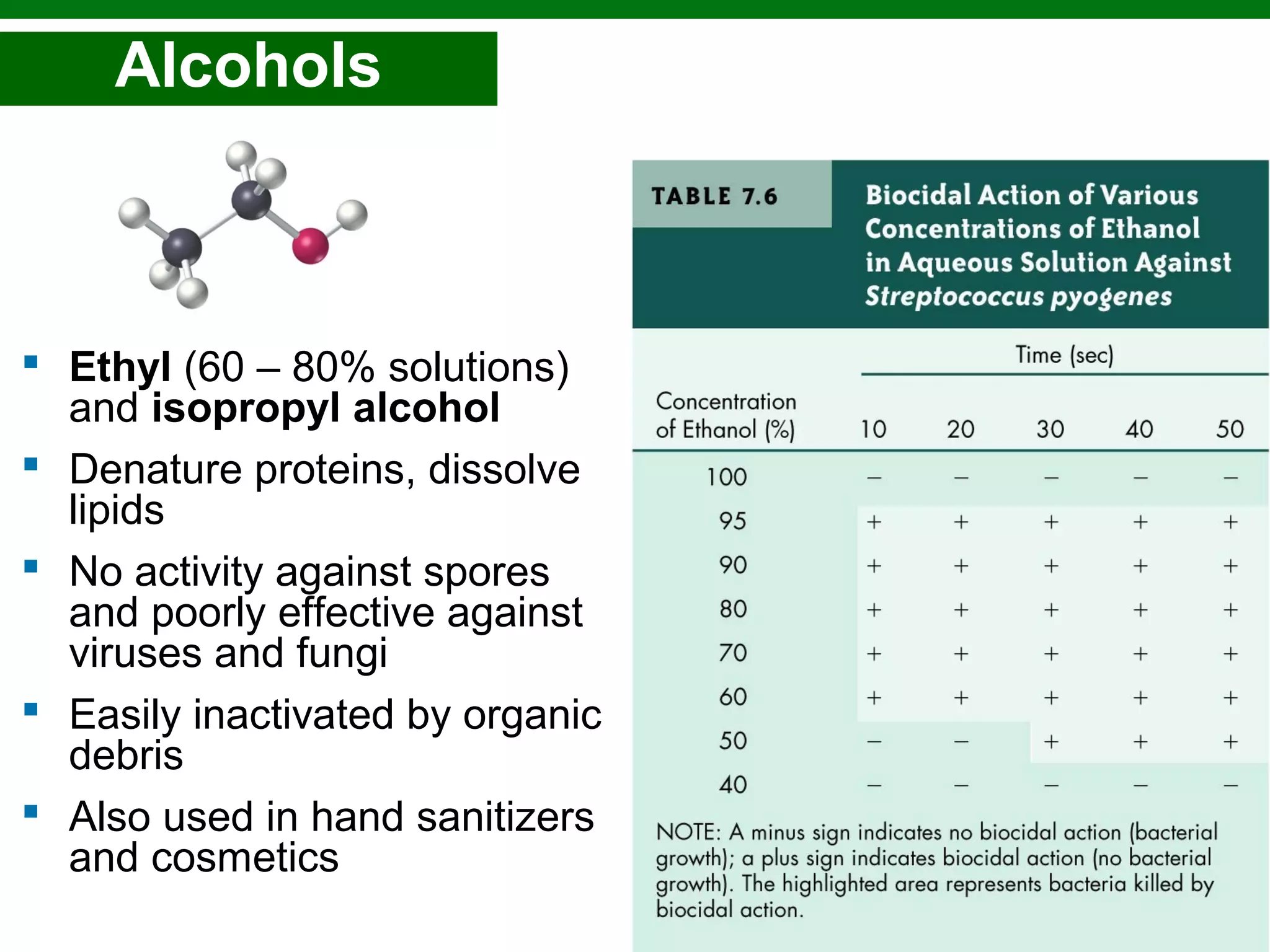
 Ethyl (60 – 80% solutions)
and isopropyl alcohol
 Denature proteins, dissolve
lipids
 No activity against spores
and poorly effective against
viruses and fungi
 Easily inactivated by organic
debris
 Also used in hand sanitizers
and cosmetics
Table 7.6
Alcohols
Copyright © 2010 Pearson Education, Inc.
Heavy Metals
Oligodynamic action: toxic effect due to metal ions
combining with sulfhydryl (—SH) and other groups
⇒ proteins are denatured.
 Mercury (HgCl2, Greeks & Romans
for skin lesions); Thimerosal
 Copper against chlorophyll containing organisms
→ Algicides
 Silver (AgNO3): Antiseptic for eyes of newborns
 Zinc (ZnCl2) in mouthwashes, ZnO in antifungal in
paint
Copyright © 2010 Pearson Education, Inc.
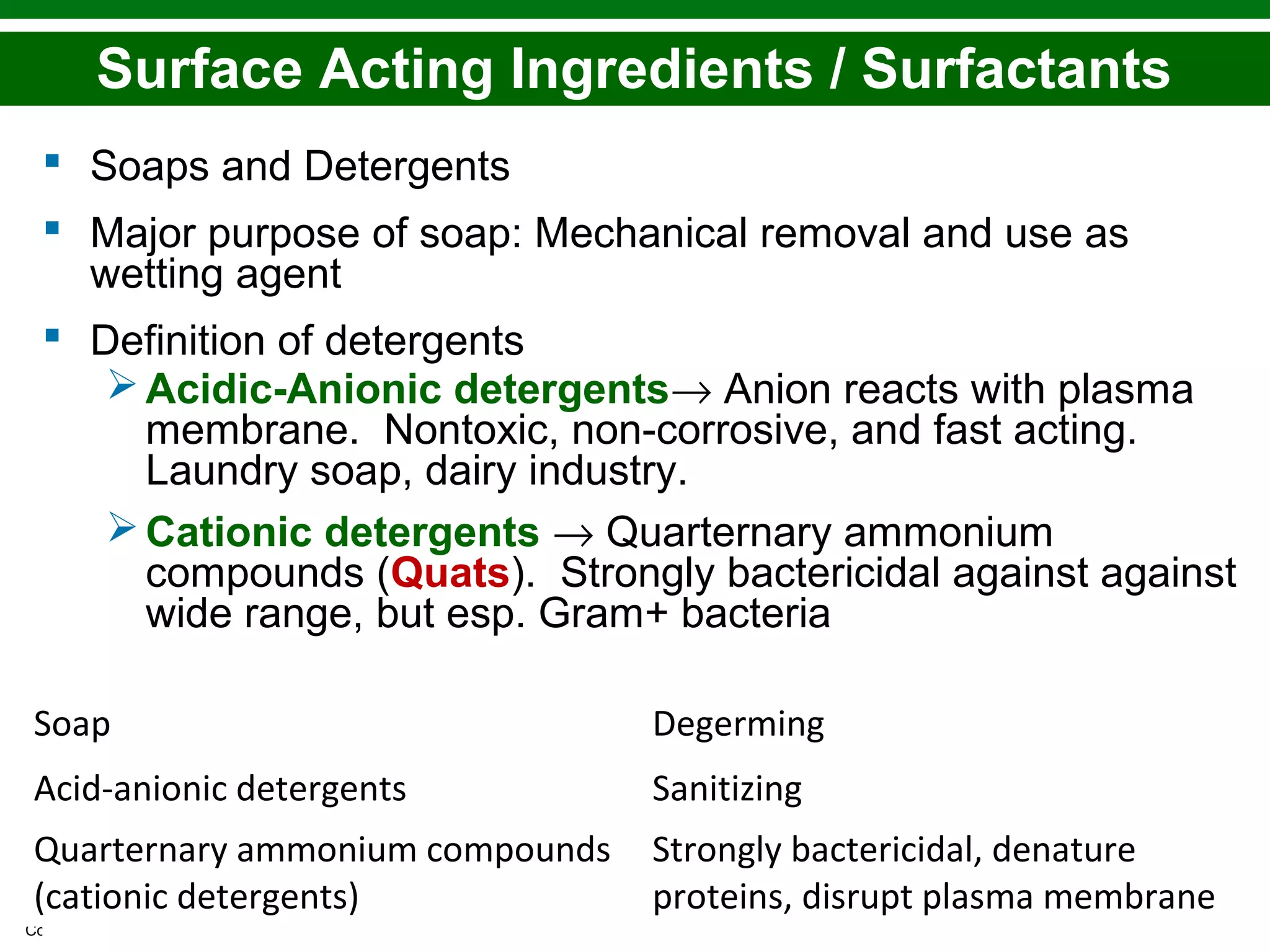
 Soaps and Detergents
 Major purpose of soap: Mechanical removal and use as
wetting agent
 Definition of detergents
Acidic-Anionic detergents→ Anion reacts with plasma
membrane. Nontoxic, non-corrosive, and fast acting.
Laundry soap, dairy industry.
Cationic detergents → Quarternary ammonium
compounds (Quats). Strongly bactericidal against against
wide range, but esp. Gram+ bacteria
Surface Acting Ingredients / Surfactants
Soap Degerming
Acid-anionic detergents Sanitizing
Quarternary ammonium compounds
(cationic detergents)
Strongly bactericidal, denature
proteins, disrupt plasma membrane
Copyright © 2010 Pearson Education, Inc.
Sulfur dioxide
wine
Organic acids
Inhibit metabolism
Sorbic acid, benzoic acid, and calcium propionate
Control molds and bacteria in foods and cosmetics
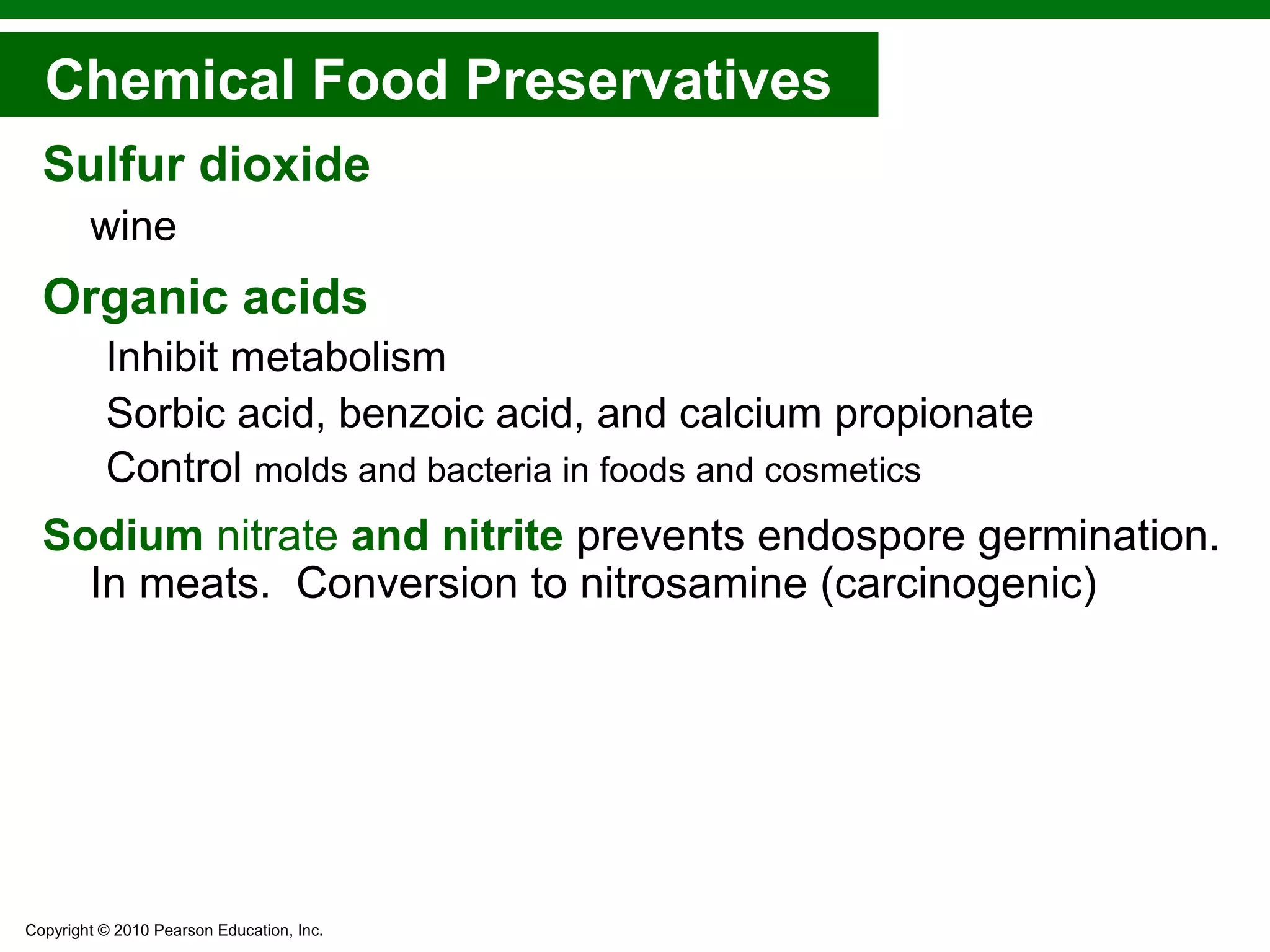
Sodium nitrate and nitrite prevents endospore germination.
In meats. Conversion to nitrosamine (carcinogenic)
Chemical Food Preservatives
Copyright © 2010 Pearson Education, Inc.
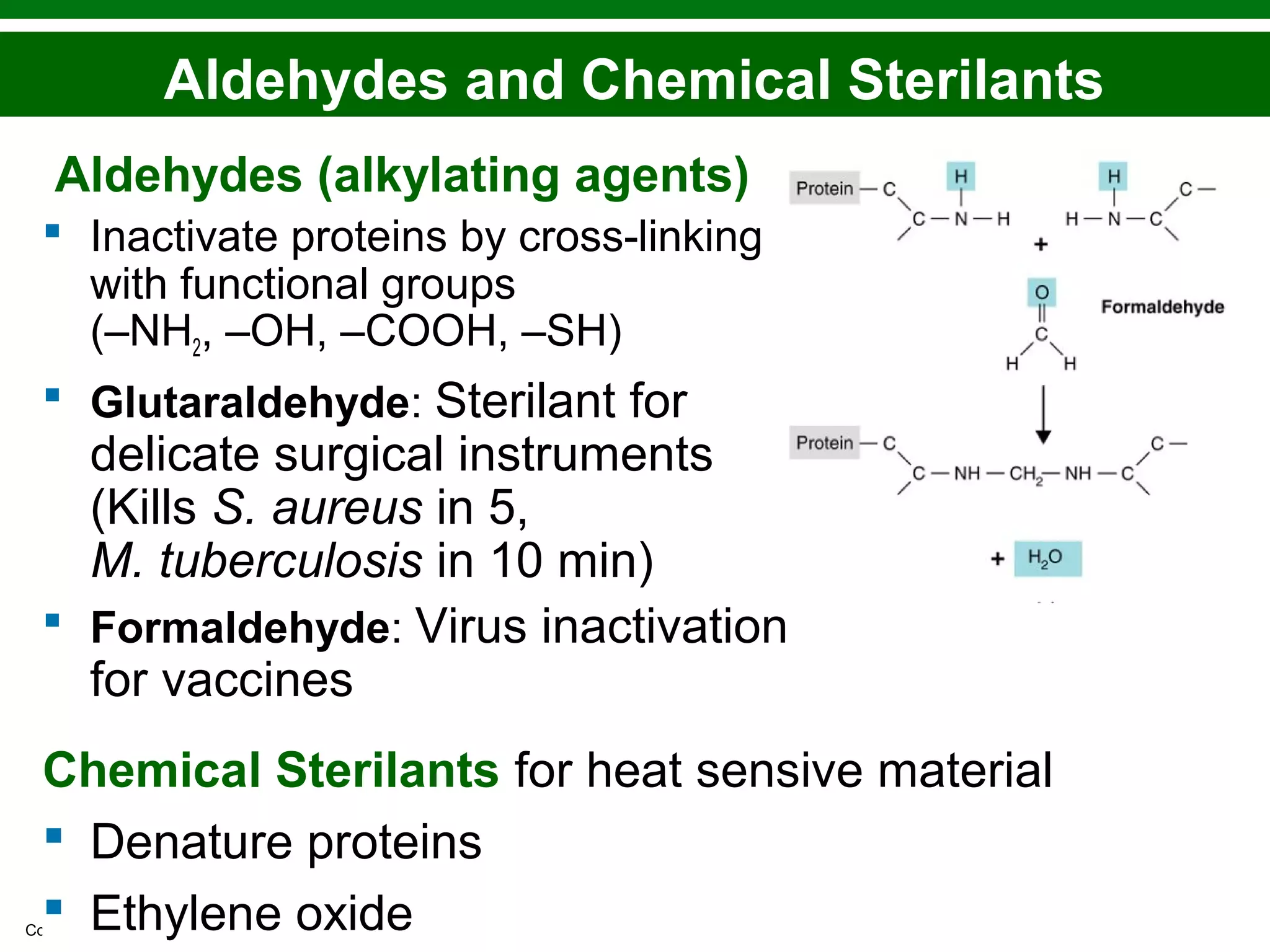
Aldehydes (alkylating agents)
 Inactivate proteins by cross-linking
with functional groups
(–NH2, –OH, –COOH, –SH)
 Glutaraldehyde: Sterilant for
delicate surgical instruments
(Kills S. aureus in 5,
M. tuberculosis in 10 min)
 Formaldehyde: Virus inactivation
for vaccines
Chemical Sterilants for heat sensive material
 Denature proteins
 Ethylene oxide
Aldehydes and Chemical Sterilants
Copyright © 2010 Pearson Education, Inc.
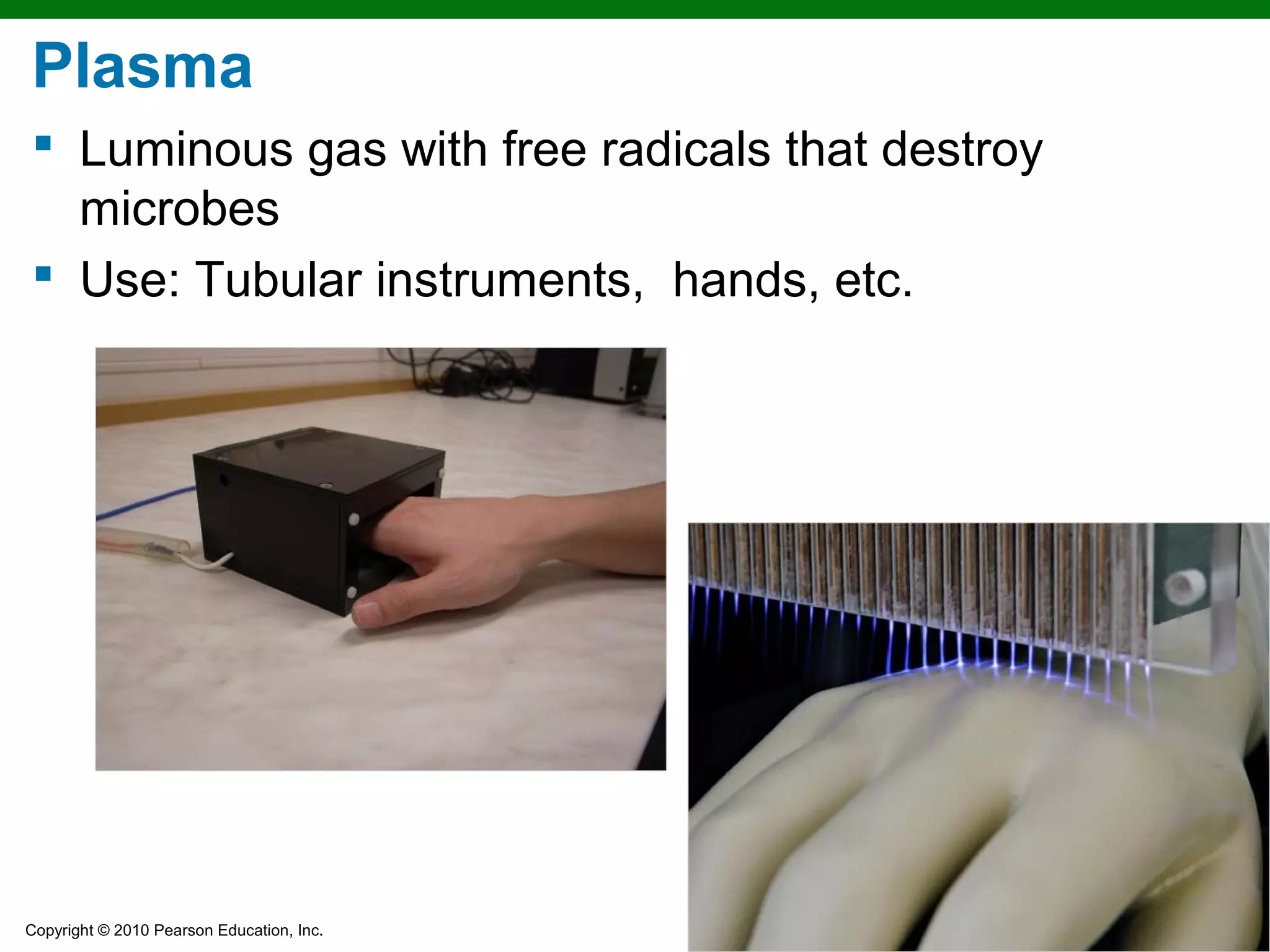
Plasma
 Luminous gas with free radicals that destroy
microbes
 Use: Tubular instruments, hands, etc.
Copyright © 2010 Pearson Education, Inc.
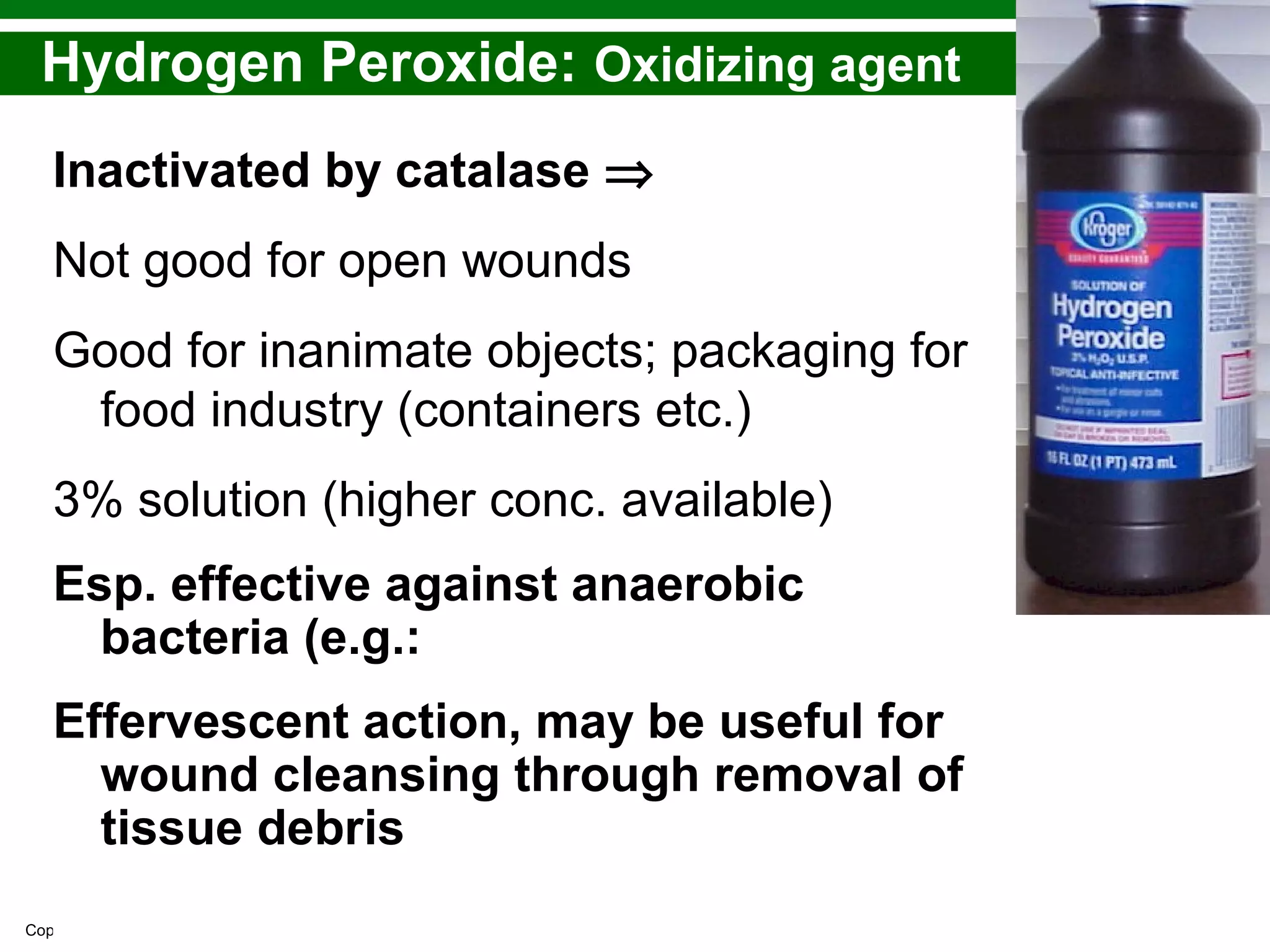
Hydrogen Peroxide: Oxidizing agent
Inactivated by catalase ⇒
Not good for open wounds
Good for inanimate objects; packaging for
food industry (containers etc.)
3% solution (higher conc. available)
Esp. effective against anaerobic
bacteria (e.g.:
Effervescent action, may be useful for
wound cleansing through removal of
tissue debris
Copyright © 2010 Pearson Education, Inc.
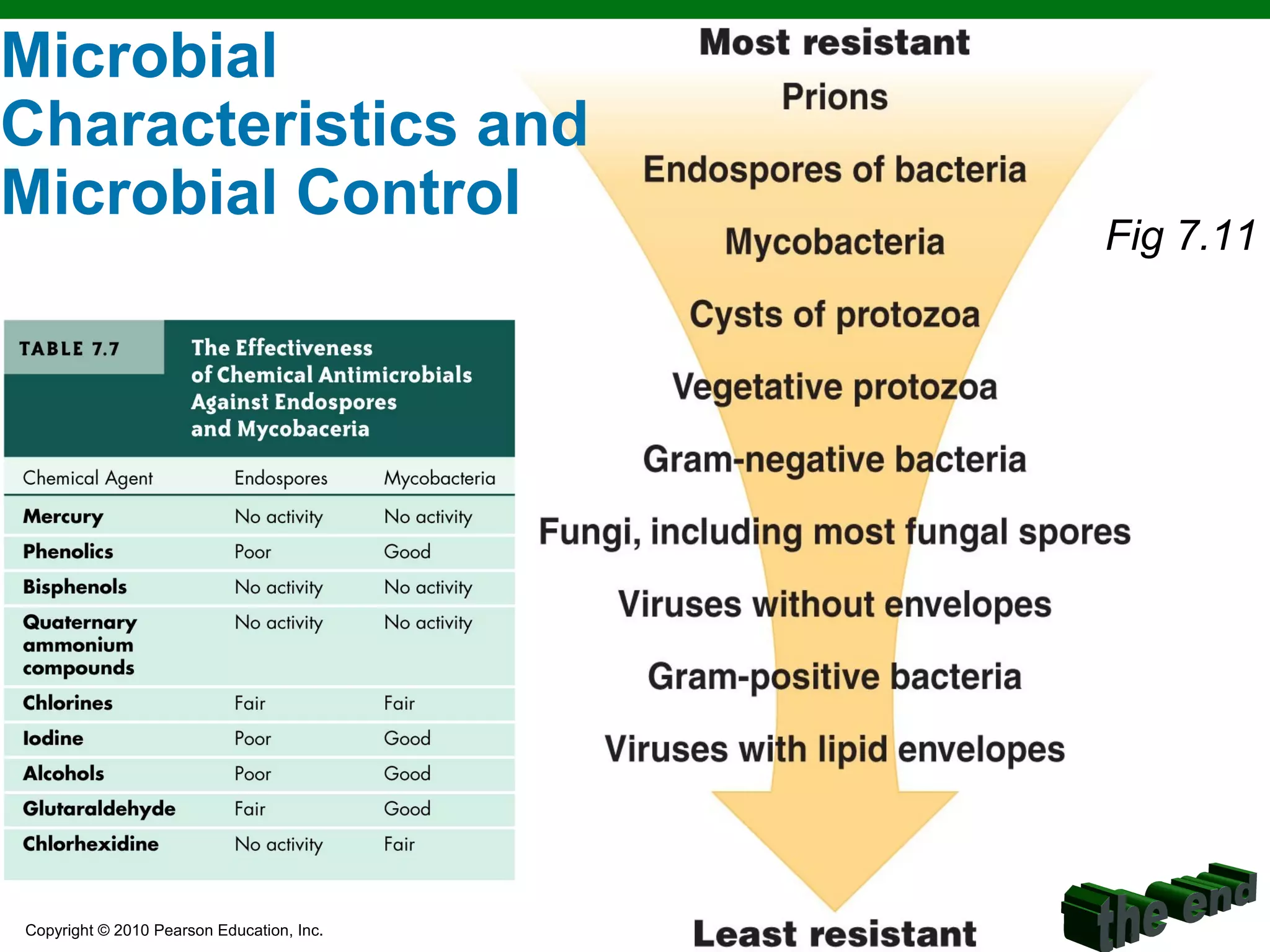
Microbial
Characteristics and
Microbial Control
Fig 7.11

M t ch7_control of microbial growth_s

  • 1.
    Chapter 7 The Control ofMicrobial Growth
  • 2.
    Copyright © 2010Pearson Education, Inc. SLOs  Define sterilization, disinfection, antisepsis, sanitization, biocide, germicide, bacteriostasis, and asepsis.  Describe the microbial death curve.  Describe the effects of microbial control agents on cellular structures.  Compare effectiveness of moist heat (autoclaving, pasteurization) vs .dry heat.  Describe how filtration, low temperature, high pressure, desiccation, and osmotic pressure suppress microbial growth.  Explain how radiation kills cells.  List the factors related to effective disinfection.  Interpret results of use-dilution tests and the disk-diffusion method.  Identify some methods of action and preferred uses of chemical disinfectant  Differentiate between halogens used as antiseptics and as disinfectants.  Identify the appropriate uses for surface-active agents.  List the advantages of glutaraldehyde over other chemical disinfectants.  Identify the method of sterilizing plastic labware.  Explain how microbial control is affected by the type of microbe.
  • 3.
    Copyright © 2010Pearson Education, Inc. Terminology  Sepsis: microbial contamination.  Asepsis: absence of significant contamination.  Aseptic surgery techniques prevent microbial contamination of wounds.  Antimicrobial chemicals, expected to destroy pathogens but not to achieve sterilization  Disinfectant: used on objects  Antiseptic: used on living tissue  Nosocomial
  • 4.
    Copyright © 2010Pearson Education, Inc. . . . More Terminology  Sterilization: Removal of all microbial life (heat, filtration)  For food: Commercial sterilization to kill C. botulinum endospores  Sanitization: reduces microbial numbers to safe levels (e.g.: eating utensils)  Bacteriostatic: Inhibits bacterial reproduction  Bactericidal: Kills bacteria  Fungicide, sporicide, germicide, biocide
  • 5.
    Copyright © 2010Pearson Education, Inc. Microbial Death Curve, plotted logarithmically, shows this constant death rate as a straight line. Figure 7.1a Rate of Microbial Death Bacterial populations subjected to heat or antimicrobial chemicals die at a constant rate. Rate: 90% / min Fig 7.1
  • 6.
    Copyright © 2010Pearson Education, Inc.  How is it possible that a solution containing a million bacteria would take longer to sterilize than one containing a half-million bacteria? 7-2
  • 7.
    Copyright © 2010Pearson Education, Inc. Effectiveness of Antimicrobial Treatment Depends on  Time it takes to kill a microbial population is proportional to number of microbes.  Microbial species and life cycle phases (e.g.: endospores) have different susceptibilities to physical and chemical controls.  Organic matter may interfere with heat treatments and chemical control agents.  Exposure time: Longer exposure to lower heat produces same effect as shorter time at higher heat.
  • 8.
    Copyright © 2010Pearson Education, Inc. Actions of Microbial Control Agents  Alternation of membrane permeability  Damage to proteins  Damage to nucleic acids
  • 9.
    Copyright © 2010Pearson Education, Inc. Physical Methods of Microbial Control  Heat is very effective (fast and cheap).  Thermal death point (TDP): Lowest temperature at which all cells in a culture are killed in 10 min.  Thermal death time (TDT): Time to kill all cells in a culture  Decimal Reduction Time (DRT): Minutes to kill 90% of a population at a given temperature Table 7.2
  • 10.
    Copyright © 2010Pearson Education, Inc. Moist Heat Sterilization  Denatures proteins  Autoclave: Steam under pressure  Most dependable sterilization method  Steam must directly contact material to be sterilized.  Pressurized steam reaches higher temperatures.  Normal autoclave conditions: 121.5°C for 15 min.  Prion destruction: 132°C for 4.5 hours  Limitations of the autoclave
  • 11.
    Copyright © 2010Pearson Education, Inc. Pasteurization  Significant number reduction (esp. spoilage and pathogenic organisms) → does not sterilize!  Historical goal: destruction of M. tuberculosis  Classic holding method: 63°C for 30 min  Flash pasteurization (HTST): 72°C for 15 sec. Most common in US. Thermoduric organisms survive  Ultra High Temperature (UHT): 140°C for < 1 sec. Technically not pasteurization because it sterilizes.
  • 12.
    Copyright © 2010Pearson Education, Inc. Hot-air Autoclave Equivalent treatments 170˚C, 2 hr 121˚C, 15 min Dry heat sterilization kills by oxidation  Flaming of loop  Incineration of carcasses − Anthrax − Foot and mouth disease − Bird flu  Hot-air sterilization
  • 13.
    Copyright © 2010Pearson Education, Inc. Filtration  Air filtration using high efficiency particulate air (HEPA) filters. Effective to 0.3 µm  Membrane filters for fluids.  Pore size for bacteria: 0.2 – 0.4 µm  Pore size for viruses: 0.01 µm Fig 7.4
  • 14.
    Copyright © 2010Pearson Education, Inc. Low Temperature  Slows enzymatic reactions ⇒ inhibits microbial growth  Freezing forms ice crystals that damage microbial cells  Refrigeration (watch out for _________________!, deep freezing, lyophilization Various Other Methods  High pressure in liquids denatures bacterial proteins and preserves flavor  Desiccation prevents metabolism  Osmotic pressure causes plasmolysis
  • 15.
    Copyright © 2010Pearson Education, Inc. Ionizing Radiation  X-rays, γ-rays, electron beams → dislodge e- from atoms → production of free radicals and other highly reactive molecules  Commonly used Cobalt-60 radioisotope  Salmonella and Pseudomonas are particularly sensitive  Sterilization of heat sensitive materials: drugs, vitamins, herbs, suture material  Also used as “cold pasteurization” of food ⇒ Consumer fears!?
  • 16.
    Copyright © 2010Pearson Education, Inc.  Most effective wave legnth ~ 260 nm  Effect: thymine dimers  Actively dividing organisms are more sensitive because thymine dimers cause . . . .?  Used to limit air and surface contamination. Use at close range to directly exposed microorganisms  E.g.: germicidal lamps in OR, cafeteria, and our lab ?? Nonionizing Radiation: UV light
  • 17.
    Copyright © 2010Pearson Education, Inc.  Wavelength: 1 mm – 1m  H2O quickly absorbs energy → release as heat to environment  Indirect killing of bacteria through heat  Solid food heats unevenly, why? Nonionizing Radiation: Microwave Fig 7.5
  • 18.
    Copyright © 2010Pearson Education, Inc. Chemical Methods of Microbial Control  Few chemical agents achieve sterility.  Consider presence of organic matter, degree of contact with microorganisms, and temperature  Disinfectants regulated by EPA Antiseptics regulated by FDA  Use-dilution test 1. Metal rings dipped in test bacteria are dried. 2. Dried cultures of S. choleraesuis, S. aureus, and P. aeruginosa are placed in disinfectant for 10 min at 20°C. 3. Rings are transferred to culture media to determine whether bacteria survived treatment.
  • 19.
    Copyright © 2010Pearson Education, Inc. Disk-diffusion Method Disk of filter paper is soaked with a chemical and placed on an inoculated agar plate; a zone of inhibition indicates effectiveness. Fig 7.6
  • 20.
    Copyright © 2010Pearson Education, Inc. Types of Disinfectants  Phenol = carbolic acid (historic importance)  Phenolics: Cresols (Lysol) - disinfectant  Bisphenols  Hexachlorophene (pHisoHex, prescription), hospitals, surgeries, nurseries  Triclosan (toothpaste, antibacerial soaps, etc.) Phenol and derivatives disrupt plasma membranes (lipids!) and lipid rich cell walls (??) Remain active in presence of organic compoundsP Fig 7.7
  • 21.
    Copyright © 2010Pearson Education, Inc. Chlorine  Oxidizing agent  Widely used as disinfectant  Forms bleach (hypochlorous acid) when added to water.  Broad spectrum, not sporicidal (pools, drinking water) Iodine More reactive, more germicidal. Alters protein synthesis and membranes. Tincture of iodine (solution with alcohol) → wound antiseptic Iodophors combined with an organic molecule → iodine detergent complex (e.g. Betadine® ). Occasional skin sensitivity, partially inactivated by organic debris, poor sporicidal activity. Halogens
  • 22.
    Copyright © 2010Pearson Education, Inc.  Ethyl (60 – 80% solutions) and isopropyl alcohol  Denature proteins, dissolve lipids  No activity against spores and poorly effective against viruses and fungi  Easily inactivated by organic debris  Also used in hand sanitizers and cosmetics Table 7.6 Alcohols
  • 23.
    Copyright © 2010Pearson Education, Inc. Heavy Metals Oligodynamic action: toxic effect due to metal ions combining with sulfhydryl (—SH) and other groups ⇒ proteins are denatured.  Mercury (HgCl2, Greeks & Romans for skin lesions); Thimerosal  Copper against chlorophyll containing organisms → Algicides  Silver (AgNO3): Antiseptic for eyes of newborns  Zinc (ZnCl2) in mouthwashes, ZnO in antifungal in paint
  • 24.
    Copyright © 2010Pearson Education, Inc.  Soaps and Detergents  Major purpose of soap: Mechanical removal and use as wetting agent  Definition of detergents Acidic-Anionic detergents→ Anion reacts with plasma membrane. Nontoxic, non-corrosive, and fast acting. Laundry soap, dairy industry. Cationic detergents → Quarternary ammonium compounds (Quats). Strongly bactericidal against against wide range, but esp. Gram+ bacteria Surface Acting Ingredients / Surfactants Soap Degerming Acid-anionic detergents Sanitizing Quarternary ammonium compounds (cationic detergents) Strongly bactericidal, denature proteins, disrupt plasma membrane
  • 25.
    Copyright © 2010Pearson Education, Inc. Sulfur dioxide wine Organic acids Inhibit metabolism Sorbic acid, benzoic acid, and calcium propionate Control molds and bacteria in foods and cosmetics Sodium nitrate and nitrite prevents endospore germination. In meats. Conversion to nitrosamine (carcinogenic) Chemical Food Preservatives
  • 26.
    Copyright © 2010Pearson Education, Inc. Aldehydes (alkylating agents)  Inactivate proteins by cross-linking with functional groups (–NH2, –OH, –COOH, –SH)  Glutaraldehyde: Sterilant for delicate surgical instruments (Kills S. aureus in 5, M. tuberculosis in 10 min)  Formaldehyde: Virus inactivation for vaccines Chemical Sterilants for heat sensive material  Denature proteins  Ethylene oxide Aldehydes and Chemical Sterilants
  • 27.
    Copyright © 2010Pearson Education, Inc. Plasma  Luminous gas with free radicals that destroy microbes  Use: Tubular instruments, hands, etc.
  • 28.
    Copyright © 2010Pearson Education, Inc. Hydrogen Peroxide: Oxidizing agent Inactivated by catalase ⇒ Not good for open wounds Good for inanimate objects; packaging for food industry (containers etc.) 3% solution (higher conc. available) Esp. effective against anaerobic bacteria (e.g.: Effervescent action, may be useful for wound cleansing through removal of tissue debris
  • 29.
    Copyright © 2010Pearson Education, Inc. Microbial Characteristics and Microbial Control Fig 7.11

Editor's Notes

  • #6 Factors influencing death curve: initial population size on the time necessary to sterilize something. Presence of organic matter inhibits action of chemical antimicrobials. Time of exposure Microbial characteristics
  • #9 The susceptibility of the plasma membrane is due to its lipid and protein components. 2.Certain chemical control agents damage the plasma membrane by altering its permeability. Some microbial control agents damage cellular proteins by breaking hydrogen bonds and covalent bonds. 4.Other agents interfere with DNA and RNA replication and protein synthesis.
  • #10 Heat is frequently used to kill microorganisms. 2.Moist heat kills microbes by denaturing enzymes.
  • #11 Cl. Perfringens and botulinum (food poisoning) survive hours of boiling. Also very resistant Large numbers of hepatitis A virus, fungal spores and protozoal cysts.
  • #12 UHT-pasteurized milk that is packaged aseptically results in a &amp;quot;shelf stable&amp;quot; product that does not require refrigeration until opened
  • #13 Hot air sterilization: Glassware is heated for 2-3 hours at 320º-360ºF (160º-180ºC) Also used for powder, water free oils Advantage: no dulling and corrosion
  • #21 Pseudomonas very resistant to triclosan
  • #24 The oligodynamic effect (Greek oligos = few, dynamis = force) was discovered in 1893 by the Swiss KW Nägeli as a toxic effect of metal-ions on living cells, algae, molds, spores, fungus, virus, prokaryotic and eukaryotic microorganisms, even in relatively low concentrations. This antimicrobial effect is shown by ions of: mercury, silver, copper, iron, lead, zinc, bismuth, gold, aluminium and other metals.