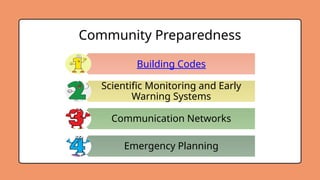
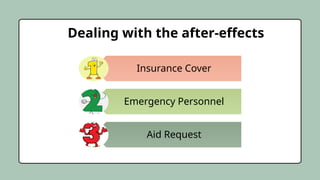
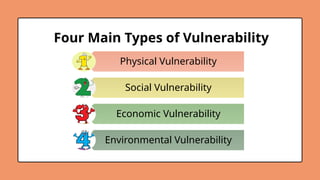
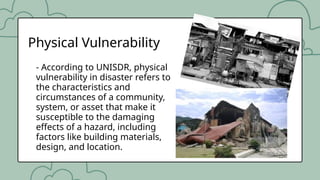
Disaster Readiness and Risk Reduction Management-Lesson 2 Exposure and Vulnerability.pptx
Lesson 2 Exposure and Vulnerability.pptxLesson 2 Exposure and Vulnerability.pptxLesson 2 Exposure and Vulnerability.pptxLesson 2 Exposure and Vulnerability.pptxLesson 2 Exposure and Vulnerability.pptxLesson 2 Exposure and Vulnerability.pptxLesson 2 Exposure and Vulnerability.pptxLesson 2 Exposure and Vulnerability.pptxLesson 2 Exposure and Vulnerability.pptxLesson 2 Exposure and Vulnerability.pptxLesson 2 Exposure and Vulnerability.pptxLesson 2 Exposure and Vulnerability.pptxLesson 2 Exposure and Vulnerability.pptxLesson 2 Exposure and Vulnerability.pptxLesson 2 Exposure and Vulnerability.pptxLesson 2 Exposure and Vulnerability.pptxLesson 2 Exposure and Vulnerability.pptxLesson 2 Exposure and Vulnerability.pptxLesson 2 Exposure and Vulnerability.pptxLesson 2 Exposure and Vulnerability.pptxLesson 2 Exposure and Vulnerability.pptxLesson 2 Exposure and Vulnerability.pptxLesson 2 Exposure and Vulnerability.pptxLesson 2 Exposure and Vulnerability.pptxLesson 2 Exposure and Vulnerability.pptxLesson 2 Exposure and Vulnerability.pptxLesson 2 Exposure and Vulnerability.pptxLesson 2 Exposure and Vulnerability.pptxLesson 2 Exposure and Vulnerability.pptxLesson 2 Exposure and Vulnerability.pptxLesson 2 Exposure and Vulnerability.pptxLesson 2 Exposure and Vulnerability.pptxLesson 2 Exposure and Vulnerability.pptxLesson 2 Exposure and Vulnerability.pptxLesson 2 Exposure and Vulnerability.pptxLesson 2 Exposure and Vulnerability.pptxLesson 2 Exposure and Vulnerability.pptxLesson 2 Exposure and Vulnerability.pptxLesson 2 Exposure and Vulnerability.pptxLesson 2 Exposure and Vulnerability.pptxLesson 2 Exposure and Vulnerability.pptxLesson 2 Exposure and Vulnerability.pptxLesson 2 Exposure and Vulnerability.pptxLesson 2 Exposure and Vulnerability.pptxLesson 2 Exposure and Vulnerability.pptxLesson 2 Exposure and Vulnerability.pptxLesson 2 Exposure and Vulnerability.pptxLesson 2 Exposure and Vulnerability.pptxLesson 2 Exposure and Vulnerability.pptxLesson 2 Exposure and Vulnerability.pptxLesson 2 Exposure and Vulnerability.pptxLesson 2 Exposure and Vulnerability.pptxLesson 2 Exposure and Vulnerability.pptxLesson 2 Exposure and Vulnerability.pptxLesson 2 Exposure and Vulnerability.pptxLesson 2 Exposure and Vulnerability.pptxLesson 2 Exposure and Vulnerability.pptxLesson 2 Exposure and Vulnerability.pptxLesson 2 Exposure and Vulnerability.pptxLesson 2 Exposure and Vulnerability.pptxLesson 2 Exposure and Vulnerability.pptxLesson 2 Exposure and Vulnerability.pptxLesson 2 Exposure and Vulnerability.pptxLesson 2 Exposure and Vulnerability.pptxLesson 2 Exposure and Vulnerability.pptxLesson 2 Exposure and Vulnerability.pptxLesson 2 Exposure and Vulnerability.pptxLesson 2 Exposure and Vulnerability.pptxLesson 2 Exposure and Vulnerability.pptxLesson 2 Exposure and Vulnerability.pptxLesson 2 Exposure and Vulnerability.pptxLesson 2 Exposure and Vulnerability.pptxLesson 2 Exposure and Vulnerab