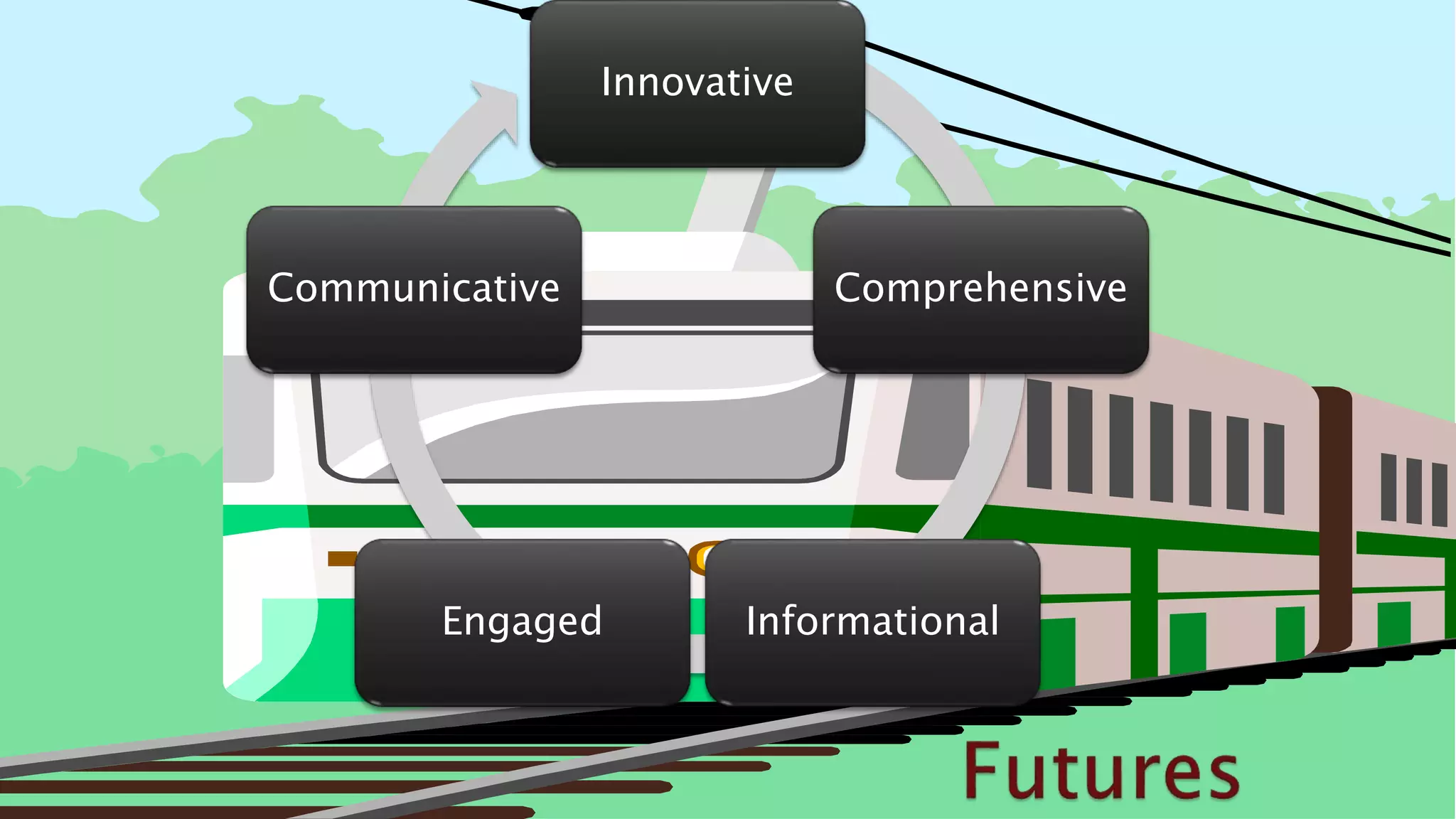
Innovative 
Comprehensive 
Communicative 
Engaged Informational
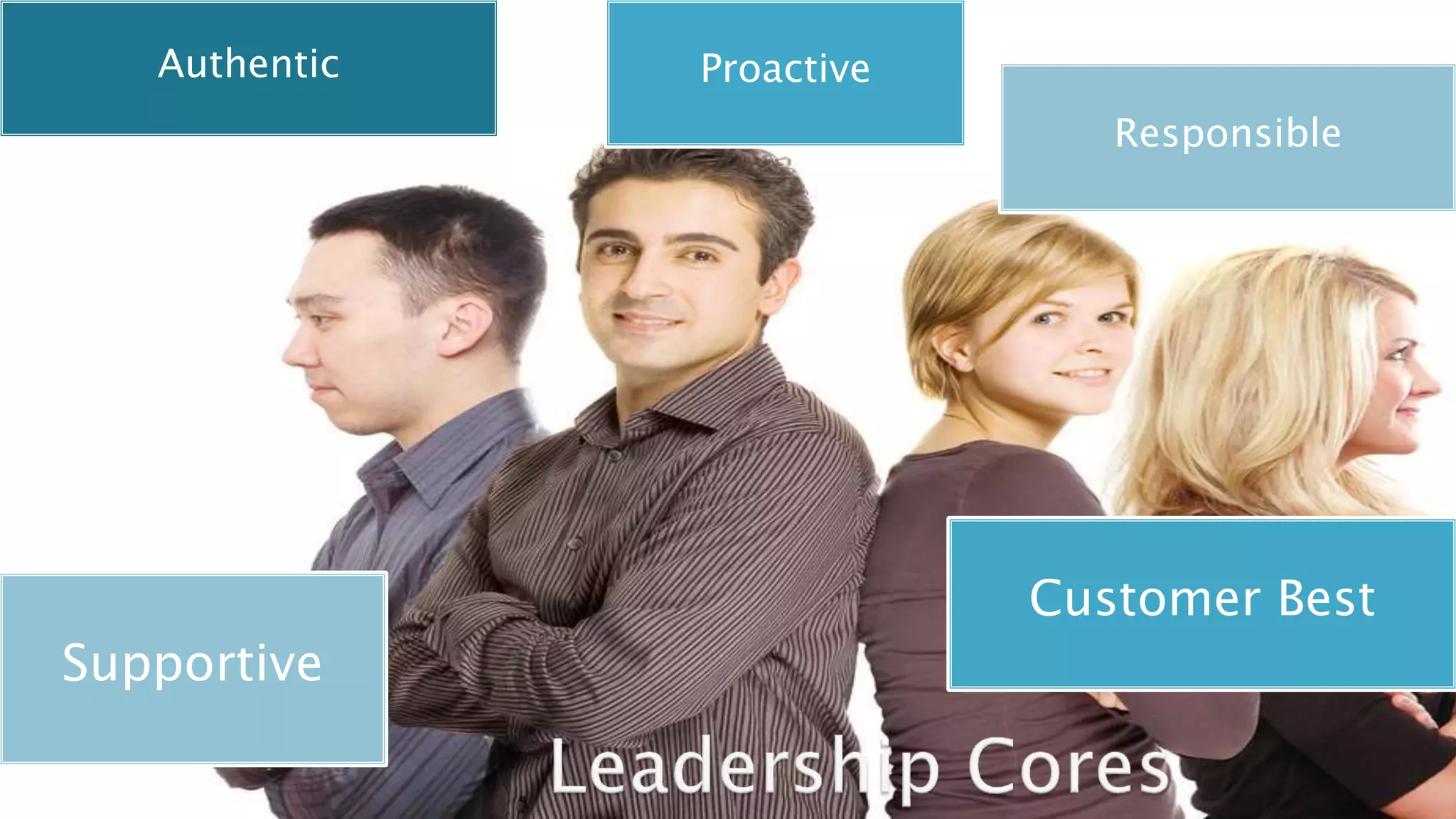
Authentic 
Responsible 
Proactive 
Customer Best 
Supportive
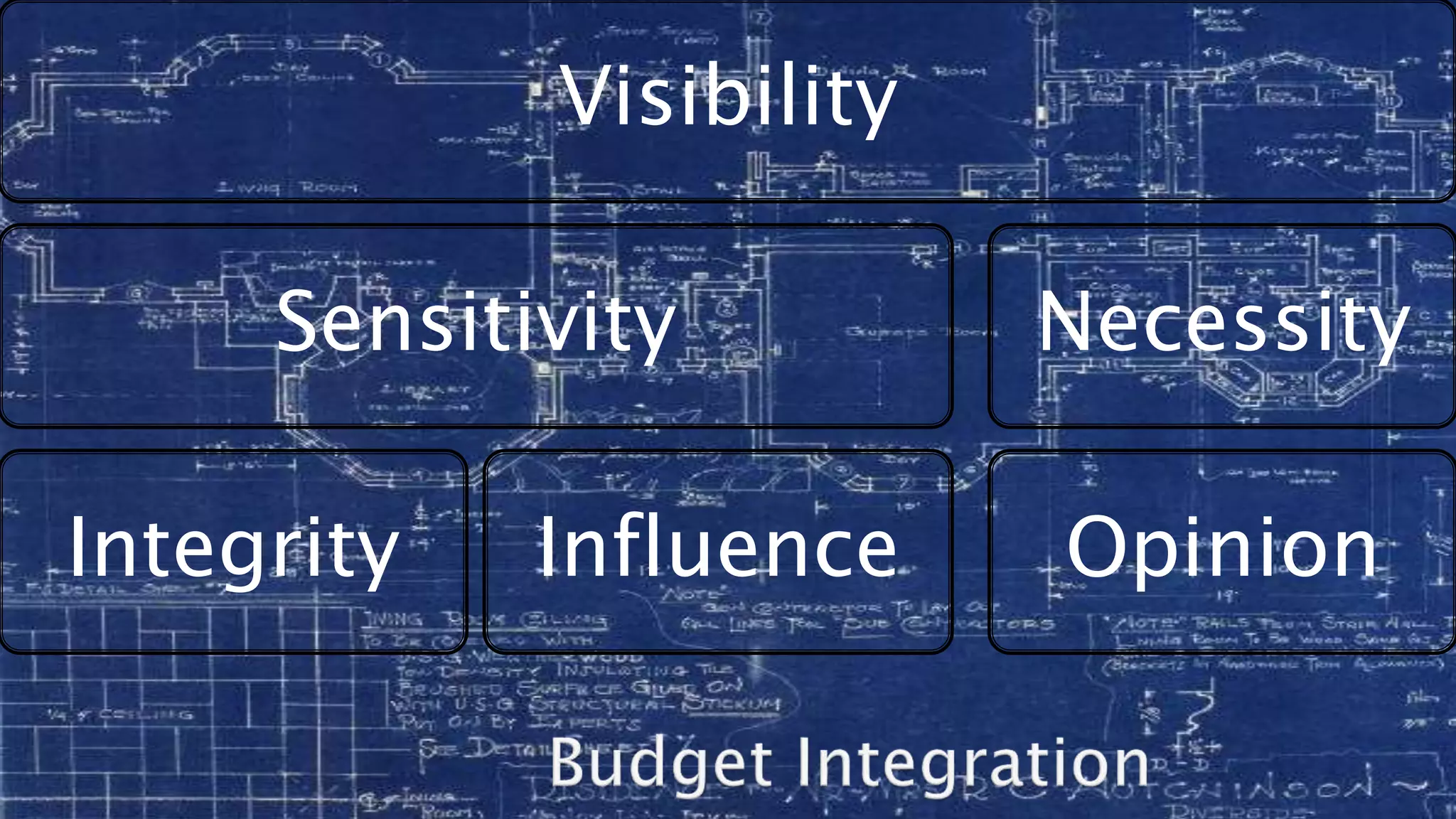
Visibility 
Sensitivity 
Integrity Influence 
Necessity 
Opinion
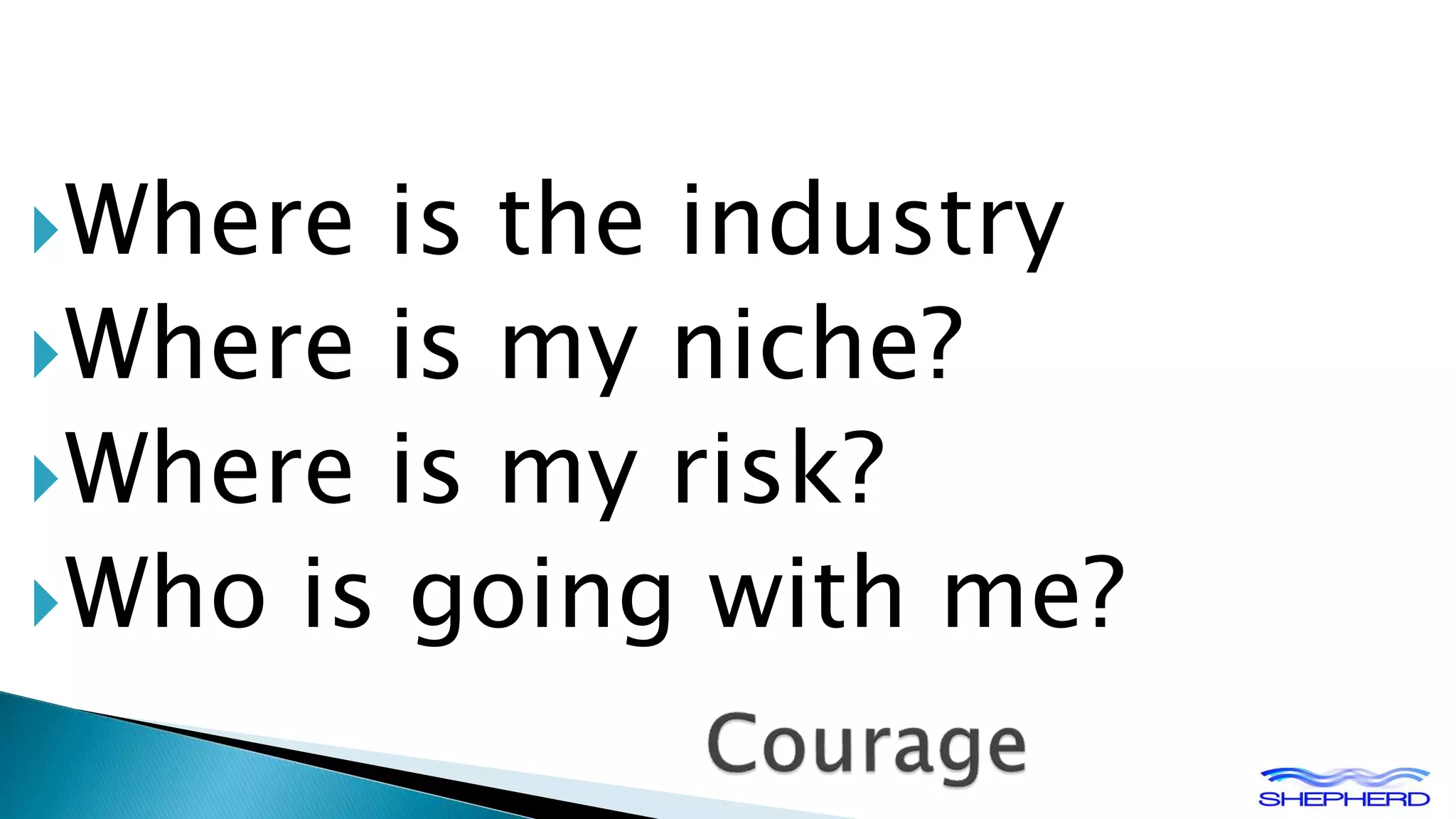
Where is the industry 
Where is my niche? 
Where is my risk? 
Who is going with me?
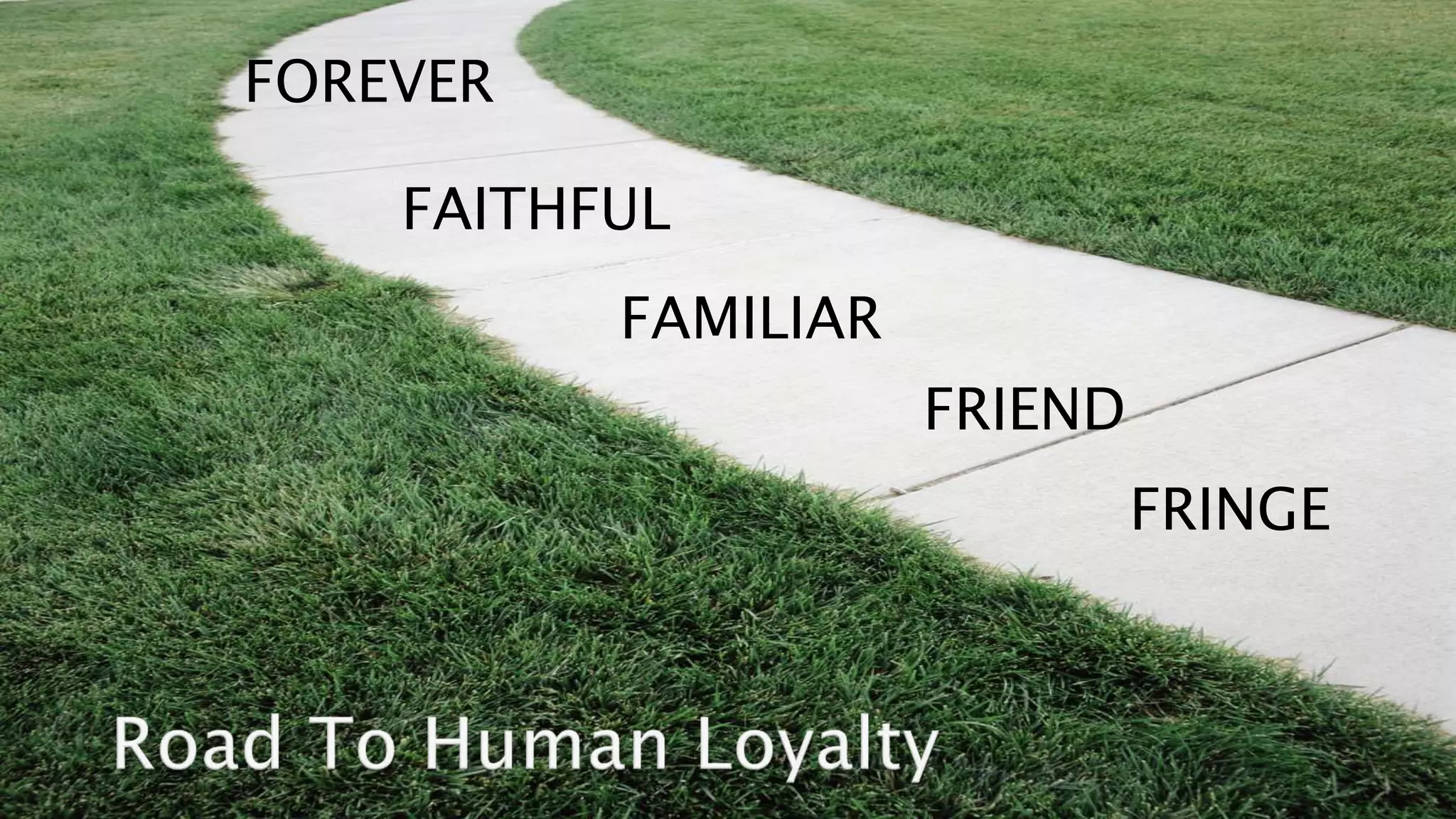
FOREVER 
FAITHFUL 
FAMILIAR 
FRIEND 
FRINGE
 Take time to listen deeply and unplug the filters of prior expectation. 
 Be slow to judge motivations for the heart is a complicated web. 
 Give yourself 20 seconds to consider and weigh before you respond 
to any situation. 
 Reaction to medicine will kill you. Response will heal you. Choose 
response. 
 The space between stimulus and response is filled by choice. 
 Believe in your customer. 
 Believe in yourself. 
 Think of ten good actions you could take in response to a request 
before making a decision when feeling like you are being used. 
 If you consider all your relationships as well, think again and be 
realistic. 
 Do the thing you fear the most, give trust.
phil@shepherdok.com 
405.388.8037

Leadership Mastery Notes

  • 4.
  • 5.
    Authentic Responsible Proactive Customer Best Supportive
  • 6.
    Visibility Sensitivity IntegrityInfluence Necessity Opinion
  • 10.
    Where is theindustry Where is my niche? Where is my risk? Who is going with me?
  • 11.
  • 12.
     Take timeto listen deeply and unplug the filters of prior expectation.  Be slow to judge motivations for the heart is a complicated web.  Give yourself 20 seconds to consider and weigh before you respond to any situation.  Reaction to medicine will kill you. Response will heal you. Choose response.  The space between stimulus and response is filled by choice.  Believe in your customer.  Believe in yourself.  Think of ten good actions you could take in response to a request before making a decision when feeling like you are being used.  If you consider all your relationships as well, think again and be realistic.  Do the thing you fear the most, give trust.
  • 16.

Editor's Notes

  • #5   Five keywords summarize the “vitalized” in-plant of the future:   1. Innovative: Print and related services are competitive advantages in the hands of astute integrated communicators. Product and service promotion through transactional and direct documents is as available and fluid as online promotion. Smart marketers and management teams are mining every piece of communication to the prospect, customer and internal organization based on demographic interest and patterns. Future in-plants understand and adapt rapidly. 2. Comprehensive: No one can do it all, but you had better be close. Outsourced work sometimes brings unacceptable risk. (“Did you know XYZ Insurance Agency is launching an integrated marketing campaign for its disability product on the West Coast using print, online, and social channels? You can also do that with our equipment and software.”) Non-disclosure agreements don’t always work. Even vendor service techs and sales people pose a risk of leakage—industry lore holds that if you really want to know what’s going on, just ask the paper delivery guy. Multi-sourced projects accelerate a business’ vulnerability, so you need to get as much in-house and under organization guideline and control as possible. Ad agencies will become smart partners with the in-plant to sustain their business integration.   People want a single point of accountability joined with rapid turnaround. This is a dilemma. It means planned redundancy in equipment, hardware, software, and people to assure continuous service to hit market timelines. It also means a variety of resources and capabilities that are not always used. You may need wide-format project capability that only runs four times a year at optimum turn. People and resources have to be on the ready. Cost has been lowered, but organizations can handle this. In-plants will be “Swiss Army knife-able.”   Get broad organization skillsets in your management and support team. In-plant management needs competency in compliance, legal, content management, marketing, sales, and operations. A broad-minded manager, who understands all aspects of the business, is a diamond asset.   3. Informational: Useable demographic and pattern data on customers and prospects integrate with print flow. Content has to be matched with online, static, push, pull, and social and adapted to mobile, pad, desktop, laptop, and on-demand entertainment and billboards. What media and method is yet to be invented? Transactional (existing customer) and directed (prospecting and customer development) print needs to match to the market. In-plants must be ready to adapt and hit target times exactly in the orchestration of communication. In-plant print volumes might increase with specialization! In-plants need to understand privacy regulations, have audit trails, be able to prove immediate deletion of data, and mesh with Sarbanes-Oxley and its many derivatives. A workflow that is documented and audited and tightly measured and monitored is not an option.   The trend for CIOs to get out of the “printing business” leads to a knowledge and attention gap in many major enterprises, which can cause audit issues and leakage of data. CMOs and COOs may take up the audit gauntlet and move into increased influence on data integration and handling. The in-plant will need to navigate the enterprise and demonstrate business acumen.   4. Engaged: Who needs the in-plant? Everyone. This change is on the horizon. Smaller companies will hire their own lean, mean in-plants. They will source to adaptable close partner commercial providers or do it themselves, but they will get it done. The price point for entry into the business has dropped dramatically with wide-format equipment, labeling, five-color low-cost printers, and all-in-one in-stream equipment for print and mail. This will continue, as the value is high and the cost is low. Small companies can make quicker time-to-market decisions compared to larger companies using self-maintained in-plants. Look for companies with small footprints starting new in-plants. 5. Communicative: Marketing and sales and customer service will join operations for in-plants. In-plants require budgets for these activities and items as much as for production resources. Customer service will be a priority for vitalized in-plants. It has not been there, but it will move to the front. Online systems will engage customers when they envision a project. Quick calculators and file preflight online checkers and quick design tools give in-plant customers a head start without having to talk to team members. These systems intelligently alert in-plant teams to future work orders for proactive preparation and follow up. The same systems will keep progress communicated in real time with instant operational transparency.
  • #6 Leadership Quality is best managed by leadership. The conversation with a commercial manager of multiple in-plants was revelatory. His responsibility covered a variety of situations of business and higher education where management had been sourced. Each instance had a mix of team members who were employees of the institution or business and team members working for the commercial sourcing group. Few of us ever have to work in such a complexity. One of the shops experiences continual quality issues. What is promised and proofed sometimes does not match what is delivered in color consistency. Every shop has to solve this in their workflow. Yet, no shop can ever claim to have final resolution. Why? Can quality be 100% managed by workflow? Policy and procedure and process never resolve every issue. It is the team member performing the task that must apply discretion and excellence. Machines glitch. Chemical mixes fail. Papers absorb and dissipate moisture. Files are changed two seconds before a run. People forget to communicate changes. All of these items impact workflow. The finest workflow fit to the greatest team and equipment and software and supplies does not accommodate for all variances or all combinations of variances. Authentic Example Priority and pressure pre-empt. They do. An angry customer can fluster the best of press operators. A haggard executive can shift priorities on a job in process in order to take care of the urgent. When the job is restarted not all the conditions are the same. What was going to be on time is now threatened as a rush. Content may shift due to final edits and the customer overlooks the slight but critical impact on the final piece as they sign the proof and rush out the door at 4:30pm for a piece due the next morning. "Well you signed it!", just does not please the customer after they have handed out the goof at their most important meeting of the month. Quality is best managed by leadership. Some things are taught and some things are caught. Leadership is best taught by being caught. A production team will reflect the tenor and approach of the leader. If you'd like to have impeccable workflow then start with impeccable leadership. What you do in the shadows will be done in the light. How you handle decisions needing discretion will lead them when you are not there. Proactive: Leadership looks beyond the specific request to the heart of the need. Instead of overlooking a mistake on a proof by a customer, a leader reviews with the customer and asks qualifying questions if something seems amiss. That is caught when a manager does an employee review or barters with a vendor or approves a request for time off. Do you give that example at all times? Then expect team members to apply during production. Responsible: Leadership is ownership. A leader will listen to a dissatisfied customer, personally apologize whether involved in the job or not, and give a reliable expectation of correction. That is caught when a manager takes the heat for the mistake of another department with no bad remarks.   Supportive: Leadership undergirds in tough times. A leader will stay an extra few minutes to make sure the next shift fully understands the job in process. That is caught when a manager cheerfully goes over to help a customer stuff envelopes when last minute changes threaten a mailing. Customer Best: Leadership cares. Care means I want the best for the other person. A leader will make sure all the pieces of an order are packed so no damage can happen in shipping. That is caught when a manager opens the door for someone whose hands are full at the front door of the company. Summary: Plant management is a 24/7 leadership opportunity. How you live in the hallways will flow over into your shop. Cutting corners with vendor contracts will come out in cutting corners among layout artists. No workflow quality check will replace quality leadership example.
  • #7 Visionary Budget Budgets promote vision with numbers. They just do. A lackluster budget process represents a lackluster vision. An engaged budget process with visits to key stakeholders and excitement for new or enhanced offerings brings engagement. A comprehensive budget plan that considers and promotes the vision of your key stakeholders/customers brings good support. Organizations work through new budgets at different times of year. However, as the New Year approaches you ponder end of year purchases, vendor deals, moratorium weeks, supply arrangements, staff, rent, and a myriad of miniscule items specific to your shop. Do it with vision. Visibility: Vision - Future visible. Make sure the right decision makers understand you are watching out for their needs. Visit, call, listen, and integrate their ideas. Help them see how what you do accomplishes their goals. Put out a simple brag sheet on some special accomplishments. Integrity: This is not the time to fudge numbers and hesitate. Admit defeats and mistakes. Project confidence you have plans to go forward and be there. A newer stake holder in a shop walked up to me one day, faced me squarely, and asked, “Are you going to be here for me?” Be there. Sensitivity: Some of your best stakeholder/customers may be going through a rough budget. Learn from them. Find ways to creatively assist them through your services. Another may be planning to explode and need more. Find the balance. Make sure you are not steamrolling past another’s need or vision that catches you in a surprise battle. Influence: You are who you are. You are the expert in your services. Go ahead and be a little bold. Communicate confidence and concern and competency to your customers. Update them with new ways you can serve them and changes that might affect their future. Take care of your normal alerts concerning mail, paper costs, etc.. Then consider something not as evident and show some proactive interest in their world. Opinion: This is a good time to be assertive. Don’t be aggressive. Do be assertive. If there is a conversation ongoing that might affect you and your team, put in your two cents. Show you care and show your personal ownership of serving the needs of the organization. Necessity: Make sure all the necessities of the organization are handled in your budget. It can be easy to look to the exciting items and expansion. That is good. Daily operations must continue performed with excellence. A good in-plant can invisibly handle necessities and become overlooked. Communicate you are printing those 200,000 or 2,000,000 pieces of necessity a month alongside all the extras and expansions. ROI/ROESummary: Tying dollars in clear ways with visibility, sensitivity, influence, opinion, and necessity can give a total VISION to your budget for decision making stakeholders. They are buried in their own budgets of which you are a line item. Make it easy and supportive for them. When you need the extra push for added software, online systems improvement, facility build out, equipment, training, or people, they will remember you well. Your budget covers every area on the THRIVE pyramid. Consider them all.
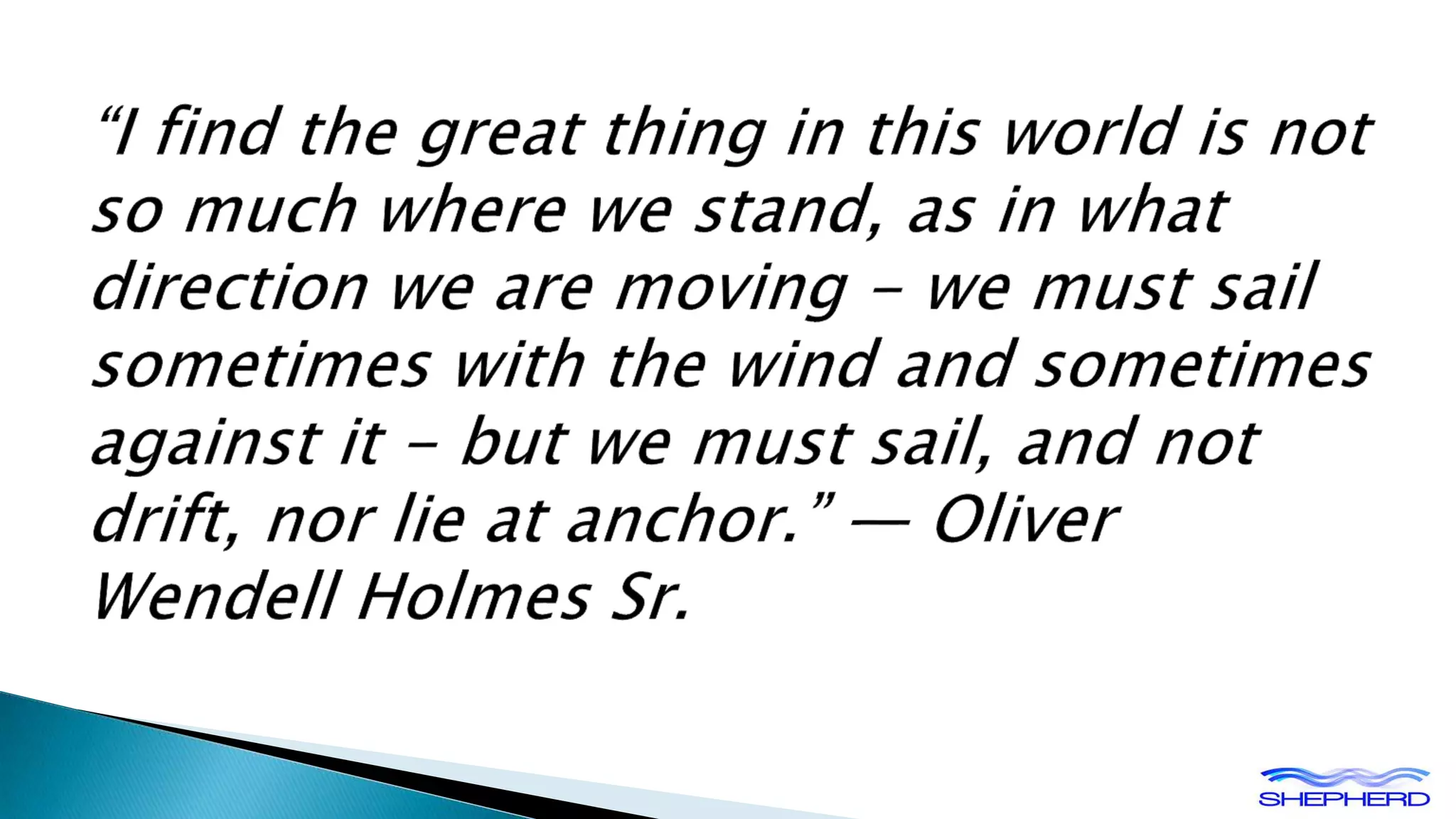
  • #8 Courage Pursuing growth takes courage. The brave take bold steps. Every executive, director and manger come to moments of decision. Some require bravery. Some require casting off fear. A brave decision maker in the print business must know three things. “I find the great thing in this world is not so much where we stand, as in what direction we are moving - we must sail sometimes with the wind and sometimes against it - but we must sail, and not drift, nor lie at anchor.” ― Oliver Wendell Holmes Sr. Where are you going? Columbus was a brave soul. He cast off the shore of mediocrity and embarked into an historical trip. His bravery took him and his team into uncharted waters. As a print decision maker for one or multiple companies, you need to do the same. Uncharted Waters Where is the industry? You need to know. What is growing and what is lagging? How will that affect your clients and prospects? What do you need to learn to move forward? What do you need to jettison to keep alive? Be bold. Where is your niche? Is it growing? Is it growing in volume, complexity, confluence with related service and product, or number of potential clients? Is it shrinking? Do you need to make a bold strike to hold market share or to improve market position? Be bold. Where is your risk? Can you team keep up the pace? Are they learning at a fast enough rate? Is your equipment and software set where it needs to be? What is your competition doing to put you out of business? Are you poised to meet the challenges? Be bold. Who is going with me? All of us need to sort through good and not-so-good clients. Some clients are dragging bottom. They are anchors on a sailing ship. Every Friday at 2pm they bring impossible requests and frustrate your team on their way to anticipated family time. They call your top sales members in the evening when they would rather be watching a child's soccer game. Files are never ready and cost you more dollars to fix than the profit on the order. Inventory your clients. Can you contain the anchors so they don't damage progress for everyone? Is there a way to manage them and keep the ship running across the ocean at high speed? Be brave.
  • #11 Courage Pursuing growth takes courage. The brave take bold steps. Every executive, director and manger come to moments of decision. Some require bravery. Some require casting off fear. A brave decision maker in the print business must know three things. “I find the great thing in this world is not so much where we stand, as in what direction we are moving - we must sail sometimes with the wind and sometimes against it - but we must sail, and not drift, nor lie at anchor.” ― Oliver Wendell Holmes Sr. Where are you going? Columbus was a brave soul. He cast off the shore of mediocrity and embarked into an historical trip. His bravery took him and his team into uncharted waters. As a print decision maker for one or multiple companies, you need to do the same. Uncharted Waters Where is the industry? You need to know. What is growing and what is lagging? How will that affect your clients and prospects? What do you need to learn to move forward? What do you need to jettison to keep alive? Be bold. Where is your niche? Is it growing? Is it growing in volume, complexity, confluence with related service and product, or number of potential clients? Is it shrinking? Do you need to make a bold strike to hold market share or to improve market position? Be bold. Where is your risk? Can you team keep up the pace? Are they learning at a fast enough rate? Is your equipment and software set where it needs to be? What is your competition doing to put you out of business? Are you poised to meet the challenges? Be bold. Who is going with me? All of us need to sort through good and not-so-good clients. Some clients are dragging bottom. They are anchors on a sailing ship. Every Friday at 2pm they bring impossible requests and frustrate your team on their way to anticipated family time. They call your top sales members in the evening when they would rather be watching a child's soccer game. Files are never ready and cost you more dollars to fix than the profit on the order. Inventory your clients. Can you contain the anchors so they don't damage progress for everyone? Is there a way to manage them and keep the ship running across the ocean at high speed? Be brave.
  • #12 Relationships Every executive, director, manager and minion is tasked with developing increasing levels of intimacy in right service relationships. Intimacy? Yes. A satisfied customer can become a delighted customer. A satisfied customer can become a dissatisfied customer. An emotionally distant and dissatisfied customer is on the way to another shop. A customer, who is an intimate associate, will stay with you and work through dissatisfaction. So how do you move customers from fringe relationships to intimate foundational associates? Like all common grounds notes, this one came from a client. His particular struggle was intimacy with clients. That is a tough subject. Most of us like to separate our business relationships into a compartment of mistrust. “Caveat vendor” and “Caveat emptor” pervade. Getting to a trusted win-win relationship confidence assumption requires exposure and intimacy and increasing levels of personal revelation. Sound risky? It is. Risk brings reward.   Trust=Risk=Growth   A good friend in the business took me into his back office and showed me a project recently that is a highly competitive move for him. He exposed himself. He knows I also work with his competitors. Trust means I can do a better job helping him as I understand his needs and focus. Trust means no one knows but me what I saw. With one client, when I took an antagonistic department head into the inner workflow of the shop, I was frozen with fear. Surely they would tear the client apart in front of some executive over a small disagreement of approach. On the contrary, they reciprocated and let me into their workflow. We built a cooperative system of workflow that ended up in our locking shop and customer into a 100% provider relationship. Another client took me into their private conference room with a group of key decision makers. This was a culturally and politically tense situation. Without trust and intimacy this discussion would be over before we started. The executive could lose a lot of face if I did not relate to each person in the group well. She was staking business strategy for the next three years on this discussion. The pressure was on. In a few minutes one of the key stakeholders and I discovered a common interest in the field we were discussing and the group took off into a vibrant and open discussion. “We judge ourselves by our intentions and others by their behavior.” Stephen M.R. Covey, The SPEED of Trust: The One Thing that Changes Everything Developing successful relationships from fringe to friend to familiar to faithful to forever is a principle I work to instill in every organization. The Road to Human Loyalty It applies to staff relationships and customer relationships and community relationships. There are a few “caveats” in this path and you need to take time to understand them, but they are deeper than starting out with a lack of trust. So as you work on your plans for the next 18 months and consider your customer relationships here are a few tips. Sure you will meet some disappointments when you apply them. However, you will find you gain much more than you lose. Take time to listen deeply and unplug the filters of prior expectation. Be slow to judge motivations for the heart is a complicated web. Give yourself 20 seconds to consider and weigh before you respond to any situation. Reaction to medicine will kill you. Response will heal you. Choose response. The space between stimulus and response is filled by choice. Believe in your customer. Believe in yourself. Think of ten good actions you could take in response to a request before making a decision when feeling like you are being used. If you consider all your relationships as well, think again and be realistic. Do the thing you fear the most, give trust. Some clients bring valued cargo into the hold. Every order is ready to go, priorities are understood, expectations are in line with your capabilities. You love to meet these folks for lunch and talk about the victories. Profit margins are ample because speed of trust enables lean operation on the orders. Payments or allocations are handled posthaste and receivables look wonderful to your accounting. Be brave. Some clients sharpen your saw. No one shaves off fear quicker than these clients. No one creates fear faster than these clients. Every month, they have a new idea that challenges your team to move faster, brighter, and with more creativity. You love them and hate them. You would never grow without them for they point out the future of the industry. Just when you are comfortable using your wide format for a steady stream of poster orders, this client is ready to print 10,000 labels at high quality with a 48 hour turn. They don't bring an order, they bring ten orders on the same day that utilized 90% of your team's capability. They make you shine. Be brave. What will we find when we get there? Contentment lies not in quality or rest, but confidence that what we have done and where we have gone is the right journey. Decision makers pursue contentment not satisfaction. There is a constant dissatisfaction with status quo that drives the bold to stay bold and the brave to be more courageous. Are you dissatisfied enough to be bold? Summary: Fear stifles and strangles. Bravery shifts and shapes. Take inventory on your plans to ensure they break the boundaries of fear and launch you into the future. You own the future. Serving inside the corporation or company or institution can breed fear. Surrounded by fearful managers looking for the safe route home? Take the lead. Be one of the brave.
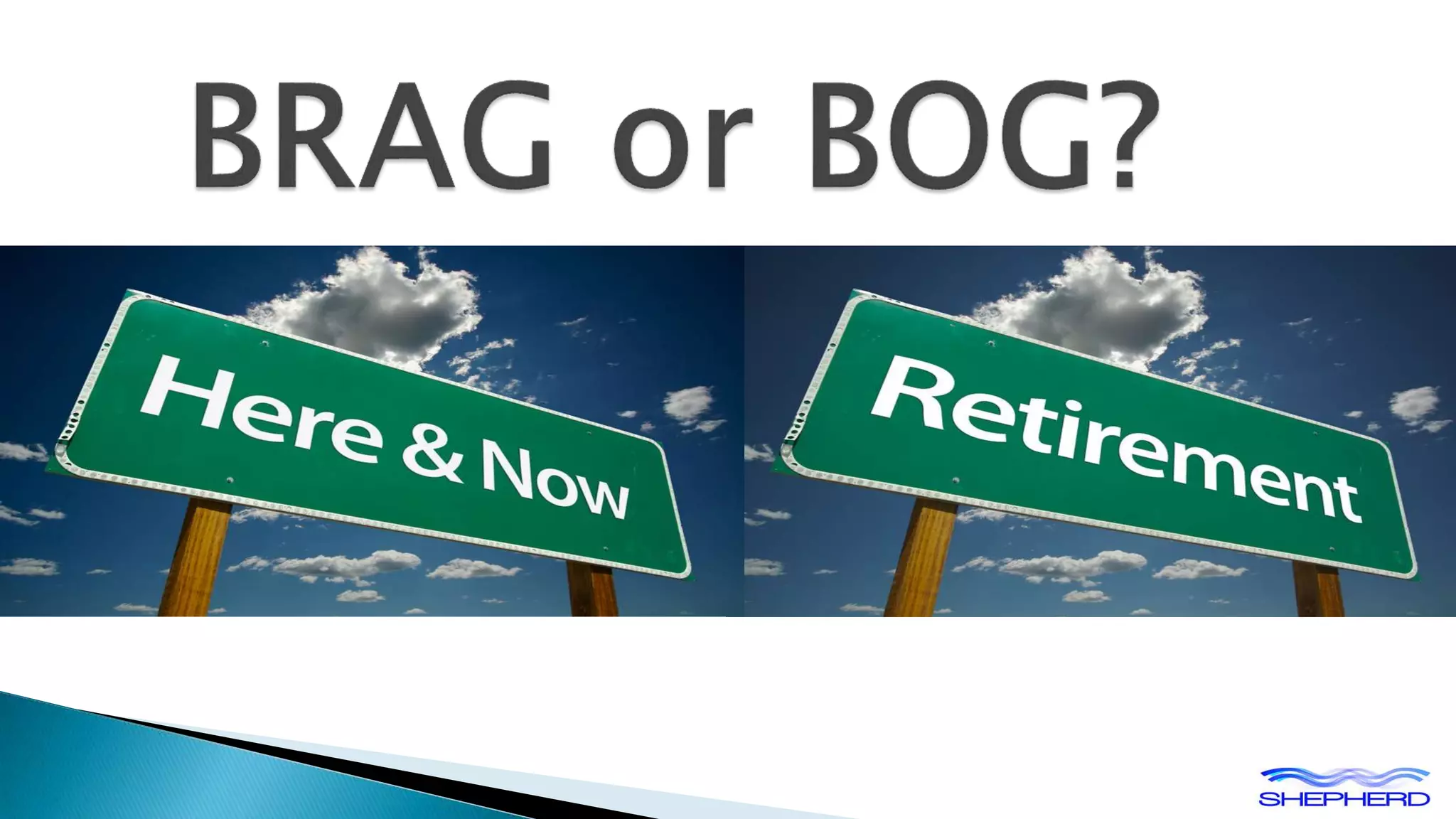
  • #15 Staffing Manager's cringe at the concept of staff reallocation. Directors lose direction at the thought. Executives look for action. Team members develop fearful looks and furtive sidestepping at the mention. To embrace future, it is a must. The print industry must innovate and invent. Workflows must be optimized. Customer demands change. Staff will be reallocated if you stay alive and thrive. ROI depends on it. You must look to the challenges ahead and optimize your team to address opportunities on the horizon. There is no avoiding this. A client and I talked over coffee about the locked-solid mentality of one of his team members. Equipment had changed. Skill sets needed upgraded. The worker was avoiding being productive and preparing the "run to HR" maneuver. Team productivity was bogged down behind him. Another team member was outshining her job description. She was producing on new equipment. She had reallocated herself with new skill sets and productive output. Another client bragged about two key workers. They had worked for over a year to master new technologies needed in the shop to meet changing customer demands. One customer had presented a varied and tough order with short time frames and no tolerance for mistakes. The two performed perfectly. How do you get the brag instead of the bog? This question comes in many forms. How do I get my workers to change? Don't you realize we have a resistive union arrangement? BRAG: Cast the vision early and often. You need to define the future in a clear and concise manner. Reallocate yourself. Delegate everything possible to others. Give away those jobs you like to do, but others could do. Stretch your personal skill set. Example. Example. Example. If your team does not see you willing and active in growing, they have no one to follow. Leadership counts. Listen. Who is interested in what? Who is secretly taking night courses? What is the coffee talk? Trial with no risk. Before you bludgeon staff with a frightening leap into new worlds, let them try them out with no risk. Job descriptions. No matter how much you hate them, do them. Look hard. Make them tougher than what you have. Begin the redesign. Let your team do part of the writing if not all of the writing. Prepare. Take dedicated leadership team time to think through alternate scenarios of staff allocation. Plan and plan again. Consider multiple alternatives of allocation. Don't be afraid to find complete skill holes in your staff for which no one seems a good fit. Face it. BOG: Wait. Sure, wait to the last minute possible. Let fear prevail that you might not take action. Push. Sit back and do what you've always done and expect others to change. High risk. Give that person a 30 day challenge you know they can't meet. Other tasks as assigned. Use that one clause in every job description that says, "Other tasks as assigned" to cover for challenges you know will become a part of the job. Avoid. Don't challenge those that are holding back. Wait until it is a clean cut and dry case to fire them for non-performance after everyone else adapts. Summary: Moving existing team members into new assignments can't always wait on attrition and a cheerful willingness to adapt. Sometimes you need to provide the impetus through creative leadership. Your productivity depends on it. Take the positive and forthright approach. Don't leave people to fret. They are smart and many times brilliant. They know change is needed to prosper the shop. Bring them into the process. And, of course there will be resistors that just won't move. That is another leadership task. Leaders are the ones that get up in the morning and handle the hard stuff before lunch time. ROI ROE graphicCOMMON GROUNDS: These tidbits come out of daily consternations, comments, and concerns of real managers doing what you do.  
  • #16 Staffing Manager's cringe at the concept of staff reallocation. Directors lose direction at the thought. Executives look for action. Team members develop fearful looks and furtive sidestepping at the mention. To embrace future, it is a must. The print industry must innovate and invent. Workflows must be optimized. Customer demands change. Staff will be reallocated if you stay alive and thrive. ROI depends on it. You must look to the challenges ahead and optimize your team to address opportunities on the horizon. There is no avoiding this. A client and I talked over coffee about the locked-solid mentality of one of his team members. Equipment had changed. Skill sets needed upgraded. The worker was avoiding being productive and preparing the "run to HR" maneuver. Team productivity was bogged down behind him. Another team member was outshining her job description. She was producing on new equipment. She had reallocated herself with new skill sets and productive output. Another client bragged about two key workers. They had worked for over a year to master new technologies needed in the shop to meet changing customer demands. One customer had presented a varied and tough order with short time frames and no tolerance for mistakes. The two performed perfectly. How do you get the brag instead of the bog? This question comes in many forms. How do I get my workers to change? Don't you realize we have a resistive union arrangement? BRAG: Cast the vision early and often. You need to define the future in a clear and concise manner. Reallocate yourself. Delegate everything possible to others. Give away those jobs you like to do, but others could do. Stretch your personal skill set. Example. Example. Example. If your team does not see you willing and active in growing, they have no one to follow. Leadership counts. Listen. Who is interested in what? Who is secretly taking night courses? What is the coffee talk? Trial with no risk. Before you bludgeon staff with a frightening leap into new worlds, let them try them out with no risk. Job descriptions. No matter how much you hate them, do them. Look hard. Make them tougher than what you have. Begin the redesign. Let your team do part of the writing if not all of the writing. Prepare. Take dedicated leadership team time to think through alternate scenarios of staff allocation. Plan and plan again. Consider multiple alternatives of allocation. Don't be afraid to find complete skill holes in your staff for which no one seems a good fit. Face it. BOG: Wait. Sure, wait to the last minute possible. Let fear prevail that you might not take action. Push. Sit back and do what you've always done and expect others to change. High risk. Give that person a 30 day challenge you know they can't meet. Other tasks as assigned. Use that one clause in every job description that says, "Other tasks as assigned" to cover for challenges you know will become a part of the job. Avoid. Don't challenge those that are holding back. Wait until it is a clean cut and dry case to fire them for non-performance after everyone else adapts. Summary: Moving existing team members into new assignments can't always wait on attrition and a cheerful willingness to adapt. Sometimes you need to provide the impetus through creative leadership. Your productivity depends on it. Take the positive and forthright approach. Don't leave people to fret. They are smart and many times brilliant. They know change is needed to prosper the shop. Bring them into the process. And, of course there will be resistors that just won't move. That is another leadership task. Leaders are the ones that get up in the morning and handle the hard stuff before lunch time. ROI ROE graphicCOMMON GROUNDS: These tidbits come out of daily consternations, comments, and concerns of real managers doing what you do.