Lactate Dehydrogenase (LDH) Test
Submitted by
Mr.A.Ajith Bsc . Microbiology DMLT
Lactate Dehydrogenase (LDH) Test
 This test measures the level of lactate dehydrogenase
(LDH), also known as lactic acid dehydrogenase, in
your blood or sometimes in other body fluids. LDH is a
type of protein, known as an enzyme. LDH plays an
important role in making your body's energy. It is found
in almost all the body's tissues, including those in the
blood, heart, kidneys, brain, and lungs.
 When these tissues are damaged, they release LDH into
the bloodstream or other body fluids. If your LDH blood
or fluid levels are high, it may mean certain tissues in
your body have been damaged by disease or injury.
Other names:
LD test, lactic dehydrogenase, lactic acid dehydrogenase
 Used for
 An LDH test is most often used to:
 Find out if you have tissue damage
 Monitor disorders that cause tissue damage. These
include anemia, liver disease, lung disease, and some
types of infections.
 Monitor chemotherapy for certain types cancer. The test
may show if treatment is working.
 Results mean
 Higher than normal LDH levels usually means you have some type of tissue damage or
disease. Disorders that cause high LDH levels include:
 Anemia
 Kidney disease
 Liver disease
 Muscle injury
 Heart attack
 Pancreatitis
 Infections, including meningitis, encephalitis, and infectious mononucleosis (mono)
 Certain types of cancer, including lymphoma and leukemia. A higher than normal LDH
level may also mean treatment for cancer is not working.

 High levels of LDH indicate some form of tissue damage and one isoenzyme may
indicate more than one cause of tissue damage. For example, a patient
with pneumonia could also have a heart attack. Extremely high levels of LDH could
indicate severe disease or multiple organ failure.
 HEART ATTACK.

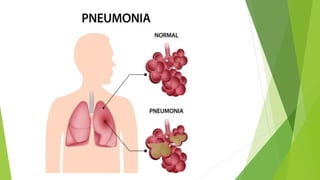
 PNEUMONIA
 Because LDH is in so many tissues throughout the body,
a diagnosis will also require the use of other tests and
images in addition to measuring the levels of LDH. For
example, high LDH-4 and LDH-5 may mean either liver
damage or muscle damage, but liver disease can’t be
confirmed without a full liver panel.
 Before the discovery of other blood markers for heart
injury, LDH was used to monitor people with heart
attacks. Now, troponin, a protein produced more
specifically in heart cells, is often a more accurate
indicator of a heart attack.
 Once your doctor diagnoses your particular condition,
they may measure your LDH levels regularly to track
the progress of your treatment.
Thank you
A.AJITH Bsc.Microbiology. DMLT.,

LDH Blood Test

  • 1.
    Lactate Dehydrogenase (LDH)Test Submitted by Mr.A.Ajith Bsc . Microbiology DMLT
  • 2.
    Lactate Dehydrogenase (LDH)Test  This test measures the level of lactate dehydrogenase (LDH), also known as lactic acid dehydrogenase, in your blood or sometimes in other body fluids. LDH is a type of protein, known as an enzyme. LDH plays an important role in making your body's energy. It is found in almost all the body's tissues, including those in the blood, heart, kidneys, brain, and lungs.  When these tissues are damaged, they release LDH into the bloodstream or other body fluids. If your LDH blood or fluid levels are high, it may mean certain tissues in your body have been damaged by disease or injury.
  • 3.
    Other names: LD test,lactic dehydrogenase, lactic acid dehydrogenase  Used for  An LDH test is most often used to:  Find out if you have tissue damage  Monitor disorders that cause tissue damage. These include anemia, liver disease, lung disease, and some types of infections.  Monitor chemotherapy for certain types cancer. The test may show if treatment is working.
  • 4.
     Results mean Higher than normal LDH levels usually means you have some type of tissue damage or disease. Disorders that cause high LDH levels include:  Anemia  Kidney disease  Liver disease  Muscle injury  Heart attack  Pancreatitis  Infections, including meningitis, encephalitis, and infectious mononucleosis (mono)  Certain types of cancer, including lymphoma and leukemia. A higher than normal LDH level may also mean treatment for cancer is not working.   High levels of LDH indicate some form of tissue damage and one isoenzyme may indicate more than one cause of tissue damage. For example, a patient with pneumonia could also have a heart attack. Extremely high levels of LDH could indicate severe disease or multiple organ failure.
  • 5.
  • 6.
     PNEUMONIA  BecauseLDH is in so many tissues throughout the body, a diagnosis will also require the use of other tests and images in addition to measuring the levels of LDH. For example, high LDH-4 and LDH-5 may mean either liver damage or muscle damage, but liver disease can’t be confirmed without a full liver panel.  Before the discovery of other blood markers for heart injury, LDH was used to monitor people with heart attacks. Now, troponin, a protein produced more specifically in heart cells, is often a more accurate indicator of a heart attack.  Once your doctor diagnoses your particular condition, they may measure your LDH levels regularly to track the progress of your treatment.
  • 8.