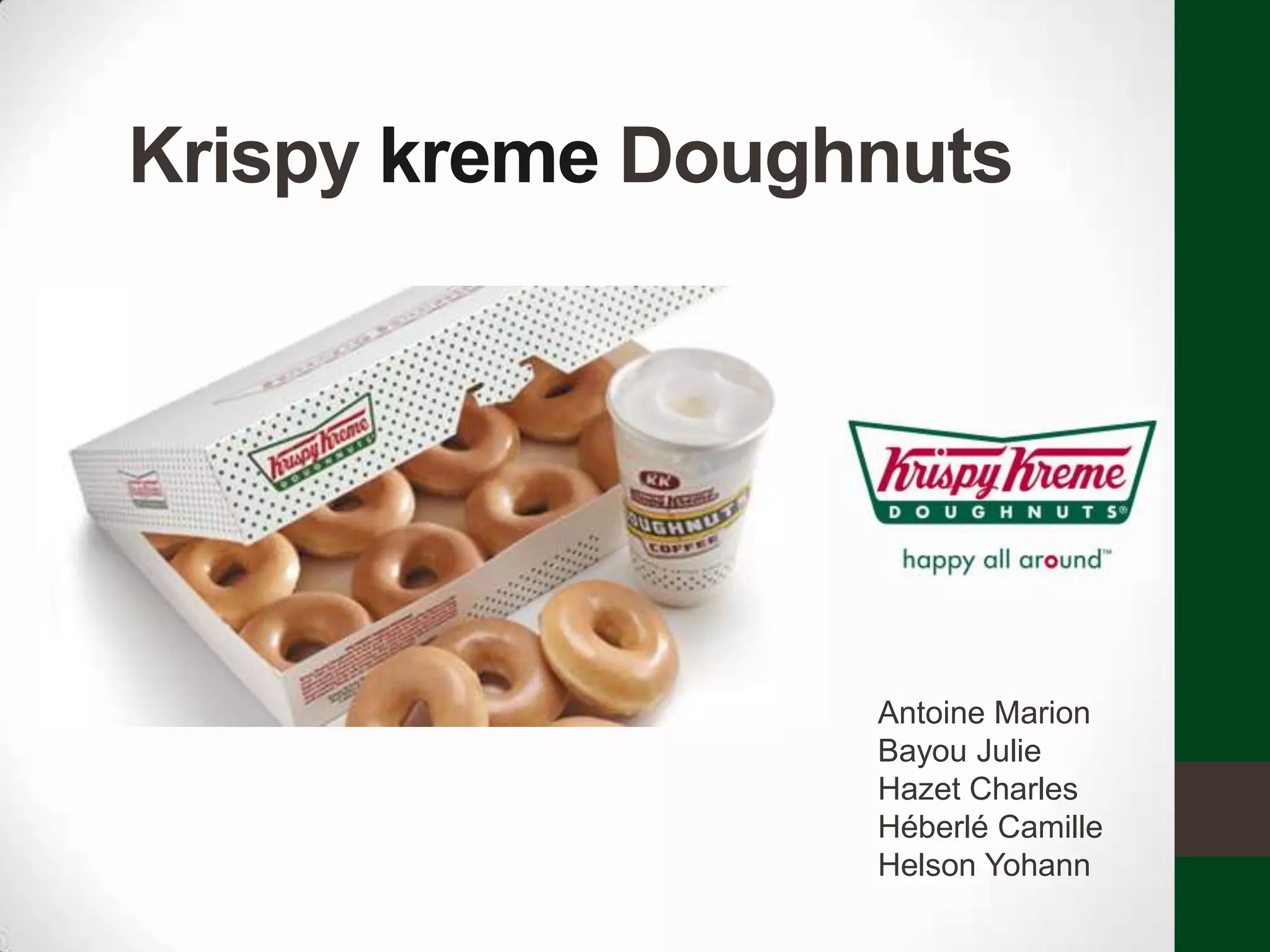
Krispy kreme Doughnuts


                  Antoine Marion
                  Bayou Julie
                  Hazet Charles
                  Héberlé Camille
                  Helson Yohann
Summary

1. Krispy kreme Doughnuts presentation

1. Internal and external analysis

1. Decline

2. Recommendations
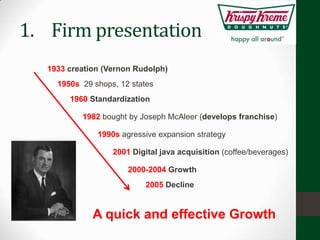
1. Firm presentation
   1933 creation (Vernon Rudolph)
     1950s 29 shops, 12 states
        1960 Standardization

           1982 bought by Joseph McAleer (develops franchise)

               1990s agressive expansion strategy

                   2001 Digital java acquisition (coffee/beverages)

                       2000-2004 Growth
                           2005 Decline


              A quick and effective Growth
Problem Statement


             2006,
  Is a turnaround possible?
2. Internal and external
   analysis

         •   PEST
         •   PORTER
         •   MAPPING
         •   SWOT
         •   STRATEGY
         •   FINANCIAL ANALYSIS
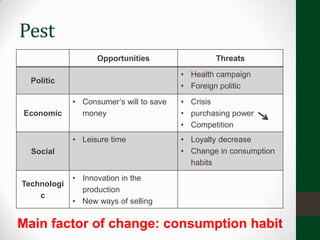
Pest
                   Opportunities                 Threats

                                         • Health campaign
  Politic
                                         • Foreign politic
             • Consumer’s will to save   • Crisis
Economic       money                     • purchasing power
                                         • Competition
             • Leisure time              • Loyalty decrease
  Social                                 • Change in consumption
                                           habits
             • Innovation in the
Technologi
               production
    c
             • New ways of selling


Main factor of change: consumption habit
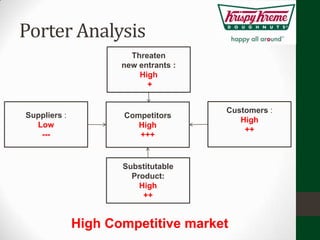
Porter Analysis
                       Threaten
                     new entrants :
                         High
                           +


                                      Customers :
Suppliers :          Competitors
                                         High
  Low                   High
                                          ++
   ---                  +++


                     Substitutable
                       Product:
                         High
                          ++


              High Competitive market
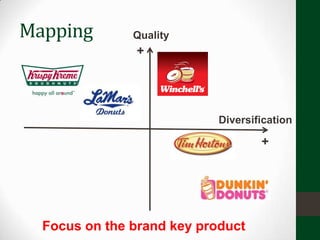
Mapping        Quality
               +


                            Diversification

                                    +


  Focus on the brand key product
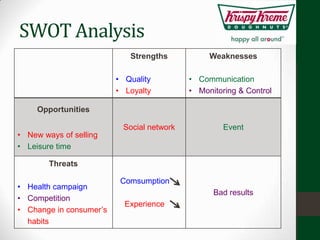
SWOT Analysis
                            Strengths           Weaknesses

                         • Quality         • Communication
                         • Loyalty         • Monitoring & Control

     Opportunities

                          Social network            Event
• New ways of selling
• Leisure time

        Threats

                          Comsumption
• Health campaign
                                                 Bad results
• Competition
                           Experience
• Change in consumer’s
  habits
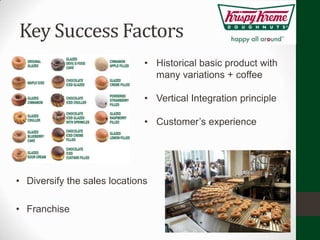
Key Success Factors
                              • Historical basic product with
                                many variations + coffee

                              • Vertical Integration principle

                              • Customer’s experience


• Diversify the sales locations

• Franchise
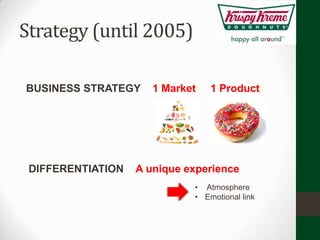
Strategy (until 2005)

BUSINESS STRATEGY     1 Market   1 Product


 DIFFERENTIATION   A unique experience
                             • Atmosphere
                             • Emotional link
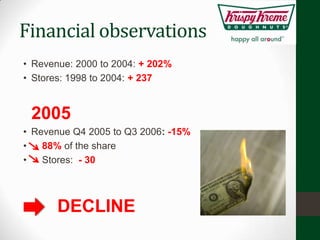
Financial observations
• Revenue: 2000 to 2004: + 202%
• Stores: 1998 to 2004: + 237


 2005
• Revenue Q4 2005 to Q3 2006: -15%
•   88% of the share
•   Stores: - 30


       DECLINE
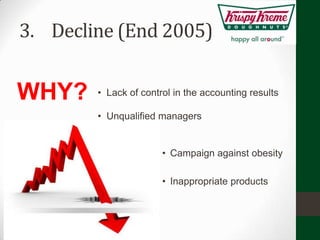
3. Decline (End 2005)


WHY?    • Lack of control in the accounting results

        • Unqualified managers


                       • Campaign against obesity

                       • Inappropriate products
4. Recommendations


A new strategy


 RECOVERY STRATEGY

 • corrective measures (Financial monitoring)
 • long term vision (repositioning)
4. Recommendations
Strategy Implementation

• Establish a regular BP to control accounting

• Hire qualified people

• Focus on the successful stores

• Communication campaign
4. Recommendations


• Adaptation to consumers desires

• Healthy products diversification

• Franchise in harmony with the brand philosophy


        A Turnaround is possible!

  Control & Monitor the success
Thank you for your attention!

Krispy kreme doughnuts. 2006, is a turnaround possible?

  • 1.
    Krispy kreme Doughnuts Antoine Marion Bayou Julie Hazet Charles Héberlé Camille Helson Yohann
  • 2.
    Summary 1. Krispy kremeDoughnuts presentation 1. Internal and external analysis 1. Decline 2. Recommendations
  • 3.
    1. Firm presentation 1933 creation (Vernon Rudolph) 1950s 29 shops, 12 states 1960 Standardization 1982 bought by Joseph McAleer (develops franchise) 1990s agressive expansion strategy 2001 Digital java acquisition (coffee/beverages) 2000-2004 Growth 2005 Decline A quick and effective Growth
  • 4.
    Problem Statement 2006, Is a turnaround possible?
  • 5.
    2. Internal andexternal analysis • PEST • PORTER • MAPPING • SWOT • STRATEGY • FINANCIAL ANALYSIS
  • 6.
    Pest Opportunities Threats • Health campaign Politic • Foreign politic • Consumer’s will to save • Crisis Economic money • purchasing power • Competition • Leisure time • Loyalty decrease Social • Change in consumption habits • Innovation in the Technologi production c • New ways of selling Main factor of change: consumption habit
  • 7.
    Porter Analysis Threaten new entrants : High + Customers : Suppliers : Competitors High Low High ++ --- +++ Substitutable Product: High ++ High Competitive market
  • 8.
    Mapping Quality + Diversification + Focus on the brand key product
  • 9.
    SWOT Analysis Strengths Weaknesses • Quality • Communication • Loyalty • Monitoring & Control Opportunities Social network Event • New ways of selling • Leisure time Threats Comsumption • Health campaign Bad results • Competition Experience • Change in consumer’s habits
  • 10.
    Key Success Factors • Historical basic product with many variations + coffee • Vertical Integration principle • Customer’s experience • Diversify the sales locations • Franchise
  • 11.
    Strategy (until 2005) BUSINESSSTRATEGY 1 Market 1 Product DIFFERENTIATION A unique experience • Atmosphere • Emotional link
  • 12.
    Financial observations • Revenue:2000 to 2004: + 202% • Stores: 1998 to 2004: + 237 2005 • Revenue Q4 2005 to Q3 2006: -15% • 88% of the share • Stores: - 30 DECLINE
  • 13.
    3. Decline (End2005) WHY? • Lack of control in the accounting results • Unqualified managers • Campaign against obesity • Inappropriate products
  • 14.
    4. Recommendations A newstrategy RECOVERY STRATEGY • corrective measures (Financial monitoring) • long term vision (repositioning)
  • 15.
    4. Recommendations Strategy Implementation •Establish a regular BP to control accounting • Hire qualified people • Focus on the successful stores • Communication campaign
  • 16.
    4. Recommendations • Adaptationto consumers desires • Healthy products diversification • Franchise in harmony with the brand philosophy A Turnaround is possible! Control & Monitor the success
  • 17.
    Thank you foryour attention!