SUSTAINABILITY AND
ICT4D
ANNA BON , VICTOR DE BOER
FRANCIS DITTOH, ANDRÉ BAART AND OTHERS
and almost 800 million people
vulnerable for food shortages
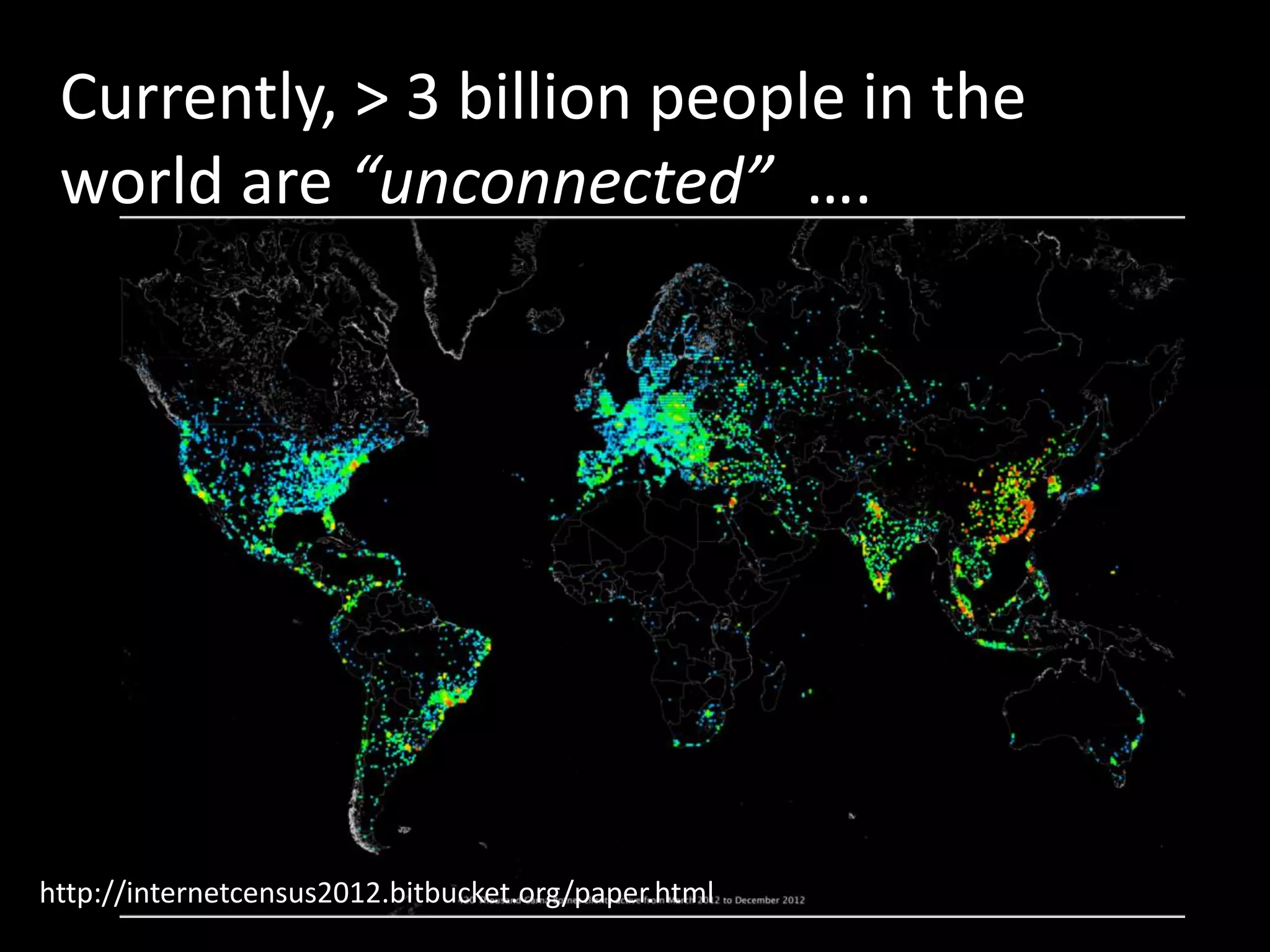
Currently, > 3 billion people in the
world are “unconnected” ….
http://internetcensus2012.bitbucket.org/paper.html
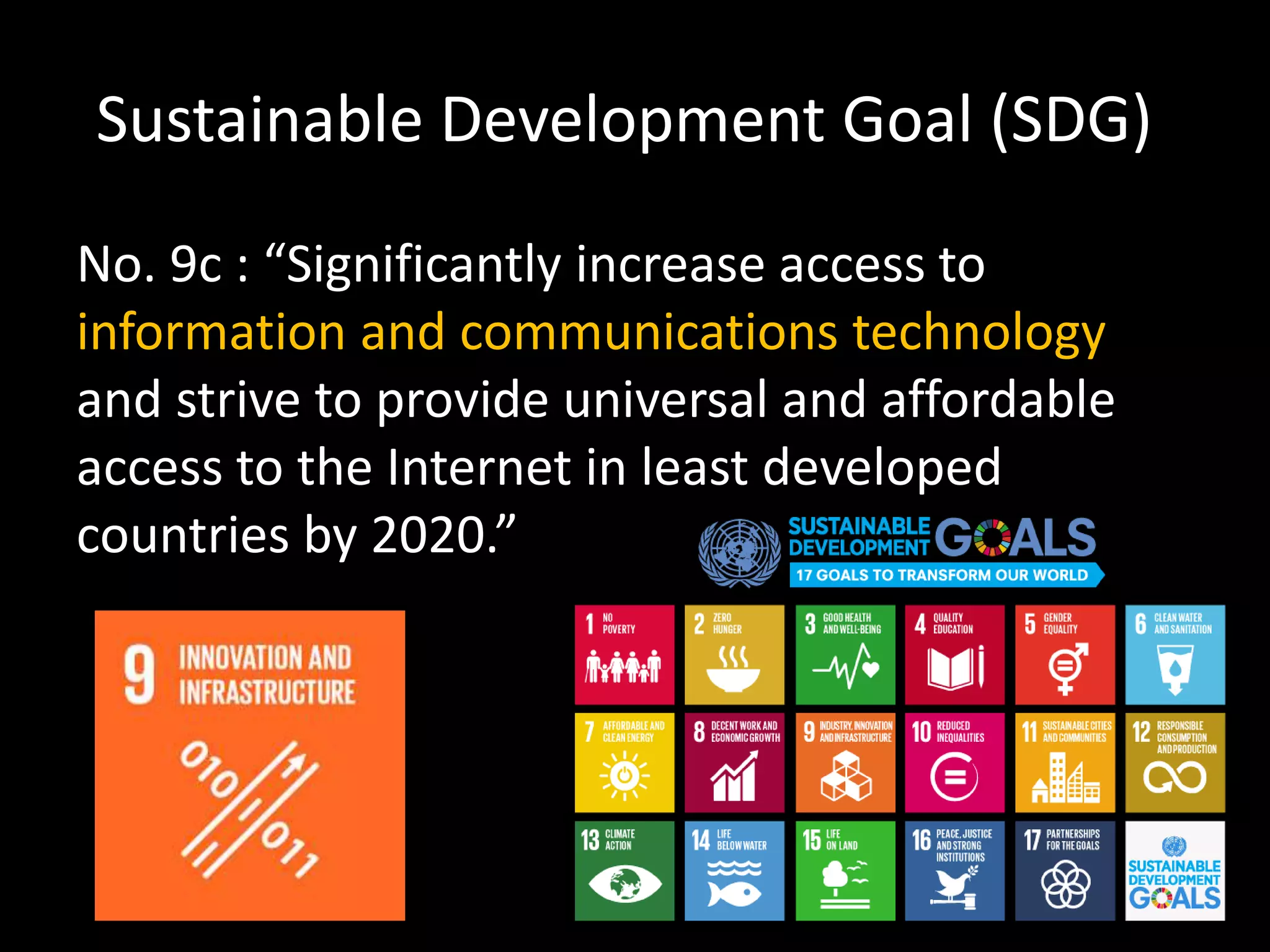
Sustainable Development Goal (SDG))
No. 9c : “Significantly increase access to
information and communications technology
and strive to provide universal and affordable
access to the Internet in least developed
countries by 2020.”
What about transferring
technologies to developing regions?
How about e.g. a rural Sub-
Saharan African context?”
What about sustainability?…
According to the World
Bank, the largest
investor/donor in ICT4D
Infrastructure &
applications : spent
491 million US $ on
ICT4D in SSA (2003-
2013)
1300 WB projects only
50 % achieved its
objectives
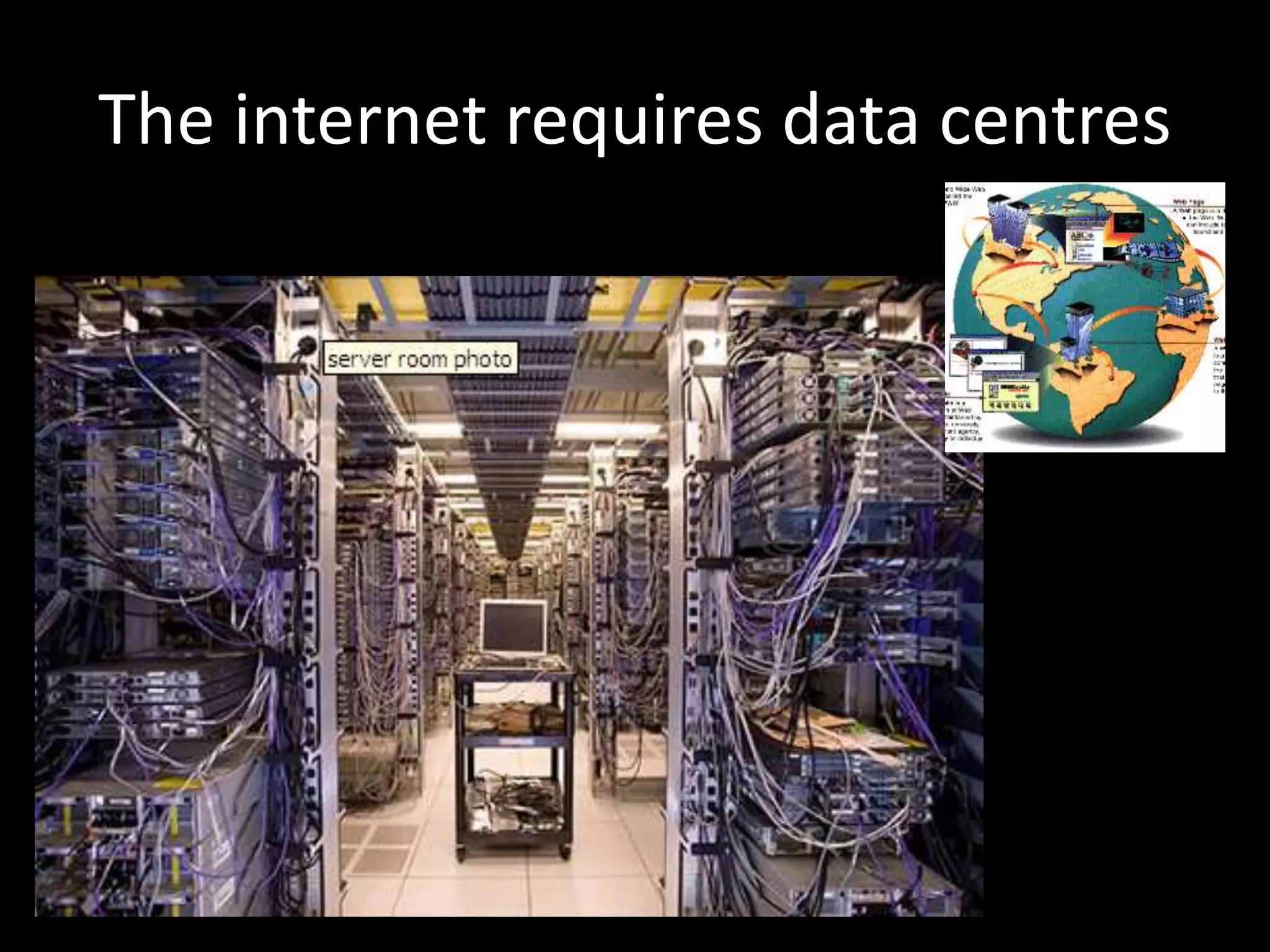
The internet requires data centres
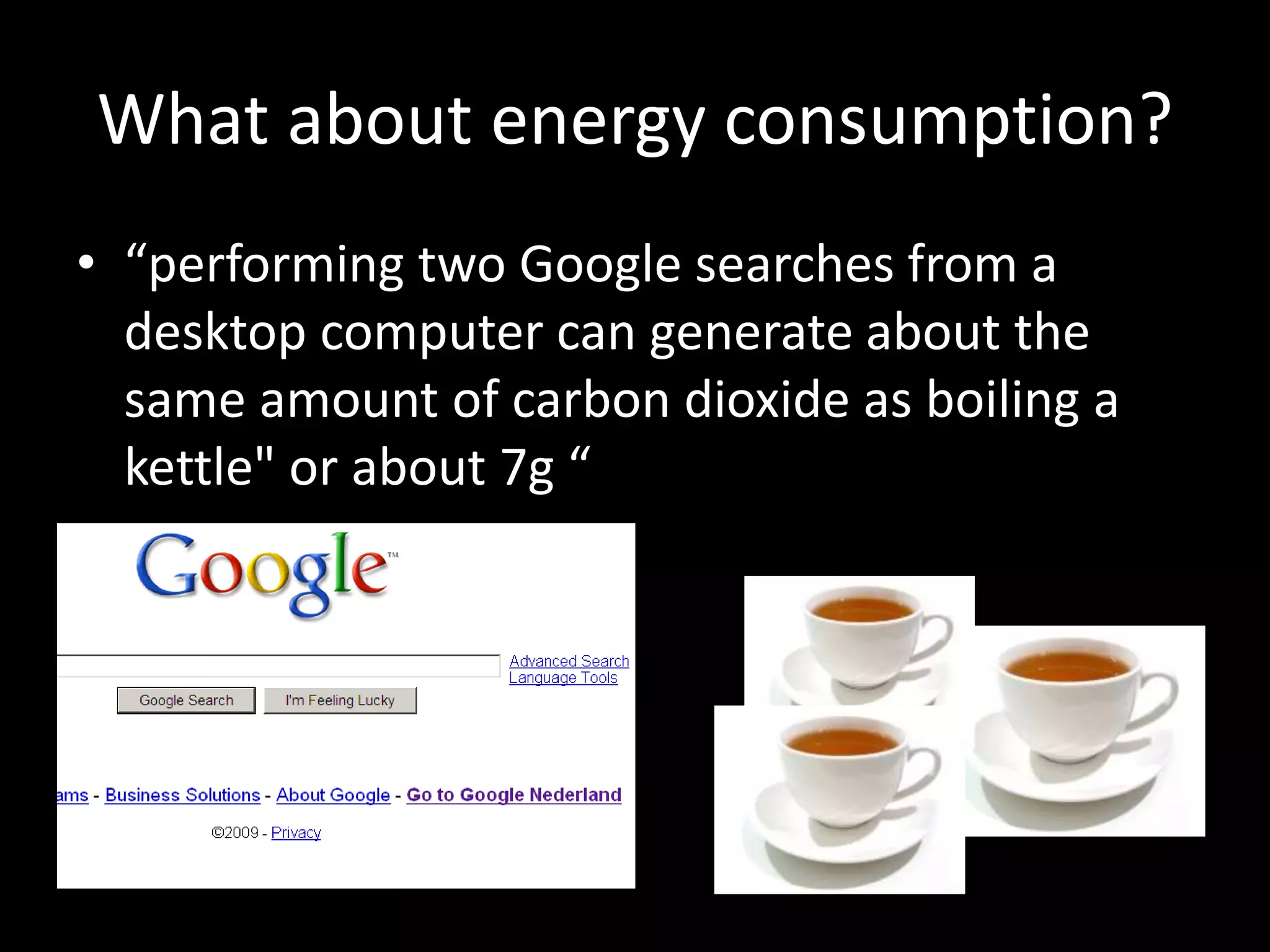
What about energy consumption?
• “performing two Google searches from a
desktop computer can generate about the
same amount of carbon dioxide as boiling a
kettle" or about 7g “f CO2 per search.
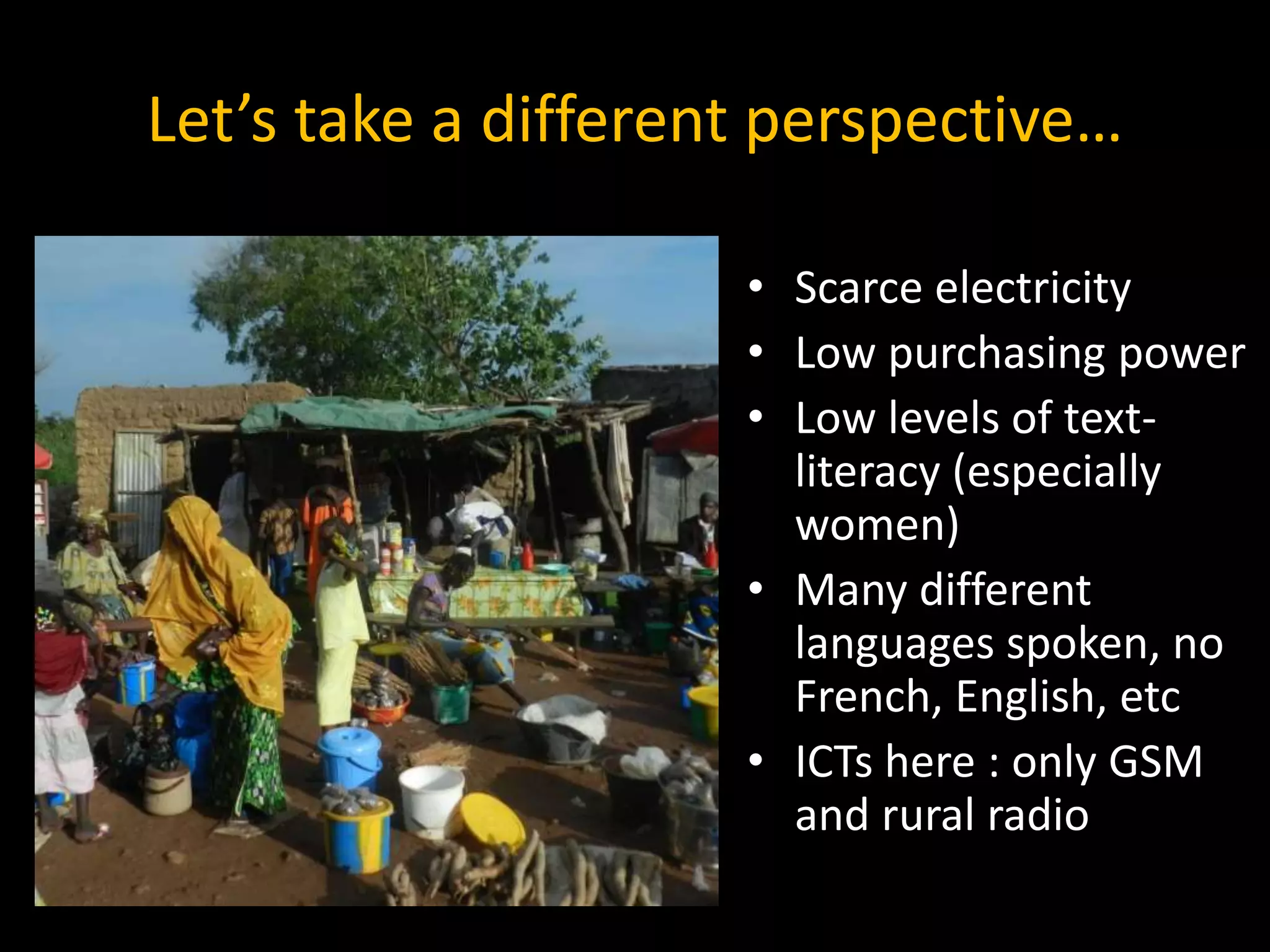
Let’s take a different perspective…
• Scarce electricity
• Low purchasing power
• Low levels of text-
literacy (especially
women)
• Many different
languages spoken, no
French, English, etc
• ICTs here : only GSM
and rural radio
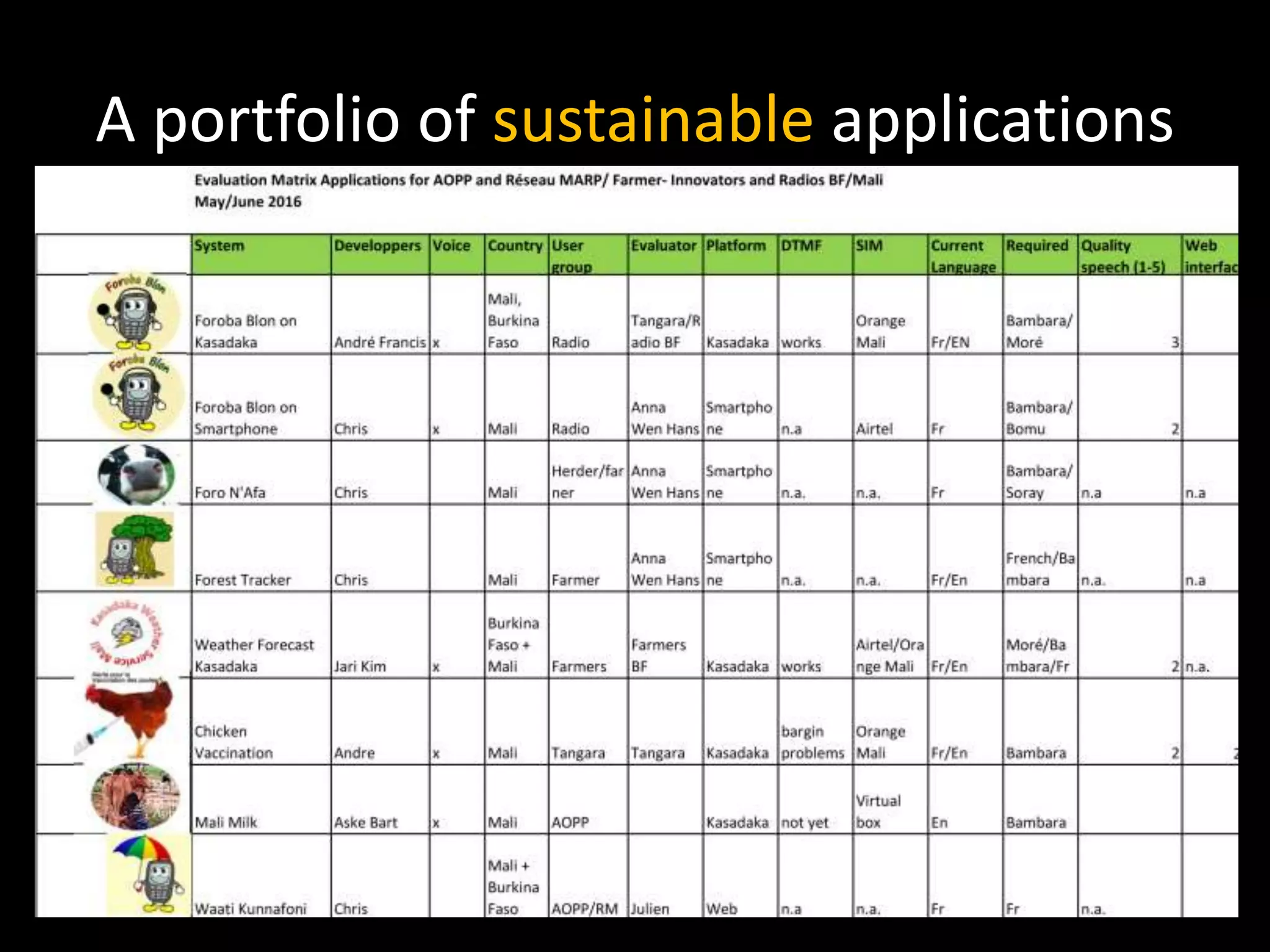
Collaboration with local stakeholders
Meteo/rain data
Chicken vaccination
Animal health
Matching customers
Market information
Milk information
Etc. etc.
What are the local information needs, e.g.
Requirement engineering workshops
with farmers in Bamako
A portfolio of sustainable applications
Bambara
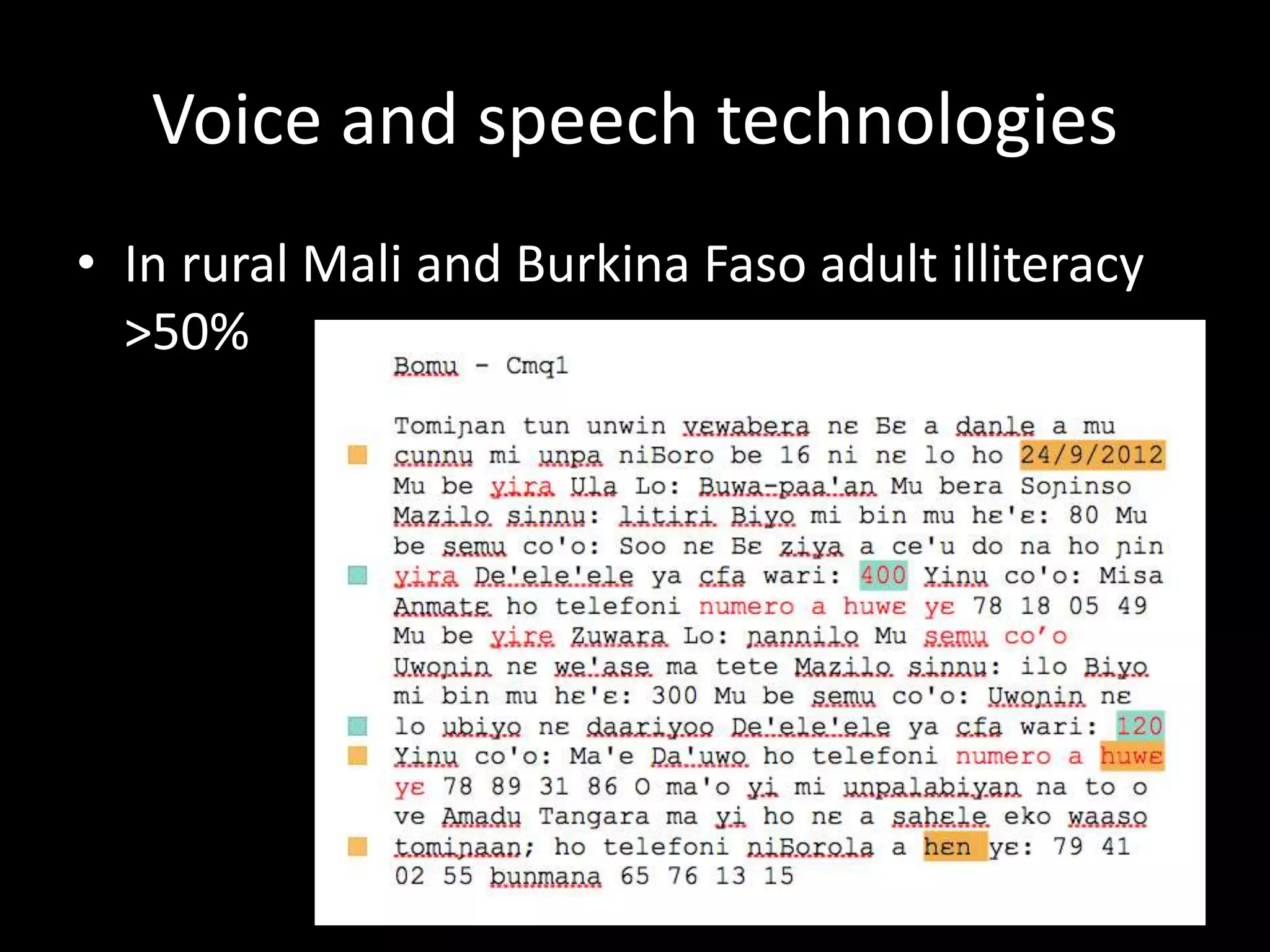
Voice and speech technologies
• In rural Mali and Burkina Faso adult illiteracy
>50%
Building voice-systems for local
languages
• Languages are unresourced-> no TTS or ASR
• Record utterances* from local users in Malian
French dialect, Bambara and Bomu: co-
creation with local users
* TTS and ASR is built by Etienne Barnard from North-West University, South Africa
Sustainable hardware
Poor Internet connections and scarce electricity
require different infrastructural solutions than
Internet, Cloud Solutions, Big Data etc.
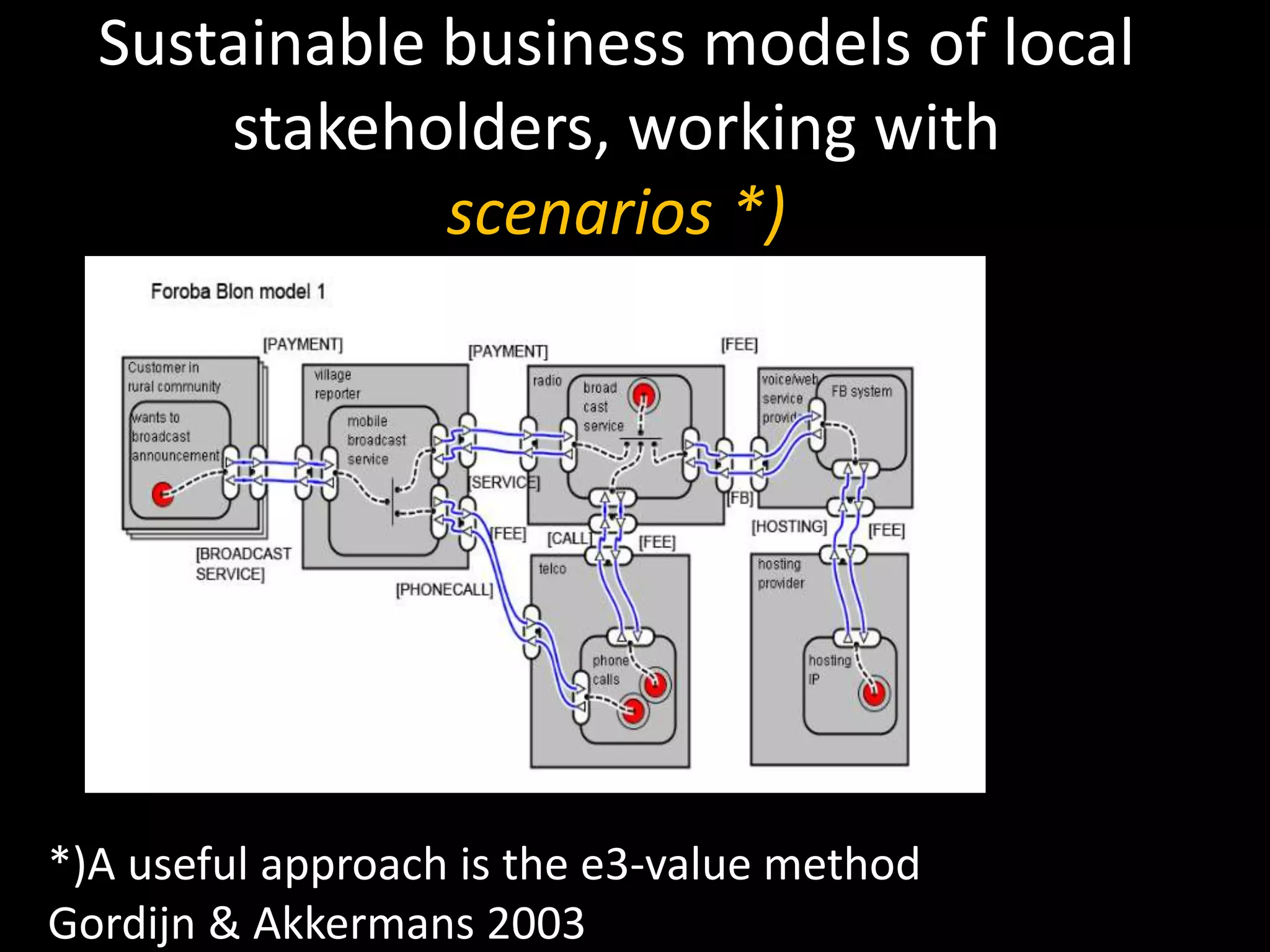
Sustainable business models of local
stakeholders, working with
scenarios *)
*)A useful approach is the e3-value method
Gordijn & Akkermans 2003
Research challenges
to ensure real ICT4D sustainability?
• Sustainable, small hardware inexpensive
solutions, rural conditions
• Business sustainability through local value
networks
• Voice and speech technologies in local languages
• Context/Use case and requirements analysis
• Collaborative engineering, deploying, evaluating!
• Organizing community of developers/users
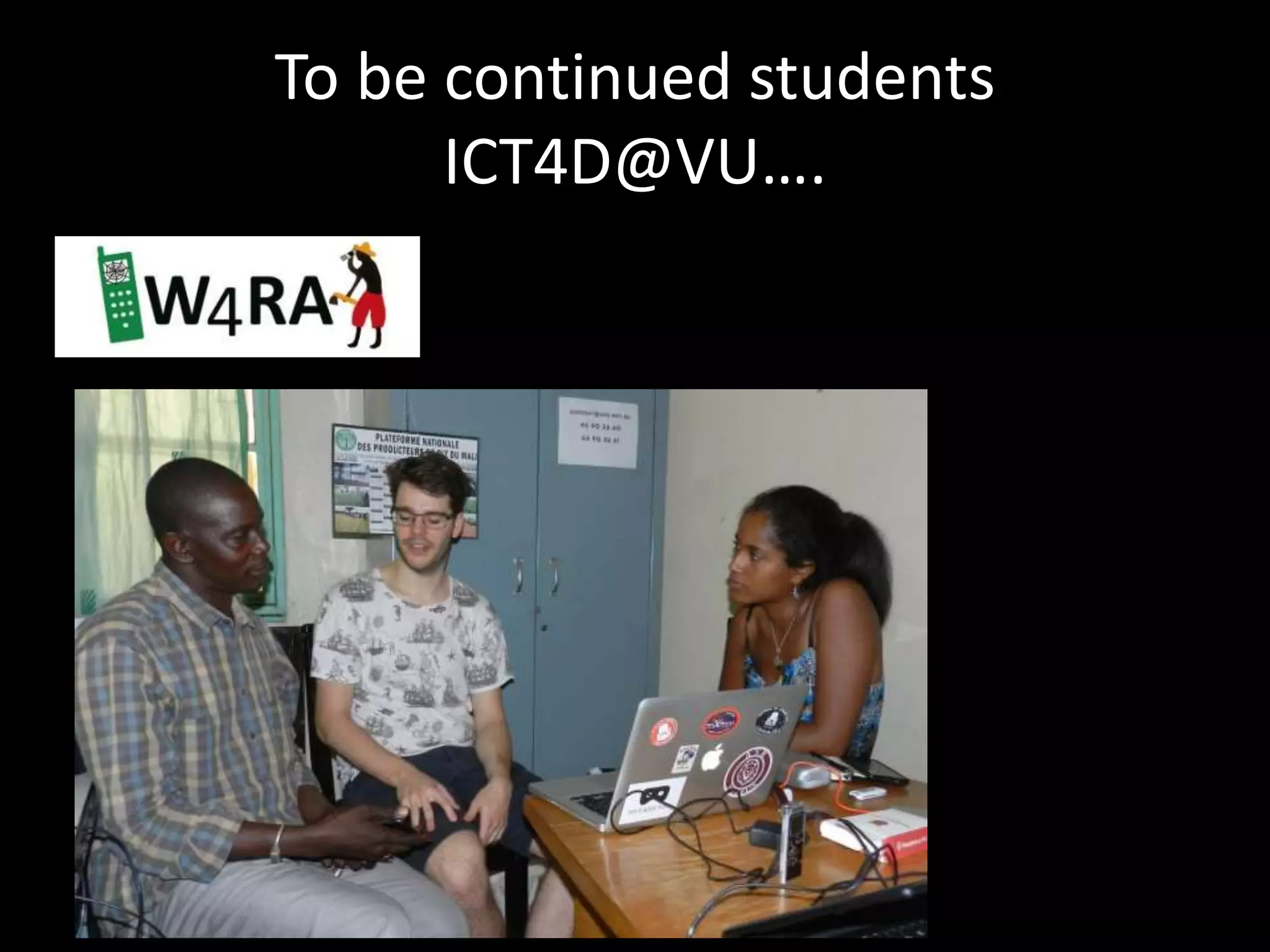
To be continued students
ICT4D@VU….
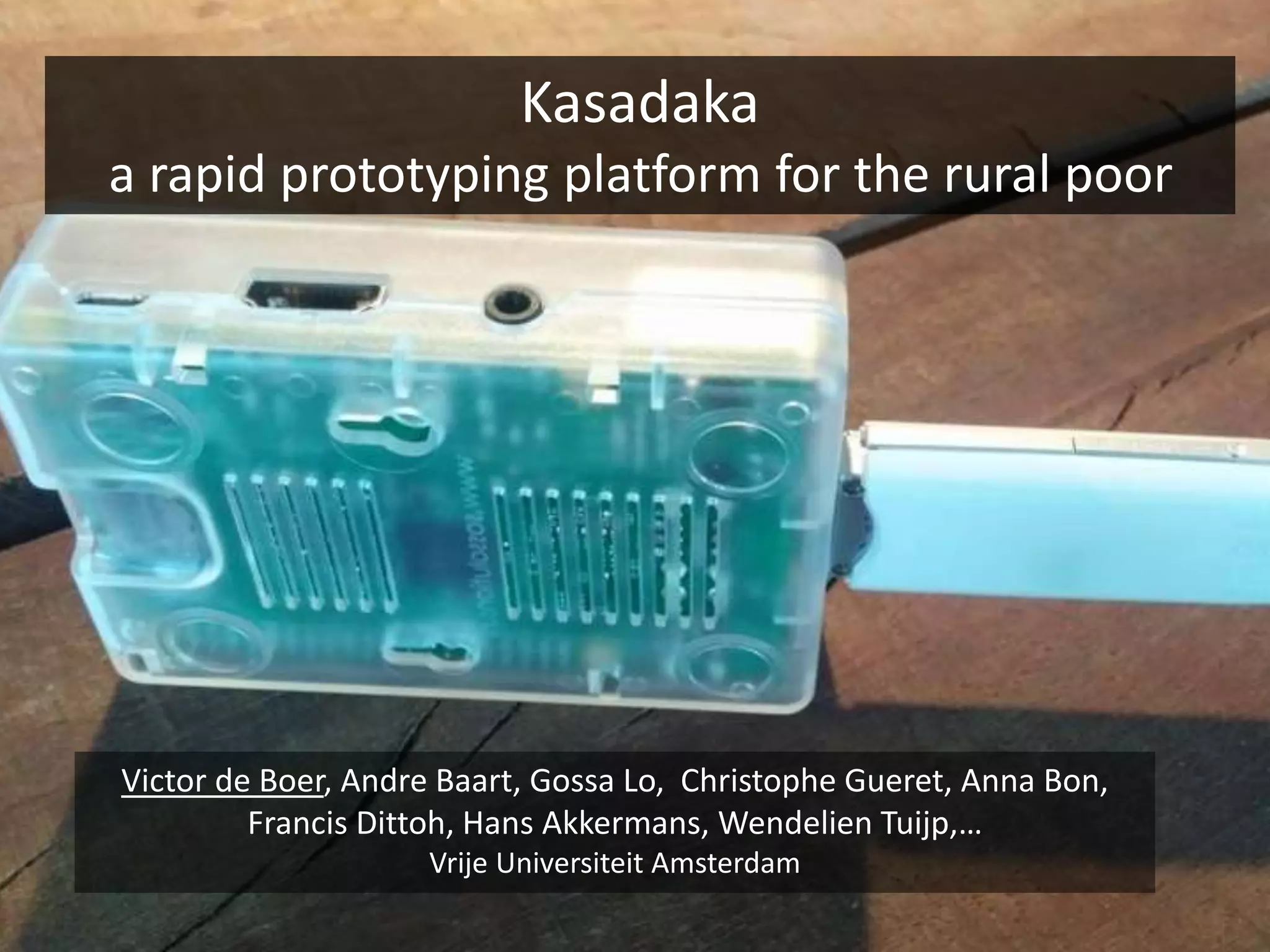
Kasadaka
a rapid prototyping platform for the rural poor
Victor de Boer, Andre Baart, Gossa Lo, Christophe Gueret, Anna Bon,
Francis Dittoh, Hans Akkermans, Wendelien Tuijp,…
Vrije Universiteit Amsterdam
Victor de Boer
Web & Media Group, Computer Science,
Vrije Universiteit Amsterdam
Web Science, Linked Data, …
Cultural Heritage and Digital History
ICT for Development
Can the Web (be made to) mean something for
information sharing even under very
constraining conditions?
No internet, no computer, no electricity
Multitude of languages, levels of literacy
Information sharing should be made
1. usable on small, affordable,
hardware deployed in various
connectivity contexts;
2. accessible to individuals with
varied cultural backgrounds /
literacy levels;
3. relevant and directly useful to
the target public they aim to
empower.
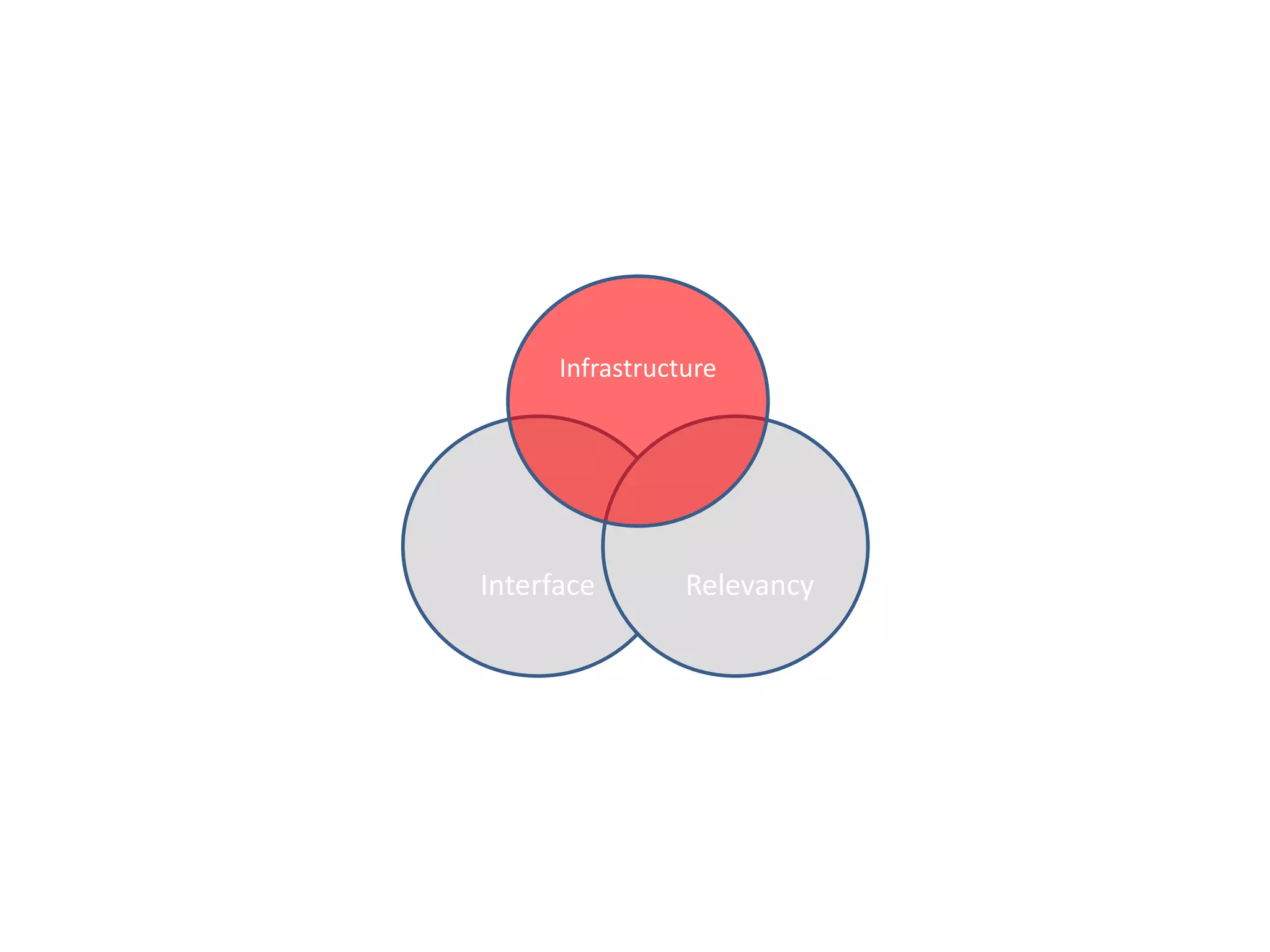
Infrastructure
Interface Relevancy
Infrastructure
RelevancyInterface
https://www.flickr.com/photos/worldbank/7826373720
Mobile phones
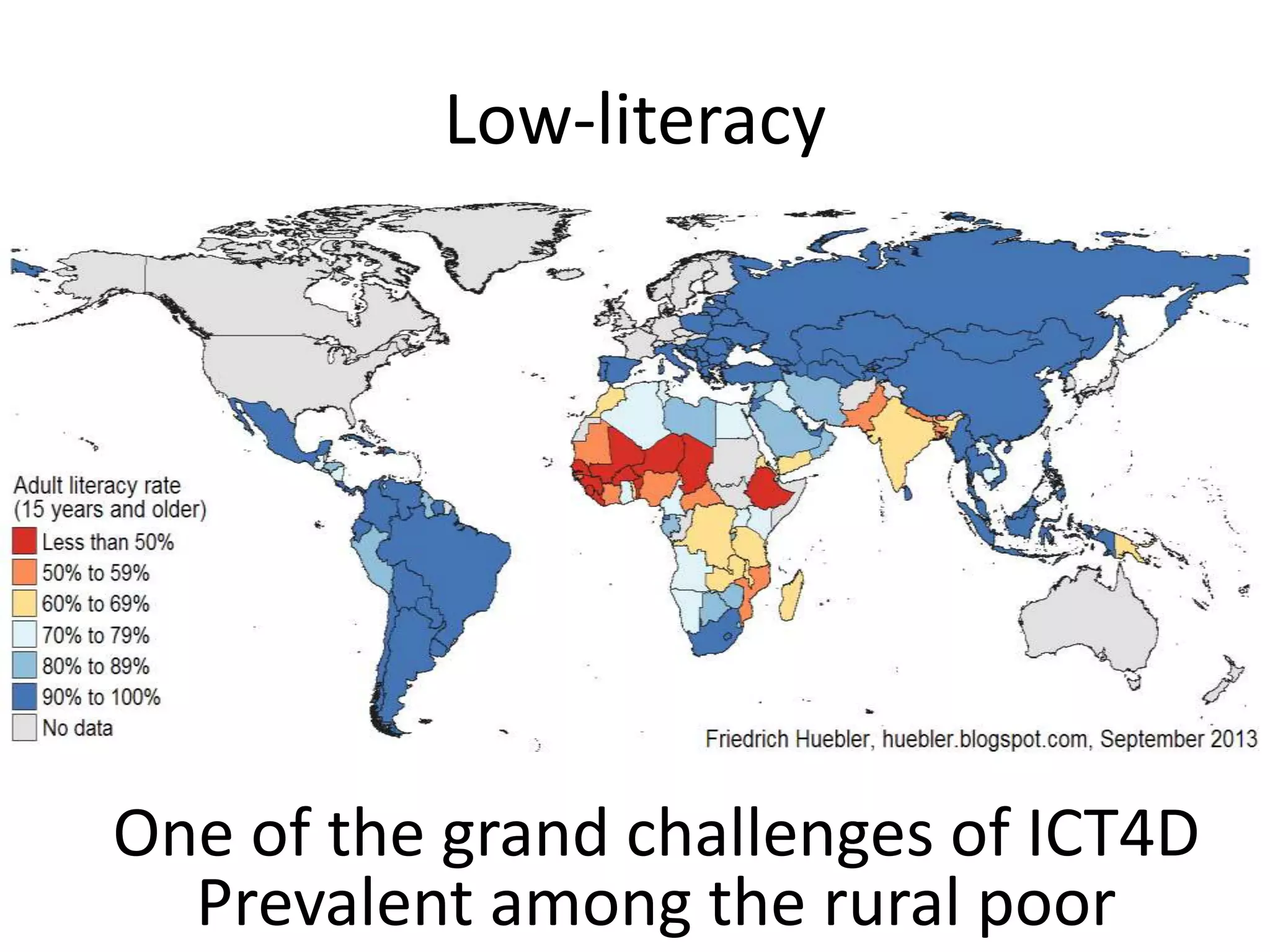
Low-literacy
One of the grand challenges of ICT4D
Prevalent among the rural poor
Icon-based communication
https://www.cnet.com/products/nokia-3310/preview/
Speech: The most
natural user interface
https://www.flickr.com/photos/adriansnood/14252302357/
Interactive voice response (IVR)
Interface Relevancy
Infrastructure
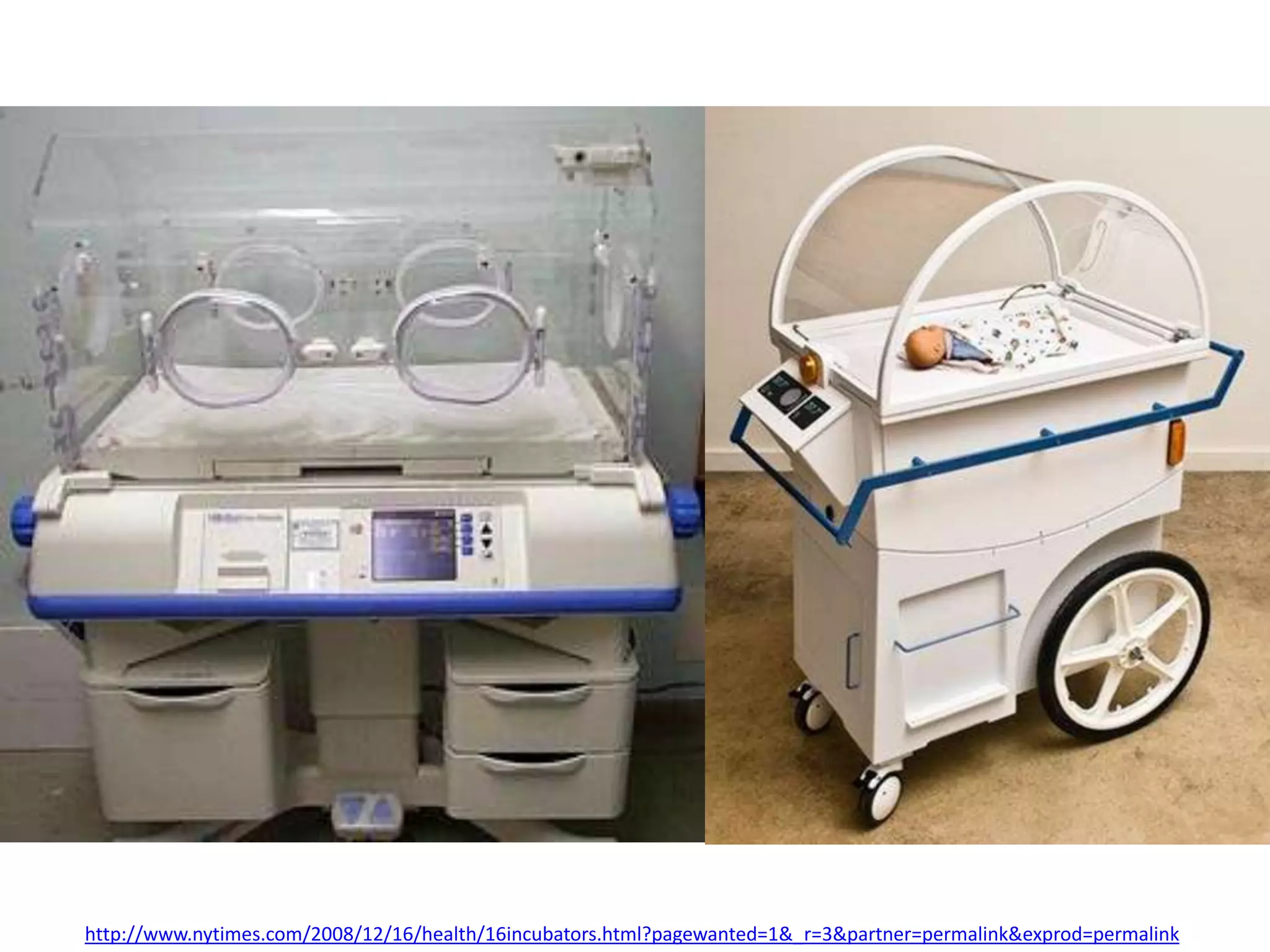
http://www.nytimes.com/2008/12/16/health/16incubators.html?pagewanted=1&_r=3&partner=permalink&exprod=permalink
Appropriate, sustainable hardware
affordable,
low-power-consuming,
repairable,
durable,
ownable,
Total Cost of Ownership (TCO)
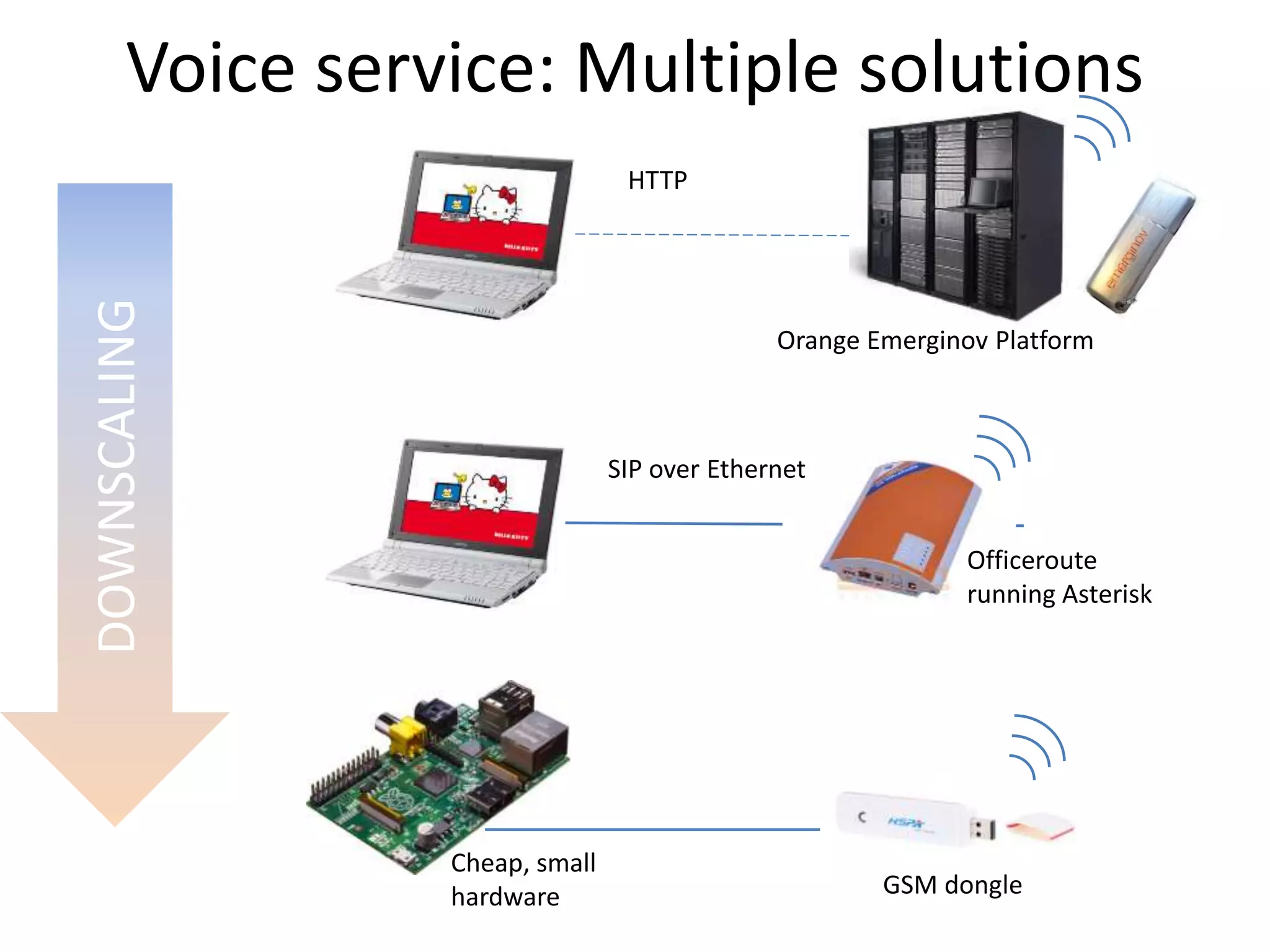
Voice service: Multiple solutions
SIP over Ethernet
HTTP
Officeroute
running Asterisk
Orange Emerginov Platform
GSM dongle
DOWNSCALING
Cheap, small
hardware
Foroba Blon 2.0
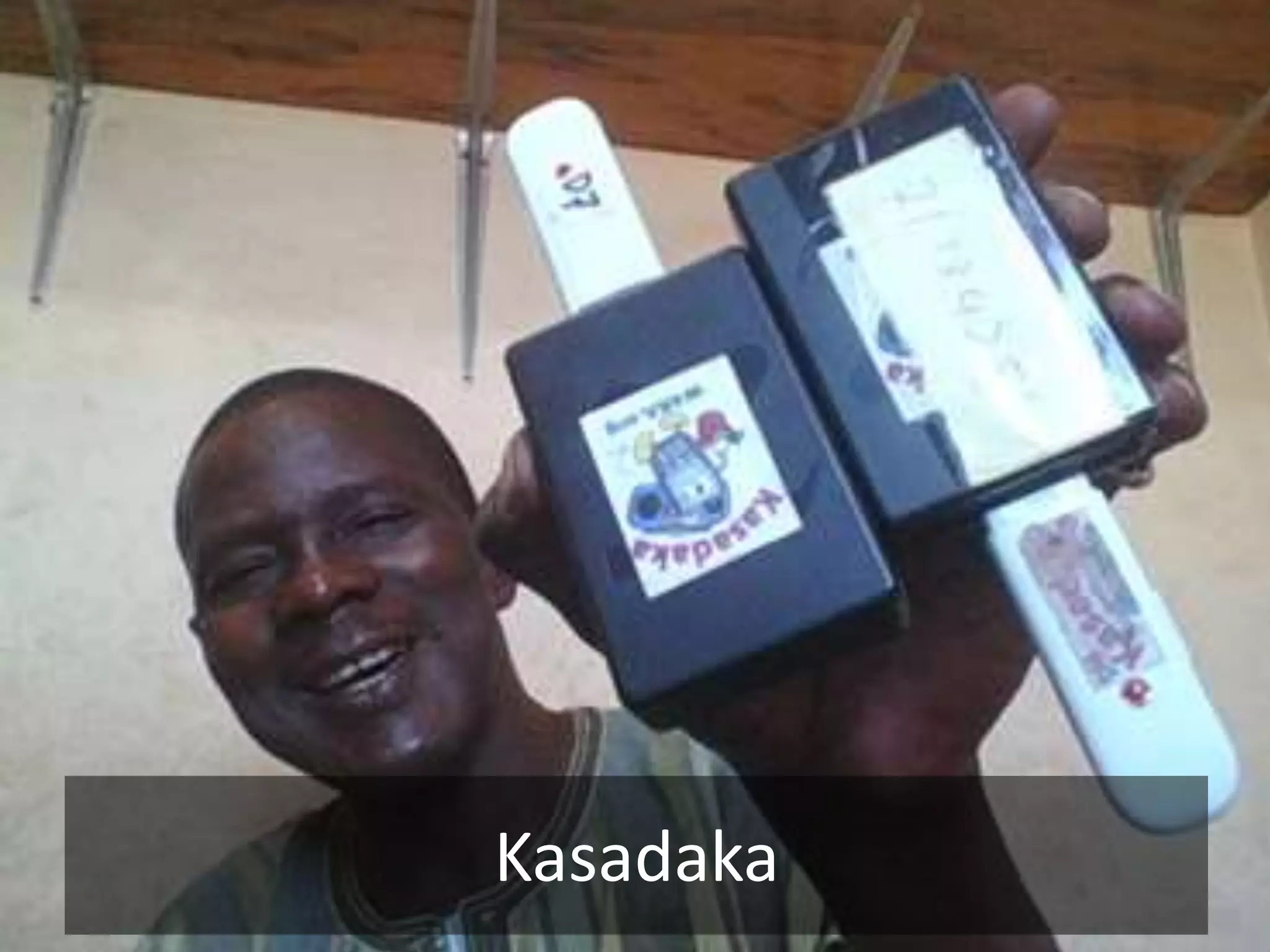
Kasadaka
KASADAKA.com
Low-power, ubiquitous, cheap hardware (rPi + gsm dongle)
FLOSS components
Rapid Prototyping + deployment
Access information
Voice services
SMS-based
Visual
Internet or GSM network
Data transfer in an SMS
?
Infrastructure
Interface Relevancy
Rapid Prototyping
Use
Case
Gathe-
ring
Rapid
Prototy
ping
Prototy
ping
Deploy
ment
Business
Deploy
ment
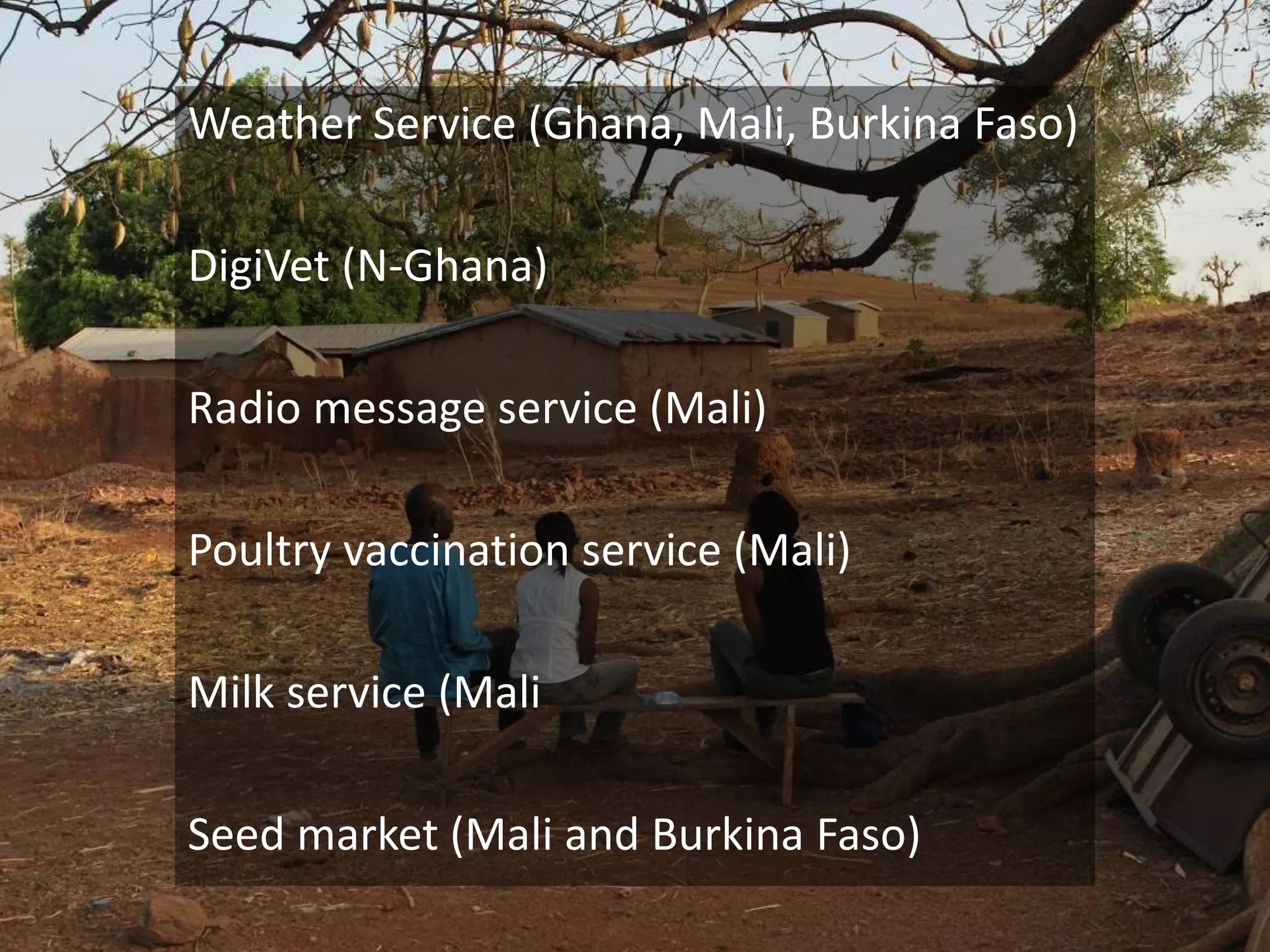
Weather Service (Ghana, Mali, Burkina Faso)
DigiVet (N-Ghana)
Radio message service (Mali)
Poultry vaccination service (Mali)
Milk service (Mali
Seed market (Mali and Burkina Faso)
Meteo
Mali Milk
What’s new in this ICT4D research ?
New approach to innovation and ICT4D (e.g.
bringing the Web to those without the internet)
Validation of iterative approaches to ICT
development in a low-tech context;
Case studies from a rural area in Mali, Burkina
Faso, Ghana.
With the mainstream
Dev. countries can leapfrog directly into the
information age, jumping many phases of
immature technologies
Img: flickr/n3v3rv0id
Development Informatics
as mainstream computer science research.
ICT4D Course @
MSc Computer Science course
This year 5th time
(almost) unique in Europe
Multidisciplinary
Core Computer Science: CS4D
Make students aware of
importance of context
Hands-on experience with KASADAKA
Train CS researchers in ICT4D
CLASS OF 2017
http://W4RA.ORG

Kasadaka and ICT4D at VU

Editor's Notes