›ITS World Congress
›Enabling Seamless Mobility
Donna M. Huey
Senior Vice-President, Client Technology Director,
Atkins
Philippe Morais
Regional Director – Eastern Canada,
Rail & Transit, Infrastructure, SNC-Lavalin
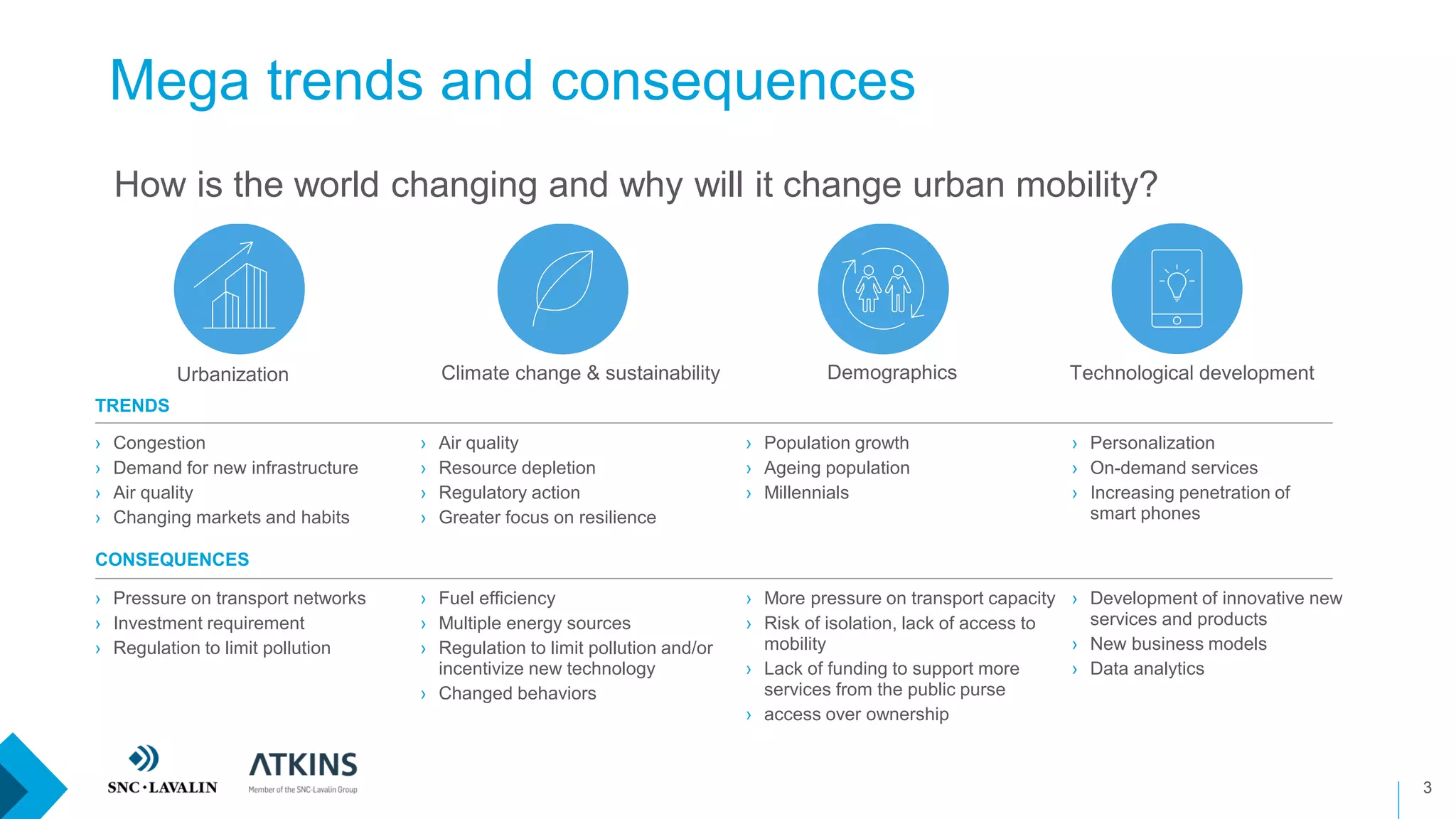
Mega trends and consequences
›How is the world changing and why will it change urban mobility?
Urbanization Climate change & sustainability Demographics Technological development
TRENDS
› Congestion
› Demand for new infrastructure
› Air quality
› Changing markets and habits
› Air quality
› Resource depletion
› Regulatory action
› Greater focus on resilience
› Population growth
› Ageing population
› Millennials
› Personalization
› On-demand services
› Increasing penetration of
smart phones
› Pressure on transport networks
› Investment requirement
› Regulation to limit pollution
CONSEQUENCES
› Fuel efficiency
› Multiple energy sources
› Regulation to limit pollution and/or
incentivize new technology
› Changed behaviors
› More pressure on transport capacity
› Risk of isolation, lack of access to
mobility
› Lack of funding to support more
services from the public purse
› access over ownership
› Development of innovative new
services and products
› New business models
› Data analytics
3
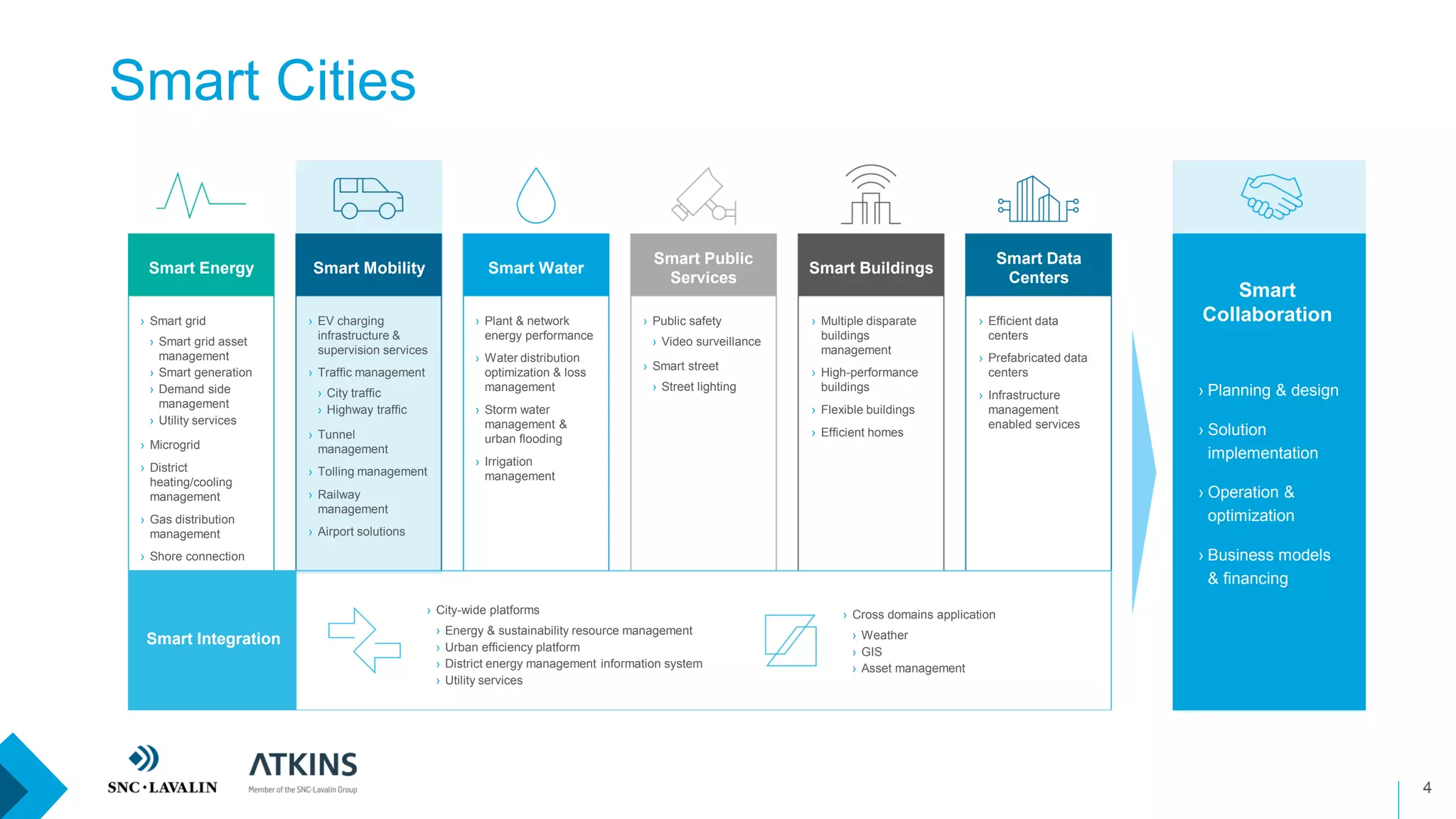
Smart Cities
4
Smart Energy Smart Mobility Smart Water
Smart Public
Services
Smart Buildings
Smart Data
Centers
› Smart grid
› Smart grid asset
management
› Smart generation
› Demand side
management
› Utility services
› Microgrid
› District
heating/cooling
management
› Gas distribution
management
› Shore connection
› EV charging
infrastructure &
supervision services
› Traffic management
› City traffic
› Highway traffic
› Tunnel
management
› Tolling management
› Railway
management
› Airport solutions
› Plant & network
energy performance
› Water distribution
optimization & loss
management
› Storm water
management &
urban flooding
› Irrigation
management
› Public safety
› Video surveillance
› Smart street
› Street lighting
› Multiple disparate
buildings
management
› High-performance
buildings
› Flexible buildings
› Efficient homes
› Efficient data
centers
› Prefabricated data
centers
› Infrastructure
management
enabled services
Smart Integration
› City-wide platforms
› Energy & sustainability resource management
› Urban efficiency platform
› District energy management information system
› Utility services
› Cross domains application
› Weather
› GIS
› Asset management
Smart
Collaboration
› Planning & design
› Solution
implementation
› Operation &
optimization
› Business models
& financing
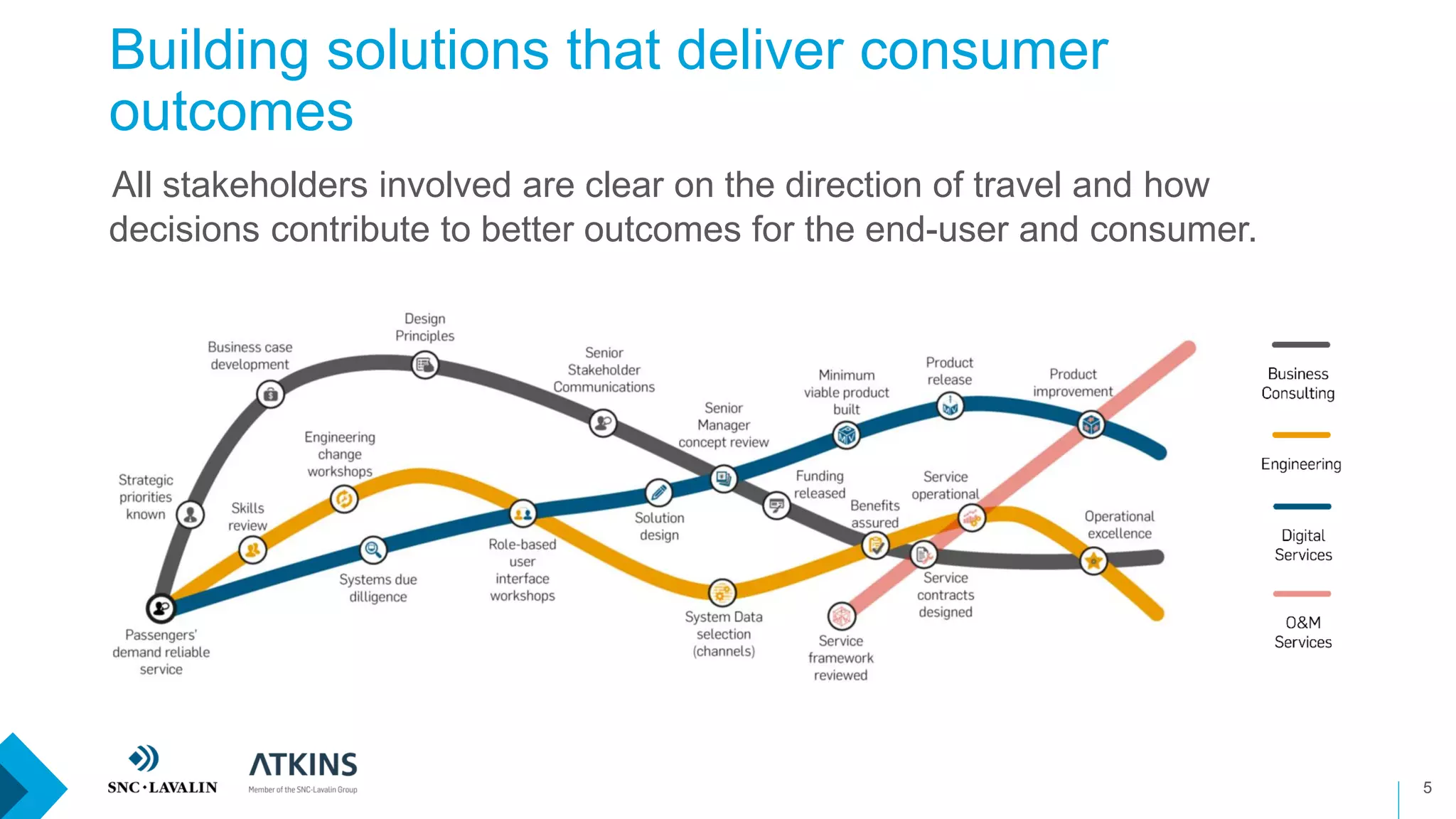
Building solutions that deliver consumer
outcomes
5
›All stakeholders involved are clear on the direction of travel and how
decisions contribute to better outcomes for the end-user and consumer.
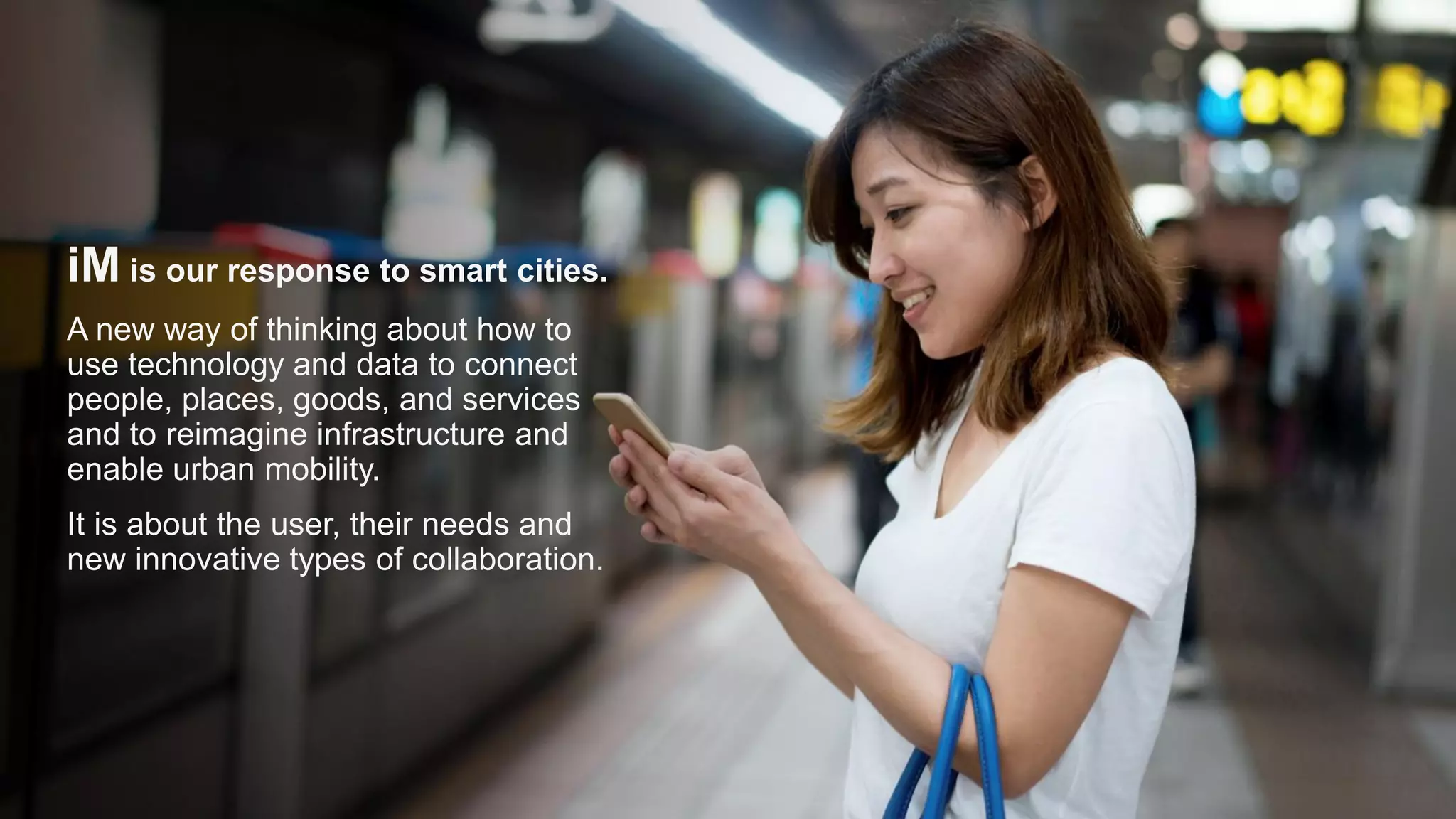
iM is our response to smart cities.
A new way of thinking about how to
use technology and data to connect
people, places, goods, and services
and to reimagine infrastructure and
enable urban mobility.
It is about the user, their needs and
new innovative types of collaboration.
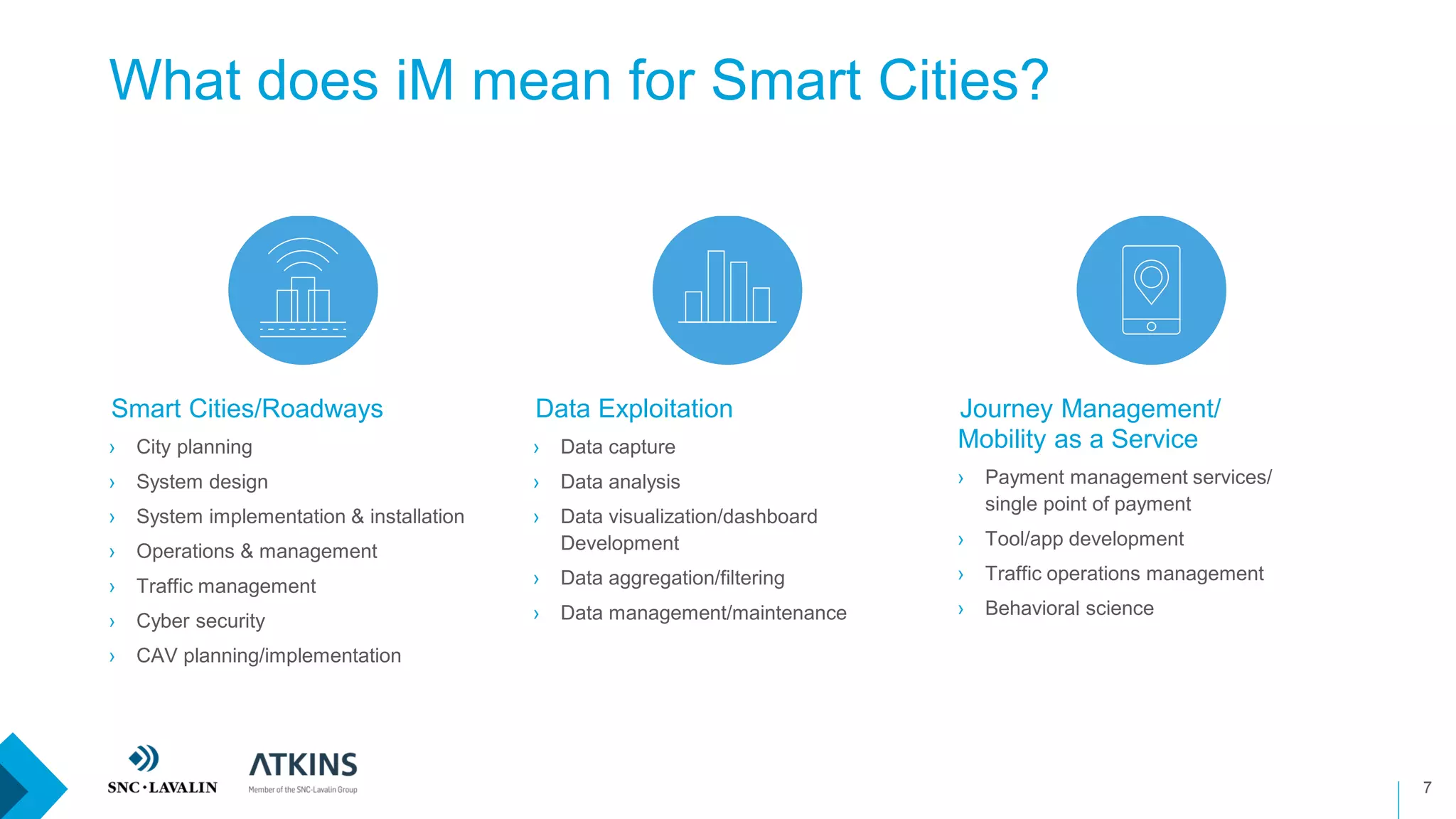
What does iM mean for Smart Cities?
7
›Smart Cities/Roadways
› City planning
› System design
› System implementation & installation
› Operations & management
› Traffic management
› Cyber security
› CAV planning/implementation
›Data Exploitation
› Data capture
› Data analysis
› Data visualization/dashboard
Development
› Data aggregation/filtering
› Data management/maintenance
›Journey Management/
Mobility as a Service
› Payment management services/
single point of payment
› Tool/app development
› Traffic operations management
› Behavioral science
New and old collaborations
8
› Smart cities are be based on the values
and needs of its citizens.
› It will us to think differently, harness the
power of a broader team and undertake
rapid digital experiments.
› It will need very different public and
private sector collaboration with the
user at the heart.
Thinking differently
Harnessing the power
of the team
Digital disruption
Thinking differently
9
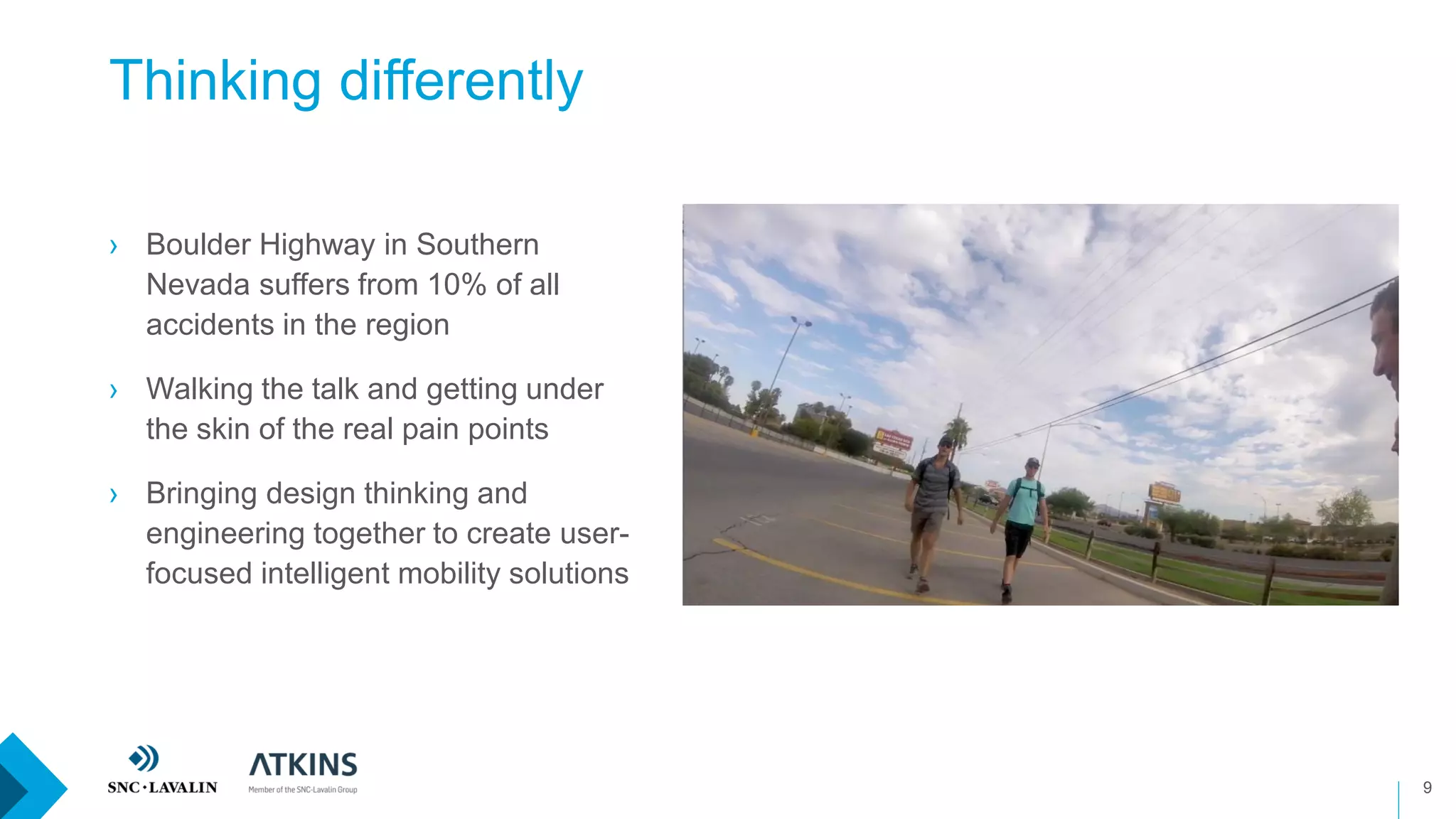
› Boulder Highway in Southern
Nevada suffers from 10% of all
accidents in the region
› Walking the talk and getting under
the skin of the real pain points
› Bringing design thinking and
engineering together to create user-
focused intelligent mobility solutions
Add Boulder Highway video
Harnessing the power of a team
10
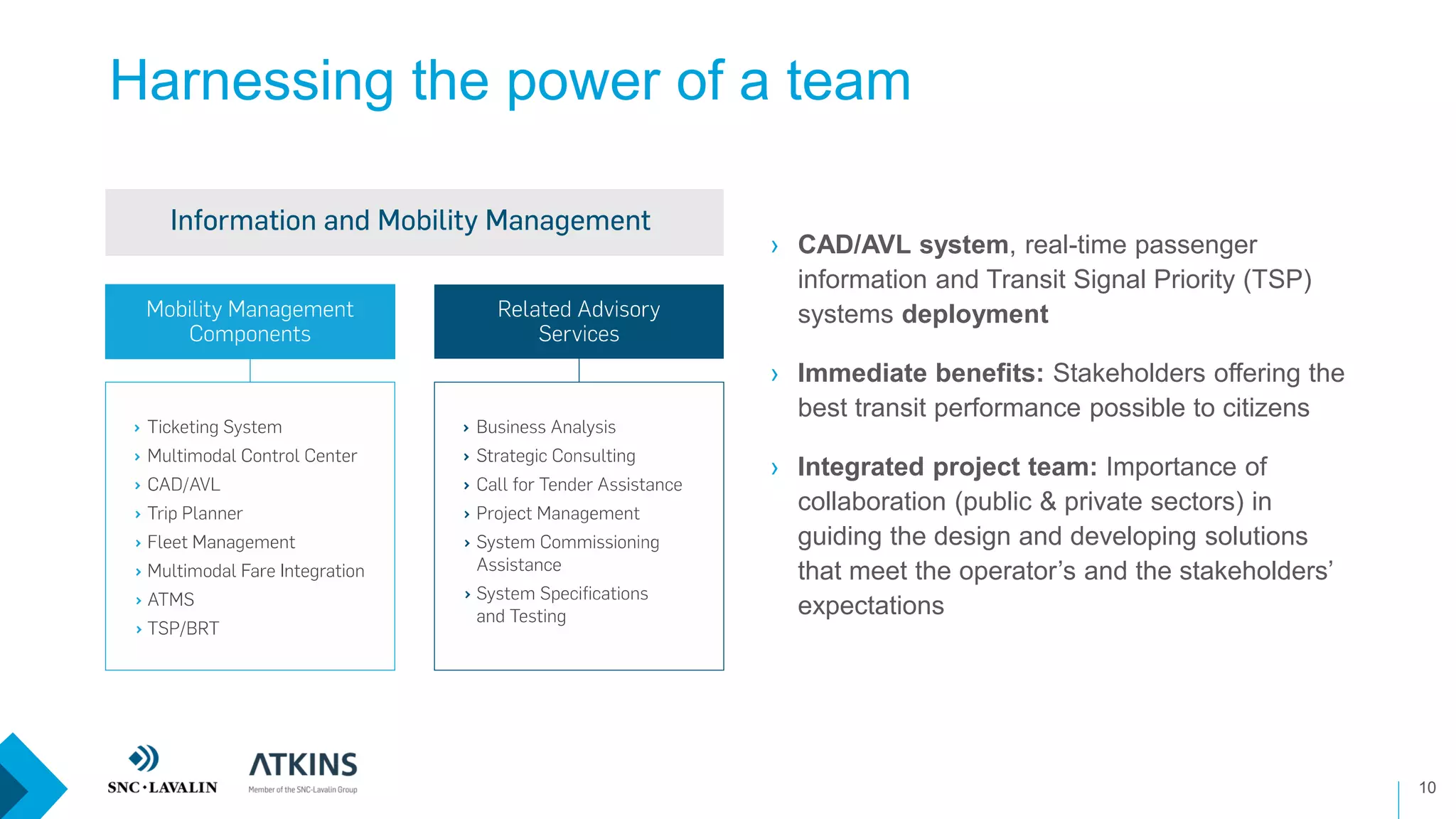
› CAD/AVL system, real-time passenger
information and Transit Signal Priority (TSP)
systems deployment
› Immediate benefits: Stakeholders offering the
best transit performance possible to citizens
› Integrated project team: Importance of
collaboration (public & private sectors) in
guiding the design and developing solutions
that meet the operator’s and the stakeholders’
expectations
Digital disruption through experimentation
11
12
Continuing the conversation
13
How to remove barriers to mobility and better connect people, goods,
and services?
As an industry, how do we collaborate and think differently?
› Marc Blanchet, Vice-President, Southwest Quebec, Infrastructure Engineering
› Jim Hanson, Director, Intelligent Mobility, North America, Atkins
› David Swallow, Director of Engineering and Technology, Regional Transportation
Commission of Southern Nevada
› Amy Ford, CDOT Director of Communications and RoadX Executive Lead,
Colorado Department of Transportation
› Alexandre Torday, Executive Director, Professional Services, Aimsun
Panel discussion:
Challenges and opportunities
in seamless mobility – Case
studies from North America
Thursday, November 2nd
at 11 am
Thank you!

ITS World - Enabling Seamless Mobility

  • 1.
  • 2.
    Donna M. Huey SeniorVice-President, Client Technology Director, Atkins Philippe Morais Regional Director – Eastern Canada, Rail & Transit, Infrastructure, SNC-Lavalin
  • 3.
    Mega trends andconsequences ›How is the world changing and why will it change urban mobility? Urbanization Climate change & sustainability Demographics Technological development TRENDS › Congestion › Demand for new infrastructure › Air quality › Changing markets and habits › Air quality › Resource depletion › Regulatory action › Greater focus on resilience › Population growth › Ageing population › Millennials › Personalization › On-demand services › Increasing penetration of smart phones › Pressure on transport networks › Investment requirement › Regulation to limit pollution CONSEQUENCES › Fuel efficiency › Multiple energy sources › Regulation to limit pollution and/or incentivize new technology › Changed behaviors › More pressure on transport capacity › Risk of isolation, lack of access to mobility › Lack of funding to support more services from the public purse › access over ownership › Development of innovative new services and products › New business models › Data analytics 3
  • 4.
    Smart Cities 4 Smart EnergySmart Mobility Smart Water Smart Public Services Smart Buildings Smart Data Centers › Smart grid › Smart grid asset management › Smart generation › Demand side management › Utility services › Microgrid › District heating/cooling management › Gas distribution management › Shore connection › EV charging infrastructure & supervision services › Traffic management › City traffic › Highway traffic › Tunnel management › Tolling management › Railway management › Airport solutions › Plant & network energy performance › Water distribution optimization & loss management › Storm water management & urban flooding › Irrigation management › Public safety › Video surveillance › Smart street › Street lighting › Multiple disparate buildings management › High-performance buildings › Flexible buildings › Efficient homes › Efficient data centers › Prefabricated data centers › Infrastructure management enabled services Smart Integration › City-wide platforms › Energy & sustainability resource management › Urban efficiency platform › District energy management information system › Utility services › Cross domains application › Weather › GIS › Asset management Smart Collaboration › Planning & design › Solution implementation › Operation & optimization › Business models & financing
  • 5.
    Building solutions thatdeliver consumer outcomes 5 ›All stakeholders involved are clear on the direction of travel and how decisions contribute to better outcomes for the end-user and consumer.
  • 6.
    iM is ourresponse to smart cities. A new way of thinking about how to use technology and data to connect people, places, goods, and services and to reimagine infrastructure and enable urban mobility. It is about the user, their needs and new innovative types of collaboration.
  • 7.
    What does iMmean for Smart Cities? 7 ›Smart Cities/Roadways › City planning › System design › System implementation & installation › Operations & management › Traffic management › Cyber security › CAV planning/implementation ›Data Exploitation › Data capture › Data analysis › Data visualization/dashboard Development › Data aggregation/filtering › Data management/maintenance ›Journey Management/ Mobility as a Service › Payment management services/ single point of payment › Tool/app development › Traffic operations management › Behavioral science
  • 8.
    New and oldcollaborations 8 › Smart cities are be based on the values and needs of its citizens. › It will us to think differently, harness the power of a broader team and undertake rapid digital experiments. › It will need very different public and private sector collaboration with the user at the heart. Thinking differently Harnessing the power of the team Digital disruption
  • 9.
    Thinking differently 9 › BoulderHighway in Southern Nevada suffers from 10% of all accidents in the region › Walking the talk and getting under the skin of the real pain points › Bringing design thinking and engineering together to create user- focused intelligent mobility solutions Add Boulder Highway video
  • 10.
    Harnessing the powerof a team 10 › CAD/AVL system, real-time passenger information and Transit Signal Priority (TSP) systems deployment › Immediate benefits: Stakeholders offering the best transit performance possible to citizens › Integrated project team: Importance of collaboration (public & private sectors) in guiding the design and developing solutions that meet the operator’s and the stakeholders’ expectations
  • 11.
    Digital disruption throughexperimentation 11
  • 12.
  • 13.
    Continuing the conversation 13 Howto remove barriers to mobility and better connect people, goods, and services? As an industry, how do we collaborate and think differently? › Marc Blanchet, Vice-President, Southwest Quebec, Infrastructure Engineering › Jim Hanson, Director, Intelligent Mobility, North America, Atkins › David Swallow, Director of Engineering and Technology, Regional Transportation Commission of Southern Nevada › Amy Ford, CDOT Director of Communications and RoadX Executive Lead, Colorado Department of Transportation › Alexandre Torday, Executive Director, Professional Services, Aimsun Panel discussion: Challenges and opportunities in seamless mobility – Case studies from North America Thursday, November 2nd at 11 am
  • 14.