(history)
Traveling through time
India is populated with forts and palaces which are our
museums that were once used as homes.
They age back to hundreds of years and their architecture is
incredibly distinct and purposeful since each room was
created keeping a certain goal in mind.
The palaces are still standing, with most of them having been
converted to heritage hotels, which makes them our ‘living
museums’ of today.
But what cannot be changed are stories :
Of why the rooms were created.
Of what they were used for.
Of what recreational activities finally took place in them.
And these stories can only be told from real accounts of
memories of people who experienced them, hence they
come as a part of oral history.
Hence, the only way to know the stories is through
Historians. However, the sad truth is that historians due to
their age and obsolete occupation, are dying.
And so, stories are dying.
Which is why we must recreate this Itivrit by bridging the
gap between the digital future and historical art using
Augmented Reality.
The best way for someoneto experience history is by
reliving it.
Since we’re touching upon the Indian royal history - the
best way to express it would be by using miniature
artwork.
The idea is for the application to identify the distinct
markers in each room (since the paintings on the wall and
architecture are so distinct in each area) and generate
human figurines that the user could interact with to know
more about the artifacts in that room.
Hence, the user would be transported through time to
when the palace was in full bloom and they could relive
the moments as the people alive hundreds of years ago.
Example :
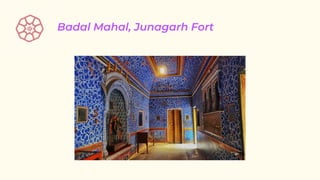
In Junagarh Fort, Bikaner, Rajasthan (India), there is a
room called Badal Mahal, which was created with one very
important window and a table beneath that window.
When it would rain, water droplets would fall from the
window on to the table and you could hear a melody, since
that was the purpose of that table.
Now, this story is lost somewhere in history and time and
took a sizeable amount of effort to uncover. But again, it’s
only known to a handful of people. What if the world could
know so many more stories of this kind?
What if they could relive so many stories of this kind?
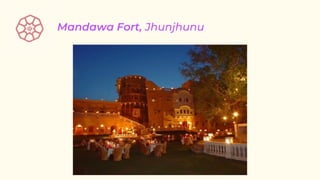
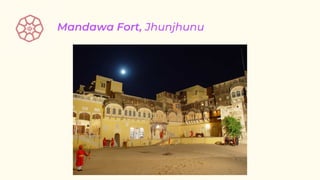
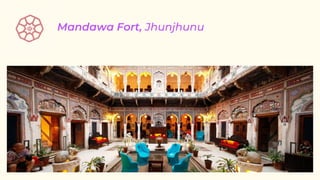
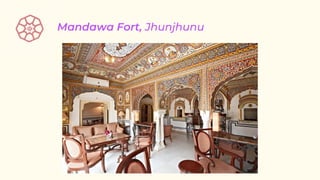
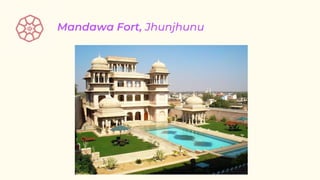
The fort of Mandawa was founded in the 18th century. Thakur
Nawal Singh, son of Shardul Singh, founded the fort in Vikram
Samvat 1812 (1755 AD). The fort dominates the town with a
painted arched gateway adorned with frescoes of Lord Krishna
and his cows. Built as per a medieval theme, the castle of
Mandawa is adorned with beautiful frescoes. Rooms in the
palace are decorated with paintings of Lord Krishna, exquisite
carvings and amazing mirror work. The Palace Durbar Hall
houses a number of antiques and paintings.
The initial prototyping stage of Itivrit will be to survey the room
candidates, research their history, and write and design their
custom AR experiences using Unity and Vuforia.
The prototype of Itivrit will be created in Unity as immersive
experiences overlaid onto 360 captures of each room. This will
most importantly lay the groundwork for producing the digital
experiences, and provide us with a sense of how well these
experiences are integrated into each room.
Once the final experiences are ready to advance, a site visit will
take place to identify and capture the unique image markers
for each room.
Once these are located and recorded, each marker will be
incorporated into the AR application, which combines the
digital experiences with image makers in one functional
application.
With most of the groundwork and structure completed, the
final development stage will polish each experience. In
addition to debugging and improving the app functionality,
we will incorporate 2D illustration assets and polish the visual
and audio story elements.
- Unity with Vuforia testing with flat image targets.
- Creating animations upon identification of these targets.
- Voice interactions with animation on these targets.

Itivrit

  • 1.
  • 2.
    India is populatedwith forts and palaces which are our museums that were once used as homes. They age back to hundreds of years and their architecture is incredibly distinct and purposeful since each room was created keeping a certain goal in mind. The palaces are still standing, with most of them having been converted to heritage hotels, which makes them our ‘living museums’ of today.
  • 3.
    But what cannotbe changed are stories : Of why the rooms were created. Of what they were used for. Of what recreational activities finally took place in them. And these stories can only be told from real accounts of memories of people who experienced them, hence they come as a part of oral history.
  • 4.
    Hence, the onlyway to know the stories is through Historians. However, the sad truth is that historians due to their age and obsolete occupation, are dying. And so, stories are dying. Which is why we must recreate this Itivrit by bridging the gap between the digital future and historical art using Augmented Reality. The best way for someoneto experience history is by reliving it.
  • 5.
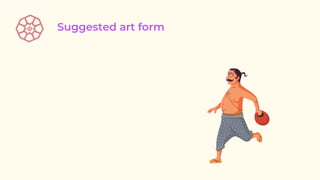
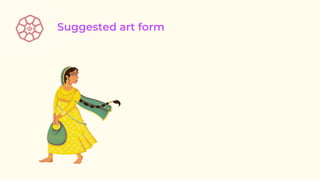
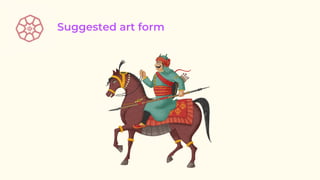
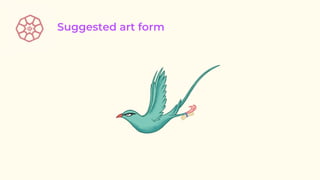
    Since we’re touchingupon the Indian royal history - the best way to express it would be by using miniature artwork. The idea is for the application to identify the distinct markers in each room (since the paintings on the wall and architecture are so distinct in each area) and generate human figurines that the user could interact with to know more about the artifacts in that room.
  • 6.
    Hence, the userwould be transported through time to when the palace was in full bloom and they could relive the moments as the people alive hundreds of years ago. Example : In Junagarh Fort, Bikaner, Rajasthan (India), there is a room called Badal Mahal, which was created with one very important window and a table beneath that window.
  • 7.
    When it wouldrain, water droplets would fall from the window on to the table and you could hear a melody, since that was the purpose of that table. Now, this story is lost somewhere in history and time and took a sizeable amount of effort to uncover. But again, it’s only known to a handful of people. What if the world could know so many more stories of this kind? What if they could relive so many stories of this kind?
  • 14.
    The fort ofMandawa was founded in the 18th century. Thakur Nawal Singh, son of Shardul Singh, founded the fort in Vikram Samvat 1812 (1755 AD). The fort dominates the town with a painted arched gateway adorned with frescoes of Lord Krishna and his cows. Built as per a medieval theme, the castle of Mandawa is adorned with beautiful frescoes. Rooms in the palace are decorated with paintings of Lord Krishna, exquisite carvings and amazing mirror work. The Palace Durbar Hall houses a number of antiques and paintings.
  • 20.
    The initial prototypingstage of Itivrit will be to survey the room candidates, research their history, and write and design their custom AR experiences using Unity and Vuforia. The prototype of Itivrit will be created in Unity as immersive experiences overlaid onto 360 captures of each room. This will most importantly lay the groundwork for producing the digital experiences, and provide us with a sense of how well these experiences are integrated into each room.
  • 21.
    Once the finalexperiences are ready to advance, a site visit will take place to identify and capture the unique image markers for each room. Once these are located and recorded, each marker will be incorporated into the AR application, which combines the digital experiences with image makers in one functional application.
  • 22.
    With most ofthe groundwork and structure completed, the final development stage will polish each experience. In addition to debugging and improving the app functionality, we will incorporate 2D illustration assets and polish the visual and audio story elements.
  • 23.
    - Unity withVuforia testing with flat image targets. - Creating animations upon identification of these targets. - Voice interactions with animation on these targets.