Center for Health and the
Global Environment
Re-envisioning Health
June 15, 2016 Siena, IT
Harvard T.H. Chan School of Public Health
JACK SPENGLER
YAMAGUCHI PROFESSOR OF ENVIRONMENTAL HEALTH
AND HUMAN HABITATION
DIRECTOR OF THE CENTER FOR HEALTH AND THE
GLOBAL ENVIRONMENT
Jack_Spengler@Harvard.edu
www.CHGEharvard.org
The mission of the Center:
Research Evidence
Engaging the Practice
Improve Health of People.
Places and Planet
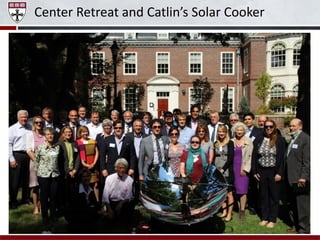
Center Retreat and Catlin’s Solar Cooker
Eight Corporate Council Members
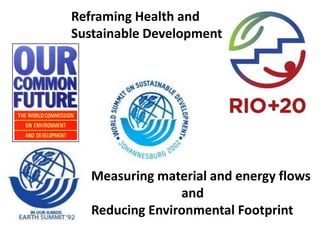
Reframing Health and
Sustainable Development
Measuring material and energy flows
and
Reducing Environmental Footprint
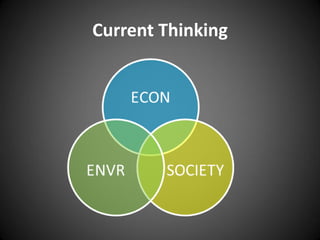
Current Thinking
Measuring Up to our Common Future
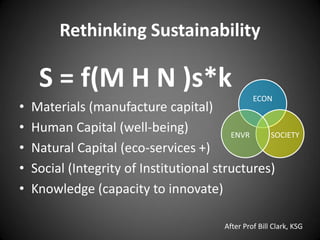
Rethinking Sustainability
S = f(M H N )s*k
• Materials (manufacture capital)
• Human Capital (well-being)
• Natural Capital (eco-services +)
• Social (Integrity of Institutional structures)
• Knowledge (capacity to innovate)
ECON
SOCIETYENVR
After Prof Bill Clark, KSG
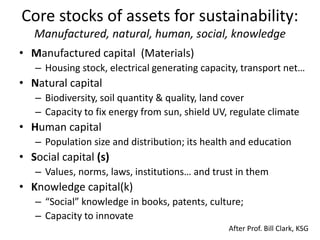
Core stocks of assets for sustainability:
Manufactured, natural, human, social, knowledge
• Manufactured capital (Materials)
– Housing stock, electrical generating capacity, transport net…
• Natural capital
– Biodiversity, soil quantity & quality, land cover
– Capacity to fix energy from sun, shield UV, regulate climate
• Human capital
– Population size and distribution; its health and education
• Social capital (s)
– Values, norms, laws, institutions… and trust in them
• Knowledge capital(k)
– “Social” knowledge in books, patents, culture;
– Capacity to innovate
After Prof. Bill Clark, KSG
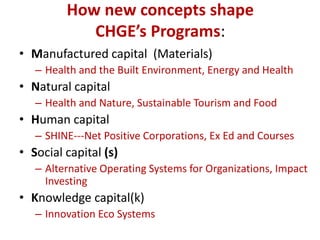
How new concepts shape
CHGE’s Programs:
• Manufactured capital (Materials)
– Health and the Built Environment, Energy and Health
• Natural capital
– Health and Nature, Sustainable Tourism and Food
• Human capital
– SHINE---Net Positive Corporations, Ex Ed and Courses
• Social capital (s)
– Alternative Operating Systems for Organizations, Impact
Investing
• Knowledge capital(k)
– Innovation Eco Systems
Sustainable Development
is Health
Inclusive Human Well-being,
(ie. well-being across and within
generations that doesn’t decline)
Click to edit Master title style
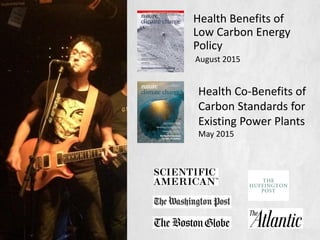
Health Benefits of
Low Carbon Energy
Policy
August 2015
Health Co-Benefits of
Carbon Standards for
Existing Power Plants
May 2015
Jonathan Buonocore
Program Leader, Climate,
Energy & Health
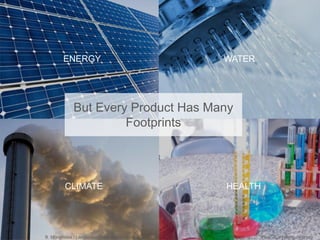
ENERGY WATER
CLIMATE HEALTH
But Every Product Has Many
Footprints
B. Monginoux / Landscape-Photo.net (cc by-nc-nd) Flickr: Carvalho;Lourenco
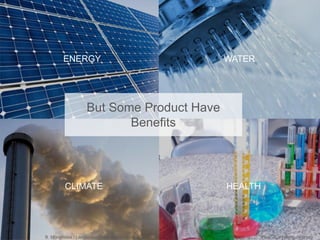
ENERGY WATER
CLIMATE HEALTH
But Some Product Have
Benefits
B. Monginoux / Landscape-Photo.net (cc by-nc-nd) Flickr: Carvalho;Lourenco
Assessing impacts and benefits
of a pension fund portfolio
holdings
The Vision of a Net Positive
Perspective for Sustainability
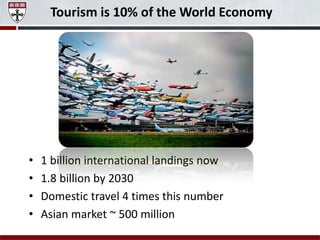
• 1 billion international landings now
• 1.8 billion by 2030
• Domestic travel 4 times this number
• Asian market ~ 500 million
Tourism is 10% of the World Economy
Health and Well-being: A Business Imperative
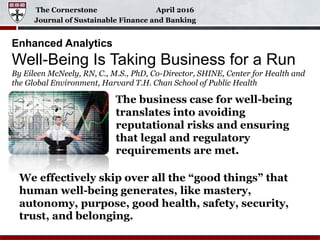
The Cornerstone April 2016
Journal of Sustainable Finance and Banking
Enhanced Analytics
Well-Being Is Taking Business for a Run
By Eileen McNeely, RN, C., M.S., PhD, Co-Director, SHINE, Center for Health and
the Global Environment, Harvard T.H. Chan School of Public Health
The business case for well-being
translates into avoiding
reputational risks and ensuring
that legal and regulatory
requirements are met.
We effectively skip over all the “good things” that
human well-being generates, like mastery,
autonomy, purpose, good health, safety, security,
trust, and belonging.
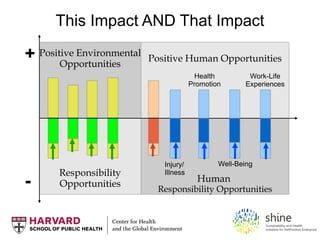
Positive Human Opportunities
Responsibility
Opportunities
Positive Environmental
Opportunities
Human
Responsibility Opportunities
Injury/
Illness
Well-Being
-
+
Health
Promotion
Work-Life
Experiences
This Impact AND That Impact
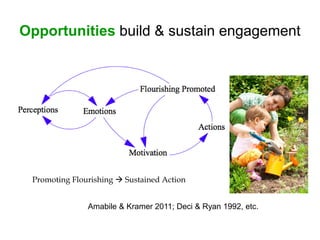
Amabile & Kramer 2011; Deci & Ryan 1992, etc.
Opportunities build & sustain engagement
Promoting Flourishing  Sustained Action
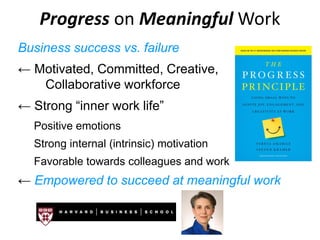
Progress on Meaningful Work
Business success vs. failure
← Motivated, Committed, Creative,
Collaborative workforce
← Strong “inner work life”
Positive emotions
Strong internal (intrinsic) motivation
Favorable towards colleagues and work
← Empowered to succeed at meaningful work
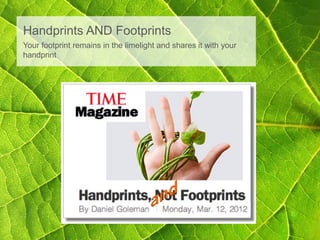
Handprints AND Footprints
Your footprint remains in the limelight and shares it with your
handprint
The Net Positive Project
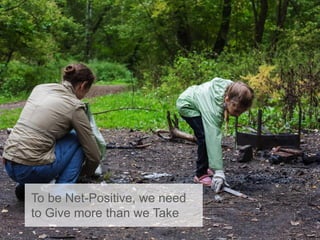
To be Net-Positive, we need
to Give more than we Take
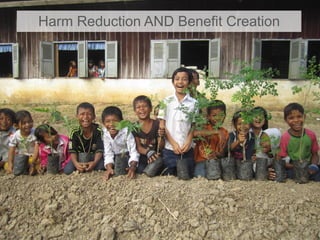
Harm Reduction AND Benefit Creation
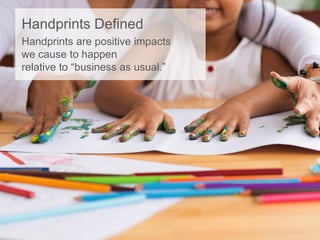
Handprints Defined
Handprints are positive impacts
we cause to happen
relative to “business as usual.”
Handprints are defined
in relation to Footprints, so that:
[Handprint > Footprint]  NetPositive
• Built on LCA using the same metrics
as Footprints
• Same Impact Dimensions: Supply
Chains and Life Cycles
3 ways to create
Handprints
Step 1: Reduce your own footprint:
Improve worker health and well-being in your own operations
Reduce risks, Improve working conditions, worker health and
well-being in supply chains
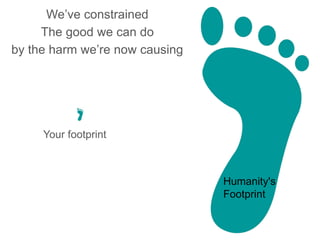
Humanity's
Footprint
We’ve constrained
The good we can do
by the harm we’re now causing
Your footprint
Step 2: Help anyone/everyone else
reduce their footprint
Promote adoption of practices and innovations that
Improve worker health and well-being and Reduce risks
to other operations outside your footprint
Engage customers and others in more effective use of goods and
services to increase health and well-being
Grow demand for / increase assess to
NetPositive goods and services
Step 3: Think outside the foot!
Take generative actions:
Increase well-being beyond “normal”
(beyond reduction in disability or “quality deficit”)
Promote human development and thriving
Generate public good spill-overs
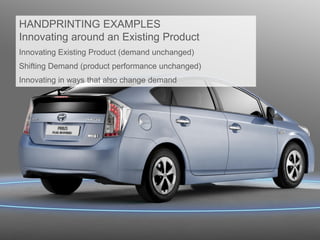
HANDPRINTING EXAMPLES
Innovating around an Existing Product
Innovating Existing Product (demand unchanged)
Shifting Demand (product performance unchanged)
Innovating in ways that also change demand
Catalyzing Systemic Handprints
We’ve come to realize that
“Just doing our own bit” won’t cut it.
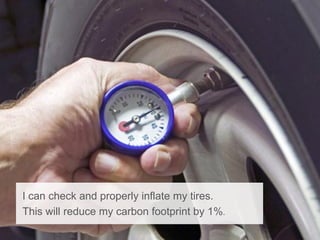
I can check and properly inflate my tires.
This will reduce my carbon footprint by 1%.
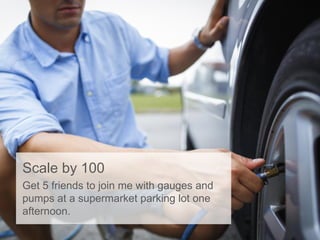
Scale by 100
Get 5 friends to join me with gauges and
pumps at a supermarket parking lot one
afternoon.
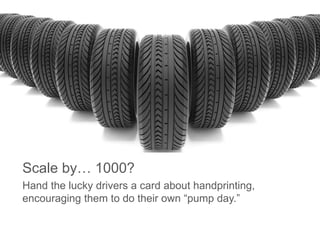
Scale by… 1000?
Hand the lucky drivers a card about handprinting,
encouraging them to do their own “pump day.”
Scale by a mind-boggling amount
If Handprinter.org has a crowd-sourced, crowd-
assessed database of action ideas, and humanity is
striving for NetPositive.
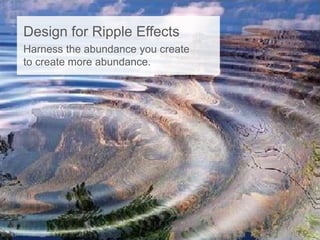
Design for Ripple Effects
Harness the abundance you create
to create more abundance.
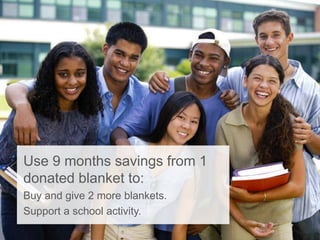
Use 9 months savings from 1
donated blanket to:
Buy and give 2 more blankets.
Support a school activity.
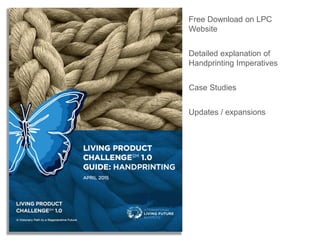
Free Download on LPC
Website
Detailed explanation of
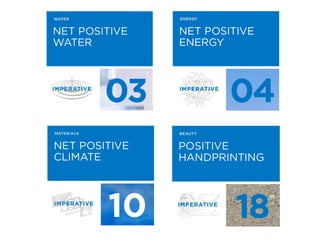
Handprinting Imperatives
Case Studies
Updates / expansions
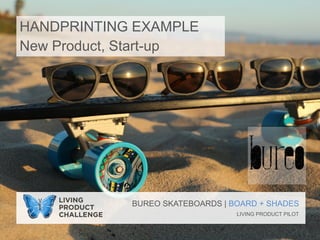
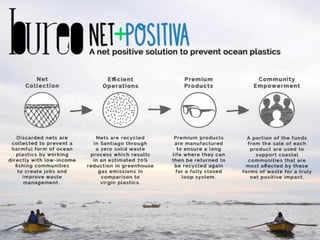
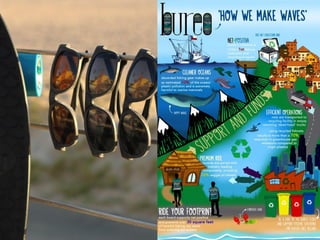
BUREO SKATEBOARDS | BOARD + SHADES
LIVING PRODUCT PILOT
HANDPRINTING EXAMPLE
New Product, Start-up
Photo Courtesy Gridam..com
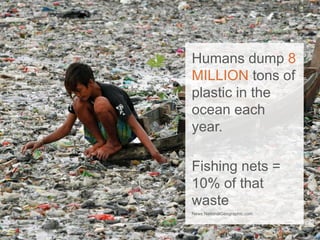
Humans dump 8
MILLION tons of
plastic in the
ocean each
year.
Fishing nets =
10% of that
waste
News.NationalGeographic.com
Photo Courtesy of Flickr user Marc Lagneau
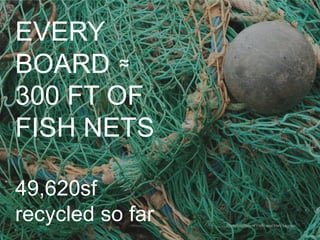
EVERY
BOARD ≈
300 FT OF
FISH NETS
49,620sf
recycled so far
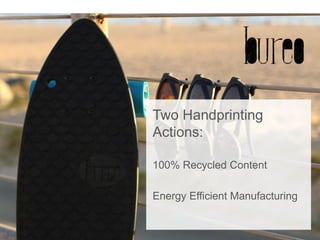
Two Handprinting
Actions:
100% Recycled Content
Energy Efficient Manufacturing
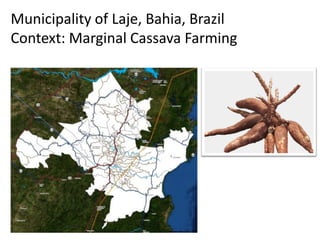
Municipality of Laje, Bahia, Brazil
Context: Marginal Cassava Farming
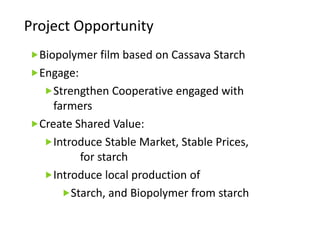
Project Opportunity
Biopolymer film based on Cassava Starch
Engage:
Strengthen Cooperative engaged with
farmers
Create Shared Value:
Introduce Stable Market, Stable Prices,
for starch
Introduce local production of
Starch, and Biopolymer from starch
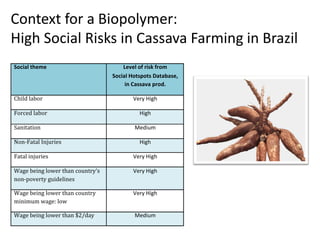
Context for a Biopolymer:
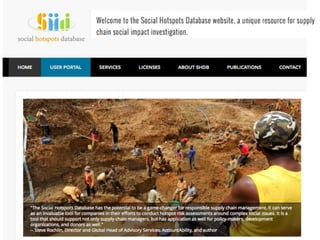
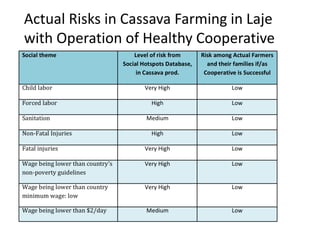
High Social Risks in Cassava Farming in Brazil
Social theme Level of risk from
Social Hotspots Database,
in Cassava prod.
Child labor Very High
Forced labor High
Sanitation Medium
Non-Fatal Injuries High
Fatal injuries Very High
Wage being lower than country's
non-poverty guidelines
Very High
Wage being lower than country
minimum wage: low
Very High
Wage being lower than $2/day Medium
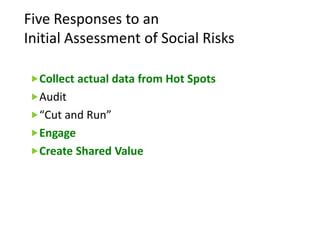
Five Responses to an
Initial Assessment of Social Risks
Collect actual data from Hot Spots
Audit
“Cut and Run”
Engage
Create Shared Value
Actual Risks in Cassava Farming in Laje
with Operation of Healthy Cooperative
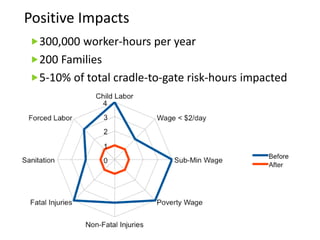
Positive Impacts
300,000 worker-hours per year
200 Families
5-10% of total cradle-to-gate risk-hours impacted
More from you
Learn more:
www.CHGEHarvard.org
facebook.com/CHGEHarvard
@CHGEHarvard
CHGEHarvard
Center for Health and the Global Environment
at Harvard Chan School
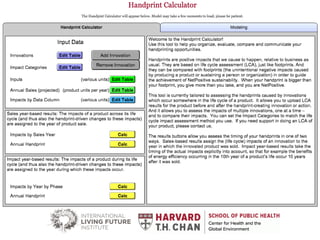
SHINE & ILFI have jointly released the
Handprint Calculator
Free, Web-based; downloadable available
Upload/enter pieces, explore/see the whole
Interactive, what-if, sensitivity/uncertainty
Compare handprints of multiple innovations
Bring Handprinting to life, for yourself and others
ISCN 2016: Members Only Summit

ISCN 2016: Members Only Summit

  • 1.
    Center for Healthand the Global Environment Re-envisioning Health June 15, 2016 Siena, IT
  • 2.
    Harvard T.H. ChanSchool of Public Health JACK SPENGLER YAMAGUCHI PROFESSOR OF ENVIRONMENTAL HEALTH AND HUMAN HABITATION DIRECTOR OF THE CENTER FOR HEALTH AND THE GLOBAL ENVIRONMENT Jack_Spengler@Harvard.edu www.CHGEharvard.org
  • 4.
    The mission ofthe Center: Research Evidence Engaging the Practice Improve Health of People. Places and Planet
  • 5.
    Center Retreat andCatlin’s Solar Cooker
  • 6.
  • 7.
    Reframing Health and SustainableDevelopment Measuring material and energy flows and Reducing Environmental Footprint
  • 8.
  • 9.
    Measuring Up toour Common Future
  • 10.
    Rethinking Sustainability S =f(M H N )s*k • Materials (manufacture capital) • Human Capital (well-being) • Natural Capital (eco-services +) • Social (Integrity of Institutional structures) • Knowledge (capacity to innovate) ECON SOCIETYENVR After Prof Bill Clark, KSG
  • 11.
    Core stocks ofassets for sustainability: Manufactured, natural, human, social, knowledge • Manufactured capital (Materials) – Housing stock, electrical generating capacity, transport net… • Natural capital – Biodiversity, soil quantity & quality, land cover – Capacity to fix energy from sun, shield UV, regulate climate • Human capital – Population size and distribution; its health and education • Social capital (s) – Values, norms, laws, institutions… and trust in them • Knowledge capital(k) – “Social” knowledge in books, patents, culture; – Capacity to innovate After Prof. Bill Clark, KSG
  • 12.
    How new conceptsshape CHGE’s Programs: • Manufactured capital (Materials) – Health and the Built Environment, Energy and Health • Natural capital – Health and Nature, Sustainable Tourism and Food • Human capital – SHINE---Net Positive Corporations, Ex Ed and Courses • Social capital (s) – Alternative Operating Systems for Organizations, Impact Investing • Knowledge capital(k) – Innovation Eco Systems
  • 13.
    Sustainable Development is Health InclusiveHuman Well-being, (ie. well-being across and within generations that doesn’t decline)
  • 14.
    Click to editMaster title style
  • 15.
    Health Benefits of LowCarbon Energy Policy August 2015 Health Co-Benefits of Carbon Standards for Existing Power Plants May 2015 Jonathan Buonocore Program Leader, Climate, Energy & Health
  • 16.
    ENERGY WATER CLIMATE HEALTH ButEvery Product Has Many Footprints B. Monginoux / Landscape-Photo.net (cc by-nc-nd) Flickr: Carvalho;Lourenco
  • 17.
    ENERGY WATER CLIMATE HEALTH ButSome Product Have Benefits B. Monginoux / Landscape-Photo.net (cc by-nc-nd) Flickr: Carvalho;Lourenco
  • 18.
    Assessing impacts andbenefits of a pension fund portfolio holdings The Vision of a Net Positive Perspective for Sustainability
  • 19.
    • 1 billioninternational landings now • 1.8 billion by 2030 • Domestic travel 4 times this number • Asian market ~ 500 million Tourism is 10% of the World Economy
  • 21.
    Health and Well-being:A Business Imperative
  • 23.
    The Cornerstone April2016 Journal of Sustainable Finance and Banking Enhanced Analytics Well-Being Is Taking Business for a Run By Eileen McNeely, RN, C., M.S., PhD, Co-Director, SHINE, Center for Health and the Global Environment, Harvard T.H. Chan School of Public Health The business case for well-being translates into avoiding reputational risks and ensuring that legal and regulatory requirements are met. We effectively skip over all the “good things” that human well-being generates, like mastery, autonomy, purpose, good health, safety, security, trust, and belonging.
  • 24.
    Positive Human Opportunities Responsibility Opportunities PositiveEnvironmental Opportunities Human Responsibility Opportunities Injury/ Illness Well-Being - + Health Promotion Work-Life Experiences This Impact AND That Impact
  • 25.
    Amabile & Kramer2011; Deci & Ryan 1992, etc. Opportunities build & sustain engagement Promoting Flourishing  Sustained Action
  • 26.
    Progress on MeaningfulWork Business success vs. failure ← Motivated, Committed, Creative, Collaborative workforce ← Strong “inner work life” Positive emotions Strong internal (intrinsic) motivation Favorable towards colleagues and work ← Empowered to succeed at meaningful work
  • 28.
    Handprints AND Footprints Yourfootprint remains in the limelight and shares it with your handprint
  • 29.
  • 30.
    To be Net-Positive,we need to Give more than we Take
  • 31.
    Harm Reduction ANDBenefit Creation
  • 32.
    Handprints Defined Handprints arepositive impacts we cause to happen relative to “business as usual.”
  • 33.
    Handprints are defined inrelation to Footprints, so that: [Handprint > Footprint]  NetPositive • Built on LCA using the same metrics as Footprints • Same Impact Dimensions: Supply Chains and Life Cycles
  • 34.
    3 ways tocreate Handprints
  • 35.
    Step 1: Reduceyour own footprint: Improve worker health and well-being in your own operations Reduce risks, Improve working conditions, worker health and well-being in supply chains
  • 36.
    Humanity's Footprint We’ve constrained The goodwe can do by the harm we’re now causing Your footprint
  • 37.
    Step 2: Helpanyone/everyone else reduce their footprint Promote adoption of practices and innovations that Improve worker health and well-being and Reduce risks to other operations outside your footprint Engage customers and others in more effective use of goods and services to increase health and well-being Grow demand for / increase assess to NetPositive goods and services
  • 38.
    Step 3: Thinkoutside the foot! Take generative actions: Increase well-being beyond “normal” (beyond reduction in disability or “quality deficit”) Promote human development and thriving Generate public good spill-overs
  • 39.
    HANDPRINTING EXAMPLES Innovating aroundan Existing Product Innovating Existing Product (demand unchanged) Shifting Demand (product performance unchanged) Innovating in ways that also change demand
  • 40.
    Catalyzing Systemic Handprints We’vecome to realize that “Just doing our own bit” won’t cut it.
  • 41.
    I can checkand properly inflate my tires. This will reduce my carbon footprint by 1%.
  • 42.
    Scale by 100 Get5 friends to join me with gauges and pumps at a supermarket parking lot one afternoon.
  • 43.
    Scale by… 1000? Handthe lucky drivers a card about handprinting, encouraging them to do their own “pump day.”
  • 44.
    Scale by amind-boggling amount If Handprinter.org has a crowd-sourced, crowd- assessed database of action ideas, and humanity is striving for NetPositive.
  • 45.
    Design for RippleEffects Harness the abundance you create to create more abundance.
  • 46.
    Use 9 monthssavings from 1 donated blanket to: Buy and give 2 more blankets. Support a school activity.
  • 47.
    Free Download onLPC Website Detailed explanation of Handprinting Imperatives Case Studies Updates / expansions
  • 50.
    BUREO SKATEBOARDS |BOARD + SHADES LIVING PRODUCT PILOT HANDPRINTING EXAMPLE New Product, Start-up
  • 51.
    Photo Courtesy Gridam..com Humansdump 8 MILLION tons of plastic in the ocean each year. Fishing nets = 10% of that waste News.NationalGeographic.com
  • 52.
    Photo Courtesy ofFlickr user Marc Lagneau EVERY BOARD ≈ 300 FT OF FISH NETS 49,620sf recycled so far
  • 55.
    Two Handprinting Actions: 100% RecycledContent Energy Efficient Manufacturing
  • 56.
    Municipality of Laje,Bahia, Brazil Context: Marginal Cassava Farming
  • 57.
    Project Opportunity Biopolymer filmbased on Cassava Starch Engage: Strengthen Cooperative engaged with farmers Create Shared Value: Introduce Stable Market, Stable Prices, for starch Introduce local production of Starch, and Biopolymer from starch
  • 58.
    Context for aBiopolymer: High Social Risks in Cassava Farming in Brazil Social theme Level of risk from Social Hotspots Database, in Cassava prod. Child labor Very High Forced labor High Sanitation Medium Non-Fatal Injuries High Fatal injuries Very High Wage being lower than country's non-poverty guidelines Very High Wage being lower than country minimum wage: low Very High Wage being lower than $2/day Medium
  • 60.
    Five Responses toan Initial Assessment of Social Risks Collect actual data from Hot Spots Audit “Cut and Run” Engage Create Shared Value
  • 61.
    Actual Risks inCassava Farming in Laje with Operation of Healthy Cooperative
  • 62.
    Positive Impacts 300,000 worker-hoursper year 200 Families 5-10% of total cradle-to-gate risk-hours impacted
  • 63.
  • 64.
  • 65.
    SHINE & ILFIhave jointly released the Handprint Calculator Free, Web-based; downloadable available Upload/enter pieces, explore/see the whole Interactive, what-if, sensitivity/uncertainty Compare handprints of multiple innovations Bring Handprinting to life, for yourself and others