Downloaded 29 times












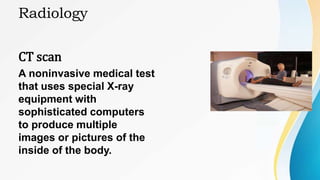

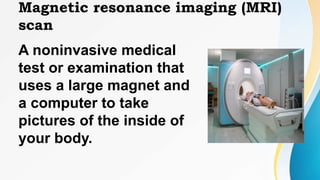

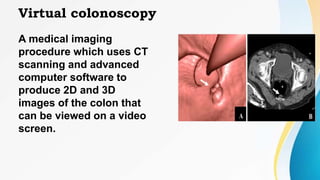

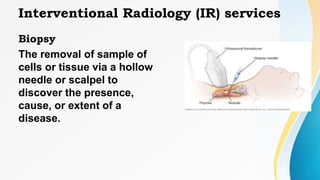
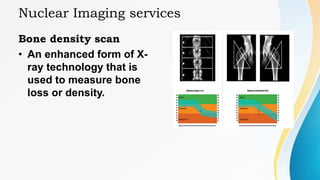







Investigations involve obtaining samples like tissue, blood, or urine from patients and examining them to identify the nature of diseases. The appropriate tests must be chosen based on the history and exam findings. Samples should come from areas likely to contain abnormalities and be collected correctly according to guidelines to ensure test validity. Providing detailed request information aids the laboratory's examination and diagnosis. Common investigations include hematological tests like complete blood counts, serum chemistry exams like glucose tests, microbiology cultures, immunological particle agglutination, and radiological scans.


