Nick Volesky
Introduction to
Integrated Pest
Management
Vegetable IPM Twilight Meeting
Introduction
Nick Volesky
Vegetable IPM Associate, USU Extension
Education
• B.S. Horticulture (Sustainable Food Production)
• B.S. Applied Science (Diversified Agriculture)
Experience
• Commercial Vegetable Production
• Plant Pathology, Entomology
• Integrated Pest Management
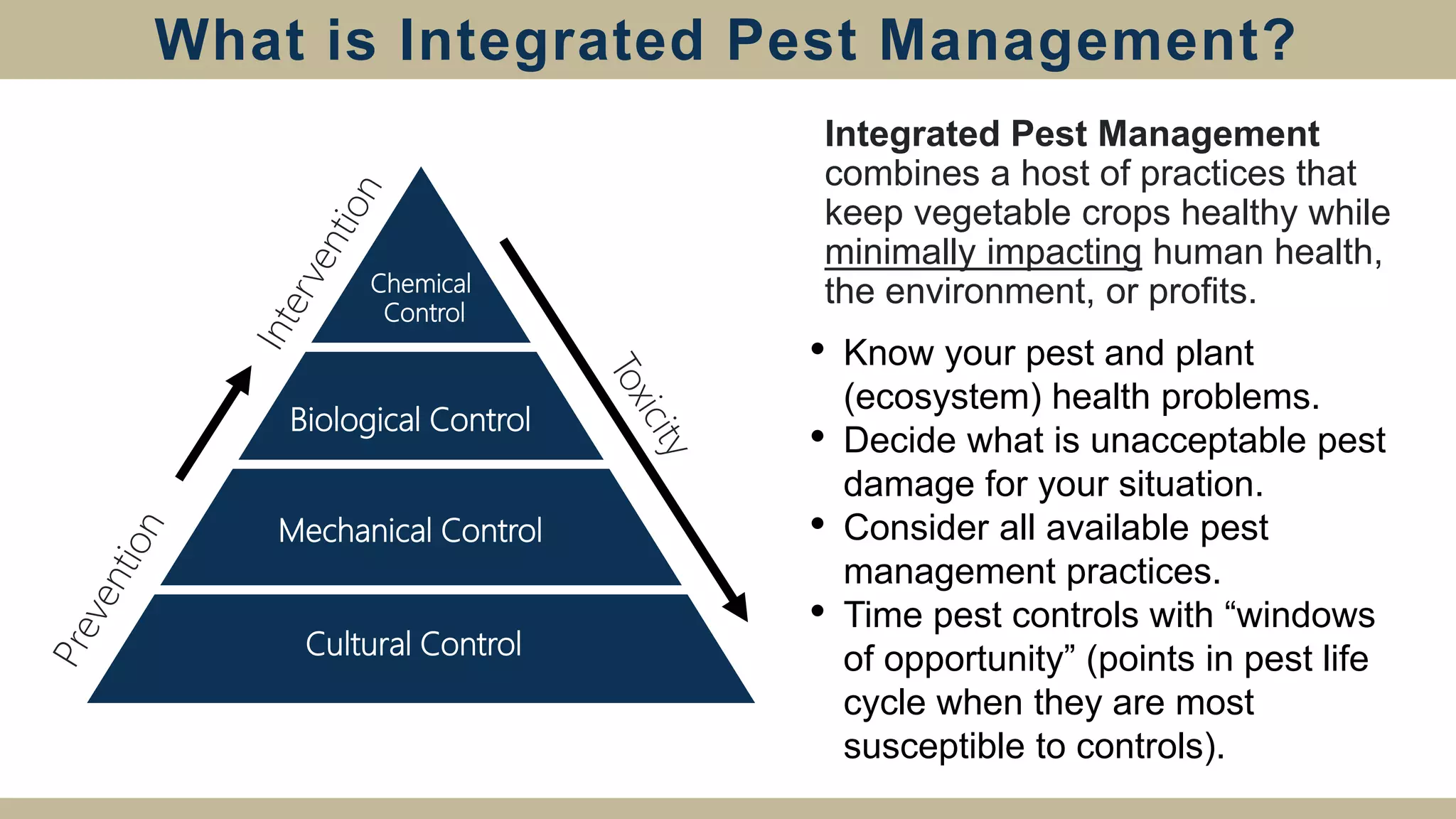
Integrated Pest Management
combines a host of practices that
keep vegetable crops healthy while
minimally impacting human health,
the environment, or profits.
What is Integrated Pest Management?
Cultural Control
Mechanical Control
Biological Control
Chemical
Control
• Know your pest and plant
(ecosystem) health problems.
• Decide what is unacceptable pest
damage for your situation.
• Consider all available pest
management practices.
• Time pest controls with “windows
of opportunity” (points in pest life
cycle when they are most
susceptible to controls).
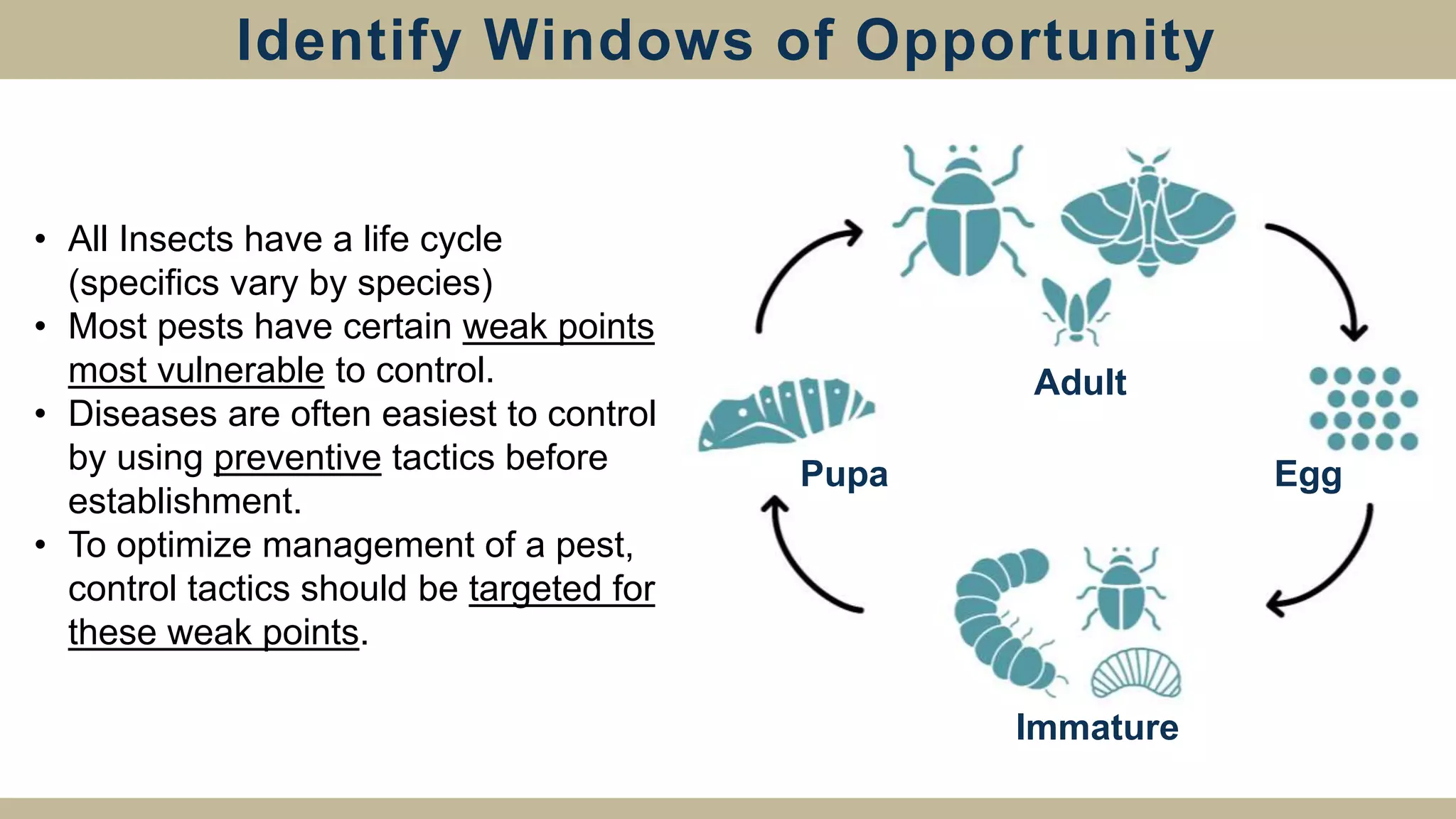
Adult
Immature
Pupa Egg
Identify Windows of Opportunity
• All Insects have a life cycle
(specifics vary by species)
• Most pests have certain weak points
most vulnerable to control.
• Diseases are often easiest to control
by using preventive tactics before
establishment.
• To optimize management of a pest,
control tactics should be targeted for
these weak points.
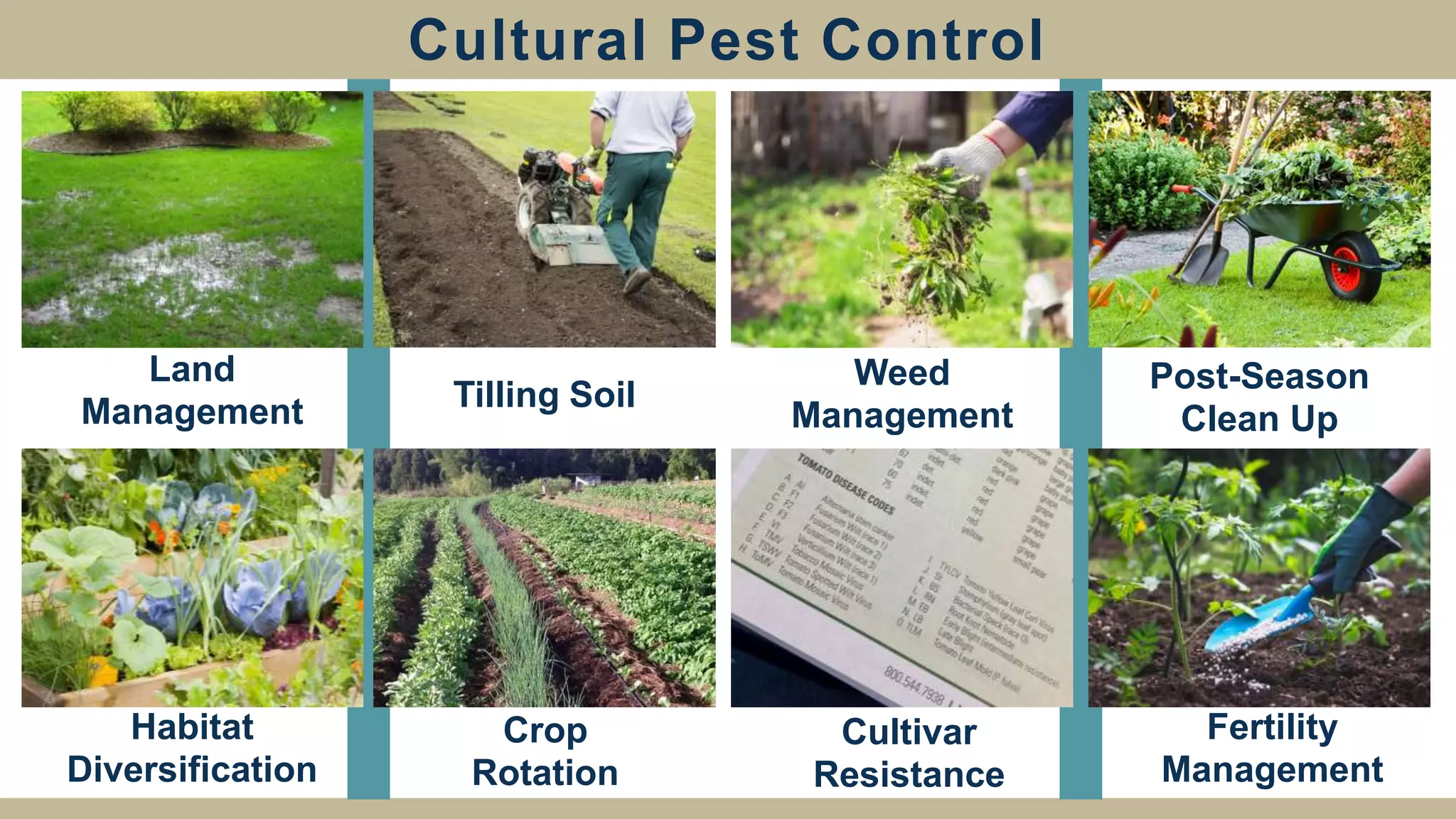
Cultural Pest Control
Land
Management Tilling Soil
Weed
Management
Post-Season
Clean Up
Habitat
Diversification
Crop
Rotation
Cultivar
Resistance
Fertility
Management
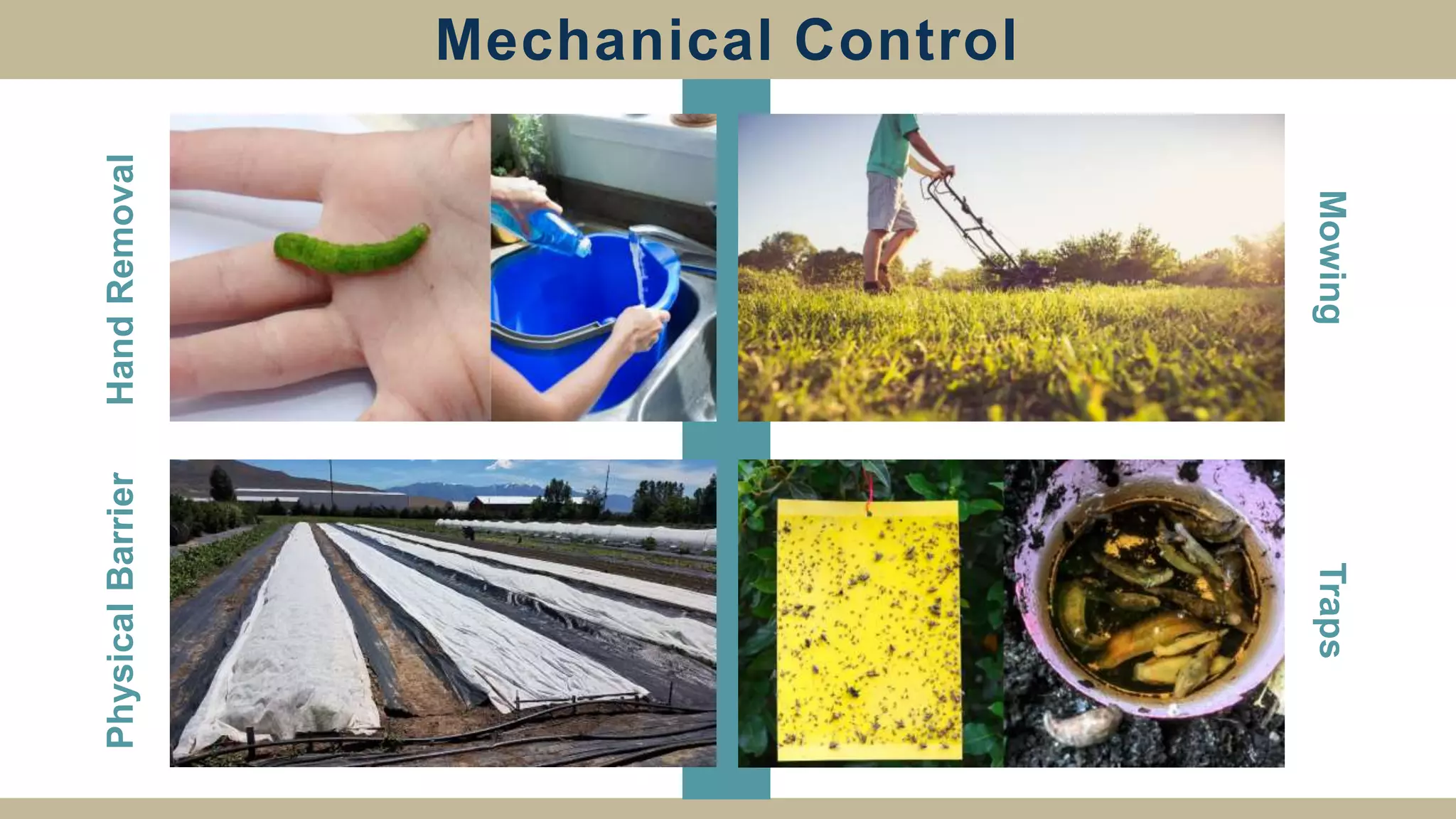
Mechanical Control
Hand
Removal
Physical
Barrier
Mowing
Traps
Biological Control
Natural
Predators
Pathogens
Parasites
Herbivorous
Insects
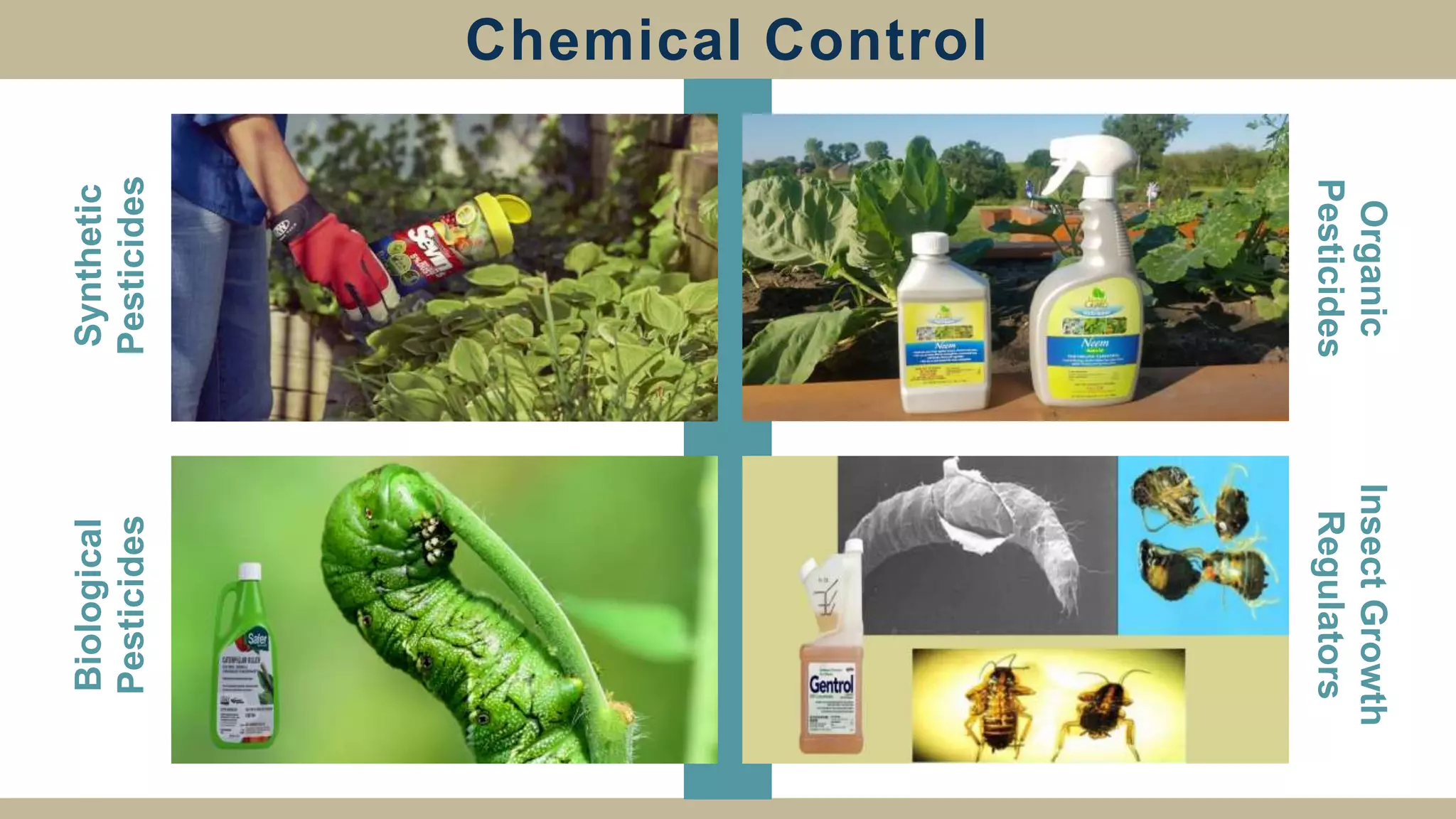
Chemical Control
Synthetic
Pesticides
Biological
Pesticides
Organic
Pesticides
Insect
Growth
Regulators
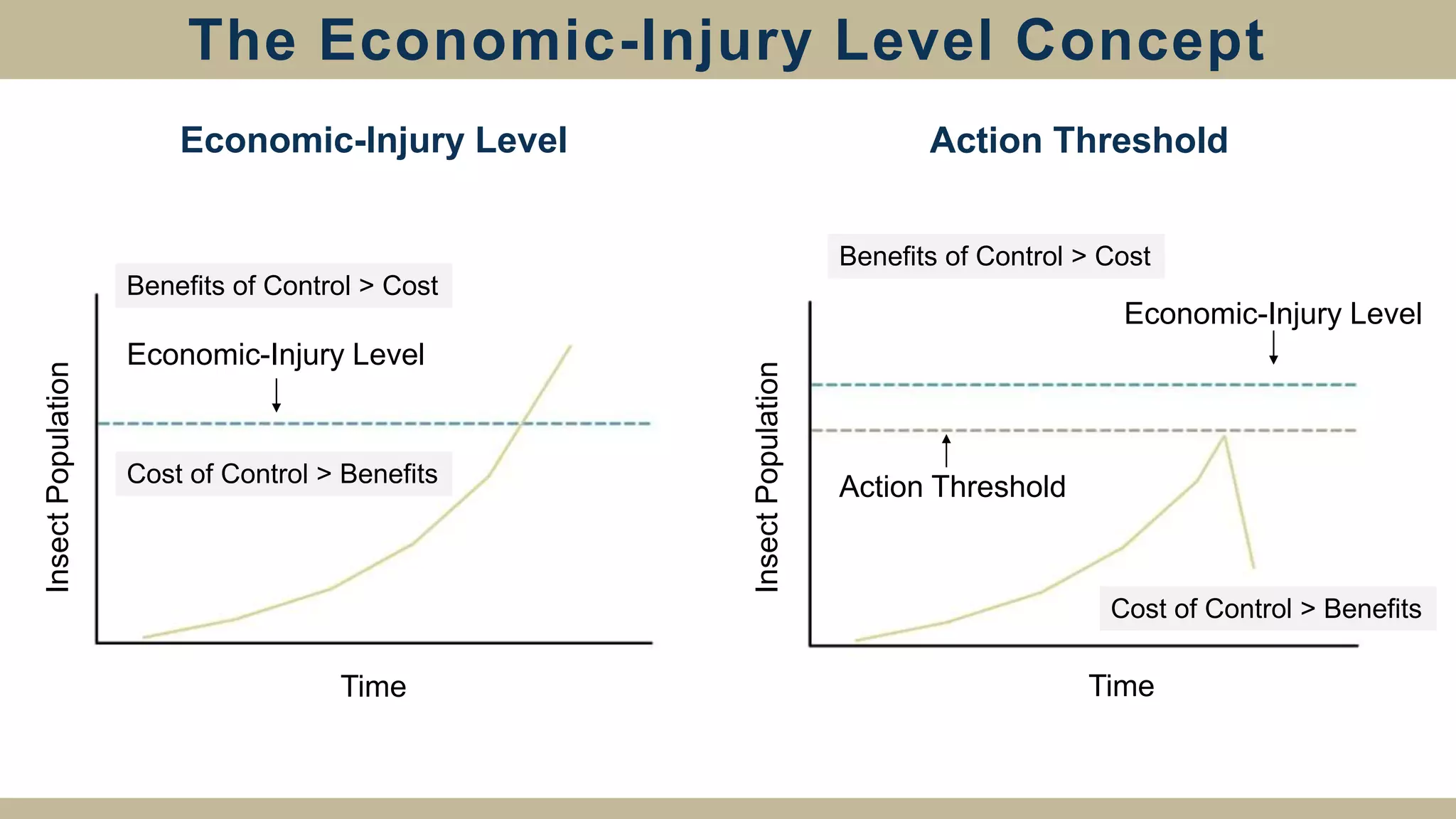
The Economic-Injury Level Concept
Time Time
Insect
Population
Insect
Population
Economic-Injury Level Action Threshold
Economic-Injury Level
Action Threshold
Benefits of Control > Cost
Cost of Control > Benefits
Benefits of Control > Cost
Cost of Control > Benefits
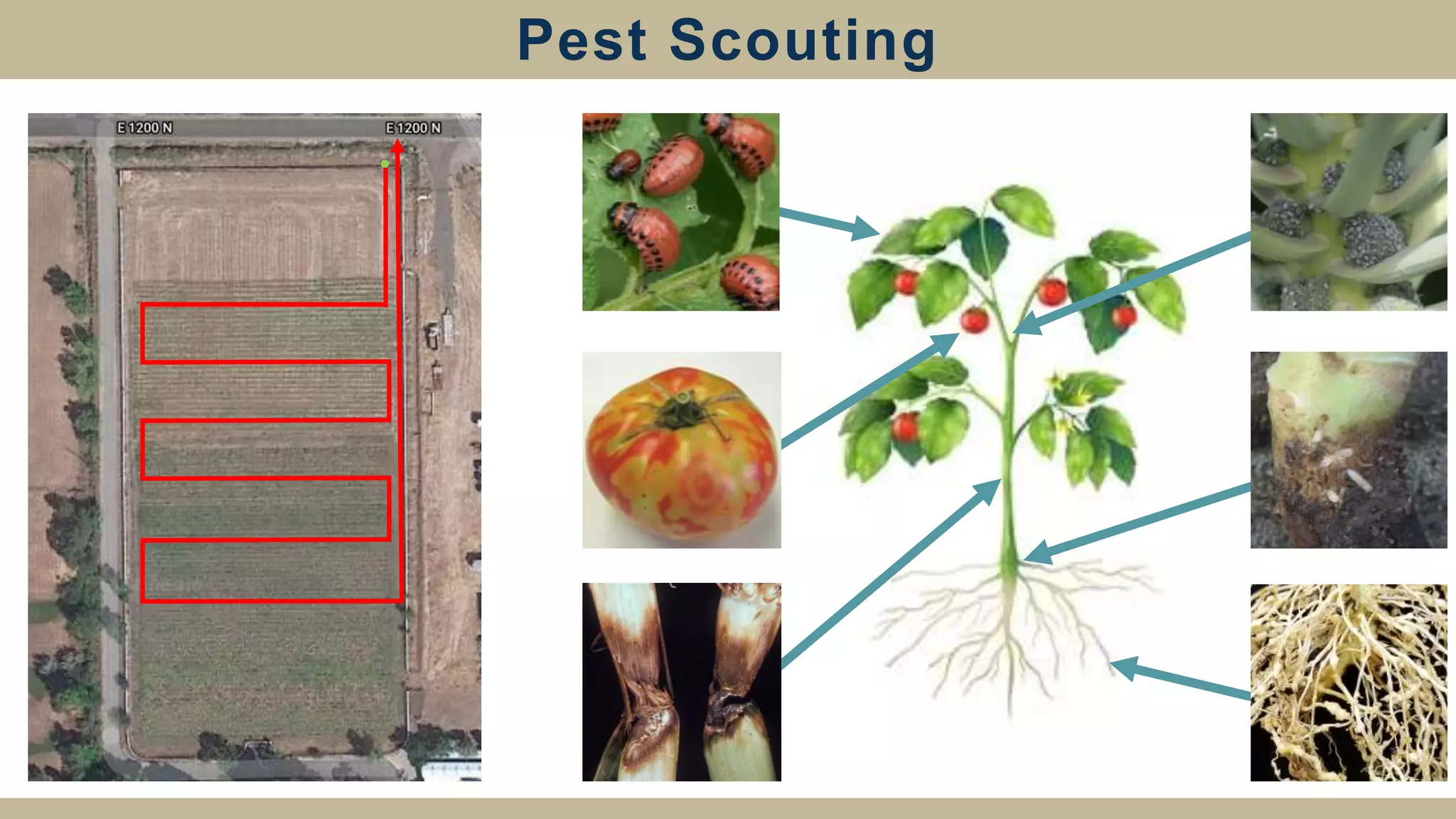
Pest Scouting
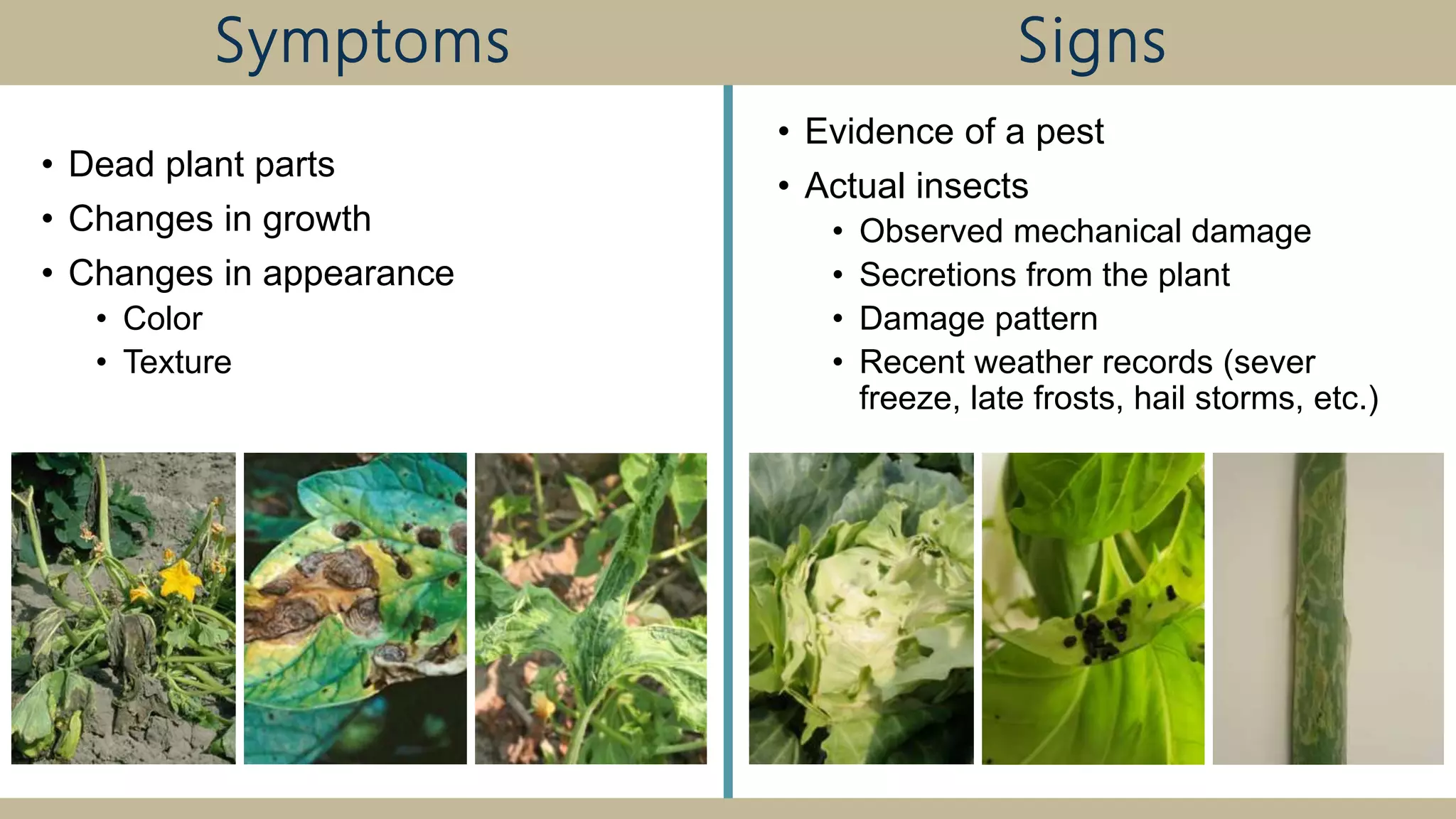
• Dead plant parts
• Changes in growth
• Changes in appearance
• Color
• Texture
• Evidence of a pest
• Actual insects
• Observed mechanical damage
• Secretions from the plant
• Damage pattern
• Recent weather records (sever
freeze, late frosts, hail storms, etc.)
Symptoms Signs
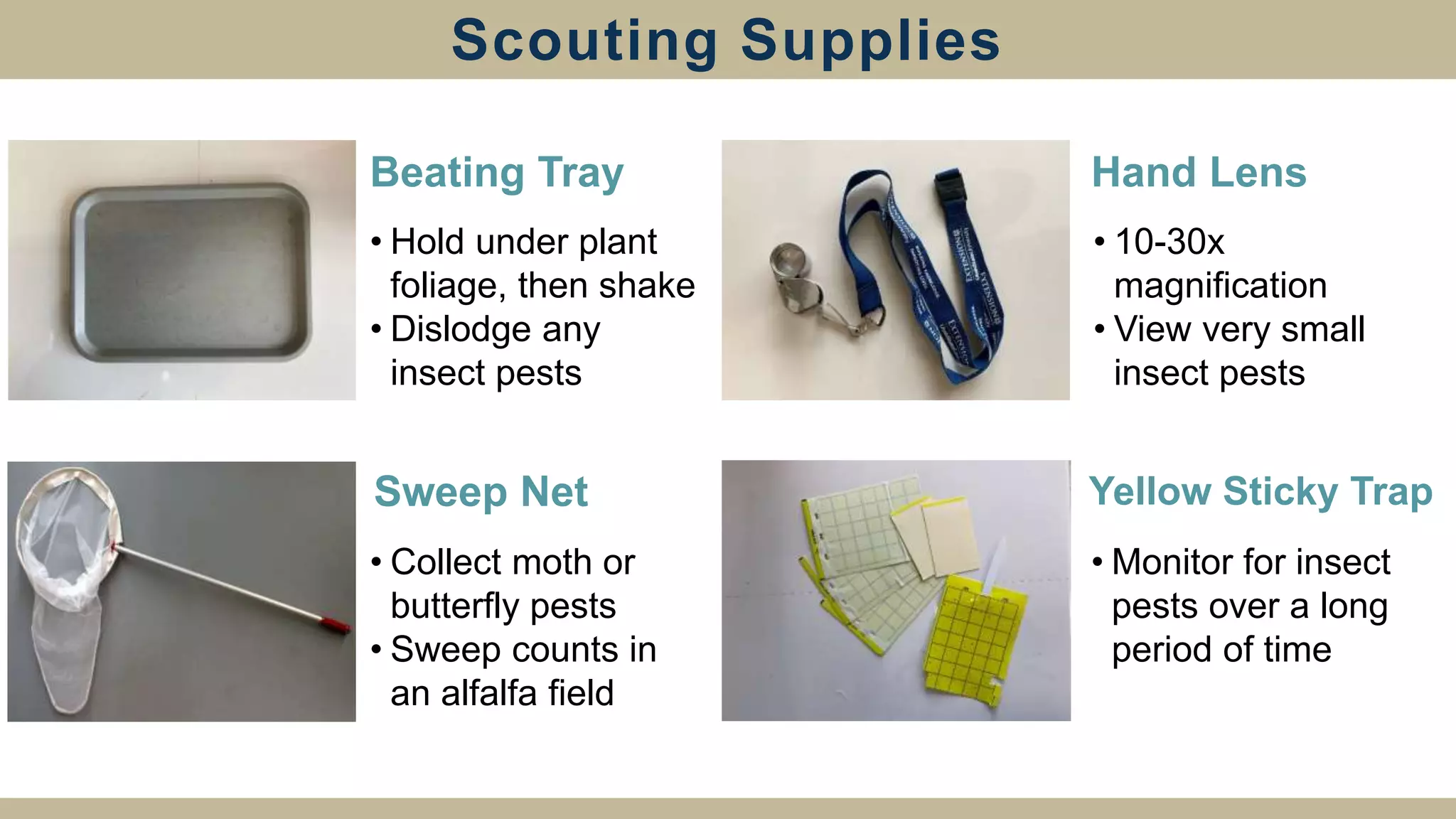
Scouting Supplies
• Hold under plant
foliage, then shake
• Dislodge any
insect pests
• Collect moth or
butterfly pests
• Sweep counts in
an alfalfa field
• Monitor for insect
pests over a long
period of time
• 10-30x
magnification
• View very small
insect pests
Beating Tray
Sweep Net
Hand Lens
Yellow Sticky Trap
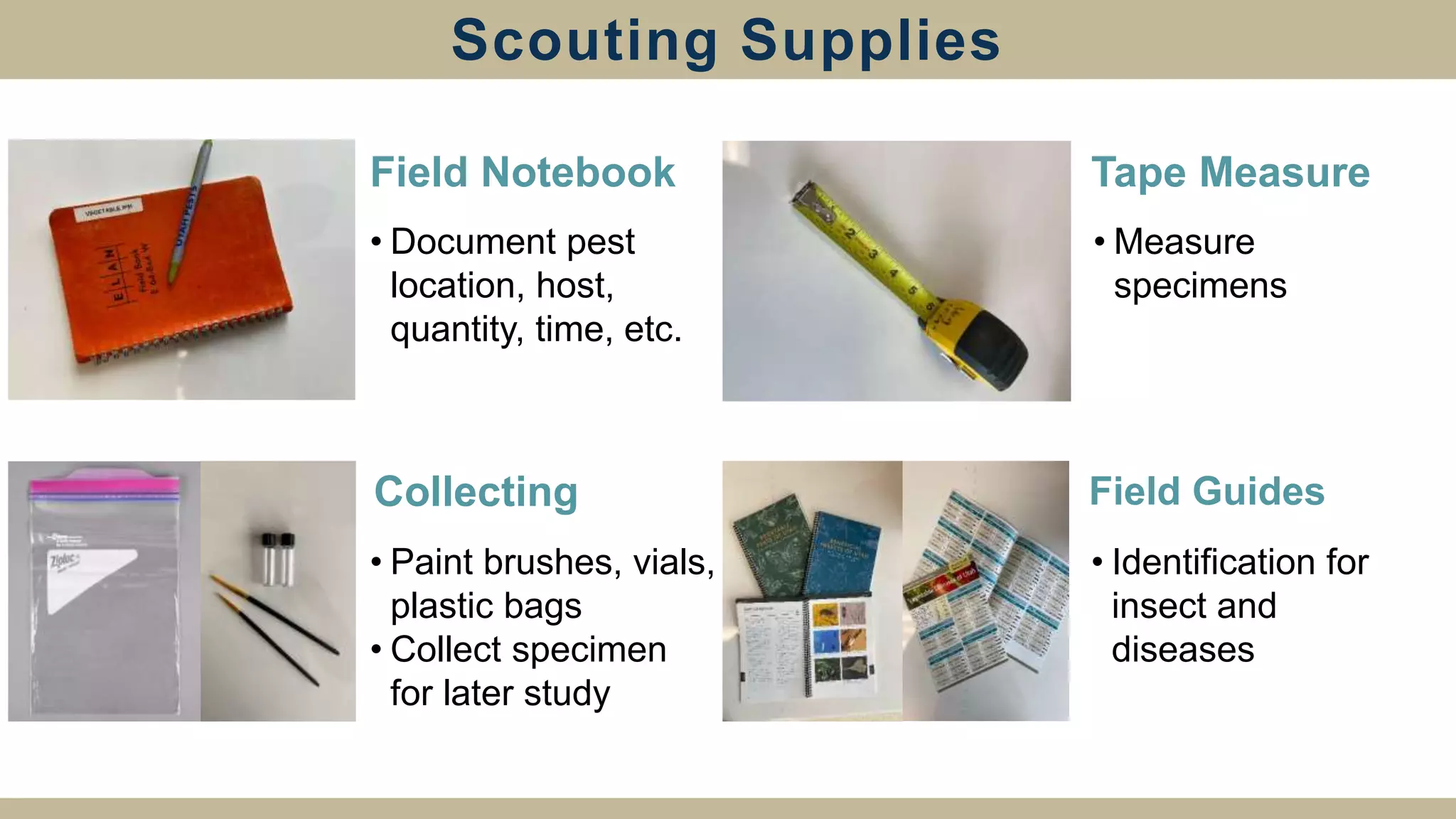
Scouting Supplies
• Document pest
location, host,
quantity, time, etc.
• Paint brushes, vials,
plastic bags
• Collect specimen
for later study
• Identification for
insect and
diseases
• Measure
specimens
Field Notebook
Collecting
Tape Measure
Field Guides

Intro to Integrated Pest Management

  • 1.
    Nick Volesky Introduction to IntegratedPest Management Vegetable IPM Twilight Meeting
  • 2.
    Introduction Nick Volesky Vegetable IPMAssociate, USU Extension Education • B.S. Horticulture (Sustainable Food Production) • B.S. Applied Science (Diversified Agriculture) Experience • Commercial Vegetable Production • Plant Pathology, Entomology • Integrated Pest Management
  • 3.
    Integrated Pest Management combinesa host of practices that keep vegetable crops healthy while minimally impacting human health, the environment, or profits. What is Integrated Pest Management? Cultural Control Mechanical Control Biological Control Chemical Control • Know your pest and plant (ecosystem) health problems. • Decide what is unacceptable pest damage for your situation. • Consider all available pest management practices. • Time pest controls with “windows of opportunity” (points in pest life cycle when they are most susceptible to controls).
  • 4.
    Adult Immature Pupa Egg Identify Windowsof Opportunity • All Insects have a life cycle (specifics vary by species) • Most pests have certain weak points most vulnerable to control. • Diseases are often easiest to control by using preventive tactics before establishment. • To optimize management of a pest, control tactics should be targeted for these weak points.
  • 5.
    Cultural Pest Control Land ManagementTilling Soil Weed Management Post-Season Clean Up Habitat Diversification Crop Rotation Cultivar Resistance Fertility Management
  • 6.
  • 7.
  • 8.
  • 9.
    The Economic-Injury LevelConcept Time Time Insect Population Insect Population Economic-Injury Level Action Threshold Economic-Injury Level Economic-Injury Level Action Threshold Benefits of Control > Cost Cost of Control > Benefits Benefits of Control > Cost Cost of Control > Benefits
  • 10.
  • 11.
    • Dead plantparts • Changes in growth • Changes in appearance • Color • Texture • Evidence of a pest • Actual insects • Observed mechanical damage • Secretions from the plant • Damage pattern • Recent weather records (sever freeze, late frosts, hail storms, etc.) Symptoms Signs
  • 12.
    Scouting Supplies • Holdunder plant foliage, then shake • Dislodge any insect pests • Collect moth or butterfly pests • Sweep counts in an alfalfa field • Monitor for insect pests over a long period of time • 10-30x magnification • View very small insect pests Beating Tray Sweep Net Hand Lens Yellow Sticky Trap
  • 13.
    Scouting Supplies • Documentpest location, host, quantity, time, etc. • Paint brushes, vials, plastic bags • Collect specimen for later study • Identification for insect and diseases • Measure specimens Field Notebook Collecting Tape Measure Field Guides

Editor's Notes

  • #2 For tonight, we are kicking off our Twilight Meeting Series with an Introduction to Integrated Pest Management. We are going to talk about IPM as a philosophy and concept and why it is super important for our food production and the sustainability of our environment.
  • #3 My name is Nick Volesky, I am the Vegetable IPM Associate for our Utah State University Extension IPM program. I serve the entire state of Utah. I am the guy behind the season vegetable pest advisories. With extension, I work to provide education, research, and outreach – especially to our state’s commercial vegetable farmers along with home gardeners as well. My educational background is in Horticulture and the Applied Science. My experience from the past several years has been in commercial vegetable production, plant pathology, entomology, and integrated pest management.
  • #4 So, what exactly IS Integrated Pest Management? Integrated Pest Management (IPM): “A comprehensive approach to pest control that uses a combined means to reduce the status of pests to tolerable levels while maintaining a quality environment.” Now, let’s discuss - What is the IPM Concept? IPM has broad application: • Integrates management of all pests. • Holistic approach; ecologically based. • Can be applied to any ecosystem. What does IPM integrate? • Integrates multiple pest management tactics (chemical, biological, cultural, mechanical). • Integrates management of multiple pests (insects, weeds, disease pathogens, nematodes, vertebrates, etc.). • Integrates pest management tactics on an area wide basis (many pest control situations are better handled on a large-scale or regional basis). Reduces pests to tolerable levels. • Does not emphasize pest eradication or elimination. Incorporates economic sustainability. • We will discuss economic Injury Level and Economic Threshold concepts in a later slide. • Can also incorporate other important factors such as maintenance of aesthetic quality. Incorporates environmental and social concerns. What are the goals of an IPM Program? Optimize profits (over the long term). Sustain resources (agricultural or natural; over the long term). Rational use of pesticides. Reduce environmental contamination and costs involving our soil, ground water, surface water, pollinators, wildlife, endangered species. Utilize natural biological controls — conserve and augment; use selective pesticides, proper timing of applications. Minimize pesticide resistance problems. Minimize pest resurgence and secondary pest outbreaks (often caused by elimination of natural enemies with pesticides). Food safety — reduce residues of pesticides on food products. Human safety — rely on pest management tactics that are safe for ourselves and others The key steps in an IPM program include the following: Know your pest and plant (ecosystem) health problems. Decide what is unacceptable pest damage for your situation. Consider all available pest management practices. Time pest controls with “windows of opportunity”
  • #5 All types of pests have a life cycle or set of developmental events that occur during their life time. The type of life cycle will vary with the pest. However, most pests have certain weak points or “windows of opportunity” during their life cycle when they are the most vulnerable to control. For insects, these windows are often during the immature life stages. Weeds are typically easiest to control during their seedling stage, early in the season when they are just beginning to grow (annuals) or late in the season when they are preparing for dormancy (perennials). Diseases are often easiest to control by using preventive or early intervention tactics before the disease begins developing or becomes established. To optimize management of a pest, control tactics should be targeted for these weak points.
  • #6 So now we’re going to go over cultural, mechanical, biological, and chemical control management within integrated pest management. Let’s start with cultural control practices. Land/Water Management: Maintain the ecosystem in a healthy state to minimize the competitiveness of pests. In some situations water levels can be regulated to reduce pest problems (e.g., mosquitoes, aquatic weeds, etc.). Avoid over- or under-watering plants to minimize stress. Discing or Tilling the Soil: This can disrupt any overwintering life stage of an insect or disease pests. Weeding: Removing weeds around your production site is a good idea, because weeds often serve as an alternate host for insects and diseases. Sanitation: Remove (prune, gather, burn) plant parts and debris that can serve as protective or overwintering sites for many pests. Habitat Diversification: In monoculture situations (e.g., agricultural fields, orchards, landscapes, etc.), diversification of vegetation in the habitat may subsequently increase the diversity of animal life in the habitat. Because such diversification may attract beneficial and pest organisms, the specific approach should be tailored to the specific situation. Crop Rotation: This makes it challenging for pests to access their target hosts if they are relocated every season. Tolerant / Resident Species and Cultivars: Select insect and disease resistant species and cultivars of plants whenever they are available. For perennial plants, select species and cultivars that are cold hardy (for cold climates). A winter damaged plant or tree will be more susceptible to attack by pests. Soils and Nutrition: Although you cannot change the soil type in an area, there are some practices you can follow to improve growing conditions for plants. Proper fertilization is important, but over-fertilization can lead to excessive, lush growth that can be attractive to aphids and other foliage pests. Increasing organic matter of soil where it is low can improve the growth and health of plants.
  • #7 Next, we have mechanical control practices. Hand Removal: Hand-pulling of weeds or other pests physically removes them from the situation. Mowing: Mowing down weeds, especially before they produce seeds, can be a very effective management tool. Physical Barriers: There are many types of physical barriers that can be used to block or disrupt the movement of pests. For example, sticky bands placed around the trunks of trees. Traps: Attractive traps can be used to mass trap and remove pests from the environment or to monitor their activity so that control actions can be appropriately timed. Traps are primarily used for insect and vertebrate pests, and for some disease pests. Attractive traps typically use visual cues (color) and/or odors (pheromones, food baits) to attract pests to them. Passive traps may be placed in areas of common pest activity or use wind currents to catch pests.
  • #8 We define “biological control” as “Any activity of one species that reduces the adverse effect of another.” Predators: an organism that eats or consumes another (e.g., predatory insects and mites). Parasites: an organisms that lives in or on another and kills it (parasitoid) while completing its life cycle (e.g., parasitic insects). Pathogens: microbial agents that attack and invade other organisms (e.g., bacteria, viruses, nematodes). Herbivorous insects of weeds: plant-feeding insects that attack weeds. (e.g. bind weed mite) Biological control agents can be purchased from commercial suppliers and released for supplementary control of pests. Biological control releases can be inundative (flood an area with the agents to reduce the pest in the short-term) or inoculative (release agent over a period of time to help it colonize and spread). However, most biological control occurs without assistance from people. Many predators, parasites and pathogens occur naturally and are continually working to help keep nature in balance. The importance of “natural enemies” is often not appreciated until a broad spectrum pesticide, which kills many beneficials as well as the targeted pest, is applied and a new pest— suddenly released from biological control— become a serious problem. There are things you can do to encourage the activities of biological control agents already present in the environment: Avoid the use of broad spectrum pesticides unless necessary. Use selective pesticides and target them to pest-problem spots.
  • #9 We define pesticide as “Any substance applied to control insects, fungi, bacteria, weeds, vertebrates or other pests.” Since the advent of “synthetic” pesticides in the 1940s, pest managers have become very reliant on their generally simple-to-use, fast-acting, and effective attributes to manage the majority of pest problems. In recent times, resistance of pests to pesticides because of their high use has become a major problem. To reduce the reliance on pesticides as a single-pronged approach to pest management, pest managers should become more familiar with all types of pest control tactics, so that the best one(s) can be selected for each situation. Although pesticides have been perhaps overused in recent decades, they still remain an important tool in the pest management toolbox. Avoidance of overuse will allow them to remain viable pest control tools for many more decades to come. Many types of chemicals used before the development of synthetic pesticides are becoming popular once again as alternative or “organic” pest controls. In addition, many new chemical products are being developed and made available, such as “biologicals” and “insect growth regulators.” Synthetic Pesticides: Human-made in the laboratory; chemically joined compounds or elements (e.g., most herbicides, diazinon, malathion, carbaryl, benomyl, streptomycin, etc.) Organic Pesticides: Derived from plant, animal, or naturally occurring rock or petroleum oil sources (e.g., rotenone, sabadilla, ryania, nicotine sulfate, pyrethrum, soaps, oils, microbial agents, lime sulfur, copper, etc.) Biological Pesticides: A subset of organics that specifically refer to products developed from naturally occurring microbial agents such as bacteria, viruses, and fungi (e.g., Bacillus thuringiensis, a bacterial pathogen of many insects.) Insect Growth Regulators (IGRs): Kill insects by interfering with the normal processes of juvenile development; common IGRs disrupt either the insect’s hormonal process or exoskeleton development.
  • #10 The EIL concept was developed hand-in-hand with the Integrated Pest Management (IPM) concept and was used to promote the more rational use of pesticides, to avoid pesticide resistance, reduce problems with pesticide residues on agricultural products, and reduce negative effects of pesticides on non-target organisms. Economic-injury Level (The blue line on our graphs) – “The lowest population density of a pest that will cause economic damage; or the amount of pest injury which will justify the cost of control.” Action Threshold (The brown line in the graph) – “The pest density at which control measures should be implemented to prevent it from reaching the Economic-injury Level (point where economic loss occurs).” So as farmers or gardeners, we want to be strategic with the timing of our pest control. These graphs are showing the insect population over the course of time. If the insect population passes the economic injury level, it would not be worth our time to manage. But if we manage right before the pest populations hit the economic injury level, then we will be saving time, labor, and money.
  • #11 So we just spent a lot of time about talking about the different control practices of integrated pest management. But none of that will serve you well unless you are good at actually scouting for the pests. So when you’re scouting for pests, you can’t just look at your garden from the window. You got to get out there and down into the canopy of the plant. Observe all parts of the plant, as insects and disease can affect every part. The leaves, fruits, nodes, stems, crown AND roots. If you scouting a large farm or field, you want to make sure you walk a well represented area. Select random plants through the field to closely inspect. Pay extra close attention to field edges or locations where there are standing water.
  • #12 When you are out scouting for pests you want to be looking for 2 things: Symptoms and Signs. Symptoms are a plants reaction to the pest. This can include: Dead plant parts Changes in growth Changes in appearance Color Texture Signs are physical evidence of a pest on the plant. This includes: Evidence of a pest Actual insects Observed mechanical damage Secretions from the plant Damage pattern Recent weather records (sever freeze, late frosts, hail storms, etc.)