September 7thHand in your Rock Cartoon if you didn’t finish it yesterday 
Check-InDo you have the following completed:Test CartoonTier 3 Parent letter
Grades Midterms go home Friday
Remember that homework is graded out of 100
Late work is accepted up until the test
IT IS YOUR RESPONSIBILITY TO       TURN IN LATE WORK!Front bin=late workTest #1 Great Job!!!!!
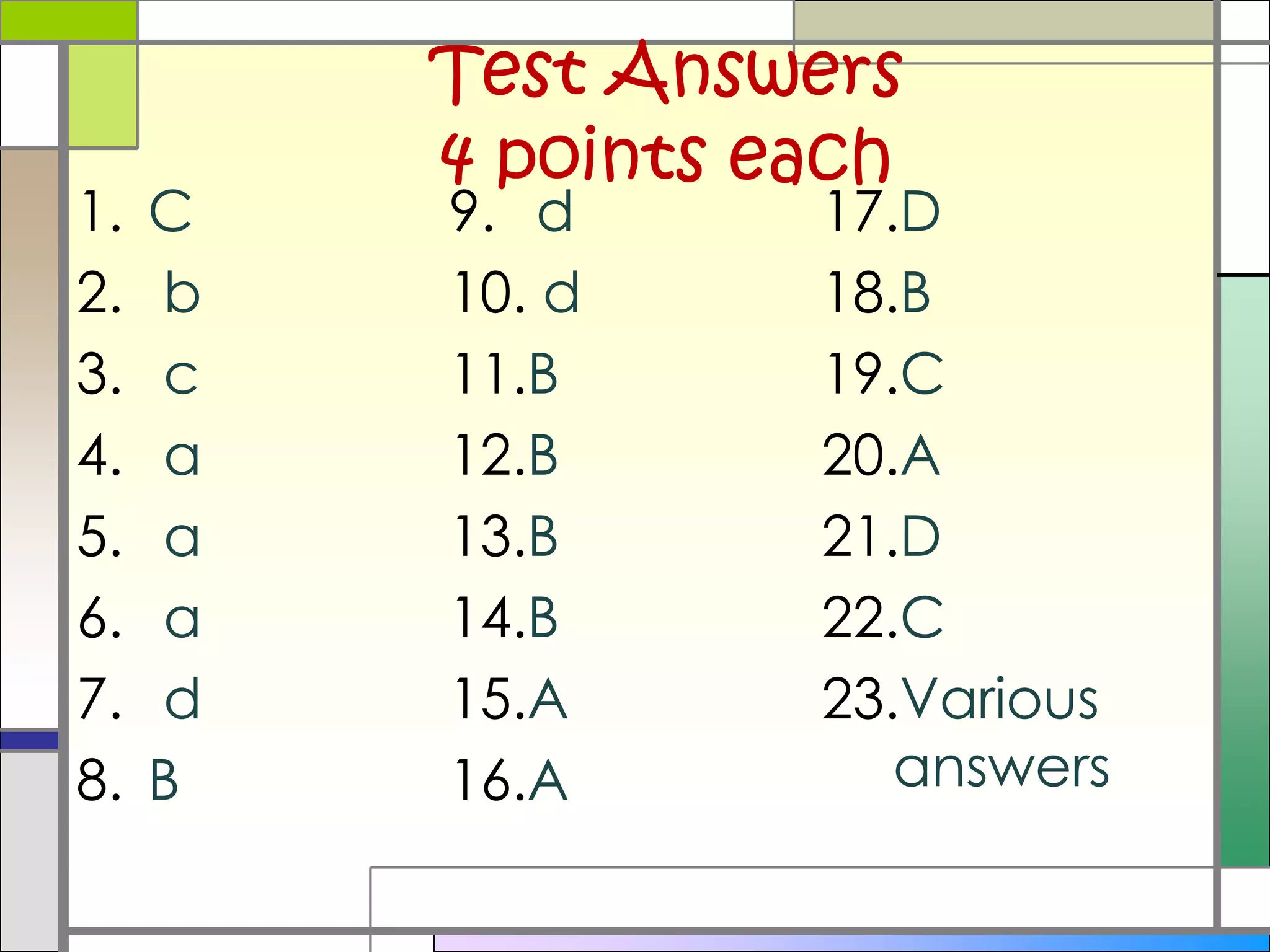
Test Answers4 points eachCbcaaadBddBBBBAADBCADCVarious answers
Continued…..24:  Intrusive: coarse, Inside, Large Crystals, slow cooling, Granite (or others), MagmaExtrusive: Fine, outside, small crystals, fast cooling, obsidian, lava25. All did great!
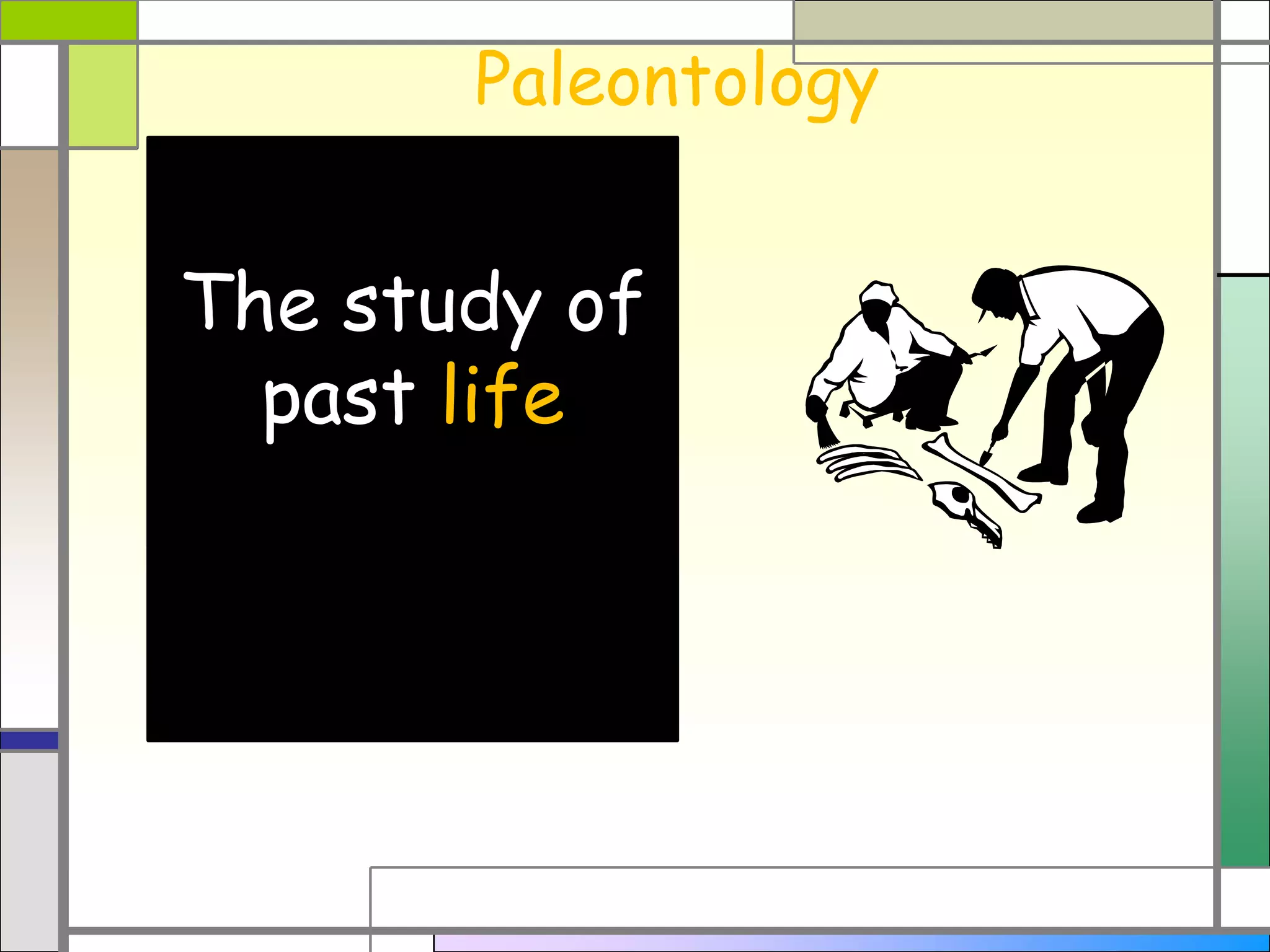
Paleontology
1.  OutlineYour new best friend!!!! Use this throughout the quarter
Table of ContentsUnit #3:		Unit title:  PaleontologyDate:  9/7Section:  IntroTitle: Unit Outline Page: 1
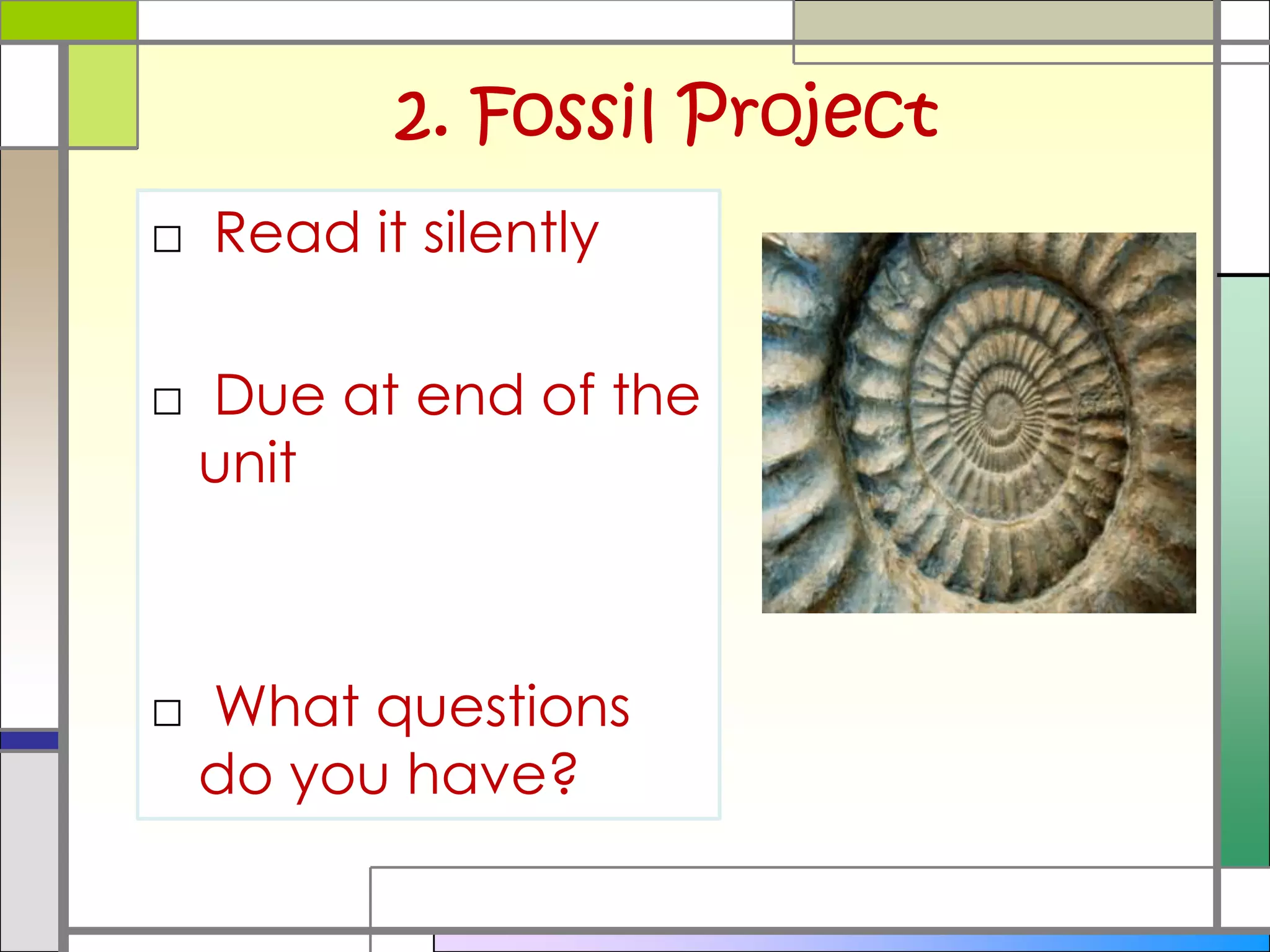
2. Fossil Project Read it silently Due at end of the unit What questions do you have?
Table of Contents Date: 8/7Section: Projects Title:  Fossil ProjectPage: 2
3.   Tiers Look at the tiers Pick your tiers Highlight which tiers you are going to choose!
Table of Contents Date: 8/7Section: Projects Title:  Tiers Page: 3
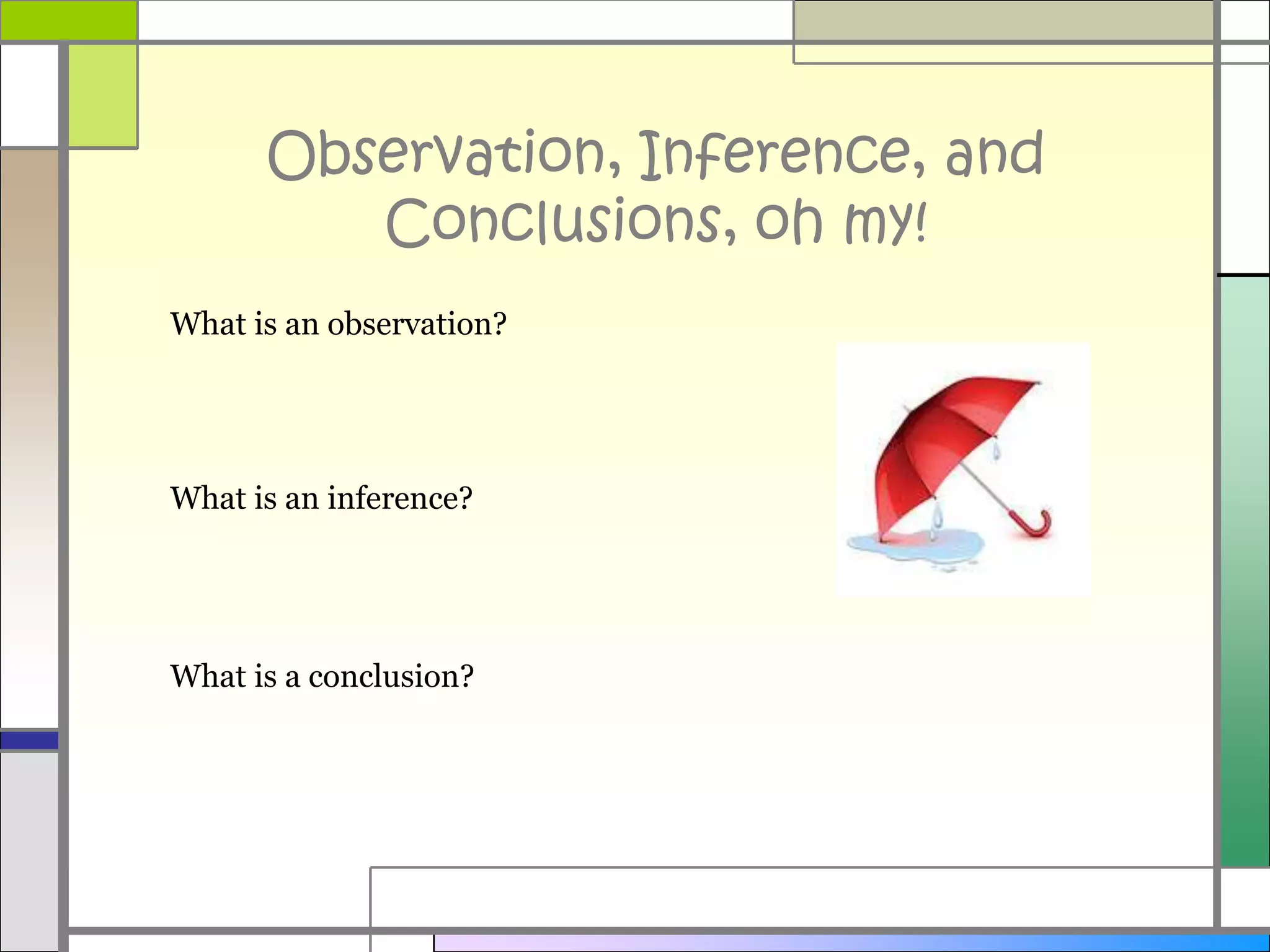
Observation, Inference, and Conclusions, oh my!What is an observation?What is an inference?What is a conclusion?
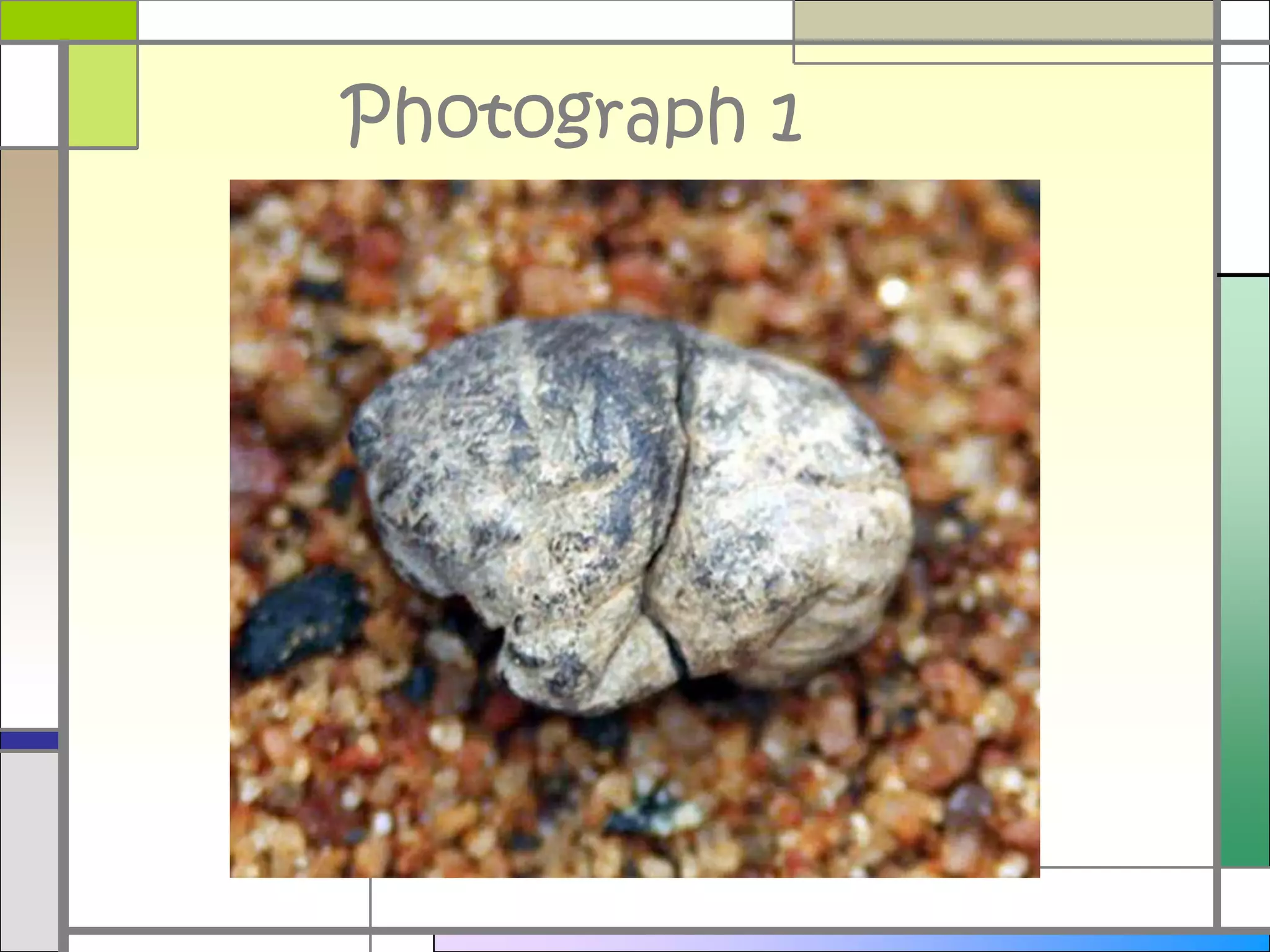
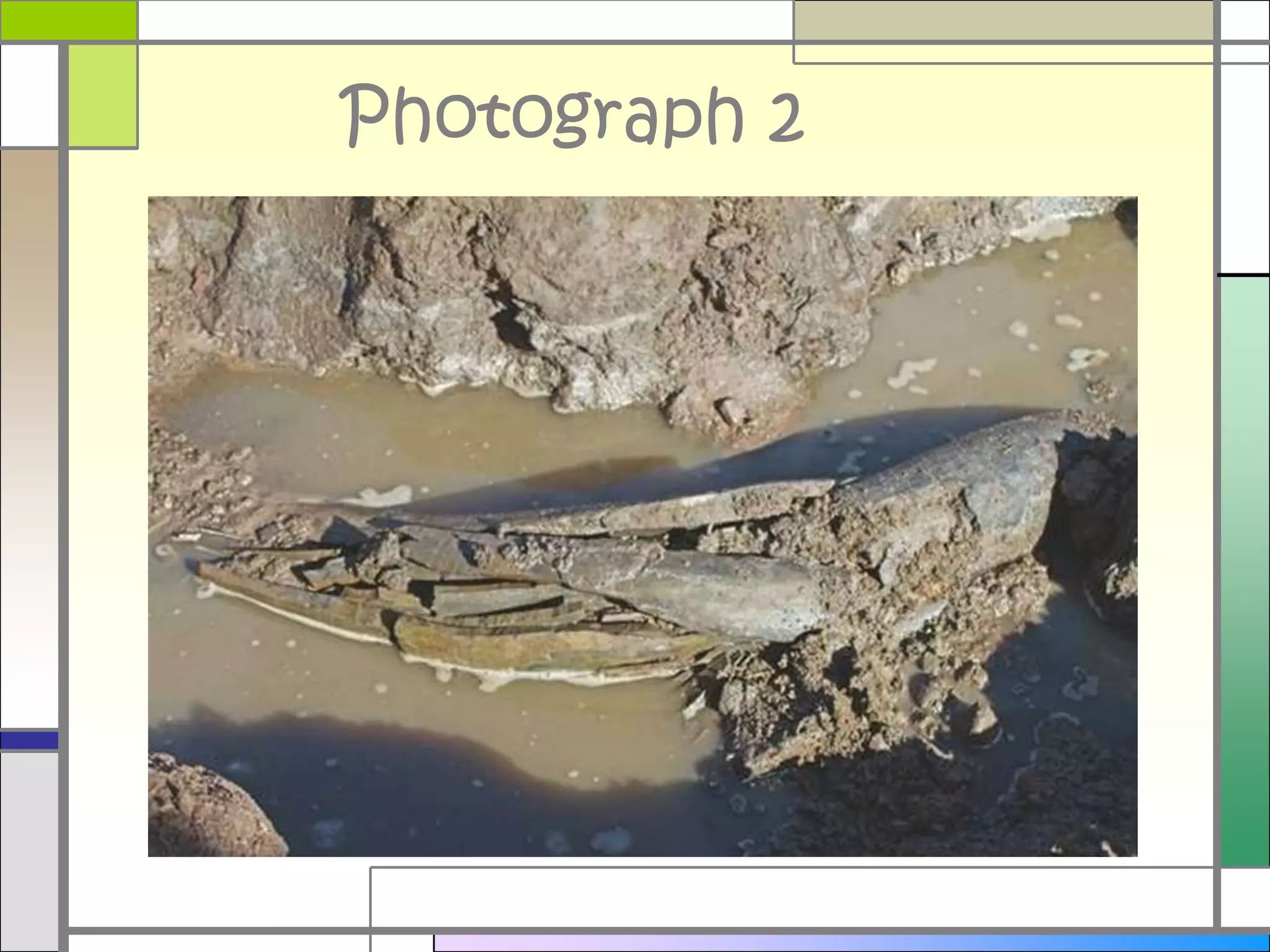
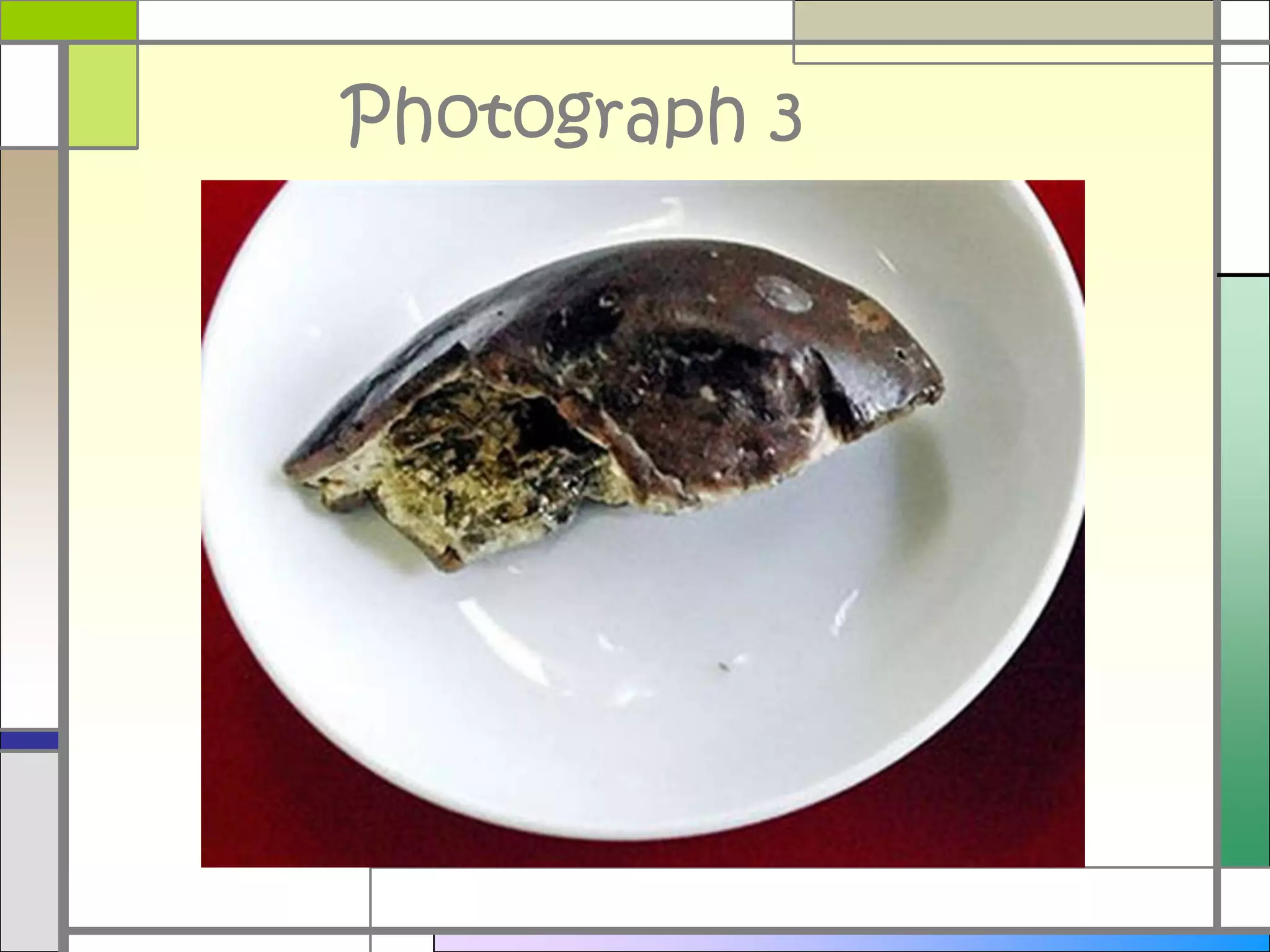
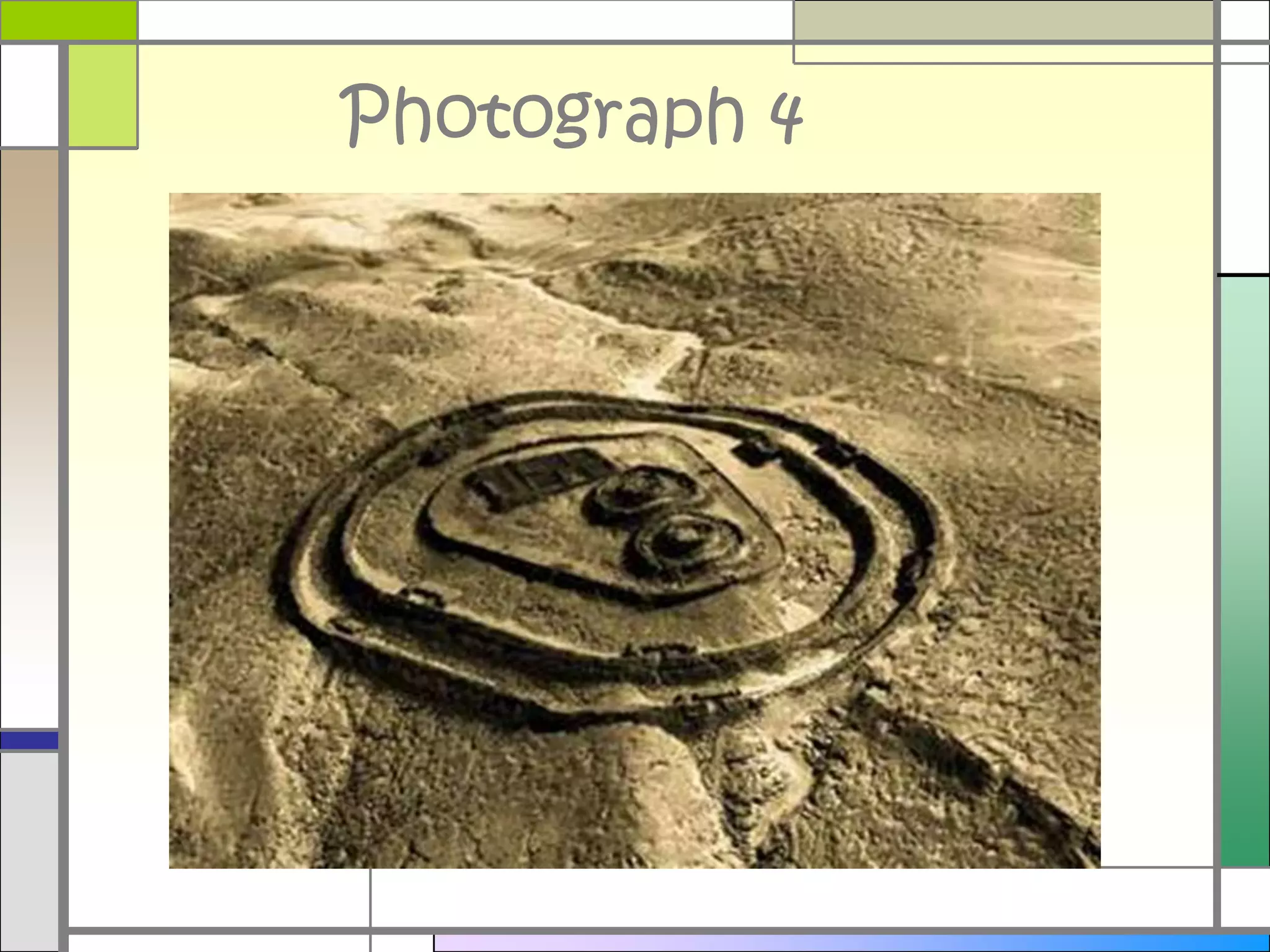
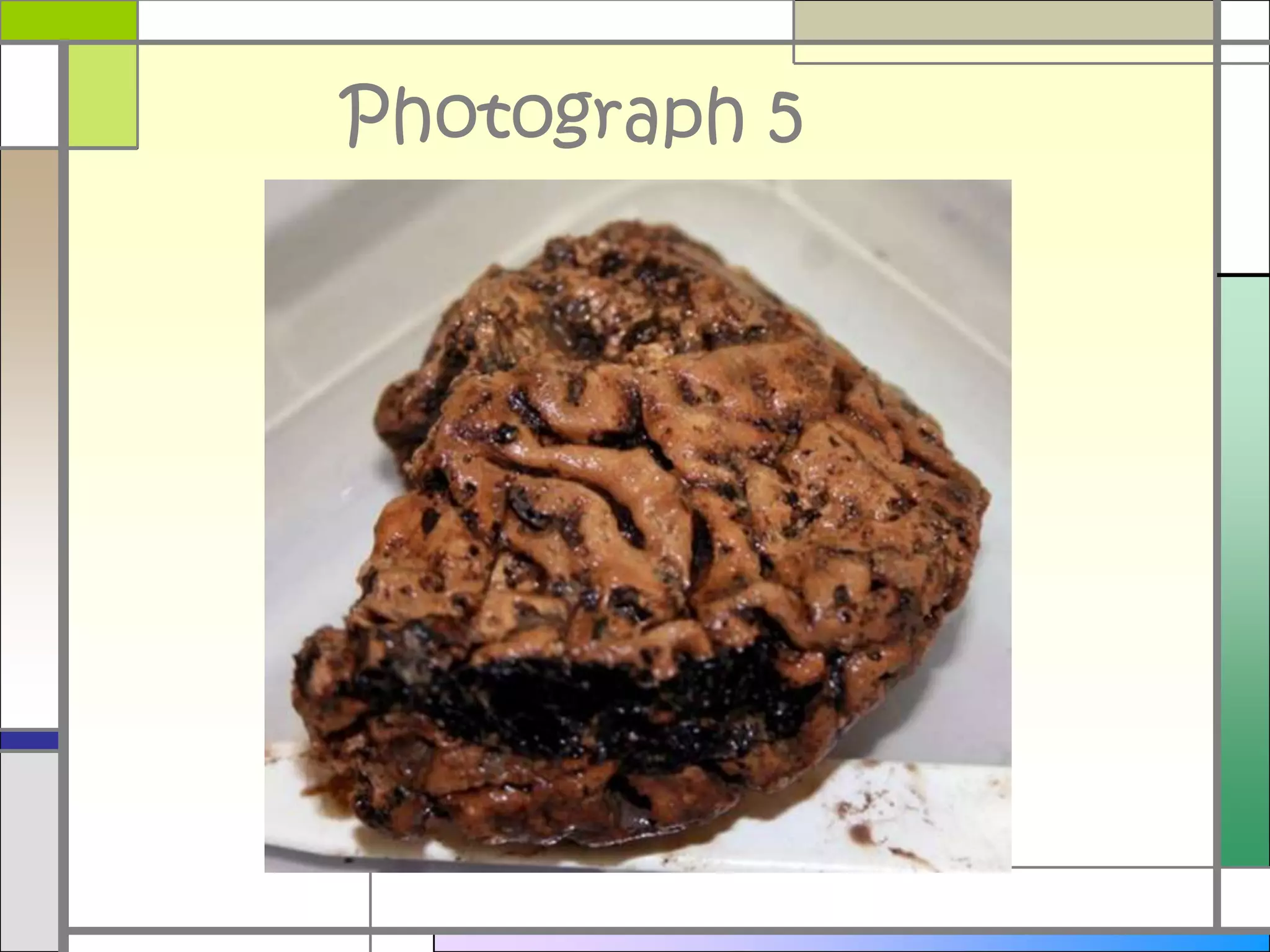
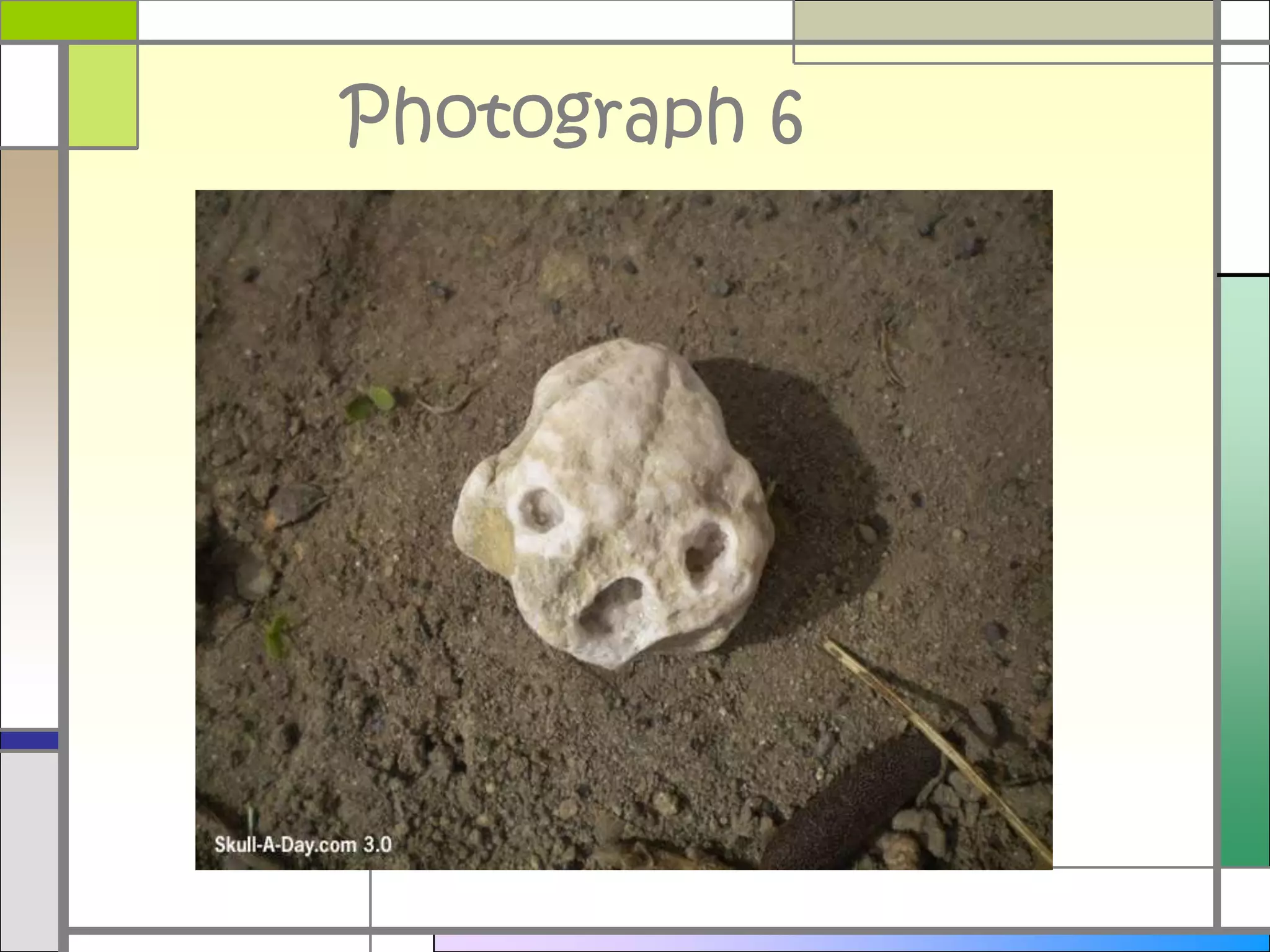
Photograph ActivityYour group will be given a mystery photograph. Your task is to try to figure out what it is.You will be given a list of questions to answer and a sheet to record your group’s ideas. You will have 5 minutes to come to a group conclusion about what your photographis.Let the countdown begin!
Photograph 1
Photograph 2
Photograph 3
Photograph 4
Photograph 5
Photograph 6
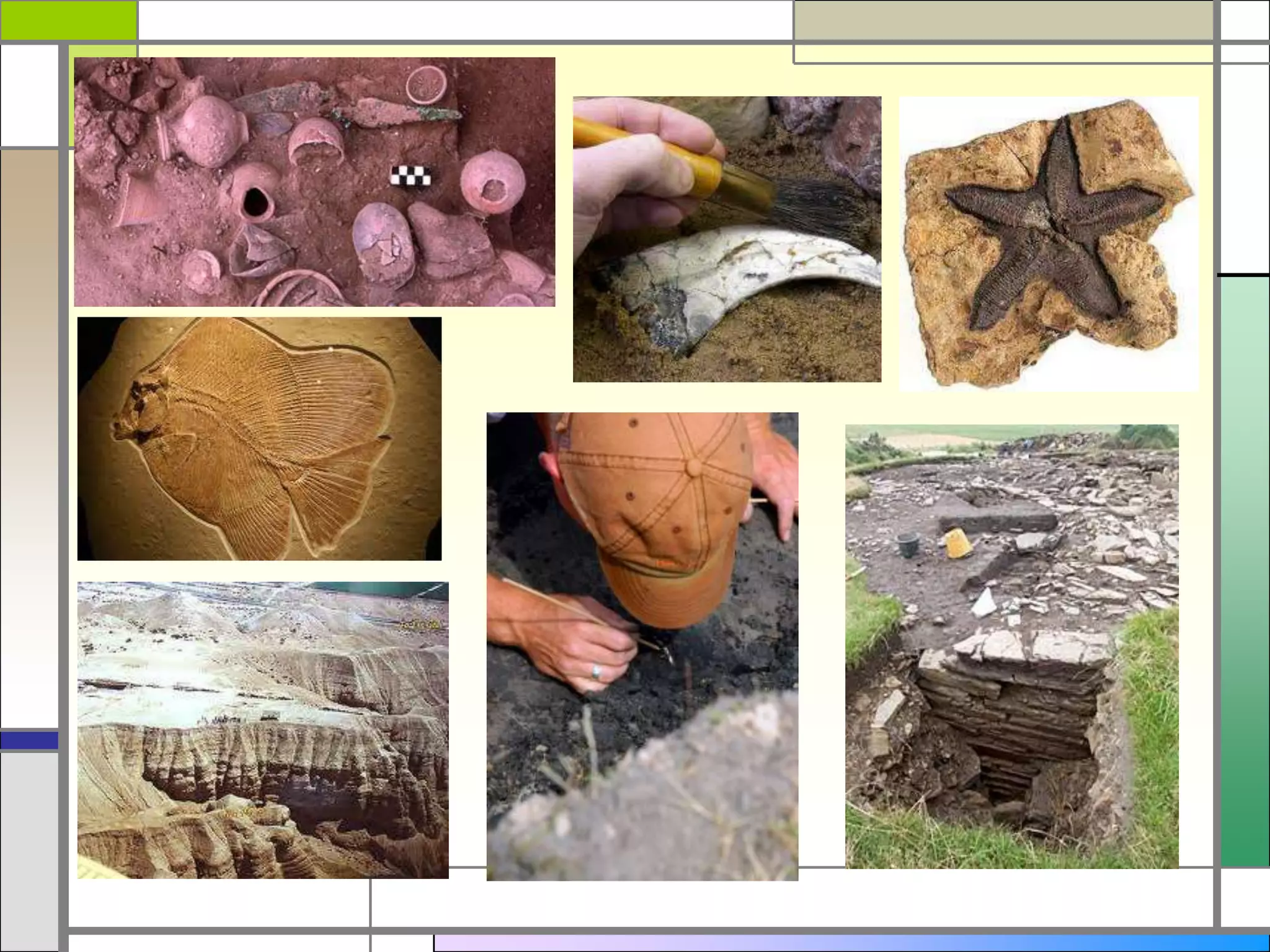
Scientist/Artifact ActivityYour group will receive a description of scientists.I will post photographs of dig site fossils and artifacts.Decide what role these scientists might have at a dig site.
HomeworkTier 1
Table of Contents Date: 8/7 Section:  Dating Title: Geologic dating Page: 3,4
PaleontologyThe study of past life
1. Important Words!Paleontologist – scientist who studies fossils and plants from past life and other recontructed past ecosystems, study traces left behind by animals and piece together the conditions under which fossils were formed.Uniformitarianism – the idea that the same geologic processes shaping the Earth today have been at work throughout Earth’s history
Rocks Record Earth History2.  Discovering Earth’s History     Rocks record geological events and changing life forms of the past. We have learned that Earth is much older than anyone had previously imagined and that its surface and interior have been changed by the same geological processes that continue today.
There are two main ways to determine how old a rock or fossil is:3. How old is it??Relative dating
Absolute dating4. Relative vs. Absolute DatingI. Relative dating – determining whether an object or event is older or younger than other objects or events	A. Superposition	 1. Older rocks are under 		   newer rock 2.  Can only determine 		   relative time

Intro

  • 1.
    September 7thHand inyour Rock Cartoon if you didn’t finish it yesterday 
  • 2.
    Check-InDo you havethe following completed:Test CartoonTier 3 Parent letter
  • 3.
    Grades Midterms gohome Friday
  • 4.
    Remember that homeworkis graded out of 100
  • 5.
    Late work isaccepted up until the test
  • 6.
    IT IS YOURRESPONSIBILITY TO TURN IN LATE WORK!Front bin=late workTest #1 Great Job!!!!!
  • 7.
    Test Answers4 pointseachCbcaaadBddBBBBAADBCADCVarious answers
  • 8.
    Continued…..24: Intrusive:coarse, Inside, Large Crystals, slow cooling, Granite (or others), MagmaExtrusive: Fine, outside, small crystals, fast cooling, obsidian, lava25. All did great!
  • 9.
  • 10.
    1. OutlineYournew best friend!!!! Use this throughout the quarter
  • 11.
    Table of ContentsUnit#3: Unit title: PaleontologyDate: 9/7Section: IntroTitle: Unit Outline Page: 1
  • 12.
    2. Fossil ProjectRead it silently Due at end of the unit What questions do you have?
  • 13.
    Table of ContentsDate: 8/7Section: Projects Title: Fossil ProjectPage: 2
  • 14.
    3. Tiers Look at the tiers Pick your tiers Highlight which tiers you are going to choose!
  • 15.
    Table of ContentsDate: 8/7Section: Projects Title: Tiers Page: 3
  • 16.
    Observation, Inference, andConclusions, oh my!What is an observation?What is an inference?What is a conclusion?
  • 17.
    Photograph ActivityYour groupwill be given a mystery photograph. Your task is to try to figure out what it is.You will be given a list of questions to answer and a sheet to record your group’s ideas. You will have 5 minutes to come to a group conclusion about what your photographis.Let the countdown begin!
  • 18.
  • 19.
  • 20.
  • 21.
  • 22.
  • 23.
  • 24.
    Scientist/Artifact ActivityYour groupwill receive a description of scientists.I will post photographs of dig site fossils and artifacts.Decide what role these scientists might have at a dig site.
  • 26.
  • 27.
    Table of ContentsDate: 8/7 Section: Dating Title: Geologic dating Page: 3,4
  • 28.
  • 29.
    1. Important Words!Paleontologist– scientist who studies fossils and plants from past life and other recontructed past ecosystems, study traces left behind by animals and piece together the conditions under which fossils were formed.Uniformitarianism – the idea that the same geologic processes shaping the Earth today have been at work throughout Earth’s history
  • 30.
    Rocks Record EarthHistory2. Discovering Earth’s History  Rocks record geological events and changing life forms of the past. We have learned that Earth is much older than anyone had previously imagined and that its surface and interior have been changed by the same geological processes that continue today.
  • 31.
    There are twomain ways to determine how old a rock or fossil is:3. How old is it??Relative dating
  • 32.
    Absolute dating4. Relativevs. Absolute DatingI. Relative dating – determining whether an object or event is older or younger than other objects or events A. Superposition 1. Older rocks are under newer rock 2. Can only determine relative time
  • 33.
    B. Geologic columnis an ideal sequence of rock layers that contains all the known fossils and rock formations on Earth arranged from oldest to youngest.
  • 34.
    II. Absolute Dating– the process of establishing the age of an object by determining the number of years it has existed. A. Radioactive decay – the process in which a radioactive isotope tends to break down into a stable isotope of the same element.