INTELLECTUAL DISABILITY
Presenter: Dr .Keerthana
Moderator: Dr. Hrishikesh Sir
Overview
Ꞝ Introduction
Ꞝ Definition
Ꞝ Types
Ꞝ Etiology
Ꞝ Clinical Features
Ꞝ Psychiatric Comorbidities
Ꞝ Medical Comorbidities
Ꞝ Diagnosis
Ꞝ Prevention
Ꞝ Differential Diagnosis
Ꞝ Treatment
Ꞝ Course & Prognosis
Ꞝ Certification
Ꞝ Benefits
Ꞝ Schemes
INTRODUCTION
• Intellectual disability is a developmental disorder with
heterogeneous set of impairments and conditions that
result in cognitive limitation.
• Significant limitations
• Intellectual Functioning
• Adaptive behaviors
• In India, the rights of persons with disabilities act (2016) - introduced the term
“intellectual disability” in the place of “mental retardation.”
 However in signatory to WHO, where the ICD-10
guidelines are adopted in the clinical practice, the
term “mental retardation” is still in clinical use.
 The WHO working group on the classification of
intellectual disabilities has recommended
replacing the term “mental retardation” with “ IDD”
in
ICD-11
 Thus, both the terms, intellectual disability and
mental retardation, are in use in India.
Mental Retardation
IDD
Definition :
• According to Who - icd 10, Intellectual disability is a condition of arrested or
incomplete development of mind, which is especially characterized by impairment of
skills manifested during the developmental period, which contribute to overall
intelligence, i.e. cognitive, language, motor and social abilities.
• The WHO -International Classification of Functioning, Disability, and Health ( ICF) is
the newest schema for classifying disability--an individual’s disability may be
characterized by marked and severe problems in
• Capacity to function (‘impairments in body functions and structures’)
• Ability to function (‘activity limitations’)
• Opportunity to function (‘participation restrictions’)
DSM-5 – ID in the broader category of neurodevelopmental disorders.
DSM-5 defines intellectual disability as involving ‘impairments of general mental abilities
that impact adaptive functioning in three domains. These domains determines coping with
everyday life and include
 Communication and social skills
 Personal independence
 School/work functioning
The National Sample Survey Organisation (NSSO) under the Department of
Statistics, Government of India(2019)
 Prevalence rate of mental retardation - 20 per 1000
 Prevalence of developmental delays - 30 per 1000
 Incidence of mental retardation – Rural(3.1%)
Urban(0.9%)
 The NIMH mentions that 2% of the general population is MR.
 Three quarters - mild retardation
One-fourth - severe retardation.
Classification
Subdivided by severity levels according to adaptive functioning and placing
some weight on standardized IQ testing into (based on ICD-10 )
 Mild (IQ 50–70)
 Moderate (IQ 35–49)
 Severe (IQ 20– 34)
 Profound (IQ below 20)
ETIOLOGY
• Periconceptional Factors
• Intrauterine Factors
• Perinatal and Postnatal Factors
PERICONCEPTIONAL FACTORS
• Genetic-chromosomal – Down syndrome
Telomeric rearrangements
• Sex linked-single gene – Fragile X syndrome
Rett syndrome
• Autosomal dominant – Phenylketonuria
Neurofibromatosis
Tay sacks
• Metabolic - Hypothyroidism
• Segmental autosomal syndromes - Prader–Willi syndrome
Angelman syndrome
• Genetic and nutritional - Neural tube defects
Down syndrome:
• Most common genetic and leading cause of ID.
• Cognitive impairment - majority in the moderate to
profound range of ID.
• Infant stimulation programs suggest that the cognitive
intellectual potential have been underestimated.
• Diagnosis of Alzheimer’s disease - high risk for the development
by the time they reach 40 years of age
• Dementia – At end of their 7th
decade of life.
• Important determinants of risk : Factors modifying the rate and
degree of Aβ deposition > overexpression of APP.
Telomeric Rearrangements :
• Induced by a variety of exposures (workplace and
environmental) including
• Ionizing radiation
• Viral infections
• Toxic substances
• Associated with birth defects and neurodevelopmental delay in the
infant.
• Cause more than 30% of severe ID, with majority of DS(as risk
of cytogenic abnormalities)
sex linked single gene DISORDERS :
Fragile X syndrome
• A non syndrome- common form of inherited ID (transcription factor FMR2)
• Primarily affects males - 0.5 to 4.2% of patients have ID
• Cognitive and learning disabilities are prominent
• Behavioural abnormalities –
• Autistic-like features
• Repetitive speech patterns
• Social anxiety
• Perseveration
• Gaze aversion
• Neuroimaging - Small posterior cerebellar vermis
enlarged Hippocampus,
Caudate nucleus, Thalamus, Latera ventricles
Correlation for low IQ
Segmental autosomal syndromes
Early onset cognitive disability are within this class:
 Williams
 Prader–Willi
 Angelman
Williams Syndrome :
• 1/10,000 live births
• Developmental and language delays
• Pixie-like facial features
• Problems in gross motor skills
• Mild MR with relatively good face-processing skills.
Prader Willi syndrome :
• Paternally inherited abnormality
• 1/15,000 live births.
• Developmental delay
• Hypotonia
• Feeding problems in infancy - severe obesity
• Mild MR
• Behavioral characteristics –
• Temper tantrums
• Ritualistic or obsessive-compulsive behavior
Upturned nose
Smooth philtrum
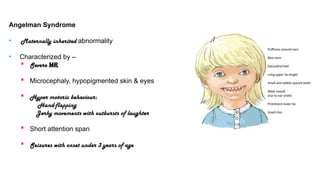
Angelman Syndrome
• Maternally inherited abnormality
• Characterized by –
 Severe MR
 Microcephaly, hypopigmented skin & eyes
 Hyper motoric behaviour:
Hand-flapping
Jerky movements with outbursts of laughter
 Short attention span
 Seizures with onset under 3 years of age
Puffiness around eyes
Blue eyes
Epicanthal fold
Long upper lip length
Small and widely spaced teeth
Wide mouth
(ear to ear smile)
Prominent lower lip
Small chin
Combinations of genetic and nutritional factors
Neural tube defects (NTD) –
 Spina bifida
 Anencephaly
 Meningomyelocele
• Majority of cases - nutritional deficit of folate
• Small proportion - genetic problem
• NTD is attributable to only a small proportion of ID
Failure of neural tube closure during the third to
eighth week of gestation
Phenylketonuria (PKU) deficiency :
• Rare defect -1 per 15,000
• Sequelae of MR can be prevented - adherence to a strict diet during infancy and early childhood.
• Severe ID and microcephaly - 75–90% of children of mothers with Classic PKU
• Less severe cognitive deficit - children of mothers with Atypical PKU
• Dietary restrictions during pregnancy
 Reduce maternal blood phenylalanine levels
 Prevent phenylalanine metabolite accumulation
 Improve the outcome in offspring if the diet is started prior to conception and maintained
throughout pregnancy
Hypothyroidism :
• Hypothyroidism during pregnancy- Leading cause of id in offspring
• A genetic form of hypothyroidism (when untreated - cretinism)
• Cretinism –
 ID
 Neurodevelopmental deficits in the newborn after 3 months of
age
 Other sensory and motor impairments
INTRAUTERINE FACTORS
 Infection –
• Toxoplasmosis
• Rubella
• Cytomegalovirus
• Herpes
• Gonorrhea
• Group B streptococcus
• Chlamydia
• Trichomonas vaginalis
• Bacterial vaginosis,
• Herpes simplex virus, HIV
 Metals and chemicals - Lead, mercury
 Nutritional - Iodine
Intrauterine infections :
The impact depends on the time of exposure during gestation.
Cytomegalovirus :
• Approximately 10% of infants with asymptomatic infections at birth develop serious
sequelae
• Optic atrophy
• Learning disabilities
• MR
• The mortality rate - 30%
• More than 90% of survivors have neurological impairments –
 Microcephaly
 Seizures
 MR
 Hearing and vision problems.
Toxoplasma :
• The outcomes associated with untreated prenatal exposure -
o Microcephaly, Hydrocephalus
o Cerebral palsy , Epilepsy
o ID
Urinary tract infections :
There is relative risk for ID or developmental delay among children of mothers with urinary tract infection.
AIDS :
• Perinatally acquired HIV infection and pediatric AIDS - cause of ID
• The neurodevelopmental effects of pediatric AIDS –
o Microcephaly
o Delays in cognitive and motor development
Substances :
• Teratogenic and neurotoxic to human embryo and fetal development and possible links to
ID
• Antimicrobials (e.g., sulphonamides, isoniazid, ribavirin)
• Anticonvulsants (e.g., phenytoin, carbamazepine)
• Psychotropic drugs
• Warfarin
• Aminopterin
PERINATAL AND POSTNATAL FACTORS
• Birth complications and effects – Prematurity
Low birth weight
Asphyxia
• Childhood Infections
• Environmental exposures – Lead
Mercury
• Injury - Traumatic brain injuries from vehicle crashes
• Child abuse and neglect
• Deprivation - Insufficient stimulation
Prematurity and low birth weight:
• The risk is higher in very low birth weight and will usually manifest as severe ID
• Premature birth is associated with increased risk of ID at the age of 10
Fetal stroke :
• Identifiable pregnancy event like
 Ischemic injury
 Hemorrhagic disturbances of coagulation
 Fetal disorders - pyruvate carboxylase deficiency can result in ID
Birth trauma and asphyxia :
• Reduces the formation of brain pathways – mainly adaptive behaviour – cognitive deficits and
usually mild retardation
• Post natal infections
Most significant infectious causes of ID
 Meningitis
 Encephalitis
 Varicella
• Injuries
Severe, traumatic brain injury (with loss of consciousness for> 24 h) during childhood - long-term
cognitive deficits, ID
• Deprivation includes :
 Children living in extreme poverty
 Disordered parenting because of mental illness of a parent
 Children faced with family stress, crisis, or neglect for any reason
Environmental chemicals
• Toluene
• Nitrous oxide
• Carbon monoxide
• Organochlorines
• Organophosphates
• Methanol
• Perchloroethylene
• Carbon disulphide
• Lead
• Mercury
• Arsenic
• Manganese
• Aluminium
• Carbon tetrachloride
• Methylene chloride
• Ethylene glycol
Associated with some
neurobehavioural dysfunctions
CLINICAL FEATURES
AGE degree OF INTELLECTUAL DISABILITY
Mild moderate severe profound
Preschool Age
(0 to 5 yrs)
Maturation
and
Development
Develop social &
communication
skills
Minimal retardation
in sensorimotor
area
May not be
diagnosed until
school challenges
child's social and
communication
skills.
Learn to
communicate
slowly
Poor social
awareness
Fair motor
development
Profits from training
in self-help
Can be managed
with moderate
Supervision.
Typically obvious in
the preschool years
Poor motor
development
Speech minimal
Unable to profit
from training in self-
help
Little or no
communication
skills
Gross disability
Minimal capacity for
functioning in
sensorimotor areas
Needs nursing care
AGE TYPE OF INTELLECTUAL DISABILITY
Mild moderate severe profound
School Age
(6 to 20 yrs)
Training and
Education
• Cognitive
deficits like Poor
ability to
abstract,
Egocentric
thinking
• Can learn
academic skills
up to
approximately
sixth-grade level
• Can be guided
toward social
conformity
• Social isolation
• Aware of their
deficits and feel
alienated from
peers
• Profit from training
in social and
occupational skills
• Unlikely to
Progress beyond
second-grade
level
• May learn to travel
alone in familiar
places
• Some language
development
may occur
• Learn to
communicate
• Can be trained in
elemental health
habits
• Profits from
systematic habit
training but not
from vocational
training
• Some motor
development
present
• Respond to
limited
training in
self-help.
AGE TYPE OF INTELLECTUAL DISABILITY
Mild Moderate severe profound
Adult (21 yrs
and Above)
Social and
Vocational
Adequacy
• Achieve social and
vocational skills
• Poor self-esteem
and Dependence
leads to lack of
social spontaneity
• Can live
independently in
ordinary
surroundings
• Need help in
Parenting,
Coping with
family
responsibilities,
housing, unusual
stress,
employment
• Achieve self-
maintenance in
unskilled or
semiskilled work
• Dressing, feeding,
and attention to
hygiene can be
acquired
• Require support in
Use of money,
Road sense
• Supported
employment and
residential
provision
• Contribute partially
to self
maintenance under
complete
supervision
• Develop self
protection skills to
a useful level
• Look after
themselves under
close supervision
• Communicate in a
simple way—by
using objects of
reference.
• Simple tasks and
engage in limited
social activities
• Some speech
development
present
• Simple self-help
skills may be
acquired.
• Require constant
support and
supervision, even
for simple activities
of daily living
► 3–5 times at higher risk compared to the general population
► Cumulative prevalence - 40%.
► Adults – 16 to 45%.
► Children – 50%
► Relation
 Shared genetic factors
 Medical adversities that affect the brain (e.g. epilepsy, cerebral palsy)
 Environments of increased family psychosocial adversity
 Intellectual disability itself might impact
PSYCHIATRIC COMORBIDITIES
• Written off as spectrum manifestations of ID - mostly underreported, misdiagnosed, and
undertreated.
• Therefore, special efforts are required to identify behavioural and psychiatric disorders.
• Disorders with higher rates in individuals with intellectual disability include
• Schizophrenia
• Bipolar disorder
• Dementia
• ASD & ADHD.
• Behavioural problems are particularly common, especially hyperactivity, stereotypies, and self-
injury
Psychotic disorders :
• 3–4% of people with intellectual disability, compared with less than 1% in the general population.
• Delusions - less elaborate
• Hallucinations - simpler content
• Thought disorder - difficult to identify.
• Diagnosis made when intellectual functioning worsens without organic cause
• If in doubt, a trial of antipsychotic drugs is sometimes appropriate.
• Treatment is same - Often lower doses needed and titration should be slower.
• Stereotyped movements and social withdrawal, may wrongly suggest schizophrenia, so a comparison
with previous behavior is always valuable.
Mood disorders :
• Prevalence is slightly higher than that of the general population.
• Less likely to complain, hence diagnosis is based on:
• Appearance of sadness, changes in appetite and sleep(depression)
• Behavioural signs of excitement, irritability, or hyperactivity(mania)
• Patients with adequate verbal abilities may describe hallucinations or delusions.
• Commonly in association with Down’s syndrome
• Differential – Thyroid dysfunction, especially prevalent in people with Down’s syndrome.
• The rate of suicide is lower. The rate of deliberate self-harm is less certain, because it is difficult
to decide patients’ intentions
Anxiety disorders and related conditions :
• Anxiety disorders - especially at times of stress, and social anxiety is often seen in individuals
with fragile X syndrome.
• Adjustment disorders – common in intellectual disability
• Obsessive–compulsive disorders are also found.
• Conversion and dissociative symptoms - florid, taking forms that can be interpreted in terms of
the patient’s understanding of illness.
• Treatment - adjustments in the patient’s environment, and reassurance.
Eating disorders :
• Overeating and unusual dietary preferences are frequent in intellectual disability.
• Abnormal eating behaviors, including PICA are common
• Classical eating disorders - less common than in the general population.
Personality disorder :
• Difficult to diagnose among people with intellectual disability.
• Sometimes the personality disorder leads to greater problems in management than those caused
by the intellectual disability itself.
• Environment to match the patient’s temperament, and less on attempts to bring about change
through self-understanding.
Delirium :
• Occur as a response to infection, medication, and other precipitating factors.
• More common in childhood and in old age than at other ages.
• Disturbed behavior is sometimes the first indication of physical illness.
Dementia :
• Prevalence of 18.3% > 65 years, making it 2–3 times more common
• May initially present with seizures, progressive decline in intellectual & social functioning
Autism spectrum disorder and attention deficit hyperactivity disorder :
• Hyperactive behavior and autistic-like behavior are frequent symptoms of intellectual
disability
• More common than general population
• Reflects an overlap with regard to genetic factors
Abnormal movements :
• Stereotypes
• Mannerisms
• Rhythmic movement disorders
• (including head banging and rocking)
Sleep disorders :
• Impaired sleep is common with prevalence - 9% to 34%
• Associated with challenging behaviors and worsening of cognitive impairment.
• Interventions such as improving sleep hygiene, melatonin if indicated
40% of children and 20% of adults with severe
intellectual disability
Behavior that challenges :
• Problematic behavior that is relatively specific to intellectual disability
• Behavior sufficient to impair the physical safety of a person with intellectual disability, to pose a
danger to others, or to make participation in the community difficult .
• 20% - children and adolescents, and 15% - adults have some form of ‘behavior that challenges’
• More likely to be encountered in
 Small-scale community settings
 Environments that are poorly organized
 When unable to respond well to the needs of the person
Causes of behaviour that challenges :
• Physical:
• Pain
• Discomfort
• Malaise
• Neuropsychiatric causes
• Mood disorders
• Psychosis
• Anxiety
• ADHD
• Dementia
• Psychological trauma:
• Reaction to abuse or loss
• Wish to escape an unpleasant situation
• Communication difficulties:
• Hearing loss
• Unclear communication
• Insufficient vocabulary
• Phenotype-related behaviours:
• Prader–Willi syndrome – skin picking and OCD
• Lesch–Nyhan syndrome – self injurious behaviour,
• Fragile X syndrome – autistic and hyperactive behaviour
• Smith–Magenis syndrome – self hugging stereotypy, trichotillomania
• Under stimulation or overstimulation
• Desire for attention or other reward
• Side effects of medication
• Assessment might require
• Underlying medical and organic factors
• Psychological/ psychiatric factors
• Communication, and social/environmental factors.
• Intervention must address the person, environment, and the interaction
between the two as they might be expressing unhappiness in their current
environment.
• Intervention includes :
• Proactive and reactive strategies
• Psychotherapy
• Communication
• Positive programming
MEDICAL COMORBIDITIES
• Various medical comorbidities are often associated with ID
• Some are a consequence of ID itself
• Significant barriers for training and developmental learning
• Few of the common medical comorbidities are the following:
 Epilepsy
 Spasticity
 Dystonia
 Ataxia
 Visual & hearing impairment
 Congenital heart disease
 Short stature
 Cleft lip and cleft palate
 Congenital talipes equinovarus
 Congenital dislocation of hip joint
 Renal malformations
 Vitamin and mineral deficiencies
 Feeding disorder
The diagnostic process involves:
 History taking
 Medical examination
 Intellectual and adaptive behavioral assessment
 Identification of comorbid psychiatric disorders
 Laboratory investigations.
DIAGNOSIS
History taking :
• Chief complaints in chronological order with mode of onset, duration, and precipitating event
History of presenting illness
• Details of potential stressors, coping, and adaptation by the family
• Detailed prenatal and perinatal history
• Medical comorbidities and its treatments
• Psychiatric history - Details of onset, evolution, treatment history and current status of behavioral
or psychopathological disturbances
• Family history: Consanguinity; family history of intellectual disability, hereditary disorders
• Developmental history in greater detail:
 Motor, language, and communication
 Self-help skills
 Socioemotional skills
 Cognition
 Occupational skills/leisure-time activities
Physical examination :
► Routine systemic examination
► Anthropometric assessment
► Observation of atypical morphological features
► Detailed physical examination helps to identify the etiology in a majority of cases, detect comorbid
medical conditions, and also order appropriate investigations
Behavioral observation :
• Observation of general appearance
• Oddities in behavior
• Attention span
• Receptive and expressive speech abilities
• Social and interpersonal abilities
• Socioculturally appropriate stimuli could be presented to understand:
• Level of general fund of knowledge
• Generic concepts
• Abstract thinking
• Reasoning
• Problem-solving abilities
• General mental status examination for children to complement the behavioral observation
TEST AGE CONTENT
Seguin form board Reliable for 3-11 yrs
Valid for all age groups
Eye hand coordination, Shape concept, Visual
perception, Cognitive ability
Stanford-Binet Intelligence Scale 3 yrs – adulthood Knowledge, Quantitative reasoning, Visual-
spatial processing, Working memory, fluid
reasoning
Malin’s Intelligence Scale 6 – 16 yrs Information,Comprehension,Arithmetic,Similari
ties,Vocabulary,Picture completion,
Performance IQ,.Full scale IQ
Developmental Screening Test 0 – 15 yrs Developmental delay, Behavioural problems
Vineland Social Maturity Scale 0 – 15 yrs Adaptive behavioural skills
Progressive matrices
a. Standard
11 yrs – adults Abstract reasoning, Fluid intelligence
b. Colored Gessel’s Drawing Test 15 months – 11 yrs Motor and language development, personal-
social-adaptive behaviour
Bhatia’s Battery of Performance Test
of Intelligence
11 yrs and above Attention level, Adaptive behaviour
Wechsler Intelligence Scale for
Children and Adults
6 – 16 yrs and 11 months Sustained effort, Attention and Concentration
Intellectual Assessment
Below standardized instruments evaluate cognitive abilities across multiple domains including
verbal, performance, memory, and problem solving.
Neurological Examination
• Incidence and severity is direct proportion to the degree of intellectual disability.
• Sensory impairments occur frequently among persons with intellectual disabilities.
• Disturbances in motor areas are abnormalities of
• Muscle tone(spasticity or hypotonia)
• Reflexes (hyperreflexia)
• Involuntary movements(choreoathetosis)
Laboratory examination
Hearing and Speech Evaluations
• Hearing and speech should be evaluated routinely as hearing impairments can simulate intellectual
disability
• The commonly used methods of hearing and speech evaluation, however, require the patient's
cooperation
• Thus are often unreliable in severely disabled persons.
DIFFERENTIAL DIAGNOSIS
• Neglect or abuse of child may contributing to delays in development
• Sensory disabilities, especially deafness can be mistaken
• Expressive and receptive speech
• Cerebral palsy
• Chronic, debilitating medical diseases
• Seizure disorders
• Alexia, Agraphia, Aphasia
• Learning disorders
• Autism spectrum disorder (ASD)
• Dementia
• Cognitive impairment
PREVENTION
Primary Prevention :
• Actions taken to eliminate or reduce the conditions that lead to development of intellectual disability
• Screening babies for PKU
• Amniocentesis – 15 week of gestation
• Chorionic villi sampling – 8 week of gestation
• A non-invasive blood test - materniT21 is a proprietary prenatal test that detects abnormalities of
chromosomes 21,18,13, X and Y. It is highly specific for Down syndrome
• Education about strategies to prevent intellectual disability, such as
 Abstinence from alcohol during pregnancy
 Optimal maternal and child health care
 Family and genetic counseling
Secondary and Tertiary Prevention :
• Prompt attention to medical and psychiatric complications of intellectual disability can diminish their
course (secondary prevention)
• Minimize the sequelae or consequent disabilities (tertiary prevention).
Educational Interventions:
• A comprehensive program that addresses academics and training in
• Adaptive skills
• Social skills
• Vocational skills
• Particular attention should focus on communication and efforts to improve the quality of life
Behavioral and Cognitive-Behavioral Interventions:
• Behavior therapy - Minimize aggressive and destructive behaviors.
• Positive reinforcement - desired behaviors
• Benign punishment -objectionable behaviors
• Cognitive therapy- dispelling false beliefs, relaxation exercises with self-instruction
• Psychodynamic therapy - To decrease conflicts about expectations that result in persistent anxiety, rage,
and depression.
NON PHARMACOLOGICAL MANAGEMENT
Family Education
• Educating about ways to enhance competence and self-esteem while maintaining
realistic expectations for the patient.
• Should be allowed opportunities to express their feelings
• Psychiatrist should give the parents all the basic and current medical information
regarding causes, treatment, and other pertinent areas
Social Intervention
• Improving the quantity and quality of social competence is a critical part of their care.
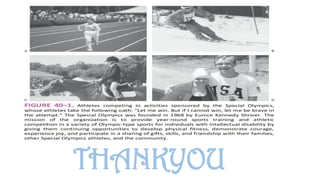
• Special Olympics International is the largest recreational sports program geared for this
population.
• A recent study confirmed positive effects of the Special Olympics on the social
competence
PHARMACOLOGICAL MANAGEMENT
Aggression, Irritability, and Self-injurious
Behavior, Psychosis
Explosive rages
Risperidone
Propranolol
Attention-Deficit/Hyperactivity Disorder Methylphenidate
Risperidone
Amphetamine based preparations
Clonidine
Atomoxetine
Depressive Disorders Fluoxetine
Paroxetine
Sertraline
Stereotypical Motor Movements Haloperidol
Chlorpromazine
Obsessive-compulsive Disorder Fluoxetine
Fluvoxamine
Paroxetine
Sertraline
COURSE AND PROGNOSIS :
• Although the underlying intellectual impairment does not improve, in most cases of intellectual
disability, level of adaptation increases with age
• Can be influenced positively by an enriched and supportive environment
• Persons with mild and moderate mental intellectual disabilities have the most flexibility in adapting to
various environmental conditions
• Comorbid psychiatric disorders negatively impact overall prognosis and increased vulnerability to side
effects of psychopharmacologic agents are often the case
CERTIFICATION :
According to Rights of Persons with Disabilities Act 2016,assessment is done through 3 stages
• Screening
• Diagnosis
• Disability calculation
 The minimum age for certification - one completed year.
 1-5yrs - certificate with a diagnosis of GDD.
 5yrs - certificate as ID.
 The authority shall comprise the following:
(a) the medical superintendent or chief medical officer or civil surgeon or any other equivalent authority as
notified by the state government;
(b) pediatrician or pediatric neurologist (where available)/psychiatrist or physician (if age >18 years);
(c) clinical or rehabilitation psychologist; and
(d) psychiatrist.
 Temporary certificate - <5 years,valid for a maximum of 3 or 5 years of age, whichever is earlier.
 As per the act, the certificate will have to be renewed at the age of 5, 10, and 18 years.
 The certificate issued at 18 years of age will be valid lifelong.
• Maintenance Allowance of Rs.1,500/- per month with a disability percentage of 45% and
above are eligible for this benefit.
• Special schools provide 4 sets of uniform for free of cost.
• Shelter home for the adult mentally challenged(14 yrs): Non Governmental Organisations are
identified and given grants to run homes.
• The State Resource Cum Training Centre-
• Disability certificate
• Railway Concession
• Concessions for Government Examinations
• Concession of 75% for bus travel with escort etc are issued
• Early Intervention Centres have been established at this centre – nutritious meal,68
centres are benefitted under this scheme
• 0-5 years are admitted in these centres-Various training programmes organized
• Education Tour to Govt Special School Students – 300 per person
• Therapeutical Services - Chennai, Tiruvallur and Kanchipuram Districts
BENEFITS :
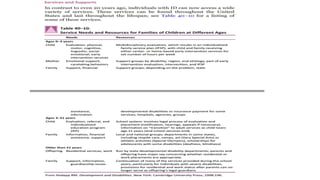
DISHA
Early
Intervention
and School
Readiness
Scheme
(upto 10 yrs)
GHARAUNDA
Housing and care
services throughout
the life
VIKAAS - Day
Care
> 10 years for enhancing
interpersonal and
vocational skills
SAMARTH
- Respite
Care
Abandoned PwDs,
Families in crisis-
Family respite time
GYAN
PRABHA
To encourage people for
pursuing educational/
vocational courses
SCHEMES
NIRAMAYA
Provide affordable Health
Insurance to persons
PRERNA
A marketing scheme to
create viable & wide
spread channels for sale
of products and services
produced
SAMBHAV
To setup additional
resource centres in each
city, to collect the Aids,
software and other form
of assistive devices
REFERENCES-
• Kaplan HI, Sadock BJ. Comprehensive textbook of psychiatry, Vols. 1-2. Williams & Wilkins Co; 1989.
• McDermott, S., Durkin, M. S., Schupf, N., & Stein, Z. A. (n.d.). Epidemiology and Etiology of Mental Retardation. Handbook of Intellectual and
Developmental Disabilities, 3–40.
• Kishore M T, Udipi GA, Seshadri SP. Clinical practice guidelines for assessment and management of intellectual disability. Indian J Psychiatry
2019;61, Suppl S2:194-210
• Salvador-Carulla L, Reed GM, Vaez-Azizi LM, et al. Intellectual developmental disorders: towards a new name, definition and framework for
"mental retardation/intellectual disability" in ICD-11. World Psychiatry. 2011;10(3):175-180.
• Gilissen C, Hehir-Kwa JY, Thung DT, van de Vorst M, van Bon BW, Willemsen MH, et al. Genome sequencing identifies major causes of severe
intellectual disability. Nature 2014;511:344-7
• Girimaji SC. Clinical practice guidelines for the diagnosis and management of children with mental retardation. Indian Psychiatric Society Clinical
Practice Guidelines, 2008;43-67
• Handen BL, Gilchrist R. Practitioner review: Psychopharmacology in children and adolescents with mental retardation. J Child Psychol Psychiatry
2006;47:871-82.
• Kishore MT, Nizamie SH, Nizamie A. The behavioural profile of psychiatric disorders in persons with intellectual disability. J Intellect Disabil Res
2005; 49; 852-7
• Michelson DJ, Shevell MI, Sherr EH, Moeschler JB, Gropman AL, Ashwal S, et al. Evidence report: Genetic and metabolic testing on children with
global developmental delay: Report of the quality standards subcommittee of the American Academy of Neurology and the Practice Committee of
the Child Neurology Society. Neurology 2011;77:1629-35.
• Moeschler JB. Medical genetics diagnostic evaluation of the child with global developmental delay or intellectual disability. Curr Opin Neurol 2008
THANKYOU

Intellectual disability / Mental retardation

  • 1.
    INTELLECTUAL DISABILITY Presenter: Dr.Keerthana Moderator: Dr. Hrishikesh Sir
  • 2.
    Overview Ꞝ Introduction Ꞝ Definition ꞜTypes Ꞝ Etiology Ꞝ Clinical Features Ꞝ Psychiatric Comorbidities Ꞝ Medical Comorbidities Ꞝ Diagnosis Ꞝ Prevention Ꞝ Differential Diagnosis Ꞝ Treatment Ꞝ Course & Prognosis Ꞝ Certification Ꞝ Benefits Ꞝ Schemes
  • 3.
    INTRODUCTION • Intellectual disabilityis a developmental disorder with heterogeneous set of impairments and conditions that result in cognitive limitation. • Significant limitations • Intellectual Functioning • Adaptive behaviors • In India, the rights of persons with disabilities act (2016) - introduced the term “intellectual disability” in the place of “mental retardation.”
  • 4.
     However insignatory to WHO, where the ICD-10 guidelines are adopted in the clinical practice, the term “mental retardation” is still in clinical use.  The WHO working group on the classification of intellectual disabilities has recommended replacing the term “mental retardation” with “ IDD” in ICD-11  Thus, both the terms, intellectual disability and mental retardation, are in use in India. Mental Retardation IDD
  • 5.
    Definition : • Accordingto Who - icd 10, Intellectual disability is a condition of arrested or incomplete development of mind, which is especially characterized by impairment of skills manifested during the developmental period, which contribute to overall intelligence, i.e. cognitive, language, motor and social abilities. • The WHO -International Classification of Functioning, Disability, and Health ( ICF) is the newest schema for classifying disability--an individual’s disability may be characterized by marked and severe problems in • Capacity to function (‘impairments in body functions and structures’) • Ability to function (‘activity limitations’) • Opportunity to function (‘participation restrictions’)
  • 6.
    DSM-5 – IDin the broader category of neurodevelopmental disorders. DSM-5 defines intellectual disability as involving ‘impairments of general mental abilities that impact adaptive functioning in three domains. These domains determines coping with everyday life and include  Communication and social skills  Personal independence  School/work functioning
  • 7.
    The National SampleSurvey Organisation (NSSO) under the Department of Statistics, Government of India(2019)  Prevalence rate of mental retardation - 20 per 1000  Prevalence of developmental delays - 30 per 1000  Incidence of mental retardation – Rural(3.1%) Urban(0.9%)  The NIMH mentions that 2% of the general population is MR.  Three quarters - mild retardation One-fourth - severe retardation.
  • 8.
    Classification Subdivided by severitylevels according to adaptive functioning and placing some weight on standardized IQ testing into (based on ICD-10 )  Mild (IQ 50–70)  Moderate (IQ 35–49)  Severe (IQ 20– 34)  Profound (IQ below 20)
  • 9.
    ETIOLOGY • Periconceptional Factors •Intrauterine Factors • Perinatal and Postnatal Factors
  • 10.
    PERICONCEPTIONAL FACTORS • Genetic-chromosomal– Down syndrome Telomeric rearrangements • Sex linked-single gene – Fragile X syndrome Rett syndrome • Autosomal dominant – Phenylketonuria Neurofibromatosis Tay sacks • Metabolic - Hypothyroidism • Segmental autosomal syndromes - Prader–Willi syndrome Angelman syndrome • Genetic and nutritional - Neural tube defects
  • 11.
    Down syndrome: • Mostcommon genetic and leading cause of ID. • Cognitive impairment - majority in the moderate to profound range of ID. • Infant stimulation programs suggest that the cognitive intellectual potential have been underestimated.
  • 12.
    • Diagnosis ofAlzheimer’s disease - high risk for the development by the time they reach 40 years of age • Dementia – At end of their 7th decade of life. • Important determinants of risk : Factors modifying the rate and degree of Aβ deposition > overexpression of APP.
  • 13.
    Telomeric Rearrangements : •Induced by a variety of exposures (workplace and environmental) including • Ionizing radiation • Viral infections • Toxic substances • Associated with birth defects and neurodevelopmental delay in the infant. • Cause more than 30% of severe ID, with majority of DS(as risk of cytogenic abnormalities)
  • 14.
    sex linked singlegene DISORDERS : Fragile X syndrome • A non syndrome- common form of inherited ID (transcription factor FMR2) • Primarily affects males - 0.5 to 4.2% of patients have ID • Cognitive and learning disabilities are prominent • Behavioural abnormalities – • Autistic-like features • Repetitive speech patterns • Social anxiety • Perseveration • Gaze aversion • Neuroimaging - Small posterior cerebellar vermis enlarged Hippocampus, Caudate nucleus, Thalamus, Latera ventricles Correlation for low IQ
  • 15.
    Segmental autosomal syndromes Earlyonset cognitive disability are within this class:  Williams  Prader–Willi  Angelman Williams Syndrome : • 1/10,000 live births • Developmental and language delays • Pixie-like facial features • Problems in gross motor skills • Mild MR with relatively good face-processing skills.
  • 16.
    Prader Willi syndrome: • Paternally inherited abnormality • 1/15,000 live births. • Developmental delay • Hypotonia • Feeding problems in infancy - severe obesity • Mild MR • Behavioral characteristics – • Temper tantrums • Ritualistic or obsessive-compulsive behavior Upturned nose Smooth philtrum
  • 17.
    Angelman Syndrome • Maternallyinherited abnormality • Characterized by –  Severe MR  Microcephaly, hypopigmented skin & eyes  Hyper motoric behaviour: Hand-flapping Jerky movements with outbursts of laughter  Short attention span  Seizures with onset under 3 years of age Puffiness around eyes Blue eyes Epicanthal fold Long upper lip length Small and widely spaced teeth Wide mouth (ear to ear smile) Prominent lower lip Small chin
  • 18.
    Combinations of geneticand nutritional factors Neural tube defects (NTD) –  Spina bifida  Anencephaly  Meningomyelocele • Majority of cases - nutritional deficit of folate • Small proportion - genetic problem • NTD is attributable to only a small proportion of ID Failure of neural tube closure during the third to eighth week of gestation
  • 19.
    Phenylketonuria (PKU) deficiency: • Rare defect -1 per 15,000 • Sequelae of MR can be prevented - adherence to a strict diet during infancy and early childhood. • Severe ID and microcephaly - 75–90% of children of mothers with Classic PKU • Less severe cognitive deficit - children of mothers with Atypical PKU • Dietary restrictions during pregnancy  Reduce maternal blood phenylalanine levels  Prevent phenylalanine metabolite accumulation  Improve the outcome in offspring if the diet is started prior to conception and maintained throughout pregnancy
  • 20.
    Hypothyroidism : • Hypothyroidismduring pregnancy- Leading cause of id in offspring • A genetic form of hypothyroidism (when untreated - cretinism) • Cretinism –  ID  Neurodevelopmental deficits in the newborn after 3 months of age  Other sensory and motor impairments
  • 21.
    INTRAUTERINE FACTORS  Infection– • Toxoplasmosis • Rubella • Cytomegalovirus • Herpes • Gonorrhea • Group B streptococcus • Chlamydia • Trichomonas vaginalis • Bacterial vaginosis, • Herpes simplex virus, HIV  Metals and chemicals - Lead, mercury  Nutritional - Iodine
  • 22.
    Intrauterine infections : Theimpact depends on the time of exposure during gestation. Cytomegalovirus : • Approximately 10% of infants with asymptomatic infections at birth develop serious sequelae • Optic atrophy • Learning disabilities • MR • The mortality rate - 30% • More than 90% of survivors have neurological impairments –  Microcephaly  Seizures  MR  Hearing and vision problems.
  • 23.
    Toxoplasma : • Theoutcomes associated with untreated prenatal exposure - o Microcephaly, Hydrocephalus o Cerebral palsy , Epilepsy o ID Urinary tract infections : There is relative risk for ID or developmental delay among children of mothers with urinary tract infection. AIDS : • Perinatally acquired HIV infection and pediatric AIDS - cause of ID • The neurodevelopmental effects of pediatric AIDS – o Microcephaly o Delays in cognitive and motor development
  • 24.
    Substances : • Teratogenicand neurotoxic to human embryo and fetal development and possible links to ID • Antimicrobials (e.g., sulphonamides, isoniazid, ribavirin) • Anticonvulsants (e.g., phenytoin, carbamazepine) • Psychotropic drugs • Warfarin • Aminopterin
  • 25.
    PERINATAL AND POSTNATALFACTORS • Birth complications and effects – Prematurity Low birth weight Asphyxia • Childhood Infections • Environmental exposures – Lead Mercury • Injury - Traumatic brain injuries from vehicle crashes • Child abuse and neglect • Deprivation - Insufficient stimulation
  • 26.
    Prematurity and lowbirth weight: • The risk is higher in very low birth weight and will usually manifest as severe ID • Premature birth is associated with increased risk of ID at the age of 10 Fetal stroke : • Identifiable pregnancy event like  Ischemic injury  Hemorrhagic disturbances of coagulation  Fetal disorders - pyruvate carboxylase deficiency can result in ID Birth trauma and asphyxia : • Reduces the formation of brain pathways – mainly adaptive behaviour – cognitive deficits and usually mild retardation
  • 27.
    • Post natalinfections Most significant infectious causes of ID  Meningitis  Encephalitis  Varicella • Injuries Severe, traumatic brain injury (with loss of consciousness for> 24 h) during childhood - long-term cognitive deficits, ID • Deprivation includes :  Children living in extreme poverty  Disordered parenting because of mental illness of a parent  Children faced with family stress, crisis, or neglect for any reason
  • 28.
    Environmental chemicals • Toluene •Nitrous oxide • Carbon monoxide • Organochlorines • Organophosphates • Methanol • Perchloroethylene • Carbon disulphide • Lead • Mercury • Arsenic • Manganese • Aluminium • Carbon tetrachloride • Methylene chloride • Ethylene glycol Associated with some neurobehavioural dysfunctions
  • 29.
  • 30.
    AGE degree OFINTELLECTUAL DISABILITY Mild moderate severe profound Preschool Age (0 to 5 yrs) Maturation and Development Develop social & communication skills Minimal retardation in sensorimotor area May not be diagnosed until school challenges child's social and communication skills. Learn to communicate slowly Poor social awareness Fair motor development Profits from training in self-help Can be managed with moderate Supervision. Typically obvious in the preschool years Poor motor development Speech minimal Unable to profit from training in self- help Little or no communication skills Gross disability Minimal capacity for functioning in sensorimotor areas Needs nursing care
  • 31.
    AGE TYPE OFINTELLECTUAL DISABILITY Mild moderate severe profound School Age (6 to 20 yrs) Training and Education • Cognitive deficits like Poor ability to abstract, Egocentric thinking • Can learn academic skills up to approximately sixth-grade level • Can be guided toward social conformity • Social isolation • Aware of their deficits and feel alienated from peers • Profit from training in social and occupational skills • Unlikely to Progress beyond second-grade level • May learn to travel alone in familiar places • Some language development may occur • Learn to communicate • Can be trained in elemental health habits • Profits from systematic habit training but not from vocational training • Some motor development present • Respond to limited training in self-help.
  • 32.
    AGE TYPE OFINTELLECTUAL DISABILITY Mild Moderate severe profound Adult (21 yrs and Above) Social and Vocational Adequacy • Achieve social and vocational skills • Poor self-esteem and Dependence leads to lack of social spontaneity • Can live independently in ordinary surroundings • Need help in Parenting, Coping with family responsibilities, housing, unusual stress, employment • Achieve self- maintenance in unskilled or semiskilled work • Dressing, feeding, and attention to hygiene can be acquired • Require support in Use of money, Road sense • Supported employment and residential provision • Contribute partially to self maintenance under complete supervision • Develop self protection skills to a useful level • Look after themselves under close supervision • Communicate in a simple way—by using objects of reference. • Simple tasks and engage in limited social activities • Some speech development present • Simple self-help skills may be acquired. • Require constant support and supervision, even for simple activities of daily living
  • 33.
    ► 3–5 timesat higher risk compared to the general population ► Cumulative prevalence - 40%. ► Adults – 16 to 45%. ► Children – 50% ► Relation  Shared genetic factors  Medical adversities that affect the brain (e.g. epilepsy, cerebral palsy)  Environments of increased family psychosocial adversity  Intellectual disability itself might impact PSYCHIATRIC COMORBIDITIES
  • 34.
    • Written offas spectrum manifestations of ID - mostly underreported, misdiagnosed, and undertreated. • Therefore, special efforts are required to identify behavioural and psychiatric disorders. • Disorders with higher rates in individuals with intellectual disability include • Schizophrenia • Bipolar disorder • Dementia • ASD & ADHD. • Behavioural problems are particularly common, especially hyperactivity, stereotypies, and self- injury
  • 35.
    Psychotic disorders : •3–4% of people with intellectual disability, compared with less than 1% in the general population. • Delusions - less elaborate • Hallucinations - simpler content • Thought disorder - difficult to identify. • Diagnosis made when intellectual functioning worsens without organic cause • If in doubt, a trial of antipsychotic drugs is sometimes appropriate. • Treatment is same - Often lower doses needed and titration should be slower. • Stereotyped movements and social withdrawal, may wrongly suggest schizophrenia, so a comparison with previous behavior is always valuable.
  • 36.
    Mood disorders : •Prevalence is slightly higher than that of the general population. • Less likely to complain, hence diagnosis is based on: • Appearance of sadness, changes in appetite and sleep(depression) • Behavioural signs of excitement, irritability, or hyperactivity(mania) • Patients with adequate verbal abilities may describe hallucinations or delusions. • Commonly in association with Down’s syndrome • Differential – Thyroid dysfunction, especially prevalent in people with Down’s syndrome. • The rate of suicide is lower. The rate of deliberate self-harm is less certain, because it is difficult to decide patients’ intentions
  • 37.
    Anxiety disorders andrelated conditions : • Anxiety disorders - especially at times of stress, and social anxiety is often seen in individuals with fragile X syndrome. • Adjustment disorders – common in intellectual disability • Obsessive–compulsive disorders are also found. • Conversion and dissociative symptoms - florid, taking forms that can be interpreted in terms of the patient’s understanding of illness. • Treatment - adjustments in the patient’s environment, and reassurance.
  • 38.
    Eating disorders : •Overeating and unusual dietary preferences are frequent in intellectual disability. • Abnormal eating behaviors, including PICA are common • Classical eating disorders - less common than in the general population. Personality disorder : • Difficult to diagnose among people with intellectual disability. • Sometimes the personality disorder leads to greater problems in management than those caused by the intellectual disability itself. • Environment to match the patient’s temperament, and less on attempts to bring about change through self-understanding.
  • 39.
    Delirium : • Occuras a response to infection, medication, and other precipitating factors. • More common in childhood and in old age than at other ages. • Disturbed behavior is sometimes the first indication of physical illness. Dementia : • Prevalence of 18.3% > 65 years, making it 2–3 times more common • May initially present with seizures, progressive decline in intellectual & social functioning
  • 40.
    Autism spectrum disorderand attention deficit hyperactivity disorder : • Hyperactive behavior and autistic-like behavior are frequent symptoms of intellectual disability • More common than general population • Reflects an overlap with regard to genetic factors Abnormal movements : • Stereotypes • Mannerisms • Rhythmic movement disorders • (including head banging and rocking) Sleep disorders : • Impaired sleep is common with prevalence - 9% to 34% • Associated with challenging behaviors and worsening of cognitive impairment. • Interventions such as improving sleep hygiene, melatonin if indicated 40% of children and 20% of adults with severe intellectual disability
  • 41.
    Behavior that challenges: • Problematic behavior that is relatively specific to intellectual disability • Behavior sufficient to impair the physical safety of a person with intellectual disability, to pose a danger to others, or to make participation in the community difficult . • 20% - children and adolescents, and 15% - adults have some form of ‘behavior that challenges’ • More likely to be encountered in  Small-scale community settings  Environments that are poorly organized  When unable to respond well to the needs of the person
  • 42.
    Causes of behaviourthat challenges : • Physical: • Pain • Discomfort • Malaise • Neuropsychiatric causes • Mood disorders • Psychosis • Anxiety • ADHD • Dementia • Psychological trauma: • Reaction to abuse or loss • Wish to escape an unpleasant situation
  • 43.
    • Communication difficulties: •Hearing loss • Unclear communication • Insufficient vocabulary • Phenotype-related behaviours: • Prader–Willi syndrome – skin picking and OCD • Lesch–Nyhan syndrome – self injurious behaviour, • Fragile X syndrome – autistic and hyperactive behaviour • Smith–Magenis syndrome – self hugging stereotypy, trichotillomania • Under stimulation or overstimulation • Desire for attention or other reward • Side effects of medication
  • 44.
    • Assessment mightrequire • Underlying medical and organic factors • Psychological/ psychiatric factors • Communication, and social/environmental factors. • Intervention must address the person, environment, and the interaction between the two as they might be expressing unhappiness in their current environment. • Intervention includes : • Proactive and reactive strategies • Psychotherapy • Communication • Positive programming
  • 45.
    MEDICAL COMORBIDITIES • Variousmedical comorbidities are often associated with ID • Some are a consequence of ID itself • Significant barriers for training and developmental learning • Few of the common medical comorbidities are the following:  Epilepsy  Spasticity  Dystonia  Ataxia  Visual & hearing impairment  Congenital heart disease  Short stature  Cleft lip and cleft palate  Congenital talipes equinovarus  Congenital dislocation of hip joint  Renal malformations  Vitamin and mineral deficiencies  Feeding disorder
  • 46.
    The diagnostic processinvolves:  History taking  Medical examination  Intellectual and adaptive behavioral assessment  Identification of comorbid psychiatric disorders  Laboratory investigations. DIAGNOSIS
  • 47.
    History taking : •Chief complaints in chronological order with mode of onset, duration, and precipitating event History of presenting illness • Details of potential stressors, coping, and adaptation by the family • Detailed prenatal and perinatal history • Medical comorbidities and its treatments • Psychiatric history - Details of onset, evolution, treatment history and current status of behavioral or psychopathological disturbances • Family history: Consanguinity; family history of intellectual disability, hereditary disorders • Developmental history in greater detail:  Motor, language, and communication  Self-help skills  Socioemotional skills  Cognition  Occupational skills/leisure-time activities
  • 48.
    Physical examination : ►Routine systemic examination ► Anthropometric assessment ► Observation of atypical morphological features ► Detailed physical examination helps to identify the etiology in a majority of cases, detect comorbid medical conditions, and also order appropriate investigations
  • 50.
    Behavioral observation : •Observation of general appearance • Oddities in behavior • Attention span • Receptive and expressive speech abilities • Social and interpersonal abilities • Socioculturally appropriate stimuli could be presented to understand: • Level of general fund of knowledge • Generic concepts • Abstract thinking • Reasoning • Problem-solving abilities • General mental status examination for children to complement the behavioral observation
  • 51.
    TEST AGE CONTENT Seguinform board Reliable for 3-11 yrs Valid for all age groups Eye hand coordination, Shape concept, Visual perception, Cognitive ability Stanford-Binet Intelligence Scale 3 yrs – adulthood Knowledge, Quantitative reasoning, Visual- spatial processing, Working memory, fluid reasoning Malin’s Intelligence Scale 6 – 16 yrs Information,Comprehension,Arithmetic,Similari ties,Vocabulary,Picture completion, Performance IQ,.Full scale IQ Developmental Screening Test 0 – 15 yrs Developmental delay, Behavioural problems Vineland Social Maturity Scale 0 – 15 yrs Adaptive behavioural skills Progressive matrices a. Standard 11 yrs – adults Abstract reasoning, Fluid intelligence b. Colored Gessel’s Drawing Test 15 months – 11 yrs Motor and language development, personal- social-adaptive behaviour Bhatia’s Battery of Performance Test of Intelligence 11 yrs and above Attention level, Adaptive behaviour Wechsler Intelligence Scale for Children and Adults 6 – 16 yrs and 11 months Sustained effort, Attention and Concentration Intellectual Assessment Below standardized instruments evaluate cognitive abilities across multiple domains including verbal, performance, memory, and problem solving.
  • 52.
    Neurological Examination • Incidenceand severity is direct proportion to the degree of intellectual disability. • Sensory impairments occur frequently among persons with intellectual disabilities. • Disturbances in motor areas are abnormalities of • Muscle tone(spasticity or hypotonia) • Reflexes (hyperreflexia) • Involuntary movements(choreoathetosis)
  • 53.
  • 54.
    Hearing and SpeechEvaluations • Hearing and speech should be evaluated routinely as hearing impairments can simulate intellectual disability • The commonly used methods of hearing and speech evaluation, however, require the patient's cooperation • Thus are often unreliable in severely disabled persons. DIFFERENTIAL DIAGNOSIS • Neglect or abuse of child may contributing to delays in development • Sensory disabilities, especially deafness can be mistaken • Expressive and receptive speech • Cerebral palsy • Chronic, debilitating medical diseases • Seizure disorders • Alexia, Agraphia, Aphasia • Learning disorders • Autism spectrum disorder (ASD) • Dementia • Cognitive impairment
  • 55.
    PREVENTION Primary Prevention : •Actions taken to eliminate or reduce the conditions that lead to development of intellectual disability • Screening babies for PKU • Amniocentesis – 15 week of gestation • Chorionic villi sampling – 8 week of gestation • A non-invasive blood test - materniT21 is a proprietary prenatal test that detects abnormalities of chromosomes 21,18,13, X and Y. It is highly specific for Down syndrome • Education about strategies to prevent intellectual disability, such as  Abstinence from alcohol during pregnancy  Optimal maternal and child health care  Family and genetic counseling Secondary and Tertiary Prevention : • Prompt attention to medical and psychiatric complications of intellectual disability can diminish their course (secondary prevention) • Minimize the sequelae or consequent disabilities (tertiary prevention).
  • 56.
    Educational Interventions: • Acomprehensive program that addresses academics and training in • Adaptive skills • Social skills • Vocational skills • Particular attention should focus on communication and efforts to improve the quality of life Behavioral and Cognitive-Behavioral Interventions: • Behavior therapy - Minimize aggressive and destructive behaviors. • Positive reinforcement - desired behaviors • Benign punishment -objectionable behaviors • Cognitive therapy- dispelling false beliefs, relaxation exercises with self-instruction • Psychodynamic therapy - To decrease conflicts about expectations that result in persistent anxiety, rage, and depression. NON PHARMACOLOGICAL MANAGEMENT
  • 57.
    Family Education • Educatingabout ways to enhance competence and self-esteem while maintaining realistic expectations for the patient. • Should be allowed opportunities to express their feelings • Psychiatrist should give the parents all the basic and current medical information regarding causes, treatment, and other pertinent areas Social Intervention • Improving the quantity and quality of social competence is a critical part of their care. • Special Olympics International is the largest recreational sports program geared for this population. • A recent study confirmed positive effects of the Special Olympics on the social competence
  • 58.
    PHARMACOLOGICAL MANAGEMENT Aggression, Irritability,and Self-injurious Behavior, Psychosis Explosive rages Risperidone Propranolol Attention-Deficit/Hyperactivity Disorder Methylphenidate Risperidone Amphetamine based preparations Clonidine Atomoxetine Depressive Disorders Fluoxetine Paroxetine Sertraline Stereotypical Motor Movements Haloperidol Chlorpromazine Obsessive-compulsive Disorder Fluoxetine Fluvoxamine Paroxetine Sertraline
  • 60.
    COURSE AND PROGNOSIS: • Although the underlying intellectual impairment does not improve, in most cases of intellectual disability, level of adaptation increases with age • Can be influenced positively by an enriched and supportive environment • Persons with mild and moderate mental intellectual disabilities have the most flexibility in adapting to various environmental conditions • Comorbid psychiatric disorders negatively impact overall prognosis and increased vulnerability to side effects of psychopharmacologic agents are often the case
  • 61.
    CERTIFICATION : According toRights of Persons with Disabilities Act 2016,assessment is done through 3 stages • Screening • Diagnosis • Disability calculation  The minimum age for certification - one completed year.  1-5yrs - certificate with a diagnosis of GDD.  5yrs - certificate as ID.  The authority shall comprise the following: (a) the medical superintendent or chief medical officer or civil surgeon or any other equivalent authority as notified by the state government; (b) pediatrician or pediatric neurologist (where available)/psychiatrist or physician (if age >18 years); (c) clinical or rehabilitation psychologist; and (d) psychiatrist.  Temporary certificate - <5 years,valid for a maximum of 3 or 5 years of age, whichever is earlier.  As per the act, the certificate will have to be renewed at the age of 5, 10, and 18 years.  The certificate issued at 18 years of age will be valid lifelong.
  • 62.
    • Maintenance Allowanceof Rs.1,500/- per month with a disability percentage of 45% and above are eligible for this benefit. • Special schools provide 4 sets of uniform for free of cost. • Shelter home for the adult mentally challenged(14 yrs): Non Governmental Organisations are identified and given grants to run homes. • The State Resource Cum Training Centre- • Disability certificate • Railway Concession • Concessions for Government Examinations • Concession of 75% for bus travel with escort etc are issued • Early Intervention Centres have been established at this centre – nutritious meal,68 centres are benefitted under this scheme • 0-5 years are admitted in these centres-Various training programmes organized • Education Tour to Govt Special School Students – 300 per person • Therapeutical Services - Chennai, Tiruvallur and Kanchipuram Districts BENEFITS :
  • 63.
    DISHA Early Intervention and School Readiness Scheme (upto 10yrs) GHARAUNDA Housing and care services throughout the life VIKAAS - Day Care > 10 years for enhancing interpersonal and vocational skills SAMARTH - Respite Care Abandoned PwDs, Families in crisis- Family respite time GYAN PRABHA To encourage people for pursuing educational/ vocational courses SCHEMES NIRAMAYA Provide affordable Health Insurance to persons PRERNA A marketing scheme to create viable & wide spread channels for sale of products and services produced SAMBHAV To setup additional resource centres in each city, to collect the Aids, software and other form of assistive devices
  • 64.
    REFERENCES- • Kaplan HI,Sadock BJ. Comprehensive textbook of psychiatry, Vols. 1-2. Williams & Wilkins Co; 1989. • McDermott, S., Durkin, M. S., Schupf, N., & Stein, Z. A. (n.d.). Epidemiology and Etiology of Mental Retardation. Handbook of Intellectual and Developmental Disabilities, 3–40. • Kishore M T, Udipi GA, Seshadri SP. Clinical practice guidelines for assessment and management of intellectual disability. Indian J Psychiatry 2019;61, Suppl S2:194-210 • Salvador-Carulla L, Reed GM, Vaez-Azizi LM, et al. Intellectual developmental disorders: towards a new name, definition and framework for "mental retardation/intellectual disability" in ICD-11. World Psychiatry. 2011;10(3):175-180. • Gilissen C, Hehir-Kwa JY, Thung DT, van de Vorst M, van Bon BW, Willemsen MH, et al. Genome sequencing identifies major causes of severe intellectual disability. Nature 2014;511:344-7 • Girimaji SC. Clinical practice guidelines for the diagnosis and management of children with mental retardation. Indian Psychiatric Society Clinical Practice Guidelines, 2008;43-67 • Handen BL, Gilchrist R. Practitioner review: Psychopharmacology in children and adolescents with mental retardation. J Child Psychol Psychiatry 2006;47:871-82. • Kishore MT, Nizamie SH, Nizamie A. The behavioural profile of psychiatric disorders in persons with intellectual disability. J Intellect Disabil Res 2005; 49; 852-7 • Michelson DJ, Shevell MI, Sherr EH, Moeschler JB, Gropman AL, Ashwal S, et al. Evidence report: Genetic and metabolic testing on children with global developmental delay: Report of the quality standards subcommittee of the American Academy of Neurology and the Practice Committee of the Child Neurology Society. Neurology 2011;77:1629-35. • Moeschler JB. Medical genetics diagnostic evaluation of the child with global developmental delay or intellectual disability. Curr Opin Neurol 2008
  • 65.