Inpatient Management of Hyperglycemia Russell Vinik, M.D. Hospitalist, University of Utah
Overview Observations related to hyperglycemia and outcomes in hospitalized patients Potential mechanisms for poor outcomes in hyperglycemic patients Review interventional studies related to glucose management Strategies for improving inpatient control
Umpierrez GE et al.  J Clin Endocrinol Metab . 2002;87:978-982.  Hyperglycemia Is an Independent Marker of Inpatient Mortality in Patients With Undiagnosed Diabetes In-hospital Mortality Rate (%) Newly  Discovered Hyperglycemia Patients  With History  of Diabetes Patients  With Normoglycemia P  < 0.01 P  < 0.01
Postoperative Glycemic Control Correlates With Cardiac-Related Mortality * ( P <.001).   Furnary AP et al.  J Thorac Cardiovasc Surg . 2003;125:1007-1021.  Mortality (%) 0.9 1.3 2.3 4.1 6.0 14.5 Average Postoperative Glucose (mg/dL) * * * *
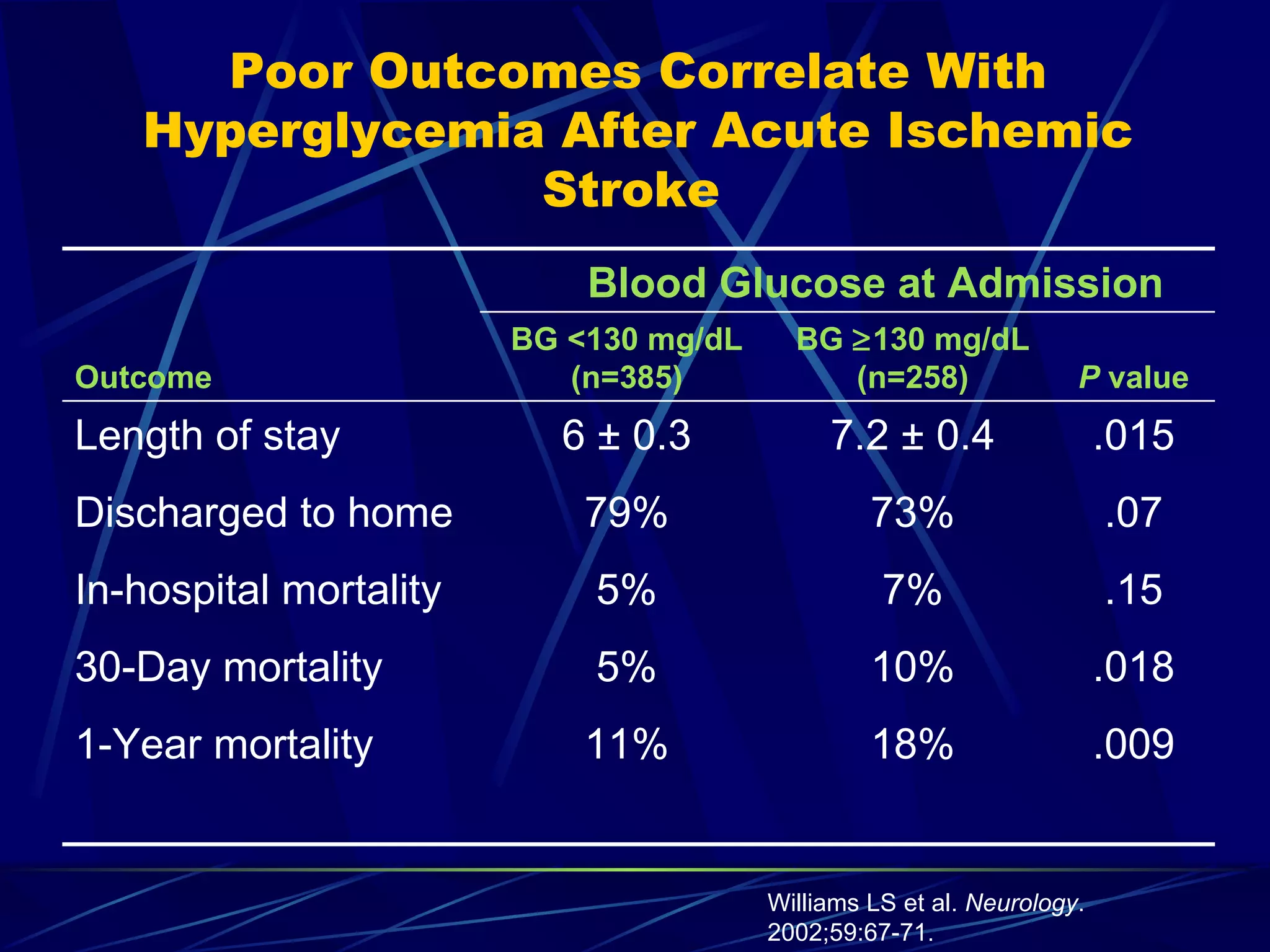
Poor Outcomes Correlate With Hyperglycemia After Acute Ischemic Stroke   Williams LS et al.  Neurology . 2002;59:67-71. Blood Glucose at Admission .015 .07 .15 .018 .009 7.2 ± 0.4 73% 7% 10% 18% 6 ± 0.3 79% 5% 5% 11% Length of stay  Discharged to home In-hospital mortality 30-Day mortality 1-Year mortality P  value BG   130 mg/dL (n=258) BG <130 mg/dL (n=385) Outcome
Rates of Nosocomial Infection in 100 Uninfected Diabetics Undergoing Elective Surgery Glucose on Post-Op Day #1 Pomposelli et al.  JPEN  1998; 22:2, 77-81
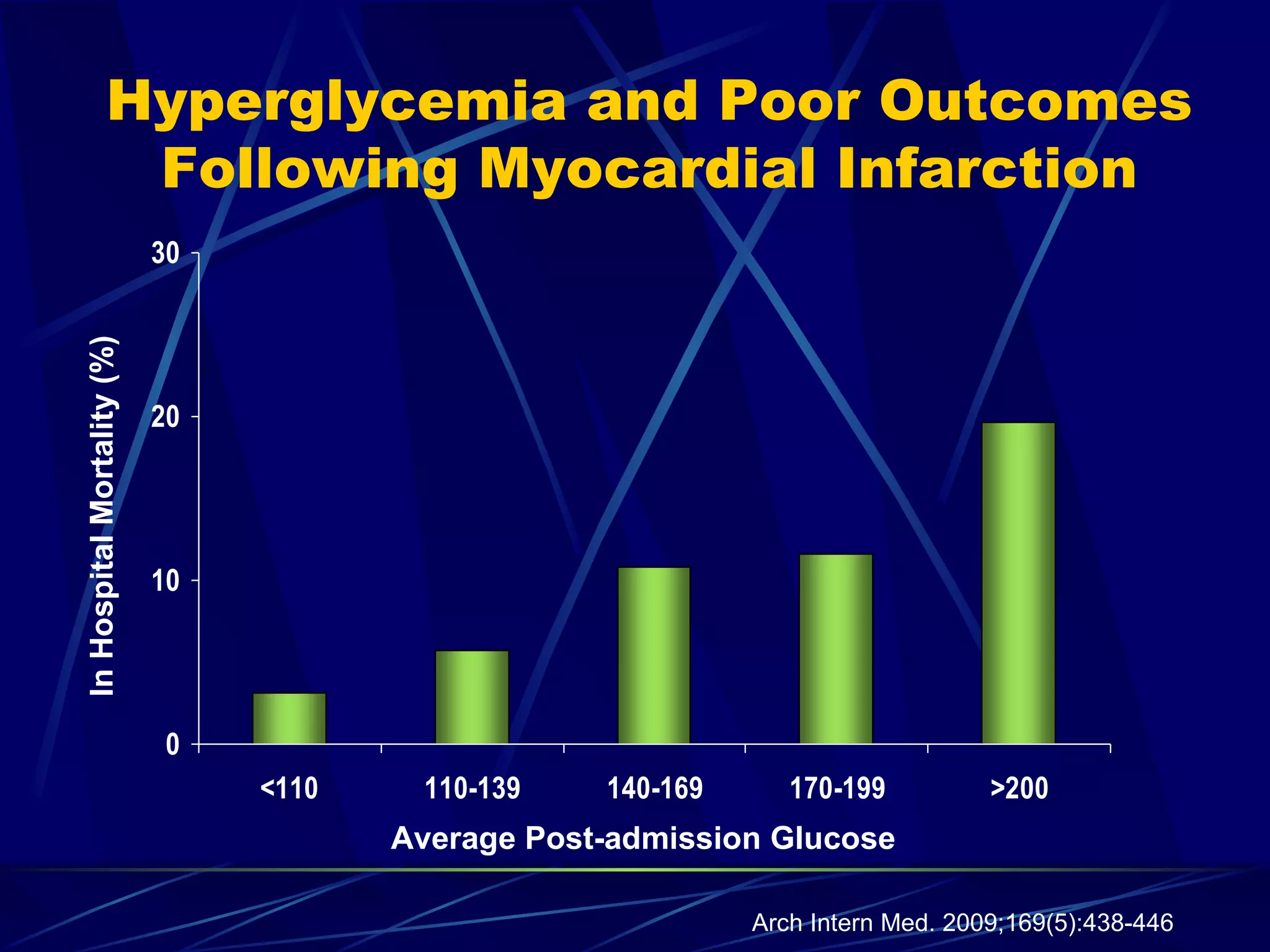
Hyperglycemia and Poor Outcomes Following Myocardial Infarction Arch Intern Med. 2009;169(5):438-446 In Hospital Mortality (%) Average Post-admission Glucose
Basic Science Hyperglycemia is associated with increased neuron damage following brain ischemia Hyperglycemia leads to increased platelet aggregation and thrombosis Insulin decreases arterial levels of free fatty acids Hyperglycemia leads to increased cytokine levels and inflammation Neutrophil   Adherence, chemotaxis, phagocytosis and extravasation are all inhibited by increased glucose concentrations Diabetes Care. 2004;27:553-591, Diabetes 1989;38:1031-5, Diabetes Care 2001;24:1634-9
Intervention Studies
Insulin and Sternal Wound Infections Furnary et al studied 2467 patients undergoing open heart operations The first 968 patients were treated with a sliding scale to keep glucose near 200 The next 1499 patients received an insulin infusion to keep glucose 150-200 Ann Thorac Surg 1999;67:352-62
Insulin and Sternal Wound Infections  Furnary AP et al.  Ann Thorac Surg . 1999;67:352-362. 4 3 2 1 0 DSWI (%) 87 88 89 90 91 92 93 94 95 96 97 Year CII Patients with diabetes Nondiabetic patients
Insulin and Mortality in CABG patients CII Year Furnary AP  Endocr Pract . 2004;10(suppl 2):21-33. Mortality
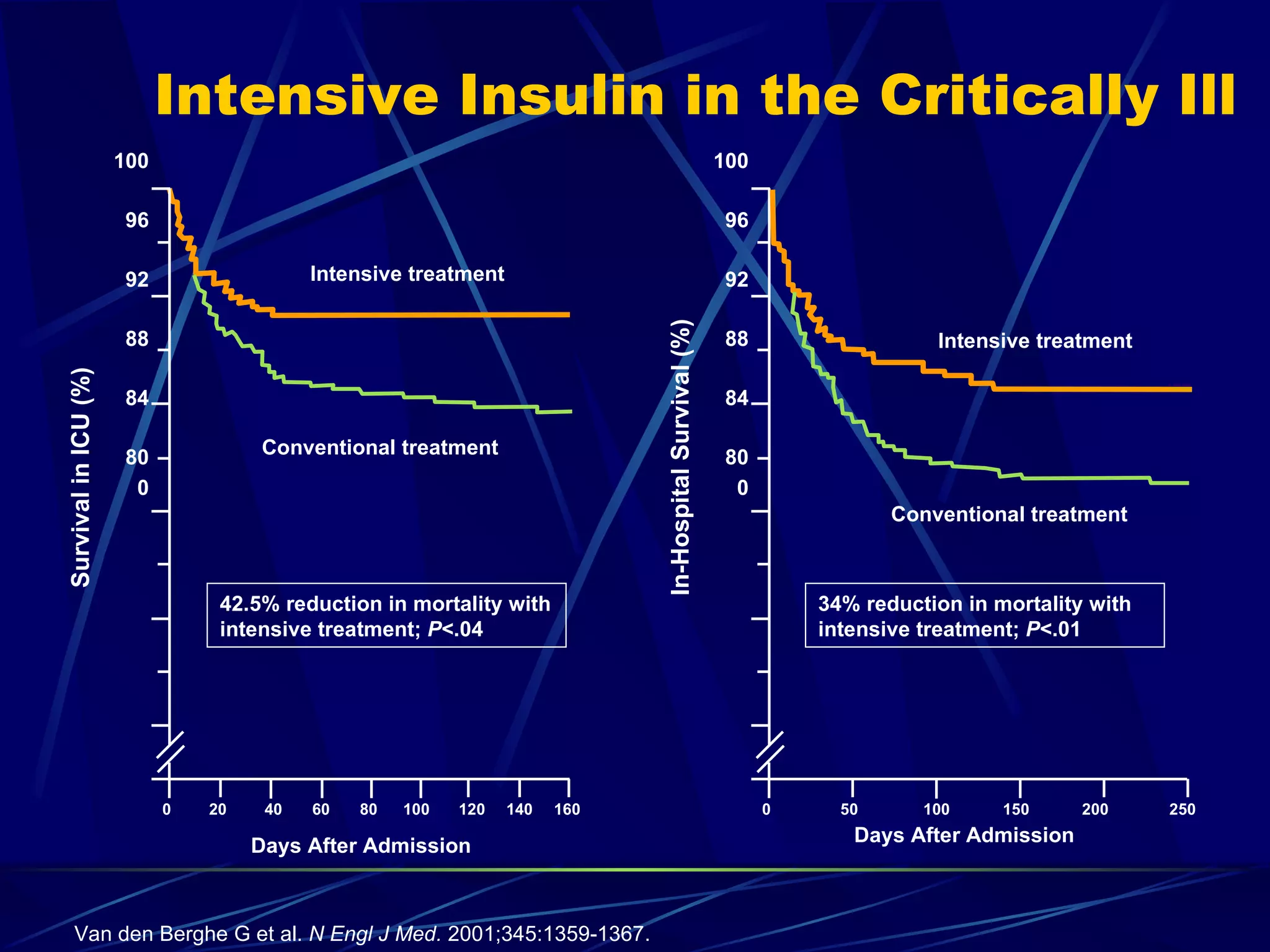
Intensive Insulin in the Critically Ill- (Leuven I) Van Den Berghe et al enrolled 1548 ventilated patients mostly post cardiac surgery 13% of these patients had diabetes Patients were randomized to:  intensive treatment - infusion to maintain glucose between 80-110mg/dl conventional treatment-  targeting a glucose of 180-200mg/dl Mean glucose in the intensive treatment group was 103 and conventional group was 153 Hypoglycemic events (glucose<40) occurred in 5.1% of patients in the intensive treatment group vs. 0.76% of patients in the conventional group Van den Berghe G et al.   NEJM  2001;345: 1359-67
Intensive Insulin in the Critically Ill Van den Berghe G et al.  N Engl J Med.  2001;345:1359-1367. 100 96 92 88 84 80 0 0 20 40 60 80 100 120 140 160 Intensive treatment Conventional treatment Intensive treatment Conventional treatment Survival in ICU (%) 100 96 92 88 84 80 0 0 50 100 150 200 250 In-Hospital Survival (%) Days After Admission Days After Admission 42.5% reduction in mortality with intensive treatment;  P <.04 34% reduction in mortality with intensive treatment;  P <.01
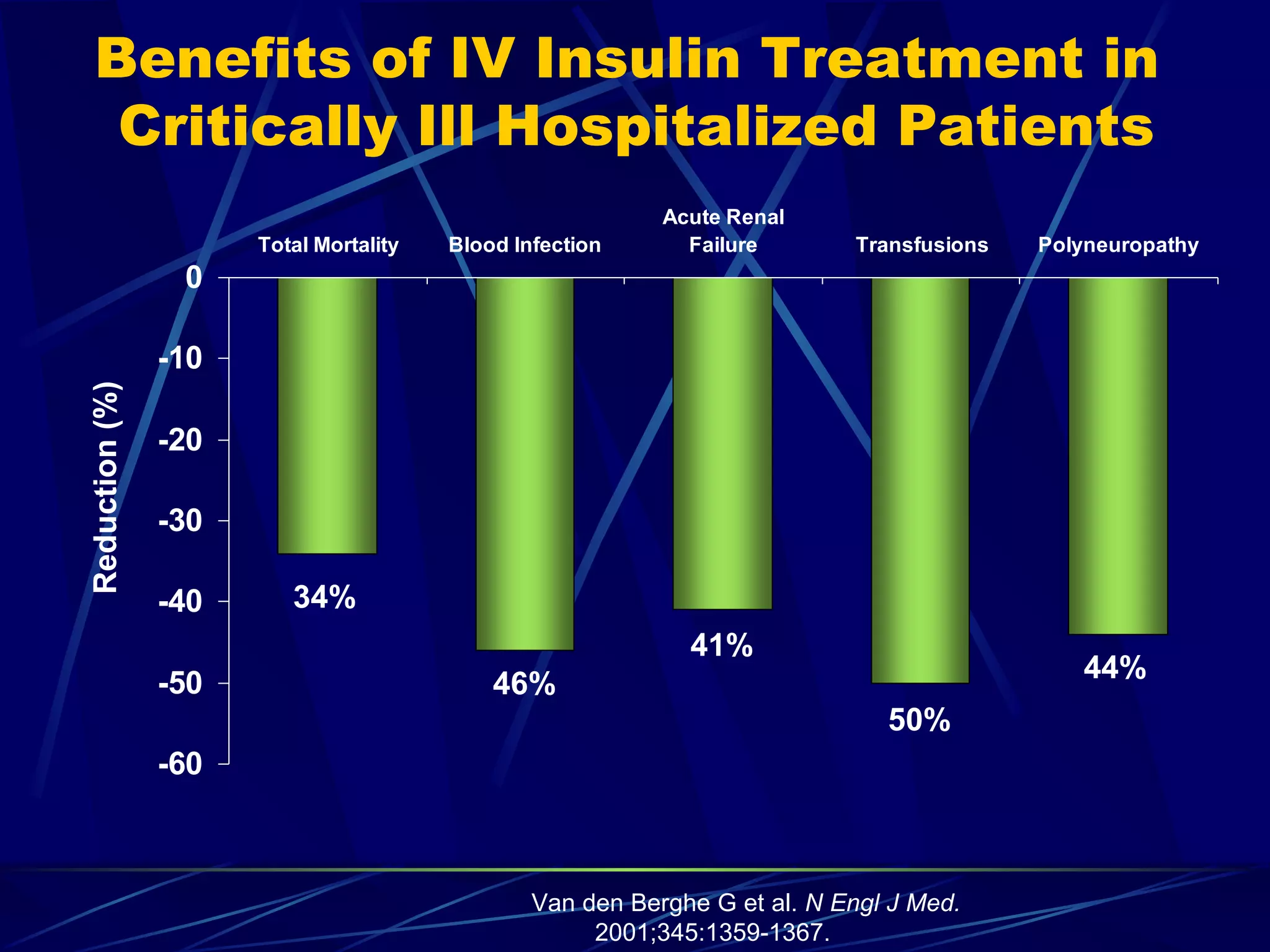
Benefits of IV Insulin Treatment in  Critically Ill Hospitalized Patients Van den Berghe G et al.  N Engl J Med.  2001;345:1359-1367. Reduction (%) 34% 46% 41% 50% 44%
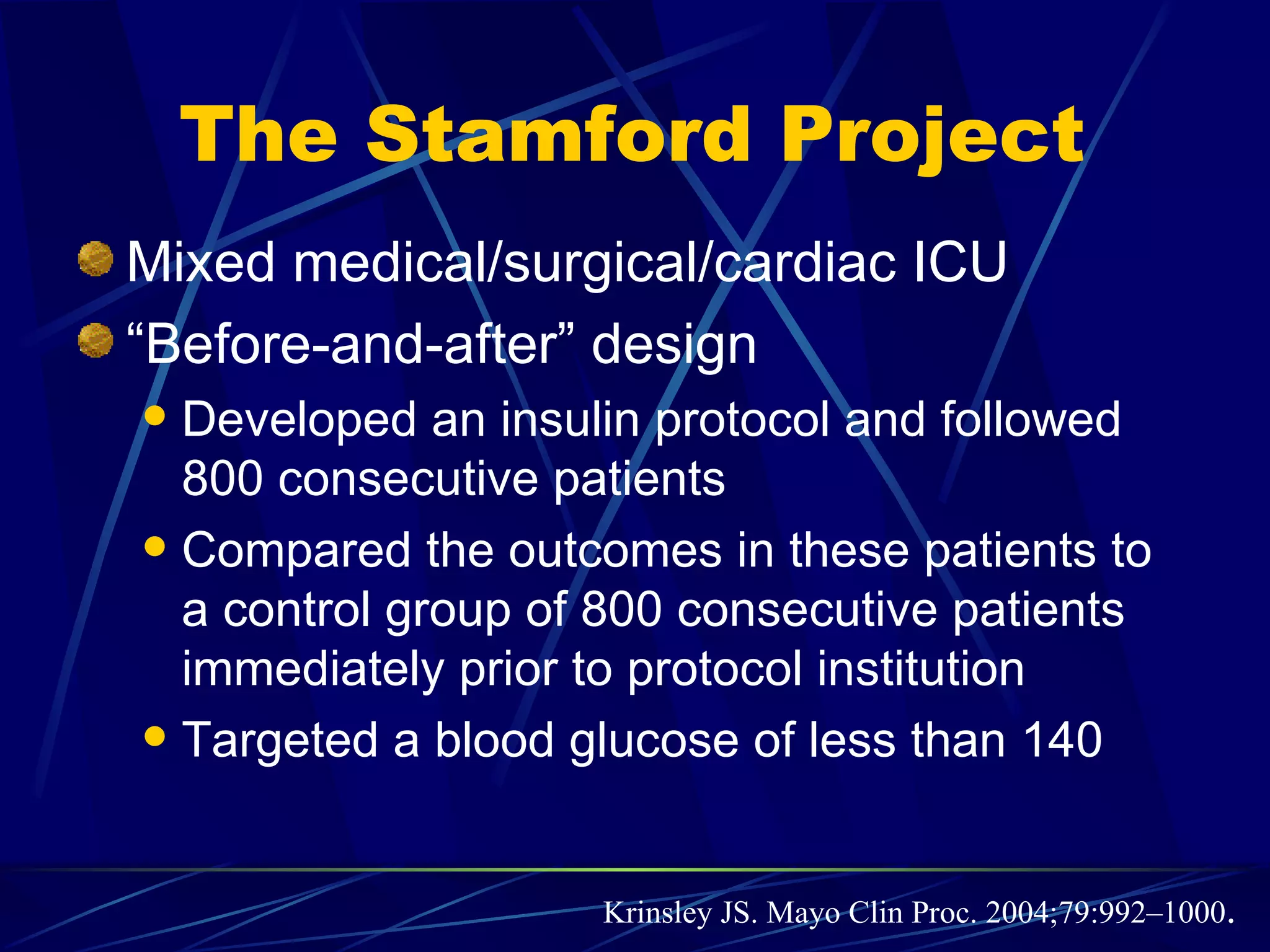
  Krinsley JS. Mayo Clin Proc. 2004;79:992–1000 .   The Stamford Project Mixed medical/surgical/cardiac ICU “ Before-and-after” design  Developed an insulin protocol and followed 800 consecutive patients Compared the outcomes in these patients to a control group of 800 consecutive patients immediately prior to protocol institution Targeted a blood glucose of less than 140
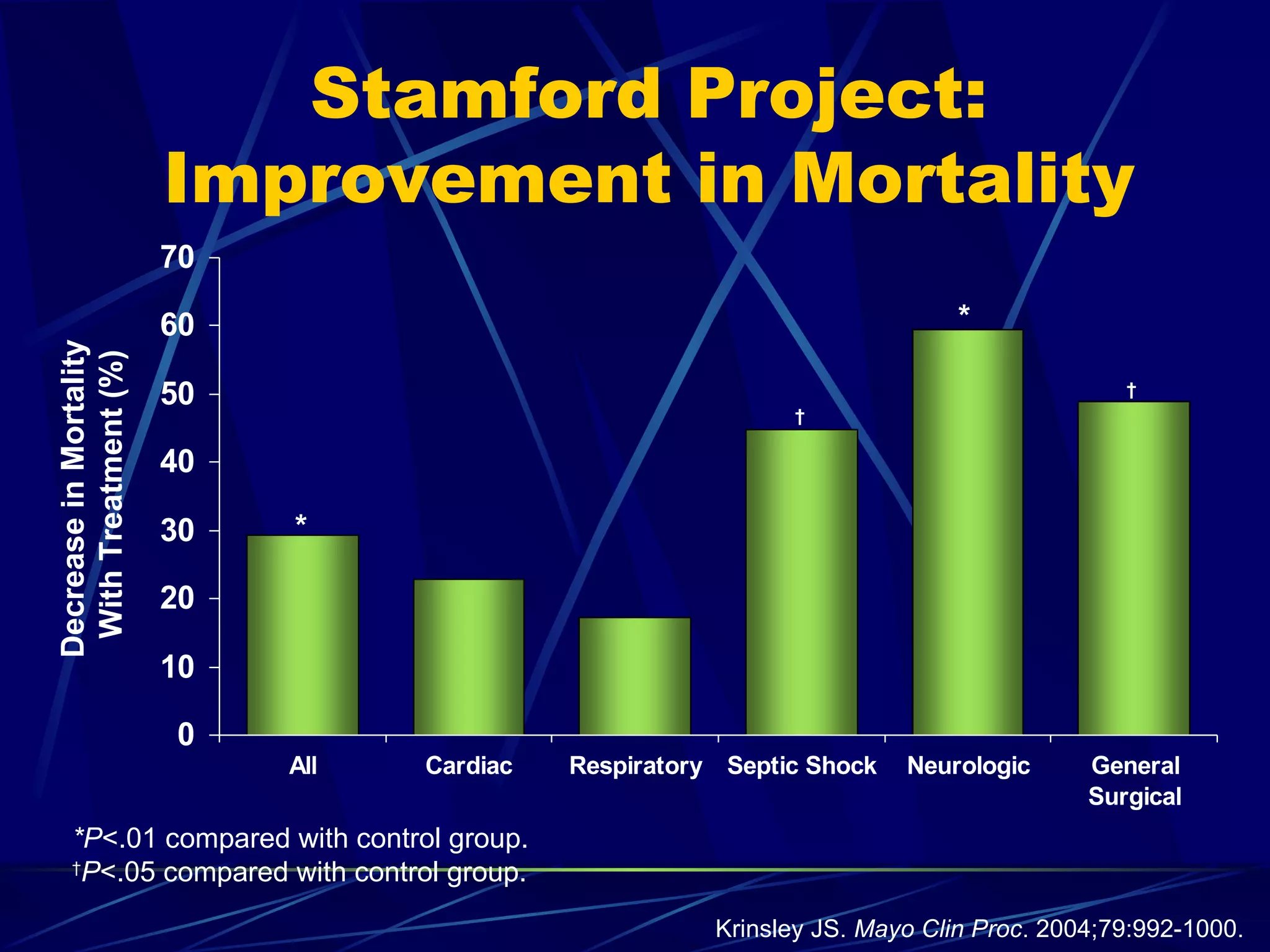
Stamford Project: Improvement in Mortality * *P <.01 compared with control group. † P <.05 compared with control group. † * † Krinsley JS.  Mayo Clin Proc . 2004;79:992-1000. Decrease in Mortality  With Treatment (%)
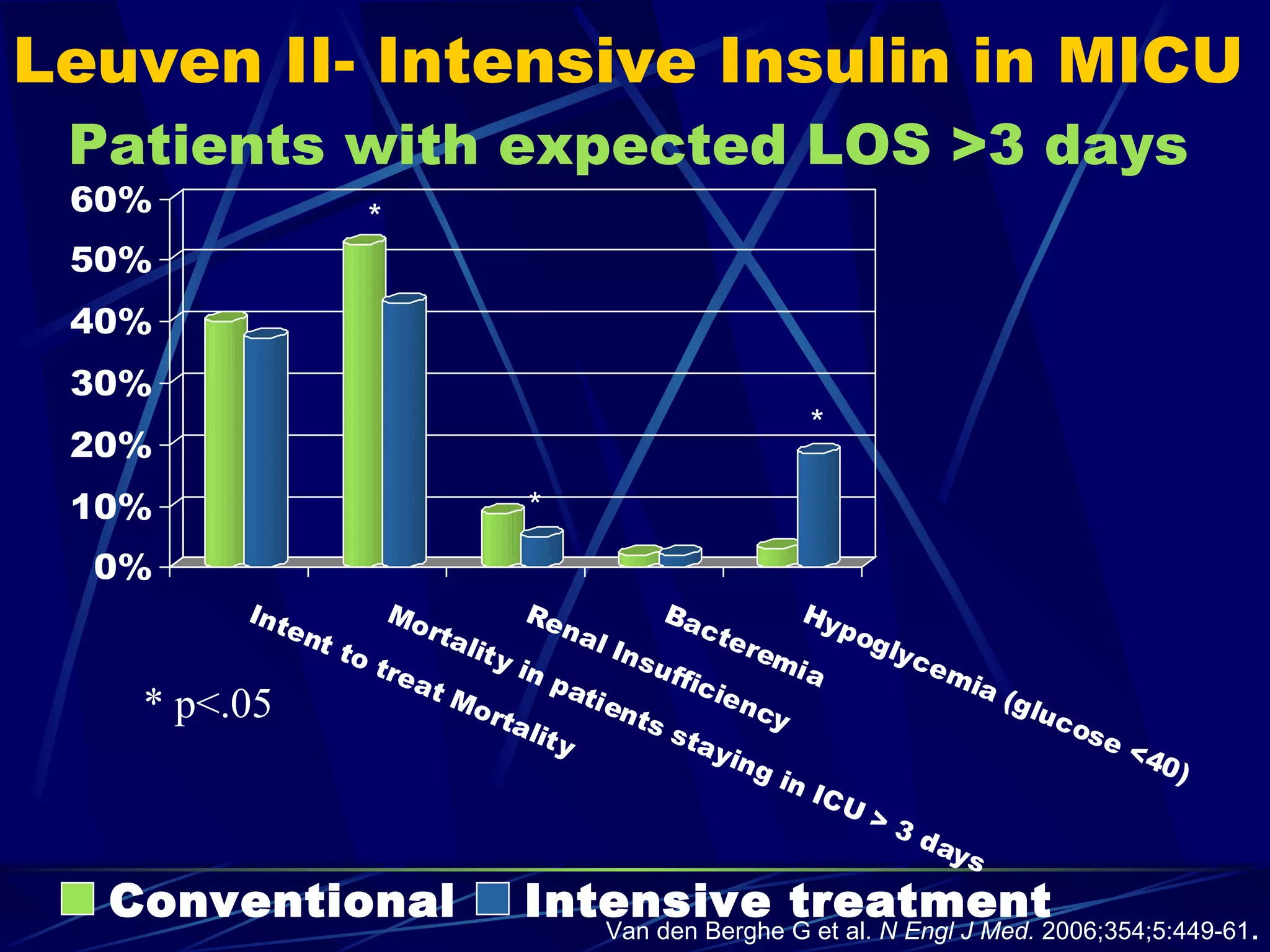
Leuven II- Intensive Insulin in MICU  Patients with expected LOS >3 days Van den Berghe G et al.  N Engl J Med.  2006;354;5:449-61 . * p<.05 * * *
Intensive Insulin   Meta-analysis of 29 Trials  8432 Patients JAMA 2008;300(8):933-44
NICE-SUGAR Randomized trial of 6104 patients 42 hospitals in Australia, New Zealand, and Canada Enrolled patients with an expected LOS of 3 days and had an arterial line Intervention discontinued when patient was eating or discharged from ICU Reason for ICU admission: 37% Operative 63% Non-Operative Patients were randomized to:  intensive treatment - infusion to maintain glucose between 81-108 mg/dl conventional treatment-  targeting a glucose of <180mg/dl Mean glucose in the intensive treatment group was 115mg/dl and conventional group was 144mg/dl NEJM 2009;360:1283-97
NICE-SUGAR Results Critical Care Med 2008;36:12 1-8
How do we use this data to care for our patients?
American Diabetes Association 2009*  “Standards of Medical Care” Diabetes Care 2009 32;Supp 1:S14-61  Circulation 2008;117;1610-19  Critical Care Med 2008 35:296-327 International Guidelines for Management of Severe Sepsis and Septic Shock: 2008 American Heart Association: Hyperglycemia and Acute Coronary Syndrome The Endocrine Society- Position Statement  March 2009 * ADA/AACE statement March 09 promised new guidelines and recommended targets similar to the “conventional” arm of NICE-SUGAR <150 mg/dL 2C Critical E  (Expert Consensus) <180-200mg/dL <126 mg/dL Noncritical <140 110 mg/dL Non-Fasting C A Evidence level <140 Critical non-surgical 110 mg/dL Critical surgical Fasting Patients <180 mg/dL 90-140 mg/dL C C Noncritical Critical <144-180 mg/dL Critical
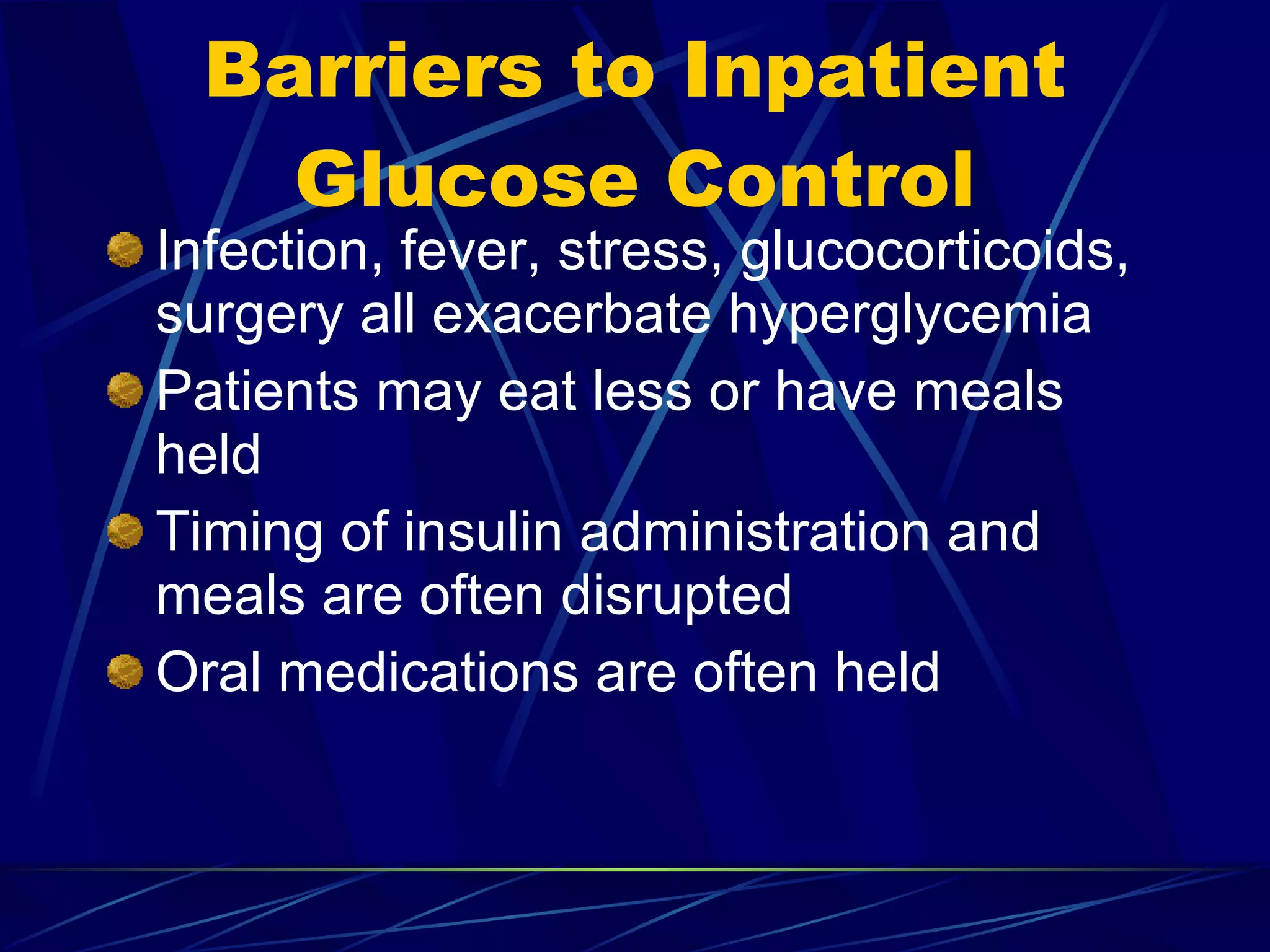
Barriers to Inpatient Glucose Control Infection, fever, stress, glucocorticoids, surgery all exacerbate hyperglycemia Patients may eat less or have meals held Timing of insulin administration and meals are often disrupted Oral medications are often held
Limitations of Oral Agents for  Managing In-Hospital Hyperglycemia Sulfonylureas No rapid dose adjustment  Risk of hypoglycemia in patients not eating normally Metformin No rapid dose adjustment Mostly contraindicated due to increased risk of lactic acidosis in hospitalized patients (ie, intravenous contrast, renal failure, congestive heart failure) Thiazolidinediones No rapid dose adjustment Mostly contraindicated in heart failure, hepatic dysfunction Clement S et al.  Diabetes Care . 2004;27:553-591.
 
Using Insulin in the Hospital First, Determine  Source/Route  of Nutrition Second, Estimate a  Starting Dose  of Scheduled Insulin Third, Know the  Kinetics  of the insulin you are using and make a plan
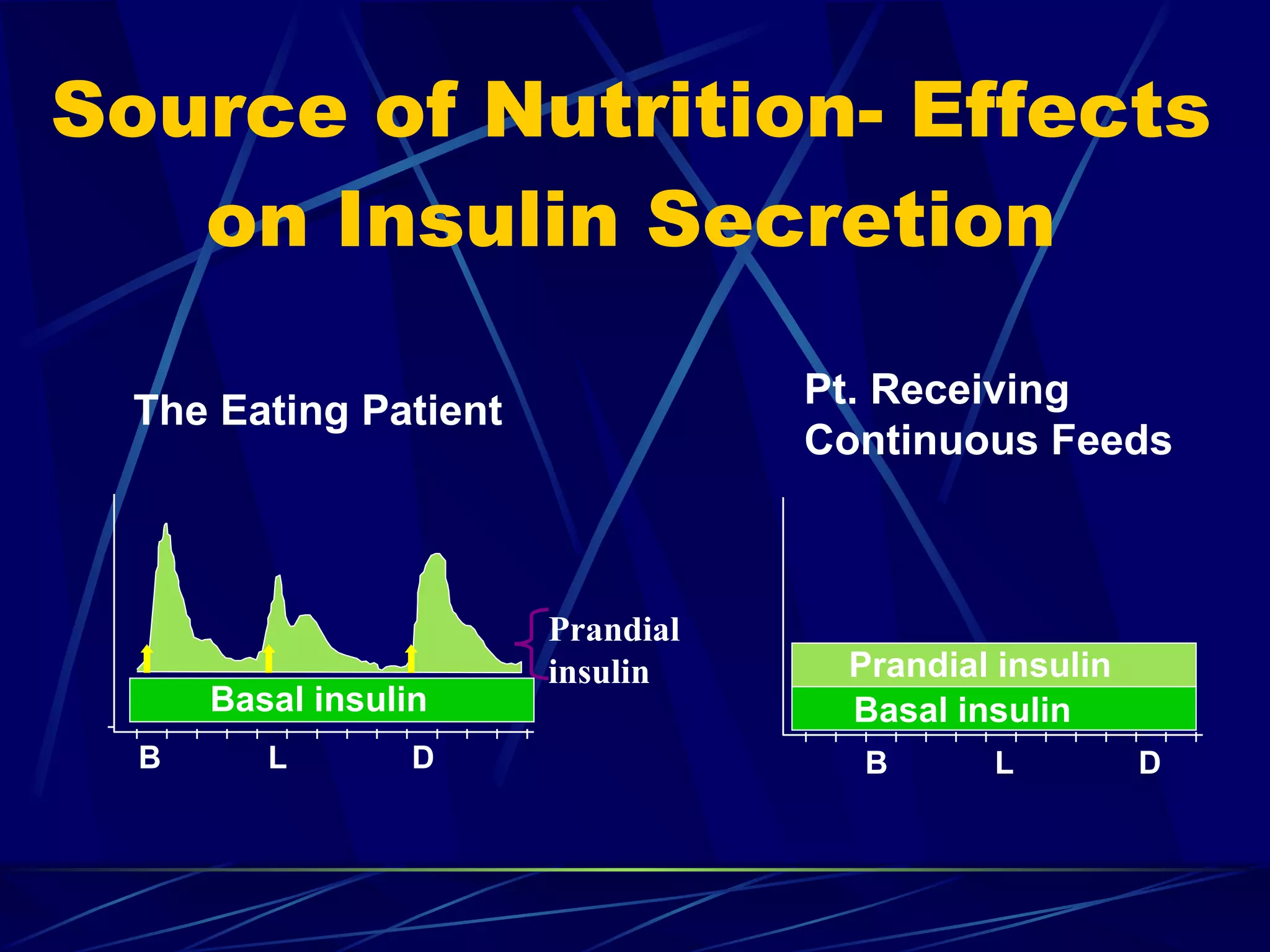
Source of Nutrition- Effects on Insulin Secretion Prandial insulin B  L  D B  L  D Basal insulin Basal insulin Basal insulin Prandial insulin The Eating Patient Pt. Receiving Continuous Feeds
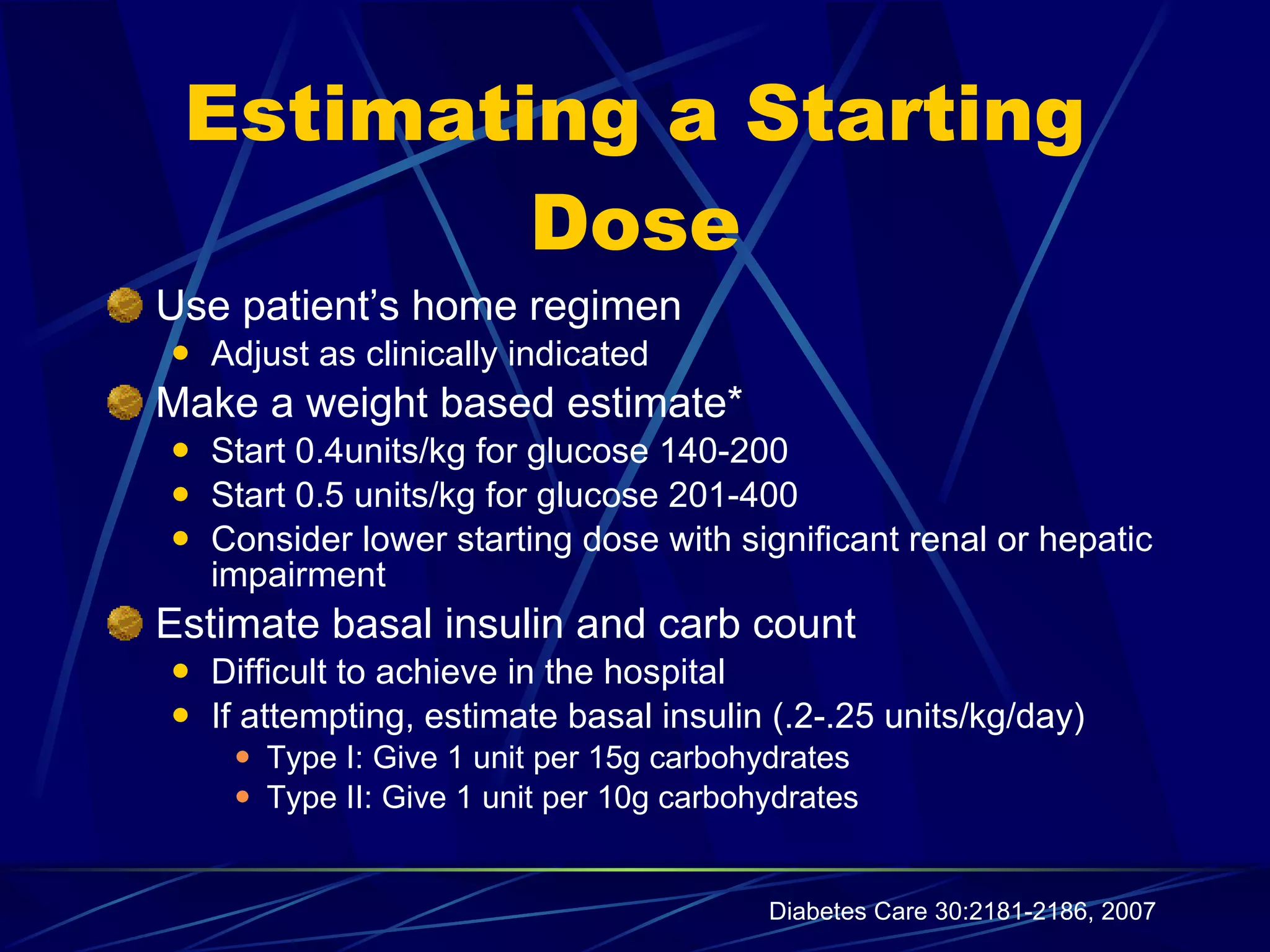
Estimating a Starting Dose Use patient’s home regimen Adjust as clinically indicated Make a weight based estimate* Start 0.4units/kg for glucose 140-200 Start 0.5 units/kg for glucose 201-400 Consider lower starting dose with significant renal or hepatic impairment Estimate basal insulin and carb count  Difficult to achieve in the hospital  If attempting, estimate basal insulin (.2-.25 units/kg/day) Type I: Give 1 unit per 15g carbohydrates Type II: Give 1 unit per 10g carbohydrates Diabetes Care 30:2181-2186, 2007
Kinetics of Insulins Regular NPH 0 12 6 18 24 aspart/glulisine/lispro glargine
Mimicking Nature With Insulin Basal/Bolus Concept Physiologic Insulin Secretion Insulin (µU/mL) Glucose (mg/dL) 9 B  L  D 150 100 50 0 7 8 9 10 11 12 1 2 3 4 5 6 7 8 AM PM Time of Day Basal glucose Adapted from Bergenstal   RM et al. In: DeGroot LJ, Jameson JL, eds.  Endocrinology.   4th ed. Philadelphia, Pa: WB Saunders Co.; 2001:821  50 25 0 24-hr profile Basal insulin
Basal-Bolus Insulin Therapy:  Insulin Glargine at HS  and Mealtime Lispro or Aspart Insulin aspart/glulisine/lispro Insulin glargine B D L HS Insulin Effect Adapted from Leahy J. In: Leahy J, Cefalu W, eds.  Insulin Therapy .  New York, NY:  Marcel Dekker Inc.; 2002:87
Example: Patient’s Total Daily Insulin Estimate=60 Units 10 units  aspart glulisine lispro 10 units aspart glulisine   lispro 10 units aspart glulisine   lispro 30 units glargine Insulin Effect Adapted from Leahy J. In: Leahy J, Cefalu W, eds.  Insulin Therapy .  New York, NY:  Marcel Dekker Inc.; 2002:87
Twice-Daily Split-Mixed Regimens Regular NPH B D L HS B Endogenous insulin Dawn phenomenon Hyperglycemia
Example: Patient’s Total Daily Insulin Estimate=60 Units 13 units NPH   27 units NPH   40 units of insulin in the a.m. 20 units of insulin in the p.m. +13 units regular +7 units regular
 
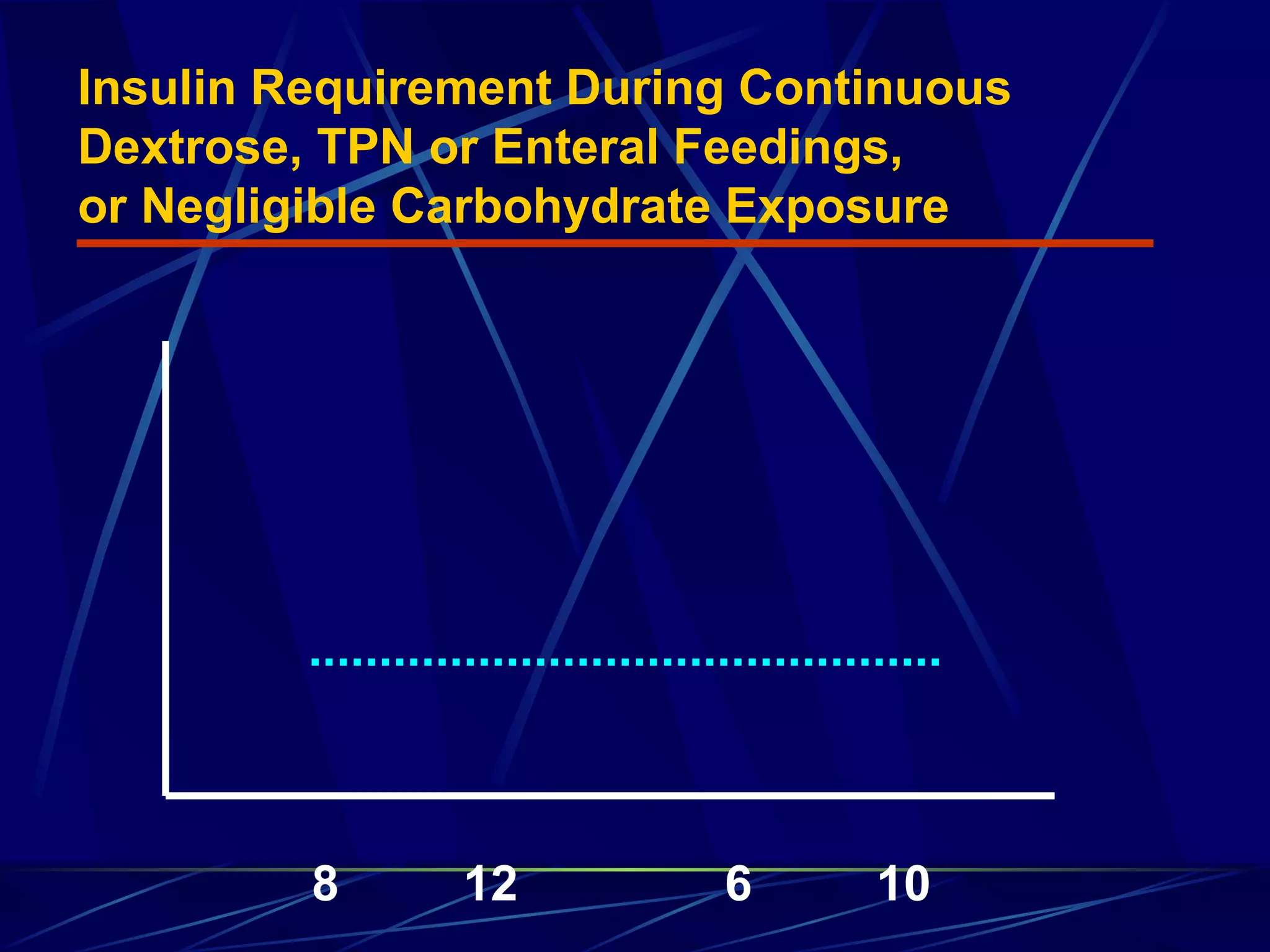
Insulin Requirement During Continuous Dextrose, TPN or Enteral Feedings, or Negligible Carbohydrate Exposure 8  12  6  10
Regimens for patient  while NPO, on  IV’s,  or receiving continuous enteral feedings.
 
The Insulin Infusion
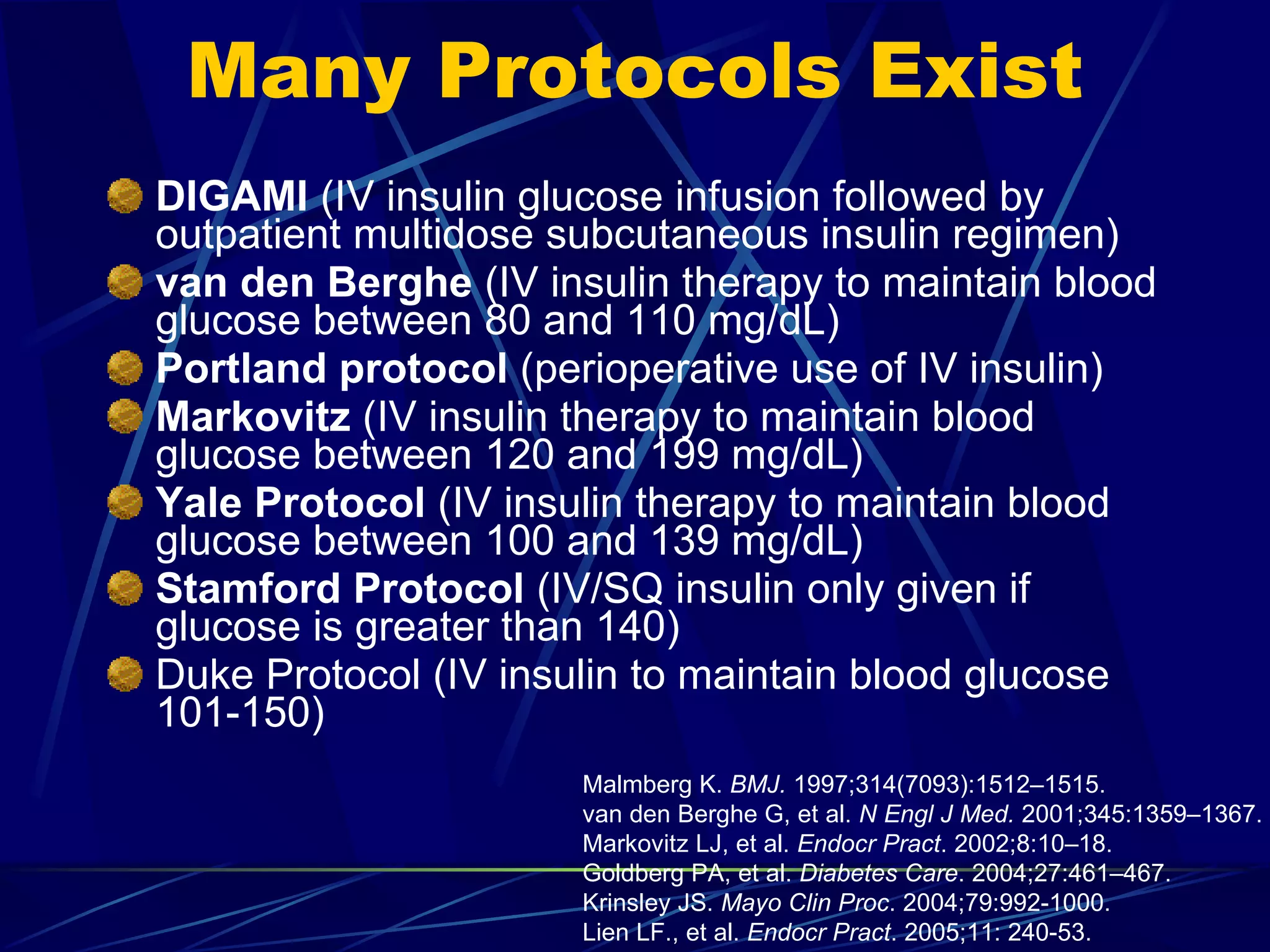
Many Protocols Exist DIGAMI  (IV insulin glucose infusion followed by outpatient multidose subcutaneous insulin regimen) van den Berghe  (IV insulin therapy to maintain blood glucose between 80 and 110 mg/dL) Portland protocol  (perioperative use of IV insulin) Markovitz  (IV insulin therapy to maintain blood glucose between 120 and 199 mg/dL) Yale Protocol  (IV insulin therapy to maintain blood glucose between 100 and 139 mg/dL) Stamford Protocol  (IV/SQ insulin only given if glucose is greater than 140) Duke Protocol (IV insulin to maintain blood glucose 101-150) Malmberg K.  BMJ.  1997;314(7093):1512–1515. van den Berghe G, et al.  N Engl J Med.  2001;345:1359–1367. Markovitz LJ, et al.  Endocr Pract . 2002;8:10–18. Goldberg PA, et al.  Diabetes Care . 2004;27:461–467. Krinsley JS.  Mayo Clin Proc . 2004;79:992-1000. Lien LF., et al.  Endocr Pract . 2005;11: 240-53.
 
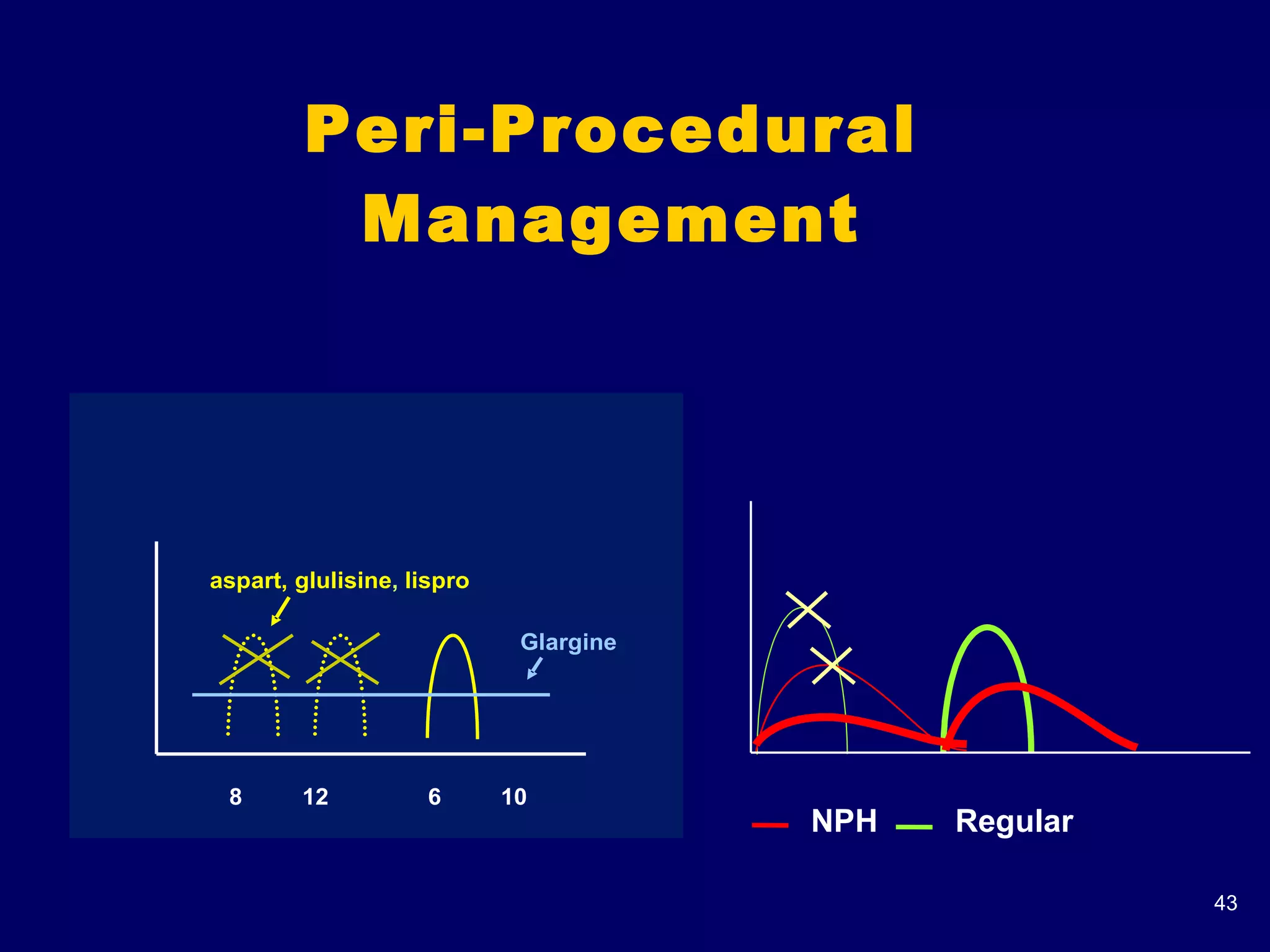
Peri-Procedural Management 8  12  6  10 Regular NPH Hold short acting insulin and give ½ regular dose of NPH
 
Thank You

Inpatient Management of Hyperglycemia

  • 1.
    Inpatient Management ofHyperglycemia Russell Vinik, M.D. Hospitalist, University of Utah
  • 2.
    Overview Observations relatedto hyperglycemia and outcomes in hospitalized patients Potential mechanisms for poor outcomes in hyperglycemic patients Review interventional studies related to glucose management Strategies for improving inpatient control
  • 3.
    Umpierrez GE etal. J Clin Endocrinol Metab . 2002;87:978-982. Hyperglycemia Is an Independent Marker of Inpatient Mortality in Patients With Undiagnosed Diabetes In-hospital Mortality Rate (%) Newly Discovered Hyperglycemia Patients With History of Diabetes Patients With Normoglycemia P < 0.01 P < 0.01
  • 4.
    Postoperative Glycemic ControlCorrelates With Cardiac-Related Mortality * ( P <.001). Furnary AP et al. J Thorac Cardiovasc Surg . 2003;125:1007-1021. Mortality (%) 0.9 1.3 2.3 4.1 6.0 14.5 Average Postoperative Glucose (mg/dL) * * * *
  • 5.
    Poor Outcomes CorrelateWith Hyperglycemia After Acute Ischemic Stroke Williams LS et al. Neurology . 2002;59:67-71. Blood Glucose at Admission .015 .07 .15 .018 .009 7.2 ± 0.4 73% 7% 10% 18% 6 ± 0.3 79% 5% 5% 11% Length of stay Discharged to home In-hospital mortality 30-Day mortality 1-Year mortality P value BG  130 mg/dL (n=258) BG <130 mg/dL (n=385) Outcome
  • 6.
    Rates of NosocomialInfection in 100 Uninfected Diabetics Undergoing Elective Surgery Glucose on Post-Op Day #1 Pomposelli et al. JPEN 1998; 22:2, 77-81
  • 7.
    Hyperglycemia and PoorOutcomes Following Myocardial Infarction Arch Intern Med. 2009;169(5):438-446 In Hospital Mortality (%) Average Post-admission Glucose
  • 8.
    Basic Science Hyperglycemiais associated with increased neuron damage following brain ischemia Hyperglycemia leads to increased platelet aggregation and thrombosis Insulin decreases arterial levels of free fatty acids Hyperglycemia leads to increased cytokine levels and inflammation Neutrophil Adherence, chemotaxis, phagocytosis and extravasation are all inhibited by increased glucose concentrations Diabetes Care. 2004;27:553-591, Diabetes 1989;38:1031-5, Diabetes Care 2001;24:1634-9
  • 9.
  • 10.
    Insulin and SternalWound Infections Furnary et al studied 2467 patients undergoing open heart operations The first 968 patients were treated with a sliding scale to keep glucose near 200 The next 1499 patients received an insulin infusion to keep glucose 150-200 Ann Thorac Surg 1999;67:352-62
  • 11.
    Insulin and SternalWound Infections Furnary AP et al. Ann Thorac Surg . 1999;67:352-362. 4 3 2 1 0 DSWI (%) 87 88 89 90 91 92 93 94 95 96 97 Year CII Patients with diabetes Nondiabetic patients
  • 12.
    Insulin and Mortalityin CABG patients CII Year Furnary AP Endocr Pract . 2004;10(suppl 2):21-33. Mortality
  • 13.
    Intensive Insulin inthe Critically Ill- (Leuven I) Van Den Berghe et al enrolled 1548 ventilated patients mostly post cardiac surgery 13% of these patients had diabetes Patients were randomized to: intensive treatment - infusion to maintain glucose between 80-110mg/dl conventional treatment- targeting a glucose of 180-200mg/dl Mean glucose in the intensive treatment group was 103 and conventional group was 153 Hypoglycemic events (glucose<40) occurred in 5.1% of patients in the intensive treatment group vs. 0.76% of patients in the conventional group Van den Berghe G et al. NEJM 2001;345: 1359-67
  • 14.
    Intensive Insulin inthe Critically Ill Van den Berghe G et al. N Engl J Med. 2001;345:1359-1367. 100 96 92 88 84 80 0 0 20 40 60 80 100 120 140 160 Intensive treatment Conventional treatment Intensive treatment Conventional treatment Survival in ICU (%) 100 96 92 88 84 80 0 0 50 100 150 200 250 In-Hospital Survival (%) Days After Admission Days After Admission 42.5% reduction in mortality with intensive treatment; P <.04 34% reduction in mortality with intensive treatment; P <.01
  • 15.
    Benefits of IVInsulin Treatment in Critically Ill Hospitalized Patients Van den Berghe G et al. N Engl J Med. 2001;345:1359-1367. Reduction (%) 34% 46% 41% 50% 44%
  • 16.
    KrinsleyJS. Mayo Clin Proc. 2004;79:992–1000 . The Stamford Project Mixed medical/surgical/cardiac ICU “ Before-and-after” design Developed an insulin protocol and followed 800 consecutive patients Compared the outcomes in these patients to a control group of 800 consecutive patients immediately prior to protocol institution Targeted a blood glucose of less than 140
  • 17.
    Stamford Project: Improvementin Mortality * *P <.01 compared with control group. † P <.05 compared with control group. † * † Krinsley JS. Mayo Clin Proc . 2004;79:992-1000. Decrease in Mortality With Treatment (%)
  • 18.
    Leuven II- IntensiveInsulin in MICU Patients with expected LOS >3 days Van den Berghe G et al. N Engl J Med. 2006;354;5:449-61 . * p<.05 * * *
  • 19.
    Intensive Insulin Meta-analysis of 29 Trials 8432 Patients JAMA 2008;300(8):933-44
  • 20.
    NICE-SUGAR Randomized trialof 6104 patients 42 hospitals in Australia, New Zealand, and Canada Enrolled patients with an expected LOS of 3 days and had an arterial line Intervention discontinued when patient was eating or discharged from ICU Reason for ICU admission: 37% Operative 63% Non-Operative Patients were randomized to: intensive treatment - infusion to maintain glucose between 81-108 mg/dl conventional treatment- targeting a glucose of <180mg/dl Mean glucose in the intensive treatment group was 115mg/dl and conventional group was 144mg/dl NEJM 2009;360:1283-97
  • 21.
    NICE-SUGAR Results CriticalCare Med 2008;36:12 1-8
  • 22.
    How do weuse this data to care for our patients?
  • 23.
    American Diabetes Association2009* “Standards of Medical Care” Diabetes Care 2009 32;Supp 1:S14-61 Circulation 2008;117;1610-19 Critical Care Med 2008 35:296-327 International Guidelines for Management of Severe Sepsis and Septic Shock: 2008 American Heart Association: Hyperglycemia and Acute Coronary Syndrome The Endocrine Society- Position Statement March 2009 * ADA/AACE statement March 09 promised new guidelines and recommended targets similar to the “conventional” arm of NICE-SUGAR <150 mg/dL 2C Critical E (Expert Consensus) <180-200mg/dL <126 mg/dL Noncritical <140 110 mg/dL Non-Fasting C A Evidence level <140 Critical non-surgical 110 mg/dL Critical surgical Fasting Patients <180 mg/dL 90-140 mg/dL C C Noncritical Critical <144-180 mg/dL Critical
  • 24.
    Barriers to InpatientGlucose Control Infection, fever, stress, glucocorticoids, surgery all exacerbate hyperglycemia Patients may eat less or have meals held Timing of insulin administration and meals are often disrupted Oral medications are often held
  • 25.
    Limitations of OralAgents for Managing In-Hospital Hyperglycemia Sulfonylureas No rapid dose adjustment Risk of hypoglycemia in patients not eating normally Metformin No rapid dose adjustment Mostly contraindicated due to increased risk of lactic acidosis in hospitalized patients (ie, intravenous contrast, renal failure, congestive heart failure) Thiazolidinediones No rapid dose adjustment Mostly contraindicated in heart failure, hepatic dysfunction Clement S et al. Diabetes Care . 2004;27:553-591.
  • 26.
  • 27.
    Using Insulin inthe Hospital First, Determine Source/Route of Nutrition Second, Estimate a Starting Dose of Scheduled Insulin Third, Know the Kinetics of the insulin you are using and make a plan
  • 28.
    Source of Nutrition-Effects on Insulin Secretion Prandial insulin B L D B L D Basal insulin Basal insulin Basal insulin Prandial insulin The Eating Patient Pt. Receiving Continuous Feeds
  • 29.
    Estimating a StartingDose Use patient’s home regimen Adjust as clinically indicated Make a weight based estimate* Start 0.4units/kg for glucose 140-200 Start 0.5 units/kg for glucose 201-400 Consider lower starting dose with significant renal or hepatic impairment Estimate basal insulin and carb count Difficult to achieve in the hospital If attempting, estimate basal insulin (.2-.25 units/kg/day) Type I: Give 1 unit per 15g carbohydrates Type II: Give 1 unit per 10g carbohydrates Diabetes Care 30:2181-2186, 2007
  • 30.
    Kinetics of InsulinsRegular NPH 0 12 6 18 24 aspart/glulisine/lispro glargine
  • 31.
    Mimicking Nature WithInsulin Basal/Bolus Concept Physiologic Insulin Secretion Insulin (µU/mL) Glucose (mg/dL) 9 B L D 150 100 50 0 7 8 9 10 11 12 1 2 3 4 5 6 7 8 AM PM Time of Day Basal glucose Adapted from Bergenstal RM et al. In: DeGroot LJ, Jameson JL, eds. Endocrinology. 4th ed. Philadelphia, Pa: WB Saunders Co.; 2001:821 50 25 0 24-hr profile Basal insulin
  • 32.
    Basal-Bolus Insulin Therapy: Insulin Glargine at HS and Mealtime Lispro or Aspart Insulin aspart/glulisine/lispro Insulin glargine B D L HS Insulin Effect Adapted from Leahy J. In: Leahy J, Cefalu W, eds. Insulin Therapy . New York, NY: Marcel Dekker Inc.; 2002:87
  • 33.
    Example: Patient’s TotalDaily Insulin Estimate=60 Units 10 units aspart glulisine lispro 10 units aspart glulisine lispro 10 units aspart glulisine lispro 30 units glargine Insulin Effect Adapted from Leahy J. In: Leahy J, Cefalu W, eds. Insulin Therapy . New York, NY: Marcel Dekker Inc.; 2002:87
  • 34.
    Twice-Daily Split-Mixed RegimensRegular NPH B D L HS B Endogenous insulin Dawn phenomenon Hyperglycemia
  • 35.
    Example: Patient’s TotalDaily Insulin Estimate=60 Units 13 units NPH 27 units NPH 40 units of insulin in the a.m. 20 units of insulin in the p.m. +13 units regular +7 units regular
  • 36.
  • 37.
    Insulin Requirement DuringContinuous Dextrose, TPN or Enteral Feedings, or Negligible Carbohydrate Exposure 8 12 6 10
  • 38.
    Regimens for patient while NPO, on IV’s, or receiving continuous enteral feedings.
  • 39.
  • 40.
  • 41.
    Many Protocols ExistDIGAMI (IV insulin glucose infusion followed by outpatient multidose subcutaneous insulin regimen) van den Berghe (IV insulin therapy to maintain blood glucose between 80 and 110 mg/dL) Portland protocol (perioperative use of IV insulin) Markovitz (IV insulin therapy to maintain blood glucose between 120 and 199 mg/dL) Yale Protocol (IV insulin therapy to maintain blood glucose between 100 and 139 mg/dL) Stamford Protocol (IV/SQ insulin only given if glucose is greater than 140) Duke Protocol (IV insulin to maintain blood glucose 101-150) Malmberg K. BMJ. 1997;314(7093):1512–1515. van den Berghe G, et al. N Engl J Med. 2001;345:1359–1367. Markovitz LJ, et al. Endocr Pract . 2002;8:10–18. Goldberg PA, et al. Diabetes Care . 2004;27:461–467. Krinsley JS. Mayo Clin Proc . 2004;79:992-1000. Lien LF., et al. Endocr Pract . 2005;11: 240-53.
  • 42.
  • 43.
    Peri-Procedural Management 8 12 6 10 Regular NPH Hold short acting insulin and give ½ regular dose of NPH
  • 44.
  • 45.

Editor's Notes

  • #4 Review of 2030 consecutive patients admitted to Georgia Baptist Med Center. Hyperglycemic patients were classified as known DM or no hx of DM.
  • #7 Pomposelli studied 100 uninfected adults undergoing elective surgery
  • #8 Review of 7820 patients with Acute MI and admission glucose &gt;140
  • #9 Greater than 100 studies related to neutrophil function Decreased chemotaxis, phagocytosis, bacterial killing, decreased extravasation
  • #11 First group was from 1987-91 and second group from sept 91- november 1997 Study done in Portland Oregon The average difference in glucose concentration between the two groups is approximately 25 points. First group was from 1987-91 and second group from sept 91- november 1997 Study done in Portland Oregon The average difference in glucose concentration between the two groups is approximately 25 points.
  • #12 First group was from 1987-91 and second group from sept 91- november 1997 Study done in Portland Oregon The average difference in glucose concentration between the two groups is approximately 25 points. First group was from 1987-91 and second group from sept 91- november 1997 Study done in Portland Oregon The average difference in glucose concentration between the two groups is approximately 25 points. First group was from 1987-91 and second group from sept 91- november 1997 Study done in Portland Oregon The average difference in glucose concentration between the two groups is approximately 25 points. 19 of 968 in the first group vs. 12 of 1499 in the second group Number needed to treat = 100 During the same period of time, the rate of sternal wound infections in non-diabetics remained stable suggesting that the difference seen in this study is due to the implementaion of the infusion
  • #13 87-91 sliding scale less than 200. 1991-96 target glucose range 150-20 199 125-175 2002 lowered to100-150. 1996 Protocol expanded to intra-op and continuation for 3 days.
  • #14 Study done in 1 ICU in Belgium Hypoglycemia- (glucose less than 40 occurred in 39 patients in intensive group an 6 in the conventional group. No hemodynamic effects or convulsions.
  • #15 Treatment of sepsis with activated protein C reduces mortality by 20% at 28 days. With a 3.4% risk of major bleeding and a cost of 10K per dose. Insulin cost .02 per unit. At 50 units daily equals $1 per day.
  • #16 Acute Renal Failure= renal failure requiring dialysis Transfusions= number of transfusions per patient
  • #17 Baseline group from 9/23/02-1/31/03- Treatment group 2/1/03-1/10/04
  • #19 1200 patients randomized40% in the conventional group vs. 37.3% in the treatment group (p=.33) ICU for 3 days was reduced from 52.5% to 43% (p=.009) Hypoglycemia (glucose &lt;40) increased from 3.1% of patients to 18.7%
  • #20 Decrease in septicemia was limitied to surgical patients Mortality in surgical very tight Group 1 (1 st 2 studies) moderate &lt;150 Mortality in Medical Group 2 (very tight 1 st 4 studies) Moderate &lt;150 Mortality in Med surg
  • #31 Slide 50 Twice-Daily Split-Mixed Regimens Twice-daily mixtures of NPH and regular insulins have been widely used for type 2 diabetes for many years Patient profiles of insulin levels shown in this slide do not come close to matching the normal endogenous secretory pattern seen in the shaded background Dawn phenomenon refers to the early morning fall of tissue insulin sensitivity counteracted by increased insulin secretion in nondiabetic individuals but manifested as rising glycemia in diabetic patients In some patients with marked dawn phenomenon, NPH insulin may be beneficial. Early morning hyperglycemia may also be managed by dividing the dose of NPH insulin between dinner and bedtime 1. Berger M et al. Diabetes Care . 1999;22(suppl 3):C71 2. Edelman SV, Henry RR. Diabetes Reviews . 1995;3:308
  • #32 Slide 49 Mimicking Nature With Insulin Therapy Basal/Bolus Concept When considering glucose control, the focus must be on both postprandial and basal requirements. This slide illustrates the normal diurnal physiologic response, which highlights the need for both basal and meal insulin Meal-insulin release occurs in response to nutrient ingestion Basal insulin is continually secreted over a 24-hour period In the past, insulin formulations did not have adequate pharmacokinetics to duplicate these profiles. However, within the past few years, new insulin analogs have been developed that provide more physiologic profiles 1. Bergenstal RM et al. In: DeGroot LJ, Jameson JL, eds. Endocrinology. 4th ed. Philadelphia, Pa: WB Saunders Co.; 2001:821
  • #33 Slide 61 Basal-Bolus Insulin Therapy: Insulin Glargine at HS and Mealtime Lispro or Aspart The slide depicts the profile of a “basal-bolus insulin” regimen, with insulin glargine at bedtime (HS) providing the basal component and prandial insulin lispro or insulin aspart providing the bolus component This regimen affords the following advantages: Provides flexibility for varying dietary habits Less risk of nocturnal hypoglycemia due to the 24-hour near-constant effect of insulin glargine, making it an ideal basal insulin Less risk of between-meal hypoglycemic episodes due to the short duration of the rapid-acting insulin analogs, which may also provide insulin coverage for snacks or extra meals with additional injections Avoidance of mixing different insulin preparations in the same syringe as single insulins are administered with each injection. Insulin pens are suggested for maximal convenience and accuracy in dosing 1. Leahy J. In: Leahy J, Cefalu W, eds. Insulin Therapy . New York, NY: Marcel Dekker, Inc.; 2002:87
  • #35 Slide 50 Twice-Daily Split-Mixed Regimens Twice-daily mixtures of NPH and regular insulins have been widely used for type 2 diabetes for many years Patient profiles of insulin levels shown in this slide do not come close to matching the normal endogenous secretory pattern seen in the shaded background Dawn phenomenon refers to the early morning fall of tissue insulin sensitivity counteracted by increased insulin secretion in nondiabetic individuals but manifested as rising glycemia in diabetic patients In some patients with marked dawn phenomenon, NPH insulin may be beneficial. Early morning hyperglycemia may also be managed by dividing the dose of NPH insulin between dinner and bedtime 1. Berger M et al. Diabetes Care . 1999;22(suppl 3):C71 2. Edelman SV, Henry RR. Diabetes Reviews . 1995;3:308
  • #41 1. 2. Norhammer followed 197 consecutive non-diabetics and found a relative risk of 1.95 (p&lt;.001) of non-fatal reinfarction-
  • #42 Brief Description of Various Protocols Malmberg K. Prospective randomised study of intensive insulin treatment on long term survival after acute myocardial infarction in patients with diabetes mellitus. DIGAMI (Diabetes Mellitus, Insulin Glucose Infusion in Acute Myocardial Infarction) Study Group. BMJ. 1997;314(7093):1512–1515. van den Berghe G, Wouters P, Weekers F, et al. Intensive insulin therapy in the critically ill patients. N Engl J Med. 2001;345:1359–1367. Markovitz LJ, Wiechmann RJ, Harris N, et al. Description and evaluation of a glycemic management protocol for patients with diabetes undergoing heart surgery. Endocr Pract. 2002;8:10 –18. Goldberg PA, Siegel MD, Sherwin RS, et al. Implementation of a safe and effective insulin infusion protocol in a medical intensive care unit. Diabetes Care. 2004;27:461–467.
  • #44 Start Drip at .02 units/kg/hr