Presented by -
Wambhurkar parmeshwar ( M pharmacy sec year)
Shital zite ( M pharmacy sec year)
Suryawanshi prashant ( M pharmacy first year)
Vavhal prasad ( M pharmacy first year)
CONTENTS
Defination of industrial design
Need of industrial design
Essentials of industrial design
Examples of industrial design
 Design for packaging
 Design for equipment
 Design for logos
 Product design
 Pharmaceutical formulation design
 Design for drug
Structure based drug design
Industrial design is a process of design applied to physical
products that are to be manufactured by mass production.
It is the creative act of determining and defining a product's
form and features, which takes place in advance of the
manufacture or production of the product.
Industrial design intellectual property refers to compositions of
colors or lines which give a three-dimensional look to a
handicraft or product.
This constitutes the aesthetic or ornamental part of an article
in a legal sense.
Industrial design increases the marketability and commercial
value of an object.
Design gives aesthetic sense and appearance to the product .
Industrial design right is an IPR that protect the visual design
of the object
Design includes only the features which looks attractive to the
eyes but has no relation with the functional utility.
New or original.
Relates to feature of shape , configuration pattern.
Applied to articles by any industrial process.
It shoud includes any trademark or property mark.
It should not includes artitic works as defined
under the copyright act.
Does not comprises or contain obscence matter.
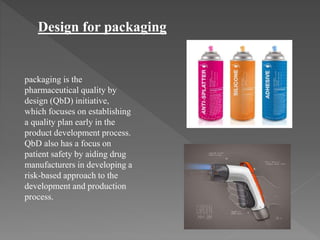
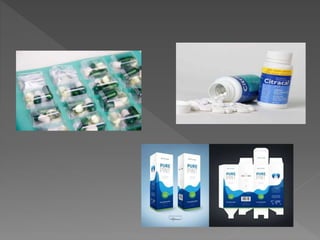
Design for packaging
packaging is the
pharmaceutical quality by
design (QbD) initiative,
which focuses on establishing
a quality plan early in the
product development process.
QbD also has a focus on
patient safety by aiding drug
manufacturers in developing a
risk-based approach to the
development and production
process.
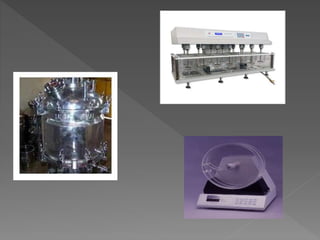
The processing equipment industries play a unique role in an
economy. They provide the tools for all the other manufacturing
sectors in the economy. Manufacturing equipment is the platform
for the operation of unit processes. Properly designed equipment is
essential for the production of high-quality, cost-effective products.
equipment design so that it is user friendly for the operation and
maintenance aspects of the process.
For example, designs that are compatible with control features,
requiring minimal intervention during operation, are needed.
Considerations that override all others are to develop equipment that
is safe to operate and imposes no harmful effect on the workers or
environment.
Design for equipment
Design for logos
The final design of a pharmaceutical product is very lengthy and
involves several stages. The beginning stage is the drug discovery
phase. During this phase, the active pharmaceutical ingredient
(API) is determined.
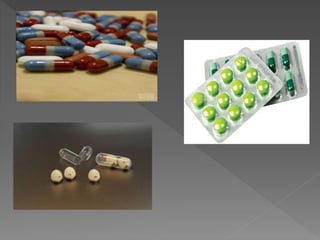
Once the API is known, the formulation of the pharmaceutical
product must be determined. Other chemical compounds, called
excipients, are added to the formulation to help stabilize the API and
increase its efficacy. Successive phases involve design of the
manufacturing process, from pilot plant to scale-up.
The final delivery method of the pharmaceutical product is
determined, with oral methods such as tableting or encapsulation the
most common choices. Finally, the product can be approved and
marketed.
Pharmaceutical formulation design
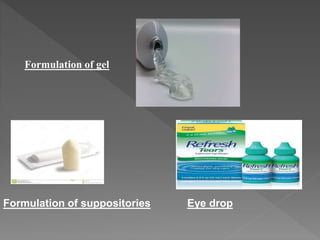
Formulation of gel
Formulation of suppositories Eye drop
Design for drug
Once key binding fragments, or ligands, have been identified
through computational screening, further lead optimization can be
used to generate the final drug molecule. The ligand alone may
not successfully match the specified TPP of the pharmaceutical
product. Of specific concern is the absorption, distribution,
metabolic and excretion properties.
Fragments can be selected from a database of molecular segments that
are often found in drug-like molecules. When scanning molecular
libraries, traditional QSAR methods are often used. New adaptive
functional group reordering techniques use random sampling of the
molecular fragments to measure targeted properties
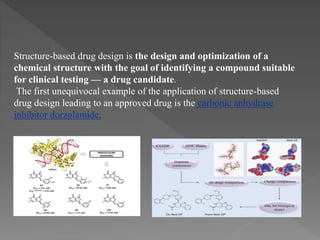
Structure-based drug design is the design and optimization of a
chemical structure with the goal of identifying a compound suitable
for clinical testing — a drug candidate.
The first unequivocal example of the application of structure-based
drug design leading to an approved drug is the carbonic anhydrase
inhibitor dorzolamide,
Thank you …..

Industrial design.pptx

  • 1.
    Presented by - Wambhurkarparmeshwar ( M pharmacy sec year) Shital zite ( M pharmacy sec year) Suryawanshi prashant ( M pharmacy first year) Vavhal prasad ( M pharmacy first year)
  • 2.
    CONTENTS Defination of industrialdesign Need of industrial design Essentials of industrial design Examples of industrial design  Design for packaging  Design for equipment  Design for logos  Product design  Pharmaceutical formulation design  Design for drug Structure based drug design
  • 3.
    Industrial design isa process of design applied to physical products that are to be manufactured by mass production. It is the creative act of determining and defining a product's form and features, which takes place in advance of the manufacture or production of the product. Industrial design intellectual property refers to compositions of colors or lines which give a three-dimensional look to a handicraft or product. This constitutes the aesthetic or ornamental part of an article in a legal sense.
  • 4.
    Industrial design increasesthe marketability and commercial value of an object. Design gives aesthetic sense and appearance to the product . Industrial design right is an IPR that protect the visual design of the object Design includes only the features which looks attractive to the eyes but has no relation with the functional utility.
  • 5.
    New or original. Relatesto feature of shape , configuration pattern. Applied to articles by any industrial process. It shoud includes any trademark or property mark. It should not includes artitic works as defined under the copyright act. Does not comprises or contain obscence matter.
  • 6.
    Design for packaging packagingis the pharmaceutical quality by design (QbD) initiative, which focuses on establishing a quality plan early in the product development process. QbD also has a focus on patient safety by aiding drug manufacturers in developing a risk-based approach to the development and production process.
  • 8.
    The processing equipmentindustries play a unique role in an economy. They provide the tools for all the other manufacturing sectors in the economy. Manufacturing equipment is the platform for the operation of unit processes. Properly designed equipment is essential for the production of high-quality, cost-effective products. equipment design so that it is user friendly for the operation and maintenance aspects of the process. For example, designs that are compatible with control features, requiring minimal intervention during operation, are needed. Considerations that override all others are to develop equipment that is safe to operate and imposes no harmful effect on the workers or environment. Design for equipment
  • 10.
  • 12.
    The final designof a pharmaceutical product is very lengthy and involves several stages. The beginning stage is the drug discovery phase. During this phase, the active pharmaceutical ingredient (API) is determined. Once the API is known, the formulation of the pharmaceutical product must be determined. Other chemical compounds, called excipients, are added to the formulation to help stabilize the API and increase its efficacy. Successive phases involve design of the manufacturing process, from pilot plant to scale-up. The final delivery method of the pharmaceutical product is determined, with oral methods such as tableting or encapsulation the most common choices. Finally, the product can be approved and marketed. Pharmaceutical formulation design
  • 14.
    Formulation of gel Formulationof suppositories Eye drop
  • 15.
    Design for drug Oncekey binding fragments, or ligands, have been identified through computational screening, further lead optimization can be used to generate the final drug molecule. The ligand alone may not successfully match the specified TPP of the pharmaceutical product. Of specific concern is the absorption, distribution, metabolic and excretion properties. Fragments can be selected from a database of molecular segments that are often found in drug-like molecules. When scanning molecular libraries, traditional QSAR methods are often used. New adaptive functional group reordering techniques use random sampling of the molecular fragments to measure targeted properties
  • 16.
    Structure-based drug designis the design and optimization of a chemical structure with the goal of identifying a compound suitable for clinical testing — a drug candidate. The first unequivocal example of the application of structure-based drug design leading to an approved drug is the carbonic anhydrase inhibitor dorzolamide,
  • 17.