
By Jaikumar Ranganathan,Designer,India
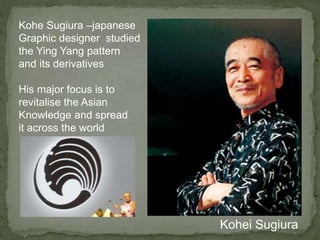
Kohei Sugiura
Kohe Sugiura –japanese
Graphic designer studied
the Ying Yang pattern
and its derivatives
His major focus is to
revitalise the Asian
Knowledge and spread
it across the world
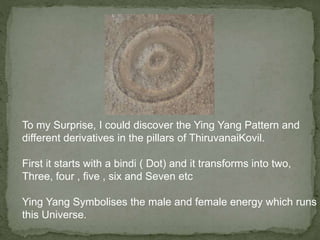
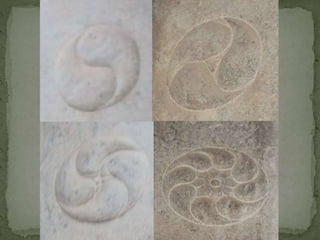
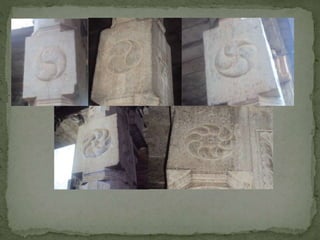
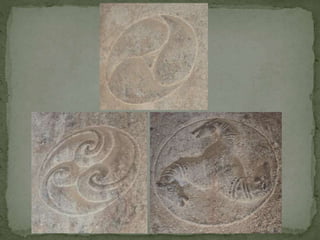
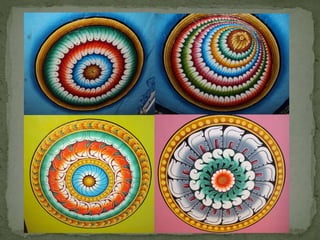
To my Surprise, I could discover the Ying Yang Pattern and
different derivatives in the pillars of ThiruvanaiKovil.
First it starts with a bindi ( Dot) and it transforms into two,
Three, four , five , six and Seven etc
Ying Yang Symbolises the male and female energy which runs
this Universe.
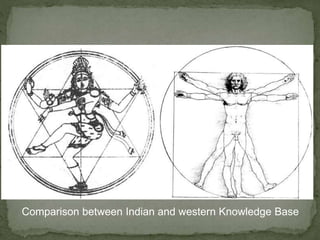
Comparison between Indian and western Knowledge Base
Architects across the world patronise the Proportion
system of Leonardo's Vitruvian Man, but the world
patronised Natraj Icon is popular mainly because of
the hidden Proportion system.
Lord Natraj is inscribed with in the circle of flame
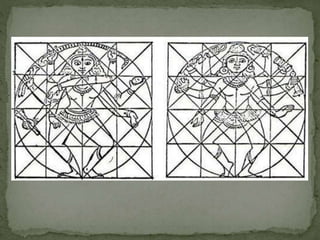
and within two triangles. The hidden Proportion
System is ‘Tala Mana’ system which is studied by
many Scholars in India and abroad from the sthapati’s
of Swami Malai
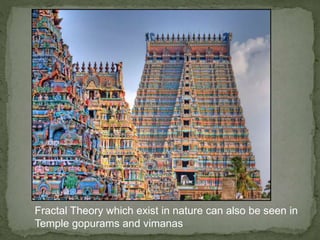
Fractal Theory which exist in nature can also be seen in
Temple gopurams and vimanas
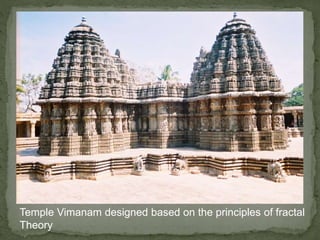
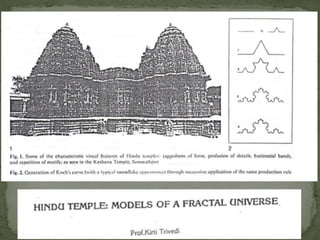
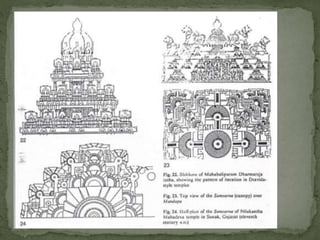
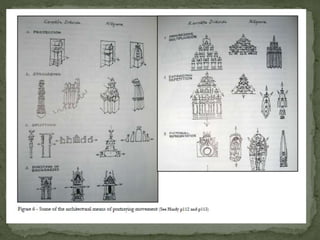
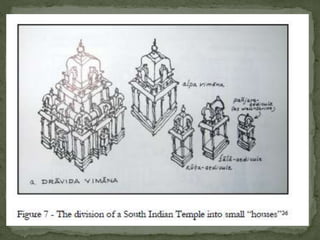
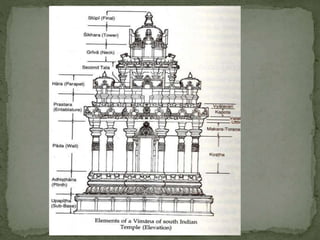
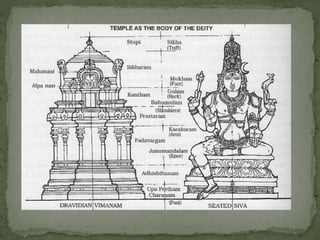
Temple Vimanam designed based on the principles of fractal
Theory
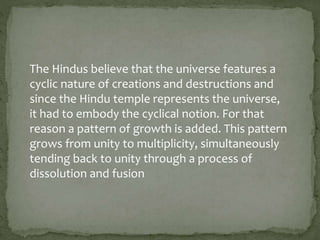
The Hindus believe that the universe features a
cyclic nature of creations and destructions and
since the Hindu temple represents the universe,
it had to embody the cyclical notion. For that
reason a pattern of growth is added. This pattern
grows from unity to multiplicity, simultaneously
tending back to unity through a process of
dissolution and fusion
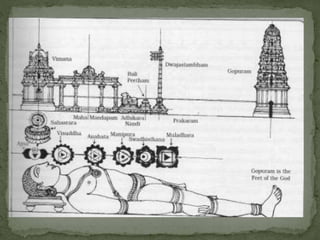
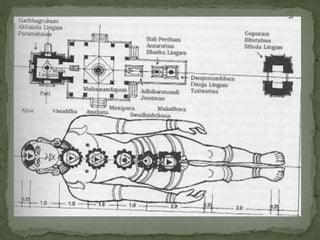
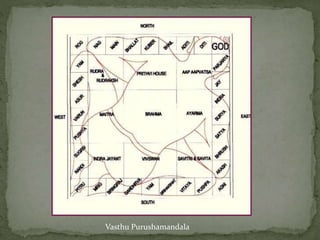
Vasthu Purushamandala
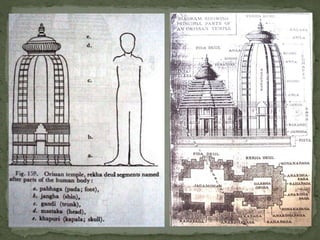
Indian Temple Architecture in terms of space
Planning and structure are designed based on
Human form.
This basic formula is rediscovered by Scholars
and researchers of Indian temple Architecture.
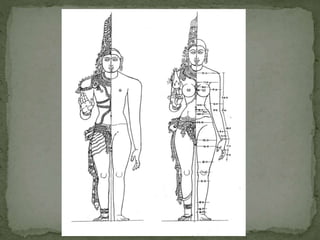
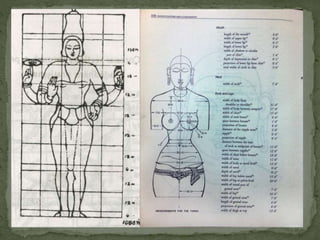
Talamana (Sanskrit: tāla māna) is a traditional
system of Indian iconometry based on the
Shilpa Shastras, which uses certain
measurements and proportions in creating
temple icons and images.
Talamana
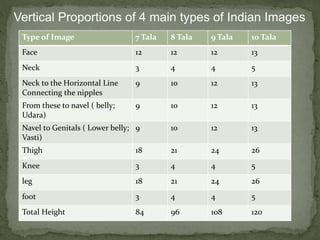
Vertical Proportions of 4 main types of Indian Images
Type of Image 7 Tala 8 Tala 9 Tala 10 Tala
Face 12 12 12 13
Neck 3 4 4 5
Neck to the Horizontal Line
Connecting the nipples
9 10 12 13
From these to navel ( belly;
Udara)
9 10 12 13
Navel to Genitals ( Lower belly;
Vasti)
9 10 12 13
Thigh 18 21 24 26
Knee 3 4 4 5
leg 18 21 24 26
foot 3 4 4 5
Total Height 84 96 108 120
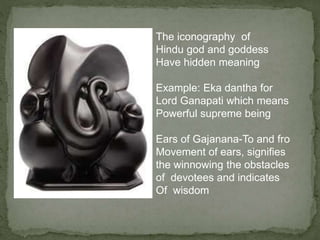
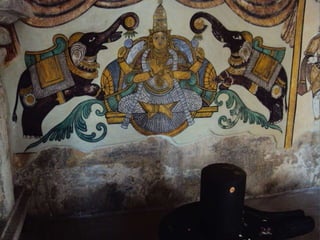
The iconography of
Hindu god and goddess
Have hidden meaning
Example: Eka dantha for
Lord Ganapati which means
Powerful supreme being
Ears of Gajanana-To and fro
Movement of ears, signifies
the winnowing the obstacles
of devotees and indicates
Of wisdom
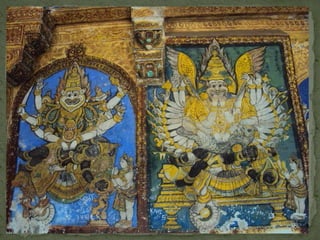
“Whether it is temple Architecture, or sculpture
or bas relief or Iconography of Hindu God
and Goddess there is a hidden Knowledge or
Wisdom.”
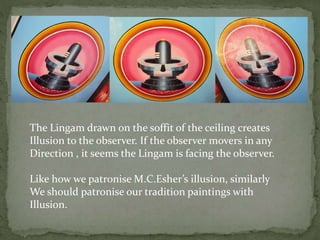
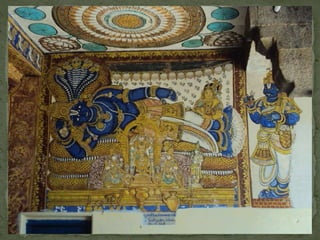
The Lingam drawn on the soffit of the ceiling creates
Illusion to the observer. If the observer movers in any
Direction , it seems the Lingam is facing the observer.
Like how we patronise M.C.Esher’s illusion, similarly
We should patronise our tradition paintings with
Illusion.
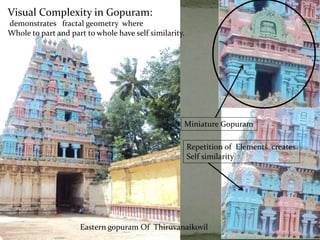
Visual Complexity in Gopuram:
demonstrates fractal geometry where
Whole to part and part to whole have self similarity.
Eastern gopuram Of Thiruvanaikovil
Miniature Gopuram
Repetition of Elements creates
Self similarity
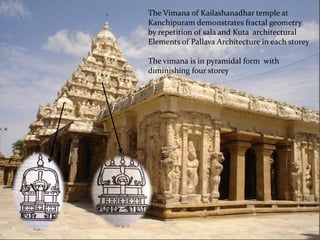
The Vimana of Kailashanadhar temple at
Kanchipuram demonstrates fractal geometry
by repetition of sala and Kuta architectural
Elements of Pallava Architecture in each storey
The vimana is in pyramidal form with
diminishing four storey
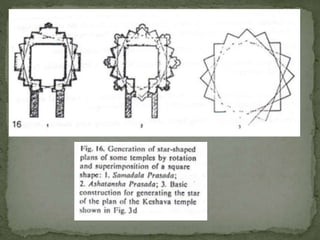
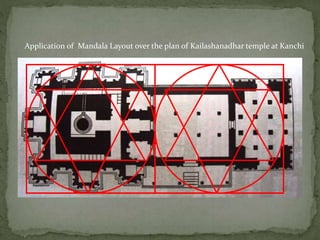
Application of Mandala Layout over the plan of Kailashanadhar temple at Kanchi
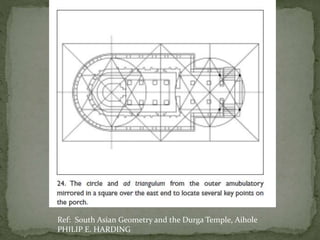
Ref: South Asian Geometry and the Durga Temple, Aihole
PHILIP E. HARDING
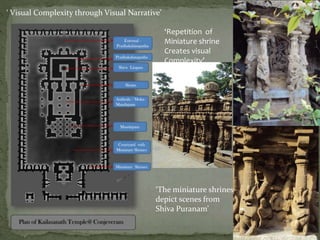
‘Repetition of
Miniature shrine
Creates visual
Complexity’
‘The miniature shrines
depict scenes from
Shiva Puranam’
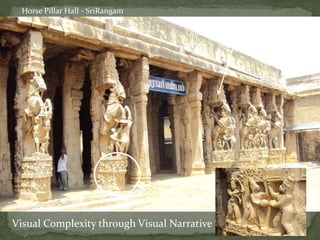
‘ Visual Complexity through Visual Narrative’
Visual Complexity through Visual Narrative
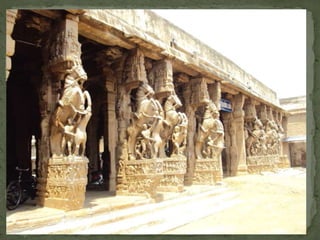
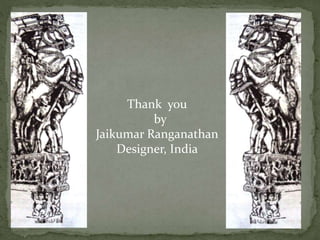
Pillars of Self –Similarity but
Different in Details/ embellishment
Horse Pillar Hall - SriRangam
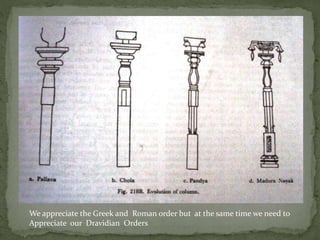
We appreciate the Greek and Roman order but at the same time we need to
Appreciate our Dravidian Orders
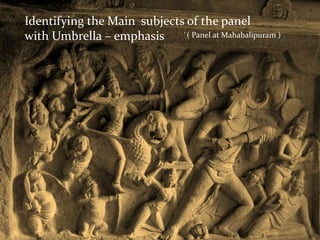
Identifying the Main subjects of the panel
with Umbrella – emphasis `( Panel at Mahabalipuram )
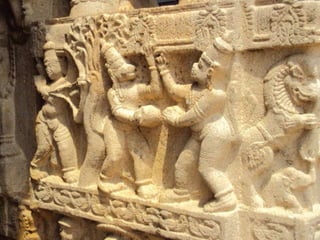
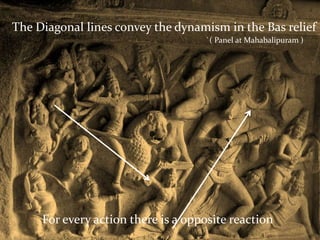
The Diagonal lines convey the dynamism in the Bas relief
For every action there is a opposite reaction
`( Panel at Mahabalipuram )
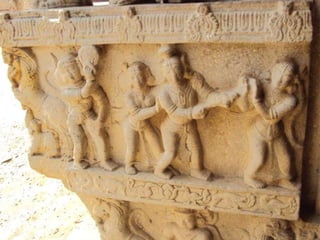
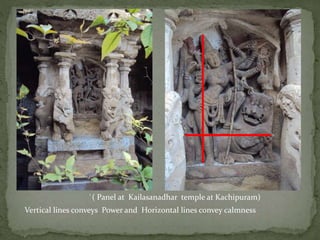
`( Panel at Kailasanadhar temple at Kachipuram)
Vertical lines conveys Power and Horizontal lines convey calmness
Bibliography:
a) The Hindu temple II by Stella Kramrisch
b) Elements of Hindu Iconography
c) ALAYAM-The Hindu Temple
An Epitome of Hindu culture
a) The Hindu & Buddhist Architecture by Percy Brown
Thank you
by
Jaikumar Ranganathan
Designer, India

Indian temple design and concept- a glimpse that needs exploration

  • 1.
  • 2.
    Kohei Sugiura Kohe Sugiura–japanese Graphic designer studied the Ying Yang pattern and its derivatives His major focus is to revitalise the Asian Knowledge and spread it across the world
  • 3.
    To my Surprise,I could discover the Ying Yang Pattern and different derivatives in the pillars of ThiruvanaiKovil. First it starts with a bindi ( Dot) and it transforms into two, Three, four , five , six and Seven etc Ying Yang Symbolises the male and female energy which runs this Universe.
  • 7.
    Comparison between Indianand western Knowledge Base
  • 8.
    Architects across theworld patronise the Proportion system of Leonardo's Vitruvian Man, but the world patronised Natraj Icon is popular mainly because of the hidden Proportion system. Lord Natraj is inscribed with in the circle of flame and within two triangles. The hidden Proportion System is ‘Tala Mana’ system which is studied by many Scholars in India and abroad from the sthapati’s of Swami Malai
  • 10.
    Fractal Theory whichexist in nature can also be seen in Temple gopurams and vimanas
  • 11.
    Temple Vimanam designedbased on the principles of fractal Theory
  • 16.
    The Hindus believethat the universe features a cyclic nature of creations and destructions and since the Hindu temple represents the universe, it had to embody the cyclical notion. For that reason a pattern of growth is added. This pattern grows from unity to multiplicity, simultaneously tending back to unity through a process of dissolution and fusion
  • 23.
  • 24.
    Indian Temple Architecturein terms of space Planning and structure are designed based on Human form. This basic formula is rediscovered by Scholars and researchers of Indian temple Architecture.
  • 25.
    Talamana (Sanskrit: tālamāna) is a traditional system of Indian iconometry based on the Shilpa Shastras, which uses certain measurements and proportions in creating temple icons and images. Talamana
  • 27.
    Vertical Proportions of4 main types of Indian Images Type of Image 7 Tala 8 Tala 9 Tala 10 Tala Face 12 12 12 13 Neck 3 4 4 5 Neck to the Horizontal Line Connecting the nipples 9 10 12 13 From these to navel ( belly; Udara) 9 10 12 13 Navel to Genitals ( Lower belly; Vasti) 9 10 12 13 Thigh 18 21 24 26 Knee 3 4 4 5 leg 18 21 24 26 foot 3 4 4 5 Total Height 84 96 108 120
  • 29.
    The iconography of Hindugod and goddess Have hidden meaning Example: Eka dantha for Lord Ganapati which means Powerful supreme being Ears of Gajanana-To and fro Movement of ears, signifies the winnowing the obstacles of devotees and indicates Of wisdom
  • 30.
    “Whether it istemple Architecture, or sculpture or bas relief or Iconography of Hindu God and Goddess there is a hidden Knowledge or Wisdom.”
  • 33.
    The Lingam drawnon the soffit of the ceiling creates Illusion to the observer. If the observer movers in any Direction , it seems the Lingam is facing the observer. Like how we patronise M.C.Esher’s illusion, similarly We should patronise our tradition paintings with Illusion.
  • 37.
    Visual Complexity inGopuram: demonstrates fractal geometry where Whole to part and part to whole have self similarity. Eastern gopuram Of Thiruvanaikovil Miniature Gopuram Repetition of Elements creates Self similarity
  • 38.
    The Vimana ofKailashanadhar temple at Kanchipuram demonstrates fractal geometry by repetition of sala and Kuta architectural Elements of Pallava Architecture in each storey The vimana is in pyramidal form with diminishing four storey
  • 39.
    Application of MandalaLayout over the plan of Kailashanadhar temple at Kanchi
  • 40.
    Ref: South AsianGeometry and the Durga Temple, Aihole PHILIP E. HARDING
  • 41.
    ‘Repetition of Miniature shrine Createsvisual Complexity’ ‘The miniature shrines depict scenes from Shiva Puranam’ ‘ Visual Complexity through Visual Narrative’
  • 43.
    Visual Complexity throughVisual Narrative Pillars of Self –Similarity but Different in Details/ embellishment Horse Pillar Hall - SriRangam
  • 46.
    We appreciate theGreek and Roman order but at the same time we need to Appreciate our Dravidian Orders
  • 47.
    Identifying the Mainsubjects of the panel with Umbrella – emphasis `( Panel at Mahabalipuram )
  • 48.
    The Diagonal linesconvey the dynamism in the Bas relief For every action there is a opposite reaction `( Panel at Mahabalipuram )
  • 49.
    `( Panel atKailasanadhar temple at Kachipuram) Vertical lines conveys Power and Horizontal lines convey calmness
  • 50.
    Bibliography: a) The Hindutemple II by Stella Kramrisch b) Elements of Hindu Iconography c) ALAYAM-The Hindu Temple An Epitome of Hindu culture a) The Hindu & Buddhist Architecture by Percy Brown
  • 51.