India After Independence
Done by Alston
New Constitution
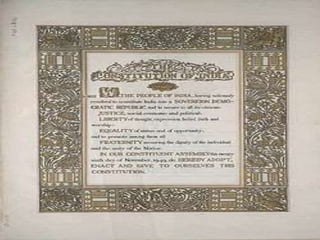
• The Constitution of India is the supreme law
of India. It is a living document, the
permanent instrument which makes the
government system work. It lays down the
framework defining fundamental political
principles, establishes the structure,
procedures, powers and duties of government
institutions and sets out fundamental rights,
directive principles and the duties of citizens.
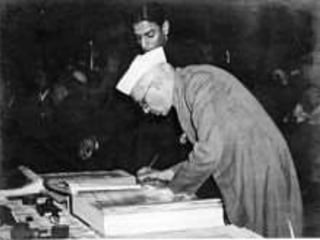
• It is the longest written constitution of any
sovereign country in the world. The nation is
governed on the basis of this Constitution. Dr.
Bhimrao Ramji Ambedkar is regarded as the
chief architect of the Indian Constitution, but
it was the Constituent Assembly that worked
under Dr Ambedkar and his team that drafted
the final copy of the Indian Constitution
National Language Of India
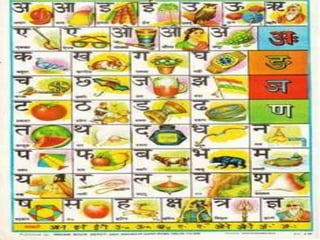
• There are several languages in India belonging to
different language families, the major ones being
the Indo-Aryan languages spoken by 75% of
Indians, the Dravidian languages spoken by 20%
of Indians and other languages by rest of Indians.
Other languages spoken in India belong to the
Austroasiatic, Sino-Tibetan, a few other minor
language families and isolates. 283 More than
three millennia of language contact has led to
significant mutual influence among the four
predominant language families in mainland India
and South Asia.
• The Constitution of India does not give any
language the status of national language. The
official language of the Union Government of
the Republic of India is Hindi in the Devanagari
script. The Eighth Schedule of the Indian
Constitution lists 22 languages, which have
been referred to as scheduled languages and
given recognition, status and official
encouragement. In addition, the Government
of India has awarded the distinction of
classical language to Tamil, Sanskrit, Kannada,
Telugu, Malayalam and Odia.
India after independence

India after independence

  • 1.
  • 2.
    New Constitution • TheConstitution of India is the supreme law of India. It is a living document, the permanent instrument which makes the government system work. It lays down the framework defining fundamental political principles, establishes the structure, procedures, powers and duties of government institutions and sets out fundamental rights, directive principles and the duties of citizens.
  • 3.
    • It isthe longest written constitution of any sovereign country in the world. The nation is governed on the basis of this Constitution. Dr. Bhimrao Ramji Ambedkar is regarded as the chief architect of the Indian Constitution, but it was the Constituent Assembly that worked under Dr Ambedkar and his team that drafted the final copy of the Indian Constitution
  • 6.
    National Language OfIndia • There are several languages in India belonging to different language families, the major ones being the Indo-Aryan languages spoken by 75% of Indians, the Dravidian languages spoken by 20% of Indians and other languages by rest of Indians. Other languages spoken in India belong to the Austroasiatic, Sino-Tibetan, a few other minor language families and isolates. 283 More than three millennia of language contact has led to significant mutual influence among the four predominant language families in mainland India and South Asia.
  • 7.
    • The Constitutionof India does not give any language the status of national language. The official language of the Union Government of the Republic of India is Hindi in the Devanagari script. The Eighth Schedule of the Indian Constitution lists 22 languages, which have been referred to as scheduled languages and given recognition, status and official encouragement. In addition, the Government of India has awarded the distinction of classical language to Tamil, Sanskrit, Kannada, Telugu, Malayalam and Odia.